


1. Search Result
Search Result
Results for "

protein or peptide synthesis

" in MedChemExpress (MCE) Product Catalog:

40

Inhibitors & Agonists

3

Screening Libraries

1

Fluorescent Dyes

3

Biochemical Assay Reagents

26

Peptides

1

MCE Kits

4

Natural
Products

1

Oligonucleotides

Cat. No. 상품명 Target 연구분야 Chemical Structure
  • HY-13948
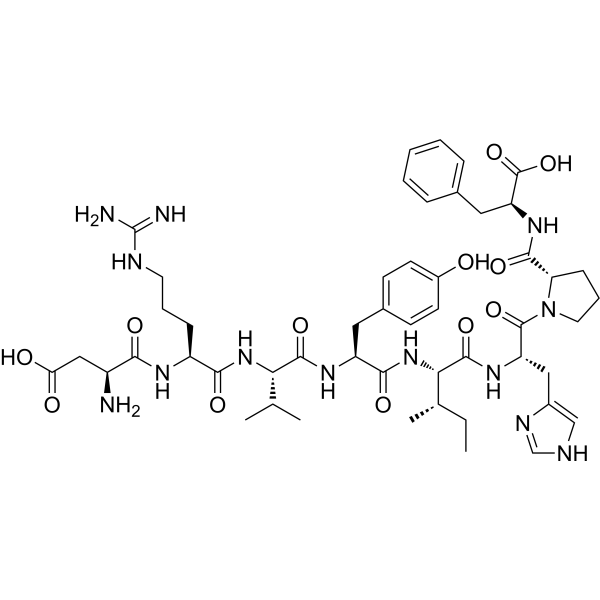
    Angiotensin II human
    Maximum Cited Publications
    222 Publications Verification

    Angiotensin II; Ang II; DRVYIHPF

    Angiotensin Receptor Apoptosis Cardiovascular Disease Infection Metabolic Disease Inflammation/Immunology Cancer
    Angiotensin II (Angiotensin II) is a vasoconstrictor and a major bioactive peptide of the renin/angiotensin system. Angiotensin II human plays a central role in regulating human blood pressure, which is mainly mediated by interactions between Angiotensin II and the G-protein-coupled receptors (GPCRs) Angiotensin II type 1 receptor (AT1R) and Angiotensin II type 2 receptor (AT2R). Angiotensin II human stimulates sympathetic nervous stimulation, increases aldosterone biosynthesis and renal actions. Angiotensin II human induces growth of vascular smooth muscle cells, increases collagen type I and III synthesis in fibroblasts, leading to thickening of the vascular wall and myocardium, and fibrosis. Angiotensin II human also induces apoptosis. Angiotensin II induces capillary formation from endothelial cells via the LOX-1 dependent redox-sensitive pathway .
    Angiotensin II human
  • HY-Y0623
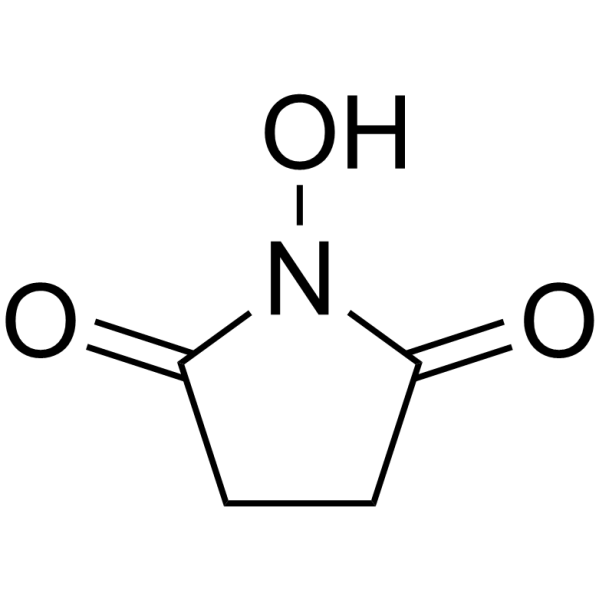
    N-Hydroxysuccinimide
    5+ Cited Publications

    HOSu; 1-Hydroxy-2,5-pyrrolidinedione

    Biochemical Assay Reagents Others
    N-Hydroxysuccinimide (HOSu; 1-Hydroxy-2,5-pyrrolidinedione) is a covalent crosslinker commonly used in bioconjugation technology with a primary amine group. N-Hydroxysuccinimide reacts with amino groups (-NH2) to form a stable amide bond, which can modify amino-containing biomolecules. N-Hydroxysuccinimide can be used, for example, for protein labeling with fluorescent dyes and enzymes, surface activation of chromatography supports, microbeads, nanoparticles and microarray slides, and chemical synthesis of peptides. N-Hydroxysuccinimide has a wide range of applications in biomaterial synthesis (such as collagen, chitosan crosslinking), drug delivery systems (such as hydrogel preparation) and tissue engineering .
    N-Hydroxysuccinimide
  • HY-13948A
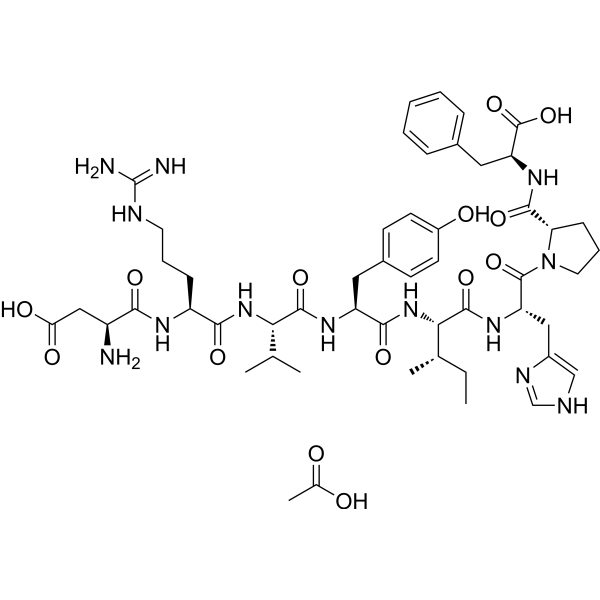
    Angiotensin II human acetate
    Maximum Cited Publications
    222 Publications Verification

    Angiotensin II acetate; Ang II acetate; DRVYIHPF acetate

    Angiotensin Receptor Apoptosis Cardiovascular Disease Infection Metabolic Disease Inflammation/Immunology Cancer
    Angiotensin II human (Angiotensin II) acetate is a vasoconstrictor and a major bioactive peptide of the renin/angiotensin system. Angiotensin II human acetate plays a central role in regulating human blood pressure, which is mainly mediated by interactions between Angiotensin II and the G-protein-coupled receptors (GPCRs) Angiotensin II type 1 receptor (AT1R) and Angiotensin II type 2 receptor (AT2R). Angiotensin II human acetate stimulates sympathetic nervous stimulation, increases aldosterone biosynthesis and renal actions. Angiotensin II human acetate induces growth of vascular smooth muscle cells, increases collagen type I and III synthesis in fibroblasts, leading to thickening of the vascular wall and myocardium, and fibrosis. Angiotensin II human acetate also induces apoptosis. Angiotensin II human acetate induces capillary formation from endothelial cells via the LOX-1 dependent redox-sensitive pathway .
    Angiotensin II human acetate
  • HY-148033

    N,N,N-Trimethylchitosan

    Drug Derivative Others
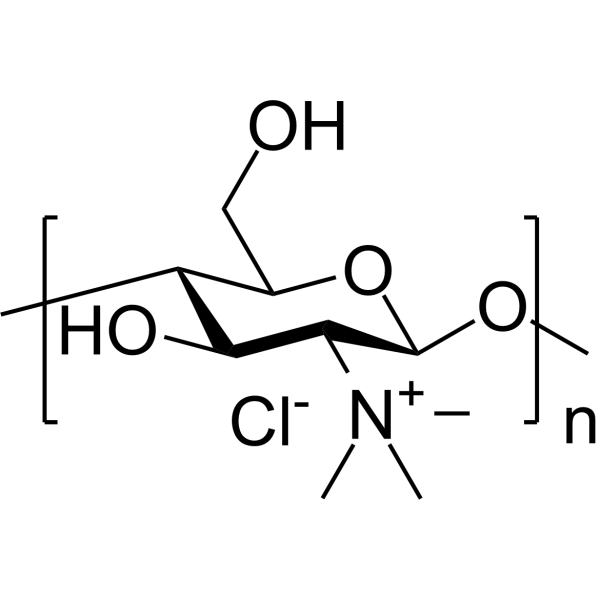
    Trimethyl chitosan (N,N,N-Trimethylchitosan) is a multifunctional polymer and a derivative of Chitosan (HY-B2144A). Trimethyl chitosan targets the absorption enhancing proteins of tight junctions of intestinal and mucosal epithelial cells, induces tight junction protein rearrangement, and increases intercellular permeability. Trimethyl chitosan can stimulate the activity of promoting transmembrane transport of hydrophilic drugs (such as peptides and proteins) and can be used for drug delivery and synthesis of nanoparticles .
    Trimethyl chitosan
  • HY-116010
    Oleandomycin
    1 Publications Verification

    Bacterial Antibiotic Infection
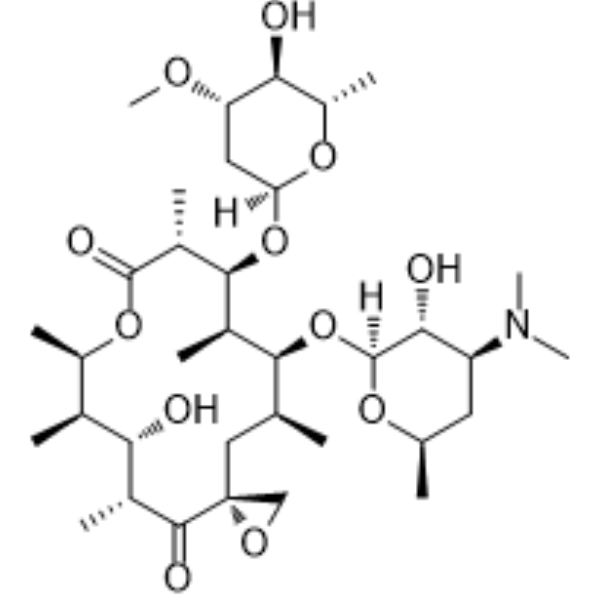
    Oleandomycin is a macrolide antibiotic structurally closely related to Erythromycin. Oleandomycin is similar to Erythromycin with antimicrobial activity. Oleandomycin inhibits protein synthesis by interference with translation of activated amino acids to nascent peptide chains on the ribosomes .
    Oleandomycin
  • HY-P2310

    Bacterial Parasite Apoptosis HIV HSV CMV TNF Receptor NOD-like Receptor (NLR) DNA/RNA Synthesis Influenza Virus Cardiovascular Disease Infection
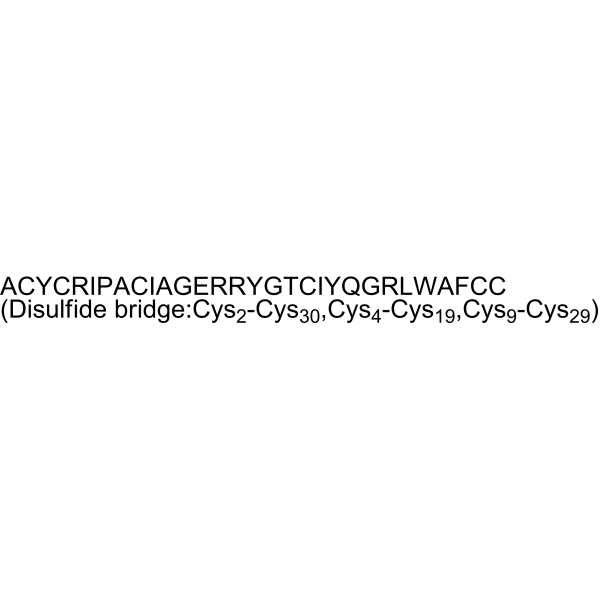
    Defensin HNP-1 human is a type of human neutrophil peptide (HNPs). Defensin HNP-1 human possesses immunomodulatory functions and can delay the apoptosis of neutrophils. Defensin HNP-1 human inhibits DNA/RNA/protein synthesis and interferes with metabolic pathways, thus exhibiting broad antibacterial activity. Defensin HNP-1 human has direct inactivation effects on HIV, HSV-1, HSV-2, CMV, influenza virus, etc. Defensin HNP-1 human has antileishmanial activity. Defensin HNP-1 human is involved in endothelial cell dysfunction during the early development of atherosclerosis .
    Defensin HNP-1 human
  • HY-A0162
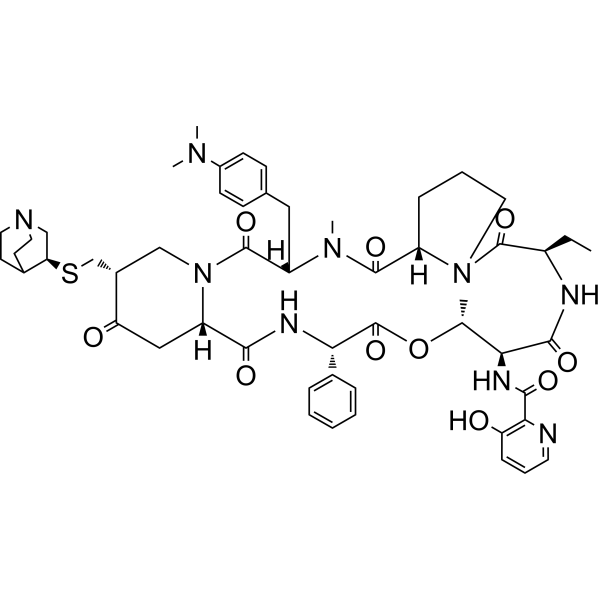
    Quinupristin
    1 Publications Verification

    Bacterial Infection
    Quinupristin is a streptogramin antibiotic. Quinupristin blocks peptide bond synthesis to prevent the extension of polypeptide chains and promote the detachment of incomplete protein chains in the bacterial ribosomal subunits .
    Quinupristin
  • HY-W133898

    Environmental Pollutants Biochemical Assay Reagents Others
    Tryptone is a peptide-rich bacterial culture medium component that can regulate bacterial cell surface proteins and biofilm-related genes. Tryptone promotes the expression and assembly of bacterial adhesion proteins (such as LapA and LapF) by providing peptide substances as structural factors, enhancing cell surface hydrophobicity and intercellular adhesion, thereby stabilizing the biofilm matrix and supporting the maturation and maintenance of bacterial biofilms. The peptide mixture contained in Tryptone can specifically regulate the transcription of bacterial adhesion-related genes (such as activating LapA and inhibiting LapF), affecting the synthesis and localization of biofilm structural proteins .
    Tryptone
  • HY-125586

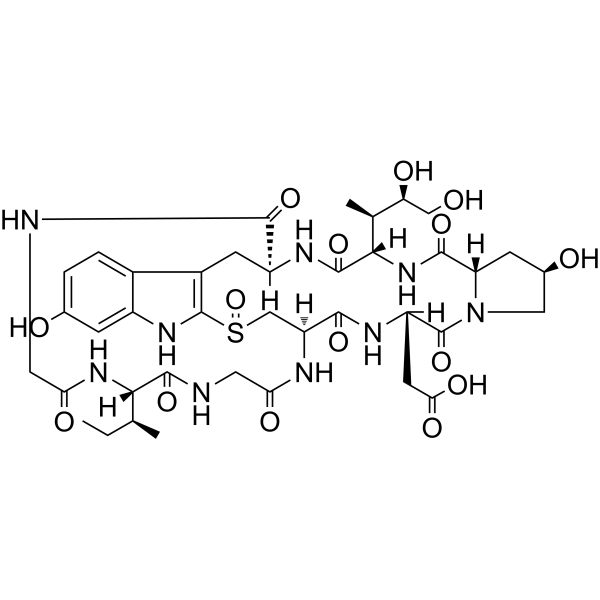
    DNA/RNA Synthesis ADC Payload Cancer
    β-Amanitin is a cyclic peptide toxin in the poisonous Amanita phalloides mushroom. β-Amanitin inhibits inhibits eukaryotic RNA polymerase II and III. β-Amanitin inhibits protein synthesis. β-Amanitin can be used as a cytotoxic component of antibody-drug conjugates (ADCs) .
    β-Amanitin
  • HY-P1925A
    GO-203 TFA
    2 Publications Verification

    PI3K Reactive Oxygen Species (ROS) Apoptosis Cancer
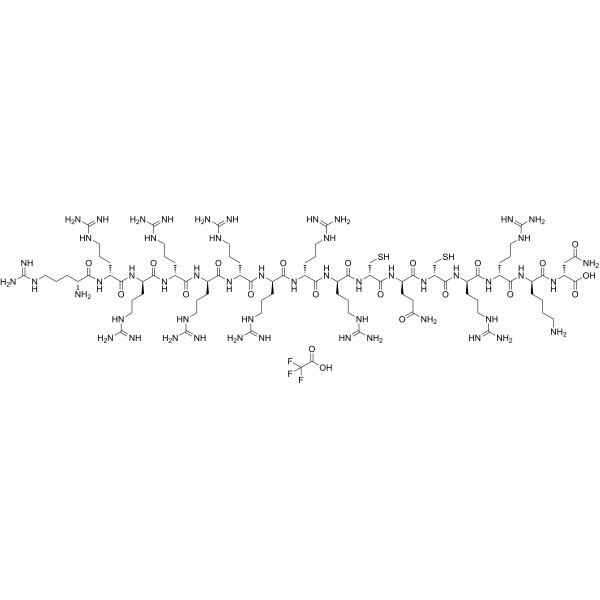
    GO-203 TFA is a potent MUC1-C oncoprotein inhibitor. GO-203 TFA is an all D-amino acid peptide that consists of a poly-R transduction domain linked to a CQCRRKN motif that binds to the MUC1-C cytoplasmic tail and blocks MUC1-C homodimerization. GO-203 TFA downregulates TIGAR (TP53-induced glycolysis and apoptosis regulator) protein synthesis by inhibiting the PI3K-AKT-S6K1 pathway. GO-203 TFA induces the production of ROS and loss of mitochondrial transmembrane potential. GO-203 TFA inhibits the growth of colon cancer cells in vitro and as xenografts in nude mice .
    GO-203 TFA
  • HY-W048688

    Amino Acid Derivatives Others
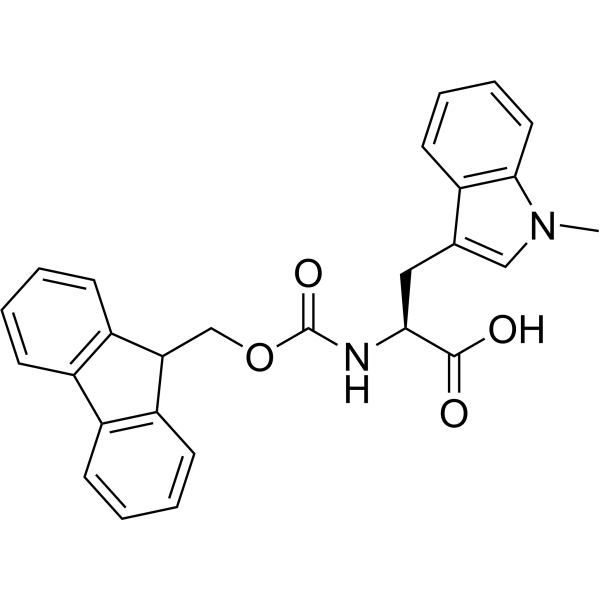
    Fmoc-Trp(Me)-OH is an amino acid derivative. Fmoc-Trp(Me)-OH is formed by introducing a methyl group onto the nitrogen atom (N-1 position) of the indole ring of tryptophan (Trp) and protecting the amino group with Fmoc (9-fluorenylmethyloxycarbonyl). Fmoc-Trp(Me)-OH can be used in the synthesis of proteins or peptides .
    Fmoc-Trp(Me)-OH
  • HY-P5712
    Gramicidin S
    1 Publications Verification

    Gramicidin soviet

    Antibiotic Bacterial Na+/K+ ATPase Infection
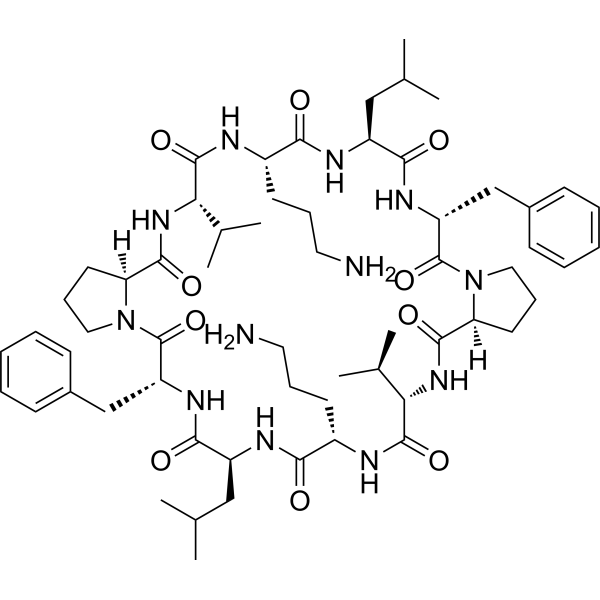
    Gramicidin S (Gramicidin soviet) is a cationic cyclic peptide antibiotic that selectively targets bacterial cell membranes and has anticancer activity. Gramicidin S also exerts antibacterial activity by destroying membrane integrity and interfering with membrane protein function. Gramicidin S inserts into the phospholipid bilayer through hydrophobic amino acid residues, specifically binds to negatively charged membrane lipids and disrupts membrane structure, thereby inhibiting cell division and cell wall synthesis, and ultimately causing bacterial death. Gramicidin S also inhibits ion channels, with IC50s of 41 μM, 24 μM, and 3 μM for Na +/K +-ATPase, tobacco leaf plasma membrane Mg 2+/K +-ATPase, and rat heart plasma membrane Ca 2+-ATPase, respectively .
    Gramicidin S
  • HY-W129161

    Amino Acid Derivatives Metabolic Disease
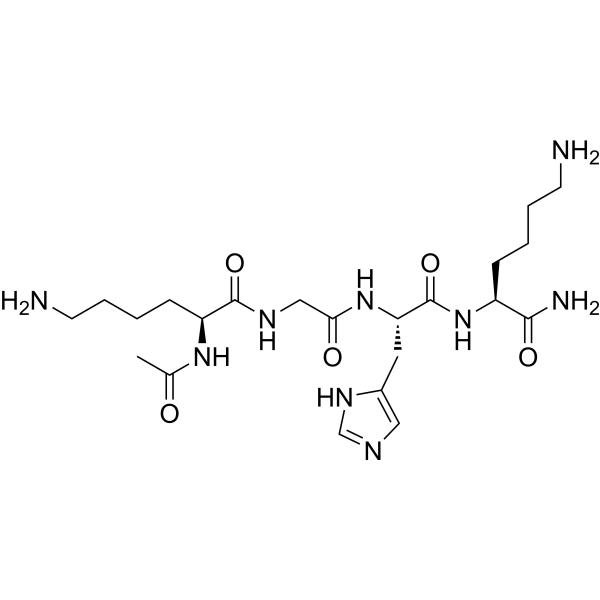
    Acetyl tetrapeptide-3 is a synthetic peptide. Acetyl tetrapeptide-3 enhances the adhesion of hair follicles to the scalp but also promotes the development of new hair follicles. Acetyl tetrapeptide-3 stimulates the synthesis of collagen III in hair follicles. Acetyl tetrapeptide-3 combined with Biochanin A (HY-14595) and ginseng extracts, can stimulate dermal papilla extracellular matrix (ECM) proteins by increasing hydroxyproline, Collagen Type 3, and laminin, yielding a significant improvement in hair follicle size and hair anchoring .
    Acetyl tetrapeptide-3
  • HY-P2310A

    Bacterial Parasite Apoptosis HIV HSV CMV TNF Receptor Interleukin Related NOD-like Receptor (NLR) DNA/RNA Synthesis Influenza Virus Cardiovascular Disease Infection
    Defensin HNP-1 human TFA is a type of human neutrophil peptide (HNPs). Defensin HNP-1 human TFA possesses immunomodulatory functions and can delay the apoptosis of neutrophils. Defensin HNP-1 human TFA inhibits DNA/RNA/protein synthesis and interferes with metabolic pathways, thus exhibiting broad antibacterial activity. Defensin HNP-1 human TFA has direct inactivation effects on HIV, HSV-1, HSV-2, CMV, influenza virus, etc. Defensin HNP-1 human TFA has antileishmanial activity. Defensin HNP-1 human TFA is involved in endothelial cell dysfunction during the early development of atherosclerosis .
    Defensin HNP-1 human TFA
  • HY-13948B
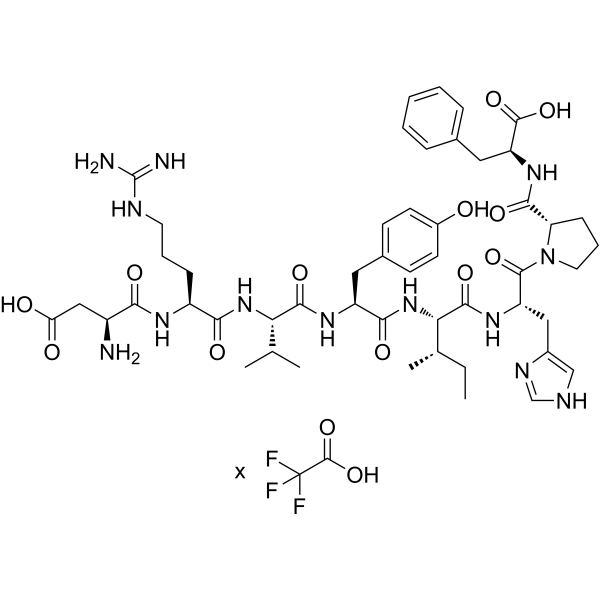
    Angiotensin II human TFA
    Maximum Cited Publications
    222 Publications Verification

    Angiotensin II TFA; Ang II TFA; DRVYIHPF TFA

    Angiotensin Receptor Apoptosis Cardiovascular Disease Metabolic Disease Cancer
    Angiotensin II human (Angiotensin II) TFA is a vasoconstrictor and a major bioactive peptide of the renin/angiotensin system. Angiotensin II human TFA plays a central role in regulating human blood pressure, which is mainly mediated by interactions between Angiotensin II and the G-protein-coupled receptors (GPCRs) Angiotensin II type 1 receptor (AT1R) and Angiotensin II type 2 receptor (AT2R). Angiotensin II human TFA stimulates sympathetic nervous stimulation, increases aldosterone biosynthesis and renal actions. Angiotensin II human TFA induces growth of vascular smooth muscle cells, increases collagen type I and III synthesis in fibroblasts, leading to thickening of the vascular wall and myocardium, and fibrosis. Angiotensin II human TFA also induces apoptosis. Angiotensin II human TFA induces capillary formation from endothelial cells via the LOX-1 dependent redox-sensitive pathway .
    Angiotensin II human TFA
  • HY-N6680
    Virginiamycin S1
    1 Publications Verification

    Bacterial Antibiotic Infection
    Virginiamycin S1 is a cyclic hexadepsipeptide antibiotic, inhibits bacterial protein synthesis at the level of aminoacyl-tRNA binding and peptide bond formation. Virginiamycin S1 belongs to the type B compounds in the streptogramin family and is produced by Streptomyces virginiae, shows a strong bactericidal activity against a wide range of Gram-positive bacteria. Virginiamycin S1 together with virginiamycin M1 is more effective in treat multidrug-resistant bacterial infections [1][2].
    Virginiamycin S1
  • HY-W013726

    Biochemical Assay Reagents Amino Acid Derivatives Others
    Fmoc-Phe(4-Br)-OH is a widely used amino acid derivative. Fmoc-Phe(4-Br)-OH can be used in the synthesis of compounds and for the study of protein-protein interactions and the development of biomaterials. Fmoc-Phe(4-Br)-OH can be used in peptide synthesis to incorporate phenylalanine bromide into the peptide chain .
    Fmoc-Phe(4-Br)-OH
  • HY-N2403
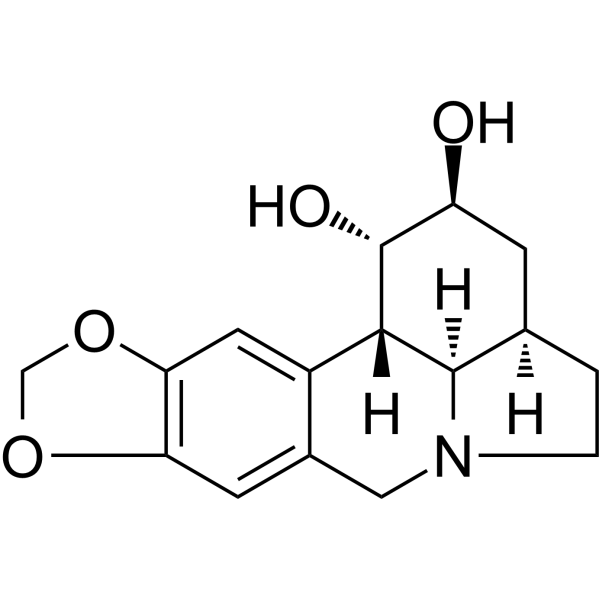
    Dihydrolycorine
    1 Publications Verification

    Others Neurological Disease
    Dihydrolycorine, isolated from Lycoris radiate Herb, is an inhibitor of protein synthesis in eukarytic cells by inhibiting the peptide bone formation step .
    Dihydrolycorine
  • HY-P5232

    Collagen Metabolic Disease
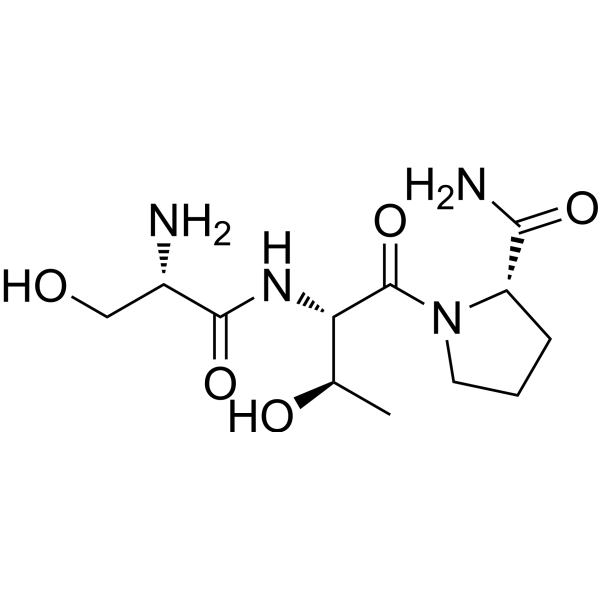
    Tetrapeptide-21 is a bioactive peptide composed of four amino acids. Tetrapeptide-21 effectively enhances the vitality of human dermal fibroblasts. Tetrapeptide-21 upregulates the expression of key extracellular matrix (ECM) genes and promotes the synthesis of ECM proteins (such as type I collagen, hyaluronic acid synthase 1, and fibronectin). Tetrapeptide-21 has the efficacy of anti-wrinkle and improving skin elasticity, and has been reported to be used as a cosmetic ingredient .
    Tetrapeptide-21
  • HY-P5731

    Bacterial Infection
    Bac7(1-35) is a proline-rich antimicrobial peptide. Bac7(1-35) efficiently binds to different regions of prokaryote ribosomes, leading to the inhibition of protein synthesis. Bac7(1-35) demonstrates in vitro activity against P. aeruginosa strains .
    Bac7(1-35)
  • HY-P10323

    Tumstatin (74-98), human

    Integrin FAK mTOR Apoptosis Cancer
    T7 Peptide is a protein synthesis inhibitor and anti-angiogenic agent, with a Kd of 10 nM for human transferrin receptor. T7 Peptide inhibits the phosphorylation of focal adhesion kinase, the activation of phosphatidylinositol 3-kinase and Akt, the kinase activity of mTOR, as well as the phosphorylation of 4E-BP1 in endothelial cells. T7 Peptide induces G0/G1 cell cycle arrest, apoptosis and protective autophagy in hepatocellular carcinoma cells, and suppresses tumor growth in mouse models. T7 Peptide is applicable to research related to cancer, glioblastoma, hepatocellular carcinoma and glioma .
    T7 Peptide
  • HY-P10323A

    Tumstatin (74-98), human TFA

    Integrin FAK mTOR Apoptosis Cancer
    T7 Peptide TFA is a protein synthesis inhibitor and anti-angiogenic agent, with a Kd of 10 nM for human transferrin receptor. T7 Peptide TFA inhibits the phosphorylation of focal adhesion kinase, the activation of phosphatidylinositol 3-kinase and Akt, the kinase activity of mTOR, as well as the phosphorylation of 4E-BP1 in endothelial cells. T7 Peptide TFA induces G0/G1 cell cycle arrest, apoptosis and protective autophagy in hepatocellular carcinoma cells, and suppresses tumor growth in mouse models. T7 Peptide TFA is applicable to research related to cancer, glioblastoma, hepatocellular carcinoma and glioma .
    T7 Peptide TFA
  • HY-P5723A

    Bacterial Infection
    Api137 TFA is an antimicrobial peptide that interferes with bacterial growth by inhibiting translation. Api137 TFA inhibits protein synthesis by trapping of release factors on the 70S ribosome following hydrolysis of the nascent polypeptide chain .
    Api137 TFA
  • HY-E70879

    EndoM N175Q

    Glycosidase Others
    Endoglycosidase M (N175Q mutant) (EndoM N175Q) can transfer natural N-glycans or oxazoline N-glycans to any peptide or protein with a GlcNAc residue to form a β1-4-glycosidic linkage. Endoglycosidase M (N175Q mutant) is a useful tool in the synthesis of homogeneous glycopeptides and glycoproteins .
    Endoglycosidase M (N175Q mutant)
  • HY-116010A

    Antibiotic Bacterial Infection
    Oleandomycin phosphate is a macrolide antibiotic structurally closely related to Erythromycin. Oleandomycin is similar to Erythromycin with antimicrobial activity. Oleandomycin inhibits protein synthesis by interference with translation of activated amino acids to nascent peptide chains on the ribosomes .
    Oleandomycin phosphate
  • HY-P5731A

    Bacterial Infection
    Bac7(1-35) acetate is a proline-rich antimicrobial peptide. Bac7(1-35) acetate efficiently binds to different regions of prokaryote ribosomes, leading to the inhibition of protein synthesis. Bac7(1-35) acetate demonstrates in vitro activity against P. aeruginosa strains .
    Bac7(1-35) acetate
  • HY-W009033

    Biochemical Assay Reagents Amino Acid Derivatives Others
    Cbz-Lys(Boc)-OH is a protected amino acid, primarily utilized in peptide synthesis, protein engineering, and drug development, particularly in research involving lysine residues .
    Cbz-Lys(Boc)-OH
  • HY-P11316

    Biochemical Assay Reagents Drug-Linker Conjugates for ADC Others
    DBCO-tag peptide P1 is a cysteine-containing peptide tag. DBCO-tag peptide P1 selectively reacts with dibenzocyclooctyne (DBCO) to yield stable dibenzocyclooctenyl thioethers. DBCO-tag peptide P1 enables site-selective mEGFP labeling and antibody (such as Trastuzumab (HY-P9907)) labelling without impairing the protein binding function. DBCO-tag peptide P1 can be used for ADC synthesis and mEGFP labeling research .
    DBCO-tag peptide P1
  • HY-P5723

    Bacterial Infection
    Api137 is an antimicrobial peptide that interferes with bacterial growth by inhibiting translation. Api137 inhibits protein synthesis by trapping of release factors on the 70S ribosome following hydrolysis of the nascent polypeptide chain .
    Api137
  • HY-153934

    GHR Endocrinology
    Tetrazole-C15-(N-acetylsulfamoyl)butanoic acid (Ligand 1) improves the pharmacokinetic properties of therapeutic peptides and proteins through non-covalent binding with human serum albumin (HSA). Tetrazole-C15-(N-acetylsulfamoyl)butanoic acid can be used for synthesis of long-acting human growth hormone (HGH) analog somapacitan .
    Tetrazole-C15-(N-acetylsulfamoyl)butanoic acid
  • HY-W024881

    2,3,3-Trimethylindolenine-5-sulfonic acid potassium salt

    Drug Intermediate Others
    Potassium 2,3,3-trimethylindole-5-sulfonate (2,3,3-Trimethylindolenine-5-sulfonic acid potassium salt) is an indole derivative containing a sodium sulfonate group and is commonly used as a key intermediate in dye synthesis. Potassium 2,3,3-trimethylindole-5-sulfonate can be coupled to peptides, proteins, nucleic acids, RNA, DNA, carbohydrates, polymers, and small molecules via the sulfonyl substituent .
    Potassium 2,3,3-trimethylindole-5-sulfonate
  • HY-113225B

    GTP tritris

    Endogenous Metabolite Exosomes Cancer
    Guanosine triphosphate tritris (GTP tritris) serves as a vital enhancer of myogenic cell differentiation and plays a critical role in modulating miRNA-myogenic regulator factors. It also facilitates the release of exosomes enriched with guanosine and guanosine-derived molecules, and is regarded as an activated precursor for RNA synthesis. In mitochondrial function, GTP participates in the import of proteins into the matrix, which is essential for various regulated pathways, and is involved in initiating peptide synthesis through the binding of formylmethionyl-tRNA to the ribosome, as well as polypeptide chain elongation. Additionally, GTP acts as a phosphate and pyrophosphate carrier that channels chemical energy into specific biosynthetic pathways. It activates signal transducing G proteins that regulate cellular processes such as proliferation and differentiation, and its hydrolysis by small GTPases, including Ras and Rho, is integral to both proliferation and apoptosis. Furthermore, the small GTPase Rab is instrumental in vesicle docking, fusion, and formation. Beyond signal transduction, GTP is an energy-rich precursor in the enzymatic biosynthesis of DNA and RNA.
    Guanosine triphosphate tritris
  • HY-A0162A

    Bacterial Infection
    Quinupristin mesylate is a streptogramin antibiotic. Quinupristin mesylate blocks peptide bond synthesis to prevent the extension of polypeptide chains and promote the detachment of incomplete protein chains in the bacterial ribosomal subunits .
    Quinupristin mesylate
  • HY-P5637

    Bacterial Infection
    Tur1A is an antimicrobial peptide derived from bottlenose dolphins Tursiops truncates. Tur1A inhibits bacterial protein synthesis by binding to ribosomes and blocking the transition from the initiation stage to the extension stage .
    Tur1A
  • HY-P11152

    HIV Infection Inflammation/Immunology
    HIV-1 tat Protein (1-9) occurs extracellularly and has a role in the immunosuppression of non-HIV-1-infected T cells in acquired AIDS. HIV-1 tat Protein (1-9) is an inhibitor of DP IV. HIV-1 tat Protein (1-9) can be synthesized by phase peptide synthesis with Fmoc (N-(9-fluorenyl)methoxycarbonyl) technique using the peptide synthesizer 431A. HIV-1 tat Protein (1-9) can be studied in research on HIV-1 .
    HIV-1 tat Protein (1-9)
  • HY-147835

    Bacterial Infection
    Antibacterial agent 109 (Compound C-2) is a potent antibacterial agent against both gram-positive and gram negative bacteria, and non-mutagenic. Antibacterial agent 109 inhibits protein synthesis by blocking the extension of new peptide chains .
    Antibacterial agent 109
  • HY-116598

    GSK 1322322 mesylate

    Bacterial Infection
    Lanopepden mesylate (GSK 1322322 mesylate) is a peptide deformase (PDF) inhibitor. Lanopepden mesylate has antibacterial activity by inhibiting the activity of PDF, preventing the correct synthesis of bacterial proteins. Lanopepden mesylate mainly targets Gram-positive bacteria. Lanopepden mesylate can be used in the study of acute bacterial skin and skin structural infections .
    Lanopepden mesylate
  • HY-N6680R

    Reference Standards Bacterial Antibiotic Infection
    Virginiamycin S1 (Standard) is the analytical standard of Virginiamycin S1. This product is intended for research and analytical applications. Virginiamycin S1 is a cyclic hexadepsipeptide antibiotic, inhibits bacterial protein synthesis at the level of aminoacyl-tRNA binding and peptide bond formation. Virginiamycin S1 belongs to the type B compounds in the streptogramin family and is produced by Streptomyces virginiae, shows a strong bactericidal activity against a wide range of Gram-positive bacteria. Virginiamycin S1 together with virginiamycin M1 is more effective in treat multidrug-resistant bacterial infections .
    Virginiamycin S1 (Standard)
  • HY-P11785

    Claudin Cancer
    Cpe30 MT2 is a short peptide that binds tightly junction protein Claudin‑4 (CLDN4) with high affinity, with a Kd value of 1.97 nM. Cpe30 MT2 can be used for the synthesis of PET molecular imaging probes targeting pancreatic cancer .
    Cpe30 MT2
  • HY-180990

    Ligands for Target Protein for PROTAC Polo-like Kinase (PLK) Cancer
    POI ligand-3 (Compound 4j) is a type of peptide-based PLK1 PBD inhibitor. POI ligand-3 can act as a target protein ligand and be used for the synthesis of PROTACs, such as PROTAC PLK1 Degrader-2 (HY-180989) .
    POI ligand-3

온라인 문의

Your information is safe with us. * Required Fields.

호칭


Country or Region *

고객명 *


회사명 *

Department *


메일주소 *


상품명 *

Cat. No.


Requested quantity *

전화번호 *


비고

온라인 문의

Inquiry Information

상품명:
Cat. No.:
수량:
MCE Japan Authorized Agent:

