1. Search Result
Search Result
Results for "

redox agent

" in MedChemExpress (MCE) Product Catalog:

38

Inhibitors & Agonists

1

Screening Libraries

3

Fluorescent Dyes

3

Biochemical Assay Reagents

2

Natural
Products

12

Isotope-Labeled Compounds

1

GMP Molecules

Cat. No. Product Name Target Research Areas Chemical Structure
  • HY-N0390S1
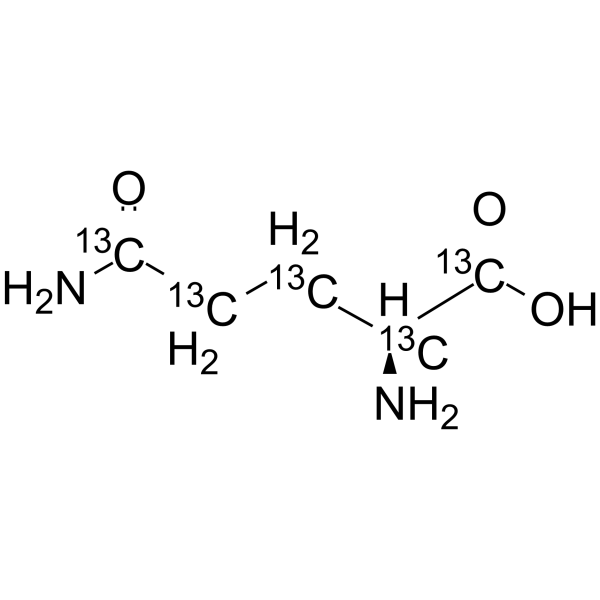
    L-Glutamine-13C5
    Maximum Cited Publications
    9 Publications Verification

    L-Glutamic acid 5-amide-13C5

    Isotope-Labeled Compounds mGluR Ferroptosis Environmental Pollutants Endogenous Metabolite HIF/HIF Prolyl-Hydroxylase mTOR STAT NF-κB Cardiovascular Disease Neurological Disease Metabolic Disease Inflammation/Immunology
    L-Glutamine- 13C5 is the 13C-labeled L-Glutamine (HY-N0390). L-Glutamine is an orally active nutritional agent and cellular metabolism regulator. L-Glutamine is taken up in a Na +-dependent manner and targets multiple key molecules including glutaminase, mTORC1, NF-κB, STAT-3 and HIF-1α. L-Glutamine enhances glutaminolytic catabolism, drives the conversion of glutamate to α-ketoglutarate, thereby regulating gene expression, integrating metabolic signals, mediating glutamine flux and maintaining redox homeostasis. L-Glutamine also promotes cell proliferation, osteogenic differentiation and fracture healing, exerts neuroprotective and cardioprotective effects, and inhibits osteoarthritis. L-Glutamine can be applied to research related to osteoporosis, osteoarthritis, ischemic stroke and acute cantharidin-induced cardiotoxicity .
    L-Glutamine-13C5
  • HY-14536
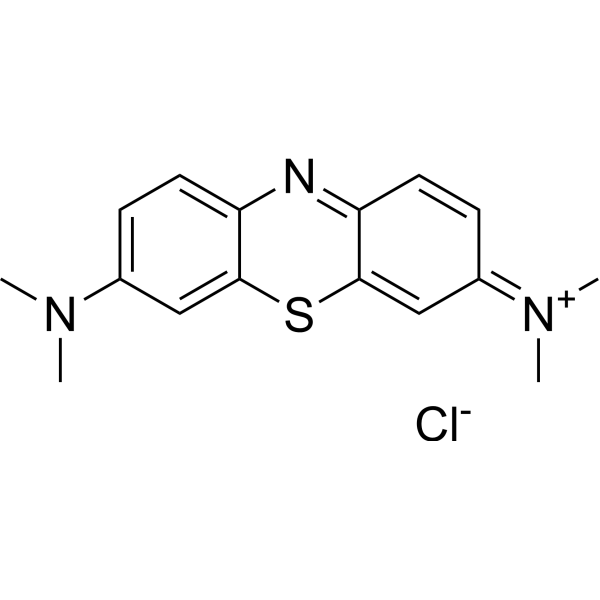
    Methylene Blue
    25+ Cited Publications

    Basic Blue 9; CI-52015; Methylthioninium chloride

    Environmental Pollutants Monoamine Oxidase Guanylate Cyclase Microtubule/Tubulin NO Synthase Infection Neurological Disease Cancer
    Methylene blue (Basic Blue 9) is a guanylyl cyclase (sGC), monoamine oxidase A (MAO-A) and NO synthase (NOS) inhibitor. Methylene blue is a vasopressor and is often used as a dye in several medical procedures. Methylene blue through the nitric oxide syntase/guanylate cyclase signalling pathway to reduce prepulse inhibition. Methylene blue is a REDOX cycling compound and able to cross the blood-brain barrier. Methylene blue is a Tau aggregation inhibitor. Methylene Blue is a photosensitizer and redox agent. Methylene blue reduces cerebral edema, attenuated microglial activation and reduced neuroinflammation .
    Methylene Blue
  • HY-N0390S
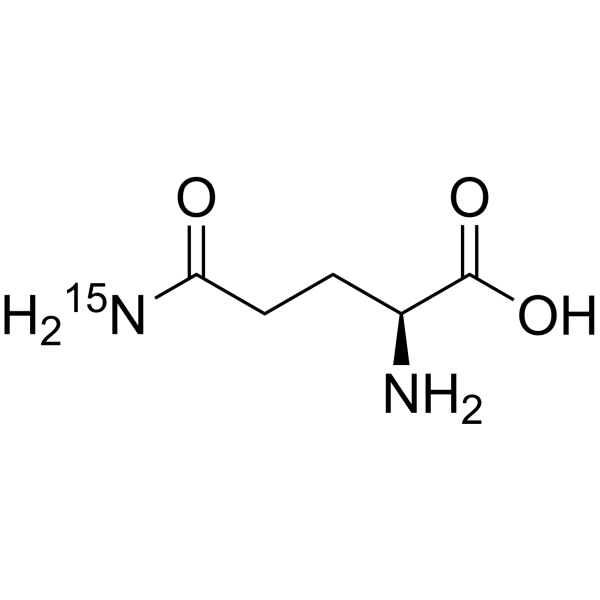
    L-Glutamine-15N
    3 Publications Verification

    L-Glutamic acid 5-amide-15N

    Isotope-Labeled Compounds mGluR Ferroptosis Environmental Pollutants Endogenous Metabolite HIF/HIF Prolyl-Hydroxylase mTOR STAT NF-κB Cardiovascular Disease Neurological Disease Metabolic Disease Inflammation/Immunology
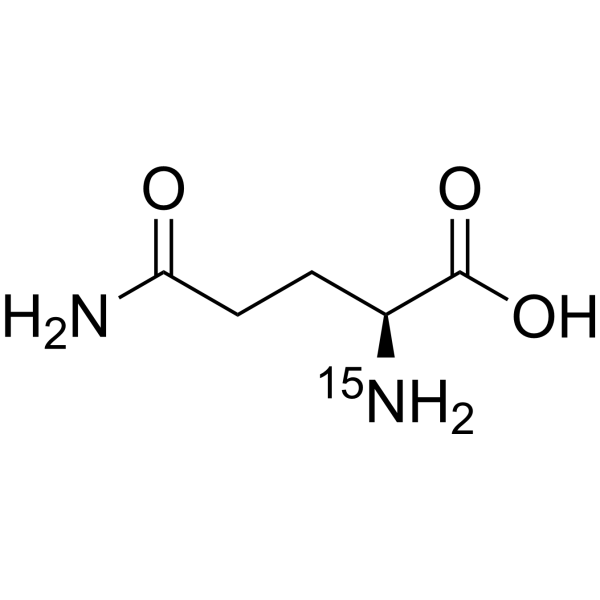
    L-Glutamine- 15N is the 15N-labeled L-Glutamine (HY-N0390). L-Glutamine is an orally active nutritional agent and cellular metabolism regulator. L-Glutamine is taken up in a Na +-dependent manner and targets multiple key molecules including glutaminase, mTORC1, NF-κB, STAT-3 and HIF-1α. L-Glutamine enhances glutaminolytic catabolism, drives the conversion of glutamate to α-ketoglutarate, thereby regulating gene expression, integrating metabolic signals, mediating glutamine flux and maintaining redox homeostasis. L-Glutamine also promotes cell proliferation, osteogenic differentiation and fracture healing, exerts neuroprotective and cardioprotective effects, and inhibits osteoarthritis. L-Glutamine can be applied to research related to osteoporosis, osteoarthritis, ischemic stroke and acute cantharidin-induced cardiotoxicity .
    L-Glutamine-15N
  • HY-N0390S8
    L-Glutamine-15N2
    1 Publications Verification

    L-Glutamic acid 5-amide-15N2

    Isotope-Labeled Compounds mGluR Ferroptosis Environmental Pollutants Endogenous Metabolite HIF/HIF Prolyl-Hydroxylase mTOR STAT NF-κB Cardiovascular Disease Neurological Disease Metabolic Disease Inflammation/Immunology
    L-Glutamine- 15N2 is the 15N-labeled L-Glutamine (HY-N0390). L-Glutamine is an orally active nutritional agent and cellular metabolism regulator. L-Glutamine is taken up in a Na +-dependent manner and targets multiple key molecules including glutaminase, mTORC1, NF-κB, STAT-3 and HIF-1α. L-Glutamine enhances glutaminolytic catabolism, drives the conversion of glutamate to α-ketoglutarate, thereby regulating gene expression, integrating metabolic signals, mediating glutamine flux and maintaining redox homeostasis. L-Glutamine also promotes cell proliferation, osteogenic differentiation and fracture healing, exerts neuroprotective and cardioprotective effects, and inhibits osteoarthritis. L-Glutamine can be applied to research related to osteoporosis, osteoarthritis, ischemic stroke and acute cantharidin-induced cardiotoxicity .
    L-Glutamine-15N2
  • HY-121026
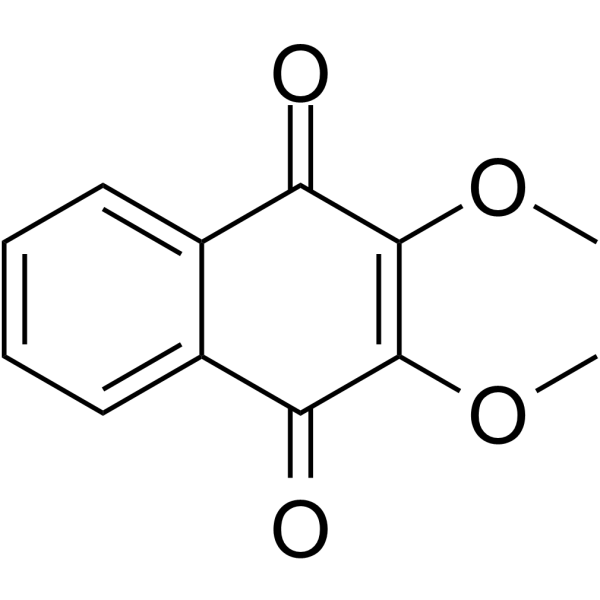
    DMNQ
    5+ Cited Publications

    Reactive Oxygen Species (ROS) ROS Kinase Cardiovascular Disease
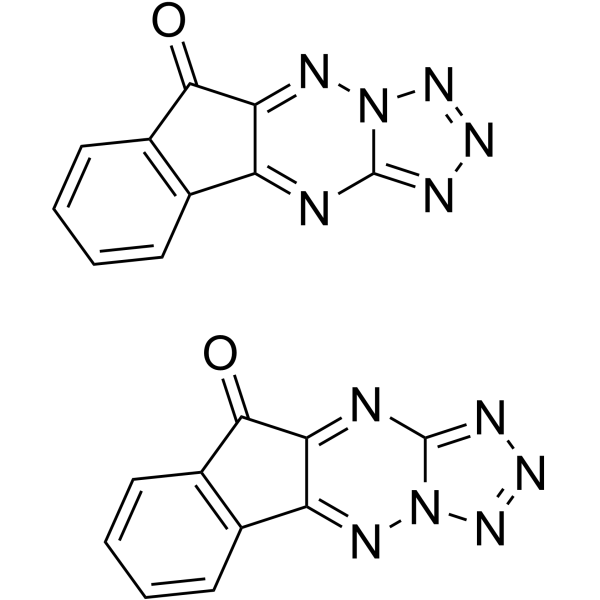
    DMNQ is a redox cycling agent. DMNQ produces hydrogen peroxide in cells in a concentration-dependent manner. DMNQ can induce the increase of ROS production .
    DMNQ
  • HY-N0390S9
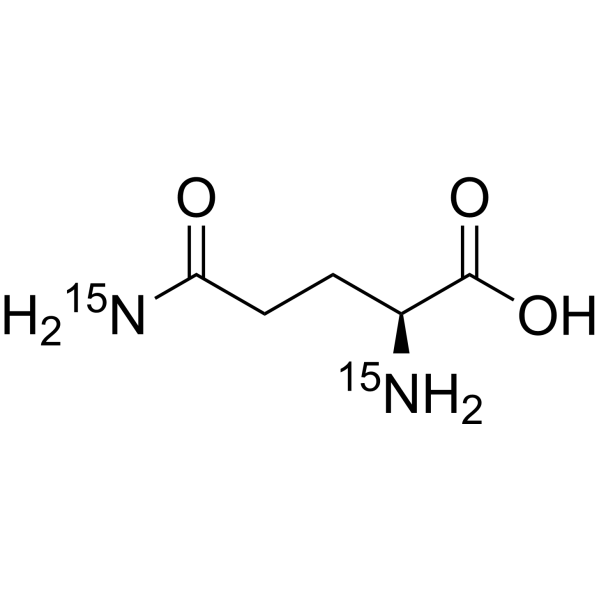
    L-Glutamine-15N-1
    3 Publications Verification

    L-Glutamic acid 5-amide-15N-1

    Isotope-Labeled Compounds mGluR Ferroptosis Environmental Pollutants Endogenous Metabolite HIF/HIF Prolyl-Hydroxylase mTOR STAT NF-κB Cardiovascular Disease Neurological Disease Metabolic Disease Inflammation/Immunology
    L-Glutamine- 15N-1 is the 15N-labeled L-Glutamine (HY-N0390). L-Glutamine is an orally active nutritional agent and cellular metabolism regulator. L-Glutamine is taken up in a Na +-dependent manner and targets multiple key molecules including glutaminase, mTORC1, NF-κB, STAT-3 and HIF-1α. L-Glutamine enhances glutaminolytic catabolism, drives the conversion of glutamate to α-ketoglutarate, thereby regulating gene expression, integrating metabolic signals, mediating glutamine flux and maintaining redox homeostasis. L-Glutamine also promotes cell proliferation, osteogenic differentiation and fracture healing, exerts neuroprotective and cardioprotective effects, and inhibits osteoarthritis. L-Glutamine can be applied to research related to osteoporosis, osteoarthritis, ischemic stroke and acute cantharidin-induced cardiotoxicity .
    L-Glutamine-15N-1
  • HY-17355A
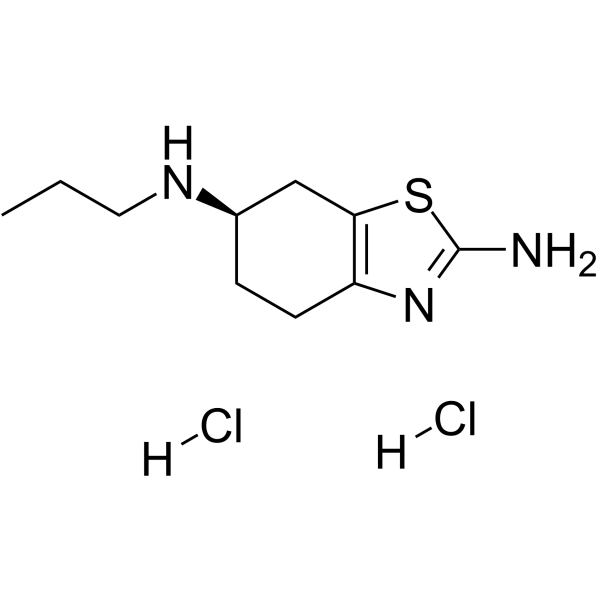
    Dexpramipexole dihydrochloride
    2 Publications Verification

    (R)-Pramipexole dihydrochloride; R-(+)-Pramipexole dihydrochloride; KNS-760704 dihydrochloride

    ATP Synthase Sodium Channel Glutathione Peroxidase NOD-like Receptor (NLR) Mitophagy Ferroptosis PINK1/Parkin Autophagy Apoptosis Reactive Oxygen Species (ROS) Cardiovascular Disease Neurological Disease Inflammation/Immunology
    Dexpramipexole ((R)-Pramipexole) dihydrochloride is an orally active, blood-brain barrier permeable mitochondrial protective agent. Dexpramipexole dihydrochloride upregulates the expression of Parkin, PINK1, GPX4 and FSP1; binds to mitochondrial F1/Fo-ATP synthase; blocks the Nav1.8 sodium channel; and inhibits the activation of the NLRP3 inflammasome. Dexpramipexole dihydrochloride induces mitophagy, inhibits ferroptosis, pyroptosis, apoptosis, neuroinflammation and eosinophilopoiesis; maintains mitochondrial function and redox homeostasis; reduces reactive oxygen species production; and decreases myocardial infarct size. Dexpramipexole dihydrochloride is applicable to studies on eosinophilic asthma, myocardial ischemia/reperfusion injury, sepsis-associated encephalopathy, analgesia, and more .
    Dexpramipexole dihydrochloride
  • HY-N0390S2
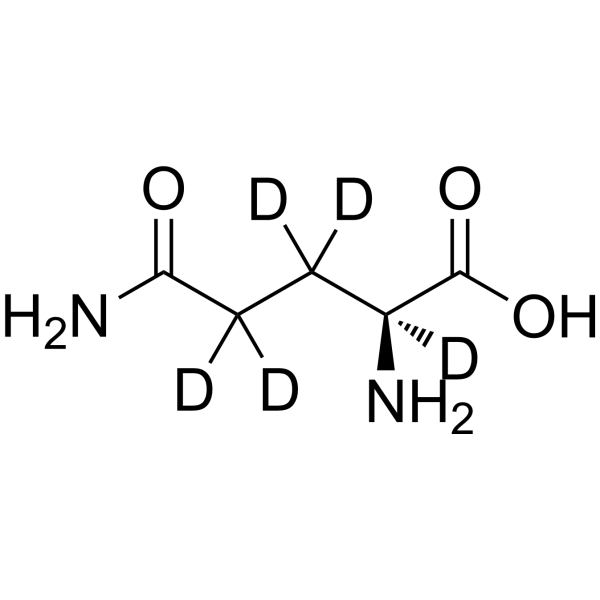
    L-Glutamine-d5
    1 Publications Verification

    L-Glutamic acid 5-amide-d5

    Isotope-Labeled Compounds mGluR Ferroptosis Environmental Pollutants Endogenous Metabolite HIF/HIF Prolyl-Hydroxylase mTOR STAT NF-κB Cardiovascular Disease Neurological Disease Metabolic Disease Inflammation/Immunology
    L-Glutamine-d5 is the deuterium labeled L-Glutamine (HY-N0390). L-Glutamine is an orally active nutritional agent and cellular metabolism regulator. L-Glutamine is taken up in a Na +-dependent manner and targets multiple key molecules including glutaminase, mTORC1, NF-κB, STAT-3 and HIF-1α. L-Glutamine enhances glutaminolytic catabolism, drives the conversion of glutamate to α-ketoglutarate, thereby regulating gene expression, integrating metabolic signals, mediating glutamine flux and maintaining redox homeostasis. L-Glutamine also promotes cell proliferation, osteogenic differentiation and fracture healing, exerts neuroprotective and cardioprotective effects, and inhibits osteoarthritis. L-Glutamine can be applied to research related to osteoporosis, osteoarthritis, ischemic stroke and acute cantharidin-induced cardiotoxicity .
    L-Glutamine-d5
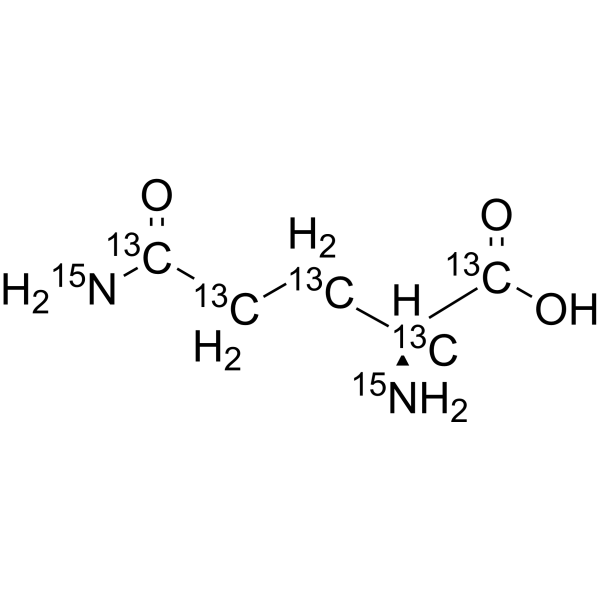
  • HY-N0390S6

    L-Glutamic acid 5-amide-13C5,15N2

    Isotope-Labeled Compounds mGluR Ferroptosis Environmental Pollutants Endogenous Metabolite HIF/HIF Prolyl-Hydroxylase mTOR STAT NF-κB Cardiovascular Disease Neurological Disease Metabolic Disease Inflammation/Immunology
    L-Glutamine- 13C5, 15N2 is the 13C- and 15N-labeled L-Glutamine (HY-N0390). L-Glutamine is an orally active nutritional agent and cellular metabolism regulator. L-Glutamine is taken up in a Na +-dependent manner and targets multiple key molecules including glutaminase, mTORC1, NF-κB, STAT-3 and HIF-1α. L-Glutamine enhances glutaminolytic catabolism, drives the conversion of glutamate to α-ketoglutarate, thereby regulating gene expression, integrating metabolic signals, mediating glutamine flux and maintaining redox homeostasis. L-Glutamine also promotes cell proliferation, osteogenic differentiation and fracture healing, exerts neuroprotective and cardioprotective effects, and inhibits osteoarthritis. L-Glutamine can be applied to research related to osteoporosis, osteoarthritis, ischemic stroke and acute cantharidin-induced cardiotoxicity .
    L-Glutamine-13C5,15N2
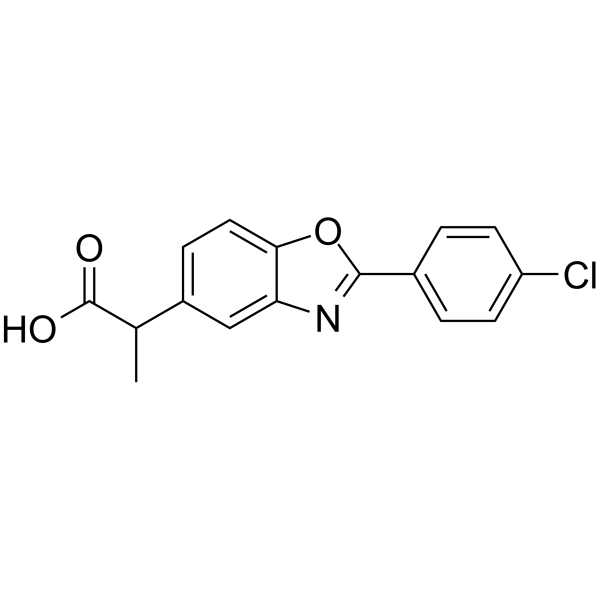
  • HY-13568

    LRCL 3794

    Cytochrome P450 COX Lipoxygenase PGE synthase Inflammation/Immunology
    Benoxaprofen (LRCL 3794) is a nonsteroidal anti-inflammatory agent that blocks the biosynthesis of inflammatory mediators such as leukotrienes and prostaglandins by inhibiting 5-LOX, PGH2 synthase and cytochrome P-450. Benoxaprofen exhibits significant toxicity: it not only alters cellular redox status, uncouples oxidative phosphorylation and disrupts calcium ion homeostasis, but also causes liver injury through the formation of covalent adducts between its active metabolites and hepatic proteins. Benoxaprofen shows strong phototoxicity under ultraviolet irradiation, and induces erythrocyte lysis, mast cell degranulation and histamine release. Benoxaprofen is widely used in studies of urticaria and related phototoxic mechanisms .
    Benoxaprofen
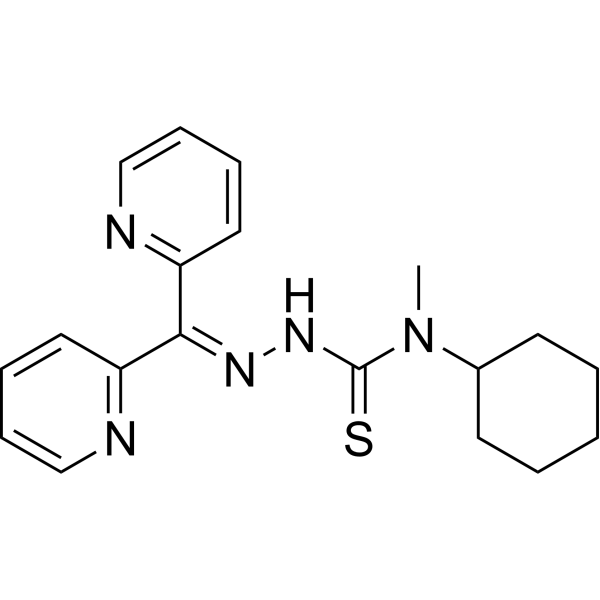
  • HY-114243

    NF-κB JNK Caspase Apoptosis Neurological Disease Cancer
    DpC is a selective, orally active iron chelator with anticancer activity. DpC acts on signaling pathway-related targets such as JNK, NF-κB, and its activity is competitively inhibited by another iron chelator Dp44mT (HY-18973). By chelating intracellular iron and copper ions in tumor cells to form redox-active complexes, DpC induces oxidative stress, activates the JNK, NF-κB pathways and downregulates IκBα, upregulates the expressions of neuroglobin and cytoglobin, activates caspase 3/9 to induce tumor cell apoptosis. It also overcomes P-glycoprotein-mediated multidrug resistance through a lysosome-targeting mechanism, and exhibits broad-spectrum synergistic effects when combined with various chemotherapeutic agents. DpC inhibits tumor metastasis and increases TNF-α levels in the tumor microenvironment to enhance endogenous immune responses. DpC is applicable to the research of various malignancies including neuroblastoma, pancreatic cancer, prostate cancer, lung cancer, and breast cancer .
    DpC
  • HY-15673
    KP372-1
    3 Publications Verification

    Quinone Reductase Akt Reactive Oxygen Species (ROS) Apoptosis Cancer
    KP372-1 is an Akt inhibitor that inhibits proliferation and induces apoptosis and anoikis. KP372-1 is also an NQO1 redox cycling agent that causes DNA damage (including DNA breakage) by generating ROS. KP372-1 can be used in cancer research (such as head and neck squamous cell carcinoma (HNSCC) and pancreatic cancer) .
    KP372-1
  • HY-131943

    Methylenetetrahydrofolate Dehydrogenase (MTHFD) Neurological Disease Cancer
    DS44960156 is a selective MTHFD2 inhibitor with moderate to low blood-brain barrier penetration (IC50=1.6 μM, Ki=1.23 μM). DS44960156 specifically binds to the active site of MTHFD2, disrupts redox homeostasis and blocks serine-mediated one-carbon metabolism, thereby increasing the NAD +/NADH ratio and ROS levels. DS44960156 not only effectively inhibits the proliferation of glioma cells, but also enhances the sensitivity of cells to glutamine starvation-induced death. DS44960156 binds to plasma proteins, shows no mutagenicity, carcinogenicity or acute oral toxicity, and serves as a research agent for glioblastoma multiforme and other cancers .
    DS44960156
  • HY-N0390R
    L-Glutamine (Standard)
    25+ Cited Publications

    L-Glutamic acid 5-amide (Standard)

    Reference Standards mGluR Ferroptosis Environmental Pollutants Endogenous Metabolite HIF/HIF Prolyl-Hydroxylase mTOR STAT NF-κB Cardiovascular Disease Neurological Disease Metabolic Disease Inflammation/Immunology
    L-Glutamine (Standard) is the analytical standard of L-Glutamine (HY-N0390). This product is intended for research and analytical applications. L-Glutamine is an orally active nutritional agent and cellular metabolism regulator. L-Glutamine is taken up in a Na +-dependent manner and targets multiple key molecules including glutaminase, mTORC1, NF-κB, STAT-3 and HIF-1α. L-Glutamine enhances glutaminolytic catabolism, drives the conversion of glutamate to α-ketoglutarate, thereby regulating gene expression, integrating metabolic signals, mediating glutamine flux and maintaining redox homeostasis. L-Glutamine also promotes cell proliferation, osteogenic differentiation and fracture healing, exerts neuroprotective and cardioprotective effects, and inhibits osteoarthritis. L-Glutamine can be applied to research related to osteoporosis, osteoarthritis, ischemic stroke and acute cantharidin-induced cardiotoxicity .
    L-Glutamine (Standard)
  • HY-B1106
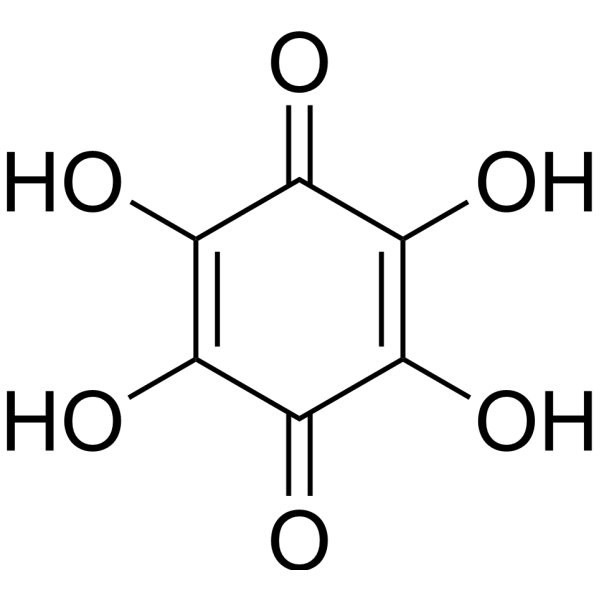
    Tetrahydroxyquinone
    1 Publications Verification

    Tetrahydroxy-1,4-benzoquinone; Tetrahydroxybenzoquinone

    Reactive Oxygen Species (ROS) Apoptosis Cancer
    Tetrahydroxyquinone (Tetrahydroxy-1,4-benzoquinone), a primitive anticataract agent, is a redox active benzoquinone. Tetrahydroxyquinone can take part in a redox cycle with semiquinone radicals, leading to the formation of reactive oxygen species (ROS) .
    Tetrahydroxyquinone
  • HY-W016477

    Bacterial Infection
    Phenazine is an electron shuttles, which modulates the redox state of cells and the downstream gene expression related to biofilm formation and bacterial survival. Phenazines is a biocontrol agents, which affects the growth of plants and induces the systemic resistance in plants. Phenazine maintains NAD+/NADH balance .
    Phenazine
  • HY-17355B
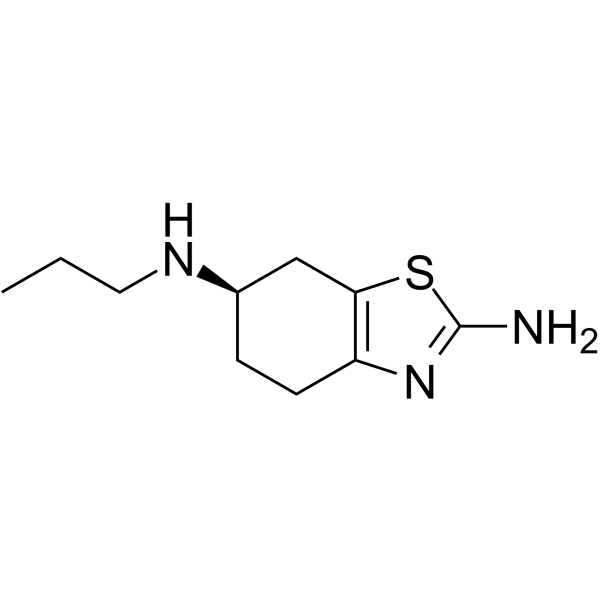
    Dexpramipexole
    2 Publications Verification

    (R)-Pramipexole; R-(+)-Pramipexole; KNS-760704

    PINK1/Parkin Glutathione Peroxidase Sodium Channel ATP Synthase NOD-like Receptor (NLR) Mitophagy Ferroptosis Autophagy Apoptosis Reactive Oxygen Species (ROS) Cardiovascular Disease Neurological Disease Inflammation/Immunology
    Dexpramipexole ((R)-Pramipexole) is an orally active, blood-brain barrier permeable mitochondrial protective agent. Dexpramipexole upregulates the expression of Parkin, PINK1, GPX4 and FSP1; binds to mitochondrial F1/Fo-ATP synthase; blocks the Nav1.8 sodium channel; and inhibits the activation of the NLRP3 inflammasome. Dexpramipexole induces mitophagy, inhibits ferroptosis, pyroptosis, apoptosis, neuroinflammation and eosinophilopoiesis; maintains mitochondrial function and redox homeostasis; reduces reactive oxygen species production; and decreases myocardial infarct size. Dexpramipexole is applicable to studies on eosinophilic asthma, myocardial ischemia/reperfusion injury, sepsis-associated encephalopathy, analgesia, and more .
    Dexpramipexole
  • HY-N0390S5
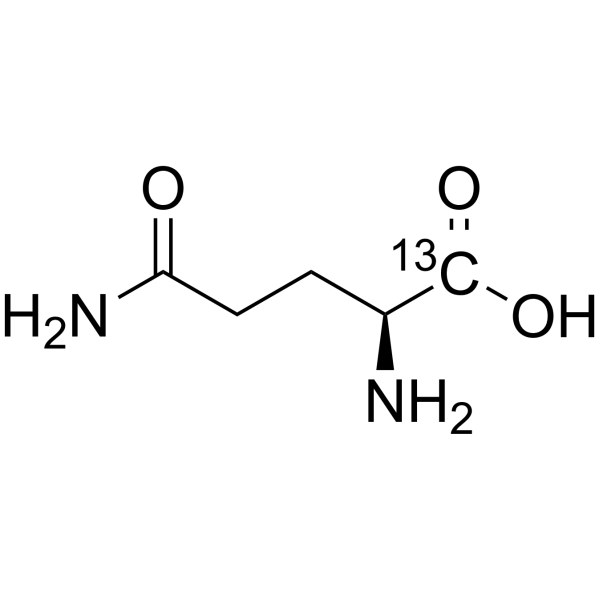
    L-Glutamine-1-13C
    1 Publications Verification

    L-Glutamic acid 5-amide-1-13C

    Isotope-Labeled Compounds mGluR Ferroptosis Environmental Pollutants Endogenous Metabolite HIF/HIF Prolyl-Hydroxylase mTOR STAT NF-κB Cardiovascular Disease Neurological Disease Metabolic Disease Inflammation/Immunology
    L-Glutamine-1- 13C is the 13C-labeled L-Glutamine (HY-N0390). L-Glutamine is an orally active nutritional agent and cellular metabolism regulator. L-Glutamine is taken up in a Na +-dependent manner and targets multiple key molecules including glutaminase, mTORC1, NF-κB, STAT-3 and HIF-1α. L-Glutamine enhances glutaminolytic catabolism, drives the conversion of glutamate to α-ketoglutarate, thereby regulating gene expression, integrating metabolic signals, mediating glutamine flux and maintaining redox homeostasis. L-Glutamine also promotes cell proliferation, osteogenic differentiation and fracture healing, exerts neuroprotective and cardioprotective effects, and inhibits osteoarthritis. L-Glutamine can be applied to research related to osteoporosis, osteoarthritis, ischemic stroke and acute cantharidin-induced cardiotoxicity .
    L-Glutamine-1-13C
  • HY-N0390S4

    L-Glutamic acid 5-amide-5-13C

    Isotope-Labeled Compounds mGluR Ferroptosis Environmental Pollutants Endogenous Metabolite HIF/HIF Prolyl-Hydroxylase mTOR STAT NF-κB Cardiovascular Disease Neurological Disease Metabolic Disease Inflammation/Immunology
    L-Glutamine-5- 13C is the 13C-labeled L-Glutamine (HY-N0390). L-Glutamine is an orally active nutritional agent and cellular metabolism regulator. L-Glutamine is taken up in a Na +-dependent manner and targets multiple key molecules including glutaminase, mTORC1, NF-κB, STAT-3 and HIF-1α. L-Glutamine enhances glutaminolytic catabolism, drives the conversion of glutamate to α-ketoglutarate, thereby regulating gene expression, integrating metabolic signals, mediating glutamine flux and maintaining redox homeostasis. L-Glutamine also promotes cell proliferation, osteogenic differentiation and fracture healing, exerts neuroprotective and cardioprotective effects, and inhibits osteoarthritis. L-Glutamine can be applied to research related to osteoporosis, osteoarthritis, ischemic stroke and acute cantharidin-induced cardiotoxicity .
    L-Glutamine-5-13C
  • HY-N0390S3

    L-Glutamic acid 5-amide-13C5,15N2,d5

    Isotope-Labeled Compounds mGluR Ferroptosis Environmental Pollutants Endogenous Metabolite HIF/HIF Prolyl-Hydroxylase mTOR STAT NF-κB Cardiovascular Disease Neurological Disease Metabolic Disease Inflammation/Immunology
    L-Glutamine- 13C5, 15N2,d5 is the deuterium, 13C-, and 15N-labeled L-Glutamine (HY-N0390). L-Glutamine is an orally active nutritional agent and cellular metabolism regulator. L-Glutamine is taken up in a Na +-dependent manner and targets multiple key molecules including glutaminase, mTORC1, NF-κB, STAT-3 and HIF-1α. L-Glutamine enhances glutaminolytic catabolism, drives the conversion of glutamate to α-ketoglutarate, thereby regulating gene expression, integrating metabolic signals, mediating glutamine flux and maintaining redox homeostasis. L-Glutamine also promotes cell proliferation, osteogenic differentiation and fracture healing, exerts neuroprotective and cardioprotective effects, and inhibits osteoarthritis. L-Glutamine can be applied to research related to osteoporosis, osteoarthritis, ischemic stroke and acute cantharidin-induced cardiotoxicity .
    L-Glutamine-13C5,15N2,d5
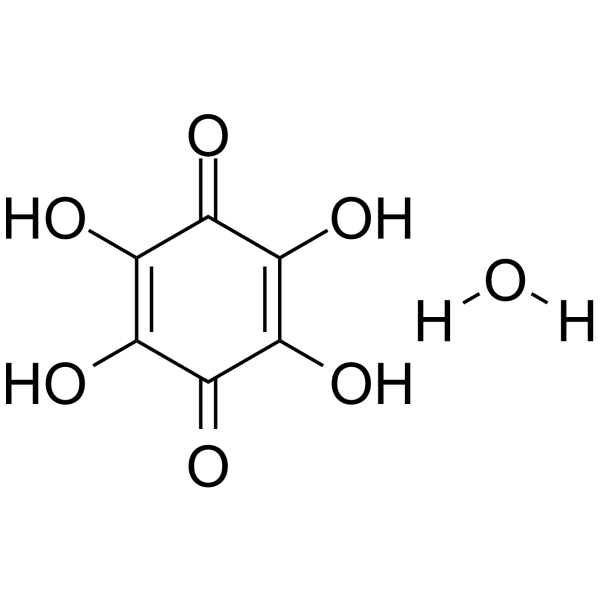
  • HY-B1106A
    Tetrahydroxyquinone monohydrate
    1 Publications Verification

    Tetrahydroxy-1,4-benzoquinone monohydrate; Tetrahydroxybenzoquinone monohydrate

    Reactive Oxygen Species (ROS) Apoptosis Cancer
    Tetrahydroxyquinone monohydrate (Tetrahydroxy-1,4-benzoquinone monohydrate), a primitive anticataract agent, is a redox active benzoquinone. Tetrahydroxyquinone monohydrate can take part in a redox cycle with semiquinone radicals, leading to the formation of reactive oxygen species (ROS) .
    Tetrahydroxyquinone monohydrate
  • HY-P3001

    Endogenous Metabolite Metabolic Disease
    Malate dehydrogenase (oxaloacetate-decarboxylating, NADP+) is a redox agent targeting metabolic pathways. Malate dehydrogenase (oxaloacetate-decarboxylating, NADP+) catalyzes the reduction of oxaloacetate to malate in leaves of higher plants. Malate dehydrogenase (oxaloacetate-decarboxylating, NADP+) is promising for research of metabolic diseases, such as diabetes, obesity .
    Malate dehydrogenase oxaloacetate-decarboxylating, NADP+
  • HY-W110791

    Biochemical Assay Reagents Others
    Sodium diphenylamine-4-sulfonate is a chemical indicator commonly used in redox titrations. Its reduced state is colorless and its oxidized state is reddish-purple. Sodium diphenylamine-4-sulfonate is also a quencher and reducing agent. Sodium diphenylamine-4-sulfonate inhibits the electrochemiluminescence of the ruthenium tris(bipyridine) system through energy transfer. Sodium diphenylamine-4-sulfonate participates in the synthesis of nanocrystals .
    Sodium diphenylamine-4-sulfonate
  • HY-17355BS

    (R)-Pramipexole-d3 dihydrochloride; R-(+)-Pramipexole-d3 dihydrochloride; KNS-760704-d3 dihydrochloride

    Isotope-Labeled Compounds ATP Synthase Sodium Channel Glutathione Peroxidase NOD-like Receptor (NLR) Mitophagy Ferroptosis PINK1/Parkin Autophagy Apoptosis Reactive Oxygen Species (ROS) Cardiovascular Disease Neurological Disease Inflammation/Immunology
    Dexpramipexole-d3 ((R)-Pramipexole-d3) dihydrochloride is the deuterium labeled Dexpramipexole. Dexpramipexole ((R)-Pramipexole) dihydrochloride is an orally active, blood-brain barrier permeable mitochondrial protective agent. Dexpramipexole dihydrochloride upregulates the expression of Parkin, PINK1, GPX4 and FSP1; binds to mitochondrial F1/Fo-ATP synthase; blocks the Nav1.8 sodium channel; and inhibits the activation of the NLRP3 inflammasome. Dexpramipexole dihydrochloride induces mitophagy, inhibits ferroptosis, pyroptosis, apoptosis, neuroinflammation and eosinophilopoiesis; maintains mitochondrial function and redox homeostasis; reduces reactive oxygen species production; and decreases myocardial infarct size. Dexpramipexole dihydrochloride is applicable to studies on eosinophilic asthma, myocardial ischemia/reperfusion injury, sepsis-associated encephalopathy, analgesia, and more.
    Dexpramipexole-d3 dihydrochloride
  • HY-139863

    Bacterial Infection
    Antibacterial agent 62 is a novel redox cycling antituberculosis chemotype with potent bactericidal activity against growing and nutrient-starved phenotypically drug-resistant nongrowing bacteria.
    Antibacterial agent 62
  • HY-172793

    Bacterial Reactive Oxygen Species (ROS) Apoptosis Infection
    Antibacterial agent 276 (compound B3) is an antibacterial agent with EC50 values of 1.32 μg/mL and 2.80 μg/mL against Xanthomonas oryzae pv.oryzae and Xanthomonas axonopodis pv.citri,respectively. Antibacterial agent 276 disrupts the intracellular redox balance, and results in the accumulation of reactive oxygen species (ROS) and subsequent induction of apoptosis .
    Antibacterial agent 276
  • HY-W016477R

    Reference Standards Bacterial Infection
    Phenazine is an electron shuttles, which modulates the redox state of cells and the downstream gene expression related to biofilm formation and bacterial survival. Phenazines is a biocontrol agents, which affects the growth of plants and induces the systemic resistance in plants. Phenazine maintains NAD+/NADH balance .
    Phenazine (Standard)
  • HY-173318

    Bacterial Infection
    Anti-MRSA agent 25 (Compound 10c) is an antibacterial agent with a MIC of 0.25 μg/mL against methicillin-resistant Staphylococcus aureus (MRSA). Anti-MRSA agent 25 exerts its antibacterial activity by inhibiting biofilm formation, disrupting the cell wall (interacting with peptidoglycan and lipoteichoic acids), acting on the cell membrane (causing depolarization, increasing permeability, and disrupting integrity), reducing metabolic activity, interfering with cellular redox homeostasis, and binding to DNA. Anti-MRSA agent 25 is expected to be used in the research of the anti-infection field .
    Anti-MRSA agent 25
  • HY-17355AR

    (R)-Pramipexole dihydrochloride (Standard); R-(+)-Pramipexole dihydrochloride (Standard); KNS-760704 dihydrochloride (Standard)

    Reference Standards ATP Synthase Sodium Channel Glutathione Peroxidase NOD-like Receptor (NLR) Mitophagy Ferroptosis PINK1/Parkin Autophagy Apoptosis Cardiovascular Disease Neurological Disease Inflammation/Immunology
    Dexpramipexole ((R)-Pramipexole) dihydrochloride (Standard) is the analytical standard of Dexpramipexole (dihydrochloride). This product is intended for research and analytical applications. Dexpramipexole dihydrochloride is an orally active, blood-brain barrier permeable mitochondrial protective agent. Dexpramipexole dihydrochloride upregulates the expression of Parkin, PINK1, GPX4 and FSP1; binds to mitochondrial F1/Fo-ATP synthase; blocks the Nav1.8 sodium channel; and inhibits the activation of the NLRP3 inflammasome. Dexpramipexole dihydrochloride induces mitophagy, inhibits ferroptosis, pyroptosis, apoptosis, neuroinflammation and eosinophilopoiesis; maintains mitochondrial function and redox homeostasis; reduces reactive oxygen species production; and decreases myocardial infarct size. Dexpramipexole dihydrochloride is applicable to studies on eosinophilic asthma, myocardial ischemia/reperfusion injury, sepsis-associated encephalopathy, analgesia, and more.
    Dexpramipexole dihydrochloride (Standard)
  • HY-W778179

    LRCL 3794-13C,d3

    Isotope-Labeled Compounds COX Cytochrome P450 Lipoxygenase PGE synthase Inflammation/Immunology
    Benoxaprofen- 13C, d3 is the 13C-labeled Benoxaprofen (HY-13568). Benoxaprofen (LRCL 3794) is a nonsteroidal anti-inflammatory agent that blocks the biosynthesis of inflammatory mediators such as leukotrienes and prostaglandins by inhibiting 5-LOX, PGH2 synthase and cytochrome P-450. Benoxaprofen exhibits significant toxicity: it not only alters cellular redox status, uncouples oxidative phosphorylation and disrupts calcium ion homeostasis, but also causes liver injury through the formation of covalent adducts between its active metabolites and hepatic proteins. Benoxaprofen shows strong phototoxicity under ultraviolet irradiation, and induces erythrocyte lysis, mast cell degranulation and histamine release. Benoxaprofen is widely used in studies of urticaria and related phototoxic mechanisms .
    Benoxaprofen-13C,d3
  • HY-13568R

    LRCL 3794 (Standard)

    Reference Standards COX Cytochrome P450 Lipoxygenase PGE synthase Inflammation/Immunology
    Benoxaprofen (Standard) is the analytical standard of Benoxaprofen. This product is intended for research and analytical applications. Benoxaprofen (LRCL 3794) is a nonsteroidal anti-inflammatory agent that blocks the biosynthesis of inflammatory mediators such as leukotrienes and prostaglandins by inhibiting 5-LOX, PGH2 synthase and cytochrome P-450. Benoxaprofen exhibits significant toxicity: it not only alters cellular redox status, uncouples oxidative phosphorylation and disrupts calcium ion homeostasis, but also causes liver injury through the formation of covalent adducts between its active metabolites and hepatic proteins. Benoxaprofen shows strong phototoxicity under ultraviolet irradiation, and induces erythrocyte lysis, mast cell degranulation and histamine release. Benoxaprofen is widely used in studies of urticaria and related phototoxic mechanisms .
    Benoxaprofen (Standard)
  • HY-N0390S7

    L-Glutamic acid 5-amide-15N2,d5

    Isotope-Labeled Compounds mGluR Ferroptosis Environmental Pollutants Endogenous Metabolite HIF/HIF Prolyl-Hydroxylase mTOR STAT NF-κB Cardiovascular Disease Neurological Disease Metabolic Disease Inflammation/Immunology
    L-Glutamine- 15N2,d5 is the deuterium and 15N-labeled L-Glutamine (HY-N0390). L-Glutamine is an orally active nutritional agent and cellular metabolism regulator. L-Glutamine is taken up in a Na +-dependent manner and targets multiple key molecules including glutaminase, mTORC1, NF-κB, STAT-3 and HIF-1α. L-Glutamine enhances glutaminolytic catabolism, drives the conversion of glutamate to α-ketoglutarate, thereby regulating gene expression, integrating metabolic signals, mediating glutamine flux and maintaining redox homeostasis. L-Glutamine also promotes cell proliferation, osteogenic differentiation and fracture healing, exerts neuroprotective and cardioprotective effects, and inhibits osteoarthritis. L-Glutamine can be applied to research related to osteoporosis, osteoarthritis, ischemic stroke and acute cantharidin-induced cardiotoxicity .
    L-Glutamine-15N2,d5
  • HY-167903

    Biochemical Assay Reagents Inflammation/Immunology
    Tesimide is an aryl/heteroarylidene pyridinedione that can be used as an anti-inflammatory agent .
    Tesimide
  • HY-W585926

    Reactive Oxygen Species (ROS) Others
    Disperse Polyester Dark Blue is a chemical compound extensively employed in scientific research. It serves as a redox-active agent and functions as a probe for identifying reactive oxygen species (ROS) in cells and tissues. By accepting electrons from ROS and undergoing oxidation, Disperse Polyester Dark Blue demonstrates its redox activity. Consequently, a chemiluminescent signal is generated, which can be measured using a luminometer. The intensity of the signal directly correlates with the quantity of ROS detected within the sample.
    Disperse polyester dark blue
  • HY-182052

    Ferroptosis Apoptosis Cancer
    anti-NSCLC agent-2 (compound 6o) is a SLC7A11 and GPX4 inhibitor that reduces the expression of ferroptosis key regulators SLC7A11 and GPX4. anti-NSCLC agent-2 disrupts redox homeostasis, depletes glutathione, accumulates lipid peroxides, and induces ferroptosis in non-small cell lung cancer cells. anti-NSCLC agent-2 is applicable to research related to non-small cell lung cancer .
    anti-NSCLC agent-2
  • HY-182284

    Reactive Oxygen Species (ROS) Apoptosis Bcl-2 Family Caspase SHMT Methylenetetrahydrofolate Dehydrogenase (MTHFD) Cytochrome P450 Cancer
    Anticancer agent 310 is an antitumor agent. Anticancer agent 310 releases nitric oxide to induce mitochondrial ROS burst, triggers mitochondrial dysfunction and activates the Bax/Bcl-2-Cyt c-Caspase-9/Caspase-3 apoptotic pathway. Anticancer agent 310 also reduces the levels of SHMT2 and MTHFD2, decreases the ratios of NADPH/NADP + and GSH/GSSG, thereby disrupting redox homeostasis and exacerbating intracellular ROS accumulation. Anticancer agent 310 can be used in research related to gastric cancer .
    Anticancer agent 310
  • HY-N18435

    Bacterial Reactive Oxygen Species (ROS) Infection
    Komaroidine is a bactericidal agent. Komaroidine induces reactive oxygen species (ROS) bursts in bacterial cells, disrupts antioxidant enzyme function and redox homeostasis, increases membrane permeability, and triggers bacterial apoptosis. Komaroidine suppresses bacterial burden within infected plant tissues.Komaroidine exhibits broad-spectrum antibacterial activity against phytopathogenic bacteria including Xanthomonas oryzae pv. oryzae, Xanthomonas axonopodis pv. citri, and Pseudomonas syringae pv. actinidiae. Komaroidine can be used for the research of rice bacterial leaf blight .
    Komaroidine
  • HY-N0390G

    mTOR NF-κB STAT HIF/HIF Prolyl-Hydroxylase Cardiovascular Disease Neurological Disease Metabolic Disease Inflammation/Immunology
    L-Glutamine GMP is L-Glutamine (HY-N0390) produced by using GMP guidelines. GMP small molecules works appropriately as an auxiliary reagent for cell therapy manufacture. L-Glutamine is an orally active nutritional agent and cellular metabolism regulator. L-Glutamine is taken up in a Na +-dependent manner and targets multiple key molecules including glutaminase, mTORC1, NF-κB, STAT-3 and HIF-1α. L-Glutamine enhances glutaminolytic catabolism, drives the conversion of glutamate to α-ketoglutarate, thereby regulating gene expression, integrating metabolic signals, mediating glutamine flux and maintaining redox homeostasis. L-Glutamine also promotes cell proliferation, osteogenic differentiation and fracture healing, exerts neuroprotective and cardioprotective effects, and inhibits osteoarthritis. L-Glutamine can be applied to research related to osteoporosis, osteoarthritis, ischemic stroke and acute cantharidin-induced cardiotoxicity .
    L-Glutamine

Inquiry Online

Your information is safe with us. * Required Fields.

Salutation


Country or Region *

Applicant Name *


Organization Name *

Department *


Email Address *


Product Name *

Cat. No.


Requested quantity *

Phone Number *


Remarks

Inquiry Online

Inquiry Information

Product Name:
Cat. No.:
Quantity:
MCE Japan Authorized Agent:

