



DpC

Based on 1 Customer Validation
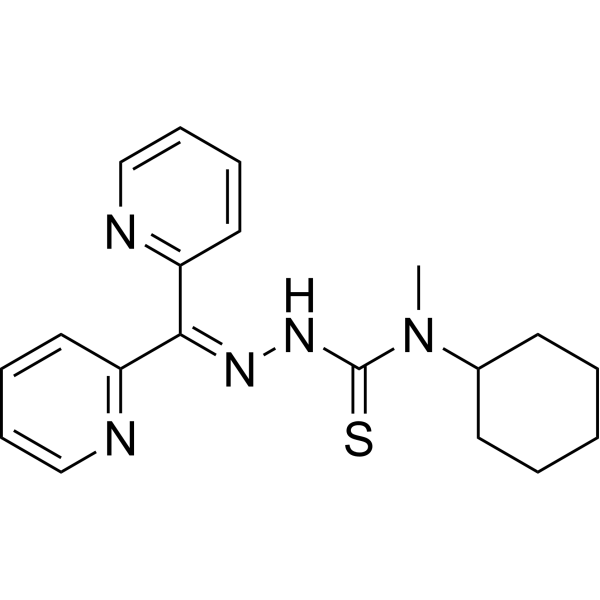
DpC is a selective, orally active iron chelator with anticancer activity. DpC acts on signaling pathway-related targets such as JNK, NF-κB, and its activity is competitively inhibited by another iron chelator Dp44mT (HY-18973). By chelating intracellular iron and copper ions in tumor cells to form redox-active complexes, DpC induces oxidative stress, activates the JNK, NF-κB pathways and downregulates IκBα, upregulates the expressions of neuroglobin and cytoglobin, activates caspase 3/9 to induce tumor cell apoptosis. It also overcomes P-glycoprotein-mediated multidrug resistance through a lysosome-targeting mechanism, and exhibits broad-spectrum synergistic effects when combined with various chemotherapeutic agents. DpC inhibits tumor metastasis and increases TNF-α levels in the tumor microenvironment to enhance endogenous immune responses. DpC is applicable to the research of various malignancies including neuroblastoma, pancreatic cancer, prostate cancer, lung cancer, and breast cancer.
For research use only. We do not sell to patients.
- Purity : 98.73%
- CAS No.: 1382469-39-7
- Formula: C19H23N5S
- Molecular Weight:353.48
-
Storage:Powder -20°C, 3 years ; In solvent -80°C, 6 months , -20°C, 1 month

To place orders, for customer services and technical support, please contact: MedChemExpress USA
Tel: 609-228-6898 E-mail: [email protected] [email protected]


-
 Biological Activity
-
Chemical Information
-
Solvent & Solubility
- Protocols
- Purity & Documentation
- References
-
 Help & FAQs


All Caspase Isoforms
More

Biological Activity
Description
IC50 & Target
[2]|
Caspase 3 |
Caspase-9 |
IL-10 |
Cellular Effect
|
Cell Line

|
Type | Value | Description | References |
|---|---|---|---|---|
| A549 | IC50 |
<0.03125 μM
Compound: DpC
|
Antiproliferative activity against human A549 cells assessed as reduction in cell growth incubated for 72 hrs by MTT assay
Antiproliferative activity against human A549 cells assessed as reduction in cell growth incubated for 72 hrs by MTT assay
|
[PMID: 32438199] |
| A549 | IC50 |
0.004 μM
Compound: DpC
|
Antiproliferative activity at human A549 cells after 72 hrs by MTT assay
Antiproliferative activity at human A549 cells after 72 hrs by MTT assay
|
[PMID: 22861499] |
| BGC-823 | IC50 |
<0.03125 μM
Compound: DpC
|
Antiproliferative activity against human BGC-823 cells assessed as reduction in cell growth incubated for 72 hrs by MTT assay
Antiproliferative activity against human BGC-823 cells assessed as reduction in cell growth incubated for 72 hrs by MTT assay
|
[PMID: 32438199] |
| Capan-2 | IC50 |
0.02 μM
Compound: 11; DPC
|
Cytotoxicity against human Capan2 cells incubated for 24 hrs by MTT assay
Cytotoxicity against human Capan2 cells incubated for 24 hrs by MTT assay
|
[PMID: 30904782] |
| CFPAC-1 | IC50 |
0.203 μM
Compound: 11; DPC
|
Cytotoxicity against human CFPAC-1 cells incubated for 24 hrs by MTT assay
Cytotoxicity against human CFPAC-1 cells incubated for 24 hrs by MTT assay
|
[PMID: 30904782] |
| DMS-53 | IC50 |
0.008 μM
Compound: DpC
|
Antiproliferative activity at human DMS53 cells after 72 hrs by MTT assay
Antiproliferative activity at human DMS53 cells after 72 hrs by MTT assay
|
[PMID: 22861499] |
| EC9706 | IC50 |
<0.03125 μM
Compound: DpC
|
Antiproliferative activity against human EC9706 cells assessed as reduction in cell growth incubated for 72 hrs by MTT assay
Antiproliferative activity against human EC9706 cells assessed as reduction in cell growth incubated for 72 hrs by MTT assay
|
[PMID: 32438199] |
| GES1 | IC50 |
0.44 μM
Compound: DPC
|
Antiproliferative activity against human GES-1 cells assessed as reduction in cell proliferation incubated for 72 hrs by MTT assay
Antiproliferative activity against human GES-1 cells assessed as reduction in cell proliferation incubated for 72 hrs by MTT assay
|
[PMID: 31614257] |
| GES1 | IC50 |
0.498 μM
Compound: DpC
|
Cytotoxicity against human GES1 cells assessed as reduction in cell viability incubated for 72 hrs by MTT assay
Cytotoxicity against human GES1 cells assessed as reduction in cell viability incubated for 72 hrs by MTT assay
|
[PMID: 32438199] |
| HGC-27 | IC50 |
0.07 μM
Compound: DpC
|
Antiproliferative activity against human HGC-27 cells assessed as reduction in cell growth incubated for 72 hrs by MTT assay
Antiproliferative activity against human HGC-27 cells assessed as reduction in cell growth incubated for 72 hrs by MTT assay
|
[PMID: 32438199] |
| MCF7 | IC50 |
<0.03125 μM
Compound: DpC
|
Antiproliferative activity against human MCF7 cells assessed as reduction in cell growth incubated for 72 hrs by MTT assay
Antiproliferative activity against human MCF7 cells assessed as reduction in cell growth incubated for 72 hrs by MTT assay
|
[PMID: 32438199] |
| MGC-803 | IC50 |
0.166 μM
Compound: DpC
|
Antiproliferative activity against human MGC-803 cells assessed as reduction in cell growth incubated for 72 hrs by MTT assay
Antiproliferative activity against human MGC-803 cells assessed as reduction in cell growth incubated for 72 hrs by MTT assay
|
[PMID: 32438199] |
| MIA PaCa-2 | IC50 |
0.005 μM
Compound: 11; DPC
|
Cytotoxicity against human MIAPaCa2 cells incubated for 24 hrs by MTT assay
Cytotoxicity against human MIAPaCa2 cells incubated for 24 hrs by MTT assay
|
[PMID: 30904782] |
| MRC5 | IC50 |
>10 μM
Compound: DpC
|
Antiproliferative activity at human MRC5 cells after 72 hrs by MTT assay
Antiproliferative activity at human MRC5 cells after 72 hrs by MTT assay
|
[PMID: 22861499] |
| PANC-1 | IC50 |
0.03 μM
Compound: 11; DPC
|
Cytotoxicity against human PANC1 cells incubated for 24 hrs by MTT assay
Cytotoxicity against human PANC1 cells incubated for 24 hrs by MTT assay
|
[PMID: 30904782] |
| PC-3 | IC50 |
0.12 μM
Compound: DPC
|
Antiproliferative activity against human PC3 cells assessed as reduction in cell proliferation incubated for 72 hrs by MTT assay
Antiproliferative activity against human PC3 cells assessed as reduction in cell proliferation incubated for 72 hrs by MTT assay
|
[PMID: 31614257] |
| PC-3 | IC50 |
0.122 μM
Compound: DPC
|
Antiproliferative activity against human PC-3 cells assessed as inhibition of cell proliferation measured after 72 hrs by MTT assay
Antiproliferative activity against human PC-3 cells assessed as inhibition of cell proliferation measured after 72 hrs by MTT assay
|
[PMID: 33153765] |
| SGC-7901 | IC50 |
<0.03125 μM
Compound: DpC
|
Antiproliferative activity against human SGC-7901 cells assessed as reduction in cell growth incubated for 72 hrs by MTT assay
Antiproliferative activity against human SGC-7901 cells assessed as reduction in cell growth incubated for 72 hrs by MTT assay
|
[PMID: 32438199] |
| SK-N-MC | IC50 |
0.013 μM
Compound: DpC
|
Antiproliferative activity at human SK-N-MC cells after 72 hrs by MTT assay
Antiproliferative activity at human SK-N-MC cells after 72 hrs by MTT assay
|
[PMID: 22861499] |
In Vitro
DpC (24 h; 72 h) exhibits potent and selective antiproliferative activity against PANC-1, PC3, DMS-53, DU-145 and MDA-MB-231 tumor cells. Meanwhile, it produces synergistic effects in combination with 9 clinical chemotherapeutic agents including Abiraterone (HY-70013), Carboplatin (HY-17393), Cisplatin (HY-17394) and Doxorubicin (HY-15142), but shows antagonistic effects when combined with Dp44mT[1].
Uptake of 14C-DpC (25 μM; 2 h) by SK-N-MC neuroepithelioma cells depends on temperature- and energy-dependent regulatory mechanisms, and DpC competes with Dp44mT for the same cellular uptake carrier/receptor[1].
DpC (25 μM; 24 h) exhibits antiproliferative activity against MSC, H9C2, MIHA, HK2 and SK-N-LP cells, with significantly higher activity in SK-N-LP cells than Dp44mT and L1. It also significantly upregulates the expressions of neuroglobin (Ngb) and cytoglobin (Cygb) in SK-N-LP and HK2 cells, increases the levels of phosphorylated JNK, cleaved caspase 3 and cleaved caspase 9, and decreases the level of IkBα[2].
MedChemExpress (MCE) has not independently confirmed the accuracy of these methods. They are for reference only. Further protocols information, click here.
-
Cell Line:PANC-1 pancreatic cancer cells, PC3 prostate cancer cells, DMS-53 lung cancer cells, DU-145 prostate cancer cells, and MDA- MB-231 breast cancer cell
-
Concentration:0.007-0.096 μM (72 h); 6.50-17.10 μM (24 h)
-
Incubation Time:24 h, 72 h
-
Result:Showed significant antiproliferative activity against five tumor cell lines, with specific IC50 values (24 h/72 h) for: PANC-1 cells (11.40 μM / 0.096 μM), PC3 cells (17.10 μM / 0.007 μM), DMS-53 cells (6.50 μM / 0.020 μM), DU-145 cells (7.90 μM / 0.007 μM), and MDA-MB-231 cells (9.40 μM/0.008 μM).
-
Cell Line:SK-N-LP
-
Concentration:25 μM
-
Incubation Time:24 h
-
Result:Significantly increased the expression levels of phosphorylated JNK, neuroglobin (Ngb), cytoglobin (Cygb), and cleaved caspase 3 and 9, while significantly decreasing the expression level of IkBα.
The ratio of phosphorylated JNK to total JNK was also significantly elevated, and total JNK levels remained unchanged.
In Vivo
MedChemExpress (MCE) has not independently confirmed the accuracy of these methods. They are for reference only.
-
Animal Model:BALB/c nu/nu male nude mice (4 weeks old) with orthotopic SK-N-LP/Luciferase neuroblastoma xenograft in the left adrenal gland fat pad[2]
-
Dosage:4 mg/kg
-
Administration:Tail vein injection; once daily; for 3 weeks
-
Result:After 3 weeks of daily intravenous administration via tail vein, the tumor imaging ROI value and tumor volume were significantly reduced compared with the vehicle control group.
The levels of Annexin V(+)/PI(+) cells, caspase 3, neuroglobin, cytoglobin, and tumor necrosis factor-α (TNFα) in tumor tissues were significantly increased, while interleukin-10 (IL-10) levels were slightly decreased.
The body weight gain of mice in the DpC-treated group was slightly but significantly reduced, and no obvious toxicity was observed in major organs such as the spleen, heart, kidney, and brain, but exudative inflammation was induced in the lung tissue.


Chemical Information
-
CAS No. 1382469-39-7
-
Appearance Solid
-
Molecular Weight 353.48
-
Formula C19H23N5S
-
Color Light yellow to yellow
-
SMILES
S=C(N/N=C(C1=NC=CC=C1)\C2=NC=CC=C2)N(C3CCCCC3)C
-
Shipping
Room temperature in continental US; may vary elsewhere.
-
Storage
Powder -20°C 3 years In solvent -80°C 6 months -20°C 1 month


Solvent & Solubility
In Vitro:
DMSO : 62.5 mg/mL (176.81 mM; Need ultrasonic; Hygroscopic DMSO has a significant impact on the solubility of product, please use newly opened DMSO)
Please refer to the solubility information to select the appropriate solvent. Once prepared, please aliquot and store the solution to prevent product inactivation from repeated freeze-thaw cycles.
Storage method and period of stock solution: -80°C, 6 months; -20°C, 1 month. When stored at -80°C, please use it within 6 months. When stored at -20°C, please use it within 1 month.
Please refer to the solubility information to select the appropriate solvent. Once prepared, please aliquot and store the solution to prevent product inactivation from repeated freeze-thaw cycles.
Storage method and period of stock solution: -80°C, 6 months; -20°C, 1 month. When stored at -80°C, please use it within 6 months. When stored at -20°C, please use it within 1 month.
Concentration (start) × Volume (start) = Concentration (final) × Volume (final)
In Vivo:
Select the appropriate dissolution method based on your experimental animal and administration route.
- For the following dissolution methods, please ensure to first prepare a clear stock solution using an In Vitro approach and then sequentially add co-solvents:
- To ensure reliable experimental results, the clarified stock solution can be appropriately stored based on storage conditions. As for the working solution for In Vivo experiments, it is recommended to prepare freshly and use it on the same day.
- The percentages shown for the solvents indicate their volumetric ratio in the final prepared solution. If precipitation or phase separation occurs during preparation, heat and/or sonication can be used to aid dissolution.
Add each solvent one by one: 10% DMSO 40% PEG300 5% Tween-80 45% Saline
Solubility: ≥ 2.08 mg/mL (5.88 mM); Clear solution
This protocol yields a clear solution of ≥ 2.08 mg/mL (saturation unknown).
Taking 1 mL working solution as an example, add 100 μL DMSO stock solution (20.8 mg/mL) to 400 μL PEG300, and mix evenly; then add 50 μL Tween-80 and mix evenly; then add 450 μL Saline to adjust the volume to 1 mL.
Preparation of Saline: Dissolve 0.9 g sodium chloride in ddH₂O and dilute to 100 mL to obtain a clear Saline solution.
Add each solvent one by one: 10% DMSO 90% (20% SBE-β-CD in Saline)
Solubility: ≥ 2.08 mg/mL (5.88 mM); Clear solution
This protocol yields a clear solution of ≥ 2.08 mg/mL (saturation unknown).
Taking 1 mL working solution as an example, add 100 μL DMSO stock solution (20.8 mg/mL) to 900 μL 20% SBE-β-CD in Saline, and mix evenly.
Preparation of 20% SBE-β-CD in Saline (4°C, storage for one week): 2 g SBE-β-CD powder is dissolved in 10 mL Saline, completely dissolve until clear.
In Vivo Dissolution Calculator
Please enter the basic information of animal experiments:
-
-
-
-
Recommended: Prepare an additional quantity of animals to account for potential losses during experiments.
Please enter your animal formula composition:
-
%DMSO +
Recommended: Keep the proportion of DMSO in working solution below 2% if your animal is weak.
-
%+
-
+%Tween-80 + +
-
%Saline +
The co-solvents required include: DMSO, . All of co-solvents are available by MedChemExpress (MCE). , Tween 80. All of co-solvents are available by MedChemExpress (MCE).
Working solution concentration: 0.22 mg/mL
Method for preparing stock solution: mg drug dissolved in μL DMSO. Stock solution concentration: mg/mL.
1. Take μL DMSO stock solution;
2. Add μL .
μL , mix evenly;
3. Then add μL Tween 80, mix evenly;
4. Then add μL
Please ensure that the stock solution in the first step is dissolved to a clear state, and add co-solvents in sequence. You can use ultrasonic heating (ultrasonic cleaner, recommended frequency 20-40 kHz), vortexing, etc. to assist dissolution.

Protocols
-
Multiplex immunofluorescence IHC
Multiplex immunofluorescence IHC detects multiple protein biomarkers in one tissue section by sequential antibody staining, HRP-mediated tyramide fluorophore deposition, heat-mediated antibody stripping, nuclear counterstaining, multispectral imaging, spectral unmixing, and digital cell phenotyping; TSA deposits fluorophore near the antigen so the fluorescence signal remains after primary and secondary antibodies are removed, enabling repeated staining cycles, including with antibodies from the same host species. Classic FFPE tumor immune-profiling applications use panels such as CD3, CD8, CD68/CD163, FOXP3, PD-1, PD-L1, pancytokeratin, Ki67, and DAPI to identify tumor cells, immune-cell subsets, checkpoint-marker expression, co-expression phenotypes, cell density, and spatial relationships in the tumor microenvironment.
-
Detection of Apoptosis
Apoptosis, also called programmed cell death, is generally characterized by distinct morphological characteristics.
-
TUNEL staining for apoptotic DNA fragmentation
TUNEL staining detects DNA strand breaks by using terminal deoxynucleotidyl transferase to add labeled nucleotides to exposed 3′-OH DNA termini, generating either microscopic staining in fixed cells or tissue sections, or fluorescence/cytometric signal in cell suspensions. TUNEL positivity reflects DNA fragmentation but should not be interpreted alone as definitive apoptosis, because TUNEL can also label necrotic, autolytic, mechanically damaged, or DNA-repair-associated DNA breaks.
-
Annexin V plus membrane-impermeant dye apoptosis staining
Annexin V-based apoptosis assays rely on the detection of phosphatidylserine (PS) externalization from the inner leaflet of the plasma membrane to the outer leaflet, an early biochemical hallmark of apoptosis. Fluorescently labeled Annexin V binds PS in a calcium-dependent manner, enabling identification of early apoptotic cells by flow cytometry or fluorescence microscopy. When combined with a membrane-impermeant DNA-binding dye (e. g. , propidium iodide), this approach allows discrimination between viable (Annexin V−/dye−), early apoptotic (Annexin V+/dye−), and late apoptotic or necrotic (Annexin V+/dye+) cell populations by assessing membrane integrity and PS exposure.
-
ROS/oxidative-stress fluorescent staining
ROS/oxidative-stress fluorescent staining uses cell-permeant fluorogenic probes that become fluorescent after oxidation inside cells or tissues; commonly used examples include DCFH-DA/DCFDA for broad cellular oxidant detection, DHE for superoxide-related signal detection, MitoSOX for mitochondrial superoxide-related signal detection, and CellROX probes for oxidative-stress-associated fluorescence readouts. The assay detects probe oxidation rather than a single ROS species unless the probe and analysis method have been chemically validated for that species. DCFH-DA enters cells, is deacetylated by intracellular esterases to DCFH, and produces fluorescent DCF after oxidation, so the readout is used as an operational measure of total cellular oxidative stress rather than a species-specific ROS measurement. DHE and MitoSOX can report superoxide-related oxidation, but red fluorescence alone can include non-specific ethidium-like oxidation products; HPLC or optimized spectral approaches are
-
Multiplex immunohistochemistry
Multiplex immunohistochemistry (mIHC), also known as tyramide dignal amplification (TSA), is an enzymatic detection method that uses horseradish peroxidase (HRP) to perform high-density in-situ labeling of target proteins or nucleic acids.
-
Apoptosis Solutions
Apoptosis is a regulated, generally non-lytic cell-death pathway that removes unwanted, damaged, infected, or abnormal cells through coordinated morphological changes, caspase activation, DNA fragmentation, and membrane remodeling. The intrinsic apoptosis pathway is controlled mainly by mitochondrial outer membrane permeabilization, BCL-2 family proteins, cytochrome c release, apoptosome formation, caspase-9 activation, and downstream executioner caspase-3/7 activation. The extrinsic apoptosis pathway is initiated by death receptors such as Fas, TNFR, and TRAIL receptors, which recruit adaptor proteins and activate caspase-8 before engaging executioner caspases or mitochondrial amplification through BID cleavage. Apoptosis is linked to many phenotypes, including cancer cell killing, tissue homeostasis, immune regulation, neurodegeneration, infection response, and treatment-induced cytotoxicity; unresolved questions include how apoptosis interacts with necroptosis, pyroptosis, ferroptos
-
Research Protocol for Inflammation-related Diseases
The NLRP3 inflammasome is a cytosolic innate immune signaling platform that integrates priming signals and danger-signal activation to promote caspase-1 activation, maturation of IL-1β and IL-18, and gasdermin D-mediated pyroptotic cell death. The core experimental logic is to determine whether inflammatory disease phenotypes are driven by increased NLRP3 expression, ASC-containing inflammasome assembly, caspase-1 cleavage, GSDMD cleavage, and extracellular release of IL-1β/IL-18 rather than by nonspecific cell injury alone. The pathway is strongly linked to inflammation-related disease phenotypes because monosodium urate crystals activate NALP3/NLRP3 inflammasome signaling in gout-like crystal inflammation, cholesterol crystals activate NLRP3 inflammasomes in atherogenesis models, and DSS-induced intestinal inflammation has been reported to involve NLRP3 inflammasome activity. However, experimental colitis studies also show context-dependent protective effects of NLRP3 inflammasome co
-
Lysosome and acidic-vesicle live-cell staining
Lysosome and acidic-vesicle live-cell staining detects acidic intracellular compartments by using membrane-permeant acidotropic probes that accumulate in low-pH vesicles, including lysosomes, late endosomes, autolysosomes, and acidic phagosomes. LysoTracker staining is commonly used as an intensity-based readout of acidic lysosomal compartment abundance or enlargement, while acridine orange produces green fluorescence in less concentrated compartments and red fluorescence after concentration-dependent accumulation in acidic vesicular organelles. Loss or reduction of acridine-orange red signal can be used as a readout of lysosomal membrane permeabilization or reduced acidic-vesicle integrity. This protocol is designed for live cultured cells and can be adapted for fluorescence microscopy, high-content imaging, plate-reader readout, or flow cytometry when the selected literature supports the readout. Because these dyes report acidotropic accumulation rather than lysosome identity alone,
-
Breast Cancer Modeling
Breast cancer is a heterogeneous cancer, and it has been distinguished into four subtypes: luminal A, luminal B, HER2-positive and basal-like. Molecular mutations, epigenetic alterations, hormone exposure and immune microenvironment are related to the progression of breast cancer.
-
Orthotopic Cell-Line Xenograft
Orthotopic cell-line xenograft models involve implantation of human cancer cell lines into the anatomically corresponding organ of immunodeficient mice to reproduce tumor growth within a native microenvironment, enabling more clinically relevant tumor behavior compared with subcutaneous models. These models are widely used because orthotopic placement better recapitulates tumor progression, including invasion and metastatic spread, which are often underrepresented in heterotopic implantation systems. Compared with conventional xenografts, orthotopic implantation is described as more technically complex but provides improved simulation of tumor-microenvironment interactions and metastatic behavior, making it particularly valuable for translational oncology research. Surgical orthotopic implantation approaches have been emphasized as enabling faithful reproduction of clinical cancer features, including metastasis and disease progression patterns that align with the tumor’s organ of origi
-
Research Protocol for Cancer Immunology
Cancer immunology studies how the immune system recognizes, suppresses, edits, or fails to eliminate malignant cells through tumor antigen release, antigen presentation, T-cell priming, immune trafficking, tumor-cell killing, and feedback inhibition in the tumor microenvironment. The cancer-immunity cycle links tumor antigenicity, dendritic-cell priming, CD8+ T-cell infiltration, cytotoxic function, and immune-checkpoint regulation to tumor rejection or immune escape. Immune-checkpoint pathways such as PD-1/PD-L1 and CTLA-4 suppress antitumor T-cell activity and can be therapeutically blocked, but many tumors remain resistant because of poor antigen presentation, weak T-cell infiltration, suppressive myeloid cells, regulatory T cells, and tumor-intrinsic immune-exclusion programs. Unresolved questions include which immune-cell states predict response, how tumor-intrinsic pathways exclude immune cells, how myeloid suppression limits checkpoint blockade, and which combination strategies


Purity & Documentation
-
Data Sheet (289 KB)
-
SDS (480 KB)
- English - EN (480 KB)
- Français - FR (480 KB)
- Deutsch - DE (480 KB)
- Norwegian - NO (480 KB)
- Español - ES (480 KB)
- Swedish - SV (480 KB)
- Italian - IT (480 KB)
- Korean - KR (480 KB)
- Portuguese - PT (480 KB)
-
Handling Instructions (2659 KB)
References
[1]. Guo ZL, et al. The novel thiosemicarbazone, di-2-pyridylketone 4-cyclohexyl-4-methyl-3-thiosemicarbazone (DpC), inhibits neuroblastoma growth in vitro and in vivo via multiple mechanisms. J Hematol Oncol. 2016 Sep 27;9(1):98. [Content Brief]
[3]. Dharmasivam M, et al. The thiosemicarbazone, DpC, broadly synergizes with multiple anti-cancer therapeutics and demonstrates temperature- and energy-dependent uptake by tumor cells. Biochim Biophys Acta Gen Subj. 2022;1866(8):130152. [Content Brief]


Complete Stock Solution Preparation Table
Please refer to the solubility information to select the appropriate solvent. Once prepared, please aliquot and store the solution to prevent product inactivation from repeated freeze-thaw cycles.
Storage method and period of stock solution: -80°C, 6 months; -20°C, 1 month. When stored at -80°C, please use it within 6 months. When stored at -20°C, please use it within 1 month.
| Optional Solvent | Concentration Solvent Mass | 1 mg | 5 mg | 10 mg | 25 mg |
|---|---|---|---|---|---|
| DMSO | 1 mM | 2.8290 mL | 14.1451 mL | 28.2901 mL | 70.7254 mL |
| 5 mM | 0.5658 mL | 2.8290 mL | 5.6580 mL | 14.1451 mL | |
| 10 mM | 0.2829 mL | 1.4145 mL | 2.8290 mL | 7.0725 mL | |
| 15 mM | 0.1886 mL | 0.9430 mL | 1.8860 mL | 4.7150 mL | |
| 20 mM | 0.1415 mL | 0.7073 mL | 1.4145 mL | 3.5363 mL | |
| 25 mM | 0.1132 mL | 0.5658 mL | 1.1316 mL | 2.8290 mL | |
| 30 mM | 0.0943 mL | 0.4715 mL | 0.9430 mL | 2.3575 mL | |
| 40 mM | 0.0707 mL | 0.3536 mL | 0.7073 mL | 1.7681 mL | |
| 50 mM | 0.0566 mL | 0.2829 mL | 0.5658 mL | 1.4145 mL | |
| 60 mM | 0.0472 mL | 0.2358 mL | 0.4715 mL | 1.1788 mL | |
| 80 mM | 0.0354 mL | 0.1768 mL | 0.3536 mL | 0.8841 mL | |
| 100 mM | 0.0283 mL | 0.1415 mL | 0.2829 mL | 0.7073 mL |


DpC Related Classifications
HY-114243 Related Classifications
 Powered by Bioz