1. Search Result
Search Result
Results for "

respiratory depression

" in MedChemExpress (MCE) Product Catalog:

41

Inhibitors & Agonists

1

Biochemical Assay Reagents

1

Peptides

5

Natural
Products

2

Isotope-Labeled Compounds

Targets Recommended:
Cat. No. Product Name Target Research Areas Chemical Structure
  • HY-17417
    Naloxone hydrochloride
    5+ Cited Publications

    Opioid Receptor Neurological Disease Cancer
    Naloxone hydrochloride is an antagonist of Opioid receptor. Naloxone hydrochloride alleviates opioid-overdose-induced respiratory depression. Naloxone hydrochloride may cause pulmonary edema and cardiac arrhythmias .
    Naloxone hydrochloride
  • HY-D0227
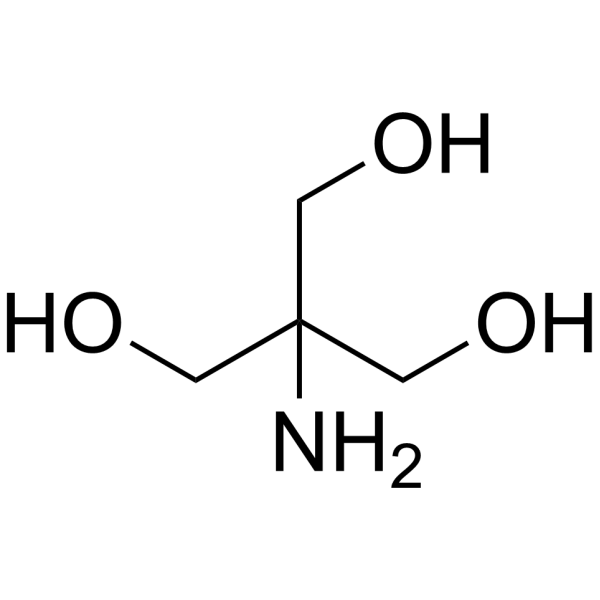
    THAM
    1 Publications Verification

    Tris; Tris(hydroxymethyl)aminomethane

    Biochemical Assay Reagents Metabolic Disease
    THAM (Tris) is a low-toxicity amino alcohol buffer, a specific CO2-consuming proton acceptor that buffers carbon dioxide and acid both in vitro and in vivo. THAM binds protons to form bicarbonate, reduces PaCO2, and induces intracellular alkalization, thereby ameliorating hypercapnia-induced elevation of pulmonary blood vessels and pulmonary arterial pressure. THAM may cause PaCO2 rebound, hypoglycemia, and respiratory depression. THAM removes amniotic epithelium and preserves the basement membrane, but depletes extracellular matrix and reduces the adhesion rate of limbal epithelial cells. THAM can act as a CO2 carrier to enhance the productivity and carbon utilization rate of Scenedesmus obliquus. THAM is a key component of buffer solutions used in various biological, cell culture, biochemical, and molecular biology applications .
    THAM
  • HY-17417A
    Naloxone
    5+ Cited Publications

    Opioid Receptor Neurological Disease Cancer
    Naloxone is an antagonist of Opioid receptor. Naloxone alleviates opioid-overdose-induced respiratory depression. Naloxone may cause pulmonary edema and cardiac arrhythmias .
    Naloxone
  • HY-B0551

    Potassium Channel Neurological Disease
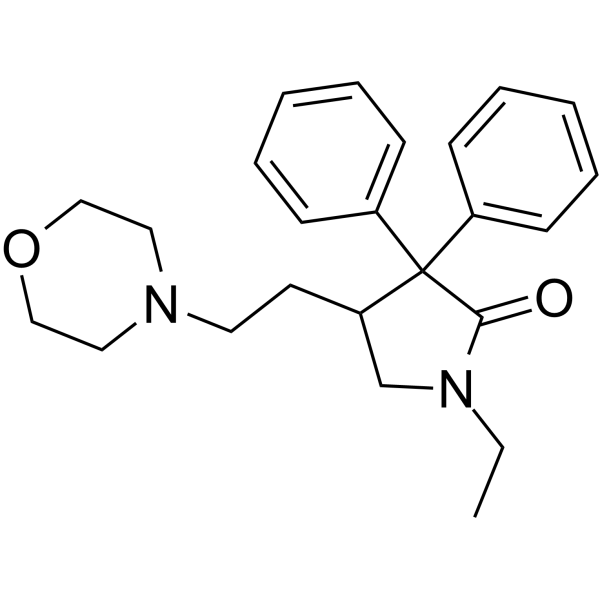
    Doxapram is a respiratory stimulant. Doxapram increases breathing rate and depth by acting on the brain's respiratory centers and peripheral chemoreceptors. Doxapram inhibits TASK-1, TASK-3, TASK-1/TASK-3 heterodimeric channel function with EC50s of 410 nM, 37 μM, 9 μM, respectively. Doxapram inhibits the Ca²⁺-activated potassium current (IC50 ≈ 13 μM) and Ca²⁺-independent potassium current (IC50 ≈ 20 μM) in type I cells of the carotid body. Doxapram significantly prolongs the effective refractory period of the atrium and has an anti-arrhythmic effect. Doxapram can be used for the study of respiratory depression such as post-anesthesia respiratory depression, chronic obstructive pulmonary disease and apnea of prematurity .
    Doxapram
  • HY-B0551A

    Potassium Channel Neurological Disease
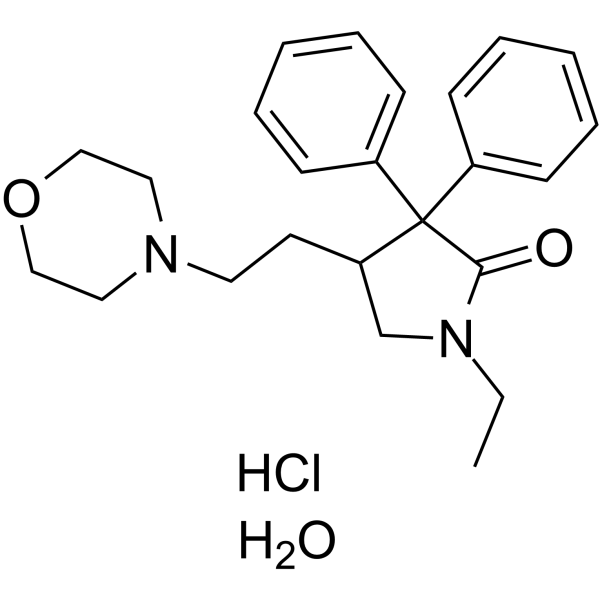
    Doxapram hydrochloride hydrate is a respiratory stimulant. Doxapram hydrochloride hydrate increases breathing rate and depth by acting on the brain's respiratory centers and peripheral chemoreceptors. Doxapram hydrochloride hydrate inhibits TASK-1, TASK-3, TASK-1/TASK-3 heterodimeric channel function with EC50s of 410 nM, 37 μM, 9 μM, respectively. Doxapram hydrochloride hydrate inhibits the Ca²⁺-activated potassium current (IC50 ≈ 13 μM) and Ca²⁺-independent potassium current (IC50 ≈ 20 μM) in type I cells of the carotid body. Doxapram hydrochloride hydrate significantly prolongs the effective refractory period of the atrium and has an anti-arrhythmic effect. Doxapram hydrochloride hydrate can be used for the study of respiratory depression such as post-anesthesia respiratory depression, chronic obstructive pulmonary disease and apnea of prematurity .
    Doxapram hydrochloride hydrate
  • HY-B0198
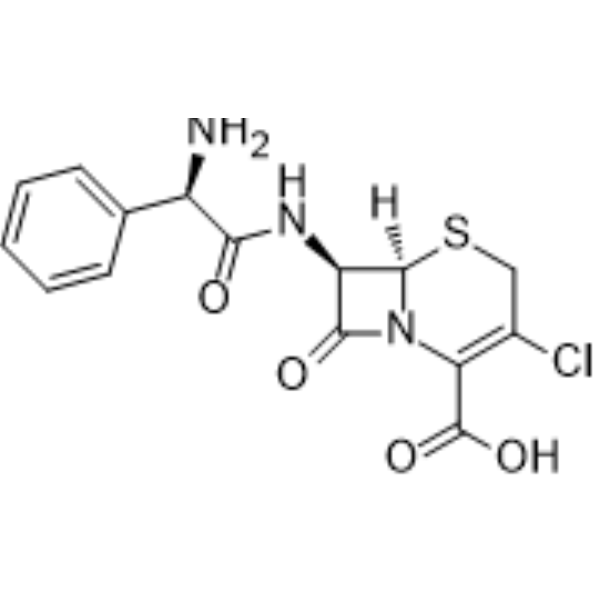
    Cefaclor
    2 Publications Verification

    Antibiotic Penicillin-binding protein (PBP) Bacterial 5-HT Receptor Infection Neurological Disease Inflammation/Immunology
    Cefaclor is a well-absorbed orally active cephalosporin antibiotic. Cefaclor can specifically bind to specific for penicillin-binding protein 3 (PBP3). Cefaclor can be used for the research of depression and kinds of infections caused by bacteria, such as respiratory tract infections, bacterial bronchitis, pharyngitis and skin infections .
    Cefaclor
  • HY-145404
    Mitragynine pseudoindoxyl
    1 Publications Verification

    Opioid Receptor Metabolic Disease
    Mitragynine pseudoindoxyl is a potent orally active agonist of the μ-opioid receptor (MOR-1, Ki=0.8 nM) and an antagonist of the δ-opioid receptor (DOR-1, Ki=3.0 nM). Mitragynine pseudoindoxyl has moderate affinity for the κ-opioid receptor (KOR-1, Ki=24 nM) and does not recruit β-arrestin-2, acting through G protein-mediated signaling pathways without β-arrestin-2-related activation. Mitragynine pseudoindoxyl produces potent analgesic activity through a mixed μ-agonist/δ-antagonist mechanism, with low side effects such as physical dependence, respiratory depression, and constipation, and no rewarding or aversive behaviors. Mitragynine pseudoindoxyl reduces hyperactivity, inhibits GI transit, and enhances characteristics, making it a potential analgesic .
    Mitragynine pseudoindoxyl
  • HY-14785

    NLX-112; F13640

    5-HT Receptor Neurological Disease
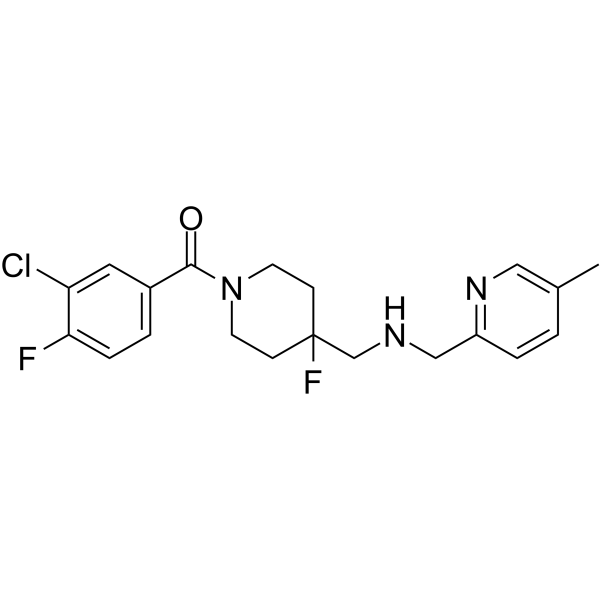
    Befiradol (NLX-112) is a highly selective 5-HT1A receptor agonist that acts on both presynaptic and postsynaptic sites. Befiradol attenuates fentanyl-induced respiratory depression in neonatal and adult rats. Befiradol reduces the duration of fentanyl-induced analgesia and sedation in adult rats. Befiradol can be used in studies related to opioid-induced respiratory depression .
    Befiradol
  • HY-171844

    iGluR Neurological Disease Inflammation/Immunology
    CX1739 is an orally active, blood-brain barrier permeable, low-efficacy AMPA-glutamate receptor (AMPAR) potentiator. CX1739 enhances excitatory neurotransmission by potentiating glutamate-induced excitatory currents and promoting in vivo long-term potentiation. CX1739 eliminates amphetamine-induced locomotor activity, reverses opioid-, pentobarbital- and ethanol-induced respiratory depression, and exerts pro-cognitive effects in animals. CX1739 impairs motor function recovery and increases the risk of post-injury complications. CX1739 can be used in research related to attention-deficit/hyperactivity disorder, dementia, respiratory depression and spinal cord injury .
    CX1739
  • HY-12716A

    Adrenergic Receptor ERK p38 MAPK Dopamine Receptor Cardiovascular Disease Neurological Disease
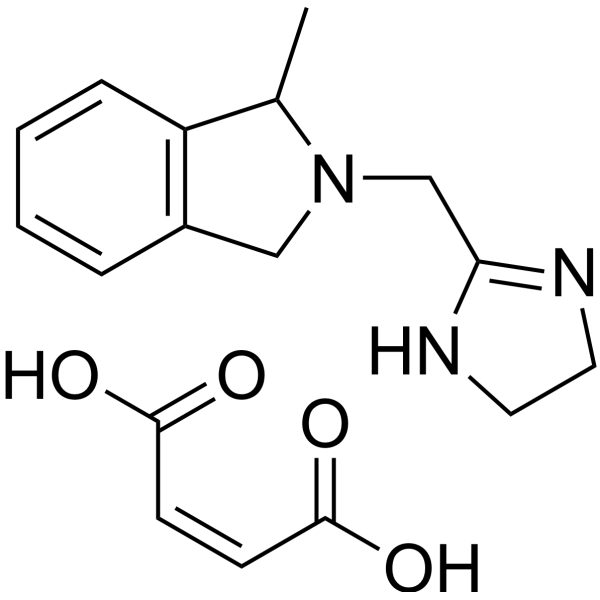
    BRL-44408 maleate is a selective, blood-brain barrier-permeable α2A-adrenergic receptor antagonist with a Ki value of 8.56 nM against human targets. BRL-44408 maleate exhibits activities such as antidepressant, analgesic effects and attenuation of sepsis-induced acute lung injury by regulating the release of neurotransmitters such as norepinephrine and dopamine, or inhibiting signaling pathways including ERK1/2, p38MAPK and p65. BRL-44408 maleate can be used in studies related to acute respiratory distress syndrome, depression and visceral pain .
    BRL-44408 maleate
  • HY-19870C
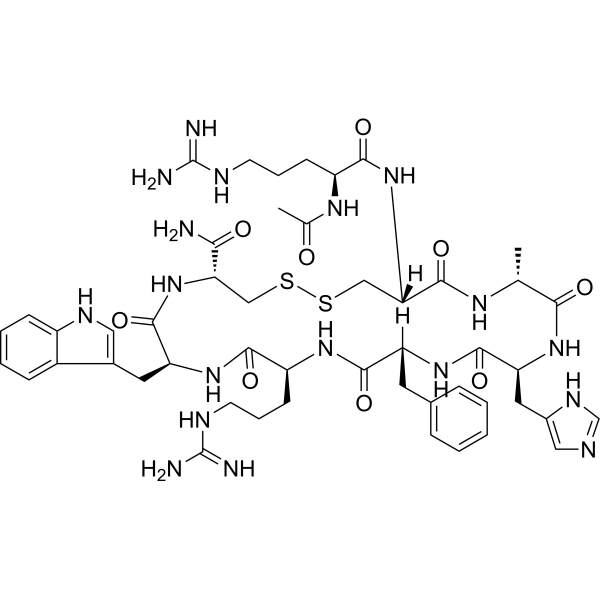
    Setmelanotide monoacetate
    5+ Cited Publications

    RM-493 monoacetate; BIM-22493 monoacetate; IRC-022493 monoacetate

    Melanocortin Receptor Calmodulin AMPK Cardiovascular Disease Metabolic Disease Inflammation/Immunology
    Setmelanotide monoacetate (RM-493 monoacetate) is a blood-brain barrier-permeable, selective MC4R agonist with a Ki value of 2.1 nM for hMC4R. Setmelanotide monoacetate activates the CaMKK2/AMPK signaling pathway. Setmelanotide monoacetate mediates body weight homeostasis, feeding regulation and energy expenditure modulation; it reduces food intake, induces weight loss, decreases obesity severity, increases daytime activity and energy expenditure, lowers levels of leptin, triglycerides, fasting insulin and diastolic blood pressure, improves insulin sensitivity, glucose tolerance and fatty liver condition, and reverses respiratory depression. Setmelanotide monoacetate is applicable to research related to obesity, hyperinsulinemia, fatty liver and respiratory depression .
    Setmelanotide monoacetate
  • HY-D0227J

    Tris HCl (≥99%, for cell culture); Tris hydrochloride (≥99%, for cell culture)

    Biochemical Assay Reagents Metabolic Disease
    THAM hydrochloride (≥99%, for cell culture) is a low-toxicity amino alcohol buffer, a specific CO2-consuming proton acceptor that buffers carbon dioxide and acid both in vitro and in vivo. THAM hydrochloride (≥99%, for cell culture) binds protons to form bicarbonate, reduces PaCO2, and induces intracellular alkalization, thereby ameliorating hypercapnia-induced elevation of pulmonary blood vessels and pulmonary arterial pressure. THAM hydrochloride (≥99%, for cell culture) may cause PaCO2 rebound, hypoglycemia, and respiratory depression. THAM hydrochloride (≥99%, for cell culture) removes amniotic epithelium and preserves the basement membrane, but depletes extracellular matrix and reduces the adhesion rate of limbal epithelial cells. THAM hydrochloride (≥99%, for cell culture) can act as a CO2 carrier to enhance the productivity and carbon utilization rate of Scenedesmus obliquus. THAM hydrochloride (≥99%, for cell culture) is a key component of buffer solutions used in various biological, cell culture, biochemical, and molecular biology applications .
    THAM hydrochloride (≥99%, for cell culture)
  • HY-D0184R

    Deoxycytidine (Standard); Cytosine deoxyriboside (Standard); Deoxyribose cytidine (Standard)

    Reference Standards Endogenous Metabolite Cancer
    Cefaclor (monohydrate) (Standard) is the analytical standard of Cefaclor (monohydrate). This product is intended for research and analytical applications. Cefaclor is a well-absorbed orally active cephalosporin antibiotic. Cefaclor can specifically bind to specific for penicillin-binding protein 3 (PBP3). Cefaclor can be used for the research of depression and kinds of infections caused by bacteria, such as respiratory tract infections, bacterial bronchitis, pharyngitis and skin infections .
    2'-Deoxycytidine (Standard)
  • HY-113440
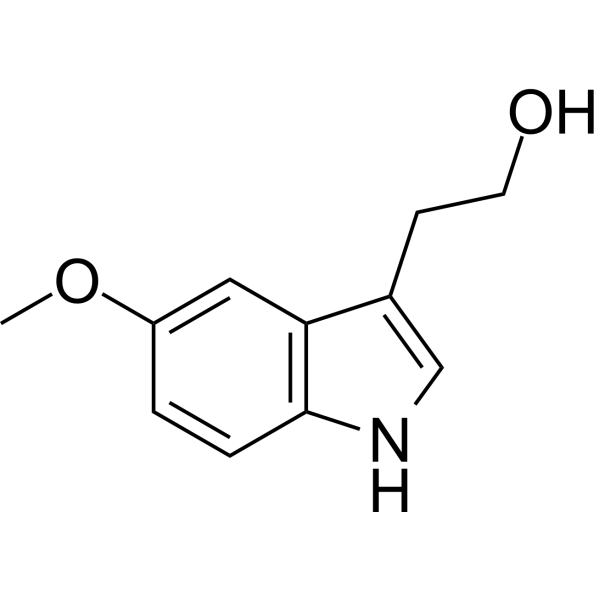
    5-Methoxytryptophol
    1 Publications Verification

    Melatonin Receptor ERK TNF Receptor Interleukin Related MMP Endogenous Metabolite Neurological Disease Metabolic Disease Inflammation/Immunology
    5-Methoxytryptophol is a 5-methoxyindole alcohol structurally homologous to Melatonin (HY-B0075). It is secreted by the mammalian pineal gland and exhibits an inverse circadian rhythm. 5-Methoxytryptophol regulates bone metabolism by activating the ERK1/2 pathway. It reduces the levels of pro-inflammatory cytokines TNF-α and IL-1β, as well as proteolytic enzymes MMP-1 and MMP-2, in serum and dental pulp tissues, thereby ameliorating acute pulpitis. 5-Methoxytryptophol induces rapid sleep in mice, while high doses cause respiratory depression and death. 5-Methoxytryptophol. 5-Methoxytryptophol can be used in studies related to acute pulpitis, hypnosis, and bone metabolism .
    5-Methoxytryptophol
  • HY-17417R

    Reference Standards Opioid Receptor Neurological Disease Cancer
    Naloxone (hydrochloride) (Standard) is the analytical standard of Naloxone (hydrochloride). This product is intended for research and analytical applications. Naloxone hydrochloride is an antagonist of Opioid receptor. Naloxone hydrochloride alleviates opioid-overdose-induced respiratory depression. Naloxone hydrochloride may cause pulmonary edema and cardiac arrhythmias .
    Naloxone hydrochloride (Standard)
  • HY-B0198A
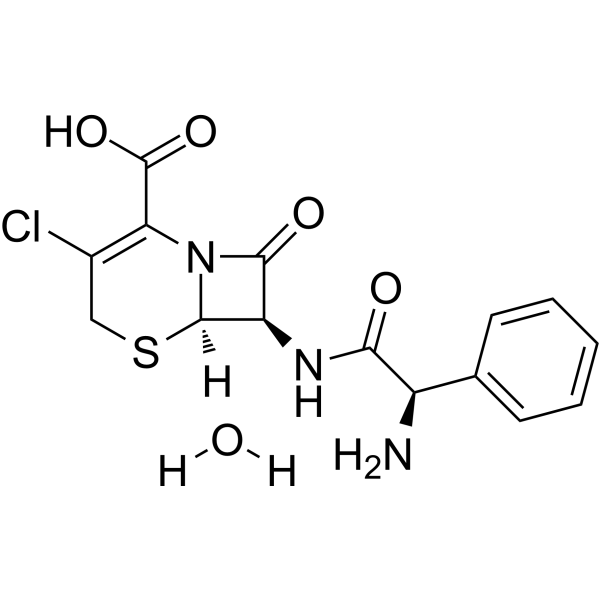
    Cefaclor monohydrate
    2 Publications Verification

    Antibiotic Bacterial Penicillin-binding protein (PBP) 5-HT Receptor Infection Neurological Disease Inflammation/Immunology
    Cefaclor is a well-absorbed orally active cephalosporin antibiotic. Cefaclor can specifically bind to specific for penicillin-binding protein 3 (PBP3). Cefaclor can be used for the research of depression and kinds of infections caused by bacteria, such as respiratory tract infections, bacterial bronchitis, pharyngitis and skin infections .
    Cefaclor monohydrate
  • HY-D0227B
    THAM acetate
    1 Publications Verification

    Tris acetate; Tris(hydroxymethyl)aminomethane acetate

    Biochemical Assay Reagents Metabolic Disease
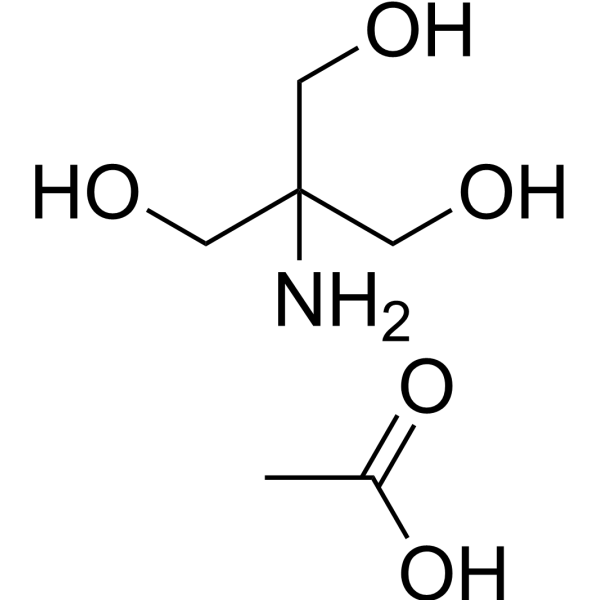
    THAM acetate is a low-toxicity amino alcohol buffer, a CO2-consuming proton acceptor that buffers carbon dioxide and acid both in vitro and in vivo. THAM acetate binds protons to form bicarbonate, reduces PaCO2, and induces intracellular alkalization, thereby ameliorating hypercapnia-induced elevation of pulmonary blood vessels and pulmonary arterial pressure. THAM acetate may cause PaCO2 rebound, hypoglycemia, and respiratory depression. THAM acetate removes amniotic epithelium and preserves the basement membrane, but depletes extracellular matrix and reduces the adhesion rate of limbal epithelial cells. THAM acetate can act as a CO2 carrier to enhance the productivity and carbon utilization rate of Scenedesmus obliquus. THAM acetate is a key component of buffer solutions used in various biological, cell culture, biochemical, and molecular biology applications .
    THAM acetate
  • HY-12716

    Adrenergic Receptor p38 MAPK Dopamine Receptor ERK Cardiovascular Disease Neurological Disease
    BRL-44408 is a selective, blood-brain barrier-permeable α2A-adrenergic receptor antagonist with a Ki value of 8.56 nM against human targets. BRL-44408 exhibits activities such as antidepressant, analgesic effects and attenuation of sepsis-induced acute lung injury by regulating the release of neurotransmitters such as norepinephrine and dopamine, or inhibiting signaling pathways including ERK1/2, p38MAPK and p65. BRL-44408 can be used in studies related to acute respiratory distress syndrome, depression and visceral pain .
    BRL-44408
  • HY-174422

    Opioid Receptor Others
    Opioid receptor antagonist 2 (Compound 9) is a potent opioid receptor antagonist. Opioid receptor antagonist 2 can reverse ventilatory depression and vocal cord closure induced by fentanyl analogs in mice. Opioid receptor antagonist 2 is promising for research of acute poisoning such as respiratory depression caused by overdose of opioids .
    Opioid receptor antagonist 2
  • HY-W075176

    Insecticide Infection
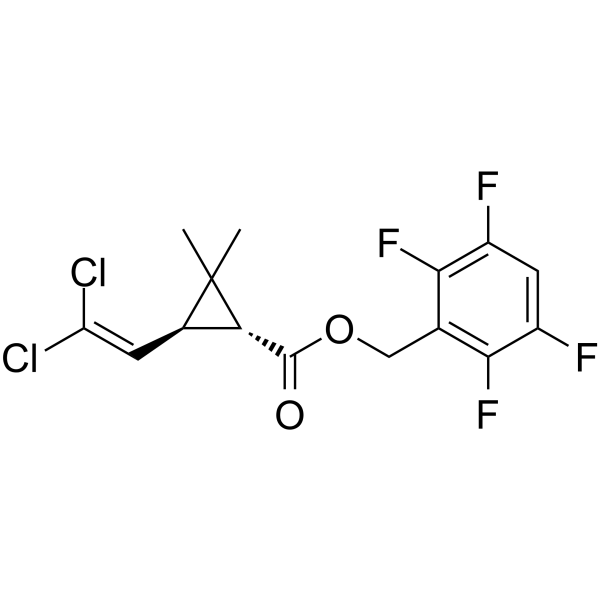
    Transfluthrin is an insecticide with extremely low acute toxicity to vertebrates. Transfluthrin acts as a mosquito repellent, exerts mosquito control effects via electric heating fumigators, and is widely used in studies related to malaria, bancroftian filariasis and mosquito-borne infectious diseases. Transfluthrin may also induce adverse reactions such as pulmonary sensory irritation, sensitization, genotoxicity and respiratory depression, and can increase the concentrations and activities of CYP2E1 and CYP3A2 in rat brains. Transfluthrin can be removed from wastewater through biodegradation and activated sludge adsorption, and can be degraded by microorganisms such as Azovibrio and Tauera .
    Transfluthrin
  • HY-163667

    Opioid Receptor Neurological Disease
    Atoxifent is a potent μ-opioid receptor agonist (EC50=0.39 nM). These receptors are found in brain regions that control pain, emotions, habitual learning, and cognition. Atoxifent exhibits strong analgesic effects and a lower risk of respiratory depression. Atoxifent can be used for research in opioid pharmacology and signal transduction .
    Atoxifent
  • HY-14785A

    NLX-112 hydrochloride; F 13640 hydrochloride

    5-HT Receptor Neurological Disease Metabolic Disease
    Befiradol (NLX-112) hydrochloride is a highly selective 5-HT1A receptor agonist that acts on both presynaptic and postsynaptic sites. Befiradol hydrochloride attenuates fentanyl-induced respiratory depression in neonatal and adult rats. Befiradol reduces the duration of fentanyl-induced analgesia and sedation in adult rats. Befiradol hydrochloride can be used in studies related to opioid-induced respiratory depression .
    Befiradol hydrochloride
  • HY-148708

    iGluR Neurological Disease
    Oleoyl-D-lysine is a selective Glycine Transporter-2 (GlyT2) inhibitor based on lipid. Oleoyl-D-lysine reverses neuropathic pain in mice,shows antidrowsiness effect on chronic neuropathic pain. Oleoyl-D-lysine is safe and effective without respiratory depression .
    Oleoyl-D-lysine
  • HY-N6609

    nAChR Others
    Magnocurarine is a neuromuscular junction blocker that inhibits muscle contraction by functionally blocking signal transmission without directly damaging nerve or muscle tissues. In frog, mouse and rabbit models, Magnocurarine exerts a dose-dependent paralytic effect, which progresses gradually from limb weakness and loss of righting reflex to respiratory depression and even cardiac arrest. Although high doses cause complete cessation of movement, Magnocurarine does not affect the spinal multineuronal reflex in frogs. Magnocurarine exhibits biological activity similar to that of tubocurarine (HY-125901) in various animal models .
    Magnocurarine
  • HY-W075176R

    Insecticide Reference Standards Others
    Transfluthrin (Standard) is the analytical standard of Transfluthrin (HY-W075176). This product is intended for research and analytical applications. Transfluthrin is an insecticide with extremely low acute toxicity to vertebrates. Transfluthrin acts as a mosquito repellent, exerts mosquito control effects via electric heating fumigators, and is widely used in studies related to malaria, bancroftian filariasis and mosquito-borne infectious diseases. Transfluthrin may also induce adverse reactions such as pulmonary sensory irritation, sensitization, genotoxicity and respiratory depression, and can increase the concentrations and activities of CYP2E1 and CYP3A2 in rat brains. Transfluthrin can be removed from wastewater through biodegradation and activated sludge adsorption, and can be degraded by microorganisms such as Azovibrio and Tauera .
    Transfluthrin (Standard)
  • HY-106965

    GABA Receptor Neurological Disease
    Org 21465 is an agent that can relieve pain. Org 21465 causes no cardiovascular or respiratory depression. Org 21465 can inhibit GABAA receptor in vivo .
    Org 21465
  • HY-129146S

    Isotope-Labeled Compounds Potassium Channel Others
    Doxapram-d5 hydrochloride is deuterium labeled Doxapram hydrochloride. Doxapram hydrochloride is a respiratory stimulant. Doxapram hydrochloride increases breathing rate and depth by acting on the brain's respiratory centers and peripheral chemoreceptors. Doxapram hydrochloride inhibits TASK-1, TASK-3, TASK-1/TASK-3 heterodimeric channel function with EC50s of 410 nM, 37 μM, 9 μM, respectively. Doxapram hydrochloride inhibits the Ca²⁺-activated potassium current (IC50 ≈ 13 μM) and Ca²⁺-independent potassium current (IC50 ≈ 20 μM) in type I cells of the carotid body. Doxapram hydrochloride significantly prolongs the effective refractory period of the atrium and has an anti-arrhythmic effect. Doxapram hydrochloride can be used for the study of respiratory depression such as post-anesthesia respiratory depression, chronic obstructive pulmonary disease and apnea of prematurity.
    Doxapram-d5 hydrochloride
  • HY-B0551S

    Isotope-Labeled Compounds Potassium Channel Neurological Disease
    Doxapram-d8 is deuterated labeled Doxapram (HY-B0551). Doxapram is a respiratory stimulant. Doxapram increases breathing rate and depth by acting on the brain's respiratory centers and peripheral chemoreceptors. Doxapram inhibits TASK-1, TASK-3, TASK-1/TASK-3 heterodimeric channel function with EC50s of 410 nM, 37 μM, 9 μM, respectively. Doxapram inhibits the Ca²⁺-activated potassium current (IC50 ≈ 13 μM) and Ca²⁺-independent potassium current (IC50 ≈ 20 μM) in type I cells of the carotid body. Doxapram significantly prolongs the effective refractory period of the atrium and has an anti-arrhythmic effect. Doxapram can be used for the study of respiratory depression such as post-anesthesia respiratory depression, chronic obstructive pulmonary disease and apnea of prematurity.
    Doxapram-d8
  • HY-B0551AR

    Reference Standards Potassium Channel Neurological Disease
    Doxapram hydrochloride hydrate (Standard) is the analytical standard of Doxapram hydrochloride hydrate (HY-B0551A). This product is intended for research and analytical applications. Doxapram hydrochloride hydrate is a respiratory stimulant. Doxapram hydrochloride hydrate increases breathing rate and depth by acting on the brain's respiratory centers and peripheral chemoreceptors. Doxapram hydrochloride hydrate inhibits TASK-1, TASK-3, TASK-1/TASK-3 heterodimeric channel function with EC50s of 410 nM, 37 μM, 9 μM, respectively. Doxapram hydrochloride hydrate inhibits the Ca²⁺-activated potassium current (IC50 ≈ 13 μM) and Ca²⁺-independent potassium current (IC50 ≈ 20 μM) in type I cells of the carotid body. Doxapram hydrochloride hydrate significantly prolongs the effective refractory period of the atrium and has an anti-arrhythmic effect. Doxapram hydrochloride hydrate can be used for the study of respiratory depression such as post-anesthesia respiratory depression, chronic obstructive pulmonary disease and apnea of prematurity.
    Doxapram hydrochloride hydrate (Standard)
  • HY-17417AR

    Opioid Receptor Reference Standards Neurological Disease Cancer
    Naloxone (Standard) is the analytical standard of Naloxone. This product is intended for research and analytical applications. Naloxone is an antagonist of Opioid receptor. Naloxone alleviates opioid-overdose-induced respiratory depression. Naloxone may cause pulmonary edema and cardiac arrhythmias .
    Naloxone (Standard)
  • HY-11051

    Opioid Receptor Inflammation/Immunology
    JNJ-20788560 is a selective and orally active delta opioid receptor agonist with an affinity of 2.0 nM for DOR (rat brain cortex binding assay). JNJ-20788560 also is a potent and efficacious antihyperalgesic agent that does not produce respiratory depression, pharmacologic tolerance, or physical dependence. JNJ-20788560 can be used for the research of the relief of inflammatory hyperalgesia .
    JNJ-20788560
  • HY-B0198AR

    Antibiotic Reference Standards Bacterial Penicillin-binding protein (PBP) 5-HT Receptor Infection Neurological Disease Inflammation/Immunology
    Cefaclor (monohydrate) (Standard) is the analytical standard of Cefaclor (monohydrate). This product is intended for research and analytical applications. Cefaclor is a well-absorbed orally active cephalosporin antibiotic. Cefaclor can specifically bind to specific for penicillin-binding protein 3 (PBP3). Cefaclor can be used for the research of depression and kinds of infections caused by bacteria, such as respiratory tract infections, bacterial bronchitis, pharyngitis and skin infections .
    Cefaclor monohydrate (Standard)
  • HY-W385577A

    Drug Derivative Neurological Disease Metabolic Disease Inflammation/Immunology
    (S)-2-Benzylpyrrolidine hydrochloride (Compound s1) serves as a METH hapten scaffold. (S)-2-Benzylpyrrolidine hydrochloride attenuates Methamphetamine-induced hyperlocomotion, hyperthermia and respiratory depression. (S)-2-Benzylpyrrolidine hydrochloride alleviates Fentanyl-induced respiratory depression .
    (S)-2-Benzylpyrrolidine hydrochloride
  • HY-182631

    iGluR Neurological Disease
    CX1763 is an AMPAR allosteric modulator. CX1763 allosterically potentiates glutamate-evoked currents, accelerates channel opening, and increases the surface levels of AMPAR containing Glur2 (R). CX1763 enhances synaptic transmission in the rat hippocampus. CX1763 improves attention in rats and attenuates amphetamine-induced hyperactivity in mice. CX1763 can be used in studies related to attention deficit hyperactivity disorder and opioid-induced respiratory depression .
    CX1763
  • HY-W385577

    Drug Derivative Neurological Disease Inflammation/Immunology
    (S)-2-Benzylpyrrolidine (Compound s1) serves as a METH hapten scaffold. (S)-2-Benzylpyrrolidine attenuates Methamphetamine-induced hyperlocomotion, hyperthermia and respiratory depression. (S)-2-Benzylpyrrolidine alleviates Fentanyl-induced respiratory depression .
    (S)-2-Benzylpyrrolidine
  • HY-148708A

    iGluR Neurological Disease
    Oleoyl-D-lysine sodium is a selective Glycine Transporter-2 (GlyT2) inhibitor based on lipid. Oleoyl-D-lysine sodium reverses neuropathic pain in mice, shows antidrowsiness effect on chronic neuropathic pain. Oleoyl-D-lysine sodium is safe and effective without respiratory depression .
    Oleoyl-D-lysine sodium
  • HY-105525

    NIH 10908 free base

    Opioid Receptor Neurological Disease
    Sameridine (NIH-10908 free base) is a weak partial agonist of the μ-opioid receptor. Sameridine shows local anesthetic and analgesic properties. Sameridine has minimal respiratory depression at low doses, but can suppress ventilatory response at high doses. Sameridine can be used for the study of analgesic effect .
    Sameridine
  • HY-185356

    Opioid Receptor Neurological Disease
    SR-14968 is a full, allosteric and non-competitive MOR agonist, with an EC50 of 88 nM for MOR in mouse brainstem. SR-14968 stabilizes MOR in a G protein signaling state that is resistant to washout but reversible by antagonists. SR-14968 induces respiratory depression in mice. SR-14968 can be used in pain-related research .
    SR-14968
  • HY-N6609B

    nAChR Cardiovascular Disease
    Magnocurarine chloride is a neuromuscular junction blocker that inhibits muscle contraction by functionally blocking signal transmission without directly damaging nerve or muscle tissues. In frog, mouse and rabbit models, Magnocurarine chloride exerts a dose-dependent paralytic effect, which progresses gradually from limb weakness and loss of righting reflex to respiratory depression and even cardiac arrest. Although high doses cause complete cessation of movement, Magnocurarine chloride does not affect the spinal multineuronal reflex in frogs. Magnocurarine chloride exhibits biological activity similar to that of tubocurarine (HY-125901) in various animal models .
    Magnocurarine chloride
  • HY-179282

    Opioid Receptor Neurological Disease
    Mu opioid receptor antagonist 9 is potent, selective and CNS-pentrant mu-opioid receptor (MOR) antagonist with a Ki of 77.3 nM. Mu opioid receptor antagonist 9 exhibits selectivity over kappa-opioid receptor (KOR), and delta-opioid receptor (DOR). Mu opioid receptor antagonist 9 effectively blocks the antinociceptive effects of psychoactive substances. Mu opioid receptor antagonist 9 can reverse psychoactive substances-induced respiratory depression in mice. Mu opioid receptor antagonist 9 can be used for the research of Opioid Use Disorder (OUD) .
    Mu opioid receptor antagonist 9
  • HY-113440R

    Reference Standards Interleukin Related Endogenous Metabolite Melatonin Receptor TNF Receptor ERK MMP Neurological Disease Metabolic Disease Inflammation/Immunology
    5-Methoxytryptophol (Standard) is the analytical standard of 5-Methoxytryptophol. This product is intended for research and analytical applications. 5-Methoxytryptophol is a 5-methoxyindole alcohol structurally homologous to Melatonin (HY-B0075). It is secreted by the mammalian pineal gland and exhibits an inverse circadian rhythm. 5-Methoxytryptophol regulates bone metabolism by activating the ERK1/2 pathway. It reduces the levels of pro-inflammatory cytokines TNF-α and IL-1β, as well as proteolytic enzymes MMP-1 and MMP-2, in serum and dental pulp tissues, thereby ameliorating acute pulpitis. 5-Methoxytryptophol induces rapid sleep in mice, while high doses cause respiratory depression and death. 5-Methoxytryptophol. 5-Methoxytryptophol can be used in studies related to acute pulpitis, hypnosis, and bone metabolism.
    5-Methoxytryptophol (Standard)

Inquiry Online

Your information is safe with us. * Required Fields.

Salutation


Country or Region *

Applicant Name *


Organization Name *

Department *


Email Address *


Product Name *

Cat. No.


Requested quantity *

Phone Number *


Remarks

Inquiry Online

Inquiry Information

Product Name:
Cat. No.:
Quantity:
MCE Japan Authorized Agent:

