

1. Search Result
Search Result
Results for "

tight junction proteins

" in MedChemExpress (MCE) Product Catalog:

22

Inhibitors & Agonists

1

Fluorescent Dyes

5

Biochemical Assay Reagents

4

Peptides

2

Inhibitory Antibodies

10

Natural
Products

2

Oligonucleotides

1

GMP Molecules

Cat. No. Product Name Target Research Areas Chemical Structure
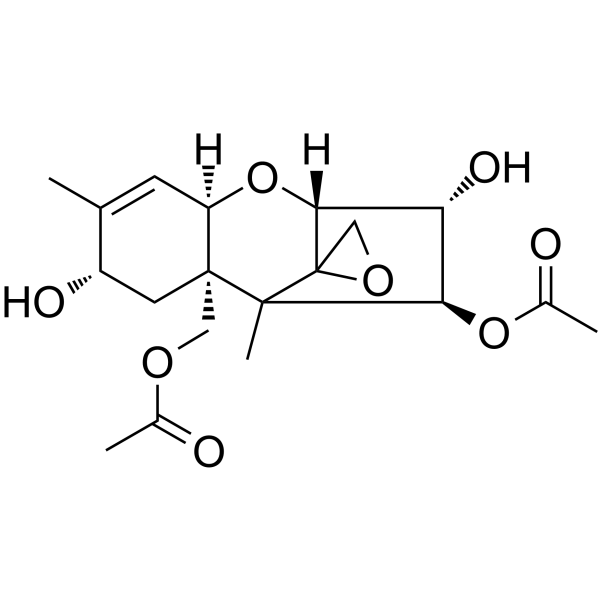
  • HY-N6684
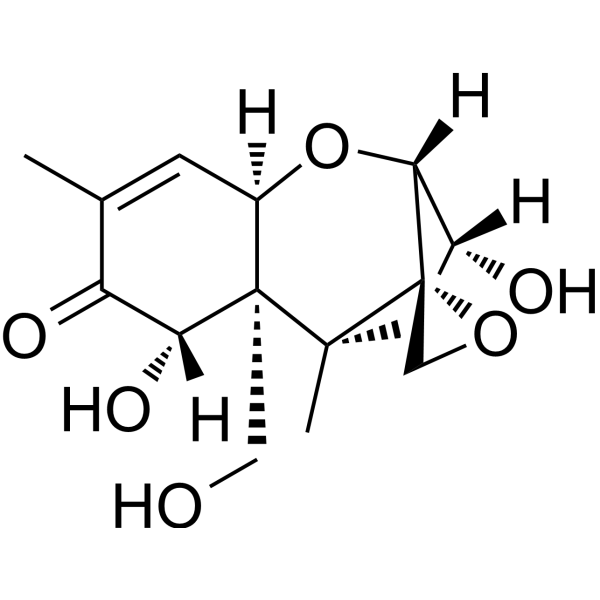
    Deoxynivalenol
    Maximum Cited Publications
    16 Publications Verification

    Vomitoxin

    P-glycoprotein Metabolic Disease
    Deoxynivalenol, an orally active mycotoxin of the trichothecenes family, crosses the intestinal mucosa by a paracellular pathway through the tight junctions. The Deoxynivalenol transport is not affected by P-glycoprotein (PgP) or multidrug resistance-associated proteins (MRPs) inhibitors .
    Deoxynivalenol
  • HY-148033

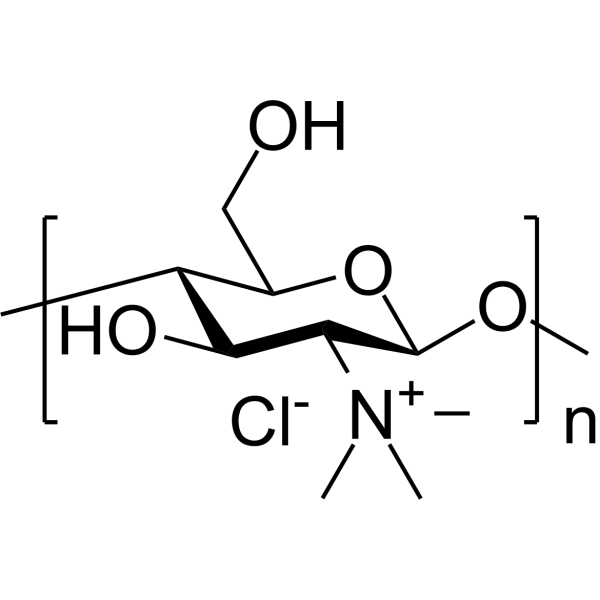
    N,N,N-Trimethylchitosan

    Drug Derivative Others
    Trimethyl chitosan (N,N,N-Trimethylchitosan) is a multifunctional polymer and a derivative of Chitosan (HY-B2144A). Trimethyl chitosan targets the absorption enhancing proteins of tight junctions of intestinal and mucosal epithelial cells, induces tight junction protein rearrangement, and increases intercellular permeability. Trimethyl chitosan can stimulate the activity of promoting transmembrane transport of hydrophilic drugs (such as peptides and proteins) and can be used for drug delivery and synthesis of nanoparticles .
    Trimethyl chitosan
  • HY-113283

    Amyloid-β Natriuretic Peptide Receptor (NPR) α-synuclein Transthyretin (TTR) Claudin Neurological Disease Metabolic Disease Cancer
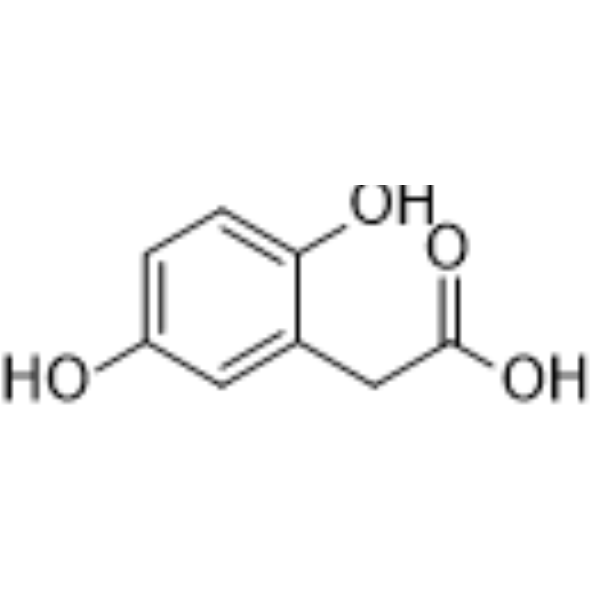
    Homogentisic acid is an orally active, blood-brain barrier-permeable amyloidogenic compound that functions as both an amyloid component and a pigment precursor. Accumulation of homogentisic acid downregulates tight junction proteins (such as claudin-5, occludin, ZO-1) and impairs blood-brain barrier integrity. Homogentisic acid and its oxidation product benzoquinone acetic acid not only induce the aggregation and fibrosis of multiple proteins (such as 1-42, α-synuclein, SAA, Transthyretin (TTR), atrial natriuretic peptide), but also trigger oxidative stress, damage to the Wnt/β-catenin pathway, and neurotoxicity, leading to ochronosis pigment deposition and synaptic dysfunction. At specific concentrations, homogentisic acid exerts no cytotoxicity or genotoxicity on human peripheral blood lymphocytes, and even counteracts the genotoxicity induced by Irinotecan (HY-16562). Homogentisic acid serves as an important tool molecule for investigating the mechanisms of diseases including ochronosis, secondary amyloidosis, Alzheimer's disease, and colorectal cancer .
    Homogentisic acid
  • HY-N0671
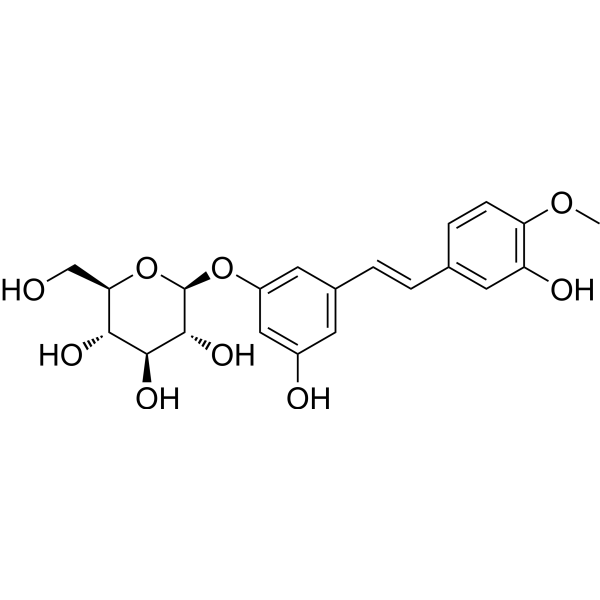
    Rhapontin
    2 Publications Verification

    Rhaponiticin

    Apoptosis Cardiovascular Disease Metabolic Disease Inflammation/Immunology Cancer
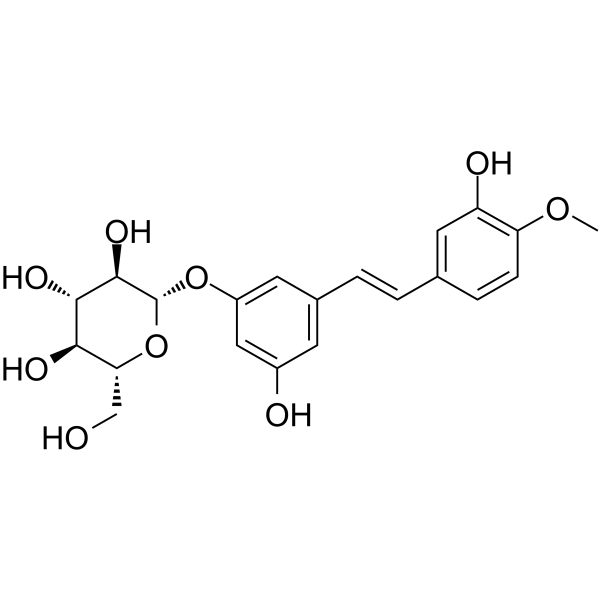
    Rhapontin (Rhaponiticin) is an orally aactive SIRT1 agonist and AMPK activator with anti-inflammatory and anti-fibrotic activities. Rhapontin inhibits NLRP3 inflammasome activation by activating SIRT1 and inhibits TGF-β/Smad signaling via the AMPK pathway. Rhapontin reduces intestinal and lung inflammation, inhibits fibroblast differentiation and extracellular matrix deposition, and enhances tight junction protein expression to repair epithelial barriers. Rhapontin can be used in the study of inflammatory bowel diseases (such as ulcerative colitis) and pulmonary fibrosis .
    Rhapontin
  • HY-128852

    Galectin Endogenous Metabolite Others
    N-Acetyl-D-galactosamine (GalNAc) is a terminal essential amino sugar derived from galactose and forms the antigens of blood group A in humans. N-Acetyl-D-galactosamine (GalNAc) interact with Soya bean agglutinin (SBA), hence decreasing the effects of SBA on cellular membrane permeability and tight junction protein expression in piglets . N-Acetyl-D-galactosamine (GalNAc) inhibits the hemagglutinating activity by the lectin .
    N-Acetyl-D-galactosamine, 98%
  • HY-P991200

    HCV Claudin Infection
    OM-7D3-B3 is an antibody-based antiviral agent targeting the tight junction protein CLDN1 (Kd=4 nM). By binding to the first extracellular domain of CLDN1, OM-7D3-B3 disrupts the formation of the CLDN1-CD81 co-receptor complex, thereby effectively inhibiting the entry of hepatitis C virus (HCV). OM-7D3-B3 not only prevents de novo and chronic HCV infections in humanized liver chimeric mice and uPA-SCID mice transplanted with human livers, but also exhibits favorable safety with no toxic effects observed. OM-7D3-B3 serves as a critical tool for research on HCV infection mechanisms and antiviral drug development .
    OM-7D3-B3
  • HY-140741
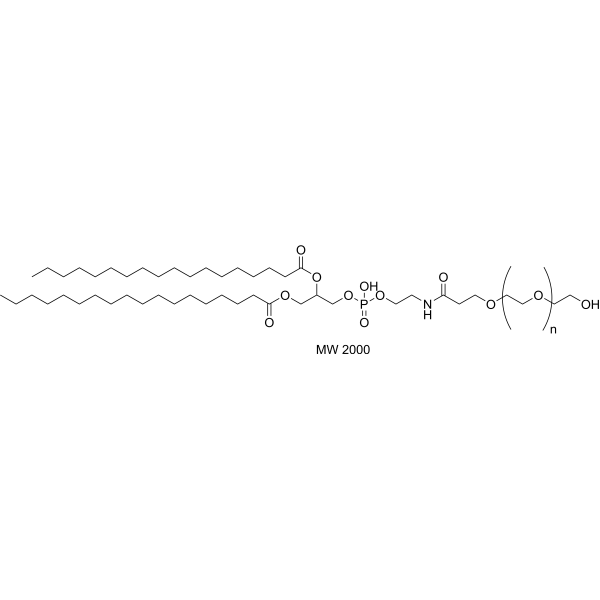
    DSPE-PEG2000-OH
    1 Publications Verification

    Biochemical Assay Reagents Inflammation/Immunology
    DSPE-PEG2000-OH is an absorption enhancer. DSPE-PEG2000-OH reduces the expression levels of ZO-1 and Occludin. DSPE-PEG2000-OH enhances the pulmonary absorption of poorly absorbable macromolecules via the paracellular pathway without altering pulmonary membrane fluidity .
    DSPE-PEG2000-OH
  • HY-P99413

    ASP1650

    HCV Cancer
    IMAB027 (ASP1650) is a specific anti-CLDN6 mAb, while CLDN6 (Claudin 6) is a tight junction membrane protein, aberrantly expressed in various human cancer types, ovarian cancers particularly. IMAB 027 shows anti-tumor activity, and induces apoptosis in CLDN6 + ovarian and testicular cancer cell lines .
    IMAB027
  • HY-W013636C
    2-Ketoglutaric acid potassium
    5+ Cited Publications

    Alpha-Ketoglutaric acid potassium

    Tyrosinase Endogenous Metabolite TNF Receptor Neurological Disease Metabolic Disease
    2-Ketoglutaric acid (Alpha-Ketoglutaric acid) (potassium) is an intermediate in the production of ATP or GTP in the Krebs cycle. 2-Ketoglutaric acid potassium is a reversible and orally active inhibitor of tyrosinase with an IC50 value of 15 mM. 2-Ketoglutaric acid potassium also acts as the major carbon skeleton for nitrogen-assimilatory reactions. 2-Ketoglutaric acid potassium significantly suppresses abnormal intestinal permeability, delocalization of tight junction proteins from the intestinal cells, expression of TNFα in vitro and in vivo. 2-Ketoglutaric acid potassium directly binds to TAK1, and inhibits the TRAF6-TAK1 interaction. 2-Ketoglutaric acid potassium also alleviates inflammatory bowel disease (IBD) symptoms and gut microbiota dysbiosis, evident by the improvements in the intestine length .
    2-Ketoglutaric acid potassium
  • HY-N4031

    Anaplastic lymphoma kinase (ALK) METTL3 Inflammation/Immunology
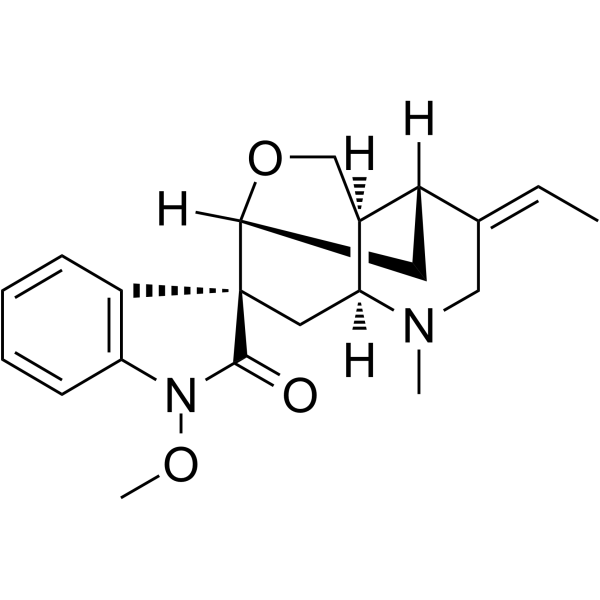
    Humantenine is a highly toxic indole alkaloid from Gelsemium elegans (Gardn. & Champ.) Benth. that binds to RNA m6A modification regulatory proteins (ALKBH5, METTL). Humantenine stably binds via hydrogen bonding and hydrophobic interactions and disrupts the m6A methylation level of target genes, thereby impairing the expression of intestinal epithelial cell tight junction and cytoskeleton-related genes, causing intestinal barrier dysfunction and significant intestinal cytotoxicity. The intraperitoneal injection LD50 values of Humantenine are <1 mg/kg in mice, 1.2 mg/kg in male rats and 1.5 mg/kg in female rats, respectively. Species differences exist in the metabolism of Humantenine in human, porcine, goat and rat liver microsomes, and demethylation, dehydrogenation and oxidation occur in liver microsomes .
    Humantenine
  • HY-N0671R
    Rhapontin (Standard)
    2 Publications Verification

    Rhaponiticin (Standard)

    Reference Standards Apoptosis Cardiovascular Disease Metabolic Disease Inflammation/Immunology Cancer
    Rhapontin (Standard) is the analytical standard of Rhapontin (HY-N0671). This product is intended for research and analytical applications. Rhapontin (Rhaponiticin) is an orally aactive SIRT1 agonist and AMPK activator with anti-inflammatory and anti-fibrotic activities. Rhapontin inhibits NLRP3 inflammasome activation by activating SIRT1 and inhibits TGF-β/Smad signaling via the AMPK pathway. Rhapontin reduces intestinal and lung inflammation, inhibits fibroblast differentiation and extracellular matrix deposition, and enhances tight junction protein expression to repair epithelial barriers. Rhapontin can be used in the study of inflammatory bowel diseases (such as ulcerative colitis) and pulmonary fibrosis .
    Rhapontin (Standard)
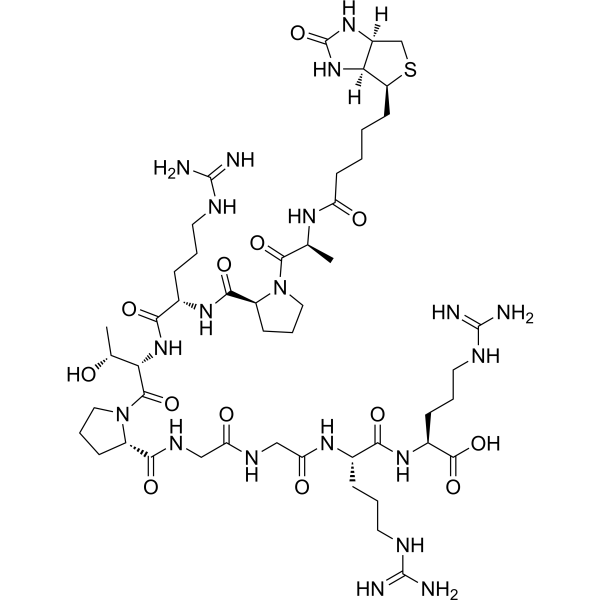
  • HY-P3828

    Fluorescent Dye Neurological Disease
    Biotin-myelin basic protein (94-102) is a peptide fragemt. Myelin basic protein is responsible for adhesion of the cytosolic surfaces of multilayered compact myelin, it plays an important role in the process of myelination of nerves in the nervous system. Myelin basic protein also acts as a membrane actin-binding protein, which might allow it to participate in transmission of extracellular signals to the cytoskeleton in oligodendrocytes and tight junctions in myelin .
    Biotin-myelin basic protein (94-102)
  • HY-N6612B
    Glucuronic acid sodium
    1 Publications Verification

    Bacterial Inflammation/Immunology
    Glucuronic acid sodium is a polysaccharide that exhibits anti-inflammatory activity, supporting the healing of ulcerative colitis. Glucuronic acid sodium also enhances the intestinal barrier by upregulating tight junction proteins like ZO-1 and Occludin. Furthermore, Glucuronic acid sodium plays a role in modulating gut microbiota by increasing beneficial bacterial populations while suppressing harmful ones.
    Glucuronic acid sodium
  • HY-P5641
    Pleurocidin
    1 Publications Verification

    Bacterial p38 MAPK NF-κB NADH Dehydrogenase Antibiotic Infection Inflammation/Immunology
    Pleurocidin is an Antimicrobial peptide. Pleurocidin is derived from the skin mucosa or intestinal secretions of Pseudopleuronectes americanus. Pleurocidin inhibits the expression of key proteins in the MAPK and NF-κB inflammatory signaling pathways. Pleurocidin alters serum inflammatory and immune cytokine levels, regulates the down-regulation of tight junction proteins, and modulates the intestinal flora. Pleurocidin exerts antibacterial activity by inducing bacterial membrane damage, hydroxyl radical formation, and NADH depletion, and also produces a synergistic effect with Antibiotics. Pleurocidin alleviates DSS-induced ulcerative colitis. Pleurocidin can be used for research on ulcerative colitis, bacterial infections, and bacterial biofilm-related infections .
    Pleurocidin
  • HY-N6684R

    Vomitoxin (Standard)

    P-glycoprotein Reference Standards Metabolic Disease
    Deoxynivalenol (Standard) is the analytical standard of Deoxynivalenol. This product is intended for research and analytical applications. Deoxynivalenol, an orally active mycotoxin of the trichothecenes family, crosses the intestinal mucosa by a paracellular pathway through the tight junctions. The Deoxynivalenol transport is not affected by P-glycoprotein (PgP) or multidrug resistance-associated proteins (MRPs) inhibitors .
    Deoxynivalenol (Standard)
  • HY-N11422R

    Reference Standards Antibiotic Bacterial Infection
    Deoxynivalenol (Standard) is the analytical standard of Deoxynivalenol. This product is intended for research and analytical applications. Deoxynivalenol, an orally active mycotoxin of the trichothecenes family, crosses the intestinal mucosa by a paracellular pathway through the tight junctions. The Deoxynivalenol transport is not affected by P-glycoprotein (PgP) or multidrug resistance-associated proteins (MRPs) inhibitors .
    Mycaminosyltylonolide (Standard)
  • HY-N13240

    Others Others
    Ginseng Extract is a ginseng extract, and its components include: Ginsenosides. Ginseng Extract is an excellent animal nutrition feed additive that can reduce the negative effects of heat stress on animal physiology. Studies have shown that Ginseng Extract can prolong the survival time of Caenorhabditis elegans under heat stress, and its mechanism is related to the upregulation of gene expression of specific heat shock proteins and tight junction proteins. .
    Ginseng Extract
  • HY-P11149

    Bacterial Infection Metabolic Disease
    Human Defensin-5 (1-9) is an orally active antimicrobial peptide. Human Defensin-5 (1-9) can inhibit metabolic disorders induced by Western-style diet (WSD) or Western-style diet with fructose (WSDF). Human Defensin-5 (1-9) enhances intestinal barrier function by upregulating the gene expression of ileal tight junction protein and mucins. Human Defensin-5 (1-9) can be used for the study of obesity and related metabolic diseases .
    Human Defensin-5 (1-9)
  • HY-171837A

    TNF Receptor Interleukin Related SOD Inflammation/Immunology
    t9,t11,c15-CLNA is a conjugated linolenic acid (CLNA) isomer produced by Lactobacillus plantarum ZS2058. t9,t11,c15-CLNA has the main activities of anti-inflammatory, antioxidant and improving intestinal barrier function. The regulatory mechanism of t9,t11,c15-CLNA includes upregulation of tight junction proteins, inhibition of pro-inflammatory cytokines (such as TNF-α, IL-6) and activation of antioxidant enzymes (such as SOD, CAT). t9,t11,c15-CLNA can be used in the study of inflammatory bowel diseases (such as colitis) .
    t9,t11,c15-CLNA
  • HY-112005G

    Dioleoylphosphatidylethanolamine; 1,2-Dioleoyl-sn-glycero-3-phosphoethanolamine

    Ferroptosis Glutathione Peroxidase ACSL Family Amino acid Transporter Neurological Disease Inflammation/Immunology
    DOPE GMP is DOPE (HY-112005) produced by using GMP guidelines. GMP small molecules works appropriately as an auxiliary reagent for cell therapy manufacture. DOPE (Dioleoylphosphatidylethanolamine; 1,2-Dioleoyl-sn-glycero-3-phosphoethanolamine) is an orally active inhibitor of ferroptosis with anti-inflammatory and intestinal barrier maintenance activities. DOPE regulates the expression of ACSL4, SLC7A11 and GPX4 to restore the redox system balance, thereby reducing the levels of lipid peroxides, iron ions and intestinal inflammatory factors (IL-1β and IL-6). DOPE promotes the migration and proliferation of intestinal epithelial cells and increases the level of tight junction proteins; it also destabilizes endosomal membranes, mediates the conjugation of RVG peptides with mesenchymal stem cell-derived exosomes to enhance brain targeting. DOPE can be applied to research related to neonatal necrotizing enterocolitis and Alzheimer's disease .
    DOPE
  • HY-P11785

    Claudin Cancer
    Cpe30 MT2 is a short peptide that binds tightly junction protein Claudin‑4 (CLDN4) with high affinity, with a Kd value of 1.97 nM. Cpe30 MT2 can be used for the synthesis of PET molecular imaging probes targeting pancreatic cancer .
    Cpe30 MT2
  • HY-N17783A

    Endogenous Metabolite Inflammation/Immunology
    Sanleng acid is an unsaturated fatty acid compound that can be isolated from the hexane extract of Magnolia sieboldii (MsHE). MsHE can inhibit the expression of inflammatory mediators (such as COX-2) and pro-inflammatory cytokines (such as TNF-α, IL-1β), and increase the expression of tight junction proteins (claudin-4, claudin-5) to protect epithelial cell barrier function, thus exerting anti-inflammatory activity. Related compounds may be used in research related to reflux esophagitis (RE).
    Sanleng acid

Inquiry Online

Your information is safe with us. * Required Fields.

Salutation


Country or Region *

Applicant Name *


Organization Name *

Department *


Email Address *


Product Name *

Cat. No.


Requested quantity *

Phone Number *


Remarks

Inquiry Online

Inquiry Information

Product Name:
Cat. No.:
Quantity:
MCE Japan Authorized Agent:

