

Search Result
Results for "
tumor volume
" in MedChemExpress (MCE) Product Catalog:
| Cat. No. |
Product Name |
Target |
Research Areas |
Chemical Structure |
-
- HY-168374
-
|
|
Biochemical Assay Reagents
Liposome
Small Interfering RNA (siRNA)
|
Cancer
|
|
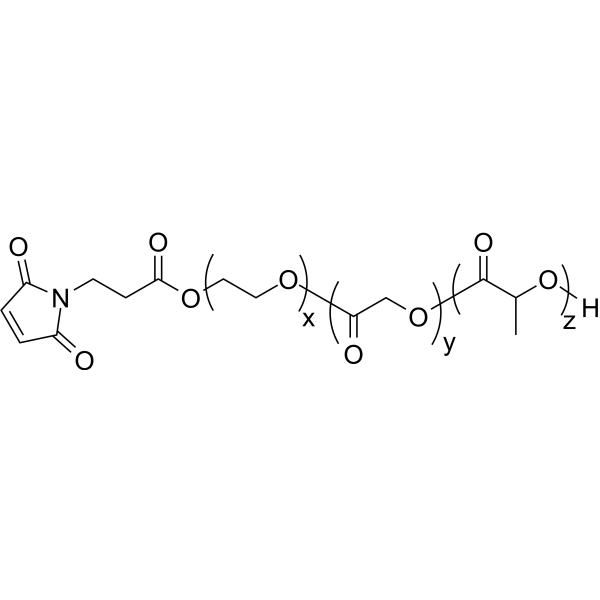
DSPE-PEG 2000-Mannose is a mannose-containing lipid. DSPE-PEG 2000-Mannose is used to prepare mannose-conjugated Liposome (Man-lipo) for siRNA delivery. Mannose-modified liposomes encapsulating IDO siRNA (Man-lipo-siIDO) preferentially knock down IDO expression in the draining lymph nodes and spleens of melanoma-bearing mice. Man-lipo-siIDO delays the onset time of melanoma and reduces tumor volume .
|
-
-
- HY-P99048
-
|
IBI308
|
PD-1/PD-L1
|
Inflammation/Immunology
Cancer
|
|
Sintilimab (IBI308) is a safe and effectivel humanized IgG4 monoclonal antibody that binds to PD-1 with a KD value of 74 pM. Sintilimab blocks the interaction of PD-1 with its ligands (PD-L1 and PL-L2), consequently helping to restore the endogenous antitumour T-cell response. Sintilimab combined with prebiotics inhibits tumor volume and regulates immune cell subpopulation balance in lung adenocarcinoma mice. Sintilimab can be used for the research of classical Hodgkin's lymphoma, non-small cell lung cancer and oesophageal cancer .
|
-
-
- HY-119024
-
|
|
SHP1
STAT
|
Cancer
|
|
BCI-137 is a Argonaute 2 (AGO2) inhibitor. By inhibiting AGO2 function, reducing PTPN6/SHP-1 protein levels and enhancing STAT1 phosphorylation, BCI-137 restores the sensitivity of tumor cells to IFN-γ. BCI-137 effectively enhances the recruitment, activation and cytotoxicity of CD8 + T cells. BCI-137 exerts a synergistic effect with anti-PD-1 antibodies and significantly reduces tumor volume in preclinical mouse models. BCI-137 exhibits favorable safety profiles and does not cause significant weight loss or death in mice. BCI-137 can be used in research related to bladder cancer, colorectal cancer, melanoma and other related fields .
|
-
-
- HY-P10102
-
Kp7-6
2 Publications Verification
|
Apoptosis
PERK
NF-κB
Caspase
JNK
|
Inflammation/Immunology
Cancer
|
|
Kp7-6 is a Fas mimetic peptide and also a Fas/FasL antagonist. Kp7-6 specifically binds to Fas and FasL, disrupts receptor complexes, and blocks downstream apoptosis signaling pathways. Kp7-6 inhibits the phosphorylation of ERK1-2, induces the phosphorylation of IκBα, and activates NF-κB. Kp7-6 inhibits the activation of caspase-8, caspase-3 and JNK, and suppresses human amylin-induced β-cell apoptosis. Kp7-6 inhibits FasL-induced lymphoid cytotoxicity and apoptosis. Kp7-6 reduces local tumor FasL expression, increases CD8 +Fas + T cell infiltration, and decreases tumor volume in pancreatic neuroendocrine tumor models. Kp7-6 prevents concanavalin A-induced liver injury in mice. Kp7-6 is applicable to research related to type 2 diabetes, concanavalin A-induced hepatitis and pancreatic neuroendocrine tumors .
|
-
-
- HY-15873A
-
|
|
Farnesyl Transferase
Ras
p38 MAPK
|
Cancer
|
|
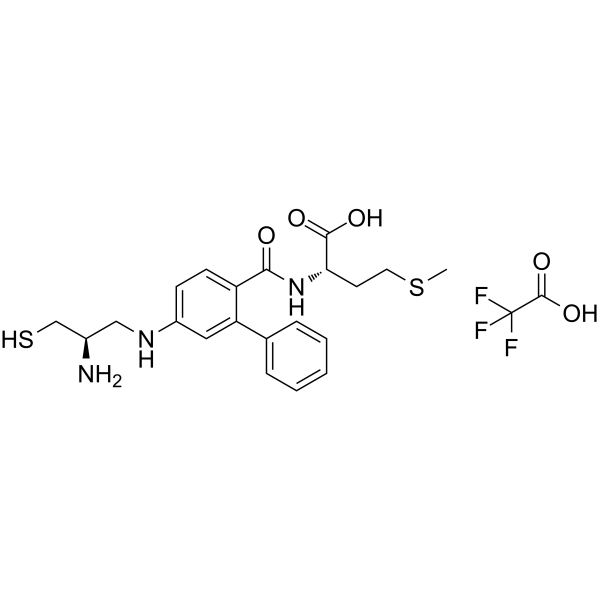
FTI 276 TFA is a farnesyltransferase (FTase) inhibitor with an IC50 of 0.5 nM, and it exhibits selectivity for FTase over geranylgeranyltransferase I (GGTase I). FTI 276 TFA blocks the farnesylation of H-Ras and K-Ras4B, causes inactive Ras-Raf complexes to accumulate in the cytoplasm, and inhibits constitutive MAPK activation. FTI 276 TFA reduces the number, incidence and volume of tumors, and restricts the growth of tumors expressing activated K-ras. FTI 276 TFA can be used in research related to pulmonary adenoma .
|
-
-
- HY-P11287A
-
|
|
Interleukin Related
Radionuclide-Drug Conjugates (RDCs)
|
Cancer
|
|
DOTA-Pep-1L TFA is a polypeptide formed by the conjugation of DOTA and Pep-1L. DOTA-Pep-1L TFA specifically binds to IL13RA2 and can be used for the synthesis of targeted polypeptides. DOTA-Pep-1L TFA yields the isotopically labeled product [ 225Ac]DOTA-Pep-1L, which exerts α-radiation killing effects on orthotopic glioma cells and extends the median survival time of mice bearing orthotopic glioma models after stereotactic injection. DOTA-Pep-1L TFA can be used for PET imaging, tumor targeting and glioma research .
|
-
-
- HY-N1510
-
|
|
Glycosidase
Notch
Toll-like Receptor (TLR)
NF-κB
Mucin
Reactive Oxygen Species (ROS)
Bacterial
TGF-beta/Smad
Anaplastic lymphoma kinase (ALK)
|
Infection
Inflammation/Immunology
Cancer
|
|
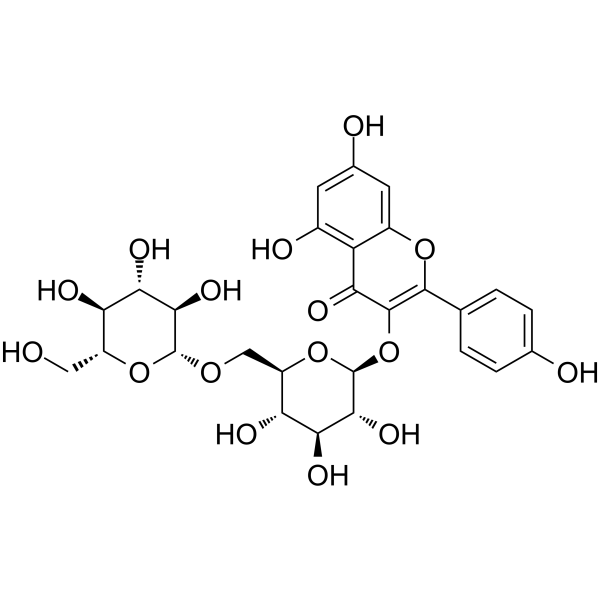
Kaempferol 3-O-gentiobioside is an orally active flavonoid, with a Ka value of 57 µM against human NOTCH1 and an IC50 value of 50 μM against α-glucosidase. Kaempferol 3-O-gentiobioside inhibits the NOTCH signaling pathway. It downregulates the expression of TLR4 and NLRP3, and suppresses the activation and nuclear translocation of NF-κB. Kaempferol 3-O-gentiobioside inhibits the expression of MUC5AC, reduces nitrite and ROS levels, and attenuates excessive mucus secretion. It exhibits antibacterial activity, reducing the formation and growth of MRSA biofilms. Kaempferol 3-O-gentiobioside blocks the TGF-β/ALK5/Smad signaling pathway and inhibits epithelial-mesenchymal transition. It suppresses the proliferation, migration, invasion and metastatic growth of tumor cells. Kaempferol 3-O-gentiobioside alleviates airway inflammation and mucus hypersecretion in mice with allergic asthma . It reduces the volume of ovarian cancer xenografts in mice. Kaempferol 3-O-gentiobioside can be used in research related to allergic asthma, diabetes, MRSA infection, breast cancer, gastric cancer and ovarian cancer .
|
-
-
- HY-DY1021
-
|
|
Fluorescent Dye
|
Others
|
DiSC3 (5) (solution) is a fluorescent probe commonly used as a tracer dye to evaluate mitochondrial membrane potential. The excitation/emission wavelength of DiSC3 (5) is up to 622/670 nm. DiSC3 (5) can inhibit the respiratory system associated with mitochondrial NAD, and the IC50 value is 8 μM. DiSC3 (5) in the presence of Na +/K +-ATPase inhibitor ouabain 2 can induce membrane hyperpolarization of Ehrlich ascites tumor cells . Solvent and concentration: DMSO: 1 mM The 1 mL volume is defined as the base specification. All larger sizes correspond to incremental volumes of this base.
|
-
-
- HY-149091
-
|
|
Histone Demethylase
|
Cancer
|
|
KDM5B-IN-4 (compound 11ad) is a lysine demethylase 5B (KDM5B) inhibitor with an IC50 of 0.025 μM KDM5B-IN-4 increases substrate H3K4me1/2/3 level by inhibiting KDM5B in PC-3 cells. KDM5B-IN-4 downregulates PI3K/AKT. KDM5B-IN-4 reduces tumor volume in mice and shows less toxic to organs .
|
-
-
- HY-169779
-
|
|
p62
|
Cancer
|
|
PTX80 is an antagonist of p62 with an IC50 value of 31.18 nM. PTX80 reduces tumor volume in an HCT116 colorectal cancer mouse xenograft model .
|
-
-
- HY-126193
-
|
|
NO Synthase
Apoptosis
Autophagy
Reactive Oxygen Species (ROS)
|
Cancer
|
|
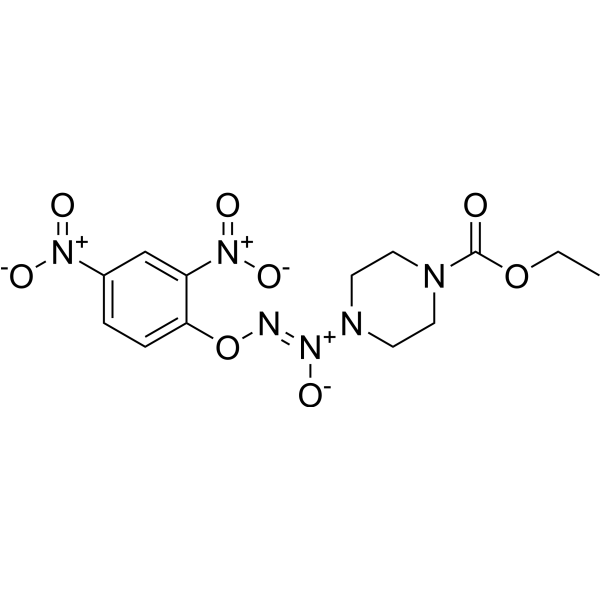
JS-K is a NO donor that reacts with glutathione to generate NO at physiological pH. JS-K induces reactive oxygen species (ROS) to mediate apoptosis. JS-K induces autophagy. JS-K inhibits invasion. JS-K has a broad spectrum anti-proliferative activity in cancer cells. JS-K reduces tumor volume and causes necrosis of implanted tumors in mice .
|
-
-
- HY-143321
-
|
|
STING
|
Cancer
|
|
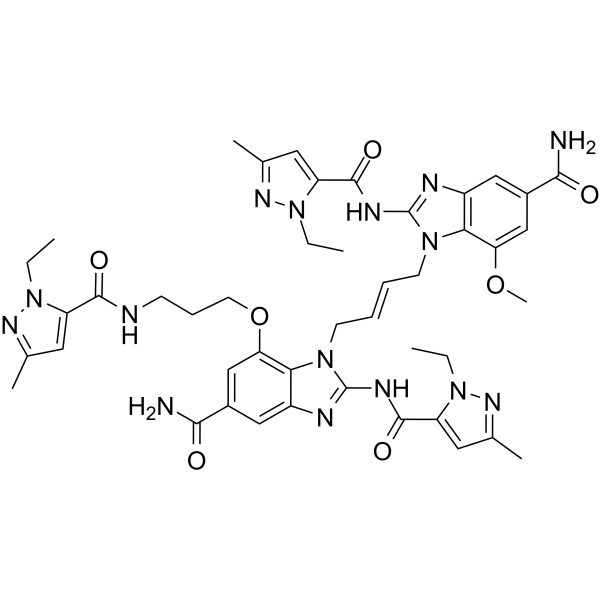
STING agonist-13 is a stimulator of interferon genes (STING) agonist, for cancer immunity via STING-mediated immune activation. STING agonist-13 can stimulate STING downstream signaling and promoting type I interferon immune responses. STING agonist-13 significantly decreases tumor volume and shows immunological memory-derived cancer inhibition .
|
-
-
- HY-126730
-
|
|
Phosphatase
|
Cancer
|
|
Rubratoxin A is a natural mycotoxin and competitive inhibitor of protein phosphatase 2A (PP2A) with an IC50 of 170 nM. Rubratoxin A causes suppression of tumor metastasis and reduction of primary tumor volume in mouse xenografts .
|
-
-
- HY-172533
-
|
|
STING
|
Cancer
|
|
3’,5’-DiOA-dC is a hydrophobic nucleotide lipid and a ligand for the STING agonist c-di-GMP (CDG). 3’,5’-DiOA-dC can assemble with CDG and form stable cyclic dinucleotide nanoparticles via various supramolecular forces driven by molecular recognition. 3’,5’-DiOA-dC can decrease tumor weight and volume, increase CD8 T cell, neutrophils as well as NK cell counts in tumor microenvironment in combination with CDG. 3’,5’-DiOA-dC also increases the levels of TNF-α and IFN-γ in murine melanoma model .
|
-
-
- HY-113484
-
|
LTB5
|
Leukotriene Receptor
|
Cancer
|
|
Leukotriene B5 (LTB5) is a leukotriene with diverse biological activities. It is a metabolite of eicosapentaenoic acid formed through the 5-lipoxygenase (5-LO) pathway. LTB5 increases contraction of bullfrog lung strips ex vivo in a concentration-dependent manner. In vivo, LTB5 (100 nM) reduces tumor volume in mice injected with Tm1 murine melanoma cells. LTB5 also elicits chemokinesis and lysosomal enzyme release from polymorphonuclear leukocytes (PMNLs) 20- to 30-fold less, and induces platelet aggregation 8-fold less, potently than LTB4.
|
-
-
- HY-N4308
-
|
Hexa-O-methylquercetagetin; Quercetagetin hexamethyl ether; 3,5,6,7,3',4'-Hexamethoxyflavone
|
NF-κB
IKK
Bcl-2 Family
|
Cancer
|
|
Hexamethylquercetagetin (Hexa-O-methylquercetagetin; Quercetagetin hexamethyl ether; 3,5,6,7,3',4'-Hexamethoxyflavone) is an orally active NF-κB inhibitor. Hexamethylquercetagetin inhibits NF-κB-derived luciferase activity, reduces phosphorylated p65 and IκBα, Cyclin D1, Bcl-2 and blocks TNFα-induced NF-κB activation. Hexamethylquercetagetin inhibits survival and proliferation of cervical carcinoma cells. Hexamethylquercetagetin suppresses tumor volume and weight in BALB/c nude mouse xenograft models of cervical carcinoma. Hexamethylquercetagetin can be used for the research of cancer, such as cervical carcinoma .
|
-
-
- HY-185206
-
|
|
PROTACs
Itk
NF-κB
|
Cancer
|
|
BSJ-05-037 is an ITK PROTAC degrader that effectively targets and degrades ITK in T-cell lymphoma cell lines. BSJ-05-037 blocks the activation of the NF-κB/GATA-3 signaling pathway, inhibits PLCγ1 phosphorylation, and reduces the proliferative capacity of T-cell lymphoma cells. BSJ-05-037 enhances the sensitivity of T-cell lymphoma cells to chemotherapy. In mouse models of T-cell lymphoma, BSJ-05-037 induces ITK degradation, reduces GATA-3 expression, decreases tumor volume, and reverses chemotherapy resistance. BSJ-05-037 is applicable to research related to T-cell lymphoma .
|
-
-
- HY-175041
-
|
|
Glutathione Peroxidase
Reactive Oxygen Species (ROS)
Cannabinoid Receptor
Ferroptosis
|
Cancer
|
|
GPX4-IN-18 (Compound 17) is a ferrocene-containing inhibitor of glutathione peroxidase 4 (GPX4). GPX4-IN-18 is also an inducer of ferroptosis. GPX4-IN-18 can increase the production of ROS and malondialdehyde (MDA) levels in OS-RC-2 clear cell renal cell carcinoma cells. GPX4-IN-18 induces ferroptosis in HT-1080 cells with IC50s of 0.007 μM (absence of ferrostatin-1) and 1.486 μM (presence of ferrostatin-1). GPX4-IN-18 reduces in vivo tumor volume and intratumoral GPX4 levels in OS-RC-2 xenograft murine model .
|
-
-
- HY-P99048A
-
|
IBI308 (Anti-PD-1)
|
PD-1/PD-L1
|
Inflammation/Immunology
Cancer
|
|
Sintilimab (Anti-PD-1) (IBI308 (Anti-PD-1)) is a safe and effectivel humanized IgG4 monoclonal antibody that binds to PD-1 with a KD value of 74 pM. Sintilimab (Anti-PD-1) blocks the interaction of PD-1 with its ligands (PD-L1 and PL-L2), consequently helping to restore the endogenous antitumour T-cell response. Sintilimab (Anti-PD-1) combined with prebiotics inhibits tumor volume and regulates immune cell subpopulation balance in lung adenocarcinoma mice. Sintilimab (Anti-PD-1) can be used for the research of classical Hodgkin's lymphoma, non-small cell lung cancer and oesophageal cancer .
|
-
-
- HY-175227
-
|
|
STAT
NF-κB
Apoptosis
Caspase
Bcl-2 Family
|
Cancer
|
|
STAT3/NF-κB-IN-1 is a potentSTAT3 and NF-κB inhibitor with IC50s of 5.86 (STAT3) and 4.22 μM (NF-κB) in 4T1 cells. STAT3/NF-κB-IN-1 is able to induce apoptosis via its upregulation on key apoptotic regulators; caspases-3/9, Bax and downregulation of Bcl-2. STAT3/NF-κB-IN-1 exerts considerable anticancer activity against breast cancer cell lines and reduces tumor volume in vivo. STAT3/NF-κB-IN-1 can be used for the study of breast cancer .
|
-
-
- HY-157847
-
|
|
STAT
|
Cancer
|
|
Phospho-STAT3-IN-2 (compound 4D) is a STAT3 inhibitor that effectively inhibits STAT3 phosphorylation. phospho-STAT3-IN-2 can significantly reduce tumor volume in mouse xenograft tumor models without drug toxicity to other organs and tissues .
|
-
-
- HY-155109
-
|
|
STING
|
Inflammation/Immunology
Cancer
|
|
Antitumor agent-114 is a potent stimulator of interferon genes (STING) agonist. Antitumor agent-114 activates immunity and reduces tumor volume in a mouse model of breast cancer. Antitumor agent-114 can be used for immunity and cancer diseases research .
|
-
-
- HY-155176
-
|
|
HDAC
|
Cancer
|
|
SP-2-225 is a selective HDAC6 inhibitor. SP-2-225 enhance the production of cancer-associated antigens and macrophage antigen cross-presentation to T cells. SP-2-225 reduces the tumor volume in a syngeneic SM1 melanoma model .
|
-
-
- HY-111182
-
|
Hogival; Oestrone-3-acetate; Puboestrene
|
Estrogen Receptor/ERR
|
Endocrinology
|
|
Estrone acetate (Hogival) is an estrogen derivative and an estrogen receptor (ER) activator. It promotes mammary gland development, stimulates pituitary prolactin secretion, and induces the proliferation and activation of lactotrophs (e.g., by reducing prolactin storage granule size while increasing rough endoplasmic reticulum and Golgi apparatus volume density). Estrone acetate holds potential for endocrine research, particularly in studying estrogen's effects on pituitary function, prolactin regulation, and mammary tumor models .
|
-
-
- HY-168953
-
|
|
P-glycoprotein
Apoptosis
Bcl-2 Family
Reactive Oxygen Species (ROS)
Caspase
|
Cancer
|
|
Lysosomal P-gp targeted agent 1 (Compound 14) is an anti-tumor agent targeting lysosomal P-glycoprotein (Pgp). Lysosomal P-gp targeted agent 1 is selectively transported into lysosomes by overexpressed Pgp, release nitric oxide (NO) to generate reactive oxygen species (ROS), resulting in lysosomal membrane permeabilization (LMP) and inducing apoptosis. Lysosomal P-gp targeted agent 1 can overcome P-glycoprotein-mediated drug resistance and lead to cell cycle arrest, but relatively low toxicity to normal cells. Lysosomal P-gp targeted agent 1 has antitumor activity, significantly inhibits tumor volume .
|
-
-
- HY-169830
-
|
|
Drug Derivative
Apoptosis
|
Cancer
|
|
2-(Cyclohexylmethyl)-plumbagin is a derivative of the naphthoquinone compound Plumbagin (HY-N1497). Under nutrient-deprived conditions, 2-(Cyclohexylmethyl)-plumbagin selectively exhibits cytotoxicity against PANC-1 human pancreatic cancer cells (PC50 = 0.11 µM) and reduces the phosphorylation of Akt and mTOR in PANC-1 cells. 2-(Cyclohexylmethyl)-plumbagin also induces apoptosis (Apoptosis) in PANC-1 cells at a concentration of 1 µM. Additionally, 2-(Cyclohexylmethyl)-plumbagin reduces tumor volume and weight in a xenograft MiaPaCa-2 pancreatic cancer mouse model .
|
-
-
- HY-122566
-
|
ZINC666243
|
Toll-like Receptor (TLR)
TNF Receptor
|
Cancer
|
|
SMU127 is an agonist of the toll-like receptor 1/2 (TLR1/2) heterodimer. It induces NF-κB signaling in cells expressing human TLR2 (EC50=0.55 μM) but not cells expressing human TLR3, -4, -5, -7, or -8 when used at concentrations ranging from 0.1 to 100 μM. SMU127 induces the production of TNF-α in isolated human peripheral blood mononuclear cells (PBMCs) when used at concentrations ranging from 0.01 to 1 μM. In vivo, SMU127 (0.1 mg/animal) reduces tumor volume in a 4T1 murine mammary carcinoma model.
|
-
-
- HY-158726
-
|
|
Fluorescent Dye
Apoptosis
|
Cancer
|
|
Complex 3 is a fluorescent dithiocarbazate-copper complex with anticancer activity, which localizes to mitochondria. Complex 3 displays excitation/emission maxima of 455-495/535 nm, respectively. Complex 3 inhibits the growth of BxPC-3, AsPC-1, PANC-1, and WI38 pancreatic cancer cells with IC50 values of 0.74, 0.41, 0.62, and 2.06 µM, respectively. Complex 3 induces lipid peroxidation and mitochondrial rupture and shrinkage in AsPC-1 cells. Complex 3 also induces mitochondrial apoptosis and cytokine-cytokine receptor interaction dysfunction in AsPC-1 cells. Complex 3 reduces tumor volume in an AsPC-1 mouse xenograft model .
|
-
-
- HY-169480
-
|
|
Liposome
|
Infection
Cancer
|
|
Lipid C2 is an ionizable cationic lipid that has been used in the formation of lipid nanoparticles (LNP) for mRNA delivery in vivo. LNPs containing Lipid C2 and encapsulating an mRNA reporter selectively accumulate in the liver and spleen but not the heart, lungs, or kidneys in mice. LNP containing Lipid C2 and encapsulating mRNA encoding the Epstein-Barr virus (EBV) protein latent membrane protein 2 (LMP-2), in combination with an anti-programmed cell death protein 1 (PD-1) antibody, decrease tumor volume and reverse T cell exhaustion, as well as increase the percentage of CD3 +CD8 + central and CD3 +CD8 + effector memory T cells and decrease the percentage of CD3 + T cells expressing Pd-1, in the spleen in a CT26 murine EBV-infected colon cancer model .
|
-
-
- HY-122275
-
|
|
Bcl-2 Family
|
Cancer
|
|
A-371191 is a selective Bcl-XL antagonist with a Ki <0.5 μM, and also acts as a mitochondria-targeting agent and chemosensitizer. A-371191 restores the sensitivity of cancer cells overexpressing Bcl-XL to Cisplatin (HY-17394) and Doxorubicin (HY-15142A). A-371191 reduces tumor volume in mice with intraperitoneal tumors. A-371191 can be used in the research of acute myeloid leukemia .
|
-
-
- HY-181020
-
|
|
Phosphodiesterase (PDE)
p38 MAPK
Akt
mTOR
ERK
|
Cancer
|
|
Deltafluorine is a phosphodiesterase delta (PDEδ) inhibitor with an IC50 of 27 nM, a KD of 148 nM. Deltafluorine covalently modifies the specific glutamate residue p.E88 in the ligand binding site of PDEδ, interfering with its chaperone function. Deltafluorine inhibits signaling through the MAPK and Akt-mTOR pathway, reduces ERK1/2 expression. Deltafluorine reduces tumor volume in an autochthonous mouse model of Kras-driven lung adenocarcinoma. Deltafluorine can be used for the research of lung adenocarcinoma .
|
-
-
- HY-182037
-
|
|
DNA/RNA Synthesis
Pyruvate Kinase
|
Cancer
|
|
Multi-target kinase-IN-9 is a multi-target enzyme inhibitor with antiproliferative and antiangiogenic activities, and exhibits remarkable selectivity against hepatocellular carcinoma cells. By broadly binding to the active sites or ATP-binding regions of multiple key enzymes including DNA polymerase β, Pyruvate Kinase M2 (PKM2), Multi-target kinase-IN-9 comprehensively disrupts DNA repair and replication, glycolysis, chromatin dynamics and transcriptional programs, and blocks the self-renewal of cancer stem cells. Multi-target kinase-IN-9 induces genomic instability, lysosomal dysfunction and autophagic flux impairment, thereby triggering tumor cell death, effectively inhibiting tumor proliferation, invasion, metastasis and angiogenesis, and significantly reducing tumor volume in xenograft models. Multi-target kinase-IN-9 is applicable to hepatocellular carcinoma-related research .
|
-
-
- HY-P992098
-
|
NEI-01
|
Protein Arginine Deiminase
|
Cancer
|
|
Adargiminase (NEI-01) is a modified arginine-depleting enzyme and albumin binder. Adargiminase catalyzes the conversion of arginine to citrulline and ammonia, reduces plasma arginine levels to undetectable levels, and binds to serum albumin from Mus musculus (mouse), Rattus norvegicus (rat), Canis lupus familiaris (dog) and Homo sapiens (human) to extend its half-life. Adargiminase inhibits the viability of ASS1-negative pancreatic cancer cells, and reduces tumor volume and weight. Adargiminase can be used for the research of pancreatic cancer .
|
-
-
- HY-183488
-
|
RRRRRRRRRCCLGIPEQEY
|
Apoptosis
PARP
|
Cancer
|
|
R9-caPep (RRRRRRRRRCCLGIPEQEY) is a cell-penetrating peptide derived from proliferating cell nuclear antigen (PCNA). R9-caPep selectively blocks the interactions between PCNA and FEN1, as well as between PCNA and LIGI, while preserving the binding of POLD3 to PCNA. R9-caPep interferes with DNA synthesis and homologous recombination-mediated double-strand DNA break repair, inducing S-phase arrest, DNA damage accumulation, and apoptosis. R9-caPep inhibits the growth of tumor volume and weight of neuroblastoma in nude mice . R9-caPep can be used in research related to neuroblastoma and triple-negative breast cancer .
|
-
-
- HY-126929
-
|
TXN-B
|
DNA Alkylator/Crosslinker
Apoptosis
Bacterial
Parasite
Fungal
|
Infection
Cancer
|
|
Trioxacarcin B (TXN-B) is a potent cytotoxic agent and DNA-targeted inhibitor. Trioxacarcin B disrupts DNA function and induces apoptosis in cancer cells. Trioxacarcin B not only effectively inhibits the growth of various Gram-positive and Gram-negative bacteria as well as Plasmodium falciparum, but also blocks the colony formation of cancer stem cells, significantly reduces tumor volume and prolongs survival in preclinical in vivo models. The activity of Trioxacarcin B is highly dependent on its intact spiro-epoxide structure; it loses efficacy once this moiety undergoes hydrolysis, and Trioxacarcin B shows no activity against fungi, microalgae and small RNA viruses. Trioxacarcin B can be used for research on bacterial infections, malaria, and various cancers including colon cancer and melanoma .
|
-
-
- HY-182355
-
|
|
Methylenetetrahydrofolate Dehydrogenase (MTHFD)
|
Cancer
|
|
MTHFD2-IN-7 is an orally active, selective MTHFD2 inhibitor with IC50 values of 0.038 μM and 7.44 μM against human hMTHFD1 and hMTHFD2, respectively. MTHFD2-IN-7 exerts its function by binding to the substrate-binding site of MTHFD2 and maintaining interactions with NAD+. Verified by TSA and DARTS assays, MTHFD2-IN-7 not only binds effectively to the target protein, but also possesses Caco-2 permeability and liver microsomal metabolic stability. MTHFD2-IN-7 exhibits favorable pharmacokinetic properties in mice. MTHFD2-IN-7 also significantly inhibits cancer cell proliferation and reduces tumor volume, and serves as a promising small-molecule tool for acute myeloid leukemia research .
|
-
-
- HY-169478
-
|
|
Liposome
|
Cancer
|
|
Lipid N2-3L is an ionizable cationic lipid (pKa = 8.99) that can be used to generate supramolecular lipid nanoparticles (SMLNPs) for mRNA delivery. Lipid nanoparticles formed by encapsulating a luciferase reporter gene with Lipid N2-3L were detected to accumulate in the lymph nodes of mice, indicating that they can effectively enter the mouse immune system. Lipid nanoparticles formed by encapsulating ovalbumin mRNA and the TLR7/8 agonist Resiquimod (HY-13740) with Lipid N2-3L were able to reduce tumor volume and increase survival in the MC-38-OVA mouse colon cancer model. Lipid N2-3L can be used in the research of drug delivery for cancer-related therapies .
|
-
-
- HY-182066
-
|
|
PANoptosis
|
Cancer
|
|
Photosensitizer-9 is an iridium (III)-based photosensitizer with anti-melanoma activity. Photosensitizer-9 exhibits significant phototoxicity (IC50=0.98 μM) and an ideal phototoxicity index (PI=3.05). Under light irradiation, Photosensitizer-9 generates large amounts of intracellular •OH in an oxygen-independent manner. Photosensitizer-9 mediates photodynamic therapy under hypoxic conditions and synergistically activates PANoptosis (by upregulating cleaved Caspase-3, GSDMD-N, p-MLKL), ferroptosis (by disrupting the GSH-GPX4-LPO axis), apoptosis, pyroptosis and necroptosis in melanoma cells. Photosensitizer-9 induces immunogenic cell death by promoting the release of damage-associated molecular patterns under hypoxic conditions and increases the maturation rate of dendritic cells. Photosensitizer-9 reduces tumor volume in melanoma-bearing mice. Photosensitizer-9 is applicable to relevant studies on melanoma .
|
-
| Cat. No. |
Product Name |
Type |
-
- HY-DY1021
-
|
|
Fluorescent Dyes
|
DiSC3 (5) (solution) is a fluorescent probe commonly used as a tracer dye to evaluate mitochondrial membrane potential. The excitation/emission wavelength of DiSC3 (5) is up to 622/670 nm. DiSC3 (5) can inhibit the respiratory system associated with mitochondrial NAD, and the IC50 value is 8 μM. DiSC3 (5) in the presence of Na +/K +-ATPase inhibitor ouabain 2 can induce membrane hyperpolarization of Ehrlich ascites tumor cells . Solvent and concentration: DMSO: 1 mM The 1 mL volume is defined as the base specification. All larger sizes correspond to incremental volumes of this base.
|
-
- HY-158726
-
|
|
Fluorescent Dyes
|
|
Complex 3 is a fluorescent dithiocarbazate-copper complex with anticancer activity, which localizes to mitochondria. Complex 3 displays excitation/emission maxima of 455-495/535 nm, respectively. Complex 3 inhibits the growth of BxPC-3, AsPC-1, PANC-1, and WI38 pancreatic cancer cells with IC50 values of 0.74, 0.41, 0.62, and 2.06 µM, respectively. Complex 3 induces lipid peroxidation and mitochondrial rupture and shrinkage in AsPC-1 cells. Complex 3 also induces mitochondrial apoptosis and cytokine-cytokine receptor interaction dysfunction in AsPC-1 cells. Complex 3 reduces tumor volume in an AsPC-1 mouse xenograft model .
|
| Cat. No. |
Product Name |
Target |
Research Area |
-
- HY-P10102
-
Kp7-6
2 Publications Verification
|
Apoptosis
PERK
NF-κB
Caspase
JNK
|
Inflammation/Immunology
Cancer
|
|
Kp7-6 is a Fas mimetic peptide and also a Fas/FasL antagonist. Kp7-6 specifically binds to Fas and FasL, disrupts receptor complexes, and blocks downstream apoptosis signaling pathways. Kp7-6 inhibits the phosphorylation of ERK1-2, induces the phosphorylation of IκBα, and activates NF-κB. Kp7-6 inhibits the activation of caspase-8, caspase-3 and JNK, and suppresses human amylin-induced β-cell apoptosis. Kp7-6 inhibits FasL-induced lymphoid cytotoxicity and apoptosis. Kp7-6 reduces local tumor FasL expression, increases CD8 +Fas + T cell infiltration, and decreases tumor volume in pancreatic neuroendocrine tumor models. Kp7-6 prevents concanavalin A-induced liver injury in mice. Kp7-6 is applicable to research related to type 2 diabetes, concanavalin A-induced hepatitis and pancreatic neuroendocrine tumors .
|
-
- HY-P11287A
-
|
|
Interleukin Related
Radionuclide-Drug Conjugates (RDCs)
|
Cancer
|
|
DOTA-Pep-1L TFA is a polypeptide formed by the conjugation of DOTA and Pep-1L. DOTA-Pep-1L TFA specifically binds to IL13RA2 and can be used for the synthesis of targeted polypeptides. DOTA-Pep-1L TFA yields the isotopically labeled product [ 225Ac]DOTA-Pep-1L, which exerts α-radiation killing effects on orthotopic glioma cells and extends the median survival time of mice bearing orthotopic glioma models after stereotactic injection. DOTA-Pep-1L TFA can be used for PET imaging, tumor targeting and glioma research .
|
-
- HY-183488
-
|
RRRRRRRRRCCLGIPEQEY
|
Apoptosis
PARP
|
Cancer
|
|
R9-caPep (RRRRRRRRRCCLGIPEQEY) is a cell-penetrating peptide derived from proliferating cell nuclear antigen (PCNA). R9-caPep selectively blocks the interactions between PCNA and FEN1, as well as between PCNA and LIGI, while preserving the binding of POLD3 to PCNA. R9-caPep interferes with DNA synthesis and homologous recombination-mediated double-strand DNA break repair, inducing S-phase arrest, DNA damage accumulation, and apoptosis. R9-caPep inhibits the growth of tumor volume and weight of neuroblastoma in nude mice . R9-caPep can be used in research related to neuroblastoma and triple-negative breast cancer .
|
| Cat. No. |
Product Name |
Target |
Research Area |
Image |
-
- HY-P99048
-
|
IBI308
|
PD-1/PD-L1
|
Inflammation/Immunology
Cancer
|
|
Sintilimab (IBI308) is a safe and effectivel humanized IgG4 monoclonal antibody that binds to PD-1 with a KD value of 74 pM. Sintilimab blocks the interaction of PD-1 with its ligands (PD-L1 and PL-L2), consequently helping to restore the endogenous antitumour T-cell response. Sintilimab combined with prebiotics inhibits tumor volume and regulates immune cell subpopulation balance in lung adenocarcinoma mice. Sintilimab can be used for the research of classical Hodgkin's lymphoma, non-small cell lung cancer and oesophageal cancer .
|
-
(5)
-
- HY-P99048A
-
|
IBI308 (Anti-PD-1)
|
PD-1/PD-L1
|
Inflammation/Immunology
Cancer
|
|
Sintilimab (Anti-PD-1) (IBI308 (Anti-PD-1)) is a safe and effectivel humanized IgG4 monoclonal antibody that binds to PD-1 with a KD value of 74 pM. Sintilimab (Anti-PD-1) blocks the interaction of PD-1 with its ligands (PD-L1 and PL-L2), consequently helping to restore the endogenous antitumour T-cell response. Sintilimab (Anti-PD-1) combined with prebiotics inhibits tumor volume and regulates immune cell subpopulation balance in lung adenocarcinoma mice. Sintilimab (Anti-PD-1) can be used for the research of classical Hodgkin's lymphoma, non-small cell lung cancer and oesophageal cancer .
|
-
(5)
-
- HY-P992098
-
|
NEI-01
|
Protein Arginine Deiminase
|
Cancer
|
|
Adargiminase (NEI-01) is a modified arginine-depleting enzyme and albumin binder. Adargiminase catalyzes the conversion of arginine to citrulline and ammonia, reduces plasma arginine levels to undetectable levels, and binds to serum albumin from Mus musculus (mouse), Rattus norvegicus (rat), Canis lupus familiaris (dog) and Homo sapiens (human) to extend its half-life. Adargiminase inhibits the viability of ASS1-negative pancreatic cancer cells, and reduces tumor volume and weight. Adargiminase can be used for the research of pancreatic cancer .
|
-
(5)
| Cat. No. |
Product Name |
Category |
Target |
Chemical Structure |
-
- HY-N1510
-
|
|
Flavonols
Structural Classification
Flavonoids
Sauropus spatulifolius Beille
Classification of Application Fields
Phenols
Polyphenols
Metabolic Disease
Euphorbiaceae
Plants
Disease Research Fields
Source Classification
|
Glycosidase
Notch
Toll-like Receptor (TLR)
NF-κB
Mucin
Reactive Oxygen Species (ROS)
Bacterial
TGF-beta/Smad
Anaplastic lymphoma kinase (ALK)
|
|
Kaempferol 3-O-gentiobioside is an orally active flavonoid, with a Ka value of 57 µM against human NOTCH1 and an IC50 value of 50 μM against α-glucosidase. Kaempferol 3-O-gentiobioside inhibits the NOTCH signaling pathway. It downregulates the expression of TLR4 and NLRP3, and suppresses the activation and nuclear translocation of NF-κB. Kaempferol 3-O-gentiobioside inhibits the expression of MUC5AC, reduces nitrite and ROS levels, and attenuates excessive mucus secretion. It exhibits antibacterial activity, reducing the formation and growth of MRSA biofilms. Kaempferol 3-O-gentiobioside blocks the TGF-β/ALK5/Smad signaling pathway and inhibits epithelial-mesenchymal transition. It suppresses the proliferation, migration, invasion and metastatic growth of tumor cells. Kaempferol 3-O-gentiobioside alleviates airway inflammation and mucus hypersecretion in mice with allergic asthma . It reduces the volume of ovarian cancer xenografts in mice. Kaempferol 3-O-gentiobioside can be used in research related to allergic asthma, diabetes, MRSA infection, breast cancer, gastric cancer and ovarian cancer .
|
-
-
- HY-N4308
-
|
Hexa-O-methylquercetagetin; Quercetagetin hexamethyl ether; 3,5,6,7,3',4'-Hexamethoxyflavone
|
Flavonols
Structural Classification
Flavonoids
other families
Classification of Application Fields
Plants
Disease Research Fields
Source Classification
Cancer
|
NF-κB
IKK
Bcl-2 Family
|
|
Hexamethylquercetagetin (Hexa-O-methylquercetagetin; Quercetagetin hexamethyl ether; 3,5,6,7,3',4'-Hexamethoxyflavone) is an orally active NF-κB inhibitor. Hexamethylquercetagetin inhibits NF-κB-derived luciferase activity, reduces phosphorylated p65 and IκBα, Cyclin D1, Bcl-2 and blocks TNFα-induced NF-κB activation. Hexamethylquercetagetin inhibits survival and proliferation of cervical carcinoma cells. Hexamethylquercetagetin suppresses tumor volume and weight in BALB/c nude mouse xenograft models of cervical carcinoma. Hexamethylquercetagetin can be used for the research of cancer, such as cervical carcinoma .
|
-
| Cat. No. |
Product Name |
|
Classification |
-
- HY-168374
-
|
|
|
Pegylated Lipids
|
|
DSPE-PEG 2000-Mannose is a mannose-containing lipid. DSPE-PEG 2000-Mannose is used to prepare mannose-conjugated Liposome (Man-lipo) for siRNA delivery. Mannose-modified liposomes encapsulating IDO siRNA (Man-lipo-siIDO) preferentially knock down IDO expression in the draining lymph nodes and spleens of melanoma-bearing mice. Man-lipo-siIDO delays the onset time of melanoma and reduces tumor volume .
|
-
- HY-169480
-
|
|
|
Cationic Lipids
|
|
Lipid C2 is an ionizable cationic lipid that has been used in the formation of lipid nanoparticles (LNP) for mRNA delivery in vivo. LNPs containing Lipid C2 and encapsulating an mRNA reporter selectively accumulate in the liver and spleen but not the heart, lungs, or kidneys in mice. LNP containing Lipid C2 and encapsulating mRNA encoding the Epstein-Barr virus (EBV) protein latent membrane protein 2 (LMP-2), in combination with an anti-programmed cell death protein 1 (PD-1) antibody, decrease tumor volume and reverse T cell exhaustion, as well as increase the percentage of CD3 +CD8 + central and CD3 +CD8 + effector memory T cells and decrease the percentage of CD3 + T cells expressing Pd-1, in the spleen in a CT26 murine EBV-infected colon cancer model .
|
-
- HY-169478
-
|
|
|
Cationic Lipids
|
|
Lipid N2-3L is an ionizable cationic lipid (pKa = 8.99) that can be used to generate supramolecular lipid nanoparticles (SMLNPs) for mRNA delivery. Lipid nanoparticles formed by encapsulating a luciferase reporter gene with Lipid N2-3L were detected to accumulate in the lymph nodes of mice, indicating that they can effectively enter the mouse immune system. Lipid nanoparticles formed by encapsulating ovalbumin mRNA and the TLR7/8 agonist Resiquimod (HY-13740) with Lipid N2-3L were able to reduce tumor volume and increase survival in the MC-38-OVA mouse colon cancer model. Lipid N2-3L can be used in the research of drug delivery for cancer-related therapies .
|
Your information is safe with us. * Required Fields.
Inquiry Information
- Product Name:
- Cat. No.:
- Quantity:
- MCE Japan Authorized Agent:

