Search Result
Results for "
tumour growth
" in MedChemExpress (MCE) Product Catalog:
-
- HY-70062
-
Pevonedistat
Maximum Cited Publications
212 Publications Verification
MLN4924
|
NEDD8-activating Enzyme
Apoptosis
|
Cancer
|
|
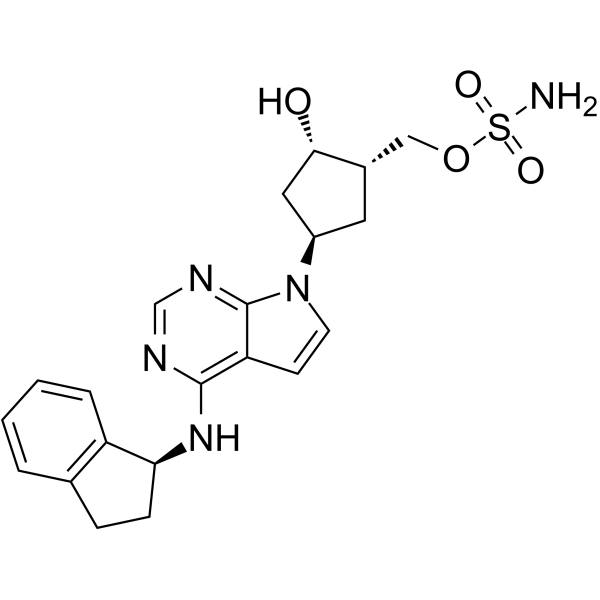
Pevonedistat (MLN4924) is a potent and selective NEDD8-activating enzyme (NAE) inhibitor with an IC50 of 4.7 nM. Pevonedistat induces the deregulation of S-phase DNA synthesis, thereby disrupting protein turnover mediated by cullin-RING ligase, leading to apoptosis of human tumor cells. Pevonedistat suppresses the growth of human tumour xenografts in mice .
|
-
-
- HY-12708
-
|
|
Dopamine Receptor
Cytochrome P450
Autophagy
5-HT Receptor
|
Cardiovascular Disease
Neurological Disease
Cancer
|
|
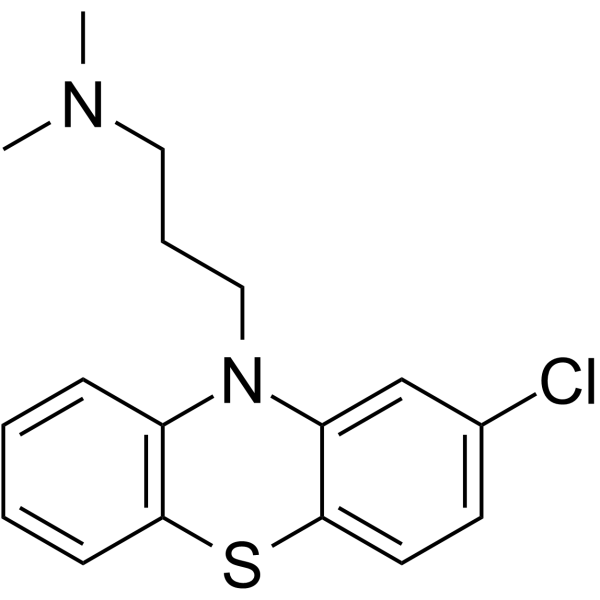
Chlorpromazine is an orally active, blood-brain barrier-transparent antipsychotic agent that effectively antagonises D2 dopamine receptors and 5-HT2A, which is widely used in schizophrenia and other psychiatric disorders. Chlorpromazine exerts anti-cancer activity through a variety of pathways, including anti-proliferation, induction of autophagy and cycle arrest (G2-M phase), inhibition of cytochrome c oxidase (CcO), inhibition of tumour growth and metastasis, and inhibition of tumour immune escape. Chlorpromazine also blocks hNav1.7 channels (IC50=25.9 μM; concentration-dependent) and HERG potassium channels (IC50=21.6 μM), which has potential for analgesic and cardiac arrhythmic studies. Chlorpromazine also can inhibit clathrin-mediated endocytosis .
|
-
-
- HY-16293
-
|
PM01183; LY-01017
|
DNA Alkylator/Crosslinker
DNA/RNA Synthesis
|
Cancer
|
|
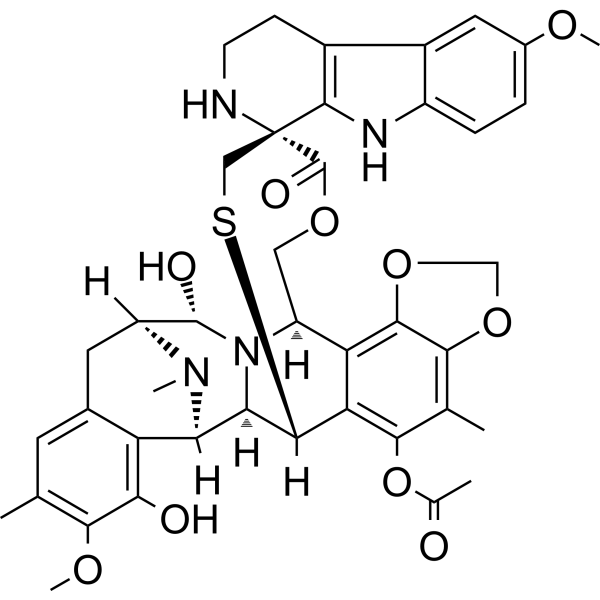
Lurbinectedin (PM01183) is a DNA minor groove covalent binder with potent anti-tumour activity; inhibits RMG1 and RMG2 cell growth with IC50 values of 1.25 and 1.16 nM, respectively.
|
-
-
- HY-145388
-
|
|
PROTACs
SWI/SNF Complex
|
Cancer
|
|
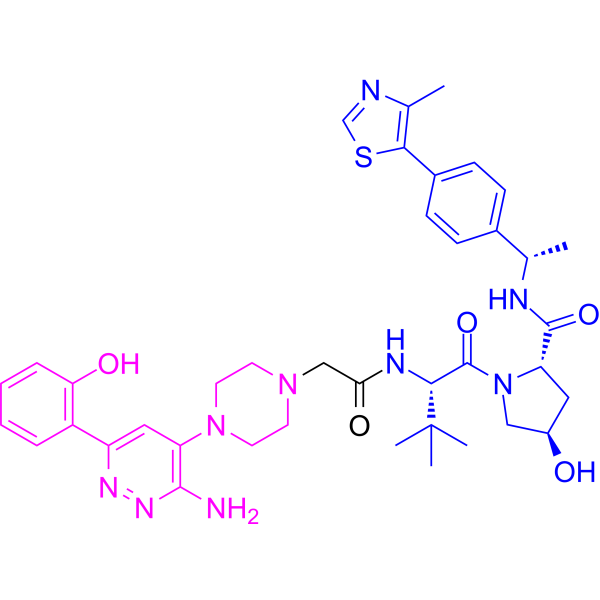
AU-15330 is a proteolysis-targeting chimera (PROTAC) degrader of the SWI/SNF ATPase subunits, SMARCA2 and SMARCA4. AU-15330 induces potent inhibition of tumour growth in xenograft models of prostate cancer and synergizes with the AR antagonist enzalutamide. AU-15330 induces disease remission in castration-resistant prostate cancer (CRPC) models without toxicity .
|
-
-
- HY-B0407A
-
|
|
Dopamine Receptor
Autophagy
Cytochrome P450
5-HT Receptor
|
Cardiovascular Disease
Neurological Disease
Cancer
|
|
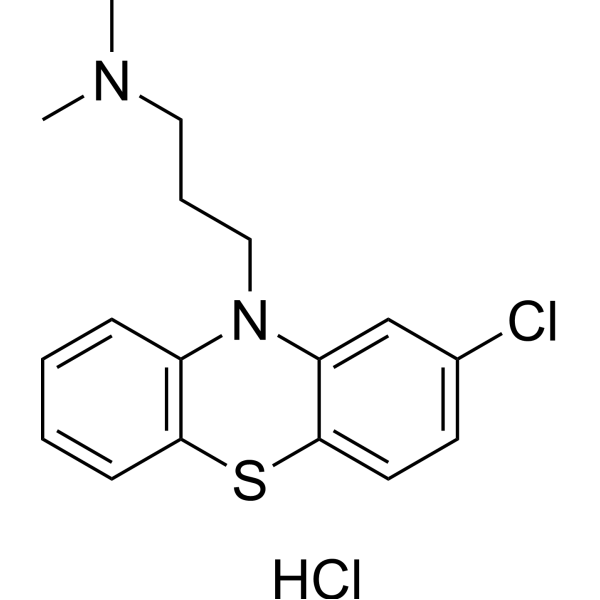
Chlorpromazine hydrochloride is an orally active, blood-brain barrier-transparent antipsychotic agent that effectively antagonises D2 dopamine receptors and 5-HT2A, which is widely used in schizophrenia and other psychiatric disorders. Chlorpromazine hydrochloride exerts anti-cancer activity through a variety of pathways, including anti-proliferation, induction of autophagy and cycle arrest (G2-M phase), inhibition of cytochrome c oxidase (CcO), inhibition of tumour growth and metastasis, and inhibition of tumour immune escape. Chlorpromazine hydrochloride also blocks hNav1.7 channels (IC50=25.9 μM; concentration-dependent) and HERG potassium channels (IC50=21.6 μM), which has potential for analgesic and cardiac arrhythmic studies. Chlorpromazine hydrochloride also can inhibit clathrin-mediated endocytosis .
|
-
-
- HY-B0448
-
-
-
- HY-152182
-
ML-SA5
4 Publications Verification
|
TRP Channel
|
Cancer
|
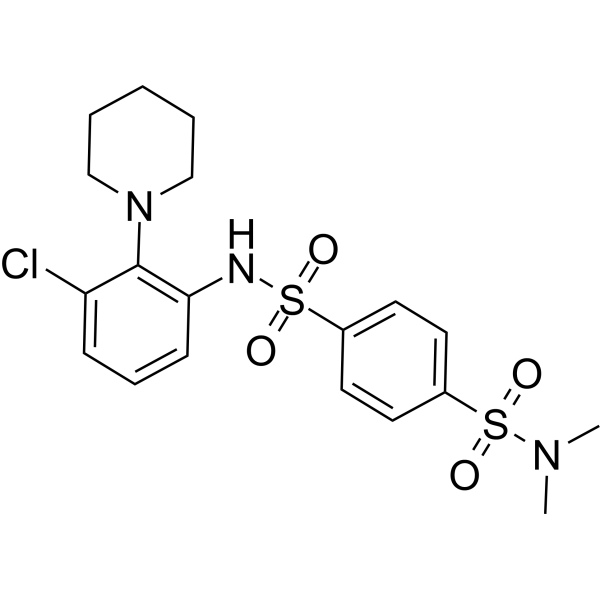
ML-SA5 is a potent TRPML1 cation channel agonist that activates the entire endosomal TRPML1 (ML1) current in DMD myocytes with an EC50 of 285 nM and is more potent than ML-SA1. ML-SA5 has anticancer activity and can inhibit tumour growth .
|
-
-
- HY-103244
-
CITCO
3 Publications Verification
|
Apoptosis
|
Cancer
|
|
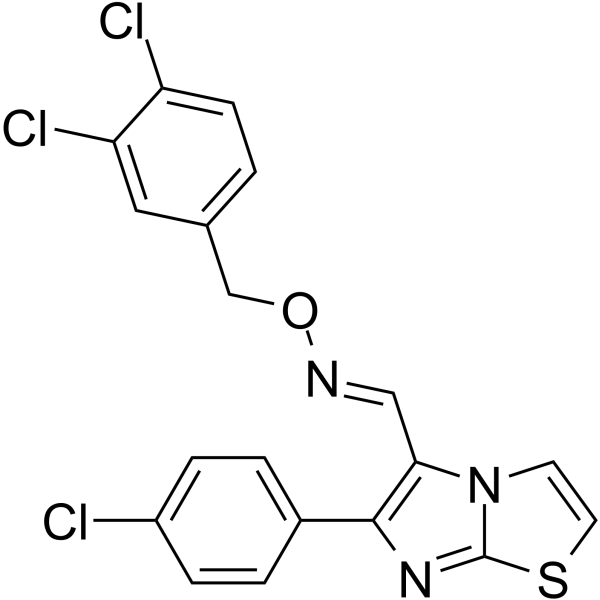
CITCO, an imidazothiazole derivative, is a selective Constitutive androstane receptor (CAR) agonist. CITCO inhibits growth and expansion of brain tumour stem cells (BTSCs) and has an EC50 of 49 nM over pregnane X receptor (PXR), and no activity on other nuclear receptors .
|
-
-
- HY-P99160
-
|
hMN14
|
Transmembrane Glycoprotein
|
Cancer
|
|
Labetuzumab is a humanised anti-carcinoembryonic antigen (CEA) monoclonal antibody that inhibits tumour growth and sensitises human medullary thyroid cancer xenografts to Dacarbazine chemotherapy .
|
-

-
- HY-124727
-
|
|
JAK
Apoptosis
|
Cancer
|
|
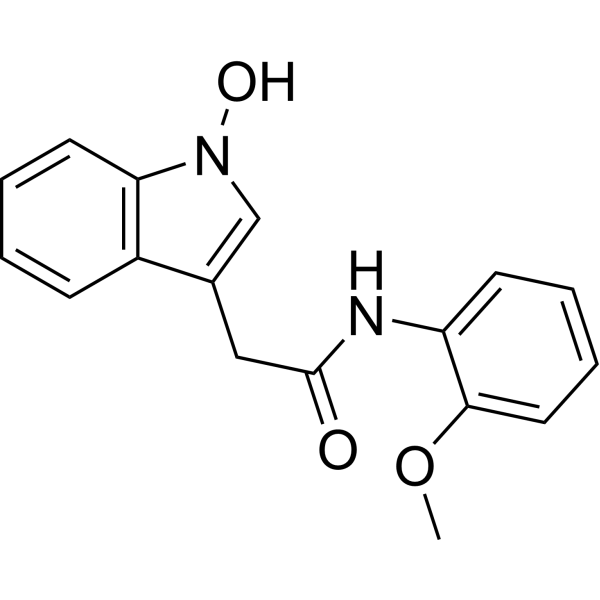
ZT55 is an orally active and highly-selective JAK2 inhibitor with an IC50 value of 0.031 μM. ZT55 inhibits the proliferation of JAK2 V617F-expressing HEL cell lines and induces apoptosis and cycle arrest. ZT-55 also effectively inhibits the growth of HEL xenograft tumours in a mice model. ZT-55 can be used in studies of myeloproliferative neoplasms, polycythemia vera and primary thrombocythemia .
|
-
-
- HY-B0448A
-
|
5,5-Diphenylhydantoin sodium salt
|
Sodium Channel
Virus Protease
|
Neurological Disease
Cancer
|
|
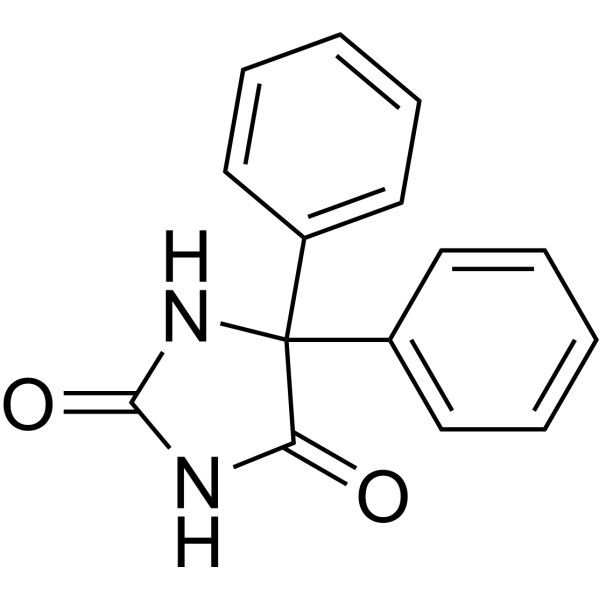
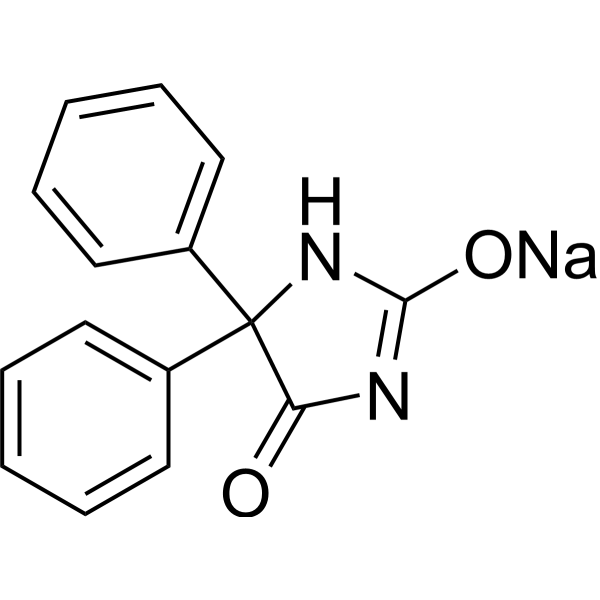
Phenytoin sodium (5,5-Diphenylhydantoin sodium salt) is a potent Voltage-gated Na + channels (VGSCs) blocker. Phenytoin has antiepileptic activity and reduces breast tumour growth and metastasis in mice .
|
-
-
- HY-108669
-
|
|
P2X Receptor
|
Neurological Disease
Cancer
|
|
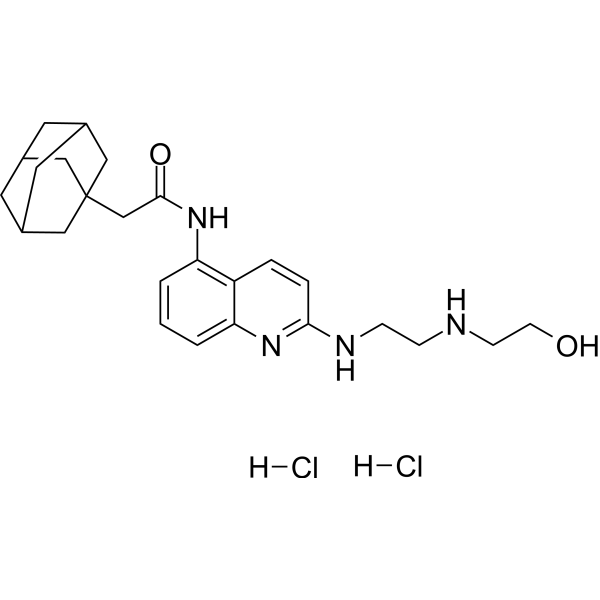
AZ10606120 dihydrochloride is a selective, high affinity antagonist for P2X7 receptor (P2X7R) at human and rat with an IC50 of about 10 nM. AZ10606120 dihydrochloride is little or no effect at other P2XR subtypes. AZ10606120 dihydrochloride has anti-depressant effects and reduces tumour growth .
|
-
-
- HY-10484
-
|
MLN4924 hydrochloride
|
NEDD8-activating Enzyme
Apoptosis
|
Cancer
|
|
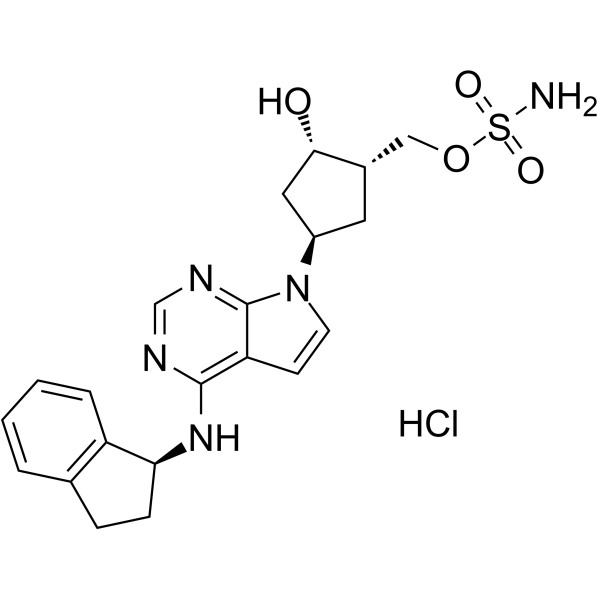
Pevonedistat (MLN4924) hydrochloride is a potent and selective NEDD8-activating enzyme (NAE) inhibitor, with an IC50 of 4.7 nM. Pevonedistat hydrochloride induces the deregulation of S-phase DNA synthesis, thereby disrupting protein turnover mediated by cullin-RING ligase, leading to apoptosis of human tumor cells. Pevonedistat hydrochloride suppresses the growth of human tumour xenografts in mice .
|
-
-
- HY-B0448S
-
-
-
- HY-100549
-
|
|
DNA/RNA Synthesis
Apoptosis
|
Cancer
|
|
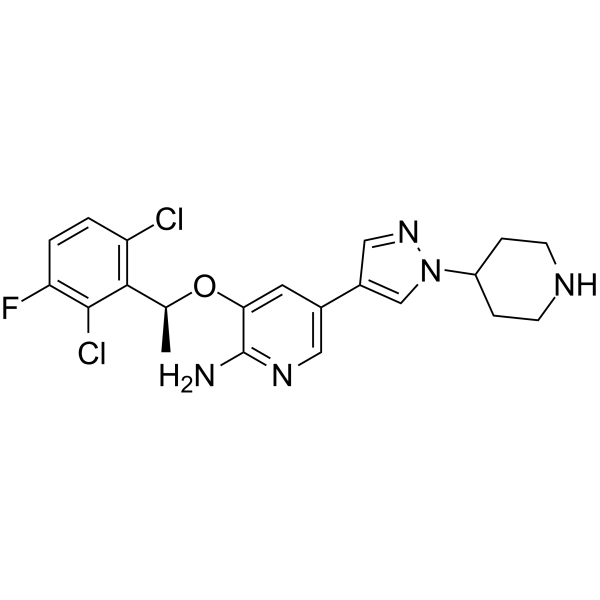
(S)-Crizotinib is a potent and selective MTH1 (mutT homologue) inhibitor with an IC50 of 330 nM. (S)-Crizotinib disrupts nucleotide pool homeostasis via MTH1 inhibition, induces an increase in DNA single strand breaks, activates DNA repair in human colon carcinoma cells, and effectively suppresses tumour growth in animal models .
|
-
-
- HY-142076
-
|
|
CDK
|
Cancer
|
|
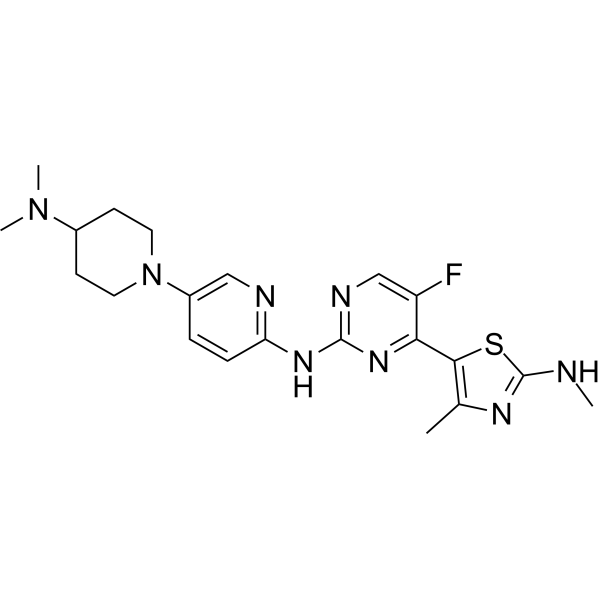
CDK4/6-IN-15 is an orally active and selective CDK4/6 inhibitor. CDK4/6-IN-15 potently inhibits cancer cells growth. CDK4/6-IN-15 arrests cell cycle at G1 phase and suppresses retinoblastoma tumour suppressor protein (Rb) phosphorylation at S780 and E2 factor (E2F)-regulated gene expression .
|
-
-
- HY-13545
-
ABT-510
1 Publications Verification
|
Apoptosis
|
Inflammation/Immunology
Cancer
|
|
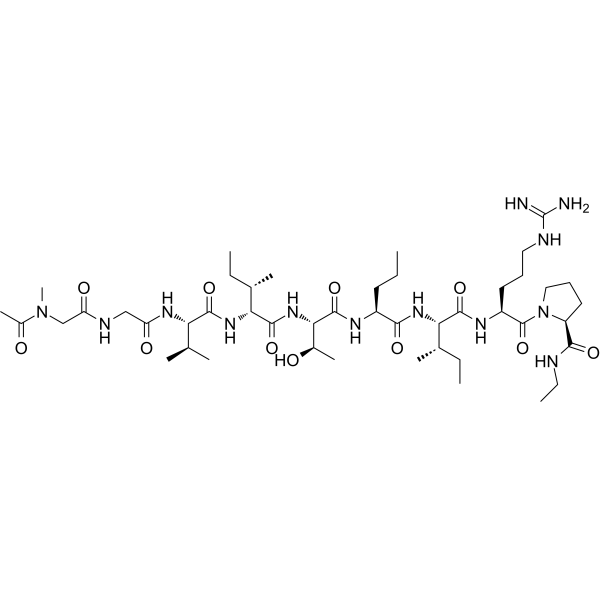
ABT-510 is an anti-angiogenic TSP peptide (Thrombospondin-1 analogue) that induces apoptosis and inhibits ovarian tumour growth in an orthotopic, syngeneic model of epithelial ovarian cancer. ABT-510 also reduces angiogenesis and inflammatory responses in a murine model of inflammatory bowel disease. ABT-510 can be used in studies of cancer (particularly epithelial ovarian cancer) and inflammatory bowel disease (IBD) .
|
-
-
- HY-18684
-
|
5'-Isobutylthioadenosine; 5'-Deoxy-5'-isobutylthioadenosine
|
Nucleoside Antimetabolite/Analog
HSV
Parasite
|
Infection
Metabolic Disease
Cancer
|
|
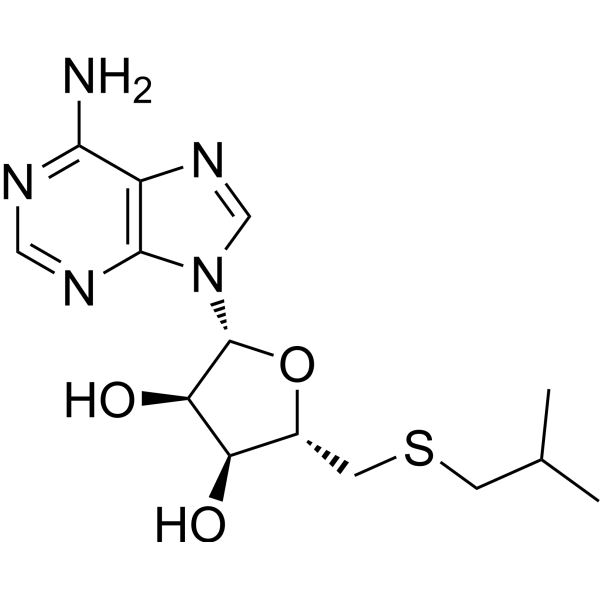
SIBA (5'-Isobutylthioadenosine) is a transmethylation inhibitor (SAH (HY-19528) analogue), with potent anti-proliferative activity. SIBA reversibly inhibits the production of HSV-1 by blocking methylation, specifically by blocking the 5' end-capping of viral mRNA. SIBA also inhibits the growth of tumour cells in vitro and metastatic spread in vivo. SIBA can be used in cancer, HSV-1 infection and anti-malaria studies .
|
-
-
- HY-46568
-
|
|
CDK
|
Cancer
|
|
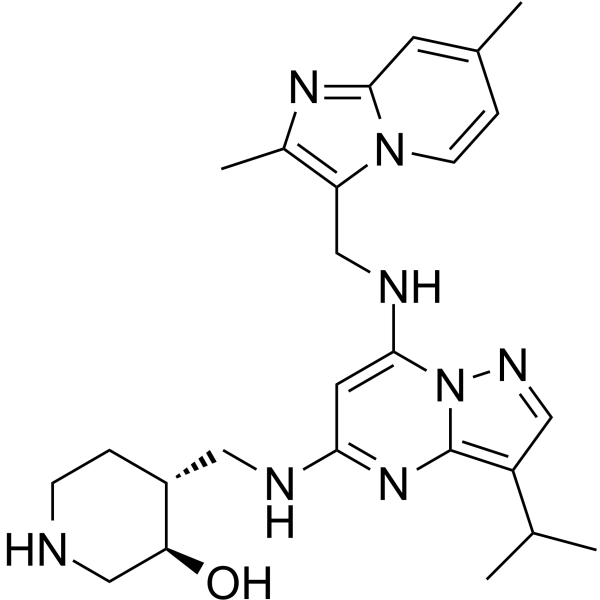
CDK7/12-IN-1 is a selective CDK7/12 inhibitor with IC50s of 3 and 277 nM for CDK7 and CDK 12, respectively. CDK7 and CDK12 inhibition is an effective strategy to inhibit tumour growth .
|
-
-
- HY-151101
-
MS159
1 Publications Verification
|
PROTACs
|
Cancer
|
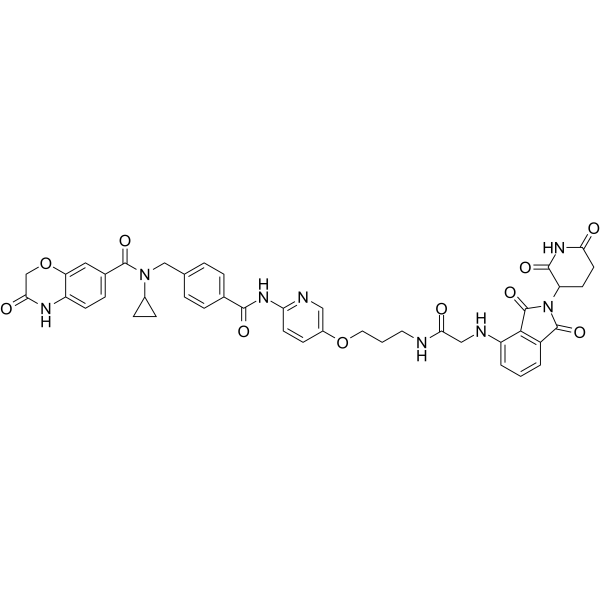
MS159 is a potent nuclear receptor binding SET structural domain protein 2 (NSD2) PROTACdegrader. MS159 inhibits the growth of tumour cells. MS159 is a useful chemical tool for exploring the role of NSD2 in health and disease .
|
-
-
- HY-B0448AR
-
|
5,5-Diphenylhydantoin sodium salt (Standard)
|
Reference Standards
Sodium Channel
Virus Protease
|
Neurological Disease
Cancer
|
|
Phenytoin (sodium) (Standard) is the analytical standard of Phenytoin (sodium). This product is intended for research and analytical applications. Phenytoin sodium (5,5-Diphenylhydantoin sodium salt) is a potent Voltage-gated Na+ channels (VGSCs) blocker. Phenytoin has antiepileptic activity and reduces breast tumour growth and metastasis in mice .
|
-

-
- HY-151606
-
|
|
Akt
|
Cancer
|
|
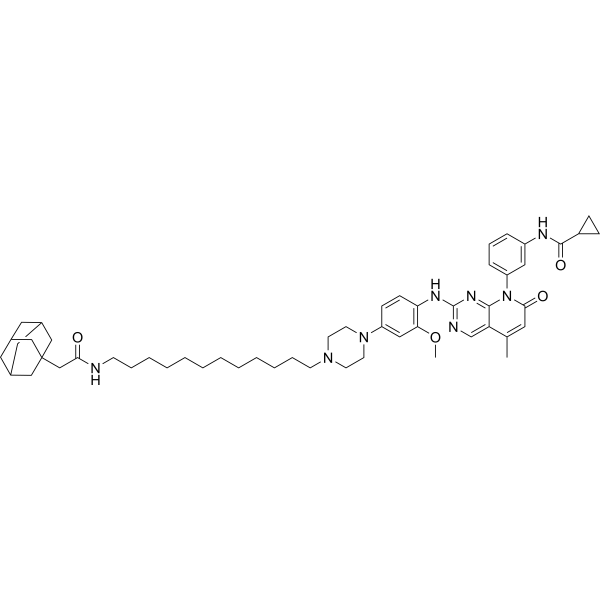
Akt3 degrader 1 (compound 12l) is a selective Akt3 degrader that overcomesOsimertinib (HY-15772)-induced resistance in H1975OR NSCLC cells. Akt3 degrader 1 also has anti-proliferative activity and significantly inhibits tumour growth in mice. Akt3 degrader 1 can be used in the study of drug-resistant non-small cell lung cancer .
|
-
-
- HY-13545B
-
|
|
Apoptosis
|
Inflammation/Immunology
Cancer
|
|
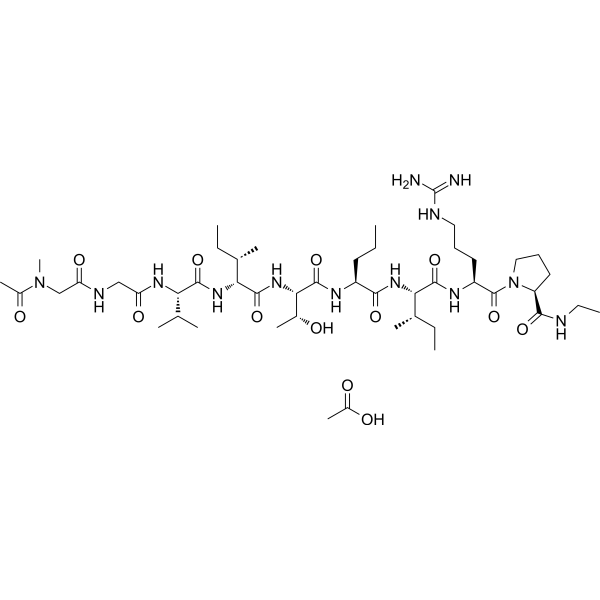
ABT-510 acetate is an anti-angiogenic TSP peptide (Thrombospondin-1 analogue) that induces apoptosis and inhibits ovarian tumour growth in an orthotopic, syngeneic model of epithelial ovarian cancer. ABT-510 acetate also reduces angiogenesis and inflammatory responses in a murine model of inflammatory bowel disease. ABT-510 acetate can be used in studies of cancer (particularly epithelial ovarian cancer) and inflammatory bowel disease (IBD) .
|
-
-
- HY-119944
-
JND3229
1 Publications Verification
|
EGFR
|
Cancer
|
|
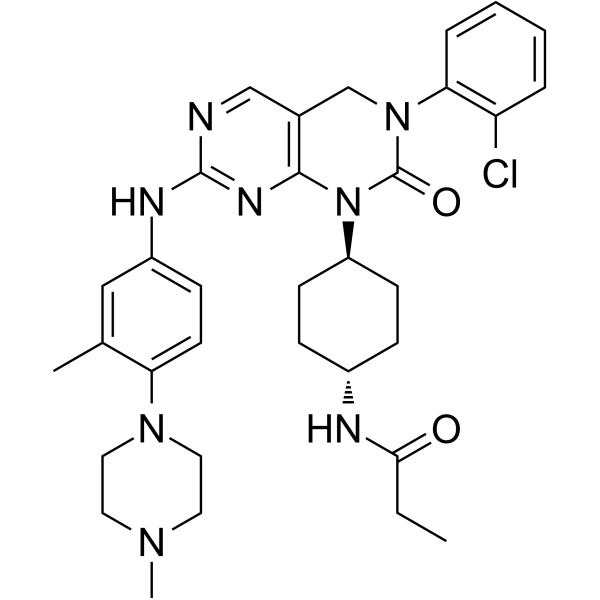
JND3229 is a reversible EGFR C797S inhibitor with IC50 values of 5.8, 6.8 and 30.5 nM for EGFR L858R/T790M/C797S, EGFR WT and EGFR L858R/T790M, respectively. JND3229 has good anti-proliferative activity and can effectively inhibit tumour growth in vivo. JND3229 can be used in cancer research, especially in non-small cell carcinoma .
|
-
-
- HY-113604
-
|
|
TGF-β Receptor
|
Cancer
|
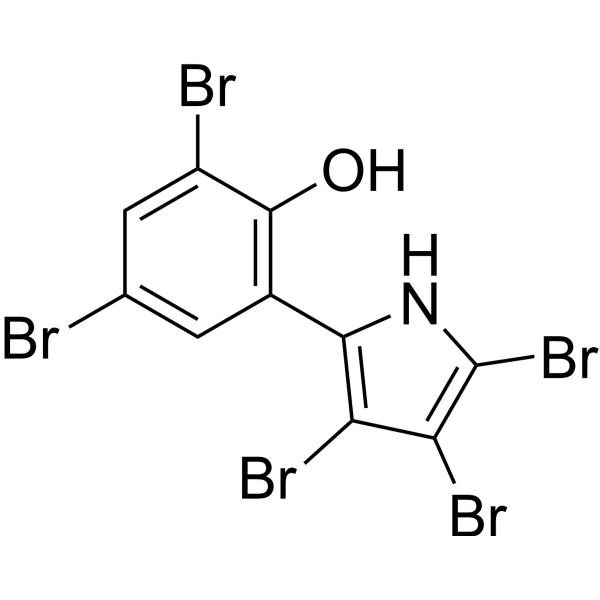
Pentabromopseudilin (PBrP) is a marine antibiotic isolated from the marine bacteria Pseudomonas bromoutilis and Alteromonas luteoviolaceus. PBrP exhibits antimicrobial, anti-tumour and phytotoxic activities. PBrP is a reversible and allosteric inhibitor of myosin Va (MyoVa). PBrP also is a potent inhibitor of transforming growth factor-β (TGF-β) activity. PBrP can be used for the research of fibrotic diseases and cancer .
|
-
-
- HY-120213
-
|
|
FAK
Src
PI3K
MMP
Apoptosis
|
Cancer
|
|
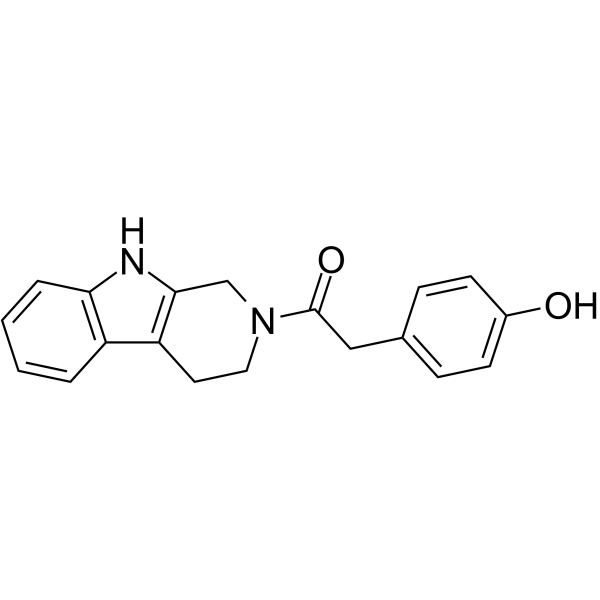
YH-306 is an antitumor agent. YH-306 suppresses colorectal tumour growth and metastasis via FAK pathway. YH-306 significantly inhibits the migration and invasion of colorectal cancer cells. YH-306 potently suppresses uninhibited proliferation and induces cell apoptosis. YH-306 suppresses the activation of FAK, c-Src, paxillin, and PI3K, Rac1 and the expression of MMP2 and MMP9. YH-306 also inhibita actin-related protein (Arp2/3) complex-mediated actin polymerization .
|
-
-
- HY-159147
-
|
|
PROTACs
ROS Kinase
Apoptosis
|
Cancer
|
|
SIAIS039 is an orally active c-ros oncogene 1 (ROS1)-specific PROTAC with DC50s of 154.46 nM, 126.47 nM, 143.69 nM for HCC78 cells, Ba/F3 expressing the CD74-ROS1 fusion and Ba/F3 expressing the SDC4-ROS1 fusion, respectively. SIAIS039 suppresses cell proliferation, induces cell cycle arrest and apoptosis, and inhibits clonogenicity against ROS1-positive cells. SIAIS039 demonstrates anti-tumour effects against ROS1-driven tumor growth vivo. SIAIS039 is composed of the ALK inhibitor Brigatinib (HY-12857), a linker EM-12 (HY-138793), and a VHL ligand E3 ubiquitin ligase 1-Butyne (Red: Brigatinib; Blue: VHL ligand; Black: linker) .
|
-

-
- HY-158329
-
-

-
- HY-16293S
-
|
PM01183-d3; LY-01017-d3
|
DNA Alkylator/Crosslinker
DNA/RNA Synthesis
|
Cancer
|
|
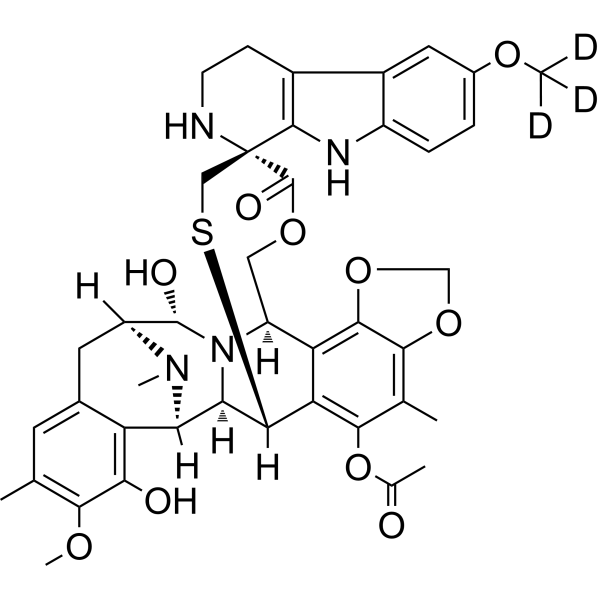
Lurbinectedin-d3 is deuterium labeled Lurbinectedin. Lurbinectedin (PM01183) is a DNA minor groove covalent binder with potent anti-tumour activity; inhibits RMG1 and RMG2 cell growth with IC50 values of 1.25 and 1.16 nM, respectively .
|
-
-
- HY-B0448R
-
|
5,5-Diphenylhydantoin (Standard)
|
Reference Standards
Sodium Channel
Virus Protease
|
Neurological Disease
Cancer
|
|
Phenytoin (Standard) is the analytical standard of Phenytoin. This product is intended for research and analytical applications. Phenytoin (5,5-Diphenylhydantoin) is a potent Voltage-gated Na + channels (VGSCs) blocker. Phenytoin has antiepileptic activity and reduces breast tumour growth and metastasis in mice .
|
-

-
- HY-142076A
-
|
|
CDK
|
Cancer
|
|
CDK4/6-IN-15 hydrochloride is an orally active and selective CDK4/6 inhibitor. CDK4/6-IN-15 hydrochloride potently inhibits cancer cells growth. CDK4/6-IN-15 hydrochloride arrests cell cycle at G1 phase and suppresses retinoblastoma tumour suppressor protein (Rb) phosphorylation at S780 and E2 factor (E2F)-regulated gene expression .
|
-

-
- HY-14375
-
|
|
NAMPT
|
Cancer
|
|
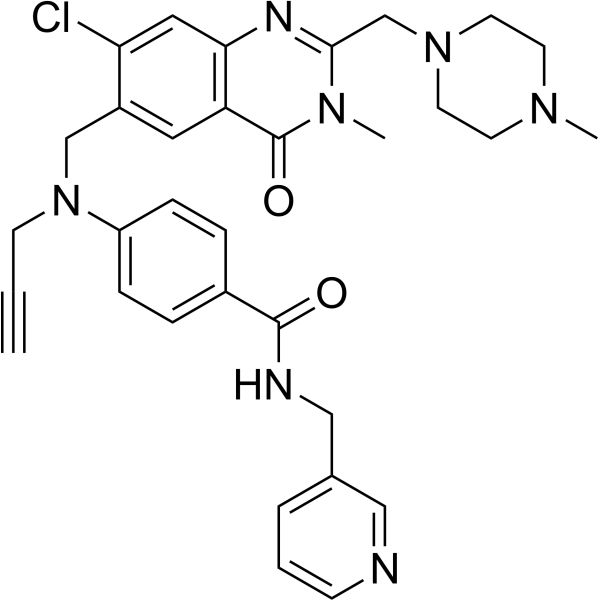
CB 300919 is a quinazoline-based antitumour agent with high activity in the CH1 human ovarian tumour xenograft. CB 300919 has a continuous exposure (96 h) growth inhibition IC50 value of 2 nM in human CH1 ovarian tumor xenograft . CB 300919 is a click chemistry reagent, it contains an Alkyne group and can undergo copper-catalyzed azide-alkyne cycloaddition (CuAAc) with molecules containing Azide groups.
|
-
-
- HY-B0448S2
-
-

-
- HY-70062R
-
|
MLN4924 (Standard)
|
NEDD8-activating Enzyme
Apoptosis
Reference Standards
|
Cancer
|
|
Pevonedistat (Standard) is the analytical standard of Pevonedistat. This product is intended for research and analytical applications. Pevonedistat (MLN4924) is a potent and selective NEDD8-activating enzyme (NAE) inhibitor with an IC50 of 4.7 nM. Pevonedistat induces the deregulation of S-phase DNA synthesis, thereby disrupting protein turnover mediated by cullin-RING ligase, leading to apoptosis of human tumor cells. Pevonedistat suppresses the growth of human tumour xenografts in mice .
|
-

-
- HY-B0407AR
-
|
|
Reference Standards
Dopamine Receptor
Autophagy
Cytochrome P450
5-HT Receptor
|
Cardiovascular Disease
Neurological Disease
Cancer
|
|
Chlorpromazine (hydrochloride) (Standard) is the analytical standard of Chlorpromazine (hydrochloride). This product is intended for research and analytical applications. Chlorpromazine hydrochloride is an orally active, blood-brain barrier-transparent antipsychotic agent that effectively antagonises D2 dopamine receptors and 5-HT2A, which is widely used in schizophrenia and other psychiatric disorders. Chlorpromazine hydrochloride exerts anti-cancer activity through a variety of pathways, including anti-proliferation, induction of autophagy and cycle arrest (G2-M phase), inhibition of cytochrome c oxidase (CcO), inhibition of tumour growth and metastasis, and inhibition of tumour immune escape. Chlorpromazine hydrochloride also blocks hNav1.7 channels (IC50=25.9 μM; concentration-dependent) and HERG potassium channels (IC50=21.6 μM), which has potential for analgesic and cardiac arrhythmic studies. Chlorpromazine hydrochloride also can inhibit clathrin-mediated endocytosis .
|
-

-
- HY-150966
-
|
|
Mitochondrial Metabolism
|
Cancer
|
|
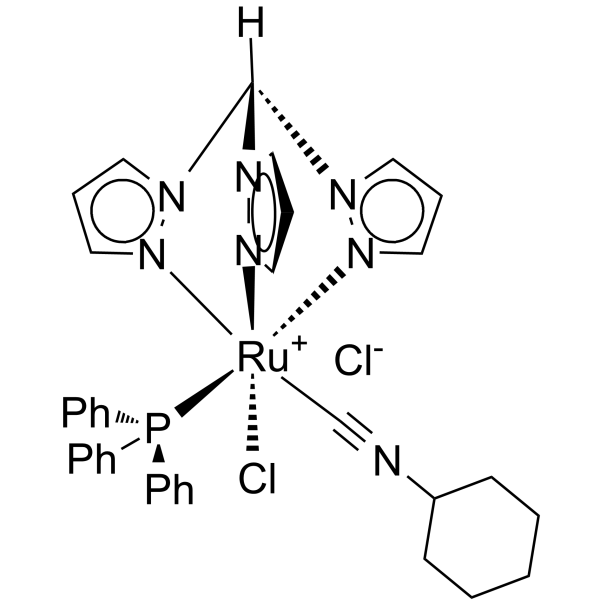
Antiproliferative agent-10 (compound 8) is an anti-tumour ruthenium(II)-tris-pyrazolylmethane complex that inhibits the growth of cancer cells by inhibiting mitochondrial calcium uptake .
|
-
-
- HY-150969
-
|
|
Mitochondrial Metabolism
|
Cancer
|
|
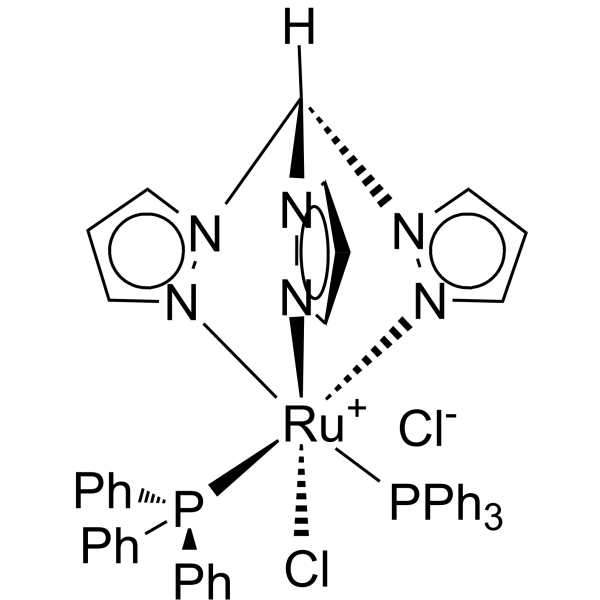
Antiproliferative agent-10 (compound 1) is an anti-tumour ruthenium(II)-tris-pyrazolylmethane complex that inhibits the growth of cancer cells by inhibiting mitochondrial calcium uptake .
|
-
-
- HY-N14618
-
|
|
Src
|
Cancer
|
|
Rhodomycin A can suppress lung cancer cell progression via modulating Src-related pathways.?Rhodomycin A significantly suppressed cancer cell proliferation, migration, invasion, and clonogenicity in vitro and tumour growth in vivo .
|
-

-
- HY-158829
-
|
|
EGFR
|
Cancer
|
|
SSOe26 sodium is a 15mer antisense oligonucleotide targeting?HER4. SSOe26 sodium induces exon 26 skipping, leading to the generation of a novel mRNA transcript that excludes exon 26 (CYT2 isoform). SSOe26 sodium decreases tumour growth in mouse xenografts.
|
-

-
- HY-B0448S1
-
|
|
Sodium Channel
Virus Protease
|
Neurological Disease
|
|
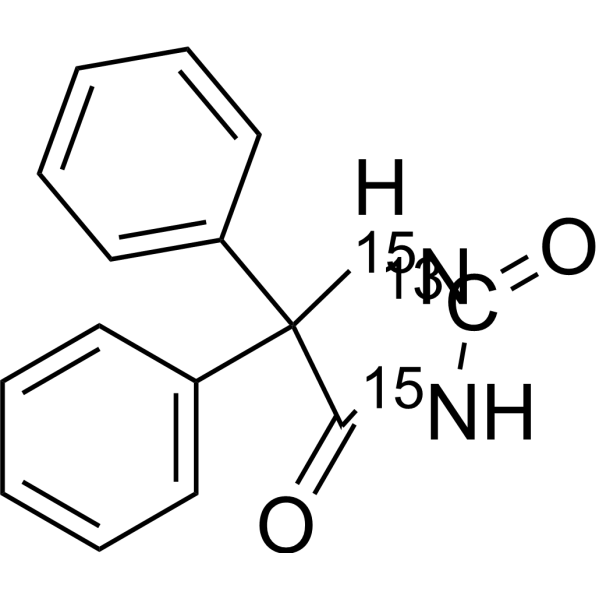
Phenytoin- 15N2, 13C is the 13C and 15N labeled Phenytoin . Phenytoin (5,5-Diphenylhydantoin) is a potent Voltage-gated Na+ channels (VGSCs) blocker. Phenytoin has antiepileptic activity and reduces breast tumour growth and metastasis in mice .
|
-
-
- HY-P10010
-
|
|
Galectin
|
Cancer
|
|
DB21, Galectin-1 Antagonist is a dibenzofuran conjugated peptidomimetic that acts as an allosteric inhibitor of galectin-1 (GAL1)binding to cell surface glycans. DB21, Galectin-1 Antagonis increases inhibition of angiogenesis and tumour growth in melanoma, lung adenocarcinoma and ovarian cancer models .
|
-

-
- HY-146354
-
|
|
Apoptosis
Reactive Oxygen Species (ROS)
|
Cancer
|
|
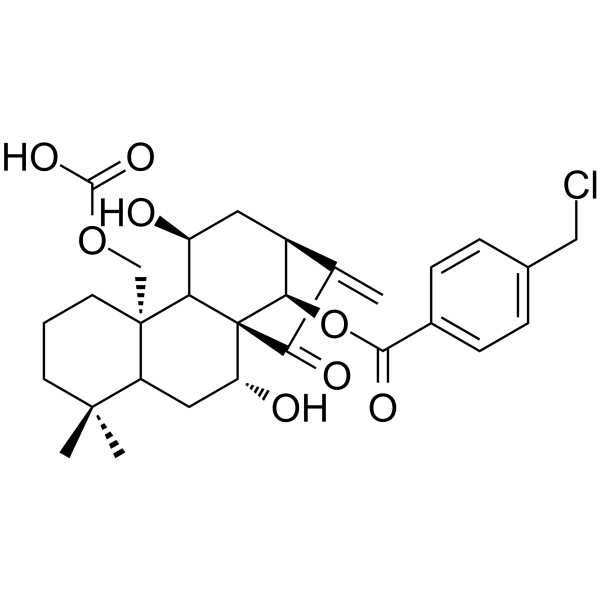
Antiproliferative agent-4 (compound 2y) has excellent anti-proliferative activity against certain cancer cell lines. Antiproliferative agent-4 reduces the mitochondrial membrane potential, and increases the apoptosis rate and the level of ROS on EC109. Antiproliferative agent-4 inhibits tumour growth in nude mice, with low toxicity .
|
-
-
- HY-151281
-
|
|
TGF-β Receptor
|
Cancer
|
|
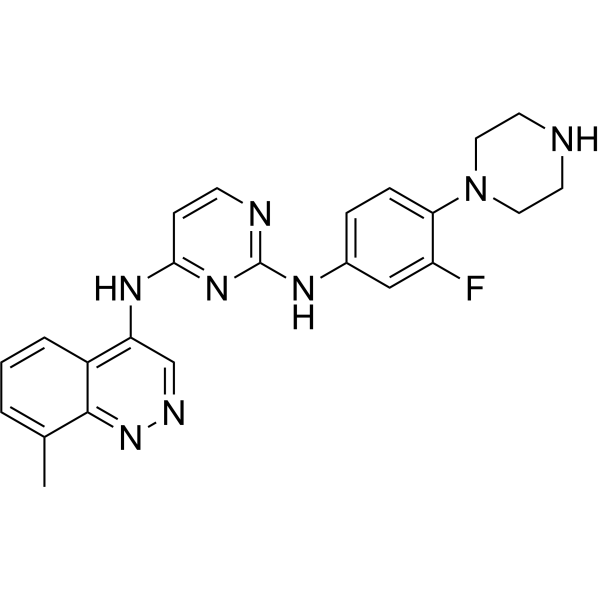
ALK5-IN-31 (compound Ex-08) is a selective ALK-5 inhibitor (IC50≤10 nM), inhibits TGF-β-induced SMAD signaling. ALK5-IN-31 has the potential to inhibit growth of tumour in vivo. ALK5-IN-31 can be used in study of proliferative diseases such as cancer, fibrotic diseases, and systemic sclerosis .
|
-
-
- HY-151282
-
|
|
TGF-β Receptor
TGF-beta/Smad
|
Cancer
|
|
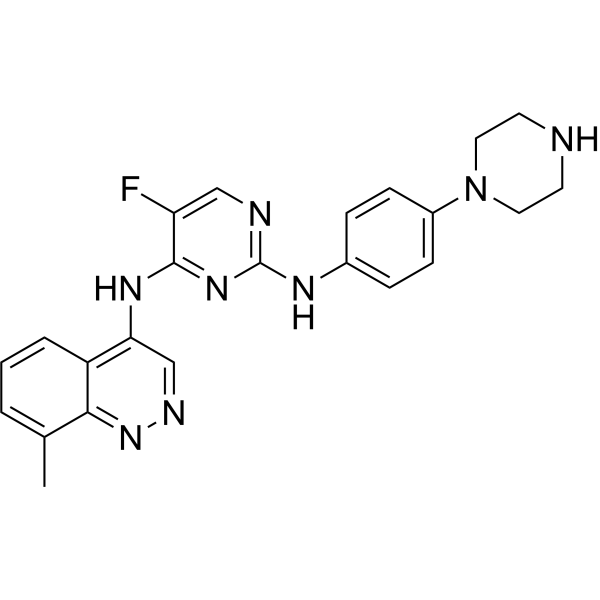
ALK5-IN-32 (compound EX-09) is a selective ALK-5 inhibitor (10 nM<IC50<100 nM), inhibits TGF-β-induced SMAD signaling. ALK5-IN-32 has the potential to inhibit growth of tumour in vivo. ALK5-IN-32 can be used in study of proliferative diseases such as cancer, fibrotic diseases, and systemic sclerosis .
|
-
-
- HY-150562
-
|
|
CDK
|
Cancer
|
|
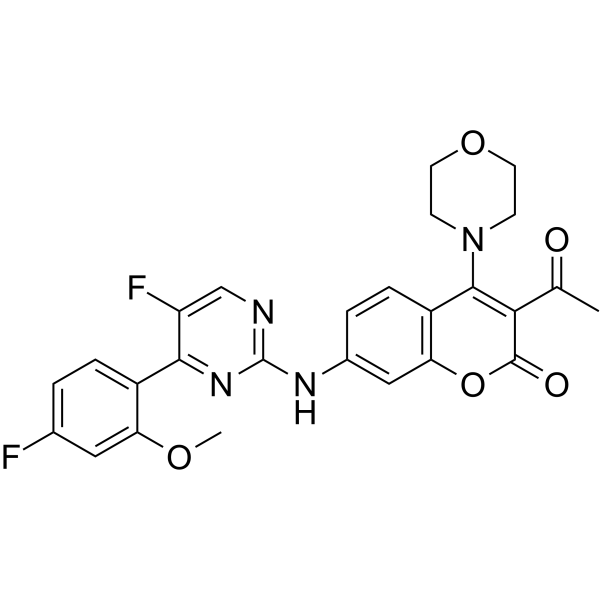
CDK9-IN-19 is a highly potent and selective CDK9 inhibitor with an IC50 value of 2.0 nM. CDK9-IN-19 has excellent cellular antiproliferative activity, moderate pharmacokinetic property and low hERG inhibition. CDK9-IN-19 significantly induces tumour growth inhibition in an MV4-11 xenograft mice model. CDK9-IN-19 can be used for researching acute myeloid leukaemia (AML) .
|
-
-
- HY-W041470R
-
|
|
Reference Standards
Endogenous Metabolite
|
Metabolic Disease
|
|
Chlorpromazine (hydrochloride) (Standard) is the analytical standard of Chlorpromazine (hydrochloride). This product is intended for research and analytical applications. Chlorpromazine hydrochloride is an orally active, blood-brain barrier-transparent antipsychotic agent that effectively antagonises D2 dopamine receptors and 5-HT2A, which is widely used in schizophrenia and other psychiatric disorders. Chlorpromazine hydrochloride exerts anti-cancer activity through a variety of pathways, including anti-proliferation, induction of autophagy and cycle arrest (G2-M phase), inhibition of cytochrome c oxidase (CcO), inhibition of tumour growth and metastasis, and inhibition of tumour immune escape. Chlorpromazine hydrochloride also blocks hNav1.7 channels (IC50=25.9 μM; concentration-dependent) and HERG potassium channels (IC50=21.6 μM), which has potential for analgesic and cardiac arrhythmic studies. Chlorpromazine hydrochloride also can inhibit clathrin-mediated endocytosis .
|
-

-
- HY-P0132A
-
|
|
NO Synthase
|
Cancer
|
|
YIGSR-Lys(N3) is a peptide that can inhibit the tumour growth and metastasis of leukaemic cells. YIGSR blocks the cellular binding to laminin I via a 67-kDa laminin-binding protein, and inhibits shear-induced increase in eNOS expression of laminin cells . YIGSR-Lys(N3) is a click chemistry reagent, it contains an Azide group and can undergo copper-catalyzed azide-alkyne cycloaddition reaction (CuAAc) with molecules containing Alkyne groups. It can also undergo strain-promoted alkyne-azide cycloaddition (SPAAC) reactions with molecules containing DBCO or BCN groups.
|
-

-
- HY-P992368
-
|
|
TNF Receptor
|
Cancer
|
|
HLX51 is a regulatory T cell inhibitor and OX40/CD134/TNFRSF4 agonist with tumour growth inhibitory activity. HLX51 inhibits regulatory T cell differentiation and activity, relieves tumour microenvironment immunosuppression, enhances effector T cell function. HLX51 competitively binds OX40, activates OX40, promotes immune cell proliferation and T cell killing ability. HLX51 modulates immune cell function to inhibit tumour growth. HLX51 can be used for the research of advanced/metastatic solid tumours and lymphomas .
|
-

-
- HY-103244R
-
|
|
Reference Standards
Apoptosis
|
Cancer
|
|
CITCO (Standard) is the analytical standard of CITCO (HY-103244). This product is intended for research and analytical applications. CITCO, an imidazothiazole derivative, is a selective Constitutive androstane receptor (CAR) agonist. CITCO inhibits growth and expansion of brain tumour stem cells (BTSCs) and has an EC50 of 49 nM over pregnane X receptor (PXR), and no activity on other nuclear receptors .
|
-

-
- HY-108669R
-
|
|
Reference Standards
P2X Receptor
|
Neurological Disease
Cancer
|
|
AZ10606120 dihydrochloride (Standard) is the analytical standard of AZ10606120 (dihydrochloride) (HY-108669). This product is intended for research and analytical applications. AZ10606120 dihydrochloride is a selective, high affinity antagonist for P2X7 receptor (P2X7R) at human and rat with an IC50 of about 10 nM. AZ10606120 dihydrochloride is little or no effect at other P2XR subtypes. AZ10606120 dihydrochloride has anti-depressant effects and reduces tumour growth .
|
-

- HY-10484R
-
|
MLN4924 hydrochloride (Standard)
|
Reference Standards
NEDD8-activating Enzyme
Apoptosis
|
Cancer
|
|
Pevonedistat hydrochloride (Standard) is the analytical standard of Pevonedistat hydrochloride (HY-10484). This product is intended for research and analytical applications. Pevonedistat (MLN4924) hydrochloride is a potent and selective NEDD8-activating enzyme (NAE) inhibitor, with an IC50 of 4.7 nM. Pevonedistat hydrochloride induces the deregulation of S-phase DNA synthesis, thereby disrupting protein turnover mediated by cullin-RING ligase, leading to apoptosis of human tumor cells. Pevonedistat hydrochloride suppresses the growth of human tumour xenografts in mice .
|
-

- HY-100549R
-
|
|
DNA/RNA Synthesis
Reference Standards
Apoptosis
|
Cancer
|
|
(S)-Crizotinib (Standard) is the analytical standard of (S)-Crizotinib (HY-100549). This product is intended for research and analytical applications. (S)-Crizotinib is a potent and selective MTH1 (mutT homologue) inhibitor with an IC50 of 330 nM. (S)-Crizotinib disrupts nucleotide pool homeostasis via MTH1 inhibition, induces an increase in DNA single strand breaks, activates DNA repair in human colon carcinoma cells, and effectively suppresses tumour growth in animal models .
|
-

- HY-179481
-
|
|
Ferroptosis
Keap1-Nrf2
Glutathione Peroxidase
Reactive Oxygen Species (ROS)
|
Cancer
|
|
Ferroptosis inducer-13 is a 5′-prenylated chalcone derivative that effectively induces ferroptosis in human non-small cell lung cancer (NSCLC) cells by altering the activity of the Nrf2/xCT/GPX4 pathway. Ferroptosis inducer-13 exhibits potent anti-proliferative effects in vitro, and inhibits tumour growth in a NSCLC mouse model. Ferroptosis inducer-13 can be used for NSCLC research .
|
-

-
- HY-13545
-
ABT-510
1 Publications Verification
|
Apoptosis
|
Inflammation/Immunology
Cancer
|
|
ABT-510 is an anti-angiogenic TSP peptide (Thrombospondin-1 analogue) that induces apoptosis and inhibits ovarian tumour growth in an orthotopic, syngeneic model of epithelial ovarian cancer. ABT-510 also reduces angiogenesis and inflammatory responses in a murine model of inflammatory bowel disease. ABT-510 can be used in studies of cancer (particularly epithelial ovarian cancer) and inflammatory bowel disease (IBD) .
|
-
- HY-13545B
-
|
|
Apoptosis
|
Inflammation/Immunology
Cancer
|
|
ABT-510 acetate is an anti-angiogenic TSP peptide (Thrombospondin-1 analogue) that induces apoptosis and inhibits ovarian tumour growth in an orthotopic, syngeneic model of epithelial ovarian cancer. ABT-510 acetate also reduces angiogenesis and inflammatory responses in a murine model of inflammatory bowel disease. ABT-510 acetate can be used in studies of cancer (particularly epithelial ovarian cancer) and inflammatory bowel disease (IBD) .
|
-
- HY-P10010
-
|
|
Galectin
|
Cancer
|
|
DB21, Galectin-1 Antagonist is a dibenzofuran conjugated peptidomimetic that acts as an allosteric inhibitor of galectin-1 (GAL1)binding to cell surface glycans. DB21, Galectin-1 Antagonis increases inhibition of angiogenesis and tumour growth in melanoma, lung adenocarcinoma and ovarian cancer models .
|
-
- HY-P0132A
-
|
|
NO Synthase
|
Cancer
|
|
YIGSR-Lys(N3) is a peptide that can inhibit the tumour growth and metastasis of leukaemic cells. YIGSR blocks the cellular binding to laminin I via a 67-kDa laminin-binding protein, and inhibits shear-induced increase in eNOS expression of laminin cells . YIGSR-Lys(N3) is a click chemistry reagent, it contains an Azide group and can undergo copper-catalyzed azide-alkyne cycloaddition reaction (CuAAc) with molecules containing Alkyne groups. It can also undergo strain-promoted alkyne-azide cycloaddition (SPAAC) reactions with molecules containing DBCO or BCN groups.
|
| 製品番号 |
製品名 |
Target |
研究分野 |
Image |
-
- HY-P99160
-
|
hMN14
|
Transmembrane Glycoprotein
|
Cancer
|
|
Labetuzumab is a humanised anti-carcinoembryonic antigen (CEA) monoclonal antibody that inhibits tumour growth and sensitises human medullary thyroid cancer xenografts to Dacarbazine chemotherapy .
|
-

(5)
-
- HY-P992368
-
|
|
TNF Receptor
|
Cancer
|
|
HLX51 is a regulatory T cell inhibitor and OX40/CD134/TNFRSF4 agonist with tumour growth inhibitory activity. HLX51 inhibits regulatory T cell differentiation and activity, relieves tumour microenvironment immunosuppression, enhances effector T cell function. HLX51 competitively binds OX40, activates OX40, promotes immune cell proliferation and T cell killing ability. HLX51 modulates immune cell function to inhibit tumour growth. HLX51 can be used for the research of advanced/metastatic solid tumours and lymphomas .
|
-
(5)
| 製品番号 |
製品名 |
Category |
Target |
構造式 |
-
- HY-113604
-
|
|
天然物
Marine natural products
Marine microorganism
Source Classification
|
TGF-β Receptor
|
Pentabromopseudilin (PBrP) is a marine antibiotic isolated from the marine bacteria Pseudomonas bromoutilis and Alteromonas luteoviolaceus. PBrP exhibits antimicrobial, anti-tumour and phytotoxic activities. PBrP is a reversible and allosteric inhibitor of myosin Va (MyoVa). PBrP also is a potent inhibitor of transforming growth factor-β (TGF-β) activity. PBrP can be used for the research of fibrotic diseases and cancer .
|
-
-
- HY-N14618
-
-
-
- HY-W041470R
-
|
|
Ketones, Aldehydes, Acids
Endogenous metabolite
Source Classification
|
Reference Standards
Endogenous Metabolite
|
|
Chlorpromazine (hydrochloride) (Standard) is the analytical standard of Chlorpromazine (hydrochloride). This product is intended for research and analytical applications. Chlorpromazine hydrochloride is an orally active, blood-brain barrier-transparent antipsychotic agent that effectively antagonises D2 dopamine receptors and 5-HT2A, which is widely used in schizophrenia and other psychiatric disorders. Chlorpromazine hydrochloride exerts anti-cancer activity through a variety of pathways, including anti-proliferation, induction of autophagy and cycle arrest (G2-M phase), inhibition of cytochrome c oxidase (CcO), inhibition of tumour growth and metastasis, and inhibition of tumour immune escape. Chlorpromazine hydrochloride also blocks hNav1.7 channels (IC50=25.9 μM; concentration-dependent) and HERG potassium channels (IC50=21.6 μM), which has potential for analgesic and cardiac arrhythmic studies. Chlorpromazine hydrochloride also can inhibit clathrin-mediated endocytosis .
|
-
-
- HY-B0448S
-
|
|
|
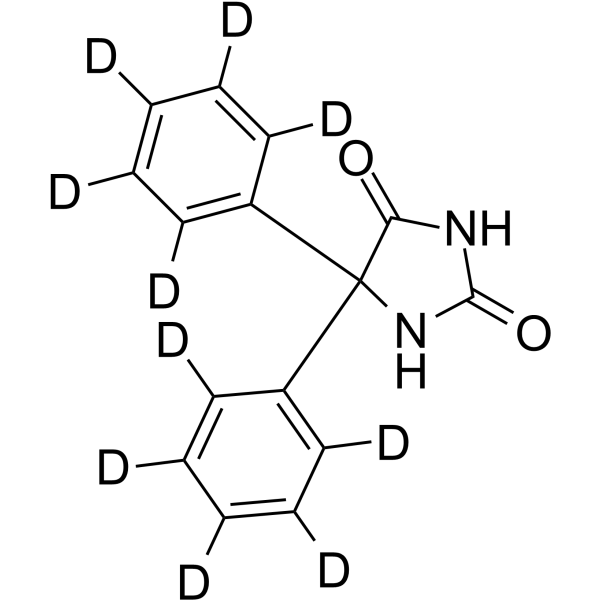
Phenytoin-d10 is the deuterium labeled Phenytoin. Phenytoin (5,5-Diphenylhydantoin) is a potent Voltage-gated Na+ channels (VGSCs) blocker. Phenytoin has antiepileptic activity and reduces breast tumour growth and metastasis in mice .
|
-
-
- HY-16293S
-
|
|
|
Lurbinectedin-d3 is deuterium labeled Lurbinectedin. Lurbinectedin (PM01183) is a DNA minor groove covalent binder with potent anti-tumour activity; inhibits RMG1 and RMG2 cell growth with IC50 values of 1.25 and 1.16 nM, respectively .
|
-
-
- HY-B0448S2
-
|
|
|
Phenytoin-d5 (5,5-Diphenylhydantoin-d5) is deuterium labeled Phenytoin. Phenytoin (5,5-Diphenylhydantoin) is a potent Voltage-gated Na + channels (VGSCs) blocker. Phenytoin has antiepileptic activity and reduces breast tumour growth and metastasis in mice .
|
-
-
- HY-B0448S1
-
|
|
|
Phenytoin- 15N2, 13C is the 13C and 15N labeled Phenytoin . Phenytoin (5,5-Diphenylhydantoin) is a potent Voltage-gated Na+ channels (VGSCs) blocker. Phenytoin has antiepileptic activity and reduces breast tumour growth and metastasis in mice .
|
-
-
- HY-159147
-
|
|
|
Azide
|
|
SIAIS039 is an orally active c-ros oncogene 1 (ROS1)-specific PROTAC with DC50s of 154.46 nM, 126.47 nM, 143.69 nM for HCC78 cells, Ba/F3 expressing the CD74-ROS1 fusion and Ba/F3 expressing the SDC4-ROS1 fusion, respectively. SIAIS039 suppresses cell proliferation, induces cell cycle arrest and apoptosis, and inhibits clonogenicity against ROS1-positive cells. SIAIS039 demonstrates anti-tumour effects against ROS1-driven tumor growth vivo. SIAIS039 is composed of the ALK inhibitor Brigatinib (HY-12857), a linker EM-12 (HY-138793), and a VHL ligand E3 ubiquitin ligase 1-Butyne (Red: Brigatinib; Blue: VHL ligand; Black: linker) .
|
-
- HY-14375
-
|
|
|
Alkynes
|
|
CB 300919 is a quinazoline-based antitumour agent with high activity in the CH1 human ovarian tumour xenograft. CB 300919 has a continuous exposure (96 h) growth inhibition IC50 value of 2 nM in human CH1 ovarian tumor xenograft . CB 300919 is a click chemistry reagent, it contains an Alkyne group and can undergo copper-catalyzed azide-alkyne cycloaddition (CuAAc) with molecules containing Azide groups.
|
-
- HY-158829
-
|
|
|
Antisense Oligonucleotides
|
|
SSOe26 sodium is a 15mer antisense oligonucleotide targeting?HER4. SSOe26 sodium induces exon 26 skipping, leading to the generation of a novel mRNA transcript that excludes exon 26 (CYT2 isoform). SSOe26 sodium decreases tumour growth in mouse xenografts.
|
入力情報は安全に管理されます. ※ 必須入力項目.
Inquiry Information
- 製品名:
- 製品番号:
- 数量:
- MCE 日本正規代理店:





