Delivery of temperature sensitive items including proteins and kits will be paused on 6/19 for the Juneteenth holiday. For urgent orders please contact customer service.
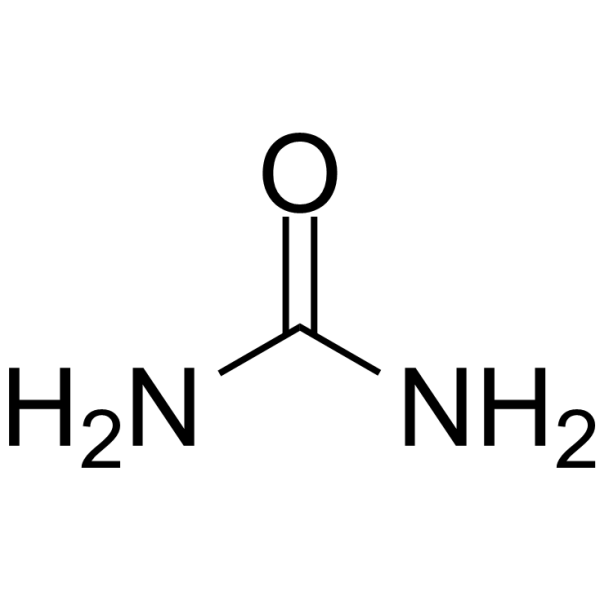
Urea is a powerful protein denaturant via both direct and indirect mechanisms . A potent emollient and keratolytic agent . Used as a diuretic agent. Blood urea nitrogen (BUN) has been utilized to evaluate renal function . Widely used in fertilizers as a source of nitrogen and is an important raw material for the chemical industry.
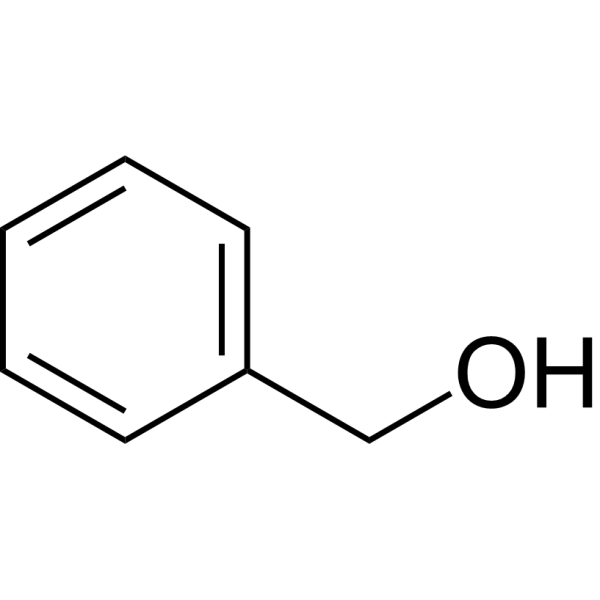
Benzyl alcohol is an aromatic alcohol, a colorless liquid with a mild aromatic odor. Benzyl alcohol is an inhibitor of P450 enzyme. Benzyl alcohol mediated Toll-Like Receptor 4 to reduce the inflammatory response of liver injury in mice .
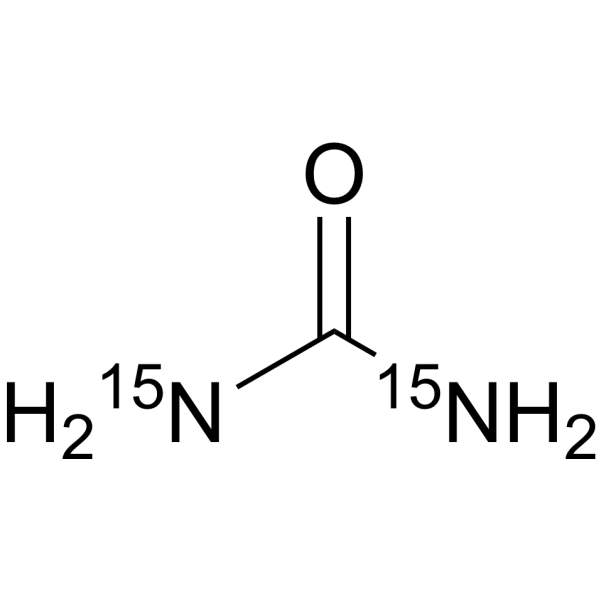
Urea- 15N2 is the 15N-labeled Urea. Urea is a powerful protein denaturant via both direct and indirect mechanisms . A potent emollient and keratolytic agent . Used as a diuretic agent. Blood urea nitrogen (BUN) has been utilized to evaluate renal function . Widely used in fertilizers as a source of nitrogen and is an important raw material for the chemical industry.
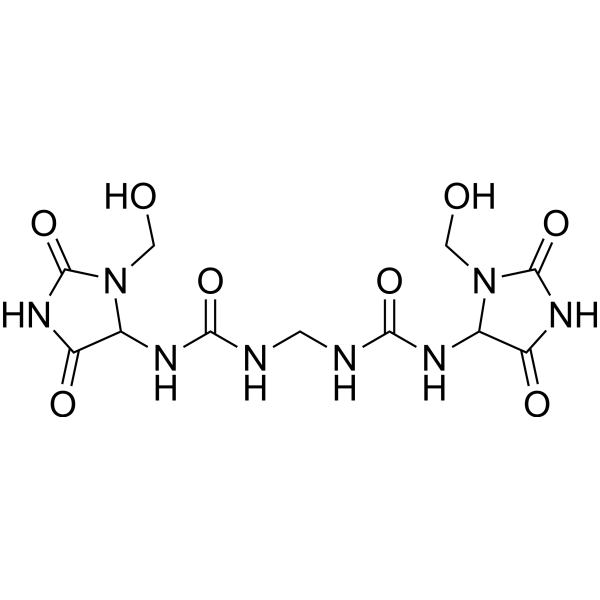
Imidazolidinyl urea is a commonly used antibacterial preservative in cosmetics and pharmaceuticals that releases formaldehyde through decomposition. Imidazolidinyl urea can also be used in the preparation of multifunctional hydrogels for the care of infectious wounds. Imidazolidinyl urea has broad-spectrum antibacterial activity, which mainly inhibits the reproduction of gram-negative bacteria and gram-positive bacteria, and restricts the growth of yeast and mold to a certain extent. Imidazolidinyl urea can induce non-histaminergic allergy by MRGPRX2 activation of mast cells .
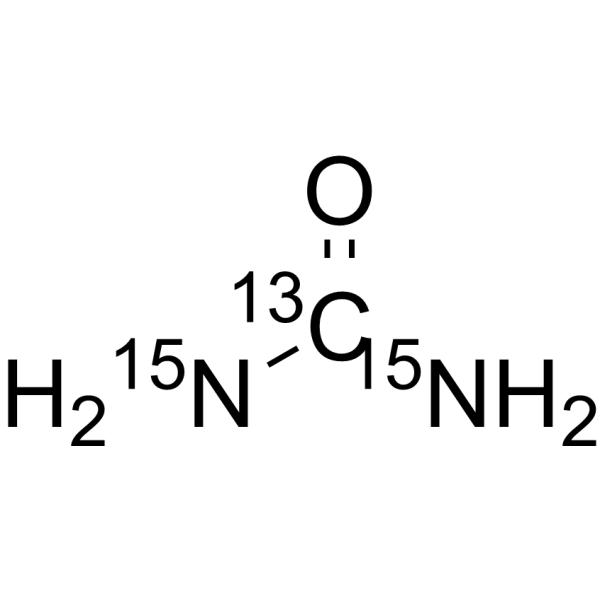
Urea- 13C, 15N2 is the 13C and 15N labeled Urea . Urea is a powerful protein denaturant via both direct and indirect mechanisms . A potent emollient and keratolytic agent . Used as a diuretic agent. Blood urea nitrogen (BUN) has been utilized to evaluate renal function . Widely used in fertilizers as a source of nitrogen and is an important raw material for the chemical industry.
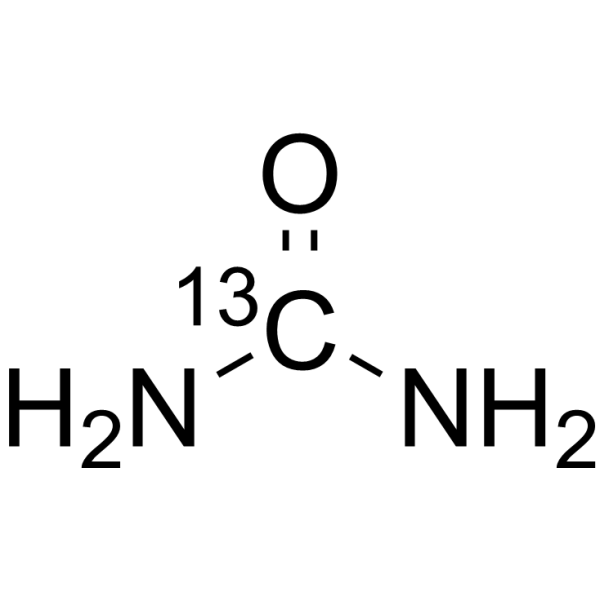
Urea- 13C is the 13C labelled urea. The Urea- 13C breath test ( 13C-UBT) is one of the best methods for the diagnosis of Helicobacter pylori infection .
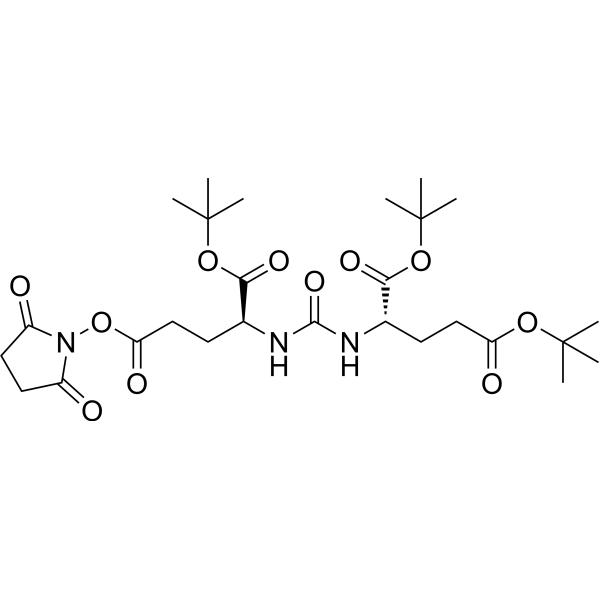
Glu-urea-Glu-NHS ester is an activated N-hydroxysuccinamide (NHS) ester of Glu-urea-Glu. Glu-urea-Glu-NHS ester can be used for synthesis of small-molecule prostate-specific membrane antigen (PSMA) inhibitors, imaging agents (such as PSMAi-PEG conjugates), and targeted drug delivery vehicles .
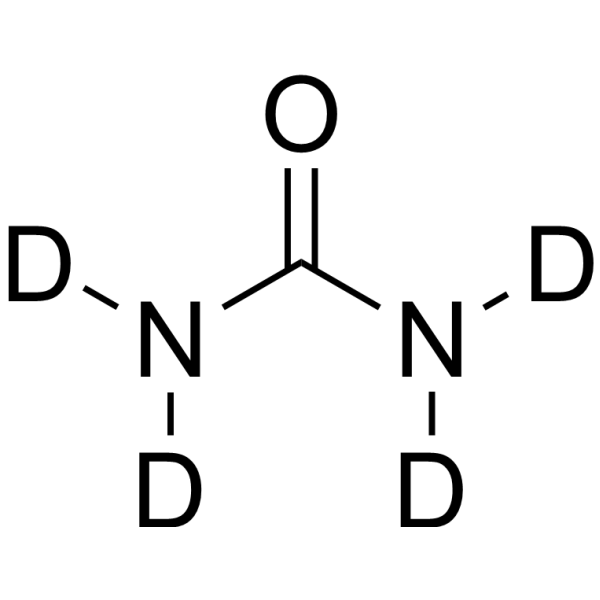
Urea-d4 is the deuterium labeled Urea . Urea is a powerful protein denaturant via both direct and indirect mechanisms . A potent emollient and keratolytic agent . Used as a diuretic agent. Blood urea nitrogen (BUN) has been utilized to evaluate renal function . Widely used in fertilizers as a source of nitrogen and is an important raw material for the chemical industry.
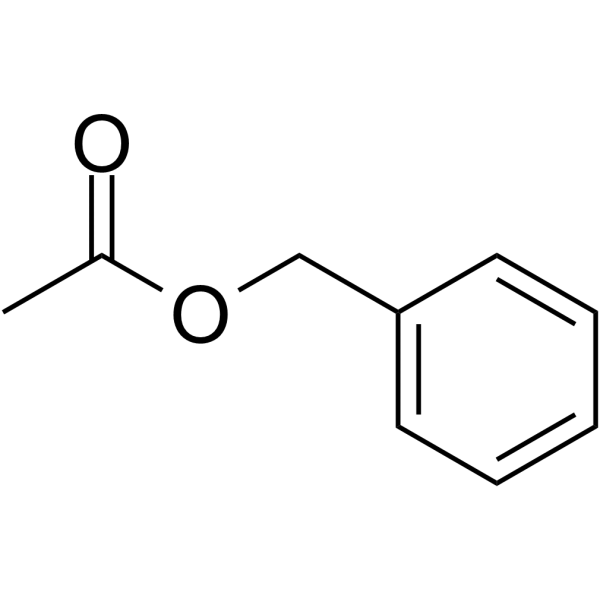
Benzyl acetate is an aromatic ester with a jasmine scent. Benzyl acetate found in plants and is commonly used as a base fragrance ingredient in perfumes, cosmetics, and soap fragrances. Benzyl acetate is also one of the largest varieties in the synthetic fragrance industry .
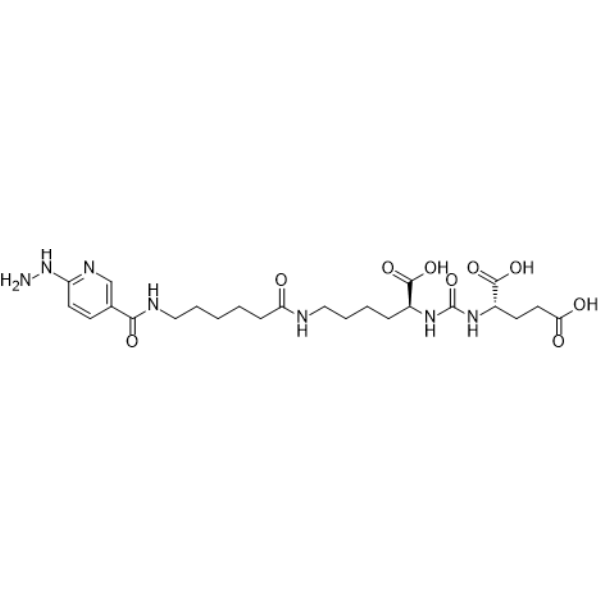
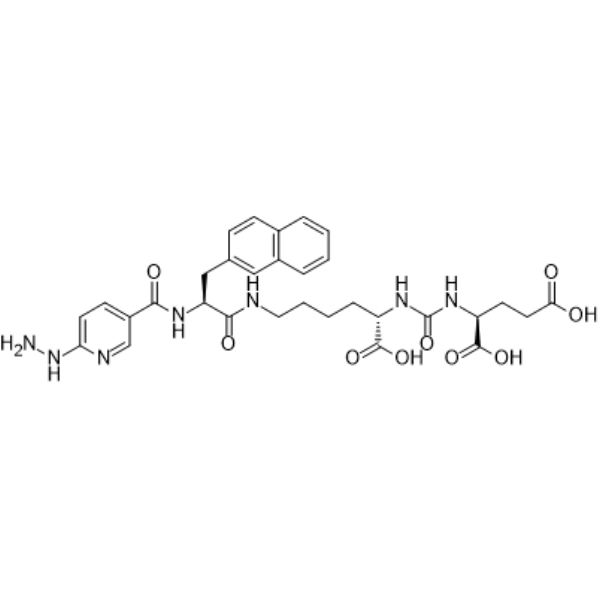
HYNIC-PSMA is a ligand for molecular imaging of tumors. Hynic-psma consists of two components: HYNIC (6-hydrazinonicotinamide) and PSMA (Prostate-Specific Membrane Antigen). HYNIC is a compound used to attach radioactive isotopes to targeted molecules, such as 188Re-HYNIC-PSMA. PSMA is a membrane antigen that is specifically expressed on the surface of prostate cancer cells. HYNIC-PSMA can be used in prostate cancer research . HYNIC-PSMA can be used for the synthesis/research of Radionuclide-Drug Conjugates (RDCs).
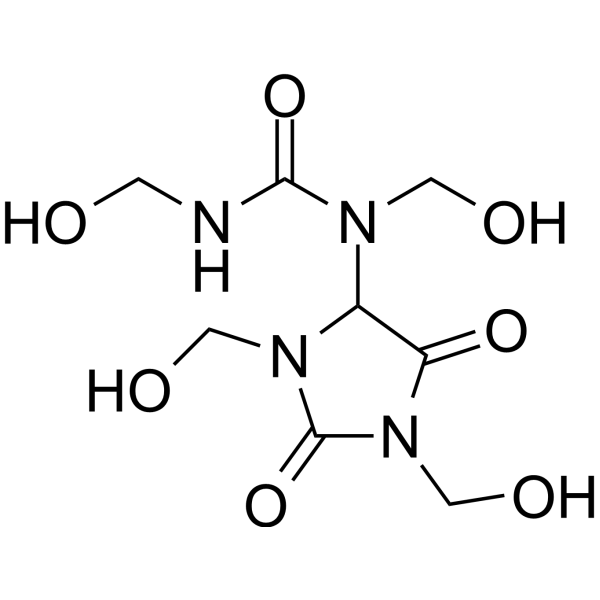
Diazolidinyl urea is a broad-spectrum preservative commonly used in cosmetics. Diazolidinyl urea exerts antibacterial effects by decomposing and releasing formaldehyde. Diazolidinyl urea is effective against most contaminating microorganisms, especially Pseudomonas .
Urea (Standard) is the analytical standard of Urea. This product is intended for research and analytical applications. Urea is a powerful protein denaturant via both direct and indirect mechanisms . A potent emollient and keratolytic agent . Used as a diuretic agent. Blood urea nitrogen (BUN) has been utilized to evaluate renal function . Widely used in fertilizers as a source of nitrogen and is an important raw material for the chemical industry.
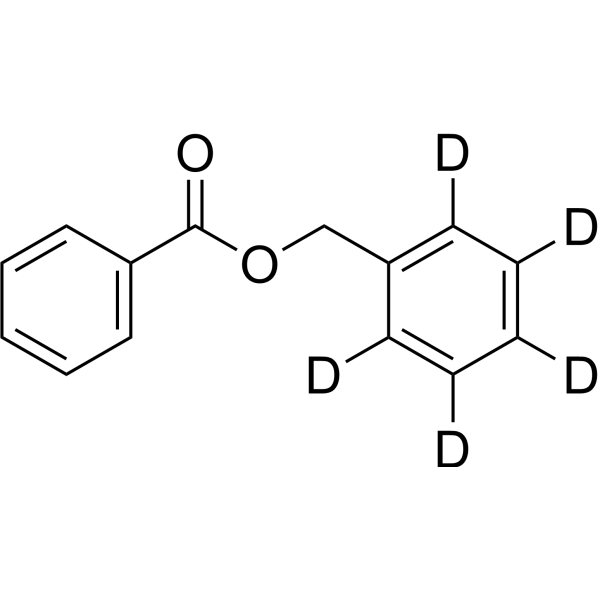
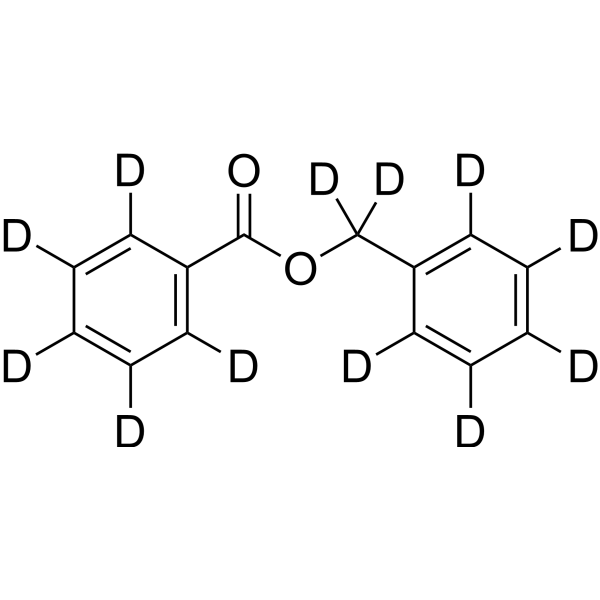
Benzyl benzoate-d5 is the deuterium labeled Benzyl benzoate . Benzyl benzoate (Benzoic acid benzyl ester) is a fragrance ingredient in cosmetic products. Benzyl benzoate can be used for the research of Scabies and Demodex-associated inflammatory skin conditions .
2-(Naphthalen-2-yl)acetic acid (2-Naphthylacetic acid) is a plant growth regulator that can improve the quality and yield of crops such as bean sprouts. In addition, 2-(Naphthalen-2-yl)acetic acid can be used as a probe to study the distribution of amino acid conjugation mechanisms in different species .
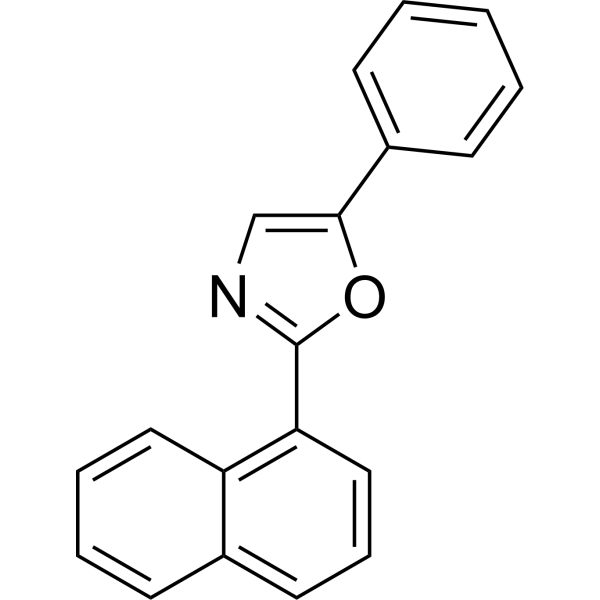
2-(Naphthalen-1-yl)-5-phenyloxazole (α-NPO) is an organic fluorescent dye. 2-(Naphthalen-1-yl)-5-phenyloxazole has a nitrogen atom in its structure that can interfere with the nitrogen content from the amination step .
HYNIC-iPSMA TFA is a ligand for molecular imaging of tumors. Hynic-ipsma consists of two components: HYNIC (6-hydrazinonicotinamide) and iPSMA (Inhibitor of Prostate-Specific Membrane Antigen). HYNIC is a compound used to attach radioactive isotopes to targeted molecules. iPSMA is a specific inhibitor used to inhibit prostate-specific membrane antigen (PSMA). 68GA-labeled iPSMA has been used to detect prostate cancer by PET imaging. The further 99mTc-EDDA/HYNIC-iPSMA TFA has excellent specificity and sensitivity . HYNIC-iPSMA TFA can be used for the synthesis/research of Radionuclide-Drug Conjugates (RDCs).
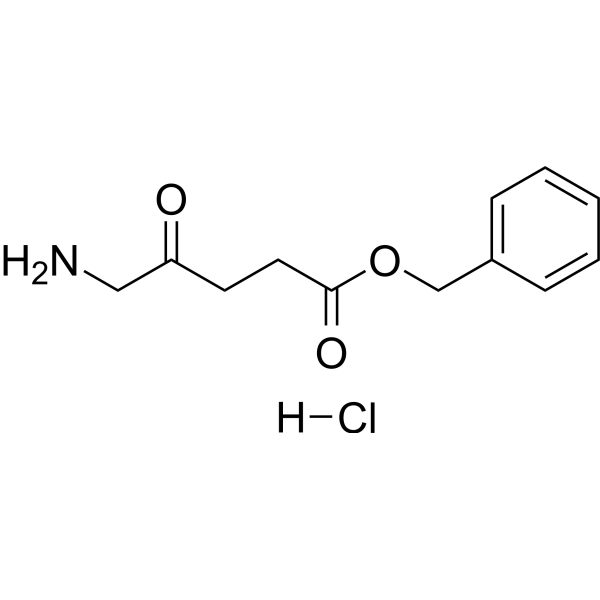
5-ALA benzyl ester hydrochloride (Benzyl-ALA hydrochloride) is a protoporphyrin precursor used as a photodetection agent. 5-ALA benzyl ester hydrochloride induces protoporphyrin IX (PPIX) accumulation in colon carcinoma cell lines .
Benzyl benzoate-d12 is the deuterium labeled Benzyl benzoate . Benzyl benzoate (Benzoic acid benzyl ester) is a fragrance ingredient in cosmetic products. Benzyl benzoate can be used for the research of Scabies and Demodex-associated inflammatory skin conditions .
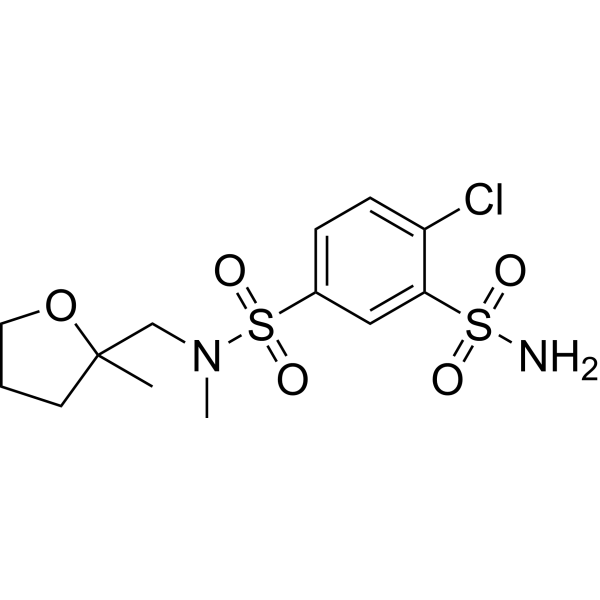
Mefruside is an orally active diuretic and has a mild hypotensive effect. Mefruside inhibits the synthesis of urea in an isolated rat liver perfusion model. Mefruside can be used in studies of oedema and hypertension .
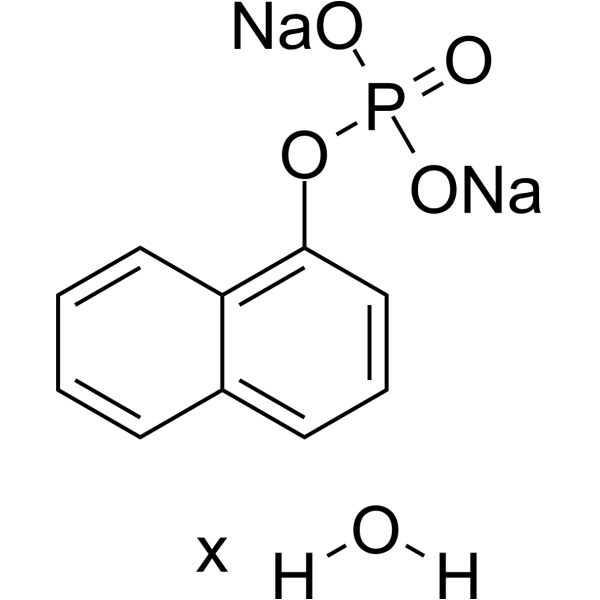
Sodium naphthalen-1-yl phosphate, hydrate is a biochemical reagent that can be used as a biological material or organic compound for life science related research.
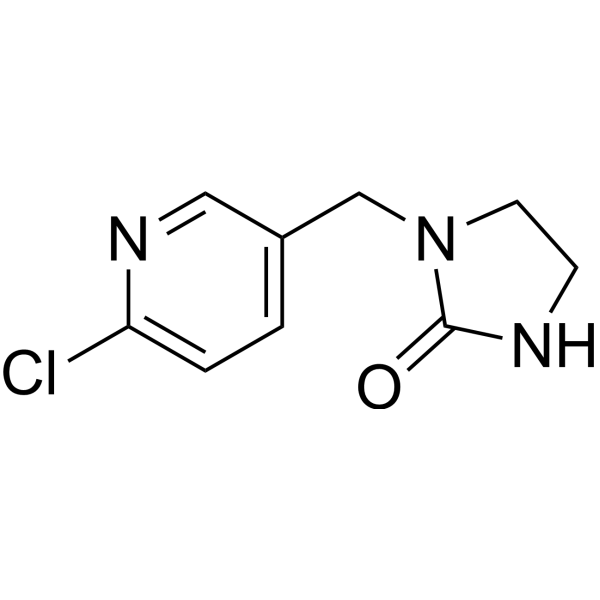
Imidacloprid-urea is a metabolite of Imidacloprid (HY-B0838). Imidacloprid is an effective and widely used neonicotinoid pesticide to control pests of cereals, vegetables, tea and cotton. Imidacloprid-urea can occupy or block adsorption sites of imidacloprid on soil, potentially affecting the fate, transport, and bioavailability of imidacloprid in the environment .
HYNIC-iPSMA is a ligand for molecular imaging of tumors. Hynic-ipsma consists of two components: HYNIC (6-hydrazinonicotinamide) and iPSMA (Inhibitor of Prostate-Specific Membrane Antigen). HYNIC is a compound used to attach radioactive isotopes to targeted molecules. iPSMA is a specific inhibitor used to inhibit prostate-specific membrane antigen (PSMA). 68GA-labeled iPSMA has been used to detect prostate cancer by PET imaging. The further 99mTc-EDDA/HYNIC-iPSMA has excellent specificity and sensitivity . HYNIC-iPSMA can be used for the synthesis/research of Radionuclide-Drug Conjugates (RDCs).
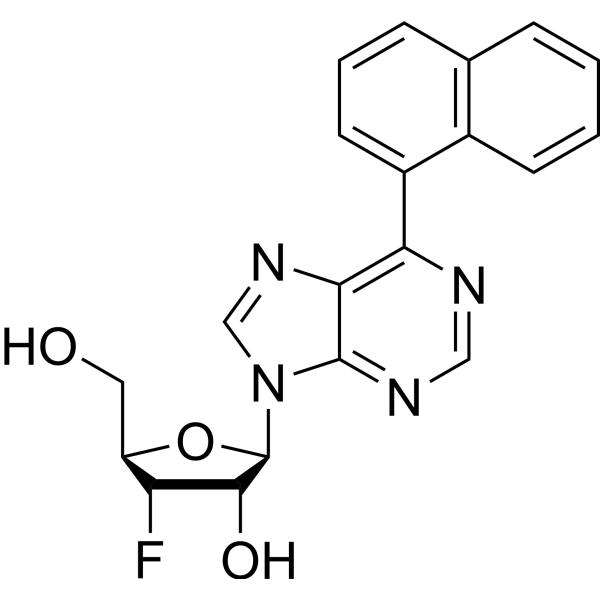
9-(3-Deoxy-3-fluoro-β-D-ribofuranosyl)-6-(naphthalen-1-yl)purine is a purine nucleoside analogue. Purine nucleoside analogs have broad antitumor activity targeting indolent lymphoid malignancies. Anticancer mechanisms in this process rely on inhibition of DNA synthesis, induction of apoptosis, etc .
Florpyrauxifen-benzyl is an auxin herbicide. Florpyrauxifen-benzyl is promising for research of agricultural weeds, such as Echinochloa crusgalli in rice paddies .
1-Acetamidonaphthalene (N-(Naphthalen-1-yl)acetamide) is a degradation product of Digitoxigenin (HY-B2151). 1-Acetamidonaphthalene is weakly mutagenic to Salmonella typhimurium TA98 with metabolic activation. 1-Acetamidonaphthalene can be used for the research of bacterial infection .
C6 Urea Ceramide (Cer(d18:1/6:0) Urea) is an inhibitor of neutral ceramidase. C6 Urea Ceramide increases total ceramide levels in wild-type mouse embryonic fibroblasts (MEFs) and HT-29 colon cancer cells. C6 Urea Ceramide (5-10 μM) inhibits proliferation of HT-29 cells and induces apoptosis and autophagy, but is not toxic to non-cancerous cells. C6 Urea Ceramide decreases total and phosphorylated β-catenin levels in HT-29 and HCT116 cells, and induces colocalization of β-catenin with the 20S proteasome. C6 Urea Ceramide (1.25, 2.5, and 5 mg/kg) reduced tumor growth and increased C16, C18, C20, and C24 ceramide levels in tumor tissues in the HT-29 mouse xenograft model.
1-Benzyl-3-phenylthiourea is a sensor material for detecting nerve agents and related simulants, and has biosensor activity. 1-Benzyl-3-phenylthiourea can be used to increase the sensitivity of sensors to nerve agents and enhance detection capabilities. The reaction characteristics of 1-Benzyl-3-phenylthiourea are similar to those of nerve agents and their simulants, making it show good results in detection .
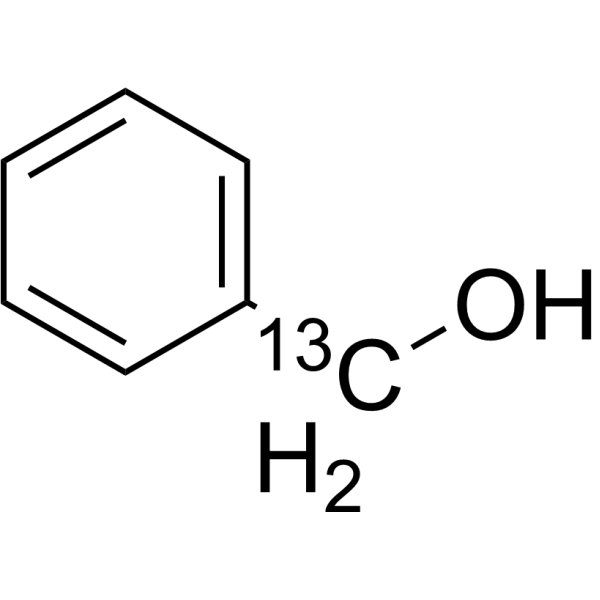
Benzyl alcohol- 13C is the 13C labeled Benzyl alcohol (HY-B0892). Benzyl alcohol is an aromatic alcohol, a colorless liquid with a mild aromatic odor .
Imidazolidinyl urea (Standard) is the analytical standard of Imidazolidinyl urea. This product is intended for research and analytical applications. Imidazolidinyl urea is a commonly used antibacterial preservative in cosmetics and pharmaceuticals that releases formaldehyde through decomposition. Imidazolidinyl urea can also be used in the preparation of multifunctional hydrogels for the care of infectious wounds. Imidazolidinyl urea has broad-spectrum antibacterial activity, which mainly inhibits the reproduction of gram-negative bacteria and gram-positive bacteria, and restricts the growth of yeast and mold to a certain extent. Imidazolidinyl urea can induce non-histaminergic allergy by MRGPRX2 activation of mast cells .
N-Methyl-1-(naphthalen-1-yl)methanamine hydrochloride (Standard) is the analytical standard of N-Methyl-1-(naphthalen-1-yl)methanamine hydrochloride. This product is intended for research and analytical applications.
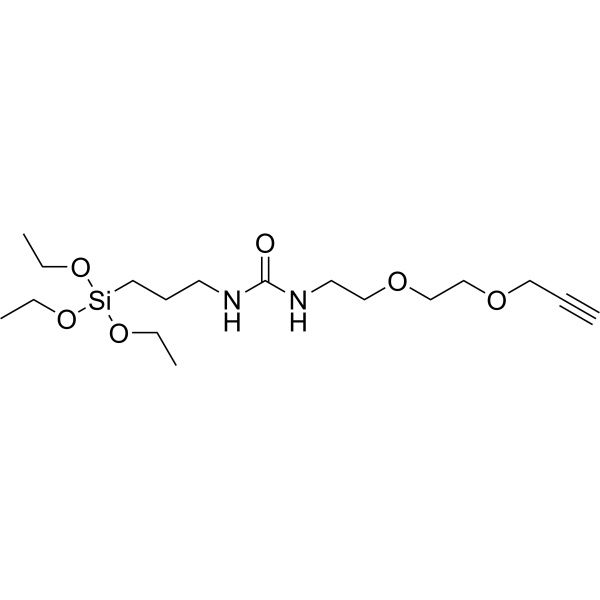
Propargyl-PEG2-urea-C3-triethoxysilane is a PEG-based PROTAC linker that can be used in the synthesis of PROTACs . Propargyl-PEG2-urea-C3-triethoxysilane is a click chemistry reagent, it contains an Alkyne group and can undergo copper-catalyzed azide-alkyne cycloaddition (CuAAc) with molecules containing Azide groups.
Naphthol AS-D acetate (3-(O-tolylcarbamoyl)naphthalen-2-yl acetate) is used in histological studies as a histochemical substrate for esterase localization .
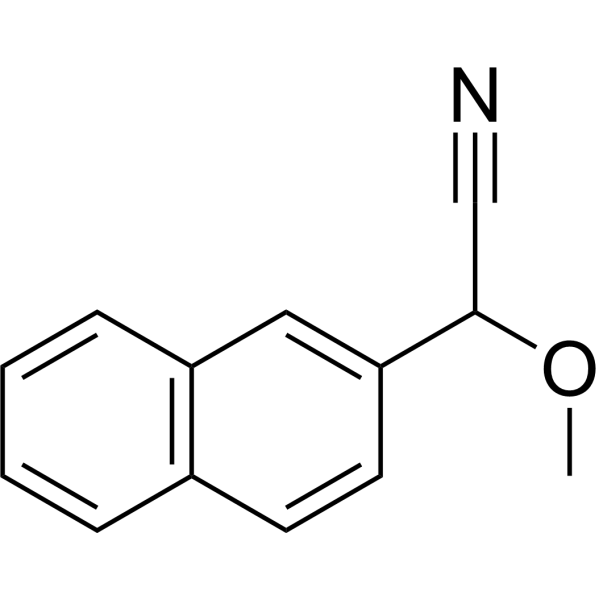
2-Methoxy-2-(naphthalen-2-yl)acetonitrile is a multifunctional dye. Dyes are important tools in biological experiments. They can help researchers observe and analyze cell structures, track biomolecules, evaluate cell functions, distinguish cell types, detect biomolecules, study tissue pathology and monitor microorganisms. Their applications range from basic scientific research to clinical A wide range of diagnostics. Dyes are also widely used in traditional fields such as textile dyeing, as well as in emerging fields such as functional textile processing, food pigments and dye-sensitized solar cells.
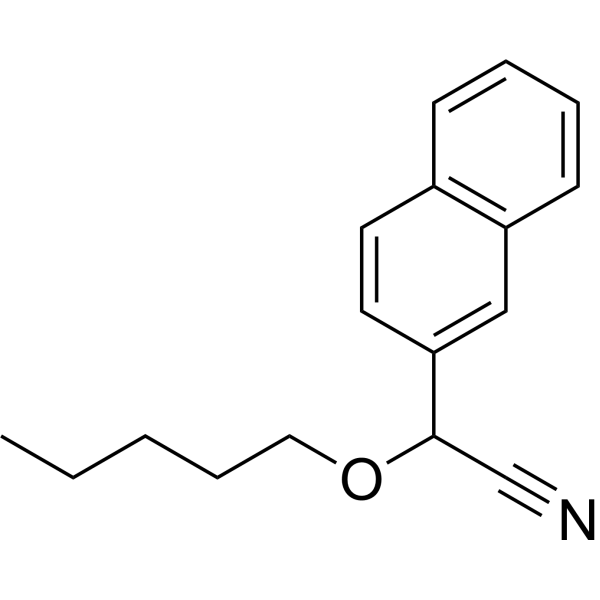
2-(Naphthalen-2-yl)-2-(pentyloxy)acetonitrile is a multifunctional dye. Dyes are important tools in biological experiments. They can help researchers observe and analyze cell structures, track biomolecules, evaluate cell functions, distinguish cell types, detect biomolecules, study tissue pathology and monitor microorganisms. Their applications range from basic scientific research to clinical A wide range of diagnostics. Dyes are also widely used in traditional fields such as textile dyeing, as well as in emerging fields such as functional textile processing, food pigments and dye-sensitized solar cells.
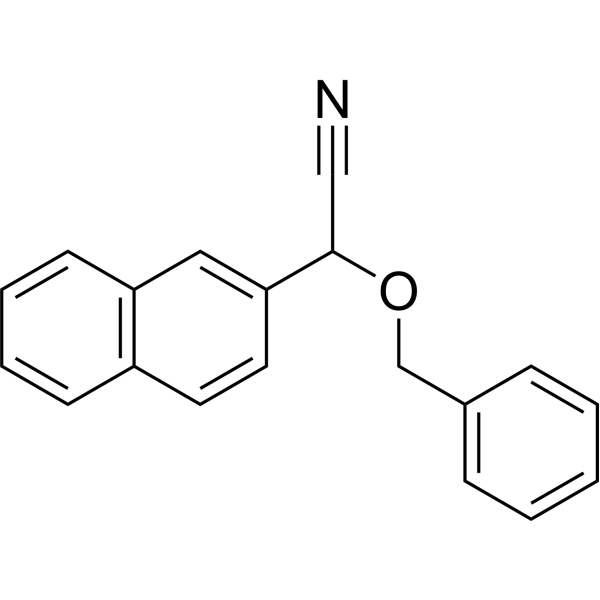
2-(Benzyloxy)-2-(naphthalen-2-yl)acetonitrile is a multifunctional dye. Dyes are important tools in biological experiments. They can help researchers observe and analyze cell structures, track biomolecules, evaluate cell functions, distinguish cell types, detect biomolecules, study tissue pathology and monitor microorganisms. Their applications range from basic scientific research to clinical A wide range of diagnostics. Dyes are also widely used in traditional fields such as textile dyeing, as well as in emerging fields such as functional textile processing, food pigments and dye-sensitized solar cells.
Benzyl acetate (Standard) is the analytical standard of Benzyl acetate (HY-N7124). This product is intended for research and analytical applications. Benzyl acetate is an aromatic ester with a jasmine scent. Benzyl acetate found in plants and is commonly used as a base fragrance ingredient in perfumes, cosmetics, and soap fragrances. Benzyl acetate is also one of the largest varieties in the synthetic fragrance industry.
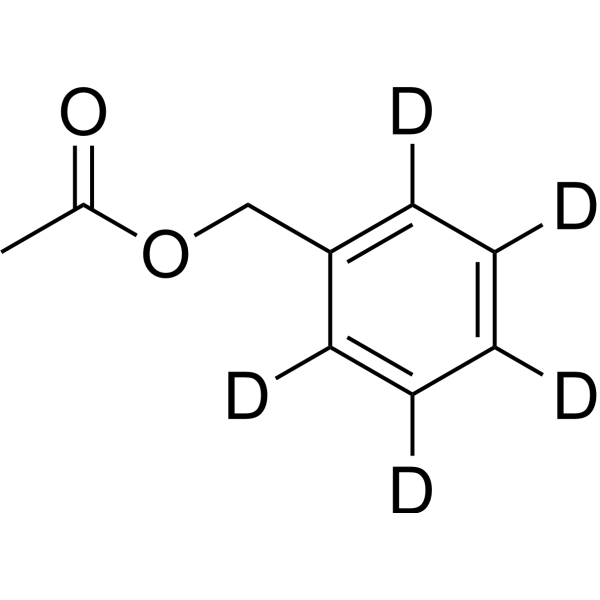
Benzyl acetate-d5 is the deuterium labeled Benzyl acetate (HY-N7124) . Benzyl acetate is an aromatic ester with a jasmine scent. Benzyl acetate found in plants and is commonly used as a base fragrance ingredient in perfumes, cosmetics, and soap fragrances. Benzyl acetate is also one of the largest varieties in the synthetic fragrance industry .
2-(3-(Methylamino)-1-(thiophen-2-yl)propyl)naphthalen-1-ol (Duloxetine Impurity) (Standard) is the analytical standard of 2-(3-(Methylamino)-1-(thiophen-2-yl)propyl)naphthalen-1-ol (Duloxetine Impurity). This product is intended for research and analytical applications.
Benzyl nicotinate (Standard) is the analytical standard of Benzyl nicotinate. This product is intended for research and analytical applications. Benzyl nicotinate is a vasodilator that increases skin oxygenation levels by increasing skin blood flow .
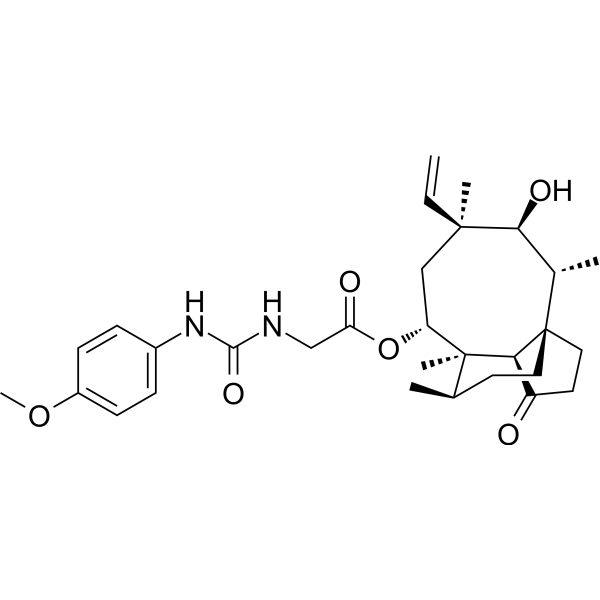
22-((4-Methoxyphenyl)urea-1-yl)-22-deoxypleuromutilin (compound 6n) is an antibacterial pleuromutilin derivative against Gram-positive pathogens (GPPs) and Mycoplasma pneumoniae .
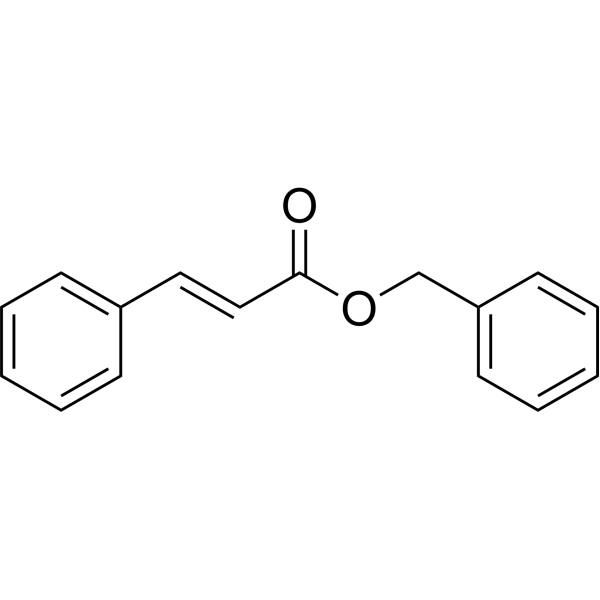
Benzyl cinnamate (Standard) is the analytical standard of Benzyl cinnamate. This product is intended for research and analytical applications. Benzyl cinnamate, occurs in Balsam of Peru and Tolu balsam, in Sumatra and Penang benzoin, and as the main constituent of copaiba balsam, is used in heavy oriental perfumes and as a fixative. Benzyl cinnamate has antibacterial activity against S. aureus and S. epidermidis (MIC = 537.81 μM). Benzyl cinnamate can induce acute toxixity, depression, and skin irritation in vivo .
Benzyl isothiocyanate (Standard) is the analytical standard of Benzyl isothiocyanate. This product is intended for research and analytical applications. Benzyl isothiocyanate is an orally available isothiocyanate with bactericidal, anticancer, antiangiogenic and anthelmintic activities. Benzyl isothiocyanate exerts anticancer functions by regulating multiple signaling pathways, including apoptosis, cell proliferation, cell cycle arrest, metastasis, angiogenesis, and autophagy. In addition, Benzyl isothiocyanate can enhance muscle insulin sensitivity to improve obesity-induced hyperglycemia[1][2][3][4][5][6][7][8][9].
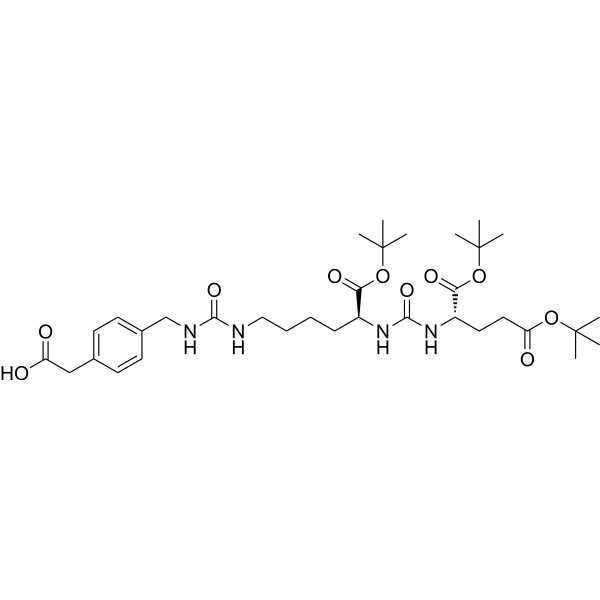
Boc-C2-Urea-bis(Boc)-C4-Urea-4-phenylacetic acid (Standard) is the analytical standard of Boc-C2-Urea-bis(Boc)-C4-Urea-4-phenylacetic acid (HY-108379). This product is intended for research and analytical applications. Boc-C2-Urea-bis(Boc)-C4-Urea-4-phenylacetic acid is a cleavable ADC linker used in the synthesis of antibody-drug conjugates (ADCs) .
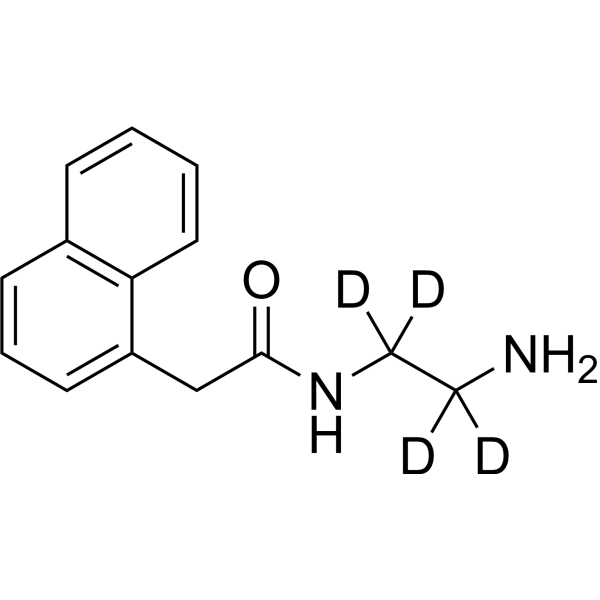
N-(2-Aminoethyl)-2-(naphthalen-1-yl)acetamide (Standard) is the analytical standard of N-(2-Aminoethyl)-2-(naphthalen-1-yl)acetamide. This product is intended for research and analytical applications.
3-(Dimethylamino)-1-(naphthalen-1-yl)propan-1-one hydrochloride (Standard) is the analytical standard of 3-(Dimethylamino)-1-(naphthalen-1-yl)propan-1-one hydrochloride. This product is intended for research and analytical applications.
(S)-N-methyl-3-(naphthalen-1-yloxy)-1-phenylpropan-1-amine hydrochloride (Standard) is the analytical standard of (S)-N-methyl-3-(naphthalen-1-yloxy)-1-phenylpropan-1-amine hydrochloride. This product is intended for research and analytical applications.
(R)-1-(naphthalen-1-yl)-N-(3-(trifluoromethyl)benzyl)ethanamine hydrochloride (Standard) is the analytical standard of (R)-1-(naphthalen-1-yl)-N-(3-(trifluoromethyl)benzyl)ethanamine hydrochloride. This product is intended for research and analytical applications.
(E)-4-(Naphthalen-2-yl)but-3-en-2-one (Compound 7) is a small active molecule that can be used as building block. (E)-4-(Naphthalen-2-yl)but-3-en-2-one exhibits anti-leukemic activity, that inhibits the proliferation of human chronic myeloid leukemia cell K562 with an IC50 of 7.6 μM .
1,3-Bis(2-chloroethyl)urea (Standard) is the analytical standard of 1,3-Bis(2-chloroethyl)urea. This product is intended for research and analytical applications.
N,N-Dimethylamidino Urea (N-Carbonylguanidine) is an intermediate in the electrochemical oxidation of Metformin (HY-B0627). Metformin can be used in the study of type 2 diabetes. N,N-Dimethylamidino Urea can be used as a marker to study the metabolic pathway of metformin in vivo .
(R)-1-(naphthalen-1-yl)-N-(3-(trifluoromethyl)benzyl)ethan-1-amine (Standard) is the analytical standard of (R)-1-(naphthalen-1-yl)-N-(3-(trifluoromethyl)benzyl)ethan-1-amine. This product is intended for research and analytical applications.
Urea, N-(aminoiminomethyl)-, sulfate (2:1) (Standard) is the analytical standard of Urea, N-(aminoiminomethyl)-, sulfate (2:1). This product is intended for research and analytical applications.
1,3-Bis[3,5-bis(trifluoromethyl)phenyl]urea is a potent activator of eIF2α kinase heme regulated inhibitor. 1,3-Bis[3,5-bis(trifluoromethyl)phenyl]urea reduces the abundance of eIF2·GTP·tRNAiMet ternary complex. 1,3-Bis[3,5-bis(trifluoromethyl)phenyl]urea inhibits cancer cell proliferation .
Urea- 13C, 15N is the 13C- and 15N-labeled Urea (HY-Y0271). Urea is a powerful protein denaturant via both direct and indirect mechanisms. A potent emollient and keratolytic agent. Used as a diuretic agent. Blood urea nitrogen (BUN) has been utilized to evaluate renal function. Widely used in fertilizers as a source of nitrogen and is an important raw material for the chemical industry .
(S)-1-Benzyl-5-carboxy-2-pyrrolidinone (N-Benzyl-L-pyroglutamic acid) is an orally active H +/K +-ATPase inhibitor. (S)-1-Benzyl-5-carboxy-2-pyrrolidinone reduces free acidity and total acidity in gastric juice. (S)-1-Benzyl-5-carboxy-2-pyrrolidinone decreases ulcer formation in pylorus-ligated rats. (S)-1-Benzyl-5-carboxy-2-pyrrolidinone can be used for the research of peptic ulcers .
(R)-4-(3-(Methylamino)-1-(thiophen-2-yl)propyl)naphthalen-1-ol (Standard) is the analytical standard of (R)-4-(3-(Methylamino)-1-(thiophen-2-yl)propyl)naphthalen-1-ol. This product is intended for research and analytical applications.
Florpyrauxifen-benzyl-d5 is the deuterium labeled Florpyrauxifen-benzyl (HY-W726600). Florpyrauxifen-benzyl is an auxin herbicide. Florpyrauxifen-benzyl is promising for research of agricultural weeds, such as Echinochloa crusgalli in rice paddies .
Valsartan benzyl ester (Standard) is the analytical standard of Valsartan benzyl ester. This product is intended for research and analytical applications.
2-(Naphthalen-1-yl)-5-phenyloxazole (α-NPO) is an organic fluorescent dye. 2-(Naphthalen-1-yl)-5-phenyloxazole has a nitrogen atom in its structure that can interfere with the nitrogen content from the amination step .
2-Methoxy-2-(naphthalen-2-yl)acetonitrile is a multifunctional dye. Dyes are important tools in biological experiments. They can help researchers observe and analyze cell structures, track biomolecules, evaluate cell functions, distinguish cell types, detect biomolecules, study tissue pathology and monitor microorganisms. Their applications range from basic scientific research to clinical A wide range of diagnostics. Dyes are also widely used in traditional fields such as textile dyeing, as well as in emerging fields such as functional textile processing, food pigments and dye-sensitized solar cells.
2-(Naphthalen-2-yl)-2-(pentyloxy)acetonitrile is a multifunctional dye. Dyes are important tools in biological experiments. They can help researchers observe and analyze cell structures, track biomolecules, evaluate cell functions, distinguish cell types, detect biomolecules, study tissue pathology and monitor microorganisms. Their applications range from basic scientific research to clinical A wide range of diagnostics. Dyes are also widely used in traditional fields such as textile dyeing, as well as in emerging fields such as functional textile processing, food pigments and dye-sensitized solar cells.
2-(Benzyloxy)-2-(naphthalen-2-yl)acetonitrile is a multifunctional dye. Dyes are important tools in biological experiments. They can help researchers observe and analyze cell structures, track biomolecules, evaluate cell functions, distinguish cell types, detect biomolecules, study tissue pathology and monitor microorganisms. Their applications range from basic scientific research to clinical A wide range of diagnostics. Dyes are also widely used in traditional fields such as textile dyeing, as well as in emerging fields such as functional textile processing, food pigments and dye-sensitized solar cells.
2-(Naphthalen-2-yl)acetic acid (2-Naphthylacetic acid) is a plant growth regulator that can improve the quality and yield of crops such as bean sprouts. In addition, 2-(Naphthalen-2-yl)acetic acid can be used as a probe to study the distribution of amino acid conjugation mechanisms in different species .
Sodium naphthalen-1-yl phosphate, hydrate is a biochemical reagent that can be used as a biological material or organic compound for life science related research.
Naphthol AS-D acetate (3-(O-tolylcarbamoyl)naphthalen-2-yl acetate) is used in histological studies as a histochemical substrate for esterase localization .
HYNIC-PSMA is a ligand for molecular imaging of tumors. Hynic-psma consists of two components: HYNIC (6-hydrazinonicotinamide) and PSMA (Prostate-Specific Membrane Antigen). HYNIC is a compound used to attach radioactive isotopes to targeted molecules, such as 188Re-HYNIC-PSMA. PSMA is a membrane antigen that is specifically expressed on the surface of prostate cancer cells. HYNIC-PSMA can be used in prostate cancer research . HYNIC-PSMA can be used for the synthesis/research of Radionuclide-Drug Conjugates (RDCs).
HYNIC-iPSMA TFA is a ligand for molecular imaging of tumors. Hynic-ipsma consists of two components: HYNIC (6-hydrazinonicotinamide) and iPSMA (Inhibitor of Prostate-Specific Membrane Antigen). HYNIC is a compound used to attach radioactive isotopes to targeted molecules. iPSMA is a specific inhibitor used to inhibit prostate-specific membrane antigen (PSMA). 68GA-labeled iPSMA has been used to detect prostate cancer by PET imaging. The further 99mTc-EDDA/HYNIC-iPSMA TFA has excellent specificity and sensitivity . HYNIC-iPSMA TFA can be used for the synthesis/research of Radionuclide-Drug Conjugates (RDCs).
HYNIC-iPSMA is a ligand for molecular imaging of tumors. Hynic-ipsma consists of two components: HYNIC (6-hydrazinonicotinamide) and iPSMA (Inhibitor of Prostate-Specific Membrane Antigen). HYNIC is a compound used to attach radioactive isotopes to targeted molecules. iPSMA is a specific inhibitor used to inhibit prostate-specific membrane antigen (PSMA). 68GA-labeled iPSMA has been used to detect prostate cancer by PET imaging. The further 99mTc-EDDA/HYNIC-iPSMA has excellent specificity and sensitivity . HYNIC-iPSMA can be used for the synthesis/research of Radionuclide-Drug Conjugates (RDCs).
Urea is a powerful protein denaturant via both direct and indirect mechanisms . A potent emollient and keratolytic agent . Used as a diuretic agent. Blood urea nitrogen (BUN) has been utilized to evaluate renal function . Widely used in fertilizers as a source of nitrogen and is an important raw material for the chemical industry.
Benzyl alcohol is an aromatic alcohol, a colorless liquid with a mild aromatic odor. Benzyl alcohol is an inhibitor of P450 enzyme. Benzyl alcohol mediated Toll-Like Receptor 4 to reduce the inflammatory response of liver injury in mice .
Benzyl acetate is an aromatic ester with a jasmine scent. Benzyl acetate found in plants and is commonly used as a base fragrance ingredient in perfumes, cosmetics, and soap fragrances. Benzyl acetate is also one of the largest varieties in the synthetic fragrance industry .
Urea (Standard) is the analytical standard of Urea. This product is intended for research and analytical applications. Urea is a powerful protein denaturant via both direct and indirect mechanisms . A potent emollient and keratolytic agent . Used as a diuretic agent. Blood urea nitrogen (BUN) has been utilized to evaluate renal function . Widely used in fertilizers as a source of nitrogen and is an important raw material for the chemical industry.
5-ALA benzyl ester hydrochloride (Benzyl-ALA hydrochloride) is a protoporphyrin precursor used as a photodetection agent. 5-ALA benzyl ester hydrochloride induces protoporphyrin IX (PPIX) accumulation in colon carcinoma cell lines .
Benzyl acetate (Standard) is the analytical standard of Benzyl acetate (HY-N7124). This product is intended for research and analytical applications. Benzyl acetate is an aromatic ester with a jasmine scent. Benzyl acetate found in plants and is commonly used as a base fragrance ingredient in perfumes, cosmetics, and soap fragrances. Benzyl acetate is also one of the largest varieties in the synthetic fragrance industry.
Benzyl cinnamate (Standard) is the analytical standard of Benzyl cinnamate. This product is intended for research and analytical applications. Benzyl cinnamate, occurs in Balsam of Peru and Tolu balsam, in Sumatra and Penang benzoin, and as the main constituent of copaiba balsam, is used in heavy oriental perfumes and as a fixative. Benzyl cinnamate has antibacterial activity against S. aureus and S. epidermidis (MIC = 537.81 μM). Benzyl cinnamate can induce acute toxixity, depression, and skin irritation in vivo .
Benzyl isothiocyanate (Standard) is the analytical standard of Benzyl isothiocyanate. This product is intended for research and analytical applications. Benzyl isothiocyanate is an orally available isothiocyanate with bactericidal, anticancer, antiangiogenic and anthelmintic activities. Benzyl isothiocyanate exerts anticancer functions by regulating multiple signaling pathways, including apoptosis, cell proliferation, cell cycle arrest, metastasis, angiogenesis, and autophagy. In addition, Benzyl isothiocyanate can enhance muscle insulin sensitivity to improve obesity-induced hyperglycemia[1][2][3][4][5][6][7][8][9].
SLC14A1 Protein plays a pivotal role in cellular processes, mediating urea transport across erythrocyte and renal inner medullary collecting duct membranes. It is crucial for the urinary concentrating mechanism and regulates water transport in erythrocytes. With a dual role in urea transport, SLC14A1 maintains cellular osmotic balance and contributes to physiological processes associated with urinary concentration, highlighting its significance. SLC14A1 Protein, Human (sf9, His, MBP, FLAG) is the recombinant human-derived SLC14A1 protein, expressed by sf9 insect cells , with N-MBP, C-Flag, N-8*His labeled tag.
Urea- 15N2 is the 15N-labeled Urea. Urea is a powerful protein denaturant via both direct and indirect mechanisms . A potent emollient and keratolytic agent . Used as a diuretic agent. Blood urea nitrogen (BUN) has been utilized to evaluate renal function . Widely used in fertilizers as a source of nitrogen and is an important raw material for the chemical industry.
Urea- 13C, 15N2 is the 13C and 15N labeled Urea . Urea is a powerful protein denaturant via both direct and indirect mechanisms . A potent emollient and keratolytic agent . Used as a diuretic agent. Blood urea nitrogen (BUN) has been utilized to evaluate renal function . Widely used in fertilizers as a source of nitrogen and is an important raw material for the chemical industry.
Urea- 13C is the 13C labelled urea. The Urea- 13C breath test ( 13C-UBT) is one of the best methods for the diagnosis of Helicobacter pylori infection .
Urea-d4 is the deuterium labeled Urea . Urea is a powerful protein denaturant via both direct and indirect mechanisms . A potent emollient and keratolytic agent . Used as a diuretic agent. Blood urea nitrogen (BUN) has been utilized to evaluate renal function . Widely used in fertilizers as a source of nitrogen and is an important raw material for the chemical industry.
Benzyl benzoate-d5 is the deuterium labeled Benzyl benzoate . Benzyl benzoate (Benzoic acid benzyl ester) is a fragrance ingredient in cosmetic products. Benzyl benzoate can be used for the research of Scabies and Demodex-associated inflammatory skin conditions .
Benzyl benzoate-d12 is the deuterium labeled Benzyl benzoate . Benzyl benzoate (Benzoic acid benzyl ester) is a fragrance ingredient in cosmetic products. Benzyl benzoate can be used for the research of Scabies and Demodex-associated inflammatory skin conditions .
Benzyl alcohol- 13C is the 13C labeled Benzyl alcohol (HY-B0892). Benzyl alcohol is an aromatic alcohol, a colorless liquid with a mild aromatic odor .
Benzyl acetate-d5 is the deuterium labeled Benzyl acetate (HY-N7124) . Benzyl acetate is an aromatic ester with a jasmine scent. Benzyl acetate found in plants and is commonly used as a base fragrance ingredient in perfumes, cosmetics, and soap fragrances. Benzyl acetate is also one of the largest varieties in the synthetic fragrance industry .
Urea- 13C, 15N is the 13C- and 15N-labeled Urea (HY-Y0271). Urea is a powerful protein denaturant via both direct and indirect mechanisms. A potent emollient and keratolytic agent. Used as a diuretic agent. Blood urea nitrogen (BUN) has been utilized to evaluate renal function. Widely used in fertilizers as a source of nitrogen and is an important raw material for the chemical industry .
Florpyrauxifen-benzyl-d5 is the deuterium labeled Florpyrauxifen-benzyl (HY-W726600). Florpyrauxifen-benzyl is an auxin herbicide. Florpyrauxifen-benzyl is promising for research of agricultural weeds, such as Echinochloa crusgalli in rice paddies .
Propargyl-PEG2-urea-C3-triethoxysilane is a PEG-based PROTAC linker that can be used in the synthesis of PROTACs . Propargyl-PEG2-urea-C3-triethoxysilane is a click chemistry reagent, it contains an Alkyne group and can undergo copper-catalyzed azide-alkyne cycloaddition (CuAAc) with molecules containing Azide groups.
Benzyl alcohol is an aromatic alcohol, a colorless liquid with a mild aromatic odor. Benzyl alcohol is an inhibitor of P450 enzyme. Benzyl alcohol mediated Toll-Like Receptor 4 to reduce the inflammatory response of liver injury in mice .
9-(3-Deoxy-3-fluoro-β-D-ribofuranosyl)-6-(naphthalen-1-yl)purine is a purine nucleoside analogue. Purine nucleoside analogs have broad antitumor activity targeting indolent lymphoid malignancies. Anticancer mechanisms in this process rely on inhibition of DNA synthesis, induction of apoptosis, etc .
온라인 문의
Your information is safe with us. * Required Fields.
Western blot analysis of extracts from THP-1(lane 2(20μg), Jurkat (lane 3(20μg) and NIH3T3(lane 4(20μg) using FOXO1A (HY-P80132) Rabbit mAb. Proteins were transferred
to a PVDF membrane and blocked with 5% non-fat milk in TBST for 2 hour at room temperature. The primary antibody (1/1000) and Loading control antibody (Beta Actin, HY-P80438, 1/10000) was
used in 5% non-fat milk in TBST at 4°C overnight. Goat Anti-Mouse/Rabbit IgG-HRP Secondary Antibody (1/10000) was used for 1 hour at room temperature.
Western blot analysis of extracts from THP-1(lane 2(20μg), Jurkat (lane 3(20μg) and NIH3T3(lane 4(20μg) using FOXO1A (HY-P80132) Rabbit mAb. Proteins were transferred
to a PVDF membrane and blocked with 5% non-fat milk in TBST for 2 hour at room temperature. The primary antibody (1/1000) and Loading control antibody (Beta Actin, HY-P80438, 1/10000) was
used in 5% non-fat milk in TBST at 4°C overnight. Goat Anti-Mouse/Rabbit IgG-HRP Secondary Antibody (1/10000) was used for 1 hour at room temperature.
Western blot analysis of extracts from THP-1(lane 2(20μg), Jurkat (lane 3(20μg) and NIH3T3(lane 4(20μg) using FOXO1A (HY-P80132) Rabbit mAb. Proteins were transferred
to a PVDF membrane and blocked with 5% non-fat milk in TBST for 2 hour at room temperature. The primary antibody (1/1000) and Loading control antibody (Beta Actin, HY-P80438, 1/10000) was
used in 5% non-fat milk in TBST at 4°C overnight. Goat Anti-Mouse/Rabbit IgG-HRP Secondary Antibody (1/10000) was used for 1 hour at room temperature.
Western blot analysis of extracts from THP-1(lane 2(20μg), Jurkat (lane 3(20μg) and NIH3T3(lane 4(20μg) using FOXO1A (HY-P80132) Rabbit mAb. Proteins were transferred
to a PVDF membrane and blocked with 5% non-fat milk in TBST for 2 hour at room temperature. The primary antibody (1/1000) and Loading control antibody (Beta Actin, HY-P80438, 1/10000) was
MedchemExpress Validation 03
Western blot analysis of extracts from THP-1(lane 2(20μg), Jurkat (lane 3(20μg) and NIH3T3(lane 4(20μg) using FOXO1A (HY-P80132) Rabbit mAb. Proteins were transferred
MedchemExpress Validation 04
Western blot analysis of extracts from THP-1(lane 2(20μg), Jurkat (lane 3(20μg) and NIH3T3(lane 4(20μg) using FOXO1A (HY-P80132) Rabbit mAb. Proteins were transferred
to a PVDF membrane and blocked with 5% non-fat milk in TBST for 2 hour at room temperature. The primary antibody (1/1000) and Loading control antibody (Beta Actin, HY-P80438, 1/10000) was
used in 5% non-fat milk in TBST at 4°C overnight. Goat Anti-Mouse/Rabbit IgG-HRP Secondary Antibody (1/10000) was used for 1 hour at room temperature.
MedchemExpress Validation
Western blot analysis of extracts from THP-1(lane 2(20μg), Jurkat (lane 3(20μg) and NIH3T3(lane 4(20μg) using FOXO1A (HY-P80132) Rabbit mAb. Proteins were transferred
to a PVDF membrane and blocked with 5% non-fat milk in TBST for 2 hour at room temperature. The primary antibody (1/1000) and Loading control antibody (Beta Actin, HY-P80438, 1/10000) was
used in 5% non-fat milk in TBST at 4°C overnight. Goat Anti-Mouse/Rabbit IgG-HRP Secondary Antibody (1/10000) was used for 1 hour at room temperature.
Western blot analysis of extracts from THP-1(lane 2(20μg), Jurkat (lane 3(20μg) and NIH3T3(lane 4(20μg) using FOXO1A (HY-P80132) Rabbit mAb. Proteins were transferred
to a PVDF membrane and blocked with 5% non-fat milk in TBST for 2 hour at room temperature. The primary antibody (1/1000) and Loading control antibody (Beta Actin, HY-P80438, 1/10000) was
used in 5% non-fat milk in TBST at 4°C overnight. Goat Anti-Mouse/Rabbit IgG-HRP Secondary Antibody (1/10000) was used for 1 hour at room temperature.
MedchemExpress Validation
Western blot analysis of extracts from THP-1(lane 2(20μg), Jurkat (lane 3(20μg) and NIH3T3(lane 4(20μg) using FOXO1A (HY-P80132) Rabbit mAb. Proteins were transferred
to a PVDF membrane and blocked with 5% non-fat milk in TBST for 2 hour at room temperature. The primary antibody (1/1000) and Loading control antibody (Beta Actin, HY-P80438, 1/10000) was
used in 5% non-fat milk in TBST at 4°C overnight. Goat Anti-Mouse/Rabbit IgG-HRP Secondary Antibody (1/10000) was used for 1 hour at room temperature.
MedchemExpress Validation
Western blot analysis of extracts from THP-1(lane 2(20μg), Jurkat (lane 3(20μg) and NIH3T3(lane 4(20μg) using FOXO1A (HY-P80132) Rabbit mAb. Proteins were transferred
to a PVDF membrane and blocked with 5% non-fat milk in TBST for 2 hour at room temperature. The primary antibody (1/1000) and Loading control antibody (Beta Actin, HY-P80438, 1/10000) was
used in 5% non-fat milk in TBST at 4°C overnight. Goat Anti-Mouse/Rabbit IgG-HRP Secondary Antibody (1/10000) was used for 1 hour at room temperature.
MedchemExpress Validation
Western blot analysis of extracts from THP-1(lane 2(20μg), Jurkat (lane 3(20μg) and NIH3T3(lane 4(20μg) using FOXO1A (HY-P80132) Rabbit mAb. Proteins were transferred
to a PVDF membrane and blocked with 5% non-fat milk in TBST for 2 hour at room temperature. The primary antibody (1/1000) and Loading control antibody (Beta Actin, HY-P80438, 1/10000) was
used in 5% non-fat milk in TBST at 4°C overnight. Goat Anti-Mouse/Rabbit IgG-HRP Secondary Antibody (1/10000) was used for 1 hour at room temperature.
MedchemExpress Validation
Western blot analysis of extracts from THP-1(lane 2(20μg), Jurkat (lane 3(20μg) and NIH3T3(lane 4(20μg) using FOXO1A (HY-P80132) Rabbit mAb. Proteins were transferred
to a PVDF membrane and blocked with 5% non-fat milk in TBST for 2 hour at room temperature. The primary antibody (1/1000) and Loading control antibody (Beta Actin, HY-P80438, 1/10000) was
used in 5% non-fat milk in TBST at 4°C overnight. Goat Anti-Mouse/Rabbit IgG-HRP Secondary Antibody (1/10000) was used for 1 hour at room temperature.
MedchemExpress Validation
Western blot analysis of extracts from THP-1(lane 2(20μg), Jurkat (lane 3(20μg) and NIH3T3(lane 4(20μg) using FOXO1A (HY-P80132) Rabbit mAb. Proteins were transferred
to a PVDF membrane and blocked with 5% non-fat milk in TBST for 2 hour at room temperature. The primary antibody (1/1000) and Loading control antibody (Beta Actin, HY-P80438, 1/10000) was
used in 5% non-fat milk in TBST at 4°C overnight. Goat Anti-Mouse/Rabbit IgG-HRP Secondary Antibody (1/10000) was used for 1 hour at room temperature.
MedchemExpress Validation
Western blot analysis of extracts from THP-1(lane 2(20μg), Jurkat (lane 3(20μg) and NIH3T3(lane 4(20μg) using FOXO1A (HY-P80132) Rabbit mAb. Proteins were transferred
to a PVDF membrane and blocked with 5% non-fat milk in TBST for 2 hour at room temperature. The primary antibody (1/1000) and Loading control antibody (Beta Actin, HY-P80438, 1/10000) was
used in 5% non-fat milk in TBST at 4°C overnight. Goat Anti-Mouse/Rabbit IgG-HRP Secondary Antibody (1/10000) was used for 1 hour at room temperature.
MedChemExpress values your privacy and your trust is important to us. We use cookies to enhance your website experience. Some cookies are necessary to run the website.
Privacy and Cookie Policy

























![1-([1,1'-Biphenyl]-4-yl)urea](http://file.medchemexpress.com/product_pic/hy-w198426.gif)


![1,3-Bis[3,5-bis(trifluoromethyl)phenyl]urea](http://file.medchemexpress.com/product_pic/hy-w046841.gif)