



Apoptosis
Apoptosis
Apoptosis is a distinctive form of cell death exhibiting specific morphological and biochemical characteristics, including cell membrane blebbing, chromatin condensation, genomic DNA fragmentation, and exposure of specific phagocytosis signaling molecules on the cell surface. Cells undergoing apoptosis differ from those dying through necrosis. Necrotic cells are usually recognized by the immune system as a danger signal and, thus, resulting in inflammation; in contrast, apoptotic death is quiet and orderly.
There are two major pathways of apoptotic cell death induction: The intrinsic pathway, also called the Bcl-2-regulated or mitochondrial pathway, is activated by various developmental cues or cytotoxic insults, such as viral infection, DNA damage and growth-factor deprivation, and is strictly controlled by the BCL-2 family of proteins. The extrinsic or death-receptor pathway is triggered by ligation of death receptors (members of the tumor necrosis factor (TNF) receptor family, such as Fas or TNF receptor-1 (TNFR1)) that contain an intracellular death domain, which can recruit and activate caspase-8 through the adaptor protein Fas-associated death domain (FADD; also known as MORT1) at the cell surface. This recruitment causes subsequent activation of downstream (effector) caspases, such as caspase-3, -6 or -7, without any involvement of the BCL-2 family.
Studies suggest that alterations in cell survival contribute to the pathogenesis of a number of human diseases, including cancer, viral infections, autoimmune diseases, neurodegenerative disorders, and AIDS (acquired immunodeficiency syndrome). Treatments designed to specifically alter the apoptotic threshold may have the potential to change the natural progression of some of these diseases.
All Product Categories
-
Apoptosis Inhibitors
(883)
View all products
-
Apoptosis Agonists
(7)
View all products
-
Apoptosis Antagonists
(9)
View all products
-
Apoptosis Activators
(361)
View all products
-
Apoptosis Modulators
(59)
View all products
-
Apoptosis Inducers
(7801)
View all products
-
Apoptosis Degrader
(1)
View all products
-
Apoptosis Controls
(33)
View all products
-
Apoptosis Related Products (9714)
Related Products (9714)

-
Antibodies (120)
-
Angiotensin II human acetate
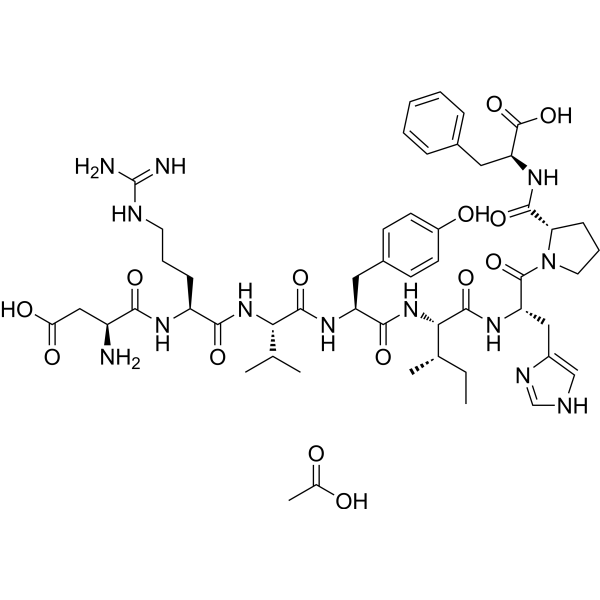 0 ImagesSynonyms: Angiotensin II acetate; Ang II acetate; DRVYIHPF acetateAngiotensin II human (Angiotensin II) acetate is a vasoconstrictor and a major bioactive peptide of the renin/angiotensin system. Angiotensin II human acetate plays a central role in regulating human blood pressure, which is mainly mediated by interactions between Angiotensin II and the G-protein-coupled receptors (GPCRs) Angiotensin II type 1 receptor (AT1R) and Angiotensin II type 2 receptor (AT2R). Angiotensin II human acetate stimulates sympathetic nervous stimulation, increases aldosterone biosynthesis and renal actions. Angiotensin II human acetate induces growth of vascular smooth muscle cells, increases collagen type I and III synthesis in fibroblasts, leading to thickening of the vascular wall and myocardium, and fibrosis. Angiotensin II human acetate also induces apoptosis. Angiotensin II human acetate induces capillary formation from endothelial cells via the LOX-1 dependent redox-sensitive pathway.
-
Valinomycin
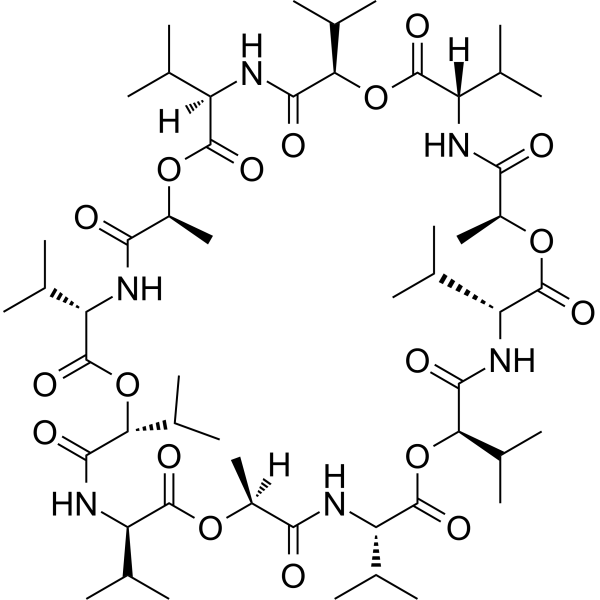 0 ImagesValinomycin is a potassium-specific ionophore, the valinomycin-K+ complex can be incorporated into biological bilayer membranes with the hydrophobic surface of valinomycin, destroys the normal K+ gradient across the membrane, and as a result kills the cells, incorporating into liposomes can significantly reduces the cytotoxicity and enhances the targeting effect. Valinomycin exhibits antibiotic, antifungal, antiviral, antitumor and insecticidal efficacy, thus can be used for relevant research.
-
Suramin sodium salt
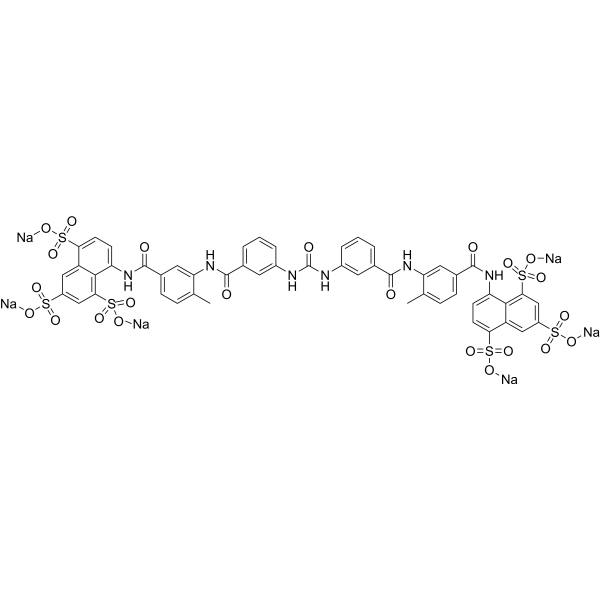 0 ImagesSuramin sodium salt (Suramin hexasodium salt) is a reversible and competitive protein-tyrosine phosphatases (PTPases) inhibitor. Suramin sodium salt is a potent inhibitor of sirtuins: SirT1 (IC50=297 nM), SirT2 (IC50=1.15 μM), and SirT5 (IC50=22 μM). Suramin sodium salt is a competitive inhibitor of reverse transcriptase (DNA topoisomerase II: IC50=5 μM). Suramin sodium salt is a potent SARS-CoV-2 RNA-dependent RNA polymerase (RdRp) inhibitor. Suramin sodium salt efficiently inhibits IP5K and is an antiparasitic, anti-neoplastic and anti-angiogenic agent.
-
Midostaurin
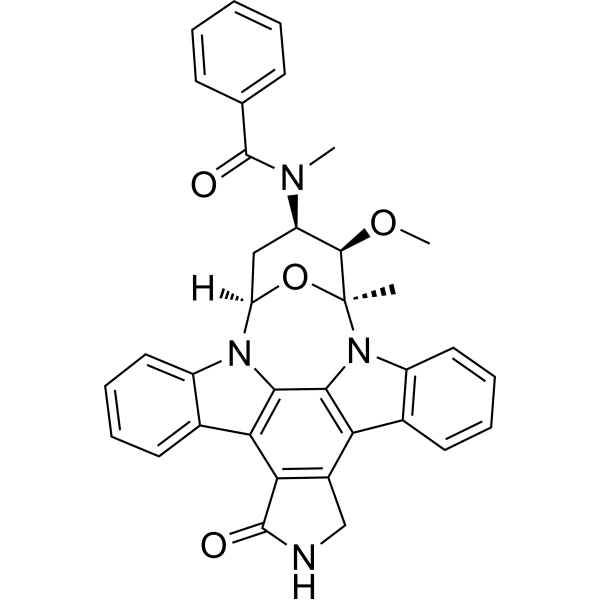 0 ImagesSynonyms: PKC412; CGP 41251Midostaurin (PKC412; CGP 41251) is an orally active, reversible multi-targeted protein kinase inhibitor. Midostaurin inhibits PKCα/β/γ, Syk, Flk-1, Akt, PKA, c-Kit, c-Fgr, c-Src, FLT3, PDFRβ and VEGFR1/2 with IC50s ranging from 22-500 nM. Midostaurin also upregulates endothelial nitric oxide synthase (eNOS) gene expression. Midostaurin shows powerful anticancer effects.
-
Pictilisib
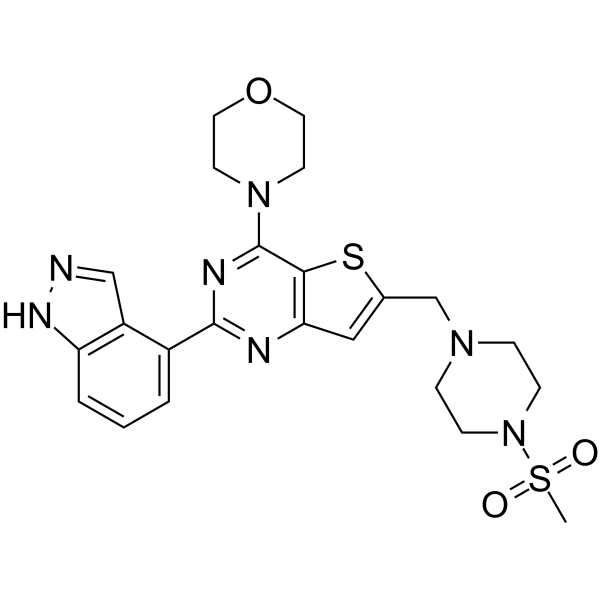 0 ImagesSynonyms: GDC-0941Pictilisib (GDC-0941) is a potent inhibitor of PI3Kα/δ with an IC50 of 3 nM, with modest selectivity against p110β (11-fold) and p110γ (25-fold).
-
Ifinatamab deruxtecan
 0 ImagesSynonyms: DS-7300a; MABX-9001a; I-DXdIfinatamab deruxtecan (DS-7300a) is a B7-H3-targeting Antibody-drug conjugate (ADC), which is composed of a humanized anti-B7-H3 monoclonal antibody, an enzymatically cleavable peptide-based linker, and Exatecan derivative (DXd) (HY-13631D). Ifinatamab deruxtecan is a DNA Topoisomerase I inhibitor. Ifinatamab deruxtecan induces Apoptosis. DS-7300a exerts potent antitumor activities against B7-H3-expressing tumors. against rhabdomyosarcoma, endometrial adenocarcinoma and lung adenocarcinoma. Ifinatamab deruxtecan does not exert direct immunomodulatory effects
-
TTNPB
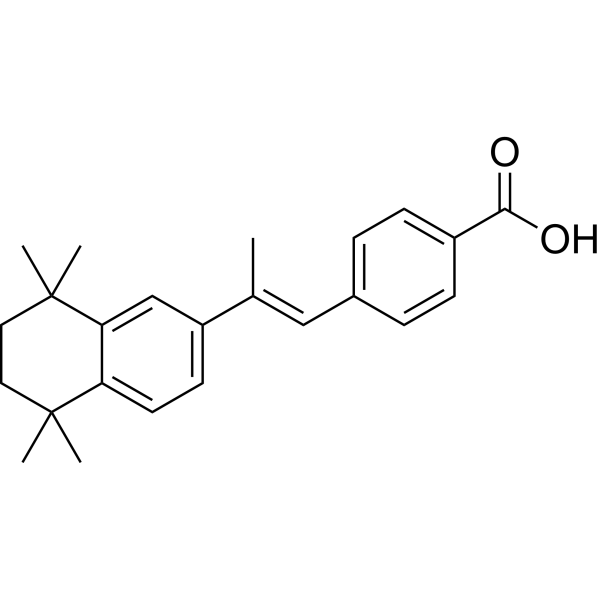 0 ImagesSynonyms: Ro 13-7410; Arotinoid acid; AGN191183TTNPB is a highly potent RAR agonist. Competitive binding assays using human RARs yield IC50s of α=5.1 nM, β= 4.5 nM, and γ=9.3 nM, respectively.
-
WM-3835
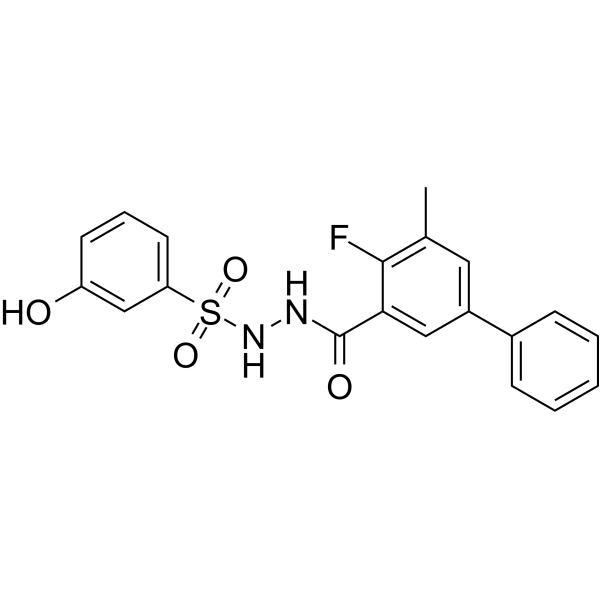 0 ImagesWM-3835 is a potent and high-specific HBO1 (KAT7 or MYST2) inhibitor and binds directly to the acetyl-CoA binding site of HBO1. WM-3835 activates apoptosis while inhibits osteosarcoma (OS) cell proliferation, migration and invasion. WM-3835 has antitumor activity and potently inhibits pOS-1 xenograft growth in mice.
-
Eribulin
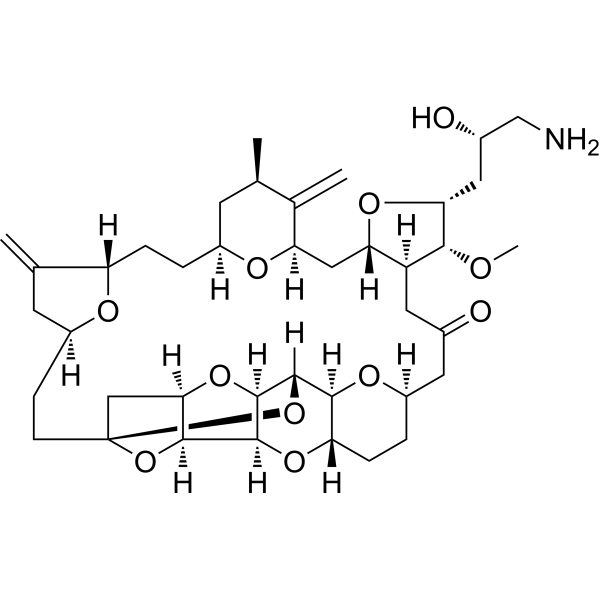 0 ImagesSynonyms: B1939; E7389; ER-086526Eribulin (E7389) is a microtubule targeting agent that is used for the research of metastatic breast cancer. Eribulin inhibits the proliferation of cancer cells by binding microtubule proteins and microtubules.
-
Eltrombopag
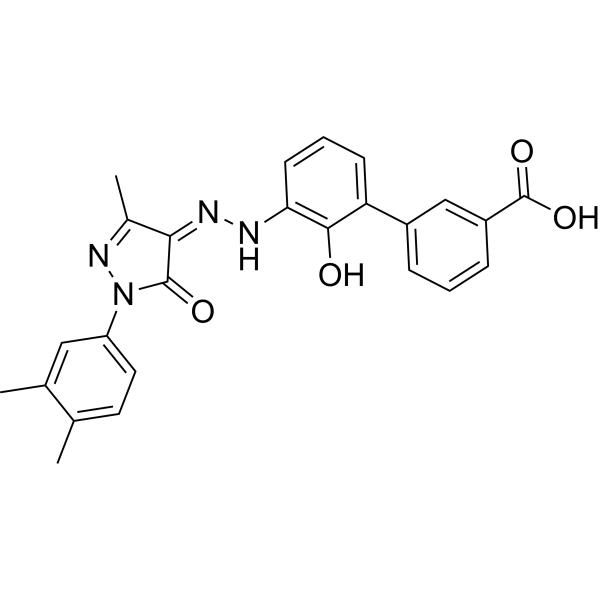 0 ImagesSynonyms: SB-497115Eltrombopag (SB-497115) is an orally active thrombopoietin receptor nonpeptide agonist. Eltrombopag owns thrombopoietic activity, and has been used to research low blood platelet counts with chronic immune thrombocytopenia. Eltrombopag can be used for the research of cardiovascular. Eltrombopag also has highly inhibitory effects against multidrug resistant Staphylococcus aureus. Eltrombopag can induce apoptosis in hepatocellular carcinomab (HCC) as well.
-
3-Bromopyruvic acid
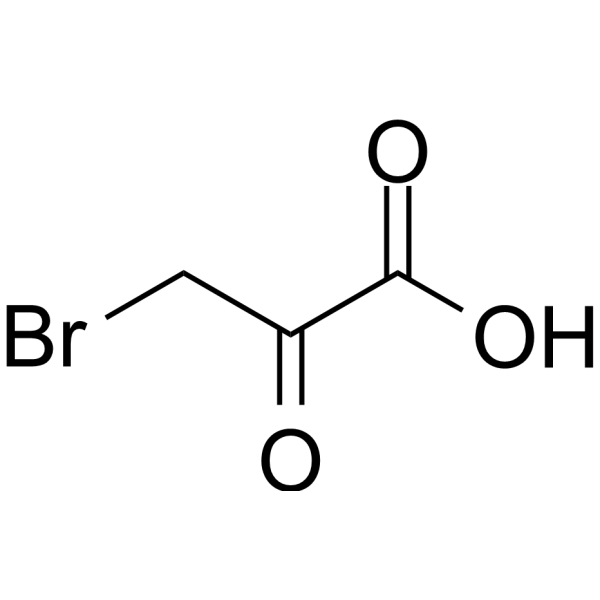 0 ImagesSynonyms: Bromopyruvic acid; 3-BrPA; Hexokinase II Inhibitor II, 3-BP3-Bromopyruvate (Bromopyruvic acid) is an analogue of pyruvate and a potent hexokinase (HK)-II inhibitor with high tumor selectivity. 3-Bromopyruvate inhibits cell growth and induces apoptosis through interfering with glycolysis. 3-Bromopyruvate induces autophagy by stimulating ROS formation in breast cancer cells. Antimicrobial activities.
-
Epirubicin hydrochloride
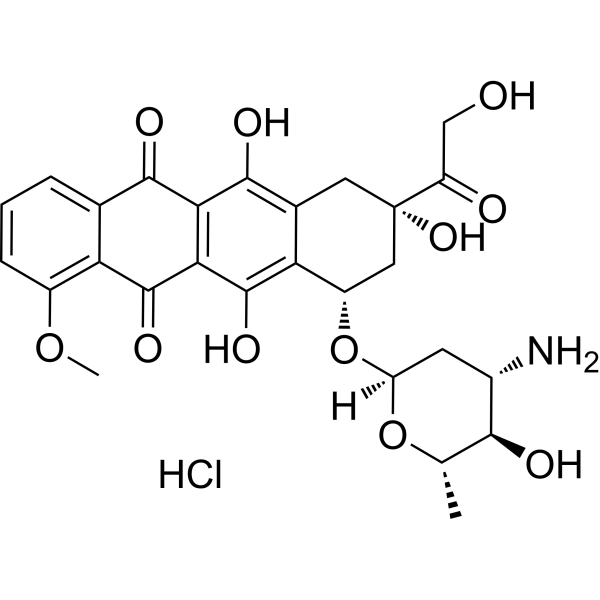 0 ImagesSynonyms: 4'-Epidoxorubicin hydrochlorideEpirubicin hydrochloride (4'-Epidoxorubicin hydrochloride), a semisynthetic L-arabino derivative of doxorubicin, has an antineoplastic agent by inhibiting Topoisomerase. Epirubicin hydrochloride inhibits DNA and RNA synthesis. Epirubicin hydrochloride is a Forkhead box protein p3 (Foxp3) inhibitor and inhibits regulatory T cell activity.
-
Epoxomicin
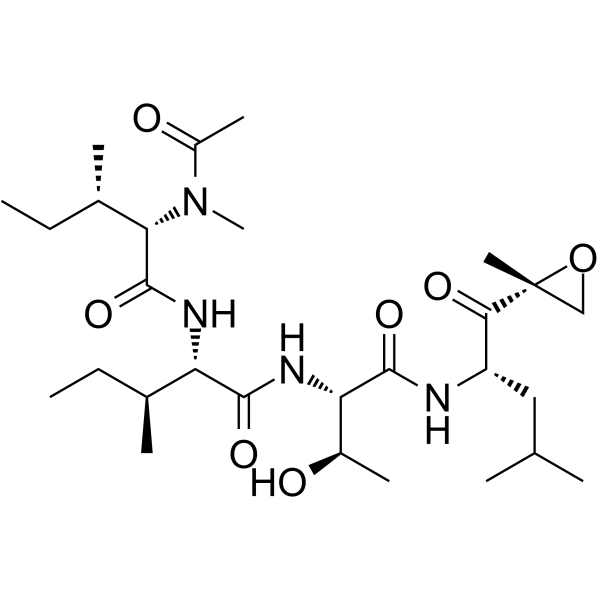 0 ImagesSynonyms: BU-4061TEpoxomicin (BU-4061T) is an epoxyketone-containing natural product and a potent, selective and irreversible proteasome inhibitor. Epoxomicin covalently binds to the LMP7, X, MECL1, and Z catalytic subunits of the proteasome and potently inhibits primarily the chymotrypsin-like activity. Epoxomicin can cross the blood-brain barrier. Epoxomicin has strongly antitumor and anti-inflammatory activity.
-
Temsirolimus
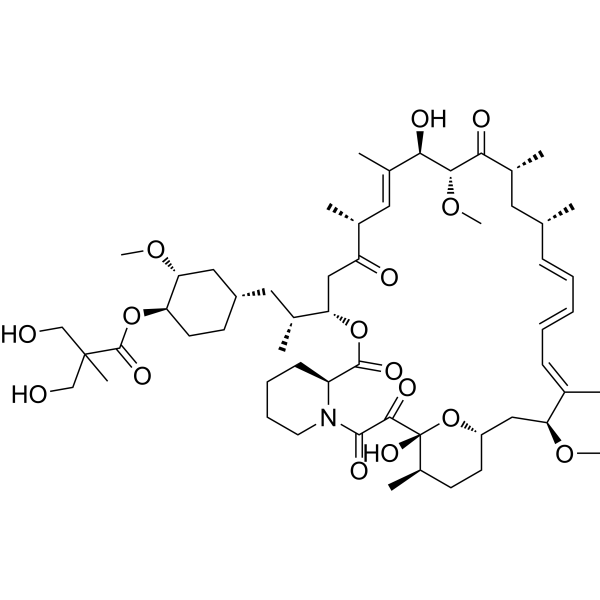 0 ImagesSynonyms: CCI-779
-
Ganetespib
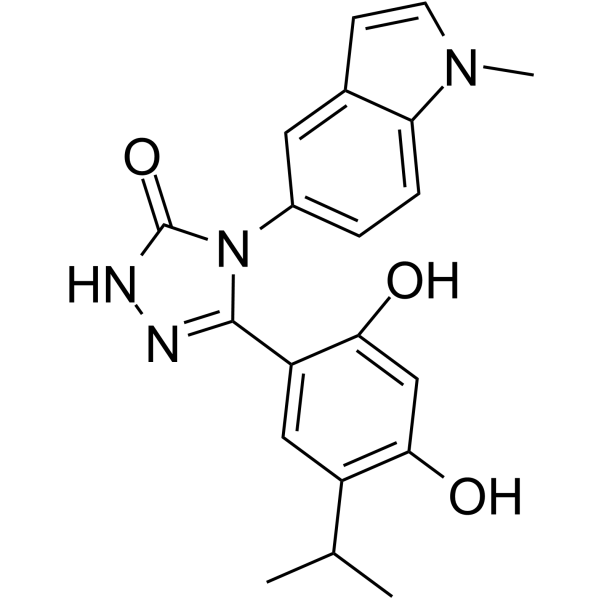 0 ImagesSynonyms: STA-9090Ganetespib (STA-9090) is a heat shock protein 90 (HSP90) inhibitor which exhibits potent cytotoxicity in a wide variety of hematological and solid tumor cell lines. Ganetespib has antiangiogenic effects in colorectal cancer mediated through inhibition of HIF-1α and STAT3.




