



Apoptosis
Apoptosis
Apoptosis is a distinctive form of cell death exhibiting specific morphological and biochemical characteristics, including cell membrane blebbing, chromatin condensation, genomic DNA fragmentation, and exposure of specific phagocytosis signaling molecules on the cell surface. Cells undergoing apoptosis differ from those dying through necrosis. Necrotic cells are usually recognized by the immune system as a danger signal and, thus, resulting in inflammation; in contrast, apoptotic death is quiet and orderly.
There are two major pathways of apoptotic cell death induction: The intrinsic pathway, also called the Bcl-2-regulated or mitochondrial pathway, is activated by various developmental cues or cytotoxic insults, such as viral infection, DNA damage and growth-factor deprivation, and is strictly controlled by the BCL-2 family of proteins. The extrinsic or death-receptor pathway is triggered by ligation of death receptors (members of the tumor necrosis factor (TNF) receptor family, such as Fas or TNF receptor-1 (TNFR1)) that contain an intracellular death domain, which can recruit and activate caspase-8 through the adaptor protein Fas-associated death domain (FADD; also known as MORT1) at the cell surface. This recruitment causes subsequent activation of downstream (effector) caspases, such as caspase-3, -6 or -7, without any involvement of the BCL-2 family.
Studies suggest that alterations in cell survival contribute to the pathogenesis of a number of human diseases, including cancer, viral infections, autoimmune diseases, neurodegenerative disorders, and AIDS (acquired immunodeficiency syndrome). Treatments designed to specifically alter the apoptotic threshold may have the potential to change the natural progression of some of these diseases.
All Product Categories
-
Apoptosis Inhibitors
(904)
View all products
-
Apoptosis Agonists
(7)
View all products
-
Apoptosis Antagonists
(9)
View all products
-
Apoptosis Activators
(363)
View all products
-
Apoptosis Modulators
(60)
View all products
-
Apoptosis Inducers
(7944)
View all products
-
Apoptosis Degrader
(1)
View all products
-
Apoptosis Controls
(33)
View all products
-
Apoptosis Related Products (9888)
Related Products (9888)

-
Antibodies (120)
-
Copanlisib (Standard)
 0 ImagesSynonyms: BAY 80-6946 (Standard)Copanlisib (Standard) is the analytical standard of Copanlisib. This product is intended for research and analytical applications. Copanlisib (BAY 80-6946) is a potent, selective and ATP-competitive pan-class I PI3K inhibitor, with IC50s of 0.5 nM, 0.7 nM, 3.7 nM and 6.4 nM for PI3Kα, PI3Kδ, PI3Kβ and PI3Kγ, respectively. Copanlisib has more than 2,000-fold selectivity against other lipid and protein kinases, except for mTOR. Copanlisib has superior antitumor activity.
-
Risedronic acid-d4
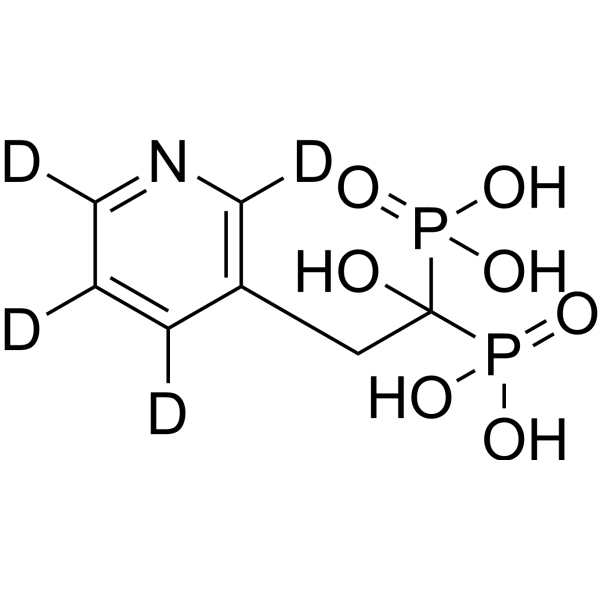 0 ImagesCat. No.: HY-B0148SCAS No.: 1035438-80-2Synonyms: Risedronate-d4Risedronic acid-d4 (Risedronate-d4) is the deuterium labeled Risedronic acid (HY-B0148). Risedronic acid (Risedronate) is a bisphosphonate and potent antiresorptive agent. Risedronic acid induces Apoptosis. Risedronic acid inhibits the transfer of farnesyl pyrophosphate groups to parasite proteins. Risedronic acid inhibits osteoclast-mediated bone resorption and alters bone metabolism. Risedronic acid inhibits blood-stage Plasmodium falciparum (IC50 of 20.3 μM).
-
DL-Methionine methylsulfonium chloride (Standard)
 0 ImagesDL-Methionine methylsulfonium chloride (Standard) (DL-MMSC (Standard)) is the analytical standard of DL-Methionine methylsulfonium chloride (HY-N6655). This product is intended for research and analytical applications. DL-Methionine methylsulfonium chloride (MMSC) is an orally effective methionine-derived sulfonium salt that promotes gastric emptying and gastrointestinal transit. DL-Methionine methylsulfonium chloride attenuates oxidative stress and inflammatory responses, and enhances anti-apoptotic (apoptosis) signaling, thereby ameliorating Sodium metabisulfite (HY-Y1326)-induced testicular dysfunction and semen quality impairment. DL-Methionine methylsulfonium chloride is applicable for research on functional dyspepsia, gastrointestinal motility, and male reproductive function injury.
-
4-Vinylphenol-d4
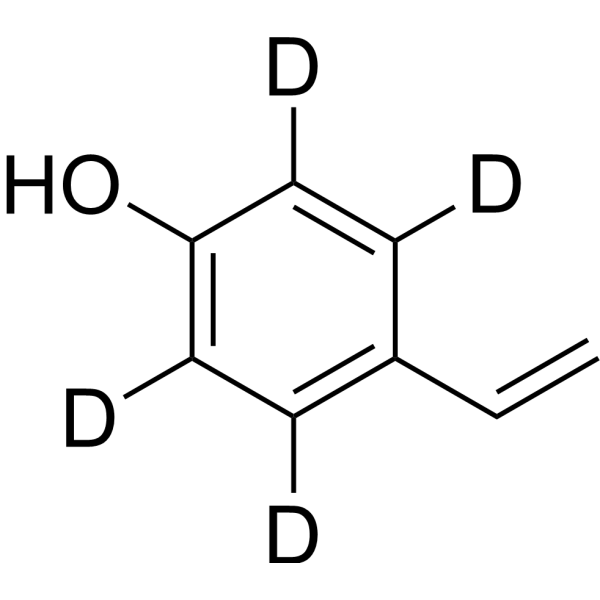 0 ImagesCat. No.: HY-W005288SSynonyms: 4-Hydroxystyrene-d44-Vinylphenol-d4 is deuterated labeled 4-Vinylphenol (HY-W005288). 4-Vinylphenol is found in the medicinal herb Hedyotis diffusa Willd, wild rice and is also the metabolite of p-coumaric and ferulic acid by lactic acid bacteria in wine. 4-Vinylphenol induces apoptosis and inhibits blood vessels formation and suppresses invasive breast tumor growth in vivo.
-
Taltobulin trifluoroacetate
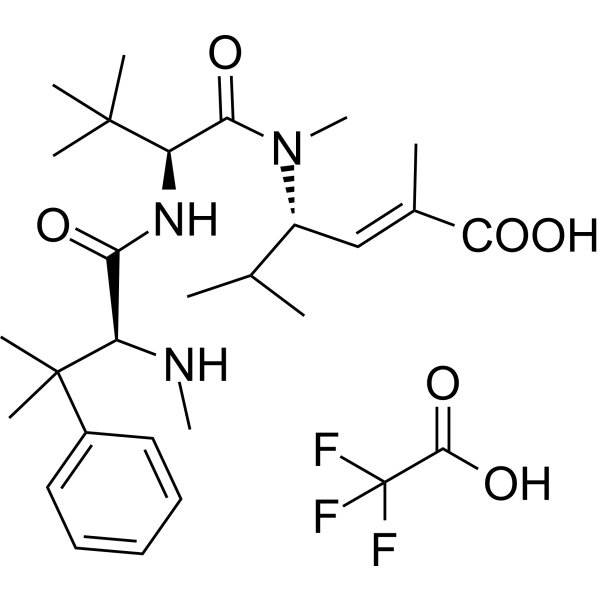 0 ImagesCat. No.: HY-15584ACAS No.: 228266-41-9Synonyms: HTI-286 trifluoroacetate; SPA-110 trifluoroacetateTaltobulin trifluoroacetate (HTI-286 trifluoroacetate), a synthetic analogue of the tripeptide hemiasterlin, is a potent antimicrotubule agent that circumvents P-glycoprotein-mediated resistance in vitro and in vivo. Taltobulin trifluoroacetate inhibits the polymerization of purified tubulin, disrupts microtubule organization in cells, and induces mitotic arrest, as well as apoptosis.
-
BAY 61-3606
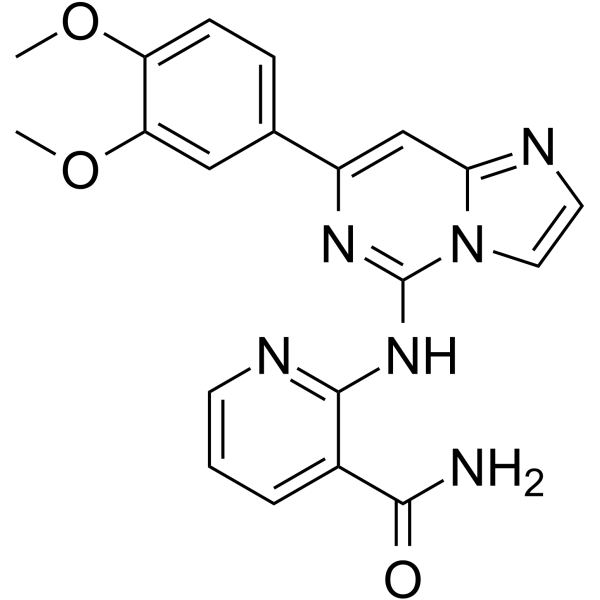 0 ImagesCat. No.: HY-76474CAS No.: 732983-37-8BAY 61-3606 is an orally available, ATP-competitive, reversible and highly selective Syk inhibitor with a Ki of 7.5 nM and an IC50 of 10 nM. BAY 61-3606 reduces ERK1/2 and Akt phosphorylation in neuroblastoma cell. BAY 61-3606 induces a large decrease of Syk phosphorylation in K-rn cell lysates. Bay 61-3606 sensitizes TRAIL-induced apoptosis by downregulating Mcl-1 in breast cancer cells.
-
Boscalid (Standard)
 0 ImagesBoscalid (Standard) is the analytical standard of Boscalid. This product is intended for research and analytical applications. Boscalid is a succinate dehydrogenase (SDHI) inhibitor with antifungal activity. Boscalid binds to the ubiquinone-binding site of fungal mitochondrial complex II, blocks ATP production and aerobic respiration, exhibits good control efficacy against a variety of plant fungal diseases including gray mold, sclerotinia rot and powdery mildew, and is widely used for disease control in agriculture. Boscalid induces apoptosis, altered lipid metabolism, mitochondrial dysfunction, respiratory impairment, oxidative stress, ROS accumulation and neurodevelopmental disorders in zebrafish. Boscalid reduces foraging ability, shortens median death time and causes chronic toxicity in exposed honeybees. Boscalid also possesses genotoxicity, cytotoxicity, elevated mitochondrial superoxide levels and early-stage apoptosis.
-
Laquinimod-d5
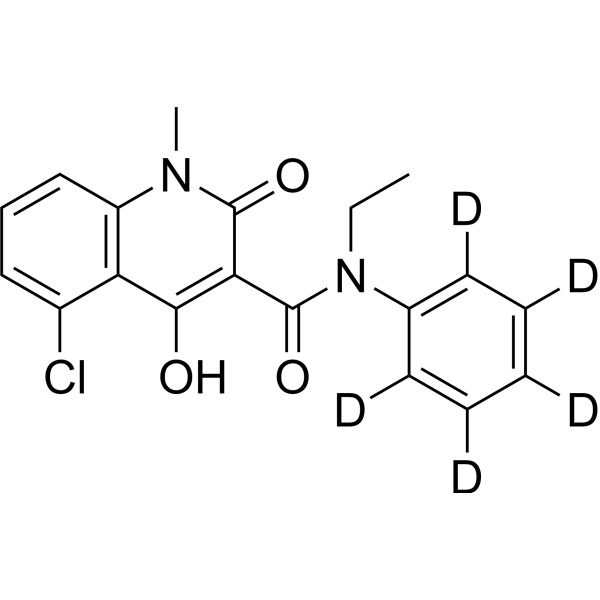 0 ImagesSynonyms: ABR-215062-d5Laquinimod-d5 (ABR-215062-d5) is deuterium labeled Laquinimod. Laquinimod (ABR-215062), an orally available carboxamide derivative, is a potent immunomodulator that prevents neurodegeneration and inflammation in the central nervous system. Laquinimod reduces astrocytic NF-κB activation to protect from Cuprizone-induced demyelination. Laquinimod has the potential for relapsing-remitting (RR) and chronic progressive (CP) forms of multiple sclerosis (MS; RRMS or CPMS) as well as neurodegenerative diseases research.
-
Coenzyme Q9 (Standard)
 0 ImagesSynonyms: Ubiquinone Q9 (Standard); CoQ9 (Standard); Ubiquinone 9 (Standard)Coenzyme Q9 (Standard) is the analytical standard of Coenzyme Q9. This product is intended for research and analytical applications. Coenzyme Q9 (Ubiquinone Q9), the major form of ubiquinone in rodents, is an amphipathic molecular component of the electron transport chain that functions as an endogenous antioxidant. Coenzyme Q9 attenuates the diabetes-induced decreases in antioxidant defense mechanisms. Coenzyme Q9 improves left ventricular performance and reduces myocardial infarct size and cardiomyocyte apoptosis.
-
Minocycline-d6 sulfate
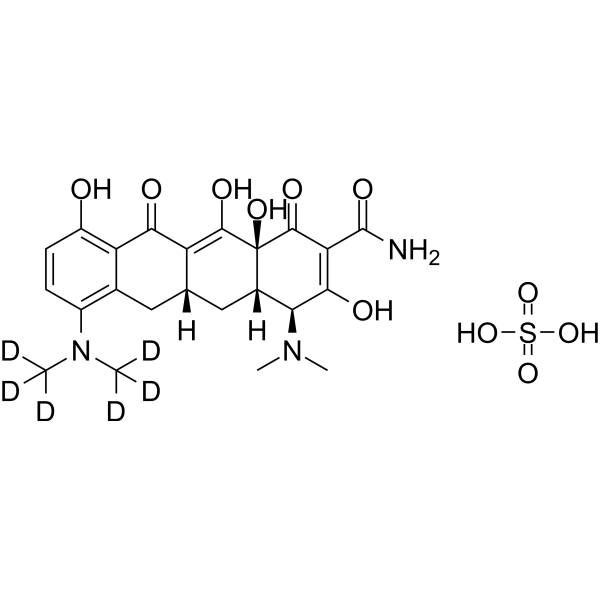 0 ImagesCat. No.: HY-17412S1Minocycline-d6 sulfate is deuterated labeled Minocycline (HY-17412A). Minocycline is an orally active, potent and BBB-penetrated semi-synthetic tetracycline antibiotic. Minocycline is a hypoxia-inducible factor (HIF)-1α inhibitor. Minocycline shows anti-cancer, anti-inflammatory, and glutamate antagonist effects. Minocycline reduces glutamate neurotransmission and shows neuroprotective properties and antidepressant effects. Minocycline inhibits bacterial protein synthesis through binding with the 30S subunit of the bacterial ribosome, resulting in a bacteriostatic effect.
-
Lonidamine (Standard)
 0 ImagesSynonyms: AF-1890 (Standard); Diclondazolic Acid (Standard); DICA (Standard)Lonidamine (Standard) is the analytical standard of Lonidamine. This product is intended for research and analytical applications. Lonidamine (AF-1890) is a hexokinase and mitochondrial pyruvate carrier inhibitor (Ki: 2.5 μM). Lonidamine also inhibits aerobic glycolysis in cancer cells. Lonidamine can be used in the research of mitochondrial metabolism and inflammation, such as pulmonary fibrosis.
-
Picropodophyllin (Standard)
 0 ImagesSynonyms: AXL1717 (Standard); Picropodophyllotoxin (Standard); PPP (Standard)Picropodophyllin (Standard) is the analytical standard of Picropodophyllin. This product is intended for research and analytical applications. Picropodophyllin (AXL1717) is a selective insulin-like growth factor-1 receptor (IGF-1R) inhibitor with an IC50 of 1 nM.
-
Etomoxir (Standard)
 0 ImagesSynonyms: (R)-(+)-Etomoxir (Standard)Etomoxir (Standard) is the analytical standard of Etomoxir. This product is intended for research and analytical applications. Etomoxir ((R)-(+)-Etomoxir) is an irreversible inhibitor of carnitine palmitoyltransferase 1a (CPT-1a), inhibits fatty acid oxidation (FAO) through CPT-1a and inhibits palmitate β-oxidation in human, rat and guinea pig.
-
7-Ketositosterol
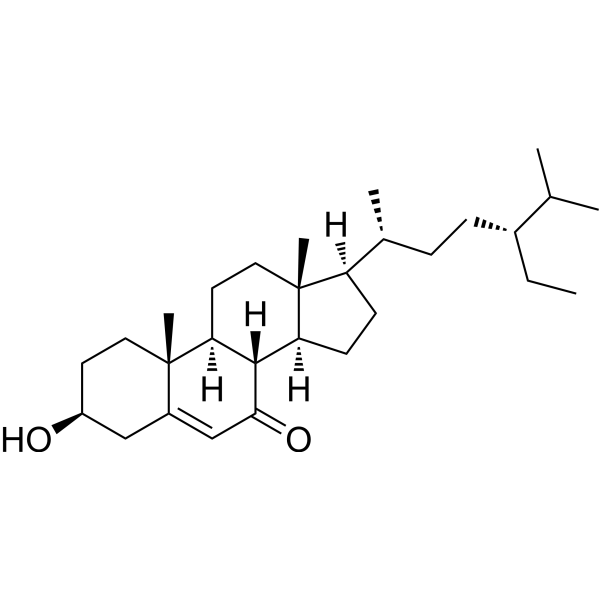 0 Images7-Ketositosterol is an orally active inducer of apoptosis and ferroptosis. 7-Ketositosterol inhibits the phosphorylation of ERK1/2 and NF-κB, promotes the opening of the mitochondrial/apoptotic pathway, and induces ferroptosis in macrophages by increasing the levels of malondialdehyde, Fe2+ and ROS. 7-Ketositosterol upregulates the expression of gut microbiota-dependent PDLIM3, activates the p38MAPK/NF-κB signaling pathway, alters the composition of gut microbiota, increases the abundance of pathogenic bacteria, and exacerbates colitis in mice. 7-Ketositosterol can be used in studies related to breast cancer, liver cancer, and colitis.
-
Triclosan-13C6
 0 ImagesCat. No.: HY-W653962CAS No.: 2726926-25-4Triclosan-13C6 is 13C labeled Triclosan. Triclosan is a broad-spectrum antibacterial agent that inhibits bacterial fatty acid synthesis at the enoyl-acyl carrier protein reductase (FabI) step. Triclosan inhibits E. coli enoyl-acyl carrier protein reductase (FabI) and FabI containing a glycine-to-valine substitution at position 93 (FabIG93V) with IC50s of 2 μM and 10 μM, respectively. Triclosan causes apoptotic effect in cultured rat neural stem cells (NSC). Triclosan exacerbates colitis and colitis-associated colorectal tumorigenesis in animal models.
-
BCH (Standard)
 0 ImagesSynonyms: 2-Amino-2-norbornanecarboxylic acid (Standard); LAT1-IN-1 (Standard)BCH (Standard) is the analytical standard of BCH. This product is intended for research and analytical applications. BCH (2-Amino-2-norbornanecarboxylic acid) is a selective and competitive inhibitor of large neutral amino acid transporter 1 (LAT1) significantly inhibit cellular uptake of amino acids and mTOR phosphorylation, which induces the suppression of cancer growth and apoptosis.
-
Caffeic acid phenethyl ester (Standard)
 0 ImagesCaffeic acid phenethyl ester (Standard) is the analytical standard of Caffeic acid phenethyl ester. This product is intended for research and analytical applications. Caffeic acid phenethyl ester is a NF-κB inhibitor.
-
CX-5011 free base
 0 ImagesCat. No.: HY-50733CAS No.: 1009821-06-0
-
Deguelin (Standard)
 0 ImagesSynonyms: (-)-Deguelin (Standard); (-)-cis-Deguelin (Standard)Deguelin (Standard) is the analytical standard of Deguelin. This product is intended for research and analytical applications. Deguelin, a naturally occurring rotenoid, acts as a chemopreventive agent by blocking multiple pathways like PI3K-Akt, IKK-NF-κB, and MAPK-mTOR-survivin-mediated apoptosis. Deguelin binding to Hsp90 leads to a decreased expression of numerous oncogenic proteins, including MEK1/2, Akt, HIF1α, COX-2, and NF-κB.
-
Zonisamide sodium
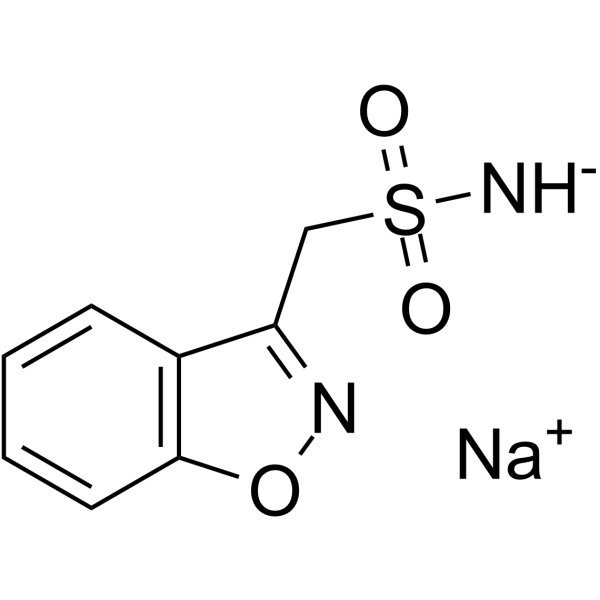 0 ImagesCat. No.: HY-B0124ACAS No.: 68291-98-5Synonyms: AD 810 sodium; CI 912 sodiumZonisamide (AD 810) sodium is an orally active carbonic anhydrase inhibitor, with Kis of 35.2 and 20.6 nM for hCA II and hCA V, respectively. Zonisamide sodium exerts neuroprotective effects through anti-apoptosis and upregulating MnSOD levels. Zonisamide sodium also increases the expression of Hrd1, thereby improving cardiac function in AAC rats. Zonisamide sodium can be used in studies of seizure, parkinson’s disease and cardiac hypertrophy.




