JAK
Janus kinases (JAKs) are receptor-associated tyrosine kinases that mediate signal transduction for type I and II cytokine receptors, regulating immune responses and hematopoiesis[1][2]. JAKs phosphorylate receptor cytoplasmic domains, activating downstream STAT transcription factors that control gene expression involved in inflammation, cell proliferation, and differentiation[1][3][4]. Among the four JAK isoforms (JAK1, JAK2, JAK3, TYK2), each exhibits distinct cytokine specificity and receptor pairing, influencing pathway selectivity and disease outcomes[1][5][6]. Dysregulated JAK-STAT signaling contributes to autoimmune disorders, hematologic malignancies, and inflammatory conditions such as rheumatoid arthritis, inflammatory bowel disease, and spondyloarthritis[2][3][7][8]. Mechanistically, TYK2 and JAK1 JH2 pseudokinase domains act as allosteric regulators, offering targets for isoform-selective inhibition[5][6]. Small-molecule JAK inhibitors, including tofacitinib, upadacitinib, and filgotinib, block cytokine-driven signaling by interfering with kinase activity or pseudokinase domain function, providing oral therapeutic options with defined isoform selectivity[9][10][11][12]. Experimental applications exploit JAK inhibitors to modulate B cell and T cell functions, study inflammatory pathways, and explore CNS and skeletal muscle pathophysiology, highlighting their utility in both preclinical and clinical research contexts[3][13][4]. Compared with broad inhibitors, next-generation allosteric and pseudokinase-targeting molecules reduce off-target effects while maintaining pathway-specific efficacy[12][6]. Collectively, JAK-targeted modulation represents a mechanistic strategy for precise intervention in cytokine-mediated diseases.
References:
- [1]. Lin CM, et al. Basic Mechanisms of JAK Inhibition. Mediterr J Rheumatol. 2020 Jun 11;31(Suppl 1):100-104. [Content Brief]
- [2]. Pérez-Jeldres T, et al. Targeting Cytokine Signaling and Lymphocyte Traffic via Small Molecules in Inflammatory Bowel Disease: JAK Inhibitors and S1PR Agonists. Front Pharmacol. 2019 Mar 13;10:212. [Content Brief]
- [3]. Luo Y, et al. JAK-STAT signaling in human disease: From genetic syndromes to clinical inhibition. J Allergy Clin Immunol. 2021 Oct;148(4):911-925. [Content Brief]
- [4]. Zhou Y, et al. Novel Small Molecule Tyrosine Kinase 2 Pseudokinase Ligands Block Cytokine-Induced TYK2-Mediated Signaling Pathways. Front Immunol. 2022 May 20;13:884399. [Content Brief]
- [5]. Sarapultsev A, et al. JAK-STAT signaling in inflammation and stress-related diseases: implications for therapeutic interventions. Mol Biomed. 2023;4(1):40. [Content Brief]
- [6]. Doktorova SA, et al. JAK-inhibitors: clinical pharmacology and application perspectives. Reviews on Clinical Pharmacology and Drug Therapy. 2022;20(4):421-434.
- [7]. Angelini J, et al. JAK-Inhibitors for the Treatment of Rheumatoid Arthritis: A Focus on the Present and an Outlook on the Future. Biomolecules. 2020 Jul 5;10(7):1002. [Content Brief]
- [8]. Moura RA, et al. JAK Inhibitors and Modulation of B Cell Immune Responses in Rheumatoid Arthritis. Front Med (Lausanne). 2021 Feb 5;7:607725. [Content Brief]
- [9]. Moresi V, et al. The JAK/STAT Pathway in Skeletal Muscle Pathophysiology. Front Physiol. 2019 Apr 30;10:500. [Content Brief]
- [10]. Djidjik R, et al. JAK/STAT in human diseases: a common axis in immunodeficiencies and hematological disorders. Front Immunol. 2025 Dec 8;16:1669688. [Content Brief]
- [11]. Gadina M. JAK inhibitors: Is specificity at all relevant? Semin Arthritis Rheum. 2024 Feb;64S:152327. doi: 10.1016/j.semarthrit.2023.152327. Epub 2023 Nov 21. PMID: 38007359; PMCID: PMC10939910. et al. JAK inhibitors: Is specificity at all relevant? Semin Arthritis Rheum. 2024 Feb;64S:152327. [Content Brief]
- [12]. Raivola J, et al. Characterization of JAK1 Pseudokinase Domain in Cytokine Signaling. Cancers (Basel). 2019 Dec 27;12(1):78. [Content Brief]
All Product Categories
-
JAK Inhibitors
(244)
View all products
-
JAK Agonist
(1)
View all products
-
JAK Antagonist
(1)
View all products
-
JAK Activators
(20)
View all products
-
JAK Modulators
(3)
View all products
-
JAK Degraders
(2)
View all products
-
JAK Control
(1)
View all products
-
JAK Substrate
(1)
View all products
-
JAK Ligand
(1)
View all products
-
JAK Related Products (294)
Related Products (294)

-
Antibodies (1)
-
CAY10526
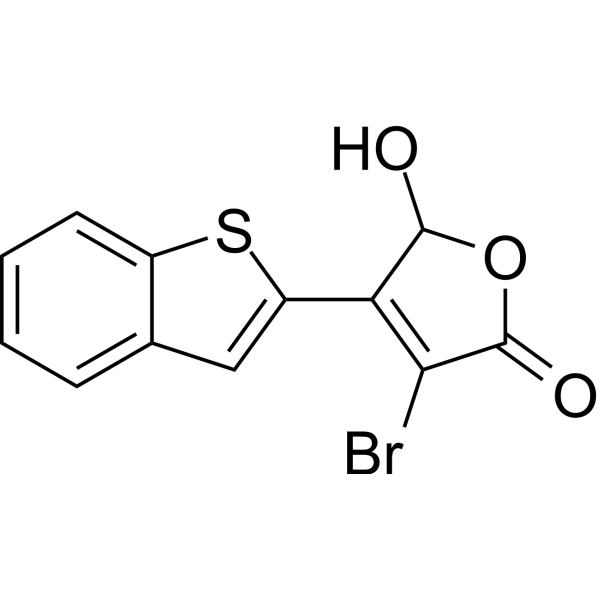 0 ImagesCAY10526 is an inhibitor of Y-box binding protein 1 (YB-1) and microsomal prostaglandin E2 synthase 1 (mPGES1). CAY10526 inhibits the production of PGE2 by suppressing YB-1 and mPGES1. CAY10526 induces cell apoptosis (apoptosis) and inhibits the JAK/STAT, TGF-β/Smad3 and PI3K/AKT signaling pathways. CAY10526 can be used in research related to melanoma, prostate cancer, esophageal adenocarcinoma, T-cell lymphoma, etc.
-
6-Hydroxyhexanoic acid
 0 ImagesSynonyms: 6-HHA6-Hydroxyhexanoic acid (6-HHA) is a bacterial effector molecule with metabolic and immunomodulatory activities. 6-Hydroxyhexanoic acid activates the JAK1-STAT1 signaling pathway, promotes phenotypic conversion of M2 macrophages to M1 macrophages, and exerts anti-tumor effects by regulating macrophage polarization. 6-Hydroxyhexanoic acid inhibits lipolysis in adipocytes mediated by Gαi family GPCR, and reduces high-fat diet-induced weight gain and obesity. 6-Hydroxyhexanoic acid can be used in studies related to pancreatic ductal adenocarcinoma, obesity, and insulin resistance.
-
Ponicidin
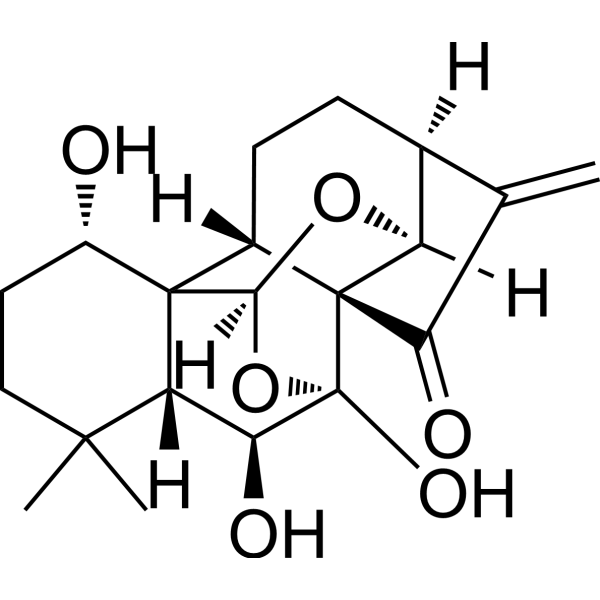 0 ImagesSynonyms: Rubescensine BPonicidin (Rubescensine B) is an orally active RIPK1 inhibitor with a Kd value of 135 nM. Ponicidin inhibits the JAK2/STAT3 pathway to induce apoptosis, activates the PI3K/Akt pathway, upregulates SIRT1 expression, alleviates oxidative stress, suppresses inflammatory responses and necroptosis, and blocks cell cycle progression. Ponicidin induces ROS production to exert antiproliferative and antiviral effects, while also improving cognitive function and reducing Aβ plaque deposition. Ponicidin can be used in studies related to hepatocellular carcinoma, Alzheimer's disease, and gastric cancer.
-
AMG-47a
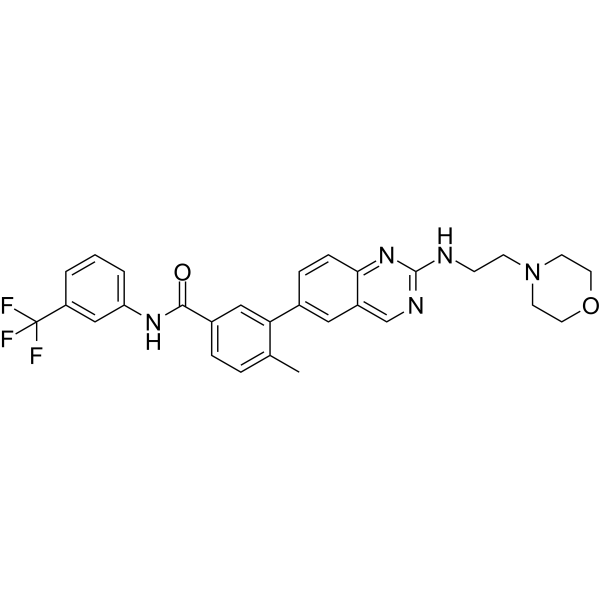 0 ImagesAMG-47a is an orally active, ATP-competitive Lck inhibitor (IC50=0.2 nM). AMG-47a inhibits VEGF2, p38α, p38α, Jak3, MLR, and IL-2 with IC50 of 1 nM, 3 nM, 72 nM, 30 nM, and 21 nM, respectively. AMG-47a reduces T cell activation and the production of cytokines such as TGF-β, exerting anti-inflammatory and anti-fibrotic activities. AMG-47a can be used in the research of autoimmune diseases, pulmonary fibrosis, and KRAS mutation-associated cancers[1][2][3].
-
Mollugin
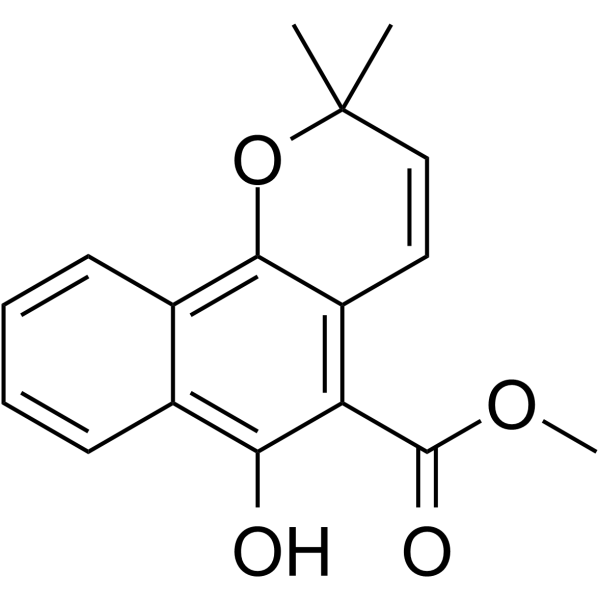 0 ImagesMollugin is an orally active and potent NF-κB inhibitor. Mollugin induces S-phase arrest of HepG2 cells, and increased intracellular reactive oxygen species (ROS) levels. Mollugin induces DNA damage in HepG2 cells, as well as an increase in the expression of p-H2AX. Mollugin shows anti-cancer effect by inhibiting TNF-α-induced NF-κB activation. Mollugin enhances the osteogenic action of BMP-2 (bone morphogenetic protein 2) via the p38-Smad signaling pathway.
-
Swertiamarin
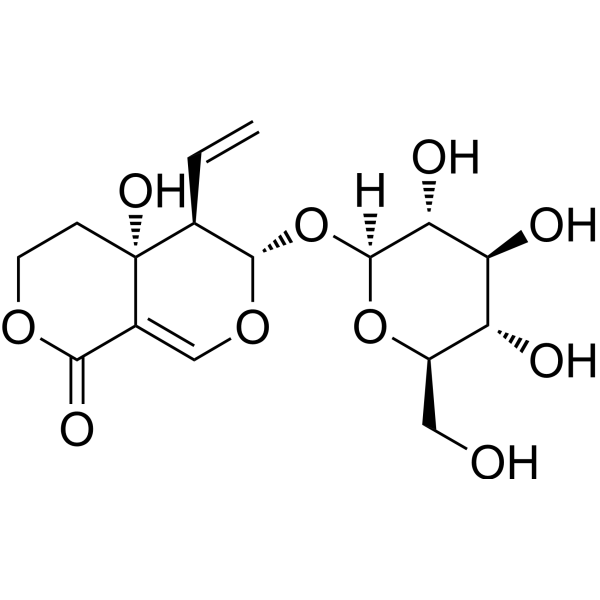 0 ImagesSwertiamarin is an orally active natural product with hypoglycemic, lipid-lowering, anti-rheumatic, and antioxidant activities. Swertiamarin can regulate the levels of pro-inflammatory cytokines, MMP, and NF-κB, and promote osteoblast proliferation. Swertiamarin has antioxidant and hepatoprotective effects against carbon tetrachloride induced rat liver toxicity through the Nrf2/HO-1 pathway. Swertiamarin can attenuate inflammatory mediators by regulating JAK2/STAT3 transcription factors in adjuvant induced arthritis rats. Swertiamarin can be used in the research of diabetes and arthritis.
-
BPC 157 acetate
 0 ImagesBPC 157 acetate is an orally active peptide. BPC 157 acetate exhibits multiple activities such as promoting wound healing, tendon healing, neuroprotection, and gastrointestinal protection. BPC 157 acetate can be used in the research of tendon injury, burn, gastric ulcer, and neurological diseases.
-
Ruxolitinib (Standard)
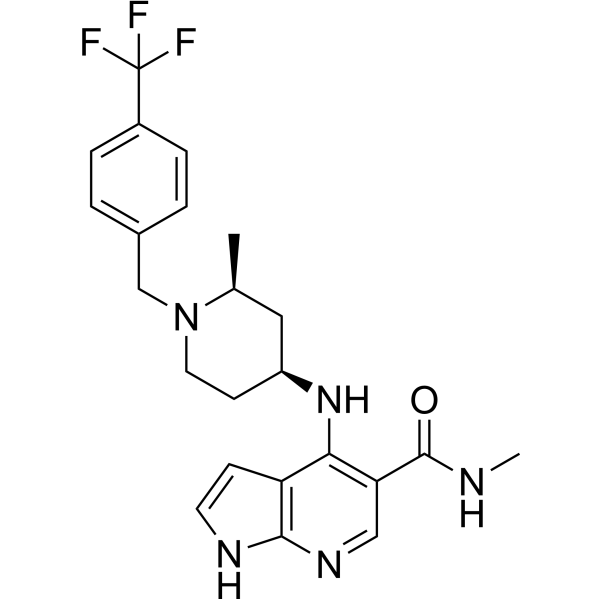
 0 ImagesSynonyms: INCB18424 (Standard)Ruxolitinib (Standard) is the analytical standard of Ruxolitinib. This product is intended for research and analytical applications. Ruxolitinib (INCB18424) is a potent and selective JAK1/2 inhibitor with IC50s of 3.3 nM and 2.8 nM in cell-free assays, and has 130-fold selectivity for JAK1/2 over JAK3. Ruxolitinib induces autophagy and kills tumor cells through toxic mitophagy.
-
Calenduloside E
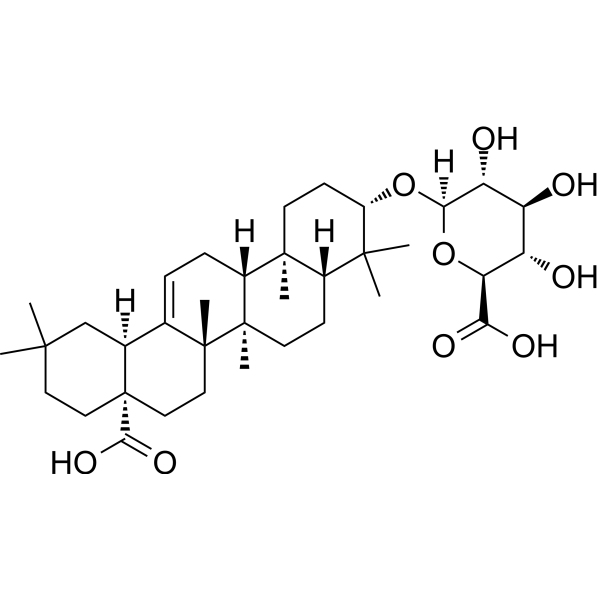 0 ImagesCalenduloside E is a pentacyclic triterpenoid saponin that can be extracted from the bark and roots of Aralia ovata, and has anti-inflammatory and anti-apoptotic activities. Calenduloside E alleviates atherosclerosis by regulating macrophage polarization, improves mitochondrial function by regulating the AMPK-SIRT3 pathway, and alleviates acute liver injury. In addition, Calenduloside E promotes the interaction between L-type calcium channels and Bcl-2 related apoptosis genes, inhibits calcium overload, and alleviates myocardial ischemia/reperfusion injury. Calenduloside E also improves non-alcoholic fatty liver disease by regulating heat shock-dependent pathways, and inhibits ROS mediated JAK1-STAT3 pathways to reduce cellular inflammatory responses.
-
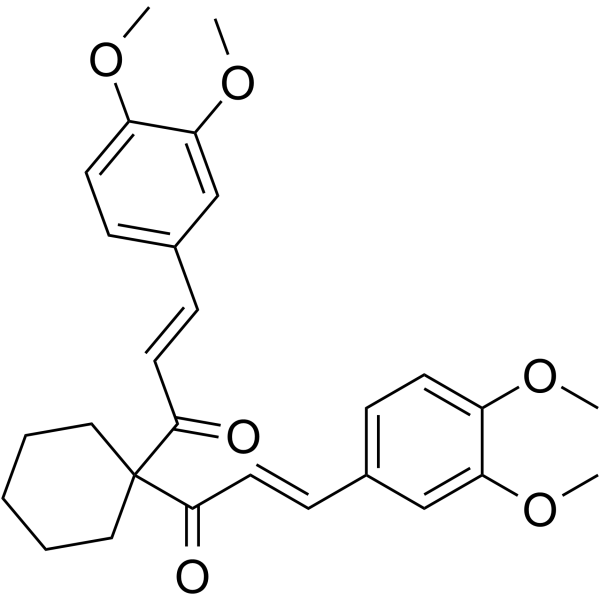
Mocravimod hydrochloride
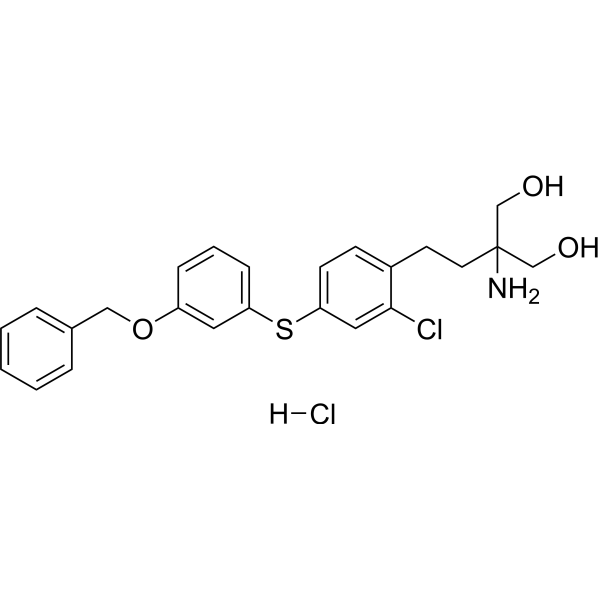 0 ImagesSynonyms: KRP-203Mocravimod (hydrochloride) is an orally active sphingosine-1-phosphate receptor (S1PR) modulator that blocks the signal required by T cells to egress from lymph nodes and other lymphoid organs. Mocravimod (hydrochloride) preferentially binds to S1PR1 over S1PR2 and S1PR3 in cardiomyocytes. Mocravimod (hydrochloride) significantly lowered the concentration of reactive oxygen species (ROS), prevented mitochondrial permeability transition pore opening, boosted mitochondrial membrane potential (MMP), and increased phosphorylation of AKT, EKR, GSK-3β, JAK2, and STAT3. Mocravimod (hydrochloride) retains T cell effector function. Mocravimod (hydrochloride) can be used for the study of acute myelogenous leukemia, diabetes and Myocardial Ischemia-Reperfusion Injury (MIRI).
-
Upadacitinib (Standard)
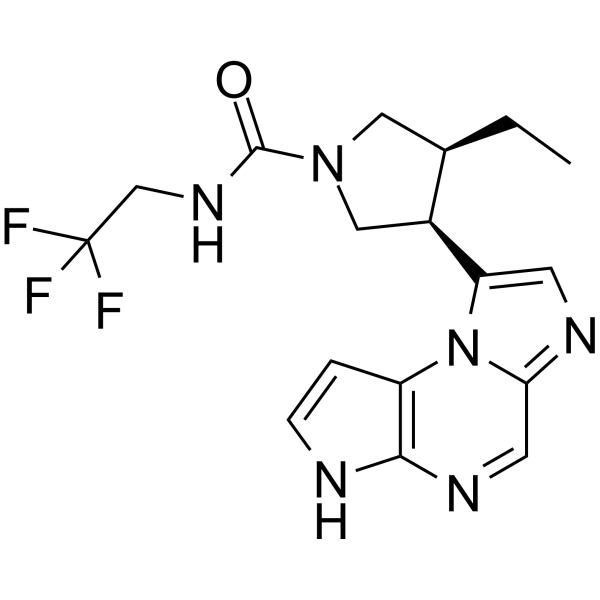 0 ImagesSynonyms: ABT-494 (Standard)Upadacitinib (Standard) is the analytical standard of Upadacitinib. This product is intended for research and analytical applications. Upadacitinib (ABT-494) is a potent, orally active and selective Janus kinase 1 (JAK1) inhibitor (IC50=43 nM). Upadacitinib (ABT-494) displays approximately 74 fold selective for JAK1 over JAK2 (200 nM) in cellular assays dependent on specific, relevant cytokines. Upadacitinib (ABT-494) can be used for several autoimmune disorders research.
-
Raspberry ketone glucoside
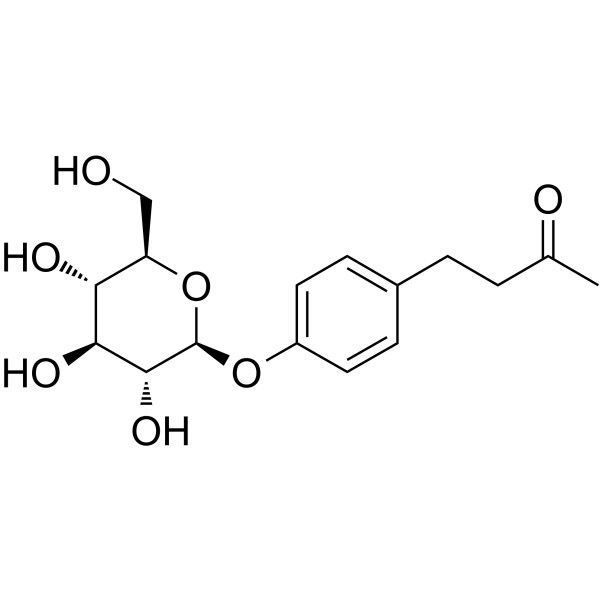 0 ImagesRaspberry ketone glucoside is a melanogenesis inhibitor. Raspberry ketone glucoside inhibits melanogenesis by activating the IL6/JAK1/STAT3 pathway, inhibiting the transcriptional activity of MITFa, and its downstream expression levels of the TYR and TYRP1a genes. Raspberry ketone glucoside shows remarkable whitening activity on both B16F10 cells in vitro and zebrafish model in vivo.
-
Curculigoside
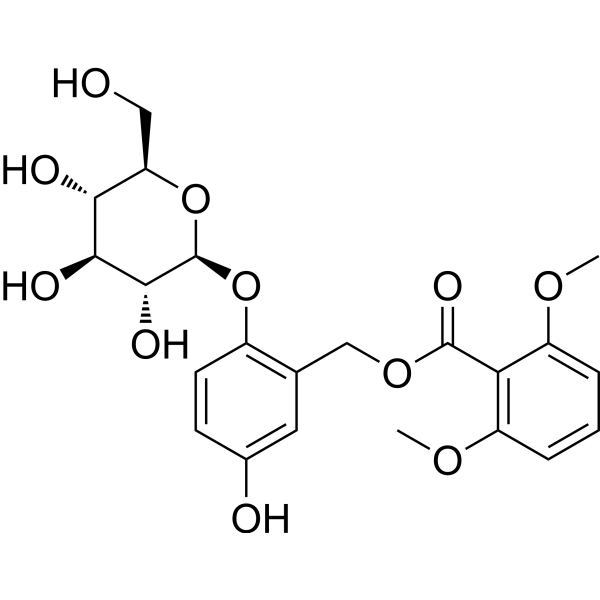 0 ImagesCurculigoside is the main saponin in C. orchioide, exerts significant antioxidant, anti-osteoporosis, antidepressant and neuroprotection effects. Curculigoside possesses significant anti-arthritic effects in vivo and in vitro via regulation of the JAK/STAT/NF-κB signaling pathway.
-
Notoginsenoside R2
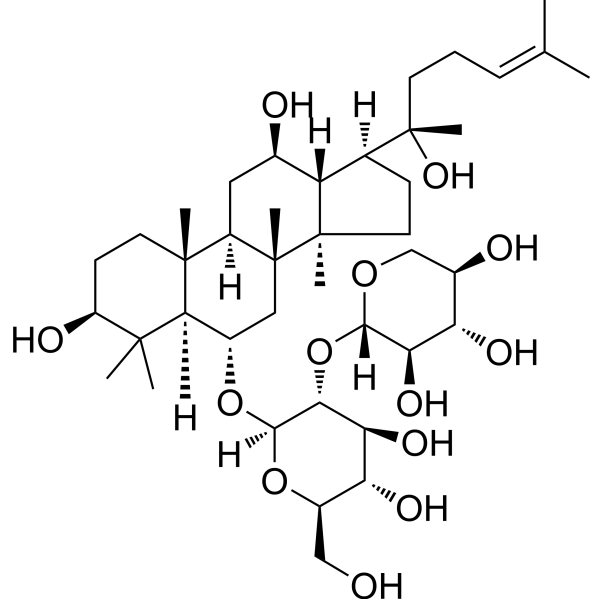 0 ImagesSynonyms: 20(S)-Notoginsenoside R2; Ginsenoside Ng-R2Notoginsenoside R2 (20(S)-Notoginsenoside R2; Ginsenoside Ng-R2) is an orally active notoginsenoside. Notoginsenoside R2 activates P90RSK and Nrf2 via the MEK1/2-ERK1/2 pathway to inhibit 6-OHDA-induced apoptotic damage in nerve cells. Notoginsenoside R2 upregulates SOX8/β-catenin by reducing miR-27a, thereby suppressing Aβ25-35-induced neuronal apoptosis and inflammatory responses. Notoginsenoside R2 alleviates lipid accumulation and mitochondrial dysfunction in diabetic nephropathy by inhibiting c-Src. Notoginsenoside R2 alleviates hepatic fibrosis by inducing hepatic stellate cell senescence and inhibiting the inflammatory microenvironment via JAK/STAT3 suppression. Notoginsenoside R2 can be used in research related to Parkinson's disease, Alzheimer's disease, diabetic nephropathy and hepatic fibrosis.