1. シグナル伝達
  2. NF-κB
  3. NF-κB

NF-κB

Nuclear factor-κB; Nuclear factor-kappaB

NF-κB (Nuclear factor kappa-light-chain-enhancer of activated B cells) is a protein complex that controls transcription of DNA. NF-κB is found in almost all animal cell types and is involved in cellular responses to stimuli such as stress, cytokines, free radicals, ultraviolet irradiation, oxidized LDL, and bacterial or viral antigens. NF-κB plays a key role in regulating the immune response to infection. Incorrect regulation of NF-κB has been linked to cancer, inflammatory, and autoimmune diseases, septic shock, viral infection, and improper immune development. NF-κB has also been implicated in processes of synaptic plasticity and memory. There are five proteins in the mammalian NF-κB family: NF-κB1, NF-κB2, RelA, RelB, c-Rel.

製品番号 製品名 製品効果 純度 構造式
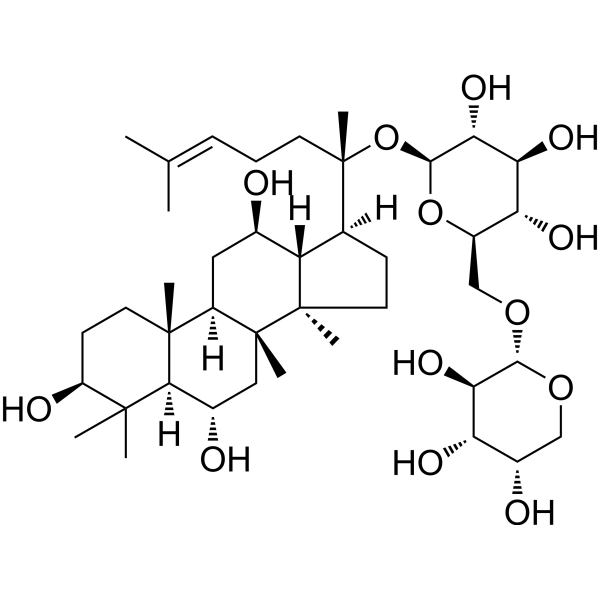
  • HY-N0907
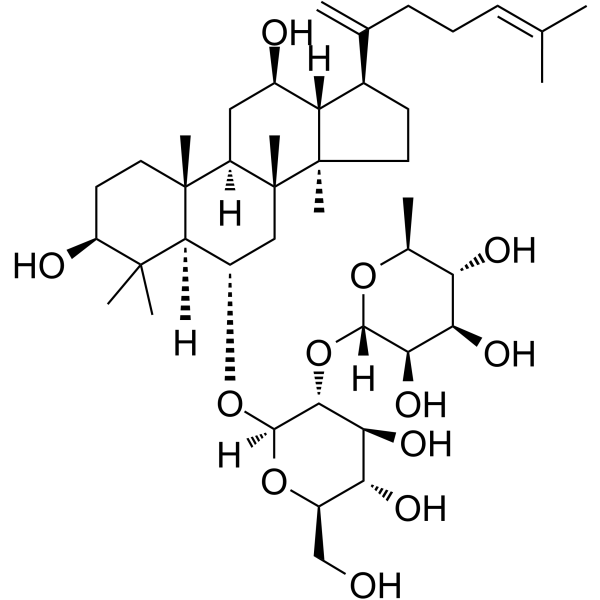
    Ginsenoside Rg6 Inhibitor 99.87%
    Ginsenoside Rg6 inhibits TNF-α-induced NF-κB transcriptional activity with an IC50 of 29.34 μM in HepG2 cells. Ginsenoside Rg6 also exhibits apoptosis-inducing effect.
    Ginsenoside Rg6
  • HY-N6029
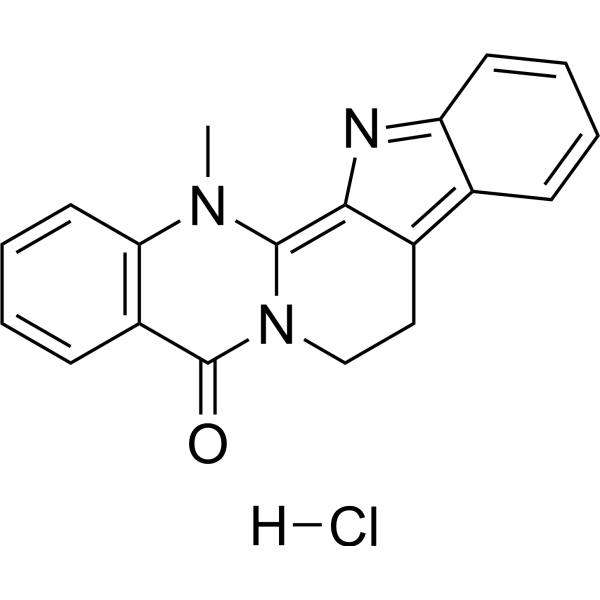
    Dehydroevodiamine hydrochloride

    Dehydroevodiamine (hydrochloride)

    99.80%
    Dehydroevodiamine hydrochloride is isolated from the leaves of Evodia rutaecarpa.
    Dehydroevodiamine hydrochloride
  • HY-101402A
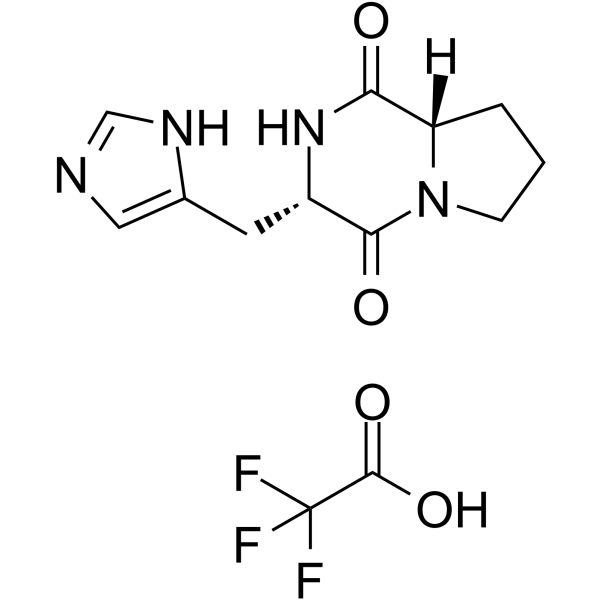
    Cyclo(his-pro) TFA Inhibitor 99.13%
    Cyclo(his-pro) TFA (Cyclo(histidyl-proline) TFA) is an orally active cyclic dipeptide structurally related to tyreotropin-releasing hormone. Cyclo(his-pro) TFA could inhibit NF-κB nuclear accumulation. Cyclo(his-pro) TFA can cross the brain-blood-barrier and affect diverse inflammatory and stress responses.
    Cyclo(his-pro) TFA
  • HY-153894
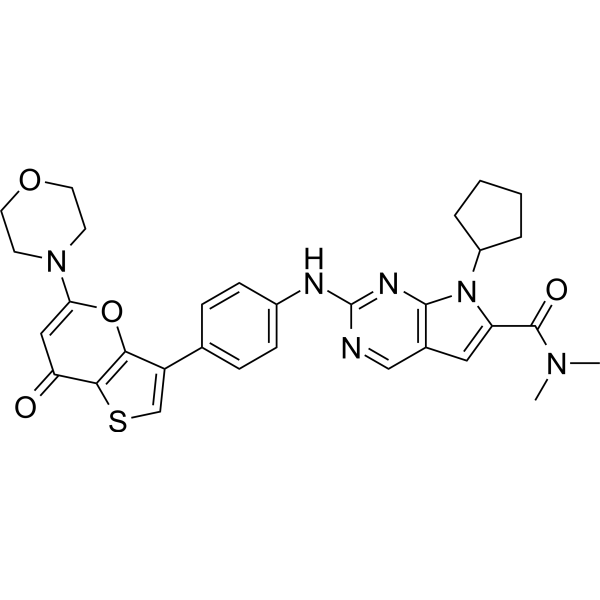
    SRX3177 Activator 99.33%
    SRX3177 is a triple inhibitor of CDK4/6, PI3K, and BRD4, with IC50s of <2.5 nM (CDK4), 3.3 nM (CDK6), 33 nM (BRD4 BD1), 89 nM (BRD4 BD2), 79 nM (PI3Kα), 83 nM (PI3Kδ), 3.18 μM (PI3Kγ) , respectively. SRX3177 blocks the interaction between the SARS-CoV-2 E protein and the BRD2/4 BD1 domain, restores E protein-attenuated NF-κB activity. SRX3177 exerts broad cytotoxic activity against cancer cells. SRX3177 can be used for the study of anti-SARS-CoV-2 and cancer.
    SRX3177
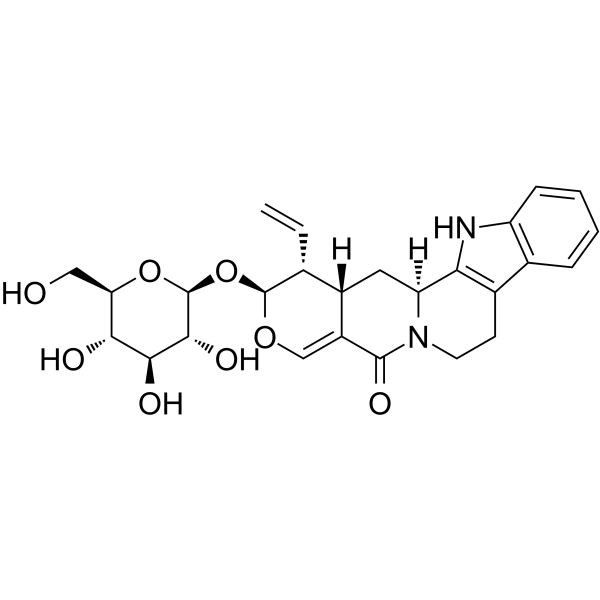
  • HY-N1198
    Strictosamide Inhibitor 99.94%
    Strictosamide is a compound that can be isolated from Nauclea officinalis. Strictosamide has various activities such as anti-inflammatory, analgesic, anti-Plasmodium, antifungal, and promoting wound healing.
    Strictosamide
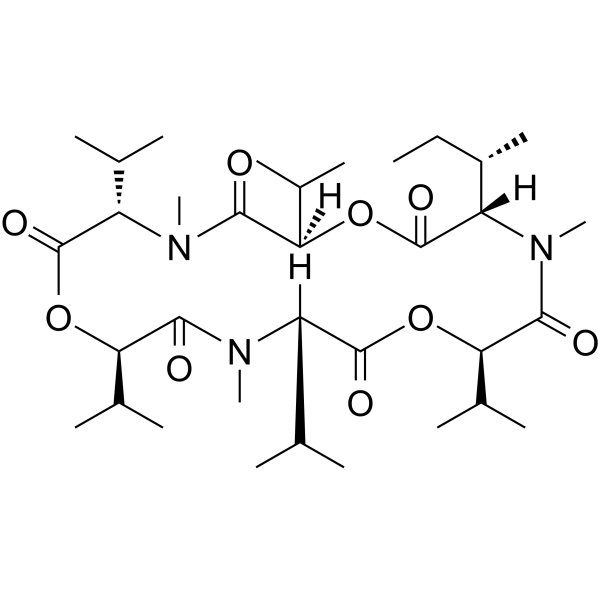
  • HY-N3807
    Enniatin B1 Inhibitor 99.34%
    Enniatin B1 is a Fusarium mycotoxin. Enniatin B1 inhibits acyl-CoA: cholesterol acyltransferase (ACAT) activity with an IC50 of 73 μM in an enzyme assay using rat liver microsomes. Enniatin B1 crosss the blood-brain barrier. Enniatin B1 decreases the activation of ERK (p44/p42). Enniatin B1 inhibits moderately TNF-α-induced NF-κB activation.
    Enniatin B1
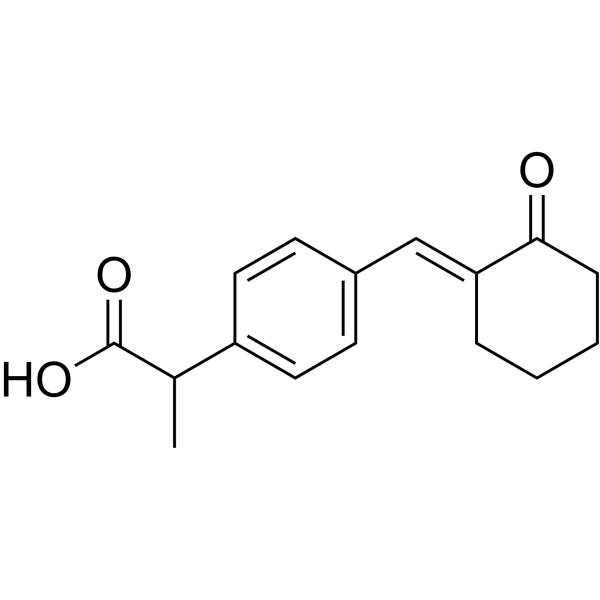
  • HY-12383
    Pelubiprofen Inhibitor 98.46%
    Pelubiprofen is an orally active anti-inflammatory agent that inhibits COX enzyme activity (with IC50 values of 10.66 and 2.88 μM for COX-1 and COX-2, respectively). Pelubiprofen has significant anti-inflammatory and analgesic effects.
    Pelubiprofen
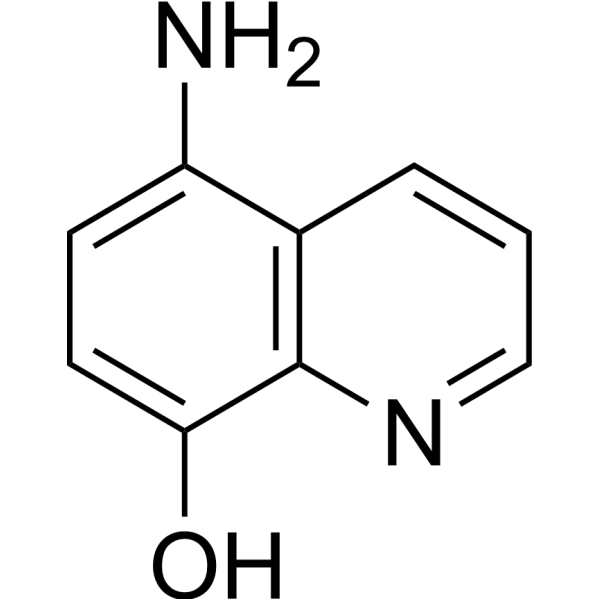
  • HY-W001023
    5-Amino-8-hydroxyquinoline Inhibitor
    5-Amino-8-hydroxyquinoline (5A8HQ; 5AHQ) is an orally active non-competitive 20S proteasome inhibitor. 5-Amino-8-hydroxyquinoline can inhibit NF-κB activity and induce cancer cells death and shows low cytotoxicity towards normal hematopoietic cells. 5-Amino-8-hydroxyquinoline can be used for the research of cancer, such as leukemia.
    5-Amino-8-hydroxyquinoline
  • HY-W011849
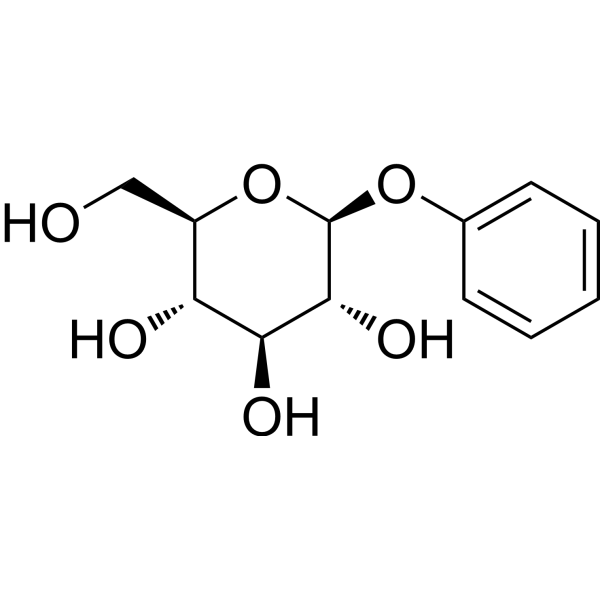
    Phenyl β-D-glucopyranoside Inhibitor 99.85%
    Phenyl β-D-glucopyranoside is a component isolated from Phellodendron amurense, which has anti-inflammatory and anti-tumor activities. Phenyl β-D-glucopyranoside inhibits nitric oxide (NO) production, and the expression of iNOS and COX-2. Phenyl β-D-glucopyranoside also inhibits the nuclear translocation of NF-κB. Phenyl β-D-glucopyranoside inhibits the expression of pro-inflammatory cytokines and related genes.
    Phenyl β-D-glucopyranoside
  • HY-N0307
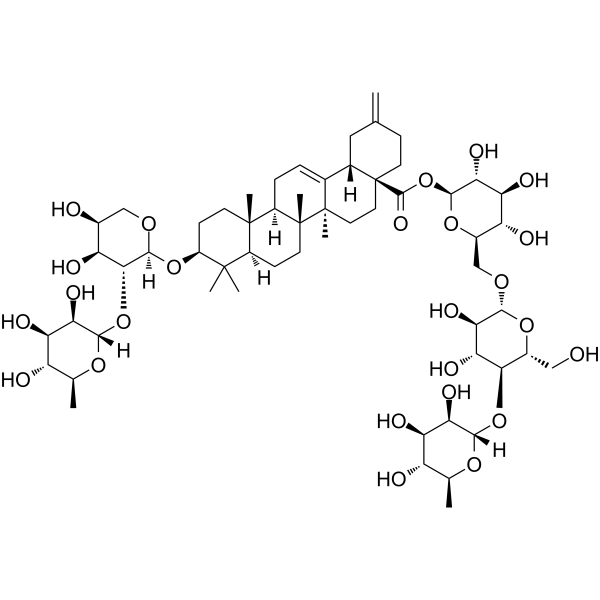
    Ciwujianoside B Inhibitor 99.68%
    Ciwujianoside B is an orally active, blood-brain barrier penetrable radioprotective agent and memory enhancer. Ciwujianoside B reduces radiation-induced DNA damage, cell cycle arrest and apoptosis, downregulates NF-κB and the Bax/Bcl-2 ratio, and enhances the proliferative capacity of bone marrow cells. Ciwujianoside B enhances object recognition memory in normal mice and induces dendritic extension in primary cultured cortical neurons. Ciwujianoside B can be used in studies related to hematopoietic system radiation injury and memory enhancement.
    Ciwujianoside B
  • HY-173414
    PROTAC STING degrader-3 Inhibitor 98.35%
    PROTAC STING degrader-3 is a STING PROTAC degrader (DC50: 0.62 μM). PROTAC STING degrader-3 induces STING degradation via the ubiquitin-proteasome pathway. PROTAC STING degrader-3 exerts anti-inflammatory effects by inhibiting STING/TBK1/NF-κB signaling. PROTAC STING degrader-3 has renal protective effects and can be used in the study of acute kidney injury (AKI).
    PROTAC STING degrader-3
  • HY-N0141R
    Parthenolide (Standard) Inhibitor
    Parthenolide (Standard) is the analytical standard of Parthenolide. This product is intended for research and analytical applications. Parthenolide is a sesquiterpene lactone found in the medicinal herb Feverfew. Parthenolide exhibits anti-inflammatory activity by inhibiting NF-κB activation; also inhibits HDAC1 protein without affecting other class I/II HDACs.
    Parthenolide (Standard)
  • HY-124670
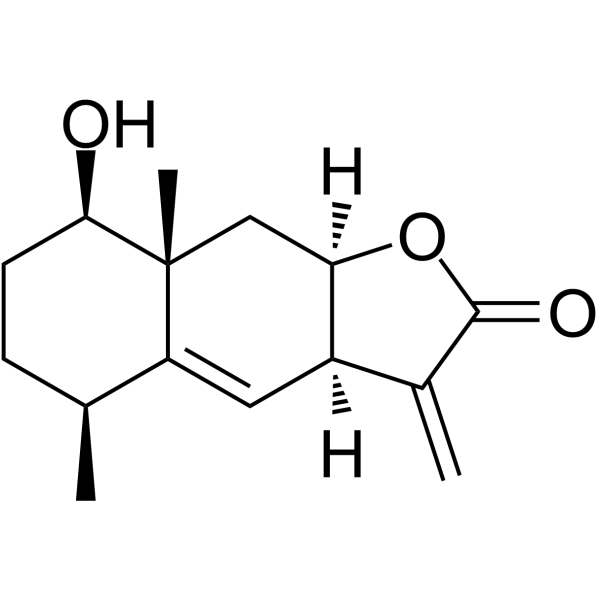
    1beta-Hydroxyalantolactone Inhibitor 99.94%
    1beta-Hydroxyalantolactone modulate many processes that influence inflammatory reactions.
    1beta-Hydroxyalantolactone
  • HY-N1914R
    Ergothioneine (Standard) Inhibitor
    Delphinidin-3-O-galactoside (chloride) (Standard) is the analytical standard of Delphinidin-3-O-galactoside (chloride). This product is intended for research and analytical applications. Delphinidin-3-O-galactoside (chloride) is an anthocyanin that extracts from wheat flour. Delphinidin-3-O-galactoside (chloride) can be used for the research of antioxidant and antimicrobial.
    Ergothioneine (Standard)
  • HY-N2101
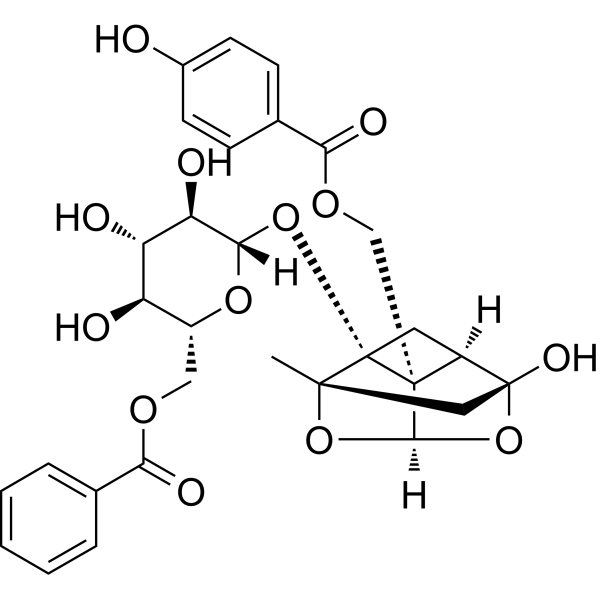
    Benzoyloxypaeoniflorin Inhibitor 98.60%
    Benzoyloxypaeoniflorin, isolated from the root of Paeonia suffruticosa, is a tyrosinase inhibitor against mushroom tyrosinase with IC50 of 0.453 mM. Benzoyloxypaeoniflorin is NF-κB Inhibitor and contributes to improving blood circulation through its inhibitory effect on both platelet aggregation and blood coagulation.
    Benzoyloxypaeoniflorin
  • HY-N0290R
    Mangiferin (Standard) Inhibitor
    Mangiferin (Standard) is the analytical standard of Mangiferin. This product is intended for research and analytical applications. Mangiferin is a Nrf2 activator. Mangiferin suppresses nuclear translocation of the NF-κB subunits p65 and p50. Mangiferin exhibits antioxidant, antidiabetic, antihyperuricemic, antiviral, anticancer and antiinflammatory activities.
    Mangiferin (Standard)
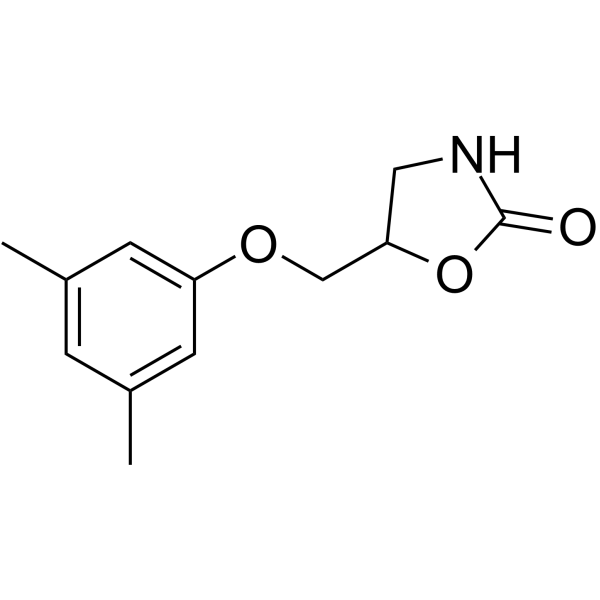
  • HY-B0678
    Metaxalone

    メタキサロン

    Inhibitor 99.77%
    Metaxalone (AHR438; NSC170959) is an FDA-approved muscle relaxant. Metaxalone acts mainly on the central nervous system and achieves muscle relaxation by inhibiting polysynaptic reflex arcs. In addition, Metaxalone is an inhibitor of MAO-A, which has anti-inflammatory and antioxidant effects. Metaxalone inhibits IL-1β-induced inflammatory phenotype, modulates NF-κB and other related signaling pathways, and decreases MAO-A expression and activity in IL-1β-treated microglia.
    Metaxalone
  • HY-N0600
    Ginsenoside F3 Activator 99.84%
    Ginsenoside F3 is a saponin extracted from the leaves of Panax ginseng with immunoenhancing and antitumor immunostimulatory activities. Ginsenoside F3 upregulates RIPOR2 with a Kd value of 3.77 μM. Ginsenoside F3 enhances NF‑κB activation, upregulates T‑bet and downregulates GATA‑3, increases the production of IL‑2 and IFN‑γ, decreases the production of IL‑4 and IL‑10, reverses CD8⁺ T‑cell exhaustion, restores cytokine secretion, and enhances antitumor immunity in a mouse non‑small cell lung cancer model. Ginsenoside F3 can be used for the research of non-small cell lung cancer.
    Ginsenoside F3
  • HY-W011474R
    Geranylgeraniol (Standard) Inhibitor
    Geranylgeraniol (Standard) is the analytical standard of Geranylgeraniol. This product is intended for research and analytical applications. Geranylgeraniol is an orally acitve vitamin K2 sub-type, an intermediate of the mevalonate pathway. Geranylgeraniol targets NF-kB signaling pathway and could alleviate LPS-induced microglial inflammation in animal model[4].
    Geranylgeraniol (Standard)
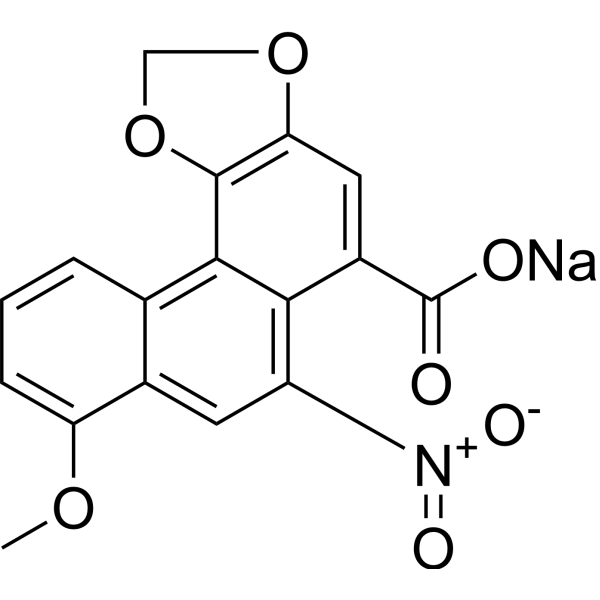
  • HY-N0510A
    Aristolochic acid A sodium Inhibitor 99.93%
    Aristolochic acid A (Aristolochic acid I) sodium is the main component of plant extract Aristolochic acids, which are found in various herbal plants of genus Aristolochia and Asarum. Aristolochic acid A sodium significantly reduces both activator protein 1 (AP-1) and NF-κB activities. Aristolochic acid A sodium reduces BLCAP gene expression in human cell lines.
    Aristolochic acid A sodium
製品番号 製品名 / Synonyms Application Reactivity

NF-κB transcription factors are critical regulators of immunity, stress responses, apoptosis and differentiation. In mammals, there are five members of the transcription factor NF-κB family: RELA (p65), RELB and c-REL, and the precursor proteins NF-κB1 (p105) and NF-κB2 (p100), which are processed into p50 and p52, respectively. NF-κB transcription factors bind as dimers to κB sites in promoters and enhancers of a variety of genes and induce or repress transcription. NF-κB activation occurs via two major signaling pathways: the canonical and the non-canonical NF-κB signaling pathways[1]


The canonical NF-κB pathway is triggered by signals from a large variety of immune receptors, such as TNFR, TLR, and IL-1R, which activate TAK1. TAK1 then activates IκB kinase (IKK) complex, composed of catalytic (IKKα and IKKβ) and regulatory (NEMO) subunits, via phosphorylation of IKKβ. Upon stimulation, the IKK complex, largely through IKKβ, phosphorylates members of the inhibitor of κB (IκB) family, such as IκBα and the IκB-like molecule p105, which sequester NF-κB members in the cytoplasm. IκBα associates with dimers of p50 and members of the REL family (RELA or c-REL), whereas p105 associates with p50 or REL (RELA or c-REL). Upon phosphorylation by IKK, IκBα and p105 are degradated in the proteasome, resulting in the nuclear translocation of canonical NF-κB family members, which bind to specific DNA elements, in the form of various dimeric complexes, including RELA-p50, c-REL-p50, and p50-p50. Atypical, IKK-independent pathways of NF-κB induction also provide mechanisms to integrate parallel signaling pathways to increase NF-κB activity, such as hypoxia, UV and genotoxic stress.


The non-canonical NF-κB pathway is induced by certain TNF superfamily members, such as CD40L, BAFF and lymphotoxin-β (LT-β), which stimulates the recruitment of TRAF2, TRAF3, cIAP1/2 to the receptor complex. Activated cIAP mediates K48 ubiquitylation and proteasomal degradation of TRAF3, resulting in stabilization and accumulation of the NFκB-inducing kinase (NIK). NIK phosphorylates and activates IKKα, which in turn phosphorylates p100, triggering p100 processing, and leading to the generation of p52 and the nuclear translocation of p52 and RELB[2][3].


Reference:

[1]. Oeckinghaus A, et al. The NF-kappaB family of transcription factors and its regulation.Cold Spring Harb Perspect Biol. 2009 Oct;1(4):a000034. 
[2]. Taniguchi K, et al. NF-κB, inflammation, immunity and cancer: coming of age. Nat Rev Immunol. 2018 May;18(5):309-324.
[3]. Perkins ND,et al. Integrating cell-signalling pathways with NF-kappaB and IKK function. Nat Rev Mol Cell Biol. 2007 Jan;8(1):49-62.

Your Search Returned No Results.

Sorry. There is currently no product that acts on isoform together.

Please try each isoform separately.