



Reactive Oxygen Species (ROS)
Reactive oxygen species (ROS), such as superoxide anion (O2-), hydrogen peroxide (H2O2), and hydroxyl radical (HO•), consist of radical and non-radical oxygen species formed by the partial reduction of oxygen. Cellular ROS are generated endogenously during mitochondrial oxidative metabolism as well as in cellular response to xenobiotics, cytokines, and bacterial invasion.
ROS also activates MAPK pathways by the direct inhibition of MAPK phosphatases. Through PTEN, the PI3K pathway is subject to reversible redox regulation by ROS generated by growth factor stimulation. The activation of autophagy may be a cellular defense mechanism in response to ROS.
All Product Categories
-
Reactive Oxygen Species (ROS) Inhibitors
(1091)
View all products
-
Reactive Oxygen Species (ROS) Agonists
(37)
View all products
-
Reactive Oxygen Species (ROS) Antagonists
(2)
View all products
-
Reactive Oxygen Species (ROS) Activators
(525)
View all products
-
Reactive Oxygen Species (ROS) Modulators
(22)
View all products
-
Reactive Oxygen Species (ROS) MDM2 Inhibitor
(1)
View all products
-
Reactive Oxygen Species (ROS) Inducers
(645)
View all products
-
Reactive Oxygen Species (ROS) Controls
(5)
View all products
-
Reactive Oxygen Species (ROS) Substrates
(3)
View all products
-
Reactive Oxygen Species (ROS) Related Products (2859)
Related Products (2859)

-
Antibodies (8)
-
Enalapril maleate (Standard)
 0 ImagesSynonyms: MK-421 maleate (Standard)Enalapril maleate (Standard) (MK-421 maleate (Standard)) is the analytical standard of Enalapril maleate (HY-B0331A). This product is intended for research and analytical applications. Enalapril maleate is an orally active angiotensin-converting enzyme inhibitor. Enalapril maleate blocks the conversion of angiotensin I to angiotensin II, regulates the renin-angiotensin system, reduces preload and afterload, and decreases plasma angiotensin II levels. Enalapril maleate inhibits apoptosis, reduces nitric oxide metabolite levels, stabilizes endothelial cells, enhances endothelial antioxidant defense, scavenges reactive oxygen species (ROS), and alleviates neuronal damage. Enalapril maleate attenuates glutathione depletion, protein/lipid oxidation, tissue damage, and type III collagen immunolabeling in organs of diabetic rats. Enalapril maleate reduces systolic blood pressure and urinary albumin excretion, and delays the progression of diabetic cardiac/renal injury. Enalapril maleate is used in research related to asymptomatic left ventricular dysfunction, congestive heart failure, Alzheimer's disease, diabetes mellitus, acute myocardial infarction, atrial fibrillation, hypertension, cerebral ischemia, chronic heart failure, and single-ventricle physiology.
-
Cereulide-13C6
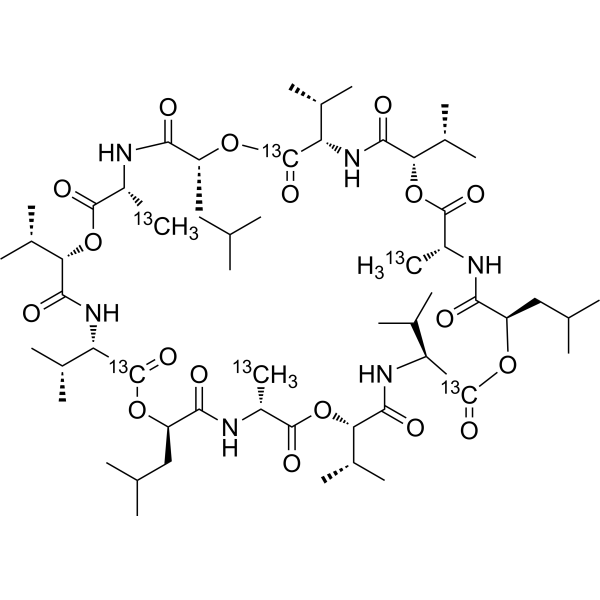 0 ImagesCat. No.: HY-P3003SCAS No.: 1487375-69-8Cereulide-13C6 is a deuterated form of Cereulide. Cereulide is an orally active, blood-brain barrier-permeable emetic toxin. Cereulide acts as a potassium ionophore that inserts into membranes, forms complexes with K+, and transports K+ from the cytoplasm into the mitochondrial matrix. Cereulide disrupts the electrochemical gradient of the inner mitochondrial membrane, leading to mitochondrial swelling and dysfunction, uncoupling of oxidative phosphorylation, inhibition of ATP synthesis, ROS accumulation, and ultimately triggering apoptosis and autophagy. Cereulide exhibits multi-organ toxicity and can be used for research on emetic food poisoning.
-
β-Carotene-13C10
 0 ImagesSynonyms: Provitamin A-13C10; beta-Carotene-13C10β-Carotene-13C10 (Provitamin A-13C10) is the 13C-labeled β-Carotene (HY-N0411). β-Carotene (Provitamin A), a carotenoid compound, is a naturally-occurring vitamin A precursor. β-Carotene is a modulator of reactive oxygen species (ROS), with antioxidant and antiinflammatory activities. β-Carotene may serve as an antioxidant or as a prooxidant, depending on its intrinsic properties as well as on the redox potential of the biological environment in which it acts. β-Carotene induces breast cancer cells apoptosis, with anticancer activities.
-
Dehydroevodiamine
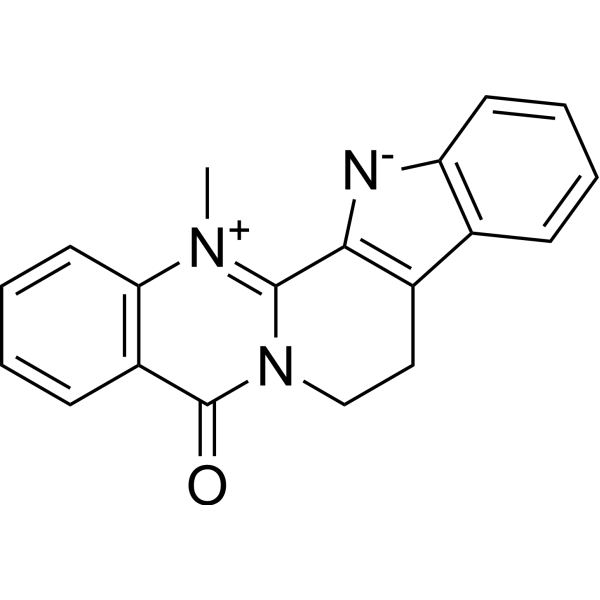 0 ImagesDehydroevodiamine is a blood-brain barrier-permeable, orally effective AChE and BACE1 inhibitor (IC50 = 40.96 μM). Dehydroevodiamine is isolated and extracted from Evodia rutaecarpa. Dehydroevodiamine attenuates neurotoxicity through multiple targets by inhibiting BACE1 to block Aβ production, inhibiting AChE activity, scavenging ROS, and suppressing calcium influx. Dehydroevodiamine can be used for research on Alzheimer's disease, cerebral ischemia, vascular dementia, and other cognitive disorder-related diseases.
-
Tris(2-chloroethyl)phosphate-d12
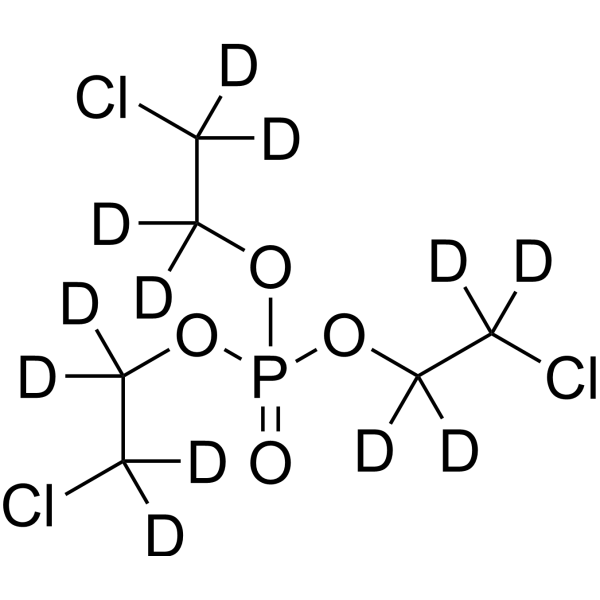 0 ImagesSynonyms: TCEP-d12Tris(2-chloroethyl)phosphate-d12 is the deuterium labeled Tris(β-chloroethyl) phosphate. Tris(2-chloroethyl) phosphate is a widely used organic phosphorus flame retardant, mainly used as a plasticizer. Tris(2-chloroethyl) phosphate has orally active hepatotoxicity, inducing an increase in reactive oxygen species (ROS) and calcium ions (Ca²⁺) influx, a decrease in mitochondrial membrane potential (△Ψm), and causing DNA damage and cell apoptosis. Tris(2-chloroethyl) phosphate directly binds to FXR, inducing obesity and the formation of fatty liver in mice. Chloroethyl) phosphate activates the TLR4/NF-κB pathway, triggering liver inflammation.
-
Dimethyl fumarate (Standard)
 0 ImagesDimethyl fumarate (Standard) is the analytical standard of Dimethyl fumarate. This product is intended for research and analytical applications. Dimethyl fumarate (DMF) is an orally active and brain-penetrant Nrf2 activator and induces upregulation of antioxidant gene expression. Dimethyl fumarate induces necroptosis in colon cancer cells through GSH depletion/ROS increase/MAPKs activation pathway, and also induces cell autophagy. Dimethyl fumarate can be used for multiple sclerosis research.
-
JST-TfR09
 0 ImagesCat. No.: HY-P991381Purity: 99.59%Synonyms: PPMX-T003; TSP-A18JST‑TfR09 (PPMX‑T003) is a human monoclonal antibody (mAb) targeting transferrin receptor 1 (TfR1/CD71). JST‑TfR09 blocks the binding of transferrin to TfR1, inhibits TfR1 internalization, and suppresses cellular iron uptake. JST‑TfR09 triggers ferritin degradation via activating the autolysosomal system, promotes ROS production and lipid peroxidation, and ultimately induces ferroptosis. JST‑TfR09 exhibits cytotoxicity toward human erythroblasts differentiated from hematopoietic stem cells. JST-TfR09 can be used in leukemia research. Recommended isotype control: Human IgG1 lambda, Isotype Control (HY-P99992).
-
Retusin
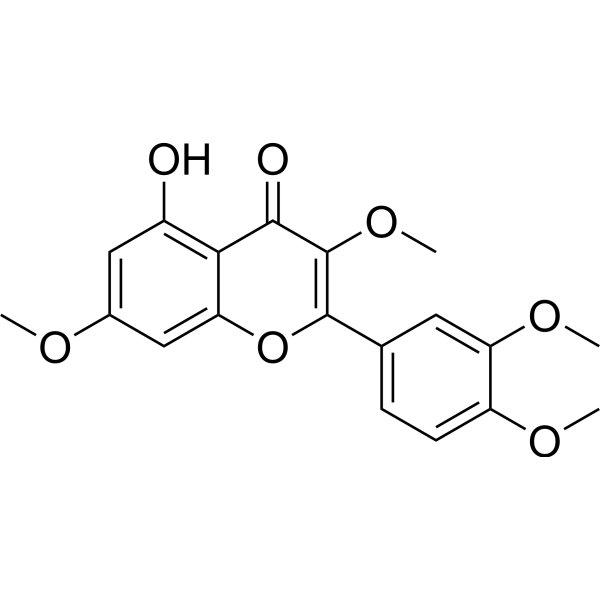 0 ImagesSynonyms: Quercetin-3,3',4',7-tetramethyletherRetusin (Quercetin-3,3',4',7-tetramethylether) is a tyrosinase inhibitor, with IC50 values of 50.9 μM and 51.8 μM against mushroom and intracellular tyrosinase, respectively. Retusin also acts as a free radical scavenger, melanogenesis inhibitor, anti-apoptosis agent, neuroprotective agent, antiemetic, antifungal agent, and antiviral agent. Retusin scavenges ABTS•+ and DPPH• free radicals. Retusin can be used in studies related to hyperpigmentation, vomiting, Aspergillus niger infection, and COVID-19 infection.

-
Methyl methanesulfonate (Standard)
 0 ImagesMethyl methanesulfonate (Standard) is the analytical standard of Methyl methanesulfonate (HY-W004702). This product is intended for research and analytical applications. Methyl methanesulfonate is an alkylating agent which transfers methyl groups, and induces DNA damage. Methyl methanesulfonate is a biochemical reagent that can be used as a biological material or organic compound for life science related research.
-
Bisphenol A-13C12
 0 ImagesCat. No.: HY-18260S2CAS No.: 263261-65-0Bisphenol A-13C12 is the 13C-labeled Bisphenol A (HY-18260). Bisphenol A is a phenolic, organic synthetic compound widely used in the production of polycarbonate plastics and epoxy resins. Bisphenol A is a reproductive, developmental, and systemic toxicant, often classified as an endocrine-disrupting compound (EDC). Bisphenol A is associated with many diseases, including cancers, cardiovascular diseases, respiratory diseases, diabetes, kidney diseases, obesity, and reproductivedisorders.
-
5-Hydroxyoxindole
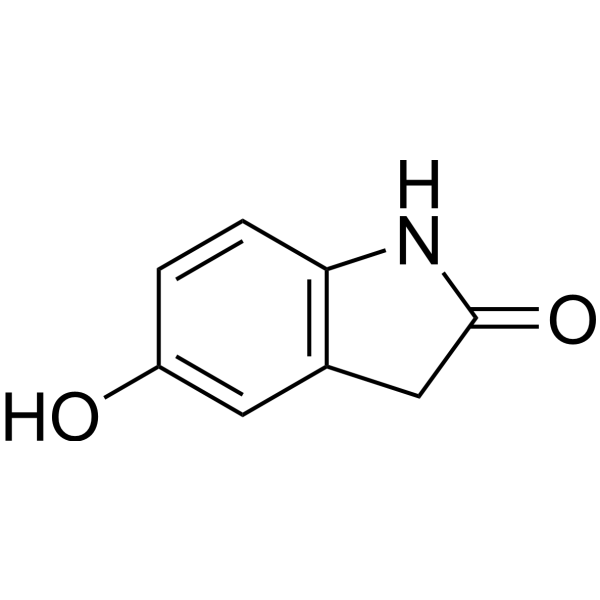 0 ImagesCat. No.: HY-W001542CAS No.: 3416-18-05-Hydroxyoxindole is a structural analog of uric acid for its antioxidant. 5-Hydroxyoxindole has DPPH radical scavenging activities and lipid peroxidation-inhibitory activities. 5-Hydroxyoxindole is a product of partial metabolism of tryptophan involving conversion in the gut lumen of tryptophan to indole through the action of bacterial tryptophanase and tryptophan synthase. 5-Hydroxyoxindole is one of the main molecules responsible for the neurological symptoms of hepatic encephalopathy in rats. 5-Hydroxyoxindole can be used for the research of oxidative stress-mediated disorders.
-
Albendazole (Standard)
 0 ImagesSynonyms: SKF-62979 (Standard)Albendazole (Standard) is the analytical standard of Albendazole. This product is intended for research and analytical applications. Albendazole (SKF-62979) is an orally active and broad-spectrum parasiticide with high effectiveness and low host toxicity, is used for the research of gastrointestinal parasites in humans and animals. Albendazole induces apoptosis and autophagy in cancer cells. Albendazole also inhibits tubulin polymerization and HIF-1α, VEGF expression, has antioxidant activity, and inhibits the glycolytic process in cancer cells.
-
p-Cresyl sulfate potassium (Standard)
 0 ImagesSynonyms: p-Tolyl sulfate potassium (Standard)p-Cresyl sulfate (potassium) (Standard) is the analytical standard of p-Cresyl sulfate (potassium). This product is intended for research and analytical applications. p-Cresyl sulfate (p-Tolyl sulfate) potassium is a uremic toxin, that can cause renal damage and dysfunction. p-Cresyl sulfate potassium shows antiproliferation activity. p-Cresyl sulfate potassium increases the protein expression of HIF-1α and VHL, decreases the protein expression of HIF-2α. p-Cresyl sulfate potassium induces epithelial-mesenchymal transition (EMT). p-Cresyl sulfate potassium activates the JNK and p38 MAPK signaling pathways.
-
Lomefloxacin
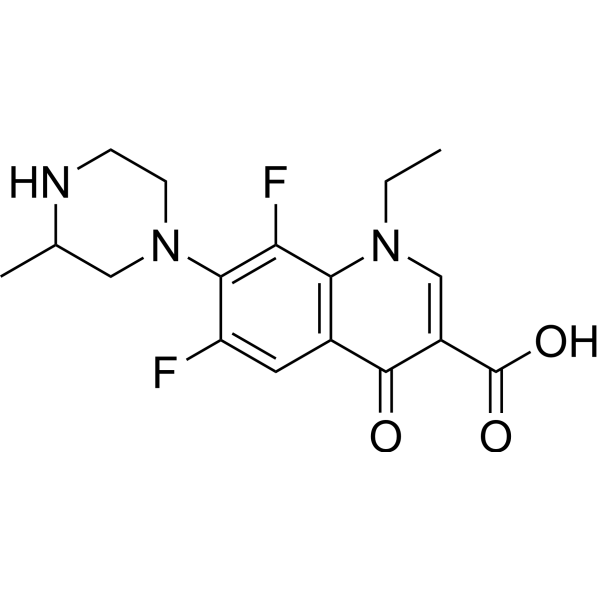 0 ImagesSynonyms: SC47111A; NY-198Lomefloxacin (SC47111A) is an orally active difluoroquinolone antibiotic. Lomefloxacin prevents DNA supercoiling and replication by inhibiting bacterial topoisomerase II. Lomefloxacin induces ROS production and Apoptosis. Lomefloxacin has broad-spectrum bactericidal activity against Gram-positive and Gram-negative bacteria. Lomefloxacin has anticancer effects against melanoma. Lomefloxacin can be used in the study of systemic bacterial infections (such as Salmonella typhimurium infections), skin and melanoma .

-
L-Glutathione reduced-d5 ammonium
 0 ImagesCat. No.: HY-W745029APurity: 98.71%Synonyms: GSH-d5 ammonium; γ-L-Glutamyl-L-cysteinyl-glycine-d5 ammoniumL-Glutathione reduced-d5 (GSH-d5) ammonium is the deuterium labeled L-Glutathione reduced (HY-D0187). L-Glutathione reduced (GSH) is an endogenous antioxidant and is capable of scavenging oxygen-derived free radicals.
-
Vutiglabridin
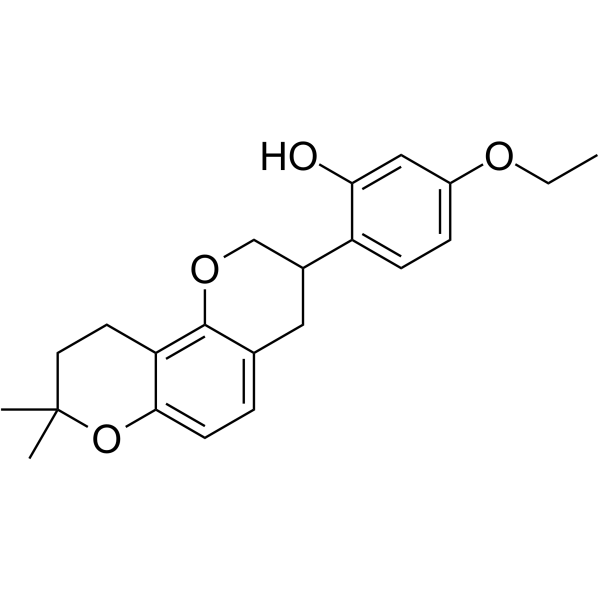 0 ImagesSynonyms: HSG4112Vutiglabridin (HSG4112), a racemic compound, is a potent anti-obesity agent. Vutiglabridin, an optimized structural analog of Glabridin, markedly supersedes Glabridin in weight reduction efficacy and chemical stability.
-
Pyruvic acid-d3 sodium
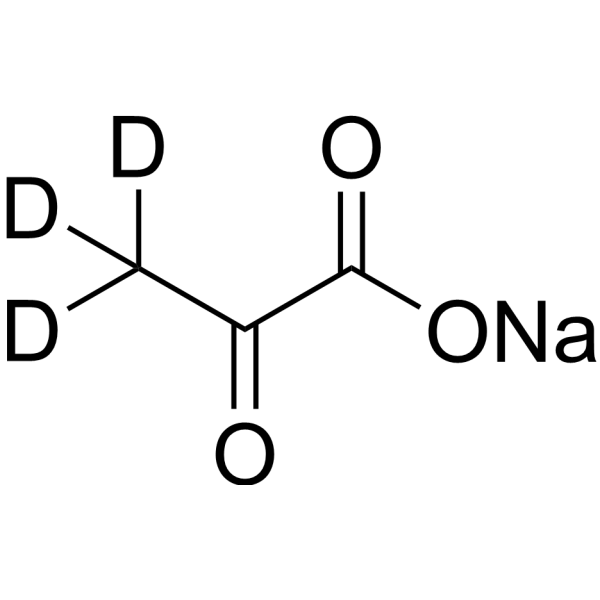 0 ImagesSynonyms: Sodium 2-oxopropanoate-d3; Acetylformic acid-d3 sodiumSodium 2-oxopropanoate-d3 is the deuterium labeled Sodium 2-oxopropanoate. Sodium 2-oxopropanoate (Sodium pyruvate), a three-carbon metabolite of Glucose, is a compound produced in the glycolytic pathway. Sodium 2-oxopropanoate is a free radical scavenger that can scavenge ROS.




