



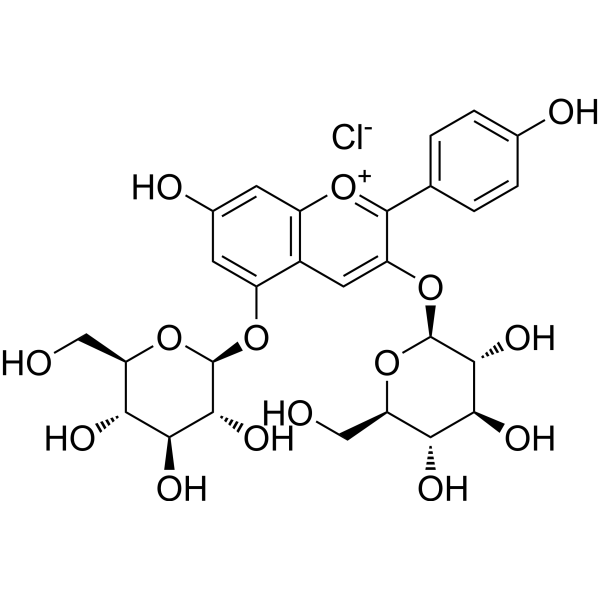
Pelargonidin 3,5-diglucoside chloride

Based on 1 Customer Validation
Pelargonidin 3,5-diglucoside (chloride) is a natural pigment abundantly present in red fruits and vegetables. Pelargonidin 3,5-diglucoside (chloride) acts as a scavenger for reactive oxygen species and reactive nitrogen species . Pelargonidin 3,5-diglucoside (chloride) demonstrates inhibitory effects on enzymes involved in the production of ROS, RNS, and pro-inflammatory cytokines.
For research use only. We do not sell to patients.
- Purity : 99%
- CAS No.: 17334-58-6
- Formula: C27H31ClO15
- Molecular Weight:630.98
-
Storage:Powder -20°C, 3 years ; In solvent -80°C, 6 months , -20°C, 1 month

To place orders, for customer services and technical support, please contact: MedChemExpress USA
Tel: 609-228-6898 E-mail: [email protected] [email protected]


-
 Biological Activity
-
Chemical Information
- Protocols
- Purity & Documentation
- References
-
 Help & FAQs


-
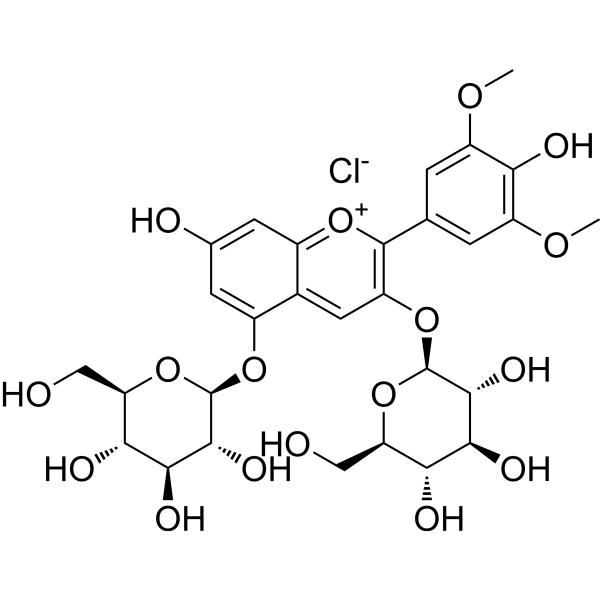
HY-N7900
Malvidin 3,5-diglucoside chlorideNatural Product -
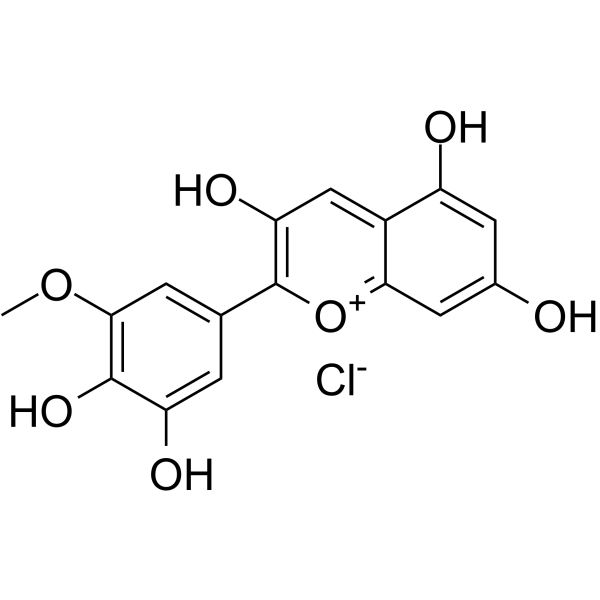
HY-126410
Petunidin chloridePEN Inhibitor -
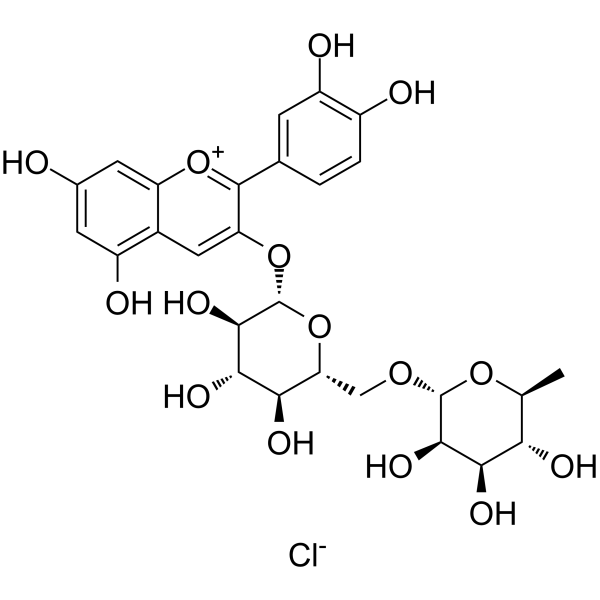
HY-105935
Keracyanin chlorideAntioxidant Agent -
HY-N6623
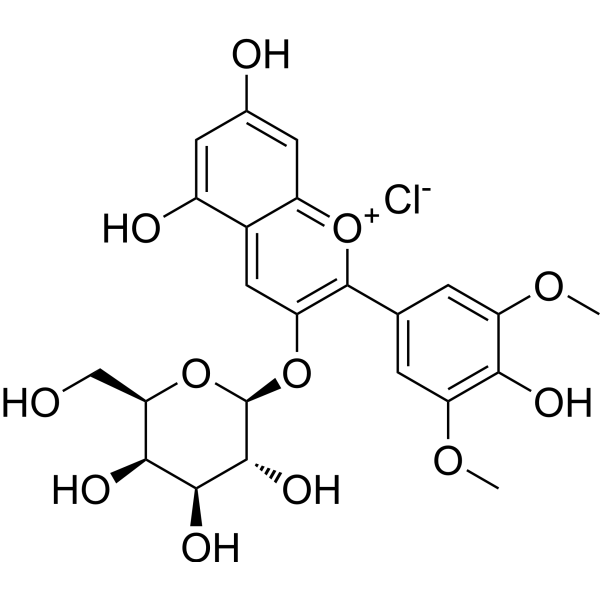
Malvidin-3-galactoside chlorideROS Inhibitor -
HY-N2459
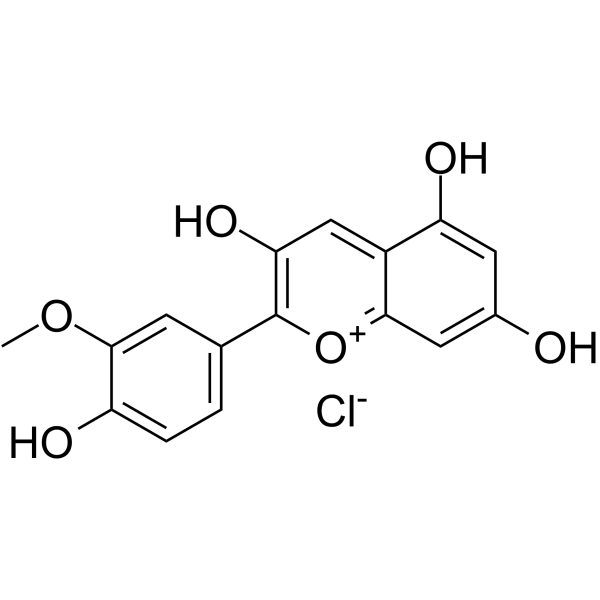
Peonidin chlorideAnthocyanin Compound -
HY-129138
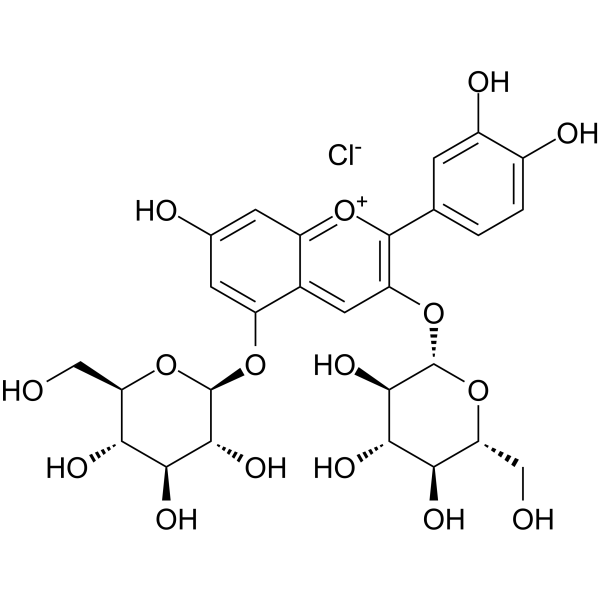
Cyanidin 3,5-diglucoside chlorideAnthocyanin -
HY-N8408
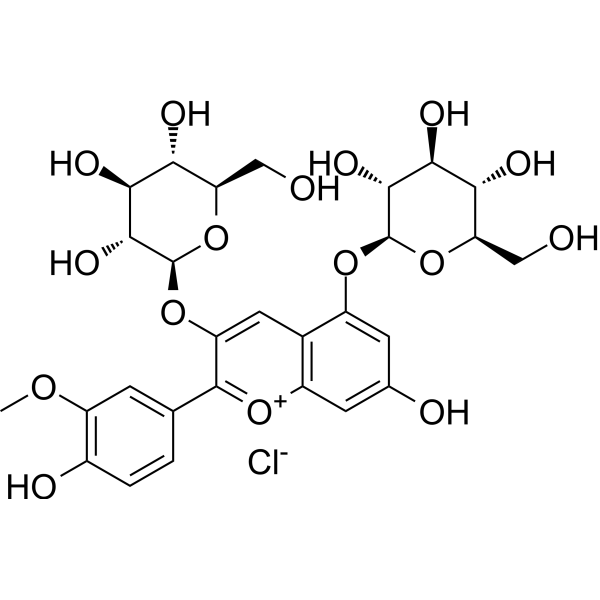
Peonidin 3,5-diglucosideAnthocyanin -
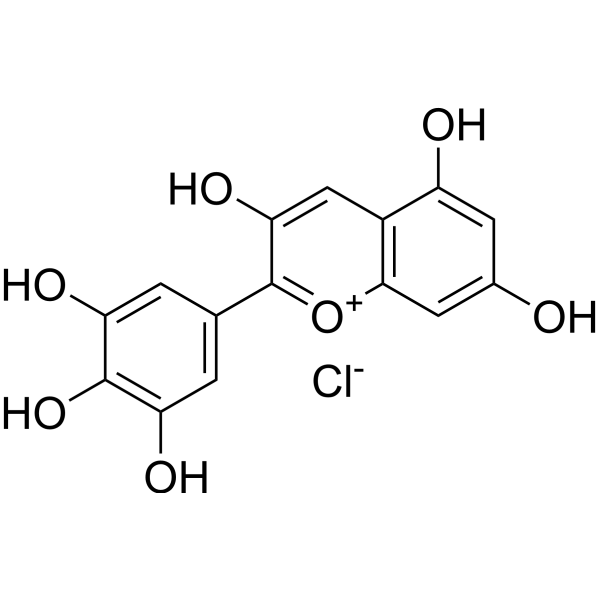
HY-N2409
Delphinidin chlorideAnthocyanidin -
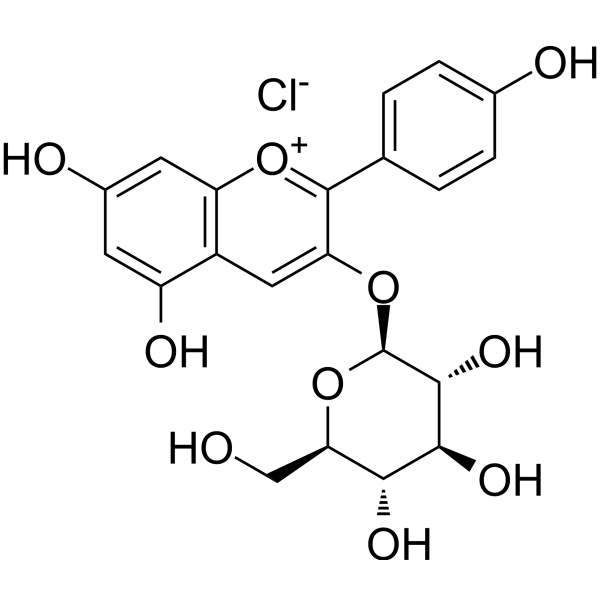
HY-W040045
Callistephin chlorideROS/iNOS/TNF-α/COX-2 Inhibitor -

HY-129138R
Cyanidin 3,5-diglucoside chloride (Standard)Standard Of Cyanidin 3,5-diglucoside chloride -
HY-N0640
Kuromanin chlorideBlood glucose regulator -
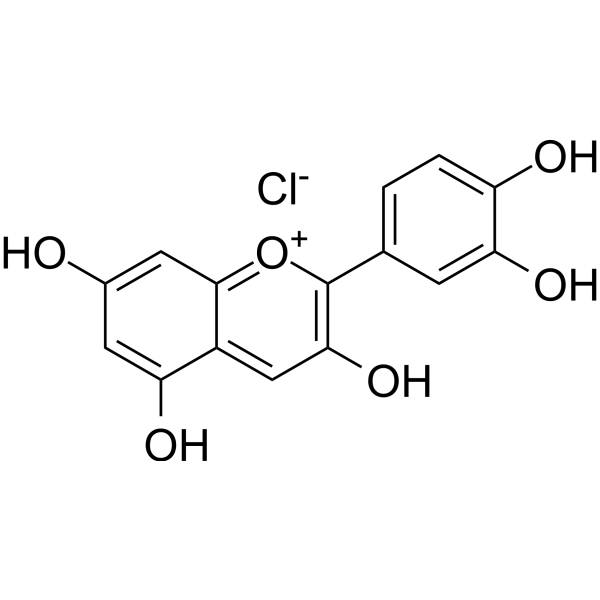
HY-N0499
Cyanidin ChlorideAntioxidant


Biological Activity
Description


Chemical Information
-
CAS No. 17334-58-6
-
Appearance Solid
-
Molecular Weight 630.98
-
Formula C27H31ClO15
-
Color purplish red
-
SMILES
OC[C@H]([C@H]([C@@H]([C@H]1O)O)O)O[C@H]1OC2=CC(C(O[C@@H]3O[C@@H]([C@H]([C@@H]([C@H]3O)O)O)CO)=CC(O)=C4)=C4[O+]=C2C5=CC=C(C=C5)O.[Cl-]
-
Structure Classification
-
Initial Source
-
Shipping
Room temperature in continental US; may vary elsewhere.
-
Storage
Powder -20°C 3 years In solvent -80°C 6 months -20°C 1 month

Protocols
-
LPS-Induced Endotoxemia/Systemic Inflammation
Lipopolysaccharide (LPS)-induced endotoxemia is a widely used in vivo model of acute systemic inflammation in which LPS, a Gram-negative bacterial endotoxin, activates innate immune signaling primarily through TLR4, leading to rapid and transient induction of pro-inflammatory cytokines such as TNF-α, IL-6, and IL-1β in circulation and tissues. This cytokine surge is commonly used as a measurable readout of systemic inflammatory activation and immune dysregulation, and is typically assessed within hours after intraperitoneal LPS administration in mouse models of endotoxemia. The model captures key features of systemic inflammatory response syndrome, including cytokine release, immune cell activation, and downstream tissue responses, and has been used to evaluate anti-inflammatory interventions such as cytokine modulation, lipid mediators, and immune cell-targeting therapies.
-
ROS/oxidative-stress fluorescent staining
ROS/oxidative-stress fluorescent staining uses cell-permeant fluorogenic probes that become fluorescent after oxidation inside cells or tissues; commonly used examples include DCFH-DA/DCFDA for broad cellular oxidant detection, DHE for superoxide-related signal detection, MitoSOX for mitochondrial superoxide-related signal detection, and CellROX probes for oxidative-stress-associated fluorescence readouts. The assay detects probe oxidation rather than a single ROS species unless the probe and analysis method have been chemically validated for that species. DCFH-DA enters cells, is deacetylated by intracellular esterases to DCFH, and produces fluorescent DCF after oxidation, so the readout is used as an operational measure of total cellular oxidative stress rather than a species-specific ROS measurement. DHE and MitoSOX can report superoxide-related oxidation, but red fluorescence alone can include non-specific ethidium-like oxidation products; HPLC or optimized spectral approaches are
-
Research Protocol for Inflammation-related Diseases
The NLRP3 inflammasome is a cytosolic innate immune signaling platform that integrates priming signals and danger-signal activation to promote caspase-1 activation, maturation of IL-1β and IL-18, and gasdermin D-mediated pyroptotic cell death. The core experimental logic is to determine whether inflammatory disease phenotypes are driven by increased NLRP3 expression, ASC-containing inflammasome assembly, caspase-1 cleavage, GSDMD cleavage, and extracellular release of IL-1β/IL-18 rather than by nonspecific cell injury alone. The pathway is strongly linked to inflammation-related disease phenotypes because monosodium urate crystals activate NALP3/NLRP3 inflammasome signaling in gout-like crystal inflammation, cholesterol crystals activate NLRP3 inflammasomes in atherogenesis models, and DSS-induced intestinal inflammation has been reported to involve NLRP3 inflammasome activity. However, experimental colitis studies also show context-dependent protective effects of NLRP3 inflammasome co


Purity & Documentation
-
Data Sheet (273 KB)
-
SDS (251 KB)
- English - EN (251 KB)
- Français - FR (251 KB)
- Deutsch - DE (251 KB)
- Norwegian - NO (251 KB)
- Español - ES (251 KB)
- Swedish - SV (251 KB)
- Italian - IT (251 KB)
- Korean - KR (251 KB)
- Portuguese - PT (251 KB)
-
Handling Instructions (2659 KB)
References

Calculators
Concentration (start) × Volume (start) = Concentration (final) × Volume (final)


Pelargonidin 3,5-diglucoside chloride Related Classifications
HY-123894 Related Classifications
 Powered by Bioz