Search Result
Results for "
macrophage-cell
" in MedChemExpress (MCE) Product Catalog:
1
Biochemical Assay Reagents
3
Isotope-Labeled Compounds
| Cat. No. |
Product Name |
Target |
Research Areas |
Chemical Structure |
-
- HY-N0569
-
-
-
- HY-12687
-
Tizoxanide
Maximum Cited Publications
13 Publications Verification
TIZ
|
Bacterial
HIV
Autophagy
Parasite
IKK
Influenza Virus
|
Infection
Cancer
|
|
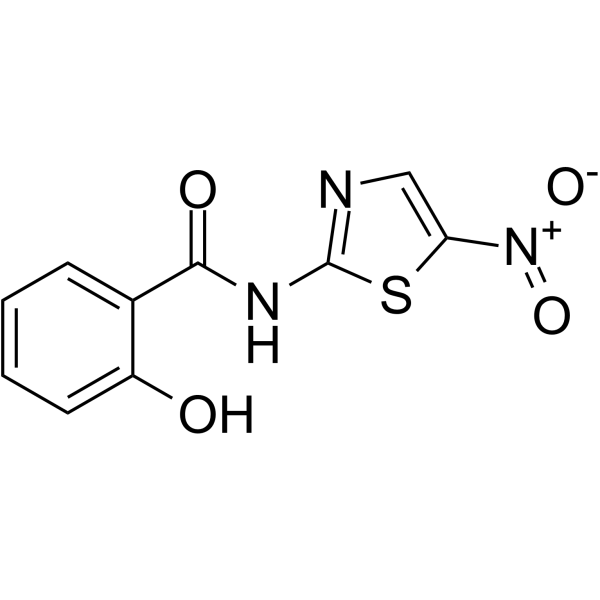
Tizoxanide (TIZ) is the active metabolite of Nitazoxanide, which is a thiazolide anti-infective compound against anaerobic bacteria, protozoa, and a range of viruses. Tizoxanide (TIZ) has anti-HIV-1 activities and potent inhibition of both HBV and HCV replication with values EC50 of 0.46μM and 0.15 μM, respectively. Tizoxanide also exerts anti-inflammatory effects by inhibiting the production of pro-inflammatory cytokines and suppressing of the activation of the NF-κB and the MAPK signaling pathways in LPS-treated macrophage cells .
|
-
-
- HY-B0335
-
|
GEA 6414
|
COX
|
Infection
Neurological Disease
Inflammation/Immunology
Cancer
|
|
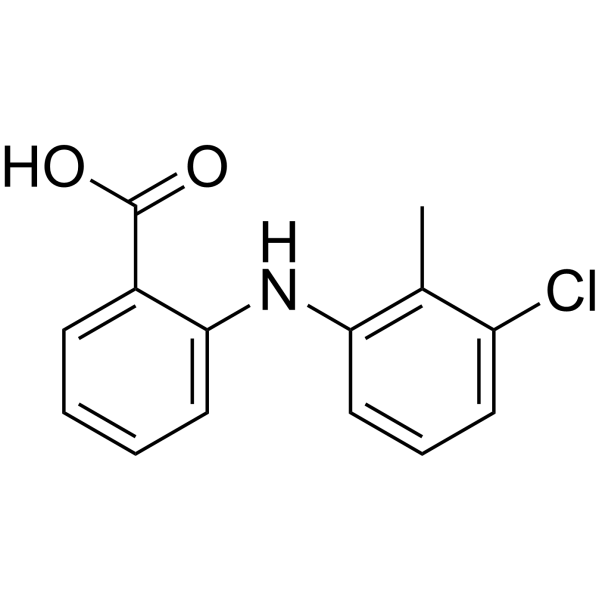
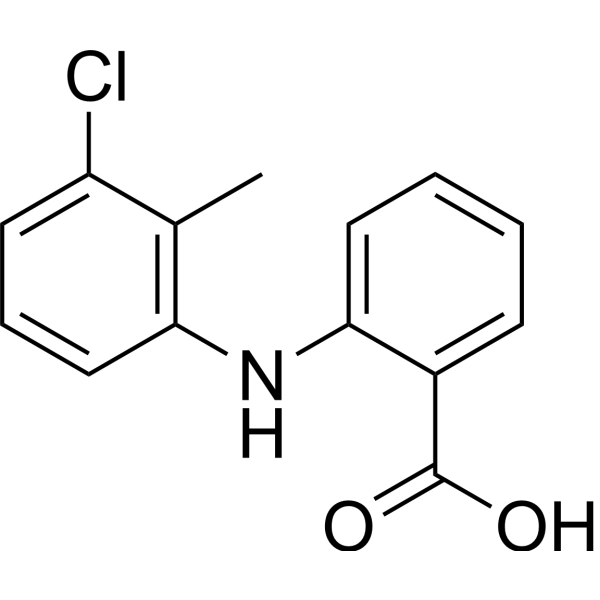
Tolfenamic Acid (GEA 6414) is a CNS-penetrant non-steroidal anti-inflammatory and anti-cancer agent, selectively inhibits COX-2, with an IC50 of 13.49 μM (3.53 μg/mL) in LPS-treated (COX-2) canine DH82 monocyte/macrophage cells, but shows no effect on COX-1.
|
-
-
- HY-N2350
-
|
|
MMP
NF-κB
TNF Receptor
|
Cancer
|
|
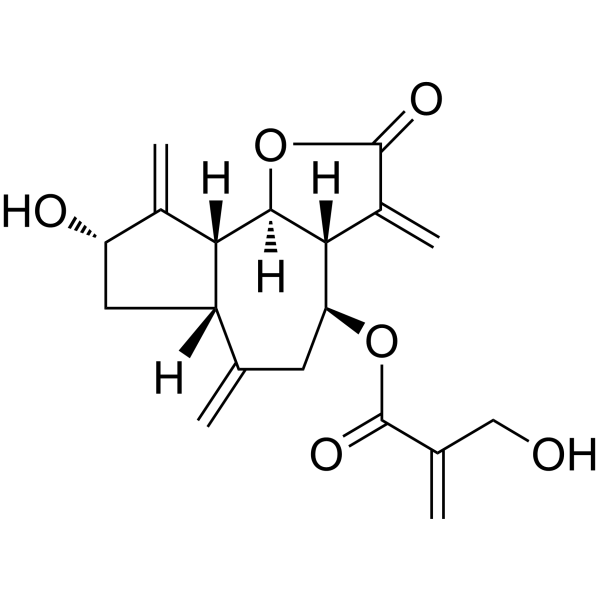
Cynaropicrin is a sesquiterpene lactone which can inhibit tumor necrosis factor (TNF-α) release with IC50s of 8.24 and 3.18 μM for murine and human macrophage cells, respectively. Cynaropicrin also inhibits the increase of cartilage degradation factor (MMP13) and suppresses NF-κB signaling.
|
-
-
- HY-172279A
-
|
|
Liposome
|
Cancer
|
|
DSPE-PEG2000-TAT is a cell-penetrating peptide-modified PEGylated phospholipid conjugate and cellular uptake enhancer. DSPE-PEG2000-TAT forms via conjugation of Cys-TAT to DSPE-PEG2000-Mal. DSPE-PEG2000-TAT enhances liposomal cellular uptake and siRNA transfection efficiency in glomerular mesangial and macrophage cells. DSPE-PEG2000-TAT can be used for drug delivery .
|
-

-
- HY-P1181A
-
|
|
Toll-like Receptor (TLR)
NO Synthase
IKK
Akt
PKC
NF-κB
p38 MAPK
Interleukin Related
|
Cardiovascular Disease
Infection
Inflammation/Immunology
Cancer
|
|
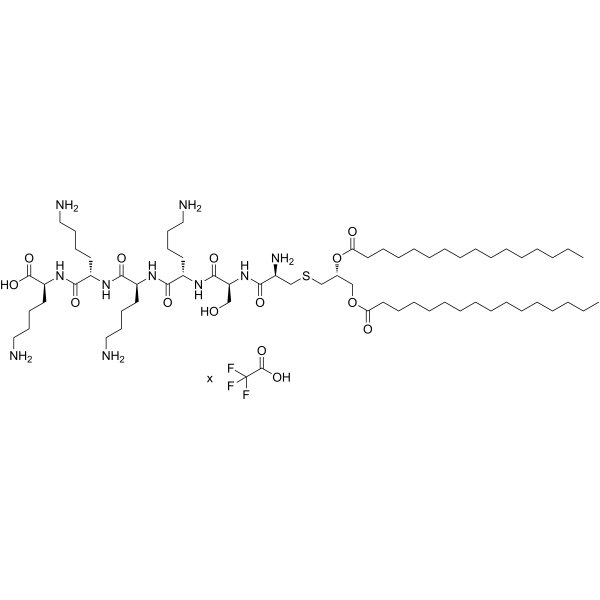
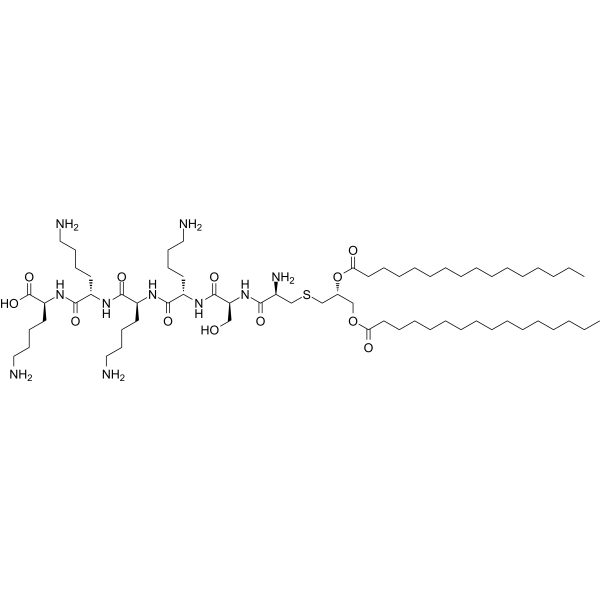
Pam2CSK4 TFA is a TLR2 agonist. Pam2CSK4 TFA induces the expression of iNOS and NO in macrophage cell lines via TBK1 and MyD88 molecules. Pam2CSK4 TFA activates the NF-κB and Bruton's tyrosine kinase signaling pathways in platelets, and promotes platelet-endothelial cell interactions. TLR2 activation triggered by Pam2CSK4 TFA expands myeloid-derived suppressor cells (MDSCs) and suppresses anti-tumor immune responses in the tumor microenvironment. Pam2CSK4 TFA acts as a Th2-polarizing adjuvant in mouse vaccine models against Leishmania major and Brugia malayi. Pam2CSK4 TFA can be used in the research of various diseases, including thromboinflammatory diseases, sepsis, atherosclerosis, heart failure, influenza, lymphoma, melanoma, cutaneous leishmaniasis and lymphatic filariasis .
|
-
-
- HY-N0608
-
|
|
NF-κB
|
Inflammation/Immunology
|
|
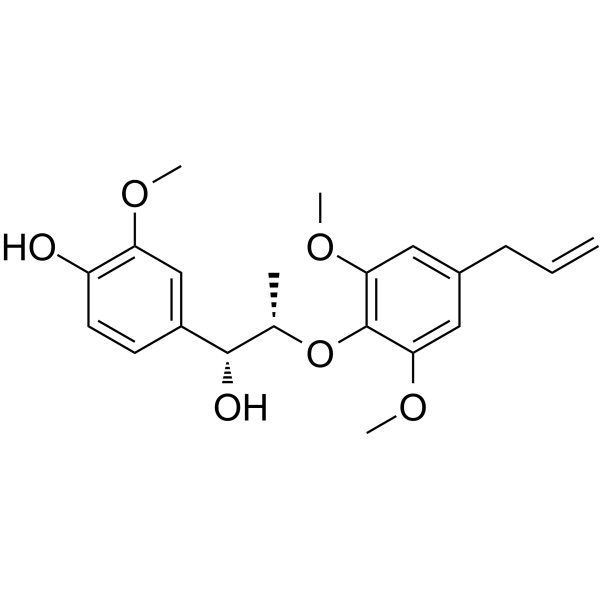
Myrislignan, a lignan isolated from Myristica fragrans Houtt, possesses anti-inflammatory activities. Myrislignan attenuates LPS-induced inflammation reaction in murine macrophage cells through inhibition of NF-kB signalling pathway activation .
|
-
-
- HY-N2106
-
|
|
NF-κB
COX
PGE synthase
NO Synthase
|
Inflammation/Immunology
|
|
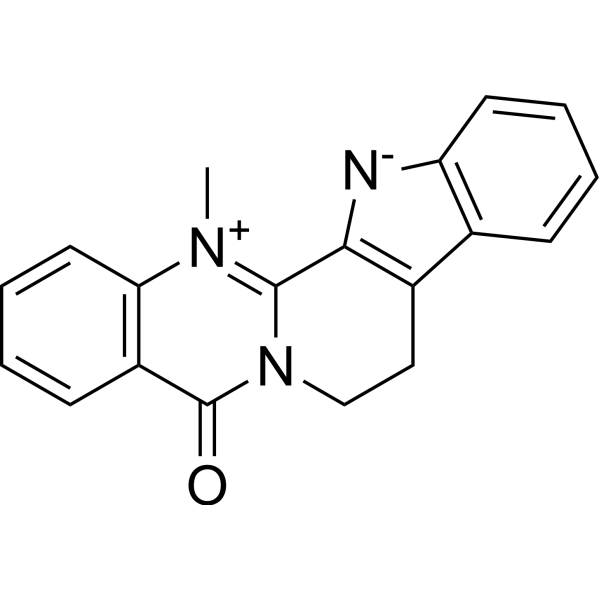
Dehydroevodiamine is a major bioactive quinazoline alkaloid isolated from Evodiae Fructus, has an antiarrhythmic effect in guinea-pig ventricular myocytes . Dehydroevodiamine inhibits LPS-induced iNOS, COX-2, prostaglandin E2 (PGE2) and nuclear factor-kappa B (NF-κB) expression in murine macrophage cells .
|
-
-
- HY-N2535
-
|
4-Hydroxy-3-methoxycinnamaldehyde
|
Keap1-Nrf2
Apoptosis
|
Inflammation/Immunology
|
|
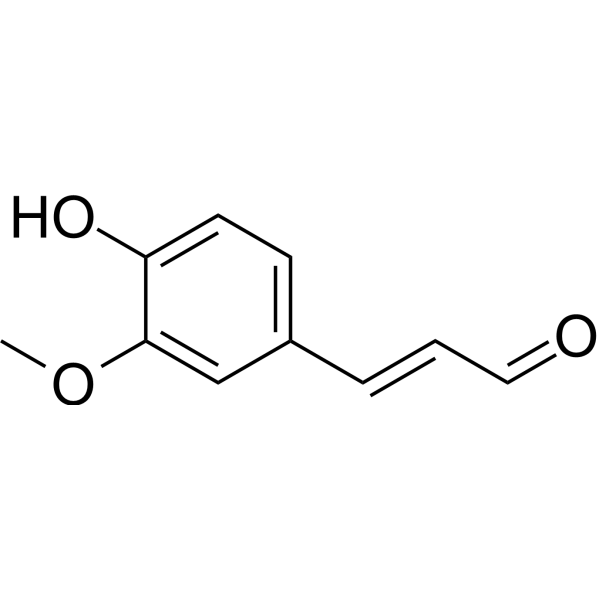
Coniferaldehyde (4-Hydroxy-3-methoxycinnamaldehyde) is an effective inducer of heme oxygenase-1 (HO-1). Coniferaldehyde inhibits LPS-induced apoptosis through the PKCα/β II/Nrf-2/HO-1 dependent pathway in RAW264.7 macrophage cells. Coniferaldehyde has antioxidant and anti-inflammatory activities .
|
-
-
- HY-P1181
-
|
|
Toll-like Receptor (TLR)
NO Synthase
IKK
Akt
PKC
NF-κB
p38 MAPK
Interleukin Related
|
Cardiovascular Disease
Infection
Inflammation/Immunology
Cancer
|
|
Pam2CSK4 is a TLR2 agonist. Pam2CSK4 induces the expression of iNOS and NO in macrophage cell lines via TBK1 and MyD88 molecules. Pam2CSK4 activates the NF-κB and Bruton's tyrosine kinase signaling pathways in platelets, and promotes platelet-endothelial cell interactions. TLR2 activation triggered by Pam2CSK4 expands myeloid-derived suppressor cells (MDSCs) and suppresses anti-tumor immune responses in the tumor microenvironment. Pam2CSK4 acts as a Th2-polarizing adjuvant in mouse vaccine models against Leishmania major and Brugia malayi. Pam2CSK4 can be used in the research of various diseases, including thromboinflammatory diseases, sepsis, atherosclerosis, heart failure, influenza, lymphoma, melanoma, cutaneous leishmaniasis and lymphatic filariasis .
|
-
-
- HY-125531
-
|
|
Others
|
Others
|
|
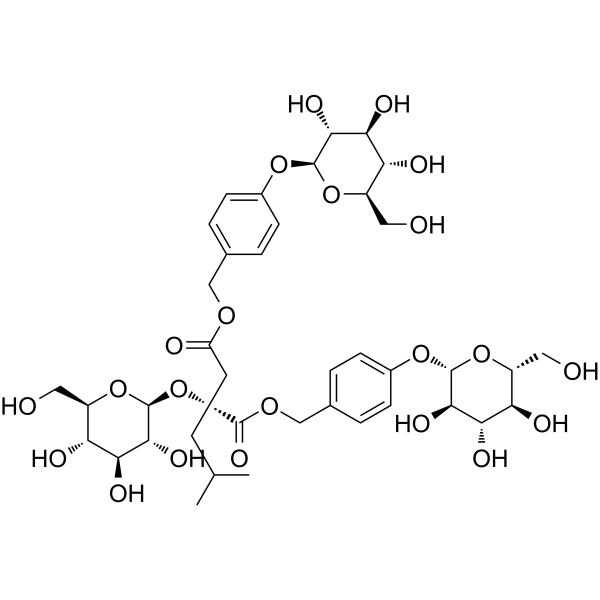
Dactylorhin A, a succinate derivative ester, is isolated from rhizomes of Gymnadenia conopsea. Dactylorhin A exhibits moderate inhibitory effects on NO production effects in RAW 264.7 macrophage cells .
|
-
-
- HY-N16039
-
|
|
β-glucuronidase
|
Inflammation/Immunology
|
|
TAN-1030A is an indolocarbazole alkaloid with macrophage-activating properties. TAN-1030A induces spreading of a murine macrophage cell line, Mm 1, and augmentes the phagocytic activity, Fc gamma receptor expression and β-glucuronidase activity of murine macrophage cell lines, Mm 1 and J774A.1. TAN-1030A can activate macrophage functions in mice .
|
-

-
- HY-126390
-
|
NSC 150117
|
Phosphatase
Apoptosis
|
Inflammation/Immunology
Cancer
|
|
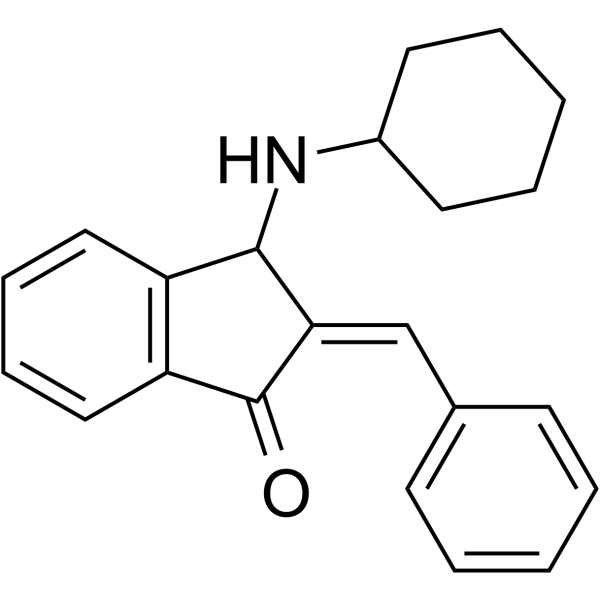
(E/Z)-BCI (NSC 150117) is a dual-specificity phosphatase 6 (DUSP6) inhibitor with anti-inflammatory activities. (E/Z)-BCI attenuates LPS-induced inflammatory mediators and ROS production in macrophage cells via activating the Nrf2 signaling axis and inhibiting the NF-κB pathway .
|
-
-
- HY-N0569R
-
|
|
Reference Standards
NO Synthase
COX
TNF Receptor
Interleukin Related
|
Inflammation/Immunology
|
|
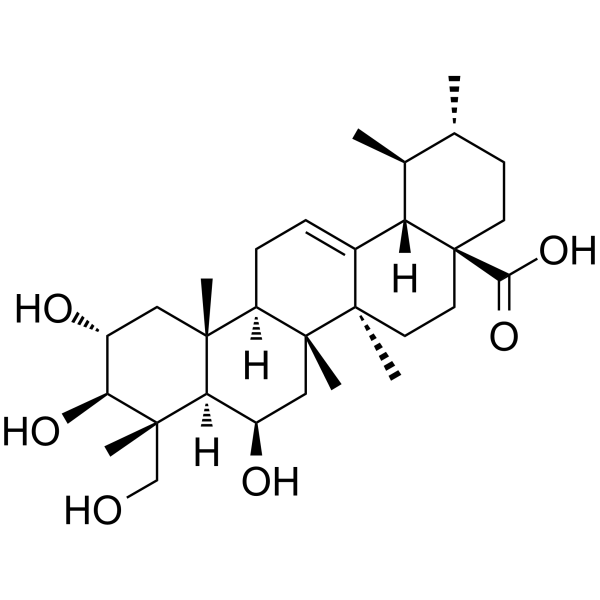
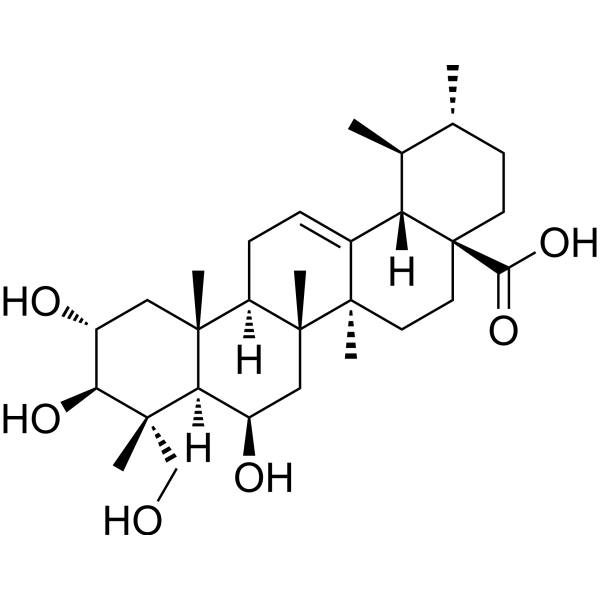
Madecassic acid (Standard) is the analytical standard of Madecassic acid. This product is intended for research and analytical applications. Madecassic acid is isolated from Centella asiatica (Umbelliferae). Madecassic acid has anti-inflammatory properties caused by iNOS, COX-2, TNF-alpha, IL-1beta, and IL-6 inhibition via the downregulation of NF-κB activation in RAW 264.7 macrophage cells .
|
-
-
- HY-W750678
-
|
|
Apoptosis
Caspase
|
Inflammation/Immunology
|
|
9-cis-Canthaxanthin is a carotenoid with pro-apoptotic activity in THP-1 macrophage cells. 9-cis-Canthaxanthin induces cell apoptosis by increasing caspase-3 and caspase-8 activity .
|
-

-
- HY-B0335R
-
|
GEA 6414 (Standard)
|
Reference Standards
COX
|
Inflammation/Immunology
Cancer
|
|
Tolfenamic Acid (Standard) is the analytical standard of Tolfenamic Acid. This product is intended for research and analytical applications. Tolfenamic Acid (GEA 6414) is a non-steroidal anti-inflammatory and anti-cancer agent, selectively inhibits COX-2, with an IC50 of 13.49 μM (3.53 μg/mL) in LPS-treated (COX-2) canine DH82 monocyte/macrophage cells, but shows no effect on COX-1.
|
-
-
- HY-177305
-
|
|
TNF Receptor
|
Inflammation/Immunology
|
|
Anti-inflammatory agent 105 (Compound 12) is an anti-inflammatory compound. The IC50 of Anti-inflammatory agent 105 for the inhibition of TNF-α synthesis and release in the human macrophage cell line U937 is 0.124 nM .
|
-

-
- HY-N0608A
-
|
|
NF-κB
|
Inflammation/Immunology
|
|
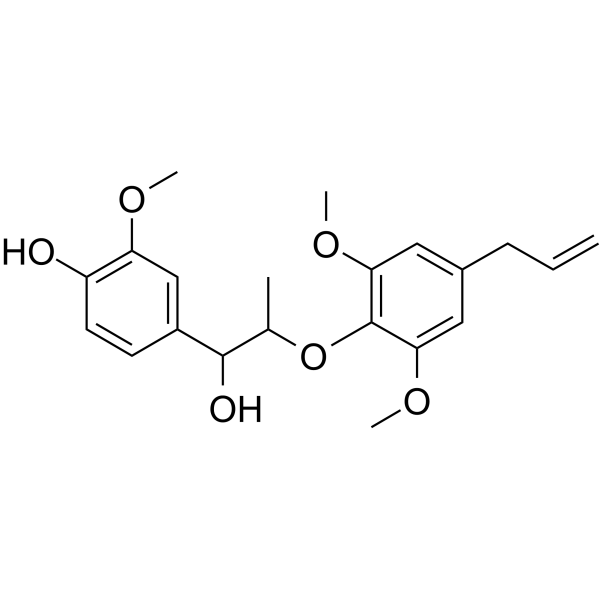
(Rac)-Myrislignan is the racemate of Myrislignan. Myrislignan, a lignan isolated from Myristica fragrans Houtt, possesses anti-inflammatory activities. Myrislignan attenuates LPS-induced inflammation reaction in murine macrophage cells through inhibition of NF-kB signalling pathway activation .
|
-
-
- HY-177304
-
|
|
TNF Receptor
|
Inflammation/Immunology
|
|
Anti-inflammatory agent 104 (Compound 26) is an anti-inflammatory compound. The IC50 of Anti-inflammatory agent 104 for the inhibition of TNF-α synthesis and release in the human macrophage cell line U937 is 0.024 nM. Anti-inflammatory agent 104 can reduce eosinophils in rat lungs by 63% .
|
-

-
- HY-B0335S1
-
|
GEA 6414-13C6
|
Isotope-Labeled Compounds
COX
|
Inflammation/Immunology
Cancer
|
|
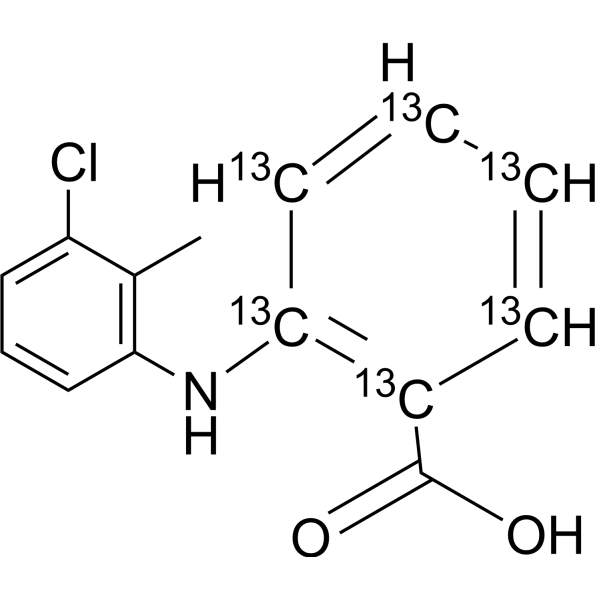
Tolfenamic acid- 13C6 is the 13C6 labeled Tolfenamic acid. Tolfenamic Acid (GEA 6414) is a non-steroidal anti-inflammatory and anti-cancer agent, selectively inhibits COX-2, with an IC50 of 13.49 μM (3.53 μg/mL) in LPS-treated (COX-2) canine DH82 monocyte/macrophage cells, but shows no effect on COX-1.
|
-
-
- HY-12687R
-
|
TIZ (Standard)
|
Reference Standards
Bacterial
HIV
Autophagy
Parasite
IKK
Influenza Virus
|
Infection
Cancer
|
|
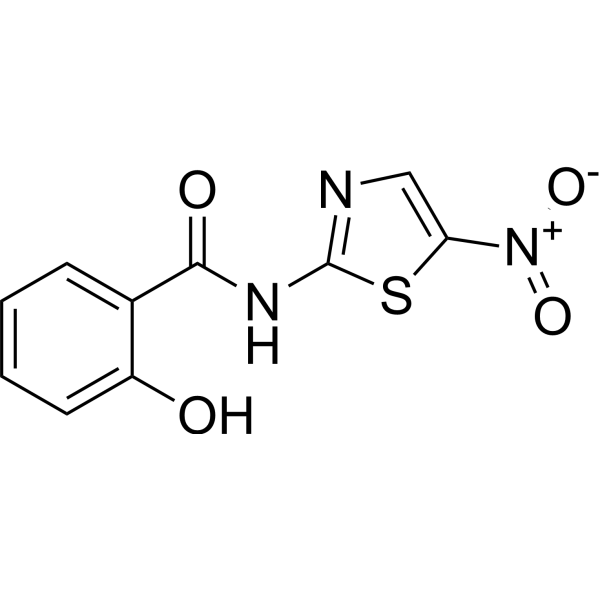
Tizoxanide (Standard) is the analytical standard of Tizoxanide. This product is intended for research and analytical applications. Tizoxanide (TIZ) is the active metabolite of Nitazoxanide, which is a thiazolide anti-infective compound against anaerobic bacteria, protozoa, and a range of viruses. Tizoxanide (TIZ) has anti-HIV-1 activities and potent inhibition of both HBV and HCV replication with values EC50 of 0.46μM and 0.15 μM, respectively. Tizoxanide also exerts anti-inflammatory effects by inhibiting the production of pro-inflammatory cytokines and suppressing of the activation of the NF-κB and the MAPK signaling pathways in LPS-treated macrophage cells .
|
-
-
- HY-N10114
-
|
|
Others
|
Inflammation/Immunology
|
|
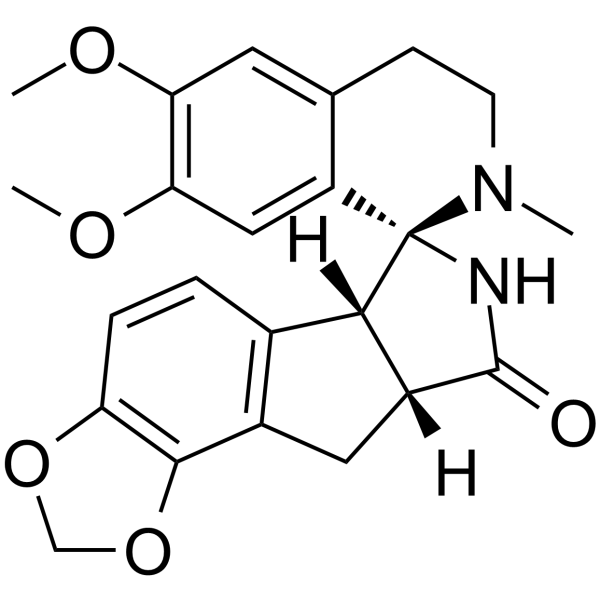
Hyperectumine exhibits moderate anti-inflammatory activity via suppression of LPS-activated inflammatory mediators in RAW 264.7 macrophage cells.
|
-
-
- HY-174608
-
|
|
mRNA
|
Inflammation/Immunology
|
|
Human IL32 mRNA encodes the human interleukin 32 (IL32) protein, a member of the cytokine family. IL32 induces the production of TNFalpha from macrophage cells.
|
-

-
- HY-N7699A
-
|
|
TNF Receptor
|
Neurological Disease
Inflammation/Immunology
|
|
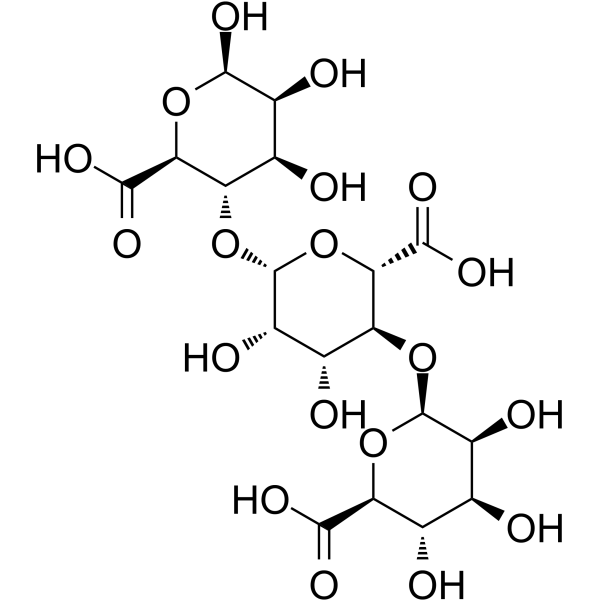
D-Trimannuronic acid, an alginate oligomer is extracted from seaweed. D-Trimannuronic acid can induce TNF‐α secretion by mouse macrophage cell lines. D-Trimannuronic acid can be used for the research of pain and vascular dementia .
|
-
-
- HY-151236
-
|
|
Bacterial
|
Infection
|
|
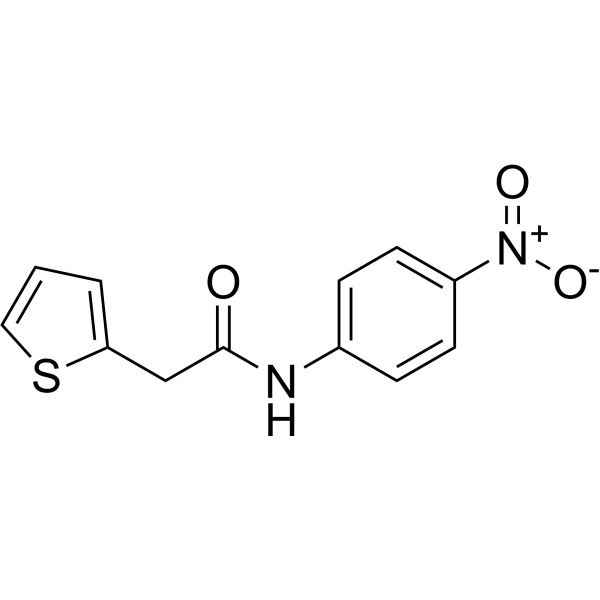
Antitubercular agent-30 is an antibacterial agent against Mycobacterium tuberculosis (MIC=50 μg/mL). Antitubercular agent-30 has little cytotoxic effect on murine macrophage cells (LD85=~100 μg/mL) .
|
-
-
- HY-N12507
-
|
|
STING
NF-κB
|
Others
|
|
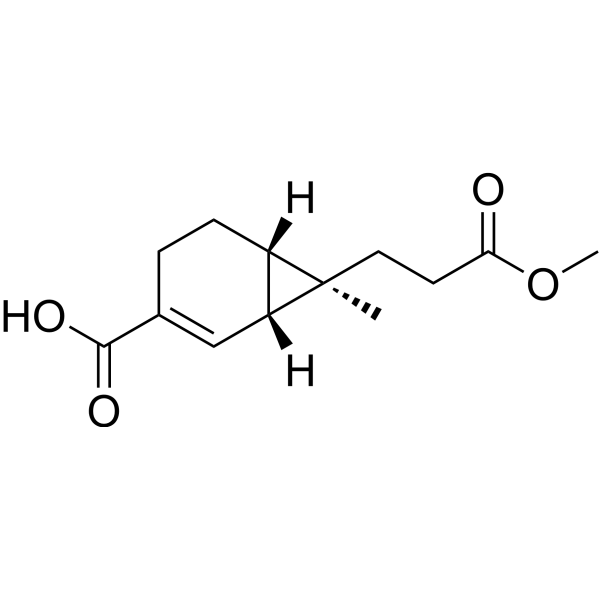
Eupenicisirenin C (compound 1) is a sirenin derivative. Eupenicisirenin C has strong NF-κB inhibitory activities. Eupenicisirenin C suppresses effects on cGAS-STING pathway. Eupenicisirenin C inhibits RANKL-induced osteoclast differentiation in bone marrow macrophage cells .
|
-
-
- HY-124508
-
-

-
- HY-N2106R
-
|
|
Reference Standards
NF-κB
COX
PGE synthase
NO Synthase
|
Inflammation/Immunology
|
|
Dehydroevodiamine is a major bioactive quinazoline alkaloid isolated from Evodiae Fructus, has an antiarrhythmic effect in guinea-pig ventricular myocytes . Dehydroevodiamine inhibits LPS-induced iNOS, COX-2, prostaglandin E2 (PGE2) and nuclear factor-kappa B (NF-κB) expression in murine macrophage cells .
|
-

-
- HY-N0608S
-
|
|
Isotope-Labeled Compounds
NF-κB
|
Inflammation/Immunology
|
|
Myrislignan- 13C,d2 is the 13C-labeled and deuterium labeled Myrislignan (HY-N0608). Myrislignan, a lignan, possesses anti-inflammatory activities. Myrislignan attenuates LPS-induced inflammation reaction in murine macrophage cells through inhibition of NF-kB signalling pathway activation .
|
-

-
- HY-146723
-
|
|
IKK
|
Inflammation/Immunology
|
|
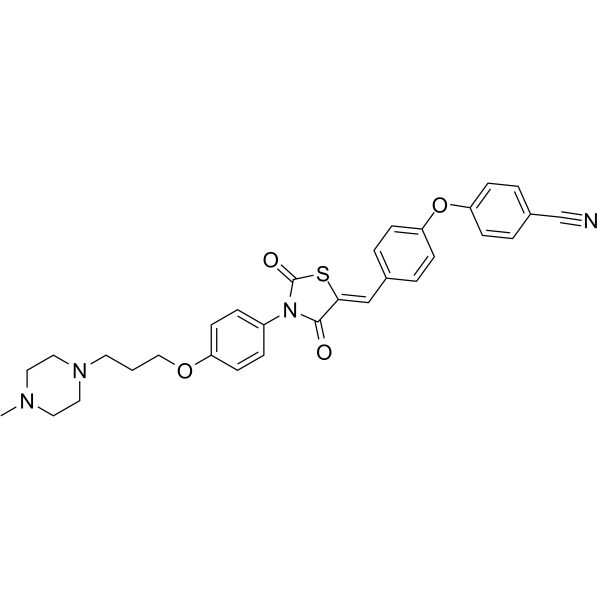
IKKβ-IN-1 is a potent and orally active IkappaB (IKK-β) inhibitor with IC50 of 0.20 μM. IKKβ-IN-1 can reduce PGE2 and TNF-α production in mouse macrophage cells. IKKβ-IN-1 has the ability to protect mice against septic shock induced mortality .
|
-
-
- HY-N2350R
-
|
|
Reference Standards
MMP
NF-κB
TNF Receptor
|
Cancer
|
|
Cynaropicrin (Standard) is the analytical standard of Cynaropicrin. This product is intended for research and analytical applications. Cynaropicrin is a sesquiterpene lactone which can inhibit tumor necrosis factor (TNF-α) release with IC50s of 8.24 and 3.18 μM for murine and human macrophage cells, respectively. Cynaropicrin also inhibits the increase of cartilage degradation factor (MMP13) and suppresses NF-κB signaling.
|
-

-
- HY-105825
-
|
SH-G 318AB
|
Endogenous Metabolite
|
Inflammation/Immunology
|
|
Sermetacin (SH-G 318AB) is an anti-inflammatory agent with biocompatibility and anti-inflammatory activity. Sermetacin is stable in saline and suitable for compound delivery. Sermetacin exhibits good biocompatibility in the RAW 264.7 mouse macrophage cell line. The anti-inflammatory response of sermetacin is comparable to that of its parent compound, indomethacin. Sermetacin may show potential in future applications of self-delivery of compound delivery .
|
-

-
- HY-B0335S
-
|
|
COX
|
Inflammation/Immunology
Cancer
|
|
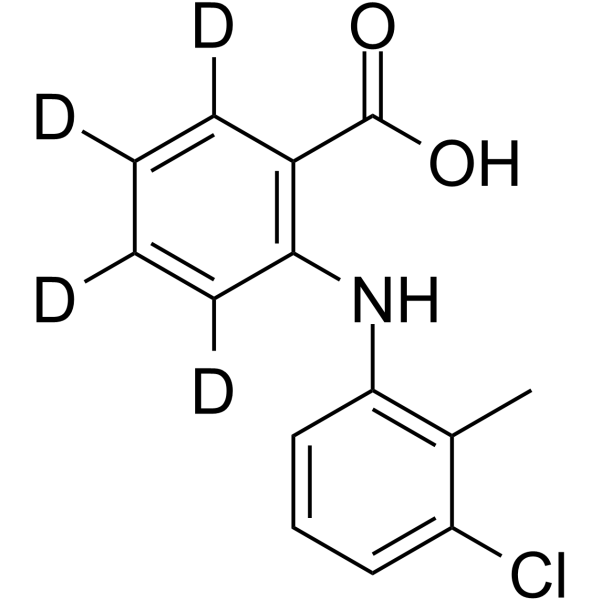
Tolfenamic acid-d4 is the deuterium labeled Tolfenamic Acid. Tolfenamic Acid (GEA 6414) is a non-steroidal anti-inflammatory and anti-cancer agent, selectively inhibits COX-2, with an IC50 of 13.49 μM (3.53 μg/mL) in LPS-treated (COX-2) canine DH82 monocyte/macrophage cells, but shows no effect on COX-1 .
|
-
-
- HY-163368
-
|
|
HDAC
|
Inflammation/Immunology
|
|
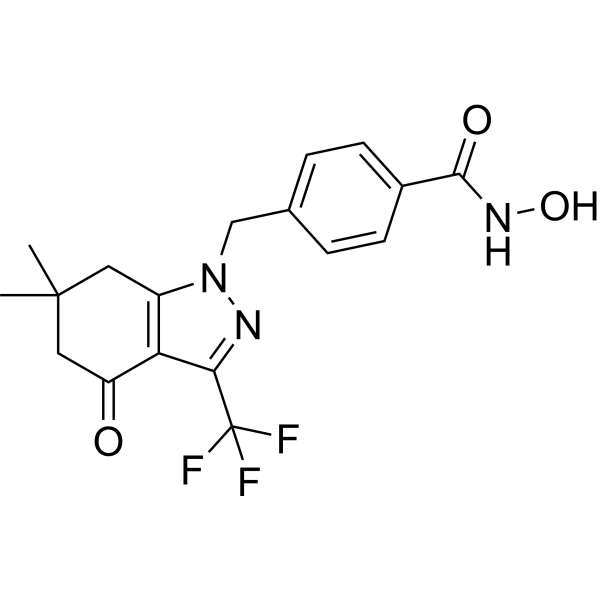
HDAC6-IN-34 (compound 21) is an oral active and selective HDAC6 inhibitor with the IC50 of 18 nM. HDAC6-IN-34 increases the acetylation level of tubulin without affecting histone acetylation in cutaneous T-cell lymphoma cells and inhibits TNF-α secretion in LPS (HY-D1056)-stimulated macrophage cells. HDAC6-IN-34 shows excellent anti-arthritic efficacy in rat .
|
-
-
- HY-N2535R
-
|
4-Hydroxy-3-methoxycinnamaldehyde (Standard)
|
Reference Standards
Keap1-Nrf2
Apoptosis
|
Inflammation/Immunology
|
|
Coniferaldehyde (Standard) is the analytical standard of Coniferaldehyde. This product is intended for research and analytical applications. Coniferaldehyde (4-Hydroxy-3-methoxycinnamaldehyde) is an effective inducer of heme oxygenase-1 (HO-1). Coniferaldehyde inhibits LPS-induced apoptosis through the PKCα/β II/Nrf-2/HO-1 dependent pathway in RAW264.7 macrophage cells. Coniferaldehyde has antioxidant and anti-inflammatory activities .
|
-

-
- HY-N16376
-
|
MJ 286A
|
NF-κB
STAT
|
Inflammation/Immunology
|
|
Thienodolin (MJ 286A) is an alkaloid that has been found in S. albogriseolus. Thienodolin inhibits nitric oxide production in LPS (HY-D1056)-stimulated RAW 264.7 murine macrophage cells with an IC50 value of 17.2 μM. Thienodolin suppresses iNOS, blocks the degradation of IκBα, attenuates NF-κB p65 accumulation in the nucleus, and reduces the phosphorylation level of STAT1 at Tyr701. Thienodolin can be used for the study of inflammation .
|
-

-
- HY-158402
-
|
|
Bacterial
Fungal
|
Infection
Inflammation/Immunology
|
|
Anti-inflammatory agent 84 (Compound 4D) is a derivative of Coumarin (HY-N0709) with antimicrobial and anti-inflammatory activities. Anti-inflammatory agent 84 inhibits E. coli, Candida albicans, Staphylococcus aureus and methicillin-resistant S. aureus (MRSA), with MIC of 312, 156, 19 and 316 μg/mL, respectively. Anti-inflammatory agent 84 inhibits biofilm formation of S. aureus, E. coli and MRSA, with IC50 of 185, 321 and 99 μM, respectively. Anti-inflammatory agent 84 inhibits nitric oxide production in Lipopolysaccharide (HY-D1056)-stimulated RAW264.7 macrophage cell .
|
-

-
- HY-D3153
-
|
|
Apoptosis
Caspase
Microtubule/Tubulin
|
Inflammation/Immunology
|
|
PbQ is a tubulin inhibitor (with an IC50 of 5 μM against goat tubulin) and a fluorescent probe for cuprous ions Cu (I). PbQ can penetrate the membrane of peripheral blood mononuclear cells, form a stable 1:1 complex with Cu + ions, and exhibits low toxicity and good biocompatibility toward macrophage cell lines. In addition, PbQ promotes tubulin degradation and disrupts the microtubule network in lung epithelial cells without affecting actin. PbQ also possesses genotoxicity by forming DNA base adducts, and it can activate caspase-3 and apoptosis-related genes, induce loss of mitochondrial membrane potential, and trigger cell apoptosis. PbQ can be used in studies related to chronic obstructive pulmonary disease .
|
-

| Cat. No. |
Product Name |
Type |
-
- HY-D3153
-
|
|
Fluorescent Dyes
|
|
PbQ is a tubulin inhibitor (with an IC50 of 5 μM against goat tubulin) and a fluorescent probe for cuprous ions Cu (I). PbQ can penetrate the membrane of peripheral blood mononuclear cells, form a stable 1:1 complex with Cu + ions, and exhibits low toxicity and good biocompatibility toward macrophage cell lines. In addition, PbQ promotes tubulin degradation and disrupts the microtubule network in lung epithelial cells without affecting actin. PbQ also possesses genotoxicity by forming DNA base adducts, and it can activate caspase-3 and apoptosis-related genes, induce loss of mitochondrial membrane potential, and trigger cell apoptosis. PbQ can be used in studies related to chronic obstructive pulmonary disease .
|
| Cat. No. |
Product Name |
Type |
-
- HY-172279A
-
|
|
Biochemical Assay Reagents
|
|
DSPE-PEG2000-TAT is a cell-penetrating peptide-modified PEGylated phospholipid conjugate and cellular uptake enhancer. DSPE-PEG2000-TAT forms via conjugation of Cys-TAT to DSPE-PEG2000-Mal. DSPE-PEG2000-TAT enhances liposomal cellular uptake and siRNA transfection efficiency in glomerular mesangial and macrophage cells. DSPE-PEG2000-TAT can be used for drug delivery .
|
| Cat. No. |
Product Name |
Target |
Research Area |
-
- HY-P1181A
-
|
|
Toll-like Receptor (TLR)
NO Synthase
IKK
Akt
PKC
NF-κB
p38 MAPK
Interleukin Related
|
Cardiovascular Disease
Infection
Inflammation/Immunology
Cancer
|
|
Pam2CSK4 TFA is a TLR2 agonist. Pam2CSK4 TFA induces the expression of iNOS and NO in macrophage cell lines via TBK1 and MyD88 molecules. Pam2CSK4 TFA activates the NF-κB and Bruton's tyrosine kinase signaling pathways in platelets, and promotes platelet-endothelial cell interactions. TLR2 activation triggered by Pam2CSK4 TFA expands myeloid-derived suppressor cells (MDSCs) and suppresses anti-tumor immune responses in the tumor microenvironment. Pam2CSK4 TFA acts as a Th2-polarizing adjuvant in mouse vaccine models against Leishmania major and Brugia malayi. Pam2CSK4 TFA can be used in the research of various diseases, including thromboinflammatory diseases, sepsis, atherosclerosis, heart failure, influenza, lymphoma, melanoma, cutaneous leishmaniasis and lymphatic filariasis .
|
-
- HY-P1181
-
|
|
Toll-like Receptor (TLR)
NO Synthase
IKK
Akt
PKC
NF-κB
p38 MAPK
Interleukin Related
|
Cardiovascular Disease
Infection
Inflammation/Immunology
Cancer
|
|
Pam2CSK4 is a TLR2 agonist. Pam2CSK4 induces the expression of iNOS and NO in macrophage cell lines via TBK1 and MyD88 molecules. Pam2CSK4 activates the NF-κB and Bruton's tyrosine kinase signaling pathways in platelets, and promotes platelet-endothelial cell interactions. TLR2 activation triggered by Pam2CSK4 expands myeloid-derived suppressor cells (MDSCs) and suppresses anti-tumor immune responses in the tumor microenvironment. Pam2CSK4 acts as a Th2-polarizing adjuvant in mouse vaccine models against Leishmania major and Brugia malayi. Pam2CSK4 can be used in the research of various diseases, including thromboinflammatory diseases, sepsis, atherosclerosis, heart failure, influenza, lymphoma, melanoma, cutaneous leishmaniasis and lymphatic filariasis .
|
| Cat. No. |
Product Name |
Category |
Target |
Chemical Structure |
| Cat. No. |
Product Name |
Chemical Structure |
-
- HY-B0335S1
-
|
|
|
Tolfenamic acid- 13C6 is the 13C6 labeled Tolfenamic acid. Tolfenamic Acid (GEA 6414) is a non-steroidal anti-inflammatory and anti-cancer agent, selectively inhibits COX-2, with an IC50 of 13.49 μM (3.53 μg/mL) in LPS-treated (COX-2) canine DH82 monocyte/macrophage cells, but shows no effect on COX-1.
|
-
-
- HY-N0608S
-
|
|
|
Myrislignan- 13C,d2 is the 13C-labeled and deuterium labeled Myrislignan (HY-N0608). Myrislignan, a lignan, possesses anti-inflammatory activities. Myrislignan attenuates LPS-induced inflammation reaction in murine macrophage cells through inhibition of NF-kB signalling pathway activation .
|
-
-
- HY-B0335S
-
|
|
|
Tolfenamic acid-d4 is the deuterium labeled Tolfenamic Acid. Tolfenamic Acid (GEA 6414) is a non-steroidal anti-inflammatory and anti-cancer agent, selectively inhibits COX-2, with an IC50 of 13.49 μM (3.53 μg/mL) in LPS-treated (COX-2) canine DH82 monocyte/macrophage cells, but shows no effect on COX-1 .
|
-
| Cat. No. |
Product Name |
|
Classification |
-
- HY-172279A
-
|
|
|
Pegylated Lipids
|
|
DSPE-PEG2000-TAT is a cell-penetrating peptide-modified PEGylated phospholipid conjugate and cellular uptake enhancer. DSPE-PEG2000-TAT forms via conjugation of Cys-TAT to DSPE-PEG2000-Mal. DSPE-PEG2000-TAT enhances liposomal cellular uptake and siRNA transfection efficiency in glomerular mesangial and macrophage cells. DSPE-PEG2000-TAT can be used for drug delivery .
|
-
- HY-174608
-
|
|
|
mRNA
Interleukin & Receptors
|
|
Human IL32 mRNA encodes the human interleukin 32 (IL32) protein, a member of the cytokine family. IL32 induces the production of TNFalpha from macrophage cells.
|
Your information is safe with us. * Required Fields.
Inquiry Information
- Product Name:
- Cat. No.:
- Quantity:
- MCE Japan Authorized Agent:








