Search Result
Results for "
liposomal-
" in MedChemExpress (MCE) Product Catalog:
11
Biochemical Assay Reagents
8
Isotope-Labeled Compounds
| Cat. No. |
Product Name |
Target |
Research Areas |
Chemical Structure |
-
- HY-125924
-
|
DSPE-PEG-NH2, MW 2000 ammonium; DSPE-PEG(2000) Amine ammonium
|
Liposome
|
Others
|
|
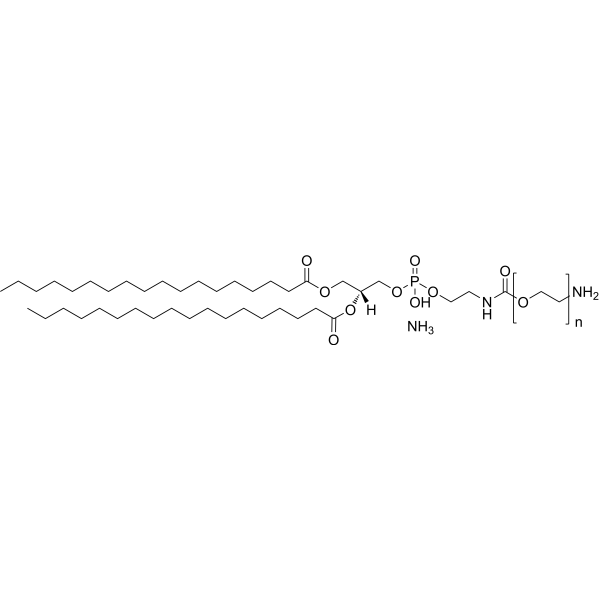
DSPE-PEG-Amine, MW 2000 (ammonium), an amine derivative of phospholipid poly ethylene glycol, is used in the synthesis of solid lipid and thermosensitive liposomal nanoparticles for the delivery of anticancer agents .
|
-
-
- HY-W440888
-
|
DSPE-PEG2000(2000) Folate
|
Liposome
Folate Receptor (FR)
|
Cancer
|
|
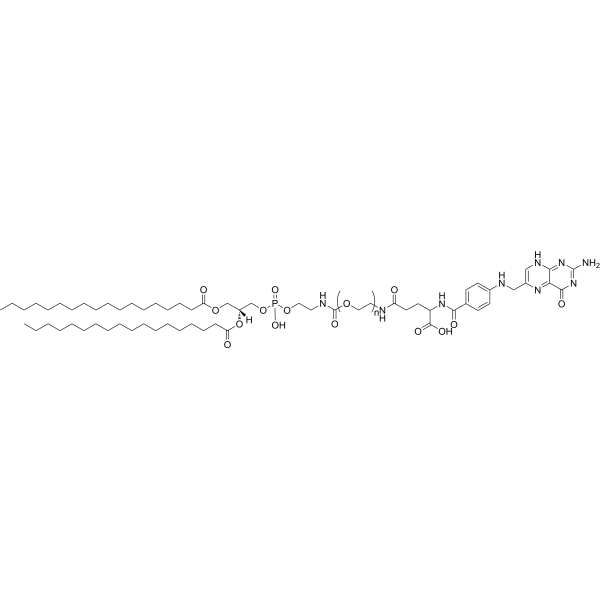
DSPE-PEG2000-Folate (DSPE-PEG2000 Folate) is a folate-containing PEG derivative. DSPE-PEG2000-Folate possesses targeting activity and binds to folate receptors in cancer cells. DSPE-PEG2000-Folate can be post-inserted into preformed liposomal bilayers to prepare folate-targeted liposomal formulations. DSPE-PEG2000-Folate forms micelles/lipid bilayers and can be used in studies of targeted drug delivery systems [2].
|
-
-
- HY-P2213
-
|
|
MMP
Apoptosis
|
Cancer
|
|
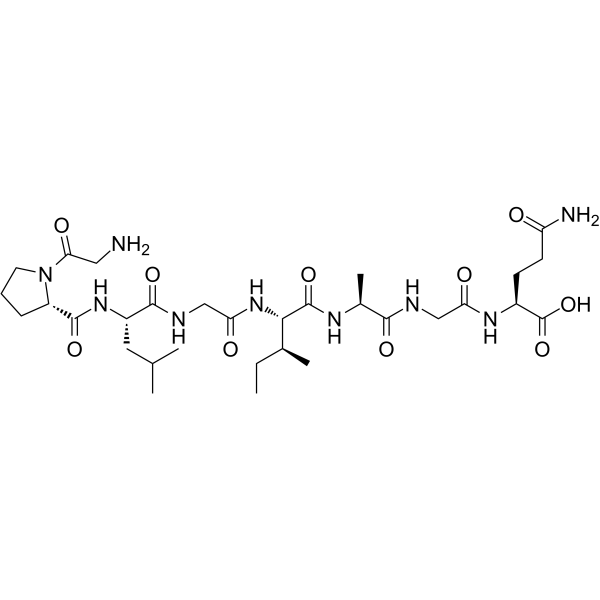
GPLGIAGQ, a MMP2-cleavable polypeptide, is used as a stimulus-sensitive linker in both liposomal and micellar nanocarriers for MMP2-triggered tumor targeting. GPLGIAGQ can be used to synthesis unique MMP2-targeted photosensitizer in photodynamic therapy (PDT) .
|
-
-
- HY-W440911
-
|
|
Liposome
Fluorescent Dye
|
Cancer
|
|
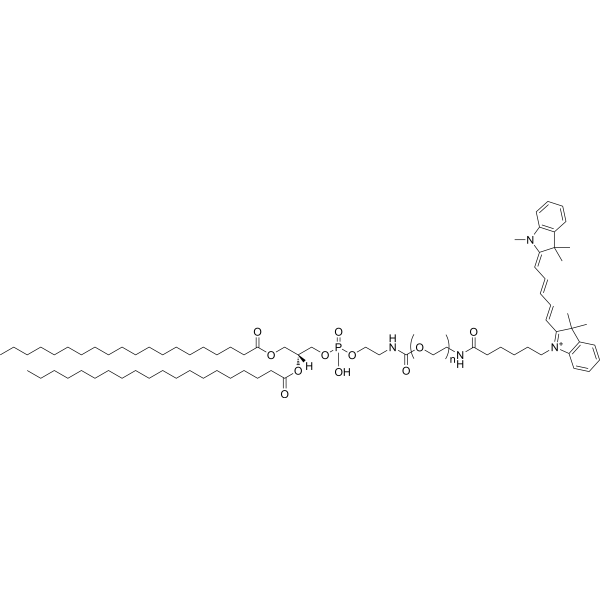
DSPE-PEG2000-Cy5 is a Cy5 (HY-D0821) fluorophore-labeled conjugate of distearoylphosphatidylethanolamine and polyethylene glycol, as well as a liposome component. The Cy5 fluorophore is commonly used for labeling proteins and nucleic acids in imaging, flow cytometry and genomic applications. DSPE-PEG2000-Cy5 supports cell membrane modification, in vivo tumor targeting research and long-term in vivo circulation of its liposomal formulations (Ex/Em=633/670 nm) .
|
-
-
- HY-172279A
-
|
|
Liposome
|
Cancer
|
|
DSPE-PEG2000-TAT is a cell-penetrating peptide-modified PEGylated phospholipid conjugate and cellular uptake enhancer. DSPE-PEG2000-TAT forms via conjugation of Cys-TAT to DSPE-PEG2000-Mal. DSPE-PEG2000-TAT enhances liposomal cellular uptake and siRNA transfection efficiency in glomerular mesangial and macrophage cells. DSPE-PEG2000-TAT can be used for drug delivery .
|
-

-
- HY-109506S
-
|
129Y83-d62
|
Isotope-Labeled Compounds
Endogenous Metabolite
|
Others
|
|
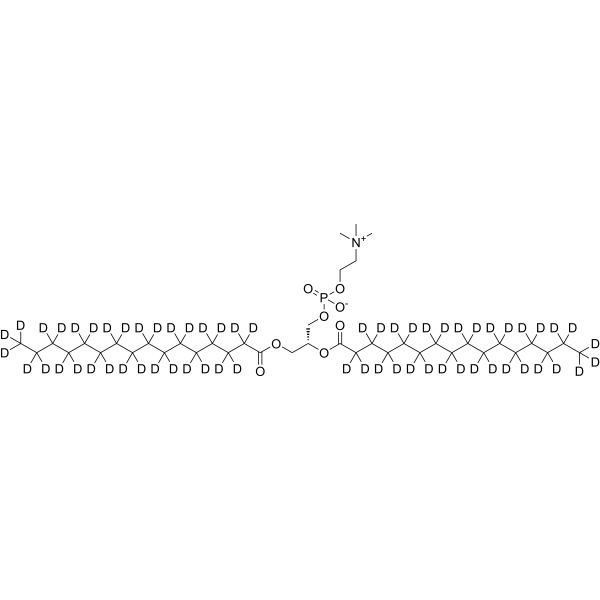
DPPC-d62 is the deuterium labeled DPPC. DPPC (129Y83) is a zwitterionic phosphoglyceride that can be used for the preparation of liposomal monolayers . DPPC-liposome serves effectively as a delivery vehicle for inducing immune responses against GSL antigen in mice .
|
-
-
- HY-W440988
-
|
|
Liposome
|
Others
|
|
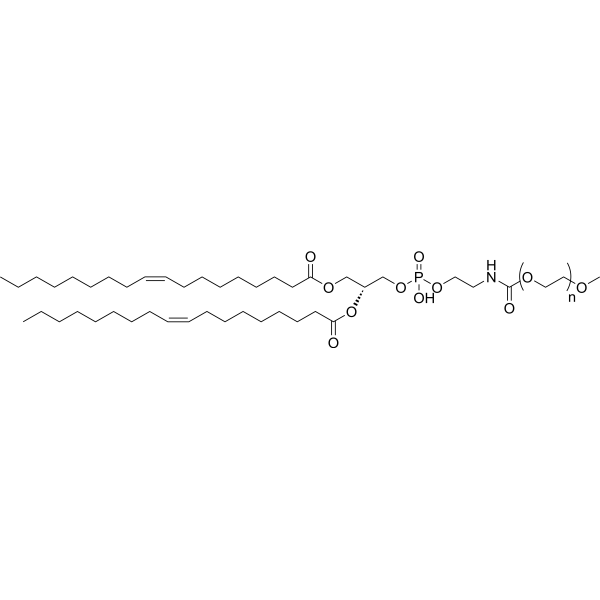
DOPE-mPEG2000 is a phospholipid polydisperse PEG (or DOPE liposome), can be used for preparation of targeted delivery of liposomal drug and giant unilamellar vesicles (GUVs). DOPE-mPEG2000 significantly reduces the pH-sensitivity of the liposome in a concentration dependent manner .
|
-
-
- HY-177839
-
|
|
Liposome
|
Inflammation/Immunology
|
|
Liposomal Coenzyme Q10 is a specialized delivery system that encapsulates coenzyme Q10 within tiny liposomes. These liposomes act as protective shells, enhancing the absorption and bioavailability of coenzyme Q10. Coenzyme Q10 (CoQ10), also called ubiquin
|
-

-
- HY-W440823B
-
|
|
Liposome
|
Cancer
|
|
DSPE-PEG2000-amine sodium is a pegylated derivative of 1,2-Distearoyl-sn-glycero-3-phosphorylethanolamine (HY-112530), which can be used to synthesize solid lipid and thermosensitive liposomal nanoparticles for the delivery of anticancer agents .
|
-

-
- HY-160952
-
|
CPX 351; Cytarabine-daunorubicin
|
Liposome
Drug Derivative
|
Cardiovascular Disease
Cancer
|
|
Cytarabine-daunorubicin (CPX 351) is a Liposomal formulation prepared from Cytarabine (HY-13605) and Daunorubicin (HY-13062A) at a fixed synergistic molar ratio of 5:1. Cytarabine-daunorubicin improves secondary acute myeloid leukemia. Cytarabine-daunorubicin can be used in research related to secondary acute myeloid leukemia, high-risk myelodysplastic syndrome, and chronic myelomonocytic leukemia .
|
-

-
- HY-P2483B
-
|
|
Bacterial
Proteasome
|
Infection
Inflammation/Immunology
Cancer
|
|
Octaarginine acetate is a cell-penetrating peptide and proteasome inhibitor. Octaarginine acetate exhibits mixed-type inhibition against 20S proteasome chymotrypsin-like, caspase-like, and trypsin-like activities, and inhibits 26S proteasome activity with decreased efficiency. Octaarginine acetate induces ubiquitin-conjugated protein accumulation, mediates HSPG-dependent cellular internalization via macropinocytosis, enhances liposomal cargo uptake and gene delivery. Octaarginine acetate can be used for the research of cervix carcinoma, collagen antibody-induced arthritis, and bacterial infections .
|
-

-
- HY-P2483
-
|
|
Proteasome
Bacterial
|
Infection
Inflammation/Immunology
Cancer
|
|
Octaarginine is a cell-penetrating peptide and proteasome inhibitor. Octaarginine exhibits mixed-type inhibition against 20S proteasome chymotrypsin-like, caspase-like, and trypsin-like activities, and inhibits 26S proteasome activity with decreased efficiency. Octaarginine induces ubiquitin-conjugated protein accumulation, mediates HSPG-dependent cellular internalization via macropinocytosis, enhances liposomal cargo uptake and gene delivery. Octaarginine can be used for the research of cervix carcinoma, collagen antibody-induced arthritis, and bacterial infections .
|
-

-
- HY-P10641
-
|
|
Exosomes
STAT
ERK
Akt
|
Cardiovascular Disease
|
|
Heart-homing peptide is a heart-targeting peptide with the sequence CRPPR that mediates cardiac endothelial targeting and accumulates in cardiac tissues. Heart-homing peptide mediates the translocation of liposomal and exosomal cargos across cardiac endothelium into interstitial tissues, enhances the accumulation of exosomes in the heart, and inhibits the GP130-STAT3/ERK1/2/AKT pathway. Heart-homing peptide accumulates at sites of ischemia/reperfusion, myocardial infarction and hypertrophy in mice. Heart-homing peptide can be used for the research of cardiovascular diseases .
|
-

-
- HY-177846
-
|
|
Liposome
|
Inflammation/Immunology
|
|
Liposomal Melatonin is a specialized delivery system that encapsulates melatonin within tiny liposomes. These liposomes act as protective shells, enhancing the absorption and bioavailability of melatonin. Melatonin is an antioxidant, anti-inflammatory, fr
|
-

-
- HY-177843
-
|
|
Liposome
|
Metabolic Disease
|
|
Liposomal NMN is a specialized delivery system that encapsulates NMN within tiny liposomes. These liposomes act as protective shells, enhancing the absorption and bioavailability of NMN. NMN (β-Nicotinamide Mononucleotide) is a naturally occurring key met
|
-

-
- HY-177829
-
|
|
Liposome
|
Metabolic Disease
|
|
Liposomal Vitamin C is a specialized delivery system that encapsulates vitamin C within tiny liposomes. These liposomes act as protective shells, enhancing the absorption and bioavailability of vitamin C. Vitamin C (L-ascorbic acid) is a water-soluble vit
|
-

-
- HY-109506S7
-
|
129Y83-d71
|
Isotope-Labeled Compounds
Endogenous Metabolite
|
Others
|
|
DPPC-d71 is deuterium labeled DPPC. DPPC (129Y83) is a zwitterionic phosphoglyceride that can be used for the preparation of liposomal monolayers. DPPC-liposome serves effectively as a delivery vehicle for inducing immune responses against GSL antigen in
|
-

-
- HY-177845
-
|
|
Liposome
|
Inflammation/Immunology
|
|
Liposomal Resveratrol is a specialized delivery system that encapsulates resveratrol within tiny liposomes. These liposomes act as protective shells, enhancing the absorption and bioavailability of resveratrol. Resveratrol is a polyphenol found in plants,
|
-

-
- HY-177837
-
|
|
Liposome
|
Metabolic Disease
|
|
Liposomal Magnesium is a specialized delivery system that encapsulates inorganic magnesium within tiny liposomes. These liposomes act as protective shells, enhancing the absorption and bioavailability of magnesium. Magnesium is an essential mineral and a
|
-

-
- HY-177836
-
|
|
Liposome
|
Metabolic Disease
|
|
Liposomal Calcium is a specialized delivery system that encapsulates inorganic calcium within tiny liposomes. These liposomes act as protective shells, enhancing the absorption and bioavailability of calcium. Calcium is an essential mineral that plays a c
|
-

-
- HY-177834
-
|
|
Liposome
|
Inflammation/Immunology
|
|
Liposomal Zinc is a specialized delivery system that encapsulates zinc compound within tiny liposomes. These liposomes act as protective shells, enhancing the absorption and bioavailability of zinc. Zinc is an important trace element and plays a key role
|
-

-
- HY-177835
-
|
|
Liposome
|
Metabolic Disease
|
|
Liposomal Iron is a specialized delivery system that encapsulates inorganic iron within tiny liposomes. These liposomes act as protective shells, enhancing the absorption and bioavailability of iron. Iron is an essential trace element in the human body th
|
-

-
- HY-177842
-
|
|
Liposome
|
Metabolic Disease
|
|
Liposomal NAD+ is a specialized delivery system that encapsulates NAD+ within tiny liposomes. These liposomes act as protective shells, enhancing the absorption and bioavailability of NAD+. NAD+ (β-Nicotinamide adenine dinucleotide), also known as Coenzym
|
-

-
- HY-177849
-
|
Amphotericin B liposome
|
Liposome
Fungal
Antibiotic
|
Infection
|
|
Liposomal Amphotericin B is a liposome-encapsulated form of Amphotericin B (HY-B0221). Amphotericin B is a polyene antifungal agent against a wide variety of fungal pathogens. Amphotericin B binds irreversibly to ergosterol, resulting in disruption of membrane integrity and ultimately cell death. Liposomal Amphotericin B can significantly reduce the toxicity of Amphotericin B.
|
-

-
- HY-177827
-
|
|
Liposome
|
Metabolic Disease
|
|
Liposomal Vitamin B3 is a specialized delivery system that encapsulates vitamin B3 within tiny liposomes. These liposomes act as protective shells, enhancing the absorption and bioavailability of vitamin B3. Vitamin B3 (Nicotinamide) is one of the water-s
|
-

-
- HY-177826
-
|
|
Liposome
|
Metabolic Disease
|
|
Liposomal Vitamin B2 is a specialized delivery system that encapsulates vitamin B2 within tiny liposomes. These liposomes act as protective shells, enhancing the absorption and bioavailability of vitamin B2. Vitamin B2 (Riboflavin) is a water-soluble vita
|
-

-
- HY-N15873
-
|
|
Biochemical Assay Reagents
|
Others
|
|
XY-69 triethylamine is a fluorescent analog of PIP2. XY-69 liposomal assay can be utilized in monitoring PLC enzymatic activity .
|
-

-
- HY-W440899
-
|
|
Liposome
|
Others
|
|
DSPE-PEG1000-SPDP is a thiol reactive PEG lipid. The polymer is amphiphilic and spontaneously forms lipid bilayer in water. It can be used to encapsulate nutrients or therapeutics for targeted drug delivery, for example mRNA or DNA vaccine, liposomal doxorubicin for anti tumor.
|
-

-
- HY-109506S3
-
|
129Y83-d9-1
|
Isotope-Labeled Compounds
Endogenous Metabolite
|
Others
|
|
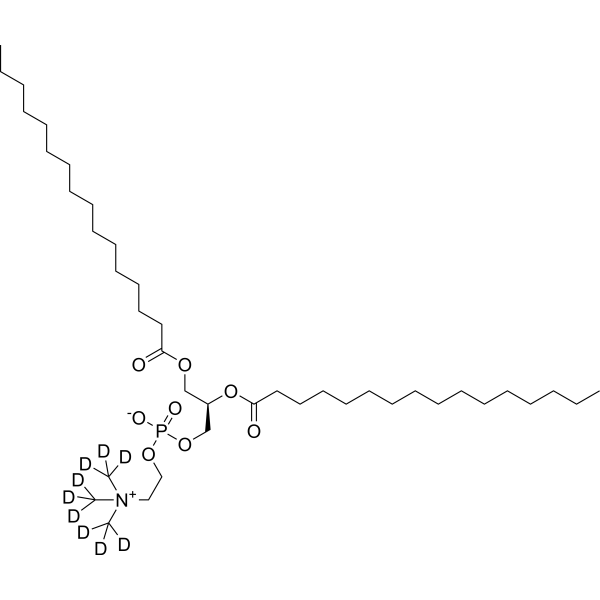
DPPC-d9-1 is the deuterium labeled DPPC. DPPC (129Y83) is a zwitterionic phosphoglyceride that can be used for the preparation of liposomal monolayers . DPPC-liposome serves effectively as a delivery vehicle for inducing immune responses against GSL antigen in mice .
|
-
-
- HY-P2213A
-
|
|
MMP
Apoptosis
|
Cancer
|
|
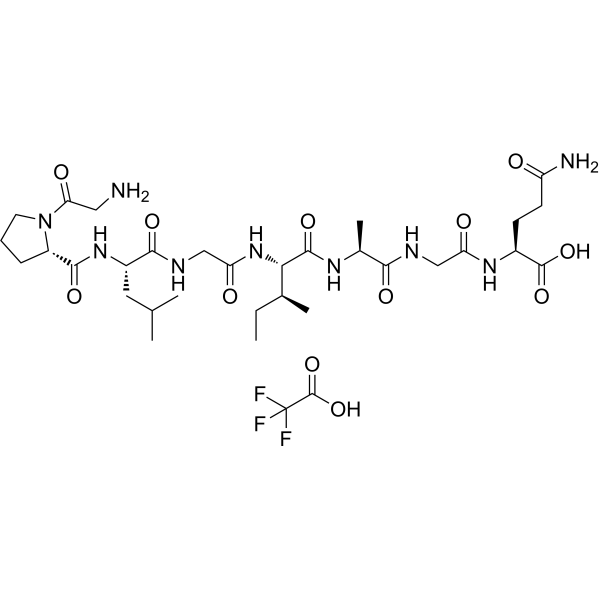
GPLGIAGQ TFA, a MMP2-cleavable polypeptide, is used as a stimulus-sensitive linker in both liposomal and micellar nanocarriers for MMP2-triggered tumor targeting. GPLGIAGQ TFA can be used to synthesis unique MMP2-targeted photosensitizer in photodynamic therapy (PDT) .
|
-
-
- HY-108303
-
|
|
Apoptosis
|
Cardiovascular Disease
Neurological Disease
Metabolic Disease
Inflammation/Immunology
Cancer
|
|
Neridronate sodium is a bisphosphonate. Bisphosphonates initiate the Apoptotic process. Neridronate sodium reduces the levels of bone resorption, bone turnover markers, the degree of back pain, and the risk of fractures. Neridronate sodium inhibits capillary tube formation. Neridronate sodium itself has weak anticancer activity, but liposomal encapsulation enhances this activity. Neridronate sodium can be used in research related to demineralizing metabolic bone diseases, thalassemia-associated osteoporosis, chronic inflammatory diseases, cancer, and osteogenesis imperfecta .
|
-

-
- HY-177844
-
|
|
Liposome
|
Metabolic Disease
|
|
Liposomal Palmitoylethanolamide is a specialized delivery system that encapsulates palmitoylethanolamide within tiny liposomes. These liposomes act as protective shells, enhancing the absorption and bioavailability of palmitoylethanolamide. Palmitoylethan
|
-

-
- HY-177847
-
|
|
Liposome
|
Inflammation/Immunology
|
|
Liposomal Quercetin is a specialized delivery system that encapsulates quercetin within tiny liposomes. These liposomes act as protective shells, enhancing the absorption and bioavailability of quercetin. Quercetin is a natural flavonoid with nutritional
|
-

-
- HY-177841
-
|
|
Liposome
|
Metabolic Disease
|
|
Liposomal Glutathione is a specialized delivery system that encapsulates glutathione within tiny liposomes. These liposomes act as protective shells, enhancing the absorption and bioavailability of glutathione. Glutathione is a key antioxidant composed of
|
-

-
- HY-177840
-
|
|
Liposome
|
Inflammation/Immunology
|
|
Liposomal Curcumin is a specialized delivery system that encapsulates curcumin within tiny liposomes. These liposomes act as protective shells, enhancing the absorption and bioavailability of curcumin. Curcumin is a polyphenol compound extracted from the
|
-

-
- HY-177832
-
|
|
Liposome
|
Metabolic Disease
|
|
Liposomal Retinyl palmitate is a specialized delivery system that encapsulates retinyl palmitate within tiny liposomes. These liposomes act as protective shells, enhancing the absorption and bioavailability of retinyl palmitate. Retinyl palmitate is a vit
|
-

-
- HY-177848
-
|
|
Liposome
|
Metabolic Disease
|
|
Liposomal L-Carnitine is a specialized delivery system that encapsulates L-carnitine compound within tiny liposomes. These liposomes act as protective shells, enhancing the absorption and bioavailability of zinc. L-carnitine is an amino acid produced by t
|
-

-
- HY-177833
-
|
|
Liposome
|
Metabolic Disease
|
|
Liposomal α-Tocopherol acetate is a specialized delivery system that encapsulates α-tocopherol acetate within tiny liposomes. These liposomes act as protective shells, enhancing the absorption and bioavailability of α-tocopherol acetate. α-tocopherol acet
|
-

-
- HY-177825
-
|
|
Liposome
|
Metabolic Disease
|
|
Liposomal Vitamin B12 is a specialized delivery system that encapsulates vitamin B12 within tiny liposomes. These liposomes act as protective shells, enhancing the absorption and bioavailability of vitamin B12. Vitamin B12 (cyanocobalamin) is a water-solu
|
-

-
- HY-177828
-
|
|
Liposome
|
Metabolic Disease
|
|
Liposomal Vitamin B6 is a specialized delivery system that encapsulates vitamin B6 within tiny liposomes. These liposomes act as protective shells, enhancing the absorption and bioavailability of vitamin B6. Vitamin B6 (Thiamin) is a cofactor required for
|
-

-
- HY-177830
-
|
|
Liposome
|
Metabolic Disease
|
|
Liposomal Vitamin D3 is a specialized delivery system that encapsulates vitamin D3 within tiny liposomes. These liposomes act as protective shells, enhancing the absorption and bioavailability of vitamin D3. Vitamin D3 (cholecaciferol) is a fat-soluble vi
|
-

-
- HY-177824
-
|
|
Liposome
|
Metabolic Disease
|
|
Liposomal Vitamin B1 is a specialized delivery system that encapsulates vitamin B1 within tiny liposomes. These liposomes act as protective shells, enhancing the absorption and bioavailability of vitamin B1. Vitamin B1 (Thiamin) is a water-soluble vitamin
|
-

-
- HY-177831
-
|
|
Liposome
|
Metabolic Disease
|
|
Liposomal Vitamin K2 is a specialized delivery system that encapsulates vitamin K2 within tiny liposomes. These liposomes act as protective shells, enhancing the absorption and bioavailability of vitamin K2. Vitamin K2 (menaquinone-7) is?a fat-soluble nut
|
-

-
- HY-159744
-
|
|
Toll-like Receptor (TLR)
|
Inflammation/Immunology
|
|
Liposomal adjuvant (M103) is mainly composed of phospholipids and prepared with highly purified immunostimulatory substances (polysaccharides), with a pH value of 6.2-6.8. This adjuvant is safe, non-toxic, and metabolizable. It can induce cellular and humoral immunity, has a sustained-release effect, and can prolong the residence time of antigens in the body. This adjuvant is suitable for various veterinary vaccines, including inactivated vaccines and genetically engineered subunit vaccines. It is recommended for use in rabies, porcine circovirus, , foot-and-mouth disease (FMD), and blue ear disease, etc.
|
-

-
- HY-170455
-
|
|
Biochemical Assay Reagents
|
Others
|
|
18:1 PE (DOPE) pSar25 is a derivative of polyethylene glycol that can be used for liposomal and lipid nanoparticle delivery systems.
|
-

-
- HY-167016
-
|
|
Liposome
|
Others
|
|
Cholesterol-undecanoate-glucose conjugate is a cholesterol conjugate used in the synthesis of intranasal liposomal vaccines. Cholesterol-undecanoate-glucose conjugate can be used in drug delivery studies .
|
-

-
- HY-109506S6
-
|
129Y83-d66
|
Isotope-Labeled Compounds
Endogenous Metabolite
|
Others
|
|
DPPC-d66 is deuterium labeled DPPC. DPPC (129Y83) is a zwitterionic phosphoglyceride that can be used for the preparation of liposomal monolayers. DPPC-liposome serves effectively as a delivery vehicle for inducing immune responses against GSL antigen in
|
-

-
- HY-109506S8
-
|
129Y83-d75
|
Isotope-Labeled Compounds
Endogenous Metabolite
|
Others
|
|
DPPC-d75 is deuterium labeled DPPC. DPPC (129Y83) is a zwitterionic phosphoglyceride that can be used for the preparation of liposomal monolayers. DPPC-liposome serves effectively as a delivery vehicle for inducing immune responses against GSL antigen in
|
-

-
- HY-109506S5
-
|
129Y83-d13
|
Isotope-Labeled Compounds
Endogenous Metabolite
|
Others
|
|
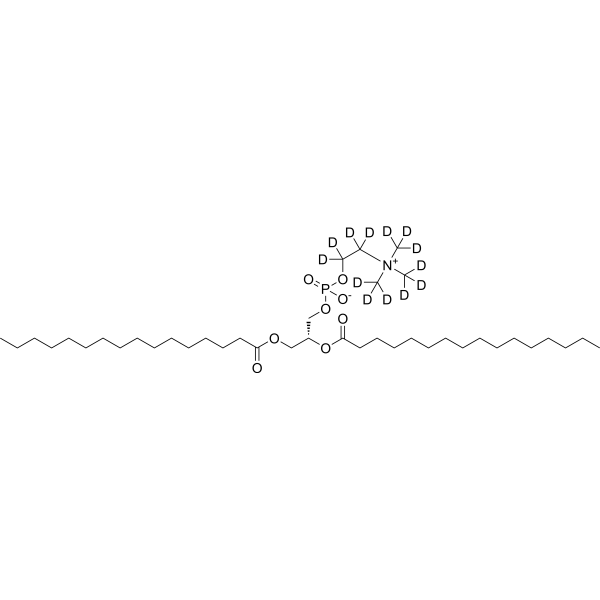
DPPC-d13 is deuterium labeled DPPC. DPPC (129Y83) is a zwitterionic phosphoglyceride that can be used for the preparation of liposomal monolayers. DPPC-liposome serves effectively as a delivery vehicle for inducing immune responses against GSL antigen in
|
-
-
- HY-109506S4
-
|
129Y83-d4
|
Isotope-Labeled Compounds
Endogenous Metabolite
|
Others
|
|
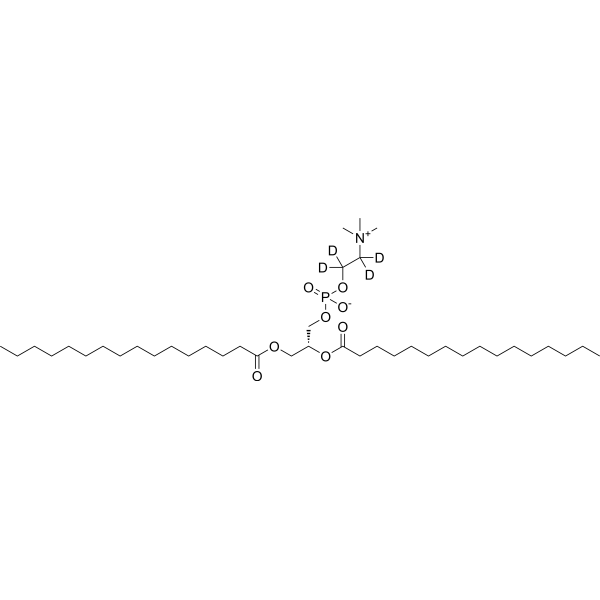
DPPC-d4 is deuterium labeled DPPC. DPPC (129Y83) is a zwitterionic phosphoglyceride that can be used for the preparation of liposomal monolayers. DPPC-liposome serves effectively as a delivery vehicle for inducing immune responses against GSL antigen in m
|
-
- HY-109506S1
-
|
129Y83-d9
|
Endogenous Metabolite
|
Others
|
|
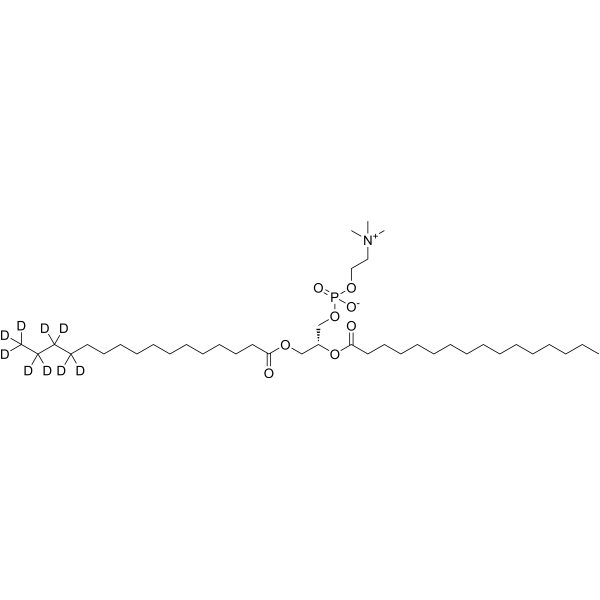
DPPC-d9 is the deuterium labeled DPPC. DPPC (129Y83) is a zwitterionic phosphoglyceride that can be used for the preparation of liposomal monolayers . DPPC-liposome serves effectively as a delivery vehicle for inducing immune responses against GSL antigen in mice .
|
-
- HY-W440893
-
|
|
Biochemical Assay Reagents
|
Others
|
|
DSPE-PEG5000-OH is a linear phospholipid PEG polymer. The lipid tails allow encapsulation of hdyrophobic therapeutics while the PEG chain maintains its hydrophilicity. The polymer can be used for drug nanocarrier, such as liposomal anti cancer drug or mRNA/DNA vaccine.
|
-

- HY-119975
-
|
DC118
|
Reactive Oxygen Species (ROS)
|
Cancer
|
|
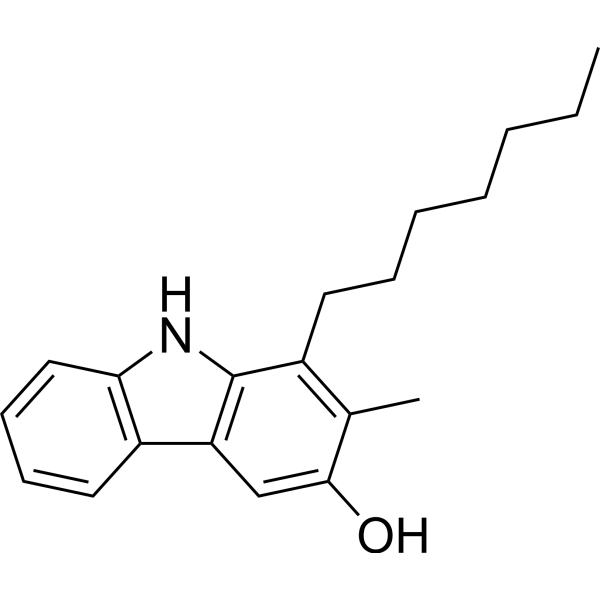
Carazostatin (DC118), an antioxidant, can be isolated from Streptomycs chromofuscus. Carazostatin (DC118) exhibits strong inhibitory activity against free radical-induced lipid peroxidation and shows stronger antioxidant activity in liposomal membranes than α-tocopherol (VE) .
|
-
- HY-W441003
-
|
|
Biochemical Assay Reagents
|
Others
|
|
DSPE-PEG2000-IA is a thiol reactive phospholipid polyPEG. The iodoacetyll group is reactive with thiol to produce a thioether linkage. The polymer can self-assemble in water to form lipid bilayer and can be used to encapsulate drugs in targeted delivery application, such as liposomal doxorubicin as an anti cancer drug or mRNA vaccine.
|
-

- HY-W440919
-
|
|
Liposome
|
Others
|
|
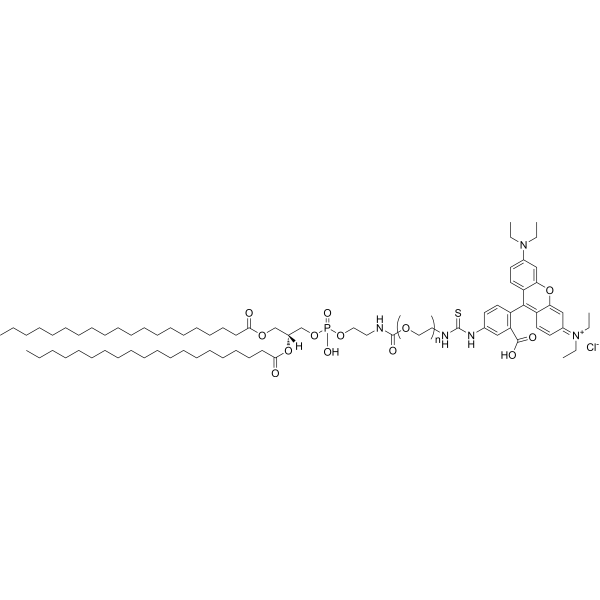
DSPE-PEG2000-Rhodamine is a dye functionalized phospholipid. The amphiphilic polymer can form lipid bilayer in water and be used to encapsulate therapeutic agents, such as liposomal anticancer drug or mRNA vaccine. Rhodamine has maximum absorption at 570 nm and emission around 595 nm and can be easily traced using an imaging technique.
|
-
- HY-151278
-
|
|
SARS-CoV
|
Infection
|
|
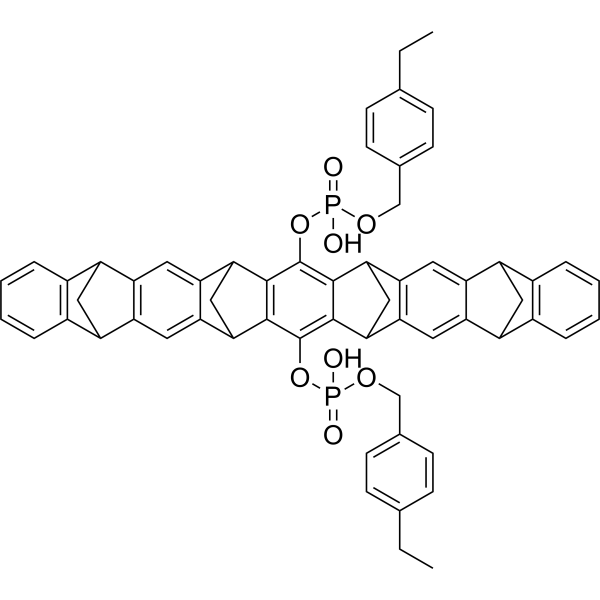
SARS-CoV-2-IN-30 is a two-armed diphosphate ester with benzene system and molecular tweezers. SARS-CoV-2-IN-30 exhibits antiviral activity with IC50s of 0.6 μM and 6.9 μM against SARS-CoV-2 activity and the spike pseudoparticle transduction, respectively. SARS-CoV-2-IN-30 induces liposomal membrane disruption with an EC50 value of 6.9 μM .
|
-
- HY-151269
-
|
|
SARS-CoV
|
Infection
|
|
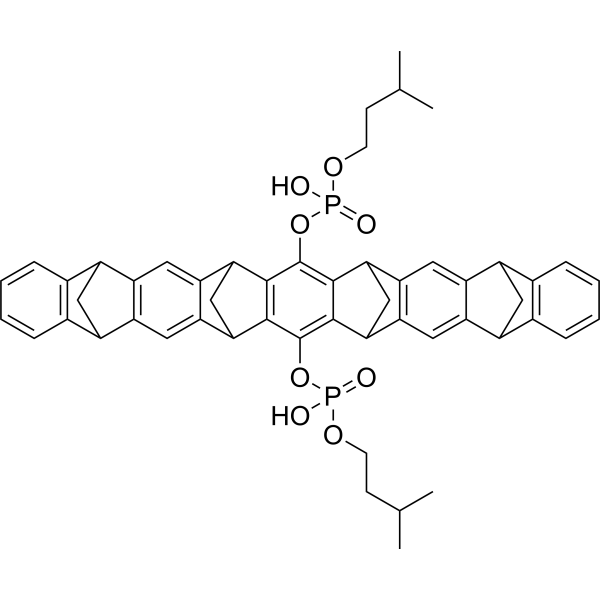
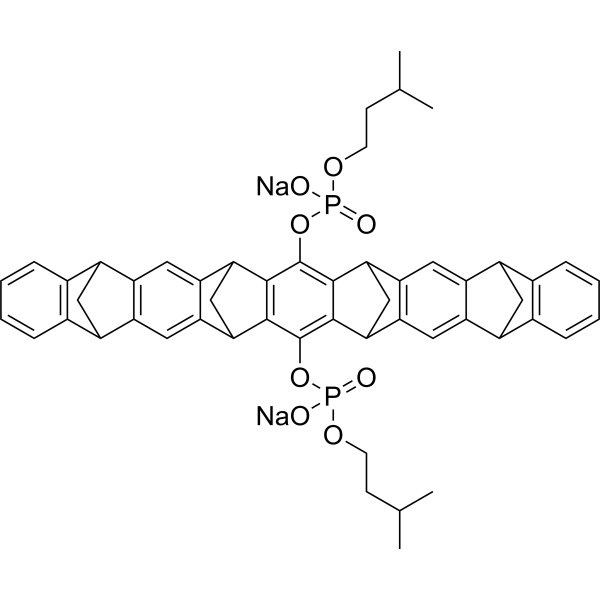
SARS-CoV-2-IN-23 is a two-armed diphosphate ester and medium length molecular tweezers. SARS-CoV-2-IN-23 exhibits antiviral activity with IC50s of 8.2 μM and 2.6 μM against SARS-CoV-2 activity and the spike pseudoparticle transduction, respectively. SARS-CoV-2-IN-23 induces liposomal membrane disruption with an EC50 value of 4.4 μM .
|
-
- HY-151276
-
|
|
SARS-CoV
|
Infection
|
|
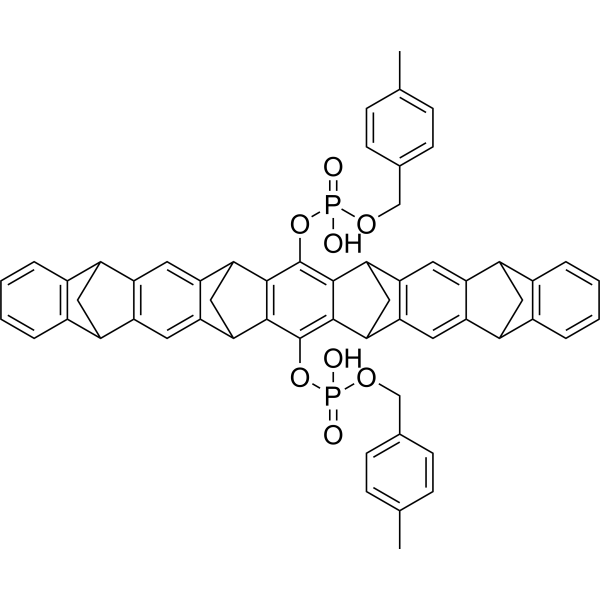
SARS-CoV-2-IN-29 is a two-armed diphosphate ester with benzene system and molecular tweezers. SARS-CoV-2-IN-29 exhibits antiviral activity with IC50s of 1.5 μM and 1.6 μM against SARS-CoV-2 activity and the spike pseudoparticle transduction, respectively. SARS-CoV-2-IN-29 induces liposomal membrane disruption with an EC50 value of 3.0 μM .
|
-
- HY-151269A
-
|
|
SARS-CoV
|
Infection
|
|
SARS-CoV-2-IN-23 disodium is a two-armed diphosphate ester and medium length molecular tweezers. SARS-CoV-2-IN-23 disodium exhibits antiviral activity with IC50s of 8.2 μM and 2.6 μM against SARS-CoV-2 activity and the spike pseudoparticle transduction, respectively. SARS-CoV-2-IN-23 disodium induces liposomal membrane disruption with an EC50 value of 4.4 μM .
|
-
- HY-151274
-
|
|
SARS-CoV
|
Infection
|
|
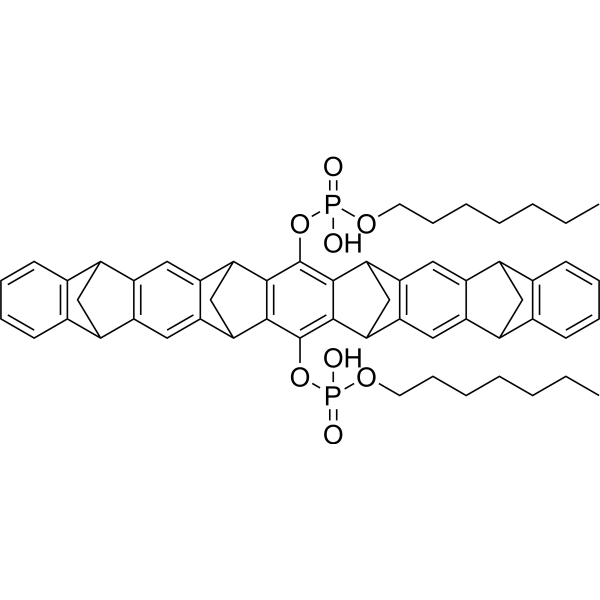
SARS-CoV-2-IN-28 is a two-armed diphosphate ester with C7 alkyl and molecular tweezers with extended length. SARS-CoV-2-IN-28 exhibits antiviral activity with IC50s of 0.4 μM and 1.0 μM against SARS-CoV-2 activity and the spike pseudoparticle transduction, respectively. SARS-CoV-2-IN-28 induces liposomal membrane disruption with an EC50 value of 4.4 μM .
|
-
- HY-151276A
-
|
|
SARS-CoV
|
Infection
|
|
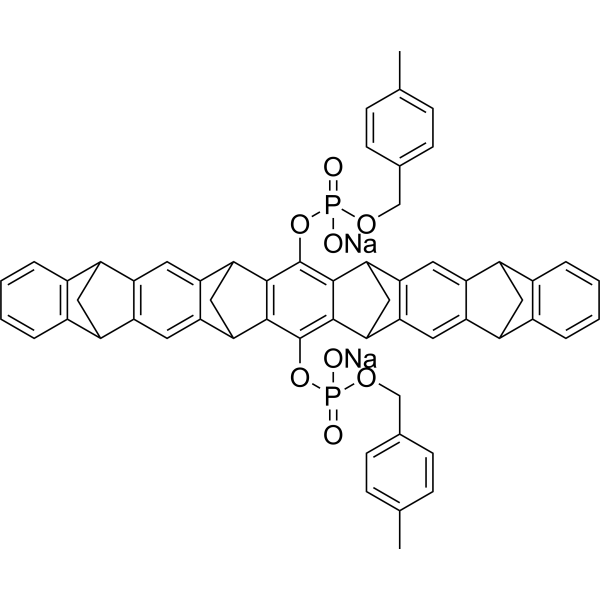
SARS-CoV-2-IN-29 disodium is a two-armed diphosphate ester with benzene system and molecular tweezers. SARS-CoV-2-IN-29 disodium exhibits antiviral activity with IC50s of 1.5 μM and 1.6 μM against SARS-CoV-2 activity and the spike pseudoparticle transduction, respectively. SARS-CoV-2-IN-29 disodium induces liposomal membrane disruption with an EC50 value of 3.0 μM .
|
-
- HY-151274A
-
|
|
SARS-CoV
|
Infection
|
|
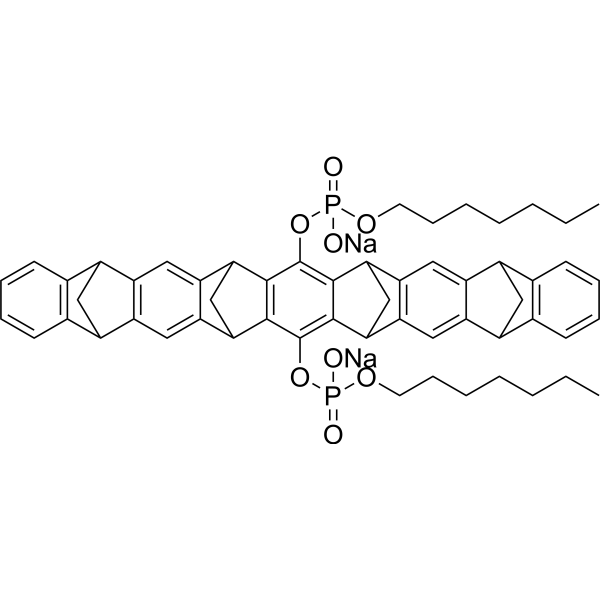
SARS-CoV-2-IN-28 disodium is a two-armed diphosphate ester with C7 alkyl and molecular tweezers with extended length. SARS-CoV-2-IN-28 disodium exhibits antiviral activity with IC50s of 0.4 μM and 1.0 μM against SARS-CoV-2 activity and the spike pseudoparticle transduction, respectively. SARS-CoV-2-IN-28 disodium induces liposomal membrane disruption with an EC50 value of 4.4 μM .
|
-
- HY-151271
-
|
|
SARS-CoV
|
Infection
|
|
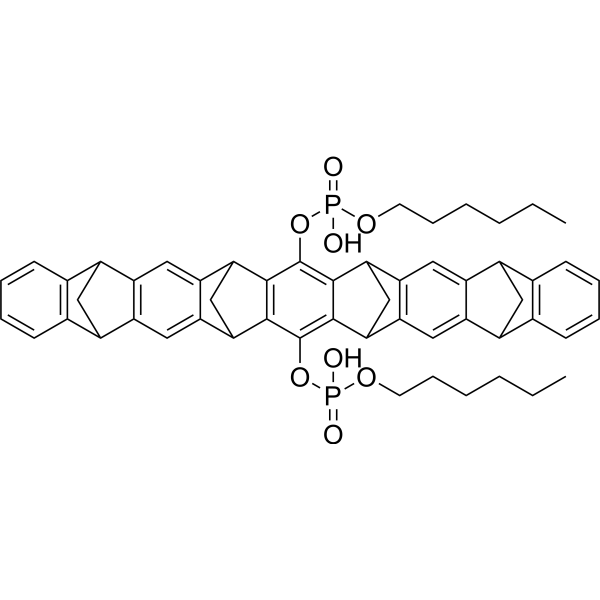
SARS-CoV-2-IN-27 is a two-armed diphosphate ester with C6 alkyl and molecular tweezers with extended length. SARS-CoV-2-IN-27 exhibits antiviral activity with IC50s of 1.0 μM and 1.7 μM against SARS-CoV-2 activity and the spike pseudoparticle transduction, respectively. SARS-CoV-2-IN-27 induces liposomal membrane disruption with an EC50 value of 6.5 μM .
|
-
- HY-151271A
-
|
|
SARS-CoV
|
Infection
|
|
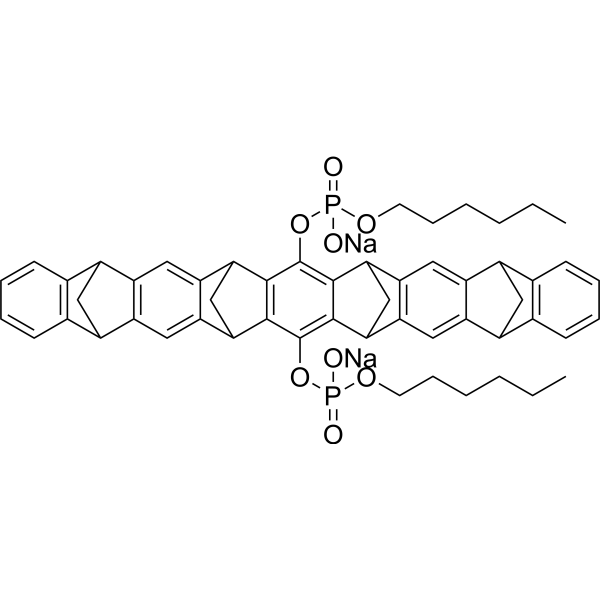
SARS-CoV-2-IN-27 disodium is a two-armed diphosphate ester with C6 alkyl and molecular tweezers with extended length. SARS-CoV-2-IN-27 disodium exhibits antiviral activity with IC50s of 1.0 μM and 1.7 μM against SARS-CoV-2 activity and the spike pseudoparticle transduction, respectively. SARS-CoV-2-IN-27 disodium induces liposomal membrane disruption with an EC50 value of 6.5 μM .
|
-
- HY-151278A
-
|
|
SARS-CoV
|
Infection
|
|
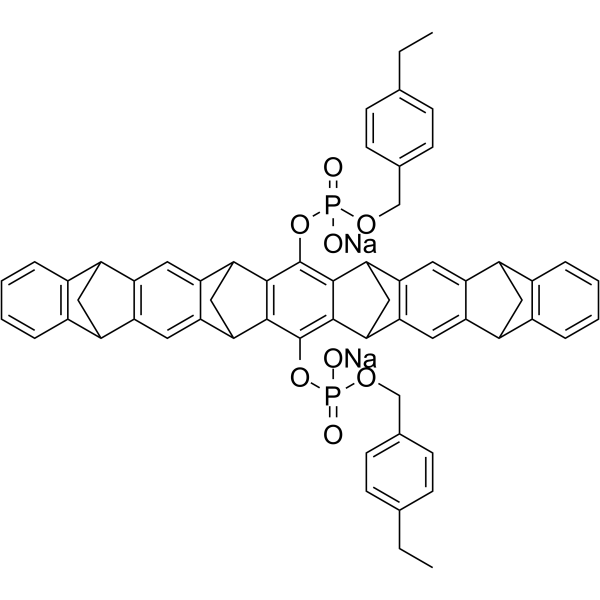
SARS-CoV-2-IN-30 disodium is a two-armed diphosphate ester with benzene system and molecular tweezers. SARS-CoV-2-IN-30 disodium exhibits antiviral activity with IC50s of 0.6 μM and 6.9 μM against SARS-CoV-2 activity and the spike pseudoparticle transduction, respectively. SARS-CoV-2-IN-30 disodium induces liposomal membrane disruption with an EC50 value of 6.9 μM .
|
-
- HY-P2483A
-
|
|
Proteasome
Bacterial
|
Infection
Neurological Disease
Cancer
|
|
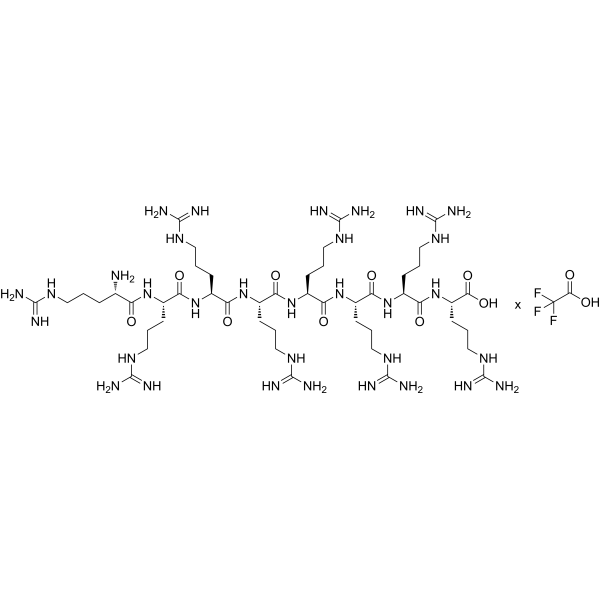
Octaarginine TFA is a cell-penetrating peptide and proteasome inhibitor. Octaarginine TFA exhibits mixed-type inhibition against 20S proteasome chymotrypsin-like, caspase-like, and trypsin-like activities, and inhibits 26S proteasome activity with decreased efficiency. Octaarginine TFA induces ubiquitin-conjugated protein accumulation, mediates HSPG-dependent cellular internalization via macropinocytosis, enhances liposomal cargo uptake and gene delivery. Octaarginine TFA can be used for the research of cervix carcinoma, collagen antibody-induced arthritis, and bacterial infections .
|
-
- HY-19873
-
|
|
Photosensitizer
|
Cancer
|
|
SL-052 is a hypocrellin-based photosensitizer that has recently shown promising results in clinical and preclinical testing for cancer photodynamic therapy (PDT). SL-052 is encapsulated in biodegradable polylactic-co-glycolic acid (PLGA) polymer nanoparticles optimized using single emulsion solvent evaporation technology. The SL-052-PLGA nanoparticles were more effective in PDT treatment of subcutaneous SCCVII squamous cell carcinoma compared to polyvinylpyrrolidone (PVP)-based and standard liposomal SL-052 formulations. A longer time interval between drug injection and tumor illumination can improve tumor cure rates, and SL-052-PLGA nanoparticles showed the best therapeutic effect among all SL-052 formulations.
|
-

- HY-177838
-
|
|
Liposome
|
Metabolic Disease
|
|
Liposomal Silymarin is a specialized delivery system that encapsulates silymarin within tiny liposomes. These liposomes act as protective shells, enhancing the absorption and bioavailability of silymarin. Silymarin is a natural flavonoid compound derived
|
-

- HY-185373
-
|
liposomal paclitaxel
|
Liposome
Estrogen Receptor/ERR
|
Cancer
|
|
Paclitaxel liposome (Liposomal paclitaxel) is an antitumor agent targeting Estrogen Receptor. Paclitaxel liposome binds to overexpressed Estrogen Receptor to mediate receptor-specific endocytosis, and enters cells via macropinocytosis, caveolae-dependent and clathrin-dependent endocytic pathways. Paclitaxel liposome suppresses cell viability and tumor growth, and reduces the distribution of Paclitaxel (HY-B0015) in normal tissues. Paclitaxel liposome can be used for research related to breast cancer and locally advanced esophageal squamous cell carcinoma .
|
-

- HY-185370
-
|
Pegylated liposomal doxorubicin; liposomal doxorubicin; Doxorubicin hydrochloride liposome
|
Liposome
Topoisomerase
Antibiotic
|
Cancer
|
|
Doxorubicin liposome is a liposome-encapsulated form of doxorubicin hydrochloride (HY-15142). Doxorubicin hydrochloride, a cytotoxic anthracycline antibiotic, is a potent human DNA topoisomerase I and topoisomerase II inhibitor. Compared to traditional doxorubicin, liposome encapsulation reduces its cardiotoxicity and prolongs its circulation time, thus enabling it to effectively target tumor tissue.
|
-

- HY-185388
-
|
liposomal bupivacaine
|
Liposome
iGluR
Calcium Channel
Potassium Channel
Sodium Channel
|
Cancer
|
|
Bupivacaine liposome is a liposome-encapsulated form of Bupivacaine (HY-B0405). Bupivacaine is an NMDA receptor inhibitor. During the action potential, Bupivacaine blocks sodium channels, thereby inhibiting the generation and conduction of nerve impulses induced by painful stimuli. Bupivacaine liposome reduces the release rate of Bupivacaine, thus achieving a long-lasting pain relief effect.
|
-

- HY-185372
-
|
liposomal mitoxantrone
|
Liposome
Topoisomerase
PKC
|
Cancer
|
|
Mitoxantrone hydrochloride liposome is a liposome-encapsulated Mitoxantrone hydrochloride (HY-13502A) (a topoisomerase II inhibitor). Compared to regular Mitoxantrone hydrochloride, Mitoxantrone hydrochloride liposome enhances antitumor activity and prolongs drug circulation time in the body.
|
-

- HY-185389
-
|
liposomal cisplatin
|
Liposome
DNA Alkylator/Crosslinker
|
Cancer
|
|
Cisplatin liposome is a liposome-encapsulated form of Cisplatin (HY-17394). Cisplatin (CDDP) is an anti-tumor chemotherapeutic agent that cross-links with DNA, causing DNA damage in cancer cells. Cisplatin liposome prolongs drug circulation time and slowly releases the drug, allowing it to accumulate in the tumor and exert its killing effect.
|
-

- HY-185390
-
|
liposomal verteporfin
|
Liposome
YAP
|
Cancer
|
|
Verteporfin liposome is a liposome-encapsulated form of Verteporfin (HY-B0146). Verteporfin is a photosensitizer used in photodynamic therapy to eliminate abnormal blood vessels in the eye associated with conditions such as age-related macular degeneration. Verteporfin liposome prolongs drug circulation time and provides slow release, allowing the drug to accumulate in newly formed blood vessels.
|
-

- HY-185398
-
|
Amikacin disulfate liposome; liposomal amikacin
|
Liposome
Antibiotic
Bacterial
|
Infection
|
|
Amikacin liposome is a liposome-encapsulated form of Amikacin disulfate (HY-B0509B), an aminoglycoside antibiotic with antibactericidal avtivity. Amikacin liposome prolongs the release of amikacin in the lungs and reduces systemic exposure, thereby lowering systemic toxicity.
|
-

- HY-185371
-
|
Irinotecan hydrochlorid liposomee; liposomal irinotecan
|
Liposome
Topoisomerase
|
Cancer
|
|
Irinotecan liposome is a liposome-encapsulated form of Irinotecan hydrochlorid (HY-16562A) (a topoisomerase I inhibitor). Compared with Irinotecan, Irinotecan liposome enhances antitumor activity, reduces drug release rate, and avoids neutropenia.
|
-

- HY-N16165
-
|
18:3 PC; Dilinolenoylphosphatidylcholine
|
Liposome
|
Others
|
|
1,2-Dilinolenoyl-sn-Glycero-3-Phosphatidylcholine (18:3 PC; Dilinolenoylphosphatidylcholine) is a phosphatidylcholine derivative and zwitterionic phospholipid. 1,2-Dilinolenoyl-sn-Glycero-3-Phosphatidylcholine serves as a component of oral liposomal compositions .
|
-

- HY-182988
-
|
|
Liposome
|
Cancer
|
|
L-Arg-DSPE is an arginine-functionalized DSPE lipid containing free guanidine groups. L-Arg-DSPE serves as a component of NO-responsive degradable drug-loaded liposomal nanomotors (L-Arg@Lip-DOX), promoting drug deep tumor tissue penetration and cellular internalization. L-Arg-DSPE can be used for the research of drug delivery .
|
-

- HY-185063
-
|
|
Drug Derivative
|
Inflammation/Immunology
Cancer
|
|
Budesonide 21-palmitate is a lipophilic ester prodrug of Budesonide (HY-13580), can be formulated into liposomal formulations. Budesonide 21-palmitate exhibts anti-inflammatory and anti-allergic activities. Budesonide 21-palmitate can achieve selective passive targeted delivery of drugs to tumor tissues (such as lung tumors). Budesonide 21-palmitate can be used for drug delivery in inflammatory and allergic research .
|
-

- HY-P10739C
-
|
|
Collagen
Apoptosis
|
Inflammation/Immunology
|
|
WYRGRLC is a type II collagen-targeting peptide. WYRGRLC specifically binds to type II collagen α1 in articular cartilage in a sequence-dependent manner. WYRGRLC inhibits the binding of WYRGRL-displaying phage (C1-3) to articular cartilage in a sequence-specific manner. WYRGRLC can act as a retention enhancer to improve the cartilage-targeting ability of polymeric nanoparticles and liposomal nanoplatforms, facilitating the delivery of Rapamycin (HY-10219) to chondrocytes. WYRGRLC can be used in studies related to osteoarthritis .
|
-

- HY-D3198
-
|
|
Fluorescent Dye
Endogenous Metabolite
|
Cancer
|
|
NIR-fluorescent ceramide is a neutral near-infrared (NIF) fluorescent probe (λem=650 nm) based on the C-bridged nitrobenzoxadiazole SCOTfluor core, which enables visualization of lipid metabolic processes such as sphingolipid trafficking. The emission signal of NIR-fluorescent ceramide increases significantly in liposomal environments. NIR-fluorescent ceramide acts as an intracellular trafficking tracer, localizing to regions surrounding the endoplasmic reticulum and Golgi apparatus within a short period, and then translocating to recycling lysosomes over a longer period, thus enabling real-time visualization of sphingolipid trafficking and biological lipid functions in living cells. NIR-fluorescent ceramide also generates metabolic uptake profiles and provides multiple metabolic readouts in human cancer cell lines .
|
-

| Cat. No. |
Product Name |
Type |
-
- HY-D3198
-
|
|
Fluorescent Dyes
|
|
NIR-fluorescent ceramide is a neutral near-infrared (NIF) fluorescent probe (λem=650 nm) based on the C-bridged nitrobenzoxadiazole SCOTfluor core, which enables visualization of lipid metabolic processes such as sphingolipid trafficking. The emission signal of NIR-fluorescent ceramide increases significantly in liposomal environments. NIR-fluorescent ceramide acts as an intracellular trafficking tracer, localizing to regions surrounding the endoplasmic reticulum and Golgi apparatus within a short period, and then translocating to recycling lysosomes over a longer period, thus enabling real-time visualization of sphingolipid trafficking and biological lipid functions in living cells. NIR-fluorescent ceramide also generates metabolic uptake profiles and provides multiple metabolic readouts in human cancer cell lines .
|
| Cat. No. |
Product Name |
Type |
-
- HY-125924
-
|
DSPE-PEG-NH2, MW 2000 ammonium; DSPE-PEG(2000) Amine ammonium
|
Biochemical Assay Reagents
|
|
DSPE-PEG-Amine, MW 2000 (ammonium), an amine derivative of phospholipid poly ethylene glycol, is used in the synthesis of solid lipid and thermosensitive liposomal nanoparticles for the delivery of anticancer agents .
|
-
- HY-W440888
-
|
DSPE-PEG2000(2000) Folate
|
Biochemical Assay Reagents
|
|
DSPE-PEG2000-Folate (DSPE-PEG2000 Folate) is a folate-containing PEG derivative. DSPE-PEG2000-Folate possesses targeting activity and binds to folate receptors in cancer cells. DSPE-PEG2000-Folate can be post-inserted into preformed liposomal bilayers to prepare folate-targeted liposomal formulations. DSPE-PEG2000-Folate forms micelles/lipid bilayers and can be used in studies of targeted drug delivery systems [2].
|
-
- HY-W440911
-
|
|
Biochemical Assay Reagents
|
|
DSPE-PEG2000-Cy5 is a Cy5 (HY-D0821) fluorophore-labeled conjugate of distearoylphosphatidylethanolamine and polyethylene glycol, as well as a liposome component. The Cy5 fluorophore is commonly used for labeling proteins and nucleic acids in imaging, flow cytometry and genomic applications. DSPE-PEG2000-Cy5 supports cell membrane modification, in vivo tumor targeting research and long-term in vivo circulation of its liposomal formulations (Ex/Em=633/670 nm) .
|
-
- HY-172279A
-
|
|
Biochemical Assay Reagents
|
|
DSPE-PEG2000-TAT is a cell-penetrating peptide-modified PEGylated phospholipid conjugate and cellular uptake enhancer. DSPE-PEG2000-TAT forms via conjugation of Cys-TAT to DSPE-PEG2000-Mal. DSPE-PEG2000-TAT enhances liposomal cellular uptake and siRNA transfection efficiency in glomerular mesangial and macrophage cells. DSPE-PEG2000-TAT can be used for drug delivery .
|
-
- HY-W440988
-
|
|
Biochemical Assay Reagents
|
|
DOPE-mPEG2000 is a phospholipid polydisperse PEG (or DOPE liposome), can be used for preparation of targeted delivery of liposomal drug and giant unilamellar vesicles (GUVs). DOPE-mPEG2000 significantly reduces the pH-sensitivity of the liposome in a concentration dependent manner .
|
-
- HY-W440899
-
|
|
Biochemical Assay Reagents
|
|
DSPE-PEG1000-SPDP is a thiol reactive PEG lipid. The polymer is amphiphilic and spontaneously forms lipid bilayer in water. It can be used to encapsulate nutrients or therapeutics for targeted drug delivery, for example mRNA or DNA vaccine, liposomal doxorubicin for anti tumor.
|
-
- HY-170455
-
|
|
Biochemical Assay Reagents
|
|
18:1 PE (DOPE) pSar25 is a derivative of polyethylene glycol that can be used for liposomal and lipid nanoparticle delivery systems.
|
-
- HY-167016
-
|
|
Biochemical Assay Reagents
|
|
Cholesterol-undecanoate-glucose conjugate is a cholesterol conjugate used in the synthesis of intranasal liposomal vaccines. Cholesterol-undecanoate-glucose conjugate can be used in drug delivery studies .
|
-
- HY-W440893
-
|
|
Biochemical Assay Reagents
|
|
DSPE-PEG5000-OH is a linear phospholipid PEG polymer. The lipid tails allow encapsulation of hdyrophobic therapeutics while the PEG chain maintains its hydrophilicity. The polymer can be used for drug nanocarrier, such as liposomal anti cancer drug or mRNA/DNA vaccine.
|
-
- HY-W441003
-
|
|
Biochemical Assay Reagents
|
|
DSPE-PEG2000-IA is a thiol reactive phospholipid polyPEG. The iodoacetyll group is reactive with thiol to produce a thioether linkage. The polymer can self-assemble in water to form lipid bilayer and can be used to encapsulate drugs in targeted delivery application, such as liposomal doxorubicin as an anti cancer drug or mRNA vaccine.
|
-
- HY-W440919
-
|
|
Biochemical Assay Reagents
|
|
DSPE-PEG2000-Rhodamine is a dye functionalized phospholipid. The amphiphilic polymer can form lipid bilayer in water and be used to encapsulate therapeutic agents, such as liposomal anticancer drug or mRNA vaccine. Rhodamine has maximum absorption at 570 nm and emission around 595 nm and can be easily traced using an imaging technique.
|
| Cat. No. |
Product Name |
Target |
Research Area |
-
- HY-P2213
-
|
|
MMP
Apoptosis
|
Cancer
|
|
GPLGIAGQ, a MMP2-cleavable polypeptide, is used as a stimulus-sensitive linker in both liposomal and micellar nanocarriers for MMP2-triggered tumor targeting. GPLGIAGQ can be used to synthesis unique MMP2-targeted photosensitizer in photodynamic therapy (PDT) .
|
-
- HY-P2530
-
|
|
Peptides
|
Others
|
|
KALA is an amphiphilic peptide that forms an α-helical structure at physiological pH. KALA modifies a plasmid DNA-encapsulating liposomal membrane and is used as a fusogenic peptide in order to achieve effective liver targeting and transfection of DNA via galactose receptors .
|
-
- HY-P2483B
-
|
|
Bacterial
Proteasome
|
Infection
Inflammation/Immunology
Cancer
|
|
Octaarginine acetate is a cell-penetrating peptide and proteasome inhibitor. Octaarginine acetate exhibits mixed-type inhibition against 20S proteasome chymotrypsin-like, caspase-like, and trypsin-like activities, and inhibits 26S proteasome activity with decreased efficiency. Octaarginine acetate induces ubiquitin-conjugated protein accumulation, mediates HSPG-dependent cellular internalization via macropinocytosis, enhances liposomal cargo uptake and gene delivery. Octaarginine acetate can be used for the research of cervix carcinoma, collagen antibody-induced arthritis, and bacterial infections .
|
-
- HY-P2483
-
|
|
Proteasome
Bacterial
|
Infection
Inflammation/Immunology
Cancer
|
|
Octaarginine is a cell-penetrating peptide and proteasome inhibitor. Octaarginine exhibits mixed-type inhibition against 20S proteasome chymotrypsin-like, caspase-like, and trypsin-like activities, and inhibits 26S proteasome activity with decreased efficiency. Octaarginine induces ubiquitin-conjugated protein accumulation, mediates HSPG-dependent cellular internalization via macropinocytosis, enhances liposomal cargo uptake and gene delivery. Octaarginine can be used for the research of cervix carcinoma, collagen antibody-induced arthritis, and bacterial infections .
|
-
- HY-P10641
-
|
|
Exosomes
STAT
ERK
Akt
|
Cardiovascular Disease
|
|
Heart-homing peptide is a heart-targeting peptide with the sequence CRPPR that mediates cardiac endothelial targeting and accumulates in cardiac tissues. Heart-homing peptide mediates the translocation of liposomal and exosomal cargos across cardiac endothelium into interstitial tissues, enhances the accumulation of exosomes in the heart, and inhibits the GP130-STAT3/ERK1/2/AKT pathway. Heart-homing peptide accumulates at sites of ischemia/reperfusion, myocardial infarction and hypertrophy in mice. Heart-homing peptide can be used for the research of cardiovascular diseases .
|
-
- HY-P2213A
-
|
|
MMP
Apoptosis
|
Cancer
|
|
GPLGIAGQ TFA, a MMP2-cleavable polypeptide, is used as a stimulus-sensitive linker in both liposomal and micellar nanocarriers for MMP2-triggered tumor targeting. GPLGIAGQ TFA can be used to synthesis unique MMP2-targeted photosensitizer in photodynamic therapy (PDT) .
|
-
- HY-P2483A
-
|
|
Proteasome
Bacterial
|
Infection
Neurological Disease
Cancer
|
|
Octaarginine TFA is a cell-penetrating peptide and proteasome inhibitor. Octaarginine TFA exhibits mixed-type inhibition against 20S proteasome chymotrypsin-like, caspase-like, and trypsin-like activities, and inhibits 26S proteasome activity with decreased efficiency. Octaarginine TFA induces ubiquitin-conjugated protein accumulation, mediates HSPG-dependent cellular internalization via macropinocytosis, enhances liposomal cargo uptake and gene delivery. Octaarginine TFA can be used for the research of cervix carcinoma, collagen antibody-induced arthritis, and bacterial infections .
|
-
- HY-P10739C
-
|
|
Collagen
Apoptosis
|
Inflammation/Immunology
|
|
WYRGRLC is a type II collagen-targeting peptide. WYRGRLC specifically binds to type II collagen α1 in articular cartilage in a sequence-dependent manner. WYRGRLC inhibits the binding of WYRGRL-displaying phage (C1-3) to articular cartilage in a sequence-specific manner. WYRGRLC can act as a retention enhancer to improve the cartilage-targeting ability of polymeric nanoparticles and liposomal nanoplatforms, facilitating the delivery of Rapamycin (HY-10219) to chondrocytes. WYRGRLC can be used in studies related to osteoarthritis .
|
| Cat. No. |
Product Name |
Category |
Target |
Chemical Structure |
| Cat. No. |
Product Name |
Chemical Structure |
-
- HY-109506S
-
|
|
|
DPPC-d62 is the deuterium labeled DPPC. DPPC (129Y83) is a zwitterionic phosphoglyceride that can be used for the preparation of liposomal monolayers . DPPC-liposome serves effectively as a delivery vehicle for inducing immune responses against GSL antigen in mice .
|
-
-
- HY-109506S7
-
|
|
|
DPPC-d71 is deuterium labeled DPPC. DPPC (129Y83) is a zwitterionic phosphoglyceride that can be used for the preparation of liposomal monolayers. DPPC-liposome serves effectively as a delivery vehicle for inducing immune responses against GSL antigen in
|
-
-
- HY-109506S3
-
|
|
|
DPPC-d9-1 is the deuterium labeled DPPC. DPPC (129Y83) is a zwitterionic phosphoglyceride that can be used for the preparation of liposomal monolayers . DPPC-liposome serves effectively as a delivery vehicle for inducing immune responses against GSL antigen in mice .
|
-
-
- HY-109506S6
-
|
|
|
DPPC-d66 is deuterium labeled DPPC. DPPC (129Y83) is a zwitterionic phosphoglyceride that can be used for the preparation of liposomal monolayers. DPPC-liposome serves effectively as a delivery vehicle for inducing immune responses against GSL antigen in
|
-
-
- HY-109506S8
-
|
|
|
DPPC-d75 is deuterium labeled DPPC. DPPC (129Y83) is a zwitterionic phosphoglyceride that can be used for the preparation of liposomal monolayers. DPPC-liposome serves effectively as a delivery vehicle for inducing immune responses against GSL antigen in
|
-
-
- HY-109506S5
-
|
|
|
DPPC-d13 is deuterium labeled DPPC. DPPC (129Y83) is a zwitterionic phosphoglyceride that can be used for the preparation of liposomal monolayers. DPPC-liposome serves effectively as a delivery vehicle for inducing immune responses against GSL antigen in
|
-
-
- HY-109506S4
-
|
|
|
DPPC-d4 is deuterium labeled DPPC. DPPC (129Y83) is a zwitterionic phosphoglyceride that can be used for the preparation of liposomal monolayers. DPPC-liposome serves effectively as a delivery vehicle for inducing immune responses against GSL antigen in m
|
-
-
- HY-109506S1
-
|
|
|
DPPC-d9 is the deuterium labeled DPPC. DPPC (129Y83) is a zwitterionic phosphoglyceride that can be used for the preparation of liposomal monolayers . DPPC-liposome serves effectively as a delivery vehicle for inducing immune responses against GSL antigen in mice .
|
-
| Cat. No. |
Product Name |
|
Classification |
-
- HY-125924
-
|
DSPE-PEG-NH2, MW 2000 ammonium; DSPE-PEG(2000) Amine ammonium
|
|
Pegylated Lipids
|
|
DSPE-PEG-Amine, MW 2000 (ammonium), an amine derivative of phospholipid poly ethylene glycol, is used in the synthesis of solid lipid and thermosensitive liposomal nanoparticles for the delivery of anticancer agents .
|
-
- HY-W440888
-
|
DSPE-PEG2000(2000) Folate
|
|
Pegylated Lipids
|
|
DSPE-PEG2000-Folate (DSPE-PEG2000 Folate) is a folate-containing PEG derivative. DSPE-PEG2000-Folate possesses targeting activity and binds to folate receptors in cancer cells. DSPE-PEG2000-Folate can be post-inserted into preformed liposomal bilayers to prepare folate-targeted liposomal formulations. DSPE-PEG2000-Folate forms micelles/lipid bilayers and can be used in studies of targeted drug delivery systems [2].
|
-
- HY-W440911
-
|
|
|
Pegylated Lipids
Fluorescent Lipids
|
|
DSPE-PEG2000-Cy5 is a Cy5 (HY-D0821) fluorophore-labeled conjugate of distearoylphosphatidylethanolamine and polyethylene glycol, as well as a liposome component. The Cy5 fluorophore is commonly used for labeling proteins and nucleic acids in imaging, flow cytometry and genomic applications. DSPE-PEG2000-Cy5 supports cell membrane modification, in vivo tumor targeting research and long-term in vivo circulation of its liposomal formulations (Ex/Em=633/670 nm) .
|
-
- HY-172279A
-
|
|
|
Pegylated Lipids
|
|
DSPE-PEG2000-TAT is a cell-penetrating peptide-modified PEGylated phospholipid conjugate and cellular uptake enhancer. DSPE-PEG2000-TAT forms via conjugation of Cys-TAT to DSPE-PEG2000-Mal. DSPE-PEG2000-TAT enhances liposomal cellular uptake and siRNA transfection efficiency in glomerular mesangial and macrophage cells. DSPE-PEG2000-TAT can be used for drug delivery .
|
-
- HY-W440988
-
|
|
|
Pegylated Lipids
|
|
DOPE-mPEG2000 is a phospholipid polydisperse PEG (or DOPE liposome), can be used for preparation of targeted delivery of liposomal drug and giant unilamellar vesicles (GUVs). DOPE-mPEG2000 significantly reduces the pH-sensitivity of the liposome in a concentration dependent manner .
|
-
- HY-177839
-
|
|
|
Liposome
|
|
Liposomal Coenzyme Q10 is a specialized delivery system that encapsulates coenzyme Q10 within tiny liposomes. These liposomes act as protective shells, enhancing the absorption and bioavailability of coenzyme Q10. Coenzyme Q10 (CoQ10), also called ubiquin
|
-
- HY-160952
-
|
CPX 351; Cytarabine-daunorubicin
|
|
Liposome
|
|
Cytarabine-daunorubicin (CPX 351) is a Liposomal formulation prepared from Cytarabine (HY-13605) and Daunorubicin (HY-13062A) at a fixed synergistic molar ratio of 5:1. Cytarabine-daunorubicin improves secondary acute myeloid leukemia. Cytarabine-daunorubicin can be used in research related to secondary acute myeloid leukemia, high-risk myelodysplastic syndrome, and chronic myelomonocytic leukemia .
|
-
- HY-177846
-
|
|
|
Liposome
|
|
Liposomal Melatonin is a specialized delivery system that encapsulates melatonin within tiny liposomes. These liposomes act as protective shells, enhancing the absorption and bioavailability of melatonin. Melatonin is an antioxidant, anti-inflammatory, fr
|
-
- HY-177843
-
|
|
|
Liposome
|
|
Liposomal NMN is a specialized delivery system that encapsulates NMN within tiny liposomes. These liposomes act as protective shells, enhancing the absorption and bioavailability of NMN. NMN (β-Nicotinamide Mononucleotide) is a naturally occurring key met
|
-
- HY-177829
-
|
|
|
Liposome
|
|
Liposomal Vitamin C is a specialized delivery system that encapsulates vitamin C within tiny liposomes. These liposomes act as protective shells, enhancing the absorption and bioavailability of vitamin C. Vitamin C (L-ascorbic acid) is a water-soluble vit
|
-
- HY-177845
-
|
|
|
Liposome
|
|
Liposomal Resveratrol is a specialized delivery system that encapsulates resveratrol within tiny liposomes. These liposomes act as protective shells, enhancing the absorption and bioavailability of resveratrol. Resveratrol is a polyphenol found in plants,
|
-
- HY-177837
-
|
|
|
Liposome
|
|
Liposomal Magnesium is a specialized delivery system that encapsulates inorganic magnesium within tiny liposomes. These liposomes act as protective shells, enhancing the absorption and bioavailability of magnesium. Magnesium is an essential mineral and a
|
-
- HY-177836
-
|
|
|
Liposome
|
|
Liposomal Calcium is a specialized delivery system that encapsulates inorganic calcium within tiny liposomes. These liposomes act as protective shells, enhancing the absorption and bioavailability of calcium. Calcium is an essential mineral that plays a c
|
-
- HY-177834
-
|
|
|
Liposome
|
|
Liposomal Zinc is a specialized delivery system that encapsulates zinc compound within tiny liposomes. These liposomes act as protective shells, enhancing the absorption and bioavailability of zinc. Zinc is an important trace element and plays a key role
|
-
- HY-177835
-
|
|
|
Liposome
|
|
Liposomal Iron is a specialized delivery system that encapsulates inorganic iron within tiny liposomes. These liposomes act as protective shells, enhancing the absorption and bioavailability of iron. Iron is an essential trace element in the human body th
|
-
- HY-177842
-
|
|
|
Liposome
|
|
Liposomal NAD+ is a specialized delivery system that encapsulates NAD+ within tiny liposomes. These liposomes act as protective shells, enhancing the absorption and bioavailability of NAD+. NAD+ (β-Nicotinamide adenine dinucleotide), also known as Coenzym
|
-
- HY-177849
-
|
Amphotericin B liposome
|
|
Liposome
|
|
Liposomal Amphotericin B is a liposome-encapsulated form of Amphotericin B (HY-B0221). Amphotericin B is a polyene antifungal agent against a wide variety of fungal pathogens. Amphotericin B binds irreversibly to ergosterol, resulting in disruption of membrane integrity and ultimately cell death. Liposomal Amphotericin B can significantly reduce the toxicity of Amphotericin B.
|
-
- HY-177827
-
|
|
|
Liposome
|
|
Liposomal Vitamin B3 is a specialized delivery system that encapsulates vitamin B3 within tiny liposomes. These liposomes act as protective shells, enhancing the absorption and bioavailability of vitamin B3. Vitamin B3 (Nicotinamide) is one of the water-s
|
-
- HY-177826
-
|
|
|
Liposome
|
|
Liposomal Vitamin B2 is a specialized delivery system that encapsulates vitamin B2 within tiny liposomes. These liposomes act as protective shells, enhancing the absorption and bioavailability of vitamin B2. Vitamin B2 (Riboflavin) is a water-soluble vita
|
-
- HY-W440899
-
|
|
|
Pegylated Lipids
|
|
DSPE-PEG1000-SPDP is a thiol reactive PEG lipid. The polymer is amphiphilic and spontaneously forms lipid bilayer in water. It can be used to encapsulate nutrients or therapeutics for targeted drug delivery, for example mRNA or DNA vaccine, liposomal doxorubicin for anti tumor.
|
-
- HY-177844
-
|
|
|
Liposome
|
|
Liposomal Palmitoylethanolamide is a specialized delivery system that encapsulates palmitoylethanolamide within tiny liposomes. These liposomes act as protective shells, enhancing the absorption and bioavailability of palmitoylethanolamide. Palmitoylethan
|
-
- HY-177847
-
|
|
|
Liposome
|
|
Liposomal Quercetin is a specialized delivery system that encapsulates quercetin within tiny liposomes. These liposomes act as protective shells, enhancing the absorption and bioavailability of quercetin. Quercetin is a natural flavonoid with nutritional
|
-
- HY-177841
-
|
|
|
Liposome
|
|
Liposomal Glutathione is a specialized delivery system that encapsulates glutathione within tiny liposomes. These liposomes act as protective shells, enhancing the absorption and bioavailability of glutathione. Glutathione is a key antioxidant composed of
|
-
- HY-177840
-
|
|
|
Liposome
|
|
Liposomal Curcumin is a specialized delivery system that encapsulates curcumin within tiny liposomes. These liposomes act as protective shells, enhancing the absorption and bioavailability of curcumin. Curcumin is a polyphenol compound extracted from the
|
-
- HY-177832
-
|
|
|
Liposome
|
|
Liposomal Retinyl palmitate is a specialized delivery system that encapsulates retinyl palmitate within tiny liposomes. These liposomes act as protective shells, enhancing the absorption and bioavailability of retinyl palmitate. Retinyl palmitate is a vit
|
-
- HY-177848
-
|
|
|
Liposome
|
|
Liposomal L-Carnitine is a specialized delivery system that encapsulates L-carnitine compound within tiny liposomes. These liposomes act as protective shells, enhancing the absorption and bioavailability of zinc. L-carnitine is an amino acid produced by t
|
-
- HY-177833
-
|
|
|
Liposome
|
|
Liposomal α-Tocopherol acetate is a specialized delivery system that encapsulates α-tocopherol acetate within tiny liposomes. These liposomes act as protective shells, enhancing the absorption and bioavailability of α-tocopherol acetate. α-tocopherol acet
|
-
- HY-177825
-
|
|
|
Liposome
|
|
Liposomal Vitamin B12 is a specialized delivery system that encapsulates vitamin B12 within tiny liposomes. These liposomes act as protective shells, enhancing the absorption and bioavailability of vitamin B12. Vitamin B12 (cyanocobalamin) is a water-solu
|
-
- HY-177828
-
|
|
|
Liposome
|
|
Liposomal Vitamin B6 is a specialized delivery system that encapsulates vitamin B6 within tiny liposomes. These liposomes act as protective shells, enhancing the absorption and bioavailability of vitamin B6. Vitamin B6 (Thiamin) is a cofactor required for
|
-
- HY-177830
-
|
|
|
Liposome
|
|
Liposomal Vitamin D3 is a specialized delivery system that encapsulates vitamin D3 within tiny liposomes. These liposomes act as protective shells, enhancing the absorption and bioavailability of vitamin D3. Vitamin D3 (cholecaciferol) is a fat-soluble vi
|
-
- HY-177824
-
|
|
|
Liposome
|
|
Liposomal Vitamin B1 is a specialized delivery system that encapsulates vitamin B1 within tiny liposomes. These liposomes act as protective shells, enhancing the absorption and bioavailability of vitamin B1. Vitamin B1 (Thiamin) is a water-soluble vitamin
|
-
- HY-177831
-
|
|
|
Liposome
|
|
Liposomal Vitamin K2 is a specialized delivery system that encapsulates vitamin K2 within tiny liposomes. These liposomes act as protective shells, enhancing the absorption and bioavailability of vitamin K2. Vitamin K2 (menaquinone-7) is?a fat-soluble nut
|
-
- HY-159744
-
|
|
|
Adjuvant
|
|
Liposomal adjuvant (M103) is mainly composed of phospholipids and prepared with highly purified immunostimulatory substances (polysaccharides), with a pH value of 6.2-6.8. This adjuvant is safe, non-toxic, and metabolizable. It can induce cellular and humoral immunity, has a sustained-release effect, and can prolong the residence time of antigens in the body. This adjuvant is suitable for various veterinary vaccines, including inactivated vaccines and genetically engineered subunit vaccines. It is recommended for use in rabies, porcine circovirus, , foot-and-mouth disease (FMD), and blue ear disease, etc.
|
-
- HY-167016
-
|
|
|
Cholesterol
|
|
Cholesterol-undecanoate-glucose conjugate is a cholesterol conjugate used in the synthesis of intranasal liposomal vaccines. Cholesterol-undecanoate-glucose conjugate can be used in drug delivery studies .
|
-
- HY-W440919
-
|
|
|
Pegylated Lipids
Fluorescent Lipids
|
|
DSPE-PEG2000-Rhodamine is a dye functionalized phospholipid. The amphiphilic polymer can form lipid bilayer in water and be used to encapsulate therapeutic agents, such as liposomal anticancer drug or mRNA vaccine. Rhodamine has maximum absorption at 570 nm and emission around 595 nm and can be easily traced using an imaging technique.
|
-
- HY-177838
-
|
|
|
Liposome
|
|
Liposomal Silymarin is a specialized delivery system that encapsulates silymarin within tiny liposomes. These liposomes act as protective shells, enhancing the absorption and bioavailability of silymarin. Silymarin is a natural flavonoid compound derived
|
-
- HY-159745
-
|
|
|
Adjuvant
|
|
Liposomal adjuvant (M107) is mainly composed of phospholipids and prepared with highly purified immunostimulatory substances, with a pH value of 5-7. This adjuvant is safe, non-toxic, and metabolizable. It can induce strong Th1-mediated cellular immunity. This adjuvant is suitable for various pet vaccines, such as feline panleukopenia, rhinotracheitis, calicivirus (FRC), canine distemper, adenovirus, parvovirus, parainfluenza (DAPP), and others.
|
-
- HY-185373
-
|
liposomal paclitaxel
|
|
Liposome
|
|
Paclitaxel liposome (Liposomal paclitaxel) is an antitumor agent targeting Estrogen Receptor. Paclitaxel liposome binds to overexpressed Estrogen Receptor to mediate receptor-specific endocytosis, and enters cells via macropinocytosis, caveolae-dependent and clathrin-dependent endocytic pathways. Paclitaxel liposome suppresses cell viability and tumor growth, and reduces the distribution of Paclitaxel (HY-B0015) in normal tissues. Paclitaxel liposome can be used for research related to breast cancer and locally advanced esophageal squamous cell carcinoma .
|
-
- HY-185370
-
|
Pegylated liposomal doxorubicin; liposomal doxorubicin; Doxorubicin hydrochloride liposome
|
|
Liposome
|
|
Doxorubicin liposome is a liposome-encapsulated form of doxorubicin hydrochloride (HY-15142). Doxorubicin hydrochloride, a cytotoxic anthracycline antibiotic, is a potent human DNA topoisomerase I and topoisomerase II inhibitor. Compared to traditional doxorubicin, liposome encapsulation reduces its cardiotoxicity and prolongs its circulation time, thus enabling it to effectively target tumor tissue.
|
-
- HY-185388
-
|
liposomal bupivacaine
|
|
Liposome
|
|
Bupivacaine liposome is a liposome-encapsulated form of Bupivacaine (HY-B0405). Bupivacaine is an NMDA receptor inhibitor. During the action potential, Bupivacaine blocks sodium channels, thereby inhibiting the generation and conduction of nerve impulses induced by painful stimuli. Bupivacaine liposome reduces the release rate of Bupivacaine, thus achieving a long-lasting pain relief effect.
|
-
- HY-185372
-
|
liposomal mitoxantrone
|
|
Liposome
|
|
Mitoxantrone hydrochloride liposome is a liposome-encapsulated Mitoxantrone hydrochloride (HY-13502A) (a topoisomerase II inhibitor). Compared to regular Mitoxantrone hydrochloride, Mitoxantrone hydrochloride liposome enhances antitumor activity and prolongs drug circulation time in the body.
|
-
- HY-185389
-
|
liposomal cisplatin
|
|
Liposome
|
|
Cisplatin liposome is a liposome-encapsulated form of Cisplatin (HY-17394). Cisplatin (CDDP) is an anti-tumor chemotherapeutic agent that cross-links with DNA, causing DNA damage in cancer cells. Cisplatin liposome prolongs drug circulation time and slowly releases the drug, allowing it to accumulate in the tumor and exert its killing effect.
|
-
- HY-185390
-
|
liposomal verteporfin
|
|
Liposome
|
|
Verteporfin liposome is a liposome-encapsulated form of Verteporfin (HY-B0146). Verteporfin is a photosensitizer used in photodynamic therapy to eliminate abnormal blood vessels in the eye associated with conditions such as age-related macular degeneration. Verteporfin liposome prolongs drug circulation time and provides slow release, allowing the drug to accumulate in newly formed blood vessels.
|
-
- HY-185398
-
|
Amikacin disulfate liposome; liposomal amikacin
|
|
Liposome
|
|
Amikacin liposome is a liposome-encapsulated form of Amikacin disulfate (HY-B0509B), an aminoglycoside antibiotic with antibactericidal avtivity. Amikacin liposome prolongs the release of amikacin in the lungs and reduces systemic exposure, thereby lowering systemic toxicity.
|
-
- HY-185371
-
|
Irinotecan hydrochlorid liposomee; liposomal irinotecan
|
|
Liposome
|
|
Irinotecan liposome is a liposome-encapsulated form of Irinotecan hydrochlorid (HY-16562A) (a topoisomerase I inhibitor). Compared with Irinotecan, Irinotecan liposome enhances antitumor activity, reduces drug release rate, and avoids neutropenia.
|
Your information is safe with us. * Required Fields.
Inquiry Information
- Product Name:
- Cat. No.:
- Quantity:
- MCE Japan Authorized Agent:








