Delivery of temperature sensitive items including proteins and kits will be paused on 6/19 for the Juneteenth holiday. For urgent orders please contact customer service.
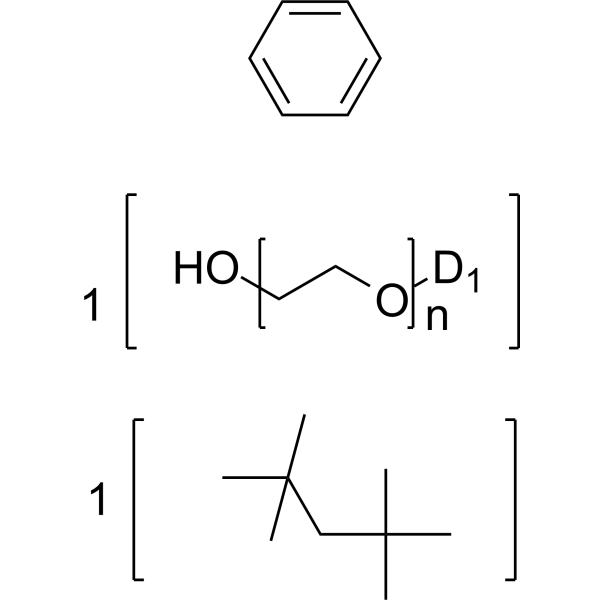
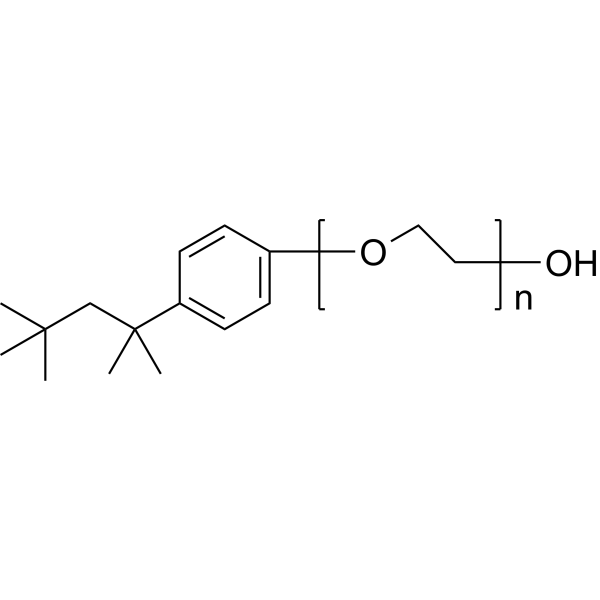
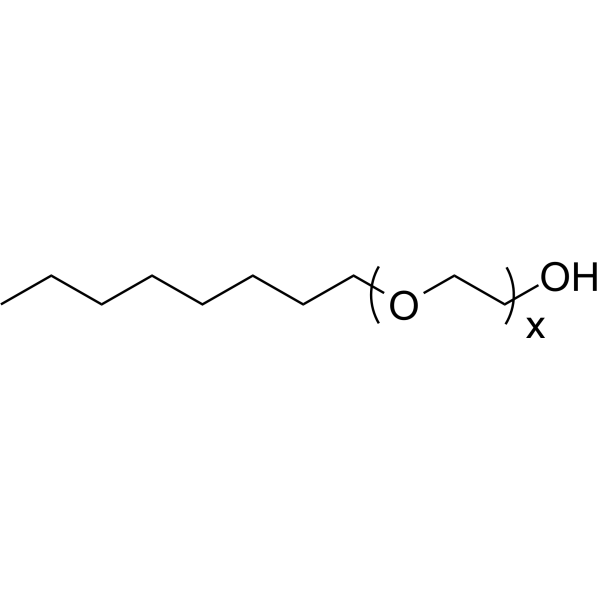
(1,1,3,3-Tetramethylbutyl)phenyl-polyethyleneglycolX-114 is a surfactant. (1,1,3,3-Tetramethylbutyl)phenyl-polyethyleneglycolX-114 is used to solubilize membranes and whole cells. A solution of (1,1,3,3-Tetramethylbutyl)phenyl-polyethyleneglycolX-114 is homogeneous at 0 degrees C but separates in an aqueous phase and a detergent phase above 20 degrees C. (1,1,3,3-Tetramethylbutyl)phenyl-polyethyleneglycolX-114 can be used in phase separation studies .
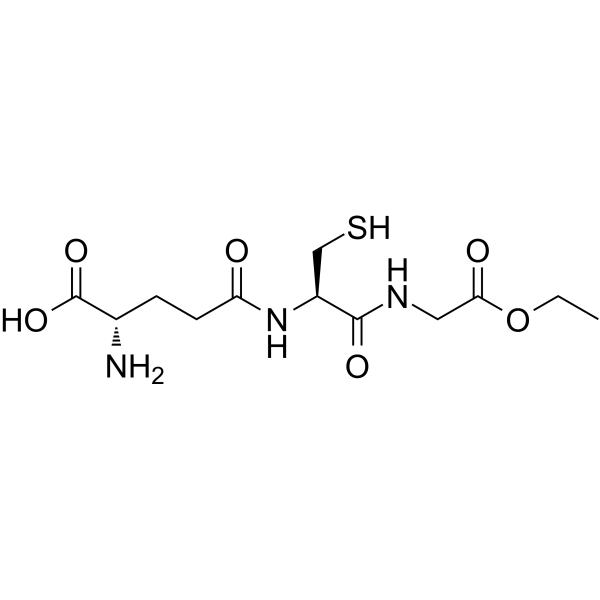
Glutathione ethyl ester is a cell-permeable GSH donor and provides an efficient supply of GSH to the oocyte. Glutathione ethyl ester shows positive effect on the in vitro production of embryos by enhancement of the antioxidative defense .
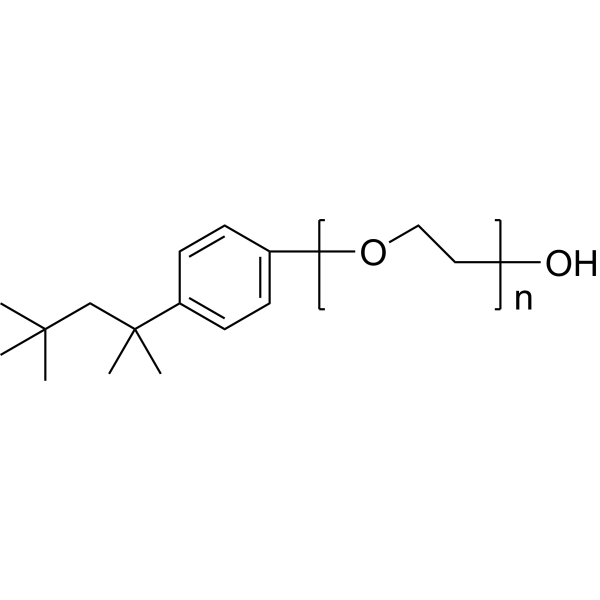
Polyethyleneglycol mono(4-tert-octylphenyl) ether surfactant is a non-denaturing detergent that solubilizes lipid membranes. Polyethyleneglycol mono(4-tert-octylphenyl) ether surfactant is commonly used in laboratories and is applied to vaccines at different stages of the manufacturing process. Polyethyleneglycol mono(4-tert-octylphenyl) ether surfactant is listed as an excipient in certain vaccines including split virus influenza vaccines. Polyethyleneglycol mono(4-tert-octylphenyl) ether surfactant is a nonionic surfactant. Polyethyleneglycol mono(4-tert-octylphenyl) ether surfactant induces Apoptosis in prostate and colon cancer cell lines and reduces the infectivity of classic enveloped viruses such as WNV .
Polyethyleneglycol mono(4-tert-octylphenyl) ether is a non-denaturing detergent that solubilizes lipid membranes. Polyethyleneglycol mono(4-tert-octylphenyl) ether is commonly used in laboratories and is applied to vaccines at different stages of the manufacturing process. Polyethyleneglycol mono(4-tert-octylphenyl) ether is listed as an excipient in certain vaccines including split virus influenza vaccines. Polyethyleneglycol mono(4-tert-octylphenyl) ether is a nonionic surfactant. Polyethyleneglycol mono(4-tert-octylphenyl) ether induces Apoptosis in prostate and colon cancer cell lines and reduces the infectivity of classic enveloped viruses such as WNV .
Chloro(methyl)(phenyl)silane (Methyl-phenyl-chlorosilane) is a silicon hydride. Chloro(methyl)(phenyl)silane undergoes an addition reaction with long-chain unsaturated fatty acid esters .
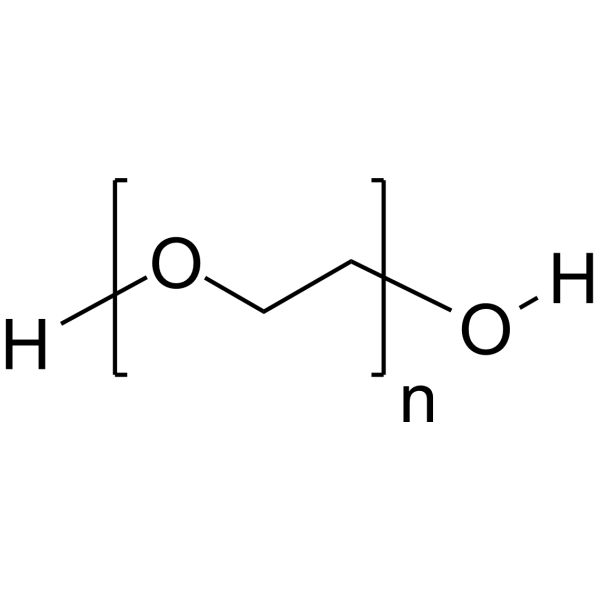
Poly(ethyleneglycol) diacrylate (MW 3500) (PEGDA (MW 3500)) is a derivative of polyethyleneglycol. Poly(ethyleneglycol) diacrylate (MW 3500) can be used in the formation of a cross-linked polymers .
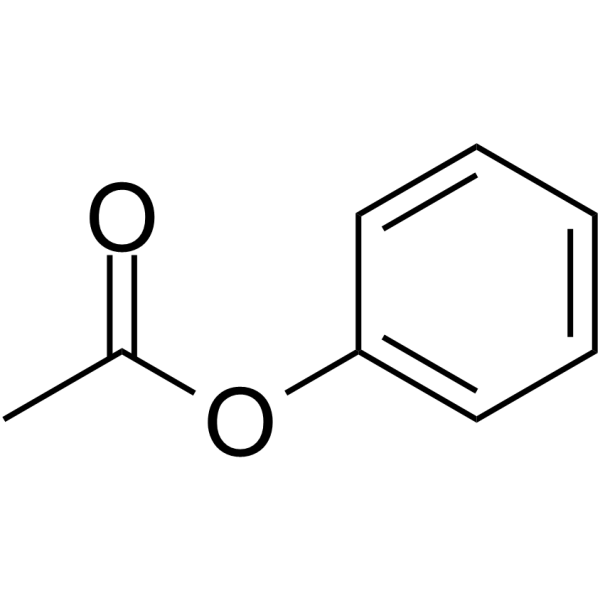
Phenyl acetate is an endogenous metabolite and a metabolite of 2-phenylethylamine, which can be found in urine. Phenyl acetate regulates the metabolism of glutamine. In addition, Phenyl acetate can be used as a detection index for certain diseases, such as depression .
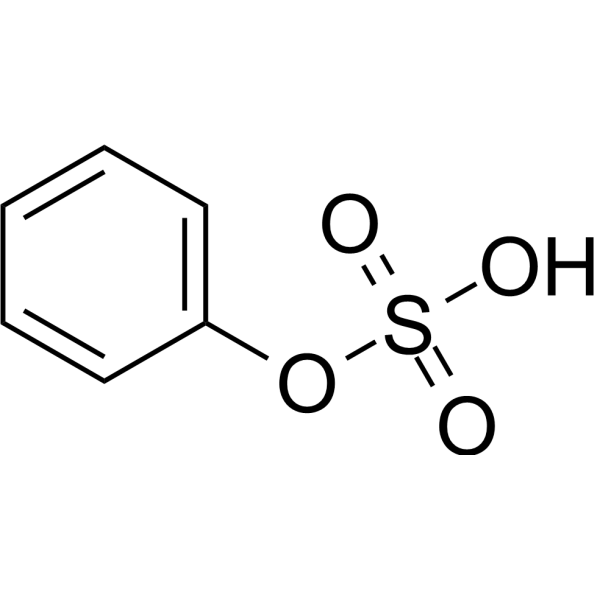
Phenyl sulfate is an orally active gut microbiota-derived metabolite. Phenyl sulfate induces albuminuria and podocyte damage in experimental models of diabetes. Phenyl sulfate can be used as a disease marker in diabetic kidney disease .
Poly(ethyleneglycol) diacrylate (MW 20000) (PEGDA (MW 20000)) is a derivative of polyethyleneglycol. Poly(ethyleneglycol) diacrylate (MW 20000) can be used in the formation of a cross-linked polymers .
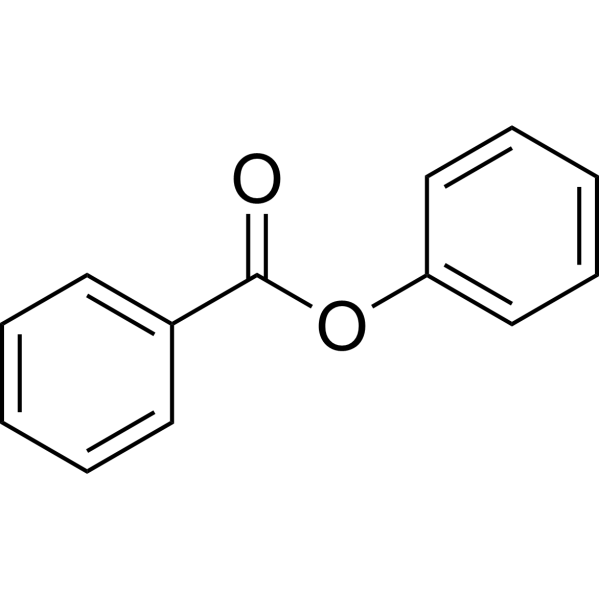
Phenyl benzoate is a benzoate ester obtained by the formal condensation of phenol with benzoic acid. Phenyl benzoate is a chloride transport blocker, inhibits Cl --dependent Glu accumulation into vesicles. Phenyl benzoate can be used as preservative in cosmetic products .
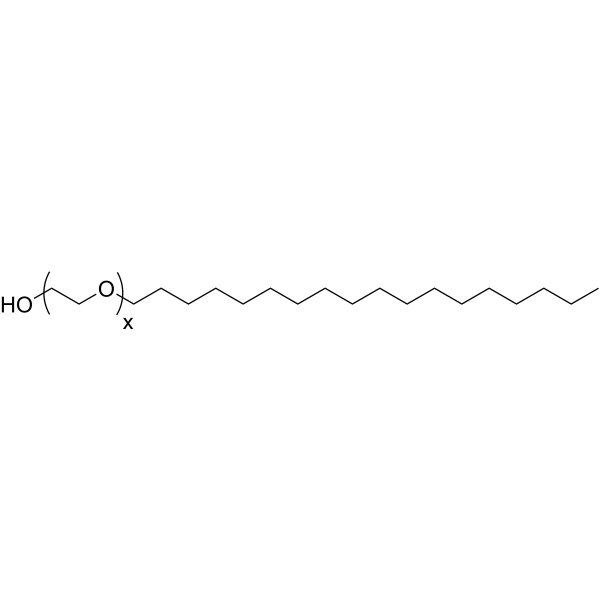
Polyoxyethylene (20) stearyl ether (Polyethyleneglycol octadecyl ether (n~20)) is a PEGylated lipid surfactant. Polyoxyethylene (20) stearyl ether is used in studies on the formation and stabilization of lipid nanoparticles .
4-Phenyl-2-pyrrolidinone is a precursor and synthetic intermediate. 4-Phenyl-2-pyrrolidinone can be used as a precursor in the synthesis of compounds with anticonvulsant and nootropic activities and is an intermediate in the synthesis of bromodomain-containing protein 4 (BRD4) bromodomain 1 inhibitors .
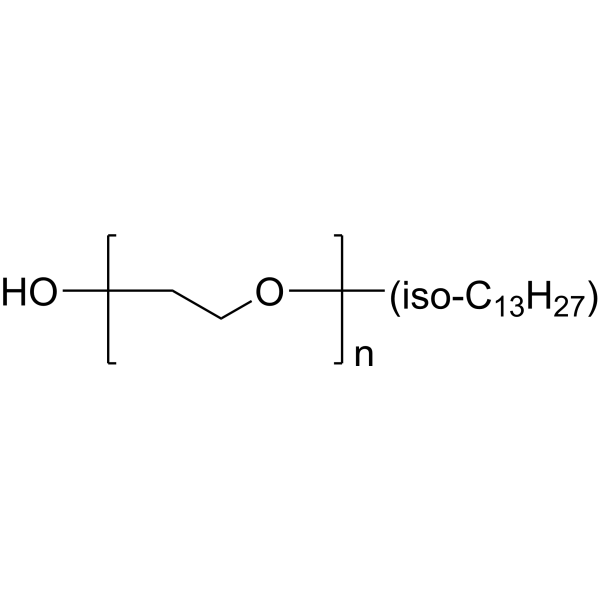
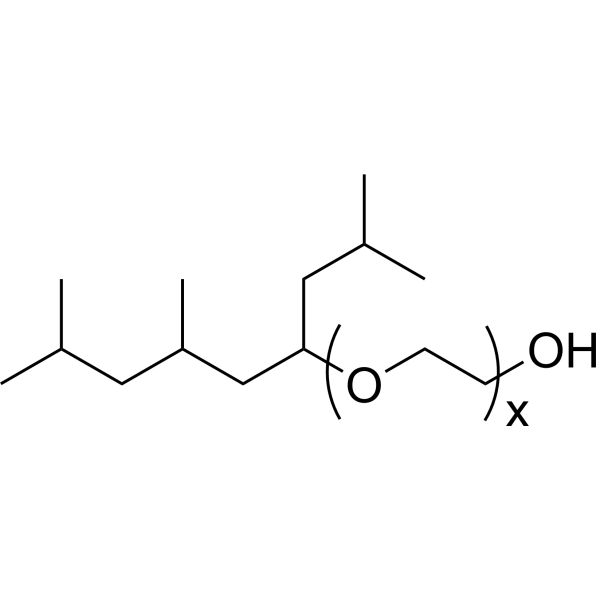
Polyethyleneglycol trimethylnonyl ether, is a nonionic surfactant commonly used in various industrial and research applications. It belongs to the family of polyethyleneglycol (PEG) ethers with a hydrophilic head and lipophilic tail and is suitable for use in lotions, detergents and solubilizers. Polyethyleneglycol trimethylnonyl ether is particularly useful in protein chemistry, where it is used to solubilize and stabilize proteins, such as membrane proteins, for structural analysis techniques. In addition, Polyethyleneglycol trimethylnonyl ether has potential applications in drug delivery and other medical fields due to its ability to interact with and penetrate cell membranes.
Poly(ethyleneglycol) dimethacrylate (MW 2000) is a photopolymerizable poly(ethyleneglycol)-based macromer and biocompatible crosslinking agent with a molecular weight of approximately 2000. Poly(ethyleneglycol) dimethacrylate (MW 2000) can form photopolymerized hydrogels. Poly(ethyleneglycol) dimethacrylate (MW 2000) can be used for research on tissue engineering and drug delivery .
Phenyl acetate (Standard) is the analytical standard of Phenyl acetate. This product is intended for research and analytical applications. Phenyl acetate is an endogenous metabolite and a metabolite of 2-phenylethylamine, which can be found in urine. Phenyl acetate regulates the metabolism of glutamine. In addition, Phenyl acetate can be used as a detection index for certain diseases, such as depression.
Poly(ethyleneglycol) diacrylate (MW 1500) (PEGDA (MW 1500)) is a derivative of polyethyleneglycol. Poly(ethyleneglycol) diacrylate (MW 700) can be used in the formation of a cross-linked polymers .
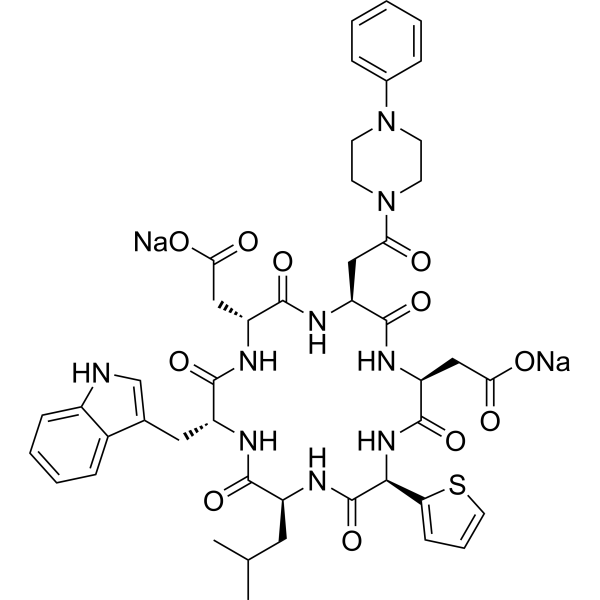
Noraramtide (BHV-1100) is an antibody recruitment molecule. Noraramtide can specifically bind to CD38 molecules to recruit natural killer (NK) cells. Noraramtide enhances the ability of NK cells to kill tumor cells through antibody-dependent cellular cytotoxicity (ADCC). This mechanism allows NK cells to more effectively recognize and eliminate tumor cells while avoiding mutual killing between NK cells. Noraramtide can be used for the study of autologous cancer immunity .
Polyoxyethylene(7) oleyl ether (Polyethyleneglycol oleyl ether, average Mn~577; Polyethyleneglycol monooleyl ether, n~7) is a nonionic surfactant. Polyoxyethylene(7) oleyl ether can be used as cosmetic raw .
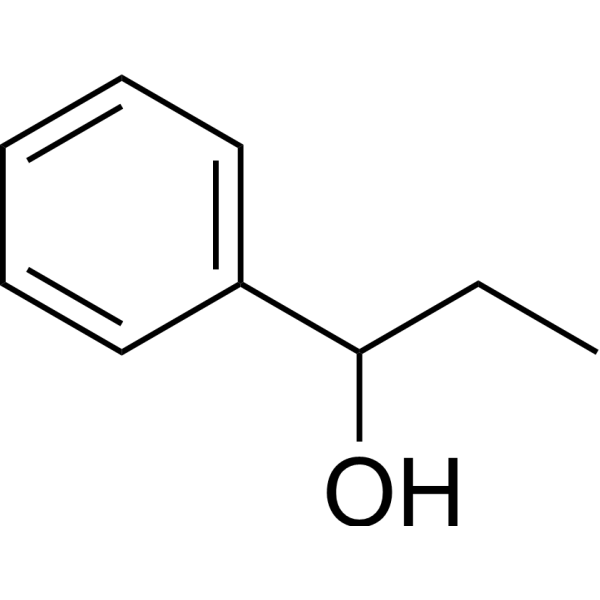
1-Phenyl-1-propanol is used as a chiral building block and synthetic intermediate in the pharmaceutical industries. 1-Phenyl-1-propanol is an intermediate of anti-depressant agent Fluoxetine (HY-B0102) .
Poly(ethyleneglycol) dimethacrylate (MW 3400) is a photopolymerizable poly(ethyleneglycol)-based macromer and biocompatible crosslinking agent with a molecular weight of approximately 3400. Poly(ethyleneglycol) dimethacrylate (MW 3400) can form photopolymerized hydrogels. Poly(ethyleneglycol) dimethacrylate (MW 3400) can be used for research on tissue engineering and drug delivery .
Poly(ethyleneglycol) dimethacrylate (MW 10000) is a photopolymerizable poly(ethyleneglycol)-based macromer and biocompatible crosslinking agent with a molecular weight of approximately 10000. Poly(ethyleneglycol) dimethacrylate (MW 10000) can form photopolymerized hydrogels. Poly(ethyleneglycol) dimethacrylate (MW 10000) can be used for research on tissue engineering and drug delivery .
Poly(ethyleneglycol) dimethacrylate (MW 20000) is a photopolymerizable poly(ethyleneglycol)-based macromer and biocompatible crosslinking agent with a molecular weight of approximately 20000. Poly(ethyleneglycol) dimethacrylate (MW 20000) can form photopolymerized hydrogels. Poly(ethyleneglycol) dimethacrylate (MW 20000) can be used for research on tissue engineering and drug delivery .
Poly(ethyleneglycol) dimethacrylate (MW 1000) is a photopolymerizable poly(ethyleneglycol)-based macromer and biocompatible crosslinking agent with a molecular weight of approximately 1000. Poly(ethyleneglycol) dimethacrylate (MW 1000) can form photopolymerized hydrogels. Poly(ethyleneglycol) dimethacrylate (MW 1000) can be used for research on tissue engineering and drug delivery .
Poly(ethyleneglycol) dimethacrylate (MW 750) is a photopolymerizable poly(ethyleneglycol)-based macromer and biocompatible crosslinking agent with a molecular weight of approximately 750. Poly(ethyleneglycol) dimethacrylate (MW 750) can form photopolymerized hydrogels. Poly(ethyleneglycol) dimethacrylate (MW 750) can be used for research on tissue engineering and drug delivery .
Poly(ethyleneglycol) dimethacrylate (MW 550) is a photopolymerizable poly(ethyleneglycol)-based macromer and biocompatible crosslinking agent with a molecular weight of approximately 550. Poly(ethyleneglycol) dimethacrylate (MW 550) can form photopolymerized hydrogels. Poly(ethyleneglycol) dimethacrylate (MW 550) can be used for research on tissue engineering and drug delivery .
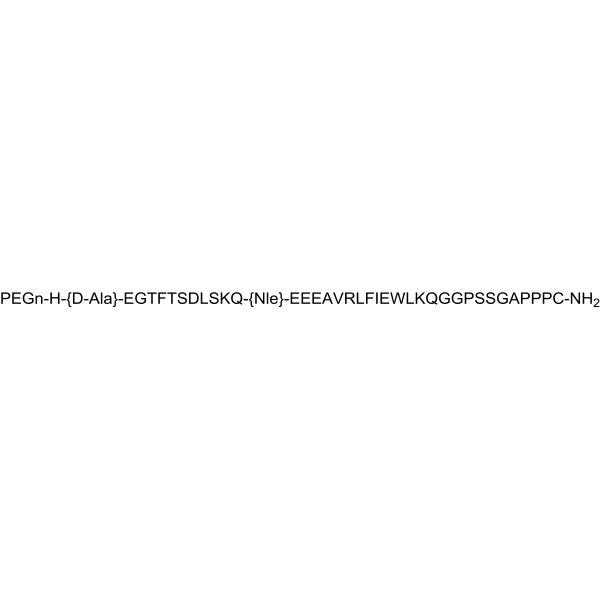
Pegloxenatide (Polyethyleneglycol loxenatide) is a long-acting glucagon-like peptide-1 receptor (GLP-1RA) agonist. Pegloxenatide has various activities such as lowering blood glucose, lowering blood lipids, improving body weight, anti-inflammation, promoting wound healing, protecting the liver, and protecting the heart. Pegloxenatide can be used in the research of type 2 diabetes and its multiple complications .
Diethyl terephthalate (Terephthalic acid) is a monomer in the synthesis of polyethylene terephthalate (PET) material. Diethyl terephthalate is usually used as a substrate for isolating PET-degrading strains .
Poly(ethyleneglycol) methyl ether methacrylate (MW 500) is a nonlinear analogue of polyethyleneglycol (PEG) and can be used for PEG surface modification .
Poly(ethyleneglycol) methyl ether methacrylate (MW 950) is a nonlinear analogue of polyethyleneglycol (PEG) and can be used for PEG surface modification .
Poly(ethyleneglycol) methyl ether methacrylate (MW 4000) is a nonlinear analogue of polyethyleneglycol (PEG) and can be used for PEG surface modification .
Poly(ethyleneglycol) methyl ether methacrylate (MW 300) is a nonlinear analogue of polyethyleneglycol (PEG) and can be used for PEG surface modification .
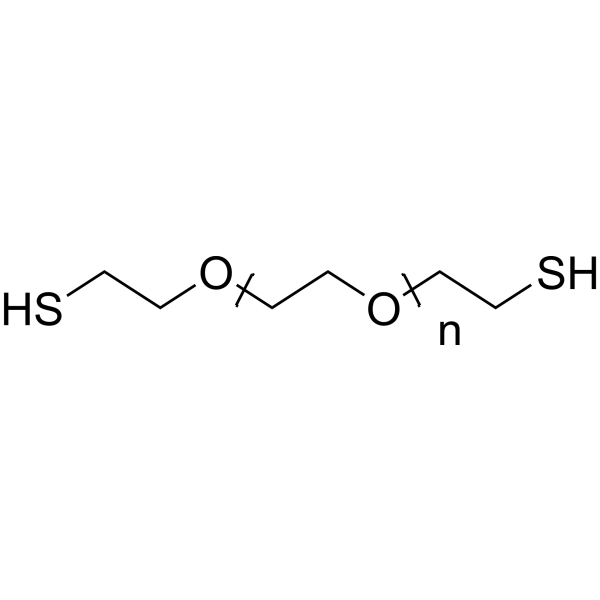
Poly(ethyleneglycol) 2-mercaptoethyl ether acetic acid (Mn 2000) is a derivative of polyethyleneglycol, which can be used for bioconjugation, drug delivery, PEG hydrogel, crosslinker and surface functionalization .
Polyethyleneglycol monooctyl ether (n-Octyl-oligo-oxyethylene) is a nonionic detergent and separating agent. Polyethyleneglycol monooctyl ether is commonly used as a reagent for solubilization and stabilization of membrane proteins, a mild detergent for cell lysis, a component of ELISA blocking agents, and an additive for protein refolding .
Poly(ethylene terephthalate) hydrolase is an enzyme involved in the breakdown of Poly(ethylene terephthalate) (PET). Poly(ethylene terephthalate) is one of the most commonly discarded plastics .
Poly(ethyleneglycol) dimethacrylate (MW 4000) is a photopolymerizable poly(ethyleneglycol)-based macromer and biocompatible crosslinking agent with a molecular weight of approximately 4000. Poly(ethyleneglycol) dimethacrylate (MW 4000) can form photopolymerized hydrogels. Poly(ethyleneglycol) dimethacrylate (MW 4000) can be used for research on tissue engineering and drug delivery .
Poly(ethyleneglycol) dimethacrylate (MW 6000) is a photopolymerizable poly(ethyleneglycol)-based macromer and biocompatible crosslinking agent with a molecular weight of approximately 6000. Poly(ethyleneglycol) dimethacrylate (MW 6000) can form photopolymerized hydrogels. Poly(ethyleneglycol) dimethacrylate (MW 6000) can be used for research on tissue engineering and drug delivery .
Polyethyleneglycol dimethyl ether (MW=250) is a polyethyleneglycol derivative that can be used to prepare rigid gel electrolytes and serve as a plasticizer .
MAPI is a polypeptide irreversible 3C cysteine protease (SV3CP) inhibitor. MAPI inhibits SV3CP by covalently binding its C-terminal Michael-acceptor extension to the active site thiol of SV3CP Cys 139. MAPI is promising for research of noroviruses infection .
Poly(ethyleneglycol) methyl ether methacrylate (MW 1500) is a nonlinear analogue of polyethyleneglycol (PEG) and can be used for PEG surface modification .
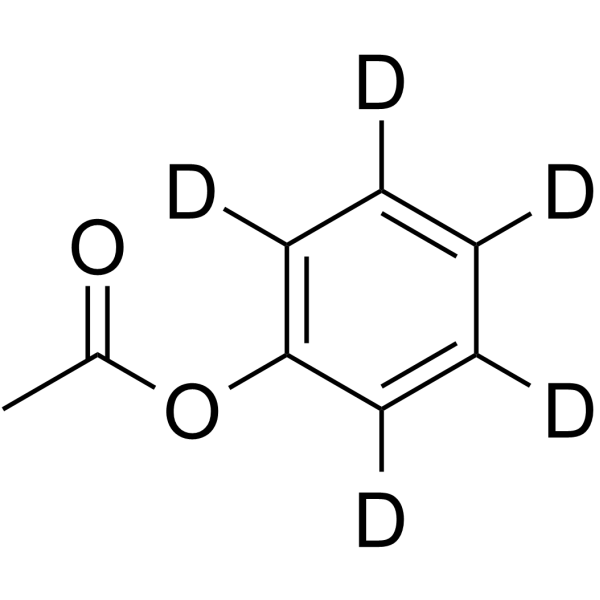
Phenyl acetate-d5 is the deuterium labeled Phenyl acetate. Phenyl acetate is an endogenous metabolite and a metabolite of 2-phenylethylamine, which can be found in urine. Phenyl acetate regulates the metabolism of glutamine. In addition, Phenyl acetate can be used as a detection index for certain diseases, such as depression .
TAK 044 is an antagonist of Endothelin Receptor. TAK 044 strongly inhibits ET-induced deterioration in various animal models. TAK 044 can be used in study ET-related diseases such as acute myocardial infarction,acute renal failure, acute hepatic malfunction, and subarachnoid hemorrhage .
Phenylpiperazine hydrochloride (Piperazine, 1-phenyl-, dihydrochloride) is the base compound from which a broad series of bioactive products are derived .
Poly(ethyleneglycol) distearate (Mn 930) is a derivative of polyethyleneglycol, which can be used as a cross-linking agent and click chemistry reaction .
Phenyl sulfate (Standard) is the analytical standard of Phenyl sulfate. This product is intended for research and analytical applications. Phenyl sulfate is an orally active gut microbiota-derived metabolite. Phenyl sulfate induces albuminuria and podocyte damage in experimental models of diabetes. Phenyl sulfate can be used as a disease marker in diabetic kidney disease .
Poly(ethyleneglycol) methacrylate (MW 500) is a monomethacrylate functionalized PEG, which is used to prepare composite materials, such as Poly(ethyleneglycol) methacrylate-chitosan, and can be used as an ocular drug delivery carrier .
Poly(ethyleneglycol) methacrylate (MW 360) is a monomethacrylate functionalized PEG, which is used to prepare composite materials, such as Poly(ethyleneglycol) methacrylate-chitosan, and can be used as an ocular drug delivery carrier .
Poly(ethyleneglycol) methyl ether maleimide (Mn 2000) is a polyethyleneglycol containing Maleimide (HY-W007324). Due to the Maleimide functional group, Poly(ethyleneglycol) methyl ether maleimide (Mn 2000) can be used to conjugate biomolecules containing thiol groups.
Phenyl benzoate (Standard) is the analytical standard of Phenyl benzoate. This product is intended for research and analytical applications. Phenyl benzoate is a benzoate ester obtained by the formal condensation of phenol with benzoic acid. Phenyl benzoate is a chloride transport blocker, inhibits Cl--dependent Glu accumulation into vesicles. Phenyl benzoate can be used as preservative in cosmetic products .
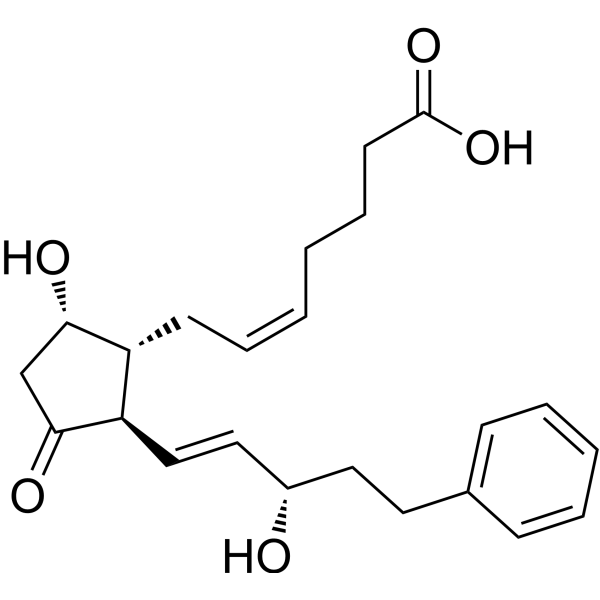
16-phenyl tetranor Prostaglandin F2α (16-phenyl tetranor PGF2α) is a metabolically stable analog of PGF2α. The affinity of 16-phenyl tetranor PGF2α at the FP receptor of ovine luteal cells is poor (8.7%) compared to PGF2α.
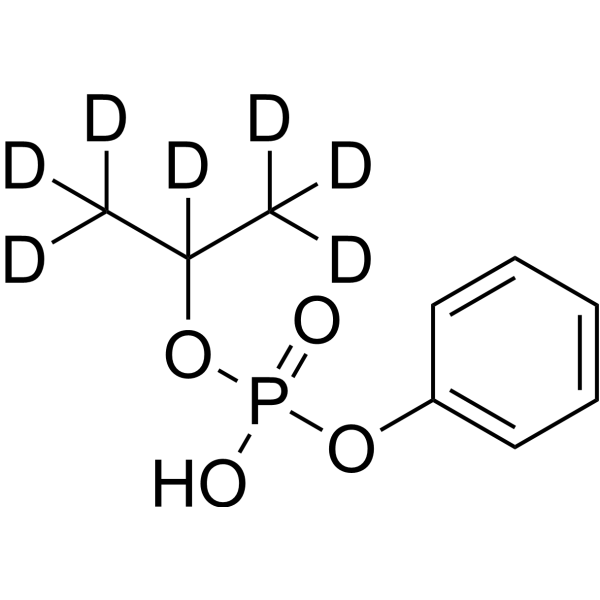
Sodium phenyl phosphate dihydrate can be used as a buffering agent in biochemical and pharmaceutical formulations. Sodium phenyl phosphate dehydrate also acts as a substrate for evaluating phosphataseactivity .
Sodium phenyl phosphate (dihydrate) (Standard) is the analytical standard of Sodium phenyl phosphate (dihydrate). This product is intended for research and analytical applications.
2-Phenyl-2-(2-pyridyl)acetonitrile (Standard) is the analytical standard of 2-Phenyl-2-(2-pyridyl)acetonitrile. This product is intended for research and analytical applications. 2-Phenyl-2-(2-pyridyl)acetonitrile is the major metabolite of SC 15396 metabolized by the supernatant fraction of rat liver homogenate. SC 15396 is an antigastrin that inhibits gastric secretion[1].
Poly(ethyleneglycol) 2-mercaptoethyl ether acetic acid (Mn 1000) is a derivative of polyethyleneglycol, which can be used for bioconjugation, drug delivery, PEG hydrogel, crosslinker and surface functionalization .
17-Phenyl-18,19,20-trinor-PGD2 (17-Phenyl-PGD2) is an analogue of prostaglandin D2 (PGD2; HY-101988). 17-Phenyl-18,19,20-trinor-PGD2 is a potent inhibitor of platelet aggregation caused by aenosine diphosphate (ADP), with the IC50 of 8.4 μM (PGD2 IC50 = 18.6 nM). 17-Phenyl-18,19,20-trinor-PGD2 is a weak agonist of cyclic AMP accumulation .
Phenyl salicylate (Standard) is the analytical standard of Phenyl salicylate. This product is intended for research and analytical applications. Phenyl salicylate (PS) has antibacterial activity when hydrolyzed in small intestine and is often used as nervous system inhibitor and intestinal preservative .
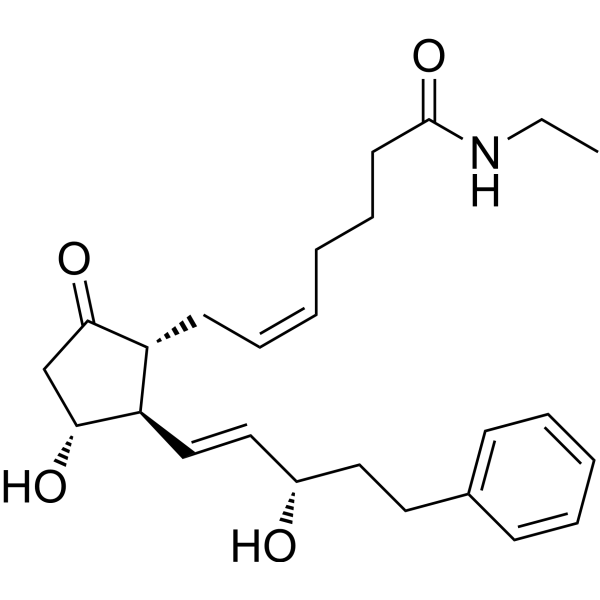
1α-Monohomo-17-phenyl trinor Prostaglandin F2α (1α-Monohomo-17-phenyl trinor PGF2α) is a derivative of 17-phenyl trinor prostaglandin F2α ethyl amide. 1α-Monohomo-17-phenyl trinor Prostaglandin F2α is also an isomer of 17-phenyl trinor prostaglandin F2α methyl ester.
1-Phenyl-2-propanol (Standard) is the analytical standard of 1-Phenyl-2-propanol. This product is intended for research and analytical applications. 1-Phenyl-2-propanol (Benzylmethylcarbinol) is a chiral secondary alcohol and a metabolite of n-propylbenzene .
2-Phenyl-2-propanol (Standard) is the analytical standard of 2-Phenyl-2-propanol (HY-W015810). This product is intended for research and analytical applications. 2-Phenyl 2-propanol is an important intermediate for the synthesis of diisopropylbenzene peroxide, often used as an additive to fragrances and cosmetics .
Poly(ethyleneglycol) 2-mercaptoethyl ether acetic acid (Mn 5000) is a derivative of polyethyleneglycol, which can be used for bioconjugation, drug delivery, PEG hydrogel, crosslinker and surface functionalization .
Poly(ethyleneglycol) 2-mercaptoethyl ether acetic acid (Mn 3400) is a derivative of polyethyleneglycol, which can be used for bioconjugation, drug delivery, PEG hydrogel, crosslinker and surface functionalization .
17-Phenyl trinor prostaglandin F2α 1,15-lactone (17-Phenyl trinor PGF2α 1,15-lactone) is a 1,15 lactone of 17-Phenyl trinor prostaglandin F2α. 17-Phenyl trinor prostaglandin F2α is a metabolite of Dinoprost (HY-12956) .
(1,1,3,3-Tetramethylbutyl)phenyl-polyethyleneglycolX-114 is a surfactant. (1,1,3,3-Tetramethylbutyl)phenyl-polyethyleneglycolX-114 is used to solubilize membranes and whole cells. A solution of (1,1,3,3-Tetramethylbutyl)phenyl-polyethyleneglycolX-114 is homogeneous at 0 degrees C but separates in an aqueous phase and a detergent phase above 20 degrees C. (1,1,3,3-Tetramethylbutyl)phenyl-polyethyleneglycolX-114 can be used in phase separation studies .
Polyethyleneglycol mono(4-tert-octylphenyl) ether surfactant is a non-denaturing detergent that solubilizes lipid membranes. Polyethyleneglycol mono(4-tert-octylphenyl) ether surfactant is commonly used in laboratories and is applied to vaccines at different stages of the manufacturing process. Polyethyleneglycol mono(4-tert-octylphenyl) ether surfactant is listed as an excipient in certain vaccines including split virus influenza vaccines. Polyethyleneglycol mono(4-tert-octylphenyl) ether surfactant is a nonionic surfactant. Polyethyleneglycol mono(4-tert-octylphenyl) ether surfactant induces Apoptosis in prostate and colon cancer cell lines and reduces the infectivity of classic enveloped viruses such as WNV .
Chloro(methyl)(phenyl)silane (Methyl-phenyl-chlorosilane) is a silicon hydride. Chloro(methyl)(phenyl)silane undergoes an addition reaction with long-chain unsaturated fatty acid esters .
Poly(ethyleneglycol) diacrylate (MW 3500) (PEGDA (MW 3500)) is a derivative of polyethyleneglycol. Poly(ethyleneglycol) diacrylate (MW 3500) can be used in the formation of a cross-linked polymers .
Poly(ethyleneglycol) diacrylate (MW 20000) (PEGDA (MW 20000)) is a derivative of polyethyleneglycol. Poly(ethyleneglycol) diacrylate (MW 20000) can be used in the formation of a cross-linked polymers .
Polyoxyethylene (20) stearyl ether (Polyethyleneglycol octadecyl ether (n~20)) is a PEGylated lipid surfactant. Polyoxyethylene (20) stearyl ether is used in studies on the formation and stabilization of lipid nanoparticles .
Polyethyleneglycol trimethylnonyl ether, is a nonionic surfactant commonly used in various industrial and research applications. It belongs to the family of polyethyleneglycol (PEG) ethers with a hydrophilic head and lipophilic tail and is suitable for use in lotions, detergents and solubilizers. Polyethyleneglycol trimethylnonyl ether is particularly useful in protein chemistry, where it is used to solubilize and stabilize proteins, such as membrane proteins, for structural analysis techniques. In addition, Polyethyleneglycol trimethylnonyl ether has potential applications in drug delivery and other medical fields due to its ability to interact with and penetrate cell membranes.
Poly(ethyleneglycol) dimethacrylate (MW 2000) is a photopolymerizable poly(ethyleneglycol)-based macromer and biocompatible crosslinking agent with a molecular weight of approximately 2000. Poly(ethyleneglycol) dimethacrylate (MW 2000) can form photopolymerized hydrogels. Poly(ethyleneglycol) dimethacrylate (MW 2000) can be used for research on tissue engineering and drug delivery .
Poly(ethyleneglycol) diacrylate (MW 1500) (PEGDA (MW 1500)) is a derivative of polyethyleneglycol. Poly(ethyleneglycol) diacrylate (MW 700) can be used in the formation of a cross-linked polymers .
Polyoxyethylene(7) oleyl ether (Polyethyleneglycol oleyl ether, average Mn~577; Polyethyleneglycol monooleyl ether, n~7) is a nonionic surfactant. Polyoxyethylene(7) oleyl ether can be used as cosmetic raw .
Poly(ethyleneglycol) dimethacrylate (MW 3400) is a photopolymerizable poly(ethyleneglycol)-based macromer and biocompatible crosslinking agent with a molecular weight of approximately 3400. Poly(ethyleneglycol) dimethacrylate (MW 3400) can form photopolymerized hydrogels. Poly(ethyleneglycol) dimethacrylate (MW 3400) can be used for research on tissue engineering and drug delivery .
Poly(ethyleneglycol) dimethacrylate (MW 10000) is a photopolymerizable poly(ethyleneglycol)-based macromer and biocompatible crosslinking agent with a molecular weight of approximately 10000. Poly(ethyleneglycol) dimethacrylate (MW 10000) can form photopolymerized hydrogels. Poly(ethyleneglycol) dimethacrylate (MW 10000) can be used for research on tissue engineering and drug delivery .
Poly(ethyleneglycol) dimethacrylate (MW 20000) is a photopolymerizable poly(ethyleneglycol)-based macromer and biocompatible crosslinking agent with a molecular weight of approximately 20000. Poly(ethyleneglycol) dimethacrylate (MW 20000) can form photopolymerized hydrogels. Poly(ethyleneglycol) dimethacrylate (MW 20000) can be used for research on tissue engineering and drug delivery .
Poly(ethyleneglycol) dimethacrylate (MW 1000) is a photopolymerizable poly(ethyleneglycol)-based macromer and biocompatible crosslinking agent with a molecular weight of approximately 1000. Poly(ethyleneglycol) dimethacrylate (MW 1000) can form photopolymerized hydrogels. Poly(ethyleneglycol) dimethacrylate (MW 1000) can be used for research on tissue engineering and drug delivery .
Poly(ethyleneglycol) dimethacrylate (MW 750) is a photopolymerizable poly(ethyleneglycol)-based macromer and biocompatible crosslinking agent with a molecular weight of approximately 750. Poly(ethyleneglycol) dimethacrylate (MW 750) can form photopolymerized hydrogels. Poly(ethyleneglycol) dimethacrylate (MW 750) can be used for research on tissue engineering and drug delivery .
Poly(ethyleneglycol) dimethacrylate (MW 550) is a photopolymerizable poly(ethyleneglycol)-based macromer and biocompatible crosslinking agent with a molecular weight of approximately 550. Poly(ethyleneglycol) dimethacrylate (MW 550) can form photopolymerized hydrogels. Poly(ethyleneglycol) dimethacrylate (MW 550) can be used for research on tissue engineering and drug delivery .
Poly(ethyleneglycol) methyl ether methacrylate (MW 500) is a nonlinear analogue of polyethyleneglycol (PEG) and can be used for PEG surface modification .
Poly(ethyleneglycol) methyl ether methacrylate (MW 950) is a nonlinear analogue of polyethyleneglycol (PEG) and can be used for PEG surface modification .
Poly(ethyleneglycol) methyl ether methacrylate (MW 4000) is a nonlinear analogue of polyethyleneglycol (PEG) and can be used for PEG surface modification .
Poly(ethyleneglycol) methyl ether methacrylate (MW 300) is a nonlinear analogue of polyethyleneglycol (PEG) and can be used for PEG surface modification .
Poly(ethyleneglycol) 2-mercaptoethyl ether acetic acid (Mn 2000) is a derivative of polyethyleneglycol, which can be used for bioconjugation, drug delivery, PEG hydrogel, crosslinker and surface functionalization .
Polyethyleneglycol monooctyl ether (n-Octyl-oligo-oxyethylene) is a nonionic detergent and separating agent. Polyethyleneglycol monooctyl ether is commonly used as a reagent for solubilization and stabilization of membrane proteins, a mild detergent for cell lysis, a component of ELISA blocking agents, and an additive for protein refolding .
Poly(ethyleneglycol) dimethacrylate (MW 4000) is a photopolymerizable poly(ethyleneglycol)-based macromer and biocompatible crosslinking agent with a molecular weight of approximately 4000. Poly(ethyleneglycol) dimethacrylate (MW 4000) can form photopolymerized hydrogels. Poly(ethyleneglycol) dimethacrylate (MW 4000) can be used for research on tissue engineering and drug delivery .
Poly(ethyleneglycol) dimethacrylate (MW 6000) is a photopolymerizable poly(ethyleneglycol)-based macromer and biocompatible crosslinking agent with a molecular weight of approximately 6000. Poly(ethyleneglycol) dimethacrylate (MW 6000) can form photopolymerized hydrogels. Poly(ethyleneglycol) dimethacrylate (MW 6000) can be used for research on tissue engineering and drug delivery .
Polyethyleneglycol dimethyl ether (MW=250) is a polyethyleneglycol derivative that can be used to prepare rigid gel electrolytes and serve as a plasticizer .
Poly(ethyleneglycol) methyl ether methacrylate (MW 1500) is a nonlinear analogue of polyethyleneglycol (PEG) and can be used for PEG surface modification .
Poly(ethyleneglycol) distearate (Mn 930) is a derivative of polyethyleneglycol, which can be used as a cross-linking agent and click chemistry reaction .
Poly(ethyleneglycol) methacrylate (MW 500) is a monomethacrylate functionalized PEG, which is used to prepare composite materials, such as Poly(ethyleneglycol) methacrylate-chitosan, and can be used as an ocular drug delivery carrier .
Poly(ethyleneglycol) methacrylate (MW 360) is a monomethacrylate functionalized PEG, which is used to prepare composite materials, such as Poly(ethyleneglycol) methacrylate-chitosan, and can be used as an ocular drug delivery carrier .
Poly(ethyleneglycol) methyl ether maleimide (Mn 2000) is a polyethyleneglycol containing Maleimide (HY-W007324). Due to the Maleimide functional group, Poly(ethyleneglycol) methyl ether maleimide (Mn 2000) can be used to conjugate biomolecules containing thiol groups.
Poly(ethyleneglycol) 2-mercaptoethyl ether acetic acid (Mn 1000) is a derivative of polyethyleneglycol, which can be used for bioconjugation, drug delivery, PEG hydrogel, crosslinker and surface functionalization .
2-Phenyl-2-propanol (Standard) is the analytical standard of 2-Phenyl-2-propanol (HY-W015810). This product is intended for research and analytical applications. 2-Phenyl 2-propanol is an important intermediate for the synthesis of diisopropylbenzene peroxide, often used as an additive to fragrances and cosmetics .
Poly(ethyleneglycol) 2-mercaptoethyl ether acetic acid (Mn 5000) is a derivative of polyethyleneglycol, which can be used for bioconjugation, drug delivery, PEG hydrogel, crosslinker and surface functionalization .
Poly(ethyleneglycol) 2-mercaptoethyl ether acetic acid (Mn 3400) is a derivative of polyethyleneglycol, which can be used for bioconjugation, drug delivery, PEG hydrogel, crosslinker and surface functionalization .
Glutathione ethyl ester is a cell-permeable GSH donor and provides an efficient supply of GSH to the oocyte. Glutathione ethyl ester shows positive effect on the in vitro production of embryos by enhancement of the antioxidative defense .
Noraramtide (BHV-1100) is an antibody recruitment molecule. Noraramtide can specifically bind to CD38 molecules to recruit natural killer (NK) cells. Noraramtide enhances the ability of NK cells to kill tumor cells through antibody-dependent cellular cytotoxicity (ADCC). This mechanism allows NK cells to more effectively recognize and eliminate tumor cells while avoiding mutual killing between NK cells. Noraramtide can be used for the study of autologous cancer immunity .
Pegloxenatide (Polyethyleneglycol loxenatide) is a long-acting glucagon-like peptide-1 receptor (GLP-1RA) agonist. Pegloxenatide has various activities such as lowering blood glucose, lowering blood lipids, improving body weight, anti-inflammation, promoting wound healing, protecting the liver, and protecting the heart. Pegloxenatide can be used in the research of type 2 diabetes and its multiple complications .
MAPI is a polypeptide irreversible 3C cysteine protease (SV3CP) inhibitor. MAPI inhibits SV3CP by covalently binding its C-terminal Michael-acceptor extension to the active site thiol of SV3CP Cys 139. MAPI is promising for research of noroviruses infection .
TAK 044 is an antagonist of Endothelin Receptor. TAK 044 strongly inhibits ET-induced deterioration in various animal models. TAK 044 can be used in study ET-related diseases such as acute myocardial infarction,acute renal failure, acute hepatic malfunction, and subarachnoid hemorrhage .
MCE Phenyl Agarose HP is a high-resolution hydrophobic chromatography medium formed by covalently coupling phenyl ligands to agarose. It is suitable for laboratory-scale and industrial-scale purification of biomolecules.
MCE Phenyl Agarose (Low Sub) 6FF is a low-substitution hydrophobic chromatography medium formed by covalently coupling phenyl ligands to agarose. It is suitable for laboratory-scale and industrial-scale purification of biomolecules with relatively weak hydrophobicity.
MCE Phenyl Agarose (High Sub) 6FF is a high-substitution hydrophobic chromatography medium formed by covalently coupling phenyl ligands to agarose. It is suitable for laboratory-scale and industrial-scale purification of biomolecules with relatively weak hydrophobicity.
Phenyl acetate is an endogenous metabolite and a metabolite of 2-phenylethylamine, which can be found in urine. Phenyl acetate regulates the metabolism of glutamine. In addition, Phenyl acetate can be used as a detection index for certain diseases, such as depression .
Phenyl sulfate is an orally active gut microbiota-derived metabolite. Phenyl sulfate induces albuminuria and podocyte damage in experimental models of diabetes. Phenyl sulfate can be used as a disease marker in diabetic kidney disease .
Phenyl acetate (Standard) is the analytical standard of Phenyl acetate. This product is intended for research and analytical applications. Phenyl acetate is an endogenous metabolite and a metabolite of 2-phenylethylamine, which can be found in urine. Phenyl acetate regulates the metabolism of glutamine. In addition, Phenyl acetate can be used as a detection index for certain diseases, such as depression.
Phenyl sulfate (Standard) is the analytical standard of Phenyl sulfate. This product is intended for research and analytical applications. Phenyl sulfate is an orally active gut microbiota-derived metabolite. Phenyl sulfate induces albuminuria and podocyte damage in experimental models of diabetes. Phenyl sulfate can be used as a disease marker in diabetic kidney disease .
1-Phenyl-2-propanol (Standard) is the analytical standard of 1-Phenyl-2-propanol. This product is intended for research and analytical applications. 1-Phenyl-2-propanol (Benzylmethylcarbinol) is a chiral secondary alcohol and a metabolite of n-propylbenzene .
2-Phenyl-2-propanol (Standard) is the analytical standard of 2-Phenyl-2-propanol (HY-W015810). This product is intended for research and analytical applications. 2-Phenyl 2-propanol is an important intermediate for the synthesis of diisopropylbenzene peroxide, often used as an additive to fragrances and cosmetics .
LCC proteolyzes cutin, the structural polyester of plant cuticles. LCC Protein, Unknown prokaryotic organism is the recombinant LCC protein, expressed by E. coli , with tag free.
LCC proteolyzes cutin, the structural polyester of plant cuticles. LCC Protein, Unknown prokaryotic organism (His) is the recombinant LCC protein, expressed by E. coli , with N-6*His labeled tag.
PET hydrolase Protein, Thermobifida cellulosilytica (His, Strep) is the recombinant PET hydrolase, expressed by E. coli , with Strep, His labeled tag. ,
Phenyl acetate-d5 is the deuterium labeled Phenyl acetate. Phenyl acetate is an endogenous metabolite and a metabolite of 2-phenylethylamine, which can be found in urine. Phenyl acetate regulates the metabolism of glutamine. In addition, Phenyl acetate can be used as a detection index for certain diseases, such as depression .
Polyoxyethylene (20) stearyl ether (Polyethyleneglycol octadecyl ether (n~20)) is a PEGylated lipid surfactant. Polyoxyethylene (20) stearyl ether is used in studies on the formation and stabilization of lipid nanoparticles .
Inquiry Online
Your information is safe with us. * Required Fields.
Western blot analysis of extracts from THP-1(lane 2(20μg), Jurkat (lane 3(20μg) and NIH3T3(lane 4(20μg) using FOXO1A (HY-P80132) Rabbit mAb. Proteins were transferred
to a PVDF membrane and blocked with 5% non-fat milk in TBST for 2 hour at room temperature. The primary antibody (1/1000) and Loading control antibody (Beta Actin, HY-P80438, 1/10000) was
used in 5% non-fat milk in TBST at 4°C overnight. Goat Anti-Mouse/Rabbit IgG-HRP Secondary Antibody (1/10000) was used for 1 hour at room temperature.
Western blot analysis of extracts from THP-1(lane 2(20μg), Jurkat (lane 3(20μg) and NIH3T3(lane 4(20μg) using FOXO1A (HY-P80132) Rabbit mAb. Proteins were transferred
to a PVDF membrane and blocked with 5% non-fat milk in TBST for 2 hour at room temperature. The primary antibody (1/1000) and Loading control antibody (Beta Actin, HY-P80438, 1/10000) was
used in 5% non-fat milk in TBST at 4°C overnight. Goat Anti-Mouse/Rabbit IgG-HRP Secondary Antibody (1/10000) was used for 1 hour at room temperature.
Western blot analysis of extracts from THP-1(lane 2(20μg), Jurkat (lane 3(20μg) and NIH3T3(lane 4(20μg) using FOXO1A (HY-P80132) Rabbit mAb. Proteins were transferred
to a PVDF membrane and blocked with 5% non-fat milk in TBST for 2 hour at room temperature. The primary antibody (1/1000) and Loading control antibody (Beta Actin, HY-P80438, 1/10000) was
used in 5% non-fat milk in TBST at 4°C overnight. Goat Anti-Mouse/Rabbit IgG-HRP Secondary Antibody (1/10000) was used for 1 hour at room temperature.
Western blot analysis of extracts from THP-1(lane 2(20μg), Jurkat (lane 3(20μg) and NIH3T3(lane 4(20μg) using FOXO1A (HY-P80132) Rabbit mAb. Proteins were transferred
to a PVDF membrane and blocked with 5% non-fat milk in TBST for 2 hour at room temperature. The primary antibody (1/1000) and Loading control antibody (Beta Actin, HY-P80438, 1/10000) was
MedchemExpress Validation 03
Western blot analysis of extracts from THP-1(lane 2(20μg), Jurkat (lane 3(20μg) and NIH3T3(lane 4(20μg) using FOXO1A (HY-P80132) Rabbit mAb. Proteins were transferred
MedchemExpress Validation 04
Western blot analysis of extracts from THP-1(lane 2(20μg), Jurkat (lane 3(20μg) and NIH3T3(lane 4(20μg) using FOXO1A (HY-P80132) Rabbit mAb. Proteins were transferred
to a PVDF membrane and blocked with 5% non-fat milk in TBST for 2 hour at room temperature. The primary antibody (1/1000) and Loading control antibody (Beta Actin, HY-P80438, 1/10000) was
used in 5% non-fat milk in TBST at 4°C overnight. Goat Anti-Mouse/Rabbit IgG-HRP Secondary Antibody (1/10000) was used for 1 hour at room temperature.
MedchemExpress Validation
Western blot analysis of extracts from THP-1(lane 2(20μg), Jurkat (lane 3(20μg) and NIH3T3(lane 4(20μg) using FOXO1A (HY-P80132) Rabbit mAb. Proteins were transferred
to a PVDF membrane and blocked with 5% non-fat milk in TBST for 2 hour at room temperature. The primary antibody (1/1000) and Loading control antibody (Beta Actin, HY-P80438, 1/10000) was
used in 5% non-fat milk in TBST at 4°C overnight. Goat Anti-Mouse/Rabbit IgG-HRP Secondary Antibody (1/10000) was used for 1 hour at room temperature.
Western blot analysis of extracts from THP-1(lane 2(20μg), Jurkat (lane 3(20μg) and NIH3T3(lane 4(20μg) using FOXO1A (HY-P80132) Rabbit mAb. Proteins were transferred
to a PVDF membrane and blocked with 5% non-fat milk in TBST for 2 hour at room temperature. The primary antibody (1/1000) and Loading control antibody (Beta Actin, HY-P80438, 1/10000) was
used in 5% non-fat milk in TBST at 4°C overnight. Goat Anti-Mouse/Rabbit IgG-HRP Secondary Antibody (1/10000) was used for 1 hour at room temperature.
MedchemExpress Validation
Western blot analysis of extracts from THP-1(lane 2(20μg), Jurkat (lane 3(20μg) and NIH3T3(lane 4(20μg) using FOXO1A (HY-P80132) Rabbit mAb. Proteins were transferred
to a PVDF membrane and blocked with 5% non-fat milk in TBST for 2 hour at room temperature. The primary antibody (1/1000) and Loading control antibody (Beta Actin, HY-P80438, 1/10000) was
used in 5% non-fat milk in TBST at 4°C overnight. Goat Anti-Mouse/Rabbit IgG-HRP Secondary Antibody (1/10000) was used for 1 hour at room temperature.
MedchemExpress Validation
Western blot analysis of extracts from THP-1(lane 2(20μg), Jurkat (lane 3(20μg) and NIH3T3(lane 4(20μg) using FOXO1A (HY-P80132) Rabbit mAb. Proteins were transferred
to a PVDF membrane and blocked with 5% non-fat milk in TBST for 2 hour at room temperature. The primary antibody (1/1000) and Loading control antibody (Beta Actin, HY-P80438, 1/10000) was
used in 5% non-fat milk in TBST at 4°C overnight. Goat Anti-Mouse/Rabbit IgG-HRP Secondary Antibody (1/10000) was used for 1 hour at room temperature.
MedchemExpress Validation
Western blot analysis of extracts from THP-1(lane 2(20μg), Jurkat (lane 3(20μg) and NIH3T3(lane 4(20μg) using FOXO1A (HY-P80132) Rabbit mAb. Proteins were transferred
to a PVDF membrane and blocked with 5% non-fat milk in TBST for 2 hour at room temperature. The primary antibody (1/1000) and Loading control antibody (Beta Actin, HY-P80438, 1/10000) was
used in 5% non-fat milk in TBST at 4°C overnight. Goat Anti-Mouse/Rabbit IgG-HRP Secondary Antibody (1/10000) was used for 1 hour at room temperature.
MedchemExpress Validation
Western blot analysis of extracts from THP-1(lane 2(20μg), Jurkat (lane 3(20μg) and NIH3T3(lane 4(20μg) using FOXO1A (HY-P80132) Rabbit mAb. Proteins were transferred
to a PVDF membrane and blocked with 5% non-fat milk in TBST for 2 hour at room temperature. The primary antibody (1/1000) and Loading control antibody (Beta Actin, HY-P80438, 1/10000) was
used in 5% non-fat milk in TBST at 4°C overnight. Goat Anti-Mouse/Rabbit IgG-HRP Secondary Antibody (1/10000) was used for 1 hour at room temperature.
MedchemExpress Validation
Western blot analysis of extracts from THP-1(lane 2(20μg), Jurkat (lane 3(20μg) and NIH3T3(lane 4(20μg) using FOXO1A (HY-P80132) Rabbit mAb. Proteins were transferred
to a PVDF membrane and blocked with 5% non-fat milk in TBST for 2 hour at room temperature. The primary antibody (1/1000) and Loading control antibody (Beta Actin, HY-P80438, 1/10000) was
used in 5% non-fat milk in TBST at 4°C overnight. Goat Anti-Mouse/Rabbit IgG-HRP Secondary Antibody (1/10000) was used for 1 hour at room temperature.
MedchemExpress Validation
Western blot analysis of extracts from THP-1(lane 2(20μg), Jurkat (lane 3(20μg) and NIH3T3(lane 4(20μg) using FOXO1A (HY-P80132) Rabbit mAb. Proteins were transferred
to a PVDF membrane and blocked with 5% non-fat milk in TBST for 2 hour at room temperature. The primary antibody (1/1000) and Loading control antibody (Beta Actin, HY-P80438, 1/10000) was
used in 5% non-fat milk in TBST at 4°C overnight. Goat Anti-Mouse/Rabbit IgG-HRP Secondary Antibody (1/10000) was used for 1 hour at room temperature.
MedChemExpress values your privacy and your trust is important to us. We use cookies to enhance your website experience. Some cookies are necessary to run the website.
Privacy and Cookie Policy























![[Hydroxy(phenyl)methyl]succinyl-CoA](http://file.medchemexpress.com/product_pic/hy-ce01911.gif)