Search Result
Results for "
2'-O-4'-C-Locked-rC(Bz)
" in MedChemExpress (MCE) Product Catalog:
5
Isotope-Labeled Compounds
| Cat. No. |
Product Name |
Target |
Research Areas |
Chemical Structure |
-
- HY-15463
-
|
STI571; CGP-57148B
|
Bcr-Abl
PDGFR
c-Kit
SARS-CoV
Autophagy
|
Cancer
|
|
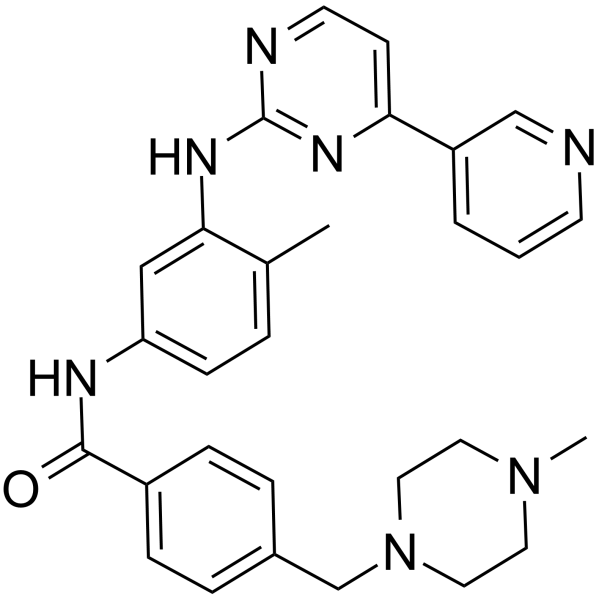
Imatinib (STI571) is an orally bioavailable tyrosine kinases inhibitor that selectively inhibits BCR/ABL, v-Abl, PDGFR and c-kit kinase activity. Imatinib (STI571) works by binding close to the ATP binding site, locking it in a closed or self-inhibited conformation, therefore inhibiting the enzyme activity of the protein semicompetitively . Imatinib also is an inhibitor of SARS-CoV and MERS-CoV .
|
-
-
- HY-114277
-
|
AMG-510
|
Ras
|
Cancer
|
|
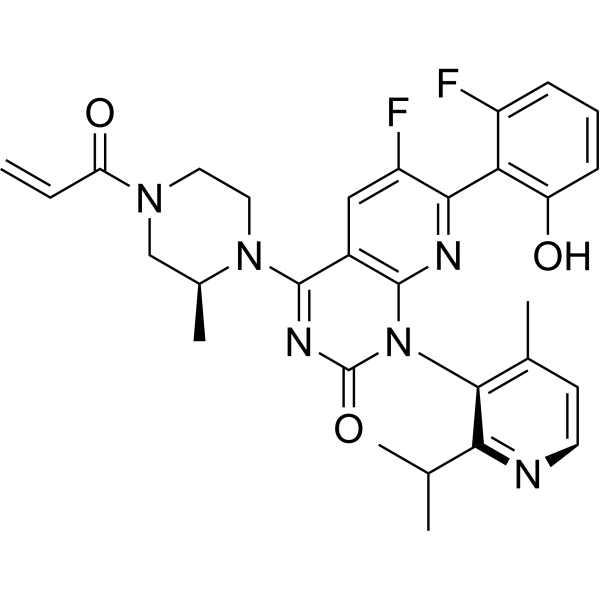
Sotorasib (AMG-510) is a first-in-class, orally bioavailable, and selective KRAS G12C covalent inhibitor. Sotorasib irreversibly inhibits KRAS G12C by locking it in an inactive GDP-bound state. Sotorasib leads to the regression of KRAS G12C‑mutated locally advanced or metastatic non‑small cell lung cancer (NSCLC) .
|
-
-
- HY-149652
-
|
|
Toll-like Receptor (TLR)
|
Inflammation/Immunology
|
|
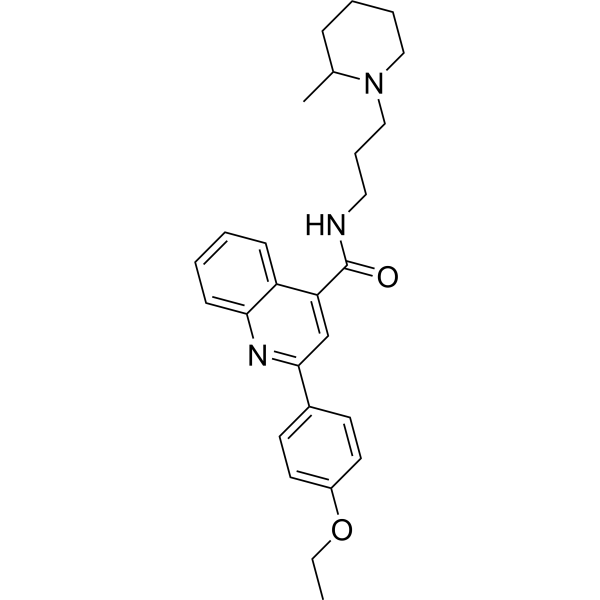
IRF5-IN-1 (Compound C5) is a conformationally locked inhibitor for SLC15A4. IRF5-IN-1 blocks the downstream IRF5 activation, inhibits the TLR7/8 signaling pathway. IRF5-IN-1 exhibits anti-inflammatory responses .
|
-
-
- HY-148506
-
-
-
- HY-148503
-
|
|
Phosphoramidites
Nucleoside Antimetabolite/Analog
|
Others
|
|
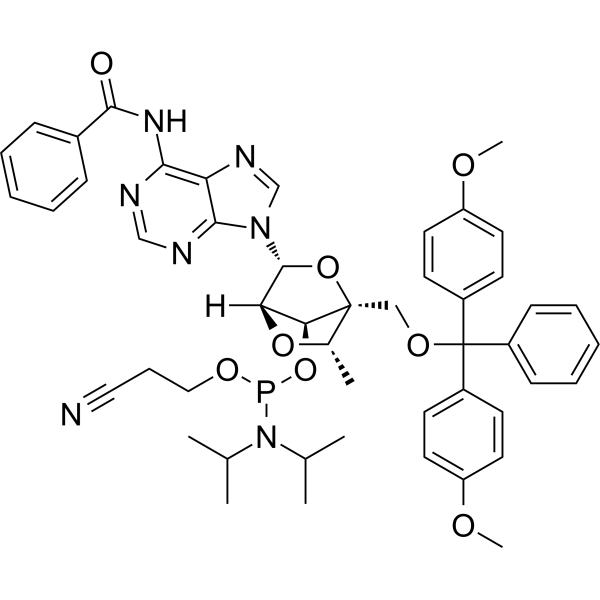
5'-ODMT cEt N-Bz A Phosphoramidite (Amidite) is a nucleoside phosphoramidite monomer used to synthesize locked nucleic acid (LNA) analog oligonucleotides. It can be used as a building block of antisense oligonucleotides (ASOs) to target complementary RNA sequences. 5'-ODMT cEt N-Bz A Phosphoramidite (Amidite) locks the furanose ring into an N-type conformation through 2',4'-constrained ethyl (cEt) modification, enhancing hybridization affinity and mismatch discrimination with RNA, while significantly improving the resistance of oligonucleotides to exonuclease digestion. 5'-ODMT cEt N-Bz A Phosphoramidite (Amidite) mediates RNase H-dependent mRNA degradation or inhibits translation by forming a stable hybrid with RNA, thereby achieving gene expression regulation. 5'-ODMT cEt N-Bz A Phosphoramidite (Amidite) is mainly used in the development of antisense drugs, gene function research and oligonucleotide synthesis related to disease treatment .
|
-
-
- HY-169996
-
-

-
- HY-W406070
-
|
LNA-G
|
Nucleoside Antimetabolite/Analog
DNA/RNA Synthesis
|
Others
|
|
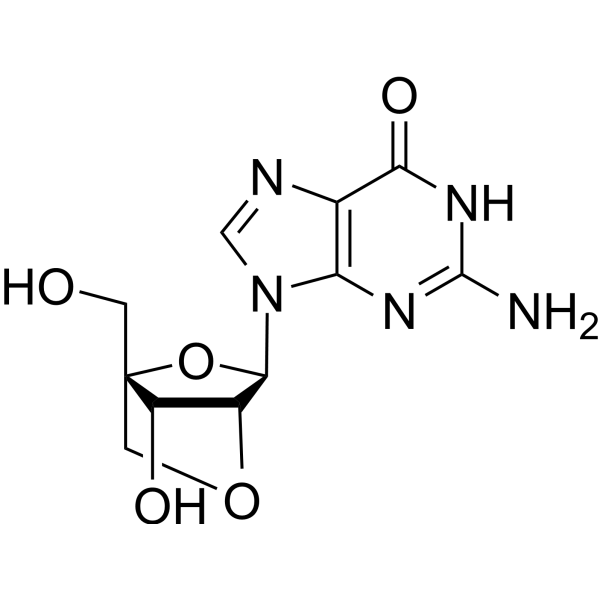
2′-O,4′-C-Methyleneguanosine (LNA-G) is a reverse guanine analog, where LNA (locked nucleic acid) is a nucleic acid analog. LNA modification can be widely used in various fields, such as effective binding affinity with complementary sequences and stronger nuclease resistance than natural nucleotides, providing great potential for application in disease diagnosis and research. 2'-O,4'-C-Methyleneguanosine is a substrate for KOD DNA polymerase, which incorporates LNA-G nucleotides into growing DNA strands, including consecutive incorporations , to generate full-length extension products .
|
-
-
- HY-148130
-
|
RG6091; RO7248824
|
E1/E2/E3 Enzyme
|
Others
|
|
Rugonersen (RG6091; RO7248824) is a locked-nucleic acid (LNA)- modified antisense oligonucleotides (ASOs), and results in reduction of ubiquitin-protein ligase E3A (UBE3A) silencing. Angelman syndrome (AS) is a severe neurodevelopmental disorder caused by the loss of neuronal E3 ligase UBE3A, Rugonersen has been used for AS reasearch .
|
-

-
- HY-148687A
-
|
|
PCSK9
|
Cardiovascular Disease
|
|
SPC5001 sodium is a locked nucleic acid (LNA)-modifed antisense oligonucleotide (ASO) complementary to human PCSK9 (proprotein convertase subtilisin/kexin type 9) mRNA. SPC5001 sodium can be used for the research of hypercholesterolemia. SPC5001 sodium sequence: 5′-TGmCTACAAAACmCmCA-3′ .
|
-
-
- HY-145149
-
|
|
ADC Payload
|
Cancer
|
|
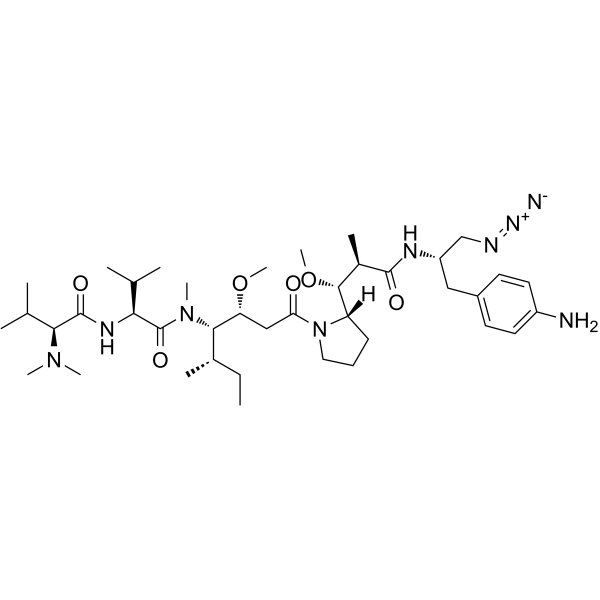
Duostatin 5 is a ADC Cytotoxin designed based on MMAF (HY-15579) and can be used to synthesize ADCs. The preparation of Duostatin 5 has the advantages of fewer synthetic steps, simple operation, less difficulty in quality control, and more stable chemical synthesis process. Duostatin 5 can be linked to the antibody targeting 5T4 (ZV05) by cross-linking with interchain cysteines through a disubstituted C-Lock linker. Duostatin 5 is a click chemistry reagent. It contains an azide group and can undergo copper-catalyzed azide-alkyne cycloaddition (CuAAc) with molecules containing alkyne groups. It can also undergo ring strain-driven alkyne-azide cycloaddition (SPAAC) with molecules containing DBCO or BCN groups[1][2].
|
-
-
- HY-46317
-
|
|
Phosphoramidites
DNA/RNA Synthesis
|
Metabolic Disease
|
|
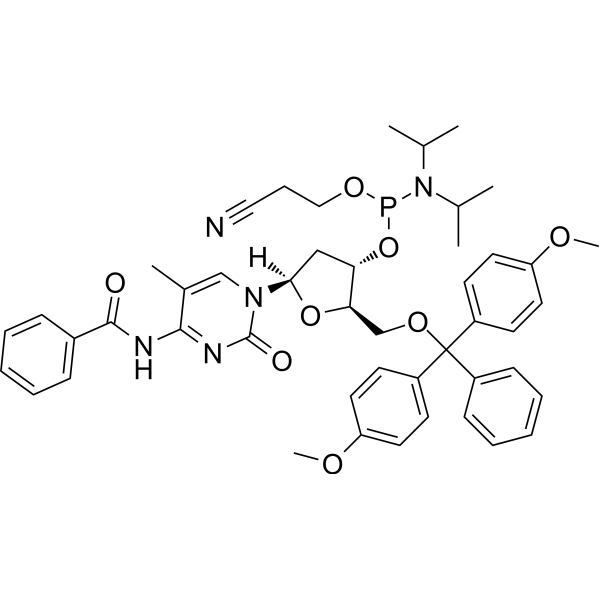
DMT-5Me-dC(Bz)-CE Phosphoramidite is a chemical structural unit that can be used in solid-phase DNA synthesis. DMT-5Me-dC(Bz)-CE Phosphoramidite can introduce the 5-methylcytidine base into the DNA chain to enhance its stability and binding affinity. DMT-5Me-dC(Bz)-CE Phosphoramidite can be used to construct modified oligonucleotides, especially for constructing locked nucleic acids (LNA) .
|
-
-
- HY-D1266
-
|
NO-red
|
Fluorescent Dye
|
Others
|
|
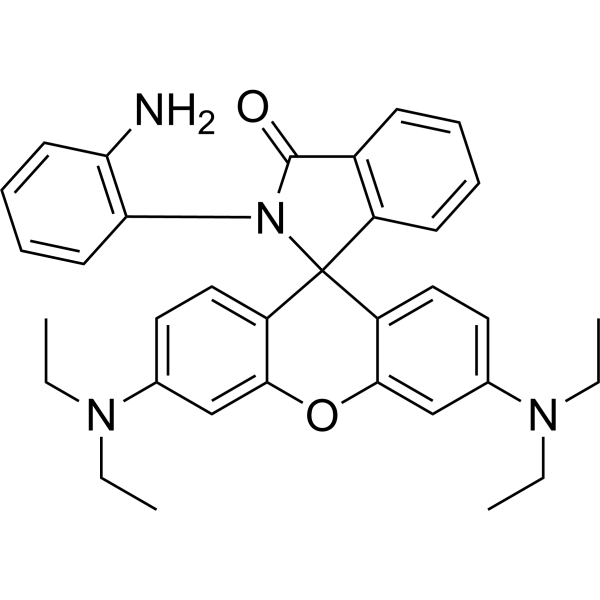
RB-OPD (NO-red) is a o-phenylenediamine (OPD)-locked rhodamine nitric oxide (NO) fluorescent probe with great sensitivity and selectivity (λex=550 nm, λem=590 nm) .
|
-
-
- HY-110407
-
-
-
- HY-111531
-
-
-
- HY-114277R
-
|
AMG-510 (Standard)
|
Ras
Reference Standards
|
Cancer
|
|
Sotorasib (Standard) is the analytical standard of Sotorasib. This product is intended for research and analytical applications. Sotorasib (AMG-510) is a first-in-class, orally bioavailable, and selective KRAS G12C covalent inhibitor. Sotorasib irreversibly inhibits KRAS G12C by locking it in an inactive GDP-bound state. Sotorasib leads to the regression of KRAS G12C‑mutated locally advanced or metastatic non‑small cell lung cancer (NSCLC) .
|
-

-
- HY-114277S
-
|
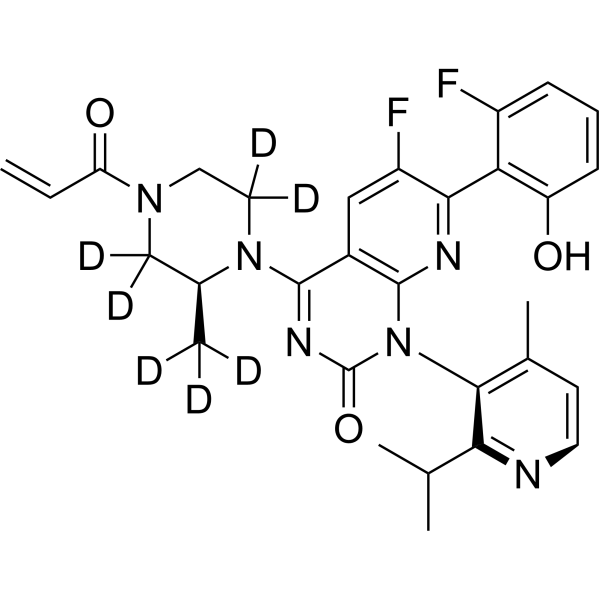
AMG-510-d7
|
Isotope-Labeled Compounds
Ras
|
Cancer
|
|
Sotorasib-d7 (AMG-510-d7) is a deuterium-labeled Sotorasib (HY-114277). Sotorasib (AMG-510) is a first-in-class, orally bioavailable, and selective KRAS G12C covalent inhibitor. Sotorasib irreversibly inhibits KRAS G12C by locking it in an inactive GDP-bound state. Sotorasib leads to the regression of KRAS G12C‑mutated locally advanced or metastatic non‑small cell lung cancer (NSCLC) .
|
-
-
- HY-14826
-
|
AVE8112
|
Phosphodiesterase (PDE)
|
Neurological Disease
|
|
Tilivapram (AVE8112) is an orally active PDE4 inhibitor with procognitive effects. Tilivapram exhibits in vivo efficacy and improves processing speed and psychomotor speed. Oral administration of tilivapram may induce dose-related adverse reactions such as nausea and dizziness, but transdermal delivery enables slow, controlled elevation of plasma concentrations, thereby significantly reducing gastrointestinal discomfort and dizziness. Tilivapram is applicable to research related to neuropsychiatric disorders .
|
-

-
- HY-132598A
-
|
SPC-3649 sodium
|
MicroRNA
|
Infection
|
|
Miravirsen sodium is a potent miR-122 inhibitor and inhibits the biogenesis of miR-122. Miravirsen sodium is a 15-nucleotide locked nucleic acid-modified phosphorothioate antisense oligonucleotide. Miravirsen sodium inhibits HCV replication, and can be used in research of HCV infection .
|
-

-
- HY-132598
-
|
SPC-3649
|
MicroRNA
HCV
|
Infection
Inflammation/Immunology
|
|
Miravirsen (SPC-3649) is a potent miR-122 inhibitor and inhibits the biogenesis of miR-122. Miravirsen is a 15-nucleotide locked nucleic acid-modified phosphorothioate antisense oligonucleotide. Miravirsen inhibits HCV replication. Miravirsen can be used in research of HCV infection .
|
-

-
- HY-148130A
-
|
RG6091 sodium; RO7248824 sodium
|
E1/E2/E3 Enzyme
|
Others
|
|
Rugonersen sodium is a locked-nucleic acid (LNA)- modified antisense oligonucleotides (ASOs), and results in reduction of ubiquitin-protein ligase E3A (UBE3A) silencing. Angelman syndrome (AS) sodium is a severe neurodevelopmental disorder caused by the loss of neuronal E3 ligase UBE3A, Rugonersen has been used for AS reasearch .
|
-

-
- HY-15463R
-
|
STI571 (Standard); CGP-57148B (Standard)
|
Reference Standards
Bcr-Abl
PDGFR
c-Kit
SARS-CoV
Autophagy
|
Cancer
|
|
Imatinib (Standard) is the analytical standard of Imatinib. This product is intended for research and analytical applications. Imatinib (STI571) is an orally bioavailable tyrosine kinases inhibitor that selectively inhibits BCR/ABL, v-Abl, PDGFR and c-kit kinase activity. Imatinib (STI571) works by binding close to the ATP binding site, locking it in a closed or self-inhibited conformation, therefore inhibiting the enzyme activity of the protein semicompetitively . Imatinib also is an inhibitor of SARS-CoV and MERS-CoV .
|
-

-
- HY-111807
-
-
-
- HY-148687
-
|
|
PCSK9
|
Cardiovascular Disease
|
|
SPC5001 is a locked nucleic acid (LNA)-modifed antisense oligonucleotide (ASO) complementary to human PCSK9 (proprotein convertase subtilisin/kexin type 9) mRNA. SPC5001 can be used for the research of hypercholesterolemia. SPC5001 sequence: 5′-TGmCTACAAAACmCmCA-3′ .
|
-

-
- HY-145087
-
|
NLRP3-IN-5
|
NOD-like Receptor (NLR)
Interleukin Related
Caspase
|
Inflammation/Immunology
|
|
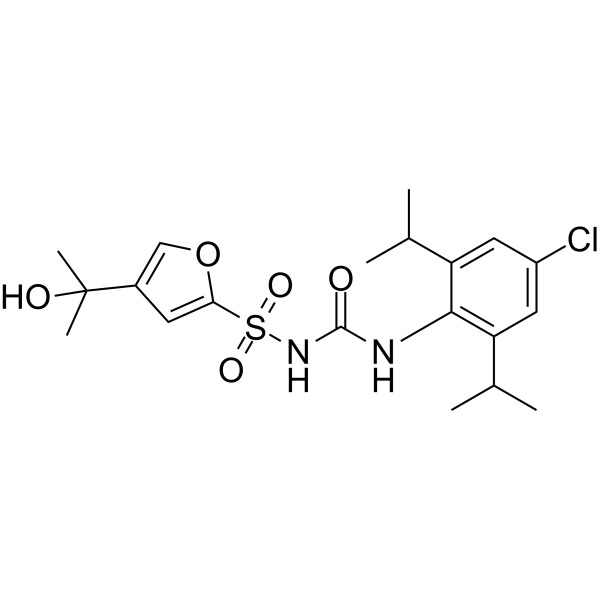
NP3-146 is a NLRP3 inflammasome inhibitor through locking the NACHT domain of NLRP3. NP3-146 shows potent inhibitory activity against IL-1β release with an IC50 value of 0.171 μM in LPS (HY-D1056)/Nigericin (HY-127019)-stimulated BMDM cells. NP3-146 regulates the levels of cleaved Caspase-1 and cleaved IL-1β in cell supernatants. NP3-146 can be used for the research of inflammatory diseases .
|
-
-
- HY-W160625
-
|
|
Others
|
Others
|
|
3,5-Dimethyl-2-cyclohexen-1-one is a precursor to configurationally locked polyene chromophores with a mono-methylated cyclohexene ring .
|
-

-
- HY-114277S2
-
|
AMG-510-d3
|
Isotope-Labeled Compounds
Ras
|
Cancer
|
|
Sotorasib-d3 (AMG-510-d3) is deuterium labeled Sotorasib. Sotorasib (AMG-510) is a first-in-class, orally bioavailable, and selective KRAS G12C covalent inhibitor. Sotorasib irreversibly inhibits KRAS G12C by locking it in an inactive GDP-bound state. Sotorasib leads to the regression of KRAS G12C?mutated locally advanced or metastatic non?small cell lung cancer (NSCLC) .
|
-

-
- HY-15463S3
-
|
STI571-13C,d3; CGP-57148B-13C,d3
|
Isotope-Labeled Compounds
Autophagy
SARS-CoV
Bcr-Abl
PDGFR
c-Kit
|
Cancer
|
|
Imatinib- 13C,d3 (STI571- 13C,d3) is 13C labeled Imatinib. Imatinib (STI571) is an orally bioavailable tyrosine kinases inhibitor that selectively inhibits BCR/ABL, v-Abl, PDGFR and c-kit kinase activity. Imatinib (STI571) works by binding close to the ATP binding site, locking it in a closed or self-inhibited conformation, therefore inhibiting the enzyme activity of the protein semicompetitively . Imatinib also is an inhibitor of SARS-CoV and MERS-CoV .
|
-

-
- HY-145087A
-
|
|
NOD-like Receptor (NLR)
Interleukin Related
Caspase
|
Inflammation/Immunology
|
|
NP3-146 sodium is a NLRP3 inflammasome inhibitor through locking the NACHT domain of NLRP3. NP3-146 sodium shows potent inhibitory activity against IL-1β release with an IC50 value of 0.171 μM in LPS (HY-D1056)/Nigericin (HY-127019)-stimulated BMDM cells. NP3-146 sodium regulates the levels of cleaved Caspase-1 and cleaved IL-1β in cell supernatants. NP3-146 sodium can be used for the research of inflammatory diseases .
|
-

-
- HY-161062
-
|
|
EAAT
|
Neurological Disease
|
|
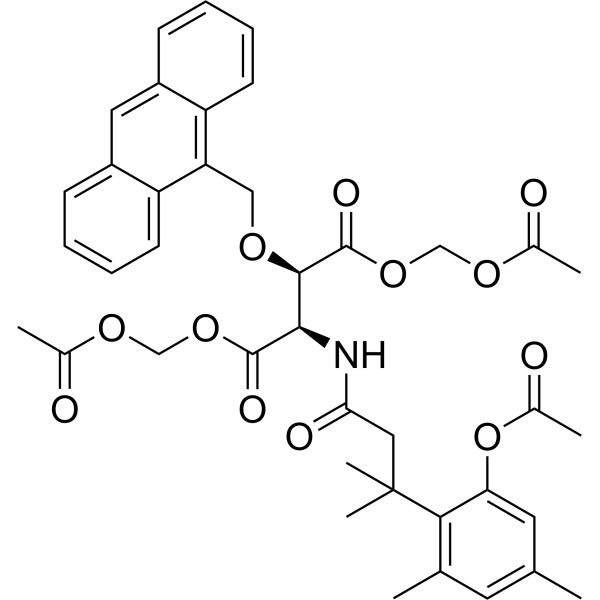
TAOA AM Ester trimethyl lock is a high-affinity fluorescent prodrug-like inhibitor of the excitatory amino acid transporter (EAAT). It can penetrate the cell membrane and be activated by hydrolysis by endogenous cell esterases to form active EAAT inhibitors. TAOA AM Ester trimethyl lock can be used to study neurodegeneration and neuronal cell death .
|
-
-
- HY-148689
-
|
|
PCSK9
|
Metabolic Disease
|
|
SPC4061 an antisense nucleotide, is a potent PCSK9 inhibitor. SPC4061 targets the lock-in nucleic acid (LNA) of PCSK9 for the study of hypercholesterolemia and related diseases .
|
-

-
- HY-148689A
-
|
|
PCSK9
|
Metabolic Disease
|
|
SPC4061 an antisense nucleotide, sodium is a potent PCSK9 inhibitor. SPC4061 targets the lock-in nucleic acid (LNA) of PCSK9 for the study of hypercholesterolemia and related diseases .
|
-
-
- HY-W800446
-
|
Lna-g amidite
|
Biochemical Assay Reagents
Phosphoramidites
|
Others
|
|
LNA-Guanosine 3'-CE phosphoramidite (Lna-g amidite) is an essential building block to Locked Nucleic Acid (LNA) oligonucleotide synthesis, which includes a ribonucleoside linked by a methylene unit between the 2’-oxygen and 4’-carbon atoms, paralleling DNA polymer assembly.
|
-

-
- HY-15463S2
-
|
STI571-d3 hydrochloride; CGP-57148B-d3 hydrochloride
|
Autophagy
Bcr-Abl
c-Kit
SARS-CoV
PDGFR
|
Cancer
|
|
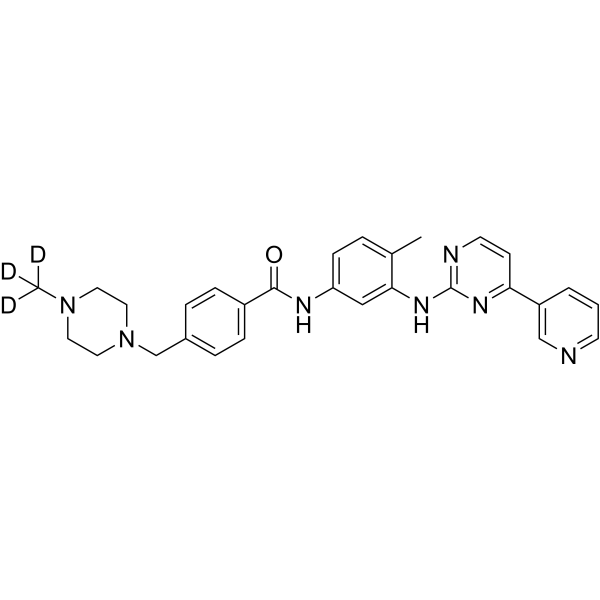
Imatinib-d3 (hydrochloride) is the deuterium labeled Imatinib. Imatinib (STI571) is an orally bioavailable tyrosine kinases inhibitor that selectively inhibits BCR/ABL, v-Abl, PDGFR and c-kit kinase activity. Imatinib (STI571) works by binding close to the ATP binding site, locking it in a closed or self-inhibited conformation, therefore inhibiting the enzyme activity of the protein semicompetitively. Imatinib also is an inhibitor of SARS-CoV and MERS-CoV.
|
-
-
- HY-131275
-
|
|
Drug Metabolite
|
Others
|
|
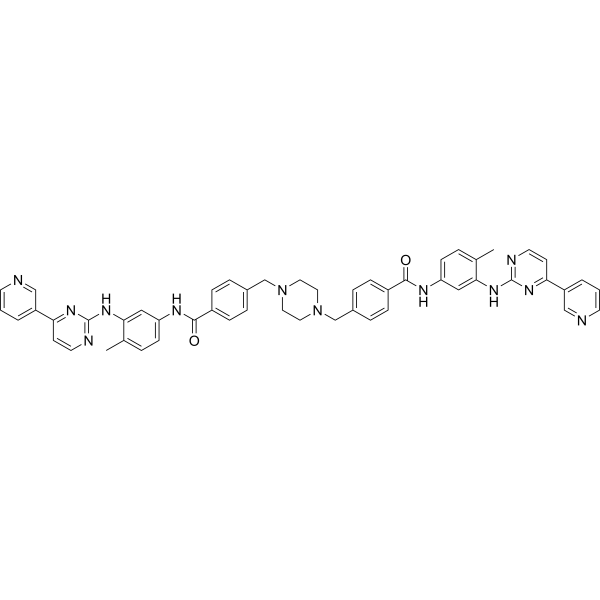
Imatinib Impurity E is the impurity of Imatinib. Imatinib is an orally bioavailable tyrosine kinases inhibitor that selectively inhibits BCR/ABL, v-Abl, PDGFR and c-kit kinase activity. Imatinib (STI571) works by binding close to the ATP binding site, locking it in a closed or self-inhibited conformation, therefore inhibiting the enzyme activity of the protein semicompetitively . Imatinib also is an inhibitor of SARS-CoV and MERS-CoV .
|
-
-
- HY-160478
-
|
|
Bcr-Abl
|
Cancer
|
|
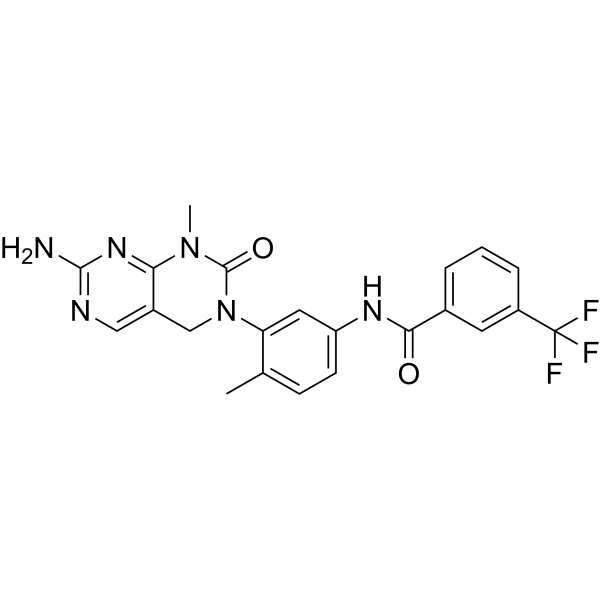
GNF-6 (Compound 14) inhibits the gatekeeper threonine residue mutation of BCR-ABL-T315I with IC50s of 0.25 μM, 0.09 μM and 0.590 μM for c-ABL-T334I, BCR-ABL and BCR-ABL-T315I variants, respectively. GNF-6, an ATP competitive inhibitor, disrupts the assembly of the hydrophobic spine (a network of hydrophobic interactions), thereby locking the kinase in an inactive ‘DFG-out’ conformation .
|
-
-
- HY-168739
-
|
|
Topoisomerase
Reactive Oxygen Species (ROS)
Apoptosis
Survivin
Bcl-2 Family
IAP
DNA/RNA Synthesis
|
Cancer
|
|
Topoisomerase I inhibitor 17 (Compound 7h) is a Topoisomerase I (Top1) inhibitor. Topoisomerase I inhibitor 17 reduces DDX5 and reverses the locking of Top1 activity by DDX5. Topoisomerase I inhibitor 17 induces Top1-mediated DNA damage and promotes reactive oxygen species (ROS) production. Topoisomerase I inhibitor 17 induces Apoptosis (reduces antiapoptotic proteins XIAP, Bcl-2, Survivin and up-regulates pro-apoptotic proteins Bax, γH2AX). Topoisomerase I inhibitor 17 also blocks the progression of the G2/M checkpoint and induces cell cycle arrest. Topoisomerase I inhibitor 17 significantly inhibits colony formation and cell migration in colorectal cancer cells. Topoisomerase I inhibitor 17 effectively reduces tumors in human PDX tumor mice .
|
-

-
- HY-178600
-
-

-
- HY-W844249
-
-

-
- HY-W1008628
-
-

-
- HY-W928636
-
-

-
- HY-178687
-
-

-
- HY-W141446
-
|
|
Eukaryotic Initiation Factor (eIF)
|
Others
|
|
VT00065 is a covalent DHS inhibitor. VT00065 forms a redox-dependent covalent bond with the catalytic lysine K329 of DHS, locking the enzyme in an inactive state .
|
-

-
- HY-D3140
-
|
|
Fluorescent Dye
Tyrosinase
|
Cancer
|
|
MB-m-borate is a double-locked near-infrared fluorescence-activated probe (Ex/Em ≈ 647 nm/684 nm). MB-m-borate undergoes cascade activation by hydrogen peroxide and tyrosinase to release the fluorophore methylene blue, thereby generating a fluorescence activation response. MB-m-borate enables precise detection of melanoma in melanoma cells and mouse models. MB-m-borate can be used for melanoma research .
|
-

-
- HY-D3143
-
|
|
Fluorescent Dye
|
Cancer
|
|
QM-B-CF is a sequential dual-lock chemiluminescent/fluorescent dual-mode probe designed for the specific detection of H2O2, and it can produce enhanced chemiluminescence upon photoirradiation. QM-B-CF generates chemiluminescent signals only under the conditions of H2O2 and light exposure in vitro, in cancer cells, and in tumor-bearing nude mice (Ex/Em = 514 nm/600 nm) .
|
-

-
- HY-181679
-
|
|
ADC Linker
|
Cancer
|
|
TML-2Cl is a dichloro-modified trimethyl lock adapter for antibody-drug conjugates and payload releaser.TML-2Cl undergoes 1,6-elimination followed by rapid self-cyclization to facilitate release of the payload Exatecan after cathepsin B cleavage of the associated linker.TML-2Cl exhibits high stability when conjugated to a drug and high intrinsic hydrophobicity.TML-2Cl can be used for the research of gastric carcinoma .
|
-

-
- HY-183887
-
|
|
PD-1/PD-L1
|
Cancer
|
|
PD-L1-IN-11 is a PD-L1 inhibitor with human PD-L1 IC50 and KD of 27.82 μM and 49.50 μM, respectively. PD-L1-IN-11 directly binds to PD-L1 via a dimer-locking mechanism, occluding the PD-1 interaction surface to disrupt PD-1/PD-L1 interaction. PD-L1-IN-11 can be used for the research of melanoma, colon carcinoma .
|
-

-
- HY-D3141
-
|
|
|
Cancer
|
|
DR probe is a "dual-key-and-lock" fluorescent probe designed based on the Resorufin (HY-123533) scaffold (Ex/Em = 647 nm/663-738 nm). DR probe can be sequentially activated by hydrogen peroxide to form the intermediate SR, which acts as a tyrosinase substrate to trigger a fluorescence turn-on signal. DR probe can distinguish normal melanocytes from melanoma cells. DR probe supports cell imaging and can be applied to mouse melanoma models to achieve melanoma diagnosis with higher accuracy and lower false-positive rates. DR probe is applicable to relevant research on melanoma .
|
-

-
- HY-145149S
-
|
|
Isotope-Labeled Compounds
ADC Payload
|
Cancer
|
|
Duostatin 5- 13C,d3 is the 13C-labeled Duostatin 5 (HY-145149). Duostatin 5 is a ADC Cytotoxin designed based on MMAF (HY-15579) and can be used to synthesize ADCs. The preparation of Duostatin 5 has the advantages of fewer synthetic steps, simple operation, less difficulty in quality control, and more stable chemical synthesis process. Duostatin 5 can be linked to the antibody targeting 5T4 (ZV05) by cross-linking with interchain cysteines through a disubstituted C-Lock linker. Duostatin 5 is a click chemistry reagent. It contains an azide group and can undergo copper-catalyzed azide-alkyne cycloaddition (CuAAc) with molecules containing alkyne groups. It can also undergo ring strain-driven alkyne-azide cycloaddition (SPAAC) with molecules containing DBCO or BCN groups[1][2].
|
-

| Cat. No. |
Product Name |
Type |
-
- HY-D1266
-
|
NO-red
|
Fluorescent Dyes
|
|
RB-OPD (NO-red) is a o-phenylenediamine (OPD)-locked rhodamine nitric oxide (NO) fluorescent probe with great sensitivity and selectivity (λex=550 nm, λem=590 nm) .
|
-
- HY-D3140
-
|
|
Fluorescent Dyes
|
|
MB-m-borate is a double-locked near-infrared fluorescence-activated probe (Ex/Em ≈ 647 nm/684 nm). MB-m-borate undergoes cascade activation by hydrogen peroxide and tyrosinase to release the fluorophore methylene blue, thereby generating a fluorescence activation response. MB-m-borate enables precise detection of melanoma in melanoma cells and mouse models. MB-m-borate can be used for melanoma research .
|
-
- HY-D3143
-
|
|
Fluorescent Dyes
|
|
QM-B-CF is a sequential dual-lock chemiluminescent/fluorescent dual-mode probe designed for the specific detection of H2O2, and it can produce enhanced chemiluminescence upon photoirradiation. QM-B-CF generates chemiluminescent signals only under the conditions of H2O2 and light exposure in vitro, in cancer cells, and in tumor-bearing nude mice (Ex/Em = 514 nm/600 nm) .
|
-
- HY-D3141
-
|
|
Fluorescent Dyes
|
|
DR probe is a "dual-key-and-lock" fluorescent probe designed based on the Resorufin (HY-123533) scaffold (Ex/Em = 647 nm/663-738 nm). DR probe can be sequentially activated by hydrogen peroxide to form the intermediate SR, which acts as a tyrosinase substrate to trigger a fluorescence turn-on signal. DR probe can distinguish normal melanocytes from melanoma cells. DR probe supports cell imaging and can be applied to mouse melanoma models to achieve melanoma diagnosis with higher accuracy and lower false-positive rates. DR probe is applicable to relevant research on melanoma .
|
-
- HY-E0225
-
|
|
|
0.5 mL 96-Well Tube Rack, compliant with the industry-standard SBS (Society for Biomolecular Screening) specifications. This product features a sliding lock mechanism on the lid to prevent tube dislodgement. The side of the rack is equipped with an identifiable barcode for easy compound storage and retrieval. The matching tube (HY-E0224) is made from the same material as this tube, effectively preventing uneven expansion issues during freeze-thaw cycles.
|
| Cat. No. |
Product Name |
Category |
Target |
Chemical Structure |
| Cat. No. |
Product Name |
Chemical Structure |
-
- HY-114277S
-
|
|
|
Sotorasib-d7 (AMG-510-d7) is a deuterium-labeled Sotorasib (HY-114277). Sotorasib (AMG-510) is a first-in-class, orally bioavailable, and selective KRAS G12C covalent inhibitor. Sotorasib irreversibly inhibits KRAS G12C by locking it in an inactive GDP-bound state. Sotorasib leads to the regression of KRAS G12C‑mutated locally advanced or metastatic non‑small cell lung cancer (NSCLC) .
|
-
-
- HY-114277S2
-
|
|
|
Sotorasib-d3 (AMG-510-d3) is deuterium labeled Sotorasib. Sotorasib (AMG-510) is a first-in-class, orally bioavailable, and selective KRAS G12C covalent inhibitor. Sotorasib irreversibly inhibits KRAS G12C by locking it in an inactive GDP-bound state. Sotorasib leads to the regression of KRAS G12C?mutated locally advanced or metastatic non?small cell lung cancer (NSCLC) .
|
-
-
- HY-15463S3
-
|
|
|
Imatinib- 13C,d3 (STI571- 13C,d3) is 13C labeled Imatinib. Imatinib (STI571) is an orally bioavailable tyrosine kinases inhibitor that selectively inhibits BCR/ABL, v-Abl, PDGFR and c-kit kinase activity. Imatinib (STI571) works by binding close to the ATP binding site, locking it in a closed or self-inhibited conformation, therefore inhibiting the enzyme activity of the protein semicompetitively . Imatinib also is an inhibitor of SARS-CoV and MERS-CoV .
|
-
-
- HY-15463S2
-
|
|
|
Imatinib-d3 (hydrochloride) is the deuterium labeled Imatinib. Imatinib (STI571) is an orally bioavailable tyrosine kinases inhibitor that selectively inhibits BCR/ABL, v-Abl, PDGFR and c-kit kinase activity. Imatinib (STI571) works by binding close to the ATP binding site, locking it in a closed or self-inhibited conformation, therefore inhibiting the enzyme activity of the protein semicompetitively. Imatinib also is an inhibitor of SARS-CoV and MERS-CoV.
|
-
-
- HY-145149S
-
|
|
|
Duostatin 5- 13C,d3 is the 13C-labeled Duostatin 5 (HY-145149). Duostatin 5 is a ADC Cytotoxin designed based on MMAF (HY-15579) and can be used to synthesize ADCs. The preparation of Duostatin 5 has the advantages of fewer synthetic steps, simple operation, less difficulty in quality control, and more stable chemical synthesis process. Duostatin 5 can be linked to the antibody targeting 5T4 (ZV05) by cross-linking with interchain cysteines through a disubstituted C-Lock linker. Duostatin 5 is a click chemistry reagent. It contains an azide group and can undergo copper-catalyzed azide-alkyne cycloaddition (CuAAc) with molecules containing alkyne groups. It can also undergo ring strain-driven alkyne-azide cycloaddition (SPAAC) with molecules containing DBCO or BCN groups[1][2].
|
-
| Cat. No. |
Product Name |
|
Classification |
-
- HY-145149
-
|
|
|
Azide
ADC Synthesis
|
|
Duostatin 5 is a ADC Cytotoxin designed based on MMAF (HY-15579) and can be used to synthesize ADCs. The preparation of Duostatin 5 has the advantages of fewer synthetic steps, simple operation, less difficulty in quality control, and more stable chemical synthesis process. Duostatin 5 can be linked to the antibody targeting 5T4 (ZV05) by cross-linking with interchain cysteines through a disubstituted C-Lock linker. Duostatin 5 is a click chemistry reagent. It contains an azide group and can undergo copper-catalyzed azide-alkyne cycloaddition (CuAAc) with molecules containing alkyne groups. It can also undergo ring strain-driven alkyne-azide cycloaddition (SPAAC) with molecules containing DBCO or BCN groups[1][2].
|
-
- HY-181679
-
|
|
|
Azide
|
|
TML-2Cl is a dichloro-modified trimethyl lock adapter for antibody-drug conjugates and payload releaser.TML-2Cl undergoes 1,6-elimination followed by rapid self-cyclization to facilitate release of the payload Exatecan after cathepsin B cleavage of the associated linker.TML-2Cl exhibits high stability when conjugated to a drug and high intrinsic hydrophobicity.TML-2Cl can be used for the research of gastric carcinoma .
|
| Cat. No. |
Product Name |
|
Classification |
-
- HY-148506
-
|
|
|
Phosphoramidites
Uracil
|
|
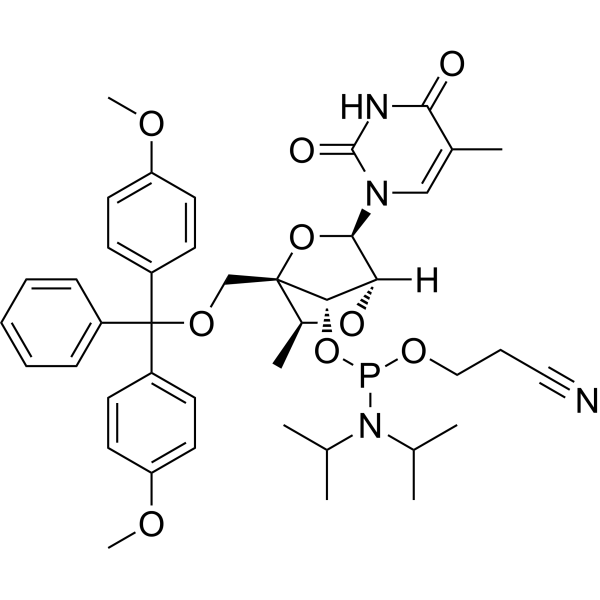
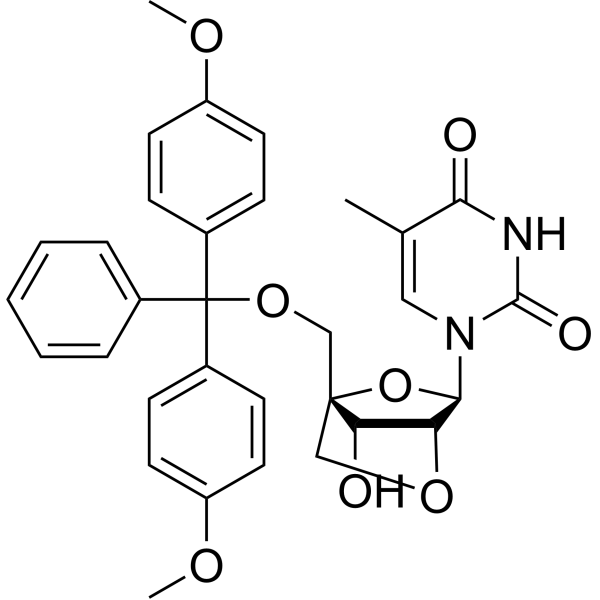
5'-ODMT cEt m5U Phosphoramidite Amidite is a locked nucleic acid (LNA) analog. 5'-ODMT cEt m5U Phosphoramidite Amidite shows excellent safety and antisense activity in mice .
|
-
- HY-148503
-
|
|
|
Phosphoramidites
Adenine
|
|
5'-ODMT cEt N-Bz A Phosphoramidite (Amidite) is a nucleoside phosphoramidite monomer used to synthesize locked nucleic acid (LNA) analog oligonucleotides. It can be used as a building block of antisense oligonucleotides (ASOs) to target complementary RNA sequences. 5'-ODMT cEt N-Bz A Phosphoramidite (Amidite) locks the furanose ring into an N-type conformation through 2',4'-constrained ethyl (cEt) modification, enhancing hybridization affinity and mismatch discrimination with RNA, while significantly improving the resistance of oligonucleotides to exonuclease digestion. 5'-ODMT cEt N-Bz A Phosphoramidite (Amidite) mediates RNase H-dependent mRNA degradation or inhibits translation by forming a stable hybrid with RNA, thereby achieving gene expression regulation. 5'-ODMT cEt N-Bz A Phosphoramidite (Amidite) is mainly used in the development of antisense drugs, gene function research and oligonucleotide synthesis related to disease treatment .
|
-
- HY-W406070
-
|
LNA-G
|
|
Nucleoside Analogs
Guanosine
|
|
2′-O,4′-C-Methyleneguanosine (LNA-G) is a reverse guanine analog, where LNA (locked nucleic acid) is a nucleic acid analog. LNA modification can be widely used in various fields, such as effective binding affinity with complementary sequences and stronger nuclease resistance than natural nucleotides, providing great potential for application in disease diagnosis and research. 2'-O,4'-C-Methyleneguanosine is a substrate for KOD DNA polymerase, which incorporates LNA-G nucleotides into growing DNA strands, including consecutive incorporations , to generate full-length extension products .
|
-
- HY-148130
-
|
RG6091; RO7248824
|
|
Antisense Oligonucleotides
|
|
Rugonersen (RG6091; RO7248824) is a locked-nucleic acid (LNA)- modified antisense oligonucleotides (ASOs), and results in reduction of ubiquitin-protein ligase E3A (UBE3A) silencing. Angelman syndrome (AS) is a severe neurodevelopmental disorder caused by the loss of neuronal E3 ligase UBE3A, Rugonersen has been used for AS reasearch .
|
-
- HY-148687A
-
|
|
|
Antisense Oligonucleotides
|
|
SPC5001 sodium is a locked nucleic acid (LNA)-modifed antisense oligonucleotide (ASO) complementary to human PCSK9 (proprotein convertase subtilisin/kexin type 9) mRNA. SPC5001 sodium can be used for the research of hypercholesterolemia. SPC5001 sodium sequence: 5′-TGmCTACAAAACmCmCA-3′ .
|
-
- HY-46317
-
|
|
|
Phosphoramidites
Cytosine
|
|
DMT-5Me-dC(Bz)-CE Phosphoramidite is a chemical structural unit that can be used in solid-phase DNA synthesis. DMT-5Me-dC(Bz)-CE Phosphoramidite can introduce the 5-methylcytidine base into the DNA chain to enhance its stability and binding affinity. DMT-5Me-dC(Bz)-CE Phosphoramidite can be used to construct modified oligonucleotides, especially for constructing locked nucleic acids (LNA) .
|
-
- HY-110407
-
|
LNA-A
|
|
Nucleoside Analogs
Adenosine
|
|
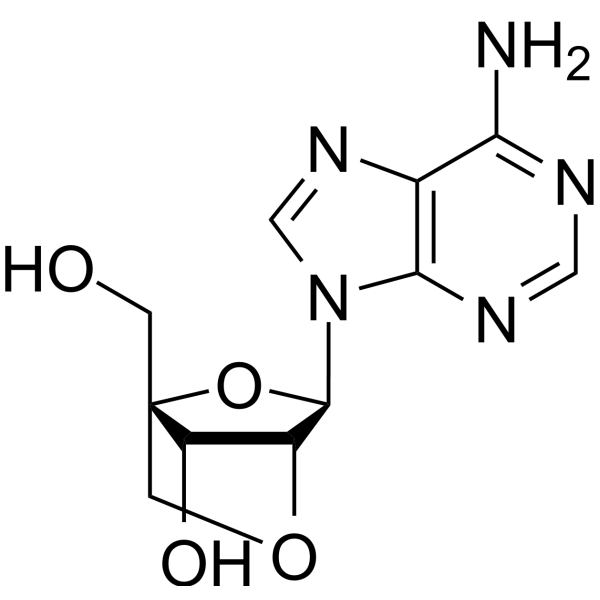
2'-O,4'-C-Methyleneadenosine (LNA-A) is a locked nucleic acid (LNA) and is also an adenosine analog .
|
-
- HY-111531
-
|
|
|
Phosphoramidites
Uracil
|
|
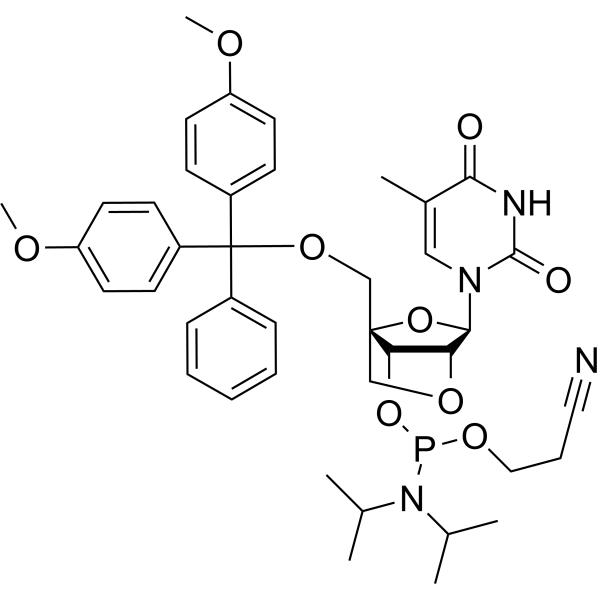
DMTr-LNA-5MeU-3-CED-phosphoramidite is a Phosphoramidite derivative and Nucleoside derivative .
|
-
- HY-132598A
-
|
SPC-3649 sodium
|
|
Antisense Oligonucleotides
|
|
Miravirsen sodium is a potent miR-122 inhibitor and inhibits the biogenesis of miR-122. Miravirsen sodium is a 15-nucleotide locked nucleic acid-modified phosphorothioate antisense oligonucleotide. Miravirsen sodium inhibits HCV replication, and can be used in research of HCV infection .
|
-
- HY-132598
-
|
SPC-3649
|
|
Antisense Oligonucleotides
|
|
Miravirsen (SPC-3649) is a potent miR-122 inhibitor and inhibits the biogenesis of miR-122. Miravirsen is a 15-nucleotide locked nucleic acid-modified phosphorothioate antisense oligonucleotide. Miravirsen inhibits HCV replication. Miravirsen can be used in research of HCV infection .
|
-
- HY-148130A
-
|
RG6091 sodium; RO7248824 sodium
|
|
Antisense Oligonucleotides
|
|
Rugonersen sodium is a locked-nucleic acid (LNA)- modified antisense oligonucleotides (ASOs), and results in reduction of ubiquitin-protein ligase E3A (UBE3A) silencing. Angelman syndrome (AS) sodium is a severe neurodevelopmental disorder caused by the loss of neuronal E3 ligase UBE3A, Rugonersen has been used for AS reasearch .
|
-
- HY-111807
-
-
- HY-148687
-
|
|
|
Antisense Oligonucleotides
|
|
SPC5001 is a locked nucleic acid (LNA)-modifed antisense oligonucleotide (ASO) complementary to human PCSK9 (proprotein convertase subtilisin/kexin type 9) mRNA. SPC5001 can be used for the research of hypercholesterolemia. SPC5001 sequence: 5′-TGmCTACAAAACmCmCA-3′ .
|
-
- HY-148689
-
|
|
|
Antisense Oligonucleotides
|
|
SPC4061 an antisense nucleotide, is a potent PCSK9 inhibitor. SPC4061 targets the lock-in nucleic acid (LNA) of PCSK9 for the study of hypercholesterolemia and related diseases .
|
-
- HY-148689A
-
|
|
|
Antisense Oligonucleotides
|
|
SPC4061 an antisense nucleotide, sodium is a potent PCSK9 inhibitor. SPC4061 targets the lock-in nucleic acid (LNA) of PCSK9 for the study of hypercholesterolemia and related diseases .
|
-
- HY-W800446
-
|
Lna-g amidite
|
|
Phosphoramidites
Guanine
|
|
LNA-Guanosine 3'-CE phosphoramidite (Lna-g amidite) is an essential building block to Locked Nucleic Acid (LNA) oligonucleotide synthesis, which includes a ribonucleoside linked by a methylene unit between the 2’-oxygen and 4’-carbon atoms, paralleling DNA polymer assembly.
|
-
- HY-178600
-
-
- HY-W844249
-
-
- HY-W1008628
-
-
- HY-W928636
-
-
- HY-178687
-
|
2'-O-4'-C-Locked-rG(iBu)
|
|
Nucleoside Analogs
Nucleotide Analogs
|
|
N2-Isobutyryl-2'-O,4'-C-methyleneguanosine (2'-O-4'-C-Locked-rG(iBu)) is a monomeric raw material that can be used for nucleic acid synthesis.
|
Your information is safe with us. * Required Fields.
Inquiry Information
- Product Name:
- Cat. No.:
- Quantity:
- MCE Japan Authorized Agent:








