1. Search Result
Search Result
Results for "

API

" in MedChemExpress (MCE) Product Catalog:

34

Inhibitors & Agonists

3

Peptides

9

Natural
Products

10

Recombinant Proteins

14

Antibodies

2

Oligonucleotides

Cat. No. Product Name Target Research Areas Chemical Structure
  • HY-101092
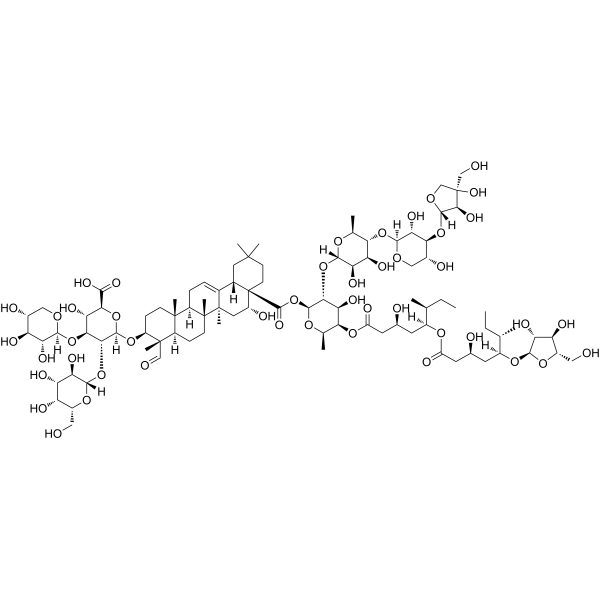
    QS-21-Api
    5+ Cited Publications

    Stimulon

    NOD-like Receptor (NLR) Inflammation/Immunology Cancer
    QS-21-Api, an immunostimulatory saponin, could be used as a potent vaccine adjuvant. QS-21-Api stimulates Th2 humoral and Th1 cell-mediated immune responses through action on antigen presenting cells (APCs) and T cells. QS-21-Api can activate the NLRP3 inflammasome with subsequent release of caspase-1 dependent cytokines, IL-1β and IL-18 .
    QS-21-Api
  • HY-15457
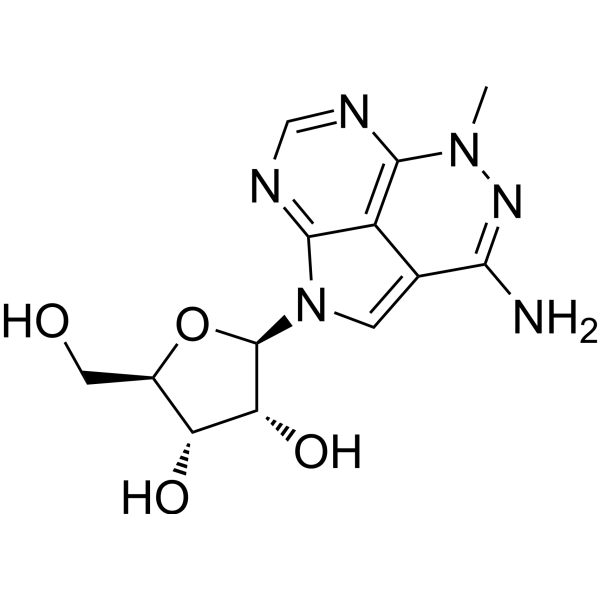
    Triciribine
    Maximum Cited Publications
    22 Publications Verification

    API-2; NSC 154020; TCN

    DNA/RNA Synthesis Akt HIV Cancer
    Triciribine is a DNA synthesis inhibitor, also inhibits Akt and HIV-1/2 with IC50 of 130 nM, and 0.02-0.46 μM, respectively.
    Triciribine
  • HY-16911
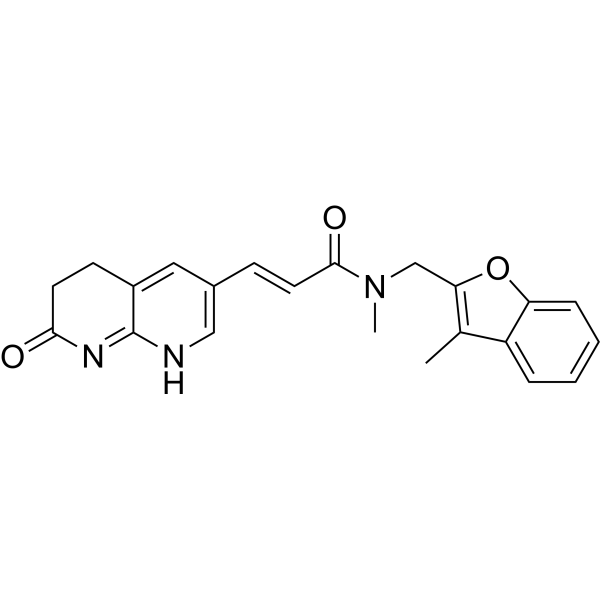
    AFN-1252
    10+ Cited Publications

    API-1252; Debio 1452

    Bacterial Antibiotic Infection
    AFN-1252 is an orally active and selective inhibitor of FabI, an essential enzyme in fatty acid biosynthesis in Staphylococcus spp. AFN-1252 exhibits exquisite and highly selective activity against Staphylococcus spp. AFN-1252 exhibits typical MIC90 values of ⩽0.015 μg/ml against diverse clinical isolates of S. aureus. AFN-1252 is efficacious in a mouse model of septicemia providing 100% protection from an otherwise lethal peritoneal infection of S. aureus Smith .
    AFN-1252
  • HY-110077
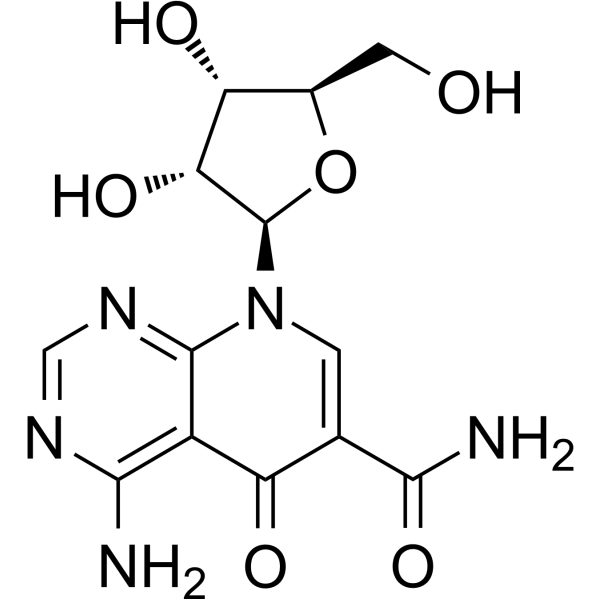
    API-1
    1 Publications Verification

    Akt Apoptosis Caspase PARP Cancer
    API-1 is a potent selective Akt/PKB inhibitor that reduces the level of phosphorylated Akt (IC50 = 0.8 μM). API-1 binds to the PH domain and inhibits Akt membrane translocation. API-1 induces c-FLIP degradation. API-1 reduces cell proliferation and induces apoptosis. API-1 decreases tumor growth in mouse xenograft model .
    API-1
  • HY-135396

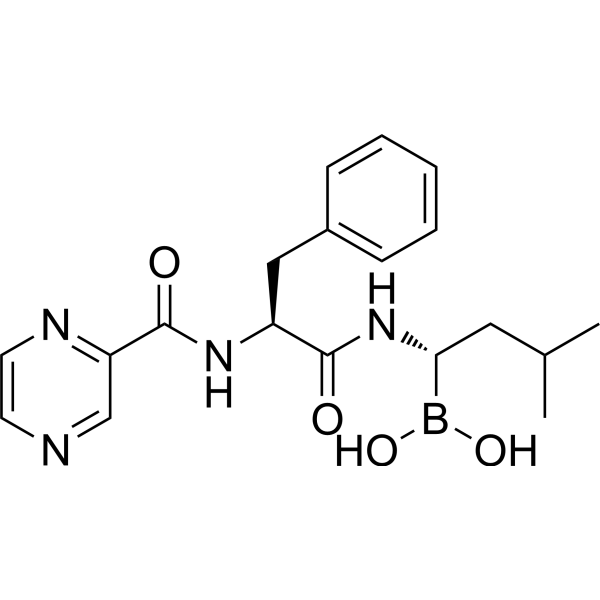
    Drug Isomer Others
    (1S,2S)-Bortezomib (Compound Imp-D (1S,2S)) is a diastereomeric impurity of Bortezomib (HY-10227) .
    (1S,2S)-Bortezomib
  • HY-116716
    PIN1 inhibitor API-1
    1 Publications Verification

    MicroRNA Cancer
    PIN1 inhibitor API-1 is a specific Pin1 (peptidyl-prolyl cis-trans isomerase NIMA-interacting 1) inhibitor (API-1) with an IC50 of 72.3 nM. PIN1 inhibitor API-1 directly and specifically binds to the Pin1 peptidyl-prolyl isomerase (PPIase) domain and potently inhibits Pin1 cis-trans isomerizing activity. PIN1 inhibitor API-1 retains the active conformation of pXPO5 and restores the ability of pXPO5 to transport pre-miRNAs from nucleus to cytoplasm, thus up-regulating the anticancer miRNA biogenesis to suppress both in vitro and in vivo hepatocellular carcinoma development .
    PIN1 inhibitor API-1
  • HY-N2110

    Akt Sirtuin Integrin STAT PI3K Apoptosis ERK PPAR PKC Toll-like Receptor (TLR) HIV Inflammation/Immunology
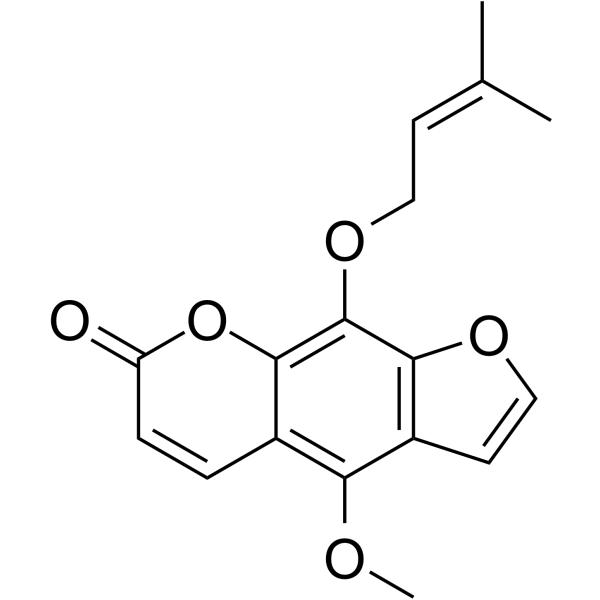
    Phellopterin, an orally active furocoumarin with multiple biological activities. Phellopterin is a partial agonist of the central benzodiazepine receptors. Phellopterin exerts anti-inflammatory effects by upregulating SIRT1, downregulating ICAM-1 (reducing chronic inflammation, aiding diabetic ulcer healing), inhibiting STAT3 phosphorylation (easing atopic dermatitis inflammation), regulating Akt/PKC pathways (lowering TNF-α-induced VCAM-1 to block monocyte adhesion), and inhibiting TLR4/NF-κB pathway and macrophage M2 polarization (alleviating colitis-related cancers). Phellopterin suppresses ovarian cancer progression via inhibiting the PU.1/CLEC5A/PI3K-AKT loop (inducing cell cycle arrest, apoptosis, DNA damage). Phellopterin alleviates murine diabetes by promoting adipocyte differentiation and increasing PPARγ. Phellopterin also has anti-HSV-1 activity. Phellopterin can be used for studying anti-inflammation, anti-cancer (e.g., ovarian cancer, colitis cancer), blood glucose lowering, anti-diabetes, and anti-virus .
    Phellopterin
  • HY-N9517

    QS 7 API

    Others Inflammation/Immunology Cancer
    QS 7 (QS 7 Api) is a triterpene saponin found in the bark of Quillaja saponaria and immune adjuvant with immune response potentiator activity. QS 7 can be used as vaccine adjuvant for the research of antitumor and antiviral vaccine development .
    QS 7
  • HY-101092A

    Toll-like Receptor (TLR) Infection Cancer
    QS-21 is a mixture of QS-21-Xyl (HY-101092B) and QS-21-Api (HY-101092), with a ratio of 35:65. QS-21 is an innate immune system-targeted adjuvant. QS-21 is promising for research of oncology vaccines (e.g., melanoma) and infectious disease vaccines (e.g., HIV, malaria) .
    QS-21
  • HY-78509

    Biochemical Assay Reagents Drug Intermediate Neurological Disease
    Dibenzosuberone belongs to the family of tricyclic antidepressant drugs, commonly referred to as Tricyclic antidepressants (TCAs), and is widely used in research on migraine, tension headaches, anxiety disorders, and schizophrenia. Dibenzosuberone is also a key intermediate in the synthesis of various active pharmaceutical ingredients (APIs), such as Amitriptyline (HY-B0527), Nortriptyline (HY-118620), Noxiptiline or Cyproheptadine (HY-B1622) .
    Dibenzosuberone
  • HY-N8491A

    Others Others
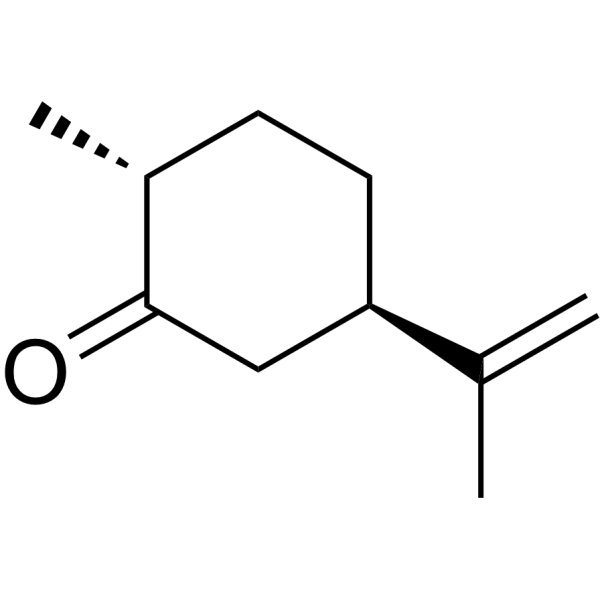
    (+)-Dihydrocarvone elicits strong antennal responses of A. mellifera. (+)-Dihydrocarvone influences bee foraging preference for tomato .
    (+)-Dihydrocarvone
  • HY-P5723A

    Bacterial Infection
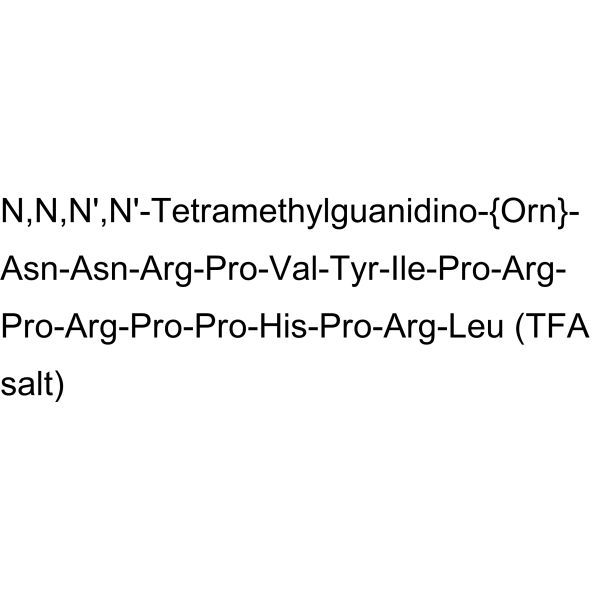
    Api137 TFA is an antimicrobial peptide that interferes with bacterial growth by inhibiting translation. Api137 TFA inhibits protein synthesis by trapping of release factors on the 70S ribosome following hydrolysis of the nascent polypeptide chain .
    Api137 TFA
  • HY-128030

    Others Endocrinology
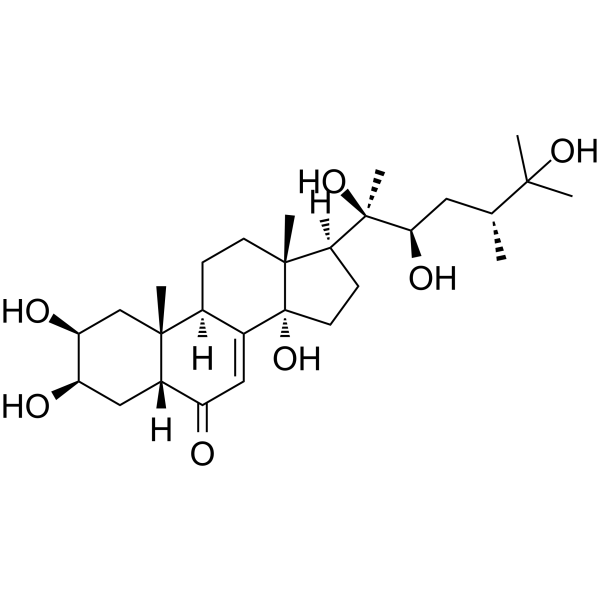
    Makisterone A, a 28-carbon moulting hormone, has been identified as the major free pupal ecdysteroid in the honey bee, Apis mellifera .
    Makisterone A
  • HY-W339331

    NNI-0001

    Insecticide Calcium Channel Reactive Oxygen Species (ROS) Apoptosis Infection Metabolic Disease
    Flubendiamide (NNI-0001) is an orally active phthalic diamide insecticide that acts by targeting insect ryanodine receptors (RyRs), causing insect muscle dysfunction, paralysis and death. Flubendiamide disrupts molting, metamorphosis and reproductive processes, induces oxidative stress by increasing the levels of ROS/RNS, MDA and 8OHdG and decreasing the levels of SOD, CAT and GST, activates the CncC/Maf apoptosis pathway, impairs calcium homeostasis, promotes adipogenesis, increases triglyceride accumulation, and upregulates the expression of regulatory factors for adipocyte differentiation and adipogenesis .
    Flubendiamide
  • HY-B2021

    Insecticide Neurological Disease
    τ-Fluvalinate is an insecticide and in-hive miticide, with its mechanism involving interfering with nervous systems. τ-Fluvalinate binds to the open state of Varroa destructor (VdNaV1) and Apis mellifera (AmNaV1) voltage-dependent sodium channels, with EC50 values of 160 nM and 60 nM respectively. τ-Fluvalinate has higher affinity for AmNaV1, which causes sublethal toxicity to honeybees. τ-Fluvalinate can be applied for research on Varroa destructor infestation in honeybee colonies .
    τ-Fluvalinate
  • HY-139898

    Taste Receptor Others
    S7958 is a selective and orally active antagonist of the TAS2R8 bitter taste receptor, with its IC50 being 0.06 μM. S7958 only has a weak inhibitory effect on TASR8 and TAS2R39, and has no significant impact on other receptors. S7958 significantly inhibits the perception of bitterness caused by substances such as coffee and drug active ingredients (API) by selectively antagonizing the human bitter taste receptor TAS2R8. S7958 can be used in the medical field to improve the research on the bitterness of oral preparations .
    S7958
  • HY-P5723

    Bacterial Infection
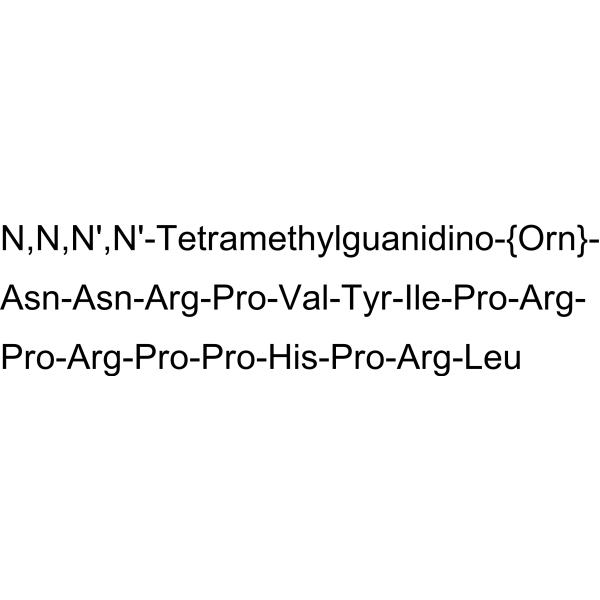
    Api137 is an antimicrobial peptide that interferes with bacterial growth by inhibiting translation. Api137 inhibits protein synthesis by trapping of release factors on the 70S ribosome following hydrolysis of the nascent polypeptide chain .
    Api137
  • HY-W288951

    PKA Metabolic Disease
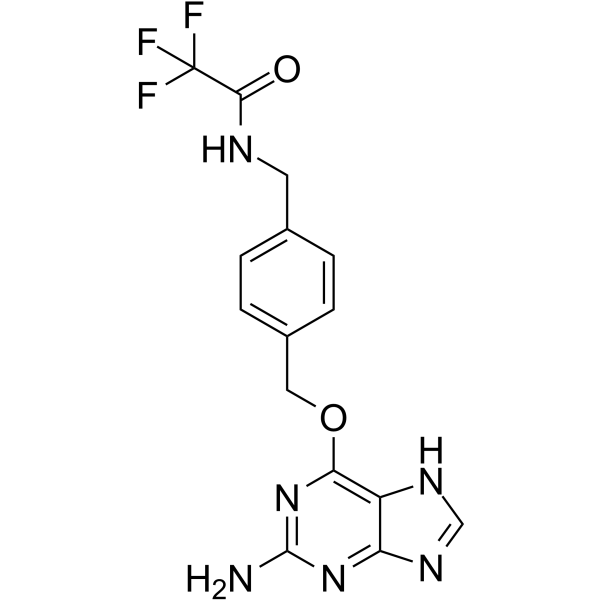
    FMP-API-1 is an A-kinase anchoring protein (AKAP)-PKA interaction inhibitor. FMP-API-1 binds to the allosteric site of PKA R subunits and increases the activity of PKA and AQP2 in PKA-knockout cell lines of renal cortical collecting ducts (mpkCCD cells). FMP-API-1 has the potential for the study of nephrogenic diabetes insipidus (NDI) .
    FMP-API-1
  • HY-168872

    PIN1 Cancer
    API32 is a potent Pin1 inhibitor. API32 interactes with the Pin1 PPIase domain. API32 inhibits cell proliferation and migration. API32 has the potential for the research of hepatocellular carcinoma (HCC) .
    API32
  • HY-179396

    Bacterial Infection
    T-1228 is a highly selective LpxC inhibitor. T-1228 can effectively block the synthesis of LPS (HY-D1056), causing defects in the bacterial outer membrane structure, increasing membrane permeability, and ultimately leading to bacterial cell death. T-1228 can be used for the study of Gram-negative bacterial infections .
    T-1228
  • HY-N2110R

    Reference Standards Akt Sirtuin Integrin STAT PI3K Apoptosis ERK PPAR PKC Toll-like Receptor (TLR) HIV Infection Cardiovascular Disease Neurological Disease Metabolic Disease Inflammation/Immunology Cancer
    Phellopterin (Standard) is the analytical standard of Phellopterin. Phellopterin, an orally active furocoumarin with multiple biological activities. Phellopterin is a partial agonist of the central benzodiazepine receptors. Phellopterin exerts anti-inflammatory effects by upregulating SIRT1, downregulating ICAM-1 (reducing chronic inflammation, aiding diabetic ulcer healing), inhibiting STAT3 phosphorylation (easing atopic dermatitis inflammation), regulating Akt/PKC pathways (lowering TNF-α-induced VCAM-1 to block monocyte adhesion), and inhibiting TLR4/NF-κB pathway and macrophage M2 polarization (alleviating colitis-related cancers). Phellopterin suppresses ovarian cancer progression via inhibiting the PU.1/CLEC5A/PI3K-AKT loop (inducing cell cycle arrest, apoptosis, DNA damage). Phellopterin alleviates murine diabetes by promoting adipocyte differentiation and increasing PPARγ. Phellopterin also has anti-HSV-1 activity. Phellopterin can be used for studying anti-inflammation, anti-cancer (e.g., ovarian cancer, colitis cancer), blood glucose lowering, anti-diabetes, and anti-virus.
    Phellopterin (Standard)
  • HY-RS00819

    Small Interfering RNA (siRNA) Others

    API5 Human Pre-designed siRNA Set A contains three designed siRNAs for API5 gene (Human), as well as a negative control, a positive control, and a FAM-labeled negative control.

    API5 Human Pre-designed siRNA Set A
    API5 Human Pre-designed siRNA Set A
  • HY-114622

    API-1252 tosylate; Debio 1452 tosylate

    Bacterial Antibiotic Infection
    AFN-1252 (API-1252) tosylate is an orally active and selective inhibitor of FabI, an essential enzyme in fatty acid biosynthesis in Staphylococcus spp. AFN-1252 tosylate exhibits exquisite and highly selective activity against Staphylococcus spp. AFN-1252 tosylate exhibits typical MIC90 values of 0.015 μg/ml against diverse clinical isolates of S. aureus. AFN-1252 tosylate is efficacious in a mouse model of septicemia providing 100% protection from an otherwise lethal peritoneal infection of S. aureus Smith .
    AFN-1252 tosylate
  • HY-W714006

    Reactive Oxygen Species (ROS) Metabolic Disease
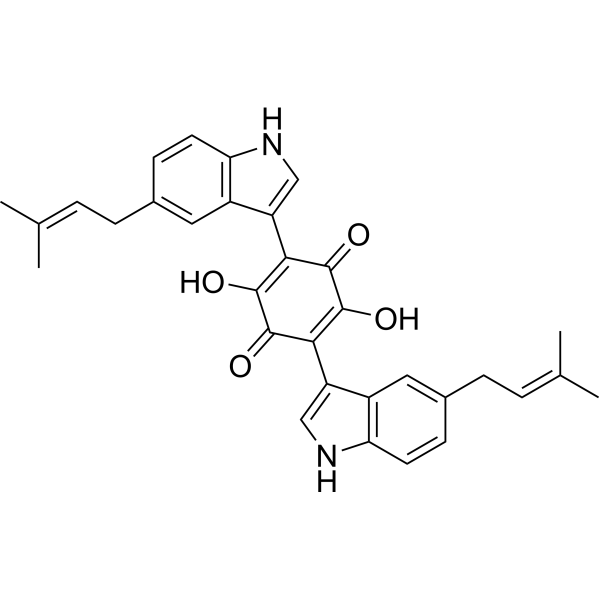
    Cochliodinol (compound 1) is a metabolite derived from the Apis mellifera ligustica. Cochliodinol has strong free radical scavenging activity of 2, 2-diphenyl-1-picrohydrazine (DPPH) (IC50=3.06 μg/mL) .
    Cochliodinol
  • HY-B0827B

    (S)-MTI-446

    nAChR Parasite Infection
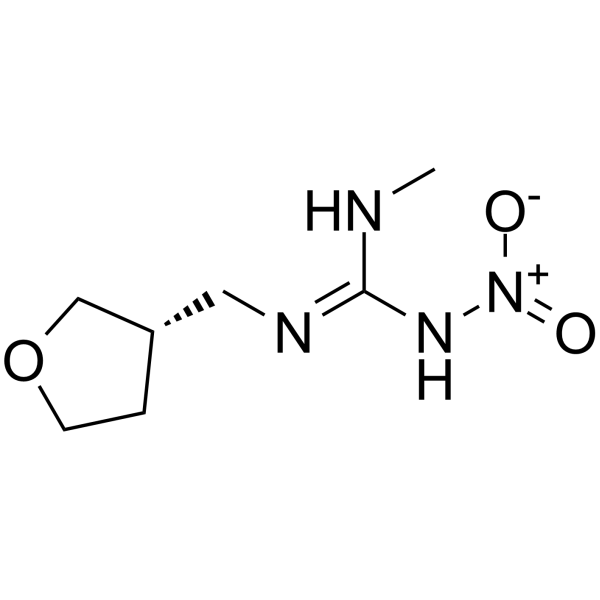
    (S)-Dinotefuran ((S)-MTI-446), a neonicotinoid pesticide, is toxic by binding to α8 subunit of nAChR of honeybee Apis mellifera (Apis mellifera Linnaeus). (S)-Dinotefuran shows more toxic than R-dinotefuran to honeybee Apis mellifera .
    (S)-Dinotefuran
  • HY-120637

    GPR119 Others
    BMS-986034 is an orally active ingredient (API) that is an agonist of GPR119. .
    BMS-986034
  • HY-RS12726

    Small Interfering RNA (siRNA) Others

    SERPINF2 Human Pre-designed siRNA Set A contains three designed siRNAs for SERPINF2 gene (Human), as well as a negative control, a positive control, and a FAM-labeled negative control.

    SERPINF2 Human Pre-designed siRNA Set A
    SERPINF2 Human Pre-designed siRNA Set A
  • HY-121461

    15-Azasterol

    Fungal Infection
    A25822B is an antifungal agent, with a MIC of 1 μM for Ascosphaera apis. A25822B causes conformational changes in mitochondria and disruption of spore membrane structure. A25822B can be used for the research of bee chalk disease .
    A25822B
  • HY-16911R

    API-1252 (Standard); Debio 1452 (Standard)

    Reference Standards Bacterial Antibiotic Infection
    Apramycin (Standard) is the analytical standard of Apramycin. This product is intended for research and analytical applications. 0
    AFN-1252 (Standard)
  • HY-158569

    Endogenous Metabolite Others
    SAR114137 is a highly effective drug with potent biological activity. SAR114137 exhibits altered amorphous content characteristics during physical processing of the crystalline active pharmaceutical ingredient. The amorphous API content of SAR114137 is significantly reduced when processed by different jet grinding techniques. SAR114137 exhibits good chemical stability in pharmaceutical formulations .
    SAR114137
  • HY-W710697

    Triclopyr 2-butoxyethylester

    Herbicide Others
    Triclopyr ester (Triclopyr 2-butoxyethylester) is a bioactive substance with activity in controlling harmful woody plants. Triclopyr ester showed toxicity to honeybees (Apis mellifera) in greenhouse trials. Triclopyr ester in combination with other herbicides is effective in removing the canopy of plants such as honey trees and whitebrush. Triclopyr ester can quickly assess its weeding effectiveness when treating trees in greenhouses, providing potential treatment options for field experiments .
    Triclopyr ester
  • HY-P3029D

    Biochemical Assay Reagents Metabolic Disease
    Phospholipase A2, Honey bee venom (Apis mellifera) (EC 3.1.1.4) hydrolyzes the β-ester bond of zwitterionic glycerophospholipids. Preferred substrates are phosphatidylcholine, phosphatidylethanolamine, and their plasmalogen analogues.
    Phospholipase A2, Honey bee venom (Apis mellifera)
  • HY-181985

    Insecticide Infection
    Insecticidal agent 30 is an orally active insecticidal agent. Insecticidal agent 30 induces rapid contact mortality in adult Brassicogethes aeneus, achieves 100% 24-hour contact mortality against Brassicogethes aeneus, and exhibits moderate insecticidal activity against Drosophila melanogaster. Insecticidal agent 30 can be used for the research of pollen beetle (brassicogethes aeneus) infestation .
    Insecticidal agent 30
  • HY-N18016

    Hesperitin-5,7-dimethyl-ether

    Drug Derivative Others
    4'-Hydroxy-5,7,3'-trimethoxyflavanone (Hesperitin-5,7-dimethyl-ether) (Compound 13) is an O-methylated flavanone and a derivative of Hesperetin (HY-N0168) .
    4'-Hydroxy-5,7,3'-trimethoxyflavanone

Inquiry Online

Your information is safe with us. * Required Fields.

Salutation


Country or Region *

Applicant Name *


Organization Name *

Department *


Email Address *


Product Name *

Cat. No.


Requested quantity *

Phone Number *


Remarks

Inquiry Online

Inquiry Information

Product Name:
Cat. No.:
Quantity:
MCE Japan Authorized Agent: