Delivery of temperature sensitive items including proteins and kits will be paused on 6/19 for the Juneteenth holiday. For urgent orders please contact customer service.
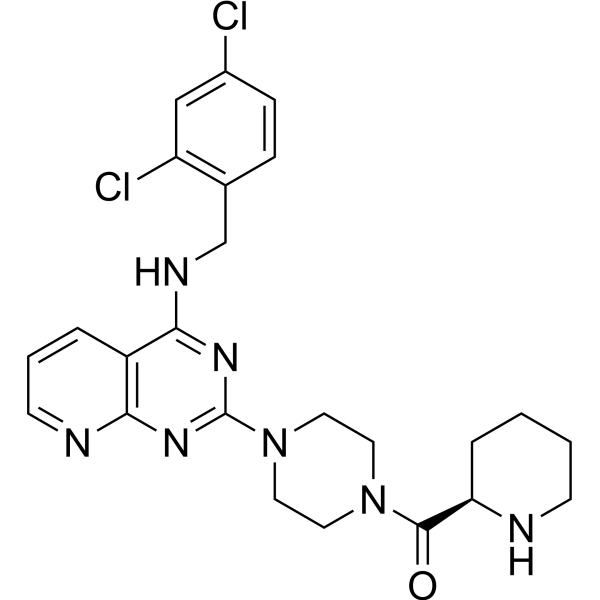
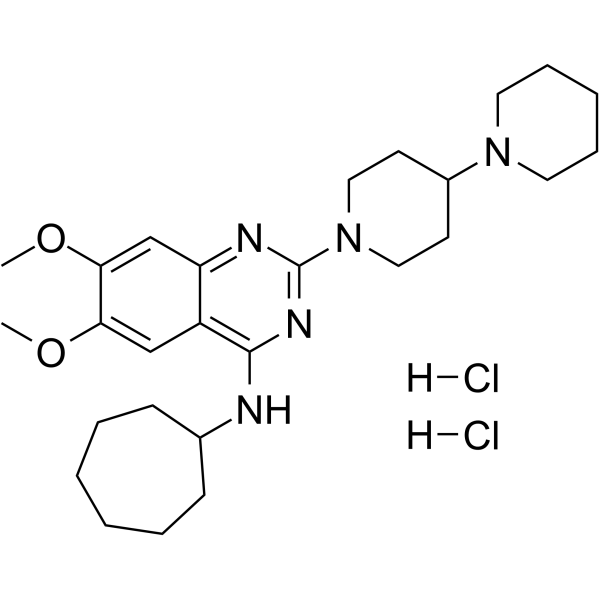
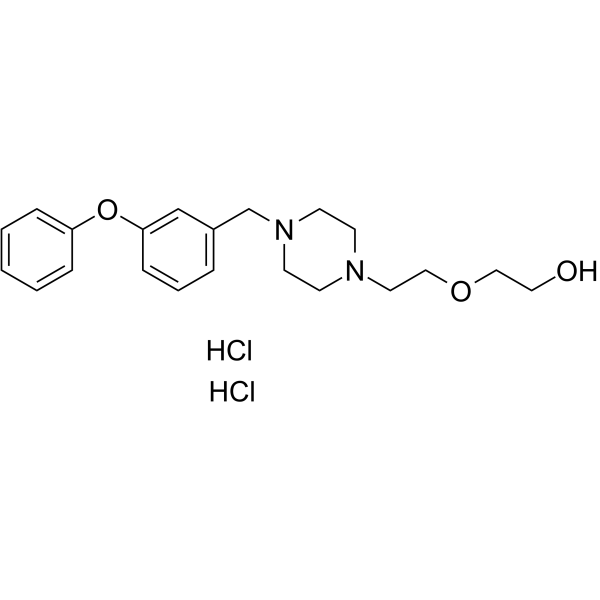
C-021 dihydrochloride is a potent CCchemokinereceptor-4 (CCR4) antagonist. C-021 dihydrochloride potently inhibits functional chemotaxis in human and mouse with IC50s of 140 nM and 39 nM, respectively. C-021 dihydrochloride effectively prevents human CCL22-derived [ 35S]GTPγS from binding to the receptor with an IC50 of 18 nM .
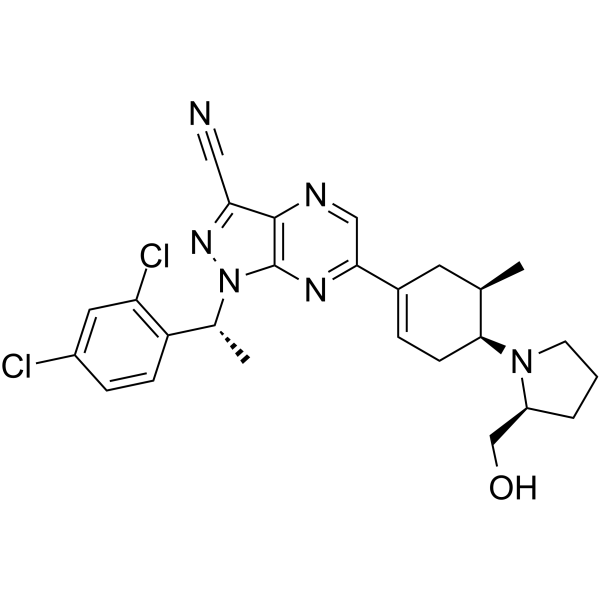
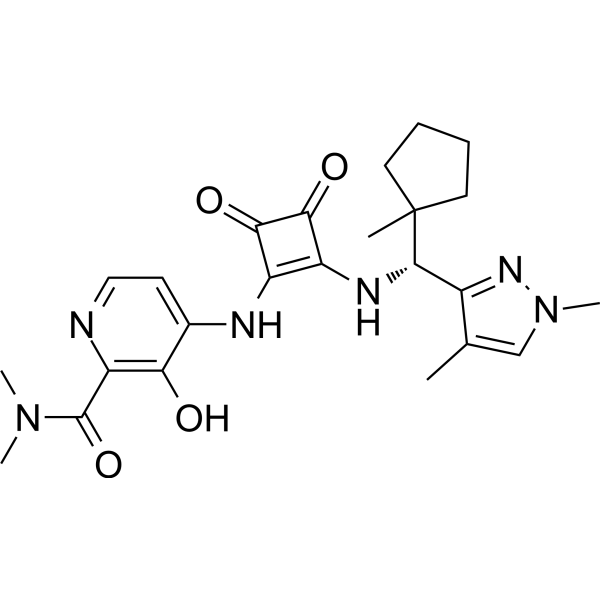
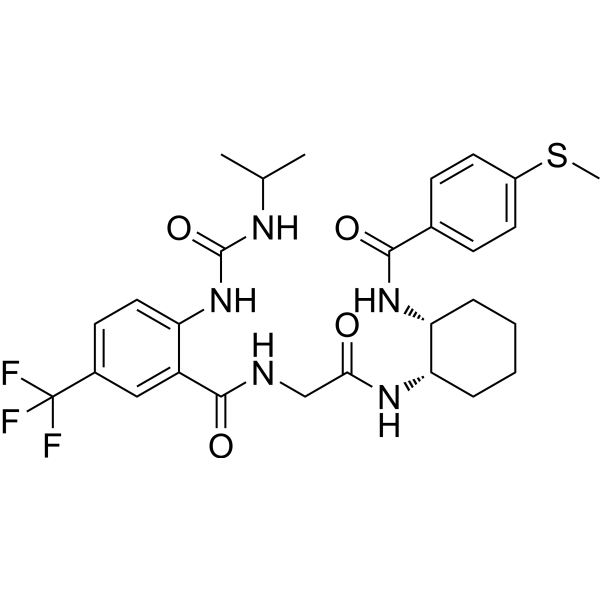
PF-07054894 is an orally active and potent C-C Chemoattractant Cytokine (Chemokine) Receptor 6 (CCR6) antagonist that blocks CCR6-mediated chemotaxis with an IC50 value of 5.7 nM in vitro. PF-07054894 targets G protein-coupled receptor (GPCR). PF-07054894 can be used in research of inflammatory bowel disease .
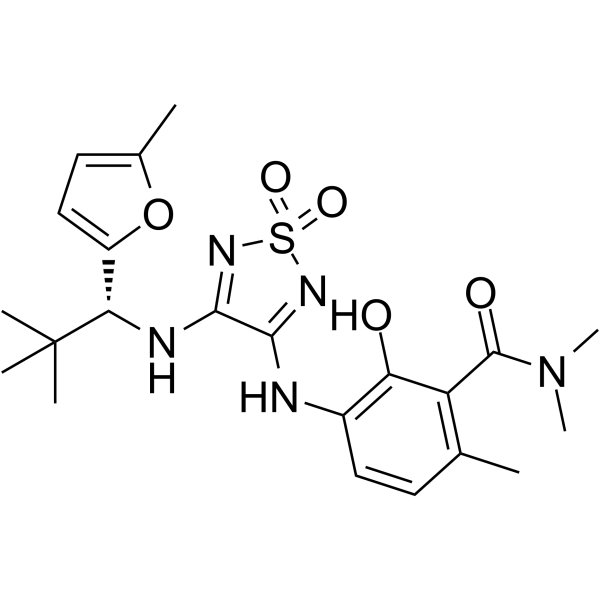
CCR7 Ligand 1 (CCR7-Cmp2105) is an allosteric Ligand and antagonist for human CCchemokinereceptor 7 (CCR7) with a Kd of 3 nM. CCR7 Ligand 1, thiadiazole-dioxide ligan, suppresses arrestin binding in response to activation by CCL19 with an IC50 of 7.3 μM .
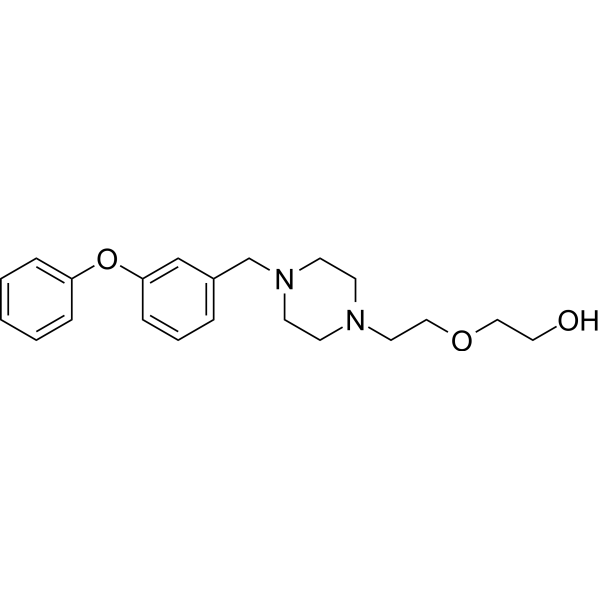
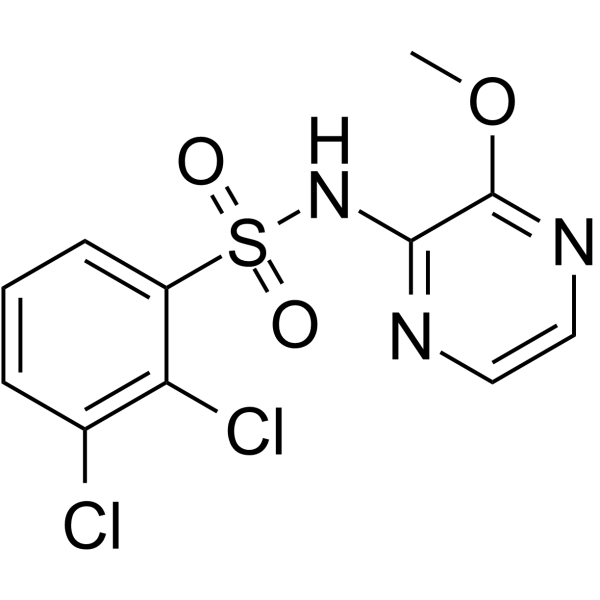
AZD2098 is a potent and selective CC-chemokinereceptor 4 (CCR4) inhibitor with pIC50s of 7.8, 8.0, 8.0 and 7.6 for human, rat, mouse and dog respectively, used for asthma research .
BMS CCR2 22 is a potent, specific and high affinity CC-type chemokinereceptor 2 (CCR2) antagonist with excellent binding affinity (binding IC50 of 5.1 nM) and potent functional antagonism (calcium flux IC50 of 18 nM and chemotaxis IC50 of 1 nM) .
C-021 is a potent CCchemokinereceptor-4 (CCR4) antagonist. C-021 potently inhibits functional chemotaxis in human and mouse with IC50s of 140 nM and 39 nM, respectively. C-021 effectively prevents human CCL22-derived [ 35S]GTPγS from binding to the receptor with an IC50 of 18 nM .
CCR4 antagonist 4 (compound 22) is a selective and potent antagonist of the CCchemokinereceptor-4 (CCR4), with an IC50 of 0.02 μM. CCR4 antagonist 4 also blocks MDC-mediated chemotaxis (IC50: 0.007 μM) and Ca 2+ mobilization (IC50: 0.003 μM). CCR4 antagonist 4 can be used for allergic inflammation research .
BMS-681 is an orthosteric antagonist of CCchemokinereceptor 2 (CCR2). BMS-681 restricts the movement of the extracellular end of TM6 by stabilizing TM7. TM7 and TM6 are the main components of the orthosteric binding site. BMS-681 can be used to study inflammatory neurodegenerative diseases and cancer .
vMIP-II (1-21) (NT21MP) is an inhibitor of CXCR4. vMIP-II (1-21) interacts broadly with CC and CXC chemokinereceptors. vMIP-II (1-21) inhibits CXCR4 by competing with 125I-SDF-1R for binding sites (IC50=190 nM) .
Enzelkitug is a humanized immunoglobulin G1-κ monoclonal antibody targeting the human C-C motif chemokinereceptor 8 (CCR8). Enzelkitug is promising for research of various solid tumors and hematological malignancies .
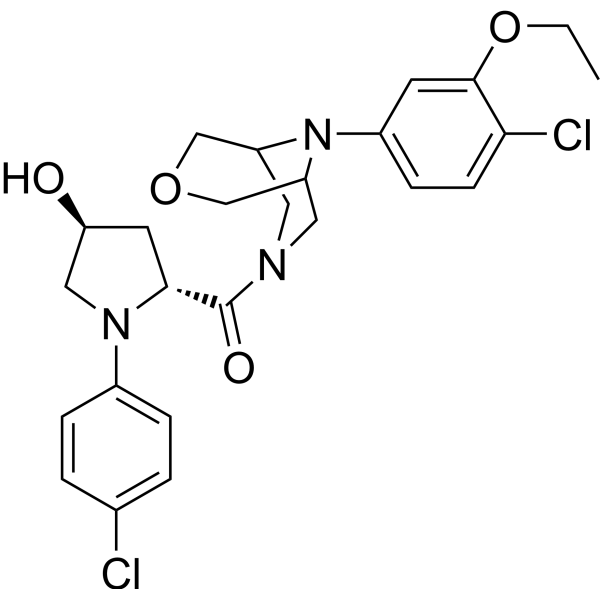
CCR6 antagonist 4 (compound OXM1) is a potent and selective CCchemokinereceptor 6 (CCR6) allosteric antagonist (IC50 = 158 nM). CCR6 antagonist 4 binds to an extracellular pocket and disrupts the receptor activation network. CCR6 antagonist 4 can be used for chronic inflammatory diseases research .
CCR6 antagonist 3 (compound OXM2) is a potent and selective CCchemokinereceptor 6 (CCR6) allosteric antagonist (IC50 = 166 nM). CCR6 antagonist 3 binds to an extracellular pocket and disrupts the receptor activation network. CCR6 antagonist 3 can be used for chronic inflammatory diseases research .
vMIP-II (1-21) (NT21MP) TFA is an inhibitor of CXCR4. vMIP-II (1-21) TFA interacts broadly with CC and CXC chemokinereceptors. vMIP-II (1-21) TFA inhibits CXCR4 by competing with 125I-SDF-1R for binding sites (IC50=190 nM) .
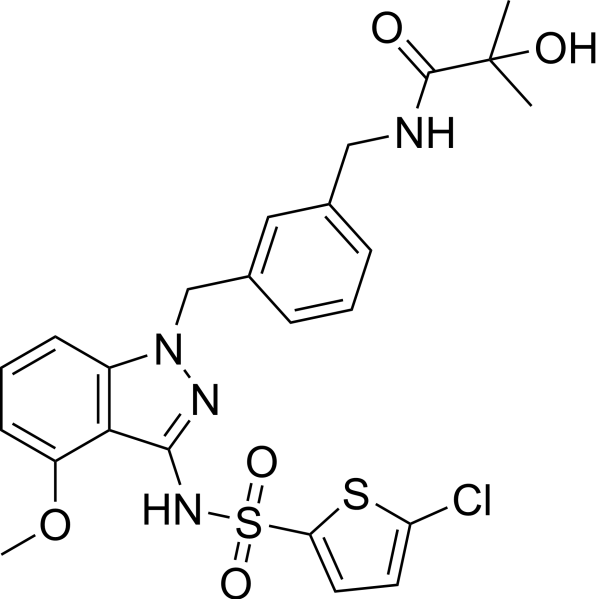
CCR4 antagonist 2 (Compound 31) is a novel potent, orally bioavailable small molecule antagonists of CCchemokinereceptor 4 (CCR4) that inhibits Treg trafficking into the Tumor Microenvironment without suppressing the number of Treg in healthy tissues.
CCR4 antagonist 2 (Compound 31) exhibits IC50 values of Ca 2+flux and (chemotaxis) CTX are 40 nM and 70 nM, respectively .
Human CCL15 mRNA encodes the human C-C motif chemokine ligand 15 (CCL15) protein, a chemotactic for T cells and monocytes, and acts through C-Cchemokinereceptor type 1 (CCR1).
Human CCR4 mRNA encodes the human C-C motif chemokinereceptor 4 (CCR4) protein, a member of G protein-coupled receptors family. CCR4 is a receptor for the CCchemokine - MIP-1, RANTES, TARC and MCP-1. Chemokines are a group of small polypeptide, structurally related molecules that regulate cell trafficking of various types of leukocytes. The chemokines also play fundamental roles in the development, homeostasis, and function of the immune system, and they have effects on cells of the central nervous system as well as on endothelial cells involved in angiogenesis or angiostasis.
Human CCR2 mRNA encodes the human C-C motif chemokinereceptor 2 (CCR2) protein, a chemokine which specifically mediates monocyte chemotaxis. CCR2 can mediate agonist-dependent calcium mobilization and inhibition of adenylyl cyclase.
Human CCR8 mRNA encodes the human C-C motif chemokinereceptor 8 (CCR8) protein, a member of the beta chemokinereceptor family. CCR8 plays a role in regulation of monocyte chemotaxis and thymic cell apoptosis. More specifically, this receptor may contribute to the proper positioning of activated T cells within the antigenic challenge sites and specialized areas of lymphoid tissues.
Human CCL27 mRNA encodes the human C-C motif chemokine ligand 27 (CCL27) protein, a chemotactic for skin-associated memory T lymphocytes. CCL27 also plays a role in mediating homing of lymphocytes to cutaneous sites. It specifically binds to chemokinereceptor 10 (CCR10).
Human CCR7 mRNA encodes the human C-C motif chemokinereceptor 7 (CCR7) protein, a member of the G protein-coupled receptor family. CCR7 has been shown to control the migration of memory T cells to inflamed tissues, as well as stimulate dendritic cell maturation.
9(R)-HODE is a monohydroxy fatty acid and metabolite of linoleic acid. It is formed from linoleic acid by COX and lipoxygenase (LO).9(R)-HODE induces chemotaxis, increases the levels of chemokine (C-C motif) receptor 9 (CCR9) and chemokine (C-X-C motif) receptor 4 (CXCR4), and inhibits IL-6 release in primary human monocytes. It inhibits CD3α- and CD28-induced proliferation of isolated human peripheral blood lymphocytes when used at a concentration of 25 μg/mL.
C-021 (dihydrochloride) (Standard) is the analytical standard of C-021 (dihydrochloride). This product is intended for research and analytical applications. C-021 dihydrochloride is a potent CCchemokinereceptor-4 (CCR4) antagonist. C-021 dihydrochloride potently inhibits functional chemotaxis in human and mouse with IC50s of 140 nM and 39 nM, respectively. C-021 dihydrochloride effectively prevents human CCL22-derived [35S]GTPγS from binding to the receptor with an IC50 of 18 nM .
C-021 (Standard) is the analytical standard of C-021. This product is intended for research and analytical applications. C-021 is a potent CCchemokinereceptor-4 (CCR4) antagonist. C-021 potently inhibits functional chemotaxis in human and mouse with IC50s of 140 nM and 39 nM, respectively. C-021 effectively prevents human CCL22-derived [35S]GTPγS from binding to the receptor with an IC50 of 18 nM .
SLW131 is a CCR7 antagonist with a Ki value of 9.85 nM. SLW131 inhibits CCL19-induced Go protein activation with an IC50 of 29.4 μM, and suppresses β-arrestin2 recruitment with an IC50 of 6.0 μM. SLW131 serves as a probe for investigating the biological functions of CCR7 in cells. SLW131 is applicable to research related to rheumatoid arthritis .
Emestrin is a mycotoxin originally isolated from E. striata that has antimicrobial, immunomodulatory, and cytotoxic activities. It is active against the fungi C. albicans and C. neoformans, as well as the bacteria E. coli, S. aureus, and methicillin-resistant S. aureus (MRSA; IC50s=3.94, 0.6, 2.21, 4.55, and 2.21 μg/mL, respectively).2 Emestrin is a chemokine (C-C motif) receptor 2 (CCR2) antagonist (IC50=5.4 μM in a radioligand binding assay using isolated human monocytes).3 Emestrin (0.1 μg/mL) induces apoptosis in HL-60 cells. It induces heart, thymus, and liver tissue necrosis in mice when administered at doses ranging from 18 to 30 mg/kg.
Human CCR1 mRNA encodes the human C-C motif chemokinereceptor 1 (CCR1) protein, a member of the beta chemokinereceptor family. Chemokines and their receptors are critical for the recruitment of effector immune cells to the site of inflammation.
Human CCRL2 mRNA encodes the human C-C motif chemokinereceptor like 2 (CCRL2) protein, a chemokinereceptor like protein. Chemokines and their receptors mediated signal transduction are critical for the recruitment of effector immune cells to the site of inflammation.
Human CCL5 mRNA encodes the human C-C motif chemokine ligand 5 (CCL5) protein, a member of the CC subfamily, functions as a chemoattractant for blood monocytes, memory T helper cells and eosinophils. CCL5 is one of the major HIV-suppressive factors produced by CD8+ cells. It functions as one of the natural ligands for the chemokinereceptorchemokine (C-C motif) receptor 5 (CCR5), and it suppresses in vitro replication of the R5 strains of HIV-1, which use CCR5 as a coreceptor.
Human CCR9 mRNA encodes the human C-C motif chemokinereceptor 9 (CCR9) protein, a member of the beta chemokinereceptor family. CCR9 plays a role in directing immune responses to different segments of the gastrointestinal tract.
Human CCR5 mRNA encodes the human C-C motif chemokinereceptor 5 (CCR5) protein, a member of the beta chemokinereceptor family. CCR5 is known to be an important co-receptor for macrophage-tropic virus, including HIV, to enter host cells. It may also play a role in granulocyte lineage proliferation and differentiation.
Human CCR10 mRNA encodes the human C-C motif chemokinereceptor 10 (CCR10) protein, a member of chemokines which play fundamental roles in the development, homeostasis, and function of the immune system, and they have effects on cells of the central nervous system as well as on endothelial cells involved in angiogenesis or angiostasis.
Human CCR3 mRNA encodes the human C-C motif chemokinereceptor 3 (CCR3) protein, a member of G protein-coupled receptors family. CCR3 may contribute to the accumulation and activation of eosinophils and other inflammatory cells in the allergic airway. It is also known to be an entry co-receptor for HIV-1.
GSK2239633A (Standard) is the analytical standard of GSK2239633A (HY-100183). This product is intended for research and analytical applications. GSK2239633A is a CC-chemokinereceptor 4 (CCR4) antagonist, which inhibits the binding of [125I]-TARC to human CCR4 with a pIC50 of 7.96.
ST45177901 is a CCchemokinereceptor 4 (CCR4) antagonist. The combination of ST45177901 and Sorafenib (HY-10201) effectively inhibits the chemotaxis of Treg cells via the CCL22/CCL17-CCR4 signaling pathway, thereby significantly suppressing the growth and metastasis of tumor cells. ST45177901 is applicable to liver cancer research .
BMS CCR2 22 (Standard) is the analytical standard of BMS CCR2 22 (HY-101908). This product is intended for research and analytical applications. BMS CCR2 22 is a potent, specific and high affinity CC-type chemokinereceptor 2 (CCR2) antagonist with excellent binding affinity (binding IC50 of 5.1 nM) and potent functional antagonism (calcium flux IC50 of 18 nM and chemotaxis IC50 of 1 nM) .
vMIP-II (1-21) (NT21MP) is an inhibitor of CXCR4. vMIP-II (1-21) interacts broadly with CC and CXC chemokinereceptors. vMIP-II (1-21) inhibits CXCR4 by competing with 125I-SDF-1R for binding sites (IC50=190 nM) .
vMIP-II (1-21) (NT21MP) TFA is an inhibitor of CXCR4. vMIP-II (1-21) TFA interacts broadly with CC and CXC chemokinereceptors. vMIP-II (1-21) TFA inhibits CXCR4 by competing with 125I-SDF-1R for binding sites (IC50=190 nM) .
Enzelkitug is a humanized immunoglobulin G1-κ monoclonal antibody targeting the human C-C motif chemokinereceptor 8 (CCR8). Enzelkitug is promising for research of various solid tumors and hematological malignancies .
Emestrin is a mycotoxin originally isolated from E. striata that has antimicrobial, immunomodulatory, and cytotoxic activities. It is active against the fungi C. albicans and C. neoformans, as well as the bacteria E. coli, S. aureus, and methicillin-resistant S. aureus (MRSA; IC50s=3.94, 0.6, 2.21, 4.55, and 2.21 μg/mL, respectively).2 Emestrin is a chemokine (C-C motif) receptor 2 (CCR2) antagonist (IC50=5.4 μM in a radioligand binding assay using isolated human monocytes).3 Emestrin (0.1 μg/mL) induces apoptosis in HL-60 cells. It induces heart, thymus, and liver tissue necrosis in mice when administered at doses ranging from 18 to 30 mg/kg.
CCR8 Protein-VLP, a receptor for CCL1/SCYA1/I-309, may regulate monocyte chemotaxis and thymic cell line apoptosis. It also acts as an alternative coreceptor with CD4 for HIV-1 infection, facilitating viral entry. The interaction with CCL1 highlights its role in mediating cellular responses to this chemokine, implying a regulatory function in immune and inflammatory processes. CCR8 Protein, Human (P. pastoris, His) is the recombinant human-derived CCR8 protein, expressed by P. pastoris , with C-Myc, C-6*His labeled tag.
The ACKR2 protein is an atypical chemokine receptor that controls chemokine levels and localization through high-affinity binding. ACKR2 (also known as interceptor or decoy receptor) operates independently, interacts with multiple chemokines, and triggers β-arrestin 1-dependent signaling pathways. ACKR2 Protein, Human (Cell-Free, His) is the recombinant human-derived ACKR2 protein, expressed by E. coli Cell-free , with N-10*His labeled tag.
CCR5 Protein-VLP, Human (HEK293) is recommended for animal immunization, ELISA. It is not recommended for receptor-ligand interaction detection and SPR/BLI assay since there are other irrelevant membrane proteins of the host on the VLP envelope, and the receptor-ligand interaction will have strong background interference. High requirements for chips and experimental protocols are needed for SPR/BLI assays. If VLP control is required, it is recommended HY-P705433.
CCR5 protein is a receptor for inflammatory CC chemokines, including CCL3/MIP-1-alpha, CCL4/MIP-1-beta, and RANTES, and plays a crucial role in signal transduction by increasing intracellular calcium levels. . It acts as a chemoattractant receptor and contributes to granulocyte lineage control and T lymphocyte migration to sites of infection. CCR5 Protein, Mouse (P. pastoris, His) is the recombinant mouse-derived CCR5 protein, expressed by P. pastoris , with N-6*His labeled tag.
CCR9 Protein, a receptor for SCYA25/TECK, activates signaling, elevating intracellular calcium ions. In microbial infection, it acts as an alternative HIV-1 coreceptor with CD4, influencing the infection process. CCR9 Protein, Human (GST) is the recombinant human-derived CCR9 protein, expressed by E. coli , with N-GST labeled tag.
CCR5 Protein, a receptor for inflammatory CC-chemokines like CCL3/MIP-1-alpha, CCL4/MIP-1-beta, and RANTES, transduces signals, elevating intracellular calcium levels. It regulates granulocytic lineage and facilitates T-lymphocyte migration to infection sites. In microbial infection, CCR5 acts as a coreceptor, along with CD4, for HIV-1, emphasizing its role in the cellular response to infections. CCR5 Protein, Human (sf9, Flag-His) is the recombinant human-derived CCR5 protein, expressed by Sf9 insect cells, with C-Flag and C-His labeled tag.
CCR5 Protein-VLP, Human (HEK293, GFP) is recommended for animal immunization, ELISA. It is not recommended for receptor-ligand interaction detection and SPR/BLI assay since there are other irrelevant membrane proteins of the host on the VLP envelope, and the receptor-ligand interaction will have strong background interference. High requirements for chips and experimental protocols are needed for SPR/BLI assays. If VLP control is required, it is recommended HY-P705433.
CCR9 Protein-VLP, Human (HEK293, His) is recommended for animal immunization, ELISA. It is not recommended for receptor-ligand interaction detection and SPR/BLI assay since there are other irrelevant membrane proteins of the host on the VLP envelope, and the receptor-ligand interaction will have strong background interference. High requirements for chips and experimental protocols are needed for SPR/BLI assays. If VLP control is required, it is recommended HY-P701236. Tags can only be detected under denaturing conditions.
CCR6 Protein-VLP, Human (HEK293, His) is recommended for animal immunization, ELISA. It is not recommended for receptor-ligand interaction detection and SPR/BLI assay since there are other irrelevant membrane proteins of the host on the VLP envelope, and the receptor-ligand interaction will have strong background interference. High requirements for chips and experimental protocols are needed for SPR/BLI assays. If VLP control is required, it is recommended HY-P701236. Tags can only be detected under denaturing conditions.
CCR4 protein-VLP is a multifunctional entity that acts as a high-affinity receptor for CC-type chemokines and specifically binds CCL17/TARC, CCL22/MDC, and CKLF1. It mediates chemotactic responses through G(i) protein and activates the phosphatidylinositol-calcium second messenger system. CCR4 Protein, Human (Cell-Free, His) is the recombinant human-derived CCR4, expressed by E. coli Cell-free, with N-10*His labeled tag. The total length of CCR4 Protein, Human (Cell-Free, His) is 360 a.a..
CCR1 Protein, a C-C chemokine receptor, binds MIP-1-alpha, RANTES, and, to a lesser extent, MIP-1-beta or MCP-1, initiating signal transduction and elevating intracellular calcium levels. This receptor is crucial in modulating stem cell proliferation, regulating processes vital for tissue homeostasis and immune responses. CCR1's interaction with CREB3 suggests its involvement in complex signaling networks governing cellular functions. CCR1 Protein, Mouse (Cell-Free, His) is the recombinant mouse-derived CCR1 protein, expressed by E. coli Cell-free , with N-10*His labeled tag. The total length of CCR1 Protein, Mouse (Cell-Free, His) is 355 a.a., with molecular weight of 43.7 kDa.
CCR4 Protein-VLP, Human (HEK293, His) is recommended for animal immunization, ELISA. It is not recommended for receptor-ligand interaction detection and SPR/BLI assay since there are other irrelevant membrane proteins of the host on the VLP envelope, and the receptor-ligand interaction will have strong background interference. High requirements for chips and experimental protocols are needed for SPR/BLI assays. If VLP control is required, it is recommended HY-P701236. Tags can only be detected under denaturing conditions.
CCR5 Protein, a receptor for inflammatory CC-chemokines like CCL3/MIP-1-alpha, CCL4/MIP-1-beta, and RANTES, transduces signals, elevating intracellular calcium levels. It regulates granulocytic lineage and facilitates T-lymphocyte migration to infection sites. In microbial infection, CCR5 acts as a coreceptor, along with CD4, for HIV-1, emphasizing its role in the cellular response to infections. CCR5 Protein, Human (HEK293, Flag, His, Strep) is the recombinant human-derived CCR5 protein, expressed by HEK293 Cell-free , with N-Flag, C-His, C-Strep labeled tag.
CCR1 Protein-VLP, Human (HEK293, His) is recommended for animal immunization, ELISA. It is not recommended for receptor-ligand interaction detection and SPR/BLI assay since there are other irrelevant membrane proteins of the host on the VLP envelope, and the receptor-ligand interaction will have strong background interference. High requirements for chips and experimental protocols are needed for SPR/BLI assays. If VLP control is required, it is recommended HY-P701236. Tags can only be detected under denaturing conditions.
CCR2 protein is an important chemokine receptor that coordinates chemotaxis and migration by binding to CCL2, CCL7, and CCL12 and activating the PI3K cascade. In addition to chemokine signaling, CCR2 regulates T cell inflammatory cytokines, promotes Th17 cell generation, and promotes mature thymocyte output. CCR2 Protein, Mouse (N-His, C-Myc) is the recombinant mouse-derived CCR2 protein, expressed by E. coli , with C-Myc, N-10*His labeled tag.
CCR8 Protein-VLP, Human (HEK293) is recommended for SPR analysis, animal immunization, ELISA, PK assay. If VLP control is required, it is recommended HY-P702775. May have binding signals with Anti-His antibodies.
CCR8 Protein-VLP, Mouse (HEK293, His) is recommended for animal immunization, ELISA. It is not recommended for receptor-ligand interaction detection and SPR/BLI assay since there are other irrelevant membrane proteins of the host on the VLP envelope, and the receptor-ligand interaction will have strong background interference. High requirements for chips and experimental protocols are needed for SPR/BLI assays. If VLP control is required, it is recommended HY-P701236. Tags can only be detected under denaturing conditions.
BLR2; L CC-CKR-7; L CCR-7; L CD197; L CDw197; L CMKBR7; L EBI1; LC-C chemokinereceptor type 7; LEpstein-Barr virus-induced G-protein coupled receptor 1 (EBI1; L EBV-induced G-protein coupled receptor 1); LMIP-3 beta receptor
CCR7/CD197 Protein-VLP, Human (HEK293) is recommended for animal immunization, ELISA. It is not recommended for receptor-ligand interaction detection and SPR/BLI assay since there are other irrelevant membrane proteins of the host on the VLP envelope, and the receptor-ligand interaction will have strong background interference. High requirements for chips and experimental protocols are needed for SPR/BLI assays. If VLP control is required, it is recommended HY-P705433.
CCR7_HUMAN; BLR 2; BLR2; C C chemokinereceptor type 7; C C CKR 7; CCchemokinereceptor 7; CCchemokinereceptor type 7; CC CKR 7; CCCKR7; CCR 7; CD 197; CD197; CD197 antigen; CDW197; chemokine C C motif receptor 7; chemokine C C receptor 7; chemokinereceptor 7-like protein; EBI 1; EBI1; Ebi1h; EBV Induced G Protein Coupled receptor 1; Epstein Barr virus induced G protein coupled receptor; Epstein Barr virus induced gene 1; EVI 1; EVI1; Lymphocyte Specific G Protein Coupled Peptide receptor; MGC108519; MIP 3 beta receptor; MIP3 Beta receptor.
WB, IHC-P, ICC/IF, ELISA
Human, Mouse, Rat
CCR7 Antibody is a Rabbit-derived and non-conjugated IgG polyclonal antibody, targeting to CCR7.
Human CCL15 mRNA encodes the human C-C motif chemokine ligand 15 (CCL15) protein, a chemotactic for T cells and monocytes, and acts through C-Cchemokinereceptor type 1 (CCR1).
Human CCR4 mRNA encodes the human C-C motif chemokinereceptor 4 (CCR4) protein, a member of G protein-coupled receptors family. CCR4 is a receptor for the CCchemokine - MIP-1, RANTES, TARC and MCP-1. Chemokines are a group of small polypeptide, structurally related molecules that regulate cell trafficking of various types of leukocytes. The chemokines also play fundamental roles in the development, homeostasis, and function of the immune system, and they have effects on cells of the central nervous system as well as on endothelial cells involved in angiogenesis or angiostasis.
Human CCR2 mRNA encodes the human C-C motif chemokinereceptor 2 (CCR2) protein, a chemokine which specifically mediates monocyte chemotaxis. CCR2 can mediate agonist-dependent calcium mobilization and inhibition of adenylyl cyclase.
Human CCR8 mRNA encodes the human C-C motif chemokinereceptor 8 (CCR8) protein, a member of the beta chemokinereceptor family. CCR8 plays a role in regulation of monocyte chemotaxis and thymic cell apoptosis. More specifically, this receptor may contribute to the proper positioning of activated T cells within the antigenic challenge sites and specialized areas of lymphoid tissues.
Human CCL27 mRNA encodes the human C-C motif chemokine ligand 27 (CCL27) protein, a chemotactic for skin-associated memory T lymphocytes. CCL27 also plays a role in mediating homing of lymphocytes to cutaneous sites. It specifically binds to chemokinereceptor 10 (CCR10).
Human CCR7 mRNA encodes the human C-C motif chemokinereceptor 7 (CCR7) protein, a member of the G protein-coupled receptor family. CCR7 has been shown to control the migration of memory T cells to inflamed tissues, as well as stimulate dendritic cell maturation.
Human CCR1 mRNA encodes the human C-C motif chemokinereceptor 1 (CCR1) protein, a member of the beta chemokinereceptor family. Chemokines and their receptors are critical for the recruitment of effector immune cells to the site of inflammation.
Human CCRL2 mRNA encodes the human C-C motif chemokinereceptor like 2 (CCRL2) protein, a chemokinereceptor like protein. Chemokines and their receptors mediated signal transduction are critical for the recruitment of effector immune cells to the site of inflammation.
Human CCL5 mRNA encodes the human C-C motif chemokine ligand 5 (CCL5) protein, a member of the CC subfamily, functions as a chemoattractant for blood monocytes, memory T helper cells and eosinophils. CCL5 is one of the major HIV-suppressive factors produced by CD8+ cells. It functions as one of the natural ligands for the chemokinereceptorchemokine (C-C motif) receptor 5 (CCR5), and it suppresses in vitro replication of the R5 strains of HIV-1, which use CCR5 as a coreceptor.
Human CCR9 mRNA encodes the human C-C motif chemokinereceptor 9 (CCR9) protein, a member of the beta chemokinereceptor family. CCR9 plays a role in directing immune responses to different segments of the gastrointestinal tract.
Human CCR5 mRNA encodes the human C-C motif chemokinereceptor 5 (CCR5) protein, a member of the beta chemokinereceptor family. CCR5 is known to be an important co-receptor for macrophage-tropic virus, including HIV, to enter host cells. It may also play a role in granulocyte lineage proliferation and differentiation.
Human CCR10 mRNA encodes the human C-C motif chemokinereceptor 10 (CCR10) protein, a member of chemokines which play fundamental roles in the development, homeostasis, and function of the immune system, and they have effects on cells of the central nervous system as well as on endothelial cells involved in angiogenesis or angiostasis.
Human CCR3 mRNA encodes the human C-C motif chemokinereceptor 3 (CCR3) protein, a member of G protein-coupled receptors family. CCR3 may contribute to the accumulation and activation of eosinophils and other inflammatory cells in the allergic airway. It is also known to be an entry co-receptor for HIV-1.
Inquiry Online
Your information is safe with us. * Required Fields.
Western blot analysis of extracts from THP-1(lane 2(20μg), Jurkat (lane 3(20μg) and NIH3T3(lane 4(20μg) using FOXO1A (HY-P80132) Rabbit mAb. Proteins were transferred
to a PVDF membrane and blocked with 5% non-fat milk in TBST for 2 hour at room temperature. The primary antibody (1/1000) and Loading control antibody (Beta Actin, HY-P80438, 1/10000) was
used in 5% non-fat milk in TBST at 4°C overnight. Goat Anti-Mouse/Rabbit IgG-HRP Secondary Antibody (1/10000) was used for 1 hour at room temperature.
Western blot analysis of extracts from THP-1(lane 2(20μg), Jurkat (lane 3(20μg) and NIH3T3(lane 4(20μg) using FOXO1A (HY-P80132) Rabbit mAb. Proteins were transferred
to a PVDF membrane and blocked with 5% non-fat milk in TBST for 2 hour at room temperature. The primary antibody (1/1000) and Loading control antibody (Beta Actin, HY-P80438, 1/10000) was
used in 5% non-fat milk in TBST at 4°C overnight. Goat Anti-Mouse/Rabbit IgG-HRP Secondary Antibody (1/10000) was used for 1 hour at room temperature.
Western blot analysis of extracts from THP-1(lane 2(20μg), Jurkat (lane 3(20μg) and NIH3T3(lane 4(20μg) using FOXO1A (HY-P80132) Rabbit mAb. Proteins were transferred
to a PVDF membrane and blocked with 5% non-fat milk in TBST for 2 hour at room temperature. The primary antibody (1/1000) and Loading control antibody (Beta Actin, HY-P80438, 1/10000) was
used in 5% non-fat milk in TBST at 4°C overnight. Goat Anti-Mouse/Rabbit IgG-HRP Secondary Antibody (1/10000) was used for 1 hour at room temperature.
Western blot analysis of extracts from THP-1(lane 2(20μg), Jurkat (lane 3(20μg) and NIH3T3(lane 4(20μg) using FOXO1A (HY-P80132) Rabbit mAb. Proteins were transferred
to a PVDF membrane and blocked with 5% non-fat milk in TBST for 2 hour at room temperature. The primary antibody (1/1000) and Loading control antibody (Beta Actin, HY-P80438, 1/10000) was
MedchemExpress Validation 03
Western blot analysis of extracts from THP-1(lane 2(20μg), Jurkat (lane 3(20μg) and NIH3T3(lane 4(20μg) using FOXO1A (HY-P80132) Rabbit mAb. Proteins were transferred
MedchemExpress Validation 04
Western blot analysis of extracts from THP-1(lane 2(20μg), Jurkat (lane 3(20μg) and NIH3T3(lane 4(20μg) using FOXO1A (HY-P80132) Rabbit mAb. Proteins were transferred
to a PVDF membrane and blocked with 5% non-fat milk in TBST for 2 hour at room temperature. The primary antibody (1/1000) and Loading control antibody (Beta Actin, HY-P80438, 1/10000) was
used in 5% non-fat milk in TBST at 4°C overnight. Goat Anti-Mouse/Rabbit IgG-HRP Secondary Antibody (1/10000) was used for 1 hour at room temperature.
MedchemExpress Validation
Western blot analysis of extracts from THP-1(lane 2(20μg), Jurkat (lane 3(20μg) and NIH3T3(lane 4(20μg) using FOXO1A (HY-P80132) Rabbit mAb. Proteins were transferred
to a PVDF membrane and blocked with 5% non-fat milk in TBST for 2 hour at room temperature. The primary antibody (1/1000) and Loading control antibody (Beta Actin, HY-P80438, 1/10000) was
used in 5% non-fat milk in TBST at 4°C overnight. Goat Anti-Mouse/Rabbit IgG-HRP Secondary Antibody (1/10000) was used for 1 hour at room temperature.
Western blot analysis of extracts from THP-1(lane 2(20μg), Jurkat (lane 3(20μg) and NIH3T3(lane 4(20μg) using FOXO1A (HY-P80132) Rabbit mAb. Proteins were transferred
to a PVDF membrane and blocked with 5% non-fat milk in TBST for 2 hour at room temperature. The primary antibody (1/1000) and Loading control antibody (Beta Actin, HY-P80438, 1/10000) was
used in 5% non-fat milk in TBST at 4°C overnight. Goat Anti-Mouse/Rabbit IgG-HRP Secondary Antibody (1/10000) was used for 1 hour at room temperature.
MedchemExpress Validation
Western blot analysis of extracts from THP-1(lane 2(20μg), Jurkat (lane 3(20μg) and NIH3T3(lane 4(20μg) using FOXO1A (HY-P80132) Rabbit mAb. Proteins were transferred
to a PVDF membrane and blocked with 5% non-fat milk in TBST for 2 hour at room temperature. The primary antibody (1/1000) and Loading control antibody (Beta Actin, HY-P80438, 1/10000) was
used in 5% non-fat milk in TBST at 4°C overnight. Goat Anti-Mouse/Rabbit IgG-HRP Secondary Antibody (1/10000) was used for 1 hour at room temperature.
MedchemExpress Validation
Western blot analysis of extracts from THP-1(lane 2(20μg), Jurkat (lane 3(20μg) and NIH3T3(lane 4(20μg) using FOXO1A (HY-P80132) Rabbit mAb. Proteins were transferred
to a PVDF membrane and blocked with 5% non-fat milk in TBST for 2 hour at room temperature. The primary antibody (1/1000) and Loading control antibody (Beta Actin, HY-P80438, 1/10000) was
used in 5% non-fat milk in TBST at 4°C overnight. Goat Anti-Mouse/Rabbit IgG-HRP Secondary Antibody (1/10000) was used for 1 hour at room temperature.
MedchemExpress Validation
Western blot analysis of extracts from THP-1(lane 2(20μg), Jurkat (lane 3(20μg) and NIH3T3(lane 4(20μg) using FOXO1A (HY-P80132) Rabbit mAb. Proteins were transferred
to a PVDF membrane and blocked with 5% non-fat milk in TBST for 2 hour at room temperature. The primary antibody (1/1000) and Loading control antibody (Beta Actin, HY-P80438, 1/10000) was
used in 5% non-fat milk in TBST at 4°C overnight. Goat Anti-Mouse/Rabbit IgG-HRP Secondary Antibody (1/10000) was used for 1 hour at room temperature.
MedchemExpress Validation
Western blot analysis of extracts from THP-1(lane 2(20μg), Jurkat (lane 3(20μg) and NIH3T3(lane 4(20μg) using FOXO1A (HY-P80132) Rabbit mAb. Proteins were transferred
to a PVDF membrane and blocked with 5% non-fat milk in TBST for 2 hour at room temperature. The primary antibody (1/1000) and Loading control antibody (Beta Actin, HY-P80438, 1/10000) was
used in 5% non-fat milk in TBST at 4°C overnight. Goat Anti-Mouse/Rabbit IgG-HRP Secondary Antibody (1/10000) was used for 1 hour at room temperature.
MedchemExpress Validation
Western blot analysis of extracts from THP-1(lane 2(20μg), Jurkat (lane 3(20μg) and NIH3T3(lane 4(20μg) using FOXO1A (HY-P80132) Rabbit mAb. Proteins were transferred
to a PVDF membrane and blocked with 5% non-fat milk in TBST for 2 hour at room temperature. The primary antibody (1/1000) and Loading control antibody (Beta Actin, HY-P80438, 1/10000) was
used in 5% non-fat milk in TBST at 4°C overnight. Goat Anti-Mouse/Rabbit IgG-HRP Secondary Antibody (1/10000) was used for 1 hour at room temperature.
MedchemExpress Validation
Western blot analysis of extracts from THP-1(lane 2(20μg), Jurkat (lane 3(20μg) and NIH3T3(lane 4(20μg) using FOXO1A (HY-P80132) Rabbit mAb. Proteins were transferred
to a PVDF membrane and blocked with 5% non-fat milk in TBST for 2 hour at room temperature. The primary antibody (1/1000) and Loading control antibody (Beta Actin, HY-P80438, 1/10000) was
used in 5% non-fat milk in TBST at 4°C overnight. Goat Anti-Mouse/Rabbit IgG-HRP Secondary Antibody (1/10000) was used for 1 hour at room temperature.
MedChemExpress values your privacy and your trust is important to us. We use cookies to enhance your website experience. Some cookies are necessary to run the website.
Privacy and Cookie Policy





![CCR2-RA-[R]](http://file.medchemexpress.com/product_pic/hy-50081.gif)