
From 11:00 pm to 12:00 pm EST ( 8:00 pm to 9:00 pm PST ) on January 6th, the website will be under maintenance. We are sorry for the inconvenience. Please arrange your schedule properly.
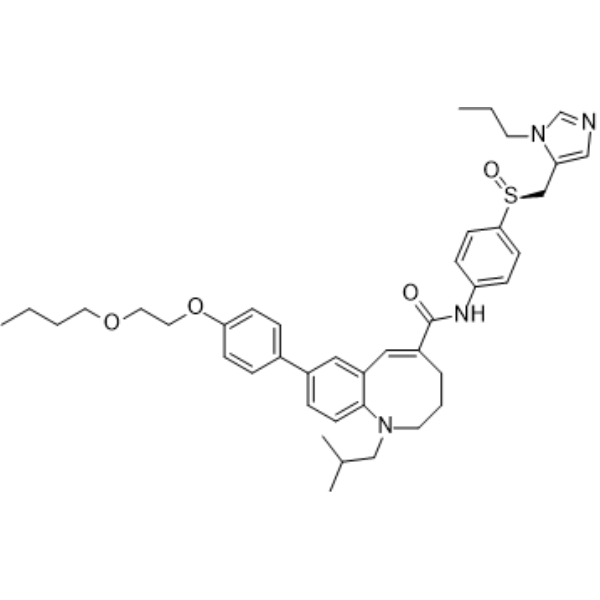
Cenicriviroc (TAK-652) is an orally active, dual CCR2/CCR5 antagonist, also inhibits both HIV-1 and HIV-2, and displays potent anti-inflammatory and antiinfective activity .
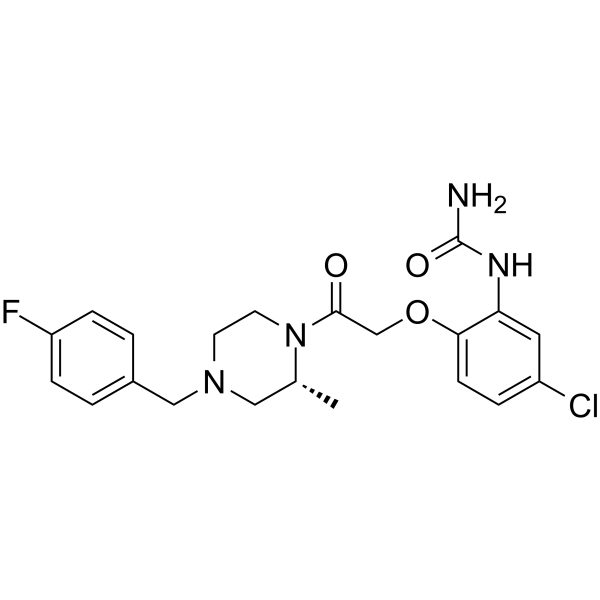
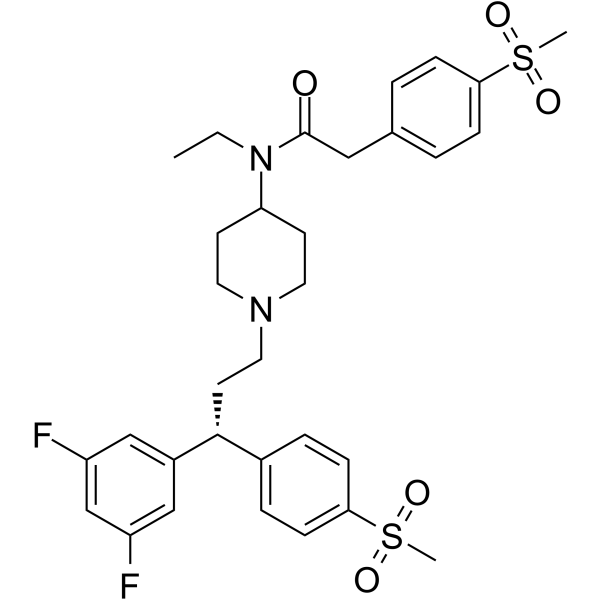
BX471 (ZK-811752) is an orally active, potent and selective non-peptide CCR1 antagonist with a Ki of 1 nM, and exhibits 250-fold selectivity for CCR1 over CCR2, CCR5 and CXCR4.
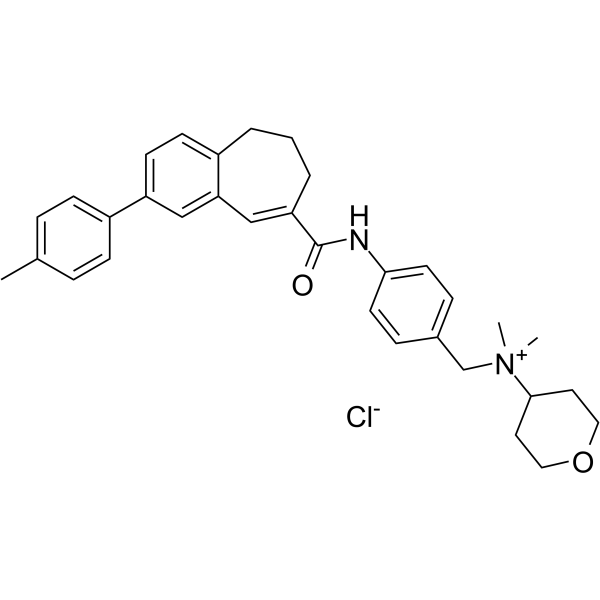
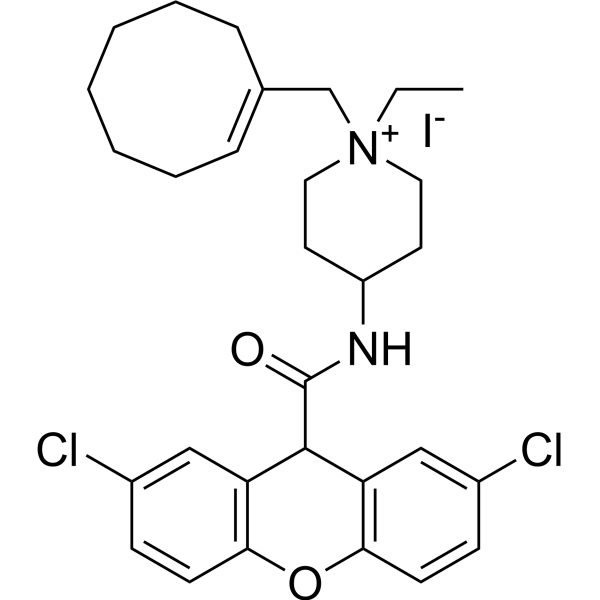
TAK-779 is a potent and selective nonpeptide antagonist of CCR5 and CXCR3, with a Ki of 1.1 nM for CCR5, and effectively and selectively inhibits R5 HIV-1, with EC50 and EC90 of 1.2 nM and 5.7 nM, respectively, in MAGI-CCR5 cells.
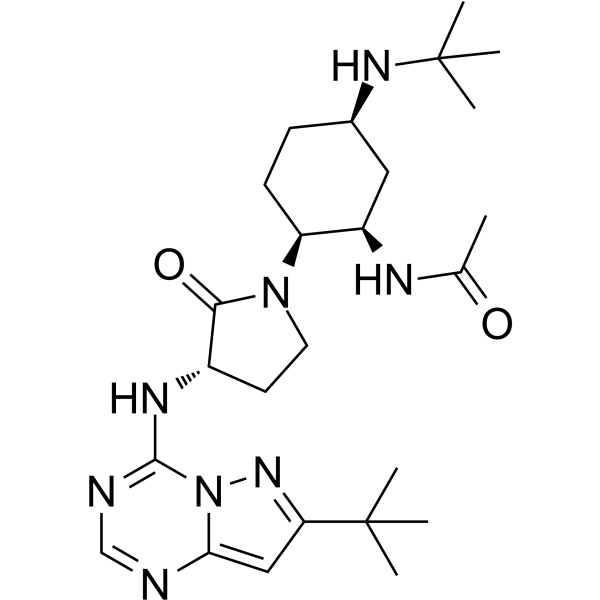
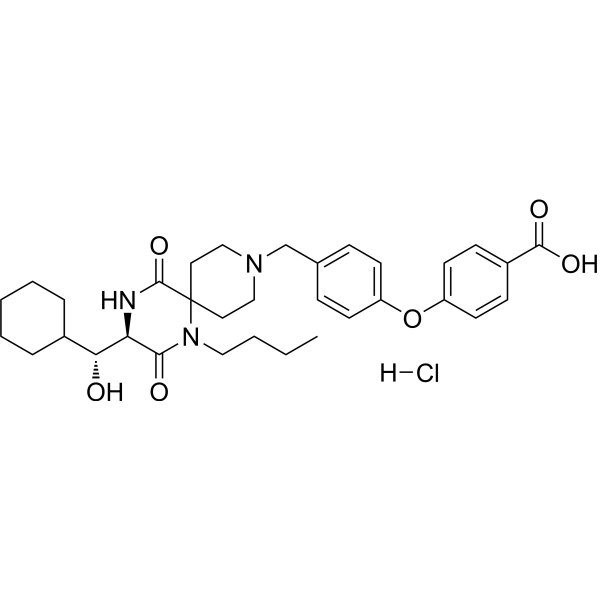
BMS-813160 is a potent and selective CCR2/5 dual antagonist. BMS-813160 binds with CCR2 and CCR5 with IC50s of 6.2 and 3.6 nM, respectively. BMS-813160 can be used for the research of inflammation .
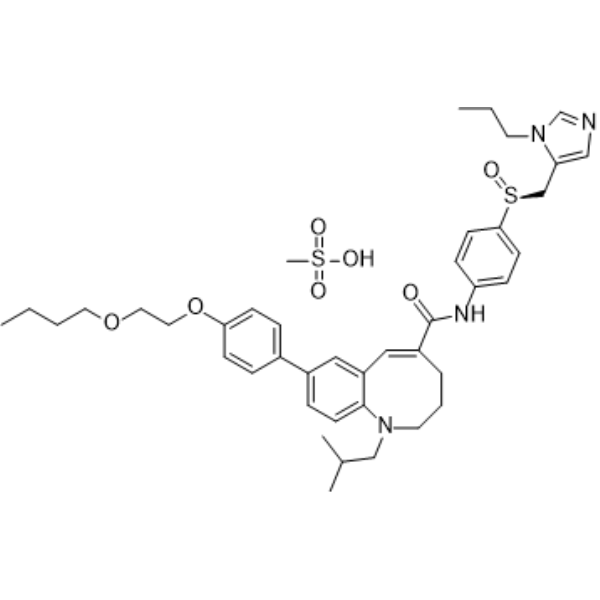
Cenicriviroc Mesylate (TAK-652 Mesylate) is a dual CCR2/CCR5 antagonist, also inhibits both HIV-1 and HIV-2, and displays potent anti-inflammatory and antiinfective activity.
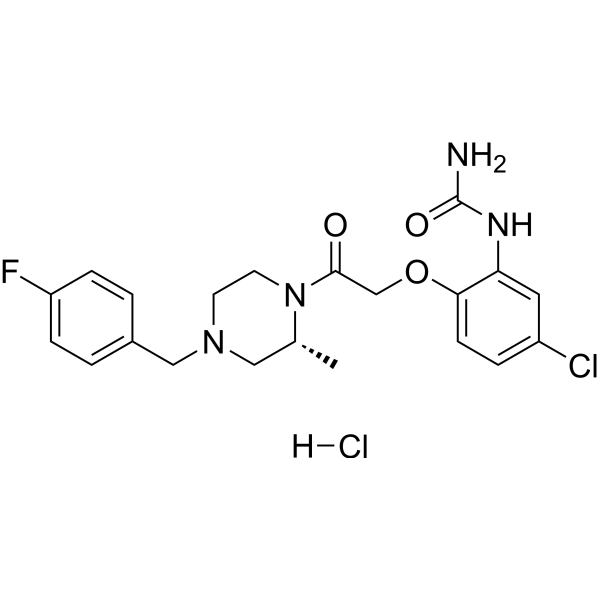
BX471 hydrochloride (ZK-811752 hydrochloride) is a potent, selective non-peptide CCR1 antagonist with Ki of 1 nM for human CCR1, and exhibits 250-fold selectivity for CCR1 over CCR2, CCR5 and CXCR4.
Leronlimab (PRO 140) is a humanized IgG4 anti-CCR5 monoclonal antibody. Leronlimab inhibits CCR5-mediated HIV-1 viral and lung metastasis in mouse tumor models. Leronlimab can be used for the research of HIV nonalcoholic steatohepatitis (NASH) and cancer .
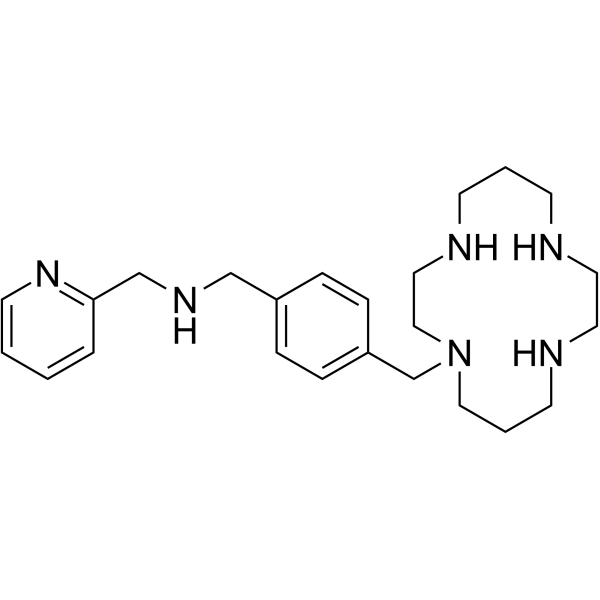
AMD 3465 (GENZ-644494) is a potent antagonist of CXCR4, inhibits binding of 12G5 mAb and CXCL12 AF647 to CXCR4, with IC50s of 0.75 nM and 18 nM in SupT1 cells; AMD 3465 also potently inhibits the replication of X4 HIV strains (IC50: 1-10 nM), but has no effect on CCR5-using (R5) viruses.
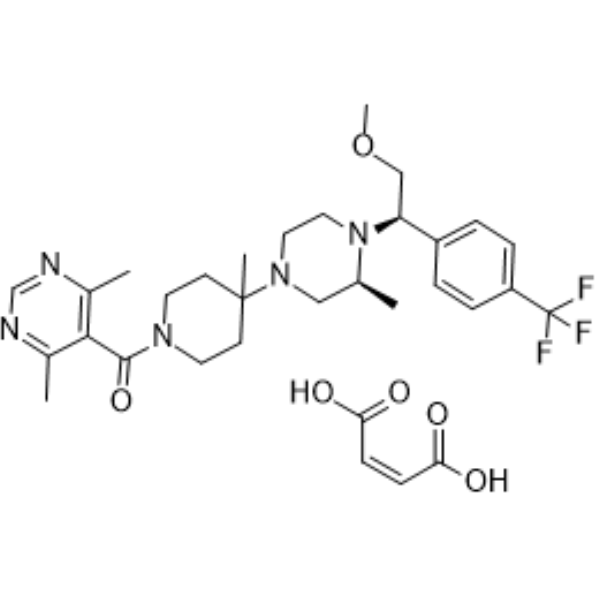
Vicriviroc maleate (SCH-417690 maleate; SCH-D maleate) is a potent, selective, oral bioavailable and CNS penetrated antagonist of CCR5, with a Ki of 2.5 nM, and also inhibits HIV-1 in PBMC cells, with IC90s of 3.3 nM (JrFL), 2.8 nM (ADA-M), 1.8 nM (301657), 4.9 nM (JV1083) and 10 nM (RU 570).
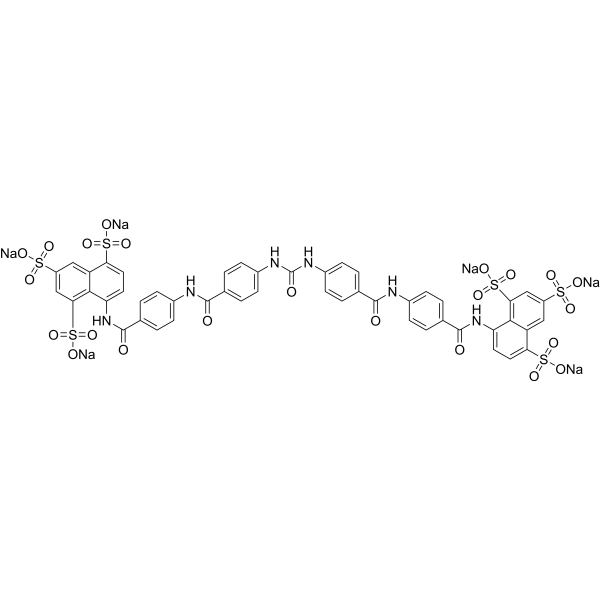
NF279 is a selective P2X1 receptor antagonist and NTPDase inhibitor, with a P2X1 IC50 value of 19 nM. NF279 suppresses GABA-evoked currents, reduces ATP-excited respiratory activity, alters hypoglossal nerve burst parameters, and blocks CXCR4, CCR5, CXCR3, and CXCR7-mediated calcium responses. NF279 arrests HIV-1 fusion downstream of CD4 binding, inhibits R5- and X4-tropic HIV-1 strains. NF279 can be used for the research of HIV-1 infection [5] .
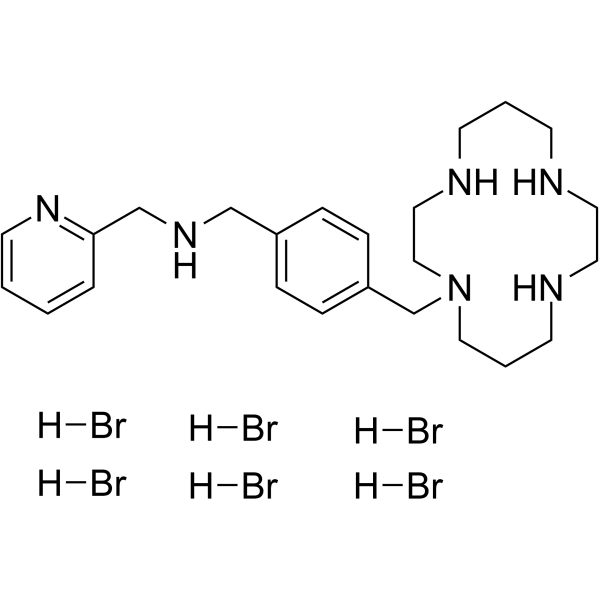
AMD 3465 hexahydrobromide (GENZ-644494 hexahydrobromide) is a potent antagonist of CXCR4, inhibits binding of 12G5 mAb and CXCL12 AF647 to CXCR4, with IC50s of 0.75 nM and 18 nM in SupT1 cells; AMD 3465 also potently inhibits the replication of X4 HIV strains (IC50: 1-10 nM), but has no effect on CCR5-using (R5) viruses.
TAK-220 is a selective and orally bioavailable CCR5 antagonist, with IC50s of 3.5 nM and 1.4 nM for inhibition on the binding of RANTES and MIP-1α to CCR5, respectively, but shows no effect on the binding to CCR1, CCR2b, CCR3, CCR4, or CCR7; TAK-220 also selectively inhibits HIV-1, with EC50s of 1.2 nM (HIV-1 KK), 0.72 nM (HIV-1 CTV), 1.7 nM (HIV-1 HKW), 1.7 nM (HIV-1 HNK), 0.93 nM (HIV-1 HTN), and 0.55 nM (HIV-1 HHA), and EC90s of 12 nM (HIV-1 KK), 5 nM (HIV-1 CTV), 12 nM (HIV-1 HKW), 28 nM (HIV-1 HNK), 15 nM (HIV-1 HTN), and 4 nM (HIV-1 HHA) in PBMCs.
J-113863 is a potent and selective CCR1 antagonist with IC50 values of 0.9 nM and 5.8 nM for human and mouse CCR1 receptors, respectively. J-113863 is also a potent antagonist of the human CCR3 (IC50 of 0.58 nM) , but a weak antagonist of the mouse CCR3 (IC50 of 460 nM). J-113863 is inactive against CCR2, CCR4 and CCR5, as well as the LTB4 or TNF-α receptors. Anti-inflammatory effect .
Met-RANTES (human) acetate is the acetate form of Met-RANTES (human) (HY-P4191). Met-RANTES (human) acetate is the antagonist for CCR1 and CCR5. Met-RANTES (human) acetate inhibits chemokines human MIP-1α and MIP-1β with IC50 of 5 and 2 nM. Met-RANTES (human) acetate reduces bone destruction and ameliorates rats adjuvant-induced arthritis (AIA) .
Ancriviroc (SCH-351125) is an orally active CCR5 antagonist with an IC50 value of 13 nM against hCCR5. Ancriviroc specifically binds to hCCR5, blocks ligand-induced signal transduction, calcium influx, GTPγS binding, chemotaxis, ligand binding, and HIV-1 entry, induces conformational changes in CCR5, and inhibits infection and replication of R5-tropic HIV-1 .
AZD-5672 is an orally active, potent, and selective CCR5 antagonist (IC50=0.32 nM). AZD-5672 shows moderate activity against the hERG ion channel (binding IC50=7.3 μM). AZD5672 is a substrate of human P-gp, and inhibits P-gp-mediated digoxin transport (IC50=32 μM). AZD-5672 can be used for the research of rheumatoid arthritis .
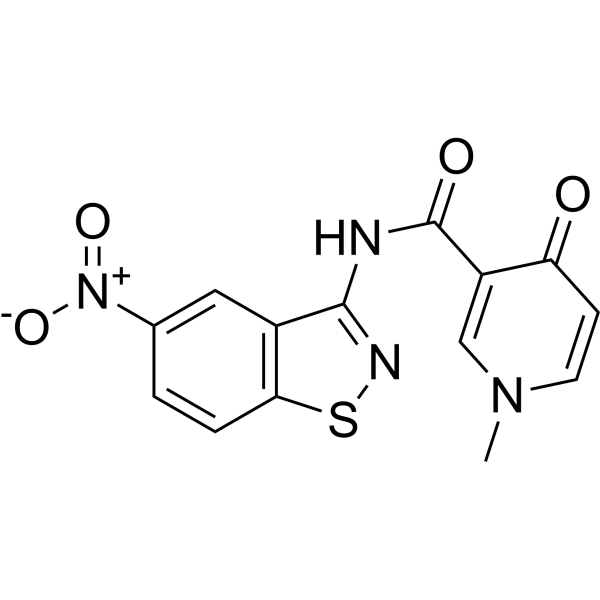
HIV-1 inhibitor-6 (compound 9), a diheteroarylamide-based compound, is a potent HIV-1 pre-mRNA alternative splicing inhibitor. HIV-1 inhibitor-6 blocks HIV replication. HIV-1 inhibitor-6 is active against wild-type HIV-1IIIB (subtype B, X4-tropic) and HIV-1 97USSN54 (subtype A, R5-tropic) with EC50s of 0.6 μM and 0.9 μM, respectively. HIV-1 inhibitor-6 inhibits HIV strains resistant to agents targeting HIV reverse transcriptase, protease, integrase, and coreceptor CCR5 with EC50s ranging from 0.9 to 1.5 μM .
Ccr5 Mouse Pre-designed siRNA Set A contains three designed siRNAs for Ccr5 gene (Mouse), as well as a negative control, a positive control, and a FAM-labeled negative control.
PF-0463481 is a potent and orally active dual CCR2/CCR5 antagonist with comparable human and rodent CCR2 potency (rat IC50=20.8 nM), and displays 10-20 fold less rodent CCR5 potency (rat IC50=470 nM). PF-0463481 is safe and well-tolerated and has the potential for the study of diabetic nephropathy .
PF-0463481 succinate is a potent and orally active dual CCR2/CCR5 antagonist with comparable human and rodent CCR2 potency (rat IC50=20.8 nM), and displays 10-20 fold less rodent CCR5 potency (rat IC50=470 nM). PF-0463481 succinate is safe and well-tolerated and has the potential for the study of diabetic nephropathy .
Fuscin, a fungal metabolite, CCR5 receptor antagonist with anti-HIV effects. Fuscin is a respiration and oxidative phosphorylation inhibitor, and also a mitochondrial SH-dependent transport-linked functions inhibitor .
Murabutide is a safe synthetic immunomodulator. Murabutide can reduce CD4 and CCR5 receptor expression and secrete high levels of beta-chemokines. Murabutide enhances nonspecific resistance against viral infections. Murabutide did not affect virus entry, reverse transcriptase activity or early proviral DNA formation in the cytoplasm of infected cells .
CCR5 Human Pre-designed siRNA Set A contains three designed siRNAs for CCR5 gene (Human), as well as a negative control, a positive control, and a FAM-labeled negative control.
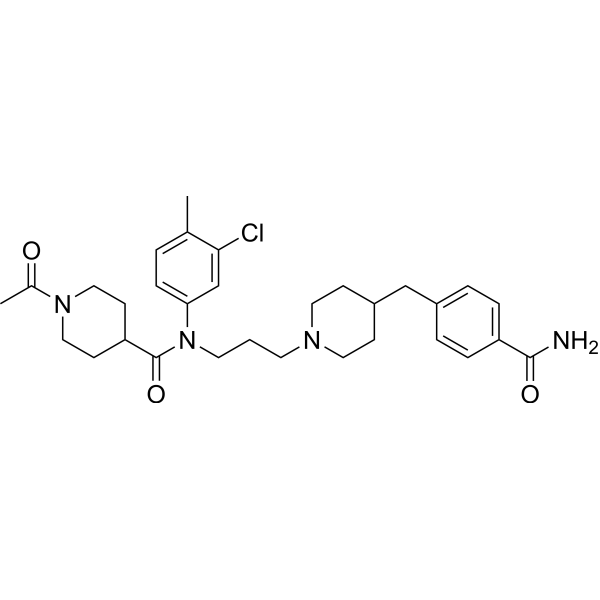
CCR5 antagonist 5 (compound example 11) is a CCR5 antagonist. CCR5 antagonist 5 has the potential to study inflammation and immunity and viral (such as HIV) infection .
Ccr5 Rat Pre-designed siRNA Set A contains three designed siRNAs for Ccr5 gene (Rat), as well as a negative control, a positive control, and a FAM-labeled negative control.
CB-0821 is a high affinity CCR5 inhibitor with a Ki of 0.04 nM. CB-0821 binds efficiently to the hydrophobic pocket of the CCR5 protein, to inhibit the interactions between viral protein and CCR5, thereby inhibiting viral entry. CB-0821 has the potential for anti-HIV research .
HGS101 is a fully human CCR5 monoclonal antibody with high affinity to CCR5. HGS101 binds to the 2nd extracellular loop (ECL-2) and acts as a signal antagonist. HGS101 restores Maraviroc (HY-13004) inhibition of Maraviroc-resistant HIV-1 infection of PBMCs. HGS101 shows anti-HIV activity by inhibiting CCR5 signaling in simian immunodeficiency virus-uninfected RMs models .
HGS004 is a humanized IgG4 monoclonal antibody inhibitor targeting CCR5. HGS004 has potent antivival activity against a diverse panel of CCR5-tropic HIV-1 and durg (such as Maraviroc (HY-13004))-resistant strains. HGS004 can be used for HIV-1 infections research .
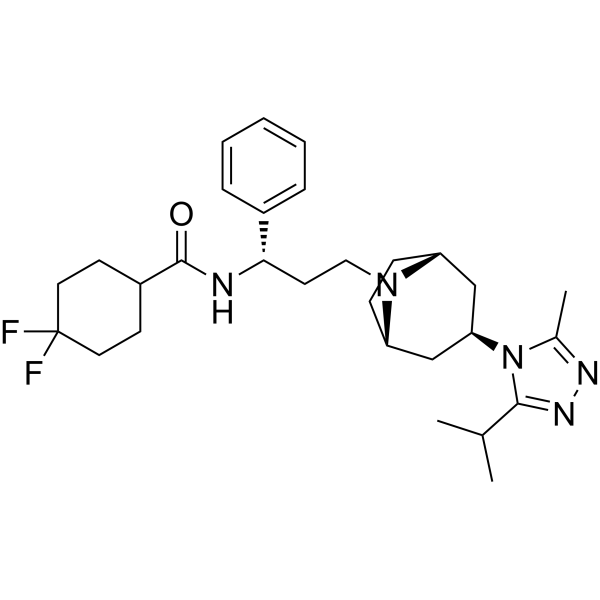
Maraviroc (Standard) is the analytical standard of Maraviroc. This product is intended for research and analytical applications. Maraviroc (UK-427857) is a selective CCR5 antagonist with activity against human HIV.
Cenicriviroc (Standard) is the analytical standard of Cenicriviroc. This product is intended for research and analytical applications. Cenicriviroc (TAK-652) is an orally active, dual CCR2/CCR5 antagonist, also inhibits both HIV-1 and HIV-2, and displays potent anti-inflammatory and antiinfective activity .
CCR5-IN-1 (compound 3ad) is a selective allosteric CCR5 inhibitor with an IC50 of 1.09 μM. CCR5-IN-1 can be used in the study of cardiovascular, central nervous system, immune system, and infectious diseases .
Ophiobolin C inhibits CCR5 binding to the envelop protein gp120 and CD4, which is responsible for mediating the entry of HIV-1 into cells . Ophiobolin C is also cytotoxic to chronic lymphocytic leukemia cells .
Met-RANTES (human) is the antagonist for CCR1 and CCR5. Met-RANTES (human) inhibits chemokines human MIP-1α and MIP-1β with IC50 of 5 and 2 nM. Met-RANTES (human) reduces bone destruction and ameliorates rats adjuvant-induced arthritis (AIA) .
AMD 3465 (Standard) is the analytical standard of AMD 3465. This product is intended for research and analytical applications. AMD 3465 (GENZ-644494) is a potent antagonist of CXCR4, inhibits binding of 12G5 mAb and CXCL12AF647 to CXCR4, with IC50s of 0.75 nM and 18 nM in SupT1 cells; AMD 3465 also potently inhibits the replication of X4 HIV strains (IC50: 1-10 nM), but has no effect on CCR5-using (R5) viruses.
AMD 3465 (hexahydrobromide) (Standard) is the analytical standard of AMD 3465 (hexahydrobromide). This product is intended for research and analytical applications. AMD 3465 hexahydrobromide (GENZ-644494 hexahydrobromide) is a potent antagonist of CXCR4, inhibits binding of 12G5 mAb and CXCL12AF647 to CXCR4, with IC50s of 0.75 nM and 18 nM in SupT1 cells; AMD 3465 also potently inhibits the replication of X4 HIV strains (IC50: 1-10 nM), but has no effect on CCR5-using (R5) viruses.
Vicriviroc (SCH 417690) is an orally active CCR5 antagonist with the IC50 of 10 nM, and also inhibts MIP-1α and intracellular calcium release induced by the ligand RANTES (10 nM) with the IC50 values of 0.91 nM and 16 nM,,respectively. Vicriviroc can inhibits human immunodeficiency virus type 1 (HIV-1) infection, and can also used for study of cancer .
Human CCR5 mRNA encodes the human C-C motif chemokine receptor 5 (CCR5) protein, a member of the beta chemokine receptor family. CCR5 is known to be an important co-receptor for macrophage-tropic virus, including HIV, to enter host cells. It may also play a role in granulocyte lineage proliferation and differentiation.
Anti-Mouse CCR5 Antibody (C5Mab-2) reacts with mouse CCR5. CCR5 is a seven-pass transmembrane protein from the GPCR family. Recommend Isotype Controls: Rat IgG2b kappa, Isotype Control (HY-P990682) .
E913 is a CCR5 antagonist that competes with the binding of antibodies to CCR5 which recognize the C-terminal half of the second extracellular loop (ECL2B) of CCR5. E913 can specifically block the binding of macrophage inflammatory protein-1alpha (MIP-1alpha) to CCR5 (IC50 = 0.002 μM) and MIP-1alpha-elicited cellular Ca 2+ mobilization (IC50 = 0.02 μM). E913 inhibits the replication of laboratory and primary R5HIV-1 strains as well as various multidrug-resistant monocyte/macrophage tropic (R5) HIV-1 (IC50 = 0.03-0.06 μM). E913 can be used for the research of infection, such as HIV-1 infection .
Maraviroc (Standard) is the analytical standard of Maraviroc. This product is intended for research and analytical applications. Maraviroc (UK-427857) is a selective CCR5 antagonist with activity against human HIV.
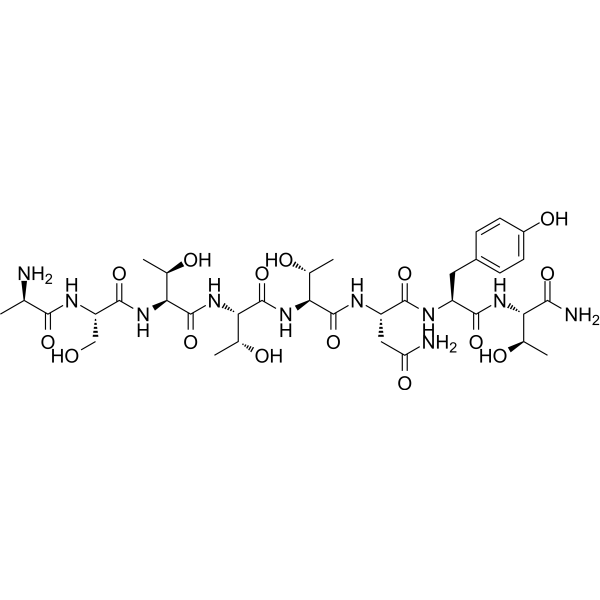
mC46 (C46) peptide is a membrane-associated fusion peptide inhibitor. mC46 peptide potently inhibits HIV-1 replication and entry. mC46 also inhibits CCR5-tropic, CXCR4-tropic, and dual-tropic HIVs, SIV, and SHIV .
RPR103611, the betulinic acid derivative, is a potent HIV-1 entry inhibitor with IC50s of 80, 0.27, and 0.17 for CCR5-tropic virus YU2, CXCR4-tropic virus NL4-3 and dual tropic virus 89.6, respectively .
Procurcumenol, a natural compound that can be isolated from Curcuma zedoaria Rhizomes, possesses neuroprotective and antioxidant activity. Procurcumenol can target CCR5 and has a significant inhibitory effect on platelet aggregation in vitro .
SCH 350581 (AD-101) is a CCR5 antagonist. SCH 350581 inhibits HIV-1 replication, viral entry into cells, and the binding of gp120 to cell lines in primary lymphocytes .
Human CCL4L1 mRNA encodes the human C-C motif chemokine ligand 4 like 1 (CCL4L1) protein, a chemokine that can induce chemotaxis of cells expressing CCR5 or CCR1.
PF-4178903 (INCB10820) is an orally active, potent dual CCR2 and CCR5 antagonist with IC50 values of 3 nM and 5.3 nM, respectively. PF-4178903 is promising for research of chronic inflammatory and autoimmune diseases .
CCR5/CXCR3-IN-1 (compound 1) is a CXCR3 and CCR5 inhibitor. CCR5/CXCR3-IN-1 inhibits chemotaxis of CXCR3 and CCR5-expressing transformed cells, and does not inhibits the chemotaxis of transfected cells expressing CXCR4. CCR5/CXCR3-IN-1 can be used for the study of chronic arthritic rheumatism .
GSK163929 (compound 122) is an orally active, anti-HIV CCR5 antagonist with low inhibitory potency against hEGR. GSK163929 had no adverse effects in rats at 2000 mg/kg/day (i.v., 7 d) and in dogs at 250 mg/kg/day (i.v., 7 d) .
Vicriviroc (SCH 417690) malate is an orally active CCR5 antagonist with the IC50 of 10 nM, and also inhibts MIP-1α and intracellular calcium release induced by the ligand RANTES (10 nM) with the IC50 values of 0.91 nM and 16 nM,,respectively. Vicriviroc malate can inhibits human immunodeficiency virus type 1 (HIV-1) infection, and can also used for study of cancer .
Catenarin, an anthraquinone compound, inhibits CCR5- and CXCR4-mediated chemotaxis. Catenarin reduces the phosphorylation of mitogen-activated protein kinases (p38 and JNK) and their upstream kinases (MKK6 and MKK7), and calcium mobilization. Catenarin shows anti-inflammatory effect and suppresses leukocyte migration in the diabetes. Catenarin exhibits significant inhibitory effects against Gram-positive bacteria. Catenarin prevents type 1 diabetes (T1D) in nonobese diabetic mice [1][2].
Anti-CCR5 Antibody (HEK/1/85a/7a) recognizes an epitope on human CCR5. CCR5 is a seven-transmembrane G-protein-coupled receptor (GPCR). Recommend Isotype Controls: Rat IgG2b kappa, Isotype Control (HY-P990682) .
LUF8100 is a dual-target antagonist of CCR2/CCR5 with pKi values for CCR2 and CCR5 of 5.23 and 4.97 respectively. LUF8100 can be used for research on immune homeostasis and cancer .
Human CCL5 mRNA encodes the human C-C motif chemokine ligand 5 (CCL5) protein, a member of the CC subfamily, functions as a chemoattractant for blood monocytes, memory T helper cells and eosinophils. CCL5 is one of the major HIV-suppressive factors produced by CD8+ cells. It functions as one of the natural ligands for the chemokine receptor chemokine (C-C motif) receptor 5 (CCR5), and it suppresses in vitro replication of the R5 strains of HIV-1, which use CCR5 as a coreceptor.
J-113863 (Standard) is the analytical standard of J-113863 (HY-103360). This product is intended for research and analytical applications. J-113863 is a potent and selective CCR1 antagonist with IC50 values of 0.9 nM and 5.8 nM for human and mouse CCR1 receptors, respectively. J-113863 is also a potent antagonist of the human CCR3 (IC50 of 0.58 nM) , but a weak antagonist of the mouse CCR3 (IC50 of 460 nM). J-113863 is inactive against CCR2, CCR4 and CCR5, as well as the LTB4 or TNF-α receptors. Anti-inflammatory effect .
Met-RANTES (human) acetate is the acetate form of Met-RANTES (human) (HY-P4191). Met-RANTES (human) acetate is the antagonist for CCR1 and CCR5. Met-RANTES (human) acetate inhibits chemokines human MIP-1α and MIP-1β with IC50 of 5 and 2 nM. Met-RANTES (human) acetate reduces bone destruction and ameliorates rats adjuvant-induced arthritis (AIA) .
Met-RANTES (human) is the antagonist for CCR1 and CCR5. Met-RANTES (human) inhibits chemokines human MIP-1α and MIP-1β with IC50 of 5 and 2 nM. Met-RANTES (human) reduces bone destruction and ameliorates rats adjuvant-induced arthritis (AIA) .
mC46 (C46) peptide is a membrane-associated fusion peptide inhibitor. mC46 peptide potently inhibits HIV-1 replication and entry. mC46 also inhibits CCR5-tropic, CXCR4-tropic, and dual-tropic HIVs, SIV, and SHIV .
Leronlimab (PRO 140) is a humanized IgG4 anti-CCR5 monoclonal antibody. Leronlimab inhibits CCR5-mediated HIV-1 viral and lung metastasis in mouse tumor models. Leronlimab can be used for the research of HIV nonalcoholic steatohepatitis (NASH) and cancer .
HGS101 is a fully human CCR5 monoclonal antibody with high affinity to CCR5. HGS101 binds to the 2nd extracellular loop (ECL-2) and acts as a signal antagonist. HGS101 restores Maraviroc (HY-13004) inhibition of Maraviroc-resistant HIV-1 infection of PBMCs. HGS101 shows anti-HIV activity by inhibiting CCR5 signaling in simian immunodeficiency virus-uninfected RMs models .
HGS004 is a humanized IgG4 monoclonal antibody inhibitor targeting CCR5. HGS004 has potent antivival activity against a diverse panel of CCR5-tropic HIV-1 and durg (such as Maraviroc (HY-13004))-resistant strains. HGS004 can be used for HIV-1 infections research .
Anti-Mouse CCR5 Antibody (C5Mab-2) reacts with mouse CCR5. CCR5 is a seven-pass transmembrane protein from the GPCR family. Recommend Isotype Controls: Rat IgG2b kappa, Isotype Control (HY-P990682) .
Anti-CCR5 Antibody (HEK/1/85a/7a) recognizes an epitope on human CCR5. CCR5 is a seven-transmembrane G-protein-coupled receptor (GPCR). Recommend Isotype Controls: Rat IgG2b kappa, Isotype Control (HY-P990682) .
Fuscin, a fungal metabolite, CCR5 receptor antagonist with anti-HIV effects. Fuscin is a respiration and oxidative phosphorylation inhibitor, and also a mitochondrial SH-dependent transport-linked functions inhibitor .
Procurcumenol, a natural compound that can be isolated from Curcuma zedoaria Rhizomes, possesses neuroprotective and antioxidant activity. Procurcumenol can target CCR5 and has a significant inhibitory effect on platelet aggregation in vitro .
Catenarin, an anthraquinone compound, inhibits CCR5- and CXCR4-mediated chemotaxis. Catenarin reduces the phosphorylation of mitogen-activated protein kinases (p38 and JNK) and their upstream kinases (MKK6 and MKK7), and calcium mobilization. Catenarin shows anti-inflammatory effect and suppresses leukocyte migration in the diabetes. Catenarin exhibits significant inhibitory effects against Gram-positive bacteria. Catenarin prevents type 1 diabetes (T1D) in nonobese diabetic mice [1][2].
CCR5 Protein-VLP, Human (HEK293) is recommended for animal immunization, ELISA. It is not recommended for receptor-ligand interaction detection and SPR/BLI assay since there are other irrelevant membrane proteins of the host on the VLP envelope, and the receptor-ligand interaction will have strong background interference. High requirements for chips and experimental protocols are needed for SPR/BLI assays. If VLP control is required, it is recommended HY-P705433.
CCR5 Protein-VLP, Human (HEK293, GFP) is recommended for animal immunization, ELISA. It is not recommended for receptor-ligand interaction detection and SPR/BLI assay since there are other irrelevant membrane proteins of the host on the VLP envelope, and the receptor-ligand interaction will have strong background interference. High requirements for chips and experimental protocols are needed for SPR/BLI assays. If VLP control is required, it is recommended HY-P705433.
CCR5 Protein, a receptor for inflammatory CC-chemokines like CCL3/MIP-1-alpha, CCL4/MIP-1-beta, and RANTES, transduces signals, elevating intracellular calcium levels. It regulates granulocytic lineage and facilitates T-lymphocyte migration to infection sites. In microbial infection, CCR5 acts as a coreceptor, along with CD4, for HIV-1, emphasizing its role in the cellular response to infections. CCR5 Protein, Human (sf9, Flag-His) is the recombinant human-derived CCR5 protein, expressed by Sf9 insect cells, with C-Flag and C-His labeled tag.
CCR5 protein is a receptor for inflammatory CC chemokines, including CCL3/MIP-1-alpha, CCL4/MIP-1-beta, and RANTES, and plays a crucial role in signal transduction by increasing intracellular calcium levels. . It acts as a chemoattractant receptor and contributes to granulocyte lineage control and T lymphocyte migration to sites of infection. CCR5 Protein, Mouse (P. pastoris, His) is the recombinant mouse-derived CCR5 protein, expressed by P. pastoris , with N-6*His labeled tag.
CCR5 Protein, a receptor for inflammatory CC-chemokines like CCL3/MIP-1-alpha, CCL4/MIP-1-beta, and RANTES, transduces signals, elevating intracellular calcium levels. It regulates granulocytic lineage and facilitates T-lymphocyte migration to infection sites. In microbial infection, CCR5 acts as a coreceptor, along with CD4, for HIV-1, emphasizing its role in the cellular response to infections. CCR5 Protein, Human (HEK293, Flag, His, Strep) is the recombinant human-derived CCR5 protein, expressed by HEK293 Cell-free , with N-Flag, C-His, C-Strep labeled tag.
Ccr5 Mouse Pre-designed siRNA Set A contains three designed siRNAs for Ccr5 gene (Mouse), as well as a negative control, a positive control, and a FAM-labeled negative control.
CCR5 Human Pre-designed siRNA Set A contains three designed siRNAs for CCR5 gene (Human), as well as a negative control, a positive control, and a FAM-labeled negative control.
Ccr5 Rat Pre-designed siRNA Set A contains three designed siRNAs for Ccr5 gene (Rat), as well as a negative control, a positive control, and a FAM-labeled negative control.
Human CCR5 mRNA encodes the human C-C motif chemokine receptor 5 (CCR5) protein, a member of the beta chemokine receptor family. CCR5 is known to be an important co-receptor for macrophage-tropic virus, including HIV, to enter host cells. It may also play a role in granulocyte lineage proliferation and differentiation.
Human CCL4L1 mRNA encodes the human C-C motif chemokine ligand 4 like 1 (CCL4L1) protein, a chemokine that can induce chemotaxis of cells expressing CCR5 or CCR1.
Human CCL5 mRNA encodes the human C-C motif chemokine ligand 5 (CCL5) protein, a member of the CC subfamily, functions as a chemoattractant for blood monocytes, memory T helper cells and eosinophils. CCL5 is one of the major HIV-suppressive factors produced by CD8+ cells. It functions as one of the natural ligands for the chemokine receptor chemokine (C-C motif) receptor 5 (CCR5), and it suppresses in vitro replication of the R5 strains of HIV-1, which use CCR5 as a coreceptor.
Inquiry Online
Your information is safe with us. * Required Fields.
Western blot analysis of extracts from THP-1(lane 2(20μg), Jurkat (lane 3(20μg) and NIH3T3(lane 4(20μg) using FOXO1A (HY-P80132) Rabbit mAb. Proteins were transferred
to a PVDF membrane and blocked with 5% non-fat milk in TBST for 2 hour at room temperature. The primary antibody (1/1000) and Loading control antibody (Beta Actin, HY-P80438, 1/10000) was
used in 5% non-fat milk in TBST at 4°C overnight. Goat Anti-Mouse/Rabbit IgG-HRP Secondary Antibody (1/10000) was used for 1 hour at room temperature.
Western blot analysis of extracts from THP-1(lane 2(20μg), Jurkat (lane 3(20μg) and NIH3T3(lane 4(20μg) using FOXO1A (HY-P80132) Rabbit mAb. Proteins were transferred
to a PVDF membrane and blocked with 5% non-fat milk in TBST for 2 hour at room temperature. The primary antibody (1/1000) and Loading control antibody (Beta Actin, HY-P80438, 1/10000) was
used in 5% non-fat milk in TBST at 4°C overnight. Goat Anti-Mouse/Rabbit IgG-HRP Secondary Antibody (1/10000) was used for 1 hour at room temperature.
Western blot analysis of extracts from THP-1(lane 2(20μg), Jurkat (lane 3(20μg) and NIH3T3(lane 4(20μg) using FOXO1A (HY-P80132) Rabbit mAb. Proteins were transferred
to a PVDF membrane and blocked with 5% non-fat milk in TBST for 2 hour at room temperature. The primary antibody (1/1000) and Loading control antibody (Beta Actin, HY-P80438, 1/10000) was
used in 5% non-fat milk in TBST at 4°C overnight. Goat Anti-Mouse/Rabbit IgG-HRP Secondary Antibody (1/10000) was used for 1 hour at room temperature.
Western blot analysis of extracts from THP-1(lane 2(20μg), Jurkat (lane 3(20μg) and NIH3T3(lane 4(20μg) using FOXO1A (HY-P80132) Rabbit mAb. Proteins were transferred
to a PVDF membrane and blocked with 5% non-fat milk in TBST for 2 hour at room temperature. The primary antibody (1/1000) and Loading control antibody (Beta Actin, HY-P80438, 1/10000) was
MedchemExpress Validation 03
Western blot analysis of extracts from THP-1(lane 2(20μg), Jurkat (lane 3(20μg) and NIH3T3(lane 4(20μg) using FOXO1A (HY-P80132) Rabbit mAb. Proteins were transferred
MedchemExpress Validation 04
Western blot analysis of extracts from THP-1(lane 2(20μg), Jurkat (lane 3(20μg) and NIH3T3(lane 4(20μg) using FOXO1A (HY-P80132) Rabbit mAb. Proteins were transferred
to a PVDF membrane and blocked with 5% non-fat milk in TBST for 2 hour at room temperature. The primary antibody (1/1000) and Loading control antibody (Beta Actin, HY-P80438, 1/10000) was
used in 5% non-fat milk in TBST at 4°C overnight. Goat Anti-Mouse/Rabbit IgG-HRP Secondary Antibody (1/10000) was used for 1 hour at room temperature.
MedchemExpress Validation
Western blot analysis of extracts from THP-1(lane 2(20μg), Jurkat (lane 3(20μg) and NIH3T3(lane 4(20μg) using FOXO1A (HY-P80132) Rabbit mAb. Proteins were transferred
to a PVDF membrane and blocked with 5% non-fat milk in TBST for 2 hour at room temperature. The primary antibody (1/1000) and Loading control antibody (Beta Actin, HY-P80438, 1/10000) was
used in 5% non-fat milk in TBST at 4°C overnight. Goat Anti-Mouse/Rabbit IgG-HRP Secondary Antibody (1/10000) was used for 1 hour at room temperature.
Western blot analysis of extracts from THP-1(lane 2(20μg), Jurkat (lane 3(20μg) and NIH3T3(lane 4(20μg) using FOXO1A (HY-P80132) Rabbit mAb. Proteins were transferred
to a PVDF membrane and blocked with 5% non-fat milk in TBST for 2 hour at room temperature. The primary antibody (1/1000) and Loading control antibody (Beta Actin, HY-P80438, 1/10000) was
used in 5% non-fat milk in TBST at 4°C overnight. Goat Anti-Mouse/Rabbit IgG-HRP Secondary Antibody (1/10000) was used for 1 hour at room temperature.
MedchemExpress Validation
Western blot analysis of extracts from THP-1(lane 2(20μg), Jurkat (lane 3(20μg) and NIH3T3(lane 4(20μg) using FOXO1A (HY-P80132) Rabbit mAb. Proteins were transferred
to a PVDF membrane and blocked with 5% non-fat milk in TBST for 2 hour at room temperature. The primary antibody (1/1000) and Loading control antibody (Beta Actin, HY-P80438, 1/10000) was
used in 5% non-fat milk in TBST at 4°C overnight. Goat Anti-Mouse/Rabbit IgG-HRP Secondary Antibody (1/10000) was used for 1 hour at room temperature.
MedchemExpress Validation
Western blot analysis of extracts from THP-1(lane 2(20μg), Jurkat (lane 3(20μg) and NIH3T3(lane 4(20μg) using FOXO1A (HY-P80132) Rabbit mAb. Proteins were transferred
to a PVDF membrane and blocked with 5% non-fat milk in TBST for 2 hour at room temperature. The primary antibody (1/1000) and Loading control antibody (Beta Actin, HY-P80438, 1/10000) was
used in 5% non-fat milk in TBST at 4°C overnight. Goat Anti-Mouse/Rabbit IgG-HRP Secondary Antibody (1/10000) was used for 1 hour at room temperature.
MedchemExpress Validation
Western blot analysis of extracts from THP-1(lane 2(20μg), Jurkat (lane 3(20μg) and NIH3T3(lane 4(20μg) using FOXO1A (HY-P80132) Rabbit mAb. Proteins were transferred
to a PVDF membrane and blocked with 5% non-fat milk in TBST for 2 hour at room temperature. The primary antibody (1/1000) and Loading control antibody (Beta Actin, HY-P80438, 1/10000) was
used in 5% non-fat milk in TBST at 4°C overnight. Goat Anti-Mouse/Rabbit IgG-HRP Secondary Antibody (1/10000) was used for 1 hour at room temperature.
MedchemExpress Validation
Western blot analysis of extracts from THP-1(lane 2(20μg), Jurkat (lane 3(20μg) and NIH3T3(lane 4(20μg) using FOXO1A (HY-P80132) Rabbit mAb. Proteins were transferred
to a PVDF membrane and blocked with 5% non-fat milk in TBST for 2 hour at room temperature. The primary antibody (1/1000) and Loading control antibody (Beta Actin, HY-P80438, 1/10000) was
used in 5% non-fat milk in TBST at 4°C overnight. Goat Anti-Mouse/Rabbit IgG-HRP Secondary Antibody (1/10000) was used for 1 hour at room temperature.
MedchemExpress Validation
Western blot analysis of extracts from THP-1(lane 2(20μg), Jurkat (lane 3(20μg) and NIH3T3(lane 4(20μg) using FOXO1A (HY-P80132) Rabbit mAb. Proteins were transferred
to a PVDF membrane and blocked with 5% non-fat milk in TBST for 2 hour at room temperature. The primary antibody (1/1000) and Loading control antibody (Beta Actin, HY-P80438, 1/10000) was
used in 5% non-fat milk in TBST at 4°C overnight. Goat Anti-Mouse/Rabbit IgG-HRP Secondary Antibody (1/10000) was used for 1 hour at room temperature.
MedchemExpress Validation
Western blot analysis of extracts from THP-1(lane 2(20μg), Jurkat (lane 3(20μg) and NIH3T3(lane 4(20μg) using FOXO1A (HY-P80132) Rabbit mAb. Proteins were transferred
to a PVDF membrane and blocked with 5% non-fat milk in TBST for 2 hour at room temperature. The primary antibody (1/1000) and Loading control antibody (Beta Actin, HY-P80438, 1/10000) was
used in 5% non-fat milk in TBST at 4°C overnight. Goat Anti-Mouse/Rabbit IgG-HRP Secondary Antibody (1/10000) was used for 1 hour at room temperature.
MedChemExpress values your privacy and your trust is important to us. We use cookies to enhance your website experience. Some cookies are necessary to run the website.
Privacy and Cookie Policy

