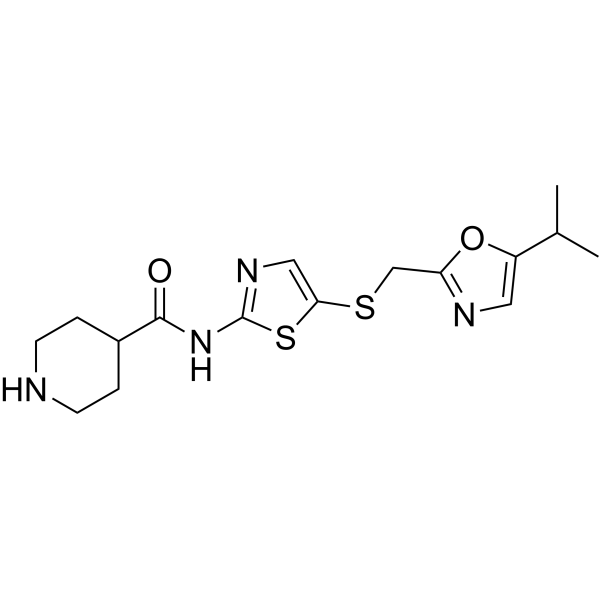
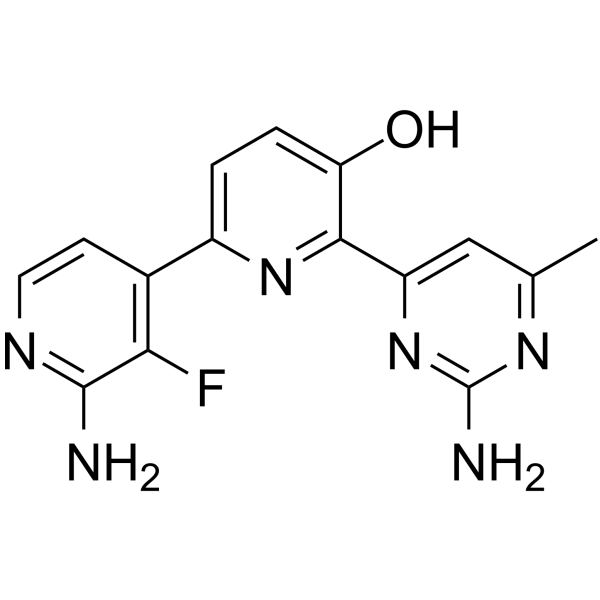
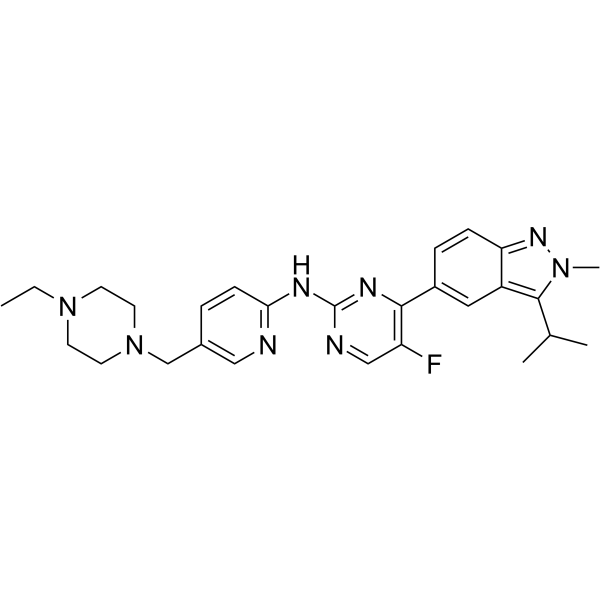
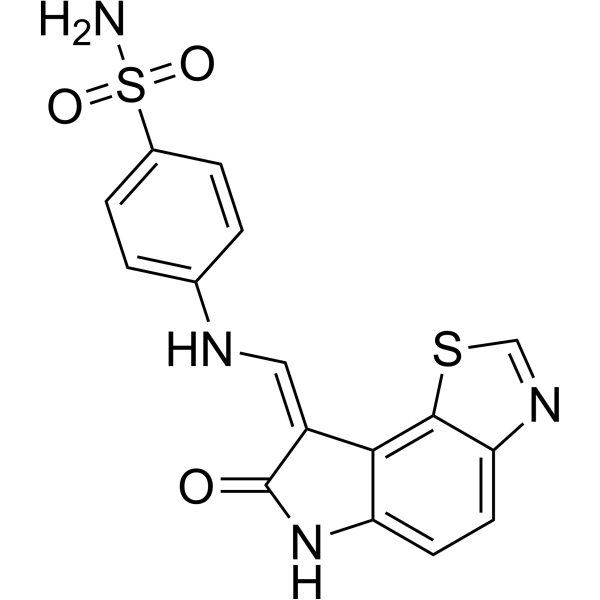
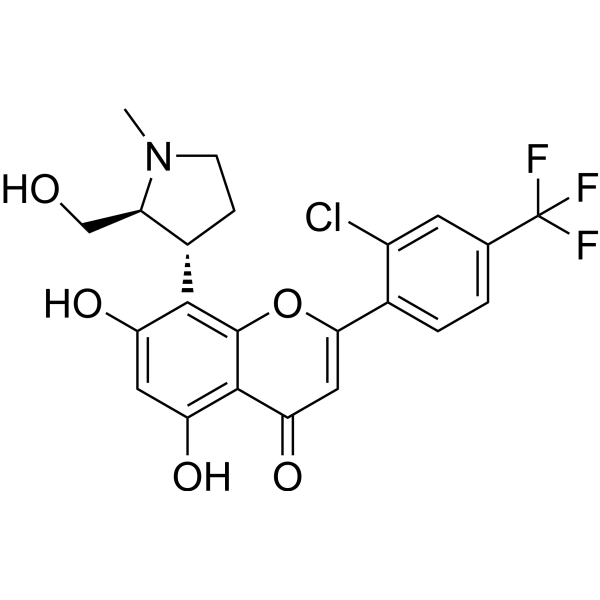
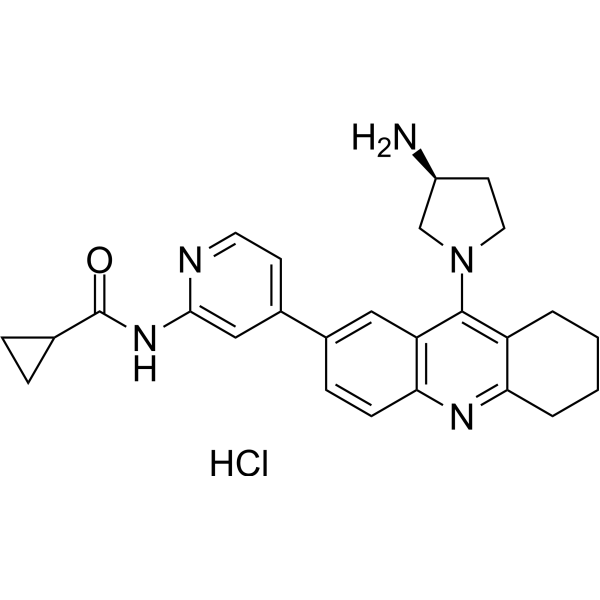
1. Search Result
Search Result
Results for "

CDK+inhibitor

" in MedChemExpress (MCE) Product Catalog:

80

Inhibitors & Agonists

1

Biochemical Assay Reagents

1

Peptides

3

Natural
Products

1

Isotope-Labeled Compounds

Cat. No. Product Name Target Research Areas Chemical Structure
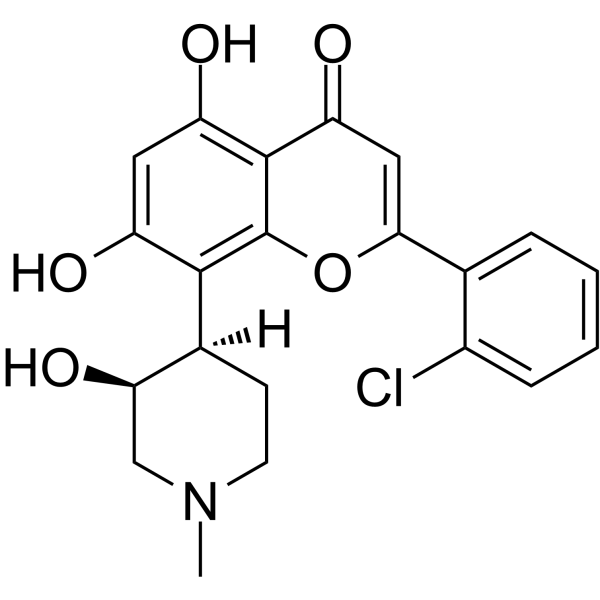
  • HY-10005
    Flavopiridol
    Maximum Cited Publications
    52 Publications Verification

    HMR-1275; Alvocidib; L86-8275

    CDK Autophagy HIV Apoptosis Cancer
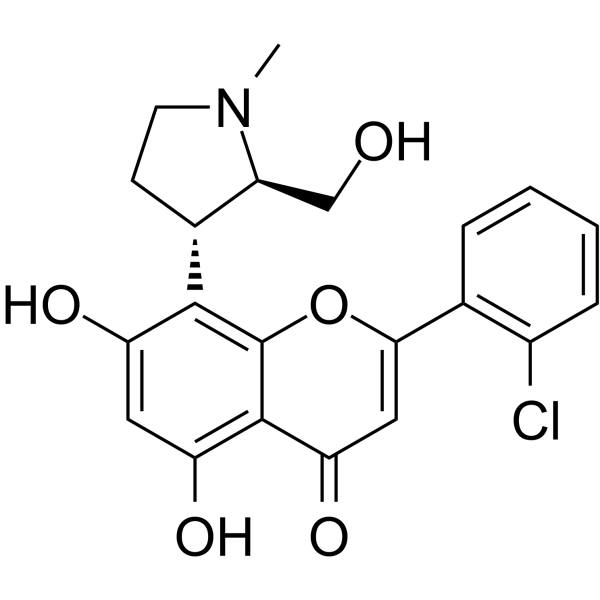
    Flavopiridol (Alvocidib) is a broad spectrum and competitive inhibitor of CDKs, inhibiting CDK1, CDK2, CDK4 with IC50s of 30, 170, 100 nM, respectively.
    Flavopiridol
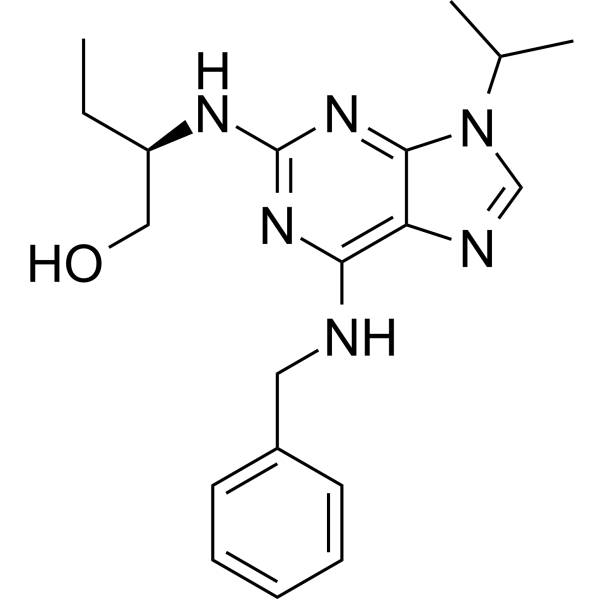
  • HY-30237
    (R)-Roscovitine
    30+ Cited Publications

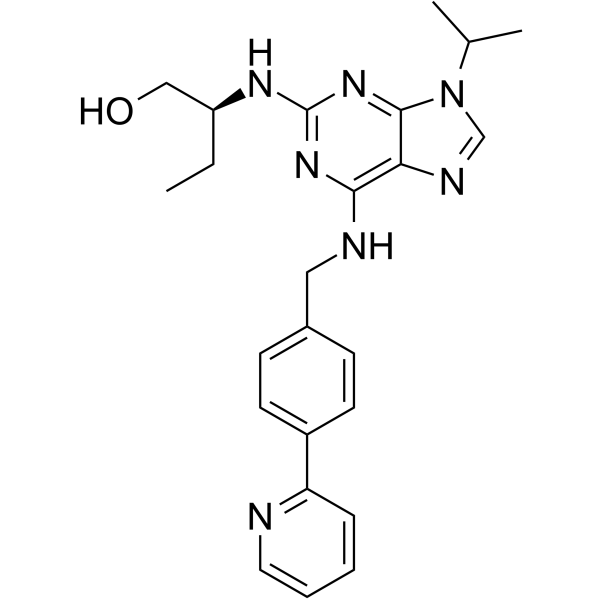
    Seliciclib; CYC202

    CDK Neurological Disease Metabolic Disease Cancer
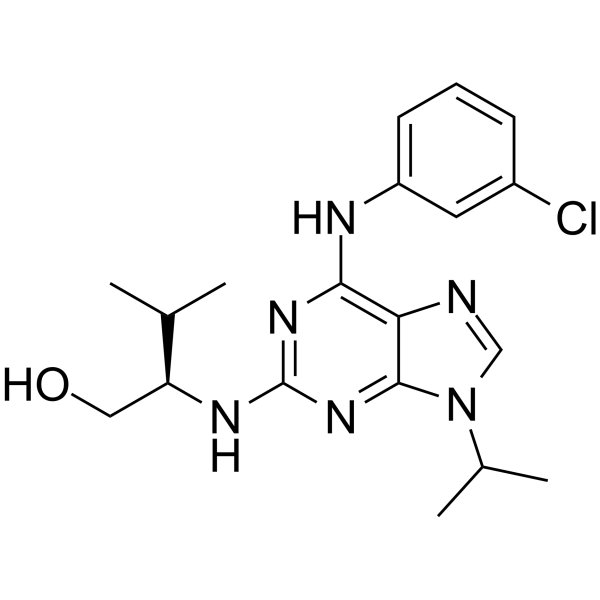
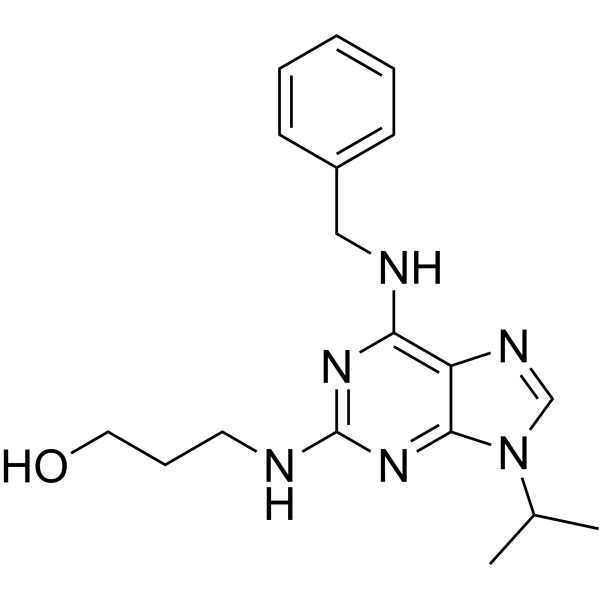
    (R)-Roscovitine (Seliciclib) is an orally bioavailable, selective and BBB-permeable CDKs inhibitor with IC50s of 0.2 μM, 0.65 μM, and 0.7 μM for CDK5, Cdc2, and CDK2, respectively.
    (R)-Roscovitine
  • HY-13914
    Roniciclib
    2 Publications Verification

    BAY 1000394

    CDK Cancer
    Roniciclib is an orally bioavailable pan-cyclin dependent kinase (CDK) inhibitor, with IC50s of 5-25 nM for CDK1, CDK2, CDK3, CDK4, CDK7 and CDK9.
    Roniciclib
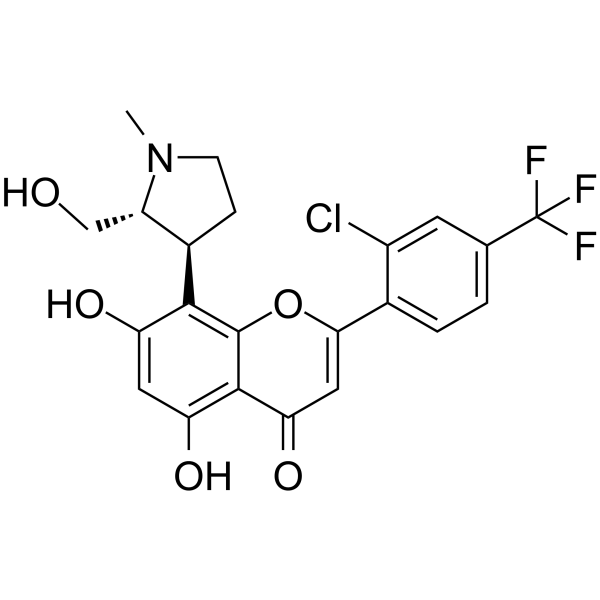
  • HY-12422

    CDK Cancer
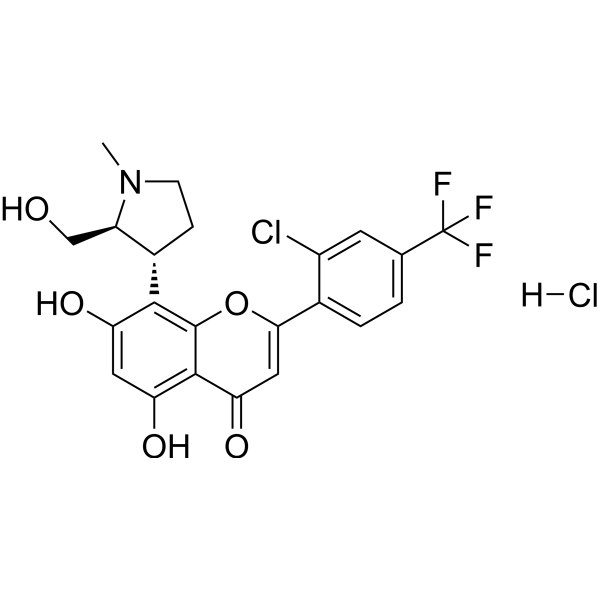
    Voruciclib is an orally active and selective CDK inhibitor with Ki values of 0.626 nM-9.1 nM. Voruciclib potently blocks CDK9, the transcriptional regulator of MCL-1. Voruciclib represses expression of MCL-1 in multiple models of diffuse large B-cell lymphoma (DLBCL) .
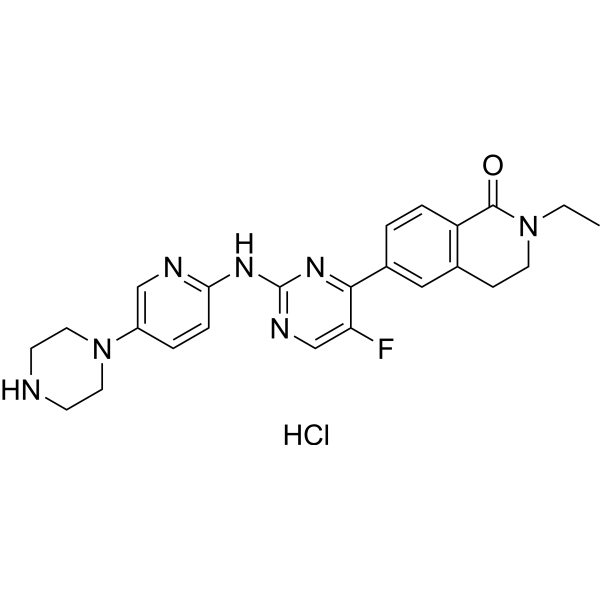
    Voruciclib
  • HY-130709

    PROTACs CDK Cancer
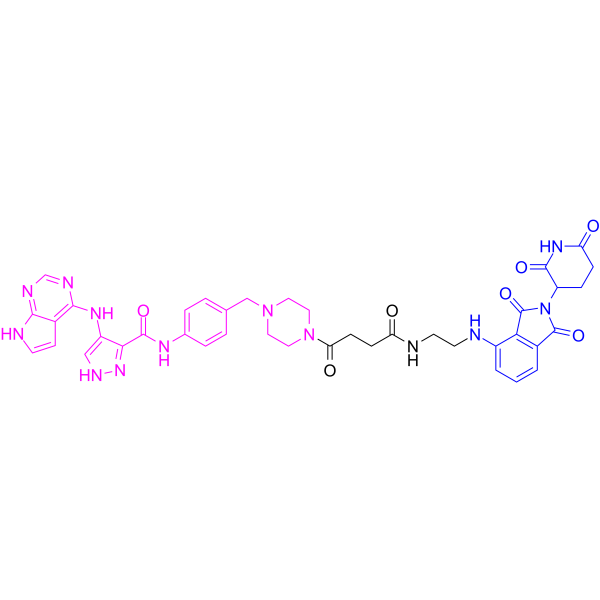
    PROTAC CDK2/9 Degrader-1 (Compound F3) is a potent dual degrader for CDK2 (DC50=62 nM) and CDK9 (DC50=33 nM). PROTAC CDK2/9 Degrader-1 suppresses prostate cancer PC-3 cell proliferation (IC50=0.12 µM) by effectively blocking the cell cycle in S and G2/M phases. PROTAC CDK2/9 Degrader-1 is a PROTAC by tethering CDK inhibitor with Cereblon ligand .
    PROTAC CDK2/9 Degrader-1
  • HY-11001
    PHA-793887
    4 Publications Verification

    CDK Apoptosis Cancer
    PHA-793887 is a potent, ATP-competitive CDK inhibitor, can inhibit Cdk2, Cdk1, Cdk4, and Cdk9 with IC50s of 8 nM, 60 nM, 62 nM and 138 nM, respectively, and also inhibits glycogen synthase kinase 3β with an IC50 of 79 nM.
    PHA-793887
  • HY-10014
    R547
    2 Publications Verification

    CDK GSK-3 Apoptosis Cancer
    R547 is a potent, selective and orally active ATP-competitive CDK inhibitor, with Kis of 2 nM, 3 nM and 1 nM for CDK1/cyclin B, CDK2/cyclin E and CDK4/cyclin D1, respectively .
    R547
  • HY-18299A
    Purvalanol A
    4 Publications Verification

    NG-60

    CDK Autophagy Apoptosis Cancer
    Purvalanol A is a potent CDK inhibitor, which inhibits cdc2-cyclin B, cdk2-cyclin A, cdk2-cyclin E, cdk4-cyclin D1, and cdk5-p35 with IC50s of 4, 70, 35, 850, 75 nM, resepctively.
    Purvalanol A
  • HY-15504A
    RGB-286638 free base
    3 Publications Verification

    CDK GSK-3 MEK JAK Cancer
    RGB-286638 is a CDK inhibitor that inhibits the kinase activity of cyclin T1-CDK9, cyclin B1-CDK1, cyclin E-CDK2, cyclin D1-CDK4, cyclin E-CDK3, and p35-CDK5 with IC50s of 1, 2, 3, 4, 5 and 5 nM, respectively; also inhibits GSK-3β, TAK1, Jak2 and MEK1, with IC50s of 3, 5, 50, and 54 nM.
    RGB-286638 free base
  • HY-108359
    Alsterpaullone
    1 Publications Verification

    9-Nitropaullone; NSC 705701

    CDK GSK-3 Apoptosis Cancer
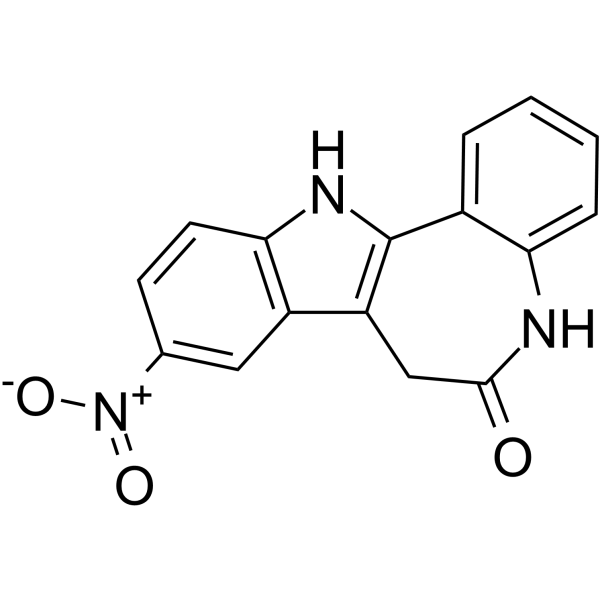
    Alsterpaullone (9-Nitropaullone) is a potent CDK inhibitor, with IC50s of 35 nM, 15 nM, 200 nM and 40 nM for CDK1/cyclin B, CDK2/cyclin A, CDK2/cyclin E and CDK5/p35, respectively. Alsterpaullone also competes with ATP for binding to GSK-3alpha/GSK-3beta with IC50s of both 4 nM. Alsterpaullone has antitumor activity, and possesses potential for the study in neurodegenerative and proliferative disorders . Alsterpaullone induces apoptosis in leukemia cell line .
    Alsterpaullone
  • HY-78428

    CDK Cancer
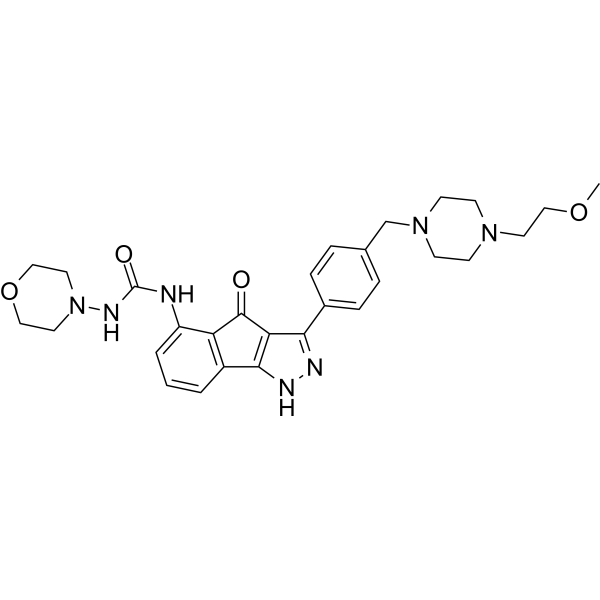
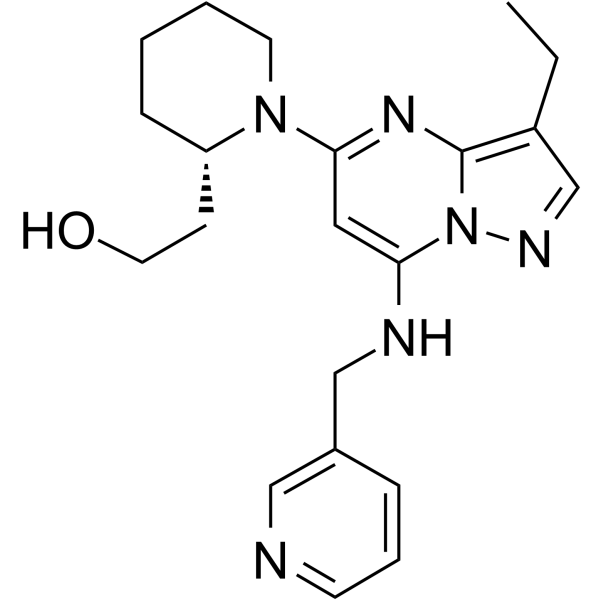
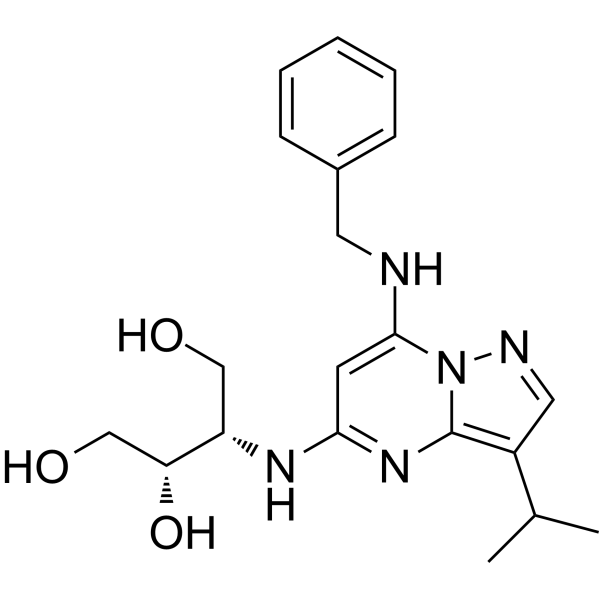
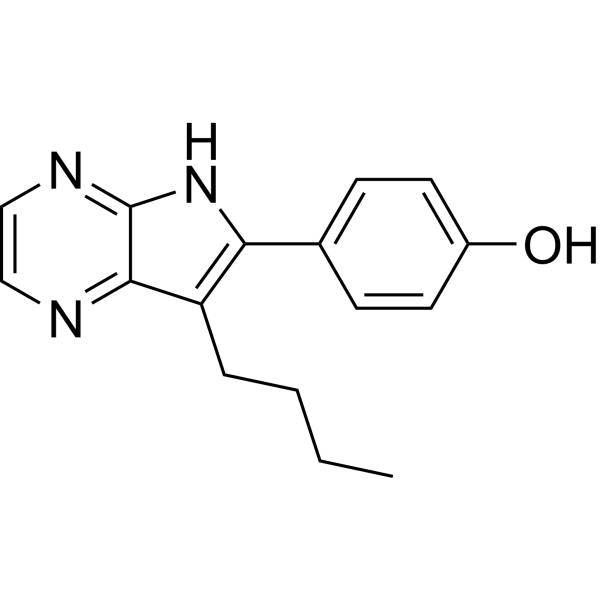
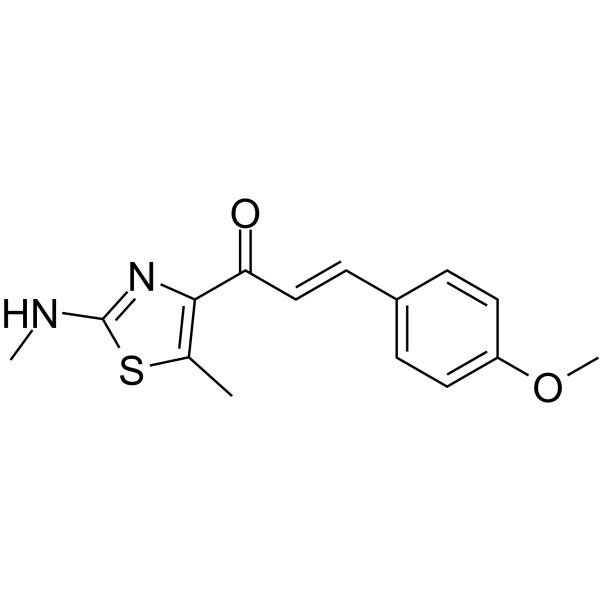
    CDK-IN-6, a class of pyrazolo[1,5-a]pyrimidine compound, is a CDK inhibitor with anticancer activities .
    CDK-IN-6
  • HY-15491

    COX Apoptosis Cancer
    AG-024322 is a potent ATP-competitive pan-CDK inhibitor against cell cycle kinases CDK1, CDK2, and CDK4 with Ki values in the 1-3 nM range . AG-024322 displays broad-spectrum anti-tumor activity and clear target modulation in vivo. AG-024322 induces cell apoptosis .
    AG-024322
  • HY-11009
    CGP60474
    5+ Cited Publications

    CDK PKC Cancer
    CGP60474, a highly potent anti-endotoxemic agent, is a potent cyclin-dependent kinase (CDK) inhibitor (IC50 values are 26, 3, 4, 216, 10, 200 and 13 nM for CDK1/B, CDK2/E, CDK2/A, CDK4/D, CDK5/p25, CDK7/H and CDK9/T, respectively). CGP60474 is a selective and ATP-competitive PKC inhibitor .
    CGP60474
  • HY-15504
    RGB-286638
    3 Publications Verification

    CDK GSK-3 MEK JAK Cancer
    RGB-286638 is a CDK inhibitor that inhibits the kinase activity of cyclin T1-CDK9, cyclin B1-CDK1, cyclin E-CDK2, cyclin D1-CDK4, cyclin E-CDK3, and p35-CDK5 with IC50s of 1, 2, 3, 4, 5 and 5 nM, respectively; also inhibits GSK-3β, TAK1, Jak2 and MEK1, with IC50s of 3, 5, 50, and 54 nM.
    RGB-286638
  • HY-13033
    CDK-IN-2
    1 Publications Verification

    CDK inhibitor II

    CDK Endocrinology
    CDK-IN-2 is a specific CDK9 inhibitor with an IC50 of less than 8 nM. CDK-IN-2 reduces the phosphorylation level of H3S10. CDK-IN-2 decreases the transition rate of spermatocytes from prophase to metaphase I .
    CDK-IN-2
  • HY-126534A
    Abemaciclib metabolite M18 hydrochloride
    2 Publications Verification

    LSN3106729 hydrochloride

    Ligands for Target Protein for PROTAC CDK Cancer
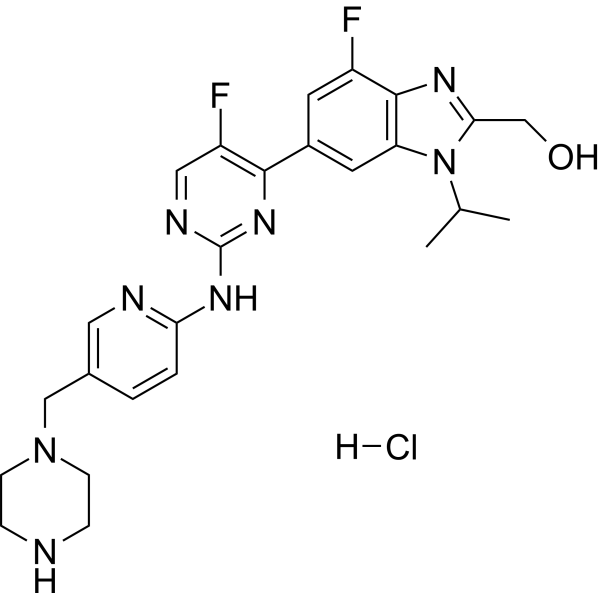
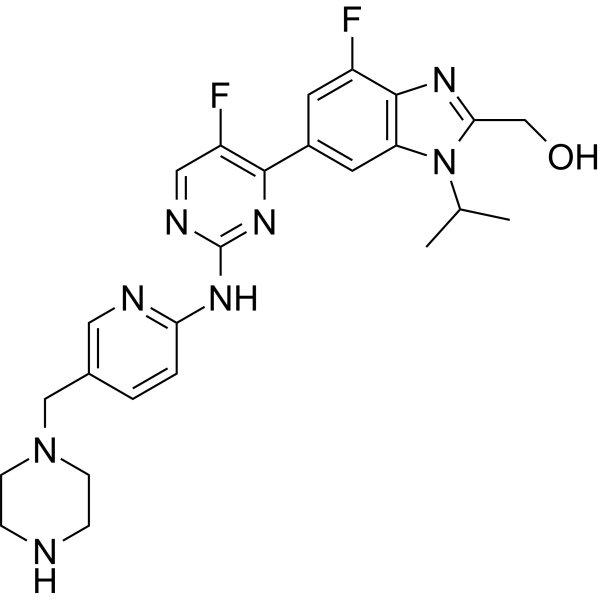
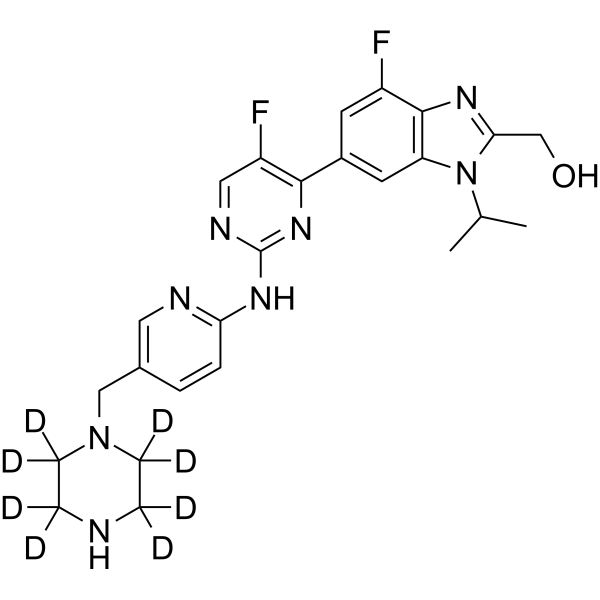
    Abemaciclib metabolite M18 (LSN3106729) hydrochloride, the metabolite of Abemaciclib (HY-16297A), is a CDK inhibitor with antitumor activity. Abemaciclib metabolite M18 hydrochloride and a CRBN ligand have been used to design PROTAC CDK4/6 degrader .
    Abemaciclib metabolite M18 hydrochloride
  • HY-16559
    Riviciclib hydrochloride
    3 Publications Verification

    P276-00

    CDK Apoptosis Cancer
    Riviciclib hydrochloride (P276-00) is a potent cyclin-dependent kinase (CDK) inhibitor, which inhibits CDK9-cyclinT1, CDK4-cyclin D1, and CDK1-cyclinB with IC50s of 20 nM, 63 nM, and 79 nM, respectively . Riviciclib hydrochloride (P276-00) shows antitumor activity on cisplatin-resistant cells .
    Riviciclib hydrochloride
  • HY-114779

    CDK Cancer
    N9-Isopropylolomoucine is a mitotic cyclin dependent kinase (CDK) inhibitor. N9-Isopropylolomoucine targets CCNB 1/CDK1 and can be used for cancer research .
    N9-Isopropylolomoucine
  • HY-126534
    Abemaciclib metabolite M18
    2 Publications Verification

    LSN3106729

    Ligands for Target Protein for PROTAC CDK Cancer
    Abemaciclib metabolite M18 (LSN3106729), the metabolite of Abemaciclib (HY-16297A), is a CDK inhibitor with antitumor activity. Abemaciclib metabolite M18 and a CRBN ligand have been used to design PROTAC CDK4/6 degrader .
    Abemaciclib metabolite M18
  • HY-W013386
    LY83583
    1 Publications Verification

    Guanylate Cyclase Cardiovascular Disease Neurological Disease Cancer
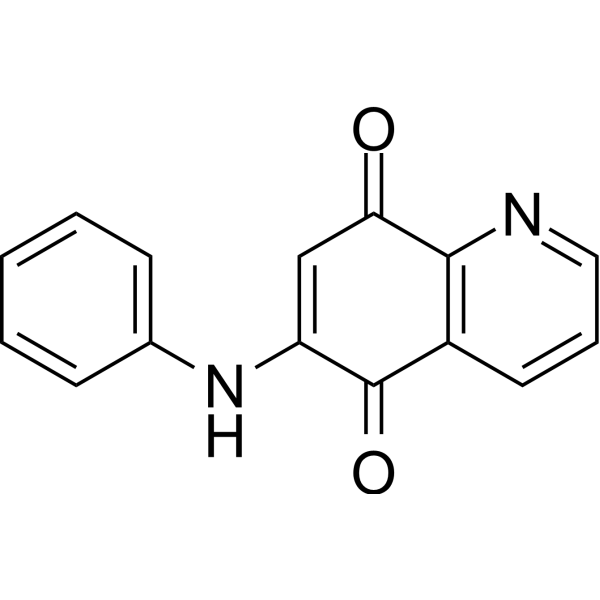
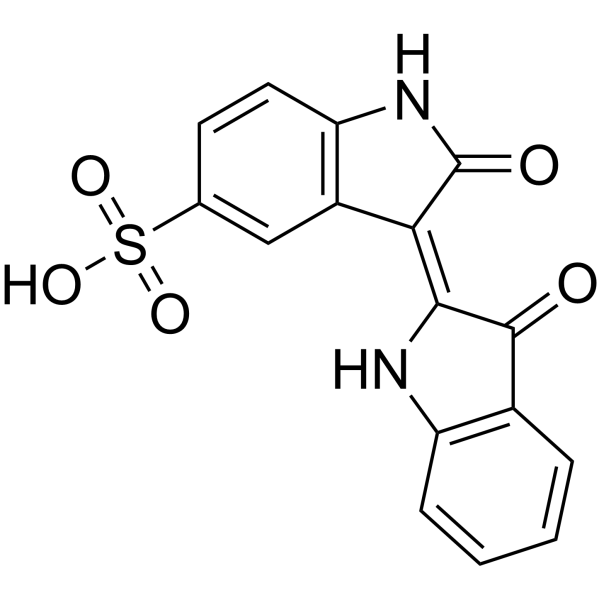
    LY83583 is inhibitor of soluble guanylate cyclase (sGC) with the ability to target the cGMP signaling pathway. LY83583 inhibits the kinase activity-related proliferation of tumor cells by inducing the Cdk inhibitor p21. LY83583 can be used for the study of cancers (colorectal cancer, breast cancer and melanoma) and cardiovascular disease .
    LY83583
  • HY-151071

    Ligands for Target Protein for PROTAC CDK Cancer
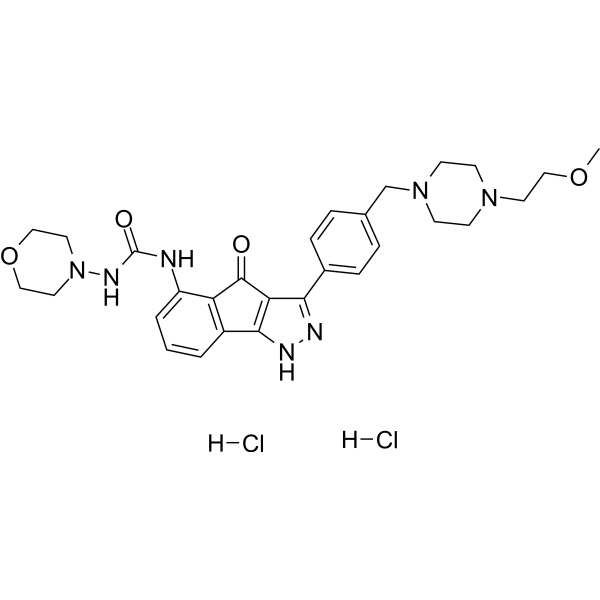
    TMX-3013 is a CDK inhibitor capable of inhibiting the activity of CDK1, CDK2, CDK4, CDK5, and CDK6, with IC50 values of 0.9 nM, <0.5 nM, 24.5 nM, 0.5 nM, and 15.6 nM, respectively. TMX-3013 can be used as a target protein ligand, conjugated with the PROTAC linker and the CRBN ligand Thalidomide (HY-14658) for the synthesis of PROTAC TMX-2138 (HY-164906). TMX-3013 can also act as an effector ligand, binding to target proteins HaloTag or FKBP, and can be used in the synthesis of regulated induced proximity targeting chimeras (RIPTACs) .
    TMX-3013
  • HY-W077292

    CDK Cancer
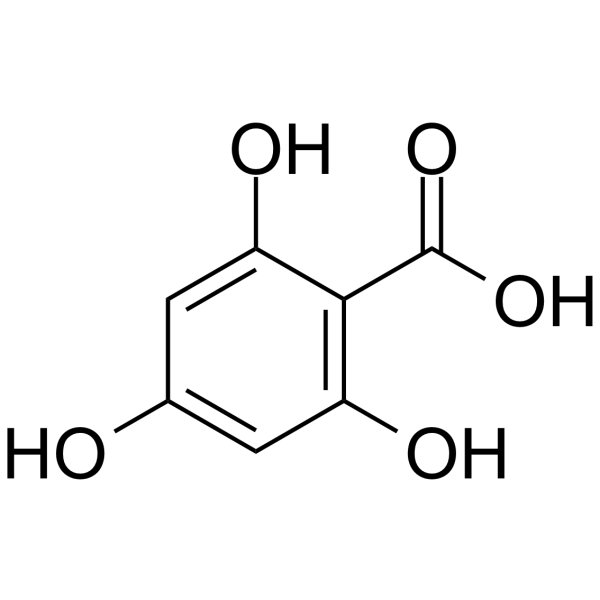
    2,4,6-Trihydroxybenzoic acid, the flavonoid metabolite, is a CDK inhibitor. 2,4,6-Trihydroxybenzoic acid can be used for the research of cancer .
    2,4,6-Trihydroxybenzoic acid
  • HY-155805

    CDK Cancer
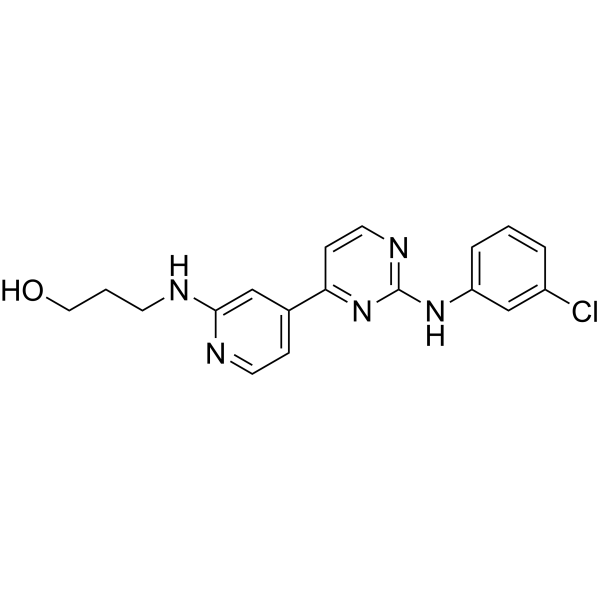
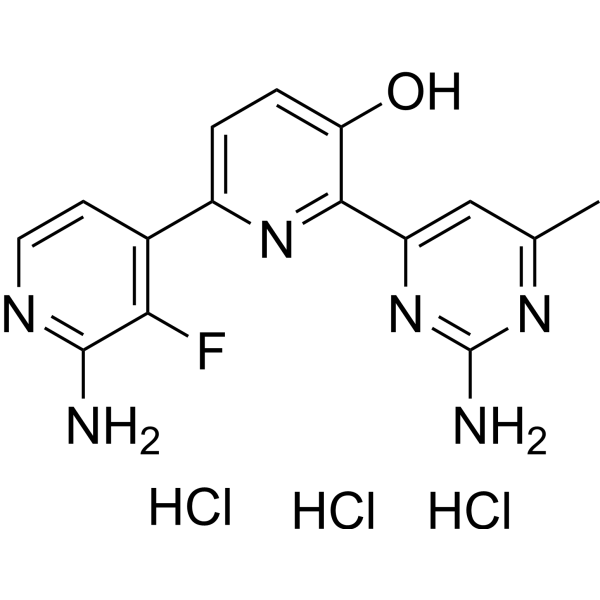
    CAF-382 (compound B1) is an analog of SNS-032 and a CDKL5 and pan-CDK inhibitor with a weak GSK3α/β affinity (>1.8 μM) and inhibitory activity. CAF-382 inhibits CDKL5 and blocks the phosphorylation of the CDKL5 E2 domain .
    SGC-CAF382-1
  • HY-14372

    CDK Cancer
    BS-194 is an orally active, selective and potent CDK inhibitor. BS-194 inhibits CDK2, CDK1, CDK5, CDK7, CDK9 (IC50s: 3, 30, 30, 250, and 90 nM respectively). BS-194 potently inhibits cancer cells proliferation. BS-194 can be used in the research of cancers like breast cancer, colon cancer .
    BS-194
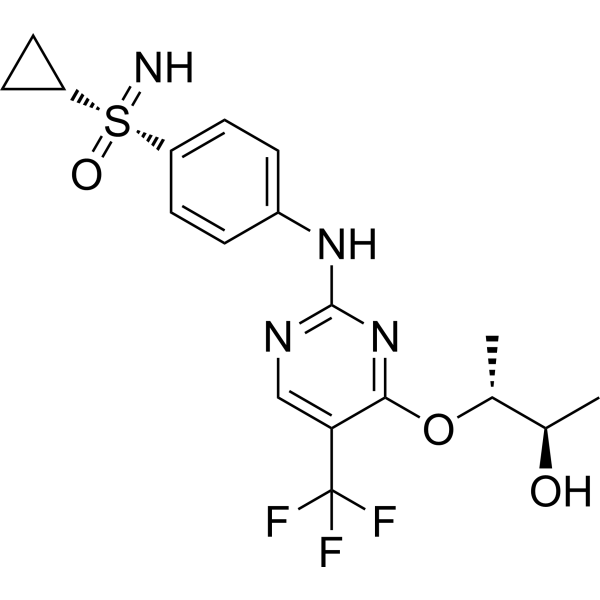
  • HY-119715

    CDK Apoptosis Inflammation/Immunology Cancer
    AG-012986 is a pan-CDK inhibitor with Ki values of 44 nM (CDK1), 9.2 nM (CDK4), 94 nM (CDK2), and IC50 values of 22 nM (CDK5), 4 nM (CDK9). AG-012986 causes apoptosis of T-cells by targeting upstream kinases in the p38 Mitogen-activated protein kinase (MAPK) pathway and impairing cellular survival. AG-012986 induces cell cycle arrest, retinoblastoma protein hypophosphorylation, and reduces Ki-67 expression. AG-012986 exerts antiproliferative activity in tumor cells, demonstrates antitumor efficacy in human xenograft models, and causes retinal and peripheral neurotoxicity, plus immune cell toxicity. AG-012986 can be used for the research of colon carcinoma, non-small cell lung carcinoma, lung carcinoma, breast carcinoma, ovarian tumor, pancreatic carcinoma, osteosarcoma, lymphoma, leukemia, retinotoxicity .
    AG-012986
  • HY-145599

    CDK Cancer
    Tanuxiciclib is a cyclin dependent kinase (CDK) inhibitor .
    Tanuxiciclib
  • HY-145563

    CDK Cancer
    Eciruciclib is an antineoplastic and potent cyclin dependent kinase (CDK) inhibitor .
    Eciruciclib
  • HY-W007367

    Drug Intermediate Others
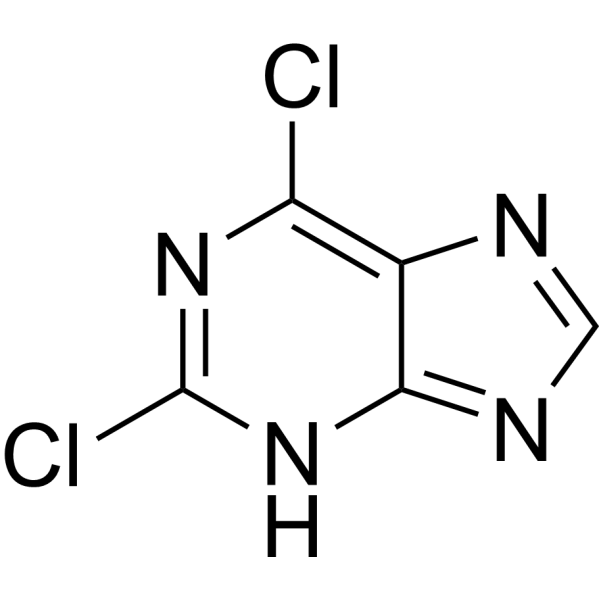
    2,6-Dichloropurine is a pharmaceutical intermediate. 2,6-Dichloropurine can be used to synthesize various PDE inhibitors, human A3 adenosine receptor (AR) antagonists, and CDK inhibitors .
    2,6-Dichloropurine
  • HY-19316

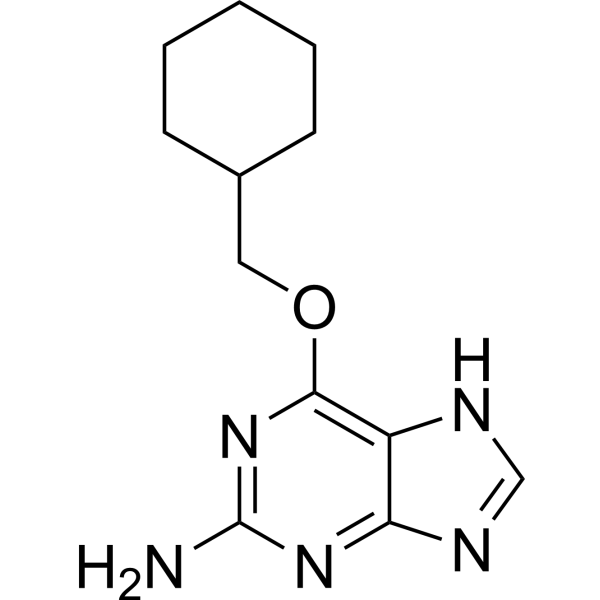
    O6-(Cyclohexylmethyl)guanine

    CDK Cancer
    NU2058 (O6-(Cyclohexylmethyl)guanine) is a potent, competitive and guanine-based CDK inhibitor with IC50s of 17 μM and 26 μM for CDK2 and CDK1. NU2058 has anti-cancer activity.
    NU2058
  • HY-12422A

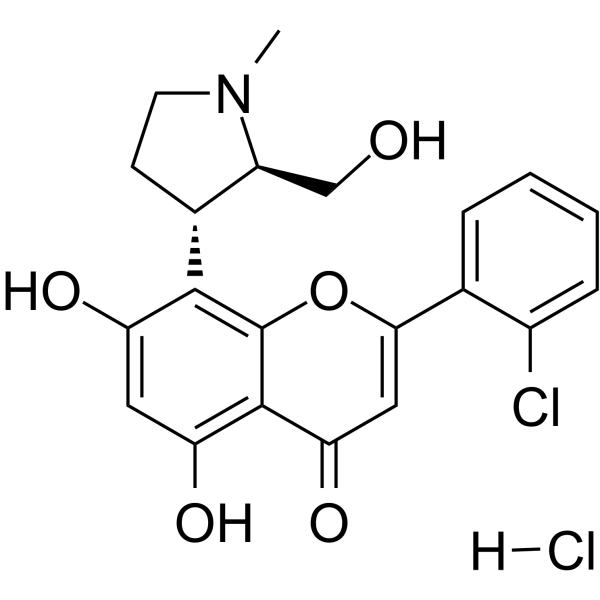
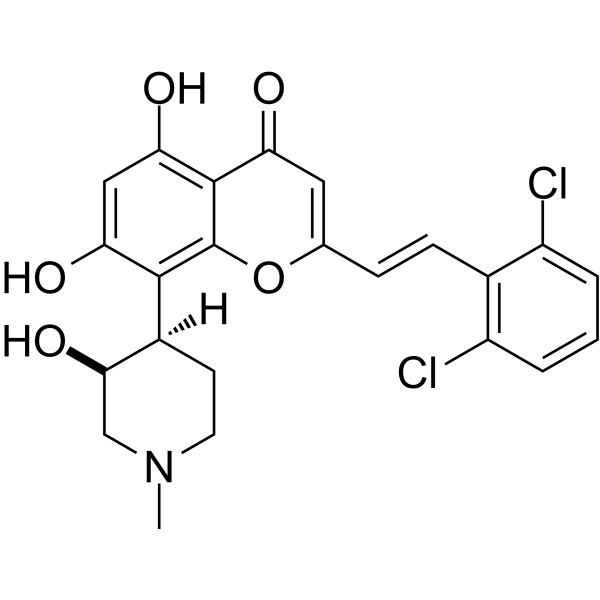
    CDK Cancer
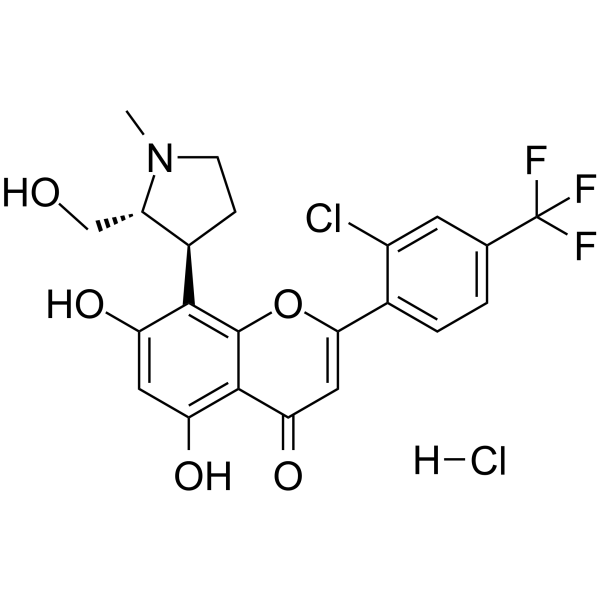
    Voruciclib hydrochloride is an orally active and selective CDK inhibitor with Ki values of 0.626 nM-9.1 nM. Voruciclib hydrochloride potently blocks CDK9, the transcriptional regulator of MCL-1. Voruciclib hydrochloride represses expression of MCL-1 in multiple models of diffuse large B-cell lymphoma (DLBCL) .
    Voruciclib hydrochloride
  • HY-151069

    Ligands for Target Protein for PROTAC CDK Cancer
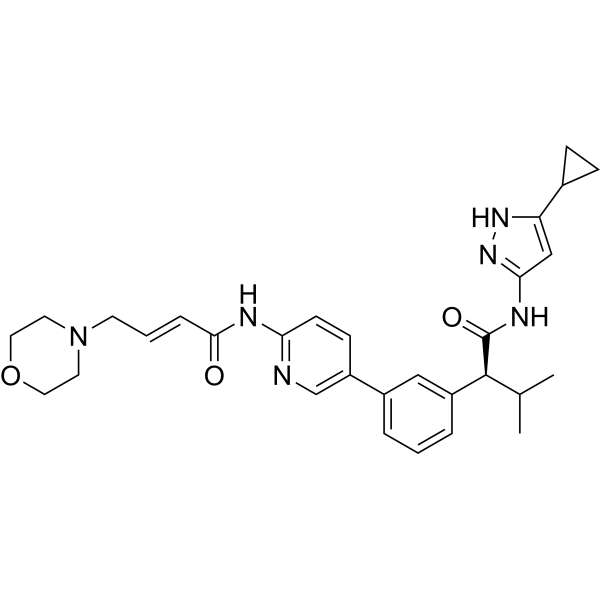
    TMX-2039 is a pan-CDK inhibitor for both cell cycle CDKs (CDK1, CDK2, CDK4, CDK5 and CDK6) and transcriptional CDKs (CDK7 and CDK9), with IC50s of 2.6, 1.0, 52.1, 0.5, 35.0, 32.5 and 25 nM, respectively. TMX-2039 acts as a Ligands for Target Protein for PROTACs .
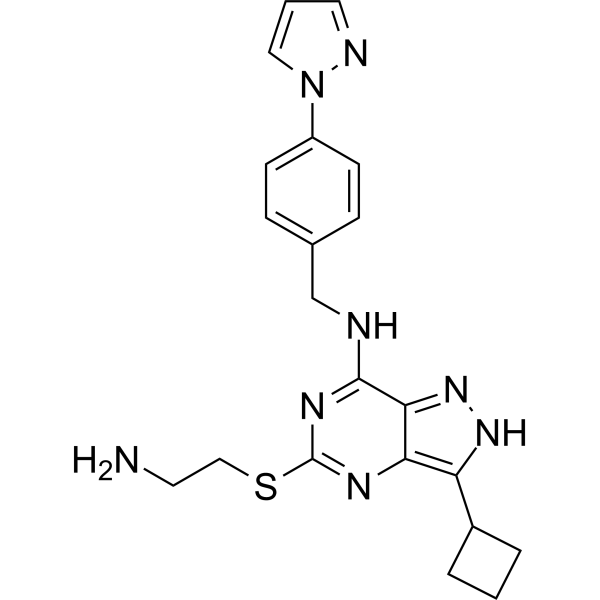
    TMX-2039
  • HY-153336

    CDK Cancer
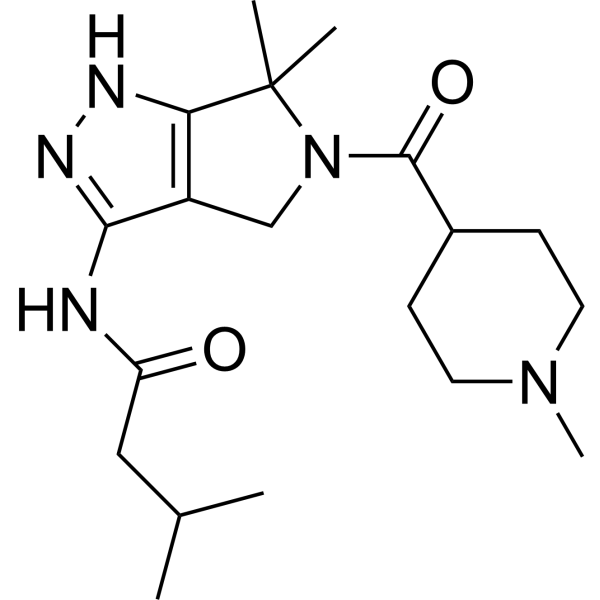
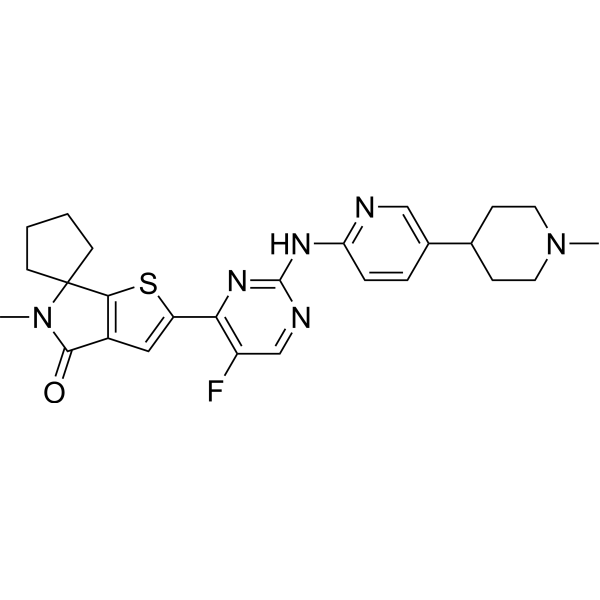
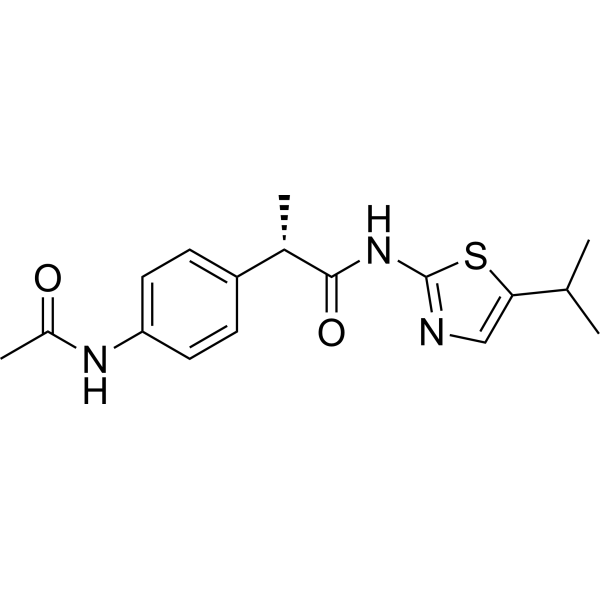
    PRT3645 (Example 20) is a CDK Inhibitor. CDK-IN-12 Inhibits CDK4/6 with IC50 values less than 20 nM .
    PRT3645
  • HY-112403
    (S)-Roscovitine
    1 Publications Verification

    (S)-Seliciclib; (S)-CYC202

    CDK Neurological Disease
    (S)-Roscovitine ((S)-Seliciclib; (S)-CYC202) is a potent and cross the blood-brain barrier CDKs inhibitor. (S)-Roscovitine shows neuroprotective efficacy. (S)-Roscovitine has the potential for the research of stroke .
    (S)-Roscovitine
  • HY-151898

    CDK Cancer
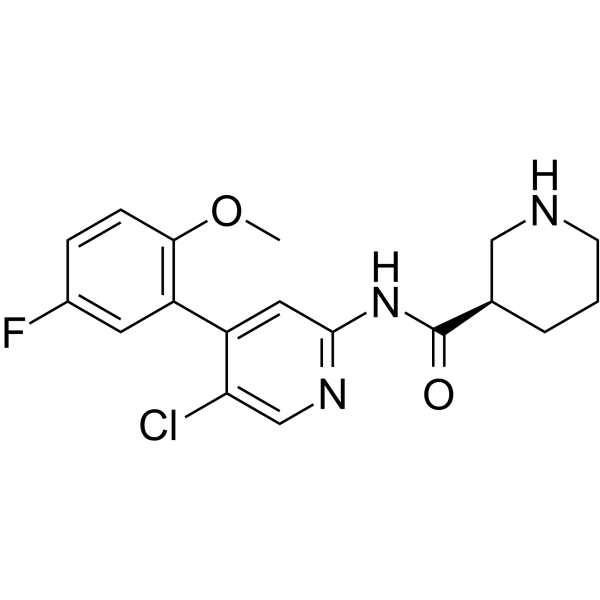
    CDK4/6-IN-14 is a potent and highly selective CDK4 and CDK6 (CDK) inhibitor with IC50s of 10 nM and 16 nM, respectively. CDK4/6-IN-14 exhibits more than 60-fold selectivity over CDKs 1, 2, 7, and 9, and shows high selectivity among other 205 kinases .

    CDK4/6-IN-14
  • HY-156643

    CDK Cancer
    Tacaciclib is a CDK inhibitor, antineoplastic effect .
    Tacaciclib
  • HY-12422B

    CDK Cancer
    (2S,3R)-Voruciclib hydrochloride is the enantiomer of Voruciclib hydrochloride. Voruciclib is an orally active CDK inhibitor.
    (2S,3R)-Voruciclib hydrochloride
  • HY-W077292R

    Reference Standards CDK Cancer
    2,4,6-Trihydroxybenzoic acid, the flavonoid metabolite, is a CDK inhibitor. 2,4,6-Trihydroxybenzoic acid can be used for the research of cancer .

    2,4,6-Trihydroxybenzoic acid (Standard)
  • HY-111356

    CDK Cancer
    IIIM-290 is a potent and oral CDK inhibitor with IC50s of 90 and 94 nM for CDK2/A and CDK9/T1.
    IIIM-290
  • HY-150641

    CDK Apoptosis DNA/RNA Synthesis Molecular Glues Cancer
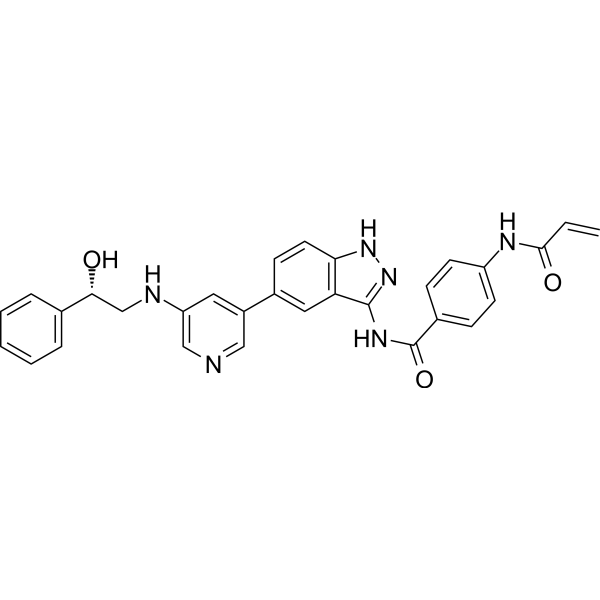
    CDK-IN-9 (compound 24) is a potent CDK inhibitor, also as a molecular glue inducing an interaction between CDK12 and DDB1, with an IC50 values of 4 nM for CDK2/E. CDK-IN-9 leads to polyubiquitination of cyclin K and its subsequent degradation. CDK-IN-9 induce apoptosis through dephosphorylation of retinoblastoma protein and RNA polymerase II .
    CDK-IN-9
  • HY-16559A

    P276-00 free base

    CDK Cancer
    Riviciclib (P276-00 free base) is a potent cyclin-dependent kinase (CDK) inhibitor, which inhibits CDK9-cyclinT1, CDK4-cyclin D1, and CDK1-cyclinB with IC50s of 20 nM, 63 nM, and 79 nM, respectively . Riviciclib shows antitumor activity on cisplatin-resistant cells .
    Riviciclib
  • HY-151878

    CDK GSK-3 Metabolic Disease
    CDK7-IN-20 is a potent, selective and irreversible CDK7 (CDK) inhibitor with an IC50 value of 4 nM. CDK7-IN-20 displays >206-fold selectivity for CDK7 over CDK1, CDK2, CDK3, CDK5, CDK6, CDK9 and CDK12 . CDK7-IN-20 has the potential for autosomal dominant polycystic kidney disease (ADPKD) research .
    CDK7-IN-20
  • HY-112450

    CDK Cancer
    Olomoucine II is a potent CDK inhibitor with IC50 values of 0.06, 0.1, 0.45, 7.6, 19.8 µM for CDK9/cyclin T, CDK2/cyclin E, CDK7/cyclin H, CDK1/cyclin B, CDK4/cyclin D1, respectively. Olomoucine II shows antiproliferative activity .
    Olomoucine II
  • HY-12843
    Bohemine
    1 Publications Verification

    CDK ERK Cancer
    Bohemine is a purine analogue and is a synthetic and selective CDK inhibitor with IC50s of 4.6 μM, 83 μM, and 2.7 μM for Cdk2/cyclin E, Cdk2/cyclin A, and Cdk9/cyclin T1, respectively. Bohemine also inhibits ERK2 with an IC50 of 52 μM and has less inhibitory effect on CDK1, CDK4 and CDK6. Bohemine has a broad spectrum anti-cancer activities .
    Bohemine
  • HY-112371

    CDK Cancer
    (S)-CR8 is the S-isomer of CR8. (S)-CR8 is a potent and selective CDK inhibitor with IC50s of 0.060, 0.080, 0.11, 0.12, and 0.15 μM for CDK2/cyclin E, CDK2/cyclin A, CDK9/cyclin T, CDK5/p25, and CDK1/cyclin B, respectively. (S)-CR8 reduces SH-SY5Y cells survival (IC50 0.40 μM) .
    (S)-CR8
  • HY-112363

    RP107

    CDK GSK-3 ERK JNK CFTR Inflammation/Immunology Cancer
    Aloisine A (RP107) is a a potent cyclin-dependent kinase (CDK) inhibitor with IC50s of 0.15 μM, 0.12 μM, 0.4 μM, 0.16 μM for CDK1/cyclin B, CDK2/cyclin A, CDK2/cyclin E, CDK5/p35, respectively. Aloisine A ininhibits GSK-3α (IC50=0.5 μM) and GSK-3β (IC50=1.5 μM). Aloisine A stimulates wild-type CFTR and mutated CFTR, with submicromolar affinity by a cAMP-independent mechanism. Aloisine A has the potential for CFTR-related diseases, including cystic fibrosis research .
    Aloisine A
  • HY-147386

    CDK Cancer
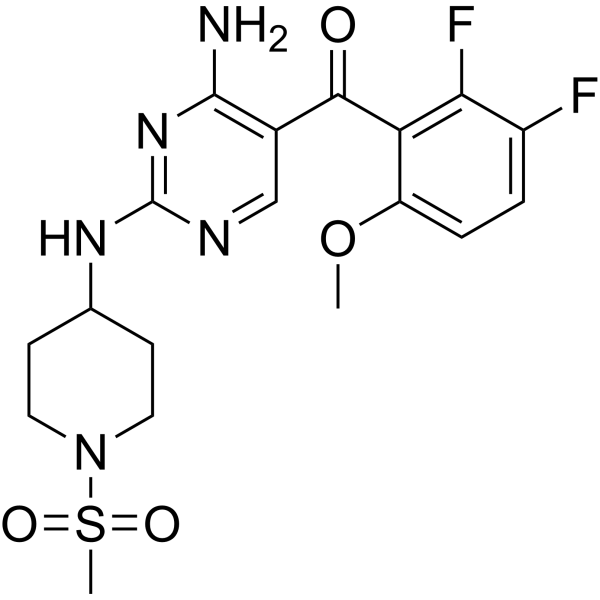
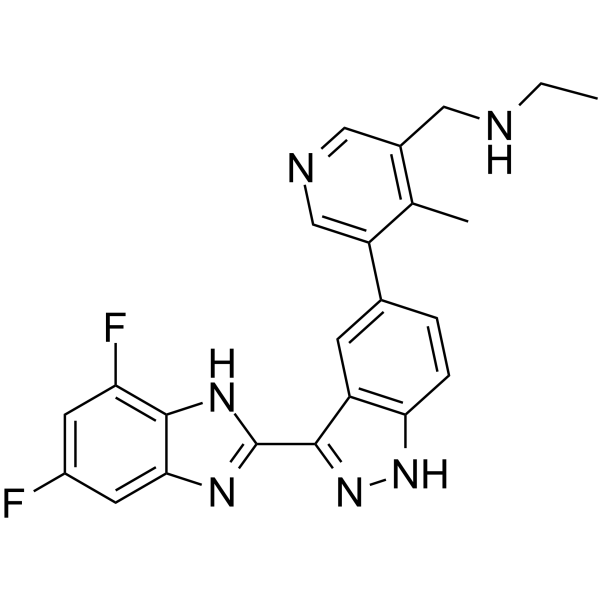
    CDK-IN-10 (example 54) is a cyclin dependent kinase (CDK) inhibitor that can be used in cancer research .
    CDK-IN-10
  • HY-114248

    CDK Cancer
    AGM-130 is a cyclin-dependent kinase (CDK) inhibitor. AGM-130 exhibits antitumor activity .
    AGM-130
  • HY-P11013

    CDK Cancer
    p27, a CDK inhibitor, is a SCFSkp2/Cks1 substrate. p27 can be used for the study of cancer .
    p27
  • HY-162785

    CDK Infection
    XC219 (compound 43) is a cyclin-dependent kinase CDK) inhibitor, that covalently binds to CDK active site Lys. XC219 can be used in antifungal research .
    XC219
  • HY-137062

    CDK Cancer
    CGP-79807 is a purine-based CDK inhibitor. CGP-79807 can block the cell cycle by inhibiting CDK activity to suppress the proliferation of tumor cells. CGP-79807 can be used in the study of cancer .
    CGP-79807

Inquiry Online

Your information is safe with us. * Required Fields.

Salutation


Country or Region *

Applicant Name *


Organization Name *

Department *


Email Address *


Product Name *

Cat. No.


Requested quantity *

Phone Number *


Remarks

Inquiry Online

Inquiry Information

Product Name:
Cat. No.:
Quantity:
MCE Japan Authorized Agent: