Search Result
Results for "
Candida strains
" in MedChemExpress (MCE) Product Catalog:
| Cat. No. |
Product Name |
Target |
Research Areas |
Chemical Structure |
-
- HY-A0148A
-
|
SKF-102886; WR-171669 hydrochloride
|
Parasite
Fungal
Reactive Oxygen Species (ROS)
Potassium Channel
|
Infection
|
|
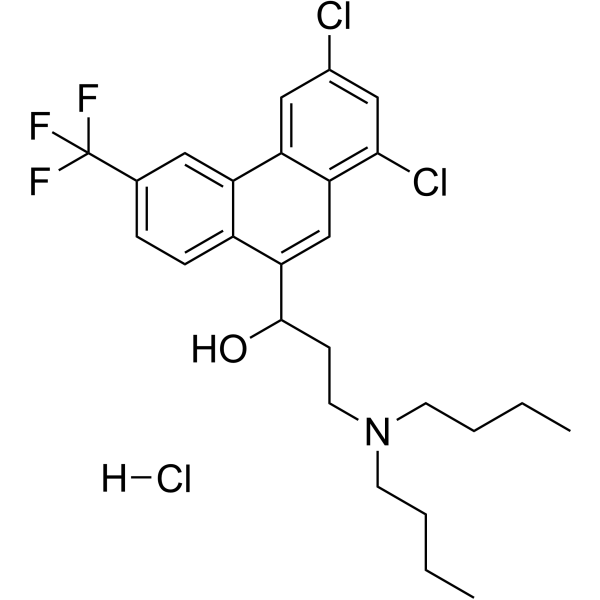
Halofantrine hydrochloride (SKF-102886 hydrochloride; WR-171669 hydrochloride) is a blocker that delays the delayed rectifier potassium current by inhibiting human ERG channels, and it is a potent antimalarial agent with oral activity. Halofantrine hydrochloride inhibits the Cap1-dependent oxidative stress response of Candida albicans, suppresses ROS responses, and enhances the antifungal (Fungal) activity of oxidative damage agents. Halofantrine hydrochloride exhibits antifungal activity in the Galleria mellonella model, and shows antimalarial activity against Plasmodium strains both in vitro and in animal models. Halofantrine hydrochloride can be used in studies related to invasive candidiasis, falciparum malaria, and vivax malaria .
|
-
-
- HY-N2840
-
Allitol
1 Publications Verification
Allodulcitol
|
Others
|
Metabolic Disease
|
|
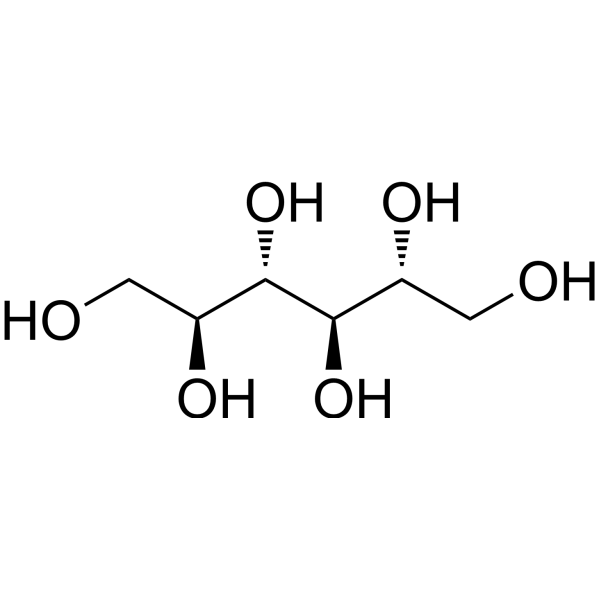
Allitol (Allodulcitol) is an orally active rare sugar alcohol found in Itea virginica L, Tylopilus plumbeoviolaceus. Allitol has anti-obesity and hypoglycaemic activities. Allitol reduces carcass and total body fat mass, increases cecal weight, surface area, and short-chain fatty acid production, and upregulates cecal microbial enzymes linked to butyrate metabolism. Allitol can be used for the researches of obesity and diabetes .
|
-
-
- HY-B2153
-
|
|
Cuproptosis
Bacterial
|
Infection
|
|
Tetraethylenepentamine pentahydrochloride is an orally active copper chelator and copper mobilizer. Tetraethylenepentamine pentahydrochloride exhibits growth inhibitory and hypolipidemic properties. Tetraethylenepentamine pentahydrochloride significantly increases urinary copper excretion and reduces renal copper accumulation in copper overload models, but does not significantly alter hepatic copper levels. Tetraethylenepentamine pentahydrochloride exerts growth inhibitory effects on Candida albicans and Fluconazole (HY-B0101)-resistant strains, and can be widely used in studies related to Wilson's disease and Candida infections .
|
-

-
- HY-143899
-
|
|
Fructose-1,6-bisphosphate aldolase
Fungal
|
Infection
|
|
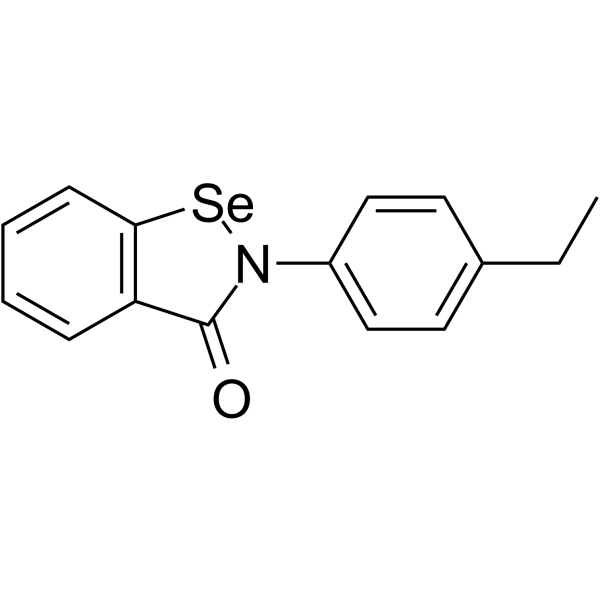
FBA-IN-1 (compound 2a11) is a first-in-class, covalent and allosteric inhibitor of fructose-1,6-bisphosphate aldolase from Candida albicans (CaFBA). FBA-IN-1 inhibits the growth of Azole-resistant strains 103 with the MIC80 of 1 μg/mL .
|
-
-
- HY-W068682
-
|
Hemipyocyanine; 1-Phenazinol; Hemi-pyocyanin
|
Amylases
Bacterial
|
Infection
Neurological Disease
Metabolic Disease
Inflammation/Immunology
Cancer
|
|
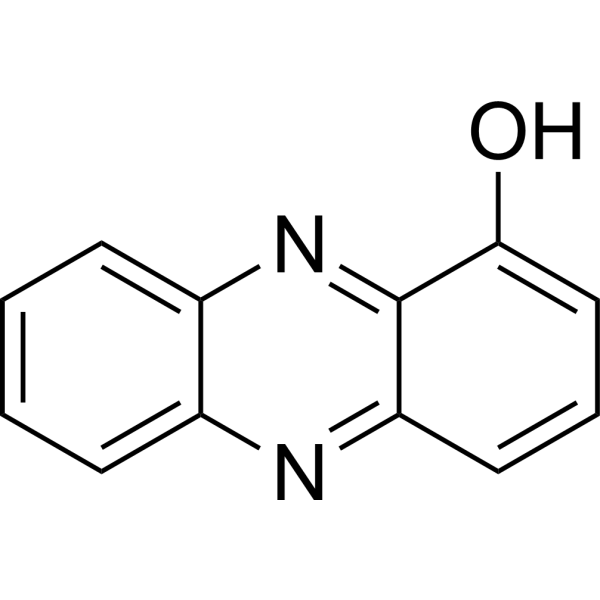
1-Hydroxyphenazine (Hemipyocyanine; 1-Phenazinol; Hemi-pyocyanin) is an inhibitor for α-Amylase with an IC50 of 3.1 μg/mL . 1-Hydroxyphenazine exhibits anticancer and anti-inflammatory activity against cells A549, 1321N1 and RAW264.7, antifungal and antibacterial activity against strains Candida albicans, Aspergillus fumigatus, Escherichia coli and Xanthomonas campestris .
|
-
-
- HY-N6952R
-
|
|
Reference Standards
Fungal
Endogenous Metabolite
|
Infection
|
|
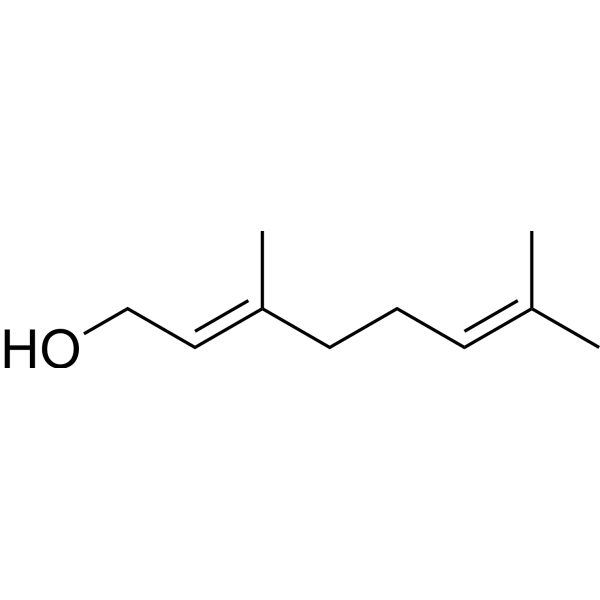
Geraniol (Standard) is the analytical standard of Geraniol. This product is intended for research and analytical applications. Geraniol, an olefinic terpene, was found to inhibit growth of Candida albicans and Saccharomyces cerevisiae strains .
|
-
-
- HY-W1127089
-
|
|
Fungal
Cytochrome P450
Interleukin Related
|
Infection
Inflammation/Immunology
|
|
Antifungal agent 136 is a CYP51 inhibitor and antifungal agent. Antifungal agent 136 downregulates the expression of interleukin-6 to alleviate inflammatory responses. Antifungal agent 136 exhibits activity against both drug-sensitive and drug-resistant Candida albicans strains. Antifungal agent 136 can be used in the research of fungal infections and inflammatory diseases .
|
-

-
- HY-A0148
-
|
SKF-102886 free base; WR-171669
|
Parasite
Fungal
Potassium Channel
Reactive Oxygen Species (ROS)
|
Infection
Cancer
|
|
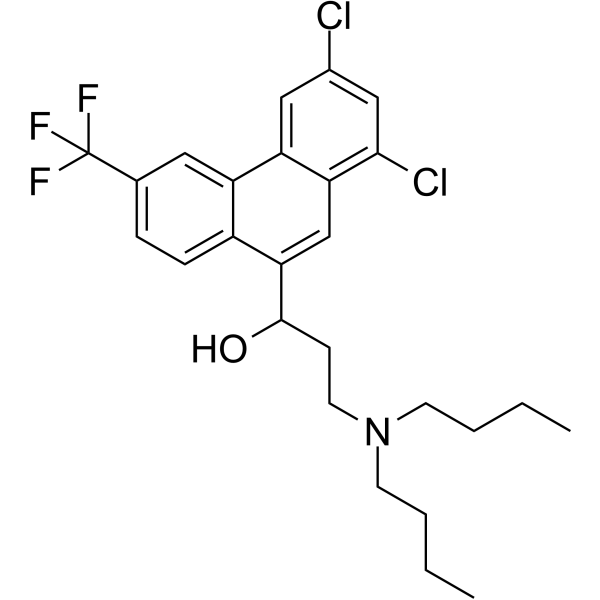
Halofantrine (SKF-102886 hydrochloride; WR-171669 hydrochloride) is a blocker that delays the delayed rectifier potassium current by inhibiting human ERG channels, and it is a potent antimalarial agent with oral activity. Halofantrine inhibits the Cap1-dependent oxidative stress response of Candida albicans, suppresses ROS responses, and enhances the antifungal (Fungal) activity of oxidative damage agents. Halofantrine exhibits antifungal activity in the Galleria mellonella model, and shows antimalarial activity against Plasmodium strains both in vitro and in animal models. Halofantrine can be used in studies related to invasive candidiasis, falciparum malaria, and vivax malaria .
|
-
-
- HY-W264454
-
|
|
Bacterial
|
Infection
|
|
Antibacterial agent 303 (compound 3) is an antibacterial agent exhibiting potent antibacterial activity against MDR strains, with MICs of 10 and 100 µg/mL against Pseudomonas aeruginosa MDR1 and Staphylococcus aureus MDR strains, respectively. Antibacterial agent 303 displays strong binding affinities to E. coli DNA gyrase and Candida albicans lanosterol 14α-demethylase. Antibacterial agent 303 can be used for drug-resistant infections research .
|
-

-
- HY-135422
-
|
Methylustin
|
Bacterial
Fungal
|
Infection
|
|
Nidulin (Methylustin) is a depsidone isolated from a marine fungus Aspergillus unguis. Nidulin shows antifungal and antibacterial against pathogenetic strains, Pseudomonas aeruginosa, Methicillin-resistant Staphylococcus aureus and Candida albicans with inhibition zones of 9.5 mm, 9.0 mm and 9.0 mm, respectively. Nidulin exhibits potent larvicidality against brine shrimp .
|
-

-
- HY-156090
-
|
|
Mitochondrial Metabolism
Fungal
|
Infection
|
|
PK-10 is a synergistic antibacterial agent of Fluconazole (HY-B0101) and has strong antifungal activity against a variety of Fluconazole-resistant Candida albicans strains. PK-10 combined with Fluconazole can inhibit hyphae formation and induce the accumulation of reactive oxygen species. It further causes damage to mitochondrial membrane potential, reduces intracellular ATP content, and leads to mitochondrial dysfunction .
|
-
-
- HY-178330
-
|
|
Others
Topoisomerase
|
Infection
|
|
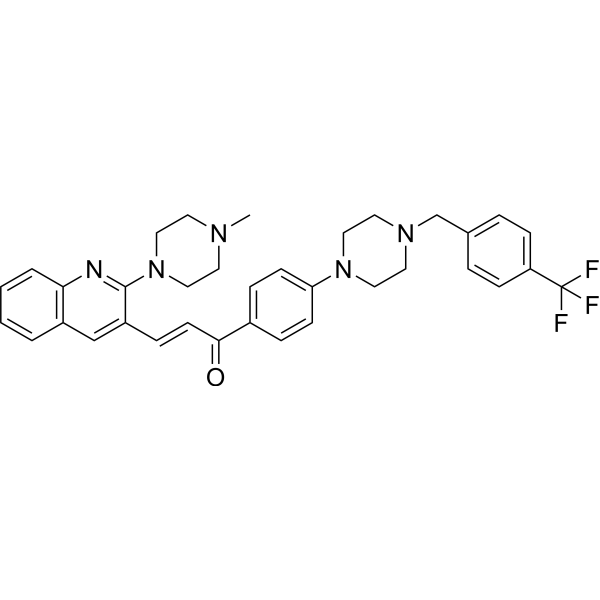
IKE16 is a fungi-selective eukaryotic topoisomerase II inhibitor, with an IC50 value of 13.68 μM. IKE16 suppresses both the DNA relaxation activity and the decatenation activity of yTOPOII selectively. IKE16 shows moderate activity against standard fungal strains (Candida albicans ATCC 10231, Saccharomyces cerevisiae ATCC 89763) with a minimum inhibitory concentration (MIC) of 2 μg/mL against S. cerevisiae ATCC 89763. IKE16 exhibits high cytotoxicity against human cells, with an EC50 of 0.07 μM in HepG2 and 0.045 μM in HEK-293. IKE16 can be used for the study of antifungal infection .
|
-

-
- HY-P11102
-
|
|
Bacterial
Fungal
HIV
Parasite
|
Infection
Cancer
|
|
Temporin-Sha is an antibacterial peptide with extensive biological activity. Temporin-Sha exhibits broad-spectrum antibacterial activity (e.g., against L. ivanovii, MIC = 6.25 μM), and is effective against Gram-negative bacteria (such as Escherichia coli, MIC = 10 μM), including drug-resistant strains (such as Methicillin (HY-121544)-resistant Staphylococcus aureus). Temporin-Sha also has inhibitory effects on Candida albicans (MIC = 25 μM), Saccharomyces cerevisiae (MIC = 12 μM), the pre-flagellated and non-flagellated forms of Leishmania infantum (IC50 = 5-20 μM), and Trypanosoma cruzi (IC50 = 17 μM). Temporin-Sha exhibits antiviral activity against HSV-1 and has anti-cancer effects (cytotoxicity against breast cancer cells MCF-7 and lung cancer cells H460, etc.) .
|
-

-
- HY-N3602
-
|
(-)-Rengyolone
|
Bacterial
|
Inflammation/Immunology
|
|
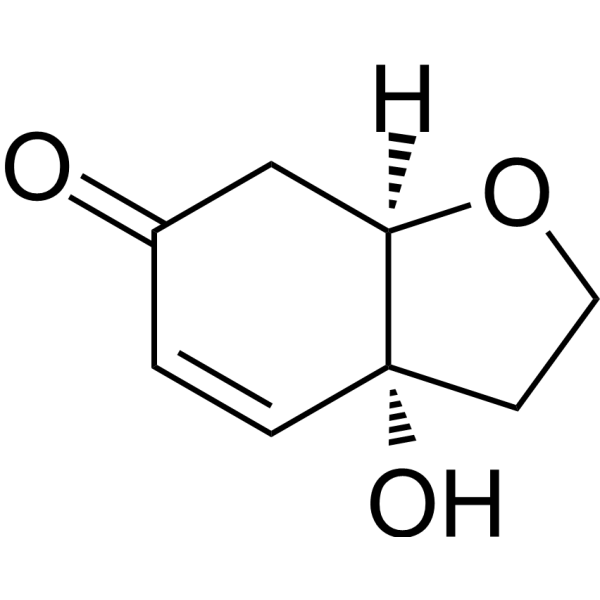
Cleroindicin F ((-)-Rengyolone), a cleroindicin, is an antimicrobial agent. Cleroindicin F shows relatively high anticandidal activity against Candida strains with a MIC value down to 12.5 µg/mL .
|
-
-
- HY-143406
-
|
|
Fungal
|
Infection
|
|
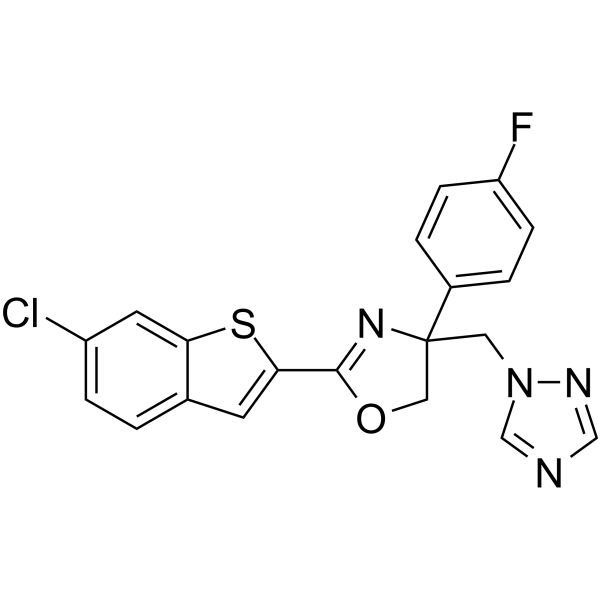
Antifungal agent 25 is a potent broad-spectrum antifungal agent. Antifungal agent 25 shows antifungal effect against Candida albicans and fluconazole-resistant strain of Candida albicans. Antifungal agent 25 stable metabolic property in vivo .
|
-
-
- HY-N14315
-
|
|
Bacterial
|
Infection
|
|
Ochracenomicin A has a strong effect against Gram-positive bacteria (including MRSA strain), and also against Gram-negative bacteria and candida albicans .
|
-

-
- HY-N13962
-
|
|
Bacterial
Fungal
|
Infection
|
|
Bagremycin A is found in the strain of Streptomyce sp. Tu 4128. Bagremycin A has weak activity against Gram-positive bacteria, Saccharomyces cerevisiae and Candida albicans .
|
-

-
- HY-P5569
-
|
|
Fungal
|
Infection
|
|
SP-B peptide is an antimicrobial peptide. SP-B peptide has antifungal activity against strains of Cryptococcus neoformans, Candida albicans and Aspergillus fumigatus
|
-

-
- HY-146024
-
|
|
Fungal
|
Infection
|
|
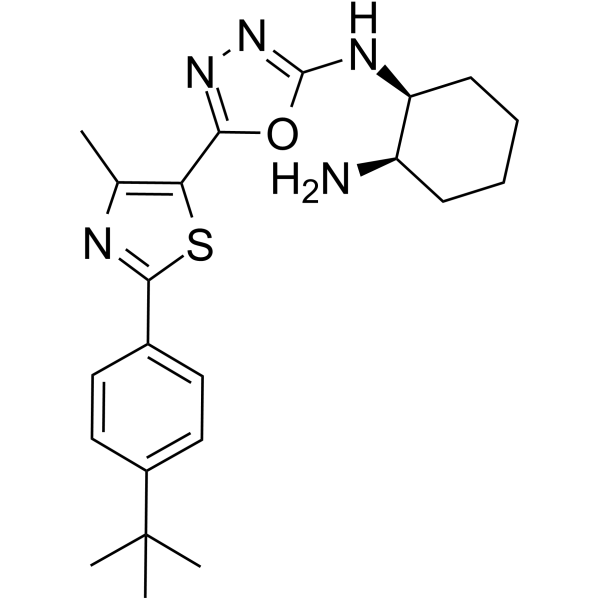
Antifungal agent 28 (compound 18) is a potent and selective antifungal agent. Antifungal agent 28 inhibits pathogenic strains of C. albicans and non-albicans species including fluconazole-resistant strains. Antifungal agent 28 inhibits Cryptococcus and Aspergillus strains. Antifungal agent 28 disrupts mature Candida biofilm .
|
-
-
- HY-117092
-
|
|
Antibiotic
Fungal
|
Infection
|
|
BE-31405 is an antifungal antibiotic. BE-31405 can be isolated from the culture broth of the fungal strains such as Penicillium minioluteum F31405, Talaromyces siamensis FKA-61, and Phomopsis sp. FKA-62. BE-31405 exhibits potent growth inhibitory activity against pathogenic fungal strains including Candida albicans, Candida glabrata, and Cryptococcus neoformans. BE-31405 shows no cytotoxicity against mammalian cells .
|
-

-
- HY-N13963
-
|
|
Bacterial
Fungal
|
Infection
|
|
Bagremycin B is found in the strain of Streptomyce sp. Tu 4128. Bagremycin B has weak activity against Gram-positive bacteria, Saccharomyces cerevisiae and Candida albicans .
|
-

-
- HY-153619
-
|
|
Fungal
|
Infection
|
|
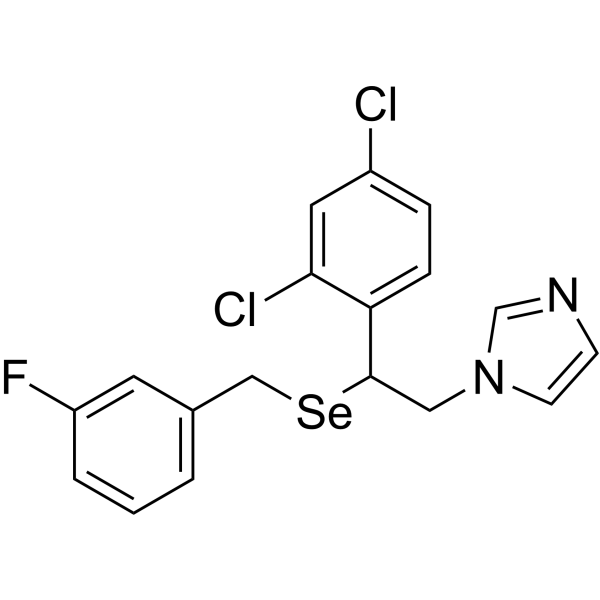
Antifungal agent 54 (compound A05) is a potent antifungal agent, against Fluconazole (HY-B0101)-resistant strains. Antifungal agent 54 is more effective than Miconazole (HY-B0454). Antifungal agent 54 inhibits Candida albicans strains with MIC values of 0.25-1 μg/mL .
|
-
-
- HY-153620
-
|
|
Fungal
|
Infection
|
|
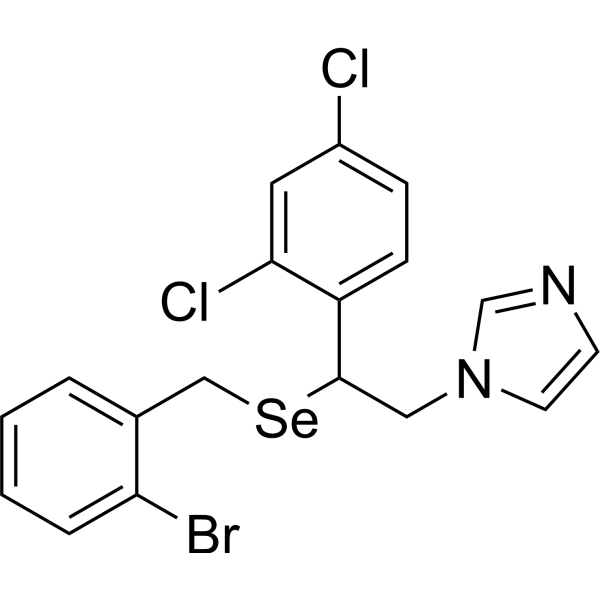
Antifungal agent 55 (compound A07) is a potent antifungal agent, against Fluconazole (HY-B0101)-resistant strains. Antifungal agent 55 is more effective than Miconazole (HY-B0454). Antifungal agent 55 inhibits Candida albicans strains with MIC values of 0.25-1 μg/mL .
|
-
-
- HY-153622
-
|
|
Fungal
|
Infection
|
|
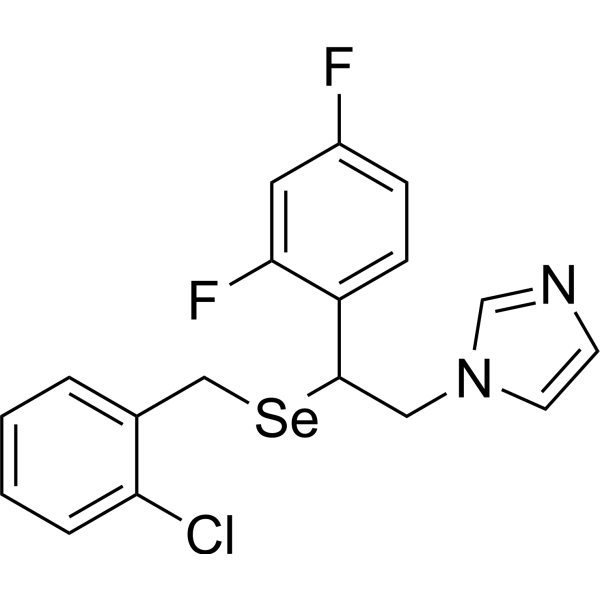
Antifungal agent 57 (compound A19) is a potent antifungal agent, against Fluconazole (HY-B0101)-resistant strains. Antifungal agent 57 is more effective than Miconazole (HY-B0454). Antifungal agent 57 inhibits Candida albicans strains with MIC values of 0.5-2 μg/mL .
|
-
-
- HY-153623
-
|
|
Fungal
|
Infection
|
|
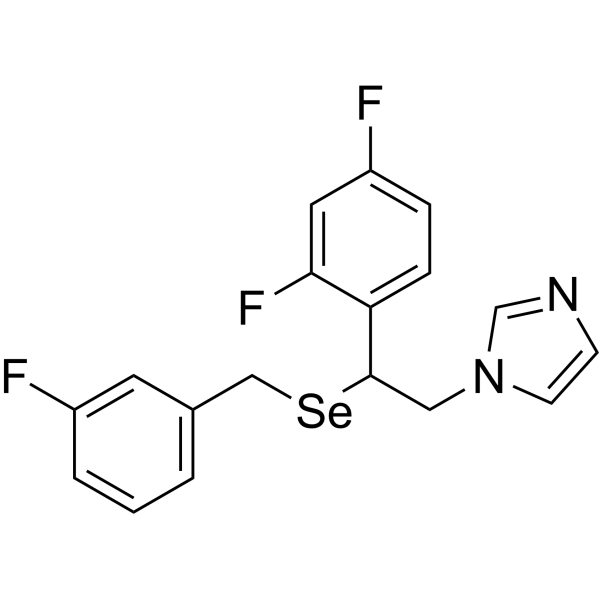
Antifungal agent 58 (compound A21) is a potent antifungal agent, against Fluconazole (HY-B0101)-resistant strains. Antifungal agent 58 is more effective than Miconazole (HY-B0454). Antifungal agent 58 inhibits Candida albicans strains with MIC values of 0.06-8 μg/mL .
|
-
-
- HY-153621
-
|
|
Fungal
|
Infection
|
|
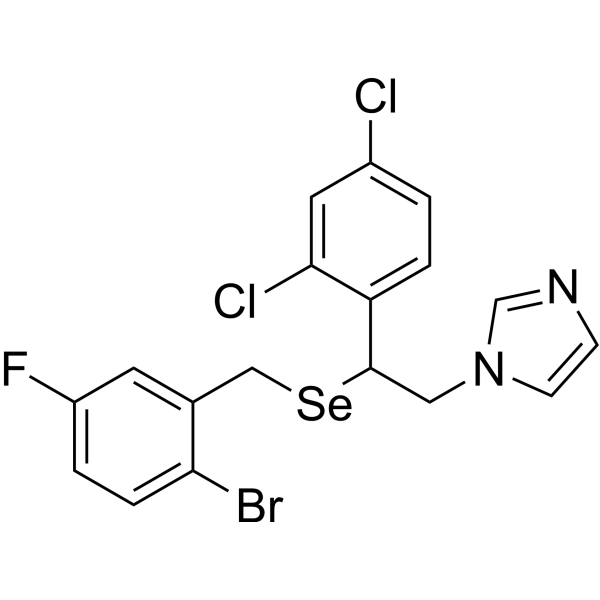
Antifungal agent 56 (compound A09) is a potent antifungal agent, against Fluconazole (HY-B0101)-resistant strains. Antifungal agent 56 is more effective than Miconazole (HY-B0454). Antifungal agent 56 inhibits Candida albicans strains with MIC values of 0.03-0.25 μg/mL .
|
-
-
- HY-19377
-
|
|
Fungal
Cytochrome P450
|
Infection
|
|
SS-750 is an orally active Triazole derivative and antifungal agent. SS-750 binds to fungal cytochrome P450. SS-750 shows antifungal activities against Candida species and C. neoformans strains tested. SS750 shows MIC90 values of 0.25, 1, and 2 μg/mL against Candida parapsilosis, C. krusei, and C. glabrata, respectively. SS-750 improves systemic and pulmonary candidiasis caused by C. albicans .
|
-

-
- HY-119387
-
|
|
Bacterial
|
Infection
|
|
Chevalone B was isolated from the ethyl acetate extract of the marine sponge-associated fungus Aspergillus similanensis. The structure of Chevalone B was confirmed by 1D and 2D NMR spectroscopy. Chevalone B showed antimicrobial activity against Gram-positive and Gram-negative bacteria, Candida albicans, and multidrug-resistant strains from the environment. Studies on Chevalone B have shown its potential value in antimicrobial applications.
|
-

-
- HY-162521
-
|
|
Bacterial
Fungal
|
Infection
|
|
Antibacterial agent 215 (Compound 3b) is an inhibitor for carbonic anhydrase (CA), with Ki of 17.61, 5.14 and 43.74 nM, for hCA I, hCA II and AChE, respectively. Antibacterial agent 215 exhibits anti-tuberculosis, with MIC of 62.5 µg/ml against M. tuberculosis. Antibacterial agent 215 exhibits antifungal activities against Candida spp. strains ATCC 14053, ATCC 1369, and ATCC 15126, with MICs of 125 µg/ml .
|
-

-
- HY-126167
-
|
|
Fungal
Phosphodiesterase (PDE)
|
Infection
|
|
Deacetylsclerotiorin is a secondary metabolite of chloramphenicol isolated from the fungus Bartalinia robillardoides strain LF550. Deacetylsclerotiorin has significant inhibitory effects on Candida albicans (IC50=24 μM), Trichophyton rubrum (IC50=2.83 μM) and Septoria tritici (IC50=7..45 μM). In addition, Deacetylsclerotiorin also exhibits inhibitory effects on the enzyme phosphodiesterase 4 (PDE4) (IC50=2.8 μM) .
|
-

-
- HY-146464
-
|
|
Fungal
|
Infection
|
|
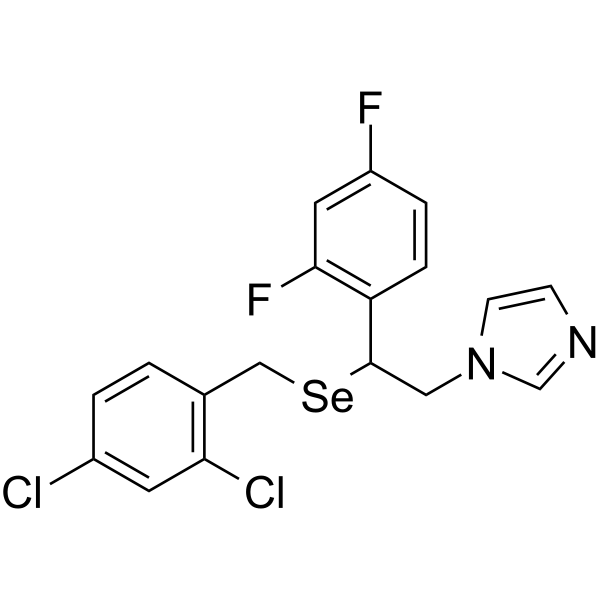
Antifungal agent 30 (compound A18) is a potent antifungal agent. Antifungal agent 30 shows excellent antifungal activity against Candida albicans (CPCC400616) and Aspergillus fumigatus, with MIC of 0.03 and 0.5 μg/mL, respectively. Antifungal agent 30 also shows excellent antifungal activity against fluconazole-resistant strains. The potent antifungal activity of Antifungal agent 30 mainly causes by hydrogen and coordination bond interaction with the CYP51 .
|
-
-
- HY-131050
-
|
|
Bacterial
Fungal
|
Infection
|
|
Aspergillus niger-IN-1 (Compound 17), a derivative of thiazolidine-2,4-dione, acts as an antimicrobial agent. Aspergillus niger-IN-1 exhibited antimicrobial activity against various bacterial and fungal strains, including Bacillus subtilis, Staphylococcus aureus, Klebsiella pneumonia, Escherichia coli, Salmonella typhi, Candida albicans and Aspergillus niger, with MIC values of 11.3, 5.65, 11.3, 5.65, 5.65, 5.65, and 5.65 μM/mL, respectively .
|
-

-
- HY-129432
-
|
|
Fungal
Phosphodiesterase (PDE)
|
Infection
|
|
(-)-Deacetylsclerotiorin (Compound 30) is the enantiomer of Deacetylsclerotiorin (HY-126167). Deacetylsclerotiorin is the metabolite of chloramphenicol isolated from the fungus Bartalinia robillardoides strain LF550. Deacetylsclerotiorin has significant inhibitory effects on Candida albicans (IC50=24 μM), Trichophyton rubrum (IC50=2.83 μM) and Septoria tritici (IC50=7.45 μM). In addition, Deacetylsclerotiorin also exhibits inhibitory effects on the enzyme phosphodiesterase 4 (PDE4) (IC50=2.8 μM) .
|
-

-
- HY-A0148AR
-
|
SKF-102886 (Standard); WR-171669 hydrochloride (Standard)
|
Reference Standards
Parasite
Fungal
Potassium Channel
Reactive Oxygen Species (ROS)
|
Infection
|
|
Halofantrine hydrochloride (Standard) is the analytical standard of Halofantrine hydrochloride. This product is intended for research and analytical applications. Halofantrine hydrochloride (SKF-102886 hydrochloride; WR-171669 hydrochloride) is a blocker that delays the delayed rectifier potassium current by inhibiting human ERG channels, and it is a potent antimalarial agent. Halofantrine hydrochloride inhibits the Cap1-dependent oxidative stress response of Candida albicans, suppresses ROS responses, and enhances the antifungal (Fungal) activity of oxidative damage agents. Halofantrine hydrochloride exhibits antifungal activity in the Galleria mellonella model, and shows antimalarial activity against Plasmodium strains both in vitro and in animal models. Halofantrine hydrochloride can be used in studies related to invasive candidiasis, falciparum malaria, and vivax malaria.
|
-

-
- HY-179483
-
|
|
Cytochrome P450
Fungal
|
Infection
|
|
CYP51-IN-31 (compound T24) is a selective CYP51 inhibitor with potent and broad-spectrum antifungal activity, including efficacy against drug-resistant fungal strains. CYP51-IN-31 exhibits fungicidal activity against Candida parapsilosis, anti-biofilm activity, and the ability to inhibit fungal morphological transitions. CYP51-IN-31 can be used for infection research .
|
-

-
- HY-N19506
-
|
|
Fungal
|
Infection
|
|
Vincadifformine N (4)-oxide is a monoterpenoid indole alkaloid. Vincadifformine N (4)-oxide can be isolated from Rhazya stricta. Vincadifformine N (4)-oxide shows a MIC > 50 μg/mL against tested Candida strains and exhibits no antifungal activity .
|
-

-
- HY-N18360
-
|
Tunicamycin 17:1
|
Antibiotic
Bacterial
Fungal
|
Infection
|
|
Tunicamycin X (Tunicamycin 17:1) is a nucleoside Antibiotic. Tunicamycin X is isolated from Streptomyces xinghaiensis SCSIO S15077. Tunicamycin X acts as a growth inhibitor against bacteria and fungi. Tunicamycin X inhibits the growth of Bacillus thuringiensis strains. Tunicamycin X inhibits the growth of Candida albicans strains .
|
-

-
- HY-125459
-
|
|
Fungal
|
Infection
|
|
L-705589 is a semi-synthetic penicillin-type antifungal agent. L-705589 exerts its antifungal effect by inhibiting the 1,3-β-D-glucan synthase in the fungal cell wall. L-705589 exhibits potent bactericidal activity against various Candida species (such as Candida albicans, Candida glabrata, Candida krusei, etc.) (MFC: 0.06 - 8 μg/mL), but has relatively weak activity against Cryptococcus neoformans (MFC: 32 - 64 μg/mL). L-705589 remains active against drug-resistant Candida strains and is not prone to inducing drug resistance. L-705589 significantly improves survival rates in the model of minor invasive aspergillosis .
|
-

-
- HY-W166491
-
|
|
Bacterial
Fungal
|
Infection
|
|
Citronellyl butyrate is a terpenoid ester with antibacterial, antifungal and other biological activities. Citronellyl butyrate has inhibitory effects on both Staphylococcus aureus and Escherichia coli. Citronellyl butyrate has inhibitory and bactericidal effects on various strains of Candida albicans (MIC: 156-1250 μg/mL). Citronellyl butyrate can be used in the research of infectious conditions .
|
-

-
- HY-N9869
-
|
|
Bacterial
|
Infection
|
|
(E,Z)-Platanoside is a flavonoid glycoside. (E,Z)-Platanoside is a potent and highly selective MRSA inhibitor; it exhibits low activity against other tested strains, including Gram-negative bacteria, intracellular Mycobacterium intracellulare, Candida albicans, Cryptococcus neoformans, and Aspergillus fumigatus. (E,Z)-Platanoside can be used in research on MRSA infections .
|
-

-
- HY-181114
-
|
|
P-glycoprotein
Fungal
|
Infection
|
|
P-gp-IN-34 (compound 4a) is an Mdr1p (Mdr1 pump) inhibitor. P-gp-IN-34 inhibits yeast to hyphal shift in Candida albicans. P-gp-IN-34 can be used for the research of candidiasis .
|
-

-
- HY-184314
-
|
|
Fungal
|
Infection
|
|
Antifungal agent-166 is an antifungal agent. The combination of Antifungal agent-166 and Fluconazole exerts synergistic bacteriostatic effects against fluconazole-resistant Candida albicans. Antifungal agent-166 exhibits bacteriostatic activity against both Candida glabrata and Cryptococcus neoformans. Antifungal agent-166 reverses the fluconazole resistance of strains by downregulating ergosterol synthesis-related genes, drug resistance-related genes and virulence-related genes. Antifungal agent-166 can enhance the efficacy of Fluconazole in Galleria mellonella and mouse candidiasis models, reduce fungal load and improve survival rate. Antifungal agent-166 can be used in the research of fungal infections .
|
-

-
- HY-N19781
-
|
|
Bacterial
|
Infection
|
|
Kipukasin B is an antibacterial agent. Kipukasin B exhibits activity against the Gram-positive strain Bacillus subtilis. Kipukasin B is isolated from Aspergillus versicolor obtained from Hawaii. Kipukasin B can be used in the research of Gram-positive bacterial infections .
|
-

-
- HY-N18878
-
|
|
Bacterial
Endogenous Metabolite
Parasite
|
Infection
|
|
Ambigol C is an ambigol, Antibacterial agent and Antimalarial agent. Ambigol C is isolated from Fischerella ambigua 108b. Ambigol C exhibits selective antibacterial activity against Gram-positive Staphylococcus aureus strains (including MRSA) with MIC values of 0.98-3.91 μg/mL. Ambigol C also shows potent antibacterial activity against B. megaterium, and possesses weak antimalarial and trypanocidal effects. Ambigol C can be used in the research of bacterial infections, plasmodial infections and trypanosomal infections .
|
-

| Cat. No. |
Product Name |
Target |
Research Area |
-
- HY-P11102
-
|
|
Bacterial
Fungal
HIV
Parasite
|
Infection
Cancer
|
|
Temporin-Sha is an antibacterial peptide with extensive biological activity. Temporin-Sha exhibits broad-spectrum antibacterial activity (e.g., against L. ivanovii, MIC = 6.25 μM), and is effective against Gram-negative bacteria (such as Escherichia coli, MIC = 10 μM), including drug-resistant strains (such as Methicillin (HY-121544)-resistant Staphylococcus aureus). Temporin-Sha also has inhibitory effects on Candida albicans (MIC = 25 μM), Saccharomyces cerevisiae (MIC = 12 μM), the pre-flagellated and non-flagellated forms of Leishmania infantum (IC50 = 5-20 μM), and Trypanosoma cruzi (IC50 = 17 μM). Temporin-Sha exhibits antiviral activity against HSV-1 and has anti-cancer effects (cytotoxicity against breast cancer cells MCF-7 and lung cancer cells H460, etc.) .
|
-
- HY-P5569
-
|
|
Fungal
|
Infection
|
|
SP-B peptide is an antimicrobial peptide. SP-B peptide has antifungal activity against strains of Cryptococcus neoformans, Candida albicans and Aspergillus fumigatus
|
| Cat. No. |
Product Name |
Category |
Target |
Chemical Structure |
Your information is safe with us. * Required Fields.
Inquiry Information
- Product Name:
- Cat. No.:
- Quantity:
- MCE Japan Authorized Agent:








