Search Result
Results for "
HIV+Protease
" in MedChemExpress (MCE) Product Catalog:
4
Biochemical Assay Reagents
14
Isotope-Labeled Compounds
| Cat. No. |
Product Name |
Target |
Research Areas |
Chemical Structure |
-
- HY-P0018
-
Pepstatin
Maximum Cited Publications
59 Publications Verification
Pepstatin A
|
HIV Protease
Autophagy
|
Infection
Inflammation/Immunology
|
|
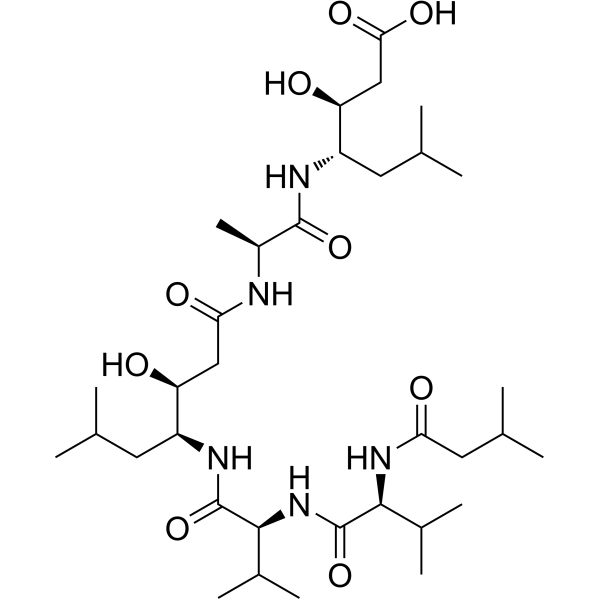
Pepstatin (Pepstatin A) is a specific, orally active aspartic protease inhibitor produced by actinomycetes, with IC50s of 4.5 nM, 6.2 nM, 150 nM, 290 nM, 520 nM and 260 nM for hemoglobin-pepsin, hemoglobin-proctase, casein-pepsin, casein-proctase, casein-acid protease and hemoglobin-acid protease, respectively. Pepstatin also inhibits HIV protease .
|
-
-
- HY-90001
-
-
-
- HY-17007
-
-
-
- HY-14588
-
|
ABT-378
|
HIV
HIV Protease
SARS-CoV
|
Infection
Neurological Disease
Cancer
|
|
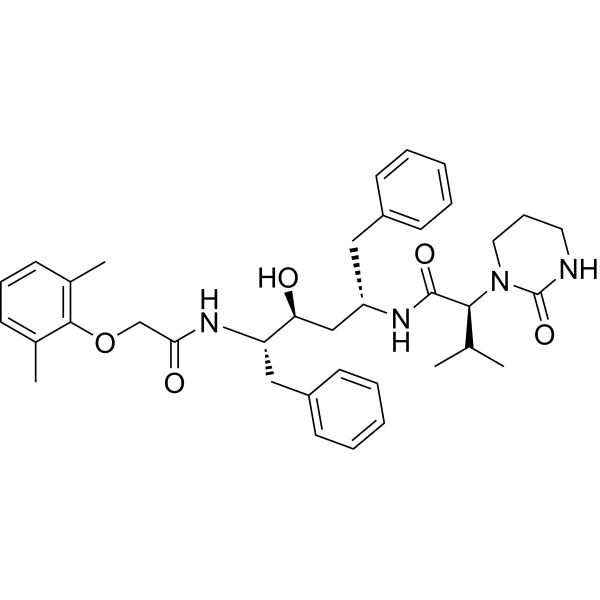
Lopinavir (ABT-378) is a highly potent, selective peptidomimetic inhibitor of the HIV-1 protease, with Kis of 1.3 to 3.6 pM for wild-type and mutant HIV protease. Lopinavir acts by arresting maturation of HIV-1 thereby blocking its infectivity . Lopinavir is also a SARS-CoV 3CL pro inhibitor with an IC50 of 14.2 μM .
|
-
-
- HY-17003
-
-
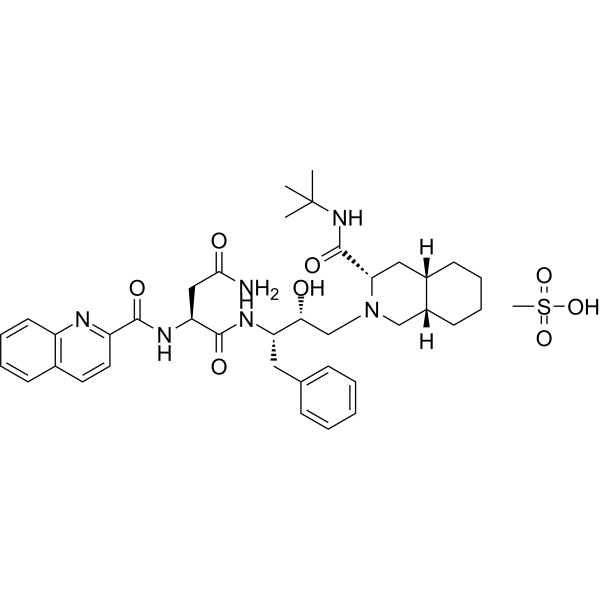
-
- HY-17040
-
|
TMC114; UIC-94017
|
HIV
HIV Protease
|
Infection
Inflammation/Immunology
|
|
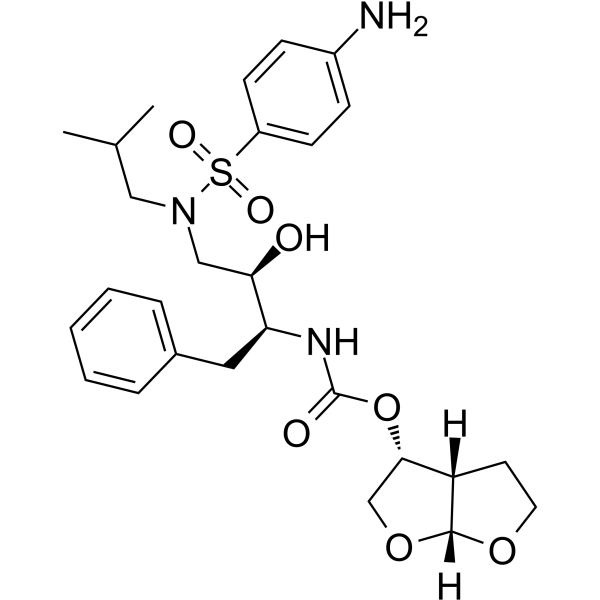
Darunavir (TMC114), an orally active next generation HIV protease inhibitor, has a similar antiviral activity against the mutant and the wild-type viruses. Darunavir (TMC114) is potent against laboratory HIV-1 strains and primary clinical isolates (IC50 = 0.003 μM; IC90 = 0.009 μM) with minimal cytotoxicity .
|
-
-
- HY-N6856
-
|
|
Bacterial
Endogenous Metabolite
|
Infection
Cancer
|
|
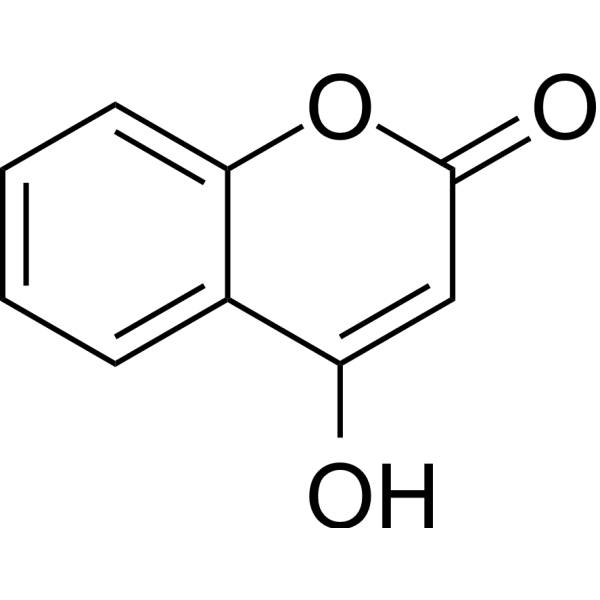
4-Hydroxycoumarin is an orally active coumarin derivative, one of the most versatile heterocyclic scaffolds, often used in the synthesis of various organic compounds. 4-Hydroxycoumarin possesses both electrophilic and nucleophilic properties. 4-Hydroxycoumarin is an HIV protease inhibitor and tyrosine kinase inhibitor. 4-Hydroxycoumarin has anti-inflammatory, antibacterial and anti-tumor effects .
|
-
-
- HY-17041
-
|
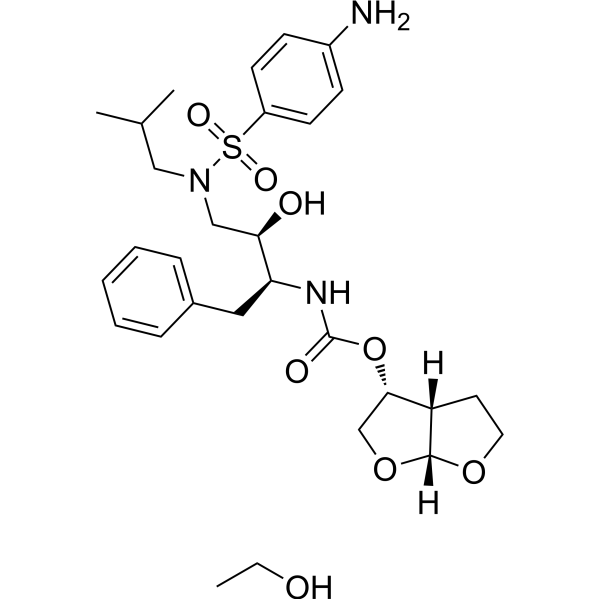
TMC114 Ethanolate
|
HIV
HIV Protease
|
Infection
|
|
Darunavir ethanolate (TMC114 Ethanolate) is a potent HIV protease inhibitor used to treat and prevent HIV/AIDS. Darunavir has a Ki of 1 nM for wild type HIV-1 protease.
|
-
-
- HY-17430
-
|
VX-478
|
HIV
HIV Protease
SARS-CoV
|
Infection
Cancer
|
|
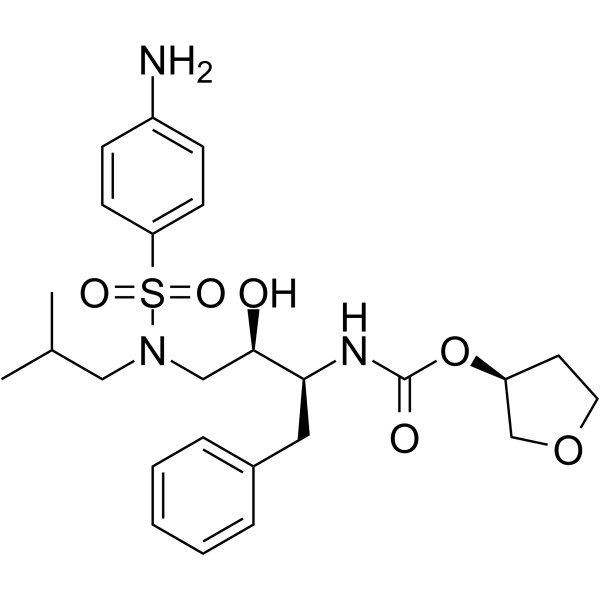
Amprenavir (VX-478) is a HIV protease inhibitor (Ki=0.6 nM) used to treat HIV infection. Amprenavir is also a SARS-CoV 3CL pro inhibitor with an IC50 of 1.09 μM.
|
-
-
- HY-W002530
-
|
|
Biochemical Assay Reagents
|
Infection
|
|
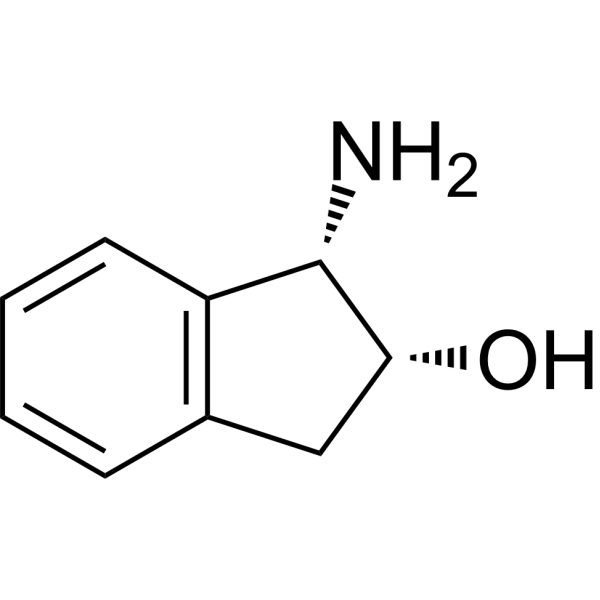
(1S,2R)-1-Aminoindan-2-ol is a chiral resolving agent. (1S,2R)-1-Aminoindan-2-ol efficiently resolves various racemic 2-arylalkanoic acids and precisely controls the stereostructure of the products in asymmetric syntheses. (1S,2R)-1-Aminoindan-2-ol can be used in the synthesis of HIV protease inhibitors .
|
-
-
- HY-76476
-
|
(+)-3-Hydroxytetrahydrofuran
|
Biochemical Assay Reagents
|
Others
|
|
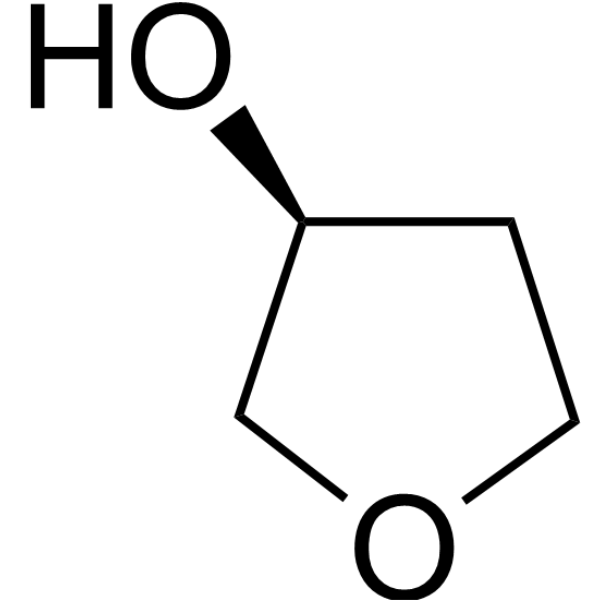
(S)-Tetrahydrofuran-3-ol is a (S)-enantiomer of Tetrahydrofuran-3-ol. Tetrahydrofuran-3-ol is an important precursor for the production of HIV protease inhibitors. Tetrahydrofuran-3-ol can be produced via chemical synthesis or by enzymatic hydrolysis of bulkier esters and inversion of the unwanted product .
|
-
-
- HY-121240
-
-
-
- HY-P3934
-
|
|
HIV Protease
|
Infection
|
|
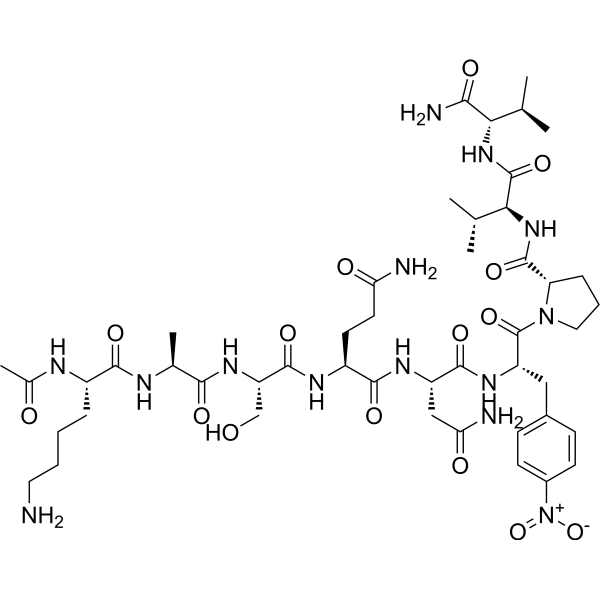
HIV Protease Substrate I is a chromogenic substrate of HIV-1 protease. HIV Protease Substrate I has the cleavage site of HIV protease .
|
-
-
- HY-19400
-
|
DPH-153893
|
HIV Protease
HIV
|
Infection
|
|
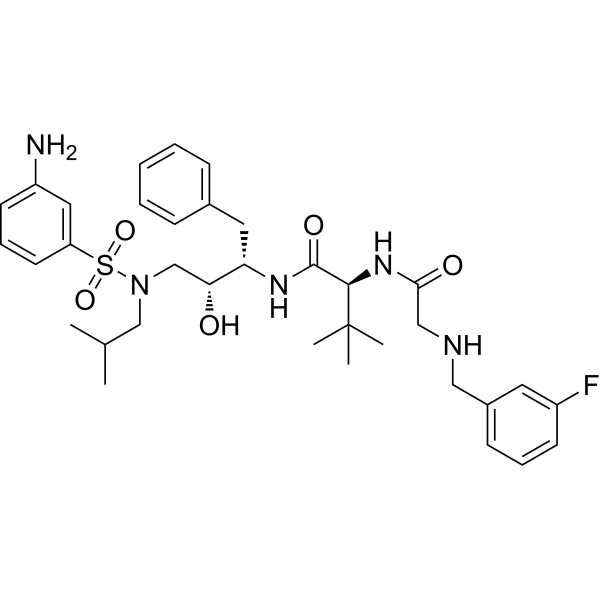
DPC-681 is a potent and selective inhibitor of HIV protease with IC90s for wild-type HIV-1 of 4 to 40 nM.
|
-
-
- HY-90001S
-
|
ABT 538-d6; RTV-d6
|
HIV Protease
HIV
SARS-CoV
Apoptosis
|
Infection
|
|
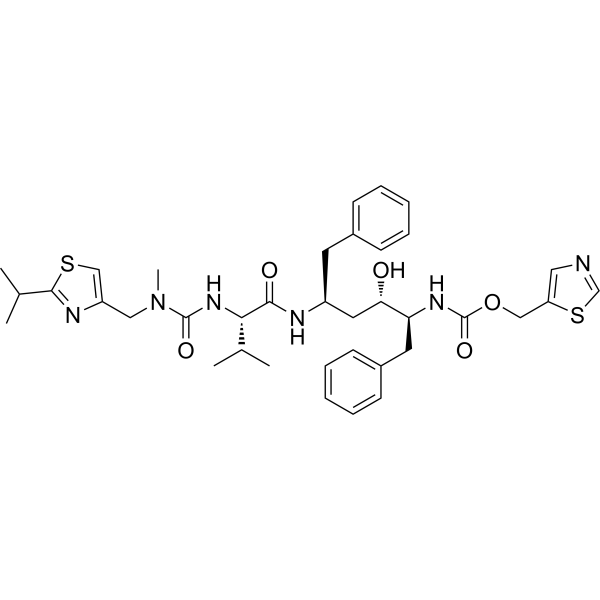
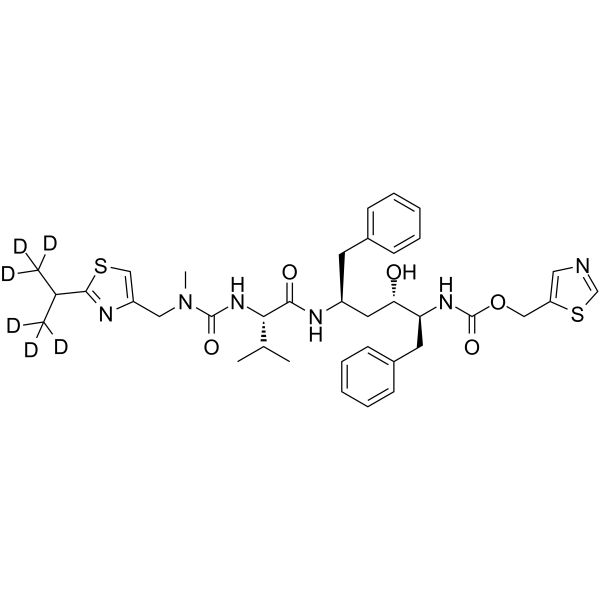
Ritonavir-d6 is the deuterium labeled Ritonavir. Ritonavir (ABT 538) is an inhibitor of HIV protease used to treat HIV infection and AIDS. Ritonavir is also a SARS-CoV 3CLpro inhibitor with an IC50 of 1.61 μM .
|
-
-
- HY-P0018A
-
|
Pepstatin A Trifluoroacetate
|
HIV Protease
Autophagy
|
Infection
Inflammation/Immunology
|
|
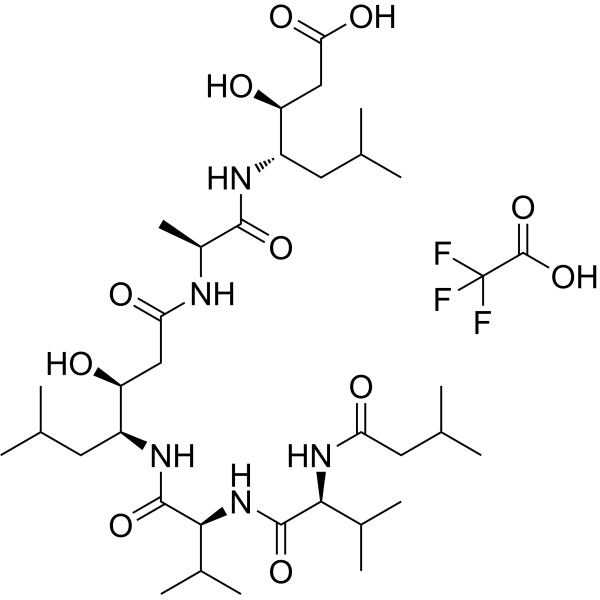
Pepstatin (Pepstatin A) Trifluoroacetate is a specific, orally active aspartic protease inhibitor produced by actinomycetes, with IC50s of 4.5 nM, 6.2 nM, 150 nM, 290 nM, 520 nM and 260 nM for hemoglobin-pepsin, hemoglobin-proctase, casein-pepsin, casein-proctase, casein-acid protease and hemoglobin-acid protease, respectively. Pepstatin Trifluoroacetate also inhibits HIV protease .
|
-
-
- HY-P0018B
-
|
Pepstatin A Ammonium
|
HIV Protease
Autophagy
|
Infection
Inflammation/Immunology
|
|
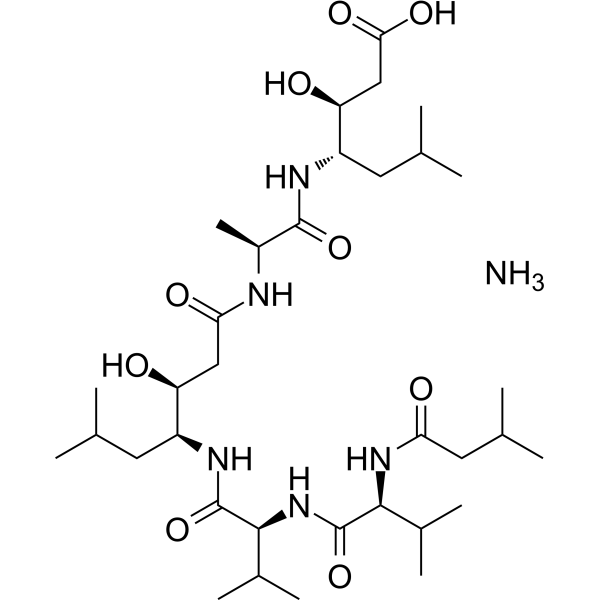
Pepstatin (Pepstatin A) Ammonium is a specific, orally active aspartic protease inhibitor produced by actinomycetes, with IC50s of 4.5 nM, 6.2 nM, 150 nM, 290 nM, 520 nM and 260 nM for hemoglobin-pepsin, hemoglobin-proctase, casein-pepsin, casein-proctase, casein-acid protease and hemoglobin-acid protease, respectively. Pepstatin Ammonium also inhibits HIV protease .
|
-
-
- HY-19232
-
|
|
HIV Protease
|
Inflammation/Immunology
|
|
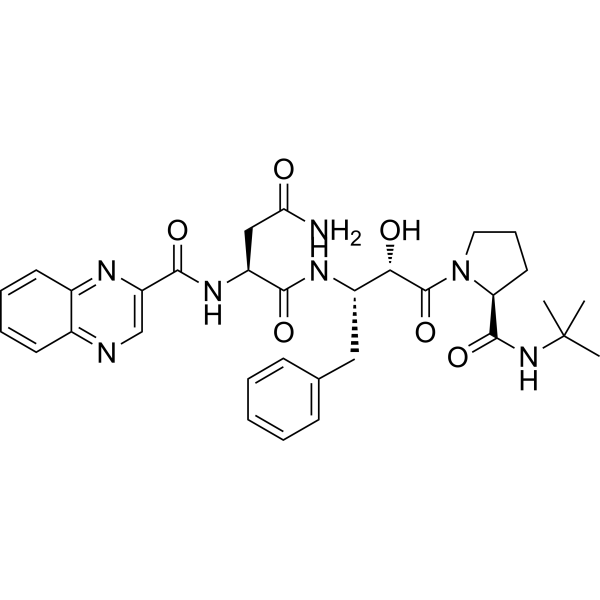
R-87366 is a water-soluble human immunodeficiency virus (HIV) protease inhibitor. R-87366 has potent inhibitory for HIV protease with a Ki value of 11 nM. R-87366 can be used for the research of anti-human immunodeficiency virus (HIV) .
|
-
-
- HY-90001R
-
|
ABT 538 (Standard); RTV (Standard)
|
Reference Standards
HIV Protease
HIV
SARS-CoV
Apoptosis
|
Infection
Cancer
|
|
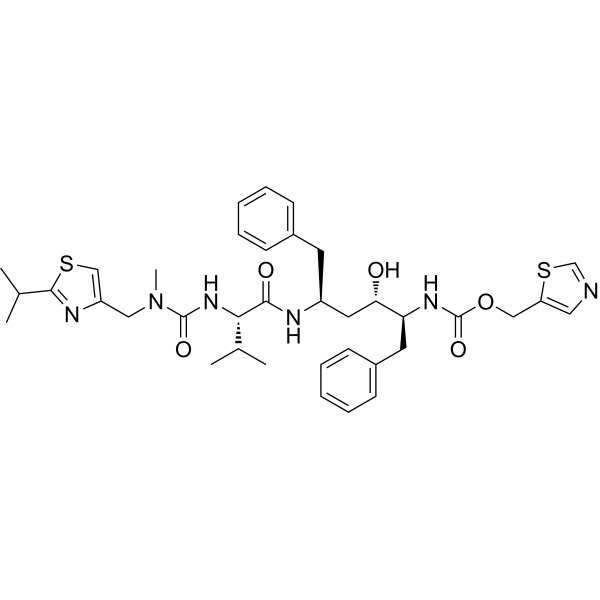
Ritonavir (Standard) is the analytical standard of Ritonavir. This product is intended for research and analytical applications. Ritonavir (ABT 538) is an inhibitor of HIV protease used to treat HIV infection and AIDS. Ritonavir is also a SARS-CoV 3CL pro inhibitor with an IC50 of 1.61 μM.
|
-
-
- HY-106395
-
|
SC-52151
|
HIV Protease
HIV
|
Infection
|
|
Telinavir (SC-52151) is a potent and selective HIV protease inhibitor. Telinavir inhibits lymphotropic, monocytotropic strains and field isolates of HIV type 1 (HIV-1), HIV-2, and simian immunodeficiency virus with EC50s of 26 ng/mL (43 nM). Telinavir is highly protein bound in human plasma and exhibits low partitioning into erythrocytes .
|
-

-
- HY-N6856R
-
|
|
Reference Standards
Bacterial
Endogenous Metabolite
|
Infection
Cancer
|
|
4-Hydroxycoumarin (Standard) is the analytical standard of 4-Hydroxycoumarin. This product is intended for research and analytical applications. 4-Hydroxycoumarin is an orally active coumarin derivative, one of the most versatile heterocyclic scaffolds, often used in the synthesis of various organic compounds. 4-Hydroxycoumarin possesses both electrophilic and nucleophilic properties. 4-Hydroxycoumarin is an HIV protease inhibitor and tyrosine kinase inhibitor. 4-Hydroxycoumarin has anti-inflammatory, antibacterial and anti-tumor effects .
|
-

-
- HY-G0009
-
|
Desthiazolylmethyloxycarbonyl Ritonavir
|
Drug Metabolite
|
Infection
|
|
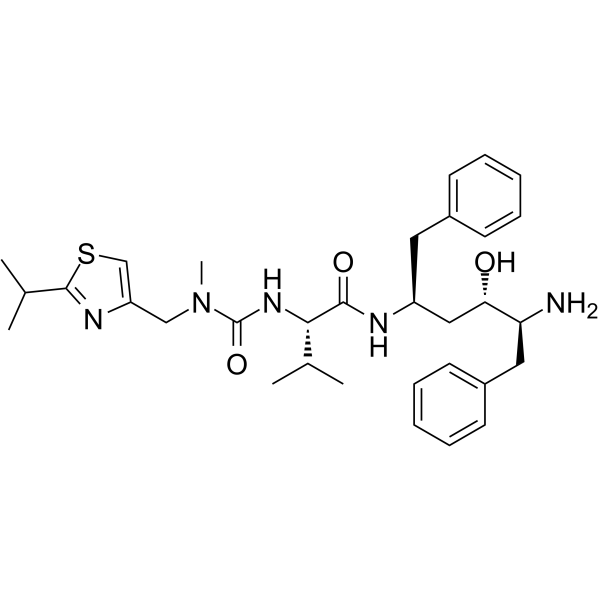
Ritonavir metabolite is a metabolite of Ritonavir, which is a HIV protease inhibitor.
|
-
-
- HY-120132
-
|
|
HIV
|
Infection
|
|
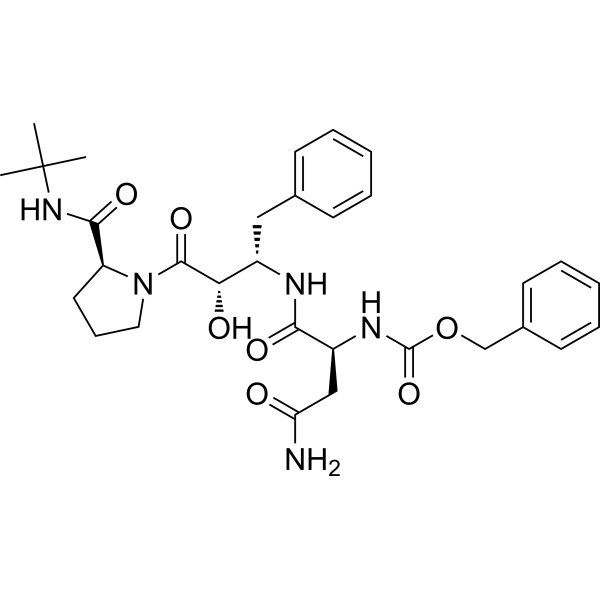
KNI-102 is a potent anti-HIV agent with an IC50 value of 100 nM for HIV protease .
|
-
-
- HY-137565
-
|
|
Drug Metabolite
|
Others
|
|
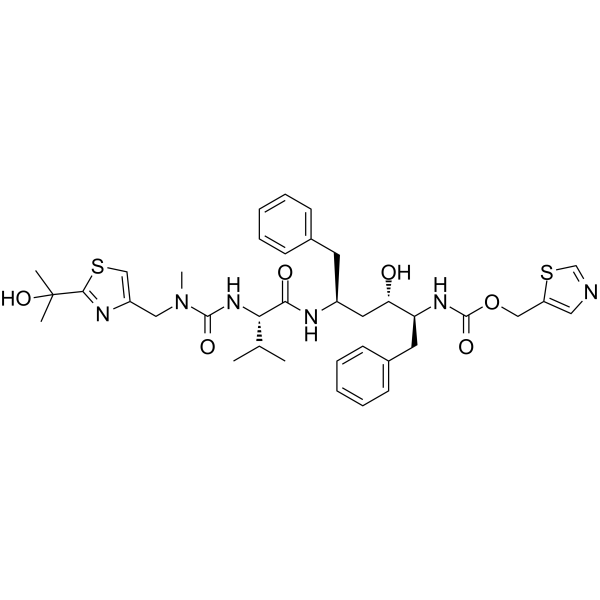
Hydroxy ritonavir is a metabolite of Ritonavir. Ritonavir is an inhibitor of HIV protease used to treat HIV infection and AIDS .
|
-
-
- HY-159638
-
|
|
HIV Protease
|
Infection
|
|
Elunonavir (GS-1156) is a HIV protease inhibitor with a high barrier to resistance and excellent metabolic stability. Elunonavir is able to overcome rapid CYP-mediated metabolism, resulting in a significantly prolonged half-life and the potential to reduce dosing frequency without the need for pharmacokinetic enhancers .
|
-

-
- HY-N4155
-
|
|
EBV
HIV Protease
HSV
|
Infection
Cancer
|
|
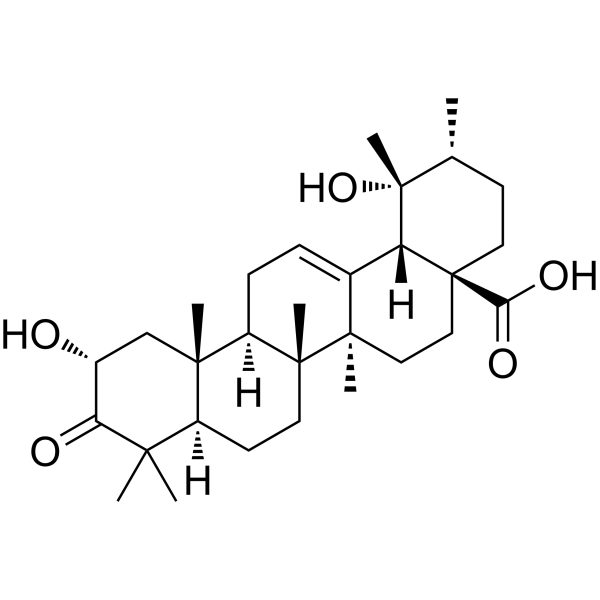
2α,19α-Dihydroxy-3-oxo-urs-12-en-28-oic acid, a natural ursane-type triterpene, is a potent inhibitor of HIV protease (HIV Protease). 2α,19α-Dihydroxy-3-oxo-urs-12-en-28-oic acid is also an inhibitor of the activation of Epstein-Barr virus early antigen (EBV-EA). 2α,19α-Dihydroxy-3-oxo-urs-12-en-28-oic acid displays an inhibitory activity against nitric oxide production in Lipopolysaccharide (Lipopolysaccharides)-activated RAW 264.7 cells .
|
-
-
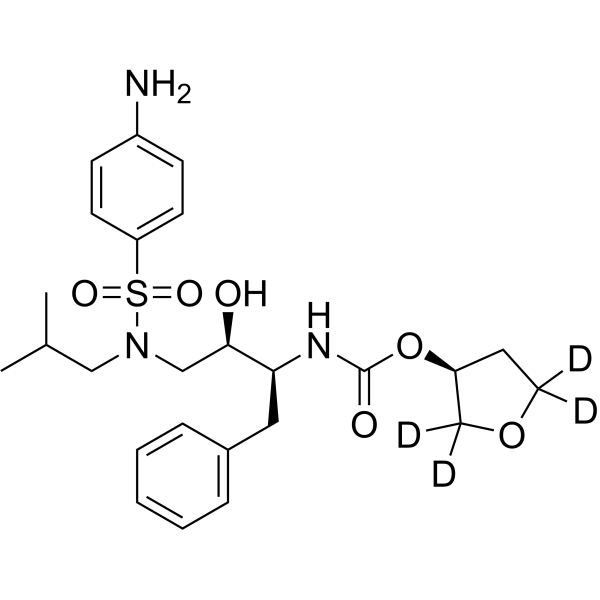
- HY-106395A
-
|
(Rac)-SC-52151
|
HIV Protease
HIV
|
Infection
|
|
(Rac)-Telinavir ((Rac)-SC-52151) is a racemate of Telinavir (HY-106395A). Telinavir (SC-52151) is a potent and selective HIV protease inhibitor. Telinavir inhibits lymphotropic, monocytotropic strains and field isolates of HIV type 1 (HIV-1), HIV-2, and simian immunodeficiency virus with EC50s of 26 ng/mL (43 nM). Telinavir is highly protein bound in human plasma and exhibits low partitioning into erythrocytes .
|
-

-
- HY-106920
-
|
KNI 272; Kynostatin; NSC 651714
|
HIV Protease
|
Infection
|
|
Kynostatin 272 (KNI 272) is a potent HIV protease inhibitor. Kynostatin 272 inhibits the activity of the HIV protease by simulating the substrate transition state of the HIV protease, thus preventing a key step in the replication of the HIV virus. Kynostatin 272 provides an important research foundation for the development of drugs for HIV and AIDS .
|
-

-
- HY-117747
-
|
JCR 424; XM 323
|
HIV Protease
|
Infection
|
|
DMP 323 is a potent, nonpeptide cyclic urea inhibitor of HIV protease, effective against both HIV type 1 and type 2. Designed using structural information and database searching, it competitively inhibits the cleavage of both peptide and HIV-1 gag polyprotein substrates. DMP 323 shows comparable potency to other highly effective HIV protease inhibitors like A-80987 and Ro-31-8959. Importantly, its efficacy against HIV protease remains unaffected by human plasma or serum, suggesting low affinity for plasma proteins. Furthermore, DMP 323 demonstrates minimal inhibition of various mammalian proteases at concentrations much higher than those needed for HIV protease inhibition, highlighting its specificity for viral targets .
|
-

-
- HY-106188
-
|
|
HIV Protease
|
Infection
|
|
L 756423 is a potent HIV protease inhibitor. L 756423 has the potential for the research of HIV infection .
|
-

-
- HY-P4018
-
|
|
HIV Protease
|
Infection
|
|
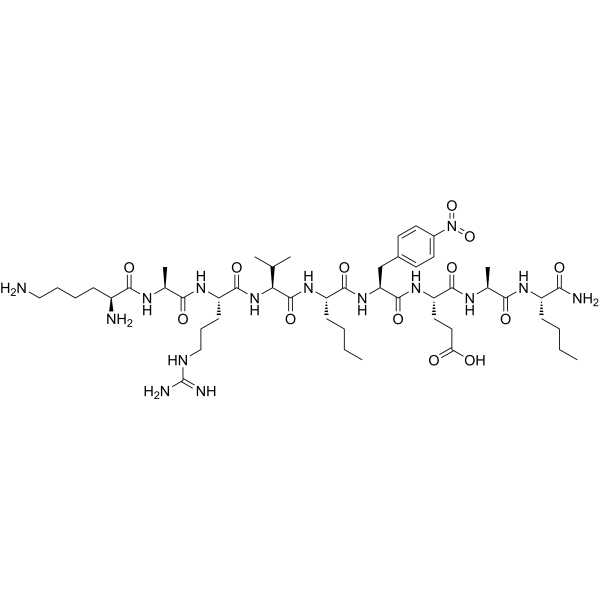
HIV Protease Substrate IV is a substrate of HIV protease. HIV Protease Substrate IV can be used to measure the activity of HIV (human immunodeficiency virus) -1 protease .
|
-
-
- HY-P2344
-
|
|
HIV Protease
|
Infection
|
|
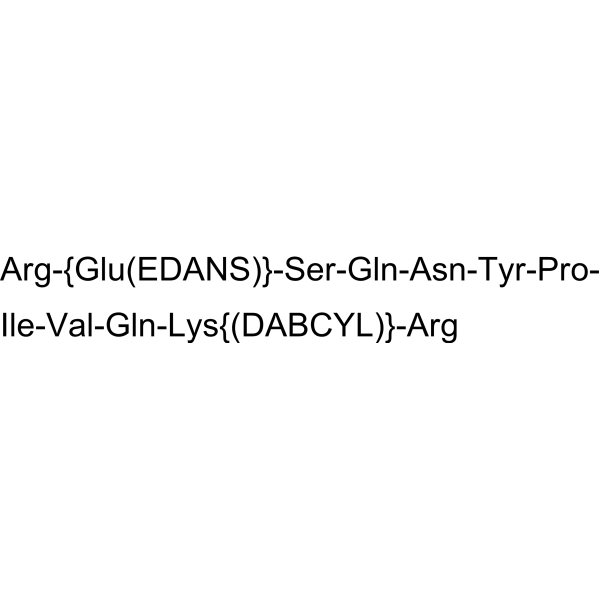
HIV Protease Substrate 1, a fiuorogenic HIV protease substrate, can be used to study enzymatic activity of HIV protease .
|
-
-
- HY-P2344A
-
|
|
HIV Protease
|
Infection
|
|
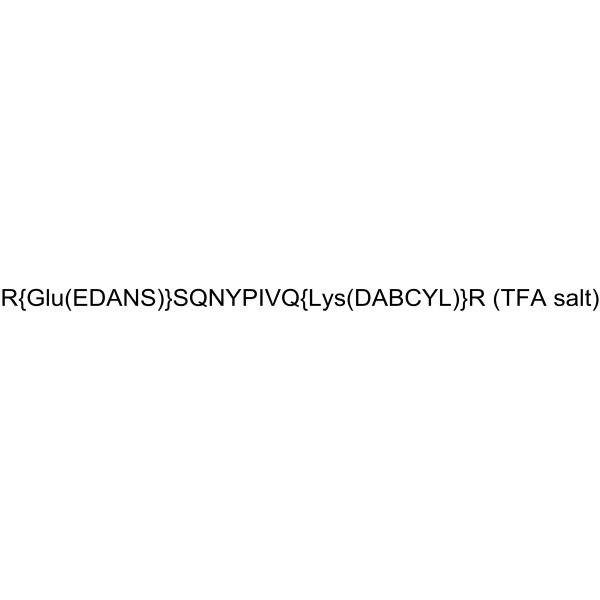
HIV Protease Substrate 1 TFA, a fiuorogenic HIV protease substrate, can be used to study enzymatic activity of HIV protease .
|
-
-
- HY-136703
-
|
|
HIV Protease
|
Infection
|
|
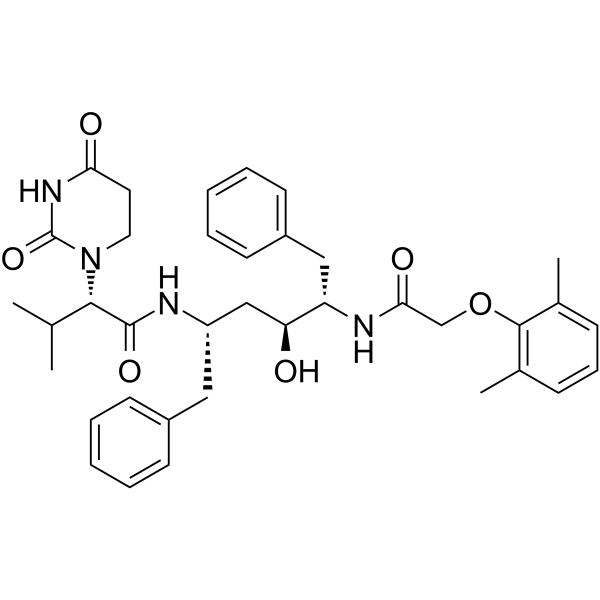
Lopinavir Metabolite M-1, an active metabolite of Lopinavir, inhibits HIV protease with a Ki of 0.7 pM. Lopinavir Metabolite M-1 has antiviral activities in vitro .
|
-
-
- HY-N10076
-
-
-
- HY-120616
-
|
|
HIV Protease
HIV
|
Infection
|
|
BMS 186318 is an HIV protease inhibitor. BMS 186318 exhibits better anti-HIV efficacy when used in combination with reverse transcriptase inhibitors such as Stavudine (HY-B0116) and other protease inhibitors such as Saquinavir (HY-17007). BMS 186318 can be used in antiviral research .
|
-

-
- HY-17007R
-
-

-
- HY-17007S
-
-
-
- HY-159669
-
|
|
HIV Protease
|
Infection
Inflammation/Immunology
|
Stercobilin hydrochloride (amixture of isomers) is a bile pigment metabolized by gut bacteria, and it's also an HIV protease inhibitor, with a Ki of 4 μM. Stercobilin hydrochloride (a mixture of isomers) can induce pro-inflammatory activity in mouse macrophage RAW264 cells, including the production of TNF-α and IL-1β. Stercobilin hydrochloride (a mixture of isomers) can be used in studies of inflammation and viral infections .
|
-

-
- HY-162525
-
|
|
HIV Protease
|
Infection
|
|
GS-9770 is an orally active inhibitor for HIV protease with Ki of 0.16 nM. GS-9770 exhibits antiviral activity aginst HIV-1 strains and HIV-2 strains with EC50 of 1.9-26 nM, and 26 nM. GS-9770 is metabolic stable in human liver microsomes. GS-9770 exhibits good pharmacokinetic characters in Sprague Dawley rats .
|
-

-
- HY-151197
-
|
|
HIV Protease
|
Infection
|
|
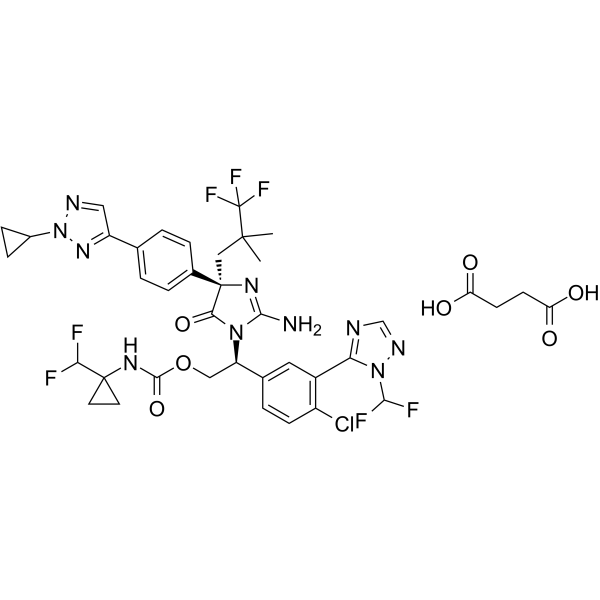
HIV protease-IN-1 (compound 1·succinate) is a potent HIV protease non-peptidic inhibitor, can be used to research AIDS .
|
-
-
- HY-17040R
-
|
TMC114 (Standard); UIC-94017 (Standard)
|
HIV
HIV Protease
Reference Standards
|
Infection
Inflammation/Immunology
|
|
Darunavir (Standard) is the analytical standard of Darunavir. This product is intended for research and analytical applications. Darunavir (TMC114), an orally active next generation HIV protease inhibitor, has a similar antiviral activity against the mutant and the wild-type viruses. Darunavir (TMC114) is potent against laboratory HIV-1 strains and primary clinical isolates (IC50 = 0.003 μM; IC90 = 0.009 μM) with minimal cytotoxicity .
|
-

-
- HY-14588S1
-
|
|
Isotope-Labeled Compounds
HIV
HIV Protease
SARS-CoV
|
Infection
|
|
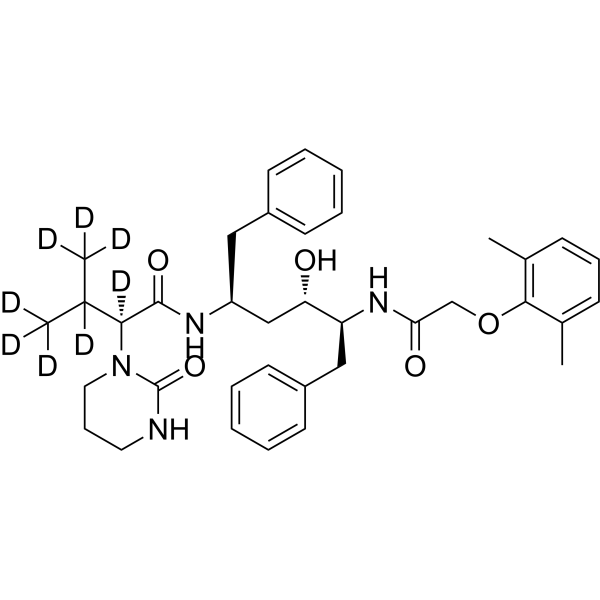
Lopinavir-d8 (ABT-378-d8) is the deuterium labeled Lopinavir. Lopinavir (ABT-378) is a highly potent, selective peptidomimetic inhibitor of the HIV-1 protease, with Kis of 1.3 to 3.6 pM for wild-type and mutant HIV protease. Lopinavir acts by arresting maturation of HIV-1 thereby blocking its infectivity . Lopinavir is also a SARS-CoV 3CLpro inhibitor with an IC50 of 14.2 μM .
|
-
-
- HY-19236
-
-
-
- HY-125494
-
|
SC-55389A
|
HIV
|
Infection
|
|
Droxinavir (SC-55389A) hydrochloride is an antiviral compound that functions as an HIV protease inhibitor.
|
-

-
- HY-136986
-
|
|
HIV Protease
|
Infection
|
|
Desthiazolylmethyl ritonavir is a base-catalyzed degradation product of the HIV protease inhibitor Ritonavir (HY-90001).
|
-

-
- HY-120712
-
|
|
HIV Protease
|
Infection
|
|
Ro 31-8588 is a HIV protease inhibitor with the Ki of 0.3 nM. Ro 31-8588 can be used for study of AIDS .
|
-

-
- HY-129563
-
|
|
HIV
HIV Protease
|
Infection
|
|
CGP 57813 is a peptidomimetic inhibitor of HIV protease that can be encapsulated by nanoparticles composed of poly(D,L-lactic acid) (PLA) and pH-sensitive methacrylic acid copolymers and delivered into the body .
|
-

-
- HY-B0689S
-
-
-
- HY-120812
-
|
|
HIV Protease
|
Infection
|
|
HIV-IN-11 is part of the hydroxylaminoglutaramide (HAPA) transition state isomeric series of HIV protease inhibitors and is a potent and selective inhibitor of HIV-1 protease. HIV-IN-11 competitively inhibits HIV-1 PR (Ki: 0.049 nM) and potently inhibits replication of HIV(IIIb)-infected MT4 lymphocytes at concentrations of 25.0-50.0 nM. HIV-IN-11 displays a longer half-life than indinavir sulfate in animal models and serves as a promising second-generation HIV protease inhibitor .
|
-

- HY-19135
-
|
|
HIV Protease
|
Infection
|
|
A-77003 is an inhibitor for HIV protease, with IC50 of 0.1 to 0.2 μg/ml, for HIV-1 and HIV-2 protease. A-77003 exhibits high levels of antiretroviral activity and low cytotoxicity in vitro .
|
-

- HY-125712
-
|
|
HIV
HIV Protease
|
Infection
|
|
CGP 53820 is an inhibitor for HIV protease, inhibits the complex of HIV-1 and HIV-2 protease with Ki of 9 and 53 nM for HIV-1 protease and HIV-2 protease. CGP 53820 can be used in AIDS research .
|
-

- HY-W653853
-
-

- HY-90001S2
-
-
- HY-W415273
-
|
|
Ser/Thr Protease
HIV Protease
Caspase
|
Infection
|
|
Caspase-3-IN-2 (Compound 4d) is the inhibitor for α-Chymotrypsin. Caspase-3-IN-2 also exhibits inhibitory activity against HIV protease and caspase 3 with an inhibition rate of 57% and 51% at 100 μM .
|
-

- HY-90001S1
-
|
ABT 538-13C,d3; RTV-13C,d3
|
HIV Protease
HIV
SARS-CoV
Apoptosis
|
Infection
|
|
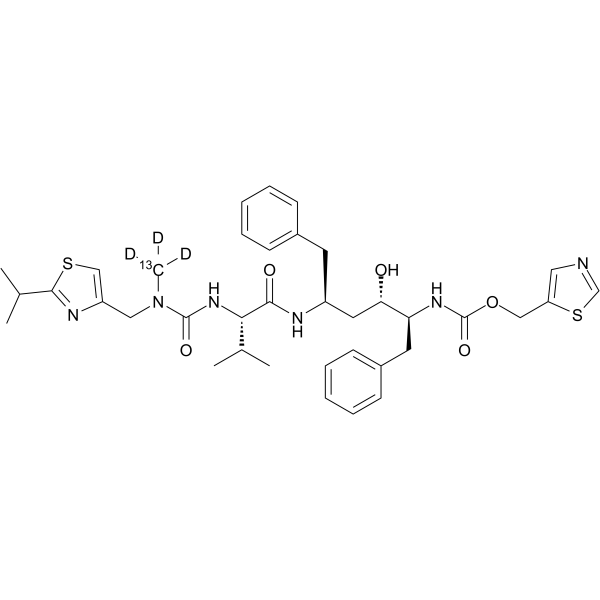
Ritonavir- 13C,d3 is the 13C- and deuterium labeled Ritonavir. Ritonavir (ABT 538) is an inhibitor of HIV protease used to treat HIV infection and AIDS. Ritonavir is also a SARS-CoV 3CLpro inhibitor with an IC50 of 1.61 μM.
|
-
- HY-17430S1
-
-
- HY-17041R
-
|
TMC114 Ethanolate (Standard)
|
Reference Standards
HIV
HIV Protease
|
Infection
|
|
Darunavir (Ethanolate) (Standard) is the analytical standard of Darunavir (Ethanolate). This product is intended for research and analytical applications. Darunavir ethanolate (TMC114 Ethanolate) is a potent HIV protease inhibitor used to treat and prevent HIV/AIDS. Darunavir has a Ki of 1 nM for wild type HIV-1 protease.
|
-

- HY-17430S
-
-
- HY-17430R
-
|
VX-478 (Standard)
|
Reference Standards
HIV
HIV Protease
SARS-CoV
|
Infection
Cancer
|
|
Amprenavir (Standard) is the analytical standard of Amprenavir. This product is intended for research and analytical applications. Amprenavir (VX-478) is a HIV protease inhibitor (Ki=0.6 nM) used to treat HIV infection. Amprenavir is also a SARS-CoV 3CLpro inhibitor with an IC50 of 1.09 μM.
|
-

- HY-P0018C
-
|
Pepstatin A acetate
|
HIV Protease
Autophagy
|
Infection
Inflammation/Immunology
|
|
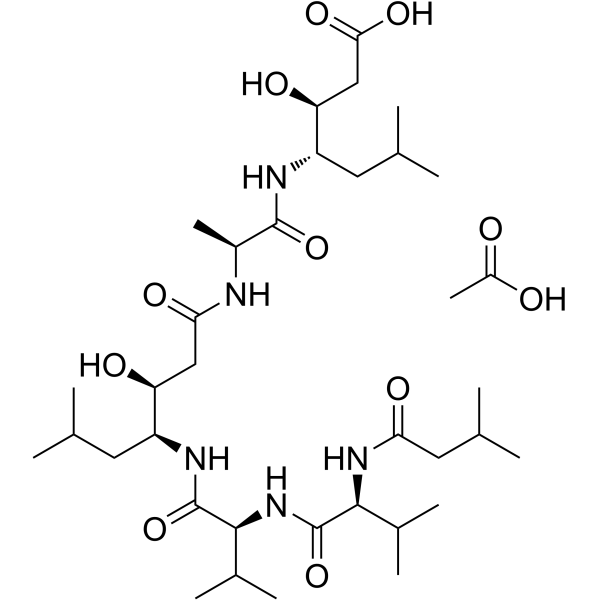
Pepstatin (Pepstatin A) acetate is a specific, orally active aspartic protease inhibitor produced by actinomycetes, with IC50s of 4.5 nM, 6.2 nM, 150 nM, 290 nM, 520 nM and 260 nM for hemoglobin-pepsin, hemoglobin-proctase, casein-pepsin, casein-proctase, casein-acid protease and hemoglobin-acid protease, respectively. Pepstatin acetate also inhibits HIV protease .
|
-
- HY-17430S2
-
-

- HY-P2138
-
|
|
HIV Protease
|
Others
|
|
U-85548E is an HIV protease inhibitor with nanomolar affinity for HIV-1 aspartic protease. By studying its structure-activity relationship, a potent nanomolar inhibitor with inhibitory effects on both HIV-1 and HIV-2 proteases was designed, and its binding mode was studied by X-ray crystallography and molecular modeling.
|
-

- HY-17007S2
-
-

- HY-17003R
-
-
- HY-90001S3
-
|
rel-ABT 538-d6; rel-RTV-d6
|
Isotope-Labeled Compounds
|
Infection
|
|
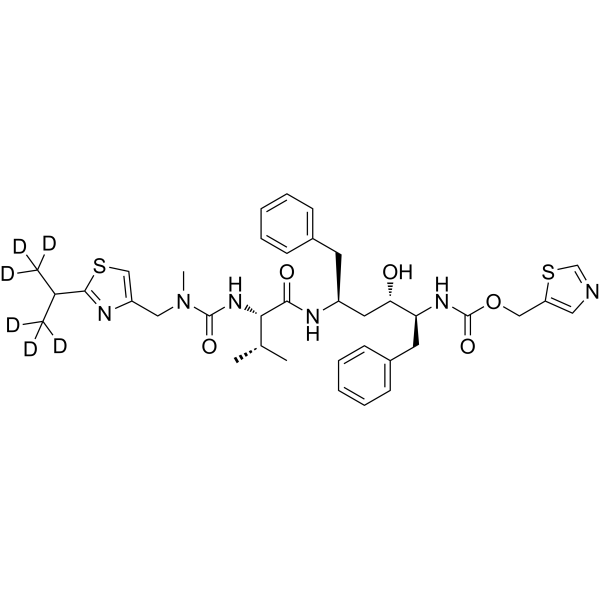
rel-Ritonavir-d6 (rel-ABT 538-d6) is the deuterium labeled rel-Ritonavir. rel-Ritonavir is a relative configuration of Ritonavir (HY-90001). Ritonavir (ABT 538) is an inhibitor of HIV protease used to study of HIV infection and AIDS. Ritonavir is also a SARS-CoV 3CLpro inhibitor with an IC50 of 1.61 μM .
|
-
- HY-P0018R
-
|
Pepstatin A (Standard)
|
Reference Standards
HIV Protease
Autophagy
|
Infection
Inflammation/Immunology
|
|
Pepstatin (Standard) is the analytical standard of Pepstatin. This product is intended for research and analytical applications. Pepstatin (Pepstatin A) is a specific, orally active aspartic protease inhibitor produced by actinomycetes, with IC50s of 4.5 nM, 6.2 nM, 150 nM, 290 nM, 520 nM and 260 nM for hemoglobin-pepsin, hemoglobin-proctase, casein-pepsin, casein-proctase, casein-acid protease and hemoglobin-acid protease, respectively. Pepstatin also inhibits HIV protease[1][2].
|
-

- HY-112585
-
|
TMC114-d9; UIC-94017-d9
|
HIV
HIV Protease
|
Infection
Inflammation/Immunology
|
|
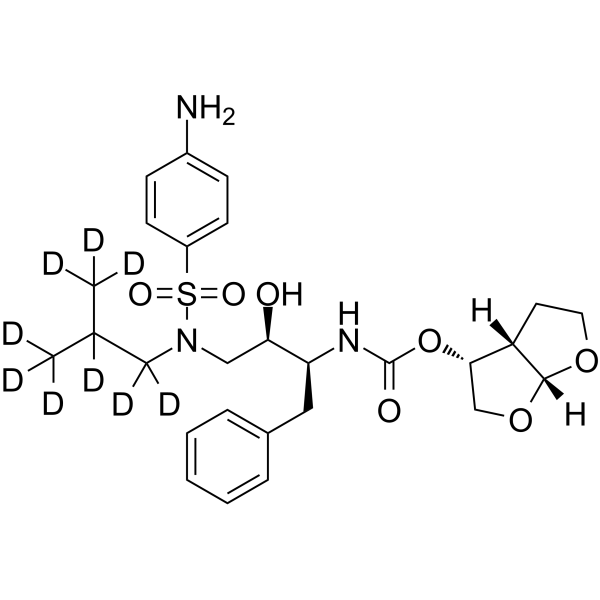
Darunavir-d9 (TMC114-d9) is the deuterium labeled Darunavir. Darunavir (TMC114), an orally active next generation HIV protease inhibitor, has a similar antiviral activity against the mutant and the wild-type viruses. Darunavir (TMC114) is potent against laboratory HIV-1 strains and primary clinical isolates (IC50 = 0.003 μM; IC90 = 0.009 μM) with minimal cytotoxicity .
|
-
- HY-14588S2
-
|
ABT-378-d7
|
HIV
SARS-CoV
HIV Protease
Isotope-Labeled Compounds
|
Infection
Cancer
|
|
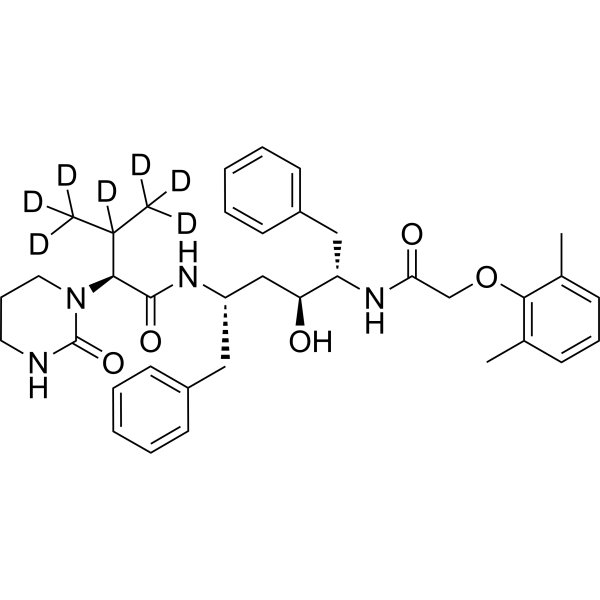
Lopinavir-d7 is deuterated labeled Lopinavir (HY-14588). Lopinavir (ABT-378) is a highly potent, selective peptidomimetic inhibitor of the HIV-1 protease, with Kis of 1.3 to 3.6 pM for wild-type and mutant HIV protease. Lopinavir acts by arresting maturation of HIV-1 thereby blocking its infectivity . Lopinavir is also a SARS-CoV 3CL pro inhibitor with an IC50 of 14.2 μM .
|
-
- HY-14588R
-
|
ABT-378 (Standard)
|
Reference Standards
HIV
HIV Protease
SARS-CoV
|
Infection
Cancer
|
|
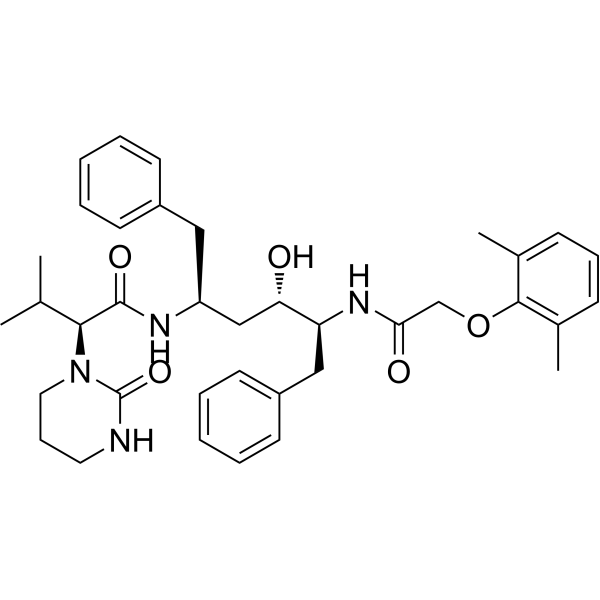
Lopinavir (Standard) is the analytical standard of Lopinavir. This product is intended for research and analytical applications. Lopinavir (ABT-378) is a highly potent, selective peptidomimetic inhibitor of the HIV-1 protease, with Kis of 1.3 to 3.6 pM for wild-type and mutant HIV protease. Lopinavir acts by arresting maturation of HIV-1 thereby blocking its infectivity . Lopinavir is also a SARS-CoV 3CL pro inhibitor with an IC50 of 14.2 μM .
|
-
- HY-N3373R
-
|
|
Reference Standards
Bacterial
|
Infection
|
|
4-Hydroxycoumarin (Standard) is the analytical standard of 4-Hydroxycoumarin. This product is intended for research and analytical applications. 4-Hydroxycoumarin is an orally active coumarin derivative, one of the most versatile heterocyclic scaffolds, often used in the synthesis of various organic compounds. 4-Hydroxycoumarin possesses both electrophilic and nucleophilic properties. 4-Hydroxycoumarin is an HIV protease inhibitor and tyrosine kinase inhibitor. 4-Hydroxycoumarin has anti-inflammatory, antibacterial and anti-tumor effects .
|
-

- HY-14588S
-
|
(rel)-ABT-378-d8
|
Isotope-Labeled Compounds
HIV Protease
SARS-CoV
HIV
|
Others
|
|
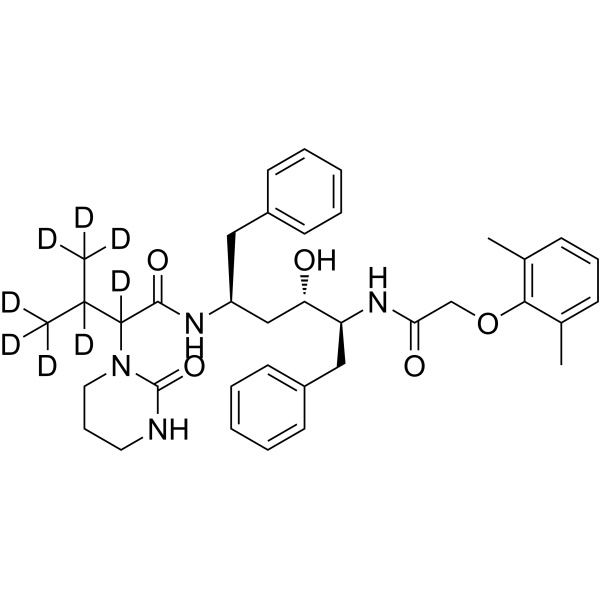
(rel)-Lopinavir-d8 ((rel)-ABT-378-d8) is the deuterium labeled Lopinavir (HY-14588) . Lopinavir (ABT-378) is a highly potent, selective peptidomimetic inhibitor of the HIV-1 protease, with Kis of 1.3 to 3.6 pM for wild-type and mutant HIV protease. Lopinavir acts by arresting maturation of HIV-1 thereby blocking its infectivity . Lopinavir is also a SARS-CoV 3CL pro inhibitor with an IC50 of 14.2 μM .
|
-
- HY-P5415
-
|
|
HIV
|
Others
|
|
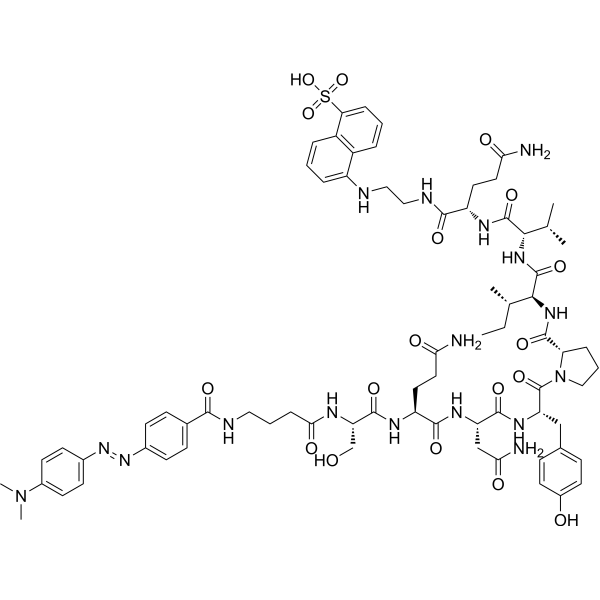
DABCYL-GABA-Ser-Gln-Asn-Tyr-Pro-Ile-Val-Gln-EDANS is a biological active peptide. (DABCYL-GABA-Ser-Gln-Asn-Tyr-Pro-Ile-Val-Gln-EDANS is also called HIV protease substrate I in some literature. It is widely used for the continuous assay for HIV protease activity. The 11-Kd protease (PR) encoded by the human immunodeficiency virus 1 (HIV-1) is essential for the correct processing of viral polyproteins and the maturation of infectious virus, and is therefore a target for the design of selective acquired immunodeficiency syndrome (AIDS) therapeutics. The FRET-based fluorogenic substrate is derived from a natural processing site for HIV-1 PR. Incubation of recombinant HIV-1 PR with the fluorogenic substrate resulted in specific cleavage at the Tyr-Pro bond and a time-dependent increase in fluorescence intensity that is linearly related to the extent of substrate hydrolysis. The fluorescence quantum yields of the HIV-1 PR substrate in the FRET assay increased by 40.0- and 34.4-fold, respectively, per mole of substrate cleaved. Because of its simplicity and precision in the determination of reaction rates required for kinetic analysis, this substrate offers many advantages over the commonly used HPLC or electrophoresis-based assays for peptide substrate hydrolysis by retroviral PRs. Abs/Em = 340nm/490nm.)
|
-
- HY-125082
-
-

- HY-104052
-
|
|
HIV Protease
|
Infection
|
|
MK-8718 is a potent and orally active HIV protease inhibitor containing a morpholine aspartate binding group. MK-8718 can be used for the research of infection .
|
-

- HY-19281
-
|
|
HIV Protease
HIV
|
Infection
|
|
DMP-851 is a cyclic urea HIV protease inhibitor, with a Ki of 0.021 nM. DMP-851 shows antiviral activity against laboratory strains of HIV-l and HIV-2 as well as against primary clinical isolates derived from Zidovudine (HY-17413)-resistant samples (A018C, E, WR 10983) .
|
-

- HY-182316
-
|
|
HIV Protease
HIV
|
Infection
|
|
P-1946 is a HIV protease inhibitor with a human HIV-1 protease Ki of 2.600 nM. P-1946 has potent and selective in vitro antiviral activity and retains full antiviral activity against HIV isolates resistant to commercially available protease inhibitors. P-1946 can be used for the research of human immunodeficiency virus type 1 (HIV-1) infection .
|
-

- HY-76476R
-
|
(+)-3-Hydroxytetrahydrofuran (Standard)
|
Biochemical Assay Reagents
Reference Standards
|
Others
|
|
(S)-Tetrahydrofuran-3-ol (Standard) is the analytical standard of (S)-Tetrahydrofuran-3-ol. This product is intended for research and analytical applications. (S)-Tetrahydrofuran-3-ol is a (S)-enantiomer of Tetrahydrofuran-3-ol. Tetrahydrofuran-3-ol is an important precursor for the production of HIV protease inhibitors. Tetrahydrofuran-3-ol can be produced via chemical synthesis or by enzymatic hydrolysis of bulkier esters and inversion of the unwanted product .
|
-

- HY-126120
-
|
|
HIV
HIV Protease
|
Infection
|
|
BILA 1906 BS is a HIV protease inhibitor. BILA 1906 BS prevents HIV-1 replication via inhibition of viral protease-mediated cleavage of Gag and Gag-Pol polyprotein precursors during virion maturation. BILA 1906 BS blocks maturation of p24 proteins in wild-type HIV-1, impairing polyprotein processing and viral maturation. BILA 1906 BS can be used for the research of human immunodeficiency virus type 1 (HIV-1) infection .
|
-

| Cat. No. |
Product Name |
Type |
-
- HY-W002530
-
|
|
Biochemical Assay Reagents
|
|
(1S,2R)-1-Aminoindan-2-ol is a chiral resolving agent. (1S,2R)-1-Aminoindan-2-ol efficiently resolves various racemic 2-arylalkanoic acids and precisely controls the stereostructure of the products in asymmetric syntheses. (1S,2R)-1-Aminoindan-2-ol can be used in the synthesis of HIV protease inhibitors .
|
-
- HY-76476
-
|
(+)-3-Hydroxytetrahydrofuran
|
Biochemical Assay Reagents
|
|
(S)-Tetrahydrofuran-3-ol is a (S)-enantiomer of Tetrahydrofuran-3-ol. Tetrahydrofuran-3-ol is an important precursor for the production of HIV protease inhibitors. Tetrahydrofuran-3-ol can be produced via chemical synthesis or by enzymatic hydrolysis of bulkier esters and inversion of the unwanted product .
|
-
- HY-159669
-
|
|
Biochemical Assay Reagents
|
Stercobilin hydrochloride (amixture of isomers) is a bile pigment metabolized by gut bacteria, and it's also an HIV protease inhibitor, with a Ki of 4 μM. Stercobilin hydrochloride (a mixture of isomers) can induce pro-inflammatory activity in mouse macrophage RAW264 cells, including the production of TNF-α and IL-1β. Stercobilin hydrochloride (a mixture of isomers) can be used in studies of inflammation and viral infections .
|
-
- HY-76476R
-
|
(+)-3-Hydroxytetrahydrofuran (Standard)
|
Biochemical Assay Reagents
|
|
(S)-Tetrahydrofuran-3-ol (Standard) is the analytical standard of (S)-Tetrahydrofuran-3-ol. This product is intended for research and analytical applications. (S)-Tetrahydrofuran-3-ol is a (S)-enantiomer of Tetrahydrofuran-3-ol. Tetrahydrofuran-3-ol is an important precursor for the production of HIV protease inhibitors. Tetrahydrofuran-3-ol can be produced via chemical synthesis or by enzymatic hydrolysis of bulkier esters and inversion of the unwanted product .
|
| Cat. No. |
Product Name |
Target |
Research Area |
-
- HY-P0018
-
Pepstatin
Maximum Cited Publications
59 Publications Verification
Pepstatin A
|
HIV Protease
Autophagy
|
Infection
Inflammation/Immunology
|
|
Pepstatin (Pepstatin A) is a specific, orally active aspartic protease inhibitor produced by actinomycetes, with IC50s of 4.5 nM, 6.2 nM, 150 nM, 290 nM, 520 nM and 260 nM for hemoglobin-pepsin, hemoglobin-proctase, casein-pepsin, casein-proctase, casein-acid protease and hemoglobin-acid protease, respectively. Pepstatin also inhibits HIV protease .
|
-
- HY-P3934
-
|
|
HIV Protease
|
Infection
|
|
HIV Protease Substrate I is a chromogenic substrate of HIV-1 protease. HIV Protease Substrate I has the cleavage site of HIV protease .
|
-
- HY-P0018A
-
|
Pepstatin A Trifluoroacetate
|
HIV Protease
Autophagy
|
Infection
Inflammation/Immunology
|
|
Pepstatin (Pepstatin A) Trifluoroacetate is a specific, orally active aspartic protease inhibitor produced by actinomycetes, with IC50s of 4.5 nM, 6.2 nM, 150 nM, 290 nM, 520 nM and 260 nM for hemoglobin-pepsin, hemoglobin-proctase, casein-pepsin, casein-proctase, casein-acid protease and hemoglobin-acid protease, respectively. Pepstatin Trifluoroacetate also inhibits HIV protease .
|
-
- HY-P0018B
-
|
Pepstatin A Ammonium
|
HIV Protease
Autophagy
|
Infection
Inflammation/Immunology
|
|
Pepstatin (Pepstatin A) Ammonium is a specific, orally active aspartic protease inhibitor produced by actinomycetes, with IC50s of 4.5 nM, 6.2 nM, 150 nM, 290 nM, 520 nM and 260 nM for hemoglobin-pepsin, hemoglobin-proctase, casein-pepsin, casein-proctase, casein-acid protease and hemoglobin-acid protease, respectively. Pepstatin Ammonium also inhibits HIV protease .
|
-
- HY-P4018
-
|
|
HIV Protease
|
Infection
|
|
HIV Protease Substrate IV is a substrate of HIV protease. HIV Protease Substrate IV can be used to measure the activity of HIV (human immunodeficiency virus) -1 protease .
|
-
- HY-P2344
-
|
|
HIV Protease
|
Infection
|
|
HIV Protease Substrate 1, a fiuorogenic HIV protease substrate, can be used to study enzymatic activity of HIV protease .
|
-
- HY-P2344A
-
|
|
HIV Protease
|
Infection
|
|
HIV Protease Substrate 1 TFA, a fiuorogenic HIV protease substrate, can be used to study enzymatic activity of HIV protease .
|
-
- HY-P0018C
-
|
Pepstatin A acetate
|
HIV Protease
Autophagy
|
Infection
Inflammation/Immunology
|
|
Pepstatin (Pepstatin A) acetate is a specific, orally active aspartic protease inhibitor produced by actinomycetes, with IC50s of 4.5 nM, 6.2 nM, 150 nM, 290 nM, 520 nM and 260 nM for hemoglobin-pepsin, hemoglobin-proctase, casein-pepsin, casein-proctase, casein-acid protease and hemoglobin-acid protease, respectively. Pepstatin acetate also inhibits HIV protease .
|
-
- HY-P2138
-
|
|
HIV Protease
|
Others
|
|
U-85548E is an HIV protease inhibitor with nanomolar affinity for HIV-1 aspartic protease. By studying its structure-activity relationship, a potent nanomolar inhibitor with inhibitory effects on both HIV-1 and HIV-2 proteases was designed, and its binding mode was studied by X-ray crystallography and molecular modeling.
|
-
- HY-P0018R
-
|
Pepstatin A (Standard)
|
Reference Standards
HIV Protease
Autophagy
|
Infection
Inflammation/Immunology
|
|
Pepstatin (Standard) is the analytical standard of Pepstatin. This product is intended for research and analytical applications. Pepstatin (Pepstatin A) is a specific, orally active aspartic protease inhibitor produced by actinomycetes, with IC50s of 4.5 nM, 6.2 nM, 150 nM, 290 nM, 520 nM and 260 nM for hemoglobin-pepsin, hemoglobin-proctase, casein-pepsin, casein-proctase, casein-acid protease and hemoglobin-acid protease, respectively. Pepstatin also inhibits HIV protease[1][2].
|
-
- HY-P5415
-
|
|
HIV
|
Others
|
|
DABCYL-GABA-Ser-Gln-Asn-Tyr-Pro-Ile-Val-Gln-EDANS is a biological active peptide. (DABCYL-GABA-Ser-Gln-Asn-Tyr-Pro-Ile-Val-Gln-EDANS is also called HIV protease substrate I in some literature. It is widely used for the continuous assay for HIV protease activity. The 11-Kd protease (PR) encoded by the human immunodeficiency virus 1 (HIV-1) is essential for the correct processing of viral polyproteins and the maturation of infectious virus, and is therefore a target for the design of selective acquired immunodeficiency syndrome (AIDS) therapeutics. The FRET-based fluorogenic substrate is derived from a natural processing site for HIV-1 PR. Incubation of recombinant HIV-1 PR with the fluorogenic substrate resulted in specific cleavage at the Tyr-Pro bond and a time-dependent increase in fluorescence intensity that is linearly related to the extent of substrate hydrolysis. The fluorescence quantum yields of the HIV-1 PR substrate in the FRET assay increased by 40.0- and 34.4-fold, respectively, per mole of substrate cleaved. Because of its simplicity and precision in the determination of reaction rates required for kinetic analysis, this substrate offers many advantages over the commonly used HPLC or electrophoresis-based assays for peptide substrate hydrolysis by retroviral PRs. Abs/Em = 340nm/490nm.)
|
| Cat. No. |
Product Name |
Category |
Target |
Chemical Structure |
-
- HY-P0018
-
Pepstatin
Maximum Cited Publications
59 Publications Verification
Pepstatin A
|
Natural Products
Microorganisms
Classification of Application Fields
Disease Research Fields
Source Classification
Cancer
|
HIV Protease
Autophagy
|
|
Pepstatin (Pepstatin A) is a specific, orally active aspartic protease inhibitor produced by actinomycetes, with IC50s of 4.5 nM, 6.2 nM, 150 nM, 290 nM, 520 nM and 260 nM for hemoglobin-pepsin, hemoglobin-proctase, casein-pepsin, casein-proctase, casein-acid protease and hemoglobin-acid protease, respectively. Pepstatin also inhibits HIV protease .
|
-
-
- HY-N6856
-
-
-
- HY-P0018A
-
|
Pepstatin A Trifluoroacetate
|
Infection
Natural Products
Microorganisms
Classification of Application Fields
Disease Research Fields
Source Classification
|
HIV Protease
Autophagy
|
|
Pepstatin (Pepstatin A) Trifluoroacetate is a specific, orally active aspartic protease inhibitor produced by actinomycetes, with IC50s of 4.5 nM, 6.2 nM, 150 nM, 290 nM, 520 nM and 260 nM for hemoglobin-pepsin, hemoglobin-proctase, casein-pepsin, casein-proctase, casein-acid protease and hemoglobin-acid protease, respectively. Pepstatin Trifluoroacetate also inhibits HIV protease .
|
-
-
- HY-P0018B
-
|
Pepstatin A Ammonium
|
Infection
Natural Products
Microorganisms
Classification of Application Fields
Disease Research Fields
Source Classification
|
HIV Protease
Autophagy
|
|
Pepstatin (Pepstatin A) Ammonium is a specific, orally active aspartic protease inhibitor produced by actinomycetes, with IC50s of 4.5 nM, 6.2 nM, 150 nM, 290 nM, 520 nM and 260 nM for hemoglobin-pepsin, hemoglobin-proctase, casein-pepsin, casein-proctase, casein-acid protease and hemoglobin-acid protease, respectively. Pepstatin Ammonium also inhibits HIV protease .
|
-
-
- HY-N6856R
-
-
-
- HY-N4155
-
|
|
Rosaceae
Rosa cymosa (L.) Tratt.
Plants
|
EBV
HIV Protease
HSV
|
|
2α,19α-Dihydroxy-3-oxo-urs-12-en-28-oic acid, a natural ursane-type triterpene, is a potent inhibitor of HIV protease (HIV Protease). 2α,19α-Dihydroxy-3-oxo-urs-12-en-28-oic acid is also an inhibitor of the activation of Epstein-Barr virus early antigen (EBV-EA). 2α,19α-Dihydroxy-3-oxo-urs-12-en-28-oic acid displays an inhibitory activity against nitric oxide production in Lipopolysaccharide (Lipopolysaccharides)-activated RAW 264.7 cells .
|
-
-
- HY-N10076
-
-
-
- HY-P0018R
-
|
Pepstatin A (Standard)
|
Structural Classification
Natural Products
Microorganisms
Source Classification
|
Reference Standards
HIV Protease
Autophagy
|
|
Pepstatin (Standard) is the analytical standard of Pepstatin. This product is intended for research and analytical applications. Pepstatin (Pepstatin A) is a specific, orally active aspartic protease inhibitor produced by actinomycetes, with IC50s of 4.5 nM, 6.2 nM, 150 nM, 290 nM, 520 nM and 260 nM for hemoglobin-pepsin, hemoglobin-proctase, casein-pepsin, casein-proctase, casein-acid protease and hemoglobin-acid protease, respectively. Pepstatin also inhibits HIV protease[1][2].
|
-
-
- HY-N3373R
-
-
| Cat. No. |
Product Name |
Chemical Structure |
-
- HY-90001S
-
|
|
|
Ritonavir-d6 is the deuterium labeled Ritonavir. Ritonavir (ABT 538) is an inhibitor of HIV protease used to treat HIV infection and AIDS. Ritonavir is also a SARS-CoV 3CLpro inhibitor with an IC50 of 1.61 μM .
|
-
-
- HY-17007S
-
|
|
|
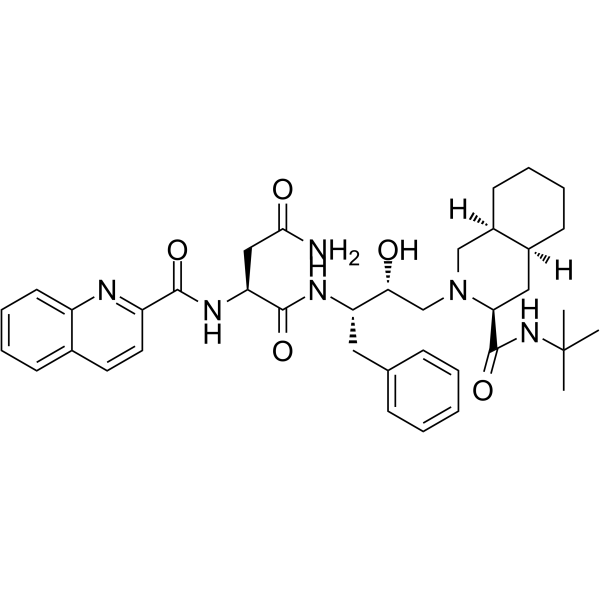
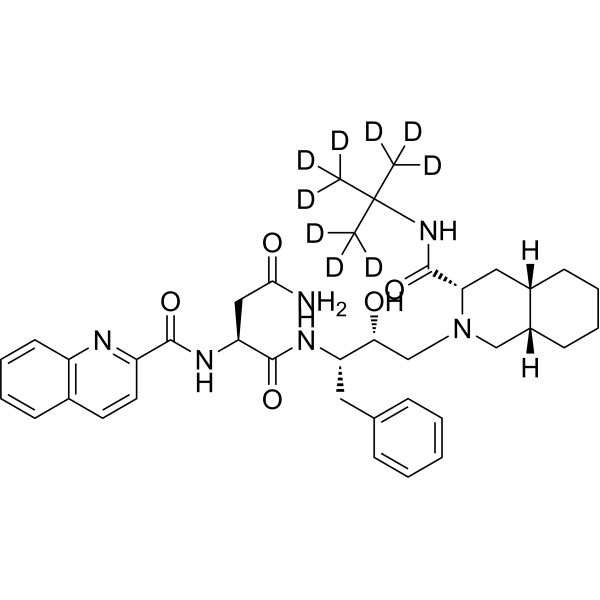
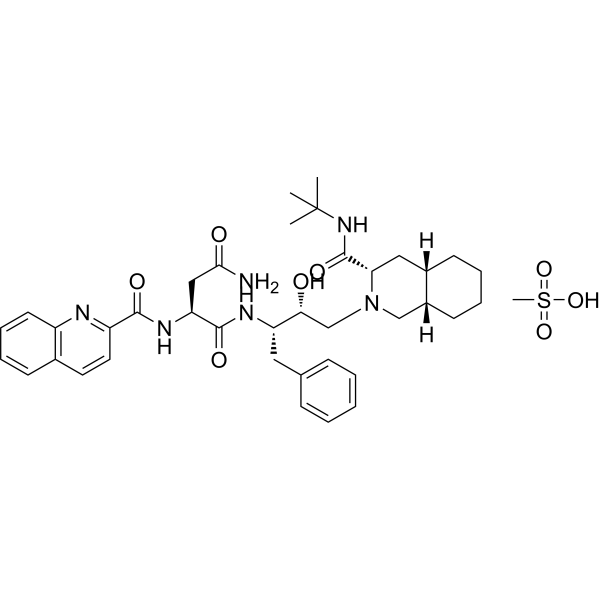
Saquinavir-d9 (Ro 31-8959-d9) is the deuterium labeled Saquinavir (HY-17007). Saquinavir (Ro 31-8959) is an orally active HIV protease inhibitor that can be used in the research of AIDS. Saquinavir also has anti-inflammatory activity and can induce apoptosis of human red blood cells .
|
-
-
- HY-14588S1
-
|
|
|
Lopinavir-d8 (ABT-378-d8) is the deuterium labeled Lopinavir. Lopinavir (ABT-378) is a highly potent, selective peptidomimetic inhibitor of the HIV-1 protease, with Kis of 1.3 to 3.6 pM for wild-type and mutant HIV protease. Lopinavir acts by arresting maturation of HIV-1 thereby blocking its infectivity . Lopinavir is also a SARS-CoV 3CLpro inhibitor with an IC50 of 14.2 μM .
|
-
-
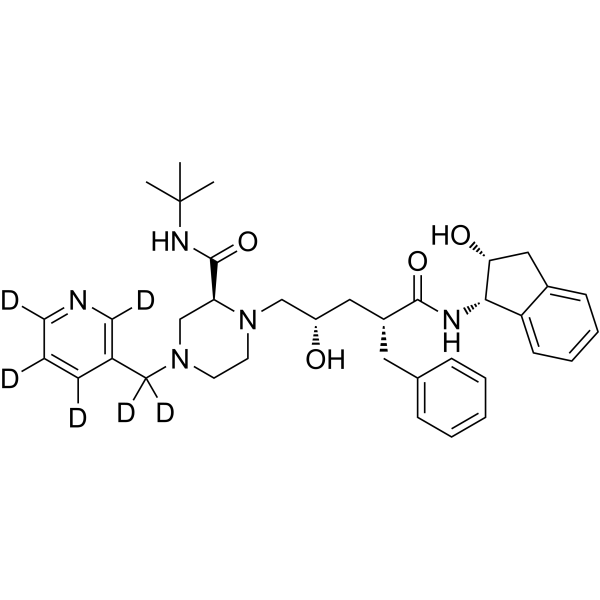
- HY-B0689S
-
|
|
|
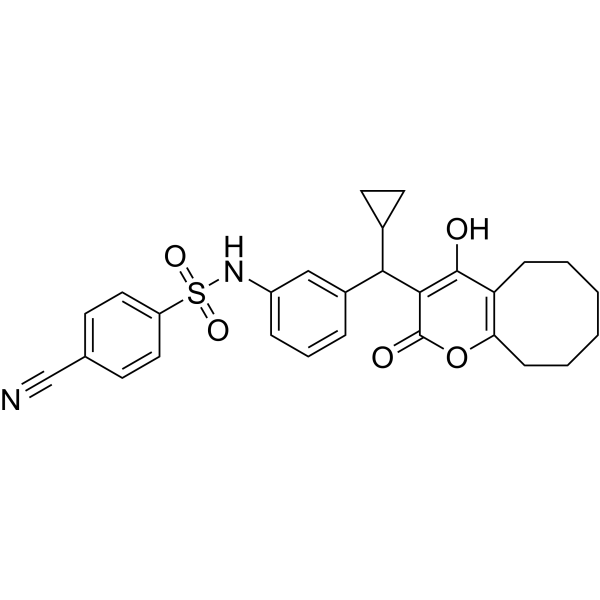
Indinavir-d6 is the deuterium labeled Indinavir. Indinavir (MK-639; L735524) is a potent and specific HIV protease inhibitor that appears to have good oral bioavailability.
|
-
-
- HY-W653853
-
|
|
|
Ritonavir- 13C3 is 13C labeled Ritonavir. Ritonavir (ABT 538) is an inhibitor of HIV protease used to treat HIV infection and AIDS. Ritonavir is also a SARS-CoV 3CL pro inhibitor with an IC50 of 1.61 μM .
|
-
-
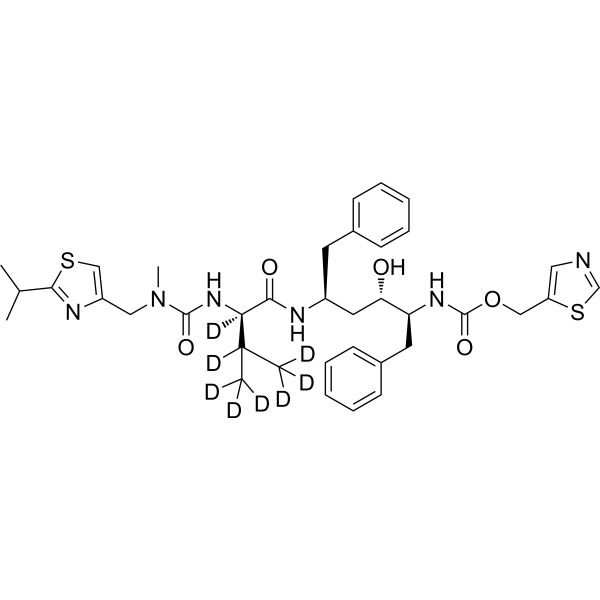
- HY-90001S2
-
|
|
|
Ritonavir-d8 is deuterated labeled Ritonavir (HY-90001). Ritonavir (ABT 538) is an inhibitor of HIV protease used to treat HIV infection and AIDS. Ritonavir is also a SARS-CoV 3CL pro inhibitor with an IC50 of 1.61 μM.
|
-
-
- HY-90001S1
-
|
|
|
Ritonavir- 13C,d3 is the 13C- and deuterium labeled Ritonavir. Ritonavir (ABT 538) is an inhibitor of HIV protease used to treat HIV infection and AIDS. Ritonavir is also a SARS-CoV 3CLpro inhibitor with an IC50 of 1.61 μM.
|
-
-
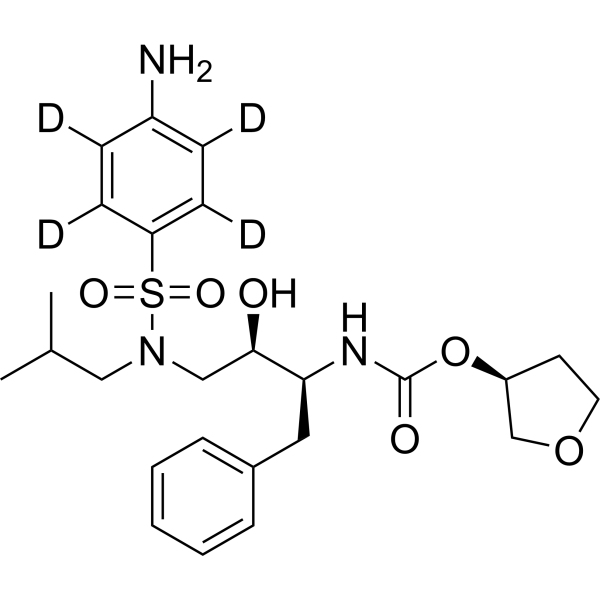
- HY-17430S1
-
|
|
|
Amprenavir-d4-1 is deuterium labeled Amprenavir. Amprenavir (VX-478) is a HIV protease inhibitor (Ki=0.6 nM) used to treat HIV infection. Amprenavir is also a SARS-CoV 3CLpro inhibitor with an IC50 of 1.09 μM.
|
-
-
- HY-17430S
-
|
|
|
Amprenavir-d4 is the deuterium labeled Amprenavir. Amprenavir (VX-478) is a HIV protease inhibitor (Ki=0.6 nM) used to treat HIV infection. Amprenavir is also a SARS-CoV 3CLpro inhibitor with an IC50 of 1.09 μM .
|
-
-
- HY-17430S2
-
|
|
|
Amprenavir- 13C6 (VX-478- 13C6) is 13C labeled Amprenavir. Amprenavir (VX-478) is a HIV protease inhibitor (Ki=0.6 nM) used to treat HIV infection. Amprenavir is also a SARS-CoV 3CL pro inhibitor with an IC50 of 1.09 μM.
|
-
-
- HY-17007S2
-
|
|
|
Saquinavir- 13C6 (Ro 31-8959- 13C6) is 13C labeled Saquinavir (HY-17007). Saquinavir (Ro 31-8959) is an orally active HIV protease inhibitor that can be used in the research of AIDS. Saquinavir also has anti-inflammatory activity and can induce apoptosis of human red blood cells .
|
-
-
- HY-90001S3
-
|
|
|
rel-Ritonavir-d6 (rel-ABT 538-d6) is the deuterium labeled rel-Ritonavir. rel-Ritonavir is a relative configuration of Ritonavir (HY-90001). Ritonavir (ABT 538) is an inhibitor of HIV protease used to study of HIV infection and AIDS. Ritonavir is also a SARS-CoV 3CLpro inhibitor with an IC50 of 1.61 μM .
|
-
-
- HY-14588S2
-
|
|
|
Lopinavir-d7 is deuterated labeled Lopinavir (HY-14588). Lopinavir (ABT-378) is a highly potent, selective peptidomimetic inhibitor of the HIV-1 protease, with Kis of 1.3 to 3.6 pM for wild-type and mutant HIV protease. Lopinavir acts by arresting maturation of HIV-1 thereby blocking its infectivity . Lopinavir is also a SARS-CoV 3CL pro inhibitor with an IC50 of 14.2 μM .
|
-
-
- HY-14588S
-
|
|
|
(rel)-Lopinavir-d8 ((rel)-ABT-378-d8) is the deuterium labeled Lopinavir (HY-14588) . Lopinavir (ABT-378) is a highly potent, selective peptidomimetic inhibitor of the HIV-1 protease, with Kis of 1.3 to 3.6 pM for wild-type and mutant HIV protease. Lopinavir acts by arresting maturation of HIV-1 thereby blocking its infectivity . Lopinavir is also a SARS-CoV 3CL pro inhibitor with an IC50 of 14.2 μM .
|
-
Your information is safe with us. * Required Fields.
Inquiry Information
- Product Name:
- Cat. No.:
- Quantity:
- MCE Japan Authorized Agent:








