1. Search Result
Search Result
Pathways Recommended: PI3K/Akt/mTOR
Results for "

Na /K selectivity

" in MedChemExpress (MCE) Product Catalog:

40

Inhibitors & Agonists

1

Screening Libraries

3

Fluorescent Dyes

1

Biochemical Assay Reagents

1

Peptides

4

Natural
Products

5

Isotope-Labeled Compounds

Cat. No. Product Name Target Research Areas Chemical Structure
  • HY-17468
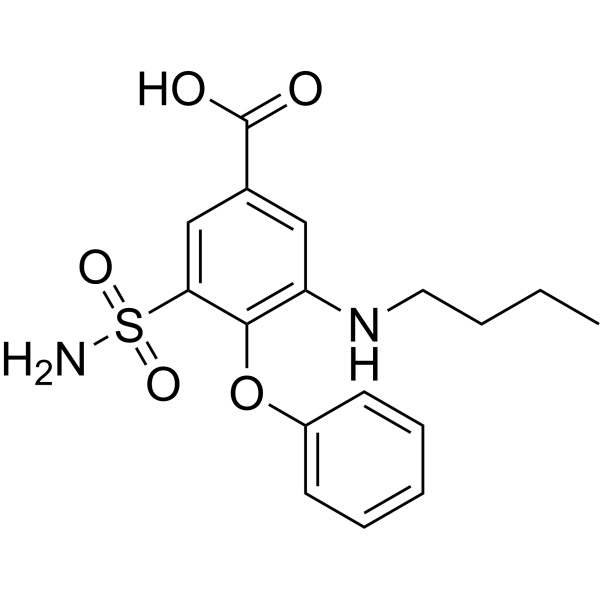
    Bumetanide
    Maximum Cited Publications
    18 Publications Verification

    Ro 10-6338; PF 1593

    NKCC Cardiovascular Disease Metabolic Disease
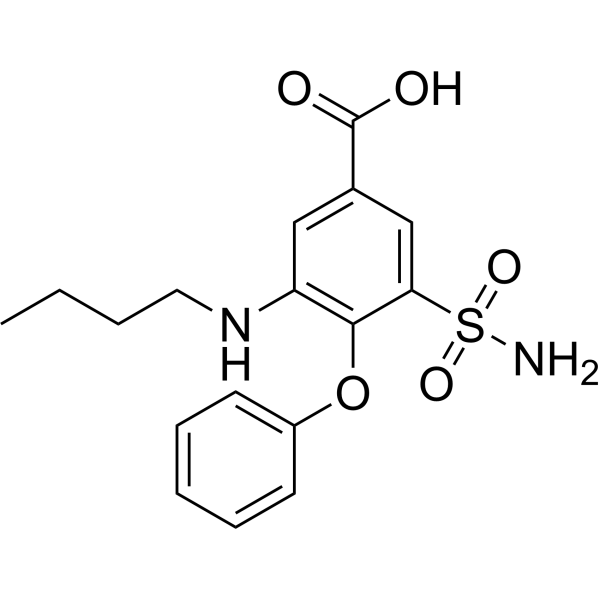
    Bumetanide (Ro 10-6338; PF 1593), a highly potent loop diuretic, is a Na +-K +-Cl + cotransporter (NKCC) blocker. Bumetanide is a selective NKCC1 inhibitor, but also inhibits NKCC2, with IC50s of 0.68 μM and 4.0 μM for hNKCC1A and hNKCC2A, respectively .
    Bumetanide
  • HY-B0135
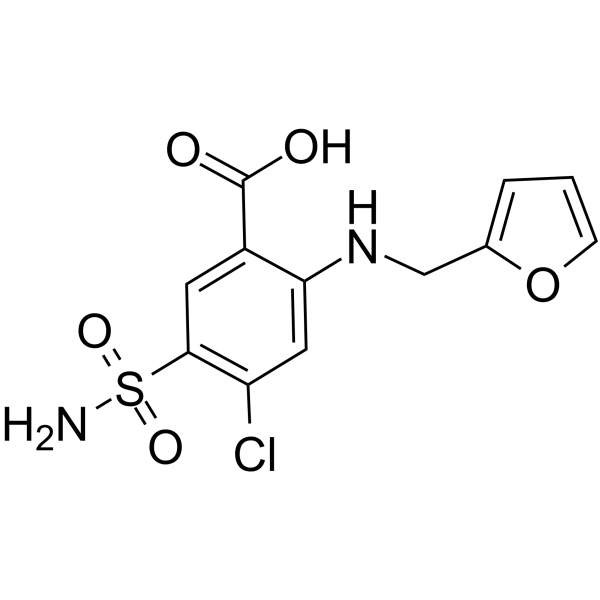
    Furosemide
    5+ Cited Publications

    NKCC GABA Receptor Cardiovascular Disease Metabolic Disease Cancer
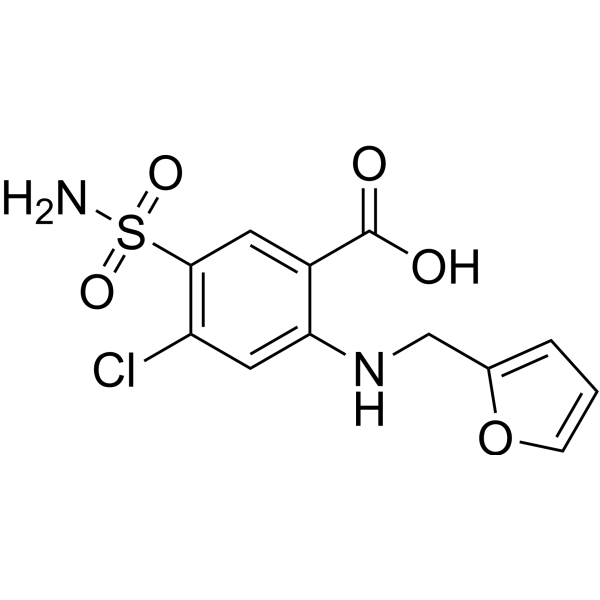
    Furosemide is a potent and orally active inhibitor of Na +/K +/2Cl - (NKCC) cotransporter, NKCC1 and NKCC2 . Furosemide is also a GABAA receptors antagonist and displays 100-fold selectivity for α6-containing receptors than α1-containing receptors. Furosemide acts as a loop diuretic and used for the study of congestive heart failure, hypertension and edema .
    Furosemide
  • HY-126831
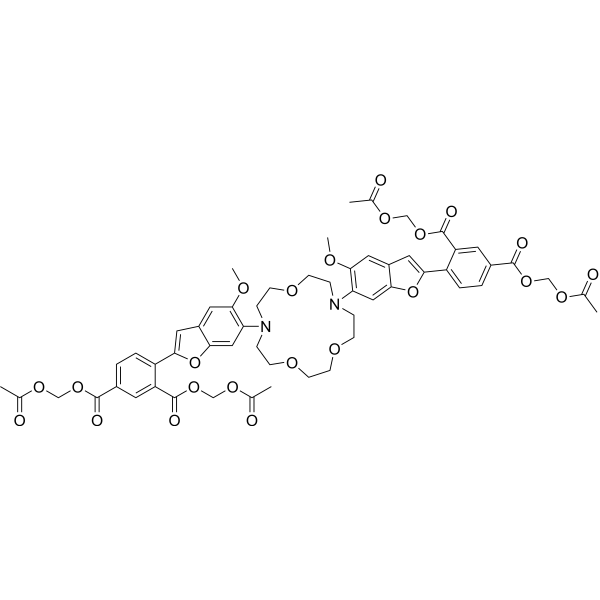
    SBFI-AM
    3 Publications Verification

    Fluorescent Dye Others
    SBFI-AM is a Na + selective fluorescent indicator. SBFI-AM shows selectivity for Na + over K + with Kd values of 6.7 and 166 mM, respectively (Ex = 340/380 nm; Em = 500 nm) .
    SBFI-AM
  • HY-100414
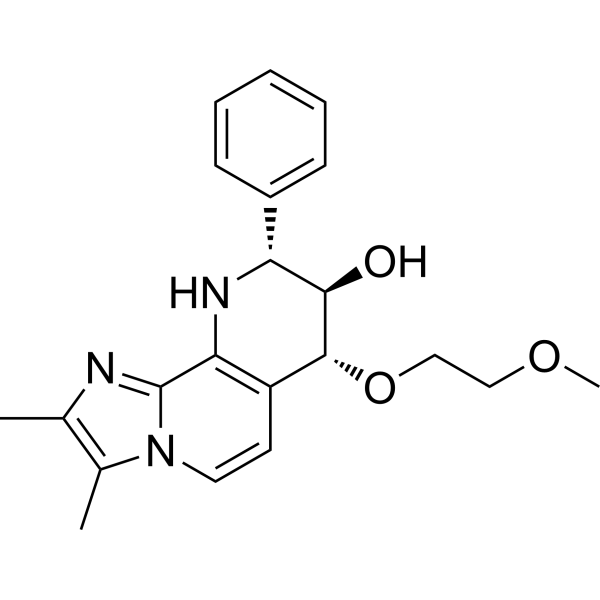
    Soraprazan
    2 Publications Verification

    BYK61359

    Proton Pump Metabolic Disease
    Soraprazan (BYK61359) is a selective, reversible K-competitive inhibitor of the H,K-ATPase (Ki=6.4 nM), with an IC50 of 0.19 μM in gastric glands. Soraprazan binds to the H,K-ATPase with a Kd of 28.27 nM. Soraprazan shows immediate inhibition of acid secretion and is more than 2000-fold selective for H,K-ATPase over Na,K- and Ca-ATPases .
    Soraprazan
  • HY-100490

    Imidazoline Receptor Adrenergic Receptor Apoptosis Autophagy Cardiovascular Disease Cancer
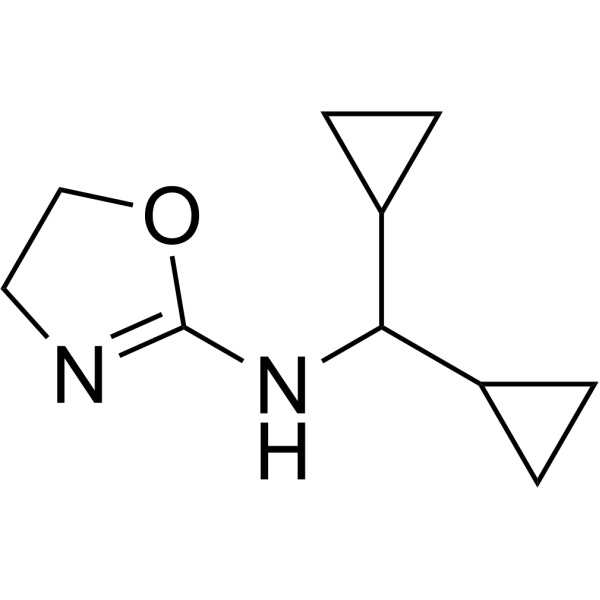
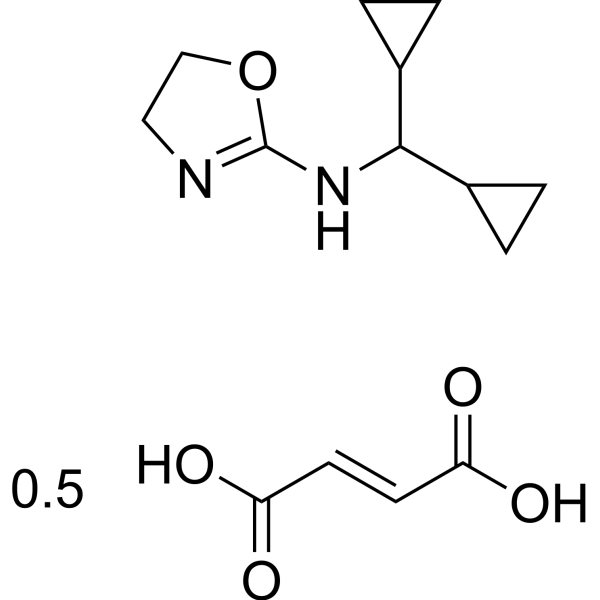
    Rilmenidine, an innovative antihypertensive agent, is an orally active, selective I1 imidazoline receptor agonist. Rilmenidine is an alpha 2-adrenoceptor agonist. Rilmenidine induces autophagy. Rilmenidine acts both centrally by reducing sympathetic overactivity and in the kidney by inhibiting the Na +/H + antiport. Rilmenidine modulates proliferation and stimulates the proapoptotic protein Bax thus inducing the perturbation of the mitochondrial pathway and apoptosis in human leukemic K562 cells .
    Rilmenidine
  • HY-113410

    Na+/K+ ATPase Mitochondrial Metabolism Reactive Oxygen Species (ROS) Neurological Disease Metabolic Disease
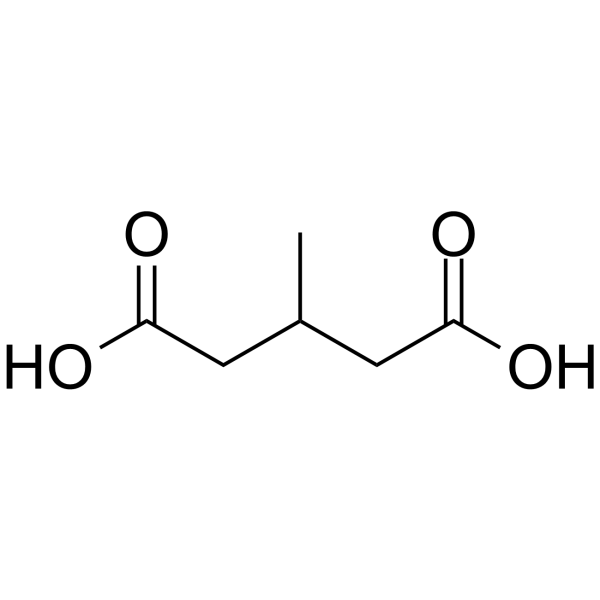
    3-Methylglutaric acid is a non-selective inhibitor of mitochondrial function and Na +, K +-ATPase, with an inhibition rate of 30% on rat cortical synaptosomal Na +, K +-ATPase. 3-Methylglutaric acid can induce reactive oxygen species (ROS) generation, thereby causing oxidative damage and inhibiting mitochondrial redox potential and ion pump function of cell membranes. 3-Methylglutaric acid can be used to study the neuropathological mechanisms of metabolic diseases and the role of oxidative stress-mediated neuronal damage in neurodegeneration .
    3-Methylglutaric acid
  • HY-A0082

    Difenidol hydrochloride

    mAChR Sodium Channel Neurological Disease
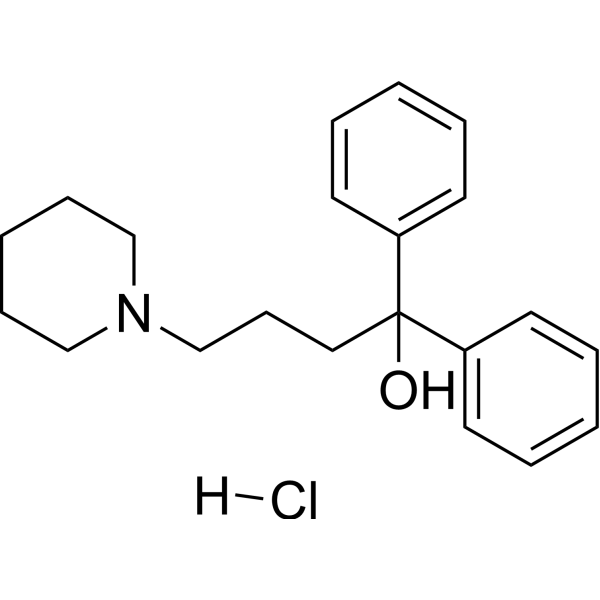
    Diphenidol hydrochloride (Difenidol hydrochloride) is a non-selective muscarinic M1-M4 receptor antagonist, has anti-arrhythmic activity. Diphenidol hydrochloride is also a potent non-specific blocker of voltage-gated ion channels (Na +, K +, and Ca 2+) in neuronal cells. Diphenidol hydrochloride can be used in the study of antivertigo and antinausea .
    Diphenidol hydrochloride
  • HY-100490B

    Imidazoline Receptor Adrenergic Receptor Apoptosis Autophagy Cardiovascular Disease Cancer
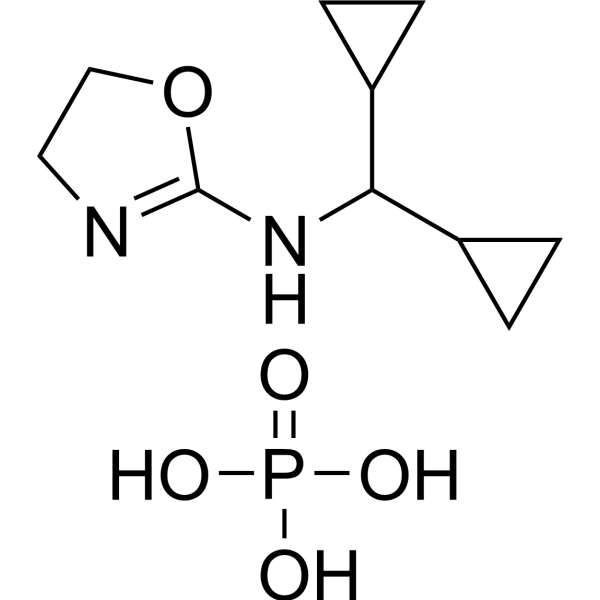
    Rilmenidine phosphate, an innovative antihypertensive agent, is an orally active, selective I1 imidazoline receptor agonist. Rilmenidine phosphate is an alpha 2-adrenoceptor agonist. Rilmenidine phosphate induces autophagy. Rilmenidine phosphate acts both centrally by reducing sympathetic overactivity and in the kidney by inhibiting the Na +/H + antiport. Rilmenidine phosphate modulates proliferation and stimulates the proapoptotic protein Bax thus inducing the perturbation of the mitochondrial pathway and apoptosis in human leukemic K562 cells .
    Rilmenidine phosphate
  • HY-P5712
    Gramicidin S
    1 Publications Verification

    Gramicidin soviet

    Antibiotic Bacterial Na+/K+ ATPase Infection
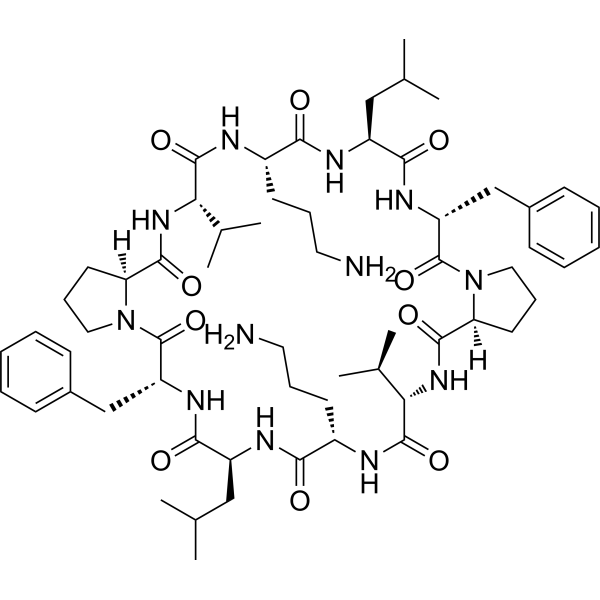
    Gramicidin S (Gramicidin soviet) is a cationic cyclic peptide antibiotic that selectively targets bacterial cell membranes and has anticancer activity. Gramicidin S also exerts antibacterial activity by destroying membrane integrity and interfering with membrane protein function. Gramicidin S inserts into the phospholipid bilayer through hydrophobic amino acid residues, specifically binds to negatively charged membrane lipids and disrupts membrane structure, thereby inhibiting cell division and cell wall synthesis, and ultimately causing bacterial death. Gramicidin S also inhibits ion channels, with IC50s of 41 μM, 24 μM, and 3 μM for Na +/K +-ATPase, tobacco leaf plasma membrane Mg 2+/K +-ATPase, and rat heart plasma membrane Ca 2+-ATPase, respectively .
    Gramicidin S
  • HY-B0135A
    Furosemide sodium
    5+ Cited Publications

    NKCC GABA Receptor Cardiovascular Disease Metabolic Disease Cancer
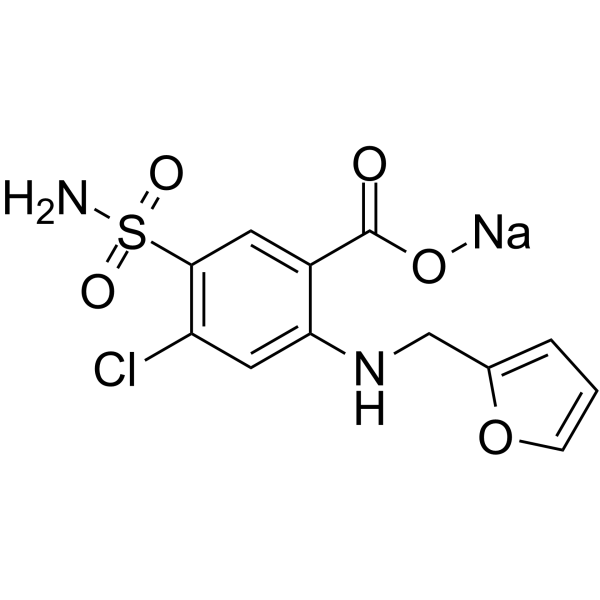
    Furosemide sodium is a potent and orally active inhibitor of Na +/K +/2Cl - (NKCC) cotransporter, NKCC1 and NKCC2 . Furosemide sodium is also a GABAA receptors antagonist and displays 100-fold selectivity for α6-containing receptors than α1-containing receptors. Furosemide sodium acts as a loop diuretic and used for the study of congestive heart failure, hypertension and edema .
    Furosemide sodium
  • HY-105118A

    CGS-9343B; KW 5617

    Calmodulin Neurological Disease Metabolic Disease Inflammation/Immunology
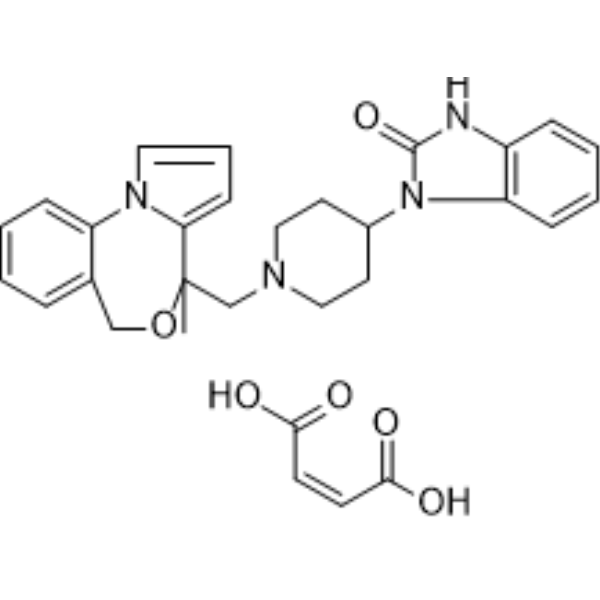
    Zaldaride maleate (CGS-9343B) is a potent, orally active and selective inhibitor of calmodulin. Zaldaride maleate inhibits CaM (calmodulin)-stimulated cAMP phosphodiesterase activity, with an IC50 of 3.3 nM . Zaldaride maleate prevents estrogen-induced transcription activation by ER, reversibly blocks voltage-activated Na +, Ca 2+ and K + currents in PC12 cells and inhibits nAChR .
    Zaldaride maleate
  • HY-105416
    Calphostin C
    2 Publications Verification

    UCN-1028C

    Antibiotic PKC Apoptosis Metabolic Disease Cancer
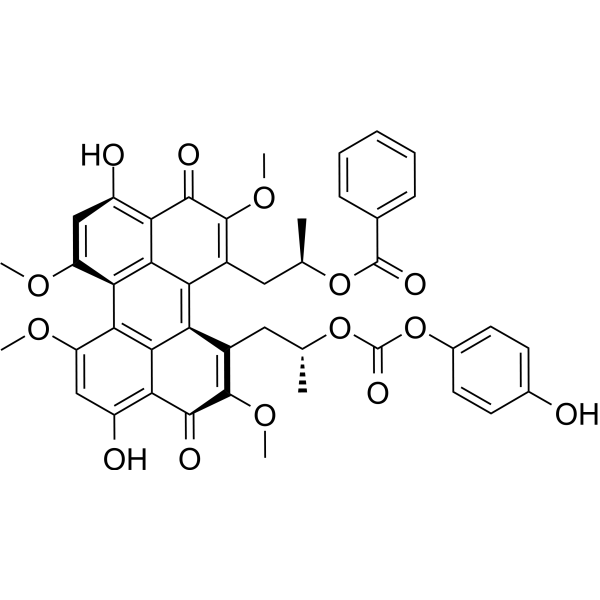
    Calphostin C is a highly selective PKC inhibitor (IC50=0.05 μM) and tumor apoptosis inducer. Calphostin C competitively binds to PKC and inhibits PKC-mediated phosphorylation signal transduction. Calphostin C restores Na+/K+ ATPase activity in the sciatic nerve of diabetic mice and improves neuropathy. Calphostin C can be used in the study of anti-tumor and diabetic complications .
    Calphostin C
  • HY-100490A

    Imidazoline Receptor Adrenergic Receptor Apoptosis Autophagy Cardiovascular Disease Cancer
    Rilmenidine hemifumarate, an innovative antihypertensive agent, is an orally active, selective I1 imidazoline receptor agonist. Rilmenidine hemifumarate is an alpha 2-adrenoceptor agonist. Rilmenidine hemifumarate induces autophagy. Rilmenidine hemifumarate acts both centrally by reducing sympathetic overactivity and in the kidney by inhibiting the Na +/H + antiport. Rilmenidine hemifumarate modulates proliferation and stimulates the proapoptotic protein Bax thus inducing the perturbation of the mitochondrial pathway and apoptosis in human leukemic K562 cells .
    Rilmenidine hemifumarate
  • HY-W754708

    LXR Na+/K+ ATPase Cardiovascular Disease
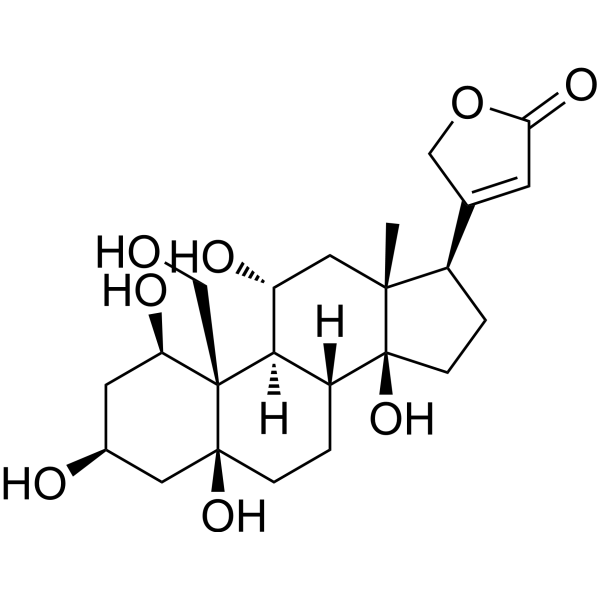
    Ouabagenin is a naturally occurring LXR ligand with LXR selective agonist activity. Ouabagenin acts as an EC 3.6.3.9 (Na(+)/K(+)- transport ATPase) inhibitor .
    Ouabagenin
  • HY-16952A
    Bepridil hydrochloride hydrate
    5+ Cited Publications

    (±)-Bepridil hydrochloride hydrate; Org 5730 hydrochloride hydrate

    Calcium Channel Cardiovascular Disease
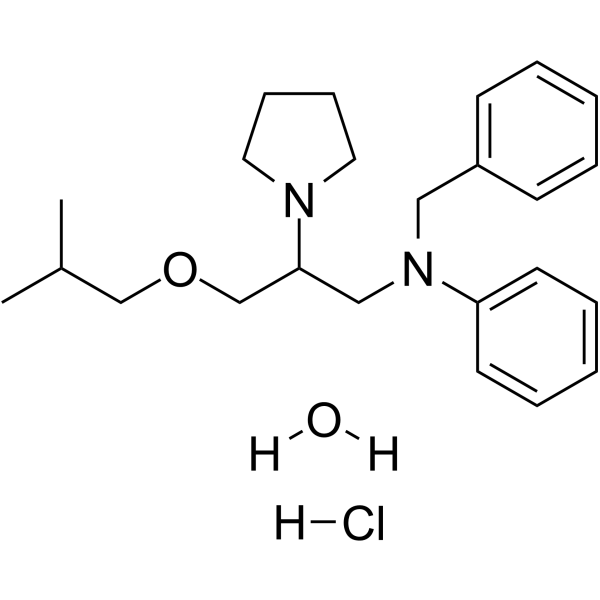
    Bepridil hydrochloride hydrate ((±)-Bepridil hydrochloride hydrate) is a non-selective, long-acting Ca + channel antagonist and Na +, K + channel inhibitor, with antianginal and type I antiarrhythmic effects. Bepridil hydrochloride hydrate also acts as a cardiac Na +/Ca2 + exchange (NCX1) inhibitor. Bepridil hydrochloride hydrate can be used for the research of cardiovascular disorders .
    Bepridil hydrochloride hydrate
  • HY-B0135S

    NKCC GABA Receptor Metabolic Disease Cancer
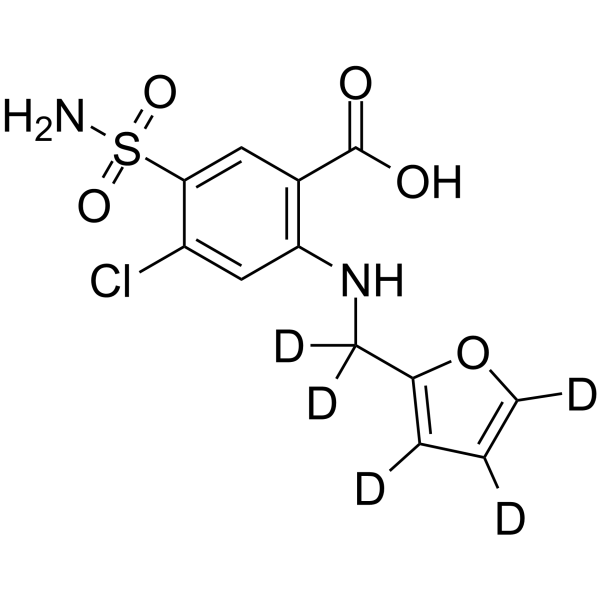
    Furosemide-d5 is the deuterium labeled Furosemide. Furosemide is a potent and orally active inhibitor of Na+/K+/2Cl-?(NKCC) cotransporter, NKCC1 and NKCC2 .?Furosemide is also a GABAA?receptors antagonist and displays 100-fold selectivity for?α6-containing receptors than?α1-containing receptors. Furosemide acts as a loop diuretic and used for the study of congestive heart failure, hypertension and edema .
    Furosemide-d5
  • HY-D1760

    Fluorescent Dye Others
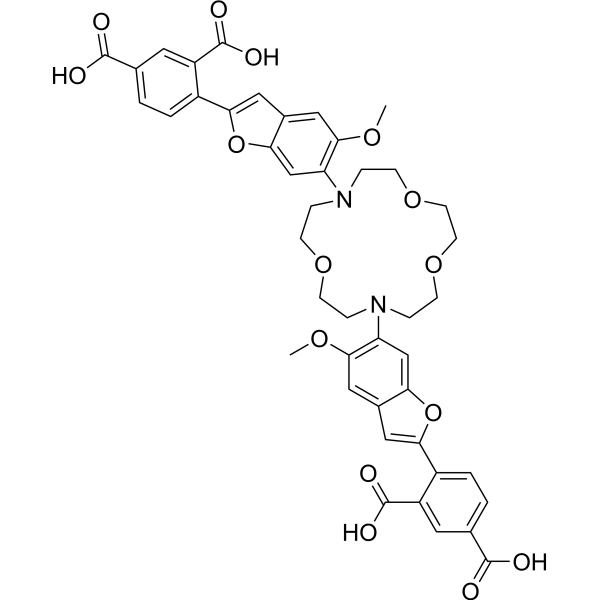
    SBFI is a cell-impermeant, fluorescent Na + indicator dye. SBFI is excited at 340 nm and the fluorophore emission is collected at 450 nm . SBFI selective for Na + over K + with Kd values of 20 and 120 mM for these ions, respectively. .
    Sodium-binding benzofuran isophthalate
  • HY-17468R

    Ro 10-6338 (Standard); PF 1593 (Standard)

    Reference Standards NKCC Cardiovascular Disease Metabolic Disease
    Bumetanide (Standard) is the analytical standard of Bumetanide. This product is intended for research and analytical applications. Bumetanide (Ro 10-6338; PF 1593), a highly potent loop diuretic, is a Na +-K +-Cl + cotransporter (NKCC) blocker. Bumetanide is a selective NKCC1 inhibitor, but also inhibits NKCC2, with IC50s of 0.68 μM and 4.0 μM for hNKCC1A and hNKCC2A, respectively .
    Bumetanide (Standard)
  • HY-B0135R
    Furosemide (Standard)
    5+ Cited Publications

    Reference Standards NKCC GABA Receptor Metabolic Disease Cancer
    Furosemide (Standard) is the analytical standard of Furosemide. This product is intended for research and analytical applications. Furosemide is a potent and orally active inhibitor of Na +/K +/2Cl - (NKCC) cotransporter, NKCC1 and NKCC2 . Furosemide is also a GABAA receptors antagonist and displays 100-fold selectivity for α6-containing receptors than α1-containing receptors. Furosemide acts as a loop diuretic and used for the study of congestive heart failure, hypertension and edema .
    Furosemide (Standard)
  • HY-161104
    Kv2.1-IN-1
    1 Publications Verification

    Potassium Channel Apoptosis Cardiovascular Disease Neurological Disease
    Kv2.1-IN-1 is an orally active and blood-brain barrier penetrant Kv2.1 inhibitor with an IC50 of 0.07 μM. Kv2.1-IN-1 exhibits a selectivity >130 fold over other K +, Na +, and Ca 2+ ion channels. Kv2.1-IN-1 decreases the apoptosis of HEK293 cells induced by H2O2. Kv2.1-IN-1 produces significant neuroprotection efficacy in middle cerebral artery occlusion (MCAO) rat. Kv2.1-IN-1 can be used for the study of ischemic stroke .
    Kv2.1-IN-1
  • HY-137172

    Sodium Channel Others
    ETH 157 is a neutral sodium-selective carrier. ETH 157 exhibits sufficient Na +/K + selectivity and enhanced Na +/Ca 2+ selectivity, making it suitable for the detection of extracellular Na + activity .
    ETH 157
  • HY-157914

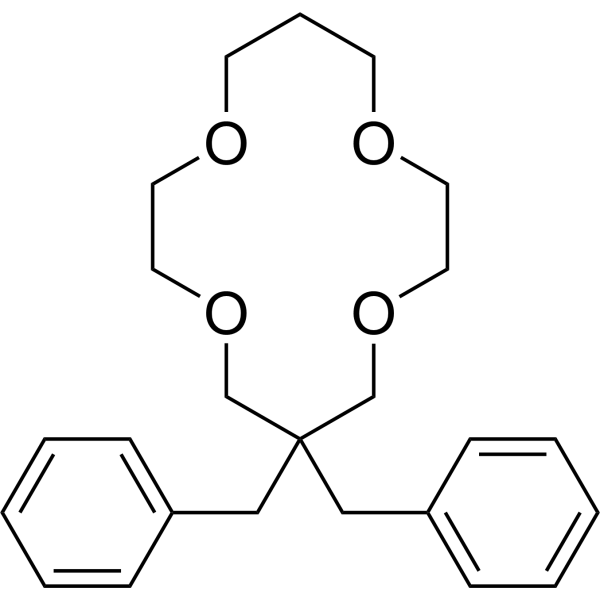
    6,6-Dibenzyl-1,4,8,11-tetraoxacyclotetradecane

    Biochemical Assay Reagents Others
    Dibenzyl-14-crown-4 (6,6-Dibenzyl-1,4,8,11-tetraoxacyclotetradecane) is a crown ether derivate, which serves as neutral carrier in PVC ion-selective electrode, improves the Li + selectivity against Na + and K + .
    Dibenzyl-14-crown-4
  • HY-17468S

    NKCC Cardiovascular Disease
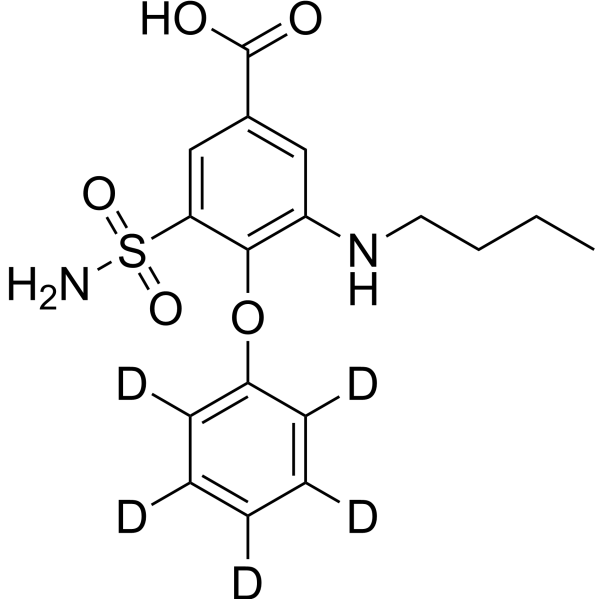
    Bumetanide-d5 is a deuterium labeled Bumetanide. Bumetanide is a selective Na+-K+-Cl- (NKCC1) inhibitor, weakly inhibits NKCC2, with ?IC50s of 0.68 and 4.0 μM for hNKCC1A and hNKCC2A, respectively .
    Bumetanide-d5
  • HY-A0270

    mAChR Sodium Channel Neurological Disease
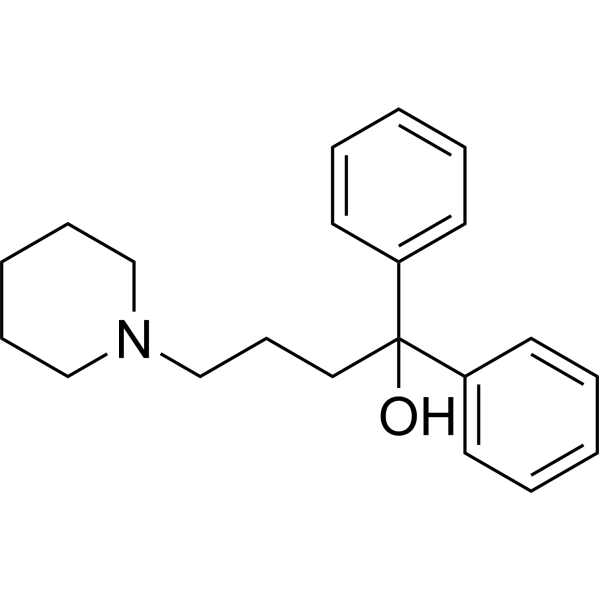
    Diphenidol is a non-selective muscarinic M1-M4 receptor antagonist, has anti-arrhythmic activity. Diphenidol is also a potent non-specific blocker of voltage-gated ion channels (Na +, K +, and Ca 2+) in neuronal cells. Diphenidol can be used in the study of antivertigo and antinausea .
    Diphenidol
  • HY-136894

    Fluorescent Dye Others
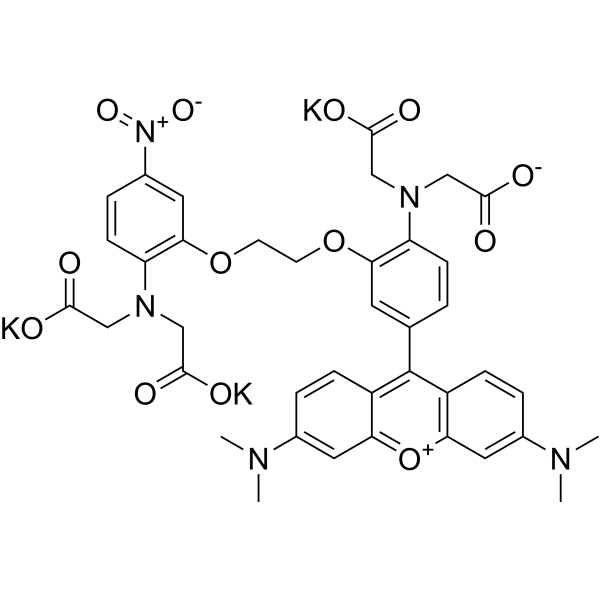
    Rhod-5N is a cell-impermeant calcium-binding fluorescent dye composed of a BAPTA chelating group and a rhodamine fluorophore. Rhod-5N is often added to MOPS buffer to complex and indicate cation content. The selectivity of Rhod-5N for Cd 2+ is higher than other interfering cations ((Na+, K+, Mg 2+, Ca 2+, Zn 2+) except Pb 2+), and the detection limit is 3.1 μg/L .
    Rhod-5N
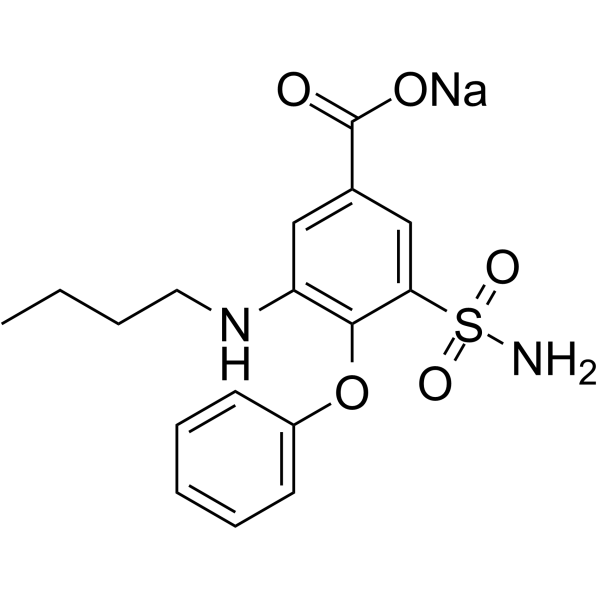
  • HY-17468A

    Ro 10-6338 sodium; PF 1593 sodium

    NKCC Cardiovascular Disease Metabolic Disease
    Bumetanide sodium, a highly potent loop diuretic, is a Na +-K +-Cl + cotransporter (NKCC) blocker. Bumetanide sodium is a selective NKCC1 inhibitor, and also inhibits NKCC2, with IC50s of 0.68 and 4.0 μM for hNKCC1A and hNKCC2A, respectively .
    Bumetanide sodium
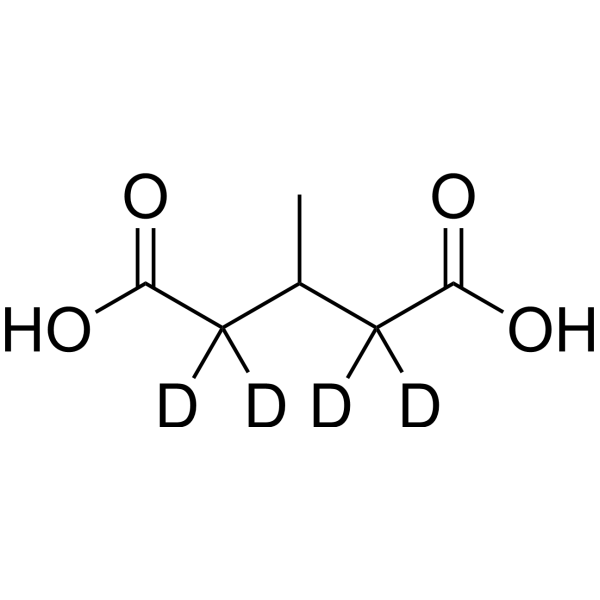
  • HY-113410S

    Isotope-Labeled Compounds Na+/K+ ATPase Mitochondrial Metabolism Reactive Oxygen Species (ROS) Neurological Disease Metabolic Disease
    3-Methylglutaric acid-d4 is the deuterium labeled 3-Methylglutaric acid (HY-113410). 3-Methylglutaric acid is a non-selective inhibitor of mitochondrial function and Na +, K +-ATPase, with an inhibition rate of 30% on rat cortical synaptosomal Na +, K +-ATPase. 3-Methylglutaric acid can induce reactive oxygen species (ROS) generation, thereby causing oxidative damage and inhibiting mitochondrial redox potential and ion pump function of cell membranes. 3-Methylglutaric acid can be used to study the neuropathological mechanisms of metabolic diseases and the role of oxidative stress-mediated neuronal damage in neurodegeneration .
    3-Methylglutaric acid-d4
  • HY-113410R

    Reference Standards Na+/K+ ATPase Mitochondrial Metabolism Reactive Oxygen Species (ROS) Neurological Disease Metabolic Disease
    3-Methylglutaric acid (Standard) is the analytical standard of 3-Methylglutaric acid (HY-113410). This product is intended for research and analytical applications. 3-Methylglutaric acid is a non-selective inhibitor of mitochondrial function and Na +, K +-ATPase, with an inhibition rate of 30% on rat cortical synaptosomal Na +, K +-ATPase. 3-Methylglutaric acid can induce reactive oxygen species (ROS) generation, thereby causing oxidative damage and inhibiting mitochondrial redox potential and ion pump function of cell membranes. 3-Methylglutaric acid can be used to study the neuropathological mechanisms of metabolic diseases and the role of oxidative stress-mediated neuronal damage in neurodegeneration .
    3-Methylglutaric acid (Standard)
  • HY-105118

    CGS-9343B free base; KW 5617 free base

    Calmodulin Neurological Disease Metabolic Disease Inflammation/Immunology
    Zaldaride (CGS-9343B free base) is a potent, orally active and selective inhibitor of calmodulin. Zaldaride inhibits CaM (calmodulin)-stimulated cAMP phosphodiesterase activity, with an IC50 of 3.3 nM . Zaldaride prevents estrogen-induced transcription activation by ER, reversibly blocks voltage-activated Na +, Ca 2+ and K + currents in PC12 cells and inhibits nAChR .
    Zaldaride
  • HY-A0082R

    Difenidol hydrochloride (Standard)

    Reference Standards mAChR Sodium Channel Neurological Disease
    Diphenidol (hydrochloride) (Standard) is the analytical standard of Diphenidol (hydrochloride). This product is intended for research and analytical applications. Diphenidol hydrochloride (Difenidol hydrochloride) is a non-selective muscarinic M1-M4 receptor antagonist, has anti-arrhythmic activity. Diphenidol hydrochloride is also a potent non-specific blocker of voltage-gated ion channels (Na+, K+, and Ca2+) in neuronal cells. Diphenidol hydrochloride can be used in the study of antivertigo and antinausea [4] .
    Diphenidol hydrochloride (Standard)
  • HY-A0082S

    Difenidol hydrochloride-d10

    Isotope-Labeled Compounds Sodium Channel mAChR Neurological Disease
    Diphenidol-d10 (hydrochloride) (Difenidol hydrochloride-d10) is deuterium labeled Diphenidol (hydrochloride). Diphenidol hydrochloride (Difenidol hydrochloride) is a non-selective muscarinic M1-M4 receptor antagonist, has anti-arrhythmic activity. Diphenidol hydrochloride is also a potent non-specific blocker of voltage-gated ion channels (Na +, K +, and Ca 2+) in neuronal cells. Diphenidol hydrochloride can be used in the study of antivertigo and antinausea .
    Diphenidol-d10 hydrochloride
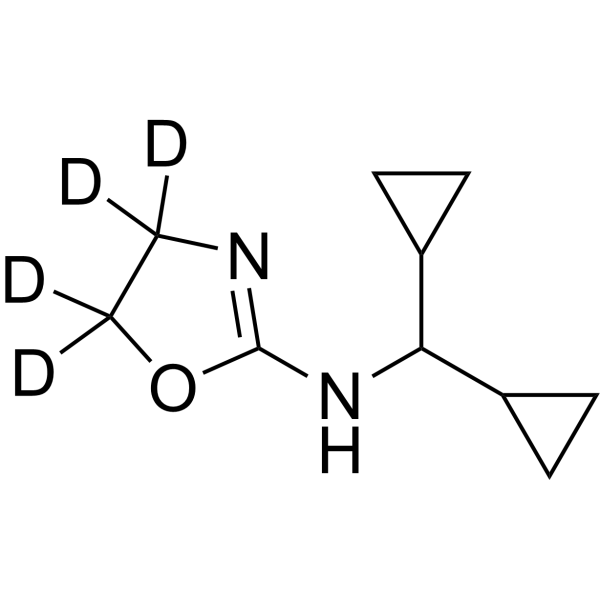
  • HY-100490S

    Isotope-Labeled Compounds Imidazoline Receptor Adrenergic Receptor Apoptosis Autophagy Cardiovascular Disease Cancer
    Rilmenidine-d4 is the deuterium labeled Rilmenidine. Rilmenidine, an innovative antihypertensive agent, is an orally active, selective I1 imidazoline receptor agonist. Rilmenidine is an alpha 2-adrenoceptor agonist. Rilmenidine induces autophagy. Rilmenidine acts both centrally by reducing sympathetic overactivity and in the kidney by inhibiting the Na+/H+ antiport. Rilmenidine modulates proliferation and stimulates the proapoptotic protein Bax thus inducing the perturbation of the mitochondrial pathway and apoptosis in human leukemic K562 cells .
    Rilmenidine-d4
  • HY-136498AR

    Reference Standards Drug Metabolite Infection
    Rilmenidine (phosphate) (Standard) is the analytical standard of Rilmenidine (phosphate). This product is intended for research and analytical applications. Rilmenidine phosphate, an innovative antihypertensive agent, is an orally active, selective I1 imidazoline receptor agonist. Rilmenidine phosphate is an alpha 2-adrenoceptor agonist. Rilmenidine phosphate induces autophagy. Rilmenidine phosphate acts both centrally by reducing sympathetic overactivity and in the kidney by inhibiting the Na+/H+ antiport. Rilmenidine phosphate modulates proliferation and stimulates the proapoptotic protein Bax thus inducing the perturbation of the mitochondrial pathway and apoptosis in human leukemic K562 cells .
    T-705RMP ammonium (Standard)
  • HY-100490BR

    Reference Standards Imidazoline Receptor Adrenergic Receptor Apoptosis Autophagy Cardiovascular Disease Cancer
    Rilmenidine (phosphate) (Standard) is the analytical standard of Rilmenidine (phosphate). This product is intended for research and analytical applications. Rilmenidine phosphate, an innovative antihypertensive agent, is an orally active, selective I1 imidazoline receptor agonist. Rilmenidine phosphate is an alpha 2-adrenoceptor agonist. Rilmenidine phosphate induces autophagy. Rilmenidine phosphate acts both centrally by reducing sympathetic overactivity and in the kidney by inhibiting the Na+/H+ antiport. Rilmenidine phosphate modulates proliferation and stimulates the proapoptotic protein Bax thus inducing the perturbation of the mitochondrial pathway and apoptosis in human leukemic K562 cells .
    Rilmenidine phosphate (Standard)
  • HY-B0135AR

    NKCC GABA Receptor Reference Standards Cardiovascular Disease Metabolic Disease Cancer
    Furosemide (sodium) (Standard) is the analytical standard of Furosemide (sodium). This product is intended for research and analytical applications. Furosemide sodium is a potent and orally active inhibitor of Na+/K+/2Cl- (NKCC) cotransporter, NKCC1 and NKCC2 . Furosemide sodium is also a GABAA receptors antagonist and displays 100-fold selectivity for α6-containing receptors than α1-containing receptors. Furosemide sodium acts as a loop diuretic and used for the study of congestive heart failure, hypertension and edema .
    Furosemide sodium (Standard)
  • HY-100490R

    Reference Standards Imidazoline Receptor Adrenergic Receptor Apoptosis Autophagy Cardiovascular Disease Cancer
    Rilmenidine (Standard) is the analytical standard of Rilmenidine. This product is intended for research and analytical applications. Rilmenidine, an innovative antihypertensive agent, is an orally active, selective I1 imidazoline receptor agonist. Rilmenidine is an alpha 2-adrenoceptor agonist. Rilmenidine induces autophagy. Rilmenidine acts both centrally by reducing sympathetic overactivity and in the kidney by inhibiting the Na+/H+ antiport. Rilmenidine modulates proliferation and stimulates the proapoptotic protein Bax thus inducing the perturbation of the mitochondrial pathway and apoptosis in human leukemic K562 cells .
    Rilmenidine (Standard)
  • HY-100490AR

    Reference Standards Imidazoline Receptor Adrenergic Receptor Apoptosis Autophagy Cardiovascular Disease Cancer
    Rilmenidine (hemifumarate) (Standard) is the analytical standard of Rilmenidine (hemifumarate). This product is intended for research and analytical applications. Rilmenidine hemifumarate, an innovative antihypertensive agent, is an orally active, selective I1 imidazoline receptor agonist. Rilmenidine hemifumarate is an alpha 2-adrenoceptor agonist. Rilmenidine hemifumarate induces autophagy. Rilmenidine hemifumarate acts both centrally by reducing sympathetic overactivity and in the kidney by inhibiting the Na+/H+ antiport. Rilmenidine hemifumarate modulates proliferation and stimulates the proapoptotic protein Bax thus inducing the perturbation of the mitochondrial pathway and apoptosis in human leukemic K562 cells .
    Rilmenidine hemifumarate (Standard)
  • HY-102093A

    Others Others
    ZD 7155 is an AT1R selective antagonist with renal function modulating activity. The effects of ZD 7155 on glomeruli and tubules were measured in 1- (N = 9) and 6-week-old (N = 13) lambs. Pretreatment with ZD 7155 after L-NAME infusion did not alter glomerular function in 1- or 6-week-old lambs. During postnatal development, Ang II modulates the effects of NO on electrolyte handling via AT1R and AT2R. In 6-week-old lambs, selective inhibition of AT1R and AT2R increased the excretion of Na+, K+, and Cl-. In 6-week-old lambs, pretreatment with ZD 7155 and PD 123319 followed by the addition of L-NAME increased urine flow rate by 200%, free water clearance by 50%, and decreased urine osmolality by 40%. The same trends of changes in these variables were also observed when L-NAME was added to ZD 7155 or PD 123319, although to a lesser extent.
    ZD 7155
  • HY-100414R

    BYK61359 (Standard)

    Proton Pump Reference Standards Metabolic Disease
    Soraprazan (Standard) is the analytical standard of Soraprazan (HY-100414). This product is intended for research and analytical applications. Soraprazan (BYK61359) is a selective, reversible K-competitive inhibitor of the H,K-ATPase (Ki=6.4 nM), with an IC50 of 0.19 μM in gastric glands. Soraprazan binds to the H,K-ATPase with a Kd of 28.27 nM. Soraprazan shows immediate inhibition of acid secretion and is more than 2000-fold selective for H,K-ATPase over Na,K- and Ca-ATPases .
    Soraprazan (Standard)
  • HY-N16733

    Na+/K+ ATPase Apoptosis Caspase Prostaglandin Receptor Cancer
    Deacetyltanghinin is a selective inhibitor targeting Na +/K + ATPase, acting through non-covalent binding but is highly cardiotoxic. Deacetyltanghinin inhibits Na +/K + ATPase activity, induces cancer cell apoptosis (involving caspase pathway activation), and at the same time affect the TXA2-PGI2 balance in the rabbit heart. Deacetyltanghinin has significant anti-cancer activity and is mainly used in the research field of targeted therapy of malignant tumors such as breast cancer and lung cancer. At the same time, attention should be paid to the regulation of its cardiotoxicity .
    Deacetyltanghinin

Inquiry Online

Your information is safe with us. * Required Fields.

Salutation


Country or Region *

Applicant Name *


Organization Name *

Department *


Email Address *


Product Name *

Cat. No.


Requested quantity *

Phone Number *


Remarks

Inquiry Online

Inquiry Information

Product Name:
Cat. No.:
Quantity:
MCE Japan Authorized Agent: