1. Search Result
Search Result
Results for "

Organophosphates

" in MedChemExpress (MCE) Product Catalog:

75

Inhibitors & Agonists

2

Fluorescent Dyes

1

Peptides

4

Natural
Products

6

Isotope-Labeled Compounds

Cat. No. Product Name Target Research Areas Chemical Structure
  • HY-D0994
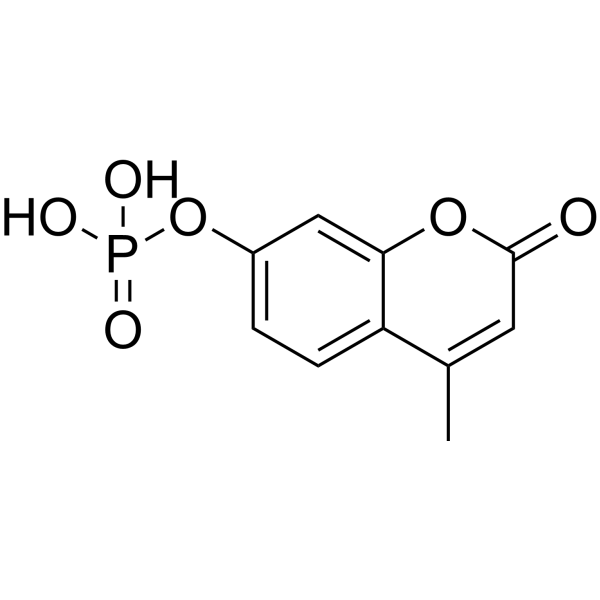
    4-Methylumbelliferyl phosphate
    1 Publications Verification

    4-MUP; MUP

    Phosphatase Others
    4-Methylumbelliferyl phosphate (4-MUP), an anionic organophosphate, is a acid and alkaline phosphatase fluorogenic substrate. 4-Methylumbelliferyl phosphate is also a nerve agent simulant .
    4-Methylumbelliferyl phosphate
  • HY-N0584

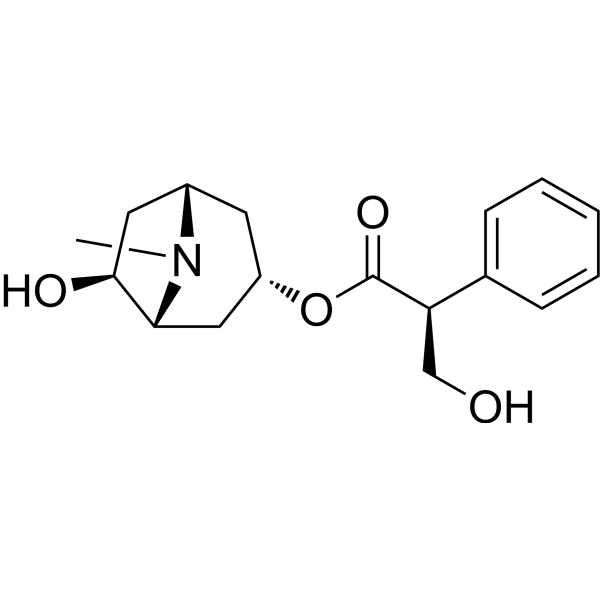
    6-Hydroxyhyoscyamine

    mAChR Neurological Disease Cancer
    Anisodamine (6-Hydroxyhyoscyamine), a belladonna alkaloid, is a non-subtype-selective muscarinic, and also a nicotinic cholinoceptor antagonist. Anisodamine employs in traditional Chinese medicine for many ailments, mainly to improve the microcirculation in states of shock, and also in organophosphate poisoning .
    Anisodamine
  • HY-B1200
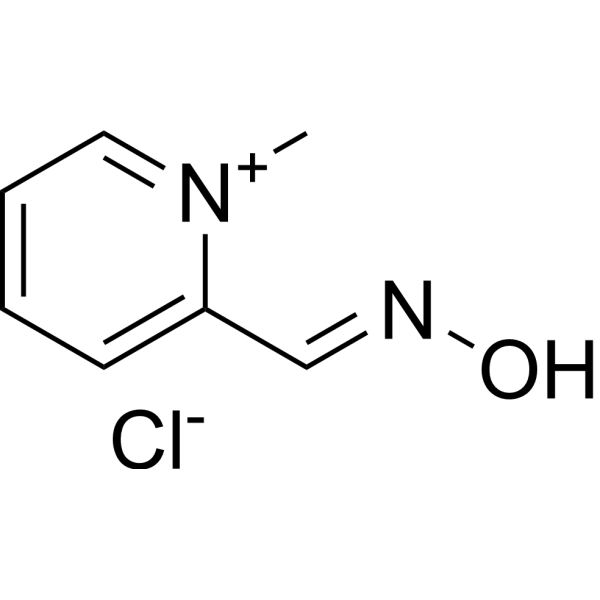
    Pralidoxime chloride
    2 Publications Verification

    2-PAM chloride

    Cholinesterase (ChE) Neurological Disease
    Pralidoxime chloride is a potent reactivator of acetylcholinesterase (AChE). Pralidoxime chloride reactivates nerve agent-inhibited AChE via direct nucleophilic attack by the oxime moiety on the phosphorus center of the bound nerve agent. Pralidoxime chloride is an antidote for organophosphate poisoning .
    Pralidoxime chloride
  • HY-P2233

    Bacterial Antibiotic Infection
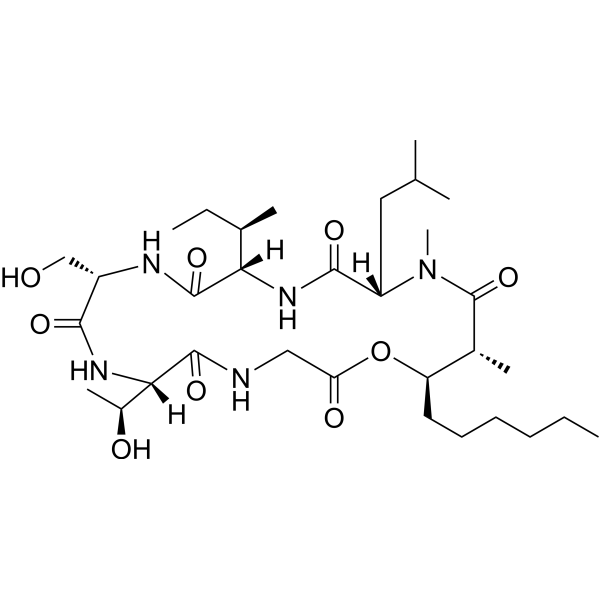
    Globomycin is a lipopeptide antibiotic and a signal peptidase II (LspA) inhibitor. Globomycin inhibits processing of the prolipoprotein by binding irreversibly to the peptidase. Globomycin has toxic for the mollicute Spiroplasma melliferum with a MIC in the range 6.25-12.5 μM .
    Globomycin
  • HY-B0815S

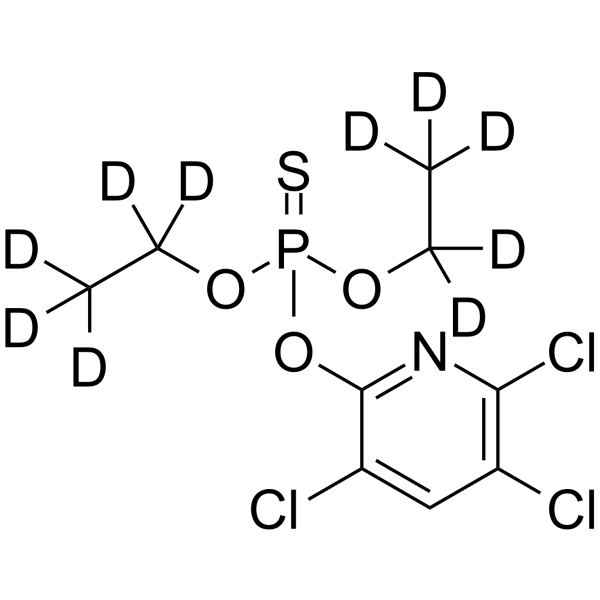
    Cholinesterase (ChE) Neurological Disease
    Chlorpyrifos-d10 is the deuterium labeled Chlorpyrifos. Chlorpyrifos is an organophosphate insecticide that is classified as a phosphorothionate. The oxon metabolite of Chlorpyrifos is an inhibitor of acetylcholinesterase (AChE), affecting neurological function in insects, humans, and other animals. The Chlorpyrifos oxon (CPO) metabolite is hydrolyzed by the plasma enzyme paraoxonase 1 (PON1), and susceptibility to neurotoxicity associated with CPO exposure is mitigated by PON1 overexpression.
    Chlorpyrifos-d10
  • HY-B1738A

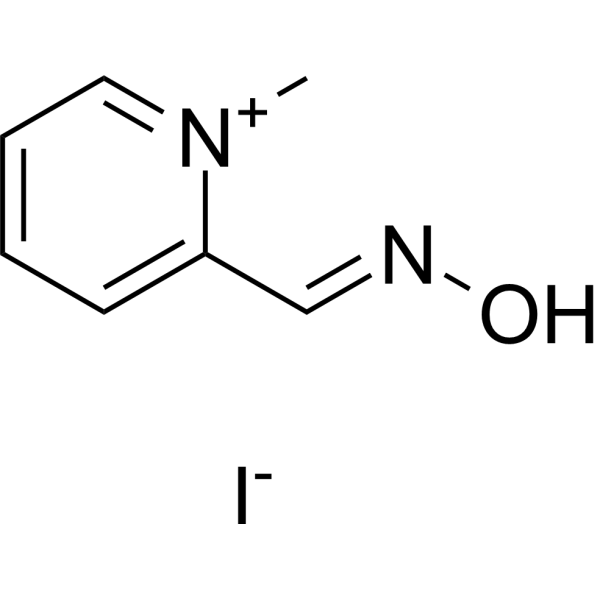
    Cholinesterase (ChE) Neurological Disease
    Pralidoxime iodide is a potent reactivator of acetylcholinesterase (AChE). Pralidoxime iodide reactivates nerve agent-inhibited AChE via direct nucleophilic attack by the oxime moiety on the phosphorus center of the bound nerve agent. Pralidoxime iodide is an antidote for organophosphate poisoning .
    Pralidoxime iodide
  • HY-B1946
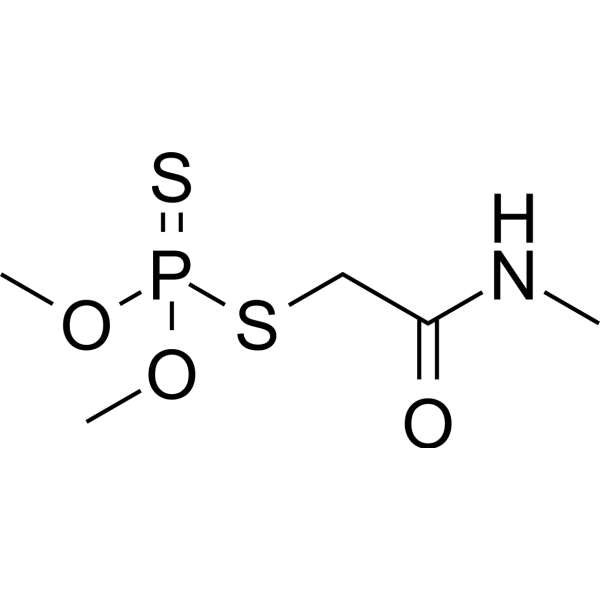
    Dimethoate
    5 Publications Verification

    Environmental Pollutants Apoptosis Cholinesterase (ChE) Insecticide Reactive Oxygen Species (ROS) Inflammation/Immunology
    Dimethoate is an organophosphate insecticide and acaricide. Dimethoate is an orally active acetylcholinesterase inhibitor. Dimethoate induces reactive oxygen species (ROS). Dimethoate induces DNA damage and cell apoptosis in vivo. Dimethoate affect immune system in mice .
    Dimethoate
  • HY-B1621A

    DL-Cyclopentolate hydrochloride

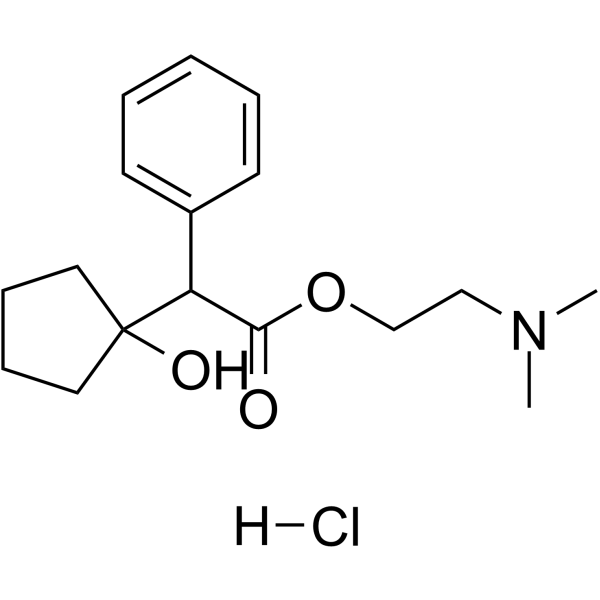
    mAChR Neurological Disease
    Cyclopentolate (DL-Cyclopentolate) hydrochloride is an Atropine-like muscarinic receptors antagonist with a pKB value of 7.8 (on the circular ciliary muscle). Cyclopentolate hydrochloride is an anti-muscarinic agent commonly used in the ophthalmologic practice .
    Cyclopentolate hydrochloride
  • HY-W011108

    Cholinesterase (ChE) Neurological Disease
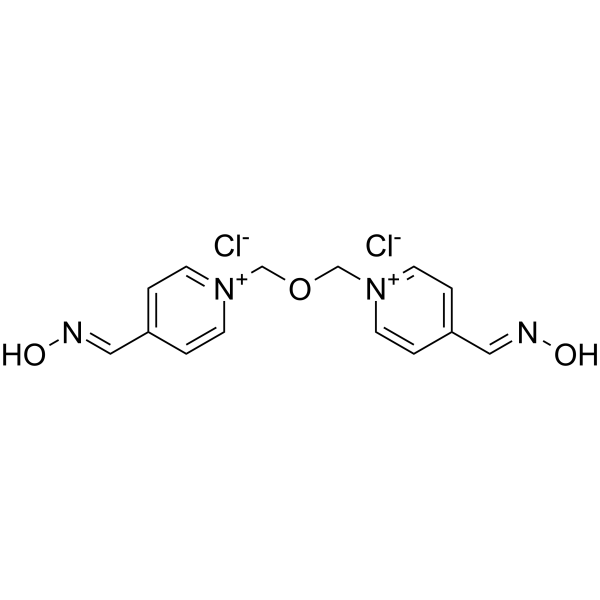
    Obidoxime dichloride is a non-full spectrum oxime agent and can be used as an antidote for organophosphate nerve agent poisoning. Obidoxime dichloride reactivates sarin-inhibited acetylcholinesterase (AChE) and reduces acute toxicity of sarin-evaluated .
    Obidoxime dichloride
  • HY-Y1322

    Environmental Pollutants Mitophagy Apoptosis NF-κB p38 MAPK ERK JNK PI3K Akt Monoamine Oxidase Reactive Oxygen Species (ROS) PPAR Indoleamine 2,3-Dioxygenase (IDO) Cardiovascular Disease Neurological Disease Metabolic Disease Inflammation/Immunology Endocrinology
    Triphenyl phosphate is an orally active, blood-brain barrier-permeable aryl organophosphate flame retardant and endocrine disruptor. Triphenyl phosphate disrupts mitochondrial dynamic balance through oxidative stress, induces excessive mitophagy and apoptosis, and ultimately leads to myocardial fibrosis. In the brain, Triphenyl phosphate activates the NF-κB inflammatory pathway by disrupting the gut microbiota, alters tryptophan metabolism and elevates neurotoxins, thereby inducing anxiety- and depression-like behaviors. In the skeletal and reproductive systems, Triphenyl phosphate inhibits osteoblast differentiation and induces germ cell apoptosis by suppressing the MAPK/ERK pathway and activating the JNK signal, respectively. In adipose and placental tissues, Triphenyl phosphate promotes lipid accumulation by activating the PI3K/AKT-PPARγ axis, and disrupts placental metabolism via the MAOA/ROS/NF-κB cascade, impairing neurodevelopment of offspring .
    Triphenyl phosphate
  • HY-W399311

    Drug Metabolite Others
    4-Hydroxyphenyl diphenyl phosphate is a hydroxylated metabolite of organophosphate flame retardant .
    4-Hydroxyphenyl diphenyl phosphate
  • HY-W009066

    EHDPP; Octicizer

    PPAR Progesterone Receptor Estrogen Receptor/ERR Endocrinology
    2-Ethylhexyl diphenyl phosphate is an organophosphate flame retardants (OPFRs) and a PPARG agonist (EC20: 2.04 µM). 2-Ethylhexyl diphenyl phosphate also inhibits ERRγ transcriptional activity (IC50: 1.3 µM). 2-Ethylhexyl diphenyl phosphate upregulates 3β-HSD1, human chorionic gonadotropin (hCG) and progesterone secretion. 2-Ethylhexyl diphenyl phosphate can be used in studies of female reproduction and fetal development .
    2-Ethylhexyl diphenyl phosphate
  • HY-B1120
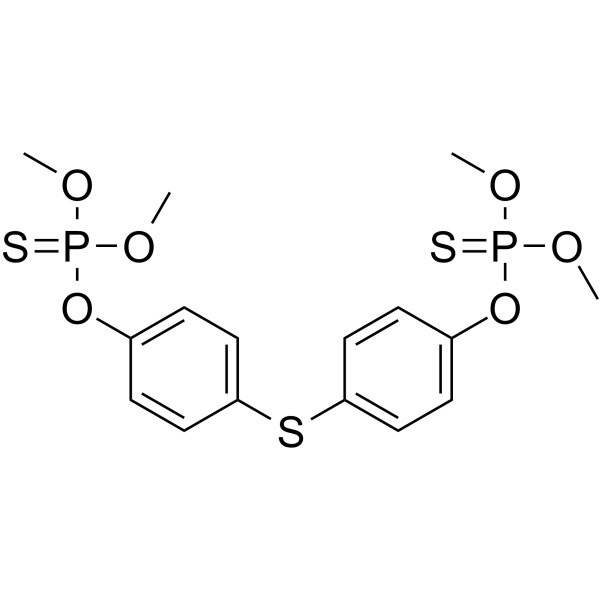
    Temephos
    2 Publications Verification

    Temefos

    Insecticide Cholinesterase (ChE) Dengue Virus Flavivirus Infection
    Temephos (Temefos) is an orally active, blood-brain barrier-permeable organophosphate insecticide and AChE inhibitor. By irreversibly inhibiting AChE to induce cholinergic overactivation, Temephos effectively blocks larval development of Aedes aegypti (yellow fever mosquito) and Aedes albopictus (Asian tiger mosquito), and is commonly used in studies related to Dengue Virus, Zika Virus and other relevant pathogens. Temephos exhibits genotoxicity and neurodevelopmental toxicity, and may also cause liver injury, reproductive system abnormalities and cholinergic poisoning symptoms in mammals. Temephos tends to accumulate in adipose tissues and aquatic organisms, and is excreted via feces after metabolism through oxidation and hydrolysis. Note that CYP-mediated metabolic detoxification may reduce the actual larvicidal efficacy of Temephos against some mosquito species. Temephos can be used in research related to dengue fever, Zika virus disease, chikungunya and dracunculiasis .
    Temephos
  • HY-B1093
    Fenchlorphos
    1 Publications Verification

    Environmental Pollutants Parasite Cholinesterase (ChE) Infection
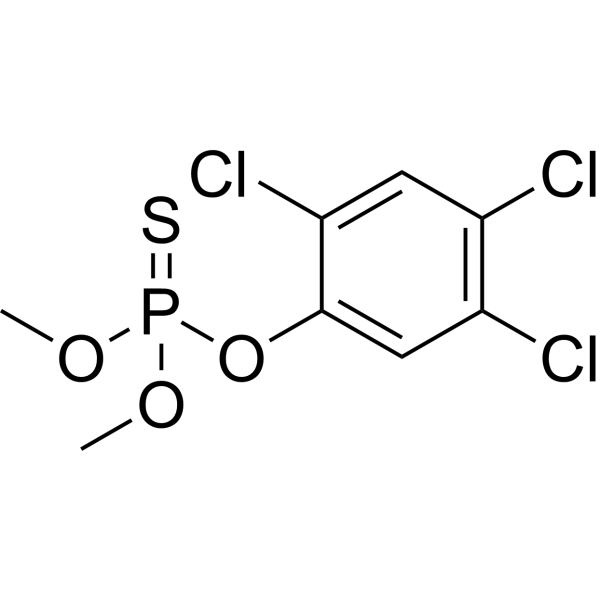
    Fenchlorphos, an organophosphate, is an insecticide. Fenchlorphos is an inhibitor of the enzyme acetylcholinesterase (AChE). Fenchlorphos is able to cause mitochondrial dysfunction .
    Fenchlorphos
  • HY-B1946S

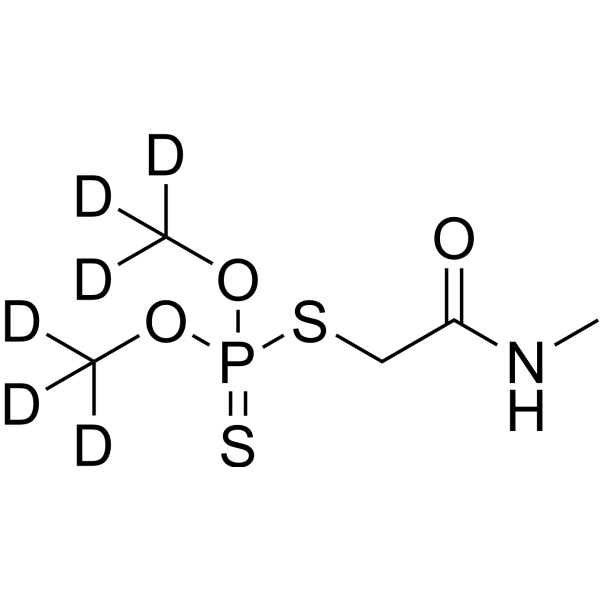
    Isotope-Labeled Compounds Insecticide Reactive Oxygen Species (ROS) Apoptosis Cholinesterase (ChE) Inflammation/Immunology
    Dimethoate-d6 is the deuterium labeled Dimethoate. Dimethoate is an organophosphate insecticide and acaricide. Dimethoate is an orally active acetylcholinesterase inhibitor. Dimethoate induces reactive oxygen species (ROS). Dimethoate induces DNA damage and cell apoptosis in vivo. Dimethoate affect immune system in mice .
    Dimethoate-d6
  • HY-W023144

    Tris(1-chloropropan-2-yl) phosphate

    Environmental Pollutants Apoptosis DNA/RNA Synthesis Reactive Oxygen Species (ROS) Mitochondrial Metabolism Biochemical Assay Reagents Cardiovascular Disease
    Tris (1-chloro-2-propyl) phosphate (Tris (1-chloropropan-2-yl) phosphate) is a chlorinated organophosphate flame retardant. Tris (1-chloro-2-propyl) phosphate induces DNA damage, elevates intracellular ROS levels, and triggers oxidative stress. Tris (1-chloro-2-propyl) phosphate disrupts mitochondrial membrane potential, leading to mitochondrial dysfunction. Tris (1-chloro-2-propyl) phosphate can trigger cell Apoptosis. Tris (1-chloro-2-propyl) phosphate reduces the survival rate of umbilical vein endothelial cells at relatively high concentrations .
    Tris(1-chloro-2-propyl) phosphate
  • HY-135604

    DBUP

    Drug Metabolite Metabolic Disease
    Dibutyl phosphate (DBUP) is a urinary metabolite of organophosphate esters (OPEs). Dibutyl phosphate is positively correlated with an increased risk of sarcopenia .
    Dibutyl phosphate
  • HY-B1946R

    Insecticide Reference Standards Reactive Oxygen Species (ROS) Apoptosis Cholinesterase (ChE) Inflammation/Immunology
    Dimethoate (Standard) is the analytical standard of Dimethoate. This product is intended for research and analytical applications. Dimethoate is an organophosphate insecticide and acaricide. Dimethoate is an orally active acetylcholinesterase inhibitor. Dimethoate induces reactive oxygen species (ROS). Dimethoate induces DNA damage and cell apoptosis in vivo. Dimethoate affect immune system in mice.
    Dimethoate (Standard)
  • HY-B1542A

    Cholinesterase (ChE) Neurological Disease
    Benactyzine hydrochloride is a competitive BChE inhibitor with a Ki of 0.01 mM. Benactyzine hydrochloride is an anticholinergic drug. Benactyzine hydrochloride has the potential for organophosphate poisoning research .
    Benactyzine hydrochloride
  • HY-Y1322S

    Celluflex TPP-d15; DHPF 005-d15; Disflamol TP-d15; Disflamoll TP-d15; NSC 57868-d15; Phenyl phosphate ((PhO)3PO)-d15; Phoscon FR 903N-d15

    Isotope-Labeled Compounds Environmental Pollutants ERK Indoleamine 2,3-Dioxygenase (IDO) p38 MAPK NF-κB Akt Monoamine Oxidase Mitophagy Reactive Oxygen Species (ROS) JNK PI3K PPAR Apoptosis Cardiovascular Disease Neurological Disease Metabolic Disease Inflammation/Immunology Endocrinology
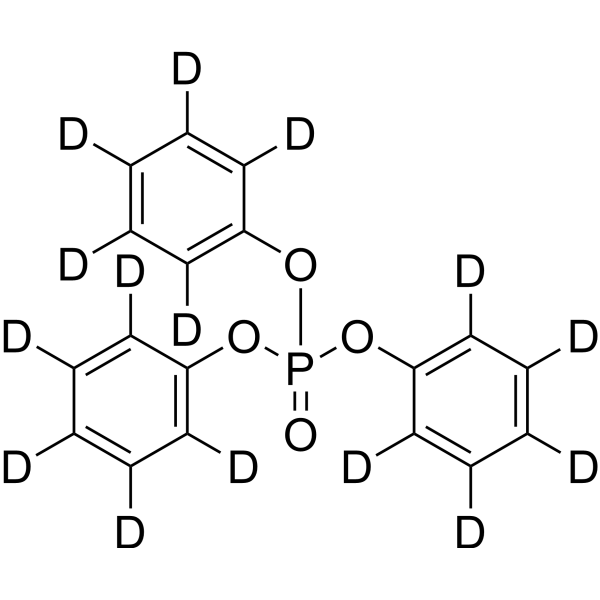
    Triphenyl phosphate-d15 is the deuterium labeled Triphenyl phosphate. Triphenyl phosphate is an orally active, blood-brain barrier-permeable aryl organophosphate flame retardant and endocrine disruptor. Triphenyl phosphate disrupts mitochondrial dynamic balance through oxidative stress, induces excessive mitophagy and apoptosis, and ultimately leads to myocardial fibrosis. In the brain, Triphenyl phosphate activates the NF-κB inflammatory pathway by disrupting the gut microbiota, alters tryptophan metabolism and elevates neurotoxins, thereby inducing anxiety- and depression-like behaviors. In the skeletal and reproductive systems, Triphenyl phosphate inhibits osteoblast differentiation and induces germ cell apoptosis by suppressing the MAPK/ERK pathway and activating the JNK signal, respectively. In adipose and placental tissues, Triphenyl phosphate promotes lipid accumulation by activating the PI3K/AKT-PPARγ axis, and disrupts placental metabolism via the MAOA/ROS/NF-κB cascade, impairing neurodevelopment of offspring.
    Triphenyl phosphate-d15
  • HY-B1738

    Cholinesterase (ChE) Neurological Disease
    Pralidoxime is a potent reactivator of acetylcholinesterase (AChE). Pralidoxime reactivates nerve agent-inhibited AChE via direct nucleophilic attack by the oxime moiety on the phosphorus center of the bound nerve agent. Pralidoxime is an antidote for organophosphate poisoning .
    Pralidoxime
  • HY-165600A

    TMB-4

    Cholinesterase (ChE) Others
    Trimedoxime (TMB-4) is a blood-brain barrier-permeable cholinesterase reactivator . Trimedoxime reactivates cholinesterase inhibited by paraoxon, sarin, tabun and other agents, restricts the breakdown of acetylcholine and alleviates excessive cholinergic stimulation. Trimedoxime reduces mortality and prolongs survival time. Trimedoxime exhibits reactivation efficacy against AChE in rat tissues. Trimedoxime can be used in research related to organophosphate (paraoxon) poisoning and tabun poisoning .
    Trimedoxime
  • HY-W653780

    DMTP; O,O-Dimethyl phosphorothionate

    Endogenous Metabolite Others
    Dimethyl phosphorothioate (DMTP; O,O-Dimethyl phosphorothionate) is a metabolite of organophosphate pesticides. Dimethyl phosphorothioate can be used as a biomonitoring indicator for assessing pesticide exposure levels of organophosphate pesticides and identifying high-risk groups .
    Dimethyl phosphorothioate
  • HY-W585826

    Antiblaze V6

    Biochemical Assay Reagents Others
    Antiblaze 100 (Antiblaze V6) is a halogenated organophosphate flame retardant .
    Antiblaze 100
  • HY-W288480

    Apoptosis Cancer
    Trihexyl phosphate is an organophosphate flame retardant. Trihexyl phosphate causes mitochondrial impairment and induces cell apoptosis in CHO cells. Trihexyl phosphate promotes the proliferation of human breast cancer cells (MCF-7) in a dose-dependent manner and exerts estrogenicity via ERα-independent pathways .
    Trihexyl phosphate
  • HY-B1621

    DL-Cyclopentolate

    mAChR Neurological Disease
    Cyclopentolate (DL-Cyclopentolate) is an Atropine-like muscarinic receptors antagonist with a pKB value of 7.8 (on the circular ciliary muscle). Cyclopentolate is an anti-muscarinic agent commonly used in the ophthalmologic practice .
    Cyclopentolate
  • HY-141728

    BCIPP

    Endogenous Metabolite Metabolic Disease
    Bis(1-chloro-2-propyl) phosphate (BCIPP) is a metabolite of organophosphate flame retardants (OPFR) that may alter energy metabolism by influencing the levels of steroid hormones, such as cortisol and cortisone. Bis(1-chloro-2-propyl) phosphate holds potential for research on metabolism-related diseases caused by environmental exposure .
    Bis(1-chloro-2-propyl) phosphate
  • HY-100979

    HDMPPA

    mAChR Others
    W-84 (dibromide) is a potent allosteric modulator of M2-cholinoceptors, which retards [ 3H]N-methylscopolamine dissociation. W-84 dibromide can stabilize cholinergic antagonist-receptor complexes. W-84 (dibromide) is a non-competitive muscarinic acetylcholine receptors antagonist with allosteric effects. W-84 (dibromide) protects over additively against an organophosphate-intoxication when applied in combination with atropine .
    W-84 dibromide
  • HY-124446

    Carboxylesterase (CES) Metabolic Disease
    Dibromsalicil (Compound 31) is a carboxylesterase (CES) inhibitor with activity of 72.7 nM against hiCE (human intestinal carboxylesterase) and 53.5 nM against rCE (rabbit liver carboxylesterase). Dibromsalicil has almost no activity against hCE1 (human liver carboxylesterase) and cholinesterase .
    Dibromsalicil
  • HY-B1542

    Cholinesterase (ChE) Neurological Disease
    Benactyzine is a competitive BChE inhibitor with a Ki of 0.01 mM. Benactyzine is an anticholinergic drug. Benactyzine has the potential for organophosphate poisoning research .
    Benactyzine
  • HY-144762

    Cholinesterase (ChE) Neurological Disease
    K027 is a potent reactivator of Organophosphates (OP)-inhibited acetylcholinesterase (AChE). K027 can be used for the research of Alzheimer's disease .
    K027
  • HY-B1200R

    2-PAM chloride (Standard)

    Reference Standards Cholinesterase (ChE) Neurological Disease
    Pralidoxime (chloride) (Standard) is the analytical standard of Pralidoxime (chloride). This product is intended for research and analytical applications. Pralidoxime chloride is a potent reactivator of acetylcholinesterase (AChE). Pralidoxime chloride reactivates nerve agent-inhibited AChE via direct nucleophilic attack by the oxime moiety on the phosphorus center of the bound nerve agent. Pralidoxime chloride is an antidote for organophosphate poisoning .
    Pralidoxime chloride (Standard)
  • HY-17523

    GS-13006

    Insecticide Infection
    Athidathion (GS-13006) is an organophosphate insecticide.
    Athidathion
  • HY-W714210

    Aminophon

    Herbicide Others
    Buminafos (Aminophon) is an organophosphate herbicide used in agriculture to control weeds .
    Buminafos
  • HY-W722110

    Biochemical Assay Reagents Others
    4-HO-DPHP is a urinary metabolite of organophosphate flame retardants and plasticizer (OPFR) .
    4-HO-DPHP
  • HY-P3183

    Diisopropylfluorophosphatase

    Biochemical Assay Reagents Others
    Organophosphorus acid anhydrolase (Diisopropylfluorophosphatase) is a hydrolase that target phosphoanhydride bonds of organophosphate compounds such as phosphorus-halide and phosphoruscyanide .
    Organophosphorus acid anhydrolase
  • HY-146959

    Cholinesterase (ChE) Neurological Disease
    K203 is a potent reactivator of tabun-inhibited AChE. K203 is a crucial antidote used for the organophosphate intoxication .
    K203
  • HY-169512

    Cholinesterase (ChE) Neurological Disease
    MMB-4 is an oxime that can reactivate cholinesterases that have been inactivated by exposure to organophosphates such as Sarin or Soman .
    MMB-4
  • HY-W349628

    Drug Metabolite Others
    Dibutyl 3-hydroxybutyl phosphate is a predominant metabolite of tris( n-butyl) phosphate (TNBP). TNBP is a commonly used alkyl organophosphate ester .
    Dibutyl 3-hydroxybutyl phosphate
  • HY-118077

    Others Others
    RE 11775 (m-tert-butylphenyl-N-methyl-N-(phenylthio) carbonate) is a new carbonate ester with unusually high toxicity to mosquito larvae. Laboratory and field evaluations have shown that it has potential for use in controlling sensitive and organophosphate-resistant larval and adult stages of Aedes nigromaculis (Ludlow). Preliminary studies also suggest that RE 11775 may also be useful for controlling sensitive and organophosphate-resistant Culex spccies. This new carbonate ester is relatively safe, with no adverse effects found in current testing.
    RE 11775
  • HY-W341259

    Parasite Infection
    Isazofos is a broad-spectrum organophosphate insecticide-nematicide that controls numerous pests of turf, such as nematode Radopholus similis. Isazofos is also effective in the control of rice gall midge .
    Isazofos
  • HY-N15452

    Cholinesterase (ChE) Neurological Disease Inflammation/Immunology
    Eseramine is a weak acetylcholinesterase inhibitor with an IC50 value of 9300 nM. Eseramine is promising for research of diseases involving the regulation of acetylcholinesterase, such as glaucoma, myasthenia gravis, and protection against organophosphate poisoning .
    Eseramine
  • HY-116857

    Fungal Others
    Ditalimfos is an organophosphate fungicide. Ditalimfos is mainly used in agriculture to control fungal diseases of crops. Ditalimfos can be used for fungal resistance studies and risk assessment of residues in the environment .
    Ditalimfos
  • HY-D0994A

    4-MUP disodium; MUP disodium

    Phosphatase Others
    4-Methylumbelliferyl phosphate (4-MUP) disodium, an anionic organophosphate, is a acid and alkaline phosphatase fluorogenic substrate. 4-Methylumbelliferyl phosphate disodium is also a nerve agent simulant .
    4-Methylumbelliferyl phosphate disodium
  • HY-B1093R

    Reference Standards Parasite Cholinesterase (ChE) Infection
    Fenchlorphos (Standard) is the analytical standard of Fenchlorphos. This product is intended for research and analytical applications. Fenchlorphos, an organophosphate, is an insecticide. Fenchlorphos is an inhibitor of the enzyme acetylcholinesterase (AChE). Fenchlorphos is able to cause mitochondrial dysfunction .
    Fenchlorphos (Standard)
  • HY-105790

    Pipethanate

    Cholinesterase (ChE) Cardiovascular Disease
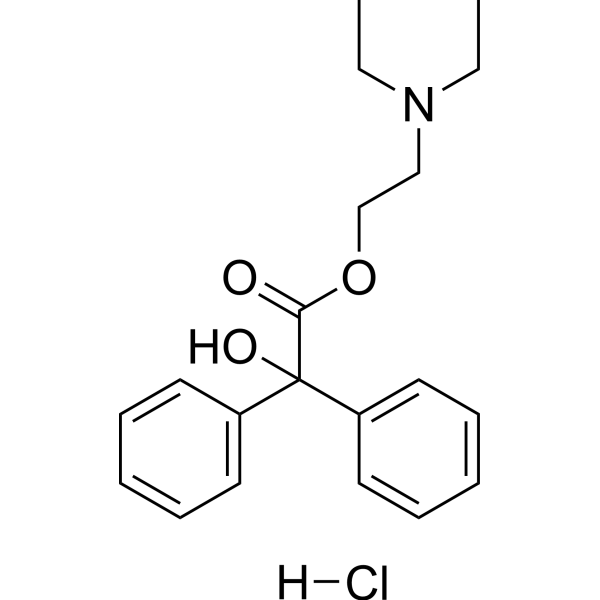
    Piperilate (Pipethanate) is one of the mixtures of hetrazepine derivative PAF antagonists with anticholinergics, can be used for bronchial asthma research. Piperilate also causes hypotension and rescues mice poisoned by the organophosphates .
    Piperilate
  • HY-B0802AR

    Drug Metabolite Reference Standards Adrenergic Receptor Antibiotic Endocrinology
    Benactyzine hydrochloride (Standard) is the analytical standard of Benactyzine hydrochloride. This product is intended for research and analytical applications. Benactyzine hydrochloride is a competitive BChE inhibitor with a Ki of 0.01 mM. Benactyzine hydrochloride is an anticholinergic drug. Benactyzine hydrochloride has the potential for organophosphate poisoning research .
    Terbutaline (Standard)
  • HY-B1542AR

    Reference Standards Cholinesterase (ChE) Neurological Disease
    Benactyzine hydrochloride (Standard) is the analytical standard of Benactyzine hydrochloride. This product is intended for research and analytical applications. Benactyzine hydrochloride is a competitive BChE inhibitor with a Ki of 0.01 mM. Benactyzine hydrochloride is an anticholinergic drug. Benactyzine hydrochloride has the potential for organophosphate poisoning research .
    Benactyzine hydrochloride (Standard)
  • HY-W550259

    Coumaphos oxon

    Cholinesterase (ChE) Others
    Coroxon (Coumaphos oxon) is an oxidative metabolite of the organophosphate insecticide Coumaphos (HY-W653717) and an active AChE inhibitor with insecticidal and acaricidal properties. Coroxon can be hydrolyzed by phosphotriesterases of microorganisms such as Nocardia asteroides to produce the fluorescent product Chlorferon .
    ​Coroxon
  • HY-N2406R

    3,4-Dihydroxy-benzenepropanoic acid (Standard)

    Reference Standards p38 MAPK Endogenous Metabolite Reactive Oxygen Species (ROS) NO Synthase Inflammation/Immunology
    Ditalimfos (Standard) is the analytical standard of Ditalimfos. This product is intended for research and analytical applications. Ditalimfos is an organophosphate fungicide. Ditalimfos is mainly used in agriculture to control fungal diseases of crops. Ditalimfos can be used for fungal resistance studies and risk assessment of residues in the environment .
    Dihydrocaffeic acid (Standard)

Inquiry Online

Your information is safe with us. * Required Fields.

Salutation


Country or Region *

Applicant Name *


Organization Name *

Department *


Email Address *


Product Name *

Cat. No.


Requested quantity *

Phone Number *


Remarks

Inquiry Online

Inquiry Information

Product Name:
Cat. No.:
Quantity:
MCE Japan Authorized Agent:

