Search Result
Results for "
P450 substrate
" in MedChemExpress (MCE) Product Catalog:
1
Biochemical Assay Reagents
9
Isotope-Labeled Compounds
| Cat. No. |
Product Name |
Target |
Research Areas |
Chemical Structure |
-
- HY-B1184A
-
|
(+)-Mephenytoin
|
Cytochrome P450
|
Neurological Disease
|
|
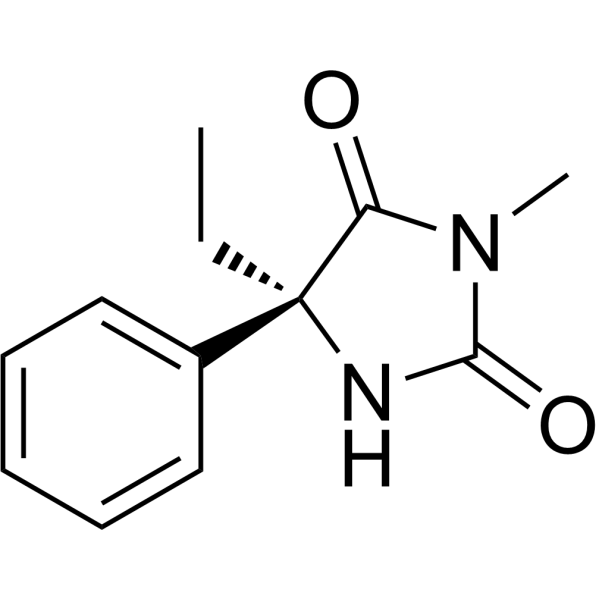
(S)-Mephenytoin ((+)-Mephenytoin) is an anticonvulsive agent. (S)-Mephenytoin is a substrate of the cytochrome P450 (CYP) isoform CYP2C19. (S)-Mephenytoin can be used for the analysis of cytochrome P450 metabolism .
|
-
-
- HY-N2574
-
|
|
Glycosidase
|
Metabolic Disease
|
|
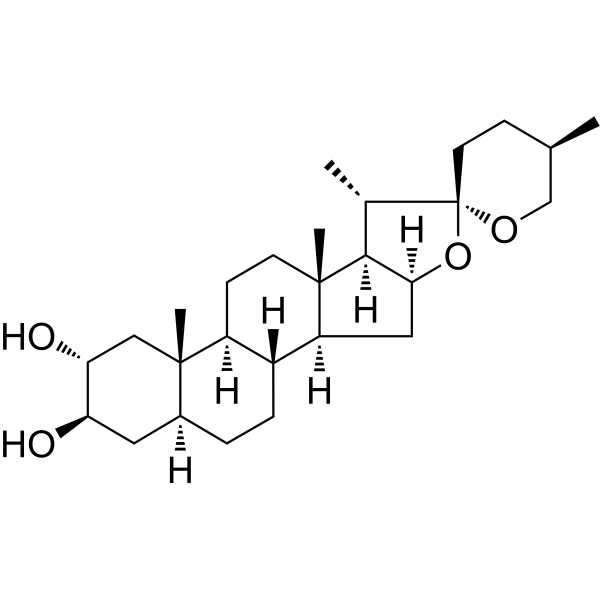
Gitogenin is a natural steroid isolated from the whole plant of Tribulus longipetalus. Gitogenin is a selective inhibitor of UDP-glucuronosyltransferase 1A4 (UGT1A4) and enzyme α-glucosidase with IC50 values of 0.69 μM (use trifluoperazine as a substrate) and 37.2 μM, respectively, and does not inhibit the activities of major human cytochrome P450 isoforms .
|
-
-
- HY-13463
-
|
AKR-501; E5501; YM477
|
Thrombopoietin Receptor
|
Inflammation/Immunology
Cancer
|
|
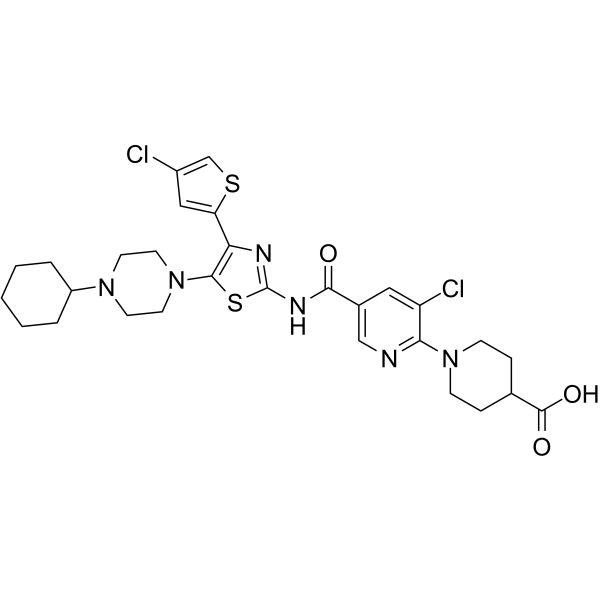
Avatrombopag (AKR-501) is an orally active, nonpeptide thrombopoietin (TPO) receptor agonist (EC50=3.3 nM). Avatrombopag mimics the biological activities of TPO. Avatrombopag increases platelet production by activating the intracellular signaling system, and promotes production of platelets and megakaryocytes from hemopoietic precursor cells. Avatrombopag is a substrate of cytochrome P450 (CYP) 2C9 and CYP3A .
|
-
-
- HY-D0145
-
|
Resorufin ethyl ether
|
Cytochrome P450
NO Synthase
|
Others
|
|
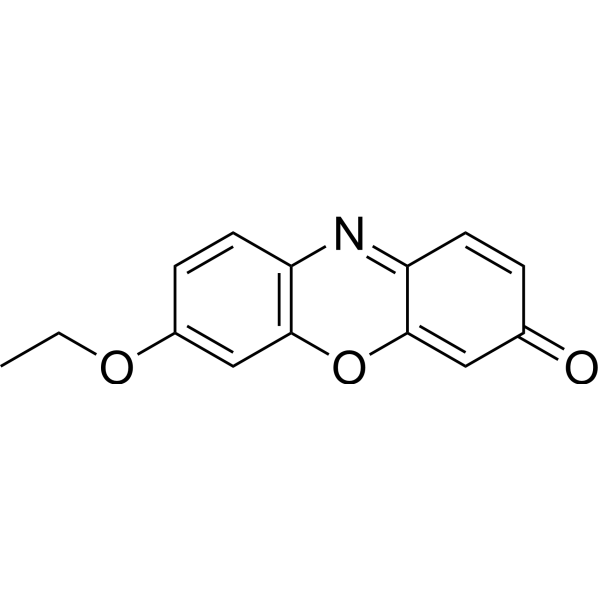
7-Ethoxyresorufin (Resorufin ethyl ether) is a fluorometric substrate and competitive inhibitor of cytochrome P450, especially CYP1A1. 7-Ethoxyresorufin also inhibits NO synthase .
|
-
-
- HY-D0055
-
|
|
Cytochrome P450
|
Others
|
|
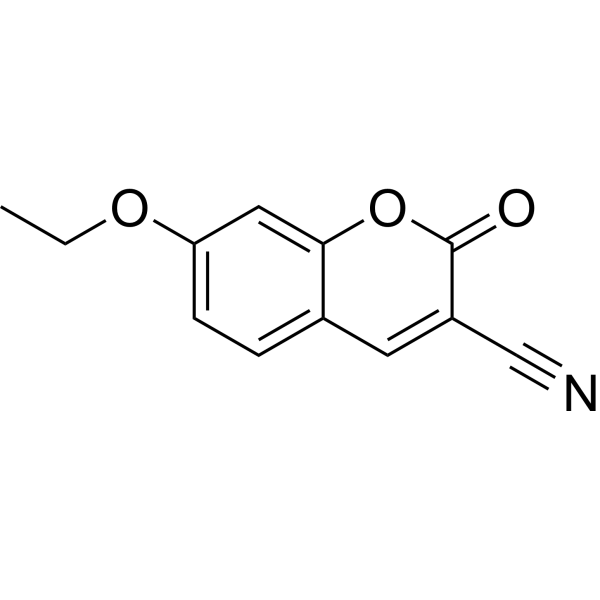
3-Cyano-7-ethoxycoumarin is a fluorescent cytochrome P-450 substrate that generates a blue fluorescent product upon enzymatic cleavage. 3-Cyano-7-ethoxycoumarin is used to detect the activity of mixed-function oxidases in isolated rat hepatocytes. 3-Cyano-7-ethoxycoumarin serves as a biological dye and indicator for research .
|
-
-
- HY-A0024
-
|
(R)-(+)-Tolterodine; (+)-Tolterodine; (R)-Tolterodine; PNU-200583
|
mAChR
Cytochrome P450
|
Neurological Disease
Cancer
|
|
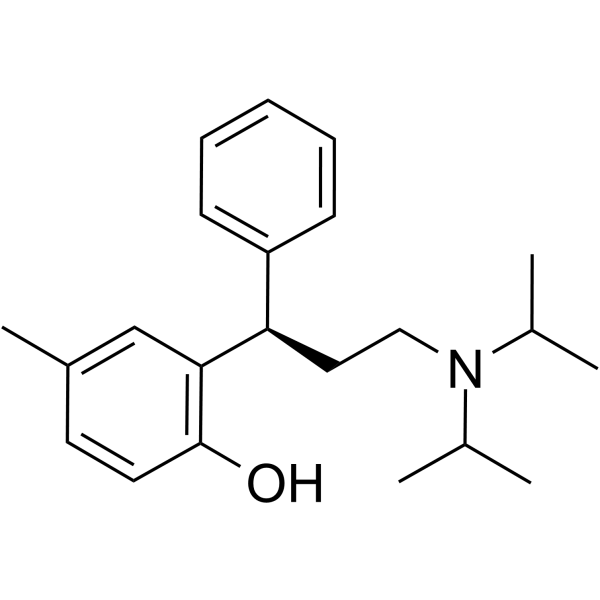
Tolterodine ((R)-(+)-Tolterodine) is a mAChR inhibitor and substrate for cytochrome P450 enzymes. Tolterodine competitively binds acetylcholine, reduces sympathetic excitation, and inhibits involuntary bladder muscle contraction. Tolterodine restores the Nrf2/NF-κB signaling pathway, mediates protection against inflammatory response and ferroptosis. Tolterodine ameliorates LPS (HY-D1056)-induced reactive oxygen species production and lipid oxidation. Tolterodine can be used for the research of urinary tract infections and overactive bladder .
|
-
-
- HY-90010
-
|
Kabi-2234; PNU-200583E
|
mAChR
Cytochrome P450
|
Neurological Disease
Cancer
|
|
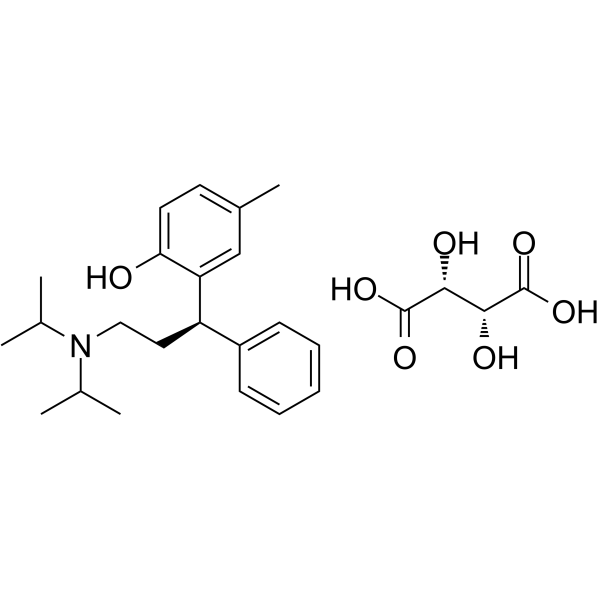
Tolterodine tartrate (Kabi-2234) is a mAChR inhibitor and substrate for cytochrome P450 enzymes. Tolterodine tartrate competitively binds acetylcholine, reduces sympathetic excitation, and inhibits involuntary bladder muscle contraction. Tolterodine tartrate restores the Nrf2/NF-κB signaling pathway, mediates protection against inflammatory response and ferroptosis. Tolterodine tartrate ameliorates LPS (HY-D1056)-induced reactive oxygen species production and lipid oxidation. Tolterodine tartrate can be used for the research of urinary tract infections and overactive bladder .
|
-
-
- HY-N0419
-
|
Quercetin-7-O-β-D-glucopyranoside
|
Glycosidase
c-Kit
MMP
VEGFR
Aurora Kinase
|
Metabolic Disease
Cancer
|
|
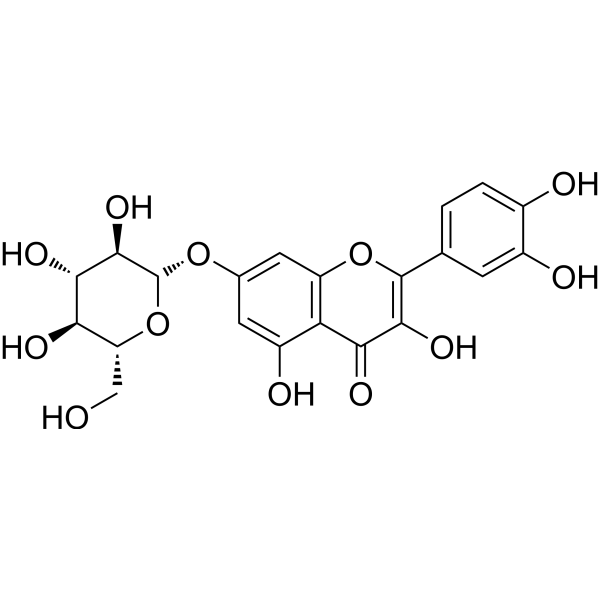
Quercimeritrin (Quercetin-7-O-β-D-glucopyranoside) is an orally active α-glucosidase inhibitor (with an IC50 of 79.88 μM against the Saccharomyces cerevisiae enzyme) and a P-gp substrate, with anti-angiogenic and antioxidant activities. Quercimeritrin does not cross the blood-brain barrier and does not inhibit cytochrome P450 enzymes. Quercimeritrin precisely binds to and inhibits the active sites of c-Kit, MMP-2, Aurora-A kinases and α-glucosidase, thereby disrupting target functions. Quercimeritrin effectively regulates postprandial blood glucose and also exhibits significant anti-angiogenic activity, which inhibits endothelial cell proliferation and microvascular growth. Quercimeritrin can be used in the research of diabetes and breast cancer .
|
-
-
- HY-N7136
-
-
-
- HY-133091
-
|
7-O-Ethylumbelliferone
|
Cytochrome P450
|
Metabolic Disease
|
|
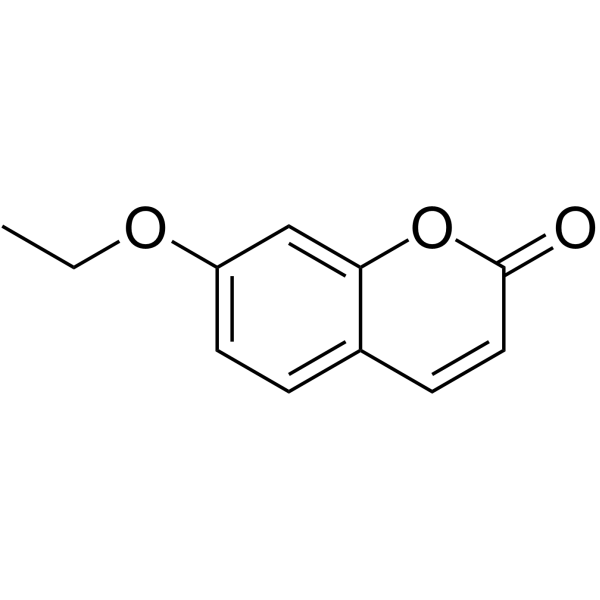
7-Ethoxycoumarin is a substrate of cytochrome P450 (CYP450). 7-Ethoxycoumarin has been used for the functional characterization of various CYPs and for the generation of 7-hydroxycoumarin (HY-N0573) .
|
-
-
- HY-125904
-
|
|
RAR/RXR
UGT
Cytochrome P450
Apoptosis
Drug Derivative
|
Neurological Disease
Inflammation/Immunology
Cancer
|
|
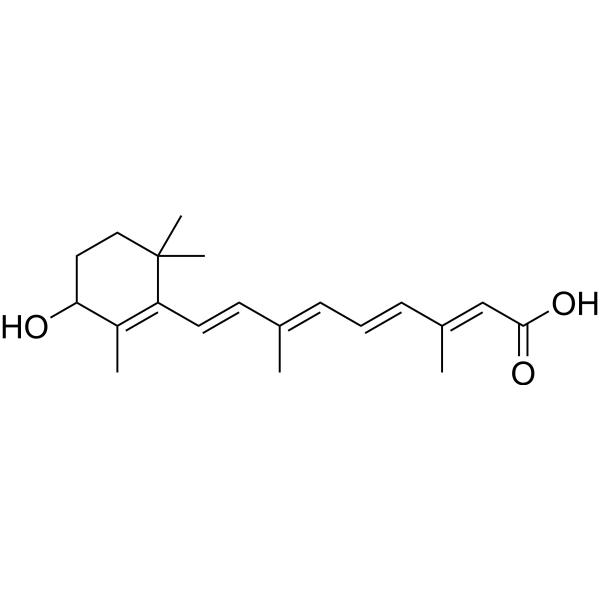
4-Hydroxyretinoic acid (4-HRA) is a derivative of Retinoic acid (HY-14649). 4-Hydroxyretinoic acid is formed via the catalysis of retinol by cytochrome P-450 isoenzymes. 4-Hydroxyretinoic acid also serves as a substrate for UDP-glucuronosyltransferase (s) and recombinant UGT2B7. 4-Hydroxyretinoic acid binds to the nuclear receptor RAR (Retinoic Acid Receptor), activates RAR and RXR-alpha, subsequently regulates gene expression and cell differentiation, and induces cancer cell apoptosis (Apoptosis). 4-Hydroxyretinoic acid also participates in multiple physiological processes such as immunoregulation, neuroprotection and antioxidation .
|
-
-
- HY-A0069
-
|
|
Histamine Receptor
Cytochrome P450
|
Neurological Disease
Metabolic Disease
|
|
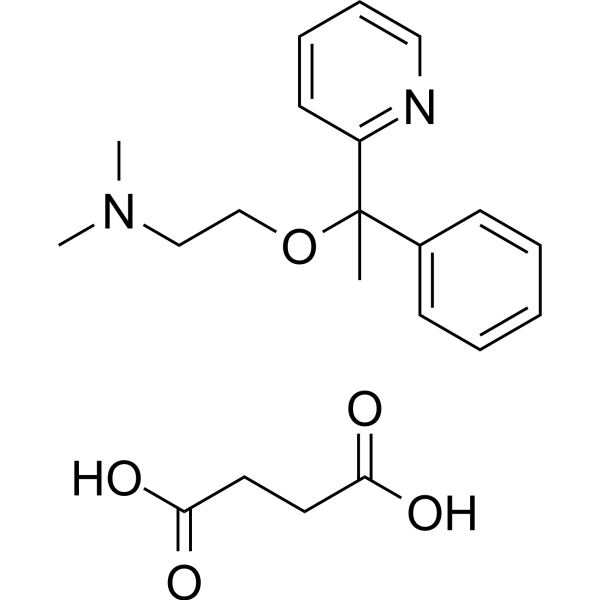
Doxylamine succinate is a first-generation antihistamine and acts as a histamine H1 receptor antagonist. Doxylamine succinate is orally active, possessing analgesic and hypnotic activities. Doxylamine succinate enhances the activities of CYP2B, CYP2A, CYP3A and thyroxine-glucuronosyltransferase via promoting substrate hydroxylation and thyroxine metabolic pathways. Doxylamine succinate decreases serum thyroxine (T4) level and elevates serum thyroid-stimulating hormone (TSH) level. Doxylamine succinate induces liver enlargement and increases the activities of hepatic microsomal cytochrome P450, cytochrome b5 and NADPH-cytochrome c reductase. Doxylamine succinate can be used for the research of nausea, allergy, insomnia .
|
-
-
- HY-N5132
-
|
|
Cytochrome P450
|
Others
|
|
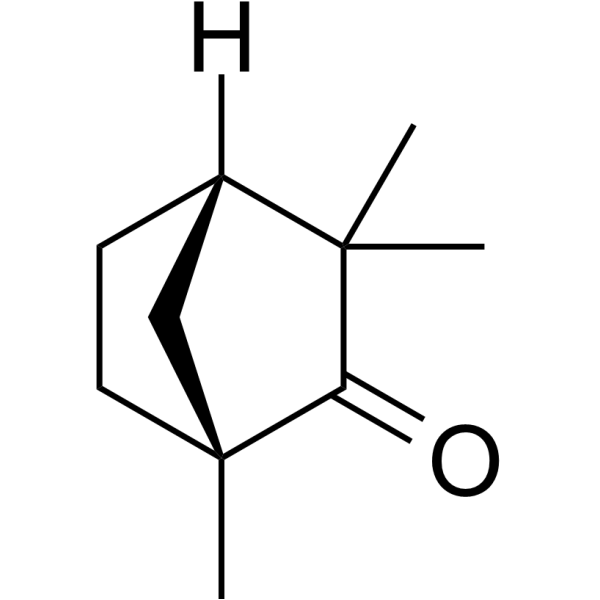
(-)-Fenchone is a bicyclic monoterpene and serves as a substrate for human liver microsomal cytochrome P450 enzymes CYP2A6 and CYP2B6. (-)-Fenchone is not metabolized by human CYP1A1, CYP1A2, CYP1B1, CYP2C8, CYP2C9, CYP2C19, CYP2D6, CYP2E1, or CYP3A4 enzymes. (-)-Fenchone undergoes hydroxylation to produce 6-exo-hydroxyfenchone, 6-endo-hydroxyfenchone, and 10-hydroxyfenchone. During the metabolism of (-)-Fenchone, CYP2A6 may play a more important role than CYP2B6 .
|
-
-
- HY-132184
-
|
5,6-EET; (±)5,6-EpETrE
|
Adrenergic Receptor
Calcium Channel
|
Endocrinology
|
|
5,6-Epoxyeicosatrienoic acid (5,6-EET; (±)5,6-EpETrE) is a fully racemic version of the enantiomeric forms biosynthesized from arachidonic acid by cytochrome P450 enzymes. In solution, 5,6-Epoxyeicosatrienoic acid degrades into 5,6-DiHET and 5,6-δ-lactone, which can be converted to 5,6-DiHET and quantified by GC-MS. In neuroendocrine cells, such as the anterior pituitary and pancreatic islets, 5,6-Epoxyeicosatrienoic acid has been implicated in the mobilization of calcium and hormone secretion. 5,6-Epoxyeicosatrienoic acid is an inhibitor of T-type voltage-gated calcium channels (Cav3) that inhibits isoforms Cav3.1, Cav3.2 (IC50=0.54 μM), and Cav3. and decreases nifedipine-resistant phenylephrine-induced vasoconstriction in isolated mouse mesenteric arteries via Cav3.2 blockade when used at a concentration of 3 μM. In addition, it is a substrate of COX-1 and COX-2.
|
-
-
- HY-D0149
-
|
|
Cytochrome P450
|
Others
|
|
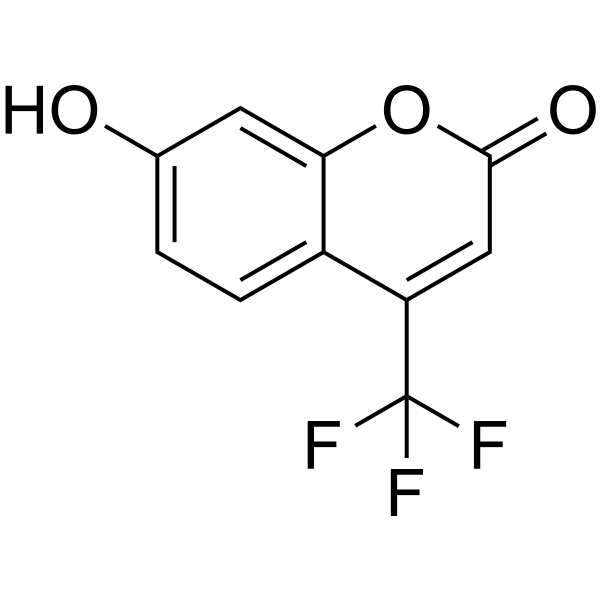
4-(Trifluoromethyl)umbelliferone is fluorescent probe substrate for rat hepatic cytochrome P450 enzymes .
|
-
-
- HY-116862
-
|
DBF
|
Cytochrome P450
Fluorescent Dye
|
Others
|
|
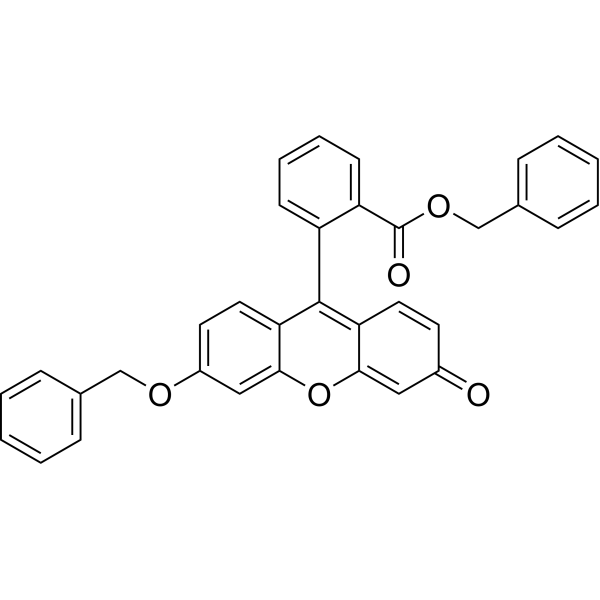
Dibenzylfluorescein (DBF) is a fluorogenic probe (Fluoresecent dye) that acts as a substrate for specific cytochrome P450 (CYP) isoforms, including CYP3A4, CYP2C8, CYP2C9, CYP2C19, and aromatase (CYP19). Dibenzylfluorescein is typically used near its Km value of 0.87-1.9 μM (Ex=485 nm,Em=535 nm). Dibenzylfluorescein is used to detect changes in CYP catalytic activity caused by drugs or disease .
|
-
-
- HY-W014018
-
|
PPO; DPO; POP
|
Fluorescent Dye
|
Others
|
|
2,5-Diphenyloxazole (PPO; DPO; POP) is a fluorescent dye, as well as a substrate and metabolite precursor of cytochrome P-450 (cytochrome P-448/P1-450). 2,5-Diphenyloxazole serves as a scintillator .
|
-
-
- HY-17570
-
-
-
- HY-174905
-
|
QY201
|
JAK
Cytochrome P450
|
Inflammation/Immunology
|
|
Quecitinib (QY201) is an orally active JAK1/TYK2 dual inhibitor. Quecitinib is also a substrate of cytochrome P450 3A and is mainly metabolized to mono-oxide and glucuronidation products. Quecitinib has favorable pharmacokinetic properties as well as safety. Quecitinib can be used in the research of atopic dermatitis and other autoimmune diseases .
|
-
-
- HY-13463A
-
|
AKR-501 maleate; E5501 maleate; YM477 maleate
|
Thrombopoietin Receptor
Cytochrome P450
ERK
STAT
|
Inflammation/Immunology
Cancer
|
|
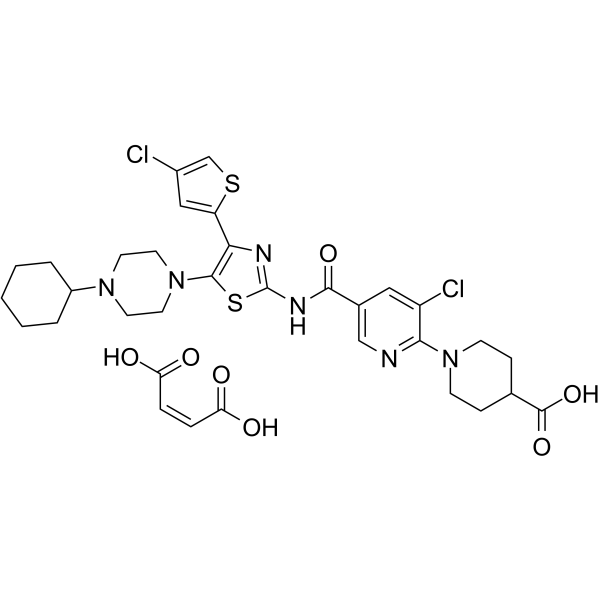
Avatrombopag (AKR-501) maleate is an orally active, non-peptide thrombopoietin receptor (TPO receptor) agonist (EC50: 3.3 nM). Avatrombopag maleate mimics the biological activity of TPO. Avatrombopag maleate increases platelet production by activating intracellular signaling systems and promotes the production of platelets and megakaryocytes from hematopoietic precursor cells. Avatrombopag maleate is a substrate for cytochrome P450 (CYP) 2C9 and CYP3A .
|
-
-
- HY-W027773
-
-
-
- HY-D0091
-
|
|
Fluorescent Dye
|
Others
|
|
7-Ethoxy-4-trifluoromethylcoumarin is a fluorescent substrate of various enzymes of the cytochrome P450 superfamily
|
-
-
- HY-B1184AR
-
|
(+)-Mephenytoin (Standard)
|
Reference Standards
Cytochrome P450
|
Neurological Disease
|
|
(S)-Mephenytoin (Standard) is the analytical standard of (S)-Mephenytoin. This product is intended for research and analytical applications. (S)-Mephenytoin ((+)-Mephenytoin) is an anticonvulsive agent. (S)-Mephenytoin is a substrate of the cytochrome P450 (CYP) isoform CYP2C19. (S)-Mephenytoin can be used for the analysis of cytochrome P450 metabolism .
|
-
-
- HY-113302
-
-
-
- HY-164793
-
|
|
TGF-β Receptor
Cytochrome P450
Bacterial
|
Infection
|
|
TGFBR1-IN-2 (Compound AQA) is a TGFBR1 inhibitor and an antibacterial agent. TGFBR1-IN-2 is a substrate for cytochrome P450s. TGFBR1-IN-2 contains the pyridyl-6-methyl moiety necessary for Mycobacterium tuberculosis inhibition and has potent inhibitory activity against non-replicating and persistent Mycobacterium tuberculosis .
|
-
-
- HY-D0147
-
|
Pentoxyresorufin
|
Bacterial
|
Infection
|
|
Resorufin pentyl ether (Pentoxyresorufin) is a Resazurin (HY-111391) analogue. Resorufin pentyl ether can function as a substrate probe to characterize and differentiate between a variety of inducers of cytochromes P-450. Resorufin pentyl ether has bactericidal activity against N. gonorrhoeae .
|
-
-
- HY-D0145S
-
|
Resorufin ethyl ether-d5
|
Isotope-Labeled Compounds
Cytochrome P450
NO Synthase
|
Others
|
|
7-Ethoxyresorufin-d5 is deuterium labeled 7-Ethoxyresorufin. 7-Ethoxyresorufin (Resorufin ethyl ether) is a fluorometric substrate and competitive inhibitor of cytochrome P450, especially CYP1A1. 7-Ethoxyresorufin also inhibits NO synthase .
|
-
-
- HY-B1462S
-
|
|
Cytochrome P450
|
Inflammation/Immunology
|
|
Chlorzoxazone-d3 is the deuterium labeled Chlorzoxazone. Chlorzoxazone is a centrally acting muscle relaxant used to treat muscle spasm and the resulting pain or discomfort. It acts on the spinal cord by depressing reflexes.Chlorzoxazone is currently being used as a marker substrate in vitro/vivo studies to quantify cytochrome P450 2E1 (CYP2E1) activity in humans.
|
-
-
- HY-W015697
-
-
-
- HY-13463B
-
|
AKR-501 hydrochloride; E5501 hydrochloride; YM477 hydrochloride
|
Thrombopoietin Receptor
|
Cardiovascular Disease
Cancer
|
|
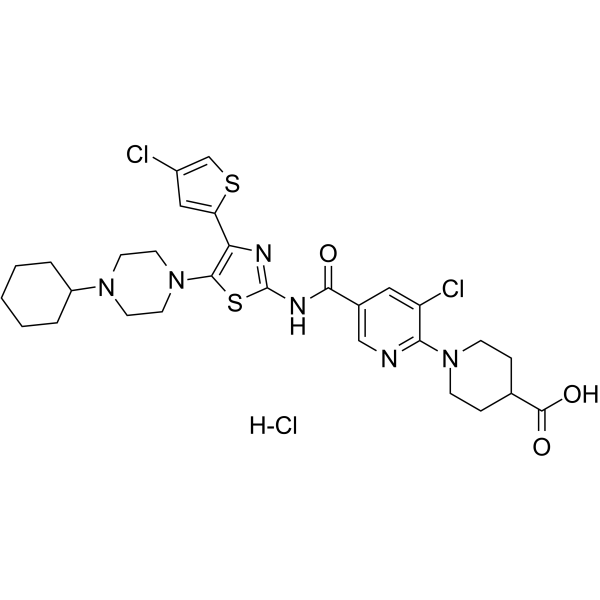
Avatrombopag (AKR-501) hydrochloride is an orally active, nonpeptide thrombopoietin (TPO) receptor agonist (EC50=3.3 nM). Avatrombopag hydrochloride mimics the biological activities of TPO. Avatrombopag hydrochloride increases platelet production by activating the intracellular signaling system, and promotes production of platelets and megakaryocytes from hemopoietic precursor cells. Avatrombopag hydrochloride is a substrate of cytochrome P450 (CYP) 2C9 and CYP3A .
|
-
-
- HY-160431
-
|
|
PPAR
NF-κB
COX
Drug Metabolite
|
Metabolic Disease
|
|
8(9)-EET is one of the main metabolites produced by the metabolism of arachidonic acid (HY-109590) through the cytochrome P450 epoxide pathway. 8(9)-EET is an effective substrate for COX-1 and COX-2. 8(9)-EET activates PPARα in HEK293 cells and inhibits the activity of NF-κB induced by IL-1β in a PPARα-dependent and -independent manner. The (8S,9R)-isomer of 8(9)-EET ([(8S,9R)-EET]) causes vasoconstriction, thereby reducing renal plasma flow and glomerular filtration rate .
|
-
-
- HY-D0144
-
|
Methoxyresorufin
|
Cytochrome P450
|
Others
|
|
Resorufin methyl ether (Methoxyresorufin) is a cytochrome P450 fluorometric substrate . Resorufin methyl ether is a relatively specific substrate for CYP1A2 activity in rodents .
|
-
-
- HY-D0092
-
|
|
Cytochrome P450
|
Others
|
|
7-Ethoxy-4-methylcoumarin is a coumarin derivative and can be used as a substrate probe of mammalian cytochromes P450 1A1, 2B4 and 2B6 .
|
-
-
- HY-133091R
-
|
7-O-Ethylumbelliferone (Standard)
|
Cytochrome P450
Reference Standards
|
Metabolic Disease
|
|
7-Ethoxycoumarin (Standard) is the analytical standard of 7-Ethoxycoumarin. This product is intended for research and analytical applications. 7-Ethoxycoumarin is a substrate of cytochrome P450 (CYP450). 7-Ethoxycoumarin has been used for the functional characterization of various CYPs and for the generation of 7-hydroxycoumarin (HY-N0573) .
|
-
-
- HY-13463BS
-
|
AKR-501-d8 hydrochloride; E5501-d8 hydrochloride; YM477-d8 hydrochloride
|
Isotope-Labeled Compounds
Thrombopoietin Receptor
|
Cardiovascular Disease
|
|
Avatrombopag-d8 (hydrochloride) is deuterium labeled Avatrombopag (hydrochloride). Avatrombopag (AKR-501) hydrochloride is an orally active, nonpeptide thrombopoietin (TPO) receptor agonist (EC50=3.3 nM). Avatrombopag hydrochloride mimics the biological activities of TPO. Avatrombopag hydrochloride increases platelet production by activating the intracellular signaling system, and promotes production of platelets and megakaryocytes from hemopoietic precursor cells. Avatrombopag hydrochloride is a substrate of cytochrome P450 (CYP) 2C9 and CYP3A .
|
-
-
- HY-13463R
-
|
AKR-501 (Standard); E5501 (Standard); YM477 (Standard)
|
Reference Standards
Thrombopoietin Receptor
|
Inflammation/Immunology
Cancer
|
|
Avatrombopag (Standard) is the analytical standard of Avatrombopag. This product is intended for research and analytical applications. Avatrombopag (AKR-501) is an orally active, nonpeptide thrombopoietin (TPO) receptor agonist (EC50=3.3 nM). Avatrombopag mimics the biological activities of TPO. Avatrombopag increases platelet production by activating the intracellular signaling system, and promotes production of platelets and megakaryocytes from hemopoietic precursor cells. Avatrombopag is a substrate of cytochrome P450 (CYP) 2C9 and CYP3A .
|
-
-
- HY-A0069A
-
|
|
Histamine Receptor
Cytochrome P450
|
Neurological Disease
Metabolic Disease
|
|
Doxylamine is a first-generation antihistamine and acts as a histamine H1 receptor antagonist. Doxylamine is orally active, possessing analgesic and hypnotic activities. Doxylamine enhances the activities of CYP2B, CYP2A, CYP3A and thyroxine-glucuronosyltransferase via promoting substrate hydroxylation and thyroxine metabolic pathways. Doxylamine decreases serum thyroxine (T4) level and elevates serum thyroid-stimulating hormone (TSH) level. Doxylamine induces liver enlargement and increases the activities of hepatic microsomal cytochrome P450, cytochrome b5 and NADPH-cytochrome c reductase. Doxylamine can be used for the research of nausea, allergy, insomnia .
|
-
-
- HY-A0069R
-
|
|
Reference Standards
Histamine Receptor
Cytochrome P450
|
Neurological Disease
Metabolic Disease
|
|
Doxylamine succinate (Standard) is the analytical standard of Doxylamine succinate (HY-A0069). This product is intended for research and analytical applications. Doxylamine succinate is a first-generation antihistamine and acts as a histamine H1 receptor antagonist. Doxylamine succinate is orally active, possessing analgesic and hypnotic activities. Doxylamine succinate enhances the activities of CYP2B, CYP2A, CYP3A and thyroxine-glucuronosyltransferase via promoting substrate hydroxylation and thyroxine metabolic pathways. Doxylamine succinate decreases serum thyroxine (T4) level and elevates serum thyroid-stimulating hormone (TSH) level. Doxylamine succinate induces liver enlargement and increases the activities of hepatic microsomal cytochrome P450, cytochrome b5 and NADPH-cytochrome c reductase. Doxylamine succinate can be used for the research of nausea, allergy, insomnia .
|
-
-
- HY-131053
-
|
|
Endogenous Metabolite
|
Others
|
|
4-Chloro-N,N-diisopropylbenzamide is an amide bioactive compound utilized as a substrate for cytochrome P450 enzymes in vivo and for acetylcholinesterase in vitro.
|
-
-
- HY-133091S
-
|
|
Cytochrome P450
Isotope-Labeled Compounds
|
Others
|
|
7-Ethoxycoumarin-d5 is deuterium labeled 7-Ethoxycoumarin. 7-Ethoxycoumarin is a substrate for cytochrome P450(CYP450) and has been used in the functional characterization of various CYPs .
|
-
-
- HY-17570R
-
|
|
Glucocorticoid Receptor
Reference Standards
Interleukin Related
Cytochrome P450
|
Inflammation/Immunology
|
|
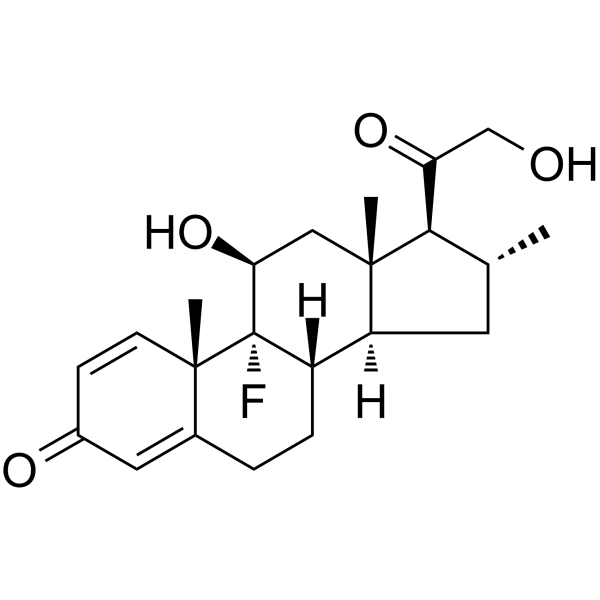
Desoximetasone (Standard) is the analytical standard of Desoximetasone (HY-17570). This product is intended for research and analytical applications. Desoximetasone is a corticosteroid and a substrate of cytochrome P450 3A4. Desoximetasone has anti-inflammatory, anti-allergic, and immunosuppressive effects. Desoximetasone can be used in the research of various skin diseases, such as skin allergies, atopic dermatitis, and psoriasis .
|
-
-
- HY-D0092R
-
|
|
Reference Standards
Cytochrome P450
|
Others
|
|
7-Ethoxy-4-methylcoumarin (Standard) is the analytical standard of 7-Ethoxy-4-methylcoumarin. This product is intended for research and analytical applications. 7-Ethoxy-4-methylcoumarin is a coumarin derivative and can be used as a substrate probe of mammalian cytochromes P450 1A1, 2B4 and 2B6 .
|
-
-
- HY-N2574R
-
|
|
Reference Standards
Glycosidase
|
Metabolic Disease
|
|
Gitogenin (Standard) is the analytical standard of Gitogenin. This product is intended for research and analytical applications. Gitogenin is a natural steroid isolated from the whole plant of Tribulus longipetalus. Gitogenin is a selective inhibitor of UDP-glucuronosyltransferase 1A4 (UGT1A4) and enzyme α-glucosidase with IC50 values of 0.69 μM (use trifluoperazine as a substrate) and 37.2 μM, respectively, and does not inhibit the activities of major human cytochrome P450 isoforms .
|
-
-
- HY-13463BR
-
|
AKR-501 hydrochloride (Standard); E5501 hydrochloride (Standard); YM477 hydrochloride (Standard)
|
Thrombopoietin Receptor
Reference Standards
|
Cardiovascular Disease
Cancer
|
|
Avatrombopag (hydrochloride) (Standard) is the analytical standard of Avatrombopag (hydrochloride). This product is intended for research and analytical applications. Avatrombopag (AKR-501) hydrochloride is an orally active, nonpeptide thrombopoietin (TPO) receptor agonist (EC50=3.3 nM). Avatrombopag hydrochloride mimics the biological activities of TPO. Avatrombopag hydrochloride increases platelet production by activating the intracellular signaling system, and promotes production of platelets and megakaryocytes from hemopoietic precursor cells. Avatrombopag hydrochloride is a substrate of cytochrome P450 (CYP) 2C9 and CYP3A .
|
-
-
- HY-13463AR
-
|
AKR-501 maleate (Standard); E5501 maleate (Standard); YM477 maleate (Standard)
|
Thrombopoietin Receptor
Cytochrome P450
ERK
STAT
Reference Standards
|
Inflammation/Immunology
Cancer
|
|
Avatrombopag (maleate) (Standard) is the analytical standard of Avatrombopag (maleate). This product is intended for research and analytical applications. Avatrombopag maleate (AKR-501) is an orally active, nonpeptide thrombopoietin (TPO) receptor agonist (EC50=3.3 nM). Avatrombopag maleate mimics the biological activities of TPO. Avatrombopag maleate increases platelet production by activating the intracellular signaling system, and promotes production of platelets and megakaryocytes from hemopoietic precursor cells. Avatrombopag maleate is a substrate of cytochrome P450 (CYP) 2C9 and CYP3A .
|
-
-
- HY-A0024S
-
|
(R)-(+)-Tolterodine-d14 hydrochloride; (+)-Tolterodine-d14 hydrochloride; (R)-Tolterodine-d14 hydrochloride; PNU-200583-d14 hydrochloride
|
Isotope-Labeled Compounds
mAChR
Cytochrome P450
|
Neurological Disease
|
|
Tolterodine-d14 (hydrochloride) is the deuterium labeled Tolterodine hydrochloride . Tolterodine ((R)-(+)-Tolterodine) is a mAChR inhibitor and substrate for cytochrome P450 enzymes. Tolterodine competitively binds acetylcholine, reduces sympathetic excitation, and inhibits involuntary bladder muscle contraction. Tolterodine restores the Nrf2/NF-κB signaling pathway, mediates protection against inflammatory response and ferroptosis. Tolterodine ameliorates LPS (HY-D1056)-induced reactive oxygen species production and lipid oxidation. Tolterodine can be used for the research of urinary tract infections and overactive bladder.
|
-
-
- HY-90010R
-
|
Kabi-2234 (Standard); PNU-200583E (Standard)
|
Reference Standards
mAChR
Cytochrome P450
|
Neurological Disease
Cancer
|
|
Tolterodine (tartrate) (Standard) is the analytical standard of Tolterodine tartrate. This product is intended for research and analytical applications. Tolterodine ((R)-(+)-Tolterodine) is a mAChR inhibitor and substrate for cytochrome P450 enzymes. Tolterodine competitively binds acetylcholine, reduces sympathetic excitation, and inhibits involuntary bladder muscle contraction. Tolterodine restores the Nrf2/NF-κB signaling pathway, mediates protection against inflammatory response and ferroptosis. Tolterodine ameliorates LPS (HY-D1056)-induced reactive oxygen species production and lipid oxidation. Tolterodine can be used for the research of urinary tract infections and overactive bladder.
|
-
-
- HY-A0024R
-
|
(R)-(+)-Tolterodine (Standard); (+)-Tolterodine (Standard); (R)-Tolterodine (Standard); PNU-200583 (Standard)
|
Reference Standards
mAChR
Cytochrome P450
|
Neurological Disease
Cancer
|
|
Tolterodine (Standard) is the analytical standard of Tolterodine. This product is intended for research and analytical applications. Tolterodine ((R)-(+)-Tolterodine) is a mAChR inhibitor and substrate for cytochrome P450 enzymes. Tolterodine competitively binds acetylcholine, reduces sympathetic excitation, and inhibits involuntary bladder muscle contraction. Tolterodine restores the Nrf2/NF-κB signaling pathway, mediates protection against inflammatory response and ferroptosis. Tolterodine ameliorates LPS (HY-D1056)-induced reactive oxygen species production and lipid oxidation. Tolterodine can be used for the research of urinary tract infections and overactive bladder.
|
-
-
- HY-A0069AS
-
|
|
Isotope-Labeled Compounds
Histamine Receptor
Cytochrome P450
|
Neurological Disease
Metabolic Disease
|
|
Doxylamine-d5 is deuterium labeled Doxylamine (HY-A0069A). Doxylamine is a first-generation antihistamine and acts as a histamine H1 receptor antagonist. Doxylamine is orally active, possessing analgesic and hypnotic activities. Doxylamine enhances the activities of CYP2B, CYP2A, CYP3A and thyroxine-glucuronosyltransferase via promoting substrate hydroxylation and thyroxine metabolic pathways. Doxylamine decreases serum thyroxine (T4) level and elevates serum thyroid-stimulating hormone (TSH) level. Doxylamine induces liver enlargement and increases the activities of hepatic microsomal cytochrome P450, cytochrome b5 and NADPH-cytochrome c reductase. Doxylamine can be used for the research of nausea, allergy, insomnia .
|
-
-
- HY-A0069S
-
|
|
Isotope-Labeled Compounds
Histamine Receptor
Cytochrome P450
|
Neurological Disease
Metabolic Disease
|
|
Doxylamine-d5 succinate is deuterium labeled Doxylamine succinate (HY-A0069A). Doxylamine succinate is a first-generation antihistamine and acts as a histamine H1 receptor antagonist. Doxylamine succinate is orally active, possessing analgesic and hypnotic activities. Doxylamine succinate enhances the activities of CYP2B, CYP2A, CYP3A and thyroxine-glucuronosyltransferase via promoting substrate hydroxylation and thyroxine metabolic pathways. Doxylamine succinate decreases serum thyroxine (T4) level and elevates serum thyroid-stimulating hormone (TSH) level. Doxylamine succinate induces liver enlargement and increases the activities of hepatic microsomal cytochrome P450, cytochrome b5 and NADPH-cytochrome c reductase. Doxylamine succinate can be used for the research of nausea, allergy, insomnia .
|
-
- HY-17570S
-
-
- HY-N1500A
-
|
(-)-Pulegone
|
Cytochrome P450
|
Cancer
|
|
(S)-Pulegone ((-)-Pulegone) is a cytochrome P450 (CYP450) substrate. (S)-Pulegone induces urothelial cytotoxicity, necrosis, regenerative proliferation and urinary bladder tumors in female rats. (S)-Pulegone induces rodent nephropathy, olfactory metaplasia, gastric hyperplasia/perforation at high dose. (S)-Pulegone can be used for the research of urinary bladder and hepatic neoplasms .
|
-
- HY-90010S
-
|
Kabi-2234-d14; PNU-200583E-d14
|
Isotope-Labeled Compounds
mAChR
Cytochrome P450
|
Neurological Disease
Cancer
|
|
Tolterodine tartrate-d14 (Kabi-2234-d14) is deuterium labeled Tolterodine tartrate. Tolterodine ((R)-(+)-Tolterodine) is a mAChR inhibitor and substrate for cytochrome P450 enzymes. Tolterodine competitively binds acetylcholine, reduces sympathetic excitation, and inhibits involuntary bladder muscle contraction. Tolterodine restores the Nrf2/NF-κB signaling pathway, mediates protection against inflammatory response and ferroptosis. Tolterodine ameliorates LPS (HY-D1056)-induced reactive oxygen species production and lipid oxidation. Tolterodine can be used for the research of urinary tract infections and overactive bladder.
|
-
- HY-179488
-
|
|
PPAR
NF-κB
COX
Drug Metabolite
|
Metabolic Disease
|
|
(±)8(9)-EET is one of the main metabolites produced by the metabolism of arachidonic acid (HY-109590) through the cytochrome P450 epoxide pathway. (±)8(9)-EET is an effective substrate for COX-1 and COX-2. (±)8(9)-EET activates PPARα in HEK293 cells and inhibits the activity of NF-κB induced by IL-1β in a PPARα-dependent and -independent manner. The (8S,9R)-isomer of (±)8(9)-EET ([(8S,9R)-EET]) causes vasoconstriction, thereby reducing renal plasma flow and glomerular filtration rate .
|
-
| Cat. No. |
Product Name |
Type |
-
- HY-D0145
-
|
Resorufin ethyl ether
|
Fluorescent Dyes
|
|
7-Ethoxyresorufin (Resorufin ethyl ether) is a fluorometric substrate and competitive inhibitor of cytochrome P450, especially CYP1A1. 7-Ethoxyresorufin also inhibits NO synthase .
|
-
- HY-D0055
-
|
|
Fluorescent Dyes
|
|
3-Cyano-7-ethoxycoumarin is a fluorescent cytochrome P-450 substrate that generates a blue fluorescent product upon enzymatic cleavage. 3-Cyano-7-ethoxycoumarin is used to detect the activity of mixed-function oxidases in isolated rat hepatocytes. 3-Cyano-7-ethoxycoumarin serves as a biological dye and indicator for research .
|
-
- HY-D0149
-
|
|
Fluorescent Dyes
|
|
4-(Trifluoromethyl)umbelliferone is fluorescent probe substrate for rat hepatic cytochrome P450 enzymes .
|
-
- HY-116862
-
|
DBF
|
Fluorescent Dyes
|
|
Dibenzylfluorescein (DBF) is a fluorogenic probe (Fluoresecent dye) that acts as a substrate for specific cytochrome P450 (CYP) isoforms, including CYP3A4, CYP2C8, CYP2C9, CYP2C19, and aromatase (CYP19). Dibenzylfluorescein is typically used near its Km value of 0.87-1.9 μM (Ex=485 nm,Em=535 nm). Dibenzylfluorescein is used to detect changes in CYP catalytic activity caused by drugs or disease .
|
-
- HY-W027773
-
|
MFC
|
Fluorescent Dyes
|
|
7-Methoxy-4-(trifluoromethyl)coumarin (MFC) is a fluorescent substrate for cytochrome P450 and can quantify CYP activity .
|
-
- HY-D0091
-
|
|
Fluorescent Dyes
|
|
7-Ethoxy-4-trifluoromethylcoumarin is a fluorescent substrate of various enzymes of the cytochrome P450 superfamily
|
-
- HY-D0147
-
|
Pentoxyresorufin
|
Fluorescent Dyes
|
|
Resorufin pentyl ether (Pentoxyresorufin) is a Resazurin (HY-111391) analogue. Resorufin pentyl ether can function as a substrate probe to characterize and differentiate between a variety of inducers of cytochromes P-450. Resorufin pentyl ether has bactericidal activity against N. gonorrhoeae .
|
-
- HY-D0144
-
|
Methoxyresorufin
|
Fluorescent Dyes
|
|
Resorufin methyl ether (Methoxyresorufin) is a cytochrome P450 fluorometric substrate . Resorufin methyl ether is a relatively specific substrate for CYP1A2 activity in rodents .
|
-
- HY-D0092
-
|
|
Fluorescent Dyes
|
|
7-Ethoxy-4-methylcoumarin is a coumarin derivative and can be used as a substrate probe of mammalian cytochromes P450 1A1, 2B4 and 2B6 .
|
-
- HY-D0092R
-
|
|
Fluorescent Dyes
|
|
7-Ethoxy-4-methylcoumarin (Standard) is the analytical standard of 7-Ethoxy-4-methylcoumarin. This product is intended for research and analytical applications. 7-Ethoxy-4-methylcoumarin is a coumarin derivative and can be used as a substrate probe of mammalian cytochromes P450 1A1, 2B4 and 2B6 .
|
| Cat. No. |
Product Name |
Type |
-
- HY-W014018
-
|
PPO; DPO; POP
|
Biochemical Assay Reagents
|
|
2,5-Diphenyloxazole (PPO; DPO; POP) is a fluorescent dye, as well as a substrate and metabolite precursor of cytochrome P-450 (cytochrome P-448/P1-450). 2,5-Diphenyloxazole serves as a scintillator .
|
| Cat. No. |
Product Name |
Category |
Target |
Chemical Structure |
-
- HY-N2574
-
-
-
- HY-N0419
-
-
-
- HY-N7136
-
-
-
- HY-133091
-
-
-
- HY-N5132
-
|
|
Structural Classification
Other Monoterpenes
Classification of Application Fields
Terpenoids
Other Diseases
Umbelliferae
Plants
Vernonia Schreb.
Disease Research Fields
Source Classification
|
Cytochrome P450
|
|
(-)-Fenchone is a bicyclic monoterpene and serves as a substrate for human liver microsomal cytochrome P450 enzymes CYP2A6 and CYP2B6. (-)-Fenchone is not metabolized by human CYP1A1, CYP1A2, CYP1B1, CYP2C8, CYP2C9, CYP2C19, CYP2D6, CYP2E1, or CYP3A4 enzymes. (-)-Fenchone undergoes hydroxylation to produce 6-exo-hydroxyfenchone, 6-endo-hydroxyfenchone, and 10-hydroxyfenchone. During the metabolism of (-)-Fenchone, CYP2A6 may play a more important role than CYP2B6 .
|
-
-
- HY-113302
-
-
-
- HY-133091R
-
-
-
- HY-N2574R
-
-
-
- HY-N1500A
-
-
| Cat. No. |
Product Name |
Chemical Structure |
-
- HY-D0145S
-
|
|
|
7-Ethoxyresorufin-d5 is deuterium labeled 7-Ethoxyresorufin. 7-Ethoxyresorufin (Resorufin ethyl ether) is a fluorometric substrate and competitive inhibitor of cytochrome P450, especially CYP1A1. 7-Ethoxyresorufin also inhibits NO synthase .
|
-
-
- HY-B1462S
-
|
|
|
Chlorzoxazone-d3 is the deuterium labeled Chlorzoxazone. Chlorzoxazone is a centrally acting muscle relaxant used to treat muscle spasm and the resulting pain or discomfort. It acts on the spinal cord by depressing reflexes.Chlorzoxazone is currently being used as a marker substrate in vitro/vivo studies to quantify cytochrome P450 2E1 (CYP2E1) activity in humans.
|
-
-
- HY-13463BS
-
|
|
|
Avatrombopag-d8 (hydrochloride) is deuterium labeled Avatrombopag (hydrochloride). Avatrombopag (AKR-501) hydrochloride is an orally active, nonpeptide thrombopoietin (TPO) receptor agonist (EC50=3.3 nM). Avatrombopag hydrochloride mimics the biological activities of TPO. Avatrombopag hydrochloride increases platelet production by activating the intracellular signaling system, and promotes production of platelets and megakaryocytes from hemopoietic precursor cells. Avatrombopag hydrochloride is a substrate of cytochrome P450 (CYP) 2C9 and CYP3A .
|
-
-
- HY-133091S
-
|
|
|
7-Ethoxycoumarin-d5 is deuterium labeled 7-Ethoxycoumarin. 7-Ethoxycoumarin is a substrate for cytochrome P450(CYP450) and has been used in the functional characterization of various CYPs .
|
-
-
- HY-A0024S
-
|
|
|
Tolterodine-d14 (hydrochloride) is the deuterium labeled Tolterodine hydrochloride . Tolterodine ((R)-(+)-Tolterodine) is a mAChR inhibitor and substrate for cytochrome P450 enzymes. Tolterodine competitively binds acetylcholine, reduces sympathetic excitation, and inhibits involuntary bladder muscle contraction. Tolterodine restores the Nrf2/NF-κB signaling pathway, mediates protection against inflammatory response and ferroptosis. Tolterodine ameliorates LPS (HY-D1056)-induced reactive oxygen species production and lipid oxidation. Tolterodine can be used for the research of urinary tract infections and overactive bladder.
|
-
-
- HY-A0069AS
-
|
|
|
Doxylamine-d5 is deuterium labeled Doxylamine (HY-A0069A). Doxylamine is a first-generation antihistamine and acts as a histamine H1 receptor antagonist. Doxylamine is orally active, possessing analgesic and hypnotic activities. Doxylamine enhances the activities of CYP2B, CYP2A, CYP3A and thyroxine-glucuronosyltransferase via promoting substrate hydroxylation and thyroxine metabolic pathways. Doxylamine decreases serum thyroxine (T4) level and elevates serum thyroid-stimulating hormone (TSH) level. Doxylamine induces liver enlargement and increases the activities of hepatic microsomal cytochrome P450, cytochrome b5 and NADPH-cytochrome c reductase. Doxylamine can be used for the research of nausea, allergy, insomnia .
|
-
-
- HY-A0069S
-
|
|
|
Doxylamine-d5 succinate is deuterium labeled Doxylamine succinate (HY-A0069A). Doxylamine succinate is a first-generation antihistamine and acts as a histamine H1 receptor antagonist. Doxylamine succinate is orally active, possessing analgesic and hypnotic activities. Doxylamine succinate enhances the activities of CYP2B, CYP2A, CYP3A and thyroxine-glucuronosyltransferase via promoting substrate hydroxylation and thyroxine metabolic pathways. Doxylamine succinate decreases serum thyroxine (T4) level and elevates serum thyroid-stimulating hormone (TSH) level. Doxylamine succinate induces liver enlargement and increases the activities of hepatic microsomal cytochrome P450, cytochrome b5 and NADPH-cytochrome c reductase. Doxylamine succinate can be used for the research of nausea, allergy, insomnia .
|
-
-
- HY-17570S
-
|
|
|
Desoximetasone-d3 is the deuterium labeled Desoximetasone (HY-17570). Desoximetasone is a corticosteroid and a substrate of cytochrome P450 3A4. Desoximetasone has anti-inflammatory, anti-allergic, and immunosuppressive effects. Desoximetasone can be used in the research of various skin diseases, such as skin allergies, atopic dermatitis, and psoriasis .
|
-
-
- HY-90010S
-
|
|
|
Tolterodine tartrate-d14 (Kabi-2234-d14) is deuterium labeled Tolterodine tartrate. Tolterodine ((R)-(+)-Tolterodine) is a mAChR inhibitor and substrate for cytochrome P450 enzymes. Tolterodine competitively binds acetylcholine, reduces sympathetic excitation, and inhibits involuntary bladder muscle contraction. Tolterodine restores the Nrf2/NF-κB signaling pathway, mediates protection against inflammatory response and ferroptosis. Tolterodine ameliorates LPS (HY-D1056)-induced reactive oxygen species production and lipid oxidation. Tolterodine can be used for the research of urinary tract infections and overactive bladder.
|
-
Your information is safe with us. * Required Fields.
Inquiry Information
- Product Name:
- Cat. No.:
- Quantity:
- MCE Japan Authorized Agent:

