1. Search Result
Search Result
Results for "

ROS/RNS

" in MedChemExpress (MCE) Product Catalog:

26

Inhibitors & Agonists

11

Fluorescent Dyes

1

Biochemical Assay Reagents

3

Natural
Products

1

Isotope-Labeled Compounds

1

Oligonucleotides

Cat. No. Product Name Target Research Areas Chemical Structure
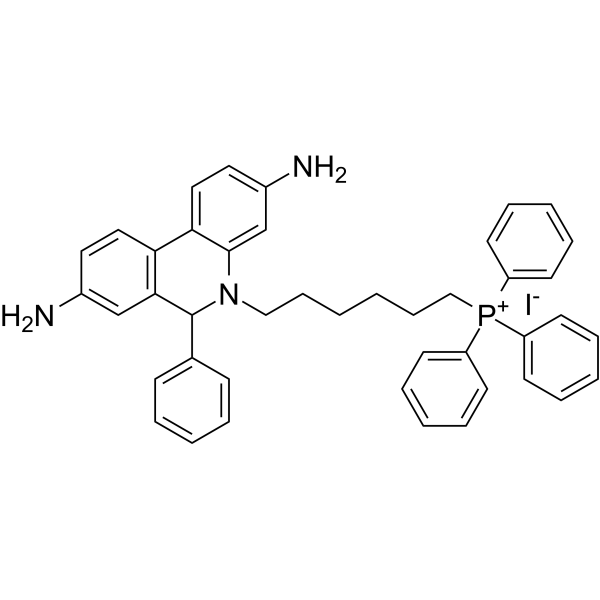
  • HY-D1055
    MitoSOX Red
    Maximum Cited Publications
    263 Publications Verification

    Fluorescent Dye Reactive Oxygen Species (ROS) Mitochondrial Metabolism Cancer
    MitoSOX Red is a live cell fluorescent probe that specifically targets mitochondria and is cell membrane permeable. MitoSOX Red enters mitochondria and is oxidized by superoxide but not by other ROS or RNS generating systems. The oxidized MitoSOX Red then binds to nucleic acids in mitochondria/nucleus, producing strong red fluorescence. MitoSOX Red can be used as a fluorescent indicator to specifically detect superoxide. In addition, superoxide dismutase (SOD) can prevent the oxidation of MitoSOX Red.
    Excitation/emission wavelength: 510/580 nm.
    MitoSOX Red
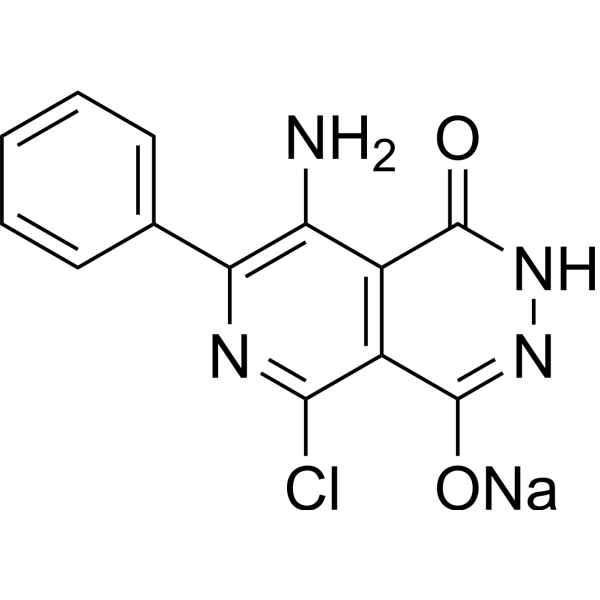
  • HY-108537
    L 012 sodium salt
    2 Publications Verification

    Reactive Oxygen Species (ROS) Inflammation/Immunology
    L 012 sodium salt is a luminal-based chemiluminescent probe. L 012 sodium salt can detect NADPH oxidase (Nox)-derived superoxide and nitrogen species (reactive oxygen species (ROS) and reactive nitrogen species (RNS)) .
    L 012 sodium salt
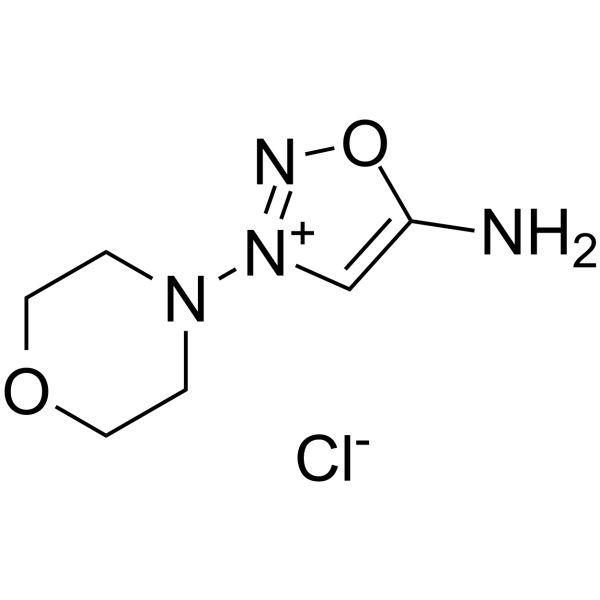
  • HY-101200

    SIN-1 chloride

    Apoptosis Autophagy Reactive Oxygen Species (ROS) Annexin A NF-κB Cardiovascular Disease Neurological Disease Inflammation/Immunology Cancer
    Linsidomine hydrochloride (SIN-1 chloride) is a spontaneous ROS/RNS generator and peroxynitrite donor. Linsidomine hydrochloride is a vasodilator and platelet aggregation inhibitor. Linsidomine hydrochloride induces oxidative stress-induced chondrocyte apoptosis and necrosis. Linsidomine hydrochloride inhibits the migration, proliferation and neointima formation of vascular smooth muscle cells by inhibiting the expression of annexin A2. In addition, low doses of Linsidomine hydrochloride shows protective effects on Zn 2+ treated nerve cells .
    Linsidomine hydrochloride
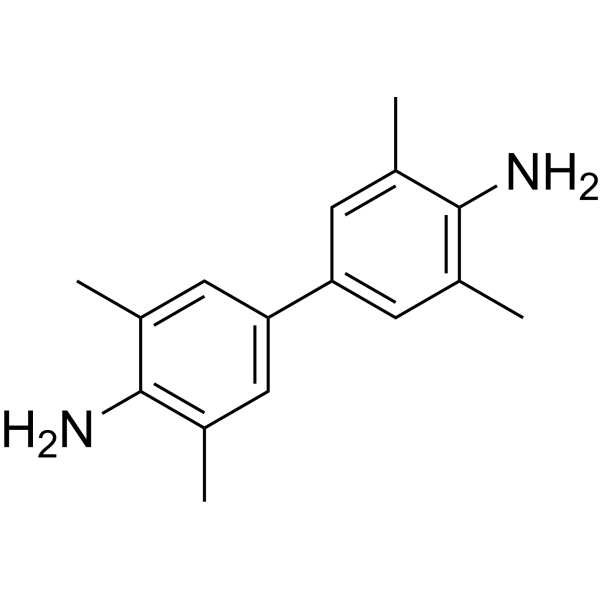
  • HY-15930
    TMB
    5+ Cited Publications

    BM blue; Sure Blue TMB

    Fluorescent Dye MOFs Reactive Oxygen Species (ROS) Others
    TMB is a non-toxic, non-mutagenic, colorless dye that is also used as a chromogenic agent in enzyme detection systems based on horseradish peroxidase (HRP). TMB can function as a photoacoustic probe for reactive oxygen and nitrogen species (ROS/RNS), reacting with hypochlorite, hydrogen peroxide, singlet oxygen, and nitrogen dioxide to produce blue oxidation products. TMB can detect the singlet oxygen produced by the outer membrane of Escherichia coli ATCC 25922 .
    TMB
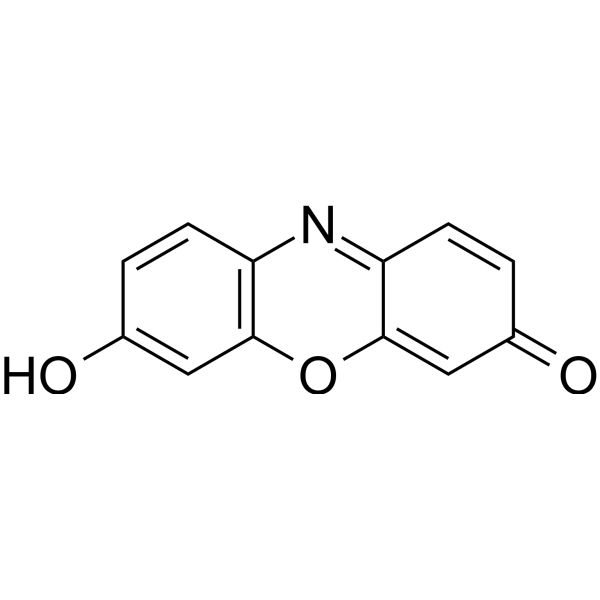
  • HY-123533

    NSC 12097

    Reactive Oxygen Species (ROS) Fluorescent Dye Cancer
    Resorufin (NSC 12097) is a highly fluorescent pink dye. Resorufin shows favorable properties such as water solubility, red-shifted absorption/emission signals. Resorufin is used for the detection of ROS/RNS and a second analyte .
    Resorufin
  • HY-125859A
    Myeloperoxidase, human white blood cells
    1 Publications Verification

    MPO

    Bacterial Inflammation/Immunology
    Myeloperoxidase, human white blood cells (MPO) is a peroxidase. In Myeloperoxidase, human white blood cells mediate oxidative stress by promoting the production of reactive oxygen species (ROS) and active nitrogen (RNS), regulating the polarization and inflammation-related signaling pathways of microglia and neutrophils. Myeloperoxidase, human white blood cells has antibacterial activity .
    Myeloperoxidase, human white blood cells
  • HY-118315
    L-012
    2 Publications Verification

    Fluorescent Dye Inflammation/Immunology
    L-012 is a luminal-based chemiluminescent probe. L-012 sodium salt can detect NADPH oxidase (Nox)-derived superoxide and nitrogen species (reactive oxygen species (ROS) and reactive nitrogen species (RNS)) .
    L-012
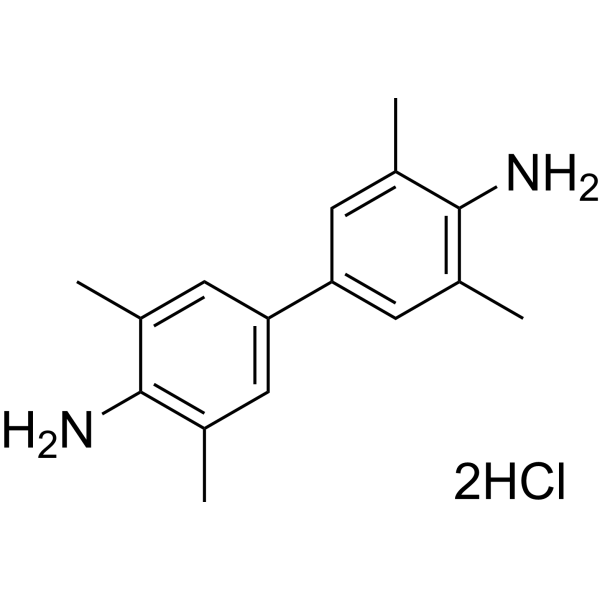
  • HY-15930A
    TMB dihydrochloride
    5+ Cited Publications

    BM blue dihydrochloride; Sure Blue TMB dihydrochloride

    Fluorescent Dye Reactive Oxygen Species (ROS) Others
    TMB dihydrochloride is the dihydrochloride form of TMB (HY-15930). TMB dihydrochloride is a non-toxic, non-mutagenic, colorless dye that is also used as a chromogenic agent in enzyme detection systems based on horseradish peroxidase (HRP). TMB dihydrochloride can function as a photoacoustic probe for reactive oxygen and nitrogen species (ROS/RNS), reacting with hypochlorite, hydrogen peroxide, singlet oxygen, and nitrogen dioxide to produce blue oxidation products. TMB dihydrochloride can detect the singlet oxygen produced by the outer membrane of Escherichia coli ATCC 25922 .
    TMB dihydrochloride
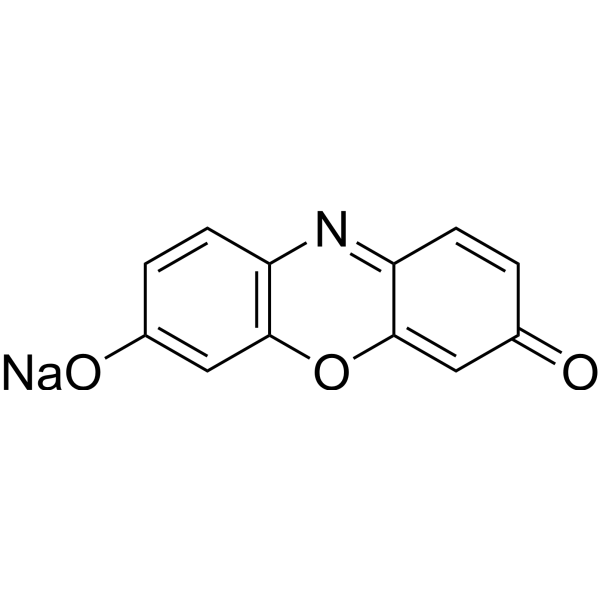
  • HY-123533A

    NSC 12097 sodium salt

    Reactive Oxygen Species (ROS) Others
    Resorufin sodium salt (NSC 12097) is a highly fluorescent pink dye. Resorufin sodium salt shows favorable properties such as water solubility, red-shifted absorption/emission signals. Resorufin sodium salt is used for the detection of ROS/RNS and a second analyte .
    Resorufin sodium salt
  • HY-D1157
    HKPerox-2
    5 Publications Verification

    Fluorescent Dye Reactive Oxygen Species (ROS) Others
    HKPerox-2 is a highly sensitive green fluorescent probe for the specific detection of H2O2 in living cells with a maximum excitation wavelength and emission wavelength of 520 nm and 543 nm, respectively .
    HKPerox-2
  • HY-19416
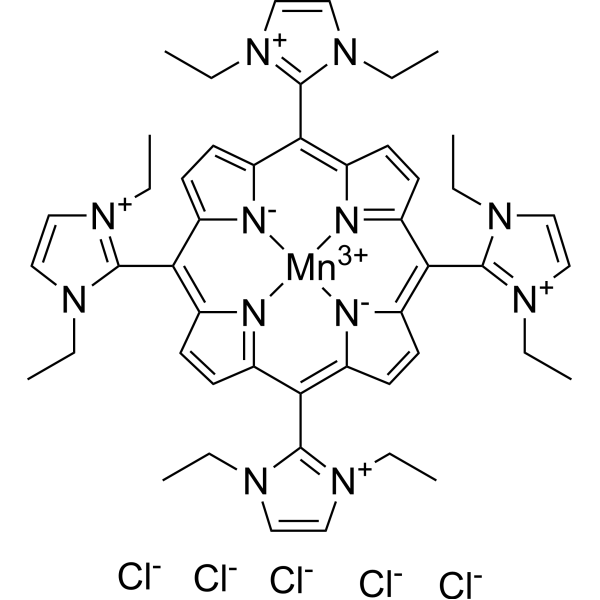
    AEOL-10150 pentachloride
    1 Publications Verification

    Reactive Oxygen Species (ROS) NF-κB Inflammation/Immunology Cancer
    AEOL-10150 pentachloride is a metalloporphyrin-catalyzed antioxidant and a superoxide dismutase mimetic. AEOL-10150 pentachloride scavenges ROS and RNS, and modulates the NF-κB signaling pathway. AEOL-10150 pentachloride has potent antioxidant and anti-inflammatory activities. AEOL-10150 pentachloride effectively mitigates tissue damage caused by radiation and chemical agents such as CEES (HY-W199190). AEOL-10150 pentachloride synergizes with radiotherapy to exert anticancer effects on prostate tumors .
    AEOL-10150 pentachloride
  • HY-111806
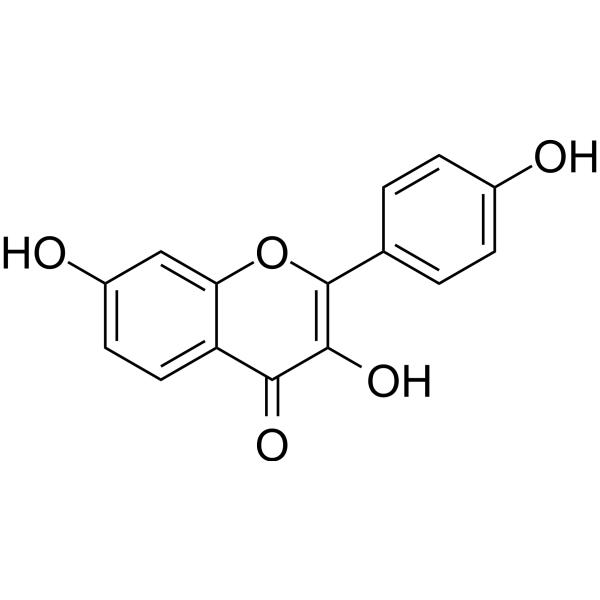
    3,7,4'-Trihydroxyflavone
    2 Publications Verification

    5-Deoxykampferol; Resokaempferol

    Reactive Oxygen Species (ROS) Leukotriene Receptor DNA/RNA Synthesis Inflammation/Immunology
    3,7,4'-Trihydroxyflavone (5-Deoxykampferol) is a flavonoid compound that can be isolated from the stems of Rhus javanica var. roxburghiana. 3,7,4'-Trihydroxyflavone has the effect of cleaving DNA in the presence of copper ions. 3,7,4'-Trihydroxyflavone also has anti-inflammatory and antioxidant activities and can scavenge various reactive oxygen species (ROS) and reactive nitrogen species (RNS) .
    3,7,4'-Trihydroxyflavone
  • HY-15930B
    TMB dihydrochloride x.hydrate
    5+ Cited Publications

    Sure Blue TMB dihydrochloride x.hydrate

    Fluorescent Dye Reactive Oxygen Species (ROS) Others
    TMB (dihydrochloride x.hydrate) is the dihydrochloride x hydrate form of TMB (HY-15930). TMB (dihydrochloride x.hydrate) is a non-toxic, non-mutagenic, colorless dye that is also used as a chromogenic agent in enzyme detection systems based on horseradish peroxidase (HRP). TMB (dihydrochloride x.hydrate) can function as a photoacoustic probe for reactive oxygen and nitrogen species (ROS/RNS), reacting with hypochlorite, hydrogen peroxide, singlet oxygen, and nitrogen dioxide to produce blue oxidation products. TMB (dihydrochloride x.hydrate) can detect the singlet oxygen produced by the outer membrane of Escherichia coli ATCC 25922 .
    TMB dihydrochloride x.hydrate
  • HY-123894

    Reactive Oxygen Species (ROS) Inflammation/Immunology
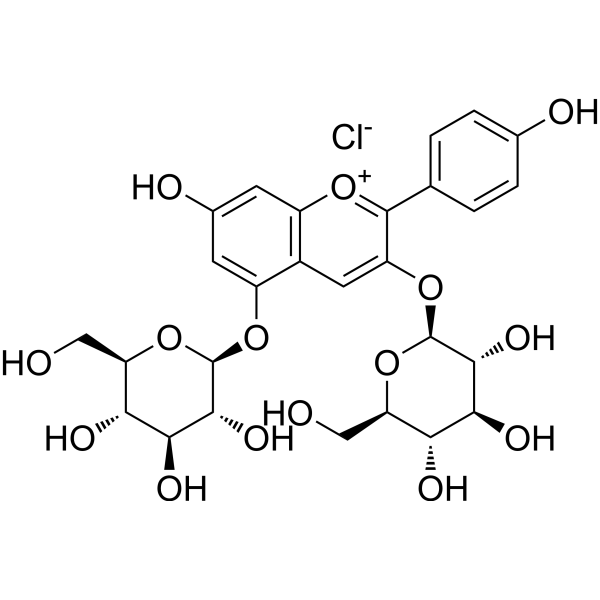
    Pelargonidin 3,5-diglucoside (chloride) is a natural pigment abundantly present in red fruits and vegetables. Pelargonidin 3,5-diglucoside (chloride) acts as a scavenger for reactive oxygen species and reactive nitrogen species . Pelargonidin 3,5-diglucoside (chloride) demonstrates inhibitory effects on enzymes involved in the production of ROS, RNS, and pro-inflammatory cytokines .
    Pelargonidin 3,5-diglucoside chloride
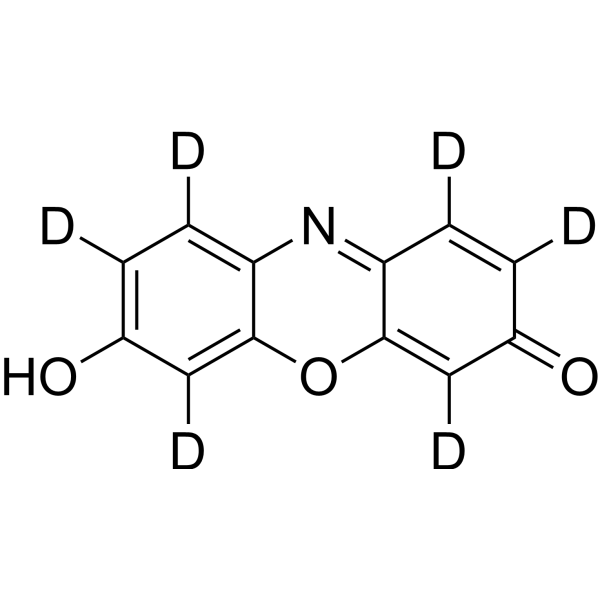
  • HY-123533S

    NSC 12097-d6

    Reactive Oxygen Species (ROS) Others
    Resorufin-d6 is the deuterium labeled Resorufin. Resorufin (NSC 12097) is a highly fluorescent pink dye for the detection of ROS/RNS and a second analyte .
    Resorufin-d6
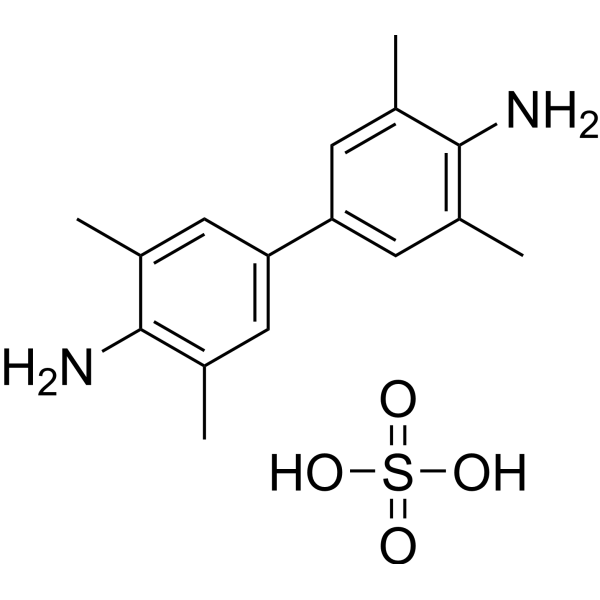
  • HY-15930C
    TMB monosulfate
    5+ Cited Publications

    BM blue monosulfate; Sure Blue TMB monosulfate

    Fluorescent Dye Reactive Oxygen Species (ROS) Others
    TMB monosulfate is the monosulfate form of TMB (HY-15930). TMB monosulfate is a non-toxic, non-mutagenic, colorless dye that is also used as a chromogenic agent in enzyme detection systems based on horseradish peroxidase (HRP). TMB monosulfate can function as a photoacoustic probe for reactive oxygen and nitrogen species (ROS/RNS), reacting with hypochlorite, hydrogen peroxide, singlet oxygen, and nitrogen dioxide to produce blue oxidation products. TMB monosulfate can detect the singlet oxygen produced by the outer membrane of Escherichia coli ATCC 25922 .
    TMB monosulfate
  • HY-W339331

    NNI-0001

    Insecticide Calcium Channel Reactive Oxygen Species (ROS) Apoptosis Infection Metabolic Disease
    Flubendiamide (NNI-0001) is an orally active phthalic diamide insecticide that acts by targeting insect ryanodine receptors (RyRs), causing insect muscle dysfunction, paralysis and death. Flubendiamide disrupts molting, metamorphosis and reproductive processes, induces oxidative stress by increasing the levels of ROS/RNS, MDA and 8OHdG and decreasing the levels of SOD, CAT and GST, activates the CncC/Maf apoptosis pathway, impairs calcium homeostasis, promotes adipogenesis, increases triglyceride accumulation, and upregulates the expression of regulatory factors for adipocyte differentiation and adipogenesis .
    Flubendiamide
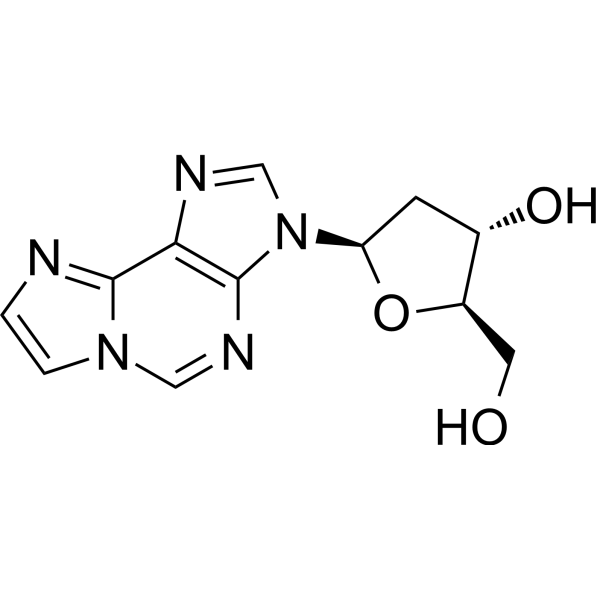
  • HY-111646

    Nucleoside Antimetabolite/Analog Endogenous Metabolite Inflammation/Immunology
    N6-Etheno 2'-deoxyadenosine is a reactive oxygen species (ROS)/reactive nitrogen species (RNS)-induced DNA oxidation product, used as a biomarker to evaluate chronic inflammation and lipid peroxidation in animal or human tissues .
    N6-Etheno 2'-deoxyadenosine
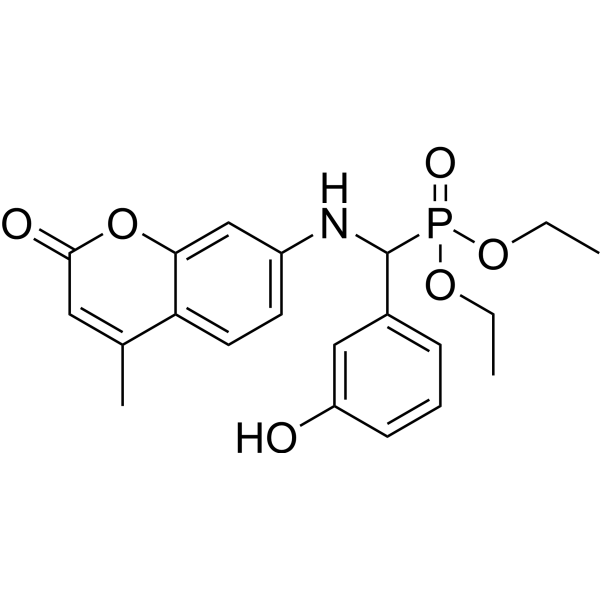
  • HY-175862

    Aldose Reductase Reactive Oxygen Species (ROS) PI3K Akt SOD p38 MAPK Keap1-Nrf2 Metabolic Disease
    ALR2-IN-9 is a potent ALR2 inhibitor (IC50 = 21.8 nM) with excellent antioxidant activity (EC50 for DPPH radical scavenging = 2.8 μM). ALR2-IN-9 interacts directly with Reactive Oxygen Species (ROS)/Reactive Nitrogen Species (RNS) and interrupts the free radical chain reactions, and as an endogenous enzymatic antioxidant regulator, which regulates enzyme functions of CAT and SOD. ALR2-IN-9 regulates PI3K/Akt/Nrf2 pathway to attenuate hyperglycemia-mediated mitochondrial superoxide overproduction in vitro, and ameliorates CuSO4- and H2O2-induced oxidative stress in vivo. ALR2-IN-9 prolongs lifespan of C. elegans via the regulation of stress response genes such as PMK-1. ALR2-IN-9 is a promising anti-aging drug candidate. ALR2-IN-9 can be used for diabetic complication research .
    ALR2-IN-9
  • HY-15930R

    BM blue (Standard); Sure Blue TMB (Standard)

    Fluorescent Dye Reactive Oxygen Species (ROS) Reference Standards Others
    TMB (Standard) is the analytical standard of TMB. This product is intended for research and analytical applications. TMB is a non-toxic, non-mutagenic, colorless dye that is also used as a chromogenic agent in enzyme detection systems based on horseradish peroxidase (HRP). TMB can function as a photoacoustic probe for reactive oxygen and nitrogen species (ROS/RNS), reacting with hypochlorite, hydrogen peroxide, singlet oxygen, and nitrogen dioxide to produce blue oxidation products. TMB can detect the singlet oxygen produced by the outer membrane of Escherichia coli ATCC 25922 .
    TMB (Standard)
  • HY-151925

    Bacterial Infection
    Antibacterial agent 126 is a potent antibacterial agent. Antibacterial agent 126 reduces the burden of biofilm to avoid developing agent resistance. Antibacterial agent 126 disturbs the membrane integrity and leads to the leakage of intracellular materials. Antibacterial agent 126 increase in ROS and reactive nitrogen species (RNS) production .
    Antibacterial agent 126
  • HY-N9534

    Reactive Oxygen Species (ROS) Apoptosis Cancer
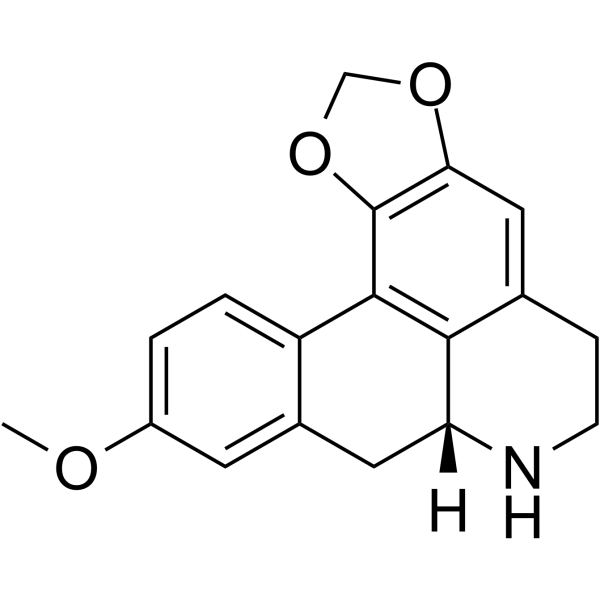
    Xylopine is an aporphine alkaloid with cytotoxic activity on cancer cells. Xylopine induces oxidative stress, causes G2/M cell cycle arrest and apoptosis in cancer cells .
    Xylopine
  • HY-101200R

    SIN-1 chloride (Standard)

    Reference Standards Apoptosis Autophagy Reactive Oxygen Species (ROS) Annexin A NF-κB Cardiovascular Disease Neurological Disease Inflammation/Immunology Cancer
    Linsidomine (hydrochloride) (Standard) is the analytical standard of Linsidomine (hydrochloride). This product is intended for research and analytical applications. Linsidomine hydrochloride (SIN-1 chloride) is a spontaneous ROS/RNS generator and peroxynitrite donor. Linsidomine hydrochloride is a vasodilator and platelet aggregation inhibitor. Linsidomine hydrochloride induces oxidative stress-induced chondrocyte apoptosis and necrosis. Linsidomine hydrochloride inhibits the migration, proliferation and neointima formation of vascular smooth muscle cells by inhibiting the expression of annexin A2. In addition, low doses of Linsidomine hydrochloride shows protective effects on Zn 2+ treated nerve cells .
    Linsidomine hydrochloride (Standard)
  • HY-108537R

    Reactive Oxygen Species (ROS) Reference Standards Inflammation/Immunology
    L 012 sodium salt (Standard) is the analytical standard of L 012 (sodium salt) (HY-108537). This product is intended for research and analytical applications. L 012 sodium salt is a luminal-based chemiluminescent probe. L 012 sodium salt can detect NADPH oxidase (Nox)-derived superoxide and nitrogen species (reactive oxygen species (ROS) and reactive nitrogen species (RNS)) .
    L 012 sodium salt (Standard)
  • HY-D3449

    Fluorescent Dye Reactive Oxygen Species (ROS) Others
    8-(9-Bromoanthracene)-BODIPY 505/515 is a fluorescence turn-on probe with selective fluorescence turn-on response towards hydroxyl radical. 8-(9-Bromoanthracene)-BODIPY 505/515 can be used to detect reactive oxygen/nitrogen species (ROS/RNS) . (Ex/Em = 505/515 nm)
    8-(9-Bromoanthracene)-BODIPY 505/515
  • HY-179037

    Necroptosis Reactive Oxygen Species (ROS) Mitochondrial Metabolism Neurological Disease
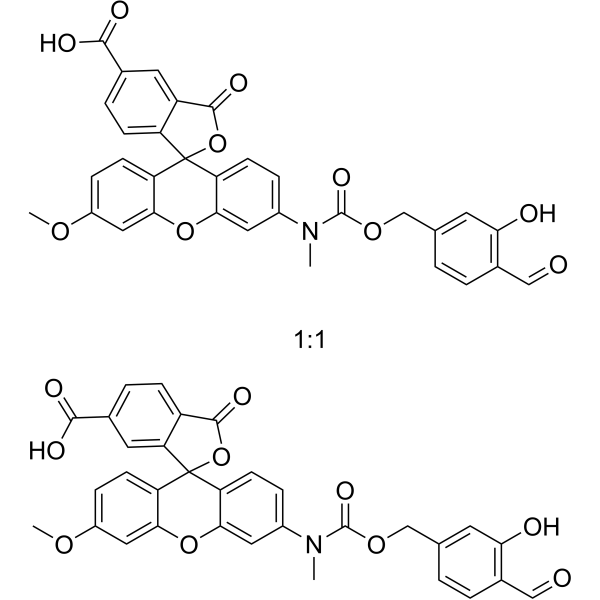
    NecroX-2 is a potent inhibitor of caspase-independent necrosis. NecroX-2 exhibits antioxidant activity by scavenging DPPH radicals and peroxynitrite. NecroX-2 inhibits t-BHP-induced mitochondrial ROS/RNS generation, and protects t-BHP and Doxorubicin (HY-15142A)-induced cell death in vitro. NecroX-2 can be used for research on neurological diseases .
    NecroX-2

Inquiry Online

Your information is safe with us. * Required Fields.

Salutation


Country or Region *

Applicant Name *


Organization Name *

Department *


Email Address *


Product Name *

Cat. No.


Requested quantity *

Phone Number *


Remarks

Inquiry Online

Inquiry Information

Product Name:
Cat. No.:
Quantity:
MCE Japan Authorized Agent: