Delivery of temperature sensitive items including proteins and kits will be paused on 6/19 for the Juneteenth holiday. For urgent orders please contact customer service.
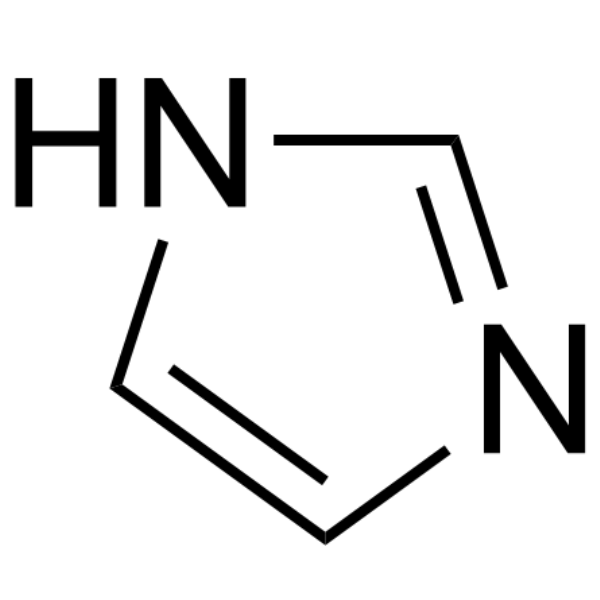
Imidazole (Glyoxaline; 1,3-Diaza-2,4-cyclopentadiene) is a heterocyclic aromatic compound. Imidazole bearing molecules have been used as corrosion, acetylcholinesterase (AChEI) and xanthine oxidase (XO) inhibitors, performing biological activities such as antifungal, antituberculosis, anti-inflammatory, antioxidant, and analgesic, amongst many others. Imidazole inhibits the enzymatic conversion of the endoperoxides (PGG2 and PGH2) to thromboxane A2 by platelet microsomes. Imidazole derivatives exhibits inhibition on SARS-CoV-2 3CL Pro enzyme, which is promising for research in the field of Alzheimer’s disease, gout, COVID-19 and thrombo-embolic disease .
Sodium carboxymethyl cellulose (CMC-Na) (MW 250000) is a sodium salt of carboxymethyl cellulose. Sodium carboxymethyl cellulose has adsorption and corrosion inhibition on low-carbon steel in an acidic medium. Sodium carboxymethyl cellulose can be used as a thickener, paste and barrier agent .
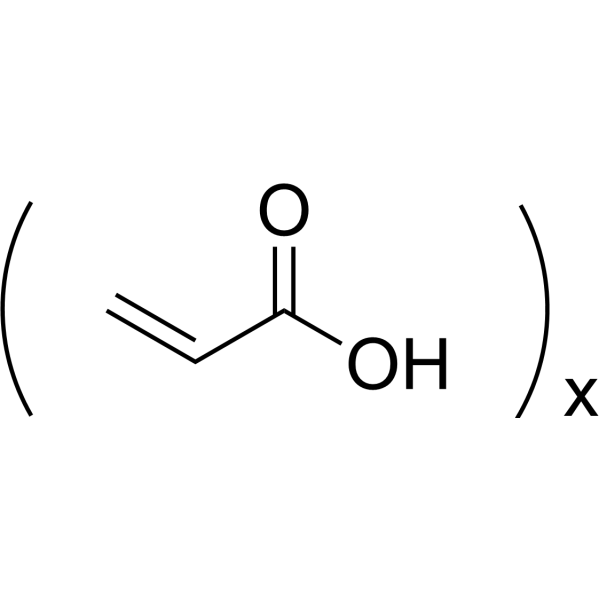
Poly(acrylic acid) (MW 2000) is a polyacrylic acid with a molecular weight of 2000. Poly(acrylic acid) (MW 2000) is an anionic polymer. Poly(acrylic acid) (MW 2000) can be as a corrosion-mitigating and surface-stabilizing agent.
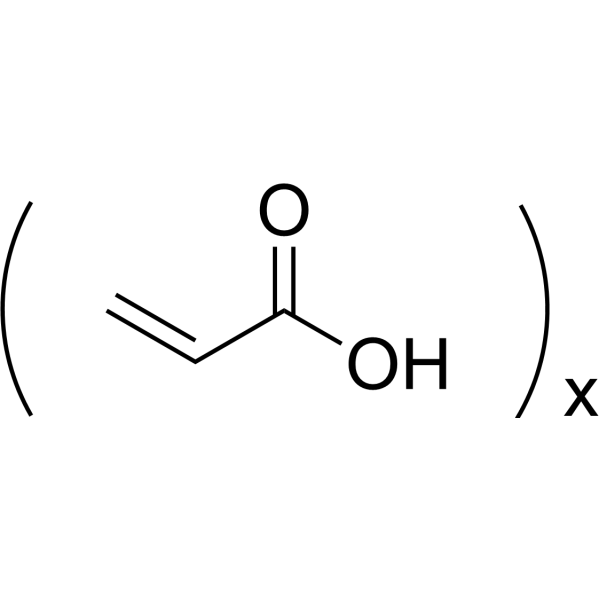
Poly(acrylic acid) (MW 450000) is a polyacrylic acid with a molecular weight of 450000. Poly(acrylic acid) (MW 450000) is an anionic polymer. Poly(acrylic acid) (MW 450000) can be as a corrosion-mitigating and surface-stabilizing agent .
Poly(acrylic acid) (MW 100000) (35% in water) is a polyacrylic acid with a molecular weight of 100000 (an anionic polymer), which can be used as a corrosion inhibitor and surface stabilizer. Poly(acrylic acid) (MW 100000) can be used for biomedical applications, such as drug delivery .
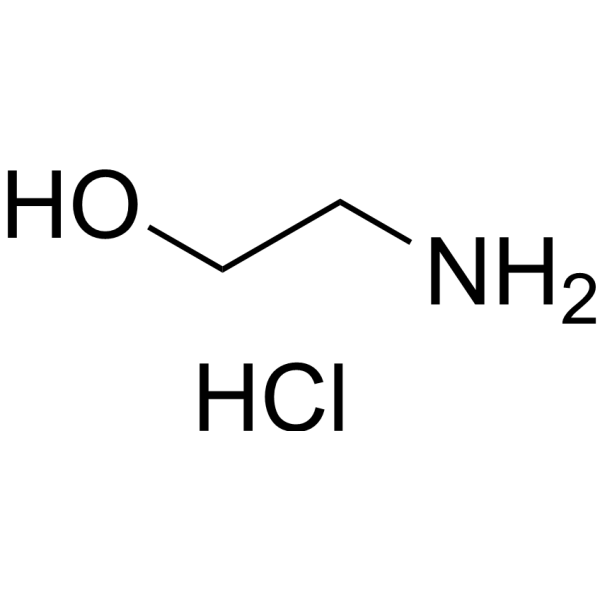
Ethanolamine hydrochloride, is an organic compound used in various industrial applications. It is a white or colorless solid that is soluble in water and has a faint odor. One of the major uses of Ethanolamine hydrochloride is in the production of detergents and surfactants. Used as a raw material in the manufacture of compounds such as ethylenediaminetetraacetic acid (EDTA) and diethanolamine, which are commonly used in household and industrial cleaning products. Ethanolamine hydrochloride is also used in the synthesis of pharmaceuticals, agrochemicals and rubber processing agents. It acts as a buffer in certain chemical reactions, helping to adjust pH and maintain stability. Ethanolamine hydrochloride can be used for gas purification and metal corrosion inhibitor. Its ability to react with acid gases such as carbon dioxide and sulfur dioxide makes it useful for removing impurities from natural gas and other industrial gases. Overall, Ethanolamine hydrochloride is a multifunctional compound with many potential industrial applications. Its ability to act as a buffer, chelating agent, and corrosion inhibitor makes it an important tool in a variety of industries.
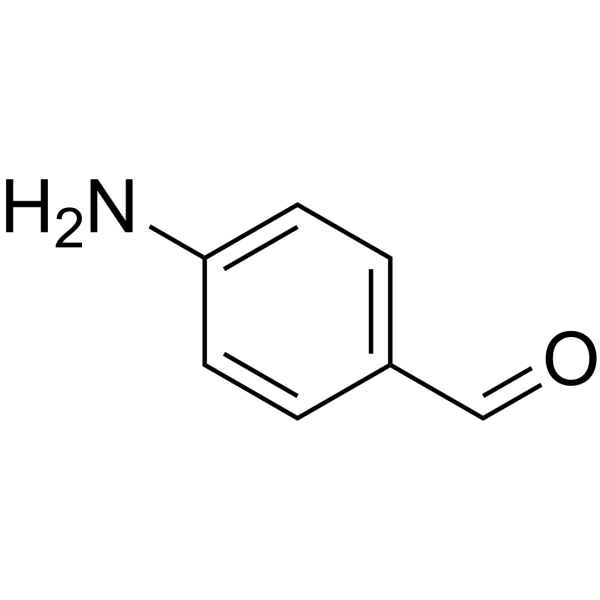
4-Aminobenzaldehyde (p-aminobenzaldehyde) is a useful synthetic reagent and monomer that can be used to synthesize monoazo dyes and photocurable ion exchange resins. 4-Aminobenzaldehyde is also a corrosion inhibitor of metals .
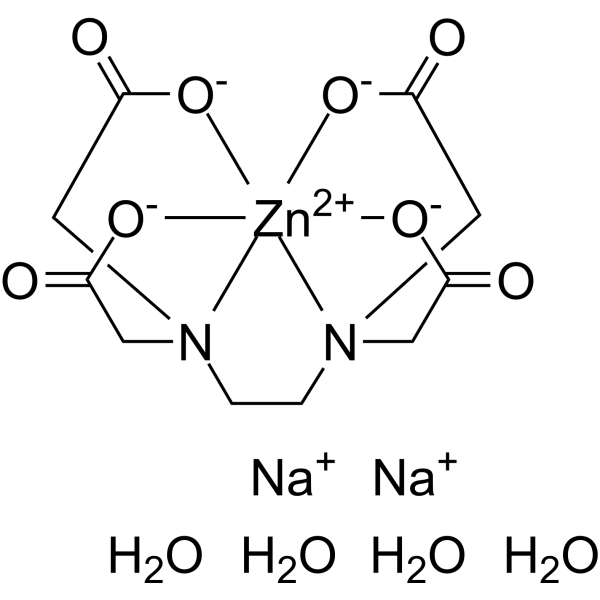
Zn(II)-EDTA (Ethylenediaminetetraacetic acid zinc) disodium tetrahydrate is a coordinating agent. Zn(II)-EDTA disodium tetrahydrate coordinates with Zn 2+ to modify its solvated structure, provides pre-synthesized EDTA-Zn complexes that release Zn 2+ to repair zinc anode defects under interfacial electric field, adsorbs onto zinc anode surface to block oxygen and water molecules, inhibits corrosion and hydrogen evolution reactions, promotes uniform Zn 2+ deposition, suppresses zinc dendrite formation, and modulates the hydrogen bonding network within the electrolyte. Zn(II)-EDTA disodium tetrahydrate acts as an electrolyte additive to enhance reversibility and stability of zinc anodes in aqueous zinc-ion batteries .
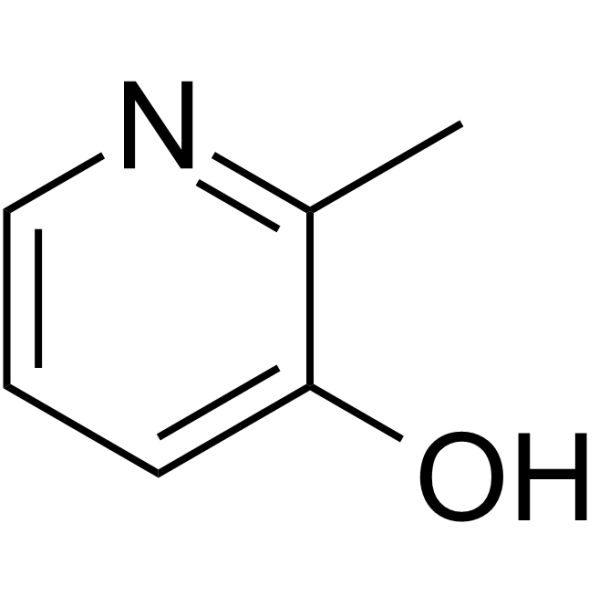
3-Hydroxy-2-methylpyridine is a pharmaceutical intermediate that can be used in the synthesis of pyrimidines. 3-Hydroxy-2-methylpyridine acts as a corrosion inhibitor, serving as a mixed-type corrosion inhibitor for carbon steel in HCl medium .
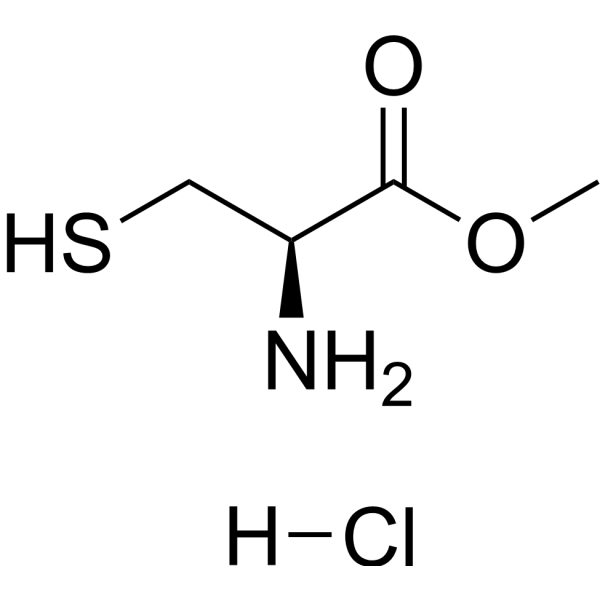
L-Cysteine methyl ester hydrochloride is an antitussive, phlegmolytic agent used to relieve breathing difficulties caused by large amounts of phlegm. L-Cysteine methyl ester hydrochloride is a copper corrosion inhibitor used in various industrial studies .
Poly (acrylic acid) (MW 10000-60000) is a type of polyacrylic acid with a molecular weight of 10000-60000. Poly (acrylic acid) (MW 10000-60000) is an anionic polymer. Poly (acrylic acid) (MW 10000-60000) can be used as a corrosion inhibitor and surface stabilizer.
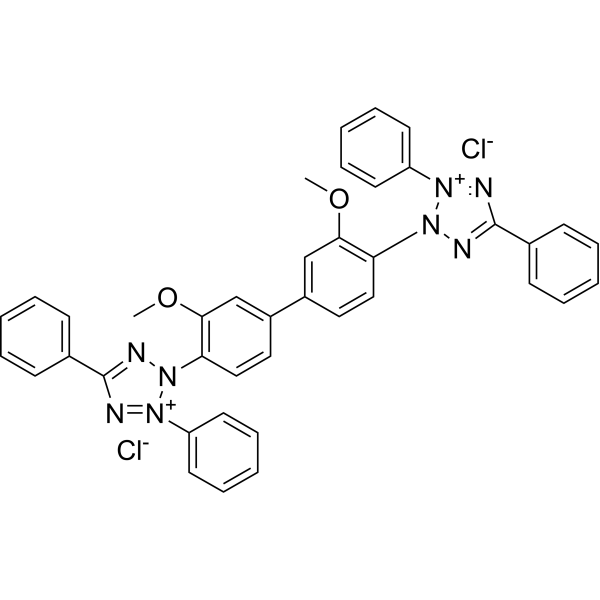
Blue Tetrazolium is a tetrazolium salt chromogenic dye that can be reduced to a dark blue formazan product. Blue Tetrazolium is applicable for assays such as succinate dehydrogenase activity detection and reducing sugar quantification. Blue Tetrazolium also serves as a novel corrosion inhibitor for cold-rolled steel in hydrochloric acid solutions. Blue Tetrazolium has a broad wavelength range (480-600 nm), with the maximum absorbance observed at 540 nm .
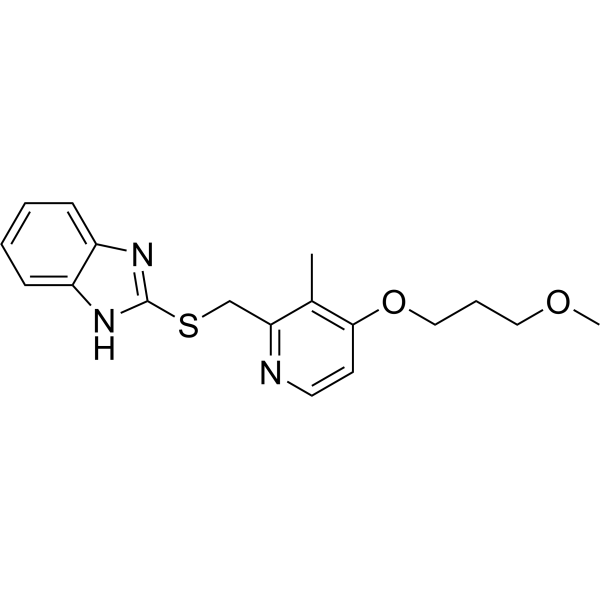
Rabeprazole Sulfide is a sulfide metabolite of Rabeprazole (HY-B0656). Rabeprazole Sulfide inhibits Helicobacter pylori motility. Rabeprazole Sulfide can be used for the research of Helicobacter pylori infection .
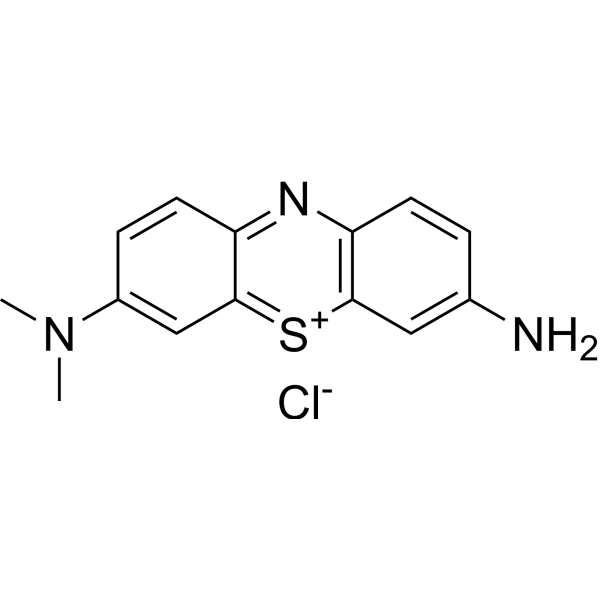
Azure A chloride is a phenothiazine dye. Azure A chloride is an alternative DNA dye used for the separation of DNA and protein fragments in agarose gel electrophoresis and PAGE. Azure A chloride can be chemisorbed on the surface of mild steel according to the Langmuir adsorption isotherm to form a protective film. Azure A chloride binds to double-stranded DNA in a non-cooperative manner via weak intercalation, triggering molecular conformational disturbance, restricted rotational motion, and changes in optical activity .
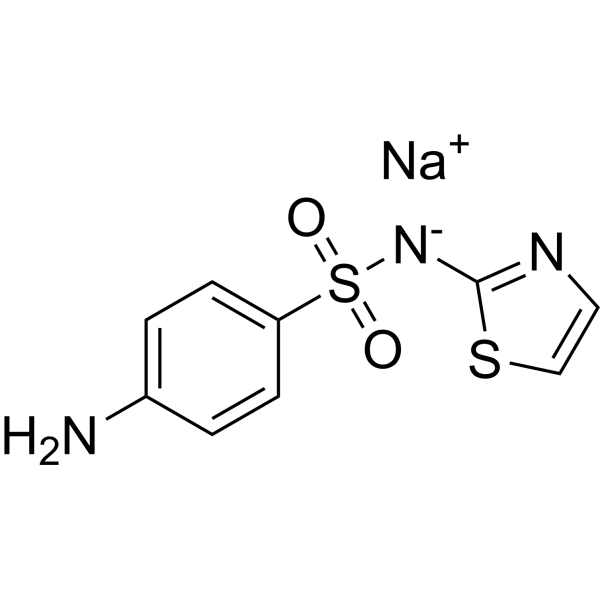
Sulfathiazole sodium is an orally active, endocrine disruptor targeting the steroidogenic pathway, specifically enhancing the activity of CYP19 in human adrenal cancer cells (H295R) and upregulating the mRN expression of CYP17, CYP19, and 3β-HSD. Sulfathiazole sodium increases the production of 17-estradiol (E2) and has endocrine disrupting effects on aquatic organisms such as the Japanese medaka fish. Sulfathiazole sodium is also a cathodic corrosion inhibitor. It inhibits the corrosion of copper by chloride ions through chemical and physical adsorption on the copper surface, reduces the corrosion current density and shifts the corrosion potential negatively .
Poly(acrylic acid) (Mv 1250000) (viscous liquid) is a polyacrylic acid with a molecular weight of 1250000 (an anionic polymer), which can be used as a corrosion inhibitor and surface stabilizer. Poly(acrylic acid) can be used to construct an anionic nanogel to encapsulate positively charged enzymes and to modify MoS₂ nanoparticles to build a transdermal drug delivery system .
5-Methyl-1H-benzotriazole (5-Methylbenzotriazole) is a benzotriazole derivative, and serves as a key building block for ultraviolet absorbers and light stabilizers. 5-Methyl-1H-benzotriazole reduces the photosensitizing ability of nitrate and dissolved organic matter (DOM), enhances the persistence of microorganic pollutants, inhibits the photodegradation of DOM and drug residues, and quenches the triplet excited states of DOM and methotrexate substructures. 5-Methyl-1H-benzotriazole acts as a corrosion inhibitor for copper and copper alloys, and is present in formulations of anti-icing fluids, dishwasher detergents, aircraft deicing fluids and automotive antifreezes .
Cremophor EL-10 is a nonionic polyoxyethylene castor oil surfactant with multiple functions including organic solubilizer, mixed zinc anode corrosion inhibitor and dendrite growth inhibitor. By forming a physical barrier to block electrolyte contact and constructing oriented hydration channels to reduce the desolvation energy barrier of Zn 2+ , Cremophor EL-10 achieves a corrosion inhibition efficiency of over 99%. Cremophor EL-10 exerts no significant effects on the mitochondrial activity and cell viability of epithelial cells, making it suitable for in vitro drug delivery and biopharmaceutical research at concentrations ≤10% v/v. However, Cremophor EL-10 may induce sustained non-endothelium-dependent contraction in rat aortic rings and exert concentration-dependent inhibitory effects on acetylcholine-induced endothelium-dependent relaxation responses .
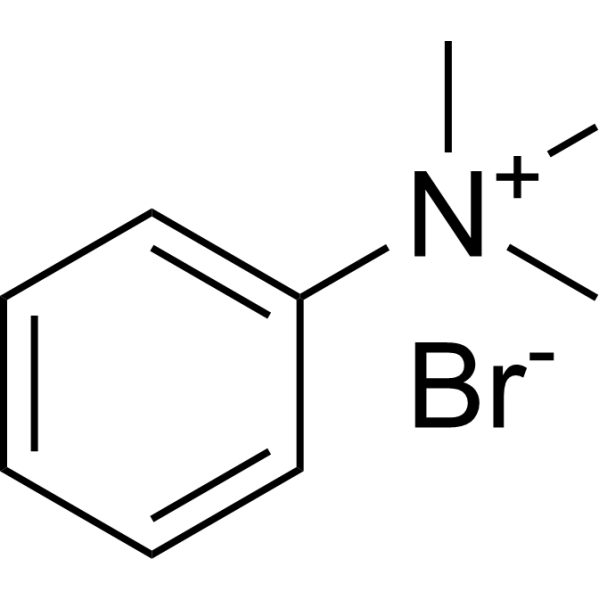
Trimethylphenylammonium bromide is a quaternary ammonium salt consisting of a positively charged N,N,N-trimethylanilinium cation and a negatively charged bromide anion. This compound is commonly used as a phase transfer catalyst in organic chemical reactions, facilitating the transfer of reactants between immiscible phases. It can also be used as a reagent in the synthesis of various organic compounds and in some applications as a surfactant or corrosion inhibitor.
Triethylmethylammonium chloride is a quaternary ammonium salt belonging to the class of alkylammonium salts. This compound is widely used as a phase transfer catalyst in organic synthesis to facilitate the transfer of reactants between immiscible phases. In addition, it can be used as an electrolyte in electrochemical devices, a surfactant in emulsion polymerization, and a corrosion inhibitor. Its unique chemical properties make it an important ingredient in a variety of industrial applications, including pharmaceuticals, agrochemicals, and materials science.
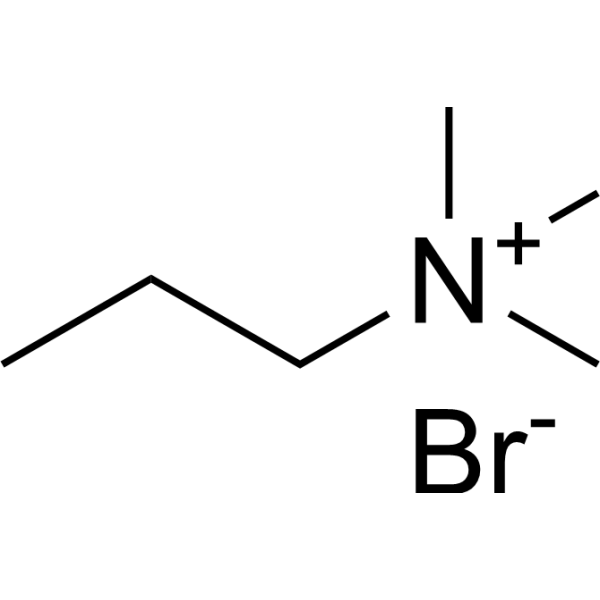
N,N,N-Trimethylpropan-1-aminium bromide is a quaternary ammonium compound belonging to the class of alkylammonium salts. This compound is widely used as a phase transfer catalyst in organic synthesis, facilitating the transfer of reactants between immiscible phases. It can also be used as a surfactant, corrosion inhibitor or antimicrobial. Due to its unique chemical properties, N,N,N-Trimethylpropan-1-aminium bromide has applications in various industries such as pharmaceuticals, agrochemicals, and materials science.
Sulfathiazole (100 μg/mL in acetonitrile) is an orally active, endocrine disruptor targeting the steroidogenic pathway, specifically enhancing the activity of CYP19 in human adrenal cancer cells (H295R) and upregulating the mRN expression of CYP17, CYP19, and 3β-HSD. Sulfathiazole (100 μg/mL in acetonitrile) increases the production of 17-estradiol (E2) and has endocrine disrupting effects on aquatic organisms such as the Japanese medaka fish. Sulfathiazole (100 μg/mL in acetonitrile) is also a cathodic corrosion inhibitor. Sulfathiazole (100 μg/mL in acetonitrile) inhibits the corrosion of copper by chloride ions through chemical and physical adsorption on the copper surface, reduces the corrosion current density and shifts the corrosion potential negatively .
Hexaammineruthenium(II) chloride is a non-corrosive redox probe. Hexaammineruthenium(II) chloride avoids gold electrode corrosion and degradation to enable stable electrochemical impedance spectroscopy measurements. Hexaammineruthenium(II) chloride supports detection of human-IgG with a defined diagnostic concentration range .
Poly(acrylic acid) (Mv 4000000) is a polyacrylic acid (and an anionic polymer) with a molecular weight of 4000000. Poly(acrylic acid) (Mv 4000000) can be used as a corrosion inhibitor and surface stabilizer. Poly(acrylic acid) (Mv 4000000) is a biomaterial or organic compound that can be used in life science research .
Poly(acrylic acid) (Mv 3000000) is a polyacrylic acid (an anionic polymer) with a molecular weight of 3000000. Poly(acrylic acid) (Mv 3000000) can be used as a corrosion inhibitor and surface stabilizer. Poly(acrylic acid) (Mv 3000000) is a biomaterial or organic compound that can be used as a life science research related biomaterial or organic compound .
Poly(acrylic acid) (MW 1250000) is a polyacrylic acid with a molecular weight of 1250000 (an anionic polymer), which can be used as a corrosion inhibitor and surface stabilizer. Poly(acrylic acid) can be used to construct an anionic nanogel to encapsulate positively charged enzymes and to modify MoS2 nanoparticles to build a transdermal drug delivery system .
SEC31A Human Pre-designed siRNA Set A contains three designed siRNAs for SEC31A gene (Human), as well as a negative control, a positive control, and a FAM-labeled negative control.
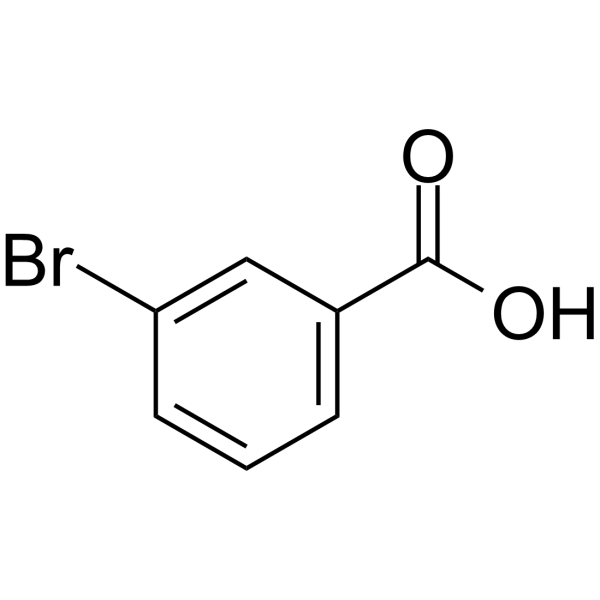
3-Bromobenzoic acid is an important intermediate that can be used in the synthesis of other active compounds. 3-Bromobenzoic acid can react with a variety of electrophiles to generate a variety of 2-substituted-3-bromobenzoic acid derivatives. 3-Bromobenzoic acid is also an effective corrosion inhibitor for aluminum in alkalized Persian Gulf seawater and NaOH solution .
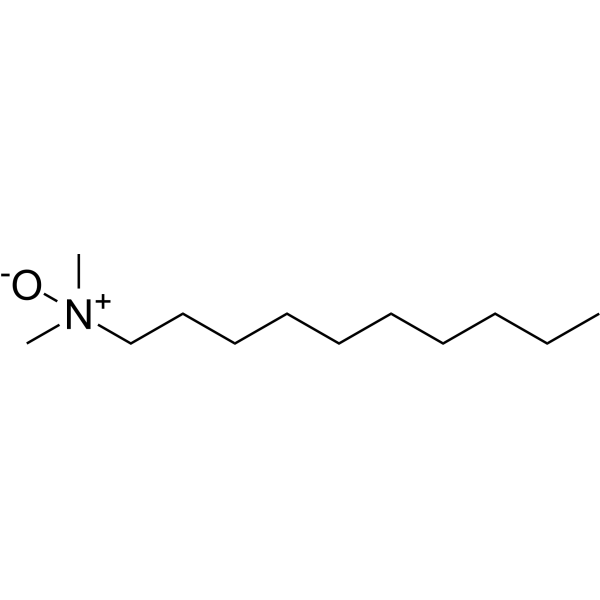
N,N-Dimethyldecylamine N-oxide is an organic compound belonging to the family of amine oxides. It is commonly used as a surfactant and cleaning agent in a variety of industrial and household applications, including detergents, personal care products and paints. N,N-Dimethyldecylamine N-oxide has various properties suitable for these applications, including the ability to lower surface tension, increase solubility, and act as a blowing agent. In addition, it can be used as a corrosion inhibitor in metalworking fluids and a flotation agent in mineral processing.
α-Xylosidase 31A, Bacteroides ovatus (EC 3.2.1.177) is an enzyme. This enzyme catalyses the following chemical reaction: Hydrolysis of terminal, non-reducing alpha-D-xylose residues with release of alpha-D-xylose. The enzyme catalyses hydrolysis of a terminal, unsubstituted xyloside at the extreme reducing end of a xylogluco-oligosaccharide.
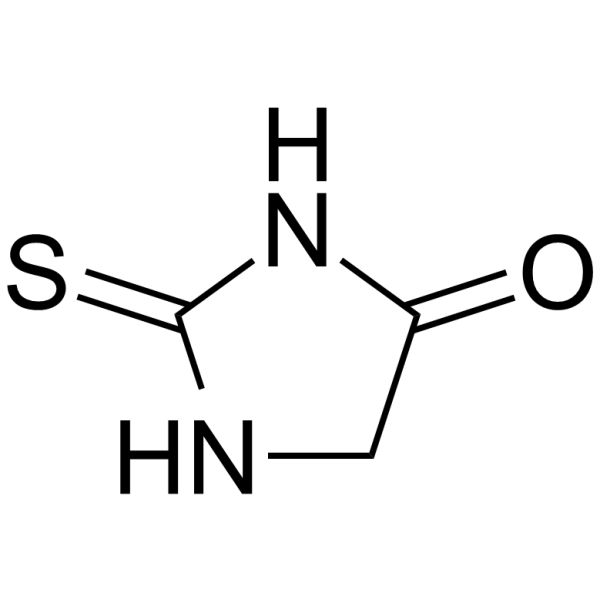
2-Thiohydantoin acts as an inhibitor for the corrosion of mild steel in 0.1 M HCl and its inhibition efficiency is both concentration and immersion time dependent .
Indole-5-carboxylic acid, 98% is an indole derivative. Indole-5-carboxylic acid, 98% inhibits corrosion of low carbon steel in deoxygenated 0.5 M sulfuric acid solution .
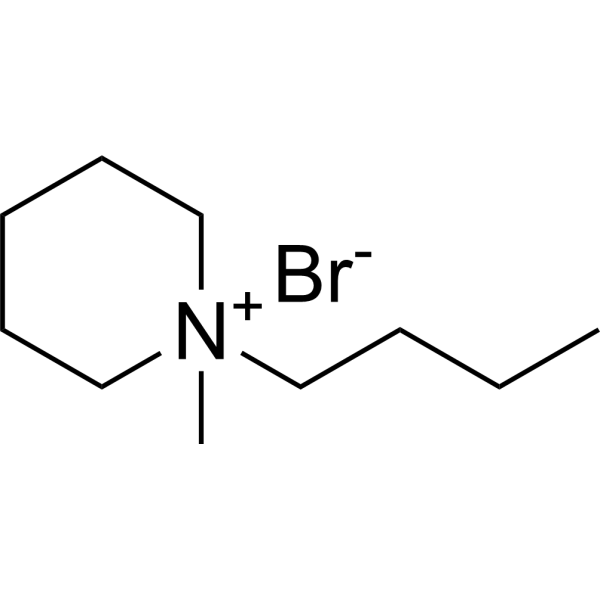
N-butyl-N-methyl-piperidinium bromide is a quaternary ammonium compound belonging to the class of piperidinium salts. N-butyl-N-methyl-piperidinium bromide is commonly used as a phase transfer catalyst in organic synthesis to transfer reactants between immiscible phases. It can also be used as a surfactant, corrosion inhibitor and antibacterial agent. Its unique chemical properties make it an important reagent in many different industries, including pharmaceuticals, agrochemicals, and materials science.
Imidazole (Standard) is the analytical standard of Imidazole. This product is intended for research and analytical applications. Imidazole (Glyoxaline; 1,3-Diaza-2,4-cyclopentadiene) is a heterocyclic aromatic compound. Imidazole bearing molecules have been used as corrosion, acetylcholinesterase (AChEI) and xanthine oxidase (XO) inhibitors, performing biological activities such as antifungal, antituberculosis, anti-inflammatory, antioxidant, and analgesic, amongst many others. Imidazole inhibits the enzymatic conversion of the endoperoxides (PGG2 and PGH2) to thromboxane A2 by platelet microsomes. Imidazole derivatives exhibits inhibition on SARS-CoV-2 3CLPro enzyme, which is promising for research in the field of Alzheimer’s disease, gout, COVID-19 and thrombo-embolic disease .
Cefuzonam is an antibiotic, which exhibits antibacterial activity against gram positive bacteria, such as Staphylococcus, Streptococcus and Neisseria gonorrhoeae, with MIC ranginf from 0.63 to 2 μg/mL. Cefuzonam is an inhibitor for mild steel corrosion by increasing hydrophobicity of the metal surface to the acid solution .
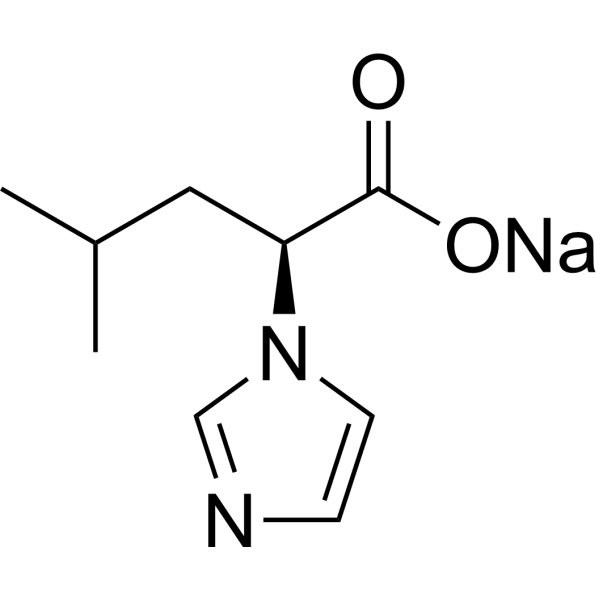
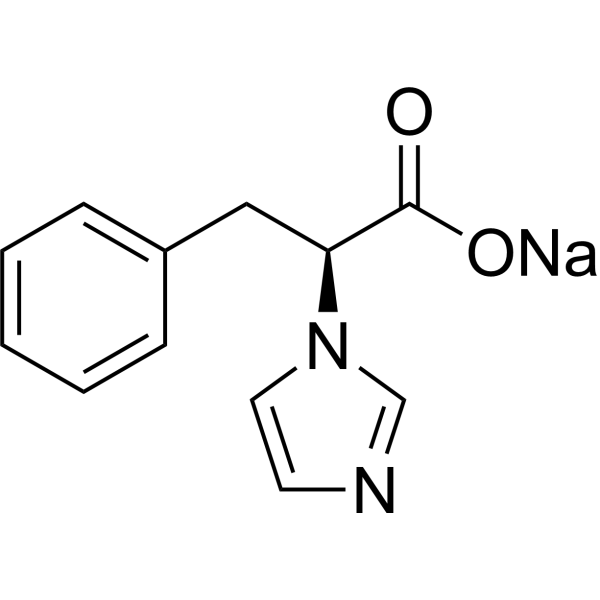
IZS-L is a amino acid-derived corrosion inhibitor. IZS-L exhibits corrosion inhibition performance for metal at longer immersion. IZSs, the series of corrosion inhibitors, inhibit mild steel corrosion through the formation of an inhibitor film on the metal surface .
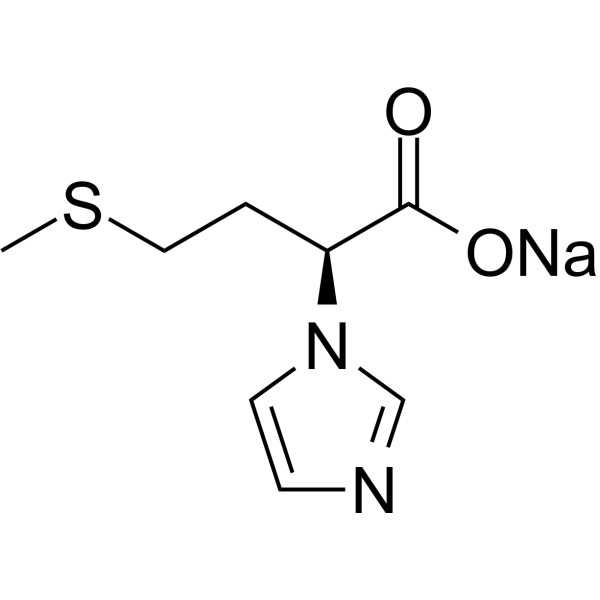
IZS-M is an amino acid-derived corrosion inhibitor, based on the green chemistry principles. IZS-M inhibits mild steel corrosion via forming an inhibitor film on the metal surface. IZS series inhibitors following a corrosion inhibition performance as: IZS-P (82.46%) > IZS-M (67.19%) > IZS-L (24.77%) .
IZS-P is an amino acid-derived corrosion inhibitor, based on the green chemistry principles. IZS-P inhibits mild steel corrosion via forming an inhibitor film on the metal surface. IZS series inhibitors following a corrosion inhibition performance as: IZS-P (82.46%) > IZS-M (67.19%) > IZS-L (24.77%) .
Sulfathiazole sodium (Standard) is the analytical standard of Berberine sodium (HY-B0507A). This product is intended for research and analytical applications. Sulfathiazole sodium is an orally active, endocrine disruptor targeting the steroidogenic pathway, specifically enhancing the activity of CYP19 in human adrenal cancer cells (H295R) and upregulating the mRN expression of CYP17, CYP19, and 3β-HSD. Sulfathiazole sodium increases the production of 17-estradiol (E2) and has endocrine disrupting effects on aquatic organisms such as the Japanese medaka fish. Sulfathiazole sodium is also a cathodic corrosion inhibitor. Sulfathiazole sodium inhibits the corrosion of copper by chloride ions through chemical and physical adsorption on the copper surface, reduces the corrosion current density and shifts the corrosion potential negatively .
GK241 (compound 31a-c) is a 2-oxoamide-based compound that has inhibitory activity against human and mouse group IIA secretory phospholipase A2 (GIIA sPLA2) (IC50 of 143 nM and 68 nM, respectively), and its inhibitory mechanism was studied by molecular dynamics simulation.
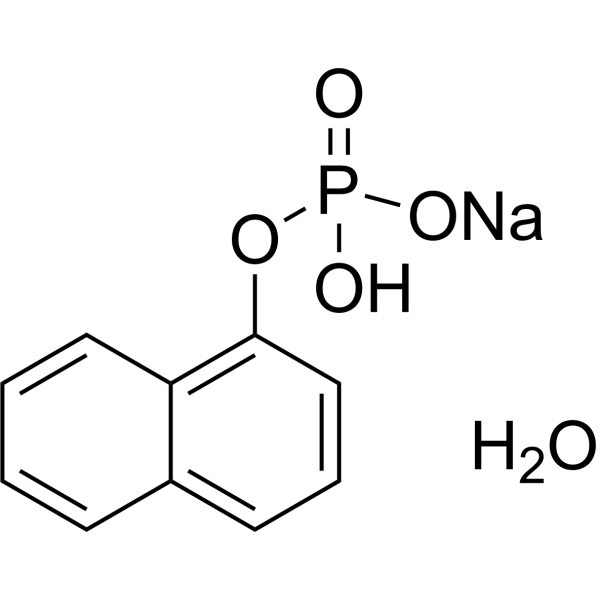
1-Naphthenyl phosphate hydrate sodium is commonly used as a flame retardant for various materials such as plastics, textiles, and construction materials. In addition, its potential use as a corrosion inhibitor and as an ingredient in fertilizers and detergents has been investigated. Its hydrated form contains variable amounts of water molecules, which affects its physical properties and applications.
Slc31a1 Mouse Pre-designed siRNA Set A contains three designed siRNAs for Slc31a1 gene (Mouse), as well as a negative control, a positive control, and a FAM-labeled negative control.
SLC31A2 Human Pre-designed siRNA Set A contains three designed siRNAs for SLC31A2 gene (Human), as well as a negative control, a positive control, and a FAM-labeled negative control.
SLC31A1 Human Pre-designed siRNA Set A contains three designed siRNAs for SLC31A1 gene (Human), as well as a negative control, a positive control, and a FAM-labeled negative control.
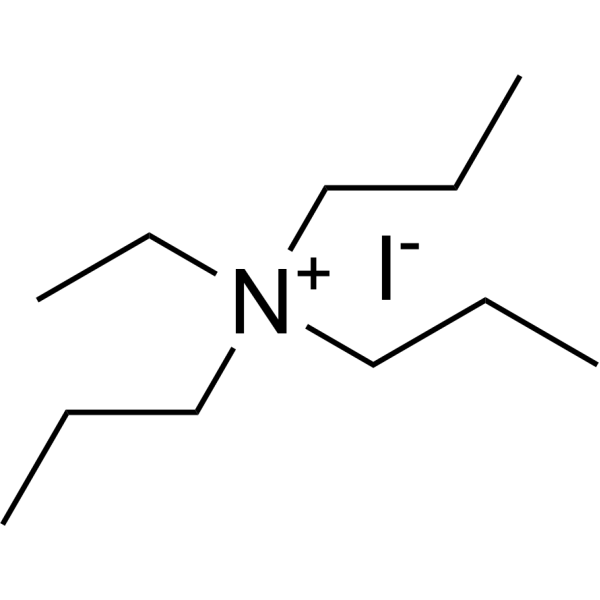
N-Ethyl-N,N-dipropylpropan-1-aminium iodide is a quaternary ammonium compound belonging to the class of alkylammonium salts. N-Ethyl-N,N-dipropylpropan-1-aminium (iodide) is commonly used as a phase transfer catalyst in organic synthesis to transfer reactants between immiscible phases. It can also be used as a surfactant, antimicrobial or corrosion inhibitor. Its unique chemical properties make it an essential reagent in many different industrial applications, including pharmaceuticals, agrochemicals, and materials science.
Imidazole- 15N2 (Glyoxaline- 15N2) is 15N labeled Imidazole. Imidazole (Glyoxaline; 1,3-Diaza-2,4-cyclopentadiene) is a heterocyclic aromatic compound. Imidazole bearing molecules have been used as corrosion, acetylcholinesterase (AChEI) and xanthine oxidase (XO) inhibitors, performing biological activities such as antifungal, antituberculosis, anti-inflammatory, antioxidant, and analgesic, amongst many others. Imidazole inhibits the enzymatic conversion of the endoperoxides (PGG2 and PGH2) to thromboxane A2 by platelet microsomes. Imidazole derivatives exhibits inhibition on SARS-CoV-2 3CL Pro enzyme, which is promising for research in the field of Alzheimer’s disease, gout, COVID-19 and thrombo-embolic disease .
Decylphosphonic acid is a metal oxide surface modifier and corrosion inhibitor. Decylphosphonic acid is promising for research of metal protection, anti-corrosion coatings, and emulsion polymerization .
3-Hydroxy-2-methylpyridine (Standard) is the analytical standard of 3-Hydroxy-2-methylpyridine (HY-W002339). This product is intended for research and analytical applications. 3-Hydroxy-2-methylpyridine is a drug intermediate used in the synthesis of pyrimidines. 3-Hydroxy-2-methylpyridine can be used as a corrosion inhibitor .
Sodium metaborate is a borax derivative and boron source, which serves as a precursor to sodium borohydride, a hydrogen storage medium. Sodium metaborate is commonly used in chemical industry-related research, such as textile processing and corrosion inhibition .
2-Thiohydantoin acts as an inhibitor for the corrosion of mild steel in 0.1 M HCl and its inhibition efficiency is both concentration and immersion time dependent .
Dioctyldimethylammonium chloride (D821), a quaternary ammonium salt, is a bactericide. Dioctyldimethylammonium chloride exerts bactericidal activity via disruption of membrane integrity, and intracellular lysate leakage. Dioctyldimethylammonium chloride also can be used as a petroleum additive, antistatic agent, softening agent, rare metal flotation agent, and corrosion inhibitor .
Slc31a1 Rat Pre-designed siRNA Set A contains three designed siRNAs for Slc31a1 gene (Rat), as well as a negative control, a positive control, and a FAM-labeled negative control.
Azure A chloride is a phenothiazine dye. Azure A chloride is an alternative DNA dye used for the separation of DNA and protein fragments in agarose gel electrophoresis and PAGE. Azure A chloride can be chemisorbed on the surface of mild steel according to the Langmuir adsorption isotherm to form a protective film. Azure A chloride binds to double-stranded DNA in a non-cooperative manner via weak intercalation, triggering molecular conformational disturbance, restricted rotational motion, and changes in optical activity .
Imidazole (Glyoxaline; 1,3-Diaza-2,4-cyclopentadiene) is a heterocyclic aromatic compound. Imidazole bearing molecules have been used as corrosion, acetylcholinesterase (AChEI) and xanthine oxidase (XO) inhibitors, performing biological activities such as antifungal, antituberculosis, anti-inflammatory, antioxidant, and analgesic, amongst many others. Imidazole inhibits the enzymatic conversion of the endoperoxides (PGG2 and PGH2) to thromboxane A2 by platelet microsomes. Imidazole derivatives exhibits inhibition on SARS-CoV-2 3CL Pro enzyme, which is promising for research in the field of Alzheimer’s disease, gout, COVID-19 and thrombo-embolic disease .
Sodium carboxymethyl cellulose (CMC-Na) (MW 250000) is a sodium salt of carboxymethyl cellulose. Sodium carboxymethyl cellulose has adsorption and corrosion inhibition on low-carbon steel in an acidic medium. Sodium carboxymethyl cellulose can be used as a thickener, paste and barrier agent .
Poly(acrylic acid) (MW 2000) is a polyacrylic acid with a molecular weight of 2000. Poly(acrylic acid) (MW 2000) is an anionic polymer. Poly(acrylic acid) (MW 2000) can be as a corrosion-mitigating and surface-stabilizing agent.
Poly(acrylic acid) (MW 450000) is a polyacrylic acid with a molecular weight of 450000. Poly(acrylic acid) (MW 450000) is an anionic polymer. Poly(acrylic acid) (MW 450000) can be as a corrosion-mitigating and surface-stabilizing agent .
Poly(acrylic acid) (MW 100000) (35% in water) is a polyacrylic acid with a molecular weight of 100000 (an anionic polymer), which can be used as a corrosion inhibitor and surface stabilizer. Poly(acrylic acid) (MW 100000) can be used for biomedical applications, such as drug delivery .
Ethanolamine hydrochloride, is an organic compound used in various industrial applications. It is a white or colorless solid that is soluble in water and has a faint odor. One of the major uses of Ethanolamine hydrochloride is in the production of detergents and surfactants. Used as a raw material in the manufacture of compounds such as ethylenediaminetetraacetic acid (EDTA) and diethanolamine, which are commonly used in household and industrial cleaning products. Ethanolamine hydrochloride is also used in the synthesis of pharmaceuticals, agrochemicals and rubber processing agents. It acts as a buffer in certain chemical reactions, helping to adjust pH and maintain stability. Ethanolamine hydrochloride can be used for gas purification and metal corrosion inhibitor. Its ability to react with acid gases such as carbon dioxide and sulfur dioxide makes it useful for removing impurities from natural gas and other industrial gases. Overall, Ethanolamine hydrochloride is a multifunctional compound with many potential industrial applications. Its ability to act as a buffer, chelating agent, and corrosion inhibitor makes it an important tool in a variety of industries.
4-Aminobenzaldehyde (p-aminobenzaldehyde) is a useful synthetic reagent and monomer that can be used to synthesize monoazo dyes and photocurable ion exchange resins. 4-Aminobenzaldehyde is also a corrosion inhibitor of metals .
Zn(II)-EDTA (Ethylenediaminetetraacetic acid zinc) disodium tetrahydrate is a coordinating agent. Zn(II)-EDTA disodium tetrahydrate coordinates with Zn 2+ to modify its solvated structure, provides pre-synthesized EDTA-Zn complexes that release Zn 2+ to repair zinc anode defects under interfacial electric field, adsorbs onto zinc anode surface to block oxygen and water molecules, inhibits corrosion and hydrogen evolution reactions, promotes uniform Zn 2+ deposition, suppresses zinc dendrite formation, and modulates the hydrogen bonding network within the electrolyte. Zn(II)-EDTA disodium tetrahydrate acts as an electrolyte additive to enhance reversibility and stability of zinc anodes in aqueous zinc-ion batteries .
Blue Tetrazolium is a tetrazolium salt chromogenic dye that can be reduced to a dark blue formazan product. Blue Tetrazolium is applicable for assays such as succinate dehydrogenase activity detection and reducing sugar quantification. Blue Tetrazolium also serves as a novel corrosion inhibitor for cold-rolled steel in hydrochloric acid solutions. Blue Tetrazolium has a broad wavelength range (480-600 nm), with the maximum absorbance observed at 540 nm .
Cremophor EL-10 is a nonionic polyoxyethylene castor oil surfactant with multiple functions including organic solubilizer, mixed zinc anode corrosion inhibitor and dendrite growth inhibitor. By forming a physical barrier to block electrolyte contact and constructing oriented hydration channels to reduce the desolvation energy barrier of Zn 2+ , Cremophor EL-10 achieves a corrosion inhibition efficiency of over 99%. Cremophor EL-10 exerts no significant effects on the mitochondrial activity and cell viability of epithelial cells, making it suitable for in vitro drug delivery and biopharmaceutical research at concentrations ≤10% v/v. However, Cremophor EL-10 may induce sustained non-endothelium-dependent contraction in rat aortic rings and exert concentration-dependent inhibitory effects on acetylcholine-induced endothelium-dependent relaxation responses .
Trimethylphenylammonium bromide is a quaternary ammonium salt consisting of a positively charged N,N,N-trimethylanilinium cation and a negatively charged bromide anion. This compound is commonly used as a phase transfer catalyst in organic chemical reactions, facilitating the transfer of reactants between immiscible phases. It can also be used as a reagent in the synthesis of various organic compounds and in some applications as a surfactant or corrosion inhibitor.
Triethylmethylammonium chloride is a quaternary ammonium salt belonging to the class of alkylammonium salts. This compound is widely used as a phase transfer catalyst in organic synthesis to facilitate the transfer of reactants between immiscible phases. In addition, it can be used as an electrolyte in electrochemical devices, a surfactant in emulsion polymerization, and a corrosion inhibitor. Its unique chemical properties make it an important ingredient in a variety of industrial applications, including pharmaceuticals, agrochemicals, and materials science.
N,N,N-Trimethylpropan-1-aminium bromide is a quaternary ammonium compound belonging to the class of alkylammonium salts. This compound is widely used as a phase transfer catalyst in organic synthesis, facilitating the transfer of reactants between immiscible phases. It can also be used as a surfactant, corrosion inhibitor or antimicrobial. Due to its unique chemical properties, N,N,N-Trimethylpropan-1-aminium bromide has applications in various industries such as pharmaceuticals, agrochemicals, and materials science.
Poly(acrylic acid) (Mv 4000000) is a polyacrylic acid (and an anionic polymer) with a molecular weight of 4000000. Poly(acrylic acid) (Mv 4000000) can be used as a corrosion inhibitor and surface stabilizer. Poly(acrylic acid) (Mv 4000000) is a biomaterial or organic compound that can be used in life science research .
Poly(acrylic acid) (Mv 3000000) is a polyacrylic acid (an anionic polymer) with a molecular weight of 3000000. Poly(acrylic acid) (Mv 3000000) can be used as a corrosion inhibitor and surface stabilizer. Poly(acrylic acid) (Mv 3000000) is a biomaterial or organic compound that can be used as a life science research related biomaterial or organic compound .
3-Bromobenzoic acid is an important intermediate that can be used in the synthesis of other active compounds. 3-Bromobenzoic acid can react with a variety of electrophiles to generate a variety of 2-substituted-3-bromobenzoic acid derivatives. 3-Bromobenzoic acid is also an effective corrosion inhibitor for aluminum in alkalized Persian Gulf seawater and NaOH solution .
N,N-Dimethyldecylamine N-oxide is an organic compound belonging to the family of amine oxides. It is commonly used as a surfactant and cleaning agent in a variety of industrial and household applications, including detergents, personal care products and paints. N,N-Dimethyldecylamine N-oxide has various properties suitable for these applications, including the ability to lower surface tension, increase solubility, and act as a blowing agent. In addition, it can be used as a corrosion inhibitor in metalworking fluids and a flotation agent in mineral processing.
Indole-5-carboxylic acid, 98% is an indole derivative. Indole-5-carboxylic acid, 98% inhibits corrosion of low carbon steel in deoxygenated 0.5 M sulfuric acid solution .
N-butyl-N-methyl-piperidinium bromide is a quaternary ammonium compound belonging to the class of piperidinium salts. N-butyl-N-methyl-piperidinium bromide is commonly used as a phase transfer catalyst in organic synthesis to transfer reactants between immiscible phases. It can also be used as a surfactant, corrosion inhibitor and antibacterial agent. Its unique chemical properties make it an important reagent in many different industries, including pharmaceuticals, agrochemicals, and materials science.
Imidazole (Standard) is the analytical standard of Imidazole. This product is intended for research and analytical applications. Imidazole (Glyoxaline; 1,3-Diaza-2,4-cyclopentadiene) is a heterocyclic aromatic compound. Imidazole bearing molecules have been used as corrosion, acetylcholinesterase (AChEI) and xanthine oxidase (XO) inhibitors, performing biological activities such as antifungal, antituberculosis, anti-inflammatory, antioxidant, and analgesic, amongst many others. Imidazole inhibits the enzymatic conversion of the endoperoxides (PGG2 and PGH2) to thromboxane A2 by platelet microsomes. Imidazole derivatives exhibits inhibition on SARS-CoV-2 3CLPro enzyme, which is promising for research in the field of Alzheimer’s disease, gout, COVID-19 and thrombo-embolic disease .
1-Naphthenyl phosphate hydrate sodium is commonly used as a flame retardant for various materials such as plastics, textiles, and construction materials. In addition, its potential use as a corrosion inhibitor and as an ingredient in fertilizers and detergents has been investigated. Its hydrated form contains variable amounts of water molecules, which affects its physical properties and applications.
N-Ethyl-N,N-dipropylpropan-1-aminium iodide is a quaternary ammonium compound belonging to the class of alkylammonium salts. N-Ethyl-N,N-dipropylpropan-1-aminium (iodide) is commonly used as a phase transfer catalyst in organic synthesis to transfer reactants between immiscible phases. It can also be used as a surfactant, antimicrobial or corrosion inhibitor. Its unique chemical properties make it an essential reagent in many different industrial applications, including pharmaceuticals, agrochemicals, and materials science.
3-Hydroxy-2-methylpyridine is a pharmaceutical intermediate that can be used in the synthesis of pyrimidines. 3-Hydroxy-2-methylpyridine acts as a corrosion inhibitor, serving as a mixed-type corrosion inhibitor for carbon steel in HCl medium .
3-Hydroxy-2-methylpyridine (Standard) is the analytical standard of 3-Hydroxy-2-methylpyridine (HY-W002339). This product is intended for research and analytical applications. 3-Hydroxy-2-methylpyridine is a drug intermediate used in the synthesis of pyrimidines. 3-Hydroxy-2-methylpyridine can be used as a corrosion inhibitor .
Copper transport 1 homolog; Copper transporter 1; COPT1; COPT1_HUMAN; CTR1; hCTR1; High affinity copper uptake protein 1; SLC31a1; solute carrier family 31 copper tansporters; member 1; Solute carrier family 31 member 1
The SLC31A1 protein is an important uniporter that can transport copper(1+) from the extracellular space into the cytoplasm with remarkable specificity and deliver it directly to molecular chaperones such as ATOX1. This process tightly regulates intracellular copper(1+) levels and may be involved in intestinal copper absorption. SLC31A1 Protein, Human (Cell-Free, His-SUMO) is the recombinant human-derived SLC31A1 protein, expressed by E. coli Cell-free , with N-SUMO, N-6*His labeled tag.
The DENND1A protein is a guanine nucleotide exchange factor (GEF) that coordinates clathrin-mediated endocytosis through activation of RAB35. It catalyzes the conversion of inactive GDP-bound RAB35 into its active GTP-bound state, regulating synaptic vesicle dynamics and other processes. DENND1A Protein, Human (His-SUMO) is the recombinant human-derived DENND1A, expressed by E. coli, with N-SUMO, N-6*His labeled tag. The total length of DENND1A Protein, Human (His-SUMO) is 559 a.a..
Imidazole- 15N2 (Glyoxaline- 15N2) is 15N labeled Imidazole. Imidazole (Glyoxaline; 1,3-Diaza-2,4-cyclopentadiene) is a heterocyclic aromatic compound. Imidazole bearing molecules have been used as corrosion, acetylcholinesterase (AChEI) and xanthine oxidase (XO) inhibitors, performing biological activities such as antifungal, antituberculosis, anti-inflammatory, antioxidant, and analgesic, amongst many others. Imidazole inhibits the enzymatic conversion of the endoperoxides (PGG2 and PGH2) to thromboxane A2 by platelet microsomes. Imidazole derivatives exhibits inhibition on SARS-CoV-2 3CL Pro enzyme, which is promising for research in the field of Alzheimer’s disease, gout, COVID-19 and thrombo-embolic disease .
Poly(acrylic acid) (MW 2000) is a polyacrylic acid with a molecular weight of 2000. Poly(acrylic acid) (MW 2000) is an anionic polymer. Poly(acrylic acid) (MW 2000) can be as a corrosion-mitigating and surface-stabilizing agent.
Poly(acrylic acid) (MW 450000) is a polyacrylic acid with a molecular weight of 450000. Poly(acrylic acid) (MW 450000) is an anionic polymer. Poly(acrylic acid) (MW 450000) can be as a corrosion-mitigating and surface-stabilizing agent .
SEC31A Human Pre-designed siRNA Set A contains three designed siRNAs for SEC31A gene (Human), as well as a negative control, a positive control, and a FAM-labeled negative control.
Slc31a1 Mouse Pre-designed siRNA Set A contains three designed siRNAs for Slc31a1 gene (Mouse), as well as a negative control, a positive control, and a FAM-labeled negative control.
SLC31A2 Human Pre-designed siRNA Set A contains three designed siRNAs for SLC31A2 gene (Human), as well as a negative control, a positive control, and a FAM-labeled negative control.
SLC31A1 Human Pre-designed siRNA Set A contains three designed siRNAs for SLC31A1 gene (Human), as well as a negative control, a positive control, and a FAM-labeled negative control.
Slc31a1 Rat Pre-designed siRNA Set A contains three designed siRNAs for Slc31a1 gene (Rat), as well as a negative control, a positive control, and a FAM-labeled negative control.
Western blot analysis of extracts from THP-1(lane 2(20μg), Jurkat (lane 3(20μg) and NIH3T3(lane 4(20μg) using FOXO1A (HY-P80132) Rabbit mAb. Proteins were transferred
to a PVDF membrane and blocked with 5% non-fat milk in TBST for 2 hour at room temperature. The primary antibody (1/1000) and Loading control antibody (Beta Actin, HY-P80438, 1/10000) was
used in 5% non-fat milk in TBST at 4°C overnight. Goat Anti-Mouse/Rabbit IgG-HRP Secondary Antibody (1/10000) was used for 1 hour at room temperature.
Western blot analysis of extracts from THP-1(lane 2(20μg), Jurkat (lane 3(20μg) and NIH3T3(lane 4(20μg) using FOXO1A (HY-P80132) Rabbit mAb. Proteins were transferred
to a PVDF membrane and blocked with 5% non-fat milk in TBST for 2 hour at room temperature. The primary antibody (1/1000) and Loading control antibody (Beta Actin, HY-P80438, 1/10000) was
used in 5% non-fat milk in TBST at 4°C overnight. Goat Anti-Mouse/Rabbit IgG-HRP Secondary Antibody (1/10000) was used for 1 hour at room temperature.
Western blot analysis of extracts from THP-1(lane 2(20μg), Jurkat (lane 3(20μg) and NIH3T3(lane 4(20μg) using FOXO1A (HY-P80132) Rabbit mAb. Proteins were transferred
to a PVDF membrane and blocked with 5% non-fat milk in TBST for 2 hour at room temperature. The primary antibody (1/1000) and Loading control antibody (Beta Actin, HY-P80438, 1/10000) was
used in 5% non-fat milk in TBST at 4°C overnight. Goat Anti-Mouse/Rabbit IgG-HRP Secondary Antibody (1/10000) was used for 1 hour at room temperature.
Western blot analysis of extracts from THP-1(lane 2(20μg), Jurkat (lane 3(20μg) and NIH3T3(lane 4(20μg) using FOXO1A (HY-P80132) Rabbit mAb. Proteins were transferred
to a PVDF membrane and blocked with 5% non-fat milk in TBST for 2 hour at room temperature. The primary antibody (1/1000) and Loading control antibody (Beta Actin, HY-P80438, 1/10000) was
MedchemExpress Validation 03
Western blot analysis of extracts from THP-1(lane 2(20μg), Jurkat (lane 3(20μg) and NIH3T3(lane 4(20μg) using FOXO1A (HY-P80132) Rabbit mAb. Proteins were transferred
MedchemExpress Validation 04
Western blot analysis of extracts from THP-1(lane 2(20μg), Jurkat (lane 3(20μg) and NIH3T3(lane 4(20μg) using FOXO1A (HY-P80132) Rabbit mAb. Proteins were transferred
to a PVDF membrane and blocked with 5% non-fat milk in TBST for 2 hour at room temperature. The primary antibody (1/1000) and Loading control antibody (Beta Actin, HY-P80438, 1/10000) was
used in 5% non-fat milk in TBST at 4°C overnight. Goat Anti-Mouse/Rabbit IgG-HRP Secondary Antibody (1/10000) was used for 1 hour at room temperature.
MedchemExpress Validation
Western blot analysis of extracts from THP-1(lane 2(20μg), Jurkat (lane 3(20μg) and NIH3T3(lane 4(20μg) using FOXO1A (HY-P80132) Rabbit mAb. Proteins were transferred
to a PVDF membrane and blocked with 5% non-fat milk in TBST for 2 hour at room temperature. The primary antibody (1/1000) and Loading control antibody (Beta Actin, HY-P80438, 1/10000) was
used in 5% non-fat milk in TBST at 4°C overnight. Goat Anti-Mouse/Rabbit IgG-HRP Secondary Antibody (1/10000) was used for 1 hour at room temperature.
Western blot analysis of extracts from THP-1(lane 2(20μg), Jurkat (lane 3(20μg) and NIH3T3(lane 4(20μg) using FOXO1A (HY-P80132) Rabbit mAb. Proteins were transferred
to a PVDF membrane and blocked with 5% non-fat milk in TBST for 2 hour at room temperature. The primary antibody (1/1000) and Loading control antibody (Beta Actin, HY-P80438, 1/10000) was
used in 5% non-fat milk in TBST at 4°C overnight. Goat Anti-Mouse/Rabbit IgG-HRP Secondary Antibody (1/10000) was used for 1 hour at room temperature.
MedchemExpress Validation
Western blot analysis of extracts from THP-1(lane 2(20μg), Jurkat (lane 3(20μg) and NIH3T3(lane 4(20μg) using FOXO1A (HY-P80132) Rabbit mAb. Proteins were transferred
to a PVDF membrane and blocked with 5% non-fat milk in TBST for 2 hour at room temperature. The primary antibody (1/1000) and Loading control antibody (Beta Actin, HY-P80438, 1/10000) was
used in 5% non-fat milk in TBST at 4°C overnight. Goat Anti-Mouse/Rabbit IgG-HRP Secondary Antibody (1/10000) was used for 1 hour at room temperature.
MedchemExpress Validation
Western blot analysis of extracts from THP-1(lane 2(20μg), Jurkat (lane 3(20μg) and NIH3T3(lane 4(20μg) using FOXO1A (HY-P80132) Rabbit mAb. Proteins were transferred
to a PVDF membrane and blocked with 5% non-fat milk in TBST for 2 hour at room temperature. The primary antibody (1/1000) and Loading control antibody (Beta Actin, HY-P80438, 1/10000) was
used in 5% non-fat milk in TBST at 4°C overnight. Goat Anti-Mouse/Rabbit IgG-HRP Secondary Antibody (1/10000) was used for 1 hour at room temperature.
MedchemExpress Validation
Western blot analysis of extracts from THP-1(lane 2(20μg), Jurkat (lane 3(20μg) and NIH3T3(lane 4(20μg) using FOXO1A (HY-P80132) Rabbit mAb. Proteins were transferred
to a PVDF membrane and blocked with 5% non-fat milk in TBST for 2 hour at room temperature. The primary antibody (1/1000) and Loading control antibody (Beta Actin, HY-P80438, 1/10000) was
used in 5% non-fat milk in TBST at 4°C overnight. Goat Anti-Mouse/Rabbit IgG-HRP Secondary Antibody (1/10000) was used for 1 hour at room temperature.
MedchemExpress Validation
Western blot analysis of extracts from THP-1(lane 2(20μg), Jurkat (lane 3(20μg) and NIH3T3(lane 4(20μg) using FOXO1A (HY-P80132) Rabbit mAb. Proteins were transferred
to a PVDF membrane and blocked with 5% non-fat milk in TBST for 2 hour at room temperature. The primary antibody (1/1000) and Loading control antibody (Beta Actin, HY-P80438, 1/10000) was
used in 5% non-fat milk in TBST at 4°C overnight. Goat Anti-Mouse/Rabbit IgG-HRP Secondary Antibody (1/10000) was used for 1 hour at room temperature.
MedchemExpress Validation
Western blot analysis of extracts from THP-1(lane 2(20μg), Jurkat (lane 3(20μg) and NIH3T3(lane 4(20μg) using FOXO1A (HY-P80132) Rabbit mAb. Proteins were transferred
to a PVDF membrane and blocked with 5% non-fat milk in TBST for 2 hour at room temperature. The primary antibody (1/1000) and Loading control antibody (Beta Actin, HY-P80438, 1/10000) was
used in 5% non-fat milk in TBST at 4°C overnight. Goat Anti-Mouse/Rabbit IgG-HRP Secondary Antibody (1/10000) was used for 1 hour at room temperature.
MedchemExpress Validation
Western blot analysis of extracts from THP-1(lane 2(20μg), Jurkat (lane 3(20μg) and NIH3T3(lane 4(20μg) using FOXO1A (HY-P80132) Rabbit mAb. Proteins were transferred
to a PVDF membrane and blocked with 5% non-fat milk in TBST for 2 hour at room temperature. The primary antibody (1/1000) and Loading control antibody (Beta Actin, HY-P80438, 1/10000) was
used in 5% non-fat milk in TBST at 4°C overnight. Goat Anti-Mouse/Rabbit IgG-HRP Secondary Antibody (1/10000) was used for 1 hour at room temperature.
MedChemExpress values your privacy and your trust is important to us. We use cookies to enhance your website experience. Some cookies are necessary to run the website.
Privacy and Cookie Policy