1. Search Result
Search Result
Results for "

Zika virus (ZIKV)

" in MedChemExpress (MCE) Product Catalog:

37

Inhibitors & Agonists

1

Fluorescent Dyes

1

Peptides

1

Inhibitory Antibodies

6

Natural
Products

15

Recombinant Proteins

Cat. No. Product Name Target Research Areas Chemical Structure
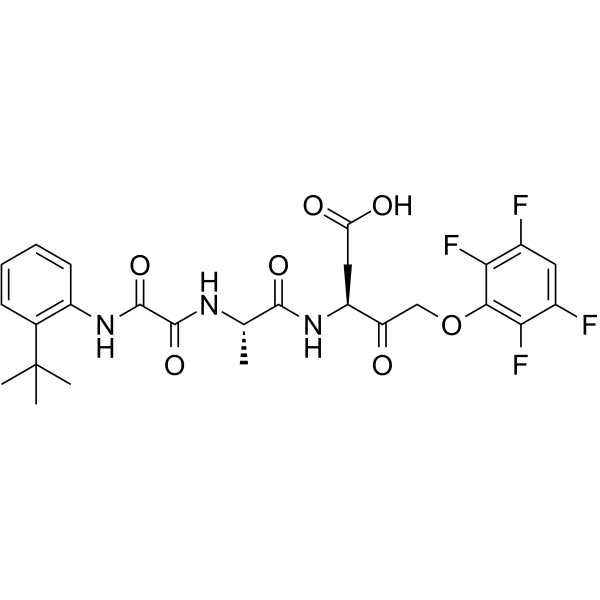
  • HY-10396
    Emricasan
    Maximum Cited Publications
    52 Publications Verification

    PF 03491390; IDN-6556

    Caspase Flavivirus Infection Neurological Disease Cancer
    Emricasan (PF 03491390) is an orally active and irreversible pan-caspase inhibitor. Emricasan inhibits Zika virus (ZIKV)-induced increases in caspase-3 activity and protected human cortical neural progenitors .
    Emricasan
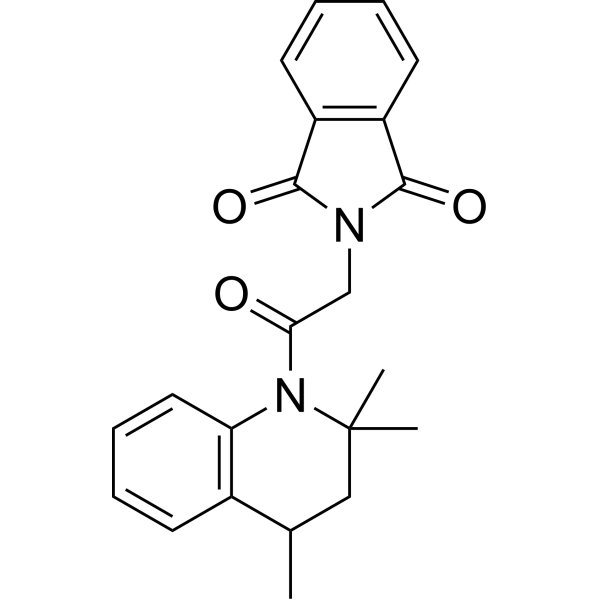
  • HY-108462
    ML-SA1
    5+ Cited Publications

    Dengue Virus TRP Channel Flavivirus Infection
    ML-SA1, as a selective TRPML agonist, inhibits Dengue virus 2 (DENV2) and Zika virus (ZIKV) by promoting lysosomal acidification and protease activity. The IC50 value of ML-SA1 against DENV2 RNA and ZIKV RNA is 8.3 μM and 52.99 μM, respectively. ML-SA1 induces autophagy. ML-SA1 can be used for the research of broad-spectrum antiviral .
    ML-SA1
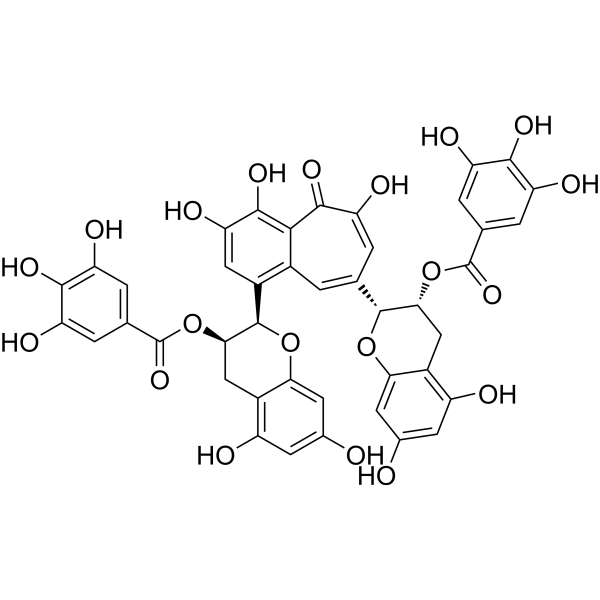
  • HY-N1992
    Theaflavin 3,3'-digallate
    Maximum Cited Publications
    9 Publications Verification

    TF-3; ZP10

    Virus Protease HSV HIV Flavivirus Infection Cancer
    Theaflavin 3,3'-digallate (TF-3) is a potent Zika virus (ZIKV) protease inhibitor with an IC50 of 2.3 μM. Theaflavin 3,3'-digallat directly binds to ZIKVpro (Kd=8.86 μM) and inhibits ZIKV replication. Theaflavin 3,3'-digallat inhibits the activity of gp41 and NS2B-3 protease and has antiviral activity against HSV and HIV-1 . Theaflavin 3,3'-digallate, the typical pigment in black tea, is a potent antitumor agent .
    Theaflavin 3,3'-digallate
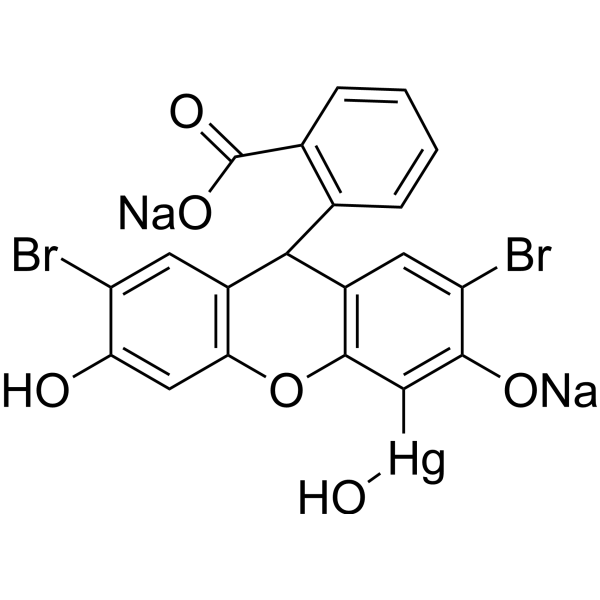
  • HY-B0961

    Mercury dibromofluorescein disodium salt; ZP1

    Flavivirus Proteasome Others
    Merbromin is a mixed inhibitor of the 3-chymotrypsin-like protease (3CLpro) of SARS-CoV-2, with an IC50 of 2.7 μM. Merbromin effectively inhibits the replication of the Zika virus (ZIKV) and shows anti-ZIKV activity by inhibiting ZIKVpro. Merbromin can also be used as a topical disinfectant for cuts and scrapes, and it serves as a biological dye .
    Merbromin
  • HY-15176B
    Pyridostatin TFA
    30+ Cited Publications

    RR82 TFA

    DNA/RNA Synthesis G-quadruplex Flavivirus Src Virus Protease Cancer
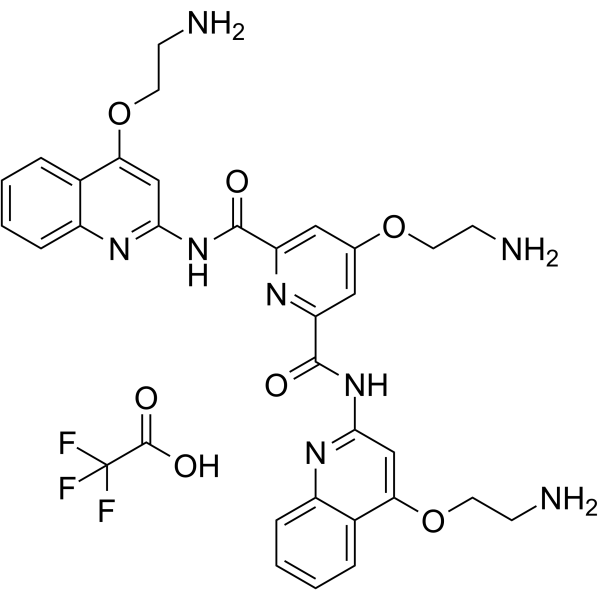
    Pyridostatin (RR82) TFA is a G-quadruplex (G4) inducer/stabilizer with a Kd of 490 nM. Pyridostatin TFA also acts as an inhibitor of Zika virus (ZIKV) NS2B-NS3 protease, with an IC50 of 11.0 μM. Pyridostatin TFA interacts with G-quadruplex structures, regulates the expression of SRC and SUB1, and induces replication- and transcription-dependent DNA damage, growth arrest, and genomic instability. Pyridostatin TFA exhibits antiproliferative and antiviral activities. Pyridostatin TFA can be used in studies related to breast cancer, cervical cancer, and Zika virus infection .
    Pyridostatin TFA
  • HY-N4118
    Cephaeline
    1 Publications Verification

    (-)-Cephaeline; NSC 32944 free base

    Filovirus Flavivirus Keap1-Nrf2 Ferroptosis Reactive Oxygen Species (ROS) Infection Cancer
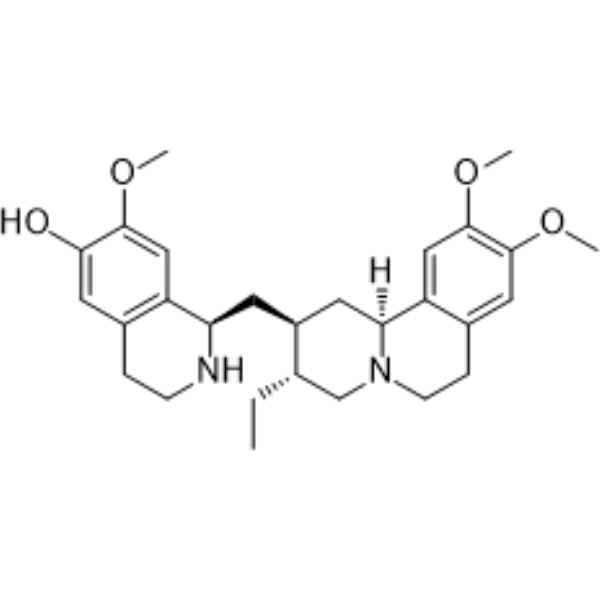
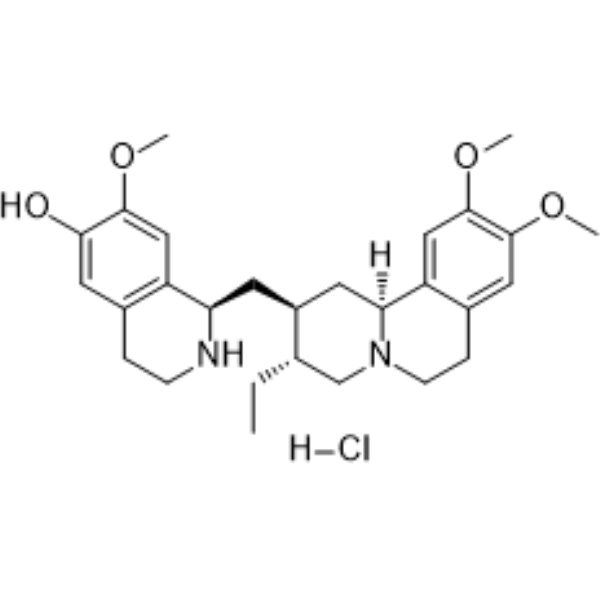
    Cephaeline ((-)-Cephaeline), a desmethyl analog of Emetine, is a phenolic alkaloid in Indian Ipecac roots isolated from the Cephaelis ipecacuanha. Cephaeline exhibits potent inhibition of both Zika virus (ZIKV) and Ebola virus (EBOV) infections. Cephaeline is an inductor of histone H3 acetylation and an inhibitor of mucoepidermoid carcinoma cancer stem cells (MEC), which promotes ferroptosis by inhibiting NRF2 to exert anti-lung cancer efficacy .
    Cephaeline
  • HY-N0838
    Cephalotaxine
    1 Publications Verification

    (-)-Cephalotaxine; ZINC19795976

    Flavivirus Infection Cancer
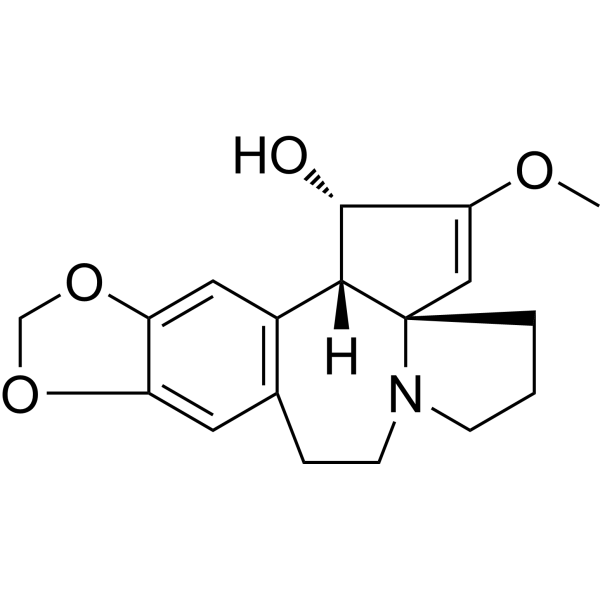
    Cephalotaxlen ((-)-Cephalotaxine) is an alkaloid that can be isolated from Cephalotaxus fortunei, with antileukemic and antiviral activities. Cephalotaxlen has anti-ZIKV (Zika virus) activity .
    Cephalotaxine
  • HY-16696
    SN 2
    5 Publications Verification

    Flavivirus Dengue Virus TRP Channel Infection
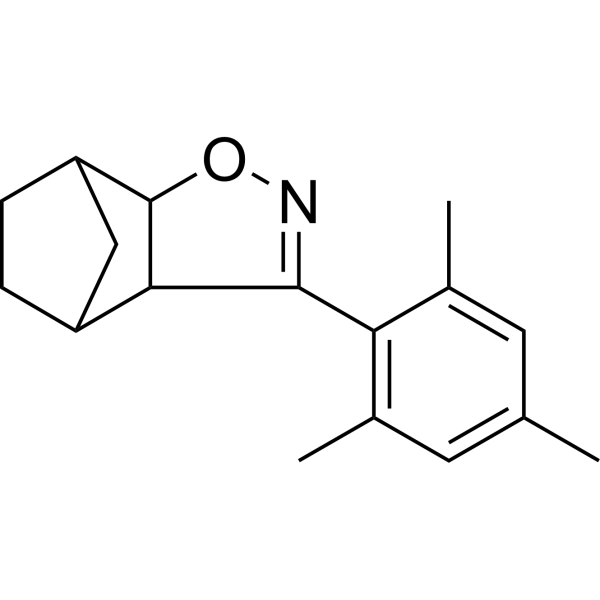
    SN 2 is a potent activator of TRPML3 ion channel with an EC50 of 1.8 μM . SN 2 also acts as a potent inhibitor of Dengue virus 2 (DENV2) and Zika virus (ZIKV) .
    SN 2
  • HY-15176C
    Pyridostatin trihydrochloride
    30+ Cited Publications

    RR82 trihydrochloride

    DNA/RNA Synthesis G-quadruplex Flavivirus Src Virus Protease Cancer
    Pyridostatin (RR82) trihydrochloride is a G-quadruplex (G4) inducer/stabilizer with a Kd of 490 nM. Pyridostatin trihydrochloride also acts as an inhibitor of Zika virus (ZIKV) NS2B-NS3 protease, with an IC50 of 11.0 μM. Pyridostatin trihydrochloride interacts with G-quadruplex structures, regulates the expression of SRC and SUB1, and induces replication- and transcription-dependent DNA damage, growth arrest, and genomic instability. Pyridostatin trihydrochloride exhibits antiproliferative and antiviral activities. Pyridostatin trihydrochloride can be used in studies related to breast cancer, cervical cancer, and Zika virus infection .
    Pyridostatin trihydrochloride
  • HY-150234

    Virus Protease Flavivirus Infection
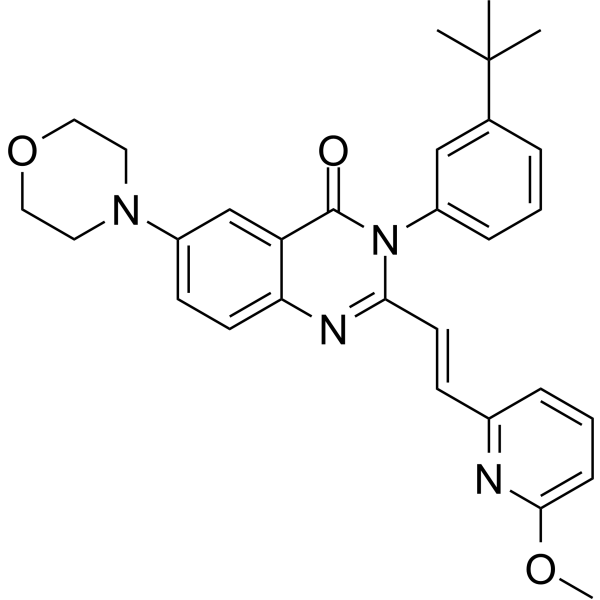
    LabMol-319 is a potent zika virus (ZIKV) NS5 RdRp inhibitor with an IC50 of 1.6 μM. LabMol-319 is an antiviral agent .

    LabMol-319
  • HY-P10862

    Exosomes Virus Protease Infection Cancer
    AH-D peptide is a brain-penetrant antiviral agent disrupting highly curved lipid membranes. AH-D peptide exhibits broad-spectrum antiviral activity against ZIKV, Dengue virus, Chikungunya virus, yellow fever virus and Japanese encephalitis virus, with
    IC50
    values of 11.9, 12.5, 35.7, 206 and 136 nM, respectively. AH-D peptide reduces the viral load in the brain, suppresses inflammation, protects neurons, and does not damage the blood brain barrier. AH-D peptide restores antitumor immunity by decreasing circulating PD-L1 + exosomes, reducing intratumoral immunosuppressive cells (regulatory T cells, myeloid-derived suppressor cells), and enhancing T cell function. AH-D peptide inhibits membrane-enveloped viruses and cancer cell metastasis in vivo. AH-D peptide exhibits no immunogenicity and has negligible effects on normal tissues. AH-D peptide can be used for research in Zika virus and other mosquito-borne viruses, cancer immunotherapy and metastasis .
    AH-D peptide
  • HY-151526

    Virus Protease Flavivirus Infection
    LabMol-301 inhibits both NS5 RdRp and NS2B-NS3pro activity (IC50: 0.8 and 7.4 μM, respectively). LabMol-301 has a cytoprotective effect and prevents Zika virus (ZIKV)-induced cell death .
    LabMol-301
  • HY-130437

    MDM-2/p53 TGF-β Receptor Caspase Infection Metabolic Disease
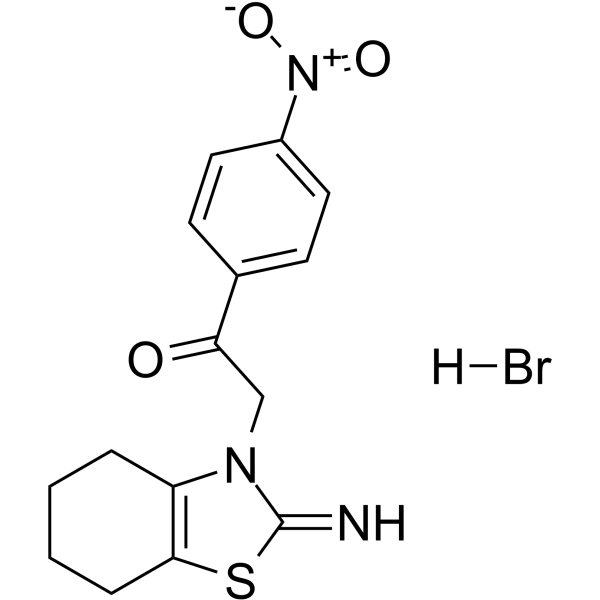
    p-nitro-Pifithrin-α, a cell-permeable analog of pifithrin-α, is a potent p53 inhibitor. p-nitro-Pifithrin-α suppresses p53-mediated TGF-β1 expression in HK-2 cells. p-nitro-Pifithrin-α inhibits the activation of caspase-3 by Zika virus (ZIKV) strains. p-nitro-Pifithrin-α attenuates steatosis and liver injury in mice fed a high-fat diet [4]. non-alcoholic fatty liver disease .
    p-nitro-Pifithrin-α
  • HY-N2076

    (-)-Cephaeline hydrochloride; NSC 32944 monohydrochloride

    Flavivirus Filovirus Infection
    Cephaeline hydrochloride ((-)-Cephaeline hydrochloride) is a phenolic alkaloid in Indian Ipecac roots. Cephaeline hydrochloride exhibits potent inhibition of both Zika virus (ZIKV) and Ebola virus (EBOV) infections .
    Cephaeline hydrochloride
  • HY-179013

    Virus Protease Flavivirus Dengue Virus Infection
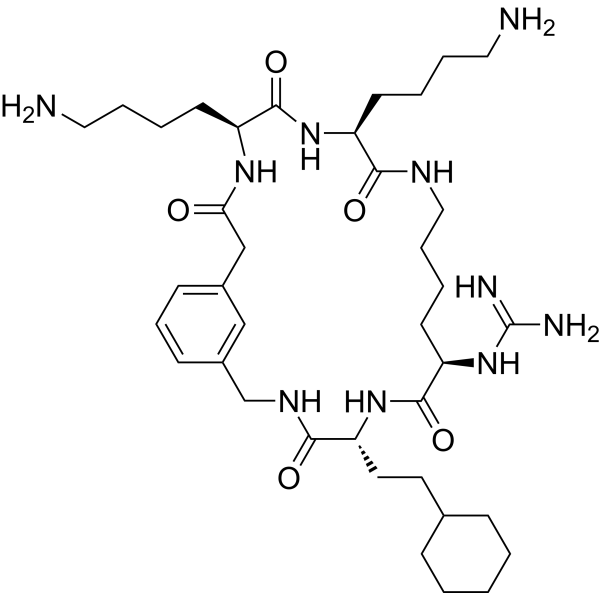
    NS2B/NS3-IN-9 (Compound 73) is a broad-spectrum, non-competitive anti-Orthoflavivirus lipopeptide inhibitor targeting the NS2B-NS3 protease. NS2B/NS3-IN-9 exhibits IC50 values for Dengue virus DENV2 NS2B-NS3, West Nile virus WNV NS2B-NS3, and Zika virus ZIKV NS2B-NS3 of 2.4, 7.2, and 1.9 μM, respectively. NS2B/NS3-IN-9 also exhibits antiviral activity at the cellular level against DENV2, WNV, and ZIKV, with EC50 values of 4.1, 4.9, and 5.0 μM, respectively. NS2B/NS3-IN-9 has no significant toxicity to cells. NS2B/NS3-IN-9 can be used for the study of anti-Orthoflavivirus .
    NS2B/NS3-IN-9
  • HY-162073

    Influenza Virus Infection
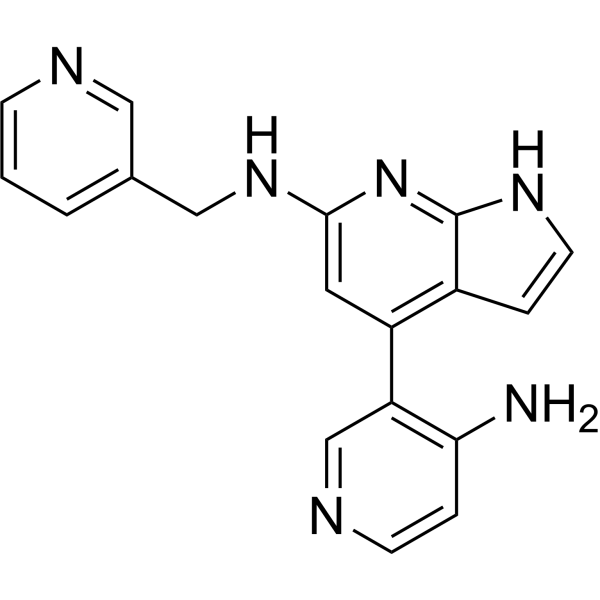
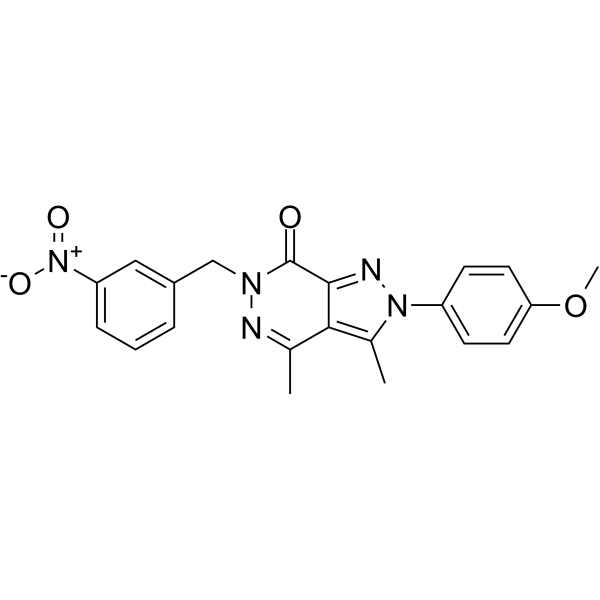
    ZIKV-IN-8 (Compound 9b) is a noncompetitive Zika virus (ZIKV) inhibitor. ZIKV-IN-8 shows the best anti-ZIKV activity with a selectivity index of 22.4. ZIKV-IN-8 has significant inhibition of ZIKV with an IC50 value of 25.6 μM. ZIKV-IN-8 can be used for the research of ZIKV infection .
    ZIKV-IN-8
  • HY-151446

    DNA Methyltransferase Virus Protease Flavivirus Infection
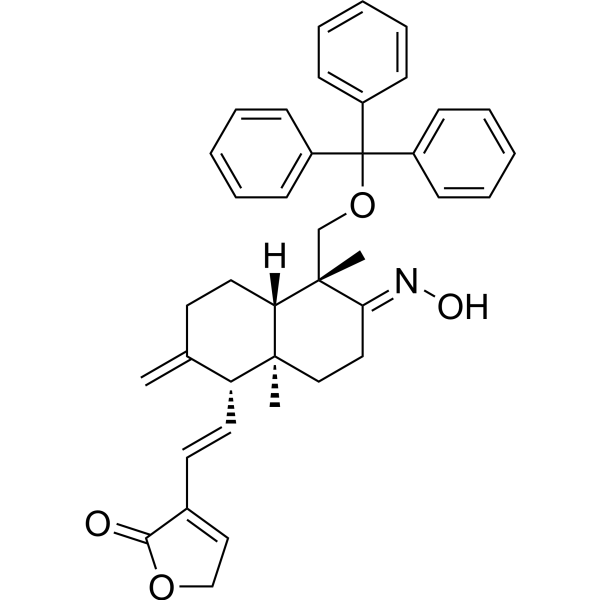
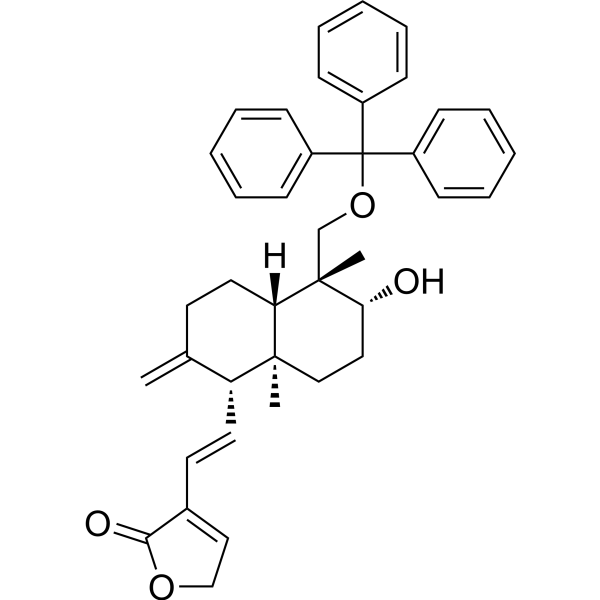
    ZIKV-IN-3 (compound 5a), an andrographolide derivatives, is a potent ZIKV NS5 methyl transferase (MTase) inhibitor with an IC50 value of 18.34 μM. ZIKV-IN-3 inhibits ZIKV replication and infection. ZIKV-IN-3 can be used in research of Zika virus (ZIKV) .
    ZIKV-IN-3
  • HY-10396R

    PF 03491390 (Standard); IDN-6556 (Standard)

    Reference Standards Caspase Flavivirus Infection Neurological Disease Cancer
    Emricasan (Standard) is the analytical standard of Emricasan. This product is intended for research and analytical applications. Emricasan (PF 03491390) is an orally active and irreversible pan-caspase inhibitor. Emricasan inhibits Zika virus (ZIKV)-induced increases in caspase-3 activity and protected human cortical neural progenitors .
    Emricasan (Standard)
  • HY-176433

    Flavivirus Infection
    NSC-323241 is a potent STT3A-mediated mega protein complex assembly inhibitor. NSC-323241 disrupts he endoplasmic reticulum (ER) mega complex nucleated by STT3A during dengue virus (DENV) and Zika virus (ZIKV) infection. NSC-323241 targets the binding of STT3A subcomplex with viral nonstructural proteins (e.g., NS2B, NS3) and host translocon proteins, disrupting the formation of viral replication microenvironment. NSC-323241 is promising for research of flavivirus infection, such as dengue fever and Zika virus .
    NSC-323241
  • HY-N4118R

    (-)-Cephaeline (Standard); NSC 32944 free base (Standard)

    Reference Standards Filovirus Flavivirus Keap1-Nrf2 Ferroptosis Reactive Oxygen Species (ROS) Infection Cancer
    Cephaeline ((-)-Cephaeline), a desmethyl analog of Emetine, is a phenolic alkaloid in Indian Ipecac roots isolated from the Cephaelis ipecacuanha. Cephaeline exhibits potent inhibition of both Zika virus (ZIKV) and Ebola virus (EBOV) infections. Cephaeline is an inductor of histone H3 acetylation and an inhibitor of mucoepidermoid carcinoma cancer stem cells (MEC), which promotes ferroptosis by inhibiting NRF2 to exert anti-lung cancer efficacy .
    Cephaeline (Standard)
  • HY-150600

    Virus Protease Flavivirus Infection
    NS2B/NS3-IN-7 (compound 26) is a highly potent Zika virus NS2B-NS3 protease inhibitor with a Ki value of 2.33 nM. NS2B/NS3-IN-7 can reduce amounts of ZIKV-infected cells .
    NS2B/NS3-IN-7
  • HY-10396A

    (2R,3S)-PF 03491390; (2R,3S)-IDN-6556

    Caspase Flavivirus Infection Neurological Disease Cancer
    (2R,3S)-Emricasan ((2R,3S)-PF 03491390) is an isomer of Emricasan (HY-10396). Emricasan is an orally active and irreversible pan-caspase inhibitor. Emricasan inhibits Zika virus (ZIKV)-induced increases in caspase-3 activity and protected human cortical neural progenitors .
    (2R,3S)-Emricasan
  • HY-N1992R

    TF-3 (Standard); ZP10 (Standard)

    Reference Standards Virus Protease HSV HIV Flavivirus Infection Cancer
    Theaflavin 3,3'-digallate (Standard) is the analytical standard of Theaflavin 3,3'-digallate. This product is intended for research and analytical applications. Theaflavin 3,3'-digallate (TF-3) is a potent Zika virus (ZIKV) protease inhibitor with an IC50 of 2.3 μM. Theaflavin 3,3'-digallat directly binds to ZIKVpro (Kd=8.86 μM) and inhibits ZIKV replication. Theaflavin 3,3'-digallat inhibits the activity of gp41 and NS2B-3 protease and has antiviral activity against HSV and HIV-1 . Theaflavin 3,3'-digallate, the typical pigment in black tea, is a potent antitumor agent .
    Theaflavin 3,3'-digallate (Standard)
  • HY-155129

    DNA/RNA Synthesis Infection
    Antiviral agent 36 (compound 27) is a potent dengue (DENV) and Zika (ZIKV) viruses inhibitor. Antiviral agent 36 inhibits replication of Zika and dengue virus with EC50s of 100 nM, 90 nM, 210 nM, and 120 nM for ZIKV-FLR, ZIKV-HN16, DENV-2, and DENV-3, respectively .
    Antiviral agent 36
  • HY-161642

    Dengue Virus Flavivirus Infection
    DENV-2/ZIKV-IN-1 (Compd 16a) is a dual inhibitor of Dengue virus (DENV) and Zika virus (ZIKV) with EC50s of 1.4 and 2.4 μM, respectively .
    DENV-2/ZIKV-IN-1
  • HY-151445

    DNA Methyltransferase Virus Protease Flavivirus Infection
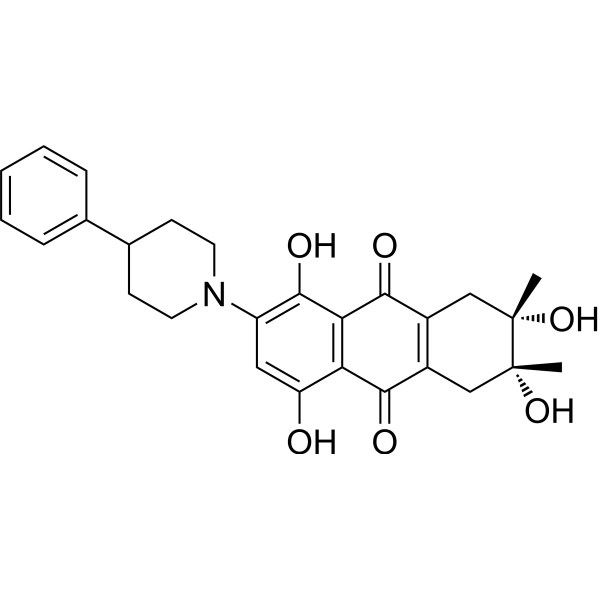
    ZIKV-IN-2 (compound 3a) is a potent ZIKV NS5 methyl transferase (MTase) inhibitor with an IC50 value of 38.86 μM. ZIKV-IN-2 inhibits ZIKV replication and infection. ZIKV-IN-2 can be used in research of Zika virus (ZIKV) .
    ZIKV-IN-2
  • HY-155053

    Flavivirus DNA/RNA Synthesis Inflammation/Immunology
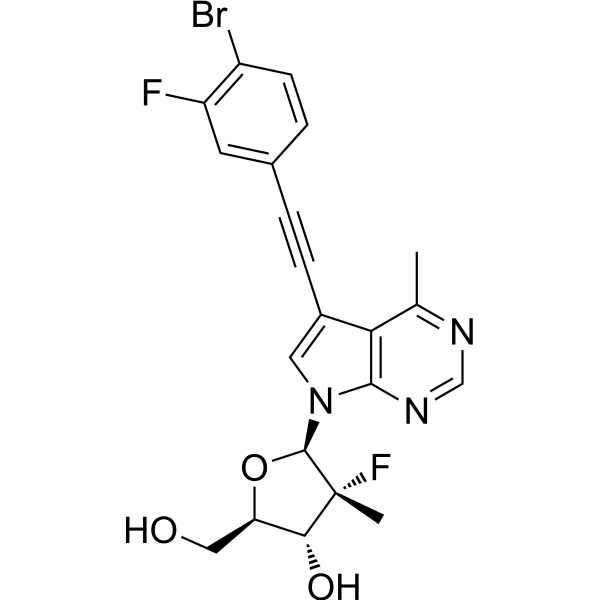
    ZIKV-IN-6 (compound 22) is an inhibitor of Zika virus (ZIKV), with low cytotoxicity (CC50>50 μM). ZIKV-IN-6 binds to ZIKV RdRp directly and inhibits viral RNA synthesis by ZIKV NS5. ZIKV-IN-6 suppresses the excessive inflammatory response and pyroptosis .
    ZIKV-IN-6
  • HY-146957

    Virus Protease Flavivirus Cancer
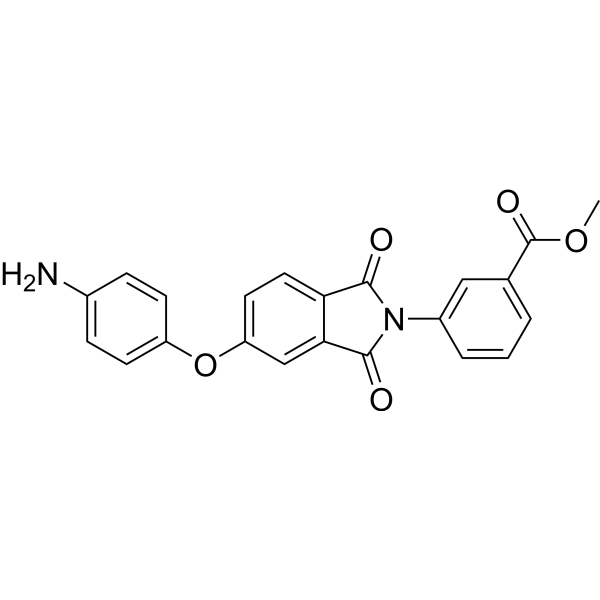
    ZIKV-IN-1 is a potent zika virus inhibitor with an EC50 of 2.8 μM and EC90 of 6.8 μM. ZIKV-IN-1 shows anti-ZIKV activity with low cytotoxicity. ZIKV-IN-1 shows a strong affinity to ZIKV RdRp domain . ZIKV-IN-1 is a click chemistry reagent, it contains an Alkyne group and can undergo copper-catalyzed azide-alkyne cycloaddition (CuAAc) with molecules containing Azide groups.
    ZIKV-IN-1
  • HY-106991

    S-303

    CHIKV Dengue Virus Flavivirus Infection
    Amustaline (S-303) is a compound used for inactivating pathogens in blood components and belongs to the category of nucleic acid-targeted chemical decontaminants. Amustaline has the ability to inactivate viruses and is effective against mosquito-borne viruses such as Chikungunya virus (CHIKV), Dengue virus (DENV), and Zika virus (ZIKV). When combined with glutathione (Glutathione, GSH), which acts as a neutralizer to counteract adverse reactions, Amustaline ensures the stability of red blood cell membranes. Amustaline is mainly used for inactivating pathogens in red blood cell concentrates (RBCC) to reduce the risk of transfusion-transmitted infections (TTI) .
    Amustaline
  • HY-184226A

    Virus Protease Infection
    ASAP-0036543 is an orally active virus NS2B-NS3 protease inhibitor. ASAP-0036543 exhibits activity againse Zika virus (ZIKV) and West Nile virus (WNV). ASAP-0036543 reduces ZIKV RNA load in plasma and spleen, and inhibits ZIKV and WNV replication in mammalian cells. ASAP-0036543 can be used for the research of zika virus infection, west nile virus infection .
    ASAP-0036543
  • HY-183314

    Flavivirus Infection
    ZIKV-IN-9 is a ZIKV inhibitor that blocks the early binding of viral particles to the cell surface. ZIKV-IN-9 inhibits ZIKV in various cell models. ZIKV-IN-9 is applicable to research related to Zika virus infection .
    ZIKV-IN-9
  • HY-P991770

    Flavivirus Infection
    Anti-Zika virus E protein DIII-LR Antibody (ZV-67) reacts with Zika virus envelope (E) protein at the lateral ridge of domain III (DIII-LR). Anti-Zika virus E protein DIII-LR Antibody (ZV-67) specifically detects the recombinant ZIKV E protein DIII and ZIKV E protein reporter virus particles (RVPs) in transfected cells. Recommend Isotype Controls: Mouse IgG2c kappa, Isotype Control (HY-P99981) .
    Anti-Zika virus E protein DIII-LR Antibody (ZV-67)
  • HY-179722

    Dengue Virus Infection
    MTase-IN-2 (compound 32) is a potent NS5 methyltransferase inhibitor with IC50s of 2.14 μM and 2.01 μM against the Dengue virus (DENV3) MTase domain and Zika virus (ZIKV) NS5 MTase domain, respectively .
    MTase-IN-2
  • HY-181990

    Virus Protease Flavivirus
    IRBM-Z-1 is a non-competitive inhibitor of Zika virus (ZIKV) NS2B-NS3 protease, with an IC50 of 1.8 μM. IRBM-Z-1 also exhibits inhibitory activity against the NS2B-NS3 proteases of T156I-mutated dengue virus 2 (DENV2) and West Nile virus (WNV), with IC50 values of 3.9 μM and 4.7 μM, respectively. IRBM-Z-1 inhibits ZIKV replication, attenuates virus-induced cytopathic effects. IRBM-Z-1 is applicable to research related to ZIKV infection .
    IRBM-Z-1
  • HY-181991

    Virus Protease Flavivirus Infection
    IRBM-Z-2 is a non-competitive, orally active Zika virus (ZIKV) NS2B-NS3 protease inhibitor, with IC50 values of 0.04 μM and 3.1 μM against the wild-type and I156T mutant strains, respectively. IRBM-Z-2 exhibits broad-spectrum anti-flavivirus potential, with IC50 values of 2.1 μM and 0.09 μM against the NS2B-NS3 proteases of dengue virus 2 (DENV2) and West Nile virus (WNV), respectively. IRBM-Z-1 inhibits ZIKV replication and alleviates virus-induced cytopathic effects. IRBM-Z-1 can be used in studies related to ZIKV infection .
    IRBM-Z-2
  • HY-156052

    Flavivirus Dengue Virus Virus Protease Infection
    CN-716 dihydrochloride is a reversible covalent flavivirus NS2B·NS3 protease inhibitor with antiviral activity. CN-716 dihydrochloride effectively inhibits the replication of dengue virus (DENV2), West Nile virus (WNV) and Zika virus (ZIKV). The IC50 values of CN-716 dihydrochloride against the proteases of the above three viruses are 0.066 μM, 0.11 μM and 0.25 μM, respectively, while the Ki values against the same proteases are 0.051 μM, 0.082 μM and 0.04 μM, respectively. CN-716 dihydrochloride can be used to study the infection mechanisms of dengue fever, West Nile fever and Zika virus infection .
    CN-716 dihydrochloride
  • HY-108462R

    Dengue Virus Reference Standards TRP Channel Flavivirus Infection
    ML-SA1 (Standard) is the analytical standard of ML-SA1 (HY-108462). This product is intended for research and analytical applications. ML-SA1, as a selective TRPML agonist, inhibits Dengue virus 2 (DENV2) and Zika virus (ZIKV) by promoting lysosomal acidification and protease activity. The IC50 value of ML-SA1 against DENV2 RNA and ZIKV RNA is 8.3 μM and 52.99 μM, respectively. ML-SA1 induces autophagy. ML-SA1 can be used for the research of broad-spectrum antiviral .
    ML-SA1 (Standard)

Inquiry Online

Your information is safe with us. * Required Fields.

Salutation


Country or Region *

Applicant Name *


Organization Name *

Department *


Email Address *


Product Name *

Cat. No.


Requested quantity *

Phone Number *


Remarks

Inquiry Online

Inquiry Information

Product Name:
Cat. No.:
Quantity:
MCE Japan Authorized Agent: