1. Search Result
Search Result
Results for "

amino acids synthesis

" in MedChemExpress (MCE) Product Catalog:
102

Inhibitors & Agonists

6

Screening Libraries

6

Biochemical Assay Reagents

44

Peptides

1

MCE Kits

10

Natural
Products

6

Isotope-Labeled Compounds

1

Click Chemistry

Cat. No. Product Name Target Research Areas Chemical Structure
  • HY-B0511
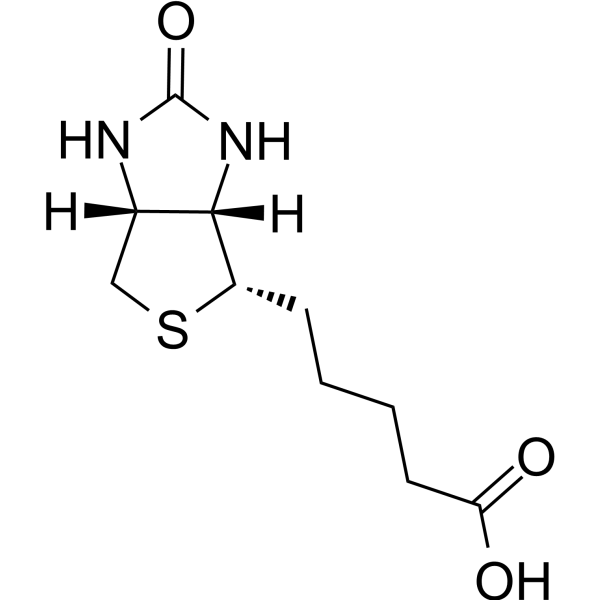
    Biotin
    Maximum Cited Publications
    26 Publications Verification

    Vitamin B7; Vitamin H; D-Biotin

    Environmental Pollutants Endogenous Metabolite Metabolic Disease
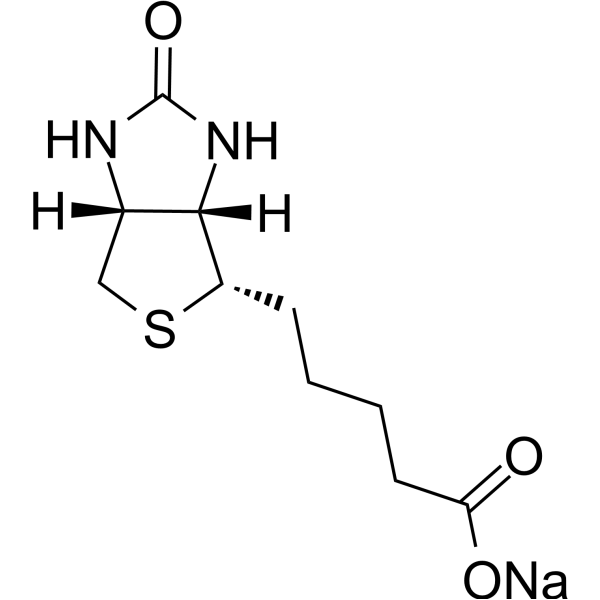
    Biotin, vitamin B7 and serves as a coenzyme for five carboxylases in humans, involved in the synthesis of fatty acids, isoleucine, and valine, and in gluconeogenesis. Biotin is necessary for cell growth, the production of fatty acids, and the metabolism of fats and amino acids .
    Biotin
  • HY-Y1703

    Biochemical Assay Reagents Others
    HATU is a third-generation uronium salt peptide coupling reagent. HATU increases the rate of peptide coupling reactions, activates amino acids, promotes peptide bond formation in both solution-phase and solid-phase synthesis, and also facilitates peptide assembly, fragment coupling, and linear peptide cyclization. HATU can promote the N-acylation of chitosan to generate amide-linked cationic derivatives with a controllable degree of substitution. HATU is commonly used in amine acylation reactions .
    HATU
  • HY-W010382
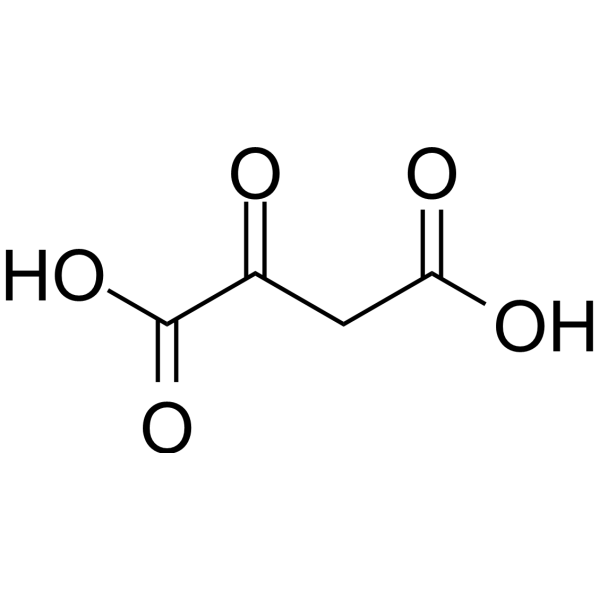
    Oxaloacetic acid
    2 Publications Verification

    2-Oxosuccinic acid

    Endogenous Metabolite Reactive Oxygen Species (ROS) Metabolic Disease
    Oxaloacetic acid (2-Oxosuccinic acid) is a metabolic intermediate involved in several ways, such as citric acid cycle, gluconeogenesis, the urea cycle, the glyoxylate cycle, amino acid synthesis, and fatty acid synthesis, whereby Oxaloacetic acid facilitates the clearance of reactive oxygen species (ROS) and improves mitochondrial function .
    Oxaloacetic acid
  • HY-128923
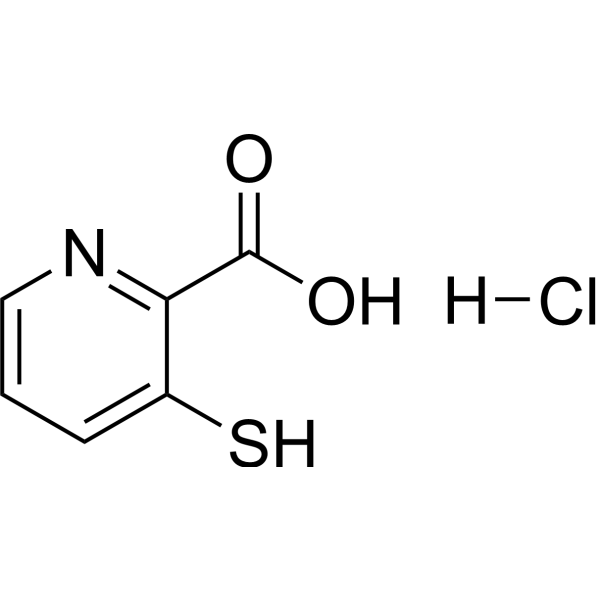
    SKF-34288 hydrochloride
    5+ Cited Publications

    3-Mercaptopicolinic acid hydrochloride; 3-MPA hydrochloride

    PEPCK Metabolic Disease
    SKF-34288 (3-Mercaptopicolinic acid) hydrochloride is an orally active phosphoenolpyruvate carboxykinase (PEPCK) inhibitor (Ki: 2-9 μM). SKF-34288 hydrochloride is a potent hypoglycemic agent by inhibiting glucose synthesis. SKF-34288 hydrochloride also inhibits Asn metabolism and increases amino acids and amides .
    SKF-34288 hydrochloride
  • HY-116010
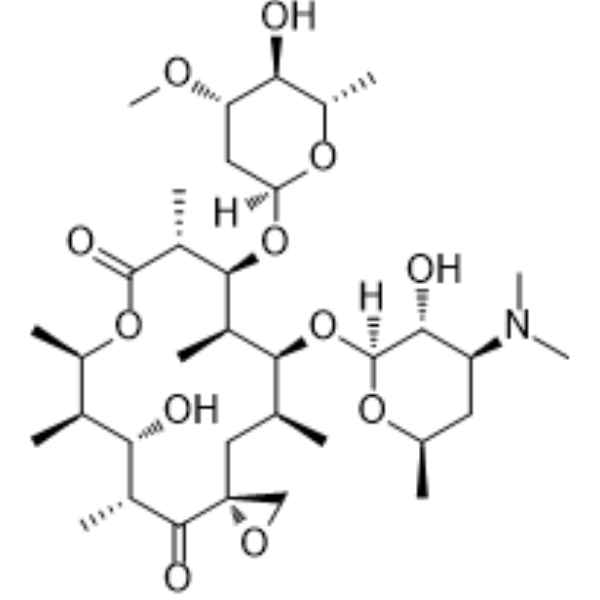
    Oleandomycin
    1 Publications Verification

    Bacterial Antibiotic Infection
    Oleandomycin is a macrolide antibiotic structurally closely related to Erythromycin. Oleandomycin is similar to Erythromycin with antimicrobial activity. Oleandomycin inhibits protein synthesis by interference with translation of activated amino acids to nascent peptide chains on the ribosomes .
    Oleandomycin
  • HY-79647

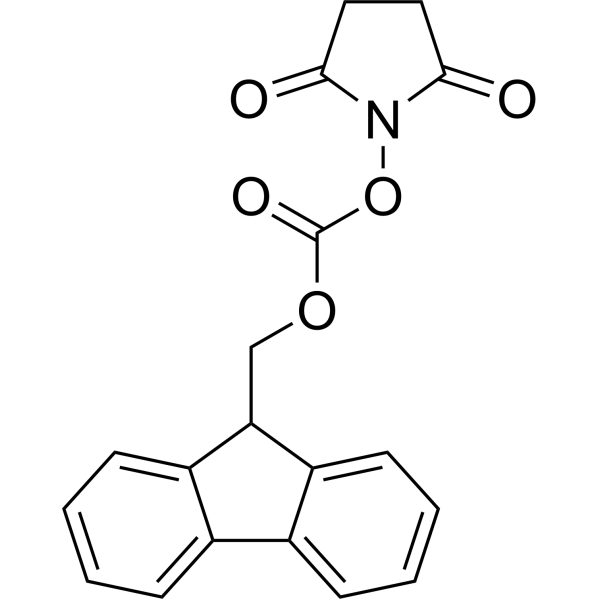
    N-(Fmoc-oxy)succinimide

    Biochemical Assay Reagents Others
    Fmoc-OSu (N-(Fmoc-oxy)succinimide) is an acylating agent that targets amino groups (-NH2). It can selectively protect the amino groups of amino acids by covalently binding with primary or secondary amines through nucleophilic substitution reactions. Fmoc-OSu forms a stable amide bond with the amino group to avoid side reactions of the amino group in peptide synthesis. It can also be used as a fluorescent labeling reagent to react with glycosylamines for efficient labeling of N-sugar chains. Fmoc-OSu can be used as an Fmoc protection strategy in peptide synthesis, and as a fluorescent labeling and analysis method for N-sugar chains .
    Fmoc-OSu
  • HY-B0863
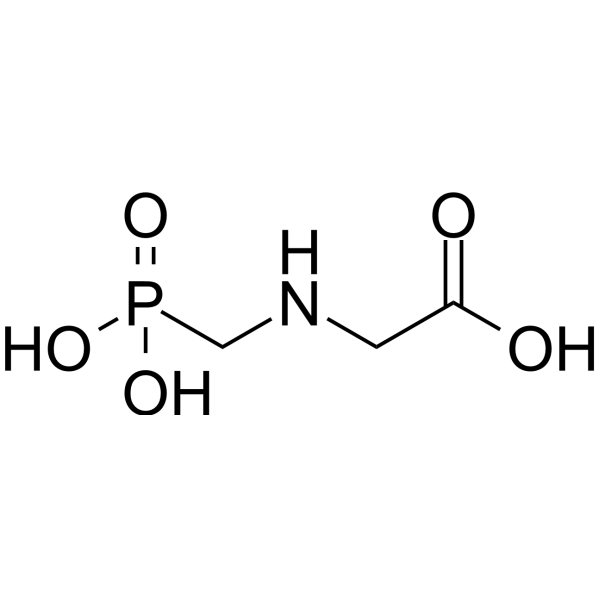
    Glyphosate
    1 Publications Verification

    Environmental Pollutants Necroptosis Apoptosis Autophagy Neurological Disease
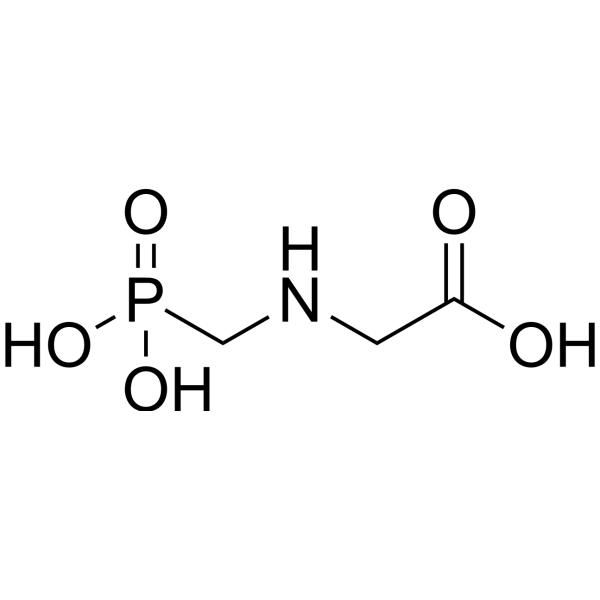
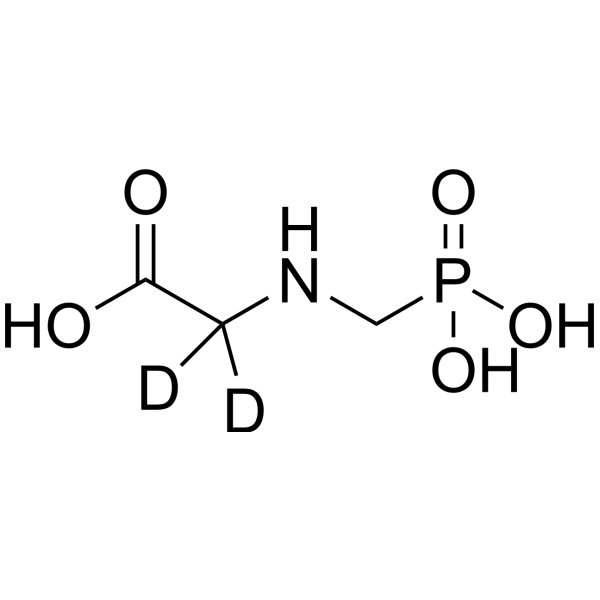
    Glyphosate, a non-selective systemic biocide with broad-spectrum activity, is an herbicidal derivative of the amino acid glycine. Glyphosate inhibits the enzymatic activity of the 5-endopyruvylshikimate 3-phosphate synthase (EPSPS) in the shikimic acid pathway, preventing the synthesis of the aromatic amino acids tyrosine, phenylalanine, and tryptophan. Glyphosate induces oxidative stress, neuroinflammation, and mitochondrial dysfunction, processes that lead to neuronal death by autophagia, necrosis, or apoptosis, as well as the appearance of behavioral and motor disorders .
    Glyphosate
  • HY-Y0912

    N-HBTU

    Biochemical Assay Reagents Inflammation/Immunology
    HBTU (N-HBTU) is a guanidinium-based peptide coupling reagent and immunological sensitizer. HBTU can be used in combination with bases such as DIPEA (HY-130142) to complete coupling reactions, with HOBt and TMU as by-products. HBTU is a standard reagent in automated solid-phase peptide synthesis, particularly for the Fmoc/tBu strategy, which effectively promotes coupling steps, but it is not suitable for sterically hindered amino acids or dipeptide derivatives. HBTU can induce rhinitis, dermatitis, bronchial asthma and severe allergic reactions. HBTU can be used to study the pathogenesis of allergic reactions, occupational rhinitis, allergic contact dermatitis and bronchial asthma .
    HBTU
  • HY-40228

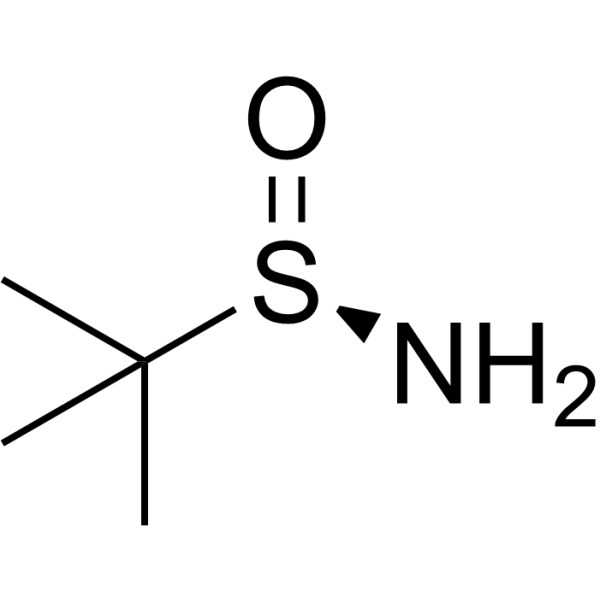
    (R)-2-Methylpropane-2-sulfinamide

    Biochemical Assay Reagents Others
    (R)-(+)-tert-Butylsulfinamide ((R)-2-Methylpropane-2-sulfinamide) is a chiral reagent commonly used in the asymmetric synthesis of compounds such as amines, amino acids, and amino alcohols. (R)-(+)-tert-Butylsulfinamide achieves stereoselective reactions by condensing with carbonyl groups to form sulfinyl imine intermediates, and after the reaction, this group can be removed under acidic conditions to obtain the target product .
    (R)-(+)-tert-Butylsulfinamide
  • HY-W048688

    Amino Acid Derivatives Others
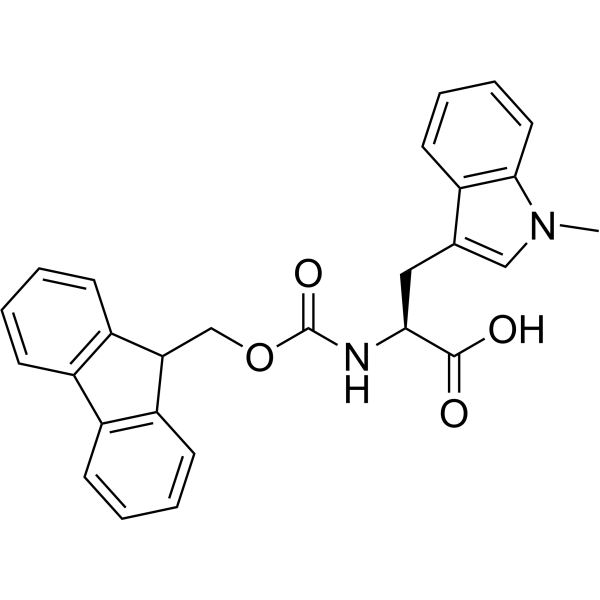
    Fmoc-Trp(Me)-OH is an amino acid derivative. Fmoc-Trp(Me)-OH is formed by introducing a methyl group onto the nitrogen atom (N-1 position) of the indole ring of tryptophan (Trp) and protecting the amino group with Fmoc (9-fluorenylmethyloxycarbonyl). Fmoc-Trp(Me)-OH can be used in the synthesis of proteins or peptides .
    Fmoc-Trp(Me)-OH
  • HY-163771

    Pyruvate Carboxylase (PC) Metabolic Disease
    Pyruvate Carboxylase-IN-5 (compound 6m) is a pyruvate carboxylase inhibitor with high selectivity and permeability. Pyruvate carboxylase is a mitochondrial enzyme that catalyzes the carboxylation of pyruvate to oxaloacetate, a process that plays an important role in maintaining steady-state levels of Krebs cycle intermediates, which are precursors for the synthesis of biomacromolecules such as amino acids, fatty acids, and glucose .
    Pyruvate Carboxylase-IN-5
  • HY-W007655

    Biochemical Assay Reagents Amino Acid Derivatives Others
    Fmoc-D-Lys (Boc)-OH is an Fmoc- and Boc-protected D-lysine derivative. Fmoc-D-Lys (Boc)-OH ensures the precise incorporation of D-lysine into peptide chains, maintaining the specific conformation and biological activity of peptides. Fmoc-D-Lys (Boc)-OH can be used in research on the synthesis of peptides containing unnatural amino acids .
    Fmoc-D-Lys(Boc)-OH
  • HY-B1876

    Environmental Pollutants Acetolactate Synthase (ALS) Others
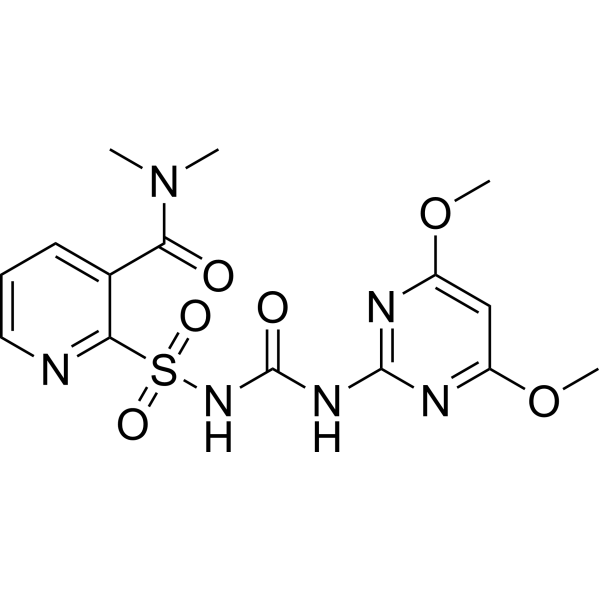
    Nicosulfuron is efficient, harmless, antifungal and selective herbicide belonging to the sulfonylurea family. Nicosulfuron is also a photosynthetic system inhibitor and inhibits acetolactate synthase (ALS) enzyme activity. Nicosulfuron degradation by Plectosphaerella cucumerina AR1 is glucose concentration dependent in planktonic lifestyle. Nicosulfuron enhances the glycolysis pathway and tricarboxylic acid cycle to improve the adaptability of sweet maize. Nicosulfuron reduces the synthesis of branched-chain amino acids (BCAAs), which is proming for maize cultivation .
    Nicosulfuron
  • HY-W018004

    Amino Acid Derivatives Endogenous Metabolite Inflammation/Immunology
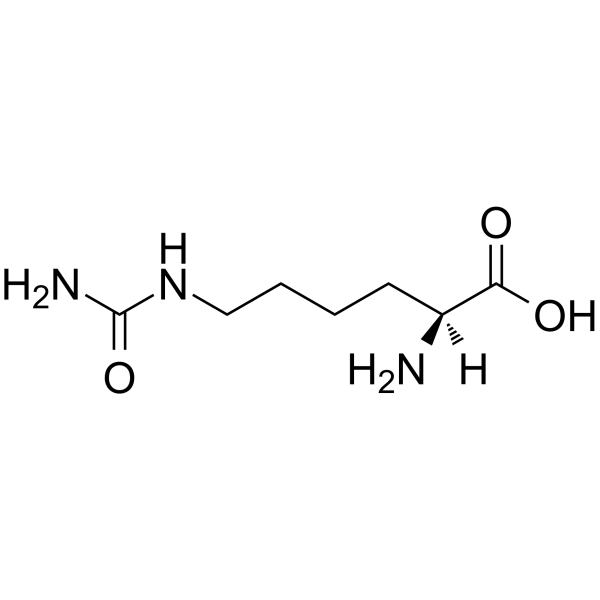
    L-Homocitrulline is a carbamoylated derivative amino acid and a structural analog of L-citrulline. L-Homocitrulline serves not only as an intermediate in polypeptide synthesis but also converts into a variety of cyclic derivatives under enzymatic or acidic conditions. The level of L-Homocitrulline is significantly elevated in the serum of patients with non-alcoholic fatty liver disease (NAFLD), with high diagnostic accuracy. L-Homocitrulline also exists in patients with related diseases such as hypercitrullinemia. L-Homocitrulline is a key biomarker for monitoring abnormal liver metabolism and is widely used in NAFLD research .
    L-Homocitrulline
  • HY-W615153

    Amino Acid Derivatives Others
    Fmoc-L-Lys[Oct-(OtBu)-Glu-(OtBu)-AEEA-AEEA]-OH is an L-Lys (an amino acid) derivative. Fmoc protects amino acids, ensuring their accurate peptide synthesis .
    Fmoc-L-Lys[Oct-(OtBu)-Glu-(OtBu)-AEEA-AEEA]-OH
  • HY-W008876

    Amino Acid Derivatives Drug Intermediate Biochemical Assay Reagents Others
    Fmoc-Pen(Trt)-OH is an amino acid derivative with an Fmoc protecting group that can be used to synthesize the inhibitory cystine knot (ICK) peptide ProTx-II .
    Fmoc-Pen(Trt)-OH
  • HY-Y0973

    Biochemical Assay Reagents Drug Intermediate Others
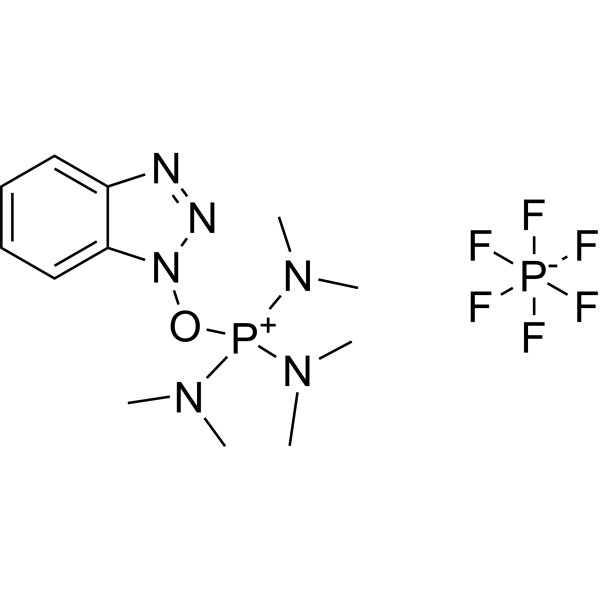
    BOP hexafluorophosphate is a phosphonium-type condensing agent. BOP hexafluorophosphate activates the carboxylic acid component to form a highly reactive O-benzotriazole ester (active ester) intermediate, which then reacts with the amino component to form an amide bond (peptide bond). BOP hexafluorophosphate is applicable to solid-phase polypeptide synthesis and nucleoside modification .
    BOP hexafluorophosphate
  • HY-41121
    Boc-L-Ala-OH
    1 Publications Verification

    Boc-Ala-OH

    Amino Acid Derivatives Cancer
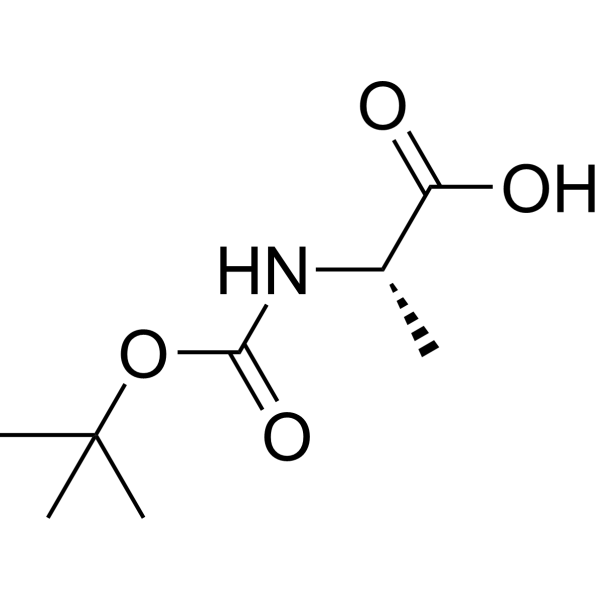
    Boc-L-Ala-OH (Boc-Ala-OH) is a single N-protected amino acid ligand and a protected L-alanine derivative. Boc-L-Ala-OH promotes Pd (II)-catalyzed enantioselective C-H alkenylation and kinetic resolution. Boc-L-Ala-OH serves as a coupling reagent for the synthesis of liver-targeted glycogen phosphorylase inhibitors and P6A metabolites, and also acts as a negative control in synthesis studies of betulinic acid amino acid esters. Boc-L-Ala-OH is applicable to research on epidermoid squamous cell carcinoma .
    Boc-L-Ala-OH
  • HY-133803

    Amino Acid Derivatives Others
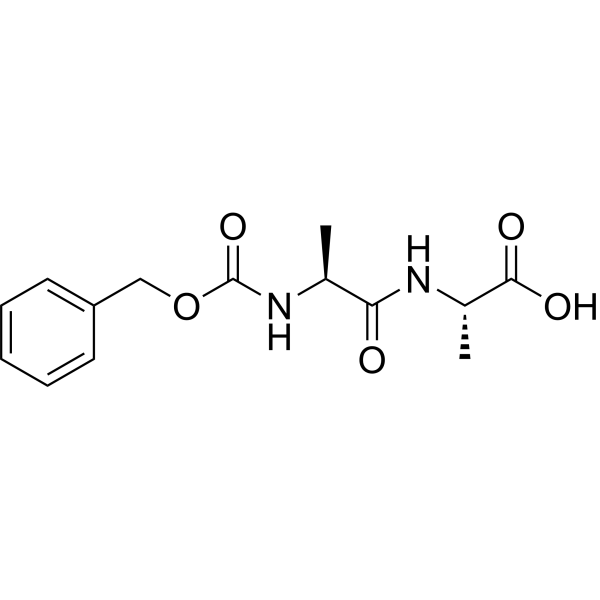
    Z-Ala-Ala-OH is an N-benzyloxycarbonyl (Z) dipeptide containing small nonpolar amino acids. Z-Ala-Ala-OH is used for enzymatic peptide synthesis .
    Z-Ala-Ala-OH
  • HY-B0863R

    Reference Standards Apoptosis Autophagy Necroptosis Cancer
    Glyphosate (Standard) is the analytical standard of Glyphosate. This product is intended for research and analytical applications. Glyphosate is an herbicidal derivative of the amino acid glycine. Glyphosate targets and blocks a plant metabolic pathway not found in animals, the shikimate pathway, required for the synthesis of aromatic amino acids in plants .
    Glyphosate (Standard)
  • HY-131920A

    Polyuridylic acid potassium

    DNA/RNA Synthesis Others
    Polyuridylic acid potassium is a polynucleotide. In protein synthesis systems based on active mammalian ribosomes, Polyuridylic acid potassium acts as a specific messenger to induce the biosynthesis of polyphenylalanine, with no effect on the incorporation of non-phenylalanine amino acids. Polyuridylic acid potassium serves as a template to promote the non-enzymatic synthesis of oligoadenylates .
    Poly(U) potassium
  • HY-W010922

    Amino Acid Derivatives Others
    Fmoc-Dap(Boc)-OH is an amino acid derivative with an Fmoc protecting group, which can be used to synthesize bicyclic peptide tachykinin NK2 antagonists .
    Fmoc-Dap(Boc)-OH
  • HY-W007056

    Amino Acid Derivatives Biochemical Assay Reagents Drug Intermediate Infection
    Fmoc-N-me-Trp(Boc)-OH is an amino acid derivative with an Fmoc protecting group, which can be used to synthesize peptide antibiotics with antibacterial activity against Pseudomonas aeruginosa .
    Fmoc-N-me-Trp(Boc)-OH
  • HY-W012001

    PROTAC Linkers Cancer
    Boc-7-Aminoheptanoic acid can be used as a PROTAC linker in the synthesis of PROTACs and other conjugation applications. Boc-7-Aminoheptanoic acid is an alkane chain with terminal carboxlic acid and Boc-protected amino groups. The terminal carboxylic acid can react with primary amine groups in the presence of activators (e.g. EDC, or HATU) to form a stable amide bond. The Boc group can be deprotected under mild acidic conditions to form the free amine.
    N-Boc-7-aminoheptanoic acid
  • HY-B0511R

    Vitamin B7 (Standard); Vitamin H (Standard); D-Biotin (Standard)

    Endogenous Metabolite Reference Standards Metabolic Disease
    Biotin (Standard) is the analytical standard of Biotin. Biotin, vitamin B7 and serves as a coenzyme for five carboxylases in humans, involved in the synthesis of fatty acids, isoleucine, and valine, and in gluconeogenesis. Biotin is necessary for cell growth, the production of fatty acids, and the metabolism of fats and amino acids .
    Biotin (Standard)
  • HY-B0511S3

    Vitamin B7-13C5; Vitamin H-13C5; D-Biotin-13C5

    Isotope-Labeled Compounds Endogenous Metabolite Metabolic Disease
    Biotin- 13C5 (Vitamin B7- 13C5) is 13C labeled Biotin. Biotin, vitamin B7 and serves as a coenzyme for five carboxylases in humans, involved in the synthesis of fatty acids, isoleucine, and valine, and in gluconeogenesis. Biotin is necessary for cell growth, the production of fatty acids, and the metabolism of fats and amino acids .
    Biotin-13C5
  • HY-131514

    Ornithine α-ketoglutarate; OKG

    Insulin Receptor GHR Inflammation/Immunology
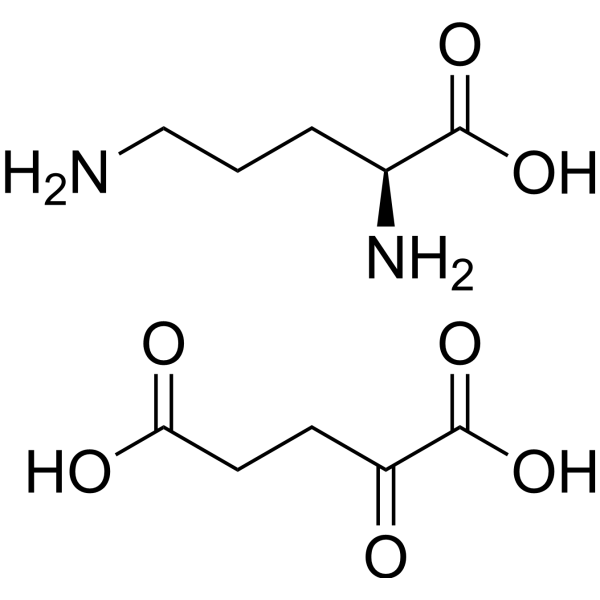
    L-Ornithine 2-oxoglutarate (Ornithine alpha-ketoglutarate) is a nutritional compound that is a salt of amino acids with antioxidant and anti-inflammatory effects. L-Ornithine 2-oxoglutarate stimulates the production of insulin and growth hormone, and promotes intracellular amino acid transport and protein synthesis .
    L-Ornithine 2-oxoglutarate
  • HY-W009118

    Amino Acid Derivatives Others
    Fmoc-5-Ava-OH is an amino acid derivative with an Fmoc protecting group, which can be used to synthesize fatty acid-based dimeric peptides with PSD-95 inhibitory activity .
    Fmoc-5-Ava-OH
  • HY-W008064

    Fmoc-L-Citrulline

    Amino Acid Derivatives Cancer
    Fmoc-Cit-OH (Fmoc-L-Citrulline) is an amino acid derivative with an Fmoc protecting group, which can be used to synthesize a degradable ADC linker composed of a valine-citrulline (Val-Cit) motif .
    Fmoc-Cit-OH
  • HY-W047788

    Amino Acid Derivatives Others
    H-Dab(Boc)-OH is an amino acid derivative with a Boc protecting group, which can be used to synthesize methotrexate (MTX) analogs with antitumor and antifolate activities .
    H-Dab(Boc)-OH
  • HY-B0863S3

    Isotope-Labeled Compounds Apoptosis Autophagy Necroptosis Neurological Disease
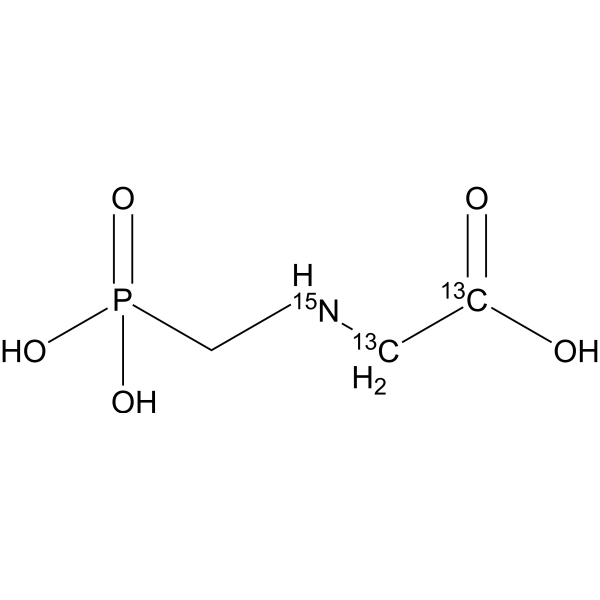
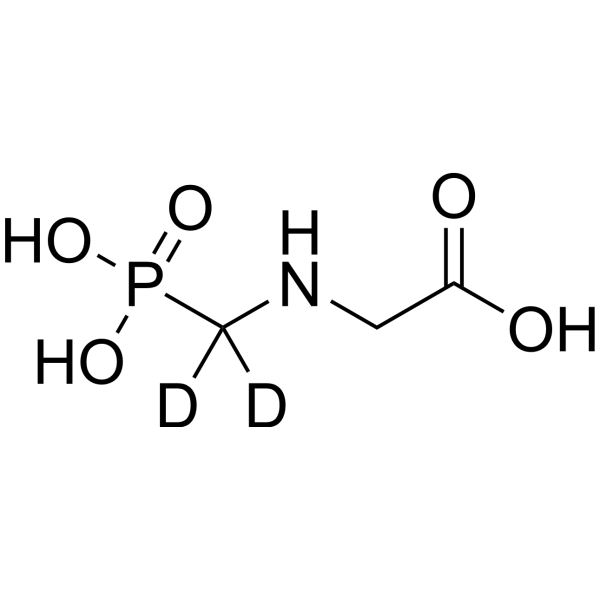
    Glyphosate- 13C2, 15N is the 13C and 15N labled Glyphosate (HY-B0863). Glyphosate is an herbicidal derivative of the amino acid glycine. Glyphosate targets and blocks a plant metabolic pathway not found in animals, the shikimate pathway, required for the synthesis of aromatic amino acids in plants .
    Glyphosate-13C2,15N
  • HY-42773

    1-Boc-1,8-diaminooctane

    PROTAC Linkers Cancer
    tert-Butyl (8-aminooctyl)carbamate (1-Boc-1,8-diaminooctane) can be used as a PROTAC linker in the synthesis of PROTACs. tert-butyl (8-aminooctyl)carbamate is an alkane chain with terminal amine and Boc-protected amino groups. Amine group is reactive with carboxylic acids, activated NHS esters, carbonyls (ketone, aldehyde) etc. The Boc group can be deprotected under mild acidic conditions to form the free amine.
    tert-Butyl (8-aminooctyl)carbamate
  • HY-W747676

    Isotope-Labeled Compounds Apoptosis Autophagy Necroptosis Neurological Disease
    Glyphosate- 13C is the 13C-labeled Glyphosate (HY-B0863). Glyphosate, a non-selective systemic biocide with broad-spectrum activity, is an herbicidal derivative of the amino acid glycine. Glyphosate inhibits the enzymatic activity of the 5-endopyruvylshikimate 3-phosphate synthase (EPSPS) in the shikimic acid pathway, preventing the synthesis of the aromatic amino acids tyrosine, phenylalanine, and tryptophan. Glyphosate induces oxidative stress, neuroinflammation, and mitochondrial dysfunction, processes that lead to neuronal death by autophagia, necrosis, or apoptosis, as well as the appearance of behavioral and motor disorders .
    Glyphosate-13C
  • HY-P5232

    Collagen Metabolic Disease
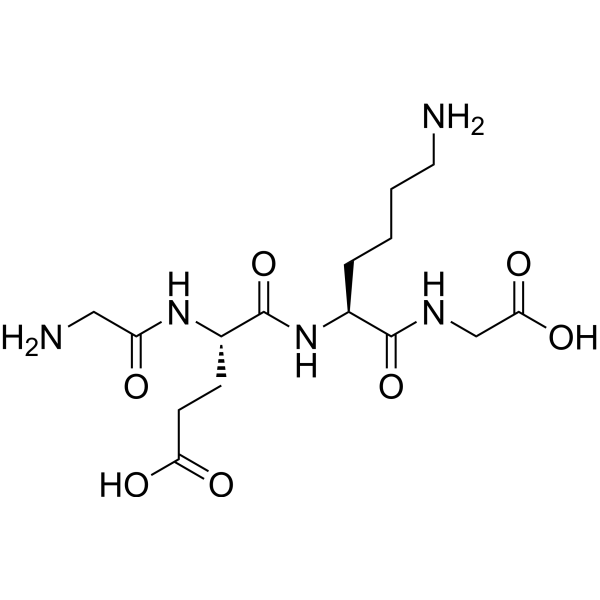
    Tetrapeptide-21 is a bioactive peptide composed of four amino acids. Tetrapeptide-21 effectively enhances the vitality of human dermal fibroblasts. Tetrapeptide-21 upregulates the expression of key extracellular matrix (ECM) genes and promotes the synthesis of ECM proteins (such as type I collagen, hyaluronic acid synthase 1, and fibronectin). Tetrapeptide-21 has the efficacy of anti-wrinkle and improving skin elasticity, and has been reported to be used as a cosmetic ingredient .
    Tetrapeptide-21
  • HY-W019032

    Amino Acid Derivatives Others
    Fmoc-D-Dab(Boc)-OH is an amino acid derivative with an Fmoc protecting group, which can be used to synthesize peptides with antibacterial activity .
    Fmoc-D-Dab(Boc)-OH
  • HY-W048697

    Amino Acid Derivatives Others
    Fmoc-D-Pen(Trt)-OH is an amino acid derivative with an Fmoc protecting group, which can be used to synthesize analogs of cyclic lanthionine enkephalin, a δ-opioid receptor selective ligand .
    Fmoc-D-Pen(Trt)-OH
  • HY-W011156

    Amino Acid Derivatives Others
    Mpa(Trt) is a 3-mercaptopropionic acid derivative containing a trityl protecting group (Trt) and can be used to synthesize compounds with anti-leukemia activity .
    Mpa(Trt)
  • HY-W008024

    Amino Acid Derivatives Others
    Fmoc-Dab(Boc)-OH is an amino acid derivative with an Fmoc protecting group that can be used to synthesize somatostatin analogs that inhibit neointima formation induced by balloon injury in rats without altering growth hormone release. Fmoc-Dab(Boc)-OH can be used for the synthesis of peptides .
    Fmoc-Dab(Boc)-OH
  • HY-W010382R
    Oxaloacetic acid (Standard)
    2 Publications Verification

    2-Oxosuccinic acid (Standard)

    Reference Standards Endogenous Metabolite Reactive Oxygen Species (ROS) Metabolic Disease
    Oxaloacetic acid (Standard) is the analytical standard of Oxaloacetic acid. This product is intended for research and analytical applications. Oxaloacetic acid (2-Oxosuccinic acid) is a metabolic intermediate involved in several ways, such as citric acid cycle, gluconeogenesis, the urea cycle, the glyoxylate cycle, amino acid synthesis, and fatty acid synthesis, whereby Oxaloacetic acid facilitates the clearance of reactive oxygen species (ROS) and improves mitochondrial function .
    Oxaloacetic acid (Standard)
  • HY-W041856

    Boc-8-aminooctanoic acid

    PROTAC Linkers Cancer
    N-Boc-8-amino-octanoic acid (Boc-8-aminooctanoic acid) can be used as a PROTAC linker in the synthesis of PROTACs. N-Boc-8-amino-octanoic acid is an alkane chain with terminal carboxlic acid and Boc-protected amino groups. The terminal carboxylic acid can react with primary amine groups in the presence of activators (e.g. EDC, or HATU) to form a stable amide bond. The Boc group can be deprotected under mild acidic conditions to form the free amine.
    N-Boc-8-amino-octanoic acid
  • HY-N10479

    DNA/RNA Synthesis Drug Intermediate Endogenous Metabolite Bacterial Infection
    Chorismic acid is a precursor for the biosynthesis of aromatic amino acids and vitamins, as well as a key metabolite in tRNA modification. Chorismic acid is a critical metabolite for the synthesis of cmo 5U. Deficiency of Chorismic acid inhibits the formation of cmo 5U and mcmo 5U. Chorismic acid can be used in studies of S. typhimurium and E. coli infections .\n


    Chorismic acid
  • HY-W047688

    1-Boc-1,10-diaminodecane

    PROTAC Linkers Cancer
    tert-Butyl (10-aminodecyl) carbamate (1-Boc-1,10-diaminodecane) is a synthetic intermediate that serves as a PROTAC linker in PROTAC synthesis and other conjugation applications. tert-Butyl (10-aminodecyl) carbamate is an alkane chain with a terminal amine and a Boc-protected amino group. The amine group can react with carboxylic acids, active NHS esters, carbonyl groups (ketones, aldehydes), etc. The Boc group can be deprotected under mild acidic conditions to form a free amine .
    tert-Butyl (10-aminodecyl)carbamate
  • HY-W142092

    Bacterial Endogenous Metabolite Others
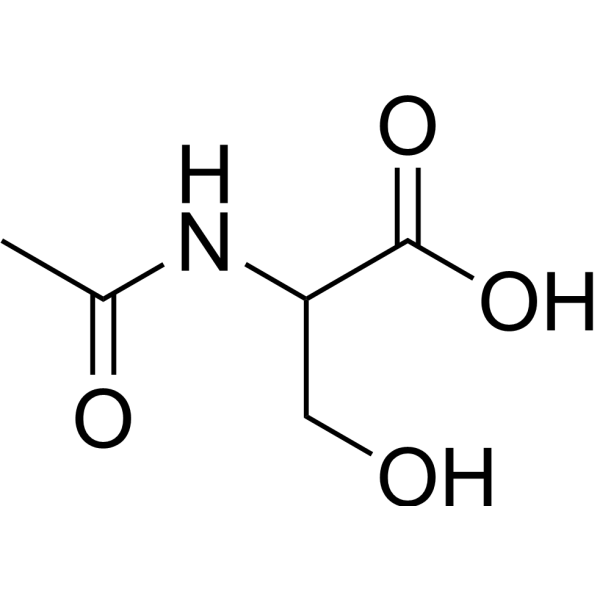
    N-Acetyl-DL-serine is a hydrophobic amino acid that is synthesized in the body and can be found as a free form or as a salt with malonate, phosphate, or acetate. N-Acetyl-DL-serine has antimicrobial activity against Bacillus cereus and Staphylococcus aureus. N-Acetyl-DL-serine has also been used for the immobilization of DNA fragments on solid surfaces and can be used for protein synthesis and optical detection of DNA strands .
    N-Acetyl-DL-serine
  • HY-W105744

    PROTAC Linkers Cancer
    10-Aminodecanoic acid is an alkane chain with terminal carboxlic acid and amine groups. 10-Aminodecanoic acid can be used as a PROTAC linker in the synthesis of PROTACs and other conjugation applications. The amino group (NH2) is reactive with carboxylic acids, activated NHS esters, carbonyls (ketone, aldehyde) etc. The terminal carboxylic acid can react with primary amine groups of activated NHS ester to form a stable amide bond.
    10-Aminodecanoic acid
  • HY-34611

    N-Boc-L-2,4-diaminobutyric acid; Boc-Dab-OH

    Drug Intermediate ASCT Neurological Disease Cancer
    Boc-L-2,4-Diaminobutyric acid (N-Boc-L-2,4-diaminobutyric acid; Boc-Dab-OH) is a versatile synthetic starting material with a cleavable protecting group. Boc-L-2,4-Diaminobutyric acid not only reduces the backbone cleavage rate by protecting the side-chain γ-amino group, but also triggers intramolecular cyclization of self-immolative linkers under acidic cleavage conditions, thus constructing stimuli-responsive materials. Boc-L-2,4-Diaminobutyric acid is also an important building block for bioactive molecules. It can be used in the synthesis of ASCT2 (SLC1A5) inhibitors and carboxynorspermine, and can also serve as an internal standard to support the quantitative detection of specific intracellular amino acids by UPLC-QQQ-MS .
    Boc-L-2,4-Diaminobutyric acid
  • HY-W048209

    Amino Acid Derivatives Others
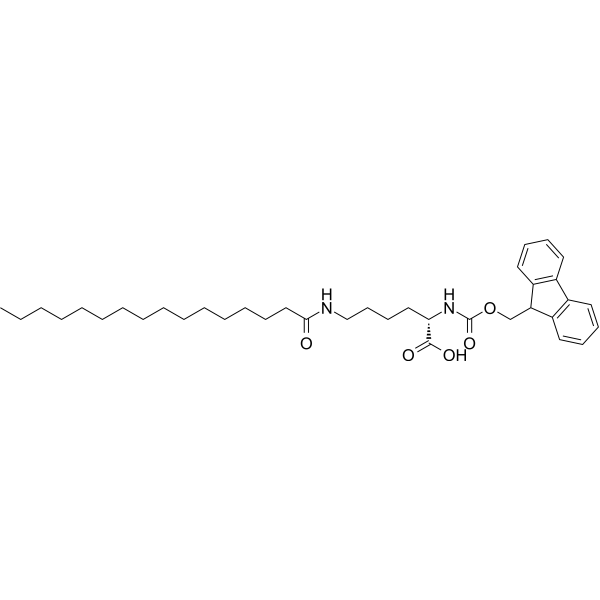
    Fmoc-Lys(Palmitoyl)-OH is a Fmoc-amino acid with long alkyl chains. Fmoc-Lys(Palmitoyl)-OH can be used for peptide synthesis .
    Fmoc-Lys(Palmitoyl)-OH
  • HY-P3596A

    Mouse growth hormone-releasing factor TFA

    GHSR Endocrinology
    GHRF, mouse TFA, a mouse growth hormone-releasing factor, is a peptide containing 44 amino acids. GHRF, mouse TFA stimulates the release and synthesis of growth hormone .
    GHRF, mouse TFA
  • HY-W101935

    N-Boc-D-arginine hydrochloride

    Amino Acid Derivatives Others
    N-Boc-D-Arg hydrochloride (N-Boc-D-arginine hydrochloride) is an amino acid derivative with a Boc protecting group, which can be used to synthesize desmopressin with the effects of improving nocturia, urinary incontinence and enuresis .
    N-Boc-D-Arg hydrochloride
  • HY-W077219

    Boc-Arg(Mtr)-OH

    Amino Acid Derivatives Others
    Boc-L-Arg(Mtr)-OH (Boc-Arg(Mtr)-OH) is an amino acid derivative with a Boc protecting group, which can be used to synthesize peptides with antithrombotic activity .
    Boc-L-Arg(Mtr)-OH
  • HY-W041989

    Amino Acid Derivatives Drug Intermediate Biochemical Assay Reagents Others
    Fmoc-Oic-OH is an amino acid derivative with an Fmoc protecting group, which can be used to synthesize bioactive peptide mimetics, such as [desArg 10]HOE 140, which has bradykinin B1 antagonist activity .
    Fmoc-Oic-OH

Inquiry Online

Your information is safe with us. * Required Fields.

Salutation


Country or Region *

Applicant Name *


Organization Name *

Department *


Email Address *


Product Name *

Cat. No.


Requested quantity *

Phone Number *


Remarks

Inquiry Online

Inquiry Information

Product Name:
Cat. No.:
Quantity:
MCE Japan Authorized Agent: