



SKF-34288 hydrochloride
Based on 10 publication(s) in Google Scholar
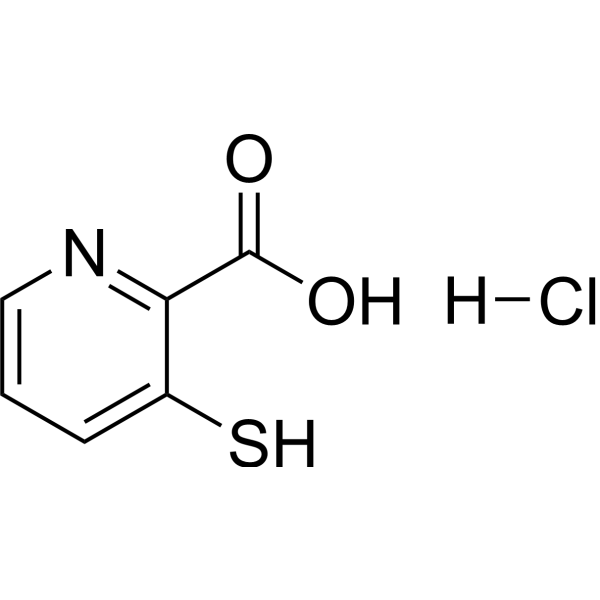
SKF-34288 (3-Mercaptopicolinic acid) hydrochloride is an orally active phosphoenolpyruvate carboxykinase (PEPCK) inhibitor (Ki: 2-9 μM). SKF-34288 hydrochloride is a potent hypoglycemic agent by inhibiting glucose synthesis. SKF-34288 hydrochloride also inhibits Asn metabolism and increases amino acids and amides.
For research use only. We do not sell to patients.
- Purity : 98.61%
- CAS No.: 320386-54-7
- Formula: C6H6ClNO2S
- Molecular Weight:191.64
-
Storage:
-20°C, sealed storage, away from moisture
* In solvent : -80°C, 6 months; -20°C, 1 month (sealed storage, away from moisture)

To place orders, for customer services and technical support, please contact: MedChemExpress USA
Tel: 609-228-6898 E-mail: [email protected] [email protected]


-
 Biological Activity
-
Chemical Information
-
Solvent & Solubility
- Purity & Documentation
- References
-
 Help & FAQs


Publications Citing Use of MedChemExpress (MCE) SKF-34288 hydrochloride
More- Metabolism. 2024 Aug:157:155940. [Abstract]
- Adv Sci (Weinh). 2026 Jun 22:e24167. [Abstract]
- Sci Adv. 2024 Jul 26;10(30):eado3141. [Abstract]
- J Exp Med. 2025 May 5;222(5):e20240902. [Abstract]
- Cell Rep. 2026 Apr 25;45(5):117297. [Abstract]
- Cancer Metab. 2025 Jun 23;13(1):33. [Abstract]
- Biochim Biophys Acta Mol Basis Dis. 2025 Jan 16;1871(3):167674. [Abstract]
- J Biol Chem. 2023 Oct;299(10):105206. [Abstract]
- Biochem Biophys Res Commun. 2024 Sep 3:723:150200. [Abstract]
- SSRN. 2025 Aug 13.
 Customer Validation & Images

-
In Vivo Efficacy Study
-
In Vivo Imaging
-
IHC
-
Others
-
Bio/Physico-chemical Assay


Biological Activity
Description
IC50 & Target
Ki: 2-9 μM (PEPCK)[1]
In Vitro
SKF-34288 hydrochloride (0.01-1 mM, 48 h) inhibits C2C12 cell proliferation[4].
SKF-34288 hydrochloride (0.25-1 mM, 0-5 day) induces myogenic differentiation of C2C12 cells[4].
SKF-34288 hydrochloride (0.25 or 1 mM) reduces mRNA expression of Pck2 and genes associated with serine biosynthesis[4].
MedChemExpress (MCE) has not independently confirmed the accuracy of these methods. They are for reference only.
-
Cell Line:C2C12 cell
-
Concentration:0, 0.01, 0.1, 0.25, 0.5, 1 mM
-
Incubation Time:48 h
-
Result:Dose-dependently inhibited C2C12 cell proliferation.
In Vivo
SKF-34288 hydrochloride (25 mg/kg, s.c.) neutralizes Salbutamol- mediated hyperglycaemia in rabbits[3].
SKF-34288 hydrochloride (30 and 300 mg/kg, i.p.) reduces Pyruvate-induced blood glucose level in rats[5].
MedChemExpress (MCE) has not independently confirmed the accuracy of these methods. They are for reference only.
-
Animal Model:Starved rats[6]
-
Dosage:37.5, 75 and 150mg/kg
-
Administration:Oral administration (p.o.)
-
Result:Showed dose-dependent magnitude and duration of the hypoglycaemic effect.


Chemical Information
-
CAS No. 320386-54-7
-
Appearance Solid
-
Molecular Weight 191.64
-
Formula C6H6ClNO2S
-
Color Light yellow to yellow
-
SMILES
O=C(C1=NC=CC=C1S)O.[H]Cl
-
Synonyms
3-Mercaptopicolinic acid hydrochloride; 3-MPA hydrochloride
-
Shipping
Room temperature in continental US; may vary elsewhere.
-
Storage
-20°C, sealed storage, away from moisture
* In solvent : -80°C, 6 months; -20°C, 1 month (sealed storage, away from moisture)


Publications (10)
-
Journal Impact Factor
-
Most Recent
-
Metabolism
Hepatic noradrenergic innervation acts via CREB/CRTC2 to activate gluconeogenesis during cold. [Abstract]2024 Aug:157:155940. PMID: 38878857
SKF-34288 hydrochloride purchased from MedChemExpress. Usage Cited in: Metabolism. 2024 Aug:157:155940. [Abstract]
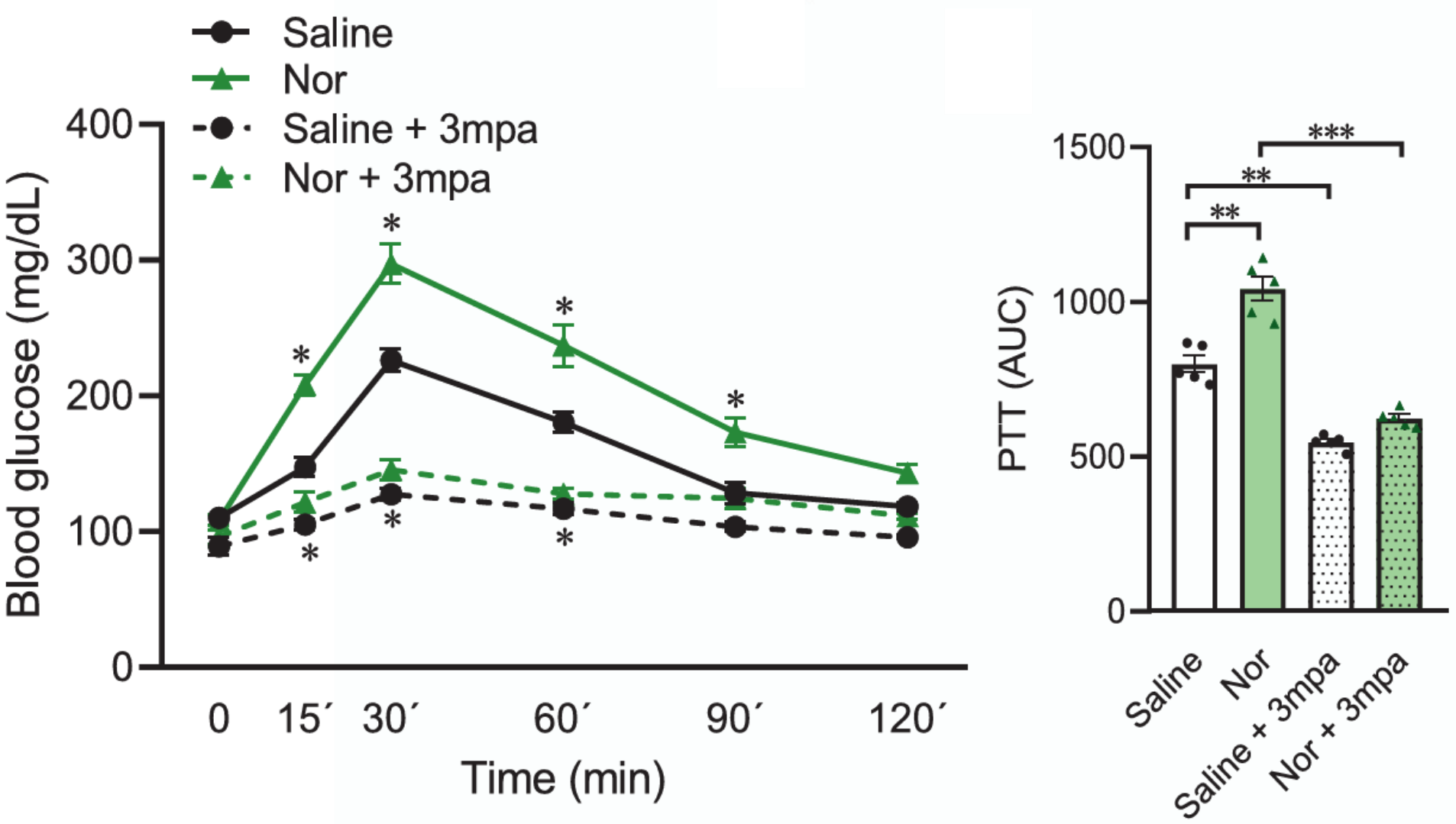
The pyruvate tolerance test (PTT) in mice treated with norepinephrine (Nor; 1 mg/kg); glycemia (N = 5). The results showed that injection of Nor in normal mice increased glucose output from pyruvate and this effect was abolished by 3Mpa (SKF-34288 hydrochloride) (30 mg/kg; oral gavage; single dose).
SKF-34288 hydrochloride purchased from MedChemExpress. Usage Cited in: Metabolism. 2024 Aug:157:155940. [Abstract]
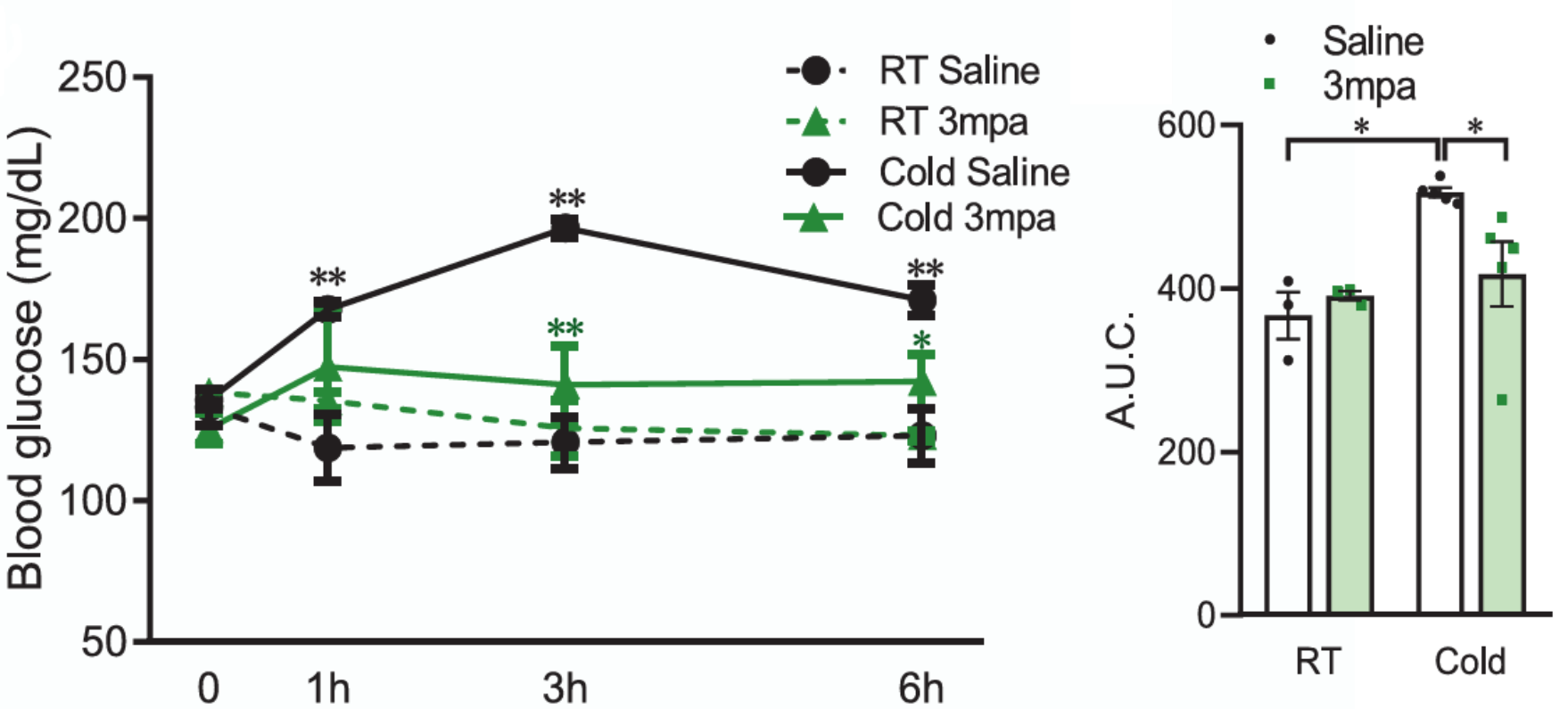
Treatment with 3Mpa (SKF-34288 hydrochloride) (30 mg/kg; oral gavage; single dose), a PEPCK inhibitor, in mice exposed to cold for 6 h; glycemia (N = 3–5).
-
Adv Sci (Weinh)
Lilrb4a Suppression Reprograms Microglia to Mitigate APOE4-Associated Amyloid Plaques and Cerebral Amyloid Angiopathy in Association With a PPAR-Linked Pro-Clearance State. [Abstract]2026 Jun 22:e24167. PMID: 42330346 -
Sci Adv
Atf3-mediated metabolic reprogramming in hepatic macrophage orchestrates metabolic dysfunction-associated steatohepatitis. [Abstract]2024 Jul 26;10(30):eado3141. PMID: 39047111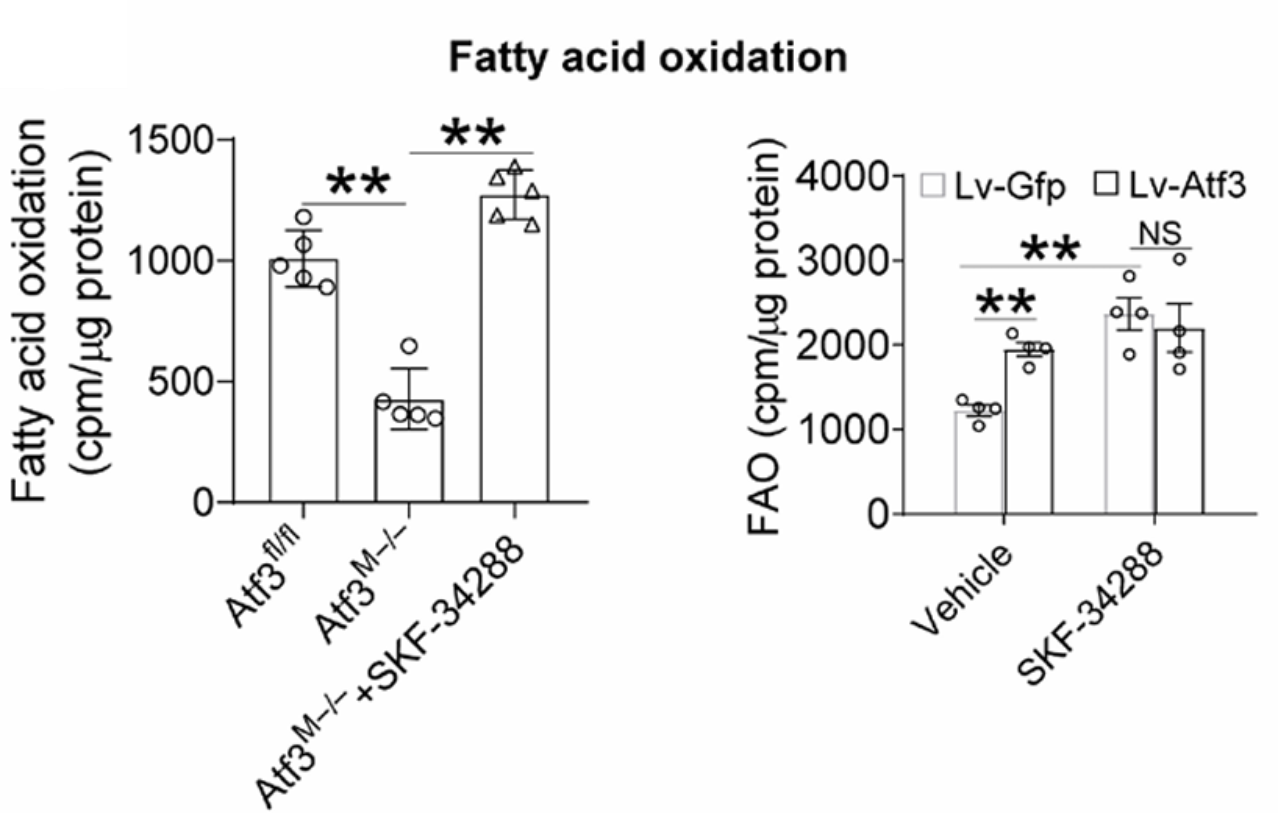
SKF-34288 hydrochloride purchased from MedChemExpress. Usage Cited in: Sci Adv. 2024 Jul 26;10(30):eado3141. [Abstract]
The Atf3fl/fl or Atf3M−/− hepatic macrophages were treated with 0.25 mM SKF-34288 hydrochloride or vehicle for 24 hours, and FAO was determined (left; n = 5 per group). The Lv-Gfp or Lv-Atf3 hepatic macrophages were treated with 0.25 mM SKF-34288 hydrochloride or vehicle for 24 hours, and FAO was determined (right, n = 4 per group).
-
J Exp Med
PCK1 inhibits cGAS-STING activation by consumption of GTP to promote tumor immune evasion. [Abstract]2025 May 5;222(5):e20240902. PMID: 40048154
SKF-34288 hydrochloride purchased from MedChemExpress. Usage Cited in: J Exp Med. 2025 May 5;222(5):e20240902. [Abstract]
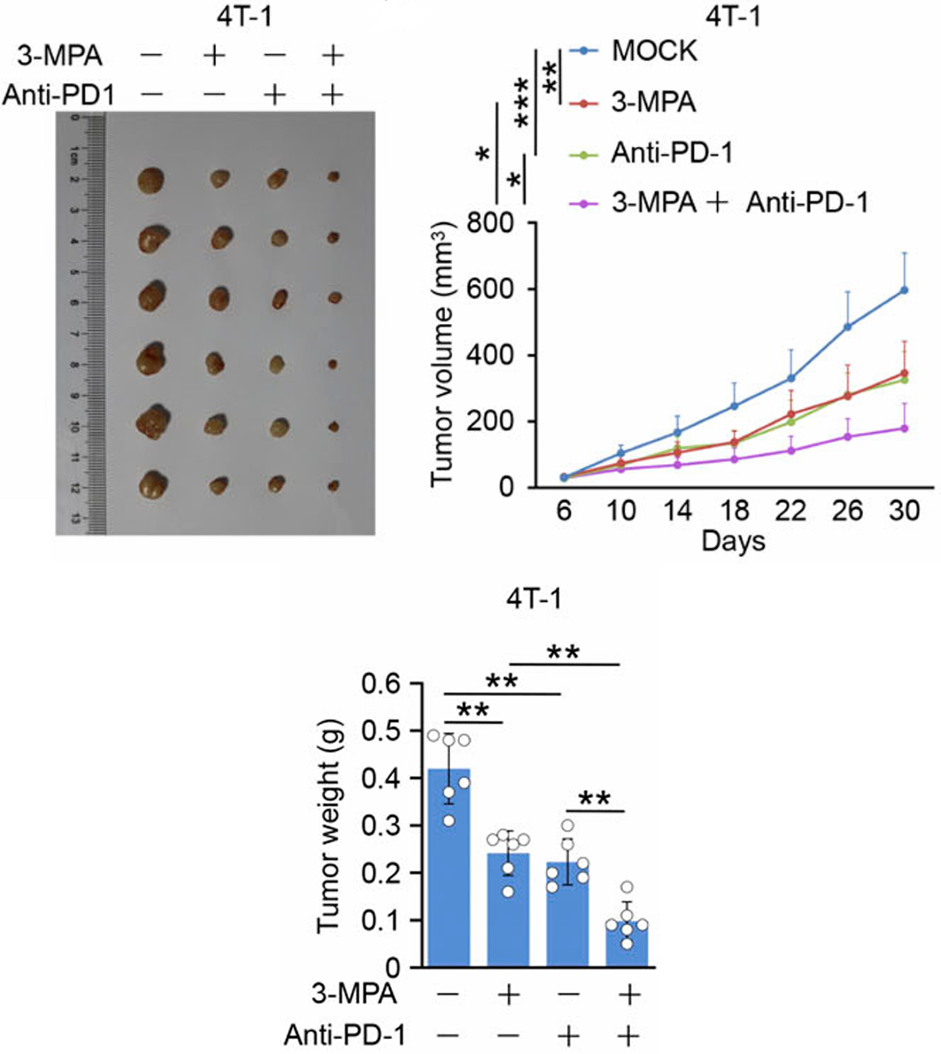
BALB/c mice bearing 4T-1 tumors were with or without 3-MPA hydrochloride (SKF-34288 hydrochloride) (100 mg/kg; i.p.; once every 3 days for 7 times), anti–PD-1 antibody, or the combination. The mice were euthanized and examined for tumor growth 30 days after injection, tumor volumes were calculated, and tumors were weighed.
SKF-34288 hydrochloride purchased from MedChemExpress. Usage Cited in: J Exp Med. 2025 May 5;222(5):e20240902. [Abstract]
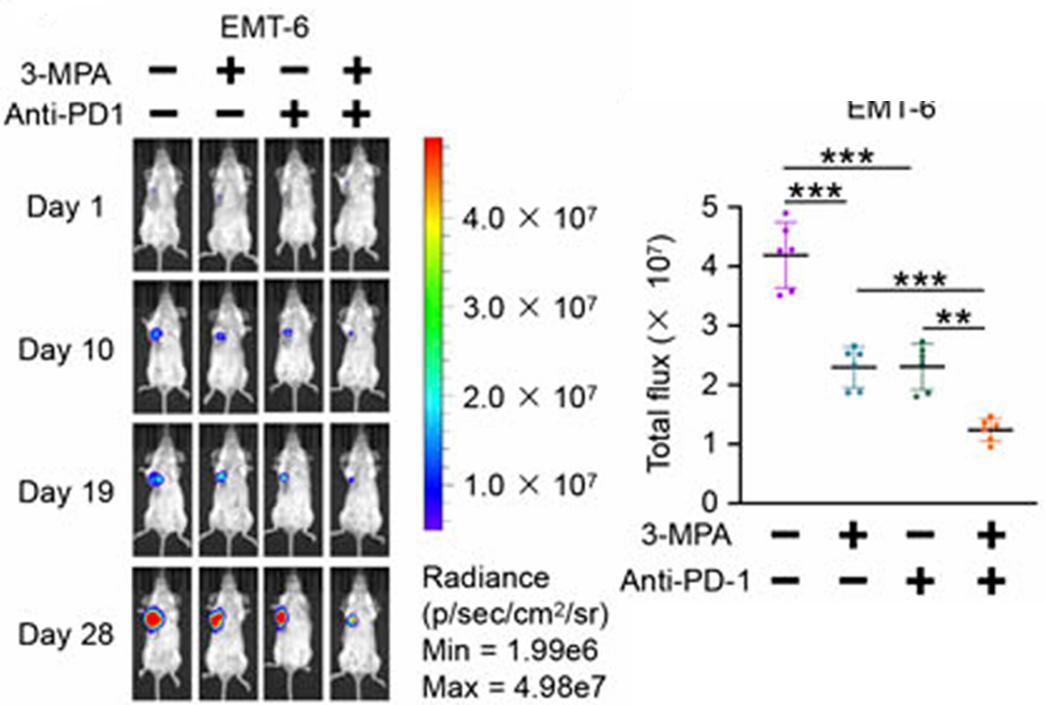
Representative bioluminescence images from the indicated days after the orthotopical injection of EMT-6 luciferase-expressing cells (1 × 10⁶) into the mammary fat pad of female BALB/c mice treated with control, 3-MPA (SKF-34288 hydrochloride) (100 mg/kg; i.p.; once every 3 days for 7 times), anti–PD-1 antibody, or the combination. The quantification of the bioluminescence imaging is shown (n = 6 per group).
SKF-34288 hydrochloride purchased from MedChemExpress. Usage Cited in: J Exp Med. 2025 May 5;222(5):e20240902. [Abstract]
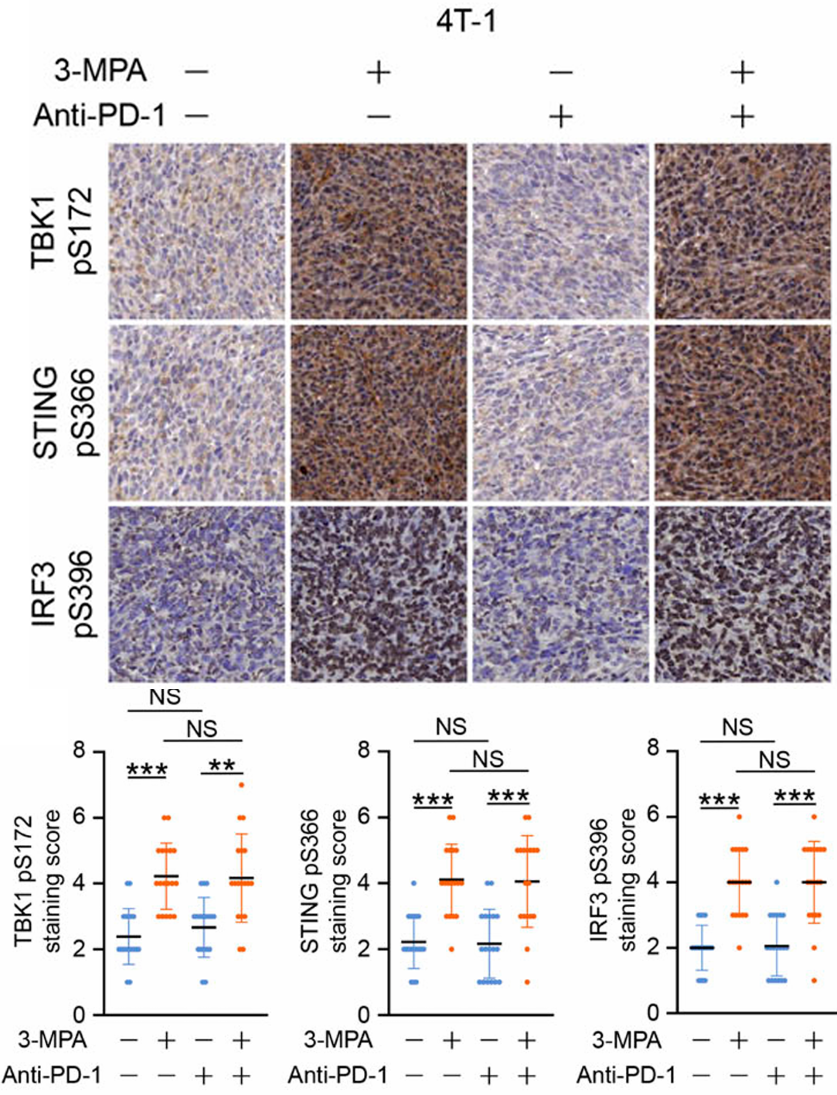
SKF-34288 hydrochloride (3-MPA) (100 mg/kg; i.p.; once every 3 days for 7 times). IHC analyses of the indicated xenograft tumors with the indicated antibodies. Representative staining images are shown, and the indicated staining scores for the indicated tumor samples were compared. Scale bar, 50 μm.
SKF-34288 hydrochloride purchased from MedChemExpress. Usage Cited in: J Exp Med. 2025 May 5;222(5):e20240902. [Abstract]
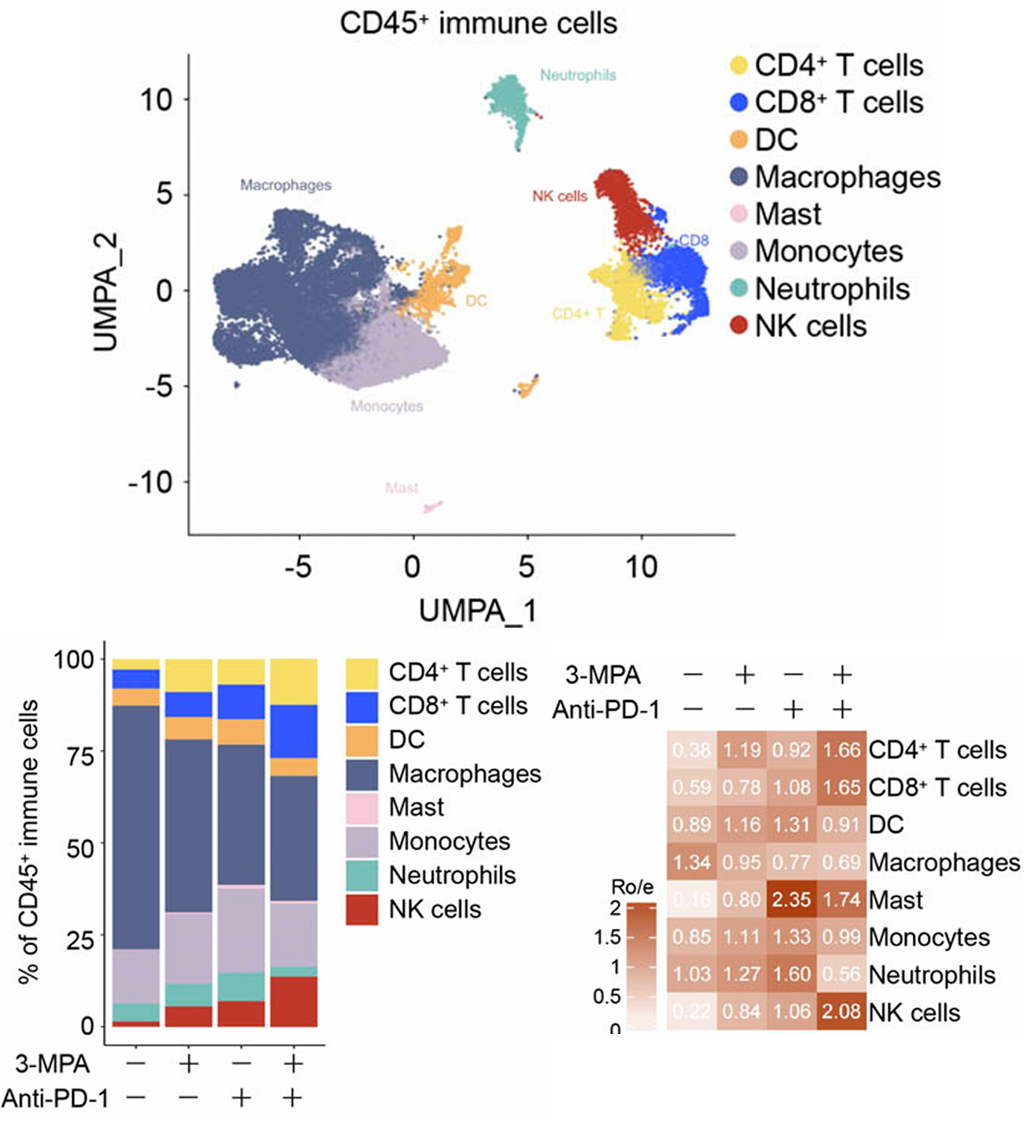
BALB/c mice bearing 4T-1 tumors were treated with or without 3-MPA hydrochloride (SKF-34288 hydrochloride) (100 mg/kg; i.p.; once every 3 days for 7 times), anti–PD-1 antibody, or the combination. Intratumoral cells were harvested for scRNA-seq analyses. UMAP analyses of CD45+ immune cells that colored by major cell types, comparison of major CD45+ immune cell proportion, and Ro/e analysis were performed.
-
Cell Rep
SEPHS2 loss reprograms cancer metabolism from oxidative phosphorylation to gluconeogenesis via PCK1 stabilization. [Abstract]2026 Apr 25;45(5):117297. PMID: 42035418 -
Cancer Metab
Dexmedetomidine promotes colorectal cancer progression mediated by gamma-aminobutyric acid signaling. [Abstract]2025 Jun 23;13(1):33. PMID: 40551256 -
Biochim Biophys Acta Mol Basis Dis
2025 Jan 16;1871(3):167674. PMID: 39826848 -
J Biol Chem
Measurement of Gluconeogenesis by 2H2O labeling and Mass Isotopomer Distribution Analysis. [Abstract]2023 Oct;299(10):105206. PMID: 37660907 -
Biochem Biophys Res Commun
PCK2 induces gefitinib resistance by suppresses ferroptosis in non-small cell lung cancer. [Abstract]2024 Sep 3:723:150200. PMID: 38850814 -


Solvent & Solubility
In Vitro:
H2O : 5 mg/mL (26.09 mM; Need ultrasonic)
Please refer to the solubility information to select the appropriate solvent. Once prepared, please aliquot and store the solution to prevent product inactivation from repeated freeze-thaw cycles.
Storage method and period of stock solution: -80°C, 6 months; -20°C, 1 month (sealed storage, away from moisture). When stored at -80°C, please use it within 6 months. When stored at -20°C, please use it within 1 month.
* Note: If you choose water as the stock solution, please dilute it to the working solution, then filter and sterilize it with a 0.22 μm filter before use.
Please refer to the solubility information to select the appropriate solvent. Once prepared, please aliquot and store the solution to prevent product inactivation from repeated freeze-thaw cycles.
Storage method and period of stock solution: -80°C, 6 months; -20°C, 1 month (sealed storage, away from moisture). When stored at -80°C, please use it within 6 months. When stored at -20°C, please use it within 1 month.
* Note: If you choose water as the stock solution, please dilute it to the working solution, then filter and sterilize it with a 0.22 μm filter before use.
Concentration (start) × Volume (start) = Concentration (final) × Volume (final)
In Vivo:
For the following dissolution methods, please prepare the working solution directly:
It is recommended to prepare fresh solutions and use them promptly within a short period of time.
The percentages shown for the solvents indicate their volumetric ratio in the final prepared solution. If precipitation or phase separation occurs during preparation, heat and/or sonication can be used to aid dissolution.
Add each solvent one by one: PBS
Solubility: 3.33 mg/mL (17.38 mM); Clear solution; Need ultrasonic and warming and heat to 60°C


Purity & Documentation
-
Data Sheet (277 KB)
-
SDS (252 KB)
- English - EN (252 KB)
- Français - FR (252 KB)
- Deutsch - DE (252 KB)
- Norwegian - NO (252 KB)
- Español - ES (252 KB)
- Swedish - SV (252 KB)
- Italian - IT (252 KB)
- Korean - KR (252 KB)
- Portuguese - PT (252 KB)
-
Handling Instructions (2659 KB)
References
[1]. Balan MD, et al. Inhibition and Allosteric Regulation of Monomeric Phosphoenolpyruvate Carboxykinase by 3-Mercaptopicolinic Acid. Biochemistry. 2015 Sep 29;54(38):5878-87. [Content Brief]
[2]. Bailey KJ, et al. Nitrogen recycling from the xylem in rice leaves: dependence upon metabolism and associated changes in xylem hydraulics. J Exp Bot. 2016 Apr;67(9):2901-11. [Content Brief]
[3]. Reverte M, et al. Changes in plasma glucose and lactate evoked by alpha and beta 2-adrenoceptor stimulation in conscious fasted rabbits. Fundam Clin Pharmacol. 1991;5(8):663-76. [Content Brief]
[4]. Brearley MC, et al. The phosphoenolpyruvate carboxykinase (PEPCK) inhibitor, 3-mercaptopicolinic acid (3-MPA), induces myogenic differentiation in C2C12 cells. Sci Rep. 2020 Dec 17;10(1):22177. [Content Brief]
[5]. Ohmori H, et al. The Production of a Rat Model That Inhibits Phosphoenolpyruvate Carboxykinase (PEPCK), a Rate-Limiting Enzyme of Hepatic Gluconeogenesis. Adv Exp Med Biol. 2019;1155:113-118. [Content Brief]
[6]. DiTullio NW, et al. 3-mercaptopicolinic acid, an inhibitor of gluconeogenesis. Biochem J. 1974 Mar;138(3):387-94. [Content Brief]


Complete Stock Solution Preparation Table
Please refer to the solubility information to select the appropriate solvent. Once prepared, please aliquot and store the solution to prevent product inactivation from repeated freeze-thaw cycles.
Storage method and period of stock solution: -80°C, 6 months; -20°C, 1 month (sealed storage, away from moisture). When stored at -80°C, please use it within 6 months. When stored at -20°C, please use it within 1 month.
| Optional Solvent | Concentration Solvent Mass | 1 mg | 5 mg | 10 mg | 25 mg |
|---|---|---|---|---|---|
| H2O | 1 mM | 5.2181 mL | 26.0906 mL | 52.1812 mL | 130.4529 mL |
| 5 mM | 1.0436 mL | 5.2181 mL | 10.4362 mL | 26.0906 mL | |
| 10 mM | 0.5218 mL | 2.6091 mL | 5.2181 mL | 13.0453 mL | |
| 15 mM | 0.3479 mL | 1.7394 mL | 3.4787 mL | 8.6969 mL | |
| 20 mM | 0.2609 mL | 1.3045 mL | 2.6091 mL | 6.5226 mL | |
| 25 mM | 0.2087 mL | 1.0436 mL | 2.0872 mL | 5.2181 mL |
* Note: If you choose water as the stock solution, please dilute it to the working solution, then filter and sterilize it with a 0.22 μm filter before use.


SKF-34288 hydrochloride Related Classifications
HY-128923 Related Classifications
 Powered by Bioz