
1. Search Result
Search Result
Results for "

aminopeptidase activity

" in MedChemExpress (MCE) Product Catalog:

52

Inhibitors & Agonists

1

Fluorescent Dyes

9

Peptides

8

Natural
Products

Targets Recommended:
Cat. No. Product Name Target Research Areas Chemical Structure
  • HY-113952
    Actinonin
    5+ Cited Publications

    (-)-Actinonin

    Aminopeptidase Bacterial MMP Apoptosis Antibiotic Infection Cancer
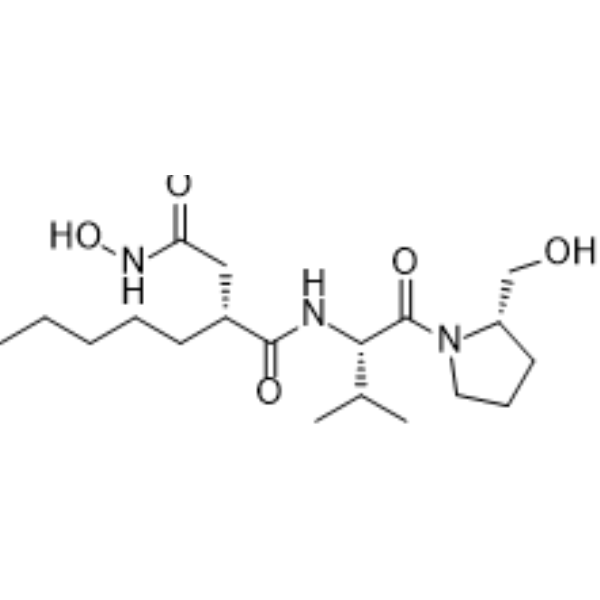
    Actinonin ((-)-Actinonin) is a naturally occurring antibacterial agent produced by Actinomyces. Actinonin inhibits aminopeptidase M, aminopeptidase N and leucine aminopeptidase. Actinonin is a potent reversible peptide deformylase (PDF) inhibitor with a Ki of 0.28 nM. Actinonin also inhibits MMP-1, MMP-3, MMP-8, MMP-9, and hmeprin α with Ki values of 300 nM, 1,700 nM, 190 nM, 330 nM, and 20 nM, respectively. Actinonin is an apoptosis inducer. Actinonin has antiproliferative and antitumor activities .
    Actinonin
  • HY-114336
    Enocyanin
    3 Publications Verification

    Phosphatase Inflammation/Immunology
    Enocyanin is an anthocyanin extracted from grapes. Enocyanin shows inhibitory effect on the leucine aminopeptidase, acid phosphatase, γ-glutamyl transpeptidase and esterase activity .
    Enocyanin
  • HY-133125
    ERAP1-IN-1
    5 Publications Verification

    Aminopeptidase Inflammation/Immunology
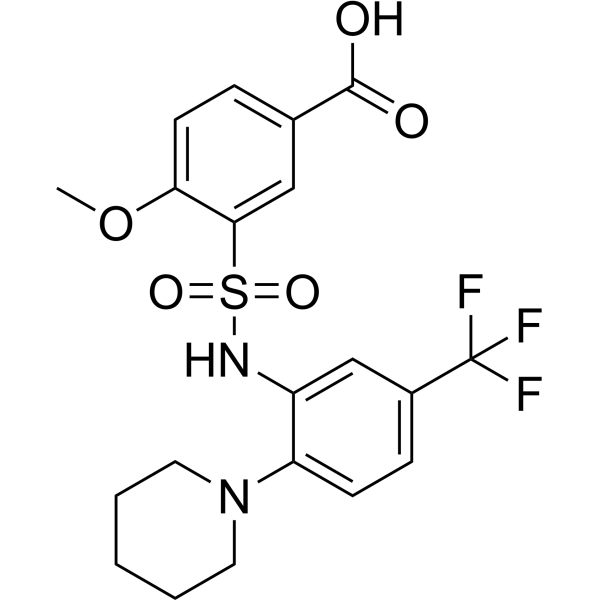
    ERAP1-IN-1 is an endoplasmic reticulum aminopeptidase 1 (ERAP1) inhibitor. ERAP1-IN-1 competitively inhibits ERAP1 activity towards a nonamer peptide representative of physiological substrates .
    ERAP1-IN-1
  • HY-119244

    Dipeptidyl Peptidase Metabolic Disease
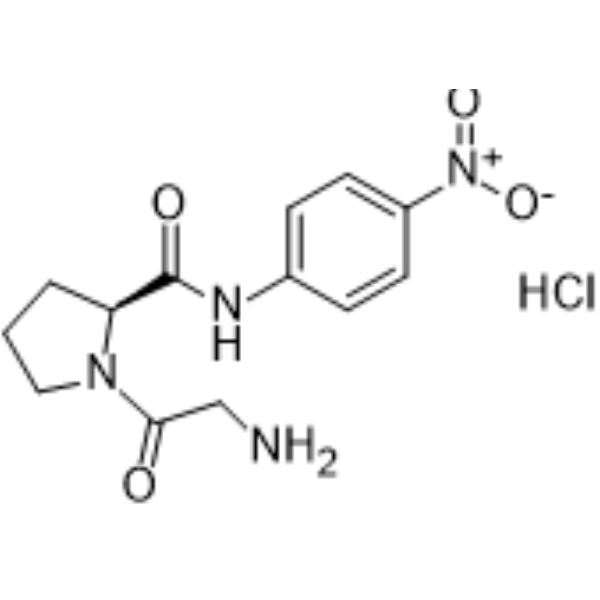
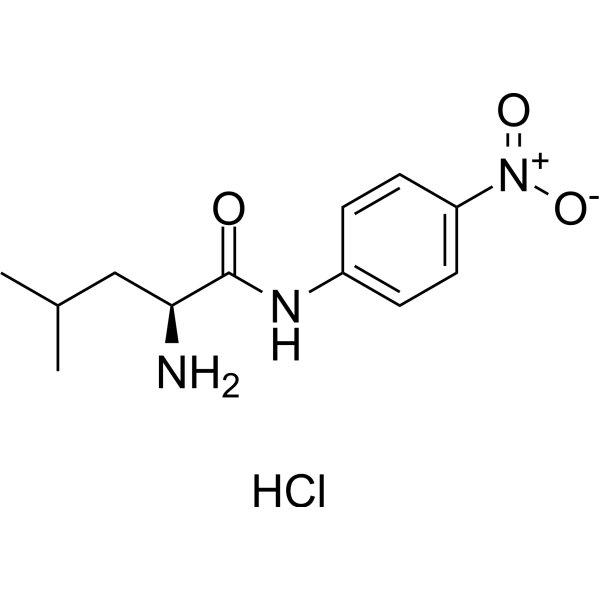
    Gly-Pro-pNA hydrochloride is a chromogenic peptide substrate that can be cleaved by the circulating enzyme dipeptidyl peptidase IV (DPP IV). Gly-Pro-pNA hydrochloride is mainly used to detect the activity of aminopeptidases such as DPP IV. Gly-Pro-pNA hydrochloride can be investigated as an experimental antidiabetic agent .
    Gly-Pro-pNA hydrochloride
  • HY-B1467
    Domiphen bromide
    1 Publications Verification

    Potassium Channel Bacterial Parasite Phosphatase Infection Inflammation/Immunology
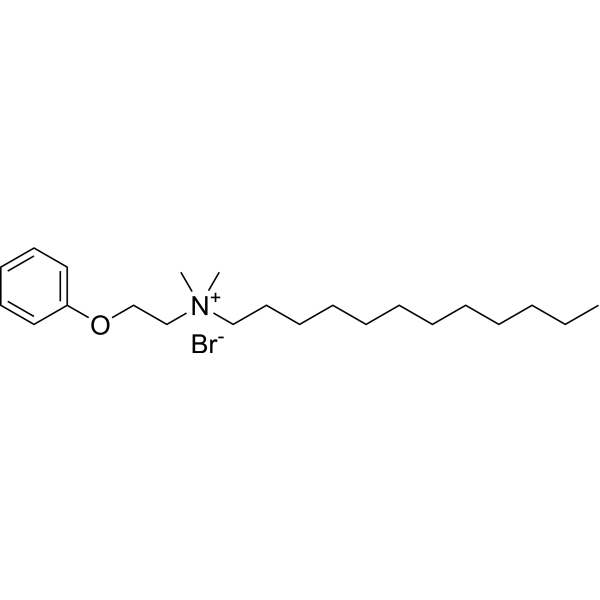
    Domiphen bromide is a cationic active quaternary ammonium salt and also an inhibitor of HERG channels (IC50: 9 nM), aminopeptidase-like enzymes, Escherichia coli alkaline phosphatase, and α-chymotrypsin. Domiphen bromide has multiple activities such as antibacterial, antimalarial, and disinfectant properties, and it is also a synergist of Colistin (HY-113678). Domiphen bromide can be used as a chemical preservative and a cationic surfactant, and it can also be used in the research of bacterial infectious diseases such as pharyngitis, thrush, and oral ulcers .
    Domiphen bromide
  • HY-W345510

    Neprilysin Neurological Disease
    Opiorphin, an opioid peptide, is a potent enkephalin-inactivating zinc ectopeptidases in human inhibitor. Opiorphin inhibits two enkephalin-catabolizing ectoenzymes, human neutral ecto-endopeptidase, hNEP (EC 3.4.24.11) with an IC50 value of 11 μM, and human ecto-aminopeptidase, hAP-N (EC 3.4.11.2). Opiorphin displays potent analgesic activity by activating endogenous opioid-dependent transmission .
    Opiorphin
  • HY-16710
    GPDA
    1 Publications Verification

    GPN; Glycylproline p-nitroanilide tosylate

    Fluorescent Dye Others
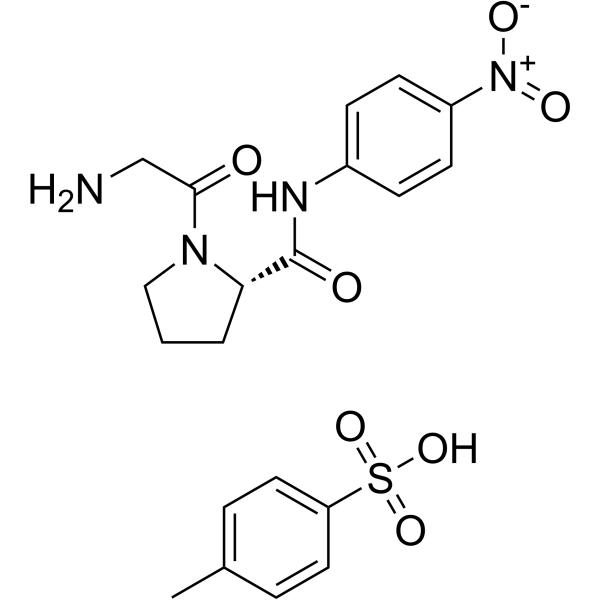
    GPDA (GPN; Glycylproline p-nitroanilide tosylate) is a chromogenic substrate of prolyl dipeptidyl aminopeptidase. GPDA is used to detect the activity of prolyl dipeptidyl aminopeptidase in human serum .
    GPDA
  • HY-133016

    MetAP Cardiovascular Disease Cancer
    M8891 is an orally active, reversible and brain penetrant Methionine Aminopeptidase-2 (MetAP-2) inhibitor with an IC50 of 54 nM and a Ki of 4.33 nM. M8891 does not inhibit MetAP-1 (IC50>10 µM) . M8891 inhibits growth of primary endothelial cells as well as tumor cells and demonstrates antiangiogenic and antitumoral activity .
    M8891
  • HY-120868
    TP-004
    1 Publications Verification

    MetAP Metabolic Disease Cancer
    TP-004 is a potent and reversible inhibitor of methionine aminopeptidase 2 (MetAP2), with an IC50 of 6 nM against MetAP2. TP-004 is a chemical probe. TP-004 suppresses MetAP2 enzymatic activity, blocks N-terminal methionine cleavage, impairs protein maturation and stability, and thereby inhibits cell proliferation and angiogenesis. TP-004 can be used for the study of tumors and diseases associated with excessive angiogenesis .
    TP-004
  • HY-W027340
    ARM1
    1 Publications Verification

    4BSA

    Aminopeptidase Epoxide Hydrolase Cancer
    ARM1 (4BSA) is a potent aminopeptidase and epoxide hydrolase inhibitor. ARM1 shows aminopeptidase inhibitory activity with an IC50 7.61 µM and epoxide hydrolase inhibitory activity with an IC50 12.4 µM .
    ARM1
  • HY-14811

    ZGN-440; CKD-732 free base

    MetAP NF-κB Metabolic Disease
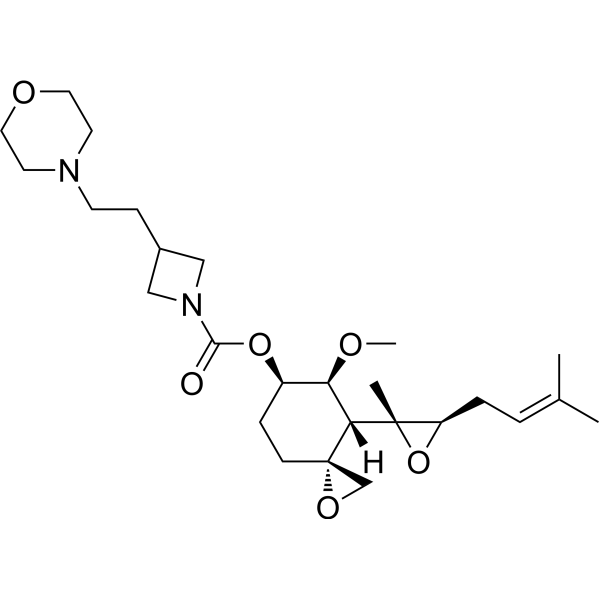
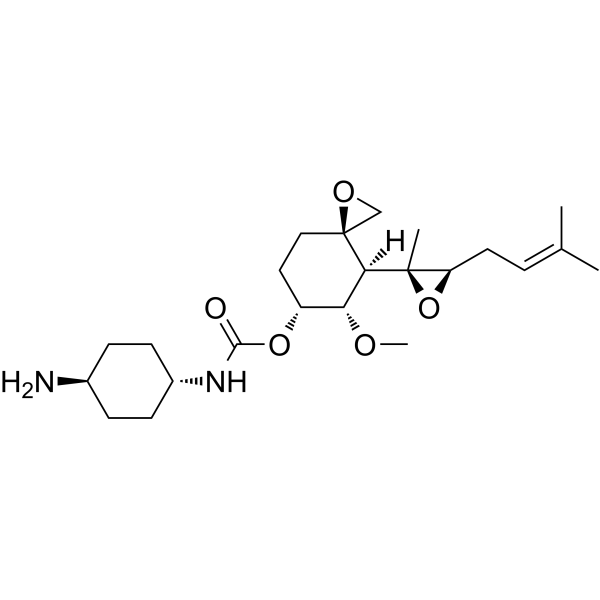
    Beloranib (ZGN-440; CKD-732 free base) is a selective, irreversible inhibitor of methionine aminopeptidase MetAP2 that suppresses appetite and increases energy expenditure. Beloranib blocks the enzymatic cleavage of N-terminal methionine from nascent proteins by forming a covalent bond with MetAP2, thereby regulating fatty acid metabolism, adrenergic signaling, and hypothalamic NF-κB expression. Beloranib significantly reduces food intake, body weight, and fat accumulation, while improving glucose tolerance, insulin sensitivity, and lipid metabolism. Beloranib also elevates energy expenditure and fat oxidation levels, without affecting body temperature, spontaneous activity, or the inflammatory cytokine IL-1β. Beloranib can be used in research on obesity and hypothalamic obesity .
    Beloranib
  • HY-122369

    Carboxypeptidase Metabolic Disease
    Histargin is a selective carboxypeptidase B inhibitor with an IC50 of 17 μg/mL and a Ki of 30 μM. Histargin exerts competitive inhibition with substrate, with inhibitory activity abolished by metal cations. Histargin shows no significant inhibitory activity against carboxypeptidase A, aminopeptidase A, or aminopeptidase B .
    Histargin
  • HY-158006

    MetAP Cancer
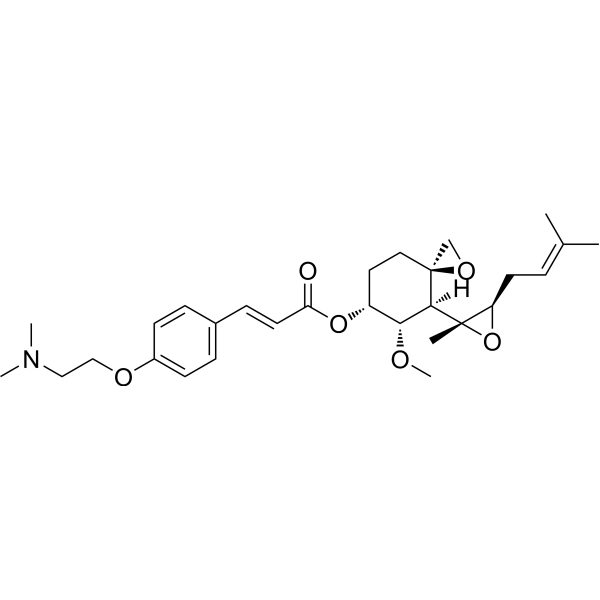
    SDX-7539 is a selective inhibitor for Methionine aminopeptidase type 2 (MetAP2). SDX-7539 inhibits proliferarion of HUVECs with an IC50 of 120 μM. SDX-7539 exhibits antitumor activity in NSCLC xenograft athymic nude mice .
    SDX-7539
  • HY-126564

    Lipase MetAP Others Inflammation/Immunology
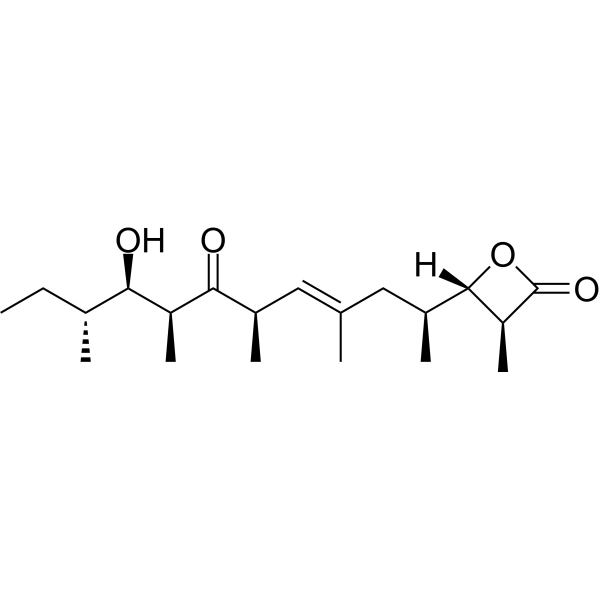
    Ebelactone A is a mycolic acid β-lactone, which exhibits inhibitory activity for esterase, lipase, fMet aminopeptidase (fMet AP) and PNBase, with IC50s of 56, 3, 8 and 7.5 μM, respectively . Ebelactone A inhibits cutinase, exhibits plants protective potency against Erysiphe graminis .
    Ebelactone A
  • HY-W097753

    4-Methoxydiphenylmethane

    Aminopeptidase Others
    4-MDM (4-Methoxydiphenylmethane) is an orally active anti-inflammatory compound that selectively enhances the Leukotriene A4 Hydrolase (LTA4H) aminopeptidase enzyme activity. 4-MDM reduces the neutrophil recruitment in the lung by enhancing the degradation of proline-glycine-proline by LTA4H, thereby reducing inflammation, and does not affect the epoxy-hydrolase activity of LTA4H. 4-MDM can be used for research on lung diseases .
    4-MDM
  • HY-N2150

    HDAC DNA Methyltransferase DNA/RNA Synthesis Bacterial Aminopeptidase Farnesyl Transferase PPAR Apoptosis Infection Inflammation/Immunology Cancer
    Psammaplin A is a marine metabolite. Psammaplin A is a selective HDAC1 (IC50: 45 nM), DNA methyltransferases (IC50: 18.6 nM) and aminopeptidase N (APN) (IC50: 18 μM) inhibitor. Psammaplin A also inhibits DNA topoisomerase and farnesyl protein transferase. Psammaplin A is a PPARγ activator and induces apoptosis. Psammaplin A has antitumor and anti-inflammatory activities. Psammaplin A has antibacterial activity against Gram-positive bacteria and inhibits DNA synthesis and DNA gyrase activity. Psammaplin A inhibits angiogenesis .
    Psammaplin A
  • HY-P2648

    N-Succinyl-AAPL-p-nitroanilide

    Aminopeptidase Endocrinology
    Suc-Ala-Ala-Pro-Leu-pNA (N-Succinyl-AAPL-p-nitroanilide) is a tripeptidyl p-nitroanilide substrate that can be catalytically hydrolyzed by acyl amidase-like leucine aminopeptidase in seminal plasma. Amastatin (HY-129298) and Actinonin (HY-113952) exert potent inhibitory effects on this hydrolytic activity. Suc-Ala-Ala-Pro-Leu-pNA can be used for the research of diseases such as azoospermia .
    Suc-Ala-Ala-Pro-Leu-pNA
  • HY-19876

    Debio-0827

    Opioid Receptor Aminopeptidase Neprilysin Neurological Disease Metabolic Disease
    PL37 (Debio-0827) is an orally active Enkephalinase dual inhibitor (dual inhibition refers to the simultaneous inhibition of Neutral Endopeptidase and Aminopeptidase N activities). PL37 exerts its anti-hyperalgesic effects by activating μ-opioid receptors (µ-opioid receptors), with an ED50 value of 13.4 mg/kg for analgesic effects in mice. PL37 can be used to study diabetic neuropathic pain .
    PL37
  • HY-14811A

    ZGN-440 hemioxalate; ZGN-433 hemioxalate; CDK732 hemioxalate

    NF-κB MetAP Metabolic Disease
    Beloranib (ZGN-440; CKD-732 free base) hemioxalate is a selective, irreversible inhibitor of methionine aminopeptidase MetAP2 that suppresses appetite and increases energy expenditure. Beloranib hemioxalate blocks the enzymatic cleavage of N-terminal methionine from nascent proteins by forming a covalent bond with MetAP2, thereby regulating fatty acid metabolism, adrenergic signaling, and hypothalamic NF-κB expression. Beloranib hemioxalate significantly reduces food intake, body weight, and fat accumulation, while improving glucose tolerance, insulin sensitivity, and lipid metabolism. Beloranib hemioxalate also elevates energy expenditure and fat oxidation levels, without affecting body temperature, spontaneous activity, or the inflammatory cytokine IL-1β. Beloranib hemioxalate can be used in research on obesity and hypothalamic obesity .
    Beloranib hemioxalate
  • HY-P4584

    Biochemical Assay Reagents Others
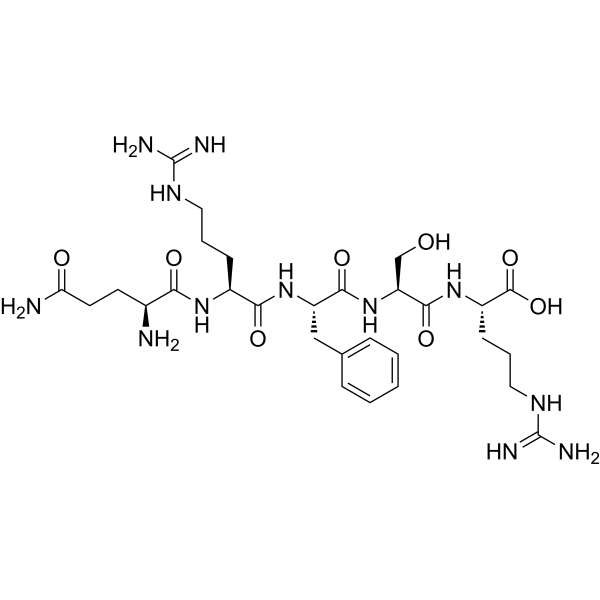
    TRH-βNA is a substrate for determining the membrane TRH-deamidating enzyme (TRH-DE) activity and membrane pyroglutamyl aminopeptidase II (PPII) activity .
    TRH-βNA
  • HY-W250725

    Fluorescent Dye Neurological Disease
    H-GLU-AMC-OH is an amino acid derivative that can be used as A fluorescent peptide substrate for the determination of aminopeptidase A enzyme activity .
    H-GLU-AMC-OH
  • HY-P4658

    Dipeptidyl Peptidase Others
    H-Val-Ala-pNA is a substrate for the dipeptide aminopeptidase (DPAPase) of Streptococcus bovis. H-Val-Ala-pNA can be used to measure the activity of the protease .
    H-Val-Ala-pNA
  • HY-P11334

    Aminopeptidase Phosphatase Angiotensin-converting Enzyme (ACE) DNA/RNA Synthesis Cancer
    Cyanostatin B, a cyanobacterial lipopeptide, is a leucine aminopeptidase M (LAP) inhibitor (IC50 = 12 ng/mL). Cyanostatin B is a weak inhibitor of protein phosphatase (PP2A) and also exhibits weak inhibitory activity against angiotensin-converting enzyme (ACE), with an IC50 value of 130 μg/mL. Cyanostatin B demonstrates both cytotoxic and genotoxic effects on human hepatocytes, although non-toxic to Artemia salina. Cyanostatin B inhibits the proliferation of HepG2 cells, induces DNA single-strand breaks, and causes genomic instability. .
    Cyanostatin B
  • HY-162920

    Aminopeptidase Cardiovascular Disease
    QGC583 is an effective selective Aminopeptidase A (APA) inhibitor with oral activity and blood-brain barrier permeability, boasting an IC50 value of 4 nM. QGC583 can inhibit APA activity in the brain, kidneys, and heart of rats .
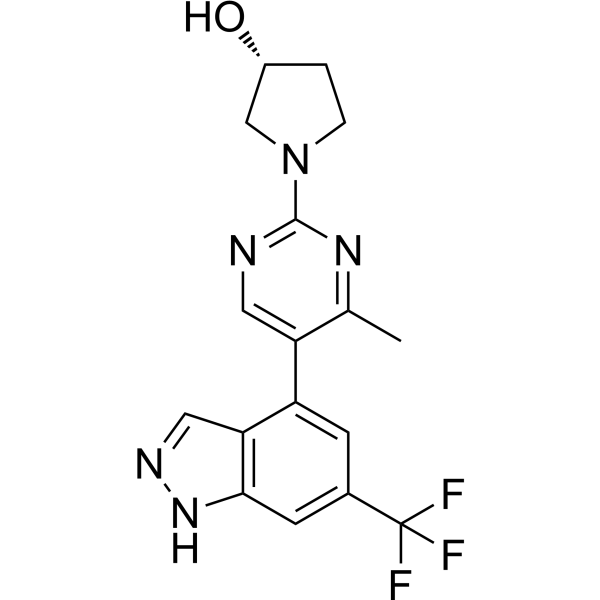
    QGC583
  • HY-P11642A

    Enteropeptidase Aminopeptidase Opioid Receptor ERK mTOR Androgen Receptor Inflammation/Immunology
    Sialorphin TFA is a neutral endopeptidase (NEP) and aminopeptidase N (APN) inhibitor that responds to androgen signals. Sialorphin TFA blocks the degradation of endogenous opioid peptides and interacts with μ-, δ-, κ-opioid receptors. Sialorphin TFA regulates the ERK/mTOR signaling pathway by inducing cell cycle arrest, enhancing ERK1/2 activity, and reducing the phosphorylation levels of mTOR, 4E-BP1, p70S6K; accordingly, Sialorphin TFA exhibits antiproliferative activity against colorectal cancer, glioma and prostate cancer cells without cytotoxicity. In addition, Sialorphin TFA also produces antinociceptive responses, regulates sexual behavior, relaxes corpus cavernosum smooth muscle, and alleviates experimental colitis. Sialorphin TFA is also a copper (II) ion-binding ligand. Sialorphin TFA has been used in mechanistic studies related to cancer, pain management and inflammatory bowel disease .
    Sialorphin TFA
  • HY-136614

    L-Valine β-naphthylamide

    Aminopeptidase Others
    H-Val-βNA (L-Valine β-naphthylamide) can be used as an aminopeptidase and a Valine arylamidase substrate .
    H-Val-βNA
  • HY-169596

    Aminopeptidase Cancer
    Arphamenine A is an aminopeptidase B inhibitor found in Chromobacteriuin violaceum HMG361-CF4. Arphamenine A can inhibit the activity of aminopeptidase B, and can inhibit sarcoma 180 and invasive micropapillary carcinoma (IMC) cancer .
    Arphamenine A
  • HY-172879

    Aminopeptidase Cancer
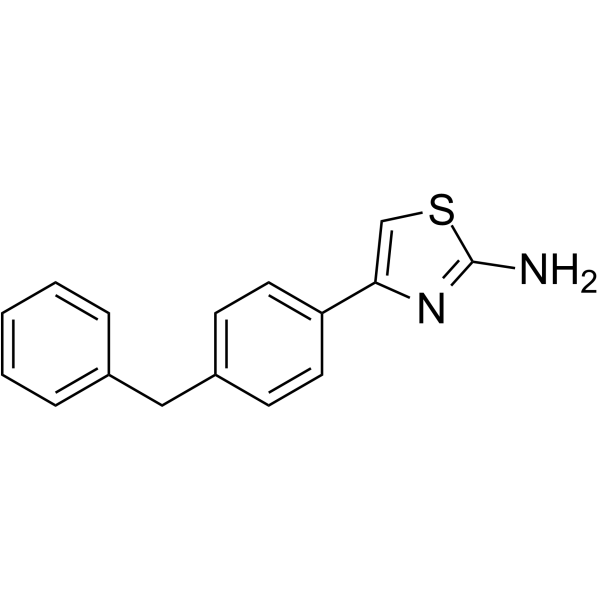
    Aminopeptidase N inhibitor 2 (Compound 2k) is an APN inhibitor (IC50: 4.3 μM) and has antitumor activity.
    Aminopeptidase N inhibitor 2
  • HY-113952R

    (-)-Actinonin (Standard)

    Reference Standards Aminopeptidase Bacterial MMP Apoptosis Antibiotic Infection Cancer
    Actinonin (Standard) is the analytical standard of Actinonin. This product is intended for research and analytical applications. Actinonin ((-)-Actinonin) is a naturally occurring antibacterial agent produced by Actinomyces. Actinonin inhibits aminopeptidase M, aminopeptidase N and leucine aminopeptidase. Actinonin is a potent reversible peptide deformylase (PDF) inhibitor with a Ki of 0.28 nM. Actinonin also inhibits MMP-1, MMP-3, MMP-8, MMP-9, and hmeprin α with Ki values of 300 nM, 1,700 nM, 190 nM, 330 nM, and 20 nM, respectively. Actinonin is an apoptosis inducer. Actinonin has antiproliferative and antitumor activities[1][2][3][4][5].
    Actinonin (Standard)
  • HY-158410

    Aminopeptidase Neurological Disease
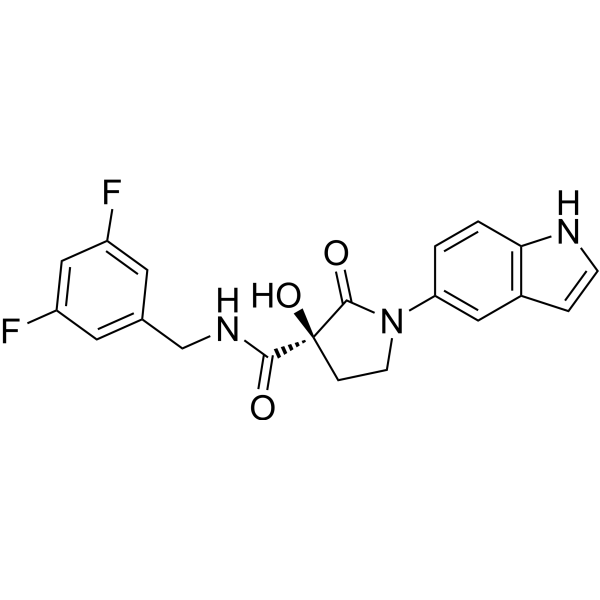
    PSA-IN-1 (compound 19) is a puromycin sensitive aminopeptidase (PSA) inhibitor with IC50 at 7 nM. PSA-IN-1 has analgesic activity .
    PSA-IN-1
  • HY-143249

    Bacterial Infection
    MtMetAP1-IN-1 is an inhibitor of Mycobacterium tuberculosis (Mtb), targeting methionine aminopeptidase 1 (MetAP1). MtMetAP1-IN-1 exerts antimycobacterial activity .
    MtMetAP1-IN-1
  • HY-116476

    Neprilysin Others
    Risotilide is an inhibitor of enkephalinase B, which has the ability to inhibit enkephalinase B activity (IC50 value is 0.35 microM), and can also effectively inhibit enkephalinase A (IC50 = 0.02 microM) and aminopeptidase activity (IC50 = 13 microM), and can be regarded as a complete inhibitor of enkephalin biodegradation.
    Risotilide
  • HY-125564

    Aminopeptidase Others
    Acetyltrialanine is a peptide containing three amino acid residues in which the N-terminal amino acid is acetylated and used as a substrate for Nα-acetyl alanine aminopeptidase in order to study the activity and properties of the enzyme. Acetyltrialanine can be used in the study of protein degradation and N-terminal regulation .
    Acetyltrialanine
  • HY-125341

    Angiotensin-converting Enzyme (ACE) Cardiovascular Disease
    Microginin 527 is a linear cyanobacterial peptide with potent angiotensin-converting enzyme (ACE) inhibitory activity. Microginin 527 also exhibits inhibitory effects on protein phosphatases and leucine aminopeptidase. With an IC50 value of 31 μM, Microginin 527 is the most active component in this class of compounds .
    Microginin 527
  • HY-156960

    Aminopeptidase Leukotriene Receptor Inflammation/Immunology
    JNJ-40929837 is a selective and orally active LTA4H (leukotriene A4 hydrolase) inhibitor. JNJ-40929837 effectively inhibits aminopeptidase activity and causes serum accumulation of Pro-Gly-Pro. JNJ-40929837 can be used in asthma research .
    JNJ-40929837
  • HY-156960A

    Aminopeptidase Leukotriene Receptor Inflammation/Immunology
    JNJ-40929837 succinate is a selective and orally active LTA4H (leukotriene A4 hydrolase) inhibitor. JNJ-40929837 succinate effectively inhibits aminopeptidase activity and causes serum accumulation of Pro-Gly-Pro. JNJ-40929837 succinate can be used in asthma research .
    JNJ-40929837 succinate
  • HY-129407

    Ala-ala-phe-chloromethylketone tfa; N-Ala-Ala-Phe-CMK; Tripeptidyl Peptidase inhibitor II

    Proteasome Infection
    AAF-CMK TFA (Ala-ala-phe-chloromethylketone tfa; N-Ala-Ala-Phe-CMK) is a subtilisin-type serine peptidase that removes tripeptides from the free NH2 termini of oligopeptides. AAF-CMK TFA is an irreversible inhibitor of TPPII and is typically used at concentrations of 10-100 μM. It does not significantly interfere with the chymotrypsin-like activity of the proteasome. AAF-CMK also inhibits bleomycin hydrolase and puromycin-sensitive aminopeptidase when used at a concentration of 50 μM.
    AAF-CMK TFA
  • HY-B1467R

    Reference Standards Potassium Channel Bacterial Parasite Phosphorylase Infection Inflammation/Immunology
    Domiphen bromide (Standard) is the analytical standard of Domiphen bromide (HY-B1467). This product is intended for research and analytical applications. Domiphen bromide is a cationic active quaternary ammonium salt and also an inhibitor of HERG channels (IC50: 9 nM), aminopeptidase-like enzymes, Escherichia coli alkaline phosphatase, and α-chymotrypsin. Domiphen bromide has multiple activities such as antibacterial, antimalarial, and disinfectant properties, and it is also a synergist of Colistin (HY-113678). Domiphen bromide can be used as a chemical preservative and a cationic surfactant, and it can also be used in the research of bacterial infectious diseases such as pharyngitis, thrush, and oral ulcers.
    Domiphen bromide (Standard)
  • HY-138232

    LTNAM

    Aminopeptidase Neurological Disease
    Lys-psi(CH2NH)-Trp(Nps)-OMe is a lysine-tryptophan (Nps) pseudodipeptide analog. It is obtained by replacing the peptide bond in the Lys-Trp(Nps) molecule with an aminomethylene bond and has analgesic activity. Lys-psi(CH2NH)-Trp(Nps)-OMe induces a dose-dependent and naloxone-reversible analgesia after intracerebroventricular administration in mice, and its analgesic effect lasts longer than that of the original compound. It protects methionine enkephalin from degradation in rat striatal slices and binds to low-dose opioid peptides to produce analgesia. Lys-psi(CH2NH)-Trp(Nps)-OMe effectively inhibits brain aminopeptidase activity both in vitro and in vivo. The enhanced resistance of this pseudodipeptide to proteolysis may explain its prolonged analgesic activity.
    Lys-psi(CH2NH)-Trp(Nps)-OMe
  • HY-181437

    Parasite Aminopeptidase Infection
    Antiparasitic agent-40 (compound 4.3) is a 4-thiazolidinone-based antileishmaniasis inhibitor. Antiparasitic agent-40 exhibits significant inhibitory activity against methionine aminopeptidase .
    Antiparasitic agent-40
  • HY-137842

    Alanine β-naphthylamide

    Aminopeptidase Biochemical Assay Reagents Others
    L-Alanine-2-naphthylamide (Alanine β-naphthylamide) is an Aminopeptidase (E.C. 3.4.11.) substrate and detection reagent. L-Alanine-2-naphthylamide detects the functional activity of aminopeptidase in the intestine of larval whitefish (Coregonus lavaretus). L-Alanine-2-naphthylamide serves as an initiator in the N-carboxyanhydride (NCA) method for synthesizing poly (β-benzyl-L-aspartate) polymers with a terminal 2-naphthyl energy donor group .
    L-Alanine-2-naphthylamide
  • HY-182419

    MetAP Cancer
    A-849519 is a reversible methionine aminopeptidase-2 (MetAP-2) inhibitor with an IC50 of 19 nM. A-849519 binds to the active site of the Mn 2+ form of human MetAP-2, where the oxygen atom of one acidic functional group interacts with the manganese ion, and another heteroatom binds to the water molecule above the two manganese ions, thereby functionally inhibiting enzyme activity. A-849519 inhibits the methionine processing activity of MetAP-2 as well as the proliferation of fibrosarcoma cells. A-849519 can be used in studies related to fibrosarcoma .
    A-849519
  • HY-W612175

    Leukotriene Receptor Others
    H-Ala-pNA is an L-amino acid p-nitroaniline (pNA) derivative and a specific substrate for leukotriene A4 hydrolase. The D-enantiomer of H-Ala-pNA shows no activity toward leukotriene A4 hydrolase. H-Ala-pNA can be catalytically hydrolyzed by leukotriene A4 hydrolase, and the p-nitroaniline produced during the reaction is monitored spectrophotometrically at 405 nm to enable quantitative detection of enzyme activity. H-Ala-pNA is used to evaluate the potency of inhibitors targeting the amidase activity of leukotriene A4 hydrolase .
    H-Ala-pNA
  • HY-181674

    Aminopeptidase Bacterial Infection
    ZHO-197 is a dual bacterial peptide deformylase and methionine aminopeptidase inhibitor with antibacterial activity. ZHO-197 exhibits an Escherichia coli peptide deformylase IC50 of 0.021 μM and a human peptide deformylase IC50 of 3.289 μM. ZHO-197 displays broad-spectrum antibacterial activity against gram-positive and gram-negative bacterial strains. ZHO-197 can be used for the research of bacterial infection .
    ZHO-197
  • HY-181644

    MetAP Infection
    NS-181 is an orally active MetAP2 inhibitor and antiamebic agent with oral effectiveness.NS-181 functionally inhibits methionine aminopeptidase 2, a protein critical for Entamoeba histolytica proliferation. NS-181 exerts antiamebic activity against Entamoeba histolytica, leading to resolution of amebic liver abscess. NS-181 can be used for the research of amebiasis .
    NS-181
  • HY-103294

    Endogenous Metabolite Others
    R892 is a selective and efficient bradyKinin B1 receptor antagonist with significant antagonistic activity. The pA2 values of R892 in human and rabbit B1 receptors are 8.8 and 8.6 respectively, indicating its strong anti-activity at these receptors. R892 exhibits selectivity with ID50 values of 2.8 nM and >600 nM for B1 and B2 receptors, respectively, and has no endogenous agonist activity. R892 is resistant to aminopeptidase and kininase II (ACE) degradation and exhibits metabolic stability .
    R892
  • HY-181266

    Parasite Aminopeptidase Infection
    Antimalarial agent 55 is an orally potent inhibitor of PfA-M1 and PfA-M17 aminopeptidases from Plasmodium falciparum, with Ki values of 27 nM and 81 nM, respectively. Antimalarial agent 55 exhibits potent nanomolar activity against homologous enzymes from Plasmodium vivax and Plasmodium berghei, with Ki values of 2 nM, 4 nM, 190 nM and 18 nM for Pv-M1, Pb-M1, Pv-M17 and Pb-M17, respectively. Antimalarial agent 55 possesses significant antiplasmodial activity, as well as cross-species inhibitory capacity and broad-spectrum activity that is unaffected by existing drug resistance mechanisms. Antimalarial agent 55 can be used in malaria research .
    Antimalarial agent 55
  • HY-183739

    Pyroptosis Caspase Cancer
    CQ31 is a PEPD and XPNPEP1 inhibitor, with an IC50 of 0.67 μM against PEPD and an IC50 of 122 μM against XPNPEP1. CQ31 inhibits the M24B aminopeptidase activity of PEPD and XPNPEP1. CQ31 induces the accumulation of Xaa-Pro-containing peptides, mildly inhibits DPP8/9, and triggers CASP1-dependent pyroptosis via activation of the CARD8 inflammasome and caspase-1. CQ31 can be used in research related to cancers such as acute myeloid leukemia .
    CQ31
  • HY-N19847

    Drug Derivative Aminopeptidase Endogenous Metabolite Toll-like Receptor (TLR) MyD88 NOD-like Receptor (NLR) NF-κB p38 MAPK IKK NO Synthase COX Inflammation/Immunology Cancer
    LYRM03 is a derivative of Ubenimex (HY-B0134) and a Aminopeptidase N inhibitor. LYRM03 is isolated from Streptomyces HCCB10043. LYRM03 inhibits TLR4, MyD88, NLRP3, ASC, NF-κB and p38 MAPK, stabilizes IκB, and suppresses LPS-induced expression of iNOS and COX-2. LYRM03 reduces the levels of inflammatory cytokines and oxidative stress markers, and alleviates pulmonary edema. LYRM03 exhibits anticancer activity against breast cancer. LYRM03 has anti-inflammatory activity. LYRM03 can be used in the research of acute lung injury and breast cancer .
    LYRM03
  • HY-183267

    Aminopeptidase Cancer
    ERAP1-IN-4 is an orally acvtive endoplasmic reticulum aminopeptidase 1 (ERAP1) inhibitor with a pIC50 of 7.9 and an LLE of 5.3. ERAP1-IN-4 inhibits hydrolysis of peptide substrates by ERAP1, with high activity against Allotype1 and Allotype2. ERAP1-IN-4 reduced efficacy against other allotypes, and modulates ERAP1-mediated peptide processing to inhibit antigenic epitope presentation. ERAP1-IN-4 can be used for the research of cancer[1].
    ERAP1-IN-4

Inquiry Online

Your information is safe with us. * Required Fields.

Salutation


Country or Region *

Applicant Name *


Organization Name *

Department *


Email Address *


Product Name *

Cat. No.


Requested quantity *

Phone Number *


Remarks

Inquiry Online

Inquiry Information

Product Name:
Cat. No.:
Quantity:
MCE Japan Authorized Agent:

