Search Result
Results for "
antibacterial+properties
" in MedChemExpress (MCE) Product Catalog:
5
Biochemical Assay Reagents
1
Isotope-Labeled Compounds
| Cat. No. |
Product Name |
Target |
Research Areas |
Chemical Structure |
-
- HY-Y0320
-
|
DMSO, meets analytical specification of Ch.P.
|
Environmental Pollutants
Bacterial
Cholinesterase (ChE)
|
Infection
Inflammation/Immunology
Cancer
|
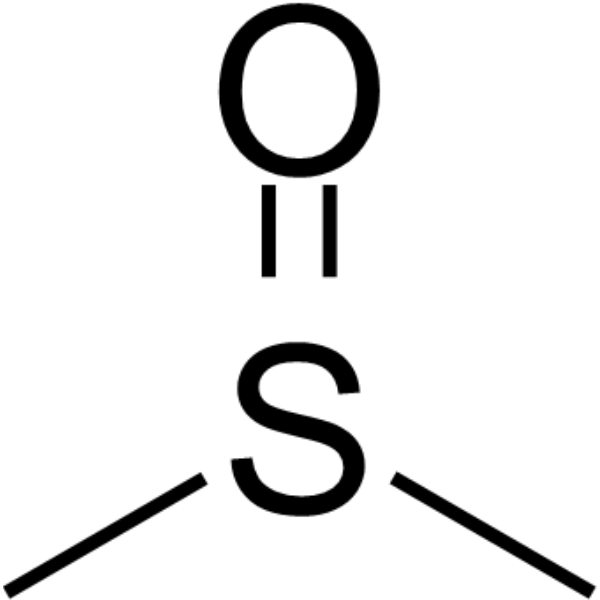
Dimethyl sulfoxide (DMSO), meets analytical specification of Ch.P. is an aprotic solvent that dissolves polar and non-polar compounds, including water-insoluble therapeutic and toxic agents. Dimethyl sulfoxide (DMSO) has a strong affinity for water and can rapidly penetrate or enhance the penetration of other substances into biological membranes. Dimethyl sulfoxide also has potential free radical scavenging and anticholinesterase effects and may affect coagulation activity. Dimethyl sulfoxide also induces histamine release from mast cells but is thought to have low systemic toxicity. Dimethyl sulfoxide also exhibits antifreeze and antibacterial properties .
MCE provides Dimethyl sulfoxide that complies with the inspection standards (Ch.P) of Part 4 of the Chinese Pharmacopoeia (2020 Edition). Amicrobic, low endotoxin, can be used in various biochemical experiments such as drug dissolution.
|
-
-
- HY-30235A
-
|
|
PGE synthase
Bacterial
TNF Receptor
|
Inflammation/Immunology
Cancer
|
|
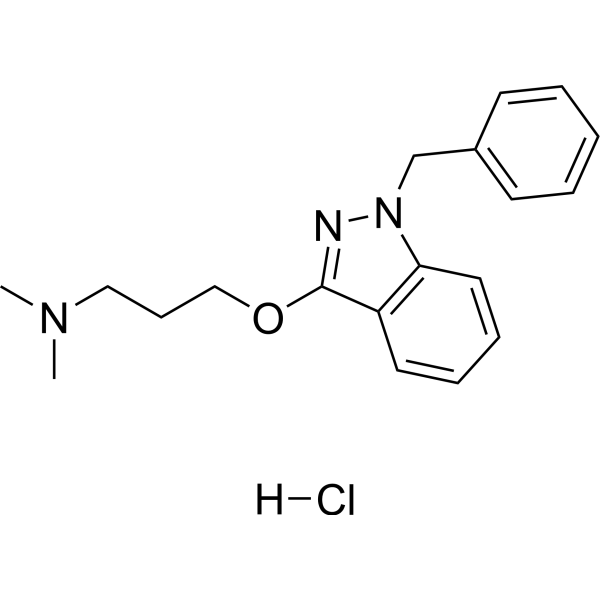
Benzydamine hydrochloride is an orally administered prostaglandin synthesis inhibitor that has anti-inflammatory, analgesic, antipyretic, and antibacterial properties. Benzydamine hydrochloride can inhibit TNF-α, stabilize cell membranes, and reduce oxidative stress within cells .
|
-
-
- HY-115340
-
|
Sodium decanoate; Sodium caprate
|
Biochemical Assay Reagents
|
Others
|
|
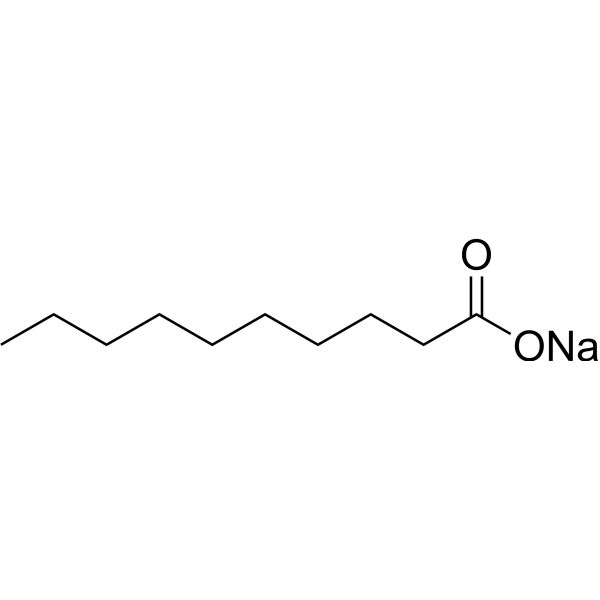
Decanoic acid sodium, also known as Decanoic acid sodium, is a salt of the fatty acid capric acid. It is easily soluble in water and has a slightly soapy smell. Decanoic acid sodium acts as a penetration enhancer, which means it increases the absorption and bioavailability of drugs across biological membranes, including the intestinal epithelium and the blood-brain barrier. This property makes it useful in pharmaceutical formulations to improve drug delivery and effectiveness. Furthermore, Decanoic acid sodium has potential applications in food preservatives and cosmetics due to its antibacterial properties.
|
-
-
- HY-Y0585
-
|
|
Bacterial
|
Infection
Inflammation/Immunology
|
|
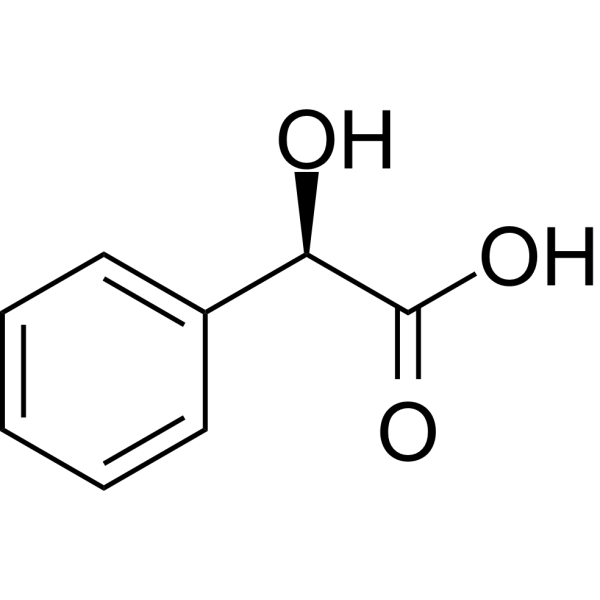
D-(-)-Mandelic acid is an orally active alpha hydroxycarboxylic acid that can be isolated from bitter almonds and Indian chestnut trees. It has antioxidant and antibacterial properties and is expected to play an important role in the treatment of rheumatoid arthritis .
|
-
-
- HY-W250116
-
-
-
- HY-121620
-
-
-
- HY-107825
-
|
|
Endogenous Metabolite
Bacterial
Cholinesterase (ChE)
|
Cardiovascular Disease
Metabolic Disease
Inflammation/Immunology
Cancer
|
|
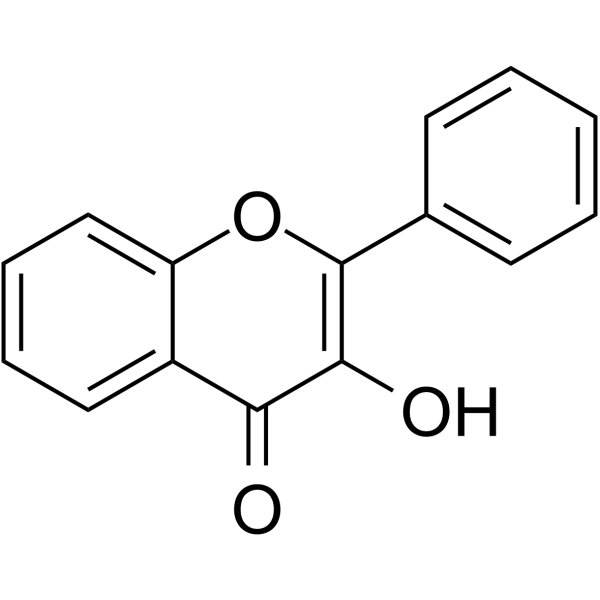
Flavonol is a cholinesterase (ChE) inhibitor, with an IC50 value of 120 μM and a Ki value of 74 μM. Flavonol has antioxidant, free radical-scavenging, antibacterial properties, and immune modulation functions. Flavonol inhibits the PriA helicase of Staphylococcus aureus. Flavonol can suppress the production of NO in LPS-activated RAW 264.7 cells by inhibiting the expression of the iNOS enzyme. Flavonol shows protective and analgesic effects in mice through various neuronal pathways. Flavonol can be used in research related to tumors and atherosclerosis diseases .
|
-
-
- HY-N7432
-
|
|
Antibiotic
Bacterial
Fungal
|
Infection
|
|
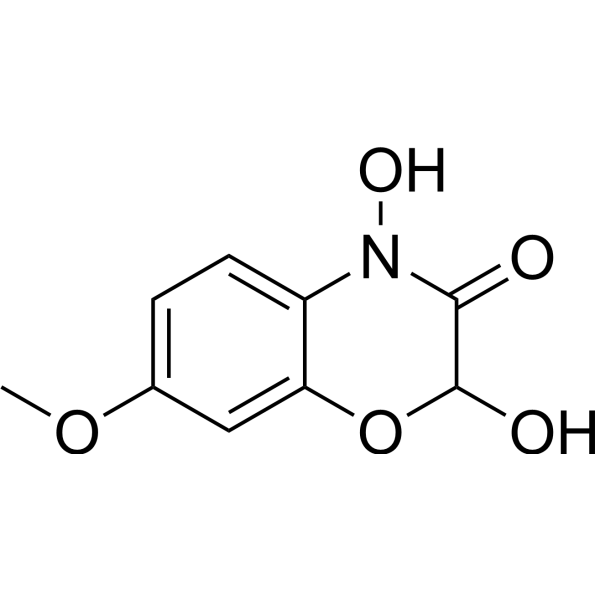
DIMBOA, an antibiotic, has antibacterial properties and inhibits bacteria such as Staphylococcus aureus and the mycotoxin-producing fungus Fusarium graminearum (which causes scab). DIMBOA exhibits strong free radical scavenging activity and weak iron(III) ion reducing activity, and has antioxidant activity. DIMBOA inhibits the biosynthesis and accumulation of toxic trichothecenes by affecting the expression of Tri6 and Tri5. DIMBOA reduces plant susceptibility to scab. DIMBOA also exhibits cytotoxicity to plant cells, causing plasmolysis, cell collapse, and cell rupture .
|
-
-
- HY-106594A
-
|
Iron(III) ferrocyanide; Milori blue
|
Environmental Pollutants
Bacterial
|
Infection
Cancer
|
|
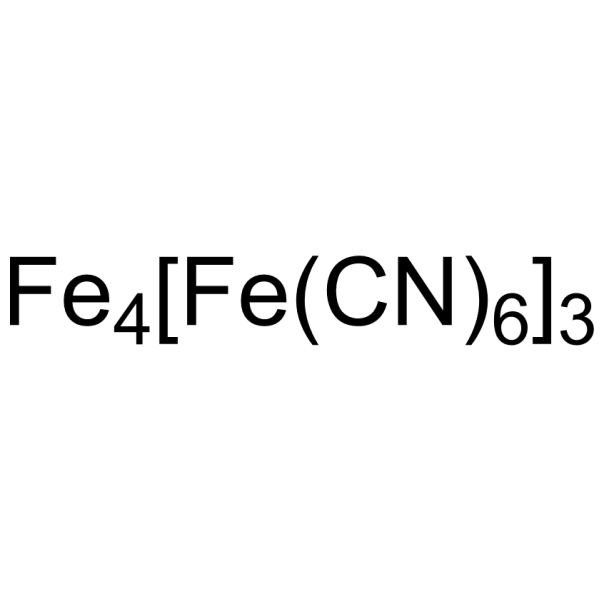
Prussian blue soluble is a good adsorbent to be used as antidotes for poisoning with cesium or thallium ions. Prussian blue soluble has anticancerous and antibacterial properties. Prussian blue soluble can be used as a contrast agent in photoacoustic and magnetic resonance imaging (MRI) .
|
-
-
- HY-W016153
-
|
|
Biochemical Assay Reagents
Bacterial
Fungal
|
Infection
|
|
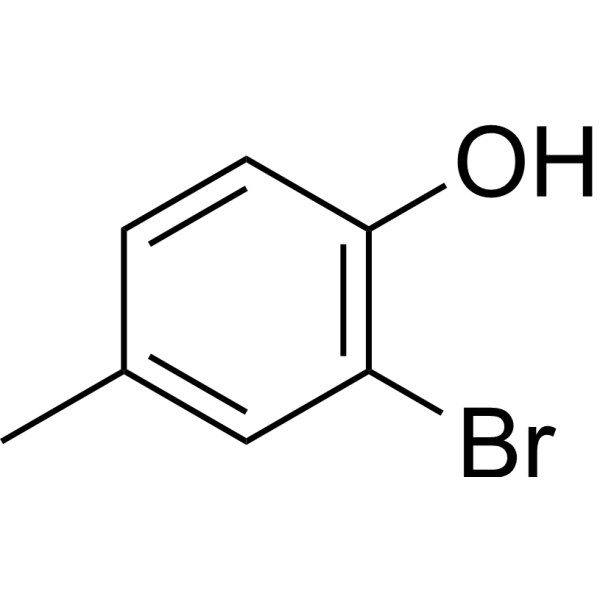
2-Bromo-4-methylphenol is a versatile compound. 2-Bromo-4-methylphenol produces an iodine-like odor in reverse osmosis water and red wine matrices. 2-Bromo-4-methylphenol exhibits antibacterial properties and effectively inhibits the growth of bacteria and fungal. 2-Bromo-4-methylphenol is an important intermediate for a variety of organic compounds .
|
-
-
- HY-N4107
-
|
|
TGF-beta/Smad
|
Infection
Inflammation/Immunology
Cancer
|
|
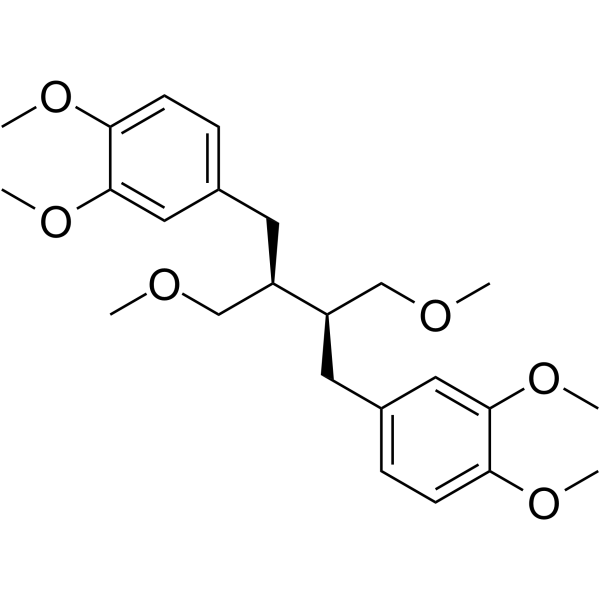
Phyllanthin is an effective oral anticancer agent. Phyllanthin inhibits MOLT-4 cell viability, increases apoptosis, inhibits cell migration and invasion. Phyllanthin exerts anti-fibrotic effects by down-regulating TGF signaling pathway via ALK5 and Smad2/3. Phyllanthin also has anti-inflammatory and antibacterial properties .
|
-
-
- HY-N3307
-
-
-
- HY-W267444
-
|
Amylparaben
|
Bacterial
|
Infection
|
|
Pentyl 4-hydroxybenzoate (Amylparaben) is a type of paraben compound commonly used as a preservative, it has antibacterial properties and is related to the inhibition of induced oxygen consumption .
|
-

-
- HY-119881
-
|
|
Bacterial
Antibiotic
|
Infection
|
|
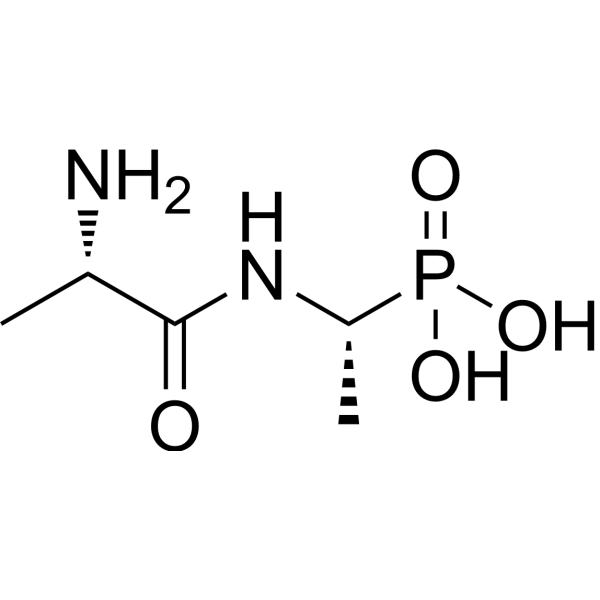
Alafosfalin is an inhibitor of cell wall biosynthesis. Alafosfalin is a phosphonodipeptide with antibacterial properties .
|
-
-
- HY-123635
-
|
|
Antibiotic
Bacterial
|
Infection
|
|
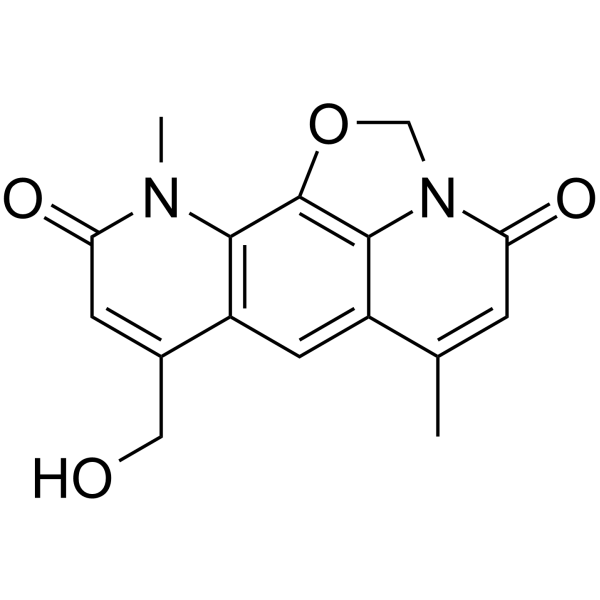
Nybomycin, an antibiotic, exhibits antiphage and antibacterial properties. Nybomycin binds to DNA and induces a unique morphological change to mycobacterial bacilli leading the bacterial cell death .
|
-
-
- HY-106594B
-
|
Pigment blue 27
|
Bacterial
|
Infection
Cancer
|
|
Prussian blue soluble is a good adsorbent to be used as antidotes for poisoning with cesium or thallium ions. Prussian blue soluble has anticancerous and antibacterial properties. Prussian blue soluble can be used as a contrast agent in photoacoustic and magnetic resonance imaging (MRI) .
|
-

-
- HY-P10913
-
|
|
Bacterial
|
Infection
|
|
HYNIC-UBI29-41 is composed of a bifunctional chelator HYNIC and an antimicrobial peptide UBI 29-41 (HY-P10364) (HY-P10364). HYNIC-UBI29-41 retains the antibacterial properties of UBI 29-41, and exhibits good affinity to Gram-positive and Gram-negative bacteria. HYNIC-UBI29-41 can be used as an imaging agent for bacterial infection detection in mouse models, when labeled with the radioactive element technetium (99mTc) .
|
-

-
- HY-158224
-
|
FibMA
|
Biochemical Assay Reagents
|
Others
|
Silk Fibroin Methacryloyl (FibMA) is methacrylated silk fibroin with excellent biocompatibility, stable mechanical properties and good processing properties, and was selected as the substrate for multifunctional microneedle (MN) patches. . MN patches made of Silk Fibroin Methacryloyl exhibit excellent biocompatibility, sustained drug release, pro-angiogenic, antioxidant and antibacterial properties depending on the specific drug encapsulated . Silk Fibroin Methacryloyl needs to self-assemble into fibrous hydrogel under the action of photoinitiator LAP (HY-44076), and target bioactive adhesion sites, play an inherent supporting role for tissue cells and biodegradable activity.
Application: cell culture, biological 3D printing, tissue engineering, etc.
|
-
-
- HY-116587
-
|
Cloflucarban
|
Bacterial
|
Infection
|
|
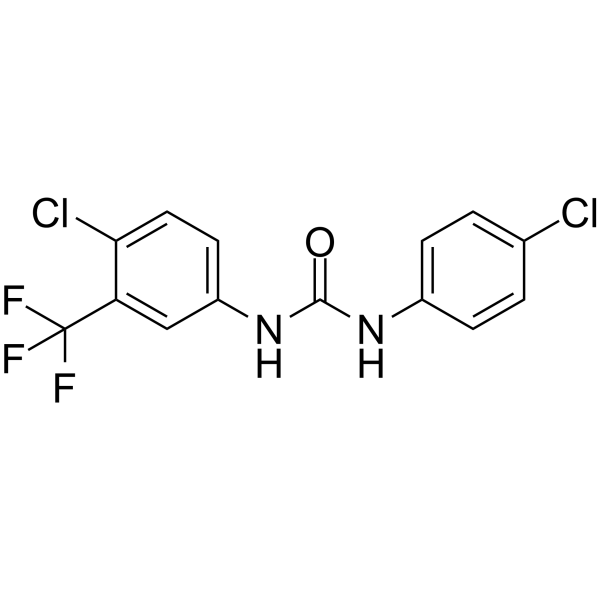
Halocarban is a chemical with antibacterial properties sometimes used in deodorant and soap .
|
-
-
- HY-N9735
-
|
|
Bacterial
|
Infection
|
|
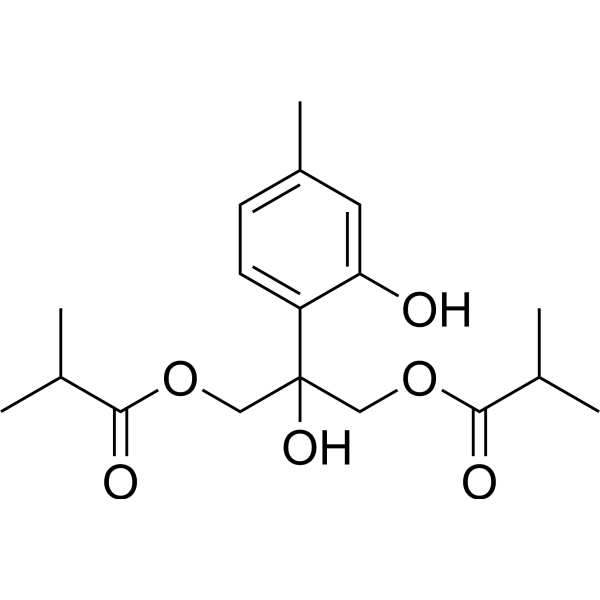
8-Hydroxy-9,10-diisobutyryloxythymol is a natural monoterpenoid with antibacterial properties. 8-Hydroxy-9,10-diisobutyryloxythymol against S. aureus, S. flexneri, and S. paratyphi-B with MIC values of 6.25 μg/mL .
|
-
-
- HY-113640
-
|
|
Bacterial
|
Infection
|
|
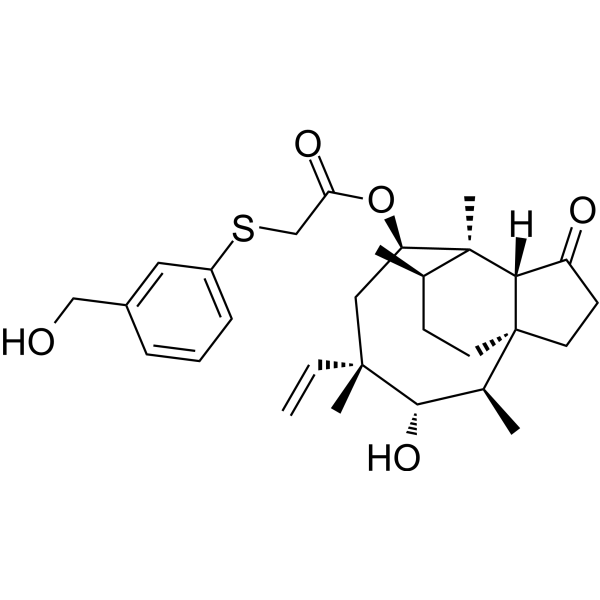
BC-7013 is a novel semi-synthetic pleuromutilin derivative. BC-7013 has excellent activity against Gram-positive pathogenic bacteria. BC-7013 exhibits potent antibacterial properties against both Staphylococcus, Streptococcus and penicillin-resistant Streptococcus pneumoniae. BC-7013 has activity against Gram-positive pathogenic bacteria, BC-7013 is useful in the research of acute bacterial skin and skin structure infection (ABSSSI) .
|
-
-
- HY-126406
-
-
-
- HY-P10693
-
-

-
- HY-B1921
-
|
Midecamycin acetate; Ponsinomycin
|
Bacterial
|
Infection
|
|
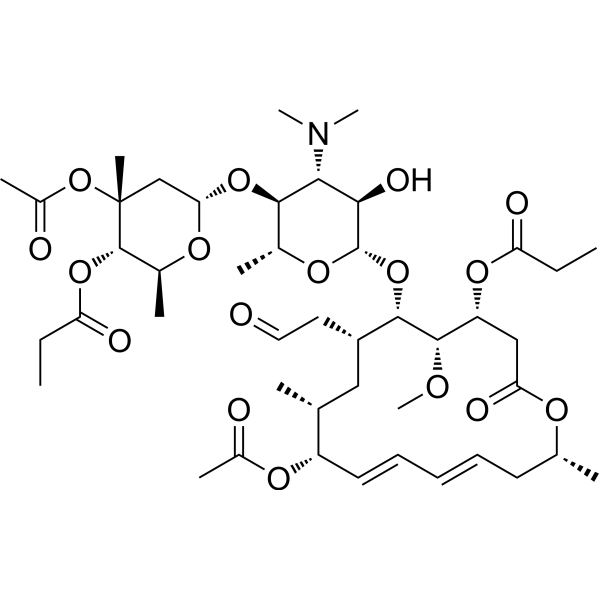
Miocamycin (Midecamycin acetate) is a derivative of midecamycin (HY-B1908), a macrolide antibiotic that can be isolated from a culture broth of Streptomyces mycarofaciens. Miocamycin has antibacterial properties .
|
-
-
- HY-123922
-
|
|
Bacterial
|
Infection
|
|
NOSO-502 is an inhibitor of bacterial translation. NOSO-502 exhibits inhibitory activity against Enterobacteriaceae. NOSO-502 has good safety and antibacterial properties .
|
-
-
- HY-119686
-
|
|
Antibiotic
Bacterial
|
Infection
|
|
Miloxacin is an orally active bacteriostatic agent targeting Gram-negative bacteria, exhibiting antibacterial properties similar to Oxolinic acid (HY-B1002) and Nalidixic acid (HY-B0398) .
|
-

-
- HY-30235
-
|
|
PGE synthase
TNF Receptor
Bacterial
|
Inflammation/Immunology
Cancer
|
|
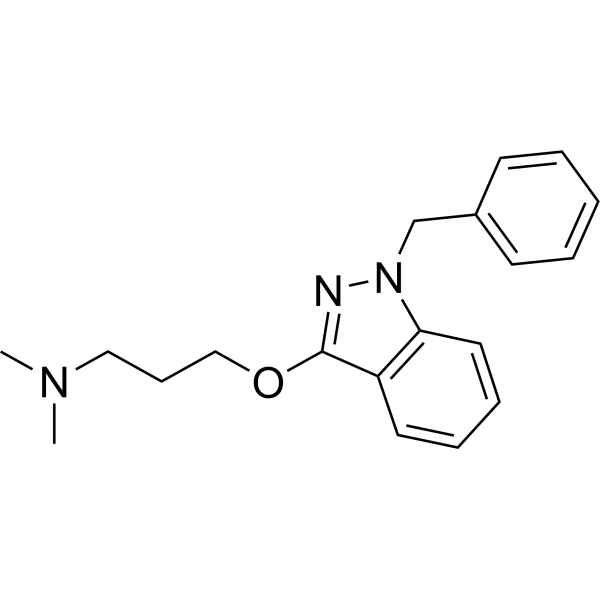
Benzydamine is an orally administered prostaglandin synthesis inhibitor that has anti-inflammatory, analgesic, antipyretic, and antibacterial properties. Benzydamine can inhibit TNF-α, stabilize cell membranes, and reduce oxidative stress within cells .
|
-
-
- HY-32088
-
|
|
Bacterial
|
Infection
Inflammation/Immunology
|
|
Ethyl 10-bromodecanoate is an antiinflammatory and hemostatic agent. Ethyl 10-bromodecanoate is a member of the family of linolenic acid, which includes diethyl succinate and ethyl palmitate. Ethyl 10-bromodecanoate has been shown to have antibacterial properties.
|
-

-
- HY-P10556
-
|
|
Bacterial
|
Infection
|
|
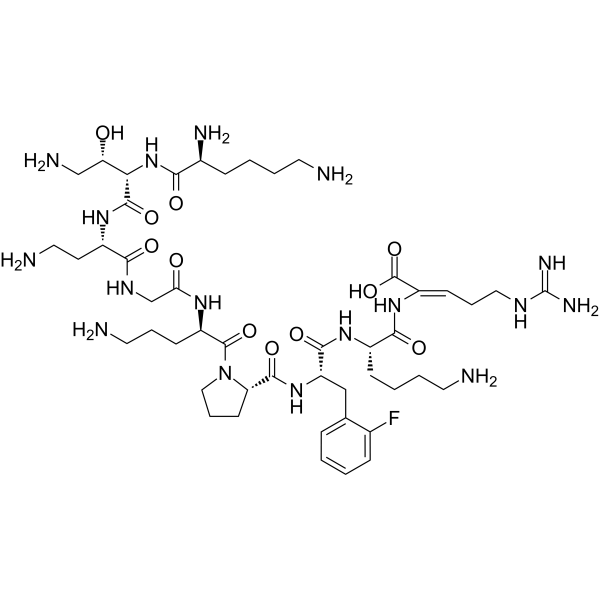
(KFF)3K is a cell penetrating peptide that can promote the absorption of other antibiotics by disrupting the outer membrane of bacteria. (KFF)3K can be introduced into a hydrocarbon scaffold to induce its antibacterial properties, making it an effective antimicrobial peptide. (KFF)3K can be used in the development of new antimicrobial agents .
|
-

-
- HY-114648
-
|
|
Bacterial
|
Infection
Cancer
|
|
AJI-9561 is a benzoxazole derivative produced by Streptomyces sp. AJI-9561 exhibits cytotoxicity and antibacterial activity. AJI-9561 inhibits the proliferation of Jurkat T cells and mouse P388 leukemia cells, with its IC50 being 0.88 and 1.63 μM respectively. AJI-9561 can be used for research on anti-cancer and antibacterial properties .
|
-

-
- HY-P10913A
-
|
|
Bacterial
|
Infection
|
|
HYNIC-UBI29-41 TFA is composed of a bifunctional chelator HYNIC and an antimicrobial peptide UBI 29-41 (HY-P10364). HYNIC-UBI29-41 TFA retains the antibacterial properties of UBI 29-41, and exhibits good affinity to Gram-positive and Gram-negative bacteria. HYNIC-UBI29-41 TFA can be used as an imaging agent for bacterial infection detection in mouse models, when labeled with the radioactive element technetium (99mTc) .
|
-

-
- HY-117170
-
-

-
- HY-100262
-
|
|
Bacterial
|
Infection
|
|
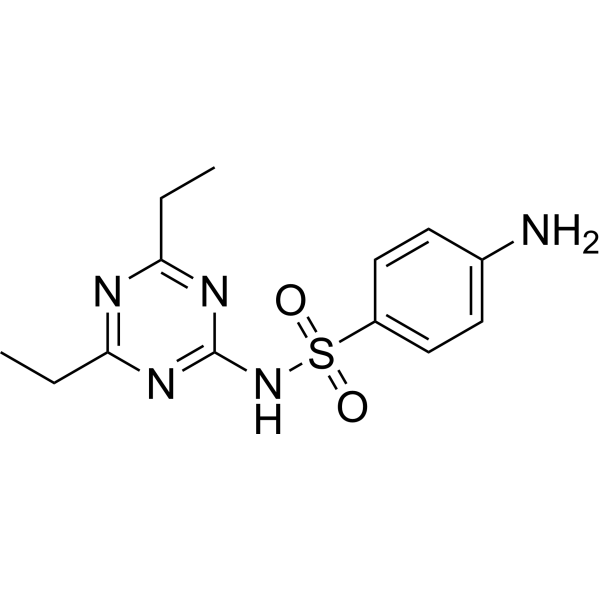
Sulfasymazine is a sulfonamide agent and displays antibacterial properties.
|
-
-
- HY-N15418
-
|
|
Antibiotic
Bacterial
|
Infection
|
|
Mikanolide is a sesquiterpene that has antibacterial properties. Mikanolide inhibits the growth of Staphylococcus aureus with a zone of 14 mm at a concentration of 100 μg per disk .
|
-

-
- HY-144701
-
-
-
- HY-W747311
-
-

-
- HY-121620R
-
-

-
- HY-117204
-
|
|
Antibiotic
|
Infection
|
|
AA-57 is an acidic lipophilic antibiotic isolated from the fermentation broth of Actinomycetes strain AA-57. The AA-57 strain can be isolated from a soil sample collected in Koriyama City, Fukushima Prefecture, Japan. AA-57 has antibacterial properties against Gram-positive bacteria, Gram-negative bacteria, and acid-fast bacteria. AA-57 was discovered by screening actinomycete cultures for antibacterial properties. AA-57 exhibits significant antibacterial activity and has inhibitory effects against a variety of bacteria.
|
-

-
- HY-Y0585R
-
|
|
Reference Standards
Bacterial
|
Infection
Inflammation/Immunology
|
|
D-(-)-Mandelic acid (Standard) is the analytical standard of D-(-)-Mandelic acid. This product is intended for research and analytical applications. D-(-)-Mandelic acid is an orally active alpha hydroxycarboxylic acid that can be isolated from bitter almonds and Indian chestnut trees. It has antioxidant and antibacterial properties and is expected to play an important role in the treatment of rheumatoid arthritis .
|
-

-
- HY-W701246
-
|
Amylparaben-d11
|
Isotope-Labeled Compounds
Bacterial
|
Infection
|
|
Pentyl 4-hydroxybenzoate-d11 (Amylparaben-d11) is the deuterium labeled Pentyl 4-hydroxybenzoate (HY-W267444). Pentyl 4-hydroxybenzoate (Amylparaben) is a type of paraben compound commonly used as a preservative, it has antibacterial properties and is related to the inhibition of induced oxygen consumption .
|
-

-
- HY-N4107R
-
|
|
Reference Standards
TGF-beta/Smad
|
Infection
Inflammation/Immunology
Cancer
|
|
Phyllanthin (Standard) is the analytical standard of Phyllanthin. This product is intended for research and analytical applications. Phyllanthin is an effective oral anticancer agent. Phyllanthin inhibits MOLT-4 cell viability, increases apoptosis, inhibits cell migration and invasion. Phyllanthin exerts anti-fibrotic effects by down-regulating TGF signaling pathway via ALK5 and Smad2/3. Phyllanthin also has anti-inflammatory and antibacterial properties .
|
-

-
- HY-107825R
-
|
|
Endogenous Metabolite
Bacterial
Cholinesterase (ChE)
Reference Standards
|
Cardiovascular Disease
Metabolic Disease
Inflammation/Immunology
Cancer
|
|
Flavonol (Standard) is the analytical standard of Flavonol. This product is intended for research and analytical applications. Flavonol is a cholinesterase (ChE) inhibitor, with an IC50 value of 120 μM and a Ki value of 74 μM. Flavonol has antioxidant, free radical-scavenging, antibacterial properties, and immune modulation functions. Flavonol inhibits the PriA helicase of Staphylococcus aureus. Flavonol can suppress the production of NO in LPS-activated RAW 264.7 cells by inhibiting the expression of the iNOS enzyme. Flavonol shows protective and analgesic effects in mice through various neuronal pathways. Flavonol can be used in research related to tumors and atherosclerosis diseases .
|
-

-
- HY-N7432R
-
|
|
Antibiotic
Bacterial
Fungal
Reference Standards
|
Infection
|
|
DIMBOA (Standard) is the analytical standard of DIMBOA. This product is intended for research and analytical applications. DIMBOA, an antibiotic, has antibacterial properties and inhibits bacteria such as Staphylococcus aureus and the mycotoxin-producing fungus Fusarium graminearum (which causes scab). DIMBOA exhibits strong free radical scavenging activity and weak iron(III) ion reducing activity, and has antioxidant activity. DIMBOA inhibits the biosynthesis and accumulation of toxic trichothecenes by affecting the expression of Tri6 and Tri5. DIMBOA reduces plant susceptibility to scab. DIMBOA also exhibits cytotoxicity to plant cells, causing plasmolysis, cell collapse, and cell rupture[1][2][3][4][5].
|
-

-
- HY-N18795
-
-

-
- HY-N18814
-
-

-
- HY-N19050
-
|
|
Bacterial
|
Infection
Inflammation/Immunology
|
|
Acacia catechu extract is rich in bioactive components such as catechins, tannins, and flavonoids, and has astringent, anti-inflammatory, antioxidant, and antibacterial properties.
|
-

-
- HY-N18770
-
|
|
Bacterial
|
Infection
Inflammation/Immunology
|
|
Bambusa arundinacea extract is rich in various bioactive compounds, including flavonoids, phenolic acids, and lignans. Bambusa arundinacea extract possesses antioxidant, anti-inflammatory, and antibacterial properties.
|
-

-
- HY-N19061
-
|
|
Bacterial
|
Infection
Inflammation/Immunology
|
|
Caelsalpinia sappan extract contains a variety of bioactive compounds, including brassinolide, hematoxylin, phenolic compounds, and flavonoids. Caelsalpinia sappan extract exhibits antioxidant, anti-inflammatory, and antibacterial properties.
|
-

-
- HY-N19057
-
|
|
Bacterial
|
Infection
|
|
Azadirachta indica extract contains a variety of bioactive compounds, including azadirachtin, azadirachtin lactone, and azadirachtin, which have antibacterial properties and can effectively combat a variety of bacteria, fungi, and viruses.
|
-

-
- HY-N18740
-
|
|
Bacterial
|
Infection
Inflammation/Immunology
|
|
The active ingredients in Andrographis paniculata extract include flavonoids, polyphenols, and diterpenoid lactones, such as andrographolide, dehydroandrographolide, and neoandrographolide. These compounds are known for their anti-inflammatory, antioxidant, immune-boosting, antiviral, and antibacterial properties.
|
-

- HY-N18650
-
|
|
Bacterial
|
Infection
Inflammation/Immunology
|
|
Raphanus sativus extract, derived from the radish plant, possesses detoxifying, anti-inflammatory, antioxidant, and antibacterial properties. Its main bioactive components include glucosinolates, anthocyanins, flavonoids, and vitamin C.
|
-

- HY-N19072
-
|
|
Bacterial
|
Infection
Inflammation/Immunology
|
|
Murraya koenigii extract is derived from the leaves of the Murraya koenigii tree. Its active ingredients include alkaloids, flavonoids, terpenoids, and phenolic acids, which give it antioxidant, anti-inflammatory, and antibacterial properties.
|
-

- HY-N18727
-
|
|
Bacterial
|
Infection
Inflammation/Immunology
|
|
Emblic extract is derived from the fruit of a small tree native to India. Its active ingredients include vitamin C, tannins, flavonoids, polyphenols, and gallic acid, which give it powerful antioxidant, anti-inflammatory, and antibacterial properties.
|
-

- HY-N19071
-
|
|
Bacterial
|
Infection
Inflammation/Immunology
|
|
Lagerstroemia speciosa extract, derived from the crape myrtle tree, contains active ingredients including corosolic acid, ellagic acid, and flavonoids. It possesses anti-inflammatory, antioxidant, and antibacterial properties, helping to reduce inflammation, combat oxidative stress, and enhance overall immunity.
|
-

- HY-N18824
-
|
|
Bacterial
|
Infection
Inflammation/Immunology
|
|
Licorice oils, derived from the roots and rhizomes of the licorice plant (Glycyrrhiza glabra), are rich in bioactive compounds like glycyrrhizin, flavonoids, and triterpenoid. Licorice oil has anti-inflammatory and antibacterial properties, which can effectively soothe irritated skin, reduce redness, control eczema, and fight acne.
|
-

- HY-N19065
-
|
|
Bacterial
|
Infection
Inflammation/Immunology
|
|
Dalchini extract is rich in various bioactive compounds, including cinnamaldehyde, eugenol, tannins, polyphenols, and aromatic essential oils. Dalchini extract helps regulate blood sugar levels and improve insulin sensitivity. It also possesses anti-inflammatory, antioxidant, and antibacterial properties, which help enhance immune function, prevent infection, and reduce inflammation.
|
-

- HY-N19041
-
|
|
Bacterial
|
Infection
Inflammation/Immunology
|
|
The active ingredients in Eurycoma longifolia extract include quassinolides (such as tongkatarin), alkaloids, triterpenoids, complex peptides, and saponins. Eurycoma longifolia extract possesses antioxidant, anti-inflammatory, and antibacterial properties, helping to enhance overall immunity and reduce inflammation. Eurycoma longifolia extract is also being used in research to improve athletic performance, promote sexual health, and alleviate fatigue.
|
-

- HY-106594AR
-
|
Iron(III) ferrocyanide (Standard); Milori blue (Standard)
|
Reference Standards
Bacterial
|
Infection
Cancer
|
|
Prussian blue insoluble (Standard) is the analytical standard of Prussian blue insoluble (HY-106594A). This product is intended for research and analytical applications. Prussian blue soluble is a good adsorbent to be used as antidotes for poisoning with cesium or thallium ions. Prussian blue soluble has anticancerous and antibacterial properties. Prussian blue soluble can be used as a contrast agent in photoacoustic and magnetic resonance imaging (MRI) .
|
-

- HY-106594BR
-
|
Pigment blue 27 (Standard)
|
Reference Standards
Bacterial
|
Infection
Cancer
|
|
Prussian blue soluble (Standard) is the analytical standard of Prussian blue soluble (HY-106594B). This product is intended for research and analytical applications. Prussian blue soluble is a good adsorbent to be used as antidotes for poisoning with cesium or thallium ions. Prussian blue soluble has anticancerous and antibacterial properties. Prussian blue soluble can be used as a contrast agent in photoacoustic and magnetic resonance imaging (MRI) .
|
-

- HY-N18656
-
|
|
Bacterial
|
Infection
|
|
Terminalia chebula extract, derived from the fruit of the Terminalia chebula tree. Rich in bioactive compounds such as tannins, flavonoids, phenols, and organic acids like gallic acid and ellagic acid, this extract demonstrates a wide range of pharmacological activities. It acts as a natural laxative, supports digestive health, and exhibits potent antioxidant, anti-inflammatory, and antibacterial properties, effectively targeting various pathogenic bacteria, including Helicobacter pylori, Staphylococcus aureus, and Escherichia coli. Terminalia Chebula Extract also shows significant hepatoprotective effects, shielding the liver from damage through antioxidant and anti-inflammatory mechanisms. It has nephroprotective properties, alleviating renal dysfunction and enhancing kidney health by modulating inflammatory pathways. Additionally, the extract demonstrates neuroprotective activity, reducing neuronal damage and improving memory function. It has potential anti-diabetic effects, enhancing glucose uptake and reducing oxidative stress.
|
-

| Cat. No. |
Product Name |
Type |
-
- HY-106594B
-
|
Pigment blue 27
|
Fluorescent Dyes
|
|
Prussian blue soluble is a good adsorbent to be used as antidotes for poisoning with cesium or thallium ions. Prussian blue soluble has anticancerous and antibacterial properties. Prussian blue soluble can be used as a contrast agent in photoacoustic and magnetic resonance imaging (MRI) .
|
-
- HY-106594BR
-
|
Pigment blue 27 (Standard)
|
Fluorescent Dyes
|
|
Prussian blue soluble (Standard) is the analytical standard of Prussian blue soluble (HY-106594B). This product is intended for research and analytical applications. Prussian blue soluble is a good adsorbent to be used as antidotes for poisoning with cesium or thallium ions. Prussian blue soluble has anticancerous and antibacterial properties. Prussian blue soluble can be used as a contrast agent in photoacoustic and magnetic resonance imaging (MRI) .
|
| Cat. No. |
Product Name |
Type |
-
- HY-Y0320
-
|
DMSO, meets analytical specification of Ch.P.
|
Biochemical Assay Reagents
|
Dimethyl sulfoxide (DMSO), meets analytical specification of Ch.P. is an aprotic solvent that dissolves polar and non-polar compounds, including water-insoluble therapeutic and toxic agents. Dimethyl sulfoxide (DMSO) has a strong affinity for water and can rapidly penetrate or enhance the penetration of other substances into biological membranes. Dimethyl sulfoxide also has potential free radical scavenging and anticholinesterase effects and may affect coagulation activity. Dimethyl sulfoxide also induces histamine release from mast cells but is thought to have low systemic toxicity. Dimethyl sulfoxide also exhibits antifreeze and antibacterial properties .
MCE provides Dimethyl sulfoxide that complies with the inspection standards (Ch.P) of Part 4 of the Chinese Pharmacopoeia (2020 Edition). Amicrobic, low endotoxin, can be used in various biochemical experiments such as drug dissolution.
|
-
- HY-115340
-
|
Sodium decanoate; Sodium caprate
|
Biochemical Assay Reagents
|
|
Decanoic acid sodium, also known as Decanoic acid sodium, is a salt of the fatty acid capric acid. It is easily soluble in water and has a slightly soapy smell. Decanoic acid sodium acts as a penetration enhancer, which means it increases the absorption and bioavailability of drugs across biological membranes, including the intestinal epithelium and the blood-brain barrier. This property makes it useful in pharmaceutical formulations to improve drug delivery and effectiveness. Furthermore, Decanoic acid sodium has potential applications in food preservatives and cosmetics due to its antibacterial properties.
|
-
- HY-W250116
-
|
Protoporphyrin IX cobaltic chloride; CoPPIX-Cl
|
Biochemical Assay Reagents
|
|
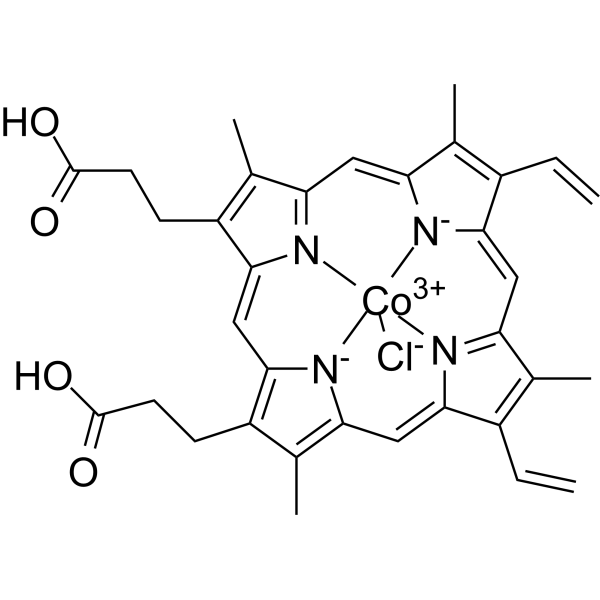
Co(III) protoporphyrin IX chloride (Protoporphyrin IX cobaltic chloride) is an inducer of HO-1. Co(III) protoporphyrin IX chloride has activities such as anti-inflammation and antibacterial properties. Co(III) protoporphyrin IX chloride can also be used in the research of ischemia-reperfusion injury models .
|
-
- HY-W016153
-
|
|
Biochemical Assay Reagents
|
|
2-Bromo-4-methylphenol is a versatile compound. 2-Bromo-4-methylphenol produces an iodine-like odor in reverse osmosis water and red wine matrices. 2-Bromo-4-methylphenol exhibits antibacterial properties and effectively inhibits the growth of bacteria and fungal. 2-Bromo-4-methylphenol is an important intermediate for a variety of organic compounds .
|
-
- HY-158224
-
|
FibMA
|
Biochemical Assay Reagents
|
Silk Fibroin Methacryloyl (FibMA) is methacrylated silk fibroin with excellent biocompatibility, stable mechanical properties and good processing properties, and was selected as the substrate for multifunctional microneedle (MN) patches. . MN patches made of Silk Fibroin Methacryloyl exhibit excellent biocompatibility, sustained drug release, pro-angiogenic, antioxidant and antibacterial properties depending on the specific drug encapsulated . Silk Fibroin Methacryloyl needs to self-assemble into fibrous hydrogel under the action of photoinitiator LAP (HY-44076), and target bioactive adhesion sites, play an inherent supporting role for tissue cells and biodegradable activity.
Application: cell culture, biological 3D printing, tissue engineering, etc.
|
| Cat. No. |
Product Name |
Target |
Research Area |
-
- HY-P10913
-
|
|
Bacterial
|
Infection
|
|
HYNIC-UBI29-41 is composed of a bifunctional chelator HYNIC and an antimicrobial peptide UBI 29-41 (HY-P10364) (HY-P10364). HYNIC-UBI29-41 retains the antibacterial properties of UBI 29-41, and exhibits good affinity to Gram-positive and Gram-negative bacteria. HYNIC-UBI29-41 can be used as an imaging agent for bacterial infection detection in mouse models, when labeled with the radioactive element technetium (99mTc) .
|
-
- HY-P10693
-
-
- HY-P10556
-
|
|
Bacterial
|
Infection
|
|
(KFF)3K is a cell penetrating peptide that can promote the absorption of other antibiotics by disrupting the outer membrane of bacteria. (KFF)3K can be introduced into a hydrocarbon scaffold to induce its antibacterial properties, making it an effective antimicrobial peptide. (KFF)3K can be used in the development of new antimicrobial agents .
|
-
- HY-P10913A
-
|
|
Bacterial
|
Infection
|
|
HYNIC-UBI29-41 TFA is composed of a bifunctional chelator HYNIC and an antimicrobial peptide UBI 29-41 (HY-P10364). HYNIC-UBI29-41 TFA retains the antibacterial properties of UBI 29-41, and exhibits good affinity to Gram-positive and Gram-negative bacteria. HYNIC-UBI29-41 TFA can be used as an imaging agent for bacterial infection detection in mouse models, when labeled with the radioactive element technetium (99mTc) .
|
| Cat. No. |
Product Name |
Category |
Target |
Chemical Structure |
-
- HY-Y0585
-
-
-
- HY-107825
-
-
-
- HY-N7432
-
-
-
- HY-N4107
-
-
-
- HY-N3307
-
-
-
- HY-123635
-
-
-
- HY-N9735
-
-
-
- HY-126406
-
-
-
- HY-N15418
-
-
-
- HY-117204
-
|
|
Structural Classification
Natural Products
Microorganisms
Source Classification
|
Antibiotic
|
|
AA-57 is an acidic lipophilic antibiotic isolated from the fermentation broth of Actinomycetes strain AA-57. The AA-57 strain can be isolated from a soil sample collected in Koriyama City, Fukushima Prefecture, Japan. AA-57 has antibacterial properties against Gram-positive bacteria, Gram-negative bacteria, and acid-fast bacteria. AA-57 was discovered by screening actinomycete cultures for antibacterial properties. AA-57 exhibits significant antibacterial activity and has inhibitory effects against a variety of bacteria.
|
-
-
- HY-Y0585R
-
-
-
- HY-N4107R
-
-
-
- HY-107825R
-
|
|
Flavonols
Structural Classification
Flavonoids
Endogenous metabolite
Source Classification
|
Endogenous Metabolite
Bacterial
Cholinesterase (ChE)
Reference Standards
|
|
Flavonol (Standard) is the analytical standard of Flavonol. This product is intended for research and analytical applications. Flavonol is a cholinesterase (ChE) inhibitor, with an IC50 value of 120 μM and a Ki value of 74 μM. Flavonol has antioxidant, free radical-scavenging, antibacterial properties, and immune modulation functions. Flavonol inhibits the PriA helicase of Staphylococcus aureus. Flavonol can suppress the production of NO in LPS-activated RAW 264.7 cells by inhibiting the expression of the iNOS enzyme. Flavonol shows protective and analgesic effects in mice through various neuronal pathways. Flavonol can be used in research related to tumors and atherosclerosis diseases .
|
-
-
- HY-N7432R
-
|
|
Structural Classification
Zea mays L.
Antibiotics
Gramineae
Antibacterial
Disease Research
Plants
Other Antibiotics
Source Classification
|
Antibiotic
Bacterial
Fungal
Reference Standards
|
|
DIMBOA (Standard) is the analytical standard of DIMBOA. This product is intended for research and analytical applications. DIMBOA, an antibiotic, has antibacterial properties and inhibits bacteria such as Staphylococcus aureus and the mycotoxin-producing fungus Fusarium graminearum (which causes scab). DIMBOA exhibits strong free radical scavenging activity and weak iron(III) ion reducing activity, and has antioxidant activity. DIMBOA inhibits the biosynthesis and accumulation of toxic trichothecenes by affecting the expression of Tri6 and Tri5. DIMBOA reduces plant susceptibility to scab. DIMBOA also exhibits cytotoxicity to plant cells, causing plasmolysis, cell collapse, and cell rupture[1][2][3][4][5].
|
-
-
- HY-N18795
-
-
-
- HY-N18814
-
-
-
- HY-N19050
-
|
|
Structural Classification
Extract
|
Bacterial
|
|
Acacia catechu extract is rich in bioactive components such as catechins, tannins, and flavonoids, and has astringent, anti-inflammatory, antioxidant, and antibacterial properties.
|
-
-
- HY-N18770
-
|
|
Structural Classification
Extract
|
Bacterial
|
|
Bambusa arundinacea extract is rich in various bioactive compounds, including flavonoids, phenolic acids, and lignans. Bambusa arundinacea extract possesses antioxidant, anti-inflammatory, and antibacterial properties.
|
-
-
- HY-N19061
-
|
|
Structural Classification
Extract
|
Bacterial
|
|
Caelsalpinia sappan extract contains a variety of bioactive compounds, including brassinolide, hematoxylin, phenolic compounds, and flavonoids. Caelsalpinia sappan extract exhibits antioxidant, anti-inflammatory, and antibacterial properties.
|
-
-
- HY-N19057
-
|
|
Structural Classification
Extract
|
Bacterial
|
|
Azadirachta indica extract contains a variety of bioactive compounds, including azadirachtin, azadirachtin lactone, and azadirachtin, which have antibacterial properties and can effectively combat a variety of bacteria, fungi, and viruses.
|
-
-
- HY-N18740
-
|
|
Structural Classification
Extract
|
Bacterial
|
|
The active ingredients in Andrographis paniculata extract include flavonoids, polyphenols, and diterpenoid lactones, such as andrographolide, dehydroandrographolide, and neoandrographolide. These compounds are known for their anti-inflammatory, antioxidant, immune-boosting, antiviral, and antibacterial properties.
|
-
-
- HY-N18650
-
|
|
Structural Classification
Extract
|
Bacterial
|
|
Raphanus sativus extract, derived from the radish plant, possesses detoxifying, anti-inflammatory, antioxidant, and antibacterial properties. Its main bioactive components include glucosinolates, anthocyanins, flavonoids, and vitamin C.
|
-
-
- HY-N19072
-
|
|
Structural Classification
Extract
|
Bacterial
|
|
Murraya koenigii extract is derived from the leaves of the Murraya koenigii tree. Its active ingredients include alkaloids, flavonoids, terpenoids, and phenolic acids, which give it antioxidant, anti-inflammatory, and antibacterial properties.
|
-
-
- HY-N18727
-
|
|
Structural Classification
Extract
|
Bacterial
|
|
Emblic extract is derived from the fruit of a small tree native to India. Its active ingredients include vitamin C, tannins, flavonoids, polyphenols, and gallic acid, which give it powerful antioxidant, anti-inflammatory, and antibacterial properties.
|
-
-
- HY-N19071
-
|
|
Structural Classification
Extract
|
Bacterial
|
|
Lagerstroemia speciosa extract, derived from the crape myrtle tree, contains active ingredients including corosolic acid, ellagic acid, and flavonoids. It possesses anti-inflammatory, antioxidant, and antibacterial properties, helping to reduce inflammation, combat oxidative stress, and enhance overall immunity.
|
-
-
- HY-N18824
-
|
|
Structural Classification
Extract
|
Bacterial
|
|
Licorice oils, derived from the roots and rhizomes of the licorice plant (Glycyrrhiza glabra), are rich in bioactive compounds like glycyrrhizin, flavonoids, and triterpenoid. Licorice oil has anti-inflammatory and antibacterial properties, which can effectively soothe irritated skin, reduce redness, control eczema, and fight acne.
|
-
-
- HY-N19065
-
|
|
Structural Classification
Extract
|
Bacterial
|
|
Dalchini extract is rich in various bioactive compounds, including cinnamaldehyde, eugenol, tannins, polyphenols, and aromatic essential oils. Dalchini extract helps regulate blood sugar levels and improve insulin sensitivity. It also possesses anti-inflammatory, antioxidant, and antibacterial properties, which help enhance immune function, prevent infection, and reduce inflammation.
|
-
-
- HY-N19041
-
|
|
Structural Classification
Extract
|
Bacterial
|
|
The active ingredients in Eurycoma longifolia extract include quassinolides (such as tongkatarin), alkaloids, triterpenoids, complex peptides, and saponins. Eurycoma longifolia extract possesses antioxidant, anti-inflammatory, and antibacterial properties, helping to enhance overall immunity and reduce inflammation. Eurycoma longifolia extract is also being used in research to improve athletic performance, promote sexual health, and alleviate fatigue.
|
-
-
- HY-N18656
-
|
|
Structural Classification
Extract
|
Bacterial
|
|
Terminalia chebula extract, derived from the fruit of the Terminalia chebula tree. Rich in bioactive compounds such as tannins, flavonoids, phenols, and organic acids like gallic acid and ellagic acid, this extract demonstrates a wide range of pharmacological activities. It acts as a natural laxative, supports digestive health, and exhibits potent antioxidant, anti-inflammatory, and antibacterial properties, effectively targeting various pathogenic bacteria, including Helicobacter pylori, Staphylococcus aureus, and Escherichia coli. Terminalia Chebula Extract also shows significant hepatoprotective effects, shielding the liver from damage through antioxidant and anti-inflammatory mechanisms. It has nephroprotective properties, alleviating renal dysfunction and enhancing kidney health by modulating inflammatory pathways. Additionally, the extract demonstrates neuroprotective activity, reducing neuronal damage and improving memory function. It has potential anti-diabetic effects, enhancing glucose uptake and reducing oxidative stress.
|
-
| Cat. No. |
Product Name |
Chemical Structure |
-
- HY-W701246
-
|
|
|
Pentyl 4-hydroxybenzoate-d11 (Amylparaben-d11) is the deuterium labeled Pentyl 4-hydroxybenzoate (HY-W267444). Pentyl 4-hydroxybenzoate (Amylparaben) is a type of paraben compound commonly used as a preservative, it has antibacterial properties and is related to the inhibition of induced oxygen consumption .
|
-
| Cat. No. |
Product Name |
|
Classification |
-
- HY-Y0320
-
|
DMSO, meets analytical specification of Ch.P.
|
|
Solvents
|
Dimethyl sulfoxide (DMSO), meets analytical specification of Ch.P. is an aprotic solvent that dissolves polar and non-polar compounds, including water-insoluble therapeutic and toxic agents. Dimethyl sulfoxide (DMSO) has a strong affinity for water and can rapidly penetrate or enhance the penetration of other substances into biological membranes. Dimethyl sulfoxide also has potential free radical scavenging and anticholinesterase effects and may affect coagulation activity. Dimethyl sulfoxide also induces histamine release from mast cells but is thought to have low systemic toxicity. Dimethyl sulfoxide also exhibits antifreeze and antibacterial properties .
MCE provides Dimethyl sulfoxide that complies with the inspection standards (Ch.P) of Part 4 of the Chinese Pharmacopoeia (2020 Edition). Amicrobic, low endotoxin, can be used in various biochemical experiments such as drug dissolution.
|
Your information is safe with us. * Required Fields.
Inquiry Information
- Product Name:
- Cat. No.:
- Quantity:
- MCE Japan Authorized Agent:








