Search Result
Results for "
biofilm inhibitory
" in MedChemExpress (MCE) Product Catalog:
1
Isotope-Labeled Compounds
| Cat. No. |
Product Name |
Target |
Research Areas |
Chemical Structure |
-
- HY-N1938
-
-
-
- HY-122485
-
|
|
Bacterial
|
Infection
|
|
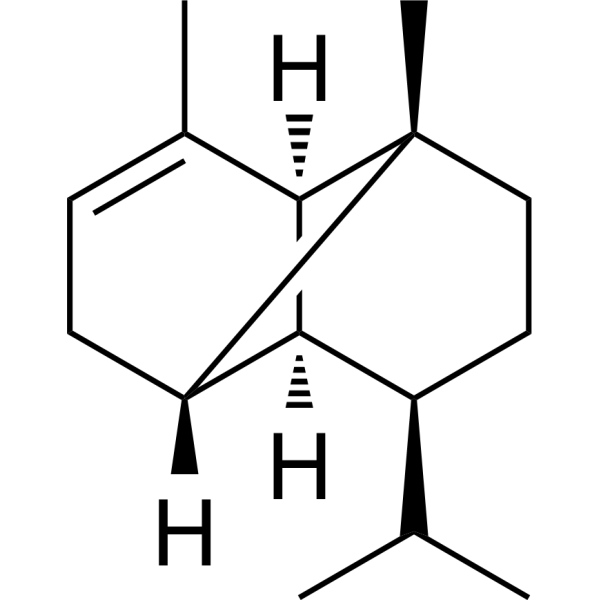
α-Copaene is a potent attractant for male Mediterranean fruit flies Ceratitis capitata.α-Copaene can be found as a minor component in the essential oils of various plant species. α-Copaene can inhibit bacterial growth with a minimum inhibitory concentration of 0.5-1 μL/mL. α-Copaene suppresses biofilm formation by decreasing the hydrophobicity of the cell surface. α-Copaene can be used as an oviposition promoter of Bactrocera oleae .
|
-
-
- HY-W015490
-
|
|
Environmental Pollutants
DNA/RNA Synthesis
NF-κB
Monoamine Oxidase
TNF Receptor
Bacterial
|
Infection
Inflammation/Immunology
Cancer
|
|
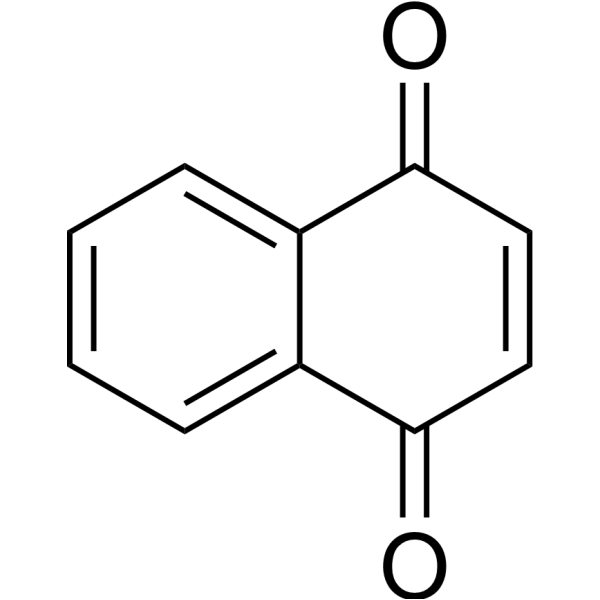
1,4-Naphthoquinone is an inhibitor with broad-spectrum inhibitory activity targeting DNA polymerase, NF-κB and monoamine oxidase (MAO-A/B), with antibacterial and anti-biofilm efficacy. 1,4-Naphthoquinone is a competitive inhibitor of MAO-B (Ki=1.4 μM) and a non-competitive inhibitor of MAO-A (Ki=7.7 μM). 1,4-Naphthoquinone inhibits DNA polymerase pol α, β, γ, δ, ε, λ with IC50 ranging from 5.57-128 μM. 1,4-Naphthoquinone inhibits tumor cell proliferation, induces apoptosis and necrosis, and has anti-angiogenic and anti-inflammatory activities by inducing oxidative stress, depleting glutathione (GSH), inhibiting DNA polymerase-mediated DNA synthesis and blocking NF-κB nuclear translocation. 1,4-Naphthoquinone can be used in anti-bacterial , anti-tumor and anti-inflammatory studies, including inhibition of melanoma and colon cancer cell growth and endothelial cell function, as well as LPS-induced inflammation models .
|
-
-
- HY-B1237
-
|
|
Calcium Channel
Fungal
|
Cardiovascular Disease
Infection
|
|
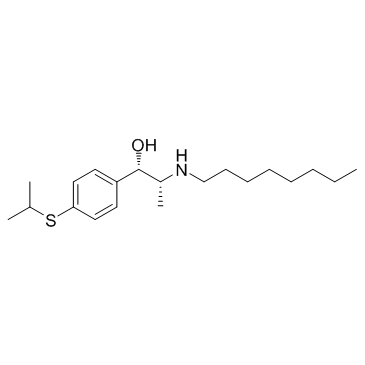
Suloctidil is an orally active calcium channel blocker and antifungal agent. Suloctidil antagonizes vasoconstriction induced by norepinephrine, angiotensin and serotonin. Suloctidil inhibits platelet function and exhibits neuroprotective effects. Suloctidil exerts inhibitory effects on Candida albicans biofilm and virulence. Suloctidil can be used in research on vasospasm relief, antithrombosis and superficial candidiasis .
|
-
-
- HY-Y1718
-
|
N-Tridecanoic acid
|
Endogenous Metabolite
Bacterial
|
Infection
|
|
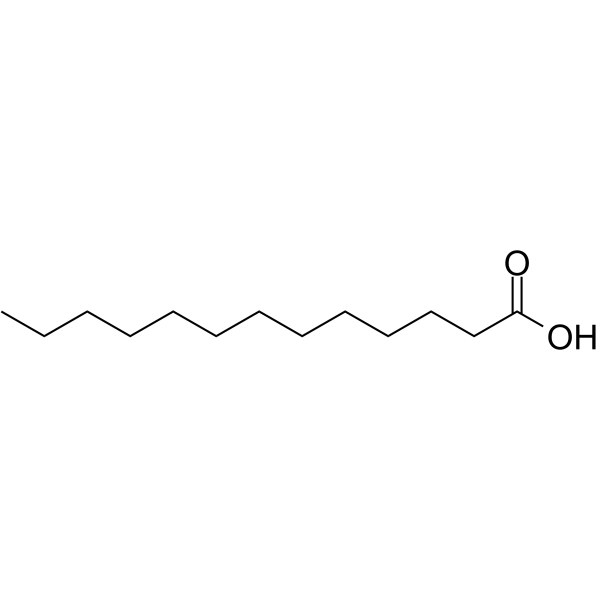
Tridecanoic acid (N-Tridecanoic acid) is a medium-chain saturated fatty acid and inhibitor with no antibacterial activity against enterohemorrhagic E. coli (EHEC). When used in combination with Ciprofloxacin (HY-B0356) or Ampicillin (HY-B0522), Tridecanoic acid suppresses persister formation in exponentially growing E. coli and EHEC, but exerts no inhibitory effect on persister formation induced by Kanamycin (HY-16566) or in stationary-phase cells. Tridecanoic acid inhibits biofilm formation in EHEC. It can be used in the research of bacterial infections .
|
-
-
- HY-20349
-
|
|
Bacterial
|
Infection
|
|
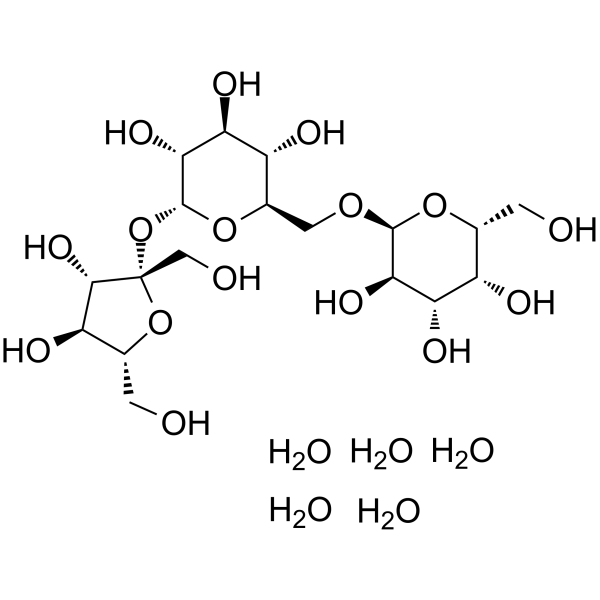
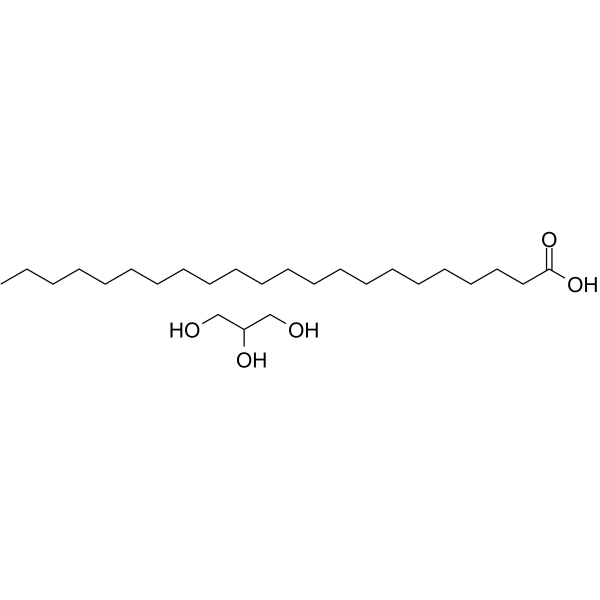
Monobehenin, an bacterial biofilm formation inhibitor, has strong inhibitory activity toward bacterial biofilm formation of S. mutans, X. oryzae, and Y. enterocolitica in a strain specific manner .
|
-
-
- HY-W015490S
-
|
|
Isotope-Labeled Compounds
DNA/RNA Synthesis
NF-κB
Monoamine Oxidase
TNF Receptor
Bacterial
|
Infection
Inflammation/Immunology
Cancer
|
|
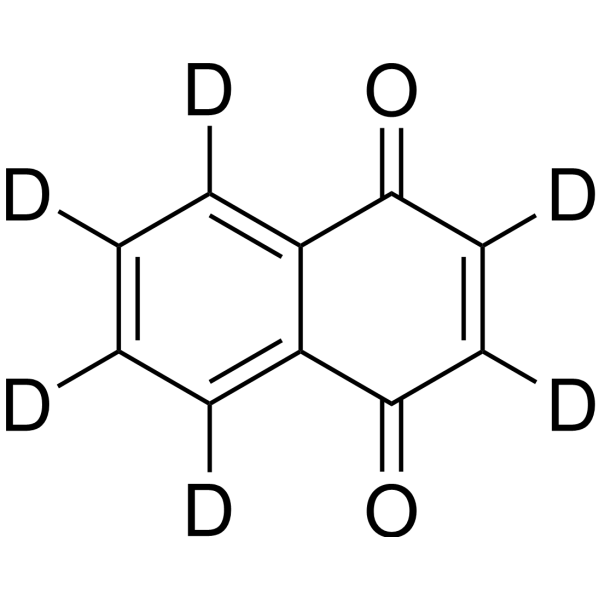
1,4-Naphthoquinone-d6 is the deuterium labeled 1,4-Naphthoquinone. 1,4-Naphthoquinone is an inhibitor with broad-spectrum inhibitory activity targeting DNA polymerase, NF-κB and monoamine oxidase (MAO-A/B), with antibacterial and anti-biofilm efficacy. 1,4-Naphthoquinone is a competitive inhibitor of MAO-B (Ki=1.4 μM) and a non-competitive inhibitor of MAO-A (Ki=7.7 μM). 1,4-Naphthoquinone inhibits DNA polymerase pol α, β, γ, δ, ε, λ with IC50 ranging from 5.57-128 μM. 1,4-Naphthoquinone inhibits tumor cell proliferation, induces apoptosis and necrosis, and has anti-angiogenic and anti-inflammatory activities by inducing oxidative stress, depleting glutathione (GSH), inhibiting DNA polymerase-mediated DNA synthesis and blocking NF-κB nuclear translocation. 1,4-Naphthoquinone can be used in anti-bacterial , anti-tumor and anti-inflammatory studies, including inhibition of melanoma and colon cancer cell growth and endothelial cell function, as well as LPS-induced inflammation models .
|
-
-
- HY-N7107
-
|
|
Environmental Pollutants
Fungal
|
Infection
Metabolic Disease
|
|
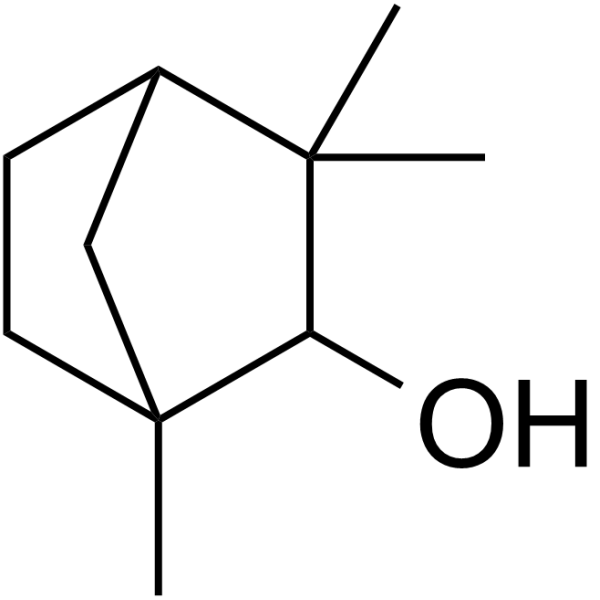
Fenchyl alcohol is a monoterpene alcohol that can be used as a fragrance. Fenchyl alcohol has antifungal activity and can inhibit the formation of biofilms and hyphae of Candida albicans. Fenchyl alcohol also has a strong inhibitory effect on the rumen microbial activity of sheep and deer .
|
-
-
- HY-N12726
-
|
|
p38 MAPK
MMP
|
Infection
Inflammation/Immunology
Cancer
|
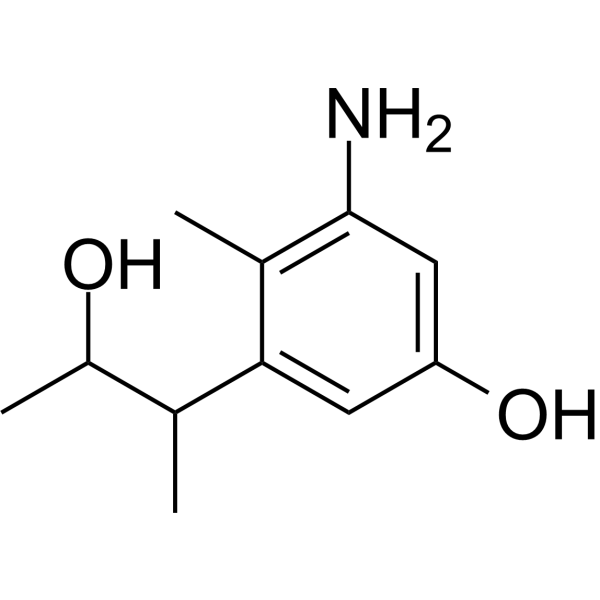
Halociline, a derivative of alkaloids, that can be isolated from the marine fungus Penicillium griseofulvum.
Halociline targets MAPK1, MMP-9, and PIK3CA in gastric cancer cells, potentially mediated by diverse pathways including cancer, lipid metabolism, atherosclerosis, and EGFR tyrosine kinase inhibitor resistance. Halociline possesses antimicrobial, antioxidant and biofilm inhibitory activities .
|
-
-
- HY-161797
-
|
|
Aminoacyl-tRNA Synthetase
|
Infection
|
|
Antibacterial agent 227 (Compd 29) is a SerRS (Seryl-tRNA synthetase) inhibitor. Antibacterial agent 227 has a significant inhibitory effect on the growth of planktonic and biofilm culture of Staphylococcus aureus 25923 with MIC (minimum inhibitory concentration) value of 32 µg/ml. Antibacterial agent 227 can be proposed as effective antiseptic toward multidrug-resistant biofilm-forming S. aureus isolates .
|
-

-
- HY-N16657
-
|
LI-F 04b
|
Bacterial
|
Infection
|
|
Fusaricidin B (LI-F 04b) is one of the components of a lipopeptide biosurfactant extracted from the marine bacterium Paenibacillus polymyxa. Fusaricidin B can significantly inhibit the formation of multiple single species biofilms, including Gram positive and Gram negative bacteria. Fusaricidin B also has inhibitory effects on complex biofilms and can effectively destroy mature biofilms that have already formed. Fusaricidin B can be used for research on bacterial infections .
|
-

-
- HY-179389
-
|
|
Bacterial
Glutathione S-transferase
Elastase
|
Infection
|
|
XDS-23 is a selective biofilm inhibitor with an IC50 of 1.26 µM against Pseudomonas aeruginosa. XDS-23 exerts a dual inhibitory effect on the LasI/LasR System (las) and Pseudomonas Quinolone Signal System (pqs). XDS-23 suppress the production of key virulence factors including elastase, pyocyanin, and extracellular polysaccharides. XDS-23 exhibits synergistic antibacterial activity and can enhance the efficacy of multiple antibiotics in both in vitro and in vivo models, while maintaining a favorable safety profile. XDS-23 can be employed for research in combating biofilm-mediated drug-resistant P. aeruginosa infections .
|
-

-
- HY-W015490R
-
|
|
Reference Standards
DNA/RNA Synthesis
NF-κB
Monoamine Oxidase
TNF Receptor
Bacterial
|
Infection
Inflammation/Immunology
Cancer
|
|
1,4-Naphthoquinone is an inhibitor with broad-spectrum inhibitory activity targeting DNA polymerase, NF-κB and monoamine oxidase (MAO-A/B), with antibacterial and anti-biofilm efficacy. 1,4-Naphthoquinone is a competitive inhibitor of MAO-B (Ki=1.4 μM) and a non-competitive inhibitor of MAO-A (Ki=7.7 μM). 1,4-Naphthoquinone inhibits DNA polymerase pol α, β, γ, δ, ε, λ with IC50 ranging from 5.57-128 μM. 1,4-Naphthoquinone inhibits tumor cell proliferation, induces apoptosis and necrosis, and has anti-angiogenic and anti-inflammatory activities by inducing oxidative stress, depleting glutathione (GSH), inhibiting DNA polymerase-mediated DNA synthesis and blocking NF-κB nuclear translocation. 1,4-Naphthoquinone can be used in anti-bacterial , anti-tumor and anti-inflammatory studies, including inhibition of melanoma and colon cancer cell growth and endothelial cell function, as well as LPS-induced inflammation models .
|
-

-
- HY-N10572
-
|
|
Bacterial
|
Infection
|
|
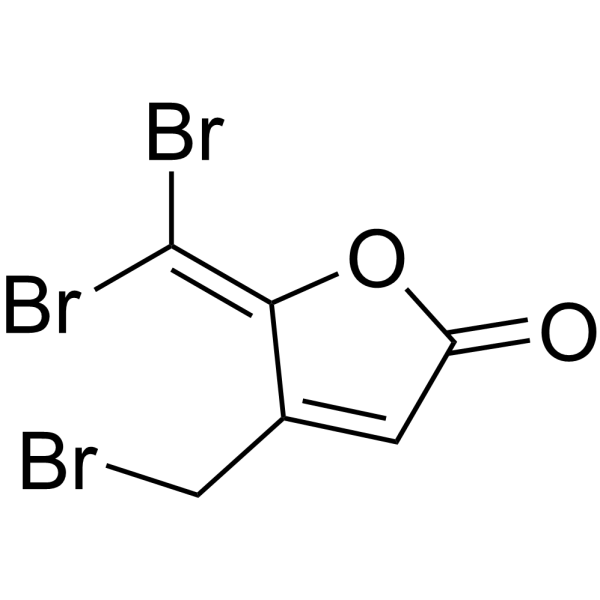
Antibacterial synergist 2 (compound 27) is a biofilm inhibitor. Antibacterial synergist 2 shows inhibitory effects to S. enterica, S. aureus, P. aeruginosa and C. albicans. Antibacterial synergist 2 can be used for the research related to biofilm-forming pathogens .
|
-
-
- HY-W793613
-
|
|
Bacterial
|
Infection
|
|
Drimendiol (compound 1) is an active product that can be isolated from leaves and twigs of D. winterii. Drimendiol shows inhibition for C. albicans, S. aureus, and S. epidermidis biofilm formation with 50% biofilm inhibitory concentration values (BIC50s) of 25.5, 65.1, and 67.1 µg/ml, respectively .
|
-

-
- HY-N12723
-
|
|
Fungal
|
Infection
|
|
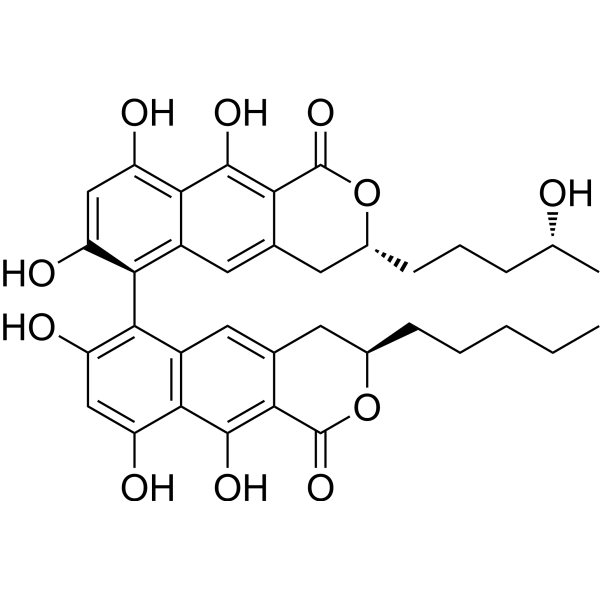
Talaroderxine D (compound 4) has biofilm inhibitory effect. Talaroderxine D shows antimicrobial activities against Bacillus subtilis and Staphylococcus aureus with MIC values of 2.1 and 8.3 μg/mL .
|
-
-
- HY-161124
-
|
|
Bacterial
|
Infection
|
|
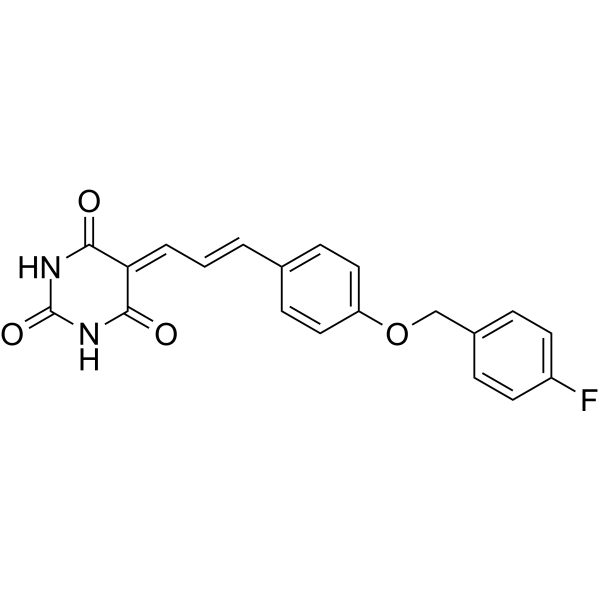
SrtA-IN-2 (compound Y40), a ML346 (HY-18669) analog, is a Sortase A (SrtA) inhibitor. SrtA-IN-2 shows inhibitory activity on Staphylococcus aureus SrtA and shows inhibitory effects on biofilm formation. SrtA-IN-2 is an antivirulence agent against S. aureus infections .
|
-
-
- HY-151440
-
|
|
Fungal
|
Infection
|
|
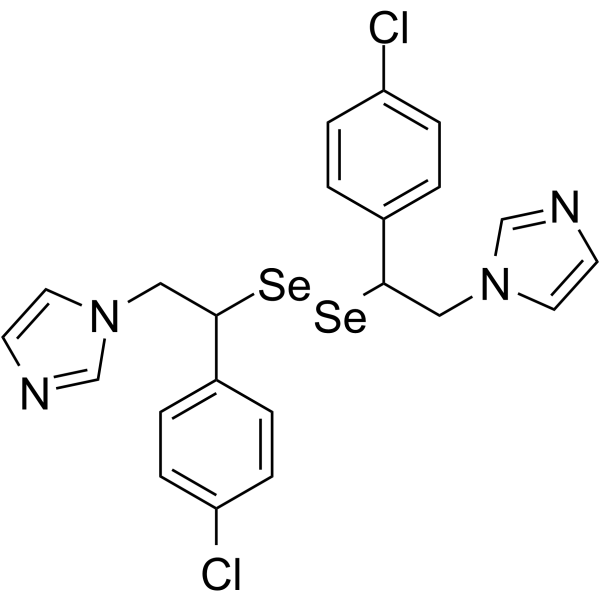
Antifungal agent 42 is an antifungal agent. Antifungal agent 42 has an inhibitory effect on lanosterol 14α-demethylase (CYP51) of C.alb.. Antifungal agent 42 inhibits biofilm formation .
|
-
-
- HY-151399
-
|
|
Bacterial
|
Infection
|
|
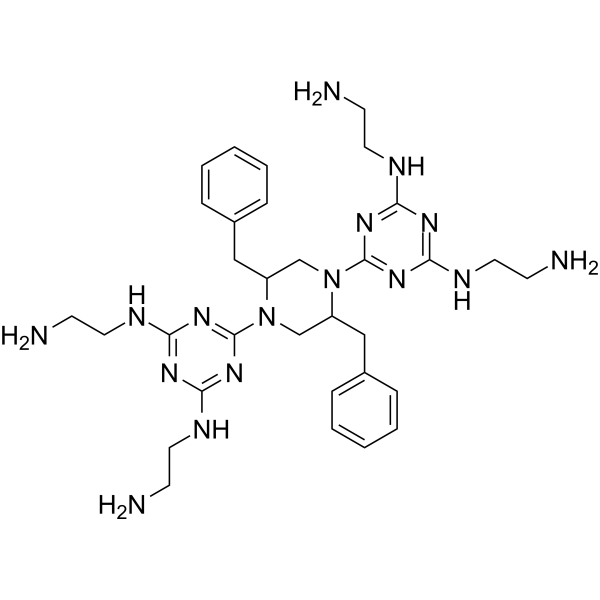
Antimicrobial agent-5 is an potent antimicrobial agent, and displays excellent cell selectivity against Gram-negative bacteria and Gram-positive bacteria. Antimicrobial agent-5 blocks the interaction between LPS and CD14/TLR4 receptor, and shows anti-inflammatory activity against LPS-induced inflammation .
|
-
-
- HY-N7107R
-
|
|
Reference Standards
Fungal
|
Infection
Metabolic Disease
|
|
Fenchyl alcohol is a monoterpene alcohol that can be used as a fragrance. Fenchyl alcohol has antifungal activity and can inhibit the formation of biofilms and hyphae of Candida albicans. Fenchyl alcohol also has a strong inhibitory effect on the rumen microbial activity of sheep and deer .
|
-

-
- HY-151437
-
|
|
Fungal
|
Infection
|
|
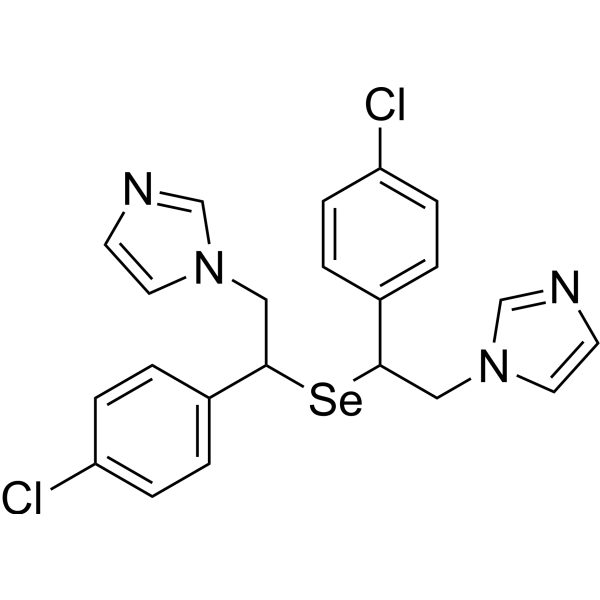
Antifungal agent 40 is an antifungal agent which extends into the narrow hydrophobic pocket II of C.alb. CYP51. Antifungal agent 40 has an inhibitory effect on lanosterol 14α-demethylase (CYP51). Antifungal agent 40 inhibits biofilm formation .
|
-
-
- HY-115969
-
|
|
Bacterial
|
Infection
|
|
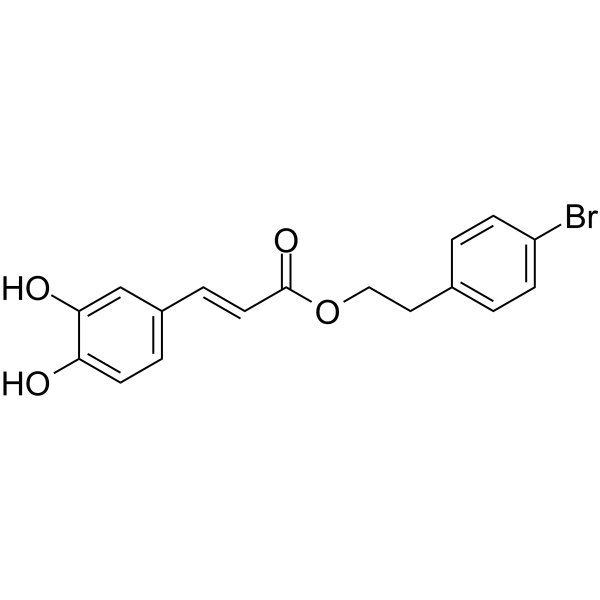
F-17 is a potential inhibitor of virulence factor. F-17 shows very significant inhibitory effect on biofilm, elastase, pyocyanin, and swarming motility. F-17 also shows a good binding effect on LasR and PqsR. F-17 has no obvious cytotoxicity .
|
-
-
- HY-B1237A
-
|
|
Calcium Channel
Fungal
|
Cardiovascular Disease
Infection
|
|
Suloctidil hydrochloride is an orally active calcium channel blocker and antifungal agent. Suloctidil hydrochloride antagonizes vasoconstriction induced by norepinephrine, angiotensin and serotonin. Suloctidil hydrochloride inhibits platelet function and exhibits neuroprotective effects. Suloctidil hydrochloride exerts inhibitory effects on Candida albicans biofilm and virulence. Suloctidil hydrochloride can be used in research on vasospasm relief, antithrombosis and superficial candidiasis .
|
-

-
- HY-N12320
-
|
|
Antibiotic
|
Infection
|
|
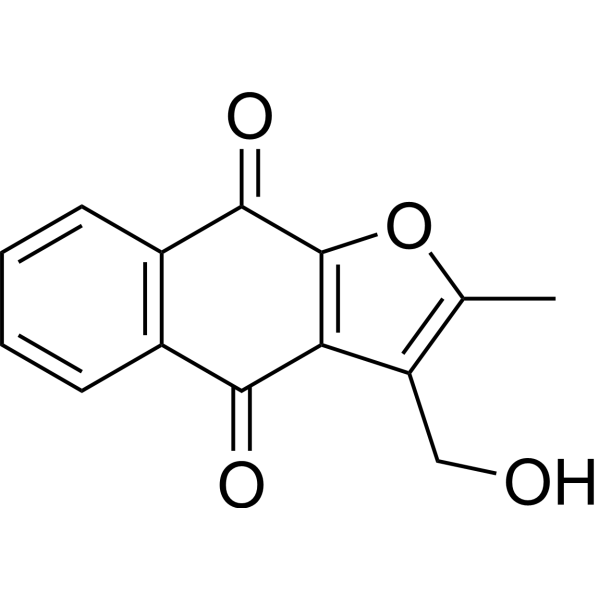
Majoranaquinone exhibits a high antibacterial effect against 4 Staphylococcus, 1 Moraxella, and 1 Enterococcus strains. Majoranaquinone shows substantial efflux pump inhibitory activity in Escherichia coliATCC 25922 strain. Majoranaquinone is found to be an effective biofilm formation inhibitor on E.coli, ATCC 25922 and E. coli K-12 AG100 bacteria .
|
-
-
- HY-N12606
-
|
|
Fungal
|
Infection
|
|
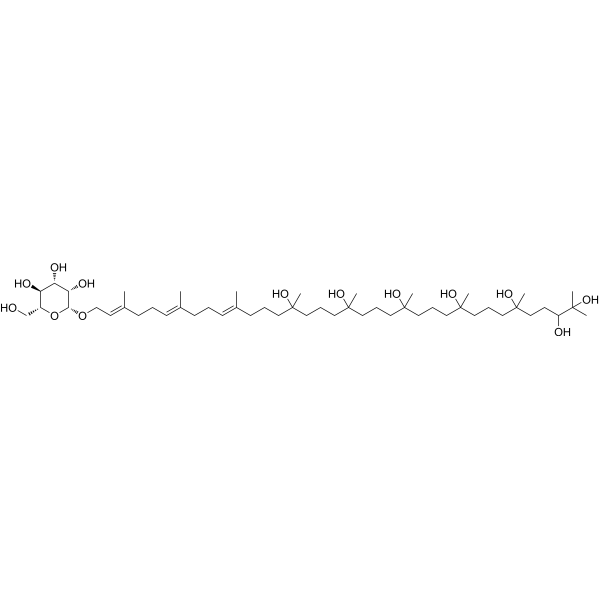
Neodidymelliosides A (compound 1)It is a secondary metabolite of fungi and has a significant inhibitory effect on Staphylococcus aureus and Candida albicans biofilms. Neodidymelliosides AIt also has anti-cancer activity and can inhibit KB3.1 (cervix),PC-3 (prostate),MCF-7(breast),SKOV-3 (ovary),A431 (skin )and A549 (lung )Cell viability of cell lines .
|
-
-
- HY-169919
-
|
|
Histone Demethylase
Fungal
|
Infection
|
|
HDM-IN-1 (Compound A4) is an inhibitor for fungal histone demethylase (HDM), that inhibits the H3K27me3 in Cryptococcus neoformans and in Candida auris with IC50s of 134 and 12 nM. HDM-IN-1 exhibits inhibitory efficacy against C. neoformans and C. auris with MIC80 of 0.5-2 μg/mL, through inhibition of the biofilm and capsule formation. HDM-IN-1 exhibits antifungal activity in ICR mouse model .
|
-

-
- HY-N13196
-
|
|
Bacterial
|
Infection
|
|
Arcopilin A (compound Arcopilin A(1))is an antibacterial agent. Arcopilin A has weak inhibitory effects on fungal pathogens and Gram-positive bacteria, with IC50 values of 8.9 μg/mL and 14 μg/mL for cells KB-3-1 and L929, but it can effectively destroy preformed biofilms of Staphylococcus aureus. Arcopilin A can enhance the activities of gentamicin (GM; HY-K1050) and vancomycin (Vac; HY-B0671) by 115 and 31 times, respectively .
|
-

-
- HY-115693
-
|
|
Bacterial
|
Infection
|
|
CAP 3 is a cholic acid-peptide conjugate (CAP) antimicrobial agent. CAP 3 effectively inhibits Gram-negative bacteria, with MIC99 (minimum inhibitory concentration for 99% bacterial killing) values of 8 μM, 16 μM, and 16 μM against E. coli, Klebsiella pneumoniae and Acinetobacter baumannii, respectively. CAP 3 exerts its antibacterial effects by disrupting the structural integrity of the bacterial lipopolysaccharide (LPS) outer membrane. CAP 3 rapidly kills bacteria, inhibits biofilm formation, and effectively combats drug-resistant strains and persistent bacterial infections .
|
-

-
- HY-174326
-
|
|
Bacterial
|
Infection
|
|
Antibacterial agent 282 (Compound CP7), a seleno-Ciprofloxacin (HY-B0356) derivative, is an Antibacterial agent. Antibacterial agent 282 has significant antibacterial activity against gram-positive bacterium and gram-negative bacterium with MICs of 0.1-1.56 and 0.1-3.13 μg/mL, respectively (MBCs of 0.2-1.56 and 0.39-12.5 μg/mL). Antibacterial agent 282 potently disrupts and prevents biofilms formation of P. aeruginosa. Antibacterial agent 282 shows significant inhibitory activity towards the DNA gyrase from E. coli .
|
-

-
- HY-178212
-
|
|
Bacterial
Reactive Oxygen Species (ROS)
Apoptosis
|
Infection
|
|
Antibacterial agent 292 is a 3-pyrazolylindole derivative. Antibacterial agent 292 is an anti-bacterial agent. Antibacterial agent 292 shows potent inhibitory activity against Xanthomonas oryzae pv oryzae (Xoo) and Xanthomonas axonopodis pv citri (Xac), with EC50 values of 2.54 and 3.49 μg/mL. Antibacterial agent 292 can suppress biofilm formation, bacterial motility, and extracellular polysaccharide production, induce morphological alterations and promote ROS accumulation, ultimately triggers bacterial apoptosis. Antibacterial agent 292 down-regulates the expression of genes associated with the type VI secretion system (T6SS). Antibacterial agent 292 can be used in rice bacterial blight and citrus canker .
|
-

-
- HY-178988
-
|
|
Bacterial
|
Infection
|
|
Antibacterial agent 299 (Compound P5) is a highly effective antibacterial agent against Xanthomonas oryzae pv. oryzae (Xoo), with an EC₅₀ value of 6.9 μg/mL. Antibacterial agent 299 integrates into bacterial membranes, disrupts membrane structure, inhibits biofilm formation, and thus exerts antibacterial effects. Antibacterial agent 299 also shows inhibitory activity against Xanthomonas oryzae pv. oryzicola (Xoc) (EC₅₀ = 32.5 ± 3.0 μg/mL), but its activity against Xanthomonas axonopodis pv. citri (Xac) is weaker. Antibacterial agent 299 demonstrated excellent control efficacy in a rice bacterial blight (BLB) model. Antibacterial agent 299 can be used for BLB research .
|
-

-
- HY-179611
-
|
|
Bacterial
|
Infection
|
|
LP-03 is an antibacterial agent with selective activity against Methicillin-resistant Staphylococcus aureus (MRSA). Its minimum inhibitory concentration (MIC) is 6.2 μM. LP-03 has an inhibitory effect on biofilm formation, but it is unable to effectively remove the formed biofilms. LP-03 can enhance membrane permeability, disrupt the membrane structure of MRSA cells, and does not cause significant membrane depolarization. LP-03 has no hemolytic toxicity and shows low mammalian cell toxicity. It can be used for research on MRSA infections .
|
-

-
- HY-178800
-
|
|
Bacterial
|
Infection
|
|
Antibacterial agent 296 (Compound Q24) is an antibacterial agent. Antibacterial agent 296 inhibits biofilm formation, reduces extracellular polysaccharides. Antibacterial agent 296 shows inhibitory activity against Xanthomonas axonopodis pv. citri (Xac), with an EC50 of 5.13 μg/mL .
|
-

-
- HY-N16526
-
|
|
Bacterial
|
Infection
|
|
Juncatrin B is a type of dihydrophenanthrene compound. Juncatrin B exhibits inhibitory activity against both Methicillin (HY-121544)-sensitive Staphylococcus aureus (MSSA) and Methicillin-resistant Staphylococcus aureus (MRSA). Juncatrin B can inhibit the formation of biofilms in MSSA and MRSA. Juncatrin B has no significant activity against Gram-negative bacteria. Juncatrin B can be used in the research of anti-Staphylococcus aureus .
|
-

-
- HY-P11399
-
|
|
Bacterial
Fungal
|
Infection
|
|
Tachyplesin-3 is a broad-spectrum cationic antimicrobial peptide. Tachyplesin-3 has inhibitory activity against Gram-positive bacteria, Gram-negative bacteria, fungi and enveloped viruses. Tachyplesin-3 binds to bacterial membrane lipopolysaccharides through positive charges, disrupting membrane integrity and causing leakage of cellular contents. Tachyplesin-3 interferes with bacterial adhesion and aggregation, prevents biofilm formation, and has a synergistic effect when used in combination with Piperacillin (HY-B1923) - Tazobactam (HY-B1418) (TZP) .
|
-

-
- HY-180191
-
|
|
Bacterial
Reactive Oxygen Species (ROS)
DNA/RNA Synthesis
|
Infection
|
|
Anti-MRSA agent 42 (Compound 6d) is an anti-methicillin-resistant Staphylococcus aureus (MRSA) agent. Anti-MRSA agent 42 shows strong inhibitory effects on MRSA standard strains and 11 clinical isolates with MIC values of 0.25-0.5 μg/mL. Anti-MRSA agent 42 has low hemolytic activity and minimal cytotoxicity toward mammalian cells. Anti-MRSA agent 42 can suppress biofilm formation, compromise the cell wall, and disrupt the cytoplasmic membrane, which are accompanied by membrane depolarization, enhanced permeability, and loss of membrane integrity. Anti-MRSA agent 42 can induce ROS production and bind to DNA grooves, interfering with nucleic acid function. Anti-MRSA agent 42 can be used for the research of MRSA infection .
|
-

| Cat. No. |
Product Name |
Target |
Research Area |
-
- HY-P11399
-
|
|
Bacterial
Fungal
|
Infection
|
|
Tachyplesin-3 is a broad-spectrum cationic antimicrobial peptide. Tachyplesin-3 has inhibitory activity against Gram-positive bacteria, Gram-negative bacteria, fungi and enveloped viruses. Tachyplesin-3 binds to bacterial membrane lipopolysaccharides through positive charges, disrupting membrane integrity and causing leakage of cellular contents. Tachyplesin-3 interferes with bacterial adhesion and aggregation, prevents biofilm formation, and has a synergistic effect when used in combination with Piperacillin (HY-B1923) - Tazobactam (HY-B1418) (TZP) .
|
| Cat. No. |
Product Name |
Category |
Target |
Chemical Structure |
-
- HY-N1938
-
-
-
- HY-122485
-
-
-
- HY-Y1718
-
-
-
- HY-N7107
-
-
-
- HY-N12726
-
|
|
Microorganisms
Marine natural products
Phenols
Marine microorganism
Source Classification
|
p38 MAPK
MMP
|
Halociline, a derivative of alkaloids, that can be isolated from the marine fungus Penicillium griseofulvum.
Halociline targets MAPK1, MMP-9, and PIK3CA in gastric cancer cells, potentially mediated by diverse pathways including cancer, lipid metabolism, atherosclerosis, and EGFR tyrosine kinase inhibitor resistance. Halociline possesses antimicrobial, antioxidant and biofilm inhibitory activities .
|
-
-
- HY-N16657
-
|
LI-F 04b
|
Structural Classification
Microorganisms
Antibiotics
Other Antibiotics
Source Classification
|
Bacterial
|
|
Fusaricidin B (LI-F 04b) is one of the components of a lipopeptide biosurfactant extracted from the marine bacterium Paenibacillus polymyxa. Fusaricidin B can significantly inhibit the formation of multiple single species biofilms, including Gram positive and Gram negative bacteria. Fusaricidin B also has inhibitory effects on complex biofilms and can effectively destroy mature biofilms that have already formed. Fusaricidin B can be used for research on bacterial infections .
|
-
-
- HY-N10572
-
|
|
Microorganisms
Antibiotics
Antibacterial
Disease Research
|
Bacterial
|
|
Antibacterial synergist 2 (compound 27) is a biofilm inhibitor. Antibacterial synergist 2 shows inhibitory effects to S. enterica, S. aureus, P. aeruginosa and C. albicans. Antibacterial synergist 2 can be used for the research related to biofilm-forming pathogens .
|
-
-
- HY-W793613
-
-
-
- HY-N12723
-
-
-
- HY-N7107R
-
-
-
- HY-N12320
-
-
-
- HY-N12606
-
|
|
Microorganisms
Saccharides
Monosaccharides
Source Classification
|
Fungal
|
|
Neodidymelliosides A (compound 1)It is a secondary metabolite of fungi and has a significant inhibitory effect on Staphylococcus aureus and Candida albicans biofilms. Neodidymelliosides AIt also has anti-cancer activity and can inhibit KB3.1 (cervix),PC-3 (prostate),MCF-7(breast),SKOV-3 (ovary),A431 (skin )and A549 (lung )Cell viability of cell lines .
|
-
-
- HY-N13196
-
|
|
Microorganisms
Antibiotics
Source Classification
|
Bacterial
|
|
Arcopilin A (compound Arcopilin A(1))is an antibacterial agent. Arcopilin A has weak inhibitory effects on fungal pathogens and Gram-positive bacteria, with IC50 values of 8.9 μg/mL and 14 μg/mL for cells KB-3-1 and L929, but it can effectively destroy preformed biofilms of Staphylococcus aureus. Arcopilin A can enhance the activities of gentamicin (GM; HY-K1050) and vancomycin (Vac; HY-B0671) by 115 and 31 times, respectively .
|
-
-
- HY-N16526
-
-
| Cat. No. |
Product Name |
Chemical Structure |
-
- HY-W015490S
-
|
|
|
1,4-Naphthoquinone-d6 is the deuterium labeled 1,4-Naphthoquinone. 1,4-Naphthoquinone is an inhibitor with broad-spectrum inhibitory activity targeting DNA polymerase, NF-κB and monoamine oxidase (MAO-A/B), with antibacterial and anti-biofilm efficacy. 1,4-Naphthoquinone is a competitive inhibitor of MAO-B (Ki=1.4 μM) and a non-competitive inhibitor of MAO-A (Ki=7.7 μM). 1,4-Naphthoquinone inhibits DNA polymerase pol α, β, γ, δ, ε, λ with IC50 ranging from 5.57-128 μM. 1,4-Naphthoquinone inhibits tumor cell proliferation, induces apoptosis and necrosis, and has anti-angiogenic and anti-inflammatory activities by inducing oxidative stress, depleting glutathione (GSH), inhibiting DNA polymerase-mediated DNA synthesis and blocking NF-κB nuclear translocation. 1,4-Naphthoquinone can be used in anti-bacterial , anti-tumor and anti-inflammatory studies, including inhibition of melanoma and colon cancer cell growth and endothelial cell function, as well as LPS-induced inflammation models .
|
-
| Cat. No. |
Product Name |
|
Classification |
-
- HY-N16526
-
|
|
|
Alkynes
|
|
Juncatrin B is a type of dihydrophenanthrene compound. Juncatrin B exhibits inhibitory activity against both Methicillin (HY-121544)-sensitive Staphylococcus aureus (MSSA) and Methicillin-resistant Staphylococcus aureus (MRSA). Juncatrin B can inhibit the formation of biofilms in MSSA and MRSA. Juncatrin B has no significant activity against Gram-negative bacteria. Juncatrin B can be used in the research of anti-Staphylococcus aureus .
|
Your information is safe with us. * Required Fields.
Inquiry Information
- Product Name:
- Cat. No.:
- Quantity:
- MCE Japan Authorized Agent:








