1. Search Result
Search Result
Results for "

cancer and nervous system diseases

" in MedChemExpress (MCE) Product Catalog:

26

Inhibitors & Agonists

1

Screening Libraries

2

Biochemical Assay Reagents

13

Natural
Products

Targets Recommended:
Cat. No. Product Name Target Research Areas Chemical Structure
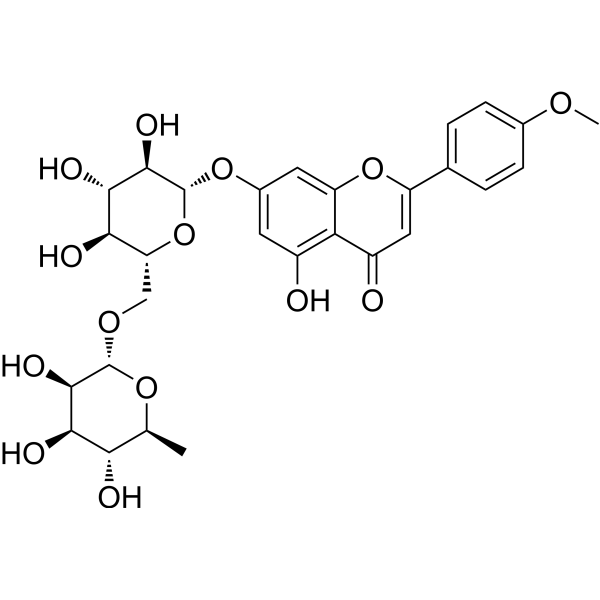
  • HY-N0528
    Linarin
    4 Publications Verification

    Buddleoside; Linarine

    TNF Receptor Cholinesterase (ChE) PKA Apoptosis Bacterial HIV Influenza Virus Infection Neurological Disease Inflammation/Immunology Cancer
    Linarin (Buddleoside) is an orally active and selective inhibitor of acetylcholinesterase (AChE). Linarin has many activities, such as anti-inflammatory, antioxidant, sleep aid and sedation, bone differentiation, anti-tumor, antibacterial and antiviral. Linarin can be used to study diseases such as the nervous system, osteoporosis and cancer .
    Linarin
  • HY-N2581
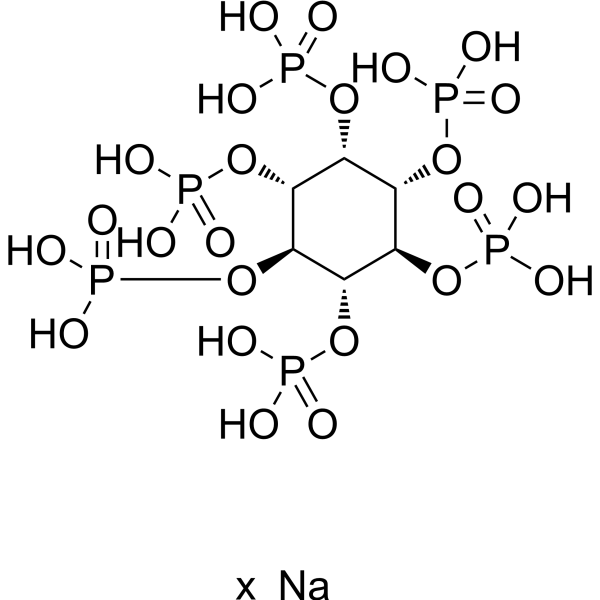
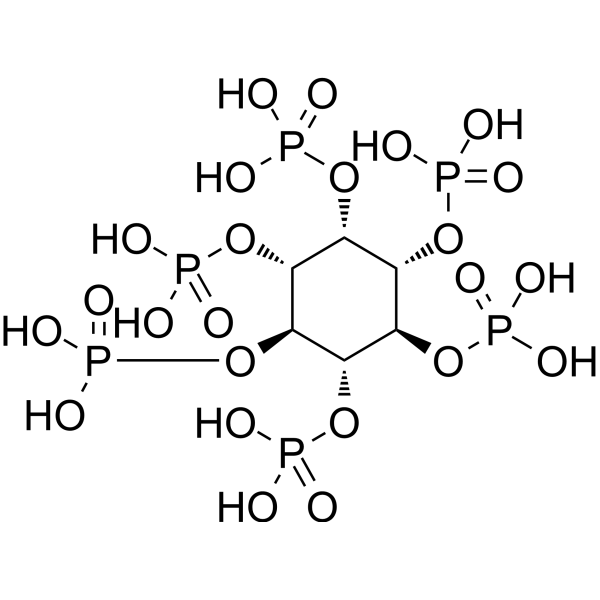
    Phytic acid sodium salt
    1 Publications Verification

    myo-Inositol, hexakisdihydrogen phosphate sodium salt; Inositol hexaphosphate sodium salt

    MOFs Endogenous Metabolite Amyloid-β Autophagy Cardiovascular Disease Neurological Disease Metabolic Disease Cancer
    Phytic acid (myo-Inositol; hexakis dihydrogen phosphate; Inositol hexaphosphate) sodium salt is an orally active compound. Phytic acid sodium salt can be derived from the seeds of legumes. Phytic acid sodium salt is a [PO4] 3- storage depot and precursor for other inositol phosphates and pyrophosphates. Phytic acid sodium salt attenuates oligomers and upregulates autophagy protein. Phytic acid sodium salt can be used in cardiovascular disease, metabolic disease, nervous system disease and cancer research .
    Phytic acid sodium salt
  • HY-16468
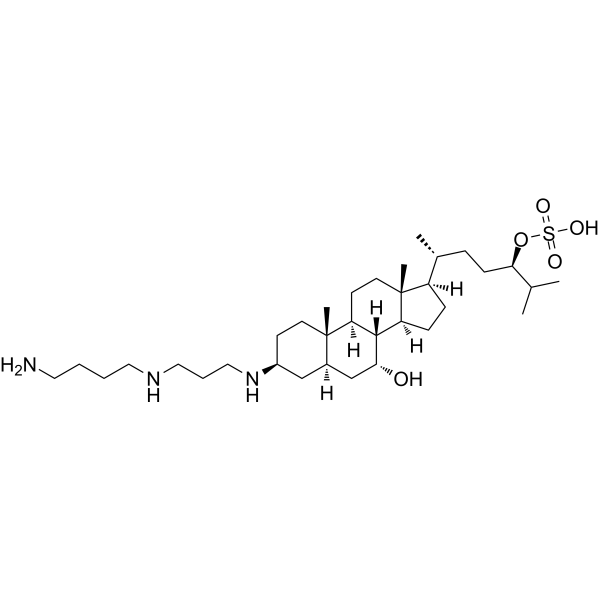
    Squalamine
    1 Publications Verification

    MSI-1256; ENT-01 free acid

    Bacterial HBV FAK Dengue Virus Infection Neurological Disease Cancer
    Squalamine (MSI-1256) is an aminosterol compound with broad-spectrum antiviral activity. Squalamine makes cells less conducive to certain viral replication by altering the electrostatic interactions in the inner membrane of host cells. Squalamine also has antibacterial and antitumor activities. Squalamine has broad-spectrum antibacterial activity against Gram-negative and Gram-positive bacteria, fungi and protozoa. Squalamine inhibits tumor-related angiogenesis and the growth of human breast cancer cells. Squalamine restores the function of enteric nervous system in Parkinson ,s disease mouse models .
    Squalamine
  • HY-N3002

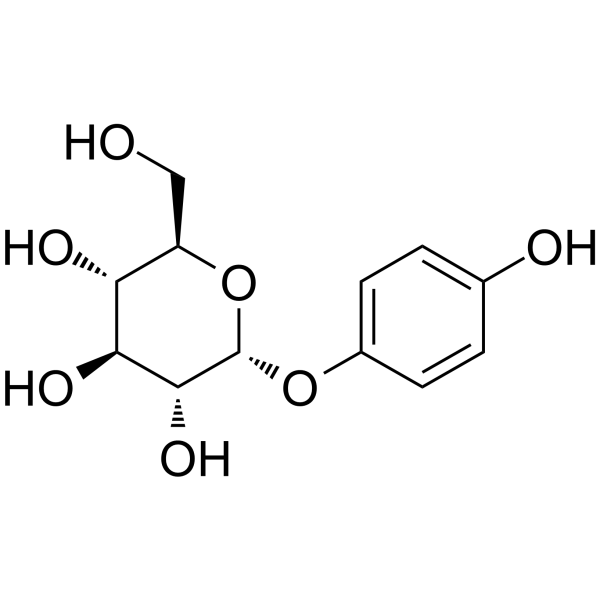
    4-Hydroxyphenyl α-D-glucopyranoside

    Tyrosinase Neurological Disease Metabolic Disease Cancer
    α-Arbutin (4-Hydroxyphenyl α-D-glucopyranoside) is a tyrosinase inhibitor, which is used as an effective skin whiteners. α-Arbutin is promising for research of various diseases such as hyperpigmentation disorders, types of cancers, central nervous system disorders, osteoporosis, diabetes .
    α-Arbutin
  • HY-N0814
    Phytic acid (50% w/w in water)
    1 Publications Verification

    Inositol hexaphosphate; SNF472 free acid

    Endogenous Metabolite Amyloid-β Autophagy Cardiovascular Disease Neurological Disease Metabolic Disease Cancer
    Phytic acid (myo-Inositol; hexakis dihydrogen phosphate; Inositol hexaphosphate) is an orally active compound. Phytic acid can be derived from the seeds of legumes. Phytic acid is a [PO4] 3- storage depot and precursor for other inositol phosphates and pyrophosphates. Phytic acid attenuates oligomers and upregulates autophagy protein. Phytic acid can be used in cardiovascular disease, metabolic disease, nervous system disease and cancer research .
    Phytic acid (50% w/w in water)
  • HY-34431

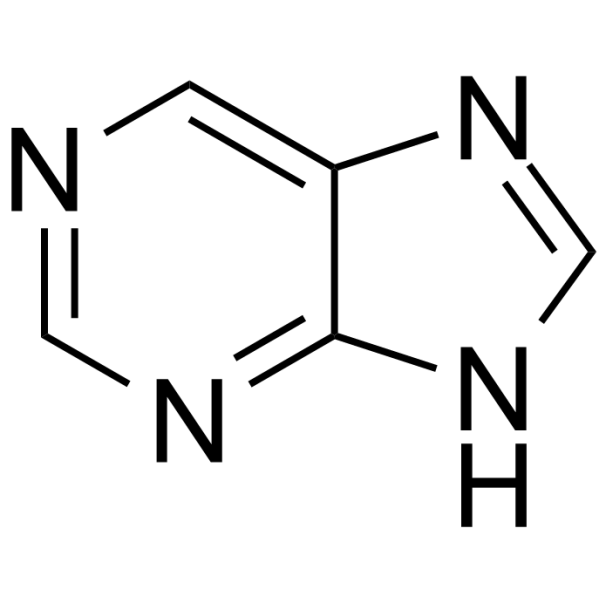
    7H-Imidazo(4,5-d)pyrimidine

    Endogenous Metabolite PARP Neurological Disease Metabolic Disease Cancer
    Purine is an endogenous metabolite. Purine bases are the building blocks of the nucleic acids. Purine inhibits the activation of PARP. Purine protects against oxidant-induced cell injury. Purine can be used in the research of cancer and nervous system diseases .
    Purine
  • HY-W015236

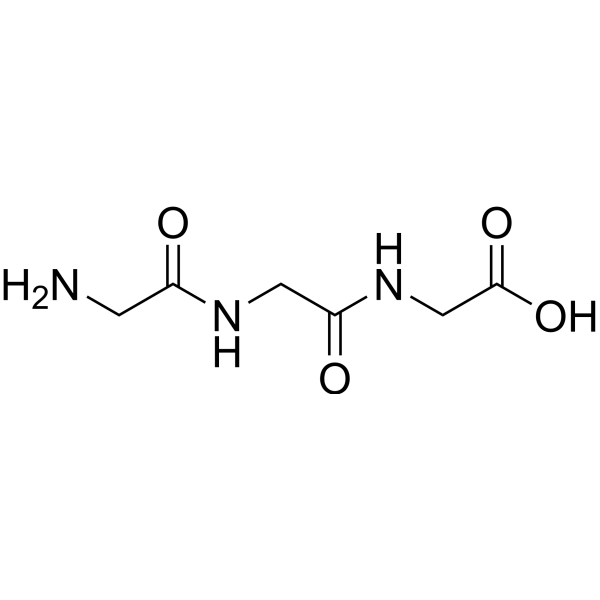
    Triglycine

    Biochemical Assay Reagents Others
    H-Gly-Gly-Gly-OH, also known as Triglycine, is a tripeptide composed of glycine, glycine and glycine, which are linked by peptide bonds. Often used as a model compound in the study of protein structure and function. Glycylglycylglycine also acts as a neurotransmitter in the central nervous system and has been shown to have antioxidant properties. Furthermore, it may have potential research roles in various diseases such as cancer, diabetes and neurodegenerative diseases.
    H-Gly-Gly-Gly-OH
  • HY-B0900
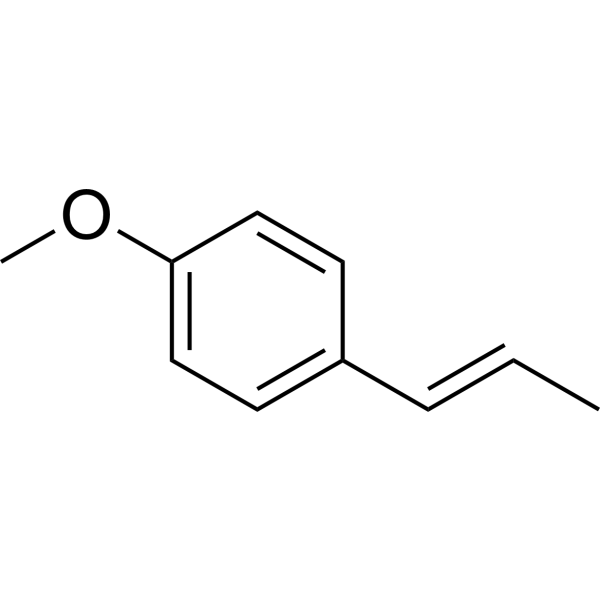
    Anethole
    2 Publications Verification

    Anise camphor; p-Propenylanisole; Isoestragole

    Environmental Pollutants Apoptosis NF-κB Fungal Bacterial MMP Infection Neurological Disease Inflammation/Immunology Cancer
    Anethole is a type of orally active aromatic compound that is widely found in nature and used as a flavoring agent. Anethole possesses anticancer, anti-inflammatory, antioxidant, antibacterial, antifungal, anesthetic, estrogenic, central nervous system depressant, hypnotic, insecticidal, and gastroprotective effects. Anethole can be used in the study of oxidative stress-related skin diseases and prostate cancer .
    Anethole
  • HY-129692
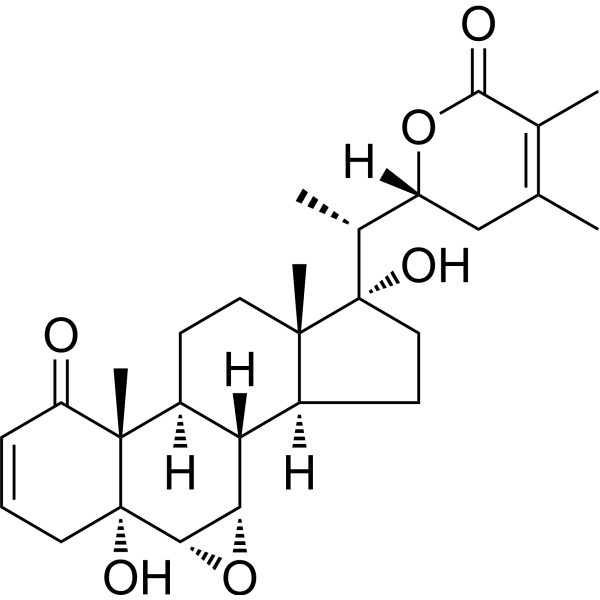
    Withanone
    1 Publications Verification

    iGluR Neurological Disease Cancer
    Withanone is an active ingredient from the roots of Withania somnifera and a GRP75 inhibitor. Withanone has multifunctional neuroprotective effects in alleviating cognitive dysfunction. In neuron-like cells, Withanone can inhibit NMDA-induced excitotoxicity. Withanone can inhibit white adipose tissue browning by blocking the formation of the GRP75-ANT2-UCP1 complex, thereby alleviating cancer-related cachexia. Withanone can be used in the research of tumors and nervous system diseases .
    Withanone
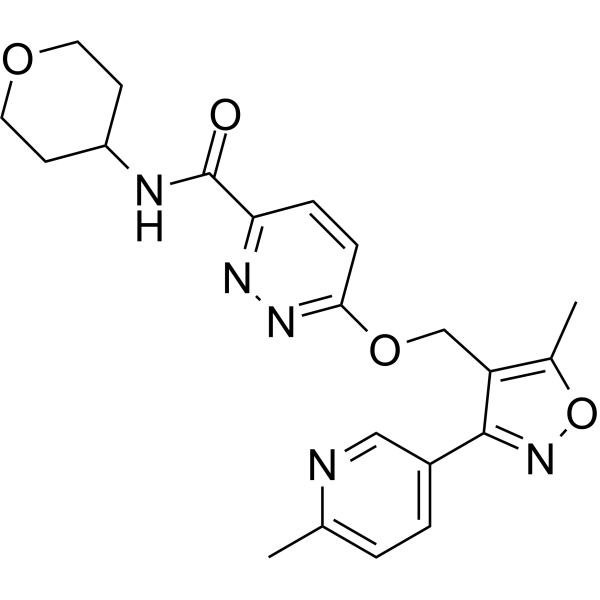
  • HY-132806

    RG-7816; RO-7017773

    GABA Receptor Neurological Disease
    Alogabat is a positive allosteric modulator (PAM) and agonist (Ki <100 nM) of the GABAA α5 receptor, targeting the α5β3γ2 subunit with a Ki of 8.7 nM. Alogabat increases the expression level of α5β3γ2 in oocytes (1.97-fold). GABAA has been implicated in cognitive impairment associated with central nervous system (CNS) disorders, brain cancer (including brain tumors such as medulloblastoma), and can be used in the study of mild cognitive impairment (MCI), amnestic MCI (aMCI), age-associated memory impairment (AAMI), age-related cognitive decline (ARCD), dementia, Alzheimer's disease (AD), prodromal AD, post-traumatic stress disorder (PTSD), schizophrenia, bipolar disorder, amyotrophic lateral sclerosis (ALS), cognitive impairment associated with cancer treatment, mental retardation, Parkinson's disease (PD), autism spectrum disorder, fragile X, Rett syndrome, obsessive-compulsive behavior, and substance addiction .
    Alogabat
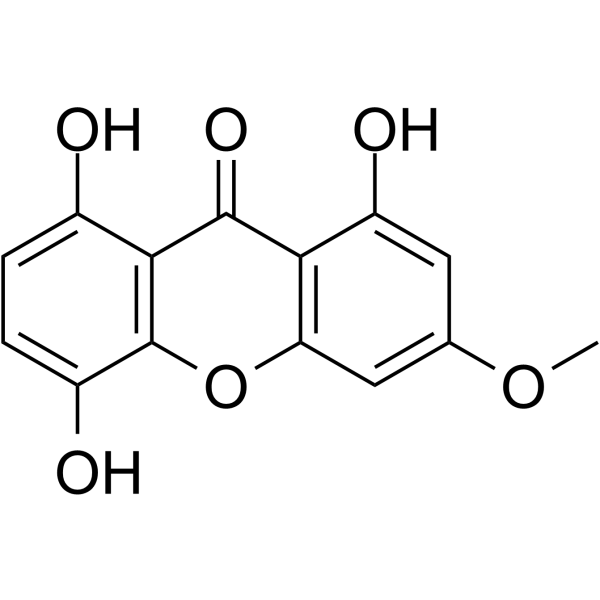
  • HY-N2000
    Bellidifolin
    1 Publications Verification

    STAT PI3K mTOR Akt Neurological Disease Inflammation/Immunology Cancer
    Bellidifolin is an orally active compound with antiproliferative, anti-inflammatory and antioxidant properties. Bellidifolin modulates key signaling pathways including STAT3, PI3K-Akt, mTOR and BRD4, and inhibits the viral protein R (Vpr). Bellidifolin induces cell cycle arrest and apoptosis, exerts significant antifibrotic effects, and protects the heart, liver and nervous system. Bellidifolin is applicable to the research of various diseases such as lung cancer, non-alcoholic fatty liver disease, myocardial hypertrophy and ischemic cranial nerve injury .
    Bellidifolin
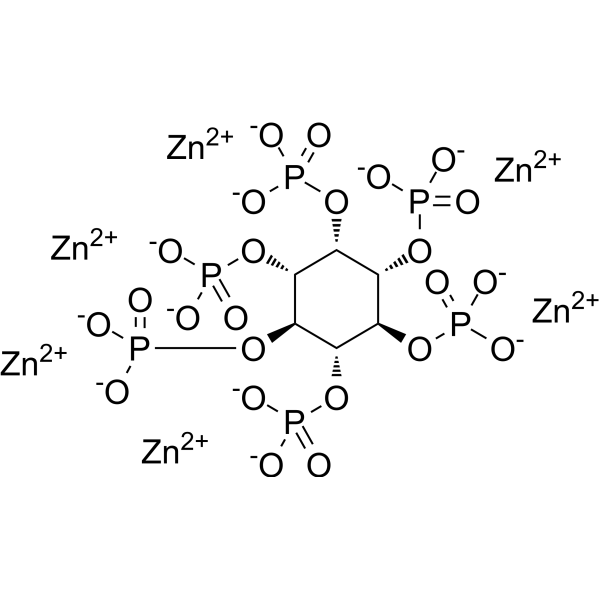
  • HY-N2580
    Zinc Phytate
    1 Publications Verification

    Endogenous Metabolite Amyloid-β Autophagy Cardiovascular Disease Neurological Disease Metabolic Disease Cancer
    Zinc Phytate (myo-Inositol; hexakis dihydrogen phosphate; Inositol hexaphosphate) is an orally active compound. Zinc Phytate can be derived from the seeds of legumes. Zinc Phytate is a [PO4] 3- storage depot and precursor for other inositol phosphates and pyrophosphates. Zinc Phytate attenuates oligomers and upregulates autophagy protein. Zinc Phytate can be used in cardiovascular disease, metabolic disease, nervous system disease and cancer research .
    Zinc Phytate
  • HY-169575

    PARP Cardiovascular Disease Neurological Disease Inflammation/Immunology Cancer
    PARP1-IN-36 (compound 11) is a 4-carboxamido-isoindolinone derivative and a selective PARP-1 inhibitor with a Kd < 0.01 μM. PARP1-IN-36 can be utilized in cancer, cardiovascular diseases, nervous system injury and inflammation research .
    PARP1-IN-36
  • HY-N0528R

    Buddleoside (Standard); Linarine (Standard)

    TNF Receptor Reference Standards Cholinesterase (ChE) PKA Apoptosis Bacterial HIV Influenza Virus Infection Neurological Disease Inflammation/Immunology Cancer
    Linarin (Standard) is the analytical standard of Linarin. This product is intended for research and analytical applications. Linarin (Buddleoside) is an orally active and selective inhibitor of acetylcholinesterase (AChE). Linarin has many activities, such as anti-inflammatory, antioxidant, sleep aid and sedation, bone differentiation, anti-tumor, antibacterial and antiviral. Linarin can be used to study diseases such as the nervous system, osteoporosis and cancer.
    Linarin (Standard)
  • HY-E70684

    CDK Neurological Disease Cancer
    CDK5 can be mapped to chromosome 7q36 and its expression is upregulated by the transcription factors Fos and CREB through the MEK/ERK pathway and by δFosB. CDK5 plays a vital role in the central nervous system but has functions in other cell types. CDK5 has recently been implicated in diseases, including the development and progression of cancer and neurodegenerative diseases. CDK5/p25NCK Recombinant Human Active Protein Kinase is an ortholog of CDK5 .
    CDK5/p25NCK Recombinant Human Active Protein Kinase
  • HY-E70685

    CDK Neurological Disease Cancer
    CDK5 can be mapped to chromosome 7q36 and its expression is upregulated by the transcription factors Fos and CREB through the MEK/ERK pathway and by δFosB. CDK5 plays a vital role in the central nervous system but has functions in other cell types. CDK5 has recently been implicated in diseases, including the development and progression of cancer and neurodegenerative diseases. CDK5/p35NCK Recombinant Human Active Protein Kinase is an ortholog of CDK5 .
    CDK5/p35NCK Recombinant Human Active Protein Kinase
  • HY-B0900R

    Anise camphor (Standard); p-Propenylanisole (Standard); Isoestragole (Standard)

    Apoptosis Fungal Bacterial MMP NF-κB Reference Standards Infection Neurological Disease Inflammation/Immunology Cancer
    Anethole (Standard) is the analytical standard of Anethole. This product is intended for research and analytical applications. Anethole is a type of orally active aromatic compound that is widely found in nature and used as a flavoring agent. Anethole possesses anticancer, anti-inflammatory, antioxidant, antibacterial, antifungal, anesthetic, estrogenic, central nervous system depressant, hypnotic, insecticidal, and gastroprotective effects. Anethole can be used in the study of oxidative stress-related skin diseases and prostate cancer .
    Anethole (Standard)
  • HY-131728

    GPR35 Cardiovascular Disease Neurological Disease Metabolic Disease Inflammation/Immunology
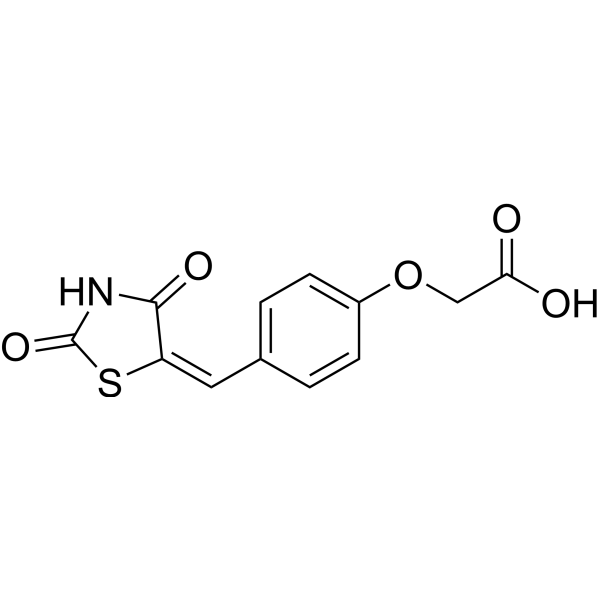
    GPR35 agonist 3 is a synthetic GPR35 agonist with an EC50value of 1.4 μM. GPR35 agonist 3 can be used for the research of various diseases, such as gastric cancer, type 2 diabetes, cardiovascular diseases, immune system and peripheral nervous system .
    GPR35 agonist 3
  • HY-143546

    RET Cancer
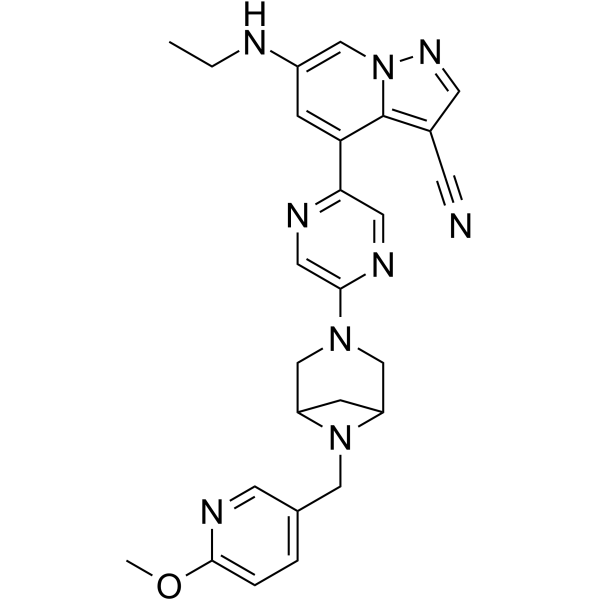
    RET-IN-9 is a potent inhibitor of RET. RET kinase is a single-pass transmembrane receptor tyrosine kinase that plays an important role in the development of the kidney and enteric nervous system, and the maintenance of homeostasis in the nervous, endocrine, hematopoietic, and male reproductive systems. RET-IN-9 has the potential for the research of RET-related disease including non-small cell lung cancer and medullary thyroid cancer (extracted from patent WO2021115457A1, compound 29) .
    RET-IN-9
  • HY-160446

    Epigenetic Reader Domain Infection Cardiovascular Disease Neurological Disease Inflammation/Immunology Cancer
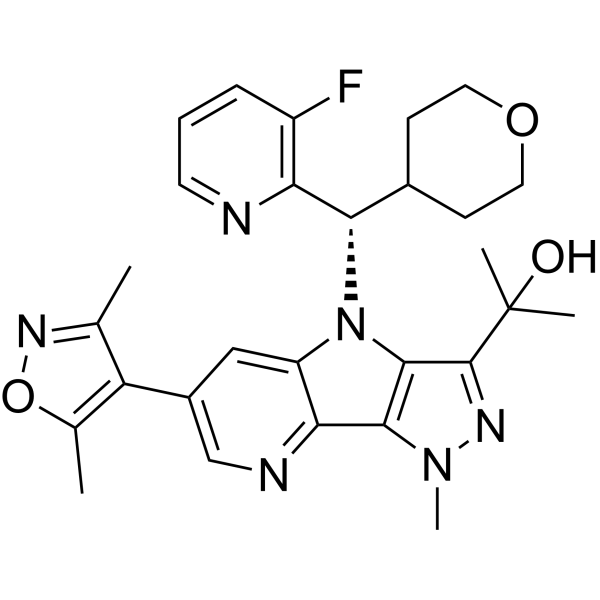
    Bet-in-24 (example 2) is a bromodomain and extra-terminal (BET) inhibitor. BET-IN-24 can be used in the study of virology, heart failure, inflammation, central nervous system (CNS) diseases and many cancers
    BET-IN-24
  • HY-163806

    HDAC Neurological Disease Cancer
    NT376 is a high potency and selectivity inhibitor of class-IIa Histone deacetylases (HDAC) with an IC50 value of 32 nM, similar to NT160 (HY-149285) (IC50= 46 nM) in HT-29 cells. NT376 is proming for research of various cancers and in the diseases of the central nervous system (CNS) such as Alzheimer’s and Huntington’s diseases .
    NT376
  • HY-W015236R

    Triglycine (Standard)

    Biochemical Assay Reagents Reference Standards Others
    H-Gly-Gly-Gly-OH (Standard) is the analytical standard of H-Gly-Gly-Gly-OH. This product is intended for research and analytical applications. H-Gly-Gly-Gly-OH, also known as Triglycine, is a tripeptide composed of glycine, glycine and glycine, which are linked by peptide bonds. Often used as a model compound in the study of protein structure and function. Glycylglycylglycine also acts as a neurotransmitter in the central nervous system and has been shown to have antioxidant properties. Furthermore, it may have potential research roles in various diseases such as cancer, diabetes and neurodegenerative diseases.
    H-Gly-Gly-Gly-OH (Standard)
  • HY-118700AR

    Guanidinobiotin hydrobromide (Standard)

    Reference Standards NO Synthase Neurological Disease
    H-Gly-Gly-Gly-OH (Standard) is the analytical standard of H-Gly-Gly-Gly-OH. This product is intended for research and analytical applications. H-Gly-Gly-Gly-OH, also known as Triglycine, is a tripeptide composed of glycine, glycine and glycine, which are linked by peptide bonds. Often used as a model compound in the study of protein structure and function. Glycylglycylglycine also acts as a neurotransmitter in the central nervous system and has been shown to have antioxidant properties. Furthermore, it may have potential research roles in various diseases such as cancer, diabetes and neurodegenerative diseases.
    2-Iminobiotin hydrobromide (Standard)
  • HY-B0311D

    (S)-(-)-Carbidopa hydrochloride

    Aryl Hydrocarbon Receptor Cancer
    Carbidopa hydrochloride ((S)-(-)-Carbidopa hydrochloride) is a drug used to inhibit Parkinson's disease, which has the activity of inhibiting the peripheral metabolism of levodopa. Carbidopa hydrochloride can increase the proportion of peripheral levodopa penetrating the blood-brain barrier, thereby enhancing its effect on the central nervous system. Carbidopa hydrochloride has also been found to be an aryl hydrocarbon receptor (AhR) ligand with anticancer activity, which can inhibit the growth of pancreatic cancer cells and tumors. The selective AhR regulation properties of carbidopa hydrochloride provide potential prospects for its clinical application .
    Carbidopa hydrochloride
  • HY-129692R

    Reference Standards iGluR Neurological Disease Cancer
    Withanone (Standard) is the analytical standard of Withanone (HY-129692). This product is intended for research and analytical applications. Withanone is an active ingredient from the roots of Withania somnifera and a GRP75 inhibitor. Withanone has multifunctional neuroprotective effects in alleviating cognitive dysfunction. In neuron-like cells, Withanone can inhibit NMDA-induced excitotoxicity. Withanone can inhibit white adipose tissue browning by blocking the formation of the GRP75-ANT2-UCP1 complex, thereby alleviating cancer-related cachexia. Withanone can be used in the research of tumors and nervous system diseases .
    Withanone (Standard)
  • HY-181448

    Inositol hexaphosphate hexalithium; SNF472 hexalithium

    Endogenous Metabolite Amyloid-β Autophagy Cardiovascular Disease Neurological Disease Metabolic Disease Cancer
    Phytic acid (Inositol hexaphosphate hexalithium) hexalithium is an orally active compound. Phytic acid hexalithium can be derived from the seeds of legumes. Phytic acid is a [PO4] 3- storage depot and precursor for other inositol phosphates and pyrophosphates. Phytic acid hexalithium attenuates oligomers and upregulates Autophagy protein. Phytic acid hexalithium can be used in cardiovascular disease, metabolic disease, nervous system disease and cancer research .
    Phytic acid hexalithium

Inquiry Online

Your information is safe with us. * Required Fields.

Salutation


Country or Region *

Applicant Name *


Organization Name *

Department *


Email Address *


Product Name *

Cat. No.


Requested quantity *

Phone Number *


Remarks

Inquiry Online

Inquiry Information

Product Name:
Cat. No.:
Quantity:
MCE Japan Authorized Agent: