1. Search Result
Search Result
Results for "

cholinergic antagonist

" in MedChemExpress (MCE) Product Catalog:

53

Inhibitors & Agonists

4

Peptides

4

Natural
Products

10

Isotope-Labeled Compounds

Cat. No. 상품명 Target 연구분야 Chemical Structure
  • HY-B0303
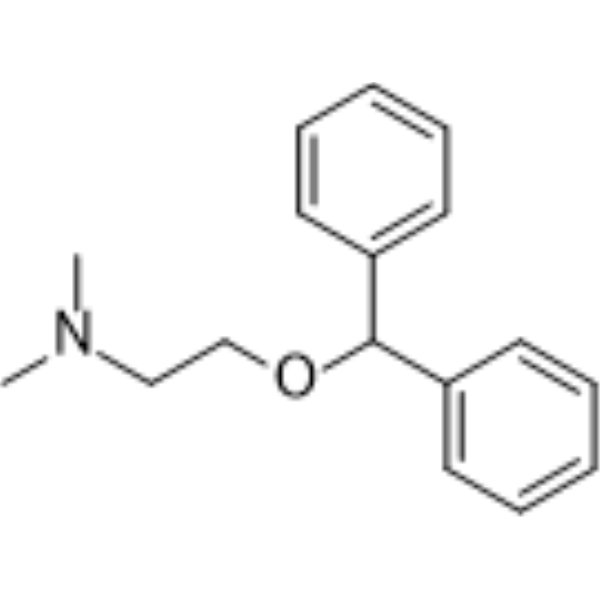
    Diphenhydramine
    5+ Cited Publications

    Histamine Receptor Bacterial Endogenous Metabolite iGluR Neurological Disease Inflammation/Immunology Cancer
    Diphenhydramine is a first-generation histamine H1-receptor antagonist with anti-cholinergic effect. Diphenhydramine hydrochloride can across the ovine blood-brain barrier (BBB) .
    Diphenhydramine
  • HY-B0303A
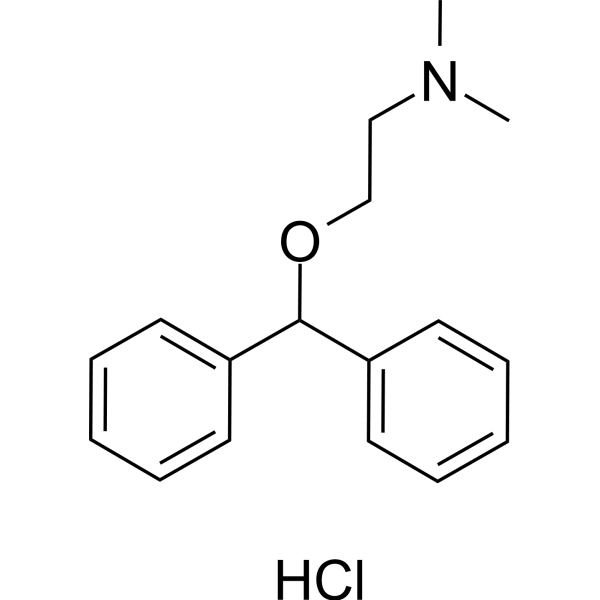
    Diphenhydramine hydrochloride
    5+ Cited Publications

    Histamine Receptor Endogenous Metabolite Bacterial Apoptosis Inflammation/Immunology Endocrinology Cancer
    Diphenhydramine hydrochloride is a first-generation histamine H1-receptor antagonist with anti-cholinergic effect. Diphenhydramine hydrochloride can across the ovine blood-brain barrier (BBB) .
    Diphenhydramine hydrochloride
  • HY-B0461

    mAChR Neurological Disease
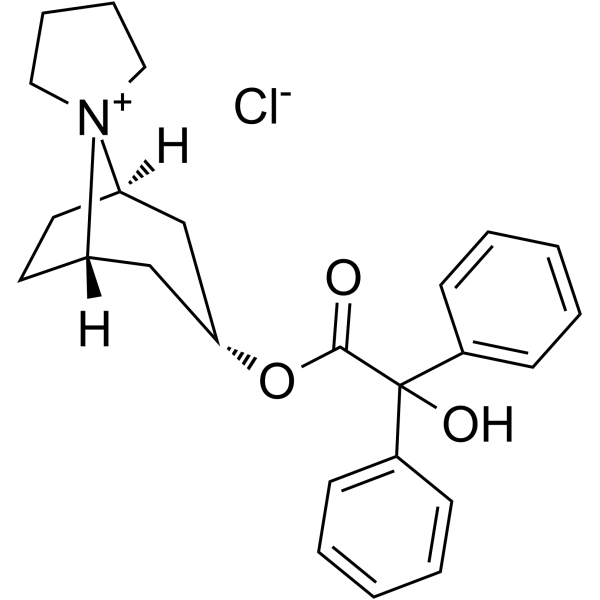
    Trospium chloride is an orally active, specific and competitive antagonist of muscarinic cholinergic receptors (mAChRs), with antimuscarinic activity. Trospium chloride binds to muscarinic receptors M1, M2 and M3 with high affinity, but not nicotinic, cholinergic receptors .
    Trospium chloride
  • HY-B1277
    Trihexyphenidyl hydrochloride
    3 Publications Verification

    mAChR Cholinesterase (ChE) Neurological Disease
    Trihexyphenidyl hydrochloride is a selective and orally active M1 muscarinic receptor antagonist with an IC50 of 3.7 nM for rat cerebral cortex M1 muscarinic receptors. Trihexyphenidyl hydrochloride modulates cholinergic activity, countering acetylcholine supersensitivity in neural pathways. Trihexyphenidyl hydrochloride improves movement disorder, inhibits McN-A-343 (HY-107648)-induced pressor responses, vagally-induced bradycardia and vasodilatation. Trihexyphenidyl hydrochloride can be used for the research of Parkinson's disease. .
    Trihexyphenidyl hydrochloride
  • HY-110155
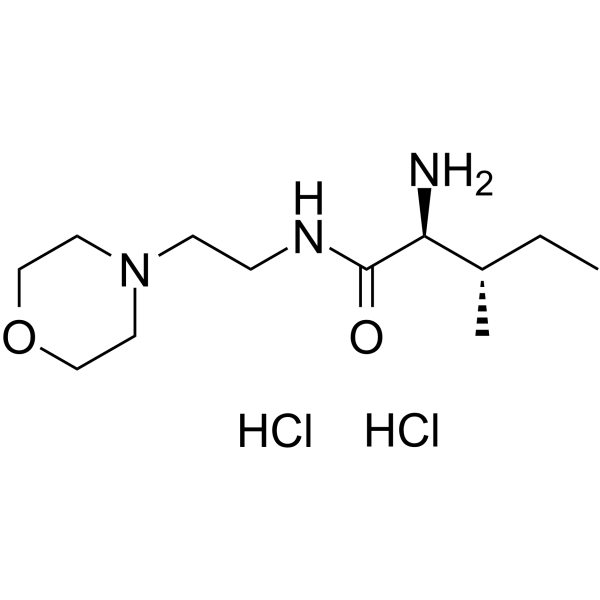
    LM11A-31 dihydrochloride
    5+ Cited Publications

    Neurotensin Receptor Neurological Disease
    LM11A-31 dihydrochloride, a non-peptide p75 NTR (neurotrophin receptor p75) modulator, is an orally active and potent proNGF (nerve growth factor) antagonist. LM11A-31 dihydrochloride is an amino acid derivative with high blood-brain barrier permeability and blocks p75-mediated cell death. LM11A-31 dihydrochloride reverses cholinergic neurite dystrophy in Alzheimer's disease mouse models with mid- to late-stage disease progression .
    LM11A-31 dihydrochloride
  • HY-B1339

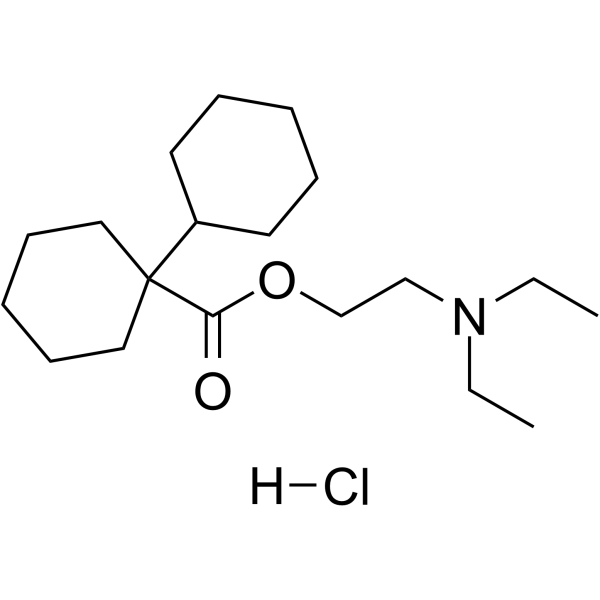
    Dicycloverine hydrochloride

    mAChR Neurological Disease
    Dicyclomine hydrochloride is a potent and orally active muscarinic cholinergic receptors antagonist. Dicyclomine hydrochloride shows high affinity for muscarinic M1 receptor subtype (Ki=5.1 nM) and M2 receptor subtype (Ki=54.6 nM) in brush-border membrane and basal plasma membranes, respectively . Dicyclomine is an antispasmodic agent and relieves smooth muscle spasm of the gastrointestinal tract in vivo .
    Dicyclomine hydrochloride
  • HY-117088
    LM11A-31
    5+ Cited Publications

    Neurokinin Receptor Neurological Disease
    LM11A-31, a non-peptide p75 NTR (neurotrophin receptor p75) modulator, is an orally active and potent proNGF (nerve growth factor) antagonist. LM11A-31 is an amino acid derivative with high blood-brain barrier permeability and blocks p75-mediated cell death. LM11A-31 reverses cholinergic neurite dystrophy in Alzheimer's disease mouse models with mid- to late-stage disease progression .
    LM11A-31
  • HY-B0344
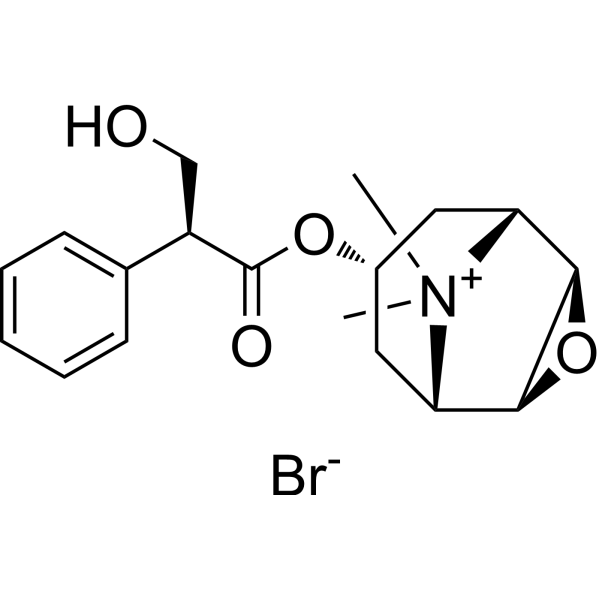
    Methscopolamine bromide
    1 Publications Verification

    (-)-Scopolamine methyl bromide; Hyoscine methyl bromide

    mAChR Neurological Disease
    Methscopolamine bromide ((-)-Scopolamine methyl bromide; Hyoscine methyl bromide) is a peripherally acting muscarinic receptor (mAChR) antagonist that cannot cross the blood-brain barrier. Methscopolamine bromide blocks the muscarinic negative feedback regulation of acetylcholine release from striatal cholinergic terminals, thereby increasing acetylcholine release in the striatum of freely moving rats. Methscopolamine bromide does not induce motor excitation in freely moving rats, nor does it alter the duration of ethanol-induced loss of righting reflex in mice. Methscopolamine bromide fails to antagonize the arecoline-mediated reduction in the duration of ethanol-induced loss of righting reflex in mice .
    Methscopolamine bromide
  • HY-B1693
    Levomepromazine
    1 Publications Verification

    Methotrimeprazine

    5-HT Receptor Dopamine Receptor Histamine Receptor Autophagy Enterovirus Calcium Channel Infection Neurological Disease Inflammation/Immunology
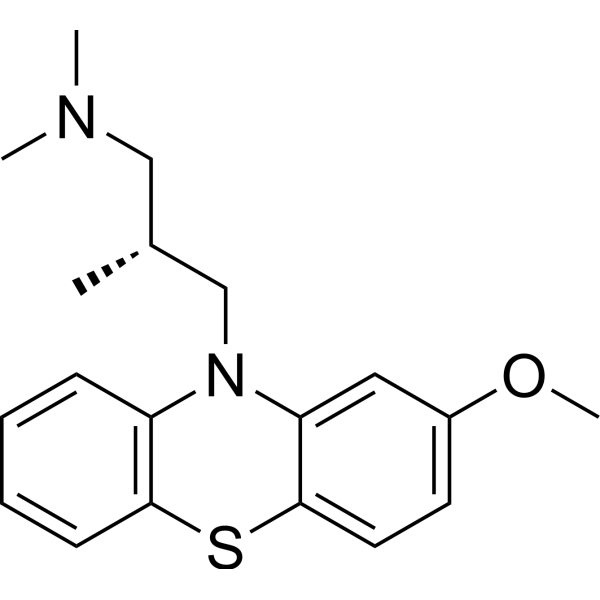
    Levomepromazine (Methotrimeprazine) is an orally active antipsychotic compound and Ca 2+ release inducer. Levomepromazine inhibits SERCA pump and induces an increase in cytoplasmic Ca 2+ levels. Levomepromazine has antagonistic effects on a variety of neurotransmitter receptors, including dopamine, cholinergic, serotonin, and histamine receptors. Levomepromazine can induce adaptive ER stress and autophagy. In addition, Levomepromazine has antiviral, anti-inflammatory, neuroprotective and analgesic, sedative and anti-injurious activities. Levomepromazine can be used in the study psychiatric disorders and relieving nausea and vomiting .
    Levomepromazine
  • HY-B0303AS

    Isotope-Labeled Compounds Histamine Receptor Endogenous Metabolite Inflammation/Immunology Endocrinology
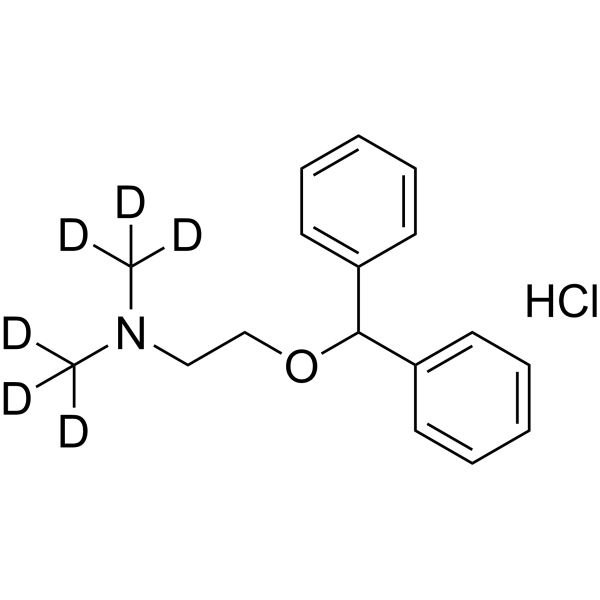
    Diphenhydramine-d6 (hydrochloride) is the deuterium labeled Diphenhydramine hydrochloride. Diphenhydramine hydrochloride is a first-generation histamine H1-receptor antagonist with anti-cholinergic effect. Diphenhydramine hydrochloride can across the ovine blood-brain barrier (BBB) .
    Diphenhydramine-d6 hydrochloride
  • HY-106901A

    HI-6

    Cholinesterase (ChE) nAChR Neurological Disease
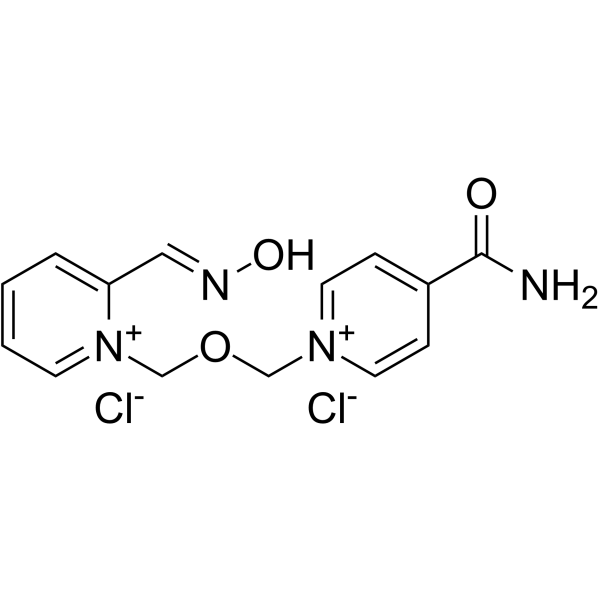
    Asoxime dichloride (HI-6) is an orally active thiosemicarbazone-based antidote. Asoxime dichloride is a reversible inhibitor of AChE, and its core mechanism of action is to re-activate AChE inhibited by nerve toxins, thereby restoring the cholinergic nerve function. Asoxime dichloride significantly restores the function of poisoned muscles without reactivating AChE. Asoxime dichloride is an antagonist of acetylcholine receptors (AChRs), including nicotinic receptor and α7 nAChR. Asoxime dichloride can serve as an effective immunomodulator, improving the immune effect of the nervous system .
    Asoxime dichloride
  • HY-B0461R

    mAChR Reference Standards Neurological Disease
    Trospium (chloride) (Standard) is the analytical standard of Trospium (chloride). This product is intended for research and analytical applications. Trospium chloride is an orally active, specific and competitive antagonist of muscarinic cholinergic receptors (mAChRs), with antimuscarinic activity. Trospium chloride binds to muscarinic receptors M1, M2 and M3 with high affinity, but not nicotinic, cholinergic receptors .
    Trospium chloride (Standard)
  • HY-P3162A

    Apelin Receptor (APJ) Cardiovascular Disease
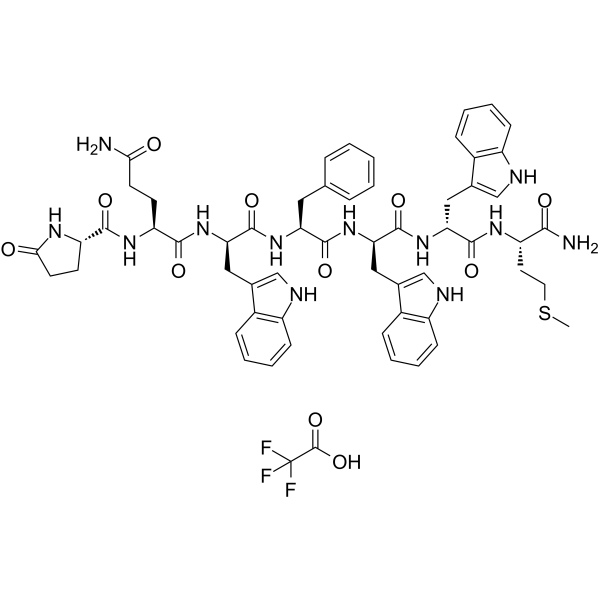
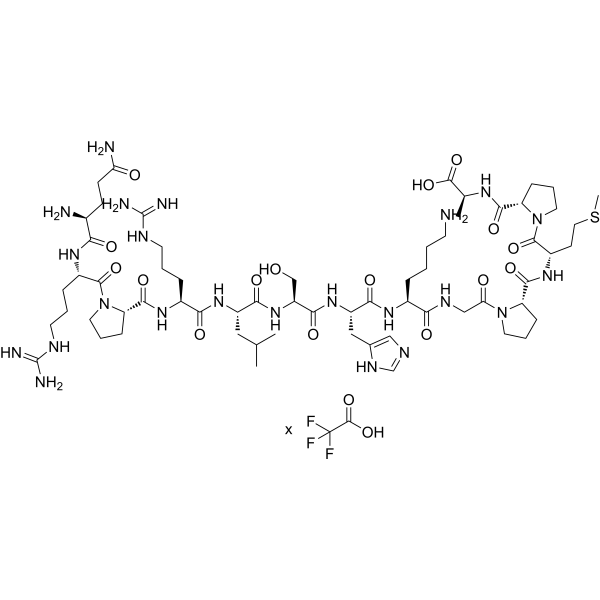
    (Ala13)-Apelin-13 TFA is a potent apelin receptors (APJ) antagonist. (Ala13)-Apelin-13 TFA inhibits gastric motility through vagal cholinergic pathway .
    (Ala13)-Apelin-13 TFA
  • HY-B0303AS1

    Histamine Receptor Endogenous Metabolite Inflammation/Immunology Endocrinology
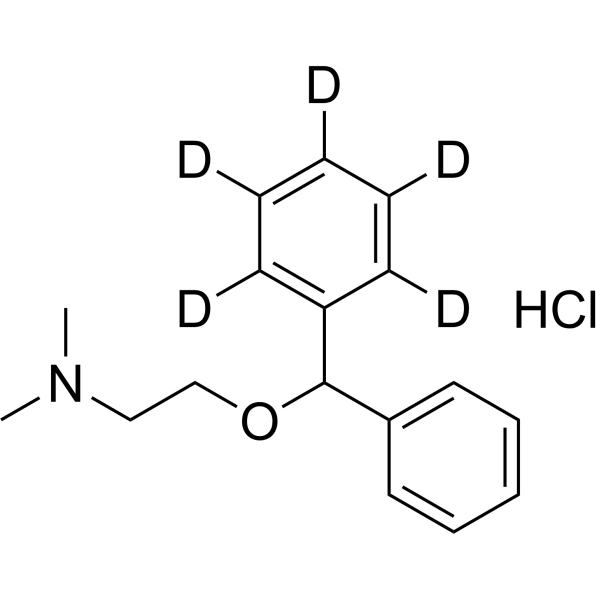
    Diphenhydramine-d5 (hydrochloride) is the deuterium labeled Diphenhydramine hydrochloride. Diphenhydramine hydrochloride is a first-generation histamine H1-receptor antagonist with anti-cholinergic effect. Diphenhydramine hydrochloride can across the ovine blood-brain barrier (BBB) .
    Diphenhydramine-d5 hydrochloride
  • HY-B0303R

    Reference Standards Histamine Receptor Bacterial Endogenous Metabolite iGluR Neurological Disease Inflammation/Immunology Cancer
    Diphenhydramine (Standard) is the analytical standard of Diphenhydramine. This product is intended for research and analytical applications. Diphenhydramine is a first-generation histamine H1-receptor antagonist with anti-cholinergic effect. Diphenhydramine hydrochloride can across the ovine blood-brain barrier (BBB) .
    Diphenhydramine (Standard)
  • HY-B0461S

    Isotope-Labeled Compounds mAChR Neurological Disease
    Trospium-d8 (chloride) is the deuterium labeled Trospium chloride. Trospium chloride is an orally active, specific and competitive antagonist of muscarinic cholinergic receptors (mAChRs), with antimuscarinic activity. Trospium chloride binds to muscarinic receptors M1, M2 and M3 with high affinity, but not nicotinic, cholinergic receptors .
    Trospium-d8 chloride
  • HY-B0303AR
    Diphenhydramine hydrochloride (Standard)
    5 Publications Verification

    Reference Standards Histamine Receptor Endogenous Metabolite Bacterial Inflammation/Immunology Endocrinology Cancer
    Diphenhydramine (hydrochloride) (Standard) is the analytical standard of Diphenhydramine (hydrochloride). This product is intended for research and analytical applications. Diphenhydramine hydrochloride is a first-generation histamine H1-receptor antagonist with anti-cholinergic effect. Diphenhydramine hydrochloride can across the ovine blood-brain barrier (BBB) .
    Diphenhydramine hydrochloride (Standard)
  • HY-12426A

    mAChR Neurological Disease
    mAChR-IN-1 hydrochloride is a potent muscarinic cholinergic receptor (mAChR) antagonist, with an IC50 of 17 nM .
    mAChR-IN-1 hydrochloride
  • HY-119918

    mAChR Neurological Disease
    Cycrimine is an orally active muscarinic cholinergic receptor (mAChR) M1 antagonist, reduces the acetylcholine levels in parkinson model. Cycrimine shows antispasmodic activity, can be used in studies of behavioral and mental disorder .
    Cycrimine
  • HY-B1277A

    mAChR Cholinesterase (ChE) Cardiovascular Disease Neurological Disease
    Trihexyphenidyl is a selective and orally active M1 muscarinic receptor antagonist with an IC50 of 3.7 nM for rat cerebral cortex M1 muscarinic receptors. Trihexyphenidyl modulates cholinergic activity, countering acetylcholine supersensitivity in neural pathways. Trihexyphenidyl improves movement disorder, inhibits McN-A-343 (HY-107648)-induced pressor responses, vagally-induced bradycardia and vasodilatation. Trihexyphenidyl can be used for the research of Parkinson's disease. .
    Trihexyphenidyl
  • HY-106901AS
    Asoxime-d4 dichloride
    1 Publications Verification

    HI-6-d4

    Isotope-Labeled Compounds Cholinesterase (ChE) nAChR Neurological Disease
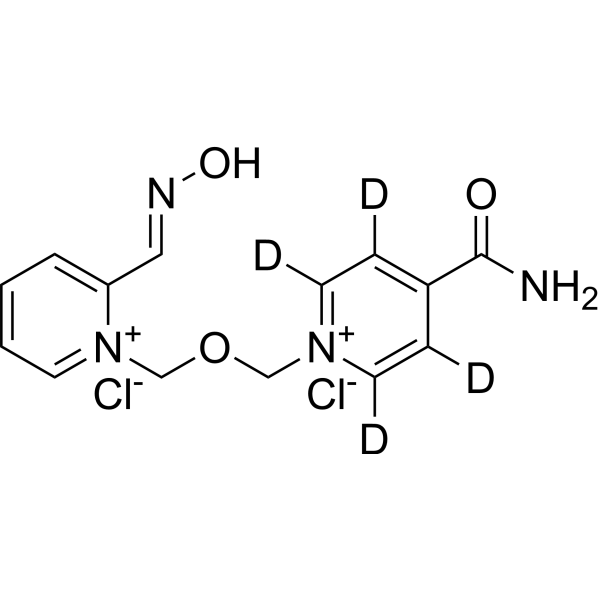
    Asoxime-d4 dichloride (HI-6-d4) is the deuterium labeled Asoxime dichloride. Asoxime dichloride is an orally active thiosemicarbazone-based antidote. Asoxime dichloride is a reversible inhibitor of AChE, and its core mechanism of action is to re-activate AChE inhibited by nerve toxins, thereby restoring the cholinergic nerve function. Asoxime dichloride significantly restores the function of poisoned muscles without reactivating AChE. Asoxime dichloride is an antagonist of acetylcholine receptors (AChRs), including nicotinic receptor and α7 nAChR. Asoxime dichloride can serve as an effective immunomodulator, improving the immune effect of the nervous system.
    Asoxime-d4 dichloride
  • HY-U00139

    mAChR nAChR Neurological Disease
    Cyclodrine hydrochloride is a cholinergic (muscarinic, nicotinic) (mAChR and nAChR) receptor antagonist.
    Cyclodrine hydrochloride
  • HY-12426

    mAChR Neurological Disease
    mAChR-IN-1 is a potent muscarinic cholinergic receptor (mAChR) antagonist, with an IC50 of 17 nM .
    mAChR-IN-1
  • HY-B1585B

    Parpanil (edisylate)

    iGluR Neurological Disease
    Caramiphen edisylate (Parpanil edisylate) is an anticholinergic agent with NMDA receptor antagonist activity. Caramiphen edisylate can be used to inhibit diseases related to cholinergic neurotransmission. Caramiphen edisylate exerts its pharmacological effects by blocking cholinergic effects .
    Caramiphen (edisylate)
  • HY-P3162

    Apelin Receptor (APJ) Cardiovascular Disease
    (Ala13)-Apelin-13 is a potent apelin receptors (APJ) antagonist. (Ala13)-Apelin-13 inhibits gastric motility through vagal cholinergic pathway .
    (Ala13)-Apelin-13
  • HY-B1690A

    Antibiotic Bacterial Histamine Receptor Infection
    Methdilazine hydrochloride is an orally active antibiotic (histamine antagonist). Methdilazine hydrochloride can inhibit various mycobacterium with MIC values at 5-15 μg/mL in vitro and in vivo, which can be used for the research of infectious diseases .
    Methdilazine hydrochloride
  • HY-B1690

    Antibiotic Bacterial Histamine Receptor Infection
    Methdilazine is an orally active antibiotic (histamine antagonist). Methdilazine can inhibit various mycobacterium with MIC values at 5-15 μg/mL in vitro and in vivo, which can be used for the research of infectious diseases .
    Methdilazine
  • HY-100979

    HDMPPA

    mAChR Others
    W-84 (dibromide) is a potent allosteric modulator of M2-cholinoceptors, which retards [ 3H]N-methylscopolamine dissociation. W-84 dibromide can stabilize cholinergic antagonist-receptor complexes. W-84 (dibromide) is a non-competitive muscarinic acetylcholine receptors antagonist with allosteric effects. W-84 (dibromide) protects over additively against an organophosphate-intoxication when applied in combination with atropine .
    W-84 dibromide
  • HY-B1339A

    Dicycloverine

    mAChR Neurological Disease
    Dicyclomine (Dicycloverine) is a potent and orally active muscarinic cholinergic receptors antagonist. Dicyclomine (Dicycloverine) shows high affinity for muscarinic M1 receptor subtype (Ki=5.1 nM) and M2 receptor subtype (Ki=54.6 nM) in brush-border membrane and basal plasma membranes, respectively . Dicyclomine is an antispasmodic agent and relieves smooth muscle spasm of the gastrointestinal tract in vivo .
    Dicyclomine
  • HY-P11313

    Rat chromogranin A367–387

    nAChR Akt Cardiovascular Disease
    Catestatin (rat) (Rat chromogranin A367–387) is a potent, reversible, noncompetitive, and noncooperative nicotinic cholinergic antagonist derived from chromogranin A (A367-387). Catestatin (rat) inhibits norepinephrine release in rat PC12 pheochromocytoma cells (IC50 = 1.2 μM), and blocks desensitization of norepinephrine release (IC50 = 0.62 μM). Catestatin (rat) exerts antiadrenergic effects through the endothelial PI3K-AKT-eNOS pathway in rat papillary muscles and isolated cardiomyocytes. Catestatin (rat) maintains mitochondrial membrane potential in I/R cardiomyocytes and increases phosphorylation of AKT at S473, GSK3β at S9, PLB at T17, and eNOS at S1179. Catestatin (rat) reverses desensitization of 22Na + uptake. Catestatin (rat) can be used for the study of nicotinic cholinergic receptor regulation and catecholamine release control mechanisms .
    Catestatin (rat)
  • HY-B1693A

    Methotrimeprazine hydrochloride

    5-HT Receptor Dopamine Receptor Histamine Receptor Autophagy Enterovirus Calcium Channel Infection Neurological Disease Inflammation/Immunology
    Levomepromazine (Methotrimeprazine) hydrochloride is an orally active antipsychotic compound and Ca 2+ release inducer. Levomepromazine inhibits SERCA pump and induces an increase in cytoplasmic Ca 2+ levels. Levomepromazine hydrochloride has antagonistic effects on a variety of neurotransmitter receptors, including dopamine, cholinergic, serotonin, and histamine receptors. Levomepromazine hydrochloride can induce adaptive ER stress and autophagy. In addition, Levomepromazine hydrochloride has antiviral, anti-inflammatory, neuroprotective and analgesic, sedative and anti-injurious activities. Levomepromazine hydrochloride can be used in the study psychiatric disorders and relieving nausea and vomiting .
    Levomepromazine hydrochloride
  • HY-B1693R

    Methotrimeprazine (Standard)

    Reference Standards 5-HT Receptor Dopamine Receptor Autophagy Histamine Receptor Enterovirus Calcium Channel Infection Neurological Disease Inflammation/Immunology
    Levomepromazine (Standard) is the analytical standard of Levomepromazine. This product is intended for research and analytical applications. Levomepromazine (Methotrimeprazine) is an orally active antipsychotic compound and Ca 2+ release inducer. Levomepromazine inhibits SERCA pump and induces an increase in cytoplasmic Ca 2+ levels. Levomepromazine has antagonistic effects on a variety of neurotransmitter receptors, including dopamine, cholinergic, serotonin, and histamine receptors. Levomepromazine can induce adaptive ER stress and autophagy. In addition, Levomepromazine has antiviral, anti-inflammatory, neuroprotective and analgesic, sedative and anti-injurious activities. Levomepromazine can be used in the study psychiatric disorders and relieving nausea and vomiting .
    Levomepromazine (Standard)
  • HY-B1585

    Parpanil

    iGluR Neurological Disease
    Parpanil is an anticholinergic agent with NMDA receptor antagonist activity. Parpanil can be used to inhibit diseases related to cholinergic neurotransmission. Parpanil exerts its pharmacological effects by blocking cholinergic effects .
    Caramiphen
  • HY-167699

    mAChR Others
    Cyclodrine is a cholinergic receptor antagonist that exhibits biological activity by influencing both muscarinic and nicotinic receptors.
    Cyclodrine
  • HY-N15736

    mAChR Neurological Disease
    Petiline is a steroidal alkaloid found in Petilium raddeanum, acting as a selective antagonist of M cholinergic receptors. Petiline exerts anticholinergic effects (e.g., reducing vagal influence on the heart) by competitively blocking M cholinergic receptors, and also has central excitatory, cardiotonic, and spasmolytic activities. Petiline is promising for research of cholinergic system-related diseases (e.g., arrhythmia, intestinal spasm) .
    Petiline
  • HY-19489S1

    (Rac)-Methotrimeprazine-d3 hydrochloride

    Isotope-Labeled Compounds Dopamine Receptor Histamine Receptor Neurological Disease
    (Rac)-Levomepromazine-d3 (hydrochloride) is a labelled racemic Methotrimeprazine, which is a phenothiazine which has antagonist actions at multiple neurotransmitter receptor sites, including dopaminergic, cholinergic, serotonin and histamine receptors .
    (Rac)-Levomepromazine-d3 hydrochloride
  • HY-138973A

    iGluR nAChR Neurological Disease
    Neramexane mesylate is an α9α10 cholinergic nicotinic receptors and N-methyl-D-aspartate receptors(NMDA) antagonist. Neramexane mesylate can improve moderate to severe tinnitus, and also shows neuroprotective effects .
    Neramexane mesylate
  • HY-W040055A

    L-erythro-Neopterin

    mAChR Neurological Disease Metabolic Disease
    L-(-)-Neopterin (L-erythro-Neopterin) is a cholinergic receptor that acts as a competitive antagonist, countering the inhibitory effects of pteridine diuretics on the growth of Crithidia fasciculata. L-(-)-Neopterin can be used in research related to the nervous system and purine metabolism .
    L-(-)-Neopterin
  • HY-135740

    Drug Metabolite Neurological Disease Inflammation/Immunology Cancer
    Diphenhydramine N-oxide is a metabolite of Diphenhydramine (HY-B0303). Diphenhydramine is a first-generation histamine H1-receptor antagonist with anti-cholinergic effect. Diphenhydramine can across the ovine blood-brain barrier (BBB) .
    Diphenhydramine N-oxide
  • HY-P1376A
    G-Protein antagonist peptide TFA
    1 Publications Verification

    mAChR Adrenergic Receptor Endocrinology
    G-Protein antagonist peptide TFA is a truncated substance P-related peptide, competes with receptor for G protein binding. G-Protein antagonist peptide TFA inhibits the activation of Gi or Go by M2 muscarinic cholinergic receptor (M2 mAChR) or of Gs by beta-adrenergic receptor in the reconstituted phospholipid vesicles, assayed by receptor-promoted GTP hydrolysis .
    G-Protein antagonist peptide TFA
  • HY-B1690AR

    Reference Standards Antibiotic Bacterial Histamine Receptor Infection
    Thioridazine (Standard) is the analytical standard of Thioridazine. This product is intended for research and analytical applications. Thioridazine, an antagonist of the dopamine receptor D2 family proteins, exhibits potent anti-psychotic and anti-anxiety activities. Thioridazine is also a potent inhibitor of PI3K-Akt-mTOR signaling pathways with anti-angiogenic effect. Thioridazine shows antiproliferative and apoptosis induction effects in various types of cancer cells, with specificity on targeting cancer stem cells (CSCs) .
    Methdilazine hydrochloride (Standard)
  • HY-157956

    mAChR Neurological Disease
    LASSBio-873 is an orally active muscarinic cholinergic receptor (mAChR) agonist that crosses the blood-brain barrier. LASSBio-873 has potent analgesic effects on acute and inflammatory pain. The analgesic effect of LASSBio-873 can be inhibited by intrathecal injection of the M2 receptor antagonist methoctramine .
    LASSBio-873
  • HY-U00079A

    FK-176

    mAChR Neurological Disease
    Vamicamide (FK-176) is an orally active competitive mAChR antagonist that inhibits contractions induced by cholinergic nerve stimulation by preventing mAChR agonists from binding to mAChR. Vamicamide exhibits a good anti-bladder spasm effect, with a pA2 value of 6.82 in bladder tissue. Vamicamide can be used in research within the field of neurological diseases .
    Vamicamide
  • HY-172884

    Cholinesterase (ChE) iGluR Neurological Disease
    MDAR IN-1 (Compound 5m) is a brain-penetrant inhibitor of acetylcholinesterase (AChE) and antagonist of the GluN1/GluN2B subtype of NMDAR receptor. MDAR IN-1 effectively inhibits AChE activity, enhances cholinergic neurotransmission, and blocks NMDAR, reducing excitatory neurotoxicity. MDAR IN-1 is promising for research of Alzheimer's disease .
    MDAR-IN-1
  • HY-B1339AS

    Dicycloverine-d4

    mAChR Neurological Disease
    Dicyclomine-d4 is the deuterium labeled Dicyclomine . Dicyclomine (Dicycloverine) is a potent and orally active muscarinic cholinergic receptors antagonist. Dicyclomine (Dicycloverine) shows high affinity for muscarinic M1 receptor subtype (Ki=5.1 nM) and M2 receptor subtype (Ki=54.6 nM) in brush-border membrane and basal plasma membranes, respectively . Dicyclomine is an antispasmodic agent and relieves smooth muscle spasm of the gastrointestinal tract in vivo .
    Dicyclomine-d4
  • HY-B1339R

    Dicycloverine hydrochloride (Standard)

    Reference Standards mAChR Neurological Disease
    Dicyclomine (hydrochloride) (Standard) is the analytical standard of Dicyclomine (hydrochloride). This product is intended for research and analytical applications. Dicyclomine hydrochloride is a potent and orally active muscarinic cholinergic receptors antagonist. Dicyclomine hydrochloride shows high affinity for muscarinic M1 receptor subtype (Ki=5.1 nM) and M2 receptor subtype (Ki=54.6 nM) in brush-border membrane and basal plasma membranes, respectively . Dicyclomine is an antispasmodic agent and relieves smooth muscle spasm of the gastrointestinal tract in vivo .
    Dicyclomine hydrochloride (Standard)
  • HY-B1339S

    Dicycloverine-d4 hydrochloride

    Isotope-Labeled Compounds mAChR Neurological Disease
    Dicyclomine-d4 hydrochloride (Dicycloverine-d4 hydrochloride) is the deuterium labeled Dicyclomine hydrochloride (HY-B1339). Dicyclomine hydrochloride is a potent and orally active muscarinic cholinergic receptors antagonist. Dicyclomine hydrochloride shows high affinity for muscarinic M1 receptor subtype (Ki=5.1 nM) and M2 receptor subtype (Ki=54.6 nM) in brush-border membrane and basal plasma membranes, respectively . Dicyclomine is an antispasmodic agent and relieves smooth muscle spasm of the gastrointestinal tract in vivo .
    Dicyclomine-d4 hydrochloride
  • HY-118056

    Cannabinoid Receptor
    ABD459 is a CB1 receptor antagonist with significant effects on regulating food intake and sleep-wake cycles. ABD459 completely displaces CB1 agonist CP99540 (Ki = 8.6 nM) and antagonizes CP55940-induced GTPγS binding (KB = 7.7 nM). ABD459 may specifically modulate endogenous cannabinoid release through cholinergic activity and plays a role in attention and arousal regulation. ABD459 is suitable for research in neurological disorders .
    ABD459
  • HY-B1277AS

    Isotope-Labeled Compounds mAChR Cholinesterase (ChE) Neurological Disease
    Trihexyphenidyl-d5 is deuterium labeled Trihexyphenidyl (HY-B1277A). Trihexyphenidyl is a selective and orally active M1 muscarinic receptor antagonist with an IC50 of 3.7 nM for rat cerebral cortex M1 muscarinic receptors. Trihexyphenidyl modulates cholinergic activity, countering acetylcholine supersensitivity in neural pathways. Trihexyphenidyl improves movement disorder, inhibits McN-A-343 (HY-107648)-induced pressor responses, vagally-induced bradycardia and vasodilatation. Trihexyphenidyl can be used for the research of Parkinson's disease. .
    Trihexyphenidyl-d5
  • HY-B1277S

    Isotope-Labeled Compounds mAChR Cholinesterase (ChE) Neurological Disease
    Trihexyphenidyl-d5 hydrochloride is deuterium labeled Trihexyphenidyl hydrochloride (HY-B1277). Trihexyphenidyl hydrochloride is a selective and orally active M1 muscarinic receptor antagonist with an IC50 of 3.7 nM for rat cerebral cortex M1 muscarinic receptors. Trihexyphenidyl hydrochloride modulates cholinergic activity, countering acetylcholine supersensitivity in neural pathways. Trihexyphenidyl hydrochloride improves movement disorder, inhibits McN-A-343 (HY-107648)-induced pressor responses, vagally-induced bradycardia and vasodilatation. Trihexyphenidyl hydrochloride can be used for the research of Parkinson's disease. .
    Trihexyphenidyl-d5 hydrochloride

온라인 문의

Your information is safe with us. * Required Fields.

호칭


Country or Region *

고객명 *


회사명 *

Department *


메일주소 *


상품명 *

Cat. No.


Requested quantity *

전화번호 *


비고

온라인 문의

Inquiry Information

상품명:
Cat. No.:
수량:
MCE Japan Authorized Agent:

