1. Search Result
Search Result
Pathways Recommended: Cell Cycle/DNA Damage
Results for "

chromosomal DNA

" in MedChemExpress (MCE) Product Catalog:

37

Inhibitors & Agonists

3

Screening Libraries

4

Fluorescent Dyes

2

Biochemical Assay Reagents

1

Peptides

8

Natural
Products

1

Isotope-Labeled Compounds

3

Click Chemistry

2

Oligonucleotides

Cat. No. Product Name Target Research Areas Chemical Structure
  • HY-N6739

    Bacterial Apoptosis Fungal PI3K Akt TNF Receptor Interleukin Related Infection Cancer
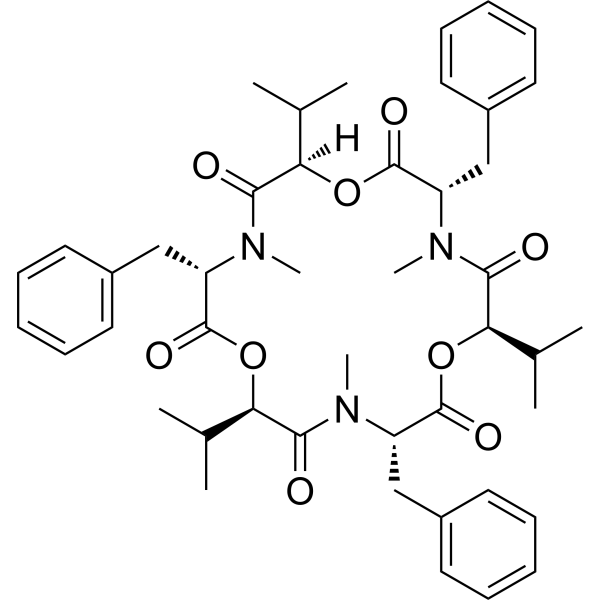
    Beauvericin is a cyclohexapeptide Fusarium toxin with insecticidal, antibacterial, anticancer, antiviral and cytotoxic activities. Beauvericin causes cellular genotoxicity by producing DNA breaks, chromosomal aberrations and micronuclei, and inhibits the PI3K/AKT pathway to induce apoptosis, thereby inhibiting the growth of HCC. In addition, Beauvericin affects immune function by inhibiting lymphocyte proliferation and interfering with the differentiation process of human monocytes into macrophages .
    Beauvericin
  • HY-W127709

    Environmental Pollutants Biochemical Assay Reagents Others
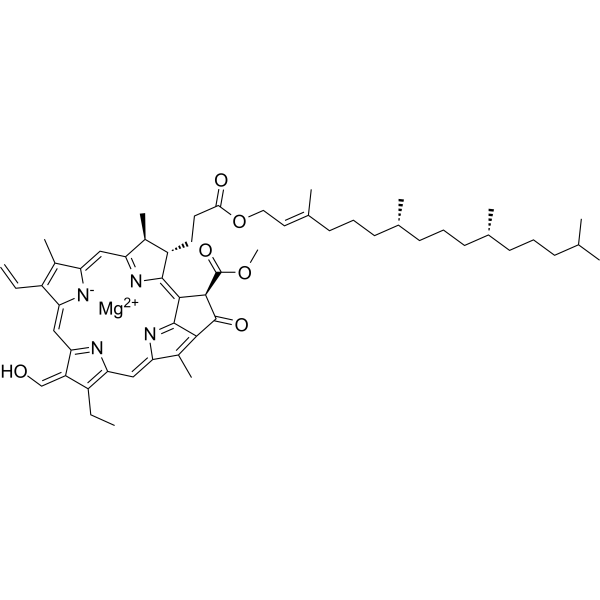
    Chlorophyll b is an orally active tetrapyrrole derivative and pigment. Chlorophyll b can be obtained from photosynthetic organisms such as plants and algae. Chlorophyll b acts as a hydrogen donor and increases Glutathione levels. Chlorophyll b has antioxidant activity and functionally replaces chlorophyll a in photosystem II to participate in photosynthesis. Chlorophyll b reduces Cisplatin (HY-17394)-induced DNA damage, chromosome instability, and oxidative stress. Chlorophyll b is mainly used in the study of plant photosynthesis mechanism .
    Chlorophyll b
  • HY-N6779
    Patulin
    4 Publications Verification

    Terinin

    Bacterial Apoptosis Autophagy Antibiotic Infection
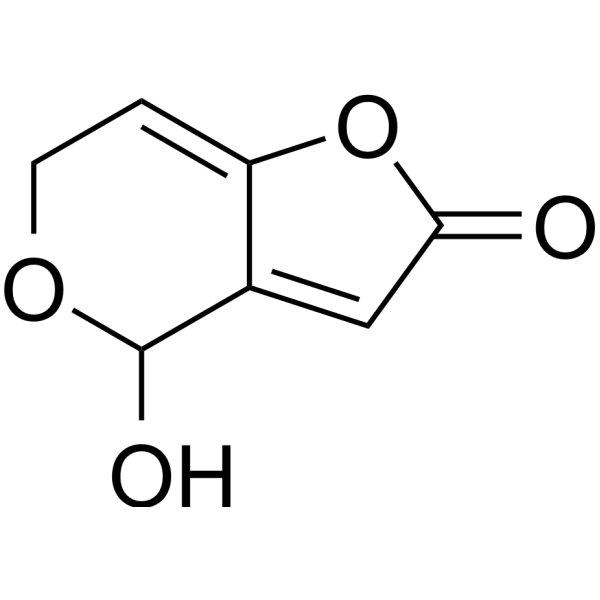
    Patulin (Terinin) is a mycotoxin produced by fungi including the Aspergillus, Penicillium, and Byssochlamys species, causes chromosome breakage, mutation, teratogenic and cytotoxic. Patulin induces autophagy-dependent apoptosis through lysosomal-mitochondrial axis, and causes DNA damage .
    Patulin
  • HY-127034

    Ser/Thr Protease DNA/RNA Synthesis Metabolic Disease Cancer
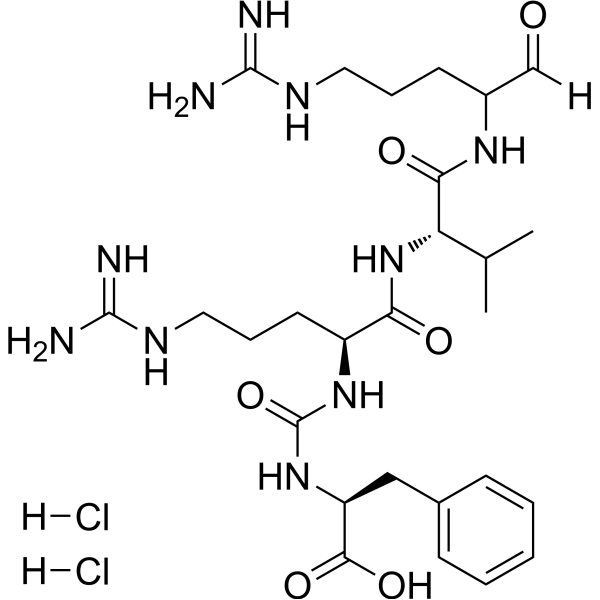
    Antipain dihydrochloride is a protease inhibitor isolated from Actinomycetes. Antipain dihydrochloride inhibits N-methyl-N'-nitro-N-nitrosoguanidine (MNNG)-induced transformation and increases chromosomal aberrations. Antipain dihydrochloride restricts uterine DNA synthesis and function in mice .
    Antipain dihydrochloride
  • HY-D1725

    Fluorescent Dye DNA Stain Others
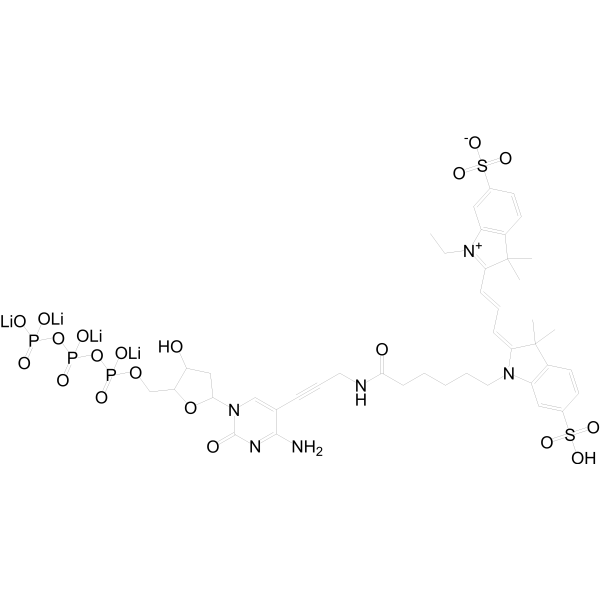
    Cy3-dCTP is a directly fluorescently labeled deoxyribonucleotide, in which Cy3 is a cyanine fluorescent dye. Cy3-dCTP is used for direct enzymatic labeling of DNA and cDNA: with the aid of DNA polymerases, this modified nucleotide is incorporated into the extending DNA strand during processes such as reverse transcription, PCR, nick translation or random primer labeling .
    Cy3-dCTP
  • HY-D1668

    DNA Stain Reverse Transcriptase Infection Neurological Disease Cancer
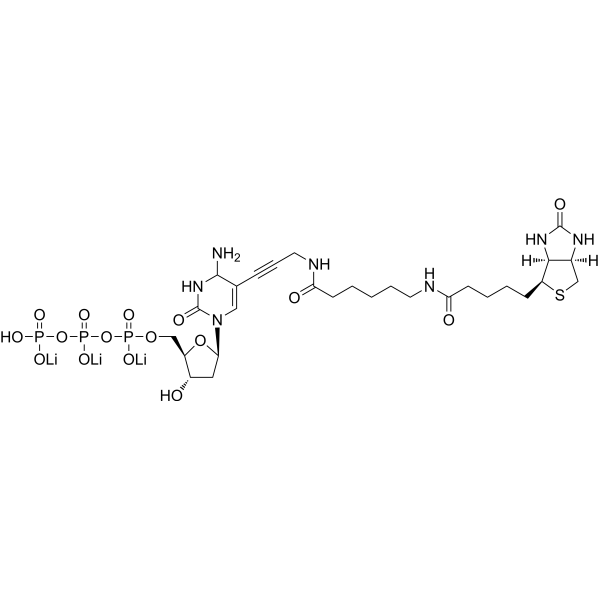
    Biotin-11-dCTP is a biotinylated deoxynucleoside triphosphate and an important DNA labeling reagent. In random primer DNA labeling reactions, Biotin-11-dCTP incorporates into newly synthesized DNA strands to generate labeled DNA probes suitable for hybridization applications. In addition, Biotin-11-dCTP can serve as a substrate for terminal deoxynucleotidyl transferase to end-label oligonucleotides for telomere sequence detection, or to label the cut ends of linearized DNA molecules, thereby supporting streptavidin-based electron microscopy analysis. For example, Biotin-11-dCTP can label the cut ends of linearized DNA molecules under the action of dGTP and avian myeloblastosis virus reverse transcriptase .
    Biotin-11-dCTP
  • HY-138616

    2'-Deoxyguanosine-5'-triphosphate

    DNA/RNA Synthesis Nucleoside Antimetabolite/Analog Inflammation/Immunology
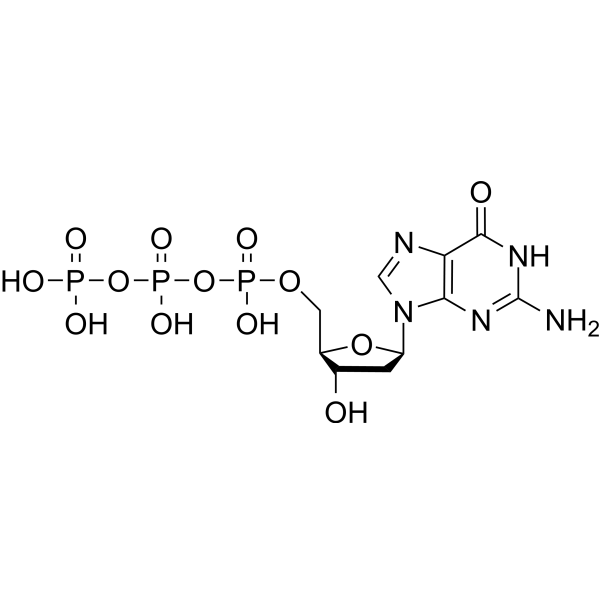
    dGTP (2'-Deoxyguanosine-5'-triphosphate) is one of the precursors for DNA synthesis, and serves as a direct substrate for DNA replication and repair. dGTP is prone to oxidative damage; under the action of reactive oxygen species and other factors, dGTP is oxidized to form 8-oxo-dGTP .
    dGTP
  • HY-136248
    Cyanine 3 Tyramide
    1 Publications Verification

    Tyramide-Cy3

    DNA Stain Fluorescent Dye Others
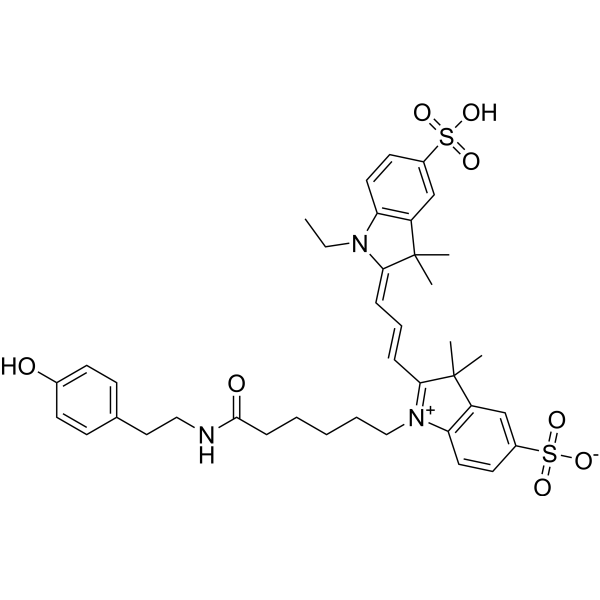
    Cyanine 3 Tyramide (Tyramide-Cy3) is an orange fluorescent dye used as a reporter fluorescent substrate for horseradish peroxidase (HRP)-catalyzed deposition, which serves as a signal amplification technique in immunoassays and in situ nucleic acid hybridization .
    Cyanine 3 Tyramide
  • HY-116887

    Endogenous Metabolite Nucleoside Antimetabolite/Analog DNA/RNA Synthesis Cancer
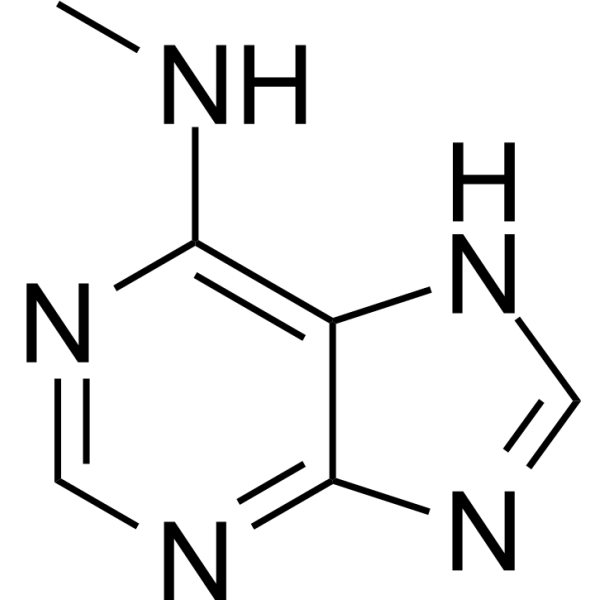
    N6-Methyladenine is a DNA epigenetic modification that involves the addition of a methyl group to the sixth position of adenine. N6-Methyladenine plays an important role in distinguishing host DNA from exogenous DNA and controls many biological functions, such as DNA replication, transcription, mismatch repair, and chromosome replication. N6-Methyladenine can be used for the kidney diseases .
    N6-Methyladenine
  • HY-138084

    Separase Mitosis Cancer
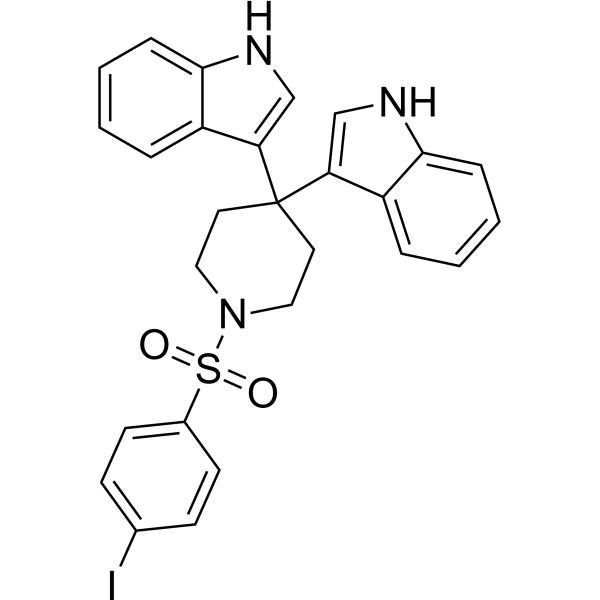
    SIC5-6 is a potent Separase inhibitor. Separase, a large cysteine protease, involves in chromosome segregation during mitosis and meiosis, DNA damage repair, centrosome disengagement and duplication, spindle stabilization and elongation. Separase is highly overexpressed in many solid cancers, serves as an attractive chemotherapeutic target .
    SIC5-6
  • HY-152246

    DNA/RNA Synthesis Cancer
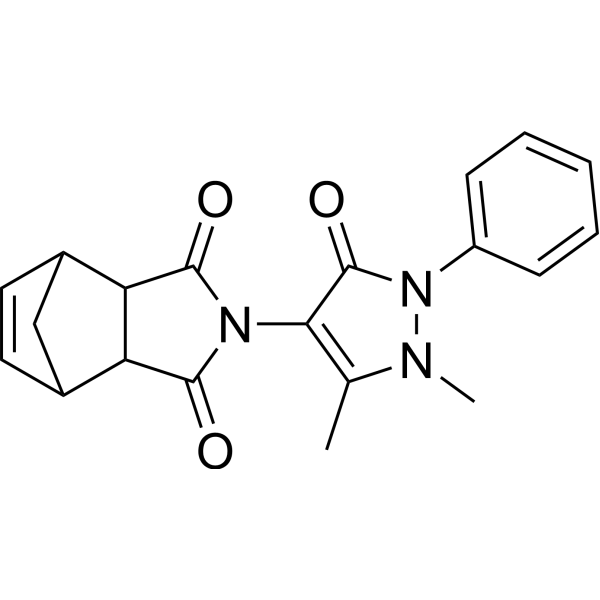
    ZIM, a norbornene derived from 4-Aminoantipyrine, is a potent inducer of DNA damage, causing genomic and chromosomal damage as well as inducing cell death and activating phagocytosis. ZIM has chemotherapeutic potential for use in cancer research .
    ZIM
  • HY-157549A

    AYX1 sodium

    Nucleoside Antimetabolite/Analog Neurological Disease
    Brivoligide (AYX1) sodium is a double-stranded, unprotected, 23 base-pair oligonucleotide. Brivoligide sodium can reduce acute post-surgical pain. Brivoligide sodium mimics the DNA sequence normally bound by EGR1 on chromosomes .
    Brivoligide sodium
  • HY-W199190

    DNA/RNA Synthesis Cancer
    2-CEES is a mustard gas analog forms only DNA monoadducts. 2-CEES induces centrosome amplification in human and mouse cells. 2-CEES induces centrosome amplification and chromosome instability .
    2-CEES
  • HY-W127705
    Quinacrine mustard dihydrochloride
    1 Publications Verification

    Fluorescent Dye Others
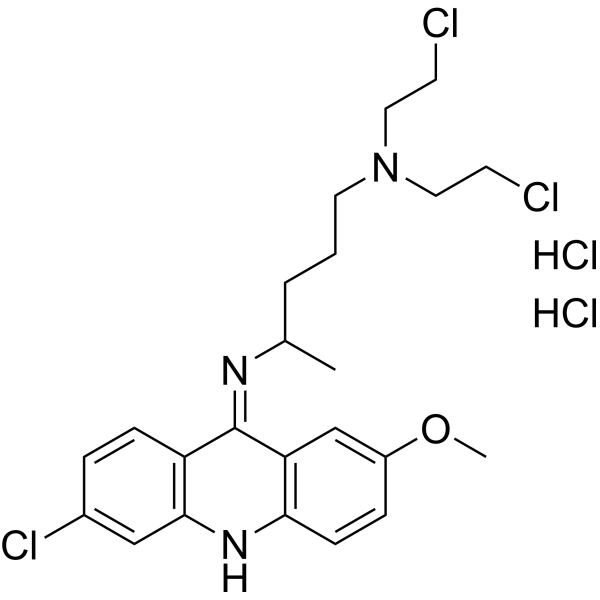
    Quinacrine mustard dihydrochloride is a fluorochrome. Quinacrine mustard dihydrochloride as a polycyclic aromatic agent can be used as mutagenic agent induces the mutants of bacteria. Quinacrine mustard dihydrochloride induces cell cycle arrest at G2/M-phase. Quinacrine mustard dihydrochloride has the potential for the research of plant, animal, or human chromosomes .
    Quinacrine mustard dihydrochloride
  • HY-N6779R

    Terinin (Standard)

    Reference Standards Bacterial Apoptosis Autophagy Antibiotic Infection
    Patulin (Standard) is the analytical standard of Patulin. This product is intended for research and analytical applications. Patulin (Terinin) is a mycotoxin produced by fungi including the Aspergillus, Penicillium, and Byssochlamys species, causes chromosome breakage, mutation, teratogenic and cytotoxic. Patulin induces autophagy-dependent apoptosis through lysosomal-mitochondrial axis, and causes DNA damage .
    Patulin (Standard)
  • HY-B0035B

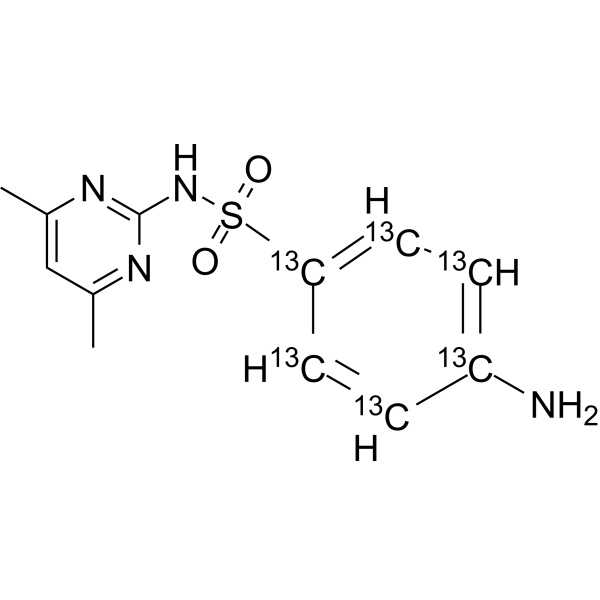
    Sulfadimidine 100 µg/mL in acetonitrile; Sulfadimerazine 100 µg/mL in acetonitrile

    Antibiotic Bacterial Infection
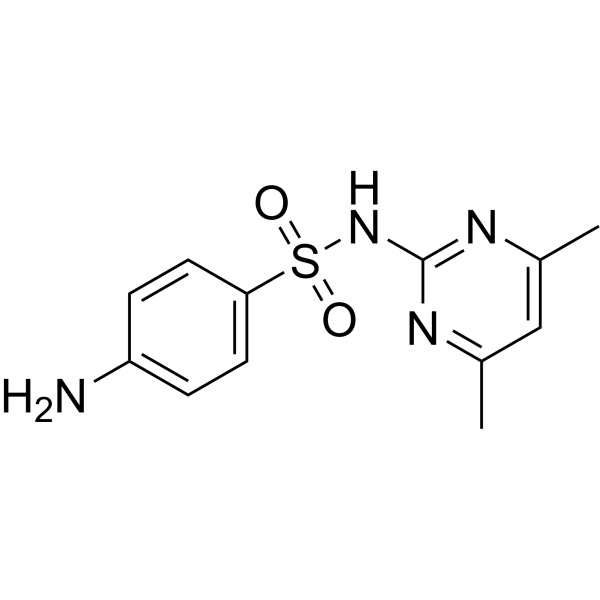
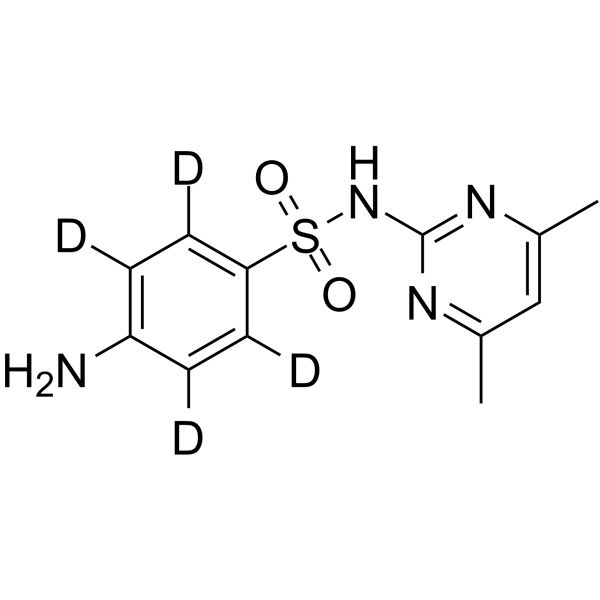
    Sulfamethazine (Sulfadimidine) 100 µg/mL in acetonitrile is a brain-penetrant sulfonamide antibiotic. Sulfamethazine 100 µg/mL in acetonitrile inhibits bacterial growth by blocking the synthesis of folic acid. Sulfamethazine 100 µg/mL in acetonitrile can be used for research on bacterial infections .
    Sulfamethazine 100 µg/mL in acetonitrile
  • HY-116887R

    Endogenous Metabolite Nucleoside Antimetabolite/Analog DNA/RNA Synthesis Reference Standards Cancer
    N6-Methyladenine (Standard) is the analytical standard of N6-Methyladenine (HY-116887). This product is intended for research and analytical applications. N6-Methyladenine is a modified purine that is widely present in prokaryotes. In prokaryotes, N6-Methyladenine plays an important role in distinguishing host DNA from exogenous DNA and controls many biological functions, such as DNA replication, transcription, mismatch repair, and chromosome replication. N6-Methyladenine can be used for the kidney diseases .
    N6-Methyladenine (Standard)
  • HY-157549

    AYX1

    Nucleoside Antimetabolite/Analog Neurological Disease
    Brivoligide (AYX1) is a double-stranded, unprotected, 23 base-pair oligonucleotide. Brivoligide can reduce acute post-surgical pain. Brivoligide mimics the DNA sequence normally bound by EGR1 on chromosomes .
    Brivoligide
  • HY-127039

    Ser/Thr Protease DNA/RNA Synthesis Metabolic Disease Cancer
    Antipain is a protease inhibitor isolated from Actinomycetes. Antipain inhibits N-methyl-N'-nitro-N-nitrosoguanidine (MNNG)-induced transformation and increases chromosomal aberrations. Antipain restricts uterine DNA synthesis and function in mice .
    Antipain
  • HY-134013

    DNA/RNA Synthesis Endothelin Receptor Cardiovascular Disease Cancer
    Piperitenone oxide is an orally active monoterpene ketone. Piperitenone oxide can be isolated from the essential oils of plants belonging to Mentha x villosa and Ziziphora clinopodioides. Piperitenone oxide induces differentiation. Piperitenone oxide induces chromosome breakage damage, aneuploidy damage and DNA single-strand breaks. Piperitenone oxide reduces ET-1 levels. Piperitenone oxide exerts antihypertensive effects. Piperitenone oxide can be used in studies related to colon cancer .
    Piperitenone oxide
  • HY-N6739S

    Acyltransferase Isotope-Labeled Compounds Infection
    Beauvericin- 13C45 is 13C labeled Beauvericin (HY-N6739). Beauvericin is a cyclohexapeptide Fusarium toxin with insecticidal, antibacterial, anticancer, antiviral and cytotoxic activities. Beauvericin causes cellular genotoxicity by producing DNA breaks, chromosomal aberrations and micronuclei, and inhibits the PI3K/AKT pathway to induce apoptosis, thereby inhibiting the growth of HCC. In addition, Beauvericin affects immune function by inhibiting lymphocyte proliferation and interfering with the differentiation process of human monocytes into macrophages .
    Beauvericin-13C45
  • HY-D1660

    NSC 219743

    DNA Stain Others
    Acridine homodimer (NSC 219743), acridine dimer, is a fluorescence dye. Acridine homodimer emits a blue-green fluorescence when bound to DNA. Acridine homodimer has extremely high affinity for AT-rich regions of nucleic acids, can be used for chromosome banding .
    Acridine homodimer
  • HY-121348

    U-47929

    Antibiotic Bacterial DNA/RNA Synthesis Infection
    Ficellomycin is a nitrogen-containing bicyclic antibiotic with strong activity against Gram-positive bacteria, including multidrug-resistant strains of Staphylococcus aureus. Ficellomycin works by inducing the formation of defective 34S DNA fragments, which interfere with the semi-conservative DNA replication process. These fragments lack the ability to integrate into larger DNA segments and eventually form a complete bacterial chromosome. Ficellomycin can be used in research for various bacterial diseases .
    Ficellomycin
  • HY-176784

    Others Neurological Disease Inflammation/Immunology
    Human MOG-specifying DNA is located at chromosome 6 within the human leukocyte antigen (HLA) gene locus. Human MOG-specifying DNA is exclusively expressed in the central nervous system (CNS) on the surface of myelin sheaths and oligodendrocytes (ODCs) processes, with unique methylation patterns in ODCs. Human MOG-specifying DNA can be used for inflammatory demyelinating diseases such as multiple sclerosis (MS) research .
    Human MOG-specifying DNA
  • HY-E70371

    Biochemical Assay Reagents Others
    Cre recombinase is a resolvase derived from the P1 bacteriophage. Cre recombinase catalyzes site-specific recombination between two loxP DNA sequences, converts dimers of P1 chromosome into monomers before cell division. Cre recombinase is utilized in genetic engineering and molecular biology applications .
    Cre recombinase
  • HY-W353258R

    BAY 12-8039 monohydrate (Standard)

    Reference Standards Antibiotic Topoisomerase Bacterial Infection
    Moxifloxacin hydrochloride (BAY 12-8039) monohydrate (Standard) is the analytical standard of Moxifloxacin hydrochloride monohydrate. This product is intended for research and analytical applications. Moxifloxacin hydrochloride monohydrate is a blood-brain barrier-permeable, orally active topoisomerase II/IV inhibitor and a fluoroquinolone antibiotic. Moxifloxacin hydrochloride monohydrate disrupts bacterial DNA replication, transcription, repair and chromosome segregation processes. Moxifloxacin hydrochloride monohydrate exhibits activity against Gram-positive bacteria, Gram-negative bacteria, anaerobes, atypical pathogens, drug-resistant respiratory pathogens, Mycobacterium tuberculosis, mycoplasmas and Ureaplasma urealyticum.
    Moxifloxacin hydrochloride monohydrate (Standard)
  • HY-116692

    Apoptosis Caspase Mitochondrial Metabolism PARP DNA/RNA Synthesis
    Apoptosis inducer 34 (Compound 4) is a small molecule compound that induces apoptosis by directly activating the intrinsic apoptotic pathway. Apoptosis inducer 34 promotes Apaf-1 oligomerization to form mature apoptosomes, thereby activating caspase-9 and caspase-3. It significantly activates the apoptotic pathway in Jurkat cells by enhancing the cytochrome c-dependent apoptotic signaling pathway, inducing PARP cleavage and chromosomal DNA fragmentation. Furthermore, Apoptosis inducer 34 exhibits low toxicity to normal cells, demonstrating potential for selective targeting of cancer cells. Apoptosis inducer 34 is a promising candidate for studying cancer related to apoptotic pathways .
    Apoptosis inducer 34
  • HY-E70902

    Topoisomerase Metabolic Disease
    Topoisomerase II, Yeast (EC 5.99.1.3) is a nuclear enzyme that play essential roles in DNA replication, transcription, chromosome segregation, and recombination. All cells have two major forms of topoisomerases: type I, which makes single-stranded cuts in DNA, and type II enzymes, which cut and pass double-stranded DNA.
    Topoisomerase II, Yeast
  • HY-E70900

    Topoisomerase Metabolic Disease
    Topoisomerase II β, Human (EC 5.99.1.3) is a nuclear enzyme that play essential roles in DNA replication, transcription, chromosome segregation, and recombination. All cells have two major forms of topoisomerases: type I, which makes single-stranded cuts in DNA, and type II enzymes, which cut and pass double-stranded DNA.
    Topoisomerase II β, Human
  • HY-E70901

    Topoisomerase Metabolic Disease
    Topoisomerase II α, Human (EC 5.99.1.3) is a nuclear enzyme that play essential roles in DNA replication, transcription, chromosome segregation, and recombination. All cells have two major forms of topoisomerases: type I, which makes single-stranded cuts in DNA, and type II enzymes, which cut and pass double-stranded DNA.
    Topoisomerase II α, Human
  • HY-W720550

    5,6-Epoxy-RP

    DNA/RNA Synthesis Drug Metabolite Cancer
    5,6-Epoxyretinyl palmitate (5,6-Epoxy-RP) is one of the main photodegradation products of Retinyl palmitate (HY-B1384) produced under UVA light irradiation. 5,6-Epoxyretinyl palmitate exhibits phototoxicity to cells and causes significant DNA single-strand breaks, DNA damage, and chromosomal mutations under light conditions .
    5,6-Epoxyretinyl palmitate
  • HY-171171

    DNA/RNA Synthesis Cancer
    NERx 329 is a replication protein A (RPA) inhibitor with an IC50 of 4.9 μM. NERx 329 blocks the interaction between RPA and single-stranded DNA, and induces functional RPA depletion, loss of single-stranded DNA gap protection, chromosome fragmentation and cell death. NERx 329 inhibits the DNA damage response signaling pathway, exhibits broad single-agent anticancer activity, and enhances the activity of DNA-damaging agents. NERx 329 can be used in research related to brca1-deficient breast cancer, non-small cell lung cancer, and brca1-deficient ovarian cancer .
    NERx 329
  • HY-P11137

    HSV Cancer
    LANA is a KSHV latency-associated nuclear antigen. The core function of LANA is to act as an "anchor" for the viral genome, attaching it to the chromatin of the host cell. LANA ensures that the episomal DNA of KSHV replicates together with the host chromosome and is evenly distributed among the daughter cells, thereby maintaining the latent infection of the virus in the cell population. LANA can regulate the transcription of viral and host cell genes, and regulate certain host cell genes to promote cell survival. LANA can be used to study the viral DNA tethering structure .
    LANA
  • HY-119578

    Cytochrome P450 Cancer
    Imiprothrin is an inducer that induces CYP1A2 and metallothionein 1a, with significant genotoxicity and cytotoxicity. In rat hepatocytes, Imiprothrin initiates detoxification responses by triggering the overexpression of these two genes. Imiprothrin induces chromosomal aberrations and micronucleus formation in rat bone marrow cells, and causes DNA damage in hepatocytes. Imiprothrin triggers oxidative stress in rats, leading to lipid peroxidation, excessive reactive oxygen species production and redox imbalance, which in turn impairs liver and kidney functions and causes tissue damage. Imiprothrin inhibits weight gain in mice, and even causes high mortality in female mice at high doses. However, it shows no carcinogenicity in rat experiments; among relevant indicators, aspartate aminotransferase and total protein are identified as sensitive toxicity biomarkers .
    Imiprothrin
  • HY-N13034

    Caspase Apoptosis Parasite Infection Cancer
    Diuvaretin is an antimalarial agent and a C-phenylated dihydrochalcone. Diuvaretin can be isolated from the roots of U. acuminata. Diuvaretin increases the activity of Caspase-3 and triggers Apoptosis. Diuvaretin exhibits antiparasitic activity against Plasmodium falciparum. Diuvaretin can be used in the research of promyelocytic leukemia and malaria .
    Diuvaretin
  • HY-178588

    Nucleoside Antimetabolite/Analog Cancer
    Fluorescein-12-dUTP is a fluorescent labeling and detection reagent that can be used for nucleic acid synthesis. Fluorescein-12-dUTP can be used to synthesize labeled DNA probes for in situ hybridization, microarray or western blot analysis .
    Fluorescein-12-dUTP
  • HY-178588A

    Nucleoside Antimetabolite/Analog Others
    Fluorescein-12-dUTP (sodium) solution (1 mM) is a fluorescent labeling and detection reagent that can be used for nucleic acid synthesis. Fluorescein-12-dUTP (sodium) solution (1 mM) can be used to synthesize labeled DNA probes for in situ hybridization, microarray or western blot analysis .
    Fluorescein-12-dUTP sodium solution (1 mM)

Inquiry Online

Your information is safe with us. * Required Fields.

Salutation


Country or Region *

Applicant Name *


Organization Name *

Department *


Email Address *


Product Name *

Cat. No.


Requested quantity *

Phone Number *


Remarks

Inquiry Online

Inquiry Information

Product Name:
Cat. No.:
Quantity:
MCE Japan Authorized Agent:

