
Search Result
Results for "
ciprofloxacin
" in MedChemExpress (MCE) Product Catalog:
3
Biochemical Assay Reagents
9
Isotope-Labeled Compounds
| Cat. No. |
Product Name |
Target |
Research Areas |
Chemical Structure |
-
- HY-B0356
-
-
-
- HY-B0356B
-
|
Bay-09867 hydrochloride monohydrate
|
Topoisomerase
Apoptosis
Antibiotic
Bacterial
Mitochondrial Metabolism
Reactive Oxygen Species (ROS)
|
Infection
Cancer
|
|
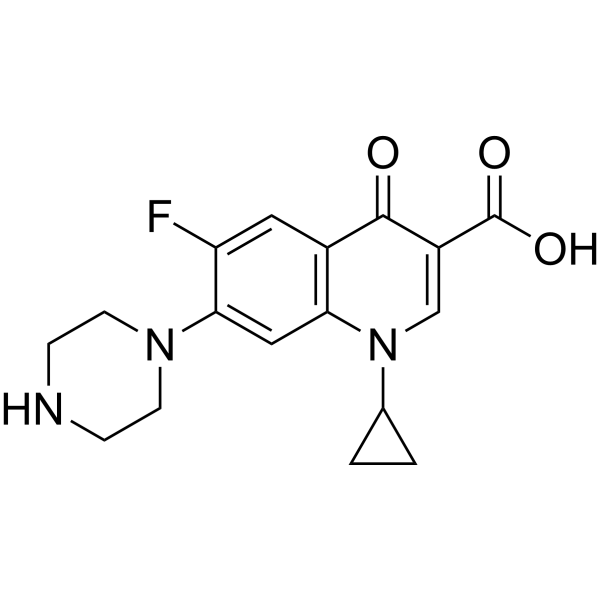
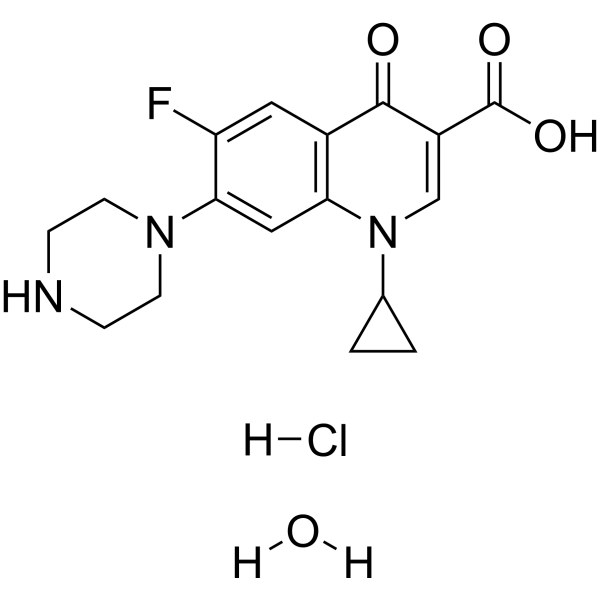
Ciprofloxacin (Bay-09867) hydrochloride monohydrate is a potent, orally active topoisomerase IV inhibitor. Ciprofloxacin hydrochloride monohydrate induces mitochondrial DNA and nuclear DNA damage and lead to mitochondrial dysfunction, ROS production. Ciprofloxacin hydrochloride monohydrate has anti-proliferative activity and induces apoptosis. Ciprofloxacin hydrochloride monohydrate is a fluoroquinolone antibiotic, exhibiting potent antibacterial activity .
|
-
-
- HY-B0356A
-
|
Bay-09867 monohydrochloride
|
Topoisomerase
Apoptosis
Antibiotic
Bacterial
Mitochondrial Metabolism
Reactive Oxygen Species (ROS)
|
Infection
Cancer
|
|
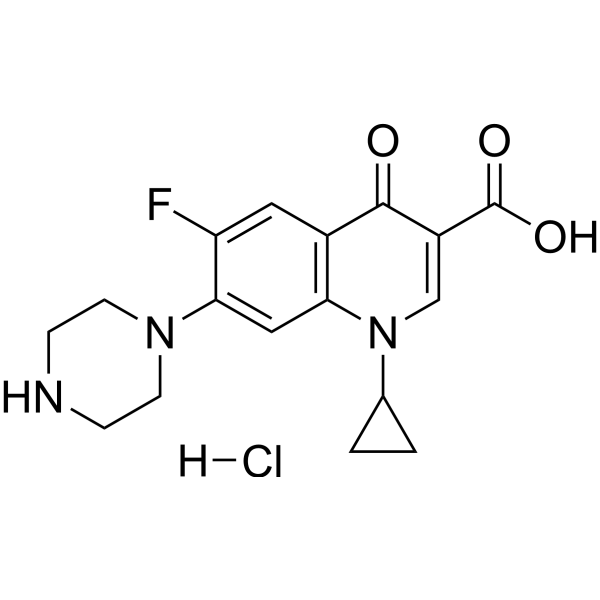
Ciprofloxacin (Bay-09867) monohydrochloride is a potent, orally active topoisomerase IV inhibitor. Ciprofloxacin monohydrochloride induces mitochondrial DNA and nuclear DNA damage and lead to mitochondrial dysfunction, ROS production. Ciprofloxacin monohydrochloride has anti-proliferative activity and induces apoptosis. Ciprofloxacin monohydrochloride is a fluoroquinolone antibiotic, exhibiting potent antibacterial activity .
|
-
-
- HY-B0356S1
-
|
Bay-09867-d8
|
Bacterial
Antibiotic
|
Infection
|
|
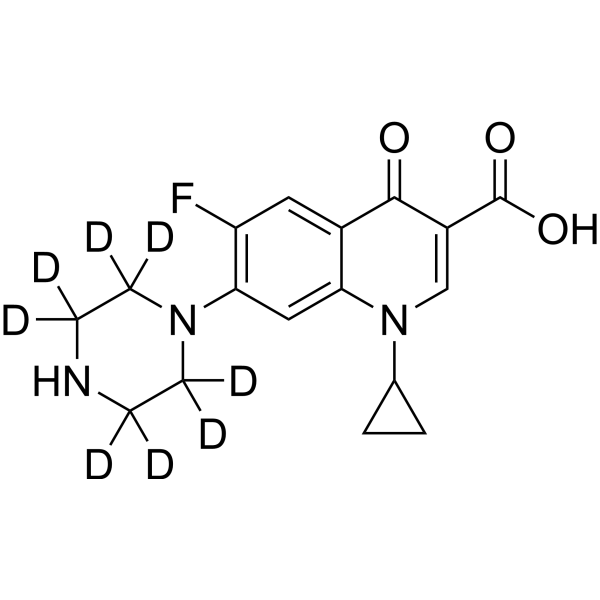
Ciprofloxacin-d8 is the deuterium labeled Ciprofloxacin. Ciprofloxacin (Bay-09867) is a fluoroquinolone antibiotic, exhibiting potent antibacterial activity.
|
-
-
- HY-Y1718
-
|
N-Tridecanoic acid
|
Endogenous Metabolite
Bacterial
|
Infection
|
|
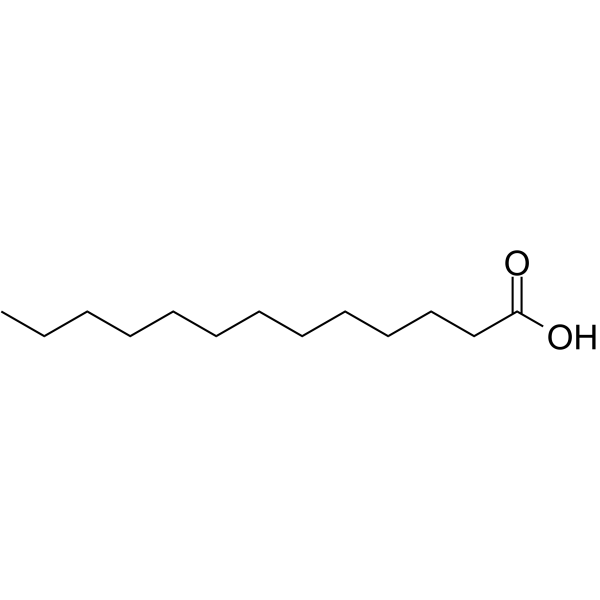
Tridecanoic acid (N-Tridecanoic acid) is a medium-chain saturated fatty acid and inhibitor with no antibacterial activity against enterohemorrhagic E. coli (EHEC). When used in combination with Ciprofloxacin (HY-B0356) or Ampicillin (HY-B0522), Tridecanoic acid suppresses persister formation in exponentially growing E. coli and EHEC, but exerts no inhibitory effect on persister formation induced by Kanamycin (HY-16566) or in stationary-phase cells. Tridecanoic acid inhibits biofilm formation in EHEC. It can be used in the research of bacterial infections .
|
-
-
- HY-P5589
-
|
PlnA
|
Bacterial
Reactive Oxygen Species (ROS)
|
Infection
Inflammation/Immunology
|
|
Plantaricin A is an antimicrobial peptide that can be derived from Lactobacillus plantarum. Plantaricin A has a synergistic effect with Ciprofloxacin. Plantaricin A shows anti-microbial activity. Plantaricin A increases the membrane potential of S. aureus and the level of intracellular ROS. Plantaricin A inhibits the function of the efflux pump by binding it and altering the structure of MepA, NorA, and LmrS. Plantaricin A significantly relieves inflammation, and promotes wound healing. Plantaricin A permeabilizes cancerous rat pituitary cells [1][2].
|
-
-
- HY-B0356S
-
|
Bay-09867-d8 hydrochloride
|
Bacterial
Antibiotic
|
Infection
|
|
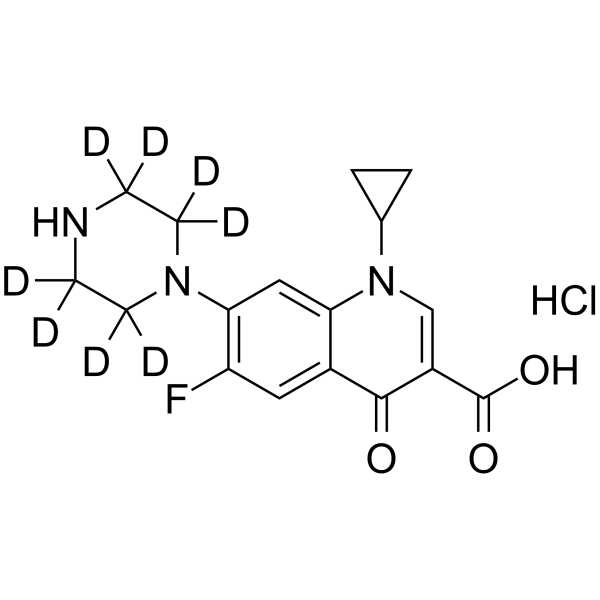
Ciprofloxacin-d8 (hydrochloride) is the deuterium labeled Ciprofloxacin. Ciprofloxacin (Bay-09867) hydrochloride is a fluoroquinolone antibiotic, exhibiting potent antibacterial activity.
|
-
-
- HY-B0356R
-
|
Bay-09867 (Standard)
|
Reference Standards
Topoisomerase
Apoptosis
Antibiotic
Bacterial
Mitochondrial Metabolism
Reactive Oxygen Species (ROS)
|
Infection
Cancer
|
|
Ciprofloxacin (Standard) is the analytical standard of Ciprofloxacin. This product is intended for research and analytical applications. Ciprofloxacin (Bay-09867) is a potent, orally active topoisomerase IV inhibitor. Ciprofloxacin induces mitochondrial DNA and nuclear DNA damage and lead to mitochondrial dysfunction, ROS production. Ciprofloxacin has anti-proliferative activity and induces apoptosis. Ciprofloxacin is a fluoroquinolone antibiotic, exhibiting potent antibacterial activity .
|
-
-
- HY-B0356BR
-
|
Bay-09867 hydrochloride monohydrate (Standard)
|
Reference Standards
Topoisomerase
Apoptosis
Antibiotic
Bacterial
Mitochondrial Metabolism
Reactive Oxygen Species (ROS)
|
Infection
Cancer
|
|
Ciprofloxacin (hydrochloride monohydrate) (Standard) is the analytical standard of Ciprofloxacin (hydrochloride monohydrate). This product is intended for research and analytical applications. Ciprofloxacin (Bay-09867) hydrochloride monohydrate is a potent, orally active topoisomerase IV inhibitor. Ciprofloxacin hydrochloride monohydrate induces mitochondrial DNA and nuclear DNA damage and lead to mitochondrial dysfunction, ROS production. Ciprofloxacin hydrochloride monohydrate has anti-proliferative activity and induces apoptosis. Ciprofloxacin hydrochloride monohydrate is a fluoroquinolone antibiotic, exhibiting potent antibacterial activity .
|
-
-
- HY-177716
-
|
|
Beta-lactamase
Bacterial
|
Infection
|
|
Ciprofloxacin prodrug-1 (Compound 35) is an activated prodrug of β-lactase. Ciprofloxacin prodrug-1 exhibits good antibacterial activity against bacteria containing β-lactase (MIC = 63 nM). After being hydrolyzed by β-lactase, Ciprofloxacin prodrug-1 can release Ciprofloxacin (HY-B0356), thereby inhibiting the activity of DNA gyrase. Ciprofloxacin prodrug-1 can be used to study infections caused by enzyme-producing drug-resistant bacteria (such as uropathogenic Escherichia coli) .
|
-
-
- HY-B0356AS1
-
-
-
- HY-122139
-
|
|
Bacterial
|
Infection
|
|
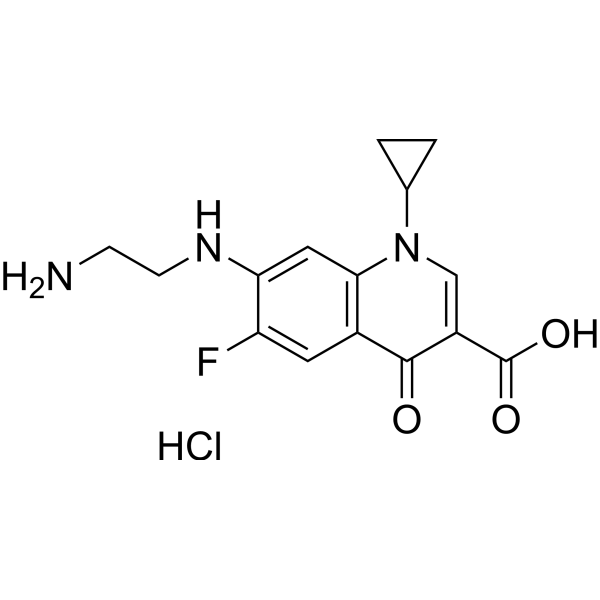
Desethylene Ciprofloxacin hydrochloride is a major metabolite of Ciprofloxacin (HY-B0356). Ciprofloxacin is an orally active topoisomerase IV inhibitor. Desethylene Ciprofloxacin hydrochloride has antibacterial activity .
|
-
-
- HY-W040298
-
-
-
- HY-146328
-
|
|
Bacterial
Antibiotic
|
Infection
|
|
PqsR/LasR-IN-2 (Compound 3) is a potent inhibitor of PqsR and LasR systems in P. aeruginosa. PqsR/LasR-IN-2 also inhibits hERG with the IC50 of 1.408 µM .
|
-
-
- HY-146329
-
|
|
Bacterial
Antibiotic
|
Infection
|
|
PqsR/LasR-IN-3 (Compound 7a) is a potent inhibitor of PqsR and LasR systems in P. aeruginosa. PqsR/LasR-IN-3 also inhibits hERG with the IC50 of 109.01 µM .
|
-
-
- HY-W040298R
-
|
Bay-09867 lactate (Standard)
|
Reference Standards
Topoisomerase
Apoptosis
Antibiotic
Bacterial
Mitochondrial Metabolism
Reactive Oxygen Species (ROS)
|
Infection
Cancer
|
|
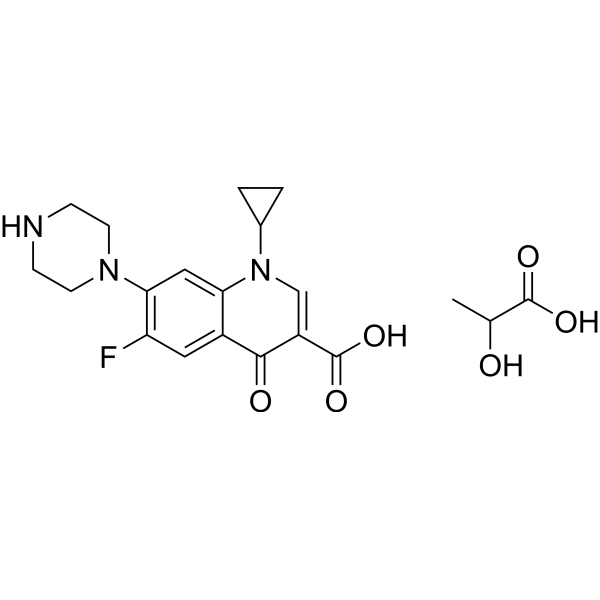
Ciprofloxacin (lactate) (Standard) is the analytical standard of Ciprofloxacin (lactate). This product is intended for research and analytical applications. Ciprofloxacin (Bay-09867) lactate is a potent, orally active topoisomerase IV inhibitor. Ciprofloxacin lactate induces mitochondrial DNA and nuclear DNA damage and lead to mitochondrial dysfunction, ROS production. Ciprofloxacin lactate has anti-proliferative activity and induces apoptosis. Ciprofloxacin lactate is a fluoroquinolone antibiotic, exhibiting potent antibacterial activity [4].
|
-
-
- HY-122139R
-
|
|
Bacterial
Reference Standards
|
Infection
|
|
Desethylene Ciprofloxacin (hydrochloride) (Standard) is the analytical standard of Desethylene Ciprofloxacin (hydrochloride). This product is intended for research and analytical applications. Desethylene Ciprofloxacin hydrochloride is a major metabolite of Ciprofloxacin (HY-B0356). Ciprofloxacin is an orally active topoisomerase IV inhibitor. Desethylene Ciprofloxacin hydrochloride has antibacterial activity .
|
-
-
- HY-141789S
-
-
-
- HY-B0356AS
-
|
Bay-09867-d8 hydrochloride hydrate
|
Isotope-Labeled Compounds
Bacterial
Antibiotic
|
Infection
|
|
Ciprofloxacin-d8 (hydrochloride hydrate) is the deuterium labeled Ciprofloxacin hydrochloride monohydrate. Ciprofloxacin hydrochloride monohydrate is a fluoroquinolone antibiotic, exhibiting potent antibacterial activity.
|
-
-
- HY-B0356BS
-
|
Bay-09867-d8 hydrochloride monohydrate
|
Isotope-Labeled Compounds
Bacterial
Antibiotic
|
Infection
|
|
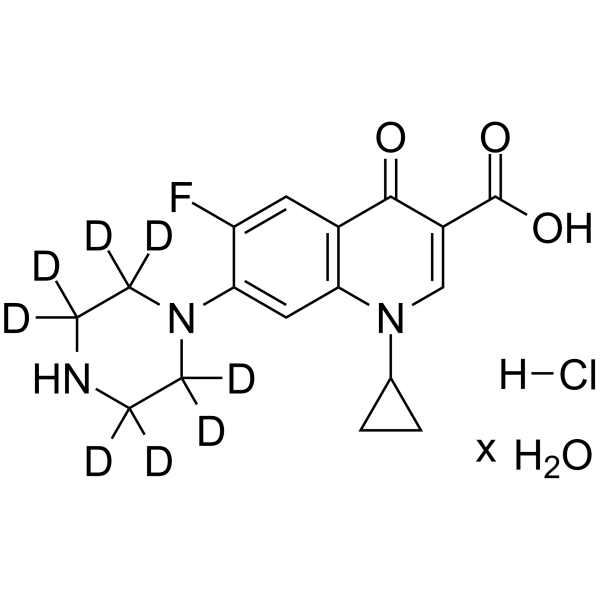
Ciprofloxacin-d8 (hydrochloride monohydrate) is the deuterium labeled Ciprofloxacin (hydrochloride monohydrate). Ciprofloxacin hydrochloride is a fluoroquinolone antibiotic, exhibiting potent antibacterial activity.
|
-
-
- HY-154768S
-
-
-
- HY-B0356AR
-
|
Bay-09867 monohydrochloride (Standard)
|
Reference Standards
Topoisomerase
Apoptosis
Antibiotic
Bacterial
Mitochondrial Metabolism
Reactive Oxygen Species (ROS)
|
Infection
Cancer
|
|
Ciprofloxacin (monohydrochloride) (Standard) is the analytical standard of Ciprofloxacin (monohydrochloride). This product is intended for research and analytical applications. Ciprofloxacin (Bay-09867) monohydrochloride is a potent, orally active topoisomerase IV inhibitor. Ciprofloxacin monohydrochloride induces mitochondrial DNA and nuclear DNA damage and lead to mitochondrial dysfunction, ROS production. Ciprofloxacin monohydrochloride has anti-proliferative activity and induces apoptosis. Ciprofloxacin monohydrochloride is a fluoroquinolone antibiotic, exhibiting potent antibacterial activity [4].
|
-
-
- HY-NP0248
-
|
|
Biochemical Assay Reagents
|
Inflammation/Immunology
|
|
Ciprofloxacin-BSA is a conjugate of Ciprofloxacin (HY-B0356) and BSA. By conjugating the antigen with protein adjuvants, the production of antigen-specific antibodies in vaccine models can be enhanced. The conjugate does not affect protein folding or disrupt the primary epitopes, and it can enhance cross-presentation and the generation of antigen-specific T cells .
|
-
-
- HY-N8606
-
-
-
- HY-B0356S2
-
-
-
- HY-W097867
-
|
8-Methoxy ciprofloxacin; 8-Methoxy-cipro
|
Bacterial
|
Infection
|
|
3-Desmethyl Gatifloxacin (8-Methoxy Ciprofloxacin) induces DNA cleavage mediated by wild-type gyrase and Quinolone-resistant mutants. 3-Desmethyl Gatifloxacin can be used for research of drug resistance .
|
-
-
- HY-147782
-
|
|
Apoptosis
|
Cancer
|
|
Anticancer agent 67 (Compound 13g) is an anti-cancer agent. Anticancer agent 67 induces apoptosis and increases sub-G1 cell population in MCF-7 cells. Anticancer agent 67 is a ciprofloxacin analog .
|
-
-
- HY-147781
-
|
|
Apoptosis
|
Cancer
|
|
Anticancer agent 66 (Compound 13e) is an anti-cancer agent. Anticancer agent 66 induces apoptosis and increases sub-G1 cell population in MCF-7 cells. Anticancer agent 66 is a ciprofloxacin analog .
|
-
-
- HY-161258
-
|
|
Bacterial
|
Infection
|
|
Antibacterial agent 181 (Compound 3f) is a potent ciprofloxacin cationic antibacterial agent with low cytotoxicity. The MIC values of Antibacterial agent 181 against Staphylococcus aureus and Escherichia coli are both 2 μg/mL .
|
-
-
- HY-151944
-
|
|
Bacterial
Antibiotic
|
Infection
|
|
Antibacterial agent 128 is a siderophore analog-Ciprofloxacin (HY-B0356) conjugate with a cleavable linker. Antibacterial agent 128 shows antibiotic activities against P. aeruginosa (MIC values of 0.25-64 μg/mL) and B. pseudomallei (MIC values of 1-32 μg/mL) .
|
-
-
- HY-W753945
-
-
-
- HY-19895
-
|
|
Bacterial
|
Infection
|
|
DS-8587 is a new fluoroquinolone with significant antibacterial activity. The MIC value of DS-8587 against clinically isolated amoxicillin-resistant Bacillus strains is superior to ciprofloxacin and levofloxacin. The antibacterial activity of DS-8587 is less affected by adeA/adeB/adeC or abeM efflux pumps, and has more advantages than ciprofloxacin. DS-8587 has a lower single-step mutation frequency than ciprofloxacin. DS-8587 may be an effective drug for inhibiting amoxicillin-resistant Bacillus infections .
|
-
-
- HY-132925
-
|
|
Fungal
|
Infection
|
|
Antifungal agent 16 displays considerable antibacterial activity and superior antifungal activity with reference to ciprofloxacin and fluconazole, respectively.
|
-
-
- HY-149997
-
-
-
- HY-154862
-
|
|
Apoptosis
|
Infection
Cancer
|
|
Anticancer agent 119 (compound 15) is an N-acylated ciprofloxacin derivative, which has certain antibacterial activity and induces ROS production to promote cancer cell apoptosis .
|
-
-
- HY-120011
-
|
|
Bacterial
|
Others
|
|
Ro 24-6392 is an ester-linked co-drug combining Ciprofloxacin (HY-B0356) and Desacetylcefotaxime (HY-126129) with inhibitory activity against a variety of aerobic bacteria in vitro.
|
-
-
- HY-147969
-
|
|
Nucleoside Antimetabolite/Analog
|
Cancer
|
|
Antiangiogenic agent 2 (compound 3b) is a potent thymidine phosphorylase inhibitor, with an IC50 of 39.71 μM. Antiangiogenic agent 2 shows anti-angiogenic activity .
|
-
-
- HY-154861
-
|
|
Bacterial
Apoptosis
Necroptosis
|
Cancer
|
|
Anticancer agent 118, a N‑acylated ciprofloxacin derivative, has anti-bacterial and anticancer activities. Anticancer agent 118 shows high activity against Gram-positive strains and antiproliferative activities against prostate PC3 cells. Anticancer agent 118 can be used for antitumor research .
|
-
-
- HY-146327
-
|
|
Bacterial
Antibiotic
|
Infection
|
|
PqsR/LasR-IN-1 (compound 2a) is a potent PqsR and LasR systems inhibitor. PqsR/LasR-IN-1 has anti-virulence activity against Pseudomonas aeruginosa. PqsR/LasR-IN-1 can reduce production of biofilm, pyocyanin, and rhamnolipids in PA .
|
-
-
- HY-146329R
-
|
|
Reference Standards
Bacterial
Antibiotic
|
Infection
|
|
Ganoderic acid C2 (Standard) is the analytical standard of Ganoderic acid C2. This product is intended for research and analytical applications. Ganoderic acid C2 is a bioactive triterpenoid in Ganoderma lucidum. Ganoderic acid C2 possesses the potential anti-tumor bioactivity, antihistamine, anti-aging and cytotoxic effects. Ganoderic acid C2 exhibits high inhibitory activity against the rat lens aldose reductase (RLAR) with an IC50 of 3.8 µM .
|
-
-
- HY-146328R
-
|
|
Reference Standards
Bacterial
Antibiotic
|
Infection
|
|
PqsR/LasR-IN-2 (Standard) is the analytical standard of PqsR/LasR-IN-2. This product is intended for research and analytical applications. PqsR/LasR-IN-2 (Compound 3) is a potent inhibitor of PqsR and LasR systems in P. aeruginosa. PqsR/LasR-IN-2 also inhibits hERG with the IC50 of 1.408 µM[1].
|
-
-
- HY-146327R
-
-
-
- HY-149333
-
|
|
Bacterial
|
Infection
|
|
BO-1 is a benzoate ester with antibacterial activity. BO-1 inhibits multidrug-resistant Staphylococcus aureus, and acts function synergistically with antibiotic, such as Ciprofloxacin (HY-B0356). BO-1 can reverse the resistance of antibiotic-resistant S. aureus strains, and decreases the level of inflammatory factors IL-6 and C-reactive protein in vivo in mice .
|
-
-
- HY-149881
-
|
|
Bacterial
|
Infection
|
|
Quorum sensing-IN-2 (compound 23e) is a quorum sensing inhibitor, which can reduce the pathogenicity of bacteria without affecting bacterial growth. Quorum sensing-IN-2 inhibits bacterial infections with little hemolytic activity. Quorum sensing-IN-2 shows synergistic effect with Ciprofloxacin (HY-B0356) in the bacteremia model infected with P. aeruginosa PAO1 .
|
-
-
- HY-168631
-
|
|
Bacterial
|
Infection
|
|
Antibacterial agent 254 (Compound 2) is a dispersion sensor (DspS) activator that disperses Pseudomonas aeruginosa biofilms. Antibacterial agent 254 can dislodge 7-day P. aeruginosa biofilms at 50 μM. Antibacterial agent 254 also enhances the effects of Ciprofloxacin (HY-B0356) against P. aeruginosa and increases the expression of matrix-degrading enzyme genes pelA, pslG and eddA .
|
-
-
- HY-123508
-
|
|
Drug Metabolite
Bacterial
|
Infection
|
|
PD 131628 is an antimicrobial agent and active PD 131112 metabolite. PD 131628 is two- to four-fold more active than Ciprofloxacin (HY-B0356), inhibiting all strains of Staphylococcus aureus and Streptococcus pneumoniae. PD 131628 is very active against Neisseria spp., Haemophilus influenzae and Moraxella catarrhalis, with MIC90s ranging from 0.004 to 0.008 mg/L .
|
-
-
- HY-155479
-
|
|
Bacterial
|
Infection
|
|
PqsR-IN-3 (compound 16e) is a selective inhibitor of the pqs system (IC50=3.7 μM) and its associated virulence factor pyocyanin (IC50=2.7 μM). PqsR-IN-3 inhibits bacterial biofilm synthesis and is significantly cytotoxic against Pseudomonas aeruginosa. PqsR-IN-3 has synergistic effects with several antibiotics, such as Ciprofloxacin (HY-B0356) and Tobramycin (HY-B0441) .
|
-
-
- HY-W285163
-
|
Formyl ciprofloxacin
|
Drug Intermediate
|
Others
|
|
Ciprofloxacin impurity 9 (Formyl Ciprofloxacin) is an impurity of Ciprofloxacin.
|
-
-
- HY-151458
-
|
|
VEGFR
Bacterial
Dihydrofolate reductase (DHFR)
Fungal
|
Infection
Cancer
|
|
VEGFR-2/DHFR-IN-1 (compound 8b) is an inhibitor of VEGFR-2 and DHFR with IC50s of 0.384 and 7.881 μM, respectively. VEGFR-2/DHFR-IN-1 shows good antibacterial activities against Escherichia coli, Streptococcus faecalis, Salmonella enterica, MSSA and MRSA with MIC values of 16, 16, 16, 8, and 16 μg/mL, respectively. VEGFR-2/DHFR-IN-1 exhibits good cytotoxic activities against C26, HepG2, and MCF7 cancer cell lines with IC50 values of 2.97-7.12 μM. VEGFR-2/DHFR-IN-1 can be used for the research of cancer .
|
-
-
- HY-151459
-
|
|
VEGFR
Bacterial
Dihydrofolate reductase (DHFR)
Fungal
|
Infection
Cancer
|
|
VEGFR-2/DHFR-IN-2 (compound 5b) is an inhibitor of VEGFR-2 and DHFR with IC50s of 0.623 and 9.085 μM, respectively. VEGFR-2/DHFR-IN-2 exhibits good cytotoxic activities against C26, HepG2, and MCF7 cancer cell lines with IC50 values of 3.59-8.38 μM. VEGFR-2/DHFR-IN-2 can be used for the research of cancer .
|
-
- HY-173270
-
|
|
Bacterial
|
Infection
|
|
Antibacterial synergist 3 is a dual-acting inhibitor of biofilm (IC50 of PAO1: 0.40 μM and IC50 of PA14: 1.45 μM). Antibacterial synergist 3 reduces virulence production by inhibiting the quorum sensing (QS) system and induces iron deficiency in P. aeruginosa PAO1. Antibacterial synergist 3 enhances the efficacy of Tobramycin (HY-B0441) and Ciprofloxacin (HY-B0356) in a mouse wound infection model. Antibacterial synergist 3 can be used for the research of P. aeruginosa infections .
|
-
- HY-163481
-
|
|
Bacterial
|
Infection
|
|
Antibiofilm agent-6 (Compound 26c) is a quorum sensing inhibitor with strong antibiofilm effects that can inhibit the fluorescence intensity of PAO1-lasB-gfp and PAO1-pqsA-gfp in a concentration-dependent manner. Antibiofilm agent-6 can inhibit the production of pyocyanin and rhamnolipid. Antibiofilm agent-6 aids helps ciprofloxacin (HY-B0356) effectively eliminate the living bacteria in a mouse model infected with P. aeruginosa PAO1 .
|
-
- HY-Z6625
-
|
ciprofloxacin impurity D
|
Drug Intermediate
|
Others
|
|
Ciprofloxacin impurity 2 (Ciprofloxacin impurity D) is an impurity of Ciprofloxacin.
|
-
- HY-Z8244
-
|
ciprofloxacin impurity D hydrochloride
|
Drug Intermediate
|
Others
|
|
Ciprofloxacin impurity 2 hydrochloride (Ciprofloxacin impurity D hydrochloride) is an impurity of Ciprofloxacin hydrochloride.
|
-
- HY-Z11315
-
|
ciprofloxacin impurity C
|
Drug Intermediate
|
Others
|
|
Ciprofloxacin impurity 1 (Ciprofloxacin impurity C) is an impurity of Ciprofloxacin.
|
-
- HY-113703
-
|
|
Antibiotic
|
Cancer
|
|
PD117588 is a quinolone antibacterial agent with a broad range of antibacterial activity. PD117588 exhibits excellent activity against a variety of Gram-positive and Gram-negative bacteria from cancer patients, especially against all Gram-positive strains, including methicillin-resistant Staphylococcus aureus, coagulase-negative Staphylococci, and Enterococci. PD117588 is also very effective against most Gram-negative bacilli, although ciprofloxacin shows stronger activity against Pseudomonas aeruginosa. Compared with other quinolone antibiotics, the minimum inhibitory concentration of PD117588 outperforms most of the tested microorganisms, including imipenem and ceftazidime .
|
-
- HY-174326
-
|
|
Bacterial
|
Infection
|
|
Antibacterial agent 282 (Compound CP7), a seleno-Ciprofloxacin (HY-B0356) derivative, is an Antibacterial agent. Antibacterial agent 282 has significant antibacterial activity against gram-positive bacterium and gram-negative bacterium with MICs of 0.1-1.56 and 0.1-3.13 μg/mL, respectively (MBCs of 0.2-1.56 and 0.39-12.5 μg/mL). Antibacterial agent 282 potently disrupts and prevents biofilms formation of P. aeruginosa. Antibacterial agent 282 shows significant inhibitory activity towards the DNA gyrase from E. coli .
|
-
- HY-W285163S
-
|
Formyl ciprofloxacin-d8
|
Isotope-Labeled Compounds
|
Others
|
|
1-Cyclopropyl-6-fluoro-7-(4-formylpiperazin-1-yl)-4-oxo-1,4-dihydroquinoline-3-carboxylic acid-d8 is deuterated labeled 1-Cyclopropyl-6-fluoro-7-(4-formylpiperazin-1-yl)-4-oxo-1,4-dihydroquinoline-3-carboxylic acid.
|
-
- HY-112027
-
|
ciprofloxacin impurity E
|
Bacterial
|
Infection
|
|
Decarboxy ciprofloxacin (Decarboxylated ciprofloxacin) is an antibacterial agent. Decarboxy ciprofloxacin displays antibacterial activities against Staphylococcus aureus, Staphylococcus epidermidis, Enterococcus faecalis, Bacillus subtilis, Enterobacter cloacae, Serratia marcescens and especially potent activity against Escherichia coli .
|
-
- HY-Z10973
-
-
- HY-Z6624
-
-
- HY-Z19672
-
-
- HY-Z7642
-
-
- HY-Z19671
-
-
- HY-W588312
-
-
- HY-B0356G
-
|
Bay-09867
|
Bacterial
Topoisomerase
Akt
β-catenin
|
Inflammation/Immunology
|
|
Ciprofloxacin GMP is Ciprofloxacin (HY-B0356) produced by using GMP guidelines. GMP small molecules works appropriately as an auxiliary reagent for cell therapy manufacture. Ciprofloxacin (Bay-09867) is an orally active, blood-brain barrier permeable fluoroquinolone antibacterial agent. Ciprofloxacin exerts bactericidal effects primarily by inhibiting topoisomerase II and IV. Ciprofloxacin inhibits the proliferation of human dental pulp stem cells and chondrocytes from young rats, and also activates the Akt signaling pathway and upregulates markers such as β-catenin and Nanog to maintain the morphological characteristics of stem cells. Ciprofloxacin induces significant neurotoxicity and tissue damage, including reducing serotonin and glutathione levels in the brain, inducing oxidative stress and depression-like behaviors, and causing articular cartilage damage. Ciprofloxacin can be applied to research related to infections of necrotic young permanent teeth and neurotoxicity .
|
-
- HY-NP0248A
-
|
|
Biochemical Assay Reagents
|
Inflammation/Immunology
|
|
Ciprofloxacin-OVA is a conjugate of Ciprofloxacin (HY-B0356) and Ovalbumin (OVA). By conjugating the antigen with protein adjuvants, the production of antigen-specific antibodies in vaccine models can be enhanced. The conjugate does not affect protein folding or disrupt the primary epitopes, and it can enhance cross-presentation and the generation of antigen-specific T cells .
|
-
- HY-181935
-
|
|
Bacterial
|
Infection
|
|
Antibiotic adjuvant 4 (Compound 13) is an Antibiotic adjuvant and efflux pump inhibitor. Antibiotic adjuvant 4 exhibits potent efflux pump inhibitory activity. Antibiotic adjuvant 4 significantly downregulates virulence-related genes of Staphylococcus aureus when used alone or in combination with antibiotics. Antibiotic adjuvant 4 enhances the efficacy of Ciprofloxacin (HY-B0356) against multiagent-resistant Staphylococcus aureus strains .
|
-
- HY-180128
-
|
|
Bacterial
|
Infection
|
|
OXF-077 is a potent SOS response inhibitor with an IC50 of 1.2 µM against Ciprofloxacin (HY-B0356)-activated SOS response. OXF-077 targets SpsB. OXF-077 suppresses the emergence of Ciprofloxacin resistance in Staphylococcus aureus .
|
-
- HY-126258
-
|
|
Bacterial
DNA/RNA Synthesis
|
Infection
|
|
IMP-1700 is a potent DNA damage potentiator and antibacterial agent. IMP-1700 inhibits the bacterial SOS response to DNA damage. IMP-1700 potently sensitizes MRSA to Ciprofloxacin (HY-B0356) with an EC50 of 5.9 nM. IMP-1700 inhibits the growth of E. coli K-12 BW25113, S. aureus SH1000 and MRSA USA300 JE2 .
|
-
- HY-N18102
-
|
|
Bacterial
|
Infection
|
|
3,4-Seco-mansumbinoic acid (Compound 2) is an Antibacterial agent. 3,4-Seco-mansumbinoic acid can be isolated from the oleo-resin of Commiphora molmol. 3,4-Seco-mansumbinoic acid exhibits in vitro anti-staphylococcal activity, with the strongest activity against the multidrug-resistant Staphylococcus aureus strain SA-1199B (MIC 4 μg/mL) 3,4-Seco-mansumbinoic acid displays weak potentiation of Ciprofloxacin (HY-B0356) and Tetracycline (HY-A0107) activity against strains of Salmonella enterica serovar Typhimurium SL1344 and L10. 3,4-Seco-mansumbinoic acid can be used for the research of multidrug-resistant bacterial infection (Staphylococcus aureus, Salmonella enterica serovar Typhimurium) .
|
-
- HY-181966
-
|
|
Bacterial
DNA/RNA Synthesis
Potassium Channel
|
Infection
|
|
Sideromycin 7 is an antibacterial agent. Sideromycin 7 forms a 7-Bi 3+ coordination complex with bismuth citrate, exerting a three-pronged antibacterial mode of action: direct DNA binding to induce damage and arrest replication, suppression of KdpC synthesis to block KdpFABC-mediated potas-sium transport, and inhibition of ATP production. Sideromycin 7 exhibits potent antibacterial activity against Ciprofloxacin (HY-B0356)-resistant Pseudomonas aeruginosa strains. Sideromycin 7 exerts antibiofilm activity against Pseudomonas aeruginosa. Sideromycin 7 can be used for the research of ciprofloxacin-resistant Pseudomonas aeruginosa infection .
|
-
- HY-183712
-
|
|
Bacterial
DNA/RNA Synthesis
Drug Derivative
|
Infection
|
|
Antibacterial agent 345 is a Ciprofloxacin (HY-B0356)-lipophilic derivative and is an antibacterial agent. Antibacterial agent 345 inhibits DNA gyrase and inhibits bacterial DNA replication and transcription. Antibacterial agent 345 inhibits bacterial biofilm formation. Antibacterial agent 345 can be used for the research of bacterial infections, such as Pseudomonas aeruginosa infection .
|
-
- HY-P11615
-
|
|
Bacterial
|
Infection
|
|
FuK is a WK2-analog antimicrobial peptide modified with fluorinated unnatural amino acids. FuK has an LD50 of 72.34 mg/kg in mice, shows no hemolytic activity, with high stability against trypsin, chymotrypsin, and saline environments. FuK exerts bactericidal effects by enhancing the permeability of bacterial outer membranes, inducing depolarization of cytoplasmic membranes, and disrupting membrane potential balance against bacterias such as Staphylococcus aureus, Escherichia coli, Klebsiella pneumoniae, and MRSA. FuK exhibits synergistic antimicrobial activity with polymyxin B (HY-149179), vancomycin (HY-B0671), and ciprofloxacin (HY-B0356), and also inhibits Ciprofloxacin-induced bacterial drug resistance. FuK has in vivo safety, effectively reduces bacterial load and inflammatory cell infiltration in a mouse MRSA model, and promotes collagen fiber formation in skin wounds .
|
-
- HY-183711
-
|
|
Bacterial
Heme Oxygenase (HO)
|
Infection
|
|
Antibacterial agent 344 is an antibacterial agent with potent biofilm inhibition (IC50 = 0.27 μM). Antibacterial agent 344 inhibits heme oxygenase (HemO), impairs iron homeostasis, virulence factor production, and motility. Antibacterial agent 344 synergizes with Ciprofloxacin (HY-B0356) and Tobramycin (HY-B0441), enhancing their efficacy and delaying the development of resistance. Antibacterial agent 344 improves bacterial-infected Galleria mellonella survival, and reduces bacterial load in mice wounds. Antibacterial agent 344 can be used for the research of Pseudomonas aeruginosa infections .
|
-
- HY-181713
-
|
|
Bacterial
G-quadruplex
|
Infection
|
|
Antibiofilm agent-19 is an antibiofilm agent with iron-chelating activity. Antibiofilm agent-19 potently inhibits biofilm formation by wild-type PAO1 and the hyper-biofilm mutant strain PAO1-ΔwspF. Antibiofilm agent-19 promotes the formation of c-di-GMP G-quadruplexes and disrupts iron acquisition systems. It can be used in studies on antibacterial adjuvants .
|
-
| Cat. No. |
Product Name |
Type |
-
- HY-B0356G
-
|
Bay-09867
|
Fluorescent Dyes
|
|
Ciprofloxacin GMP is Ciprofloxacin (HY-B0356) produced by using GMP guidelines. GMP small molecules works appropriately as an auxiliary reagent for cell therapy manufacture. Ciprofloxacin (Bay-09867) is an orally active, blood-brain barrier permeable fluoroquinolone antibacterial agent. Ciprofloxacin exerts bactericidal effects primarily by inhibiting topoisomerase II and IV. Ciprofloxacin inhibits the proliferation of human dental pulp stem cells and chondrocytes from young rats, and also activates the Akt signaling pathway and upregulates markers such as β-catenin and Nanog to maintain the morphological characteristics of stem cells. Ciprofloxacin induces significant neurotoxicity and tissue damage, including reducing serotonin and glutathione levels in the brain, inducing oxidative stress and depression-like behaviors, and causing articular cartilage damage. Ciprofloxacin can be applied to research related to infections of necrotic young permanent teeth and neurotoxicity .
|
| Cat. No. |
Product Name |
Type |
-
- HY-NP0248
-
|
|
Biochemical Assay Reagents
|
|
Ciprofloxacin-BSA is a conjugate of Ciprofloxacin (HY-B0356) and BSA. By conjugating the antigen with protein adjuvants, the production of antigen-specific antibodies in vaccine models can be enhanced. The conjugate does not affect protein folding or disrupt the primary epitopes, and it can enhance cross-presentation and the generation of antigen-specific T cells .
|
-
- HY-B0356G
-
|
Bay-09867
|
Biochemical Assay Reagents
|
|
Ciprofloxacin GMP is Ciprofloxacin (HY-B0356) produced by using GMP guidelines. GMP small molecules works appropriately as an auxiliary reagent for cell therapy manufacture. Ciprofloxacin (Bay-09867) is an orally active, blood-brain barrier permeable fluoroquinolone antibacterial agent. Ciprofloxacin exerts bactericidal effects primarily by inhibiting topoisomerase II and IV. Ciprofloxacin inhibits the proliferation of human dental pulp stem cells and chondrocytes from young rats, and also activates the Akt signaling pathway and upregulates markers such as β-catenin and Nanog to maintain the morphological characteristics of stem cells. Ciprofloxacin induces significant neurotoxicity and tissue damage, including reducing serotonin and glutathione levels in the brain, inducing oxidative stress and depression-like behaviors, and causing articular cartilage damage. Ciprofloxacin can be applied to research related to infections of necrotic young permanent teeth and neurotoxicity .
|
-
- HY-NP0248A
-
|
|
Biochemical Assay Reagents
|
|
Ciprofloxacin-OVA is a conjugate of Ciprofloxacin (HY-B0356) and Ovalbumin (OVA). By conjugating the antigen with protein adjuvants, the production of antigen-specific antibodies in vaccine models can be enhanced. The conjugate does not affect protein folding or disrupt the primary epitopes, and it can enhance cross-presentation and the generation of antigen-specific T cells .
|
| Cat. No. |
Product Name |
Target |
Research Area |
-
- HY-P5589
-
|
PlnA
|
Bacterial
Reactive Oxygen Species (ROS)
|
Infection
Inflammation/Immunology
|
|
Plantaricin A is an antimicrobial peptide that can be derived from Lactobacillus plantarum. Plantaricin A has a synergistic effect with Ciprofloxacin. Plantaricin A shows anti-microbial activity. Plantaricin A increases the membrane potential of S. aureus and the level of intracellular ROS. Plantaricin A inhibits the function of the efflux pump by binding it and altering the structure of MepA, NorA, and LmrS. Plantaricin A significantly relieves inflammation, and promotes wound healing. Plantaricin A permeabilizes cancerous rat pituitary cells [1][2].
|
-
- HY-P11615
-
|
|
Bacterial
|
Infection
|
|
FuK is a WK2-analog antimicrobial peptide modified with fluorinated unnatural amino acids. FuK has an LD50 of 72.34 mg/kg in mice, shows no hemolytic activity, with high stability against trypsin, chymotrypsin, and saline environments. FuK exerts bactericidal effects by enhancing the permeability of bacterial outer membranes, inducing depolarization of cytoplasmic membranes, and disrupting membrane potential balance against bacterias such as Staphylococcus aureus, Escherichia coli, Klebsiella pneumoniae, and MRSA. FuK exhibits synergistic antimicrobial activity with polymyxin B (HY-149179), vancomycin (HY-B0671), and ciprofloxacin (HY-B0356), and also inhibits Ciprofloxacin-induced bacterial drug resistance. FuK has in vivo safety, effectively reduces bacterial load and inflammatory cell infiltration in a mouse MRSA model, and promotes collagen fiber formation in skin wounds .
|
| Cat. No. |
Product Name |
Category |
Target |
Chemical Structure |
-
- HY-Y1718
-
-
-
- HY-N8606
-
-
-
- HY-N18102
-
|
|
Structural Classification
Commiphora myrrha (Nees) Engl.
Ketones, Aldehydes, Acids
Plants
Burseraceae
Source Classification
|
Bacterial
|
|
3,4-Seco-mansumbinoic acid (Compound 2) is an Antibacterial agent. 3,4-Seco-mansumbinoic acid can be isolated from the oleo-resin of Commiphora molmol. 3,4-Seco-mansumbinoic acid exhibits in vitro anti-staphylococcal activity, with the strongest activity against the multidrug-resistant Staphylococcus aureus strain SA-1199B (MIC 4 μg/mL) 3,4-Seco-mansumbinoic acid displays weak potentiation of Ciprofloxacin (HY-B0356) and Tetracycline (HY-A0107) activity against strains of Salmonella enterica serovar Typhimurium SL1344 and L10. 3,4-Seco-mansumbinoic acid can be used for the research of multidrug-resistant bacterial infection (Staphylococcus aureus, Salmonella enterica serovar Typhimurium) .
|
-
| Cat. No. |
Product Name |
Chemical Structure |
-
- HY-B0356S1
-
|
|
|
Ciprofloxacin-d8 is the deuterium labeled Ciprofloxacin. Ciprofloxacin (Bay-09867) is a fluoroquinolone antibiotic, exhibiting potent antibacterial activity.
|
-
-
- HY-B0356S
-
|
|
|
Ciprofloxacin-d8 (hydrochloride) is the deuterium labeled Ciprofloxacin. Ciprofloxacin (Bay-09867) hydrochloride is a fluoroquinolone antibiotic, exhibiting potent antibacterial activity.
|
-
-
- HY-B0356AS1
-
|
|
|
Ciprofloxacin- 13C3, 15N (Bay-09867- 13C3, 15N) monohydrochloride is 13C- and 15N-labeled Ciprofloxacin (monohydrochloride) (HY-B0356A) .
|
-
-
- HY-141789S
-
|
|
|
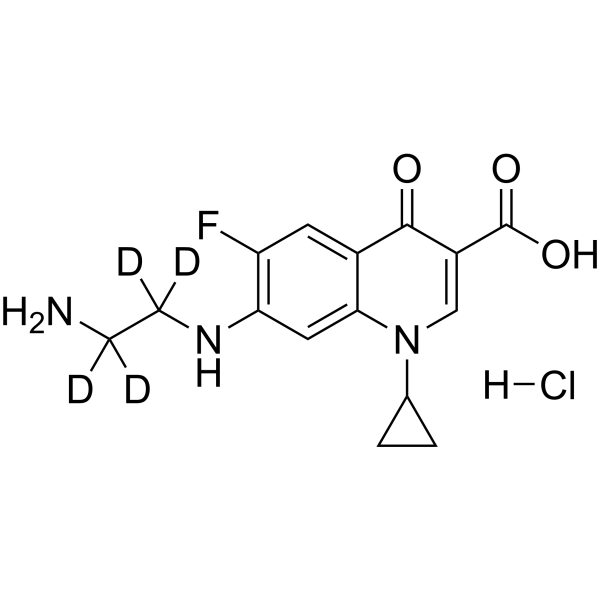
Desethylene Ciprofloxacin-d4 (hydrochloride) is the deuterium labeled Desethylene Ciprofloxacin hydrochloride .
|
-
-
- HY-B0356AS
-
|
|
|
Ciprofloxacin-d8 (hydrochloride hydrate) is the deuterium labeled Ciprofloxacin hydrochloride monohydrate. Ciprofloxacin hydrochloride monohydrate is a fluoroquinolone antibiotic, exhibiting potent antibacterial activity.
|
-
-
- HY-B0356BS
-
|
|
|
Ciprofloxacin-d8 (hydrochloride monohydrate) is the deuterium labeled Ciprofloxacin (hydrochloride monohydrate). Ciprofloxacin hydrochloride is a fluoroquinolone antibiotic, exhibiting potent antibacterial activity.
|
-
-
- HY-154768S
-
|
|
|
Ciprofloxacin-piperazinyl-N-sulfate-d8 is deuterated labeled Ciprofloxacin-piperazinyl-N-sulfate.
|
-
-
- HY-B0356S2
-
|
|
|
Ciprofloxacin-d4 (Bay-09867-d4) is deuterium labeled Ciprofloxacin. Ciprofloxacin (Bay-09867) is a potent, orally active topoisomerase IV inhibitor. Ciprofloxacin induces mitochondrial DNA and nuclear DNA damage and lead to mitochondrial dysfunction, ROS production. Ciprofloxacin has anti-proliferative activity and induces apoptosis. Ciprofloxacin is a fluoroquinolone antibiotic, exhibiting potent antibacterial activity .
|
-
-
- HY-W285163S
-
|
|
|
1-Cyclopropyl-6-fluoro-7-(4-formylpiperazin-1-yl)-4-oxo-1,4-dihydroquinoline-3-carboxylic acid-d8 is deuterated labeled 1-Cyclopropyl-6-fluoro-7-(4-formylpiperazin-1-yl)-4-oxo-1,4-dihydroquinoline-3-carboxylic acid.
|
-
| Cat. No. |
Product Name |
Target |
Research Areas |
Chemical Structure |
-
- HY-B0356G
-
|
Bay-09867
|
Bacterial
Topoisomerase
Akt
β-catenin
|
Inflammation/Immunology
|
|
Ciprofloxacin GMP is Ciprofloxacin (HY-B0356) produced by using GMP guidelines. GMP small molecules works appropriately as an auxiliary reagent for cell therapy manufacture. Ciprofloxacin (Bay-09867) is an orally active, blood-brain barrier permeable fluoroquinolone antibacterial agent. Ciprofloxacin exerts bactericidal effects primarily by inhibiting topoisomerase II and IV. Ciprofloxacin inhibits the proliferation of human dental pulp stem cells and chondrocytes from young rats, and also activates the Akt signaling pathway and upregulates markers such as β-catenin and Nanog to maintain the morphological characteristics of stem cells. Ciprofloxacin induces significant neurotoxicity and tissue damage, including reducing serotonin and glutathione levels in the brain, inducing oxidative stress and depression-like behaviors, and causing articular cartilage damage. Ciprofloxacin can be applied to research related to infections of necrotic young permanent teeth and neurotoxicity .
|
-
Your information is safe with us. * Required Fields.
Inquiry Information
- Product Name:
- Cat. No.:
- Quantity:
- MCE Japan Authorized Agent:

