

1. Search Result
Search Result
Results for "

cleavage site

" in MedChemExpress (MCE) Product Catalog:

52

Inhibitors & Agonists

21

Peptides

1

Inhibitory Antibodies

4

Natural
Products

3

Isotope-Labeled Compounds

1

Oligonucleotides

Targets Recommended:
Cat. No. Product Name Target Research Areas Chemical Structure
  • HY-113056A

    Endogenous Metabolite Apoptosis Cancer
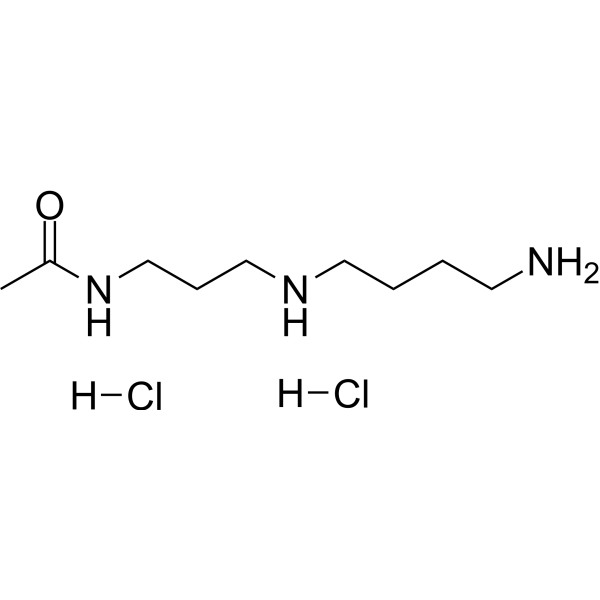
    N1-Acetylspermidine hydrochloride is an acetyl derivative of polyamines and a substrate for polyamine oxidase (PAO). N1-Acetylspermidine hydrochloride can promote Apoptosis in combination with Procyanidins. N1-Acetylspermidine hydrochloride has a certain cleavage efficiency at apurinic sites of DNA. N1-Acetylspermidine hydrochloride can be used in colorectal cancer research .
    N1-Acetylspermidine hydrochloride
  • HY-17624
    Framycetin
    1 Publications Verification

    Neomycin B; Fradiomycin B

    Bacterial Antibiotic Infection
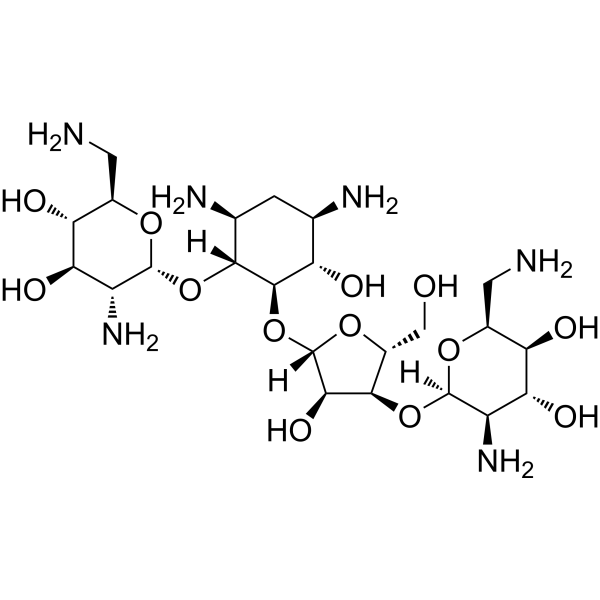
    Framycetin (Neomycin B), an aminoglycoside antibiotic, is a potent RNase P cleavage activity inhibitor with a Ki of 35 μM. Framycetin competes for specific divalent metal ion binding sites in RNase P RNA. Framycetin inhibits hammerhead ribozyme with a Ki of 13.5 μM. Framycetin, a 5″-azido neomycin B precursor, binds the Drosha site in miR-525 and is used for hepatic encephalopathy and enteropathogenic E. coli infections .
    Framycetin
  • HY-17624A
    Framycetin sulfate
    1 Publications Verification

    Neomycin B sulfate; Fradiomycin B sulfate

    Antibiotic Bacterial Infection
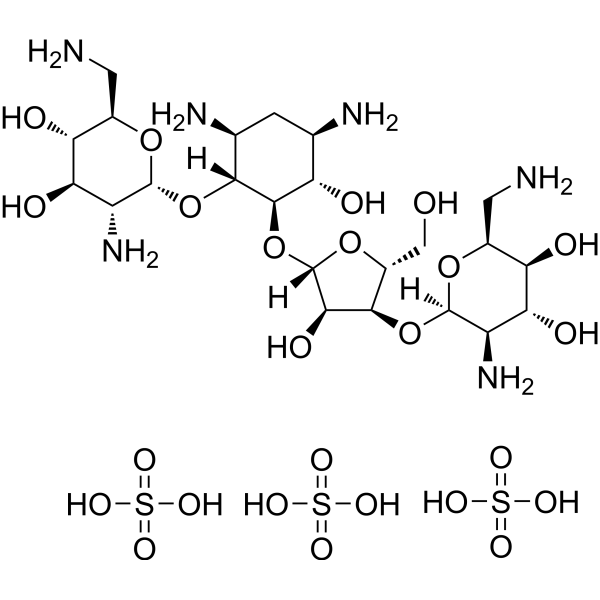
    Framycetin sulfate (Neomycin B sulfate), an aminoglycoside antibiotic, is a potent RNase P cleavage activity inhibitor with a Ki of 35 μM. Framycetin sulfate competes for specific divalent metal ion binding sites in RNase P RNA. Framycetin sulfate inhibits hammerhead ribozyme with a Ki of 13.5 μM. Framycetin sulfate, a 5″-azido neomycin B precursor, binds the Drosha site in miR-525 and is used for hepatic encephalopathy and enteropathogenic E. coli infections .
    Framycetin sulfate
  • HY-13438
    AZD3839 free base
    2 Publications Verification

    Beta-secretase Neurological Disease
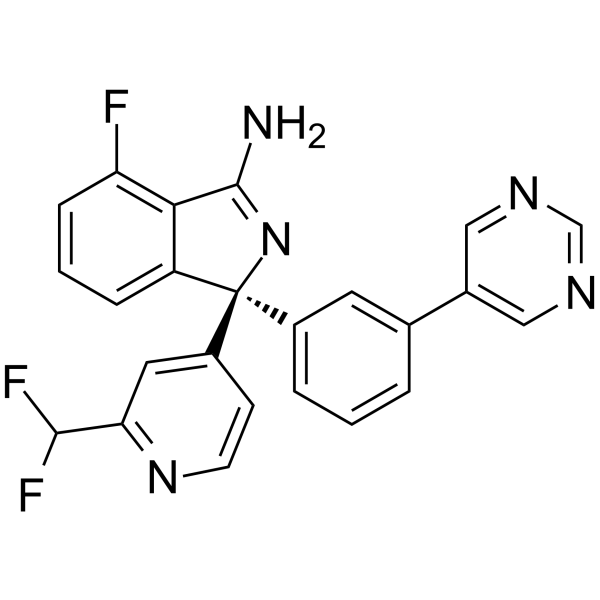
    AZD3839 is an orally available, selective, reversible inhibitor of the β-site amyloid precursor protein cleaving enzyme BACE1 that can cross the blood-brain barrier. AZD3839 inhibits recombinant human BACE1 with a Ki=26.1 nM. AZD3839 inhibits A40 production in SH-SY5Y cells with an IC50 of 4.8 nM. AZD3839 binds to BACE1 and reduces the Aβ amyloid produced by the cleavage of amyloid precursor protein (APP) by BACE1 and γ-secretase. AZD3839 can be used in the field of Alzheimer's disease research .
    AZD3839 free base
  • HY-P2929A
    PNGase F-Fast
    1 Publications Verification

    Glycosidase Cancer
    PNGase F-Fast is a glycosidase that catalyzes the cleavage of internal glycosidic bonds in oligosaccharides. PNGase F-Fast removes almost all N-linked oligosaccharides from glycoproteins. PNGase F-Fast can release N-glycans from glycoproteins in the sugar analysis workflow. The cleavage site is: the glycosidic bond between the innermost N-acetylglucosamine and asparagine. PNGase F-Fast is an improved reagent that allows for rapid deglycosylation of antibodies and antibody fusions within minutes .
    PNGase F-Fast
  • HY-P3208B

    Biochemical Assay Reagents Others
    Endoproteinase Lys-C (MS grade) is a hydrolase that cleaves peptide bonds at the carboxyl side of lysine residues. Endoproteinase Lys-C (MS grade) causes non-specific hydrolysis of peptide bonds linked to the carboxyl groups of non-lysine residues, resulting in partial cleavage at these sites .
    Endoproteinase Lys-C (MS grade)
  • HY-120972

    Fluorescent Dye Others
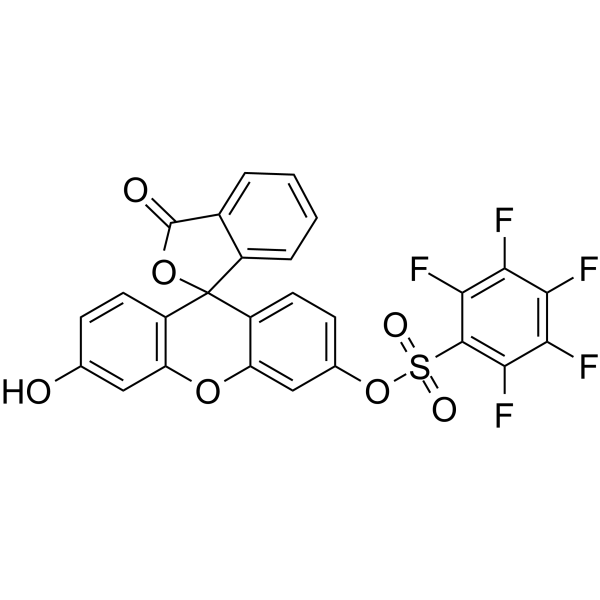
    Pentafluorobenzenesulfonyl fluorescein is a H2O2-selective sensor that can be used to detect H2O2 levels in cells. Pentafluorobenzenesulfonyl fluorescein is generally non-fluorescent, but emits fluorescence when its sulfonyl bond undergoes perhydrolysis by H2O2 . Pentafluorobenzenesulfonyl fluorescein undergoes slight cleavage of its sulfonate ester bond by [Cu (phen)2] 2+, and can detect hydrogen peroxide around the ablation sites of fin tissues and keratinocytes in zebrafish larvae .
    Pentafluorobenzenesulfonyl fluorescein
  • HY-124832
    δ-Secretase inhibitor 11
    1 Publications Verification

    Caspase Amyloid-β Neurological Disease
    δ-Secretase inhibitor 11 (compound 11) is an orally active, potent, BBB-penetrated, non-toxic, selective and specific δ-secretase inhibitor, with an IC50 of 0.7 μM. δ-Secretase inhibitor 11 interacts with both the active site and allosteric site of δ-secretase. δ-Secretase inhibitor 11 attenuates tau and APP (amyloid precursor protein) cleavage. δ-Secretase inhibitor 11 ameliorates synaptic dysfunction and cognitive impairments in tau P301S and 5XFAD transgenic mouse models. δ-Secretase inhibitor 11 can be used for Alzheimer's disease research .
    δ-Secretase inhibitor 11
  • HY-P99238

    ADC Antibody Inflammation/Immunology Cancer
    Rolinsatamab is a IgG1κ type chimeric antibody targeting to PRLR (prolactin receptor). Rolinsatamab can be conjugated with pyrrolobenzodiazepine (PDB) dimer SGD-1882 (HY-101127) via a cleavable maleimidocaproyl type linker, to form an antibody-drug conjugate, Rolinsatamab talirine. One Rolinsatamab talirine has an average of 2 site-specific drug attachment engineered cysteines (S239C). The linker equips the valine-alanine dipeptide, as cathepsine B cleavage site. on an average of 2 site-specific drug attachment engineered cysteines (S239C) .
    Rolinsatamab
  • HY-P1826

    CD74 Inflammation/Immunology Cancer
    CLIP (86-100) is amino acids 86 to 100 fragment of class II-associated invariant chain peptide (CLIP). CLIP is a small self-peptide and cleavage product of the invariant chain that resides in the HLA-II antigen binding groove and is believed to play a critical role in the assembly and transport of MHC class II alphabetaIi complexes through its interaction with the class II peptide-binding site .
    CLIP (86-100)
  • HY-P10143

    Ac-Pro-Leu-Gly-[(S)-2-mercapto-4-methyl-pentanoyl]-Leu-Gly-OEt

    MMP Others
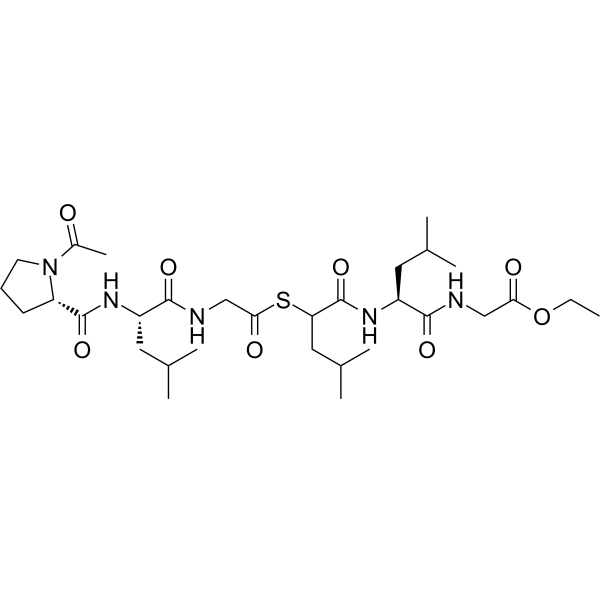
    MMP-2/MMP-9 Substrate (Ac-Pro-Leu-Gly-[(S)-2-mercapto-4-methyl-pentanoyl]-Leu-Gly-OEt) is a synthetic chromogenic polypeptide substrate whose core structure mimics the cleavage sites of MMP-2 and MMP-9 (gelatinase A and B) in collagen. After being hydrolyzed by collagenase, MMP-2/MMP-9 Substrate reacts with 4,4'-dithiodipyridine or Ellman's Reagent via its thiol fragment to produce a product with ultraviolet absorption properties .
    MMP-2/MMP-9 Substrate
  • HY-145425

    IRE1 Apoptosis FGFR Inflammation/Immunology
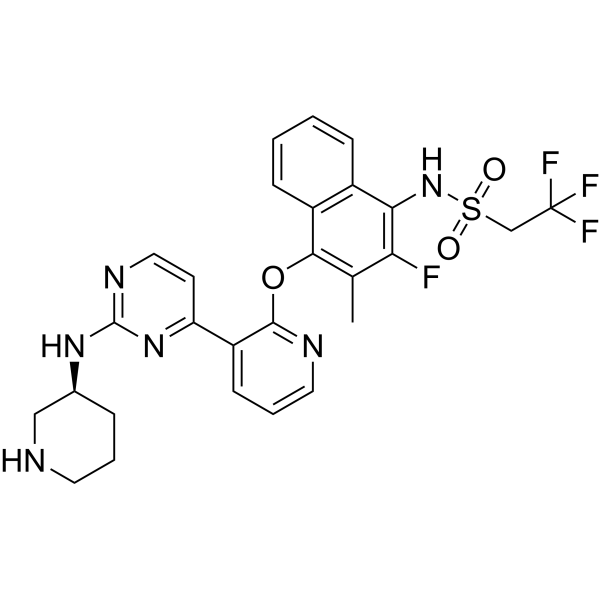
    PAIR2 is a highly selective inhibitor targeting the kinase domain of human IRE1α, with a Ki value of 8.8 nM against human IRE1α. PAIR2 fully occupies the ATP-binding site of the IRE1α kinase domain, partially antagonizes the ribonuclease activity of IRE1α, specifically inhibits regulated IRE1α-dependent decay (RIDD) and its mediated substrate cleavage, while preserving the splicing function of Xbp1 mRNA. PAIR2 also promotes the differentiation of B cells into plasma cells, blocks IRE1α-induced cell apoptosis, and restores the expression of Fgfr2 mRNA in AT2 cells. PAIR2 effectively reaches a steady-state concentration in the lung tissues of Mus musculus, and serves as an important tool for investigating the function of the IRE1α signaling pathway in diseases such as pulmonary fibrosis .
    PAIR2
  • HY-P3934

    HIV Protease Infection
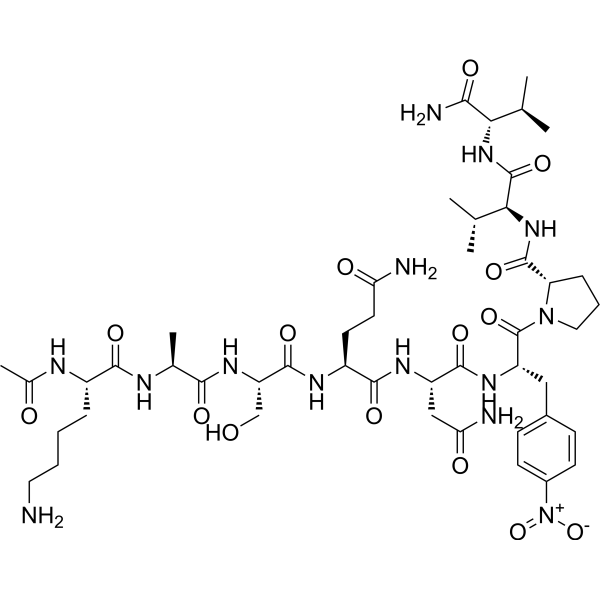
    HIV Protease Substrate I is a chromogenic substrate of HIV-1 protease. HIV Protease Substrate I has the cleavage site of HIV protease .
    HIV Protease Substrate I
  • HY-P2929C
    PNGase F (Lyophilized)
    1 Publications Verification

    Glycosidase Cancer
    PNGase F (Lyophilized) is a glycosidase expressed by recombinant E. coli. PNGase F (Lyophilized) can selectively hydrolyze all N-glycans linked to Asn in proteins except those containing α1-3 fucosidic bonds. The cleavage site is the glycosidic bond between Asn and the innermost GIcNAc, which releases sugar molecules linked to asparagine from glycoproteins and converts asparagine to aspartic acid. The cleaved glycoforms include high mannose, hybrid and complex oligosaccharides .
    PNGase F (Lyophilized)
  • HY-P5272

    Bacterial Inflammation/Immunology
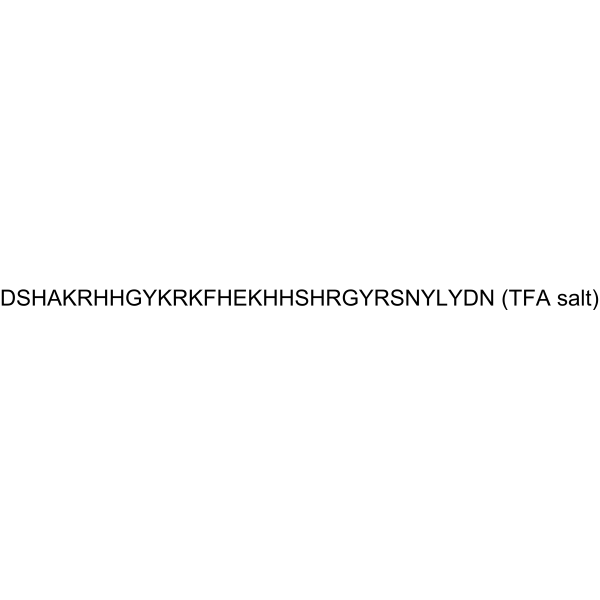
    Histatin-3 TFA, a 32 amino acid peptide, possesses powerful antimicrobial properties. Histatin-3 TFA behaves as a substrate for proprotein convertase 1 (PC1), being cleaved by this endoprotease primarily at a site carboxy terminal to the single Arg25 residue (HRGYR decrease SN). Histatin-3 TFA is a moderately potent, reversible and competitive inhibitor of the furin-mediated cleavage of the pentapeptide pGlu-Arg-Thr-Lys-Arg-MCA fluorogenic substrate, with an estimated inhibition constant Ki of 1.98 μM .
    Histatin-3 TFA
  • HY-P4739

    GnRH Receptor Others
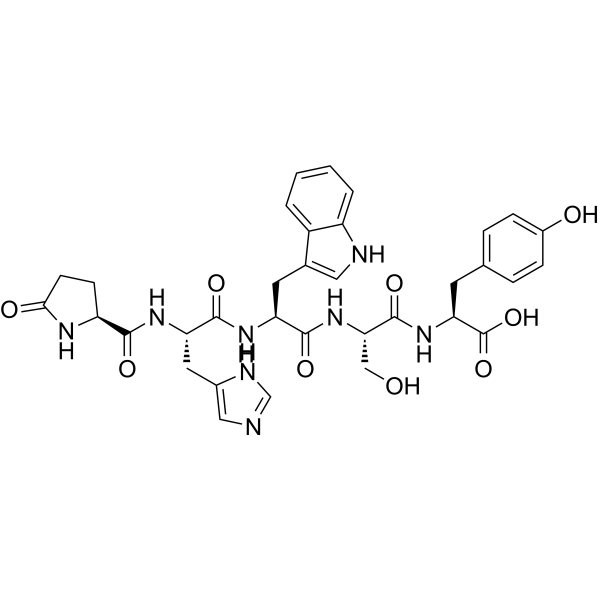
    LHRH (1-5) (free acid) is a polypeptide generated by the cleavage of LHRH at the Tyr 55-Gly 66 site. LHRH (1-5) (free acid) is converted into LHRH (1-3) and LHRH (4-5) fragments under the catalysis of Angiotensin-converting enzyme (HY-P2983) .
    LHRH (1-5) free acid
  • HY-P4926

    Amyloid-β Neurological Disease
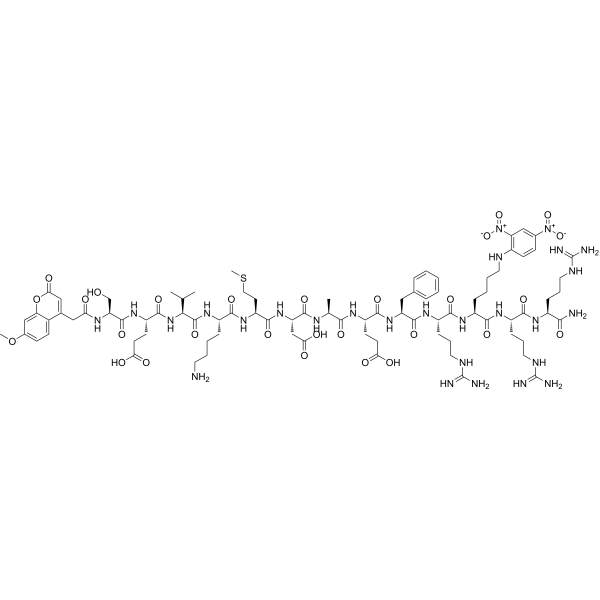
    Mca-SEVKMDAEFRK(Dnp)RR-NH2, containing the wild-type amyloid precursor protein (APP) beta-secretase cleavage site, is the substrate of thimet oligopeptidase (TOP). It is used for Alzheimer's disease research .
    Mca-SEVKMDAEFRK(Dnp)RR-NH2
  • HY-P1230

    Dipeptidyl Peptidase GLP Receptor Metabolic Disease
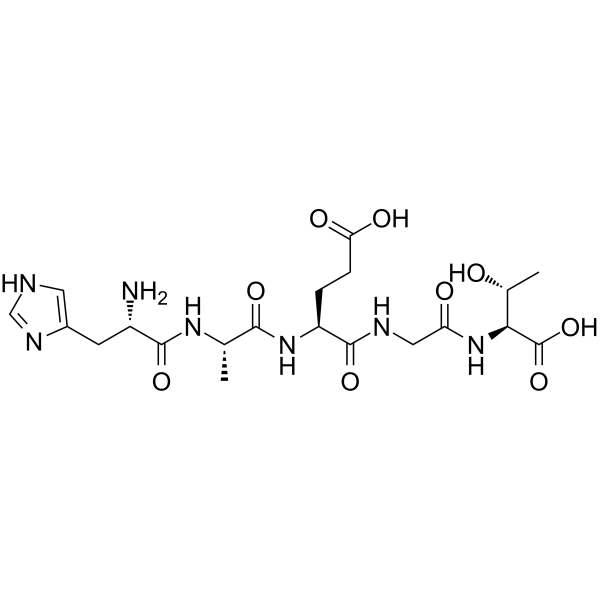
    HAEGT is the first N-terminal 1-5 residues of glucagon like peptide-1 (GLP-1) peptide, and the sequence is His-Ala-Glu-Gly-Thr. HAEGT acts as a competitive substrate for probing prime substrate binding sites of human dipeptidyl peptidase-IV (DPP-IV) 1, in which the N-terminal His-Ala is catalyzed cleavage by DPP-IV. HAEGT can be used in the research of diabetes, obesity .
    HAEGT
  • HY-113056AS

    Endogenous Metabolite Cancer
    N1-Acetylspermidine-d6 (hydrochloride) is the deuterium labeled N1-Acetylspermidine hydrochloride. N1-Acetylspermidine hydrochloride is an acetyl derivative of polyamine. N1-acetylspermine is the substrate for the polyamine oxidase (PAO). N1-Acetylspermidine hydrochloride selectively elevates its level in human colorectal adenocarcinomas. N1-acetylspermidine shows cleavage efficiency at apurinic sites in DNA .
    N1-Acetylspermidine-d6 hydrochloride
  • HY-174499

    mRNA Others
    Cas9 Nickase D10A mRNA expresses a version of the Streptococcus pyogenes SF370 Cas9 protein (CRISPR Associated Protein 9) that contains a D10A amino acid substitution. This mRNA also contains a C-terminal nuclear localization signal followed by a HA tag.Cas9 functions as part of the CRISPR (clustered regularly interspaced short palindromic repeats) genome editing system. In the CRISPR system, an RNA guide sequence targets the site of interest and the Cas9 protein is employed to perform the DNA cleavage. While wild-type Cas9 creates a double-stranded break at the target site, Cas9 nickase creates a single-stranded break. This favors homology-directed repair and decreases the occurrence of non-homologous end joining.
    Cas9 Nickase D10A mRNA (5moU)
  • HY-113056AR

    Endogenous Metabolite Apoptosis Reference Standards Cancer
    N1-Acetylspermidine (hydrochloride) (Standard) is the analytical standard of N1-Acetylspermidine (hydrochloride). This product is intended for research and analytical applications. N1-Acetylspermidine hydrochloride is an acetyl derivative of polyamines and a substrate for polyamine oxidase (PAO). N1-Acetylspermidine hydrochloride can promote Apoptosis in combination with Procyanidins. N1-Acetylspermidine hydrochloride has a certain cleavage efficiency at apurinic sites of DNA. N1-Acetylspermidine hydrochloride can be used in colorectal cancer research .
    N1-Acetylspermidine hydrochloride (Standard)
  • HY-13438A

    Beta-secretase Cancer
    AZD3839 fumarate is an orally available, selective, reversible inhibitor of the β-site amyloid precursor protein cleaving enzyme BACE1 that can cross the blood-brain barrier. AZD3839 fumarate inhibits recombinant human BACE1 with a Ki=26.1 nM. AZD3839 fumarate inhibits A40 production in SH-SY5Y cells with an IC50 of 4.8 nM. AZD3839 fumarate binds to BACE1 and reduces the Aβ amyloid produced by the cleavage of amyloid precursor protein (APP) by BACE1 and γ-secretase. AZD3839 fumarate can be used in the field of Alzheimer's disease research .
    AZD3839 fumarate
  • HY-P2610

    Caspase Others
    Ac-VEID-pNA is an artificially synthesized peptide. Ac-VEID-pNA is utilized as substrate for caspase 6, that cleaves the lamin A at the cleavage site of VEID .
    Ac-VEID-pNA
  • HY-P2344

    HIV Protease Infection
    HIV Protease Substrate 1, a fiuorogenic HIV protease substrate, can be used to study enzymatic activity of HIV protease .
    HIV Protease Substrate 1
  • HY-P2344A

    HIV Protease Infection
    HIV Protease Substrate 1 TFA, a fiuorogenic HIV protease substrate, can be used to study enzymatic activity of HIV protease .
    HIV Protease Substrate 1 TFA
  • HY-P2492

    Angiotensin Receptor Metabolic Disease
    Renin FRET Substrate I is a substrate of human renin. Renin FRET Substrate I is designed to incorporate the renin cleavage site that occurs in the N-terminal peptide of human angiotensinogen .
    Renin FRET Substrate I
  • HY-P3234

    Casein Kinase Others
    Ac-ESMD-CHO is an inhibitor of caspase-3 and caspase-7. Ac-ESMD-CHO inhibits proteolytic cleavage of the caspase-3 precursor peptide (CPP32) at the Glu-Ser-Met-Asp (ESMD) site .
    Ac-ESMD-CHO
  • HY-P10163

    Fluorescent Dye Others
    α-Secretase Substrate II, Fluorogenic is an internally quenched fluorogenic peptide substrate for α-Secretase that contains the α-secretase cleavage site of β-Amyloid precursor protein (APP) .Ex/Em = 340/490 nm
    α-Secretase Substrate II, Fluorogenic
  • HY-114684

    Topoisomerase Others
    A20832 is a specific resolvase inhibitor that blocks both the recombination and topoisomerase activities of resolvase. A20832 inhibits the site-specific recombination reaction mediated by the Tn3-encoded resolvase protein at the strand cleavage step and has no effect on synapsis .
    A20832
  • HY-P4919

    Beta-secretase Others
    Mca-SEVNLDAEFK(Dnp) is a Beta-secretase 1 (BACE-1) peptide FRET substrate, containing the 'Swedish' Lys-Met/Asn-Leu mutation of the amyloid precursor protein (APP) β-secretase cleavage site. Cleavage at -Leu-Asp- of Mca-SEVNLDAEFK(Dnp) liberates the highly fluorescent 7-methoxycoumarin (Mca) fragment from the proximity quenching effect of the 2,4-dinitrophenyl (Dnp) internal quencher resulting in a large and easily detectable increase in fluorescence intensity.
    Mca-SEVNLDAEFK(Dnp)
  • HY-P5323

    Bacterial Others
    Dabcyl-AGHDAHASET-Edans is a biological active peptide. (This is a type I signal peptidase (SPase1) substrate peptide labeled with EDANS/ DABCYL FRET pair, and contains a crucial cleavage site derived from the C-terminal region of the Staphylococcus epidermidis pre-SceD protein. Abs/Em = 340/490 nm.)
    Dabcyl-AGHDAHASET-Edans
  • HY-163885
    SSZ
    1 Publications Verification

    Cholinesterase (ChE) Beta-secretase γ-secretase Neurological Disease
    SSZ is a multi-target inhibitor, which targets multiple pathological mechanisms of Alzheimer's disease (AD). SSZ targets acetylcholinesterase, butyrylcholinesterase, β-site amyloid precursor protein cleavage enzyme 1 (BACE1), and γ-secretase. SSZ ameliorates Alzheimer’s diseases and exhibits neuroprotective effect in mice .
    SSZ
  • HY-P10822

    Caspase Neurological Disease
    ED11 is a potent and selective caspase-6 inhibitor with an IC50 of 12.12 nM. ED11 competes with Htt for the caspase-6 active site, and thus reduce Htt cleavage. ED11 can cross the blood-brain barrier (BBB). ED11 has the potential for the study of Huntington's disease (HD) .
    ED11
  • HY-155514

    Influenza Virus Inflammation/Immunology
    HA-IN-1 (compound 5g) is a Hemagglutinin (HA) ligand with high affinity, targeting to the trypsin cleavage site of HA. HA-IN-1 inhibits HA-mediated membrane fusion and reduces the pulmonary virus titer in vivo. HA-IN-1 is a potential influenza A virus (IAV) inhibitor, and an anti-influenza agent .
    HA-IN-1
  • HY-18112

    Beta-secretase Neurological Disease
    AZ-4217 is an inhibitor for β-site amyloid precursor protein cleavage enzyme 1 (BACE1), with IC50 of 160 pM in human SH-SY5Y cells. AZ-4217 reduces amyloid deposition in Tg2576 mouse models, and is used for Alzheimer’s Disease research .
    AZ-4217
  • HY-P4593

    Thrombin Others
    Z-Gly-Pro-Arg-4MβNA is the cleavage of the substrate of thrombin to release free 4-methoxy-2-naphthylamine (4MβNA). Free 4MβNA can be captured by 5-nitrosalicylaldehyde to produce an insoluble yellow fluorescent and marks the site of thrombin activity .
    Z-Gly-Pro-Arg-4MβNA
  • HY-17624AR

    Neomycin B sulfate (Standard); Fradiomycin B sulfate (Standard)

    Reference Standards Antibiotic Bacterial Infection
    Framycetin (sulfate) (Standard) is the analytical standard of Framycetin (sulfate). This product is intended for research and analytical applications. Framycetin sulfate (Neomycin B sulfate), an aminoglycoside antibiotic, is a potent RNase P cleavage activity inhibitor with a Ki of 35 μM. Framycetin sulfate competes for specific divalent metal ion binding sites in RNase P RNA. Framycetin sulfate inhibits hammerhead ribozyme with a Ki of 13.5 μM. Framycetin sulfate, a 5″-azido neomycin B precursor, binds the Drosha site in miR-525 and is used for hepatic encephalopathy and enteropathogenic E. coli infections .
    Framycetin sulfate (Standard)
  • HY-P10668

    Dengue Virus Flavivirus Infection
    Ac-EVKKQR-pNA is a competitive chromogenic para-nitroanilide substrate corresponding to the P6-P1 segment amino-terminal to the NS2B-NS3 cleavage site but with a more reactive, hydrolytically cleavable, para-nitroanilide at the P1’ position. Ac-EVKKQR-pNA is promising for research of dengue 2 virus and flavivirus virus infection .
    Ac-EVKKQR-pNA
  • HY-113056AS1

    Isotope-Labeled Compounds Apoptosis Endogenous Metabolite Cancer
    N1-Acetylspermidine-d3 hydrochloride is the deuterium labeled N1-Acetylspermidine hydrochloride (HY-113056A). N1-Acetylspermidine hydrochloride is an acetyl derivative of polyamines and a substrate for polyamine oxidase (PAO). N1-Acetylspermidine hydrochloride can promote Apoptosis in combination with Procyanidins. N1-Acetylspermidine hydrochloride has a certain cleavage efficiency at apurinic sites of DNA. N1-Acetylspermidine hydrochloride can be used in colorectal cancer research .
    N1-Acetylspermidine-d3 hydrochloride
  • HY-159911

    SARS-CoV Virus Protease
    SARS-CoV-2 Mpro-IN-29 (Compound 7) is an inhibitor of the SARS-CoV-2 main protease (Mpro) with an IC50 of 310 nM and an EC50 of 0.5 μM in Vero cells. SARS-CoV-2 Mpro-IN-29 binds to the active site of Mpro, blocking the cleavage of viral polyproteins, showing significant antiviral activity and enhanced metabolic function. SARS-CoV-2 Mpro-IN-29 holds potential for research on SARS-CoV-2 antiviral agents .
    SARS-CoV-2 Mpro-IN-29
  • HY-158028

    Influenza Virus Infection
    PAN endonuclease-IN-2 (compound T-31) is a PAN endonuclease inhibitor (IC50: 0.15 μM) and antiviral agent with broad-spectrum anti- Influenza activity. PAN is the N-terminal PA subunit of the polymerase-RNA complex and the dependent endonuclease (CEN) active site. PAN initiates RNA replication by promoting cleavage of the RNA strand and allowing the polymerase to begin synthesizing new RNA molecules. PAN endonuclease-IN-2 targets both the influenza HA and RdRp complexes, thereby interfering with viral entry into host cells and viral replication .
    PAN endonuclease-IN-2
  • HY-135167

    CaMK Neurological Disease
    HOCPCA is a compound with neuroprotective activity that improves sensorimotor function in mice after experimental stroke. HOCPCA selectively binds to the CaMKIIα hub domain, modulates signaling of different CaMKII pools, and alleviates abnormal CaMKII signaling after cerebral ischemia. HOCPCA promotes hippocampal neuronal activity and enhances working memory. HOCPCA also normalizes Thr286 autophosphorylation in the cytoplasm after ischemia and downregulates ischemia-specific expression of active CaMKII enzymatic cleavage fragments. HOCPCA binds to the GHB binding site with 27-fold higher affinity than GHB and has good blood-brain barrier penetration ability .
    HOCPCA
  • HY-P5415

    HIV Others
    DABCYL-GABA-Ser-Gln-Asn-Tyr-Pro-Ile-Val-Gln-EDANS is a biological active peptide. (DABCYL-GABA-Ser-Gln-Asn-Tyr-Pro-Ile-Val-Gln-EDANS is also called HIV protease substrate I in some literature. It is widely used for the continuous assay for HIV protease activity. The 11-Kd protease (PR) encoded by the human immunodeficiency virus 1 (HIV-1) is essential for the correct processing of viral polyproteins and the maturation of infectious virus, and is therefore a target for the design of selective acquired immunodeficiency syndrome (AIDS) therapeutics. The FRET-based fluorogenic substrate is derived from a natural processing site for HIV-1 PR. Incubation of recombinant HIV-1 PR with the fluorogenic substrate resulted in specific cleavage at the Tyr-Pro bond and a time-dependent increase in fluorescence intensity that is linearly related to the extent of substrate hydrolysis. The fluorescence quantum yields of the HIV-1 PR substrate in the FRET assay increased by 40.0- and 34.4-fold, respectively, per mole of substrate cleaved. Because of its simplicity and precision in the determination of reaction rates required for kinetic analysis, this substrate offers many advantages over the commonly used HPLC or electrophoresis-based assays for peptide substrate hydrolysis by retroviral PRs. Abs/Em = 340nm/490nm.)
    DABCYL-GABA-Ser-Gln-Asn-Tyr-Pro-Ile-Val-Gln-EDANS
  • HY-E71034

    Thrombin Others
    Biotinylated-recombinant human thrombin (EC 3.4.21.5) enables on-column cleavage of fusion proteins with a thrombin cleavage site.
    Biotinylated-recombinant human thrombin
  • HY-17624S

    Neomycin B-d2; Fradiomycin B-d2

    Isotope-Labeled Compounds Others
    Framycetin-d2 (Neomycin B-d2) is the deuterium labeled Framycetin (HY-17624). Framycetin (Neomycin B), an aminoglycoside antibiotic, is a potent RNase P cleavage activity inhibitor with a Ki of 35 μM. Framycetin competes for specific divalent metal ion binding sites in RNase P RNA. Framycetin inhibits hammerhead ribozyme with a Ki of 13.5 μM. Framycetin, a 5″-azido neomycin B precursor, binds the Drosha site in miR-525 and is used for hepatic encephalopathy and enteropathogenic E. coli infections.
    Framycetin-d2
  • HY-182702

    TREM receptor Syk Neurological Disease
    As48 is a selective TREM2 agonist with a KD value of 12.48 μM in TRIC binding assay. As48 binds near the TREM2 cleavage region, forms hydrogen bonds with Gly68, reduces conformational flexibility in regions 58-102, restricts protease accessibility to the cleavage site. As48 activates SYK phosphorylation, enhances microglial phagocytosis, and induces downstream calcium signaling in TREM2-expressing cells. As48 inhibits TREM2 ectodomain shedding without affecting ADAM10/17 protease activities. As48 can be used for the research of Alzheimer's disease .
    As48
  • HY-182349

    Bcl-2 Family Cancer
    Bax activator-2 (compound 27c) is a pro-apoptotic agent targeting BAX, with an IC50 of 0.30 μmol/L against human BAX. Bax activator-2 binds to the trigger site of BAX and induces its conformational change. Bax activator-2 induces mitochondrial depolarization, cytochrome c release, caspase-3/9 cleavage and PARP cleavage, thereby initiating apoptosis. Bax activator-2 exhibits cytotoxicity against various cancer cell lines, shows reduced cytotoxicity in BAX-knockout A549 cells, and has low cytotoxicity against non-cancerous cell lines. Bax activator-2 can be used in studies related to acute myeloid leukemia and solid tumors .
    Bax activator-2
  • HY-127083

    SARS-CoV Virus Protease Infection
    Artecanin is a SARS-CoV-2 main protease (M pro) inhibitor with predicted high gastrointestinal absorption and oral bioavailability, and no predicted hepatotoxicity, carcinogenicity, mutagenicity or cytotoxicity. Artecanin interacts with His41 and Cys145, the key amino acid residues in the active site of M pro, blocks the cleavage and maturation of viral precursor proteins, and forms a stable complex with M pro. Artecanin blocks the invasion of SARS-CoV-2. Artecanin is applicable to the research of COVID-19 .
    Artecanin
  • HY-W012597

    Biochemical Assay Reagents Others
    Monoethyl succinate is a small molecule ester compound. Monoethyl succinate can be used as a model substrate for polyethylene terephthalate (PET) and poly-(butylene succinate-co-adipate) (PBSA), to simulate the interaction between the PET-degrading enzyme Cut190 and its natural substrates .
    Monoethyl succinate
  • HY-180557

    Folate Receptor (FR) Cancer
    4A-BFA-11 is a folate-targeted PEG-MMAE conjugate that exhibits specific binding affinity for the folate receptor α (FR-α) (KD = 106.7 nM). 4A-BFA-11 achieves tumor enrichment by combining PEG-mediated long circulation (EPR effect) and folate receptor targeting. 4A-BFA-11 undergoes enzymatic cleavage at the tumor site to release the active payload, enabling precise action. 4A-BFA-11 sefficiently carries, targets, and controls the release of MMAE in tumor tissues in a HeLa mouse model. 4A-BFA-11 can be used for cervical cancer, ovarian cancer, and lung cancer research .
    4A-BFA-11

Inquiry Online

Your information is safe with us. * Required Fields.

Salutation


Country or Region *

Applicant Name *


Organization Name *

Department *


Email Address *


Product Name *

Cat. No.


Requested quantity *

Phone Number *


Remarks

Inquiry Online

Inquiry Information

Product Name:
Cat. No.:
Quantity:
MCE Japan Authorized Agent:

