Search Result
Results for "
colon cancer xenograft models
" in MedChemExpress (MCE) Product Catalog:
| Cat. No. |
Product Name |
Target |
Research Areas |
Chemical Structure |
-
- HY-156002
-
|
Paluratide
|
Ras
ERK
|
Cancer
|
|
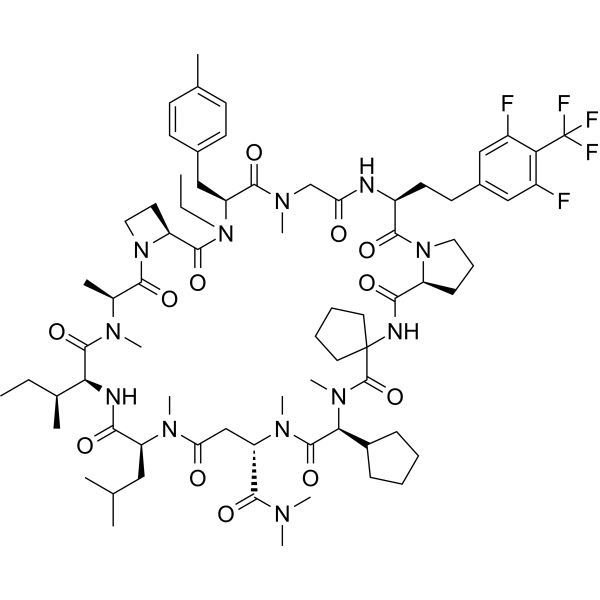
LUNA18 is an orally-available cyclic peptide KRAS and ERK inhibitor. LUNA18 phosphorylates ERK and AKT and decreases cell proliferation in RAS-mutated cancer cells. LUNA18 exhibits RAS signal inhibition and potent anti-cancer activities through inhibiting interaction between RAS and guanine nucleotide exchange factors (GEFs) in a mouse xenograft model. LUNA18 shows significant cellular efficacy against cell lines with KRAS genetic alterations, such as colon cancer, stomach cancer, non-small cell lung cancer and pancreaticcancer .
|
-
-
- HY-13661
-
|
UCN-01; KRX-0601
|
PKC
CDK
Apoptosis
Cadherin
|
Neurological Disease
Cancer
|
|
7-Hydroxystaurosporine (UCN-01), a derivative of Staurosporine (HY-15141), is a selective protein kinase C (PKC) inhibitor with antitumor activity. 7-hydroxystaurosporine induces apoptosis and inhibits cell proliferation in colon carcinoma and leukemia cells, suppresses invasion and migration in glioblastoma cells. 7-Hydroxystaurosporine exhibits efficacy in breast cancer xenograft mouse models. 7-Hydroxystaurosporine can be used for colon carcinoma, breast cancer, glioblastoma and leukemia research .
|
-

-
- HY-15163
-
|
TG02; SB1317
|
JAK
CDK
FLT3
|
Cancer
|
|
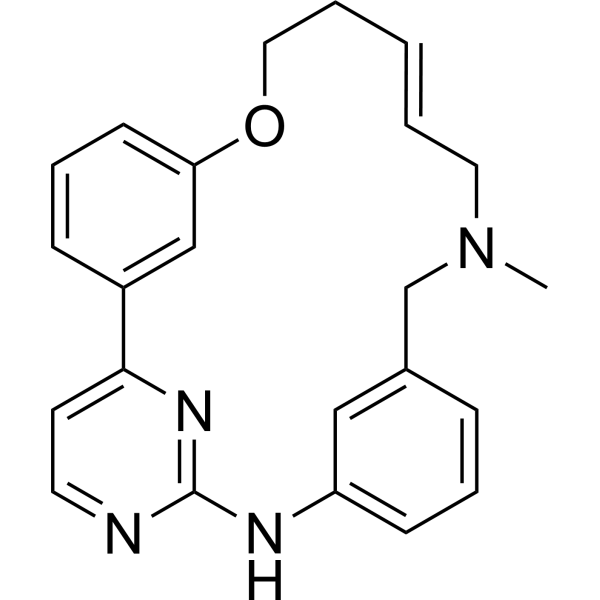
Zotiraciclib (TG02; SB1317) is an orally active JAK2/FLT3/CDK2 inhibitor with IC50 values of 13 nM, 73 nM and 56 nM , respectively. Zotiraciclib inhibits cancer cell proliferation, tumor growth and the activity of CYP2D6. Zotiraciclib exhibits high plasma protein binding rate, Caco-2 permeability and tissue distribution capacity, as well as metabolic stability in human and canine liver microsomes. Zotiraciclib achieves tumor growth inhibition in nude mouse models of colon cancer and lymphoma xenografts. Zotiraciclib can be used for research related to colon cancer, B-cell lymphoma, advanced leukemia, acute leukemia and multiple myeloma .
|
-
-
- HY-172209
-
|
|
p38 MAPK
Apoptosis
Reactive Oxygen Species (ROS)
Caspase
Bcl-2 Family
|
Cancer
|
|
PPIA-IN-1 is a PPIA inhibitor with a Kd value of 0.52 μM. PPIA-IN-1 inhibits the PPIA/MAPK signaling pathway to exert antiproliferative activity. PPIA-IN-1 induces G0/G1 cell cycle arrest in cancer cells. PPIA-IN-1 upregulates the expression of Bax and caspase-3, downregulates Bcl-2 expression, and induces apoptosis in cancer cells. PPIA-IN-1 induces increased ROS levels, DNA damage, endoplasmic reticulum stress, and mitochondrial dysfunction in cancer cells. PPIA-IN-1 exhibits antitumor activity in a mouse colon cancer xenograft model. PPIA-IN-1 can be used for the research of colorectal cancer .
|
-

-
- HY-N2445
-
|
|
Apoptosis
Akt
JNK
PERK
Caspase
PARP
MDM-2/p53
IAP
Reactive Oxygen Species (ROS)
SOD
FABP
Autophagy
AMPK
mTOR
GLUT
EGFR
PI3K
HSP
VEGFR
FAK
|
Cancer
|
|
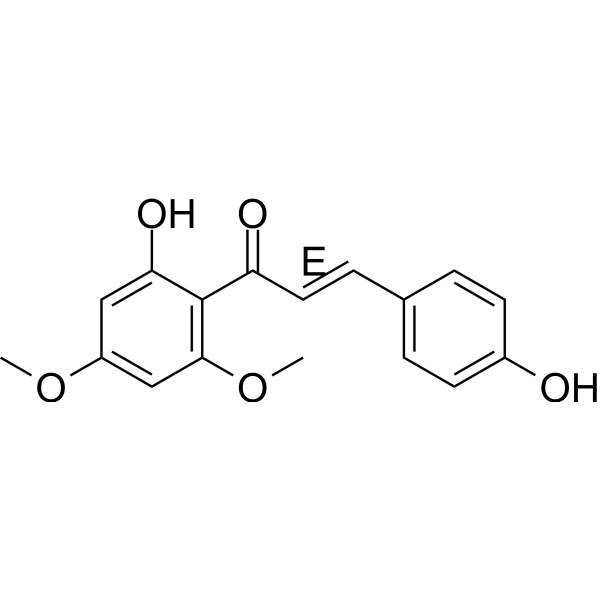
Flavokawain C is an orally active natural chalcone. Flavokawain C inhibits the proliferation of various cancer cells. Flavokawain C upregulates GADD153 in cancer cells, inhibits the phosphorylation of Akt and JNK, suppresses early ERK phosphorylation, activates late ERK phosphorylation, activates caspase related subtypes, induces PARP-1 cleavage, causes upregulation of p21 and p27, downregulation of mutant p53 and anti-apoptotic IAP proteins, elevates intracellular ROS levels, reduces SOD activity, and induces apoptosis. Flavokawain C downregulates FABP4, induces autophagy in cancer cells, and activates the AMPK/mTOR pathway . Flavokawain C decreases the expression of glycolysis-related proteins GLUT1 and HK2, and inhibits glycolysis in nasopharyngeal carcinoma cells. Flavokawain C inhibits the activation of the EGFR/PI3K/Akt/mTOR signaling pathway and reduces the expression of HSP90B1. Flavokawain C inhibits angiogenesis by decreasing the expression of angiogenic proteins Ang-1 and VEGF in human umbilical vein endothelial cells. Flavokawain C increases γ-H2AX levels in cells, inhibits the phosphorylation of FAK, PI3K and AKT in cells, and induces DNA damage in cells. Flavokawain C exerts anti-tumor activity in multiple tumor xenograft mouse models. Flavokawain C is applicable to research related to colorectal cancer, colon adenocarcinoma, nephroblastoma, nasopharyngeal carcinoma and liver cancer .
|
-
-
- HY-170935
-
|
|
SRPK
PARP
Caspase
Apoptosis
Autophagy
|
Cancer
|
|
SRSF1-IN-1 is a SRSF1 inhibitor. SRSF1-IN-1 inhibits SRSF1 expression, thereby modulating the splicing of Bcl-x pre-mRNA. SRSF1-IN-1 inhibits the proliferation of various cancer cells. SRSF1-IN-1 induces apoptosis in gastric cancer cells, reduces Bcl-xl expression, and upregulates cleaved PARP and caspase 3. SRSF1-IN-1 induces autophagy and promotes cell death. SRSF1-IN-1 exhibits anti-tumor activity in a mouse gastric cancer xenograft model. SRSF1-IN-1 can be used for the research of various cancers including liver cancer, gastric cancer, breast cancer, colon cancer, glioma, and melanoma .
|
-

-
- HY-176761
-
|
|
Apoptosis
Autophagy
Caspase
mTOR
|
Cancer
|
|
NSC647889 is an apoptosis and autophagy inducer. NSC647889 induces apoptosis, inhibits mTOR pathway and abrogates DNA synthesis. NSC647889 triggers LC3-positive vesicle formation, modulates AKT and 4EBP1 phosphorylation and shows heightened caspase-3 activation in multicellular spheroids. NSC647889 can be used for the research of solid cancer tumour, head-neck carcinoma, and colorectal cancer .
|
-

-
- HY-131446
-
|
|
Checkpoint Kinase (Chk)
|
Cancer
|
|
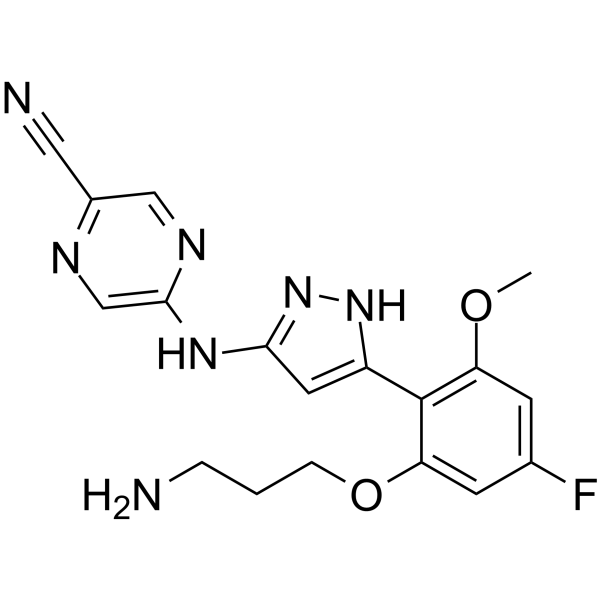
Chk1-IN-5 is a potent checkpoint kinase 1 (Chk1) inhibitor. Chk1-IN-5 inhibits Chk1 phosphorylation and inhibits tumor growth in colon cancer xenograft model .
|
-
-
- HY-148918
-
|
|
β-catenin
Wnt
Bcl-2 Family
|
Inflammation/Immunology
Cancer
|
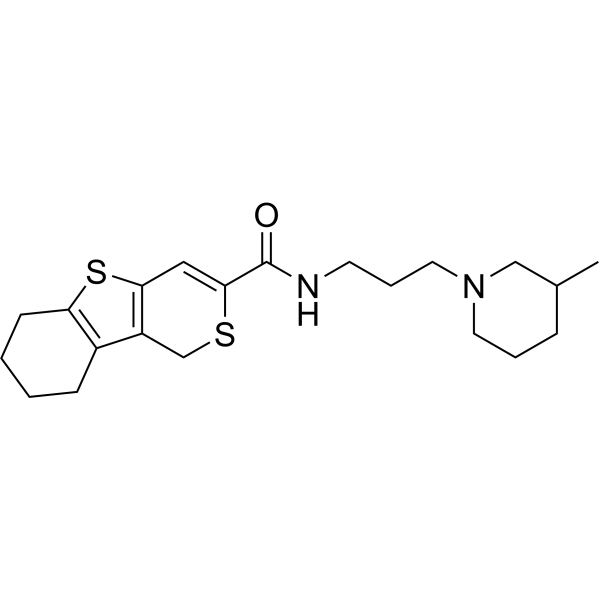
E722-2648 is an inhibitor targeting the BCL9 and β-catenin complex with antitumor activity. E722-2648 blocks complex formation by disrupting the interaction between the two proteins, thereby inhibiting β-catenin-mediated transcriptional activity and downregulating the expression of WNT target genes. E722-2648 effectively inhibits tumor growth in colon cancer xenograft models and colorectal cancer mouse models. E722-2648 can be used for the research of colon cancer and colorectal cancer .
|
-
-
- HY-120105
-
|
|
DNA/RNA Synthesis
Apoptosis
MDM-2/p53
Bcl-2 Family
Caspase
PARP
|
Cancer
|
|
NSC666715 is a DNA polymerase β (Pol-β) inhibitor. NSC666715 directly and specifically interacts with Pol-β, interferes with its binding to damaged DNA, blocks its dRP lyase activity, and inhibits Pol-β-mediated SN- and LP-BER. NSC666715 induces AP site accumulation and S-phase cell cycle arrest, and triggers senescence and apoptosis (apoptosis) via the p53/p21 pathway in colorectal cancer cells. NSC666715 enhances TMZ (HY-17364)-induced DNA damage, senescence and apoptosis, and potentiates the cytotoxicity of TMZ. NSC666715 inhibits tumor growth in colon cancer xenograft models. NSC666715 can be used in research related to colorectal cancer .
|
-

-
- HY-116269
-
|
|
Ras
Apoptosis
PAK
ERK
|
Cancer
|
|
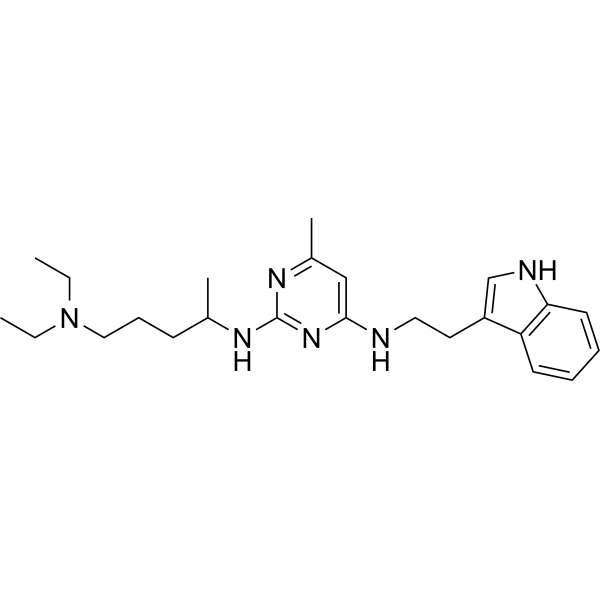
AZA197 is a selective small molecule inhibitor of Cdc42.AZA197 suppresses colon cancer cell proliferation, cell migration, invasion and increases apoptosis by down-regulating the PAK1 and ERK signaling pathways in vitro. AZA197 reduces tumor growth and significantly increases mouse survival in SW620 tumor xenografts. AZA197 can be used for the study of colon cancer .
|
-
-
- HY-179457
-
|
|
PI3K
mTOR
Akt
HSP
|
Cancer
|
|
CC-11 is an orally active small molecule drug conjugate (SMDC) that links the PI3K/mTOR inhibitor with the extracellular heat shock protein 90 (EHSP90) targeting ligand through a cleavable linker. CC-11 exhibits strong HSP90 binding activity (IC50 = 15 nM) and inhibits PI3Kα kinase activity (IC50 = 0.54 nM). CC-11 has anti-proliferative activity against colon cancer cells. CC-11 shows significant efficacy in the HCT-116 xenograft tumor model. CC-11 can be used for research on colon cancer .
|
-

-
- HY-130133
-
|
|
PI3K
mTOR
Akt
Apoptosis
Paraptosis
p38 MAPK
Mitochondrial Metabolism
P-glycoprotein
CDK
MMP
HIF/HIF Prolyl-Hydroxylase
VEGFR
|
Cancer
|
|
DHW-221 is a potent orally active dual PI3K/mTOR inhibitor, exhibiting low nanomolar potency against all four Class I PI3K isoforms and mTOR (PI3Kα, IC50 = 0.50 nM; PI3Kβ, IC50 = 1.9 nM; PI3Kγ, IC50 = 1.8 nM; PI3Kδ, IC50 = 0.74 nM; mTOR, IC50 = 3.9 nM). DHW-221 exerts antitumor effects by blocking the PI3K/Akt/mTOR pathway and inducing mitochondrial apoptosis and paraptosis (via Endoplasmic Reticulum (ER) stress and MAPK signaling) and arrests cell cycle, thereby inhibiting cell migration, invasion and angiogenesis. DHW-221 inhibits tumor growth in both the A549/Taxol (HY-B0015) and the HCC827 xenograft mouse models. DHW-221 can be used for non-small cell lung cancer (NSCLC), colon and breast cancer research .
|
-

-
- HY-177914
-
|
|
MEK
|
Cancer
|
|
MEK-IN-7 (compound WX086) is potent, orally active and selective MEK inhibitor (MEK1 IC50 = 29.62 nM). MEK-IN-7 inhibits HT29 and A375 cell proliferation with IC50s of 0.62 and 0.40 nM. MEK-IN-7 inhibits tumor growth in a HL-29 xenograft mouse model. MEK-IN-7 can be used for melanoma and colon cancer research .
|
-

-
- HY-135217
-
|
|
Apoptosis
|
Cancer
|
|
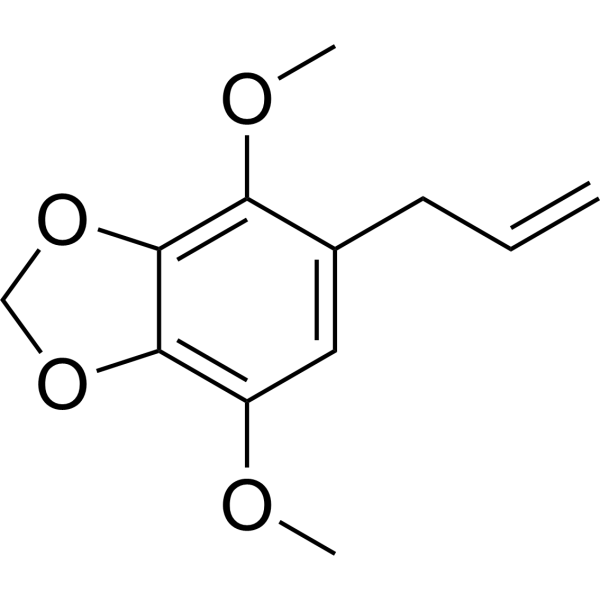
Apiole is an anti-tumor agent that induces apoptosis and inhibits human colon cancer cells by inducing G0/G1 cell cycle arrest. Apiole also significantly inhibited colon tumor development in an in vivo mouse xenograft model .
|
-
-
- HY-148918A
-
|
|
β-catenin
Wnt
Bcl-2 Family
|
Cancer
|
E722-2648 TFA is an inhibitor targeting the BCL9 and β-catenin complex with antitumor activity. E722-2648 TFA blocks complex formation by disrupting the interaction between the two proteins, thereby inhibiting β-catenin-mediated transcriptional activity and downregulating the expression of WNT target genes. E722-2648 TFA effectively inhibits tumor growth in colon cancer xenograft models and colorectal cancer mouse models. E722-2648 TFA can be used for the research of colon cancer and colorectal cancer .
|
-

-
- HY-165606
-
|
|
Oct3/4
c-Myc
Apoptosis
|
Cancer
|
|
SB-T-1214 (SBT) is a taxane. SB-T-1214 efficiently inhibits expression of stem cell-related genes (Oct4, Sox2, and c-Myc) and induces apoptosis of colon cancer spheroids with drug resistant tumorigenic CD133 +/CD44 + cells. SB-T-1214 strongly represses tumor growth in Pgp+ DLD-1 human colon tumor xenografts mice model. SB-T-1214 can be used for antitumor research, especially against tumors with drug resistance, such as colon, pancreatic and renal cancers .
|
-

-
- HY-12797
-
|
|
Microtubule/Tubulin
Mitosis
|
Cancer
|
|
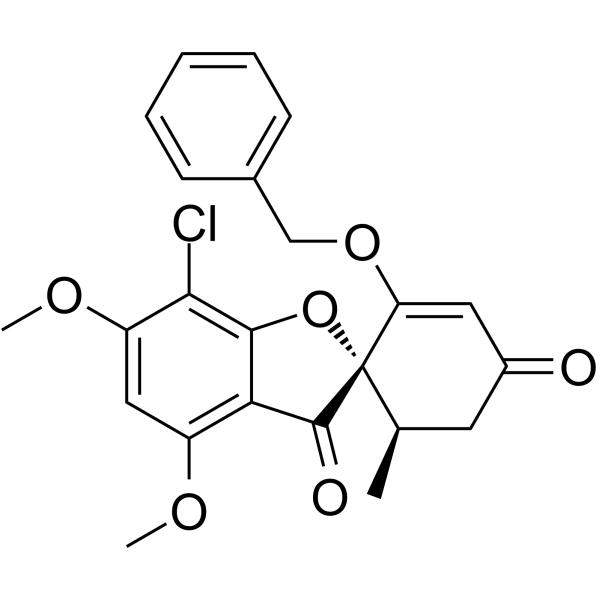
GF 15 is an inhibitor of centrosomal clustering during cell mitosis, with an EC50 value of 900 nM for inducing multipolar spindles. GF 15 is a derivative of griseofulvin that inhibits tubulin polymerization at concentrations above 25 μM. GF 15 inhibits tumor growth and significantly prolongs survival in mouse xenograft models of human colon cancer and multiple myeloma .
|
-
-
- HY-P991663
-
|
|
Tie
|
Cancer
|
|
AMG-780 is a fully human IgG2 antibody that targets angiopoietin 1 (Ang1) (IC50 = 4.5 nM) and angiopoietin 2 (Ang2) (IC50 = 0.06 nM). AMG-780 inhibits tumor growth in the Colo205 xenograft mouse model by inhibiting both Ang1 and Ang2. AMG-780 is indicated for the research of cancers such as colon cancer .
|
-

-
- HY-178960
-
|
|
Microtubule/Tubulin
Apoptosis
|
Cancer
|
|
Tubulin-IN-59 (Compound 8g) is an orally active Tubulin inhibitor. Tubulin-IN-59 exhibits potent anti-proliferative activity against HCT116 colorectal cancer, HeLa cervical cancer, and HepG2 liver cancer cell lines, with its IC₅₀ value ranging from 16 to 35 nM. Tubulin-IN-59 arrests HeLa cells in the G2/M phase and induces cell apoptosis. Tubulin-IN-59 demonstrates significant anti-tumor activity in the HT29 human colon cancer mouse xenograft model. Tubulin-IN-59 can be used for the study of colorectal cancer and cervical cancer .
|
-

-
- HY-161688
-
|
|
Apoptosis
HDAC
|
Cancer
|
|
HDAC-IN-73 (compound P-503) is a histone deacetylase (HDAC) inhibitor. HDAC-IN-73 shows IC50s values of 0.17, 0.49 µM for HDAC1 and HDAC6, respectively. Notably, HDAC-IN-73's inhibitory potency against HDAC6 is heightened, exhibiting a 9-fold greater efficacy than PsA (HY-N2150) (IC50=3.9 μM). HDAC-IN-73 shows potent antiproliferative activity, induces apoptosis, and causes cell cycle arrest at G2 / M phase. HDAC-IN-73 has the potential to be used for the research of cancer such as colon cancer .
|
-

-
- HY-139062
-
|
C6 Ceramide (d18:1/6:0) Urea; Cer(d18:1/6:0) Urea; D-erythro-Urea-C6-Ceramide
|
Apoptosis
Ceramidase
Autophagy
β-catenin
|
Cancer
|
|
C6 Urea Ceramide (Cer(d18:1/6:0) Urea) is an inhibitor of neutral ceramidase. C6 Urea Ceramide increases total ceramide levels in wild-type mouse embryonic fibroblasts (MEFs) and HT-29 colon cancer cells. C6 Urea Ceramide (5-10 μM) inhibits proliferation of HT-29 cells and induces apoptosis and autophagy, but is not toxic to non-cancerous cells. C6 Urea Ceramide decreases total and phosphorylated β-catenin levels in HT-29 and HCT116 cells, and induces colocalization of β-catenin with the 20S proteasome. C6 Urea Ceramide (1.25, 2.5, and 5 mg/kg) reduced tumor growth and increased C16, C18, C20, and C24 ceramide levels in tumor tissues in the HT-29 mouse xenograft model.
|
-

-
- HY-128766A
-
|
|
Checkpoint Kinase (Chk)
|
Cancer
|
|
CHK1-IN-4 hydrochloride is a selective checkpoint kinase 1 (Chk1) inhibitor with an IC50 ≤ 1 nM. The IC50 value of CHK1-IN-4 hydrochloride against Chk2 ranges from 50 to 100 nM. CHK1-IN-4 hydrochloride inhibits cancer cell proliferation and exhibits antitumor activity in colon cancer xenograft models. CHK1-IN-4 hydrochloride can be used for the research of colon cancer and breast cancer .
|
-

-
- HY-128766
-
|
|
Checkpoint Kinase (Chk)
|
Cancer
|
|
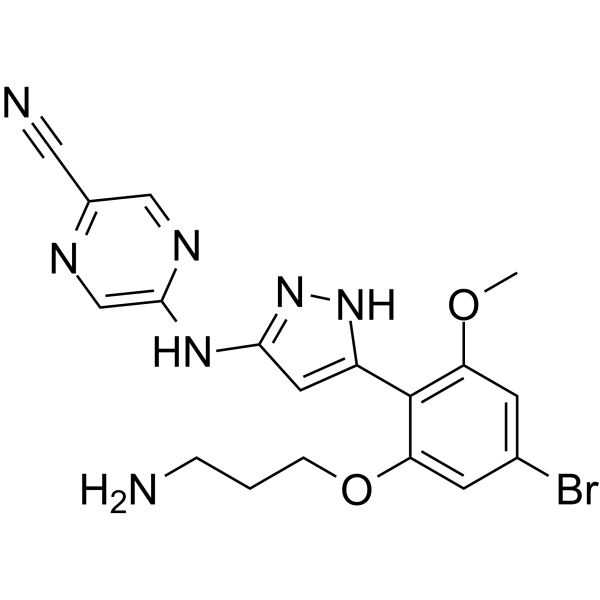
CHK1-IN-4 is a selective checkpoint kinase 1 (Chk1) inhibitor with an IC50 ≤ 1 nM. The IC50 value of CHK1-IN-4 against Chk2 ranges from 50 to 100 nM. CHK1-IN-4 inhibits cancer cell proliferation and exhibits antitumor activity in colon cancer xenograft models. CHK1-IN-4 can be used for the research of colon cancer and breast cancer .
|
-
-
- HY-135217R
-
|
|
Apoptosis
Reference Standards
|
Cancer
|
|
Apiole (Standard) is the analytical standard of Apiole. This product is intended for research and analytical applications. Apiole is an anti-tumor agent that induces apoptosis and inhibits human colon cancer cells by inducing G0/G1 cell cycle arrest. Apiole also significantly inhibited colon tumor development in an in vivo mouse xenograft model .
|
-

-
- HY-170812
-
|
|
Aurora Kinase
|
Cancer
|
|
BET/Aurora kinase-IN-1 (Compound 38) is a dual BET/Aurora kinase inhibitor. BET/Aurora kinase-IN-1 shows antiproliferative activities on diverse cancer cell lines and favorable antitumor efficacy in renal cell cancer and colon cancer xenograft models with tumor growth inhibition (TGI) of 45.99% and 53.06%, respectively .
|
-

-
- HY-17658
-
|
|
Apoptosis
|
Cancer
|
|
Apiol analog-1 (Compound 2b) is an analog of Apiol (HY-135217). Apiole is an anti-tumor agent that induces apoptosis and inhibits human colon cancer cells by inducing G0/G1 cell cycle arrest. Apiole also significantly inhibited colon tumor development in an in vivo mouse xenograft model .
|
-

-
- HY-121490
-
|
|
Apoptosis
|
Cancer
|
|
IMM-02 is a DID-DAD binding inhibitor with activity promoting actin assembly and microtubule stabilization. IMM-02 is able to trigger serum response factor-mediated gene expression and lead to cell cycle arrest and apoptosis. IMM-02 has shown the ability to slow tumor growth in a mouse colon cancer xenograft model .
|
-

-
- HY-176404
-
|
|
HSP
|
Cancer
|
|
DDO-6691 is a heat shock protein 90 (HSP90) inhibitor. DDO-6691 has antiproliferative effects on a variety of tumor cells, with HCT-116 colon cancer cells being the most sensitive (IC50: 1.08 μM). DDO-6691 exhibits potent tumor growth inhibition in the HCT-116 xenograft mouse model .
|
-

-
- HY-111251
-
|
|
Microtubule/Tubulin
Apoptosis
|
Cancer
|
|
4SC-207 is a potent, orally active microtubule inhibitor. 4SC-207 inhibits microtubule growth to inhibit tumor cell proliferation in vitro and in vivo, and promotes a mitotic delay/arrest, followed by apoptosis or aberrant divisions. 4SC-207 inhibits tumor growth in taxane resistant xenograft mouse models. 4SC-207 can be used for cancer research, such as colon adenocarcinoma and other malignancies .
|
-

-
- HY-168081
-
|
|
PD-1/PD-L1
|
Cancer
|
|
PD-1/PD-L1-IN-52 (Compound III-5) is an orally active PD-1/PD-L1 inhibitor that blocks the interaction between PD-1 and PD-L1, with an IC50 of 109.9 nM. PD-1/PD-L1-IN-52 exhibits antitumor activity in a C57BL/6 mouse xenograft model implanted with human PD-1-expressing MC38 colon cancer cells, with a TGI of 49.6% .
|
-

-
- HY-178348
-
|
|
PARP
c-Met/HGFR
DNA/RNA Synthesis
|
Cancer
|
|
PARP1/c-Met-IN-2 is a highly potent, orally active, PARP1 (IC50 = 21.8 nM) and c-Met (IC50 = 30.2 nM) dual inhibitor. PARP1/c-Met-IN-2 can elevate the expression level of γH2AX, cause DNA damage. PARP1/c-Met-IN-2 exhibits remarkable anti-tumor efficacy in the Olaparib (HY-10162)-resistant HCT116 (HCT116OR) xenograft models. PARP1/c-Met-IN-2 can be used for the study of Colon Cancer .
|
-

-
- HY-175195
-
|
|
Adenosine Receptor
Interleukin Related
IFNAR
Cytochrome P450
|
Inflammation/Immunology
Cancer
|
|
Adenosine receptor antagonist 6 is an orally active and selective A2A adenosine receptor (A2AAR) antagonist, with a Ki of 19.18 nM. Adenosine receptor antagonist 6 inhibits 5’-N-ethylcarboxamide adenosine (NECA) (HY-103173)-mediated cAMP production (IC50 = 0.089 μM) and immunosuppression, while promoting IL-2 and IFN-γ secretion. Adenosine receptor antagonist 6 abolishes the immunosuppressive effects of adenosine on T-cell activation and cytokine release. Adenosine receptor antagonist 6 inhibits tumor growth in a CT26/MC38 xenograft model. Adenosine receptor antagonist 6 can be used for the study of colon cancer .
|
-

-
- HY-181541
-
|
|
HDAC
Apoptosis
Wnt
β-catenin
MDM-2/p53
c-Myc
|
Cancer
|
|
HIT211504993 is a selective histone deacetylase 6 (HDAC6) inhibitor with an IC50 of 0.070 μM. HIT211504993 suppresses cancer cell proliferation, cause G1 phase cell cycle arrest and induces apoptosis. HIT211504993 inhibits Myc-driven tumorigenesis via nucleocytoplasmic acetylation, p53 modulation, and Wnt/β-catenin signaling modulation. HIT211504993 inhibits tumor growth in a colon cancer xenograft mouse model. HIT211504993 can be used for the research of colon cancer .
|
-

-
- HY-156484
-
|
|
PI3K
mTOR
|
Cancer
|
|
SPR519 is a selective, orally active dual PI3Kα/mTOR kinase inhibitor, with an IC50 of 0.03 μM against PI3Kα and an IC50 of 0.01 μM against mTOR. SPR519 exhibits anticancer effects in ovarian cancer and colon cancer xenograft models. SPR519 can be used for the research of solid tumors (ovarian cancer, colon cancer) .
|
-

-
- HY-184250
-
|
|
FGFR
p38 MAPK
Akt
Bcl-2 Family
PARP
Apoptosis
Ferroptosis
|
Cancer
|
|
FGFR-IN-28 is a FGFR inhibitor with inhibitory activity against multiple subtypes of the FGFR family, with an IC50 of 4.4 nM against FGFR4. FGFR-IN-28 inhibits kinase activity and phosphorylation processes, and blocks the downstream MAPK and AKT signaling pathways. FGFR-IN-28 induces cellular DNA damage, cell cycle arrest, apoptosis and ferroptosis, and reduces the adhesion, invasion and metastasis abilities of cancer cells. FGFR-IN-28 exhibits anti-tumor activity in in vitro experiments on colon cancer cells, and inhibits tumor growth in colon cancer xenograft models. FGFR-IN-28 can be used in colon cancer-related research .
|
-

-
- HY-181843
-
|
|
HDAC
Apoptosis
Histone Acetyltransferase
Microtubule/Tubulin
Caspase
|
Cancer
|
|
HDAC-IN-99 is a histone deacetylase (HDAC) inhibitor with an IC50 of 37.73 nM, and it exhibits potent inhibitory activity against HDAC1 (IC50 = 48.09 nM), HDAC2 (IC50 = 300.28 nM) and HDAC6 (IC50 = 9.16 nM). HDAC-IN-99 exerts broad-spectrum antiproliferative activity in various cancer cell lines. HDAC-IN-99 induces S-phase cell cycle arrest and apoptosis in colon cancer cells, increases the acetylation levels of histone H3, histone H4 and α-tubulin, and upregulates the expression of p21 as well as the cleavage of caspase-3. HDAC-IN-99 displays antitumor activity in colon cancer xenograft models. HDAC-IN-99 can be used for the research of colon cancer .
|
-

-
- HY-173160
-
|
|
HDAC
|
Cancer
|
|
HDAC1-IN-10 (Compound 2b) is a potent, selective and orally active HDAC1/2 inhibitor with IC50 values of 6 and 190 nM. HDAC1-IN-10 shows IC50 > 50 μM for HDAC3-8. HDAC1-IN-10 can inhibit tumor growth in HCT-116 colon xenograft nude mice model. HDAC1-IN-10 can be used for research of colon cancer .
|
-

-
- HY-180551
-
|
|
PROTACs
RET
Trk Receptor
|
Endocrinology
Cancer
|
|
ZW-6-052 (compound 20), the derivative of ZW-18-116 (HY-180550), is a dual-target PROTAC degrader for the oncoproteins TRKA and RET. ZW-6-052 induces degradation of TMP3-TRKA in KM12 mouse xenograft models. ZW-6-052 can be used for RET or TRKA-derived cancer research, such as thyroid, lung, and colon cancers .
|
-

-
- HY-P992341
-
|
|
MMP
|
Cancer
|
|
D8P1C1 is a high-affinity ADAM17 inhibitor (with a Kd of 180 pM targeting ADAM17-ECD) that reduces the shedding and phosphorylation of EGFR ligands. D8P1C1 inhibits cancer cell proliferation in vitro and tumor growth in xenograft models. 89Zr-DFO-D8P1C1 radioimmunological PET imaging shows its substantial accumulation in ovarian tumor xenografts, serving as a platform for generating bispecific T-cell engager derivatives. D8P1C1 can be applied to research on related diseases including triple-negative breast cancer, various types of ovarian cancer, lung adenocarcinoma, glioma, and colon cancer .
|
-

-
- HY-111837
-
|
|
Nuclear Hormone Receptor 4A/NR4A
Apoptosis
Bcl-2 Family
|
Cancer
|
|
BI1071 is an orally active Nur77-Bcl-2 apoptotic pathway modulator. BI1071 can bind to Nur77-LBD protein with a Kd of 0.17 μM. BI1071 can activate Nur77 signaling and induce apoptosis by translocating to mitochondria where it interacts with Bcl-2. BI1071 can inhibit tumor growth in SW620 xenograft mice model. BI1071 can be used for research of colon cancer .
|
-

-
- HY-183329
-
|
|
Microtubule/Tubulin
Apoptosis
|
Cancer
|
|
Tubulin polymerization-IN-92, an analog of KX-01 (HY-10340), is a potent orally active tubulin polymerization inhibitor that binds tubulin with a Ka of 1.29 μM. Tubulin polymerization-IN-92 simultaneously occupies the colchicine site in β-tubulin and a cavity in α-tubulin. Tubulin polymerization-IN-92 exerts antiproliferative activity, induces G2/M cell cycle arrest and apoptosis in cancer cells. Tubulin polymerization-IN-92 inhibits tumor growth in mouse xenograft models. Tubulin polymerization-IN-92 can be used for the research of colon cancer, cervical cancer, and Paclitaxel (HY-B0015)-resistant ovarian cancer .
|
-

-
- HY-181687
-
|
|
HSP
CDK
|
Cancer
|
|
Hsp90-IN-46 is a Hsp90 inhibitor. Hsp90-IN-46 exhibits broad-spectrum antiproliferative activity against tumor cell lines. Hsp90-IN-46 inhibits breast cancer cell proliferation by reducing colony formation and downregulating the proliferation marker Ki-67. Hsp90-IN-46 inhibits Hsp90 and its ATPase activity, downregulates the downstream substrate oncoproteins HER2 and CDK4, and moderately induces the heat shock response. Hsp90-IN-46 shows significant antitumor activity in a mouse model of triple-negative breast cancer tumor xenografts. Hsp90-IN-46 can be used for research on various cancers including triple-negative breast cancer, leukemia, non-small cell lung cancer, colon cancer, ovarian cancer, renal cancer, prostate cancer .
|
-

-
- HY-181863
-
|
|
NAMPT
DNA/RNA Synthesis
Apoptosis
|
Cancer
|
|
Nampt-IN-18 (Compound Q24) is an orally active NAMPT inhibitor with an IC50 of 8.0 nM against hNAMPT. Nampt-IN-18 inhibits NAMPT enzymatic activity. Nampt-IN-18 inhibits DNA synthesis and induces Apoptosis. Nampt-IN-18 exhibits anticancer activity against gastric cancer and colorectal cancer. Nampt-IN-18 can be used for the research of gastrointestinal cancers .
|
-

-
- HY-182624
-
|
|
Na+/H+ Exchanger (NHE)
Wnt
Apoptosis
|
Cancer
|
|
FJ9 is a NHERF1/PDZ inhibitor with human NHERF1 PDZ1 IC50 1540 μM, NHERF1 PDZ2 IC50 160 μM, and Frizzled-7-Dishevelled PDZ complex Ki 10 μM. FJ9 binds ligand-binding pockets of NHERF1 PDZ domains to block cognate ligand interactions, disrupts Frizzled-7-Dishevelled interactions, and down-regulates canonical Wnt signaling. FJ9 induces apoptosis in cancer cells with intact β-catenin signaling. FJ9 can be used for the research of non-small cell lung cancer, melanoma .
|
-

| Cat. No. |
Product Name |
Target |
Research Area |
-
- HY-156002
-
|
Paluratide
|
Ras
ERK
|
Cancer
|
|
LUNA18 is an orally-available cyclic peptide KRAS and ERK inhibitor. LUNA18 phosphorylates ERK and AKT and decreases cell proliferation in RAS-mutated cancer cells. LUNA18 exhibits RAS signal inhibition and potent anti-cancer activities through inhibiting interaction between RAS and guanine nucleotide exchange factors (GEFs) in a mouse xenograft model. LUNA18 shows significant cellular efficacy against cell lines with KRAS genetic alterations, such as colon cancer, stomach cancer, non-small cell lung cancer and pancreaticcancer .
|
| Cat. No. |
Product Name |
Target |
Research Area |
Image |
-
- HY-P991663
-
|
|
Tie
|
Cancer
|
|
AMG-780 is a fully human IgG2 antibody that targets angiopoietin 1 (Ang1) (IC50 = 4.5 nM) and angiopoietin 2 (Ang2) (IC50 = 0.06 nM). AMG-780 inhibits tumor growth in the Colo205 xenograft mouse model by inhibiting both Ang1 and Ang2. AMG-780 is indicated for the research of cancers such as colon cancer .
|
-

(5)
-
- HY-P992341
-
|
|
MMP
|
Cancer
|
|
D8P1C1 is a high-affinity ADAM17 inhibitor (with a Kd of 180 pM targeting ADAM17-ECD) that reduces the shedding and phosphorylation of EGFR ligands. D8P1C1 inhibits cancer cell proliferation in vitro and tumor growth in xenograft models. 89Zr-DFO-D8P1C1 radioimmunological PET imaging shows its substantial accumulation in ovarian tumor xenografts, serving as a platform for generating bispecific T-cell engager derivatives. D8P1C1 can be applied to research on related diseases including triple-negative breast cancer, various types of ovarian cancer, lung adenocarcinoma, glioma, and colon cancer .
|
-
(5)
| Cat. No. |
Product Name |
Category |
Target |
Chemical Structure |
-
- HY-N2445
-
|
|
Structural Classification
Classification of Application Fields
Piperaceae
Plants
Chalcones
Flavonoids
other families
Phenols
Polyphenols
Piper methysticum G.Forst.
Disease Research Fields
Source Classification
Cancer
|
Apoptosis
Akt
JNK
PERK
Caspase
PARP
MDM-2/p53
IAP
Reactive Oxygen Species (ROS)
SOD
FABP
Autophagy
AMPK
mTOR
GLUT
EGFR
PI3K
HSP
VEGFR
FAK
|
|
Flavokawain C is an orally active natural chalcone. Flavokawain C inhibits the proliferation of various cancer cells. Flavokawain C upregulates GADD153 in cancer cells, inhibits the phosphorylation of Akt and JNK, suppresses early ERK phosphorylation, activates late ERK phosphorylation, activates caspase related subtypes, induces PARP-1 cleavage, causes upregulation of p21 and p27, downregulation of mutant p53 and anti-apoptotic IAP proteins, elevates intracellular ROS levels, reduces SOD activity, and induces apoptosis. Flavokawain C downregulates FABP4, induces autophagy in cancer cells, and activates the AMPK/mTOR pathway . Flavokawain C decreases the expression of glycolysis-related proteins GLUT1 and HK2, and inhibits glycolysis in nasopharyngeal carcinoma cells. Flavokawain C inhibits the activation of the EGFR/PI3K/Akt/mTOR signaling pathway and reduces the expression of HSP90B1. Flavokawain C inhibits angiogenesis by decreasing the expression of angiogenic proteins Ang-1 and VEGF in human umbilical vein endothelial cells. Flavokawain C increases γ-H2AX levels in cells, inhibits the phosphorylation of FAK, PI3K and AKT in cells, and induces DNA damage in cells. Flavokawain C exerts anti-tumor activity in multiple tumor xenograft mouse models. Flavokawain C is applicable to research related to colorectal cancer, colon adenocarcinoma, nephroblastoma, nasopharyngeal carcinoma and liver cancer .
|
-
-
- HY-135217
-
-
-
- HY-135217R
-
-
Your information is safe with us. * Required Fields.
Inquiry Information
- Product Name:
- Cat. No.:
- Quantity:
- MCE Japan Authorized Agent:








