Search Result
Results for "
corticotropin releasing factor (CRF)
" in MedChemExpress (MCE) Product Catalog:
-
- HY-106203
-
|
SSR-125543
|
CFTR
|
Metabolic Disease
|
|
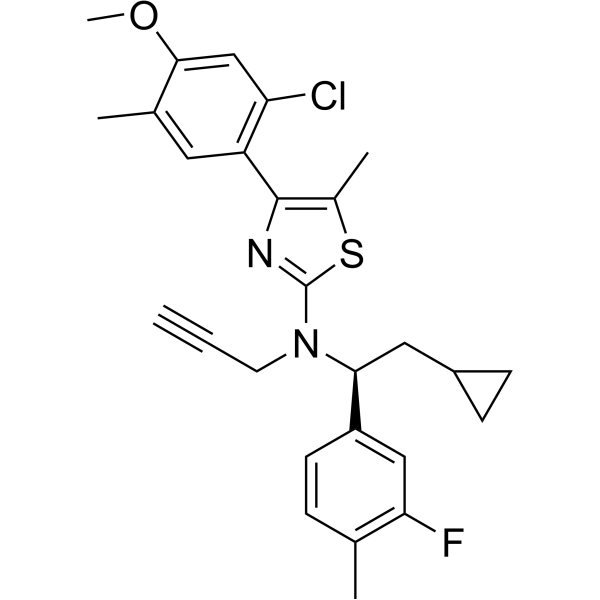
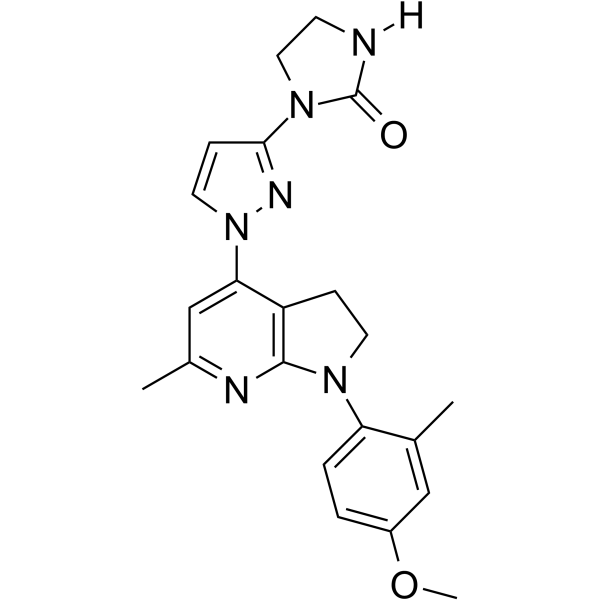
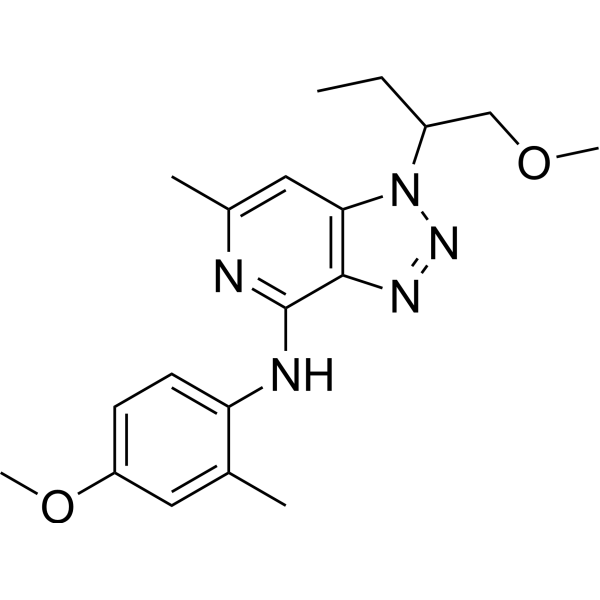
Crinecerfont (SSR-125543) is an orally effective corticotropin-releasing factor receptor type-1 (CRF1 receptor) antagonist. Crinecerfont blocks CRF1 receptor signaling to reduce adrenocorticotropic hormone secretion. Crinecerfont improves hypothalamic-pituitary-adrenal axis negative feedback sensitivity in chronically stressed mice. Crinecerfont can be used for the research of chronic stress conditions and classic congenital adrenal hyperplasia due to 21-hydroxylase deficiency . Crinecerfont is a click chemistry reagent, it contains an Alkyne group and can undergo copper-catalyzed azide-alkyne cycloaddition (CuAAc) with molecules containing Azide groups.
|
-
-
- HY-P0086
-
|
Human CRF; Human corticotropin-releasing factor
|
CRFR
|
Neurological Disease
|
|
Corticotropin-releasing factor human (Human CRF) stimulates the synthesis and secretion of adrenocorticotropin in the anterior pituitary.
|
-

-
- HY-P2847
-
|
|
CRFR
|
Metabolic Disease
Endocrinology
|
|
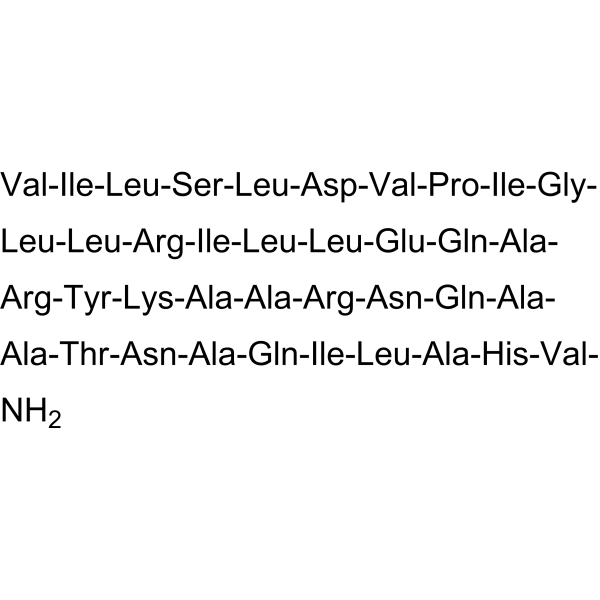
Urocortin II, mouse is a potent and selective endogenous peptide agonist of type-2 corticotropin-releasing factor (CRF2) receptor with Ki values of 0.66 nM and ﹥100 nM for CRFR2 and CRFR1, respectively. Urocortin II, mouse activates CRF2 receptors in a cAMP/PKA- and Ca 2+/CaMKII-dependent manner.Urocortin II, mouse is expressed in discrete areas of the central nervous system, and activates central neurons involved in the processing of visceral sensory information, and in modulating autonomic outflow .
|
-
-
- HY-P1752
-
|
|
CRFR
Bacterial
Parasite
NF-κB
ERK
|
Metabolic Disease
|
|
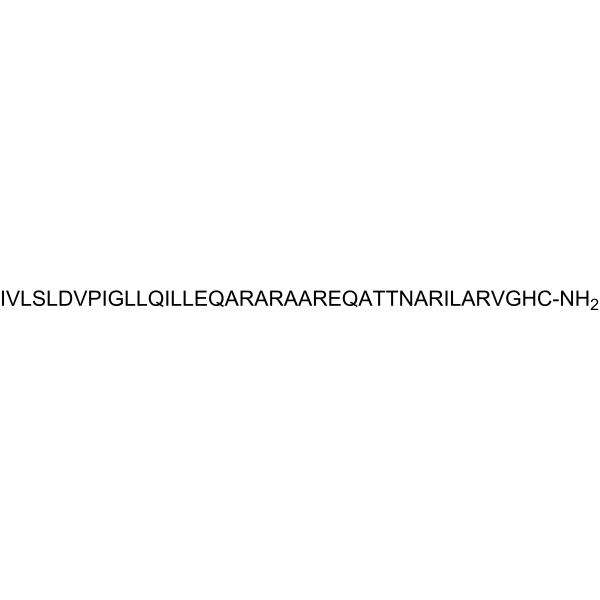
Urocortin II, human is a selective endogenous peptide agonist of type-2 corticotropin-releasing factor (CRF2) receptor. Urocortin II, human has an effect of promoting satiet and neuroprotective effect. Urocortin II, human also has bactericidal, antiparasitic and pro-inflammation activity. Urocortin II, human can activate NF-κB pathway and ERK1/2 MAP kinase. Urocortin II, human can reduce pulmonary arterial hypertension and shows cardiac protection effect. Urocortin II, human can be used for the researches of infection, inflammation, metabolic, neurological and cardiovascular disease .
|
-
-
- HY-P0257
-
-
-
- HY-12127
-
-
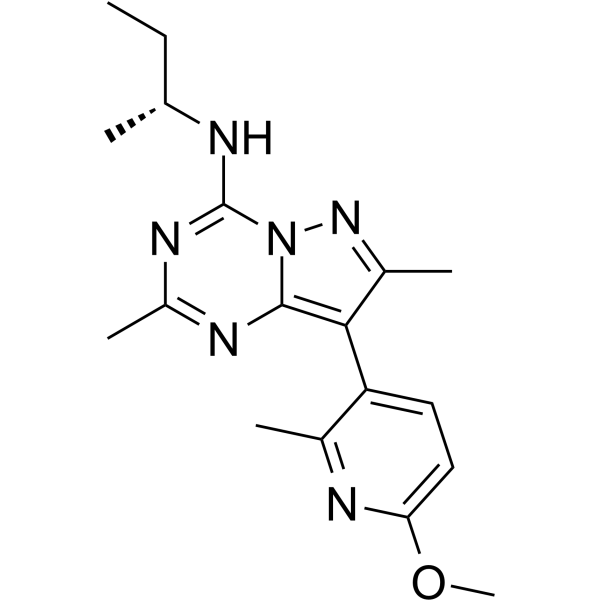
-
- HY-14875
-
|
GSK561679
|
CRFR
|
Neurological Disease
Endocrinology
|
|
Verucerfont is a corticotropin-releasing factor receptor 1 (CRF1) antagonist with IC50s of ~6.1, >1000 and >1000?nM for CRF1, CRF2, and CRF-BP, respectively.
|
-
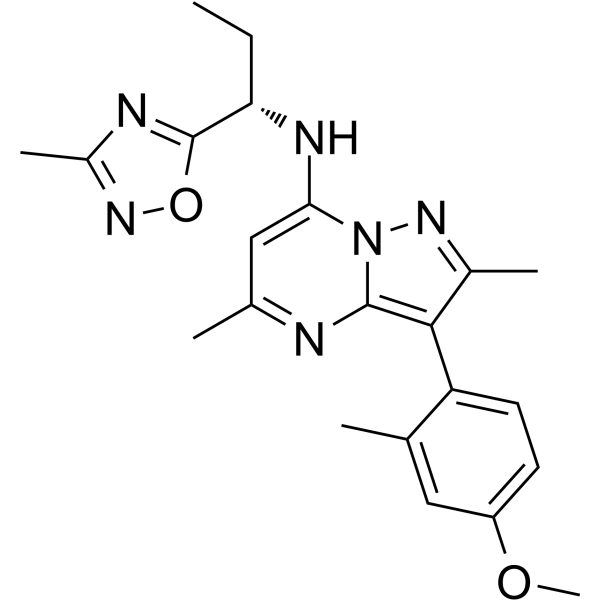
-
- HY-14130
-
-
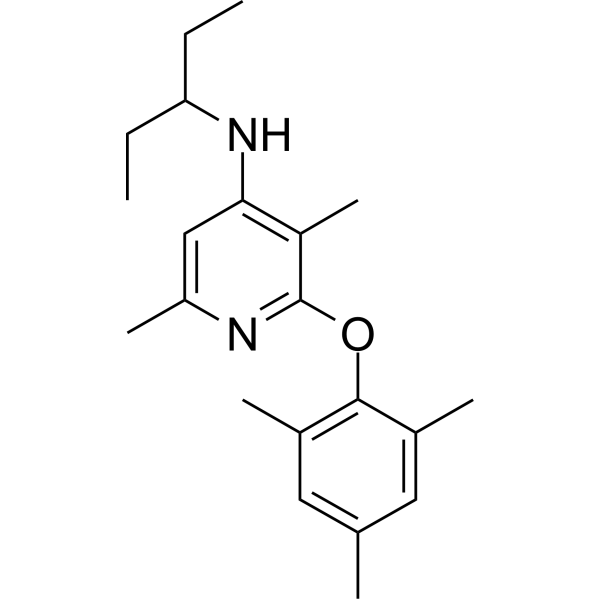
-
- HY-12129
-
|
|
CFTR
|
Neurological Disease
|
|
CP 154526 hydrochloride is a potent, brain-penetrant and selective corticotropin-releasing factor receptor 1 (CRF1) antagonist with a Ki of 2.7 nM. CP 154526 hydrochloride shows selective for CRF1 over CRF2 (Ki = >10 μM). CP 154526 hydrochloride has anxiolytic activities .
|
-

-
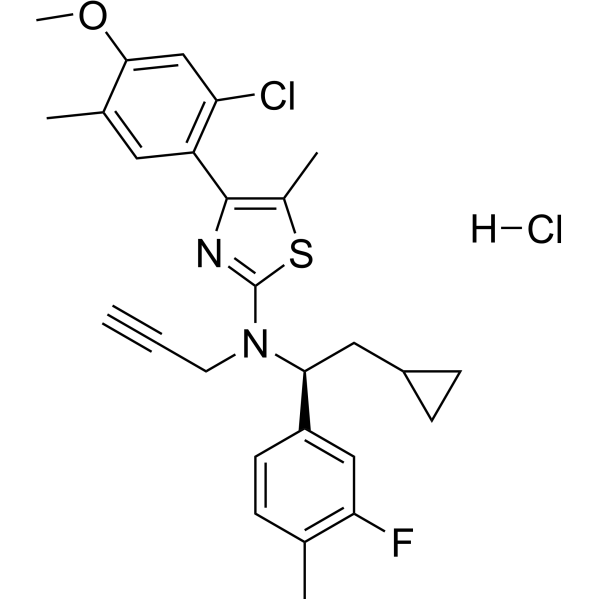
- HY-106203A
-
|
SSR-125543 hydrochloride
|
CFTR
|
Metabolic Disease
|
|
Crinecerfont (SSR-125543) hydrochloride is an orally effective corticotropin-releasing factor receptor type-1 (CRF1 receptor) antagonist. Crinecerfont hydrochloride blocks CRF1 receptor signaling to reduce adrenocorticotropic hormone secretion. Crinecerfont hydrochloride improves hypothalamic-pituitary-adrenal axis negative feedback sensitivity in chronically stressed mice. Crinecerfont hydrochloride can be used for the research of chronic stress conditions and classic congenital adrenal hyperplasia due to 21-hydroxylase deficiency . Crinecerfont hydrochloride is a click chemistry reagent, it contains an Alkyne group and can undergo copper-catalyzed azide-alkyne cycloaddition (CuAAc) with molecules containing Azide groups.
|
-
-
- HY-P2287
-
|
|
CRFR
|
Neurological Disease
|
|
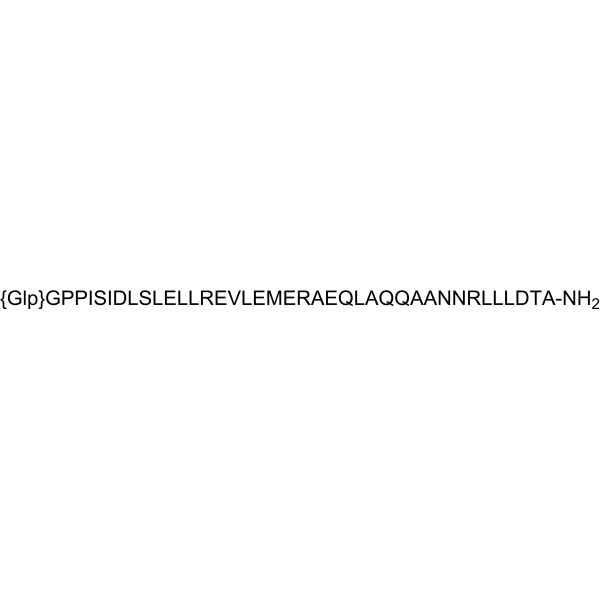
Cortagine is a specific corticotropin-releasing factor receptor subtype 1 (CRF1) agonist with an EC50 of 2.6 nM for rCRF1. Cortagine is an anxiolytic and antidepressive agent in the mouse model .
|
-
-
- HY-P1858A
-
|
|
CRFR
|
Cardiovascular Disease
Neurological Disease
Endocrinology
|
|
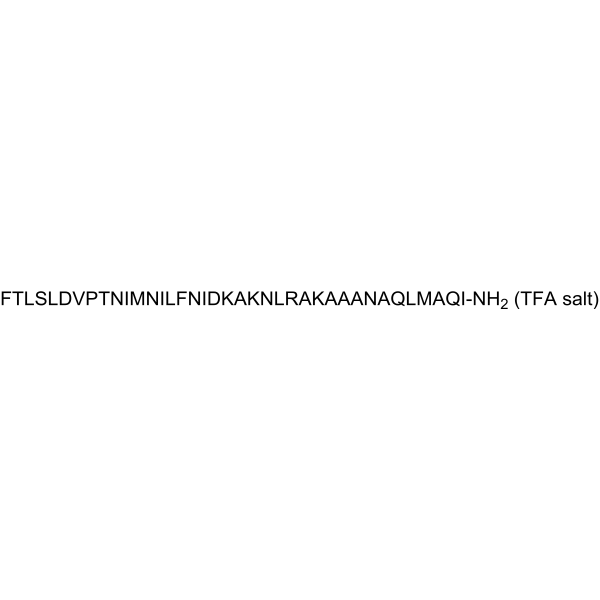
Urocortin III, mouse TFA is a corticotropin-releasing factor (CRF)-related peptide. Urocortin III preferentially binds and activates CRF-R2 . Urocortin III (Ucn3) is a known component of the behavioral stress response system. Urocortin III and CRF-R2 in the medial amygdala regulate complex social dynamics .
|
-
-
- HY-113603
-
|
SPR001; LY2371712
|
CRFR
|
Metabolic Disease
|
|
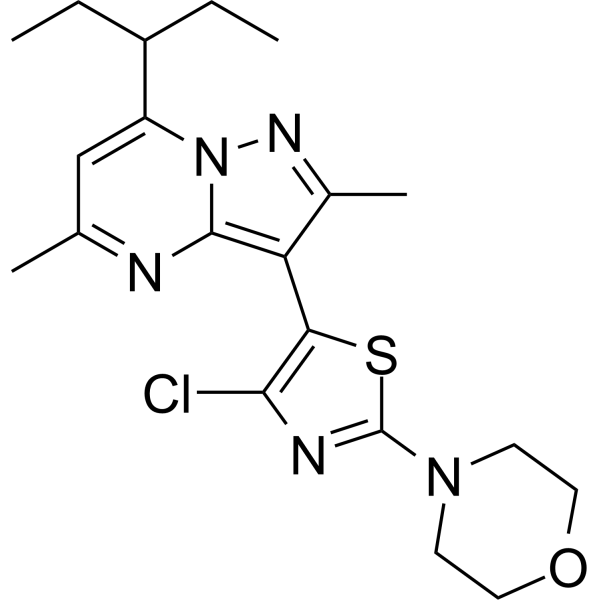
Tildacerfont (SPR001; LY2371712) is an orally active, blood-brain barrier-penetrant selective corticotropin-releasing factor type 1 (CRF1) receptor antagonist. Tildacerfont selectively blocks CRF1 receptors, thereby inhibiting the release of pituitary adrenocorticotropic hormone (ACTH). Tildacerfont can be used in research related to congenital adrenal hyperplasia .
|
-
-
- HY-P1858
-
|
|
CRFR
|
Cardiovascular Disease
Neurological Disease
Endocrinology
|
|
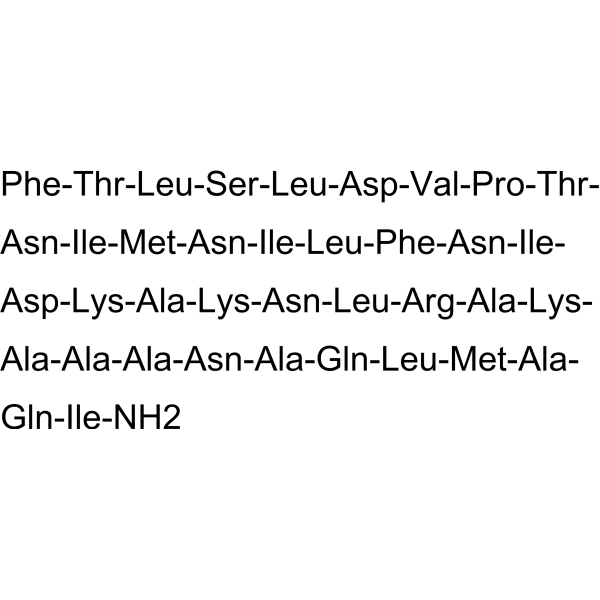
Urocortin III, mouse is a corticotropin-releasing factor (CRF)-related peptide. Urocortin III preferentially binds and activates CRF-R2 . Urocortin III (Ucn3) is a known component of the behavioral stress response system. Urocortin III and CRF-R2 in the medial amygdala regulate complex social dynamics .
|
-
-
- HY-14367
-
-
-
- HY-P1298A
-
|
|
CRFR
|
Cardiovascular Disease
Neurological Disease
|
|
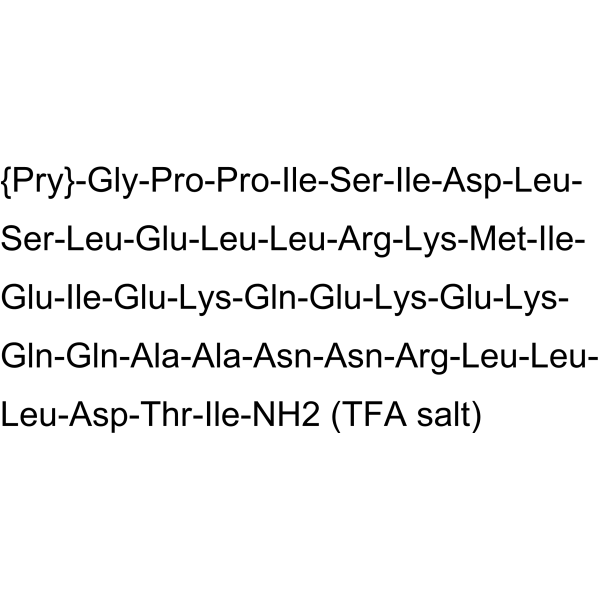
Sauvagine TFA is a corticotropin-releasing factor receptor (CRFR) agonist. Sauvagine TFA activates HM-CRF receptors to stimulate intracellular cAMP accumulation, activates PC-CRF receptors to trigger associated signaling pathways, and stimulates the hypothalamic-pituitary-adrenal axis. Sauvagine TFA can be used for research on central nervous system and blood diseases .
|
-
-
- HY-108295
-
|
CXB-722
|
GABA Receptor
|
Neurological Disease
|
|
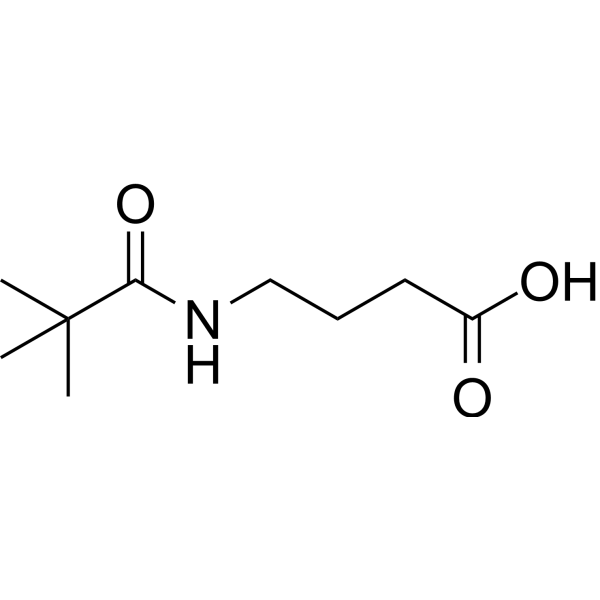
Pivagabine (CXB 722) is a hydrophobic 4-aminobutyric acid derivative with neuromodulatory activity. Pivagabine penetrates the blood-brain barrier in rats. Pivagabine antagonizes the effects of foot shock on both GABAA receptor function and corticotropin-releasing factor (CRF) concentrations in rat brain .
|
-
-
- HY-P3019
-
|
|
CRFR
|
Cardiovascular Disease
Neurological Disease
Endocrinology
|
|
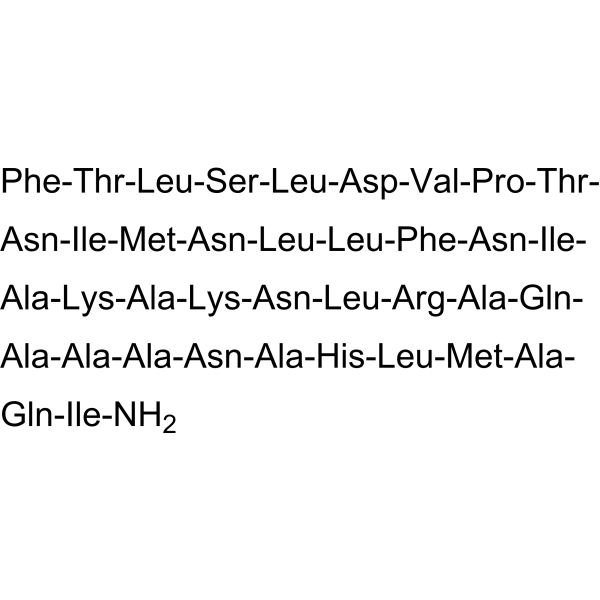
Urocortin III (human) is a corticotropin-releasing factor (CRF)-related peptide. Urocortin III (human) preferentially binds and activates CRF-R2 and has a discrete central nervous system and peripheral distribution. Urocortin III (human) potently binds to type 2 CRF receptors, specifically mCRF2β (Ki = 13.5 nM) and rCRF2α (Ki = 21.7 nM), while demonstrating negligible affinity for hCRF1 (Ki >100 nM). Urocortin III (human) mediates somatostatin-dependent negative feedback control of Insulin (human) (HY-P0035) secretion [1][2].
|
-
-
- HY-P1752B
-
|
|
CRFR
Bacterial
Parasite
NF-κB
ERK
|
Metabolic Disease
|
|
Urocortin II, human acetate is a selective endogenous peptide agonist of type-2 corticotropin-releasing factor (CRF2) receptor. Urocortin II, human acetate has an effect of promoting satiet and neuroprotective effect. Urocortin II, human acetate also has bactericidal, antiparasitic and pro-inflammation activity. Urocortin II, human acetate can activate NF-κB pathway and ERK1/2 MAP kinase. Urocortin II, human acetate can reduce pulmonary arterial hypertension and shows cardiac protection effect. Urocortin II, human acetate can be used for the researches of infection, inflammation, metabolic, neurological and cardiovascular disease .
|
-

-
- HY-P1533A
-
-
-
- HY-169914
-
|
JO 1784 hydrochloride
|
Sigma Receptor
|
Neurological Disease
|
|
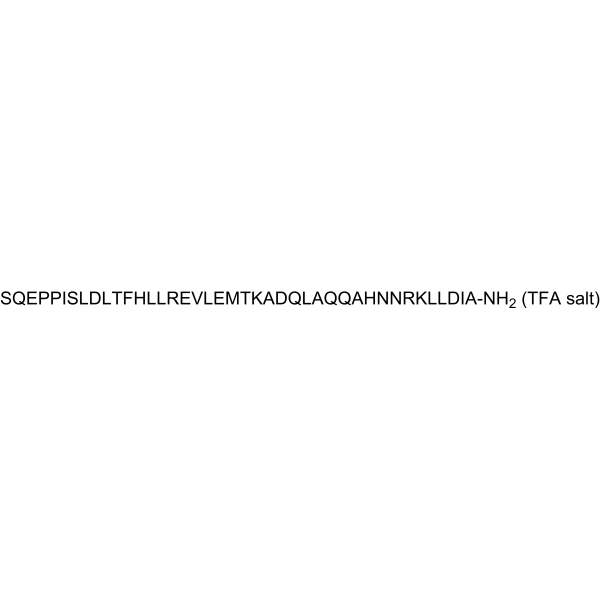
Igmesine hydrochloride (JO 1784) is an orally active σ-receptor ligand capable of blocking the increase in colonic electromechanical activity induced by emotional stress. Igmesine hydrochloride also eliminates the colonic motility stimulation induced by dopamine, as well as the stimulation induced by centrally injected D1 or D2 receptor agonists. Furthermore, Igmesine hydrochloride can block the colonic motility responses induced by corticotropin-releasing factor (CRF) and ES through central cholecystokinin (CCK) release and/or activation of supraspinal CCK pathways .
|
-

-
- HY-P1298
-
|
|
CRFR
|
Cardiovascular Disease
Neurological Disease
|
|
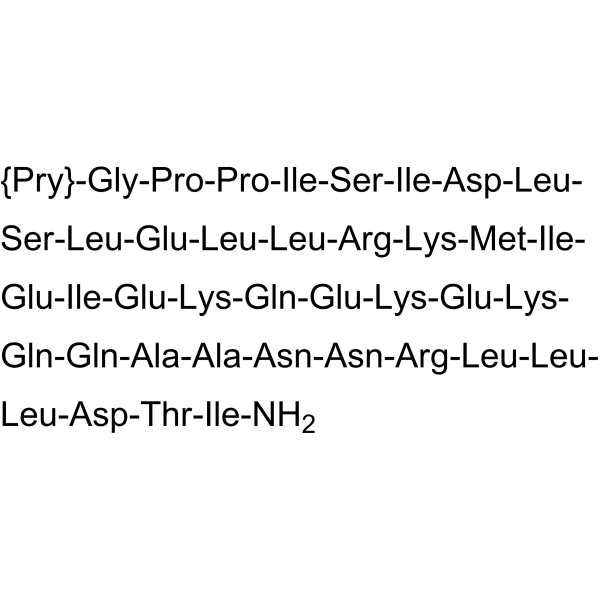
Sauvagine is a corticotropin-releasing factor receptor (CRFR) agonist. Sauvagine activates HM-CRF receptors to stimulate intracellular cAMP accumulation, activates PC-CRF receptors to trigger associated signaling pathways, and stimulates the hypothalamic-pituitary-adrenal axis. Sauvagine can be used for research on central nervous system and blood diseases .
|
-
-
- HY-113603S
-
|
SPR001-d8; LY2371712-d8
|
Isotope-Labeled Compounds
CRFR
|
Cancer
|
|
Tildacerfont-d8 (SPR001-d8; LY2371712-d8) is a deuterium labeled Tildacerfont (HY-113603). Tildacerfont (SPR001; LY2371712) is an orally active, blood-brain barrier-penetrant selective corticotropin-releasing factor type 1 (CRF1) receptor antagonist. Tildacerfont selectively blocks CRF1 receptors, thereby inhibiting the release of pituitary adrenocorticotropic hormone (ACTH). Tildacerfont can be used in research related to congenital adrenal hyperplasia .
|
-

-
- HY-P3019A
-
|
|
CRFR
|
Cardiovascular Disease
Neurological Disease
Metabolic Disease
|
|
Urocortin III (human) TFA is a corticotropin-releasing factor (CRF)-related peptide. Urocortin III (human) TFA preferentially binds and activates CRF-R2 and has a discrete central nervous system and peripheral distribution. Urocortin III (human) TFA potently binds to type 2 CRF receptors, specifically mCRF2β (Ki = 13.5 nM) and rCRF2α (Ki = 21.7 nM), while demonstrating negligible affinity for hCRF1 (Ki >100 nM). Urocortin III (human) TFA mediates somatostatin-dependent negative feedback control of Insulin (human) (HY-P0035) secretion .
|
-

-
- HY-P3687
-
|
|
CRFR
|
Endocrinology
|
|
[Tyr0] Corticotropin Releasing Factor, ovine is a corticotropin releasing factor/hormone isolated from ovine. Corticotropin releasing factor (CRF) is a hypothalamic hormone, stimulates the release of adrenocorticotropic hormone (ACTH) and of β-endorphin .
|
-
![[Tyr0] Corticotropin Releasing Factor, ovine](//file.medchemexpress.com/product_pic/hy-p3687.gif)
-
- HY-P3169
-
|
|
CRFR
|
Inflammation/Immunology
|
|
α-Helical Corticotropin Releasing Factor (9-41) is a corticotropin releasing factor (CRF) antagonist. α-Helical Corticotropin Releasing Factor (9-41) decreases plasma growth hormone (GH) values in vivo .
|
-
-
- HY-P3683
-
|
|
CRFR
|
Endocrinology
|
|
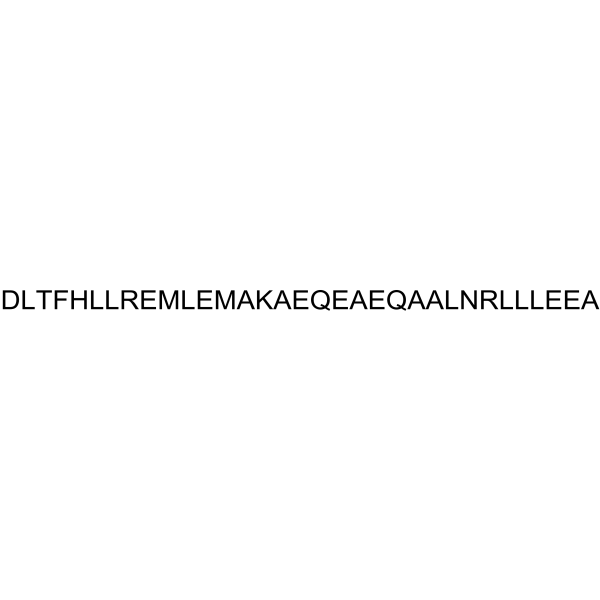
a-Helical Corticotropin Releasing Factor (12-41) is a 30 amino acids long, α-helical analogue of corticotropin releasing factor/hormone. Corticotropin releasing factor (CRF) is a hypothalamic hormone, which stimulates the secretion of adrenocorticotrophic hormone (ACTH). a-Helical Corticotropin Releasing Factor (12-41) would suppress the stimulatory effect .
|
-

-
- HY-12130
-
|
|
CRFR
|
Neurological Disease
|
|
CP 154526 is a potent, brain-penetrant and selective corticotropin-releasing factor receptor 1 (CRF1) antagonist with a Ki of 2.7 nM. CP 154526 shows selective for CRF1 over CRF2 (Ki = >10 μM). CP 154526 has anxiolytic activities .
|
-
-
- HY-103378
-
|
|
CRFR
|
Neurological Disease
|
|
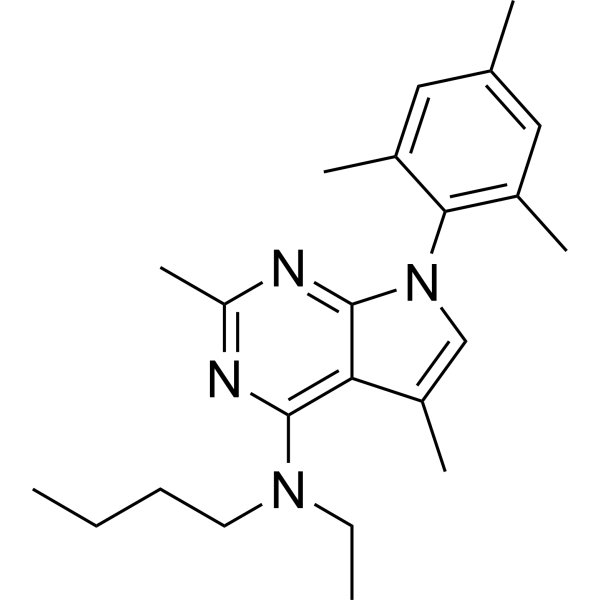
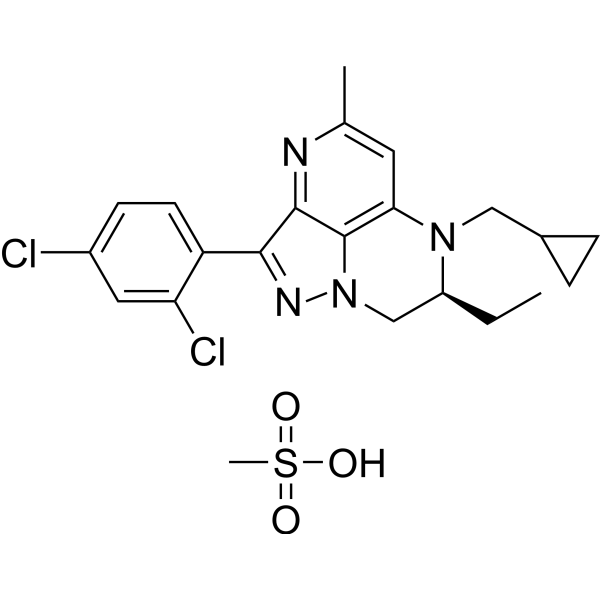
NBI 35965 methanesulfonate is a selective, orally active and brain-penetrant corticotropin-releasing factor receptor 1 (CRF1) antagonist with a Ki value of 4 nM and a pKi value of 8.5. NBI 35965 methanesulfonate does not inhibit CRF2. NBI 35965 methanesulfonate reduces CRF or stress-induced adrenocorticotropic hormone (ACTH) production in vivo with pIC50 values of 7.1 and 6.9, respectively. NBI 35965 methanesulfonate shows anxiolytic effects .
|
-
-
- HY-P1533
-
-
-
- HY-103379
-
-
-
- HY-103376
-
|
|
CRFR
|
Neurological Disease
|
|
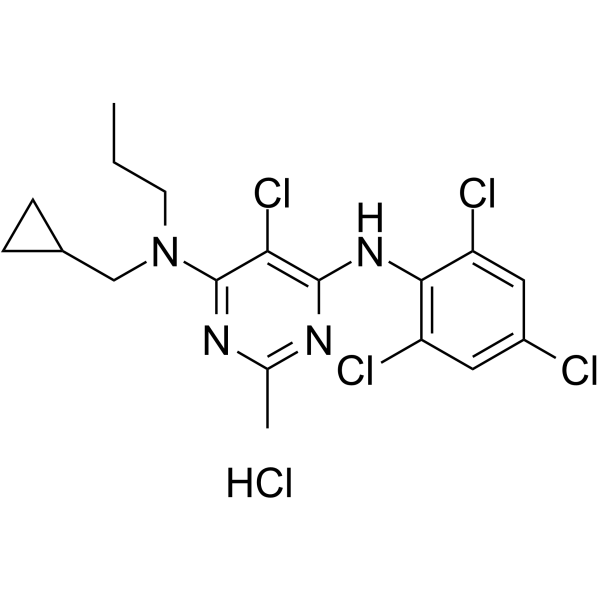
NBI-27914 (hydrochloride) is a selective Corticotropin-Releasing Factor 1 (CRF1) receptor antagonist with a Ki value of 1.7 nM .
|
-
-
- HY-177313
-
|
NVP-AAG 561
|
CFTR
|
Neurological Disease
|
|
AAG561 is a corticotropin-releasing factor receptor 1 (CRF1) antagonist. AAG561 can be used for the study of the underlying emotion dysregulation of a mental disease or disorder .
|
-

-
- HY-12132
-
|
|
CRFR
Adenylate Cyclase
|
Neurological Disease
|
|
DMP 904 is a noncompetitive full corticotropin-releasing factor receptor (CRFR) antagonist. DMP 904 can inhibit CRF-stimulated adenylate cyclase activity and ACTH release. DMP 904 exhibits anti-depressant and anti-anxiety activity .
|
-

-
- HY-119114
-
|
|
CRFR
|
Neurological Disease
|
|
E-2508 free base is an orally active and highly selective corticotropin-releasing factor type 1 receptor (CRF1) antagonist with anxiolytic effects (Ki=11 nM). E-2508 free base blocks CRF-induced cAMP accumulation via CRF1 receptor inhibition. E-2508 free base is promising for research of stress-related psychiatric disorders, such as anxiety and depression .
|
-

-
- HY-110310
-
|
|
CRFR
|
Neurological Disease
|
|
NGD 98-2 hydrochloride is an orally active corticotropin releasing factor-1 (CRF-1) receptor antagonist
|
-

-
- HY-114070
-
-

-
- HY-P3685
-
|
|
CRFR
|
Endocrinology
|
|
[Met(O)21] Corticotropin Releasing Factor, ovine is a corticotropin releasing factor isolated from ovine hypothalamic extracts. Corticotropin releasing factor (CRF) is a hypothalamic hormone, which stimulates the secretion of adrenocorticotrophic hormone (ACTH) .
|
-
![[Met(O)21] Corticotropin Releasing Factor, ovine](//file.medchemexpress.com/product_pic/hy-p3685.gif)
-
- HY-P3684
-
|
|
CRFR
|
Endocrinology
|
|
[DPro5] Corticotropin Releasing Factor, human, rat is a selective R2 agonist of corticotropin releasing factor/hormone. Corticotropin releasing factor (CRF) is a hypothalamic hormone, stimulates the release of adrenocorticotropic hormone (ACTH) and of β-endorphin. [DPro5] Corticotropin Releasing Factor, human, rat fails to cause the typical anxiogenic effect, but modulates learning and memory processes in rat .
|
-
![[DPro5] Corticotropin Releasing Factor, human, rat](//file.medchemexpress.com/product_pic/hy-p3684.gif)
-
- HY-12339
-
|
|
CRFR
|
Endocrinology
|
|
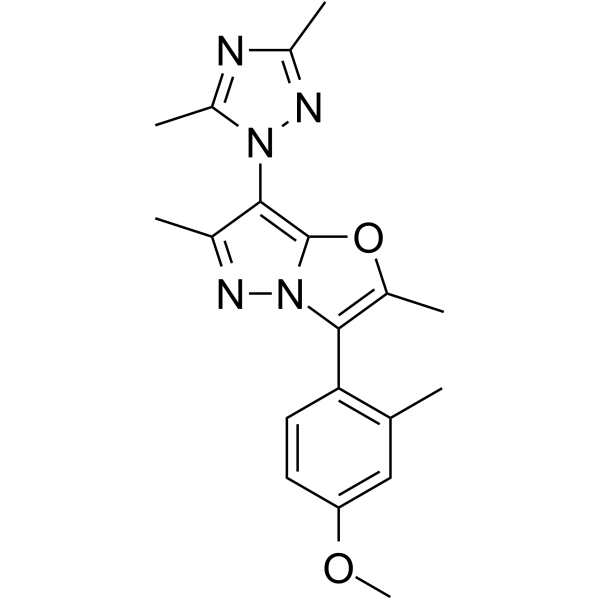
NVS-CRF38 is a novel corticotropin-releasing factor receptor 1 (CRF1) antagonist with low water solubility.
|
-
-
- HY-123677
-
|
|
CRFR
|
Neurological Disease
|
|
E2508 is an orally active corticotropin-releasing factor 1 (CRF1) receptor antagonist with a Ki value of 11 nM for hCRF1 .
|
-

-
- HY-120148
-
-

-
- HY-12127R
-
|
BMS-562086 (Standard)
|
CRFR
Reference Standards
|
Neurological Disease
Endocrinology
|
|
Pexacerfont (Standard) is the analytical standard of Pexacerfont. This product is intended for research and analytical applications. Pexacerfont is a selective corticotropin-releasing factor (CRF1) receptor antagonist with IC50 of 6.1±0.6 nM for human CRF1 receptor.
|
-

-
- HY-14132
-
|
|
CRFR
|
Neurological Disease
|
|
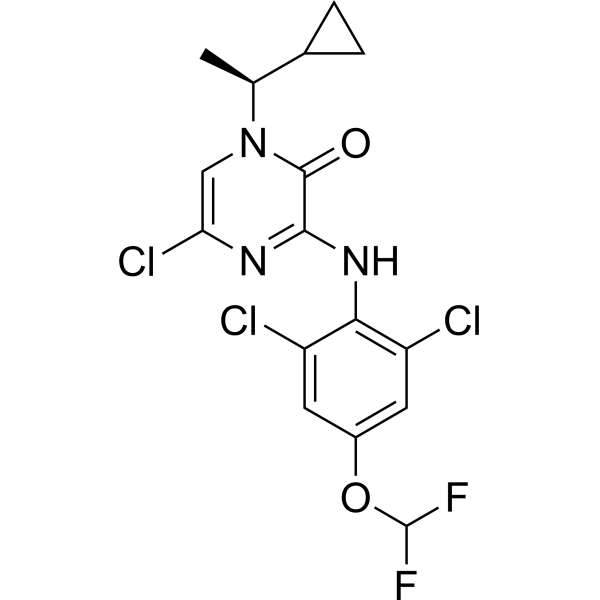
BMS-665053 is a corticotropin-releasing factor-1 (CRF1) receptor antagonist (IC50 = 1.0 nM). BMS-665053)11 is a potent inhibitor of CRF-stimulated cyclic adenosine monophosphate (cAMP) production in human Y-79 retinoblastoma cells (IC50 = 4.9 nM) .
|
-
-
- HY-162872
-
|
|
CRFR
|
Neurological Disease
|
|
NBI-35965 is an antagonist of corticotropin-releasing factor receptor 1 (CRF-R1). NBI-35965 can be used in nervous system related research .
|
-

-
- HY-P4012
-
|
|
Vasopressin Receptor
|
Endocrinology
|
|
[Asu1,6-Arg8]Vasopressin is an vasopressin agonist which potentiates cyclic AMP accumulation and ACTH release induced by corticotropin-releasing factor (CRF) in rat anterior pituitary cells in culture .
|
-
![[Asu1,6-Arg8]Vasopressin](//file.medchemexpress.com/product_pic/hy-p4012.gif)
-
- HY-P3959
-
|
|
CRFR
|
Endocrinology
|
|
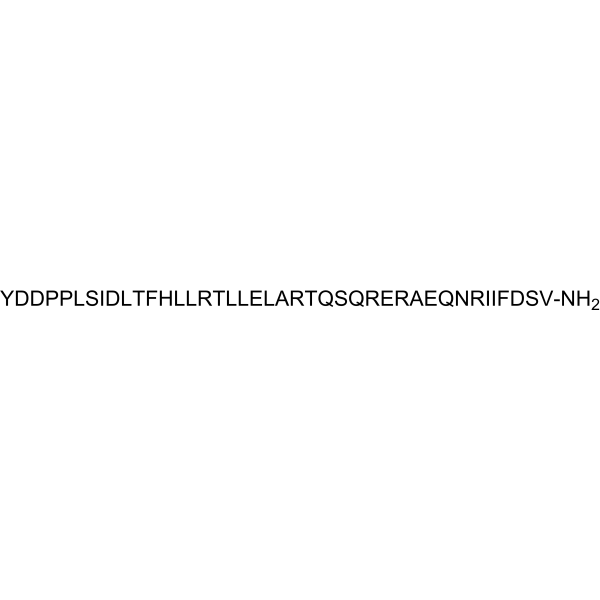
(Tyr0)-Urocortin, rat is a high-affinity agonist of corticotropin-releasing factor receptor type 1 (CRF-R1) and type 2 (CRF-R2). (Tyr0)-Urocortin, rat shows inhibitory binding constants (Ki) of 1-2 nM .
|
-
-
- HY-110056
-
|
|
CRFR
|
Neurological Disease
|
|
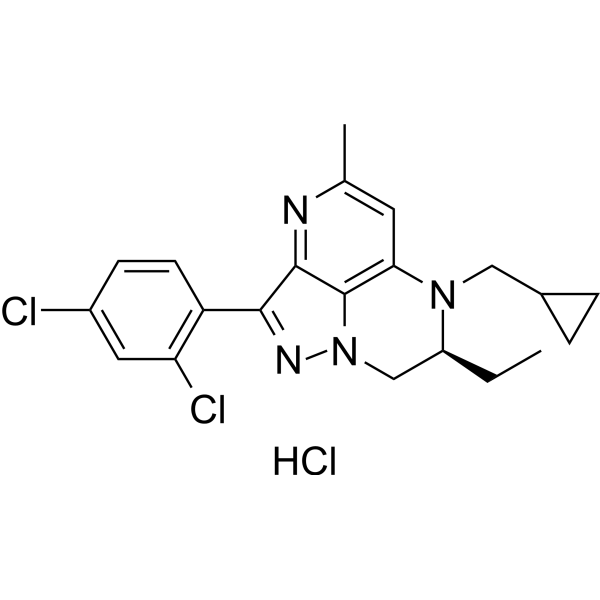
NBI 35965 hydrochloride is a selective, orally active and brain-penetrant corticotropin-releasing factor receptor 1 (CRF1) antagonist with a Ki value of 4 nM and a pKi value of 8.5. NBI 35965 hydrochloride does not inhibit CRF2. NBI 35965 hydrochloride reduces CRF or stress-induced adrenocorticotropic hormone (ACTH) production in vivo with pIC50 values of 7.1 and 6.9, respectively. NBI 35965 hydrochloride shows anxiolytic effects .
|
-
-
- HY-103375
-
|
|
CRFR
|
Neurological Disease
|
|
SN003 is a reversible antagonist of corticotropin releasing factor receptor 1 (CRFR 1) (IC50 = 241 nM) that displays more than 1000-fold selectivity over CRFR 2. SN003 suppresses CRF-induced ACTH release in vitro. SN003 attenuates depressive-like behavior in rat .
|
-
-
- HY-118935
-
|
|
Adrenergic Receptor
|
Inflammation/Immunology
|
|
NGD9002 free base is a new generation of selective corticotropin-releasing factor-1 (CRF-1) receptor antagonist with inhibitory activity on CRF-induced colonic function stimulation. NGD9002 free base can reduce CRF-induced fecal output response and show an inhibitory IC50 value of 4.3 mg/kg. NGD9002 free base can effectively block CRF-induced colonic secretory motility stimulation at the highest dose and reduce acute water avoidance-induced defecation. NGD9002 free base can also prevent the occurrence of pain hypersensitivity reactions to repeated colonic distension .
|
-

- HY-106203C
-
|
SSR-125543 tosylate
|
CFTR
|
Metabolic Disease
|
|
Crinecerfont (SSR-125543) tosylate is an orally effective corticotropin-releasing factor receptor type-1 (CRF1 receptor) antagonist. Crinecerfont tosylate blocks CRF1 receptor signaling to reduce adrenocorticotropic hormone secretion. Crinecerfont tosylate improves hypothalamic-pituitary-adrenal axis negative feedback sensitivity in chronically stressed mice. Crinecerfont tosylate can be used for the research of chronic stress conditions and classic congenital adrenal hyperplasia due to 21-hydroxylase deficiency . Crinecerfont tosylate is a click chemistry reagent, it contains an Alkyne group and can undergo copper-catalyzed azide-alkyne cycloaddition (CuAAc) with molecules containing Azide groups.
|
-

- HY-106203B
-
|
(R)-SSR-125543
|
CFTR
|
Metabolic Disease
|
|
(R)-Crinecerfont is the R-enantiomer of Crinecerfont (HY-106203). Crinecerfont (SSR-125543) is an orally effective corticotropin-releasing factor receptor type-1 (CRF1 receptor) antagonist. Crinecerfont blocks CRF1 receptor signaling to reduce adrenocorticotropic hormone secretion. Crinecerfont improves hypothalamic-pituitary-adrenal axis negative feedback sensitivity in chronically stressed mice. Crinecerfont can be used for the research of chronic stress conditions and classic congenital adrenal hyperplasia due to 21-hydroxylase deficiency . Crinecerfont is a click chemistry reagent, it contains an Alkyne group and can undergo copper-catalyzed azide-alkyne cycloaddition (CuAAc) with molecules containing Azide groups.
|
-

- HY-P1752A
-
|
|
CRFR
Bacterial
Parasite
NF-κB
ERK
|
Metabolic Disease
|
|
Urocortin II, human TFA is a selective endogenous peptide agonist of type-2 corticotropin-releasing factor (CRF2) receptor. Urocortin II, human TFA has an effect of promoting satiet and neuroprotective effect. Urocortin II, human TFA also has bactericidal, antiparasitic and pro-inflammation activity. Urocortin II, human TFA can activate NF-κB pathway and ERK1/2 MAP kinase. Urocortin II, human TFA can reduce pulmonary arterial hypertension and shows cardiac protection effect. Urocortin II, human TFA can be used for the researches of infection, inflammation, metabolic, neurological and cardiovascular disease .
|
-
- HY-P11461
-
|
Biotin-corticotropin releasing factor
|
Drug Derivative
|
Neurological Disease
|
|
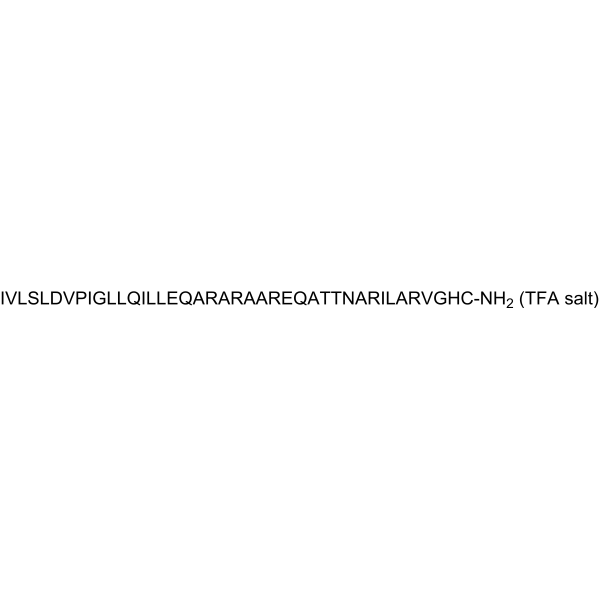
Biotin-CRF, human, rat is a biotin-conjugated CRF (human, rat). CRF (human, rat) is a corticotropin-releasing hormone, paraventricular hypothalamic nucleus marker .
|
-

- HY-106203R
-
|
SSR-125543 (Standard)
|
Reference Standards
CFTR
|
Metabolic Disease
|
|
Crinecerfont (Standard) is the analytical standard of Crinecerfont (HY-106203). This product is intended for research and analytical applications. Crinecerfont (SSR-125543) is an orally effective corticotropin-releasing factor receptor type-1 (CRF1 receptor) antagonist. Crinecerfont blocks CRF1 receptor signaling to reduce adrenocorticotropic hormone secretion. Crinecerfont improves hypothalamic-pituitary-adrenal axis negative feedback sensitivity in chronically stressed mice. Crinecerfont can be used for the research of chronic stress conditions and classic congenital adrenal hyperplasia due to 21-hydroxylase deficiency. Crinecerfont is a click chemistry reagent, it contains an Alkyne group and can undergo copper-catalyzed azide-alkyne cycloaddition (CuAAc) with molecules containing Azide groups.
|
-

-
- HY-P0086
-
|
Human CRF; Human corticotropin-releasing factor
|
CRFR
|
Neurological Disease
|
|
Corticotropin-releasing factor human (Human CRF) stimulates the synthesis and secretion of adrenocorticotropin in the anterior pituitary.
|
-
- HY-P2847
-
|
|
CRFR
|
Metabolic Disease
Endocrinology
|
|
Urocortin II, mouse is a potent and selective endogenous peptide agonist of type-2 corticotropin-releasing factor (CRF2) receptor with Ki values of 0.66 nM and ﹥100 nM for CRFR2 and CRFR1, respectively. Urocortin II, mouse activates CRF2 receptors in a cAMP/PKA- and Ca 2+/CaMKII-dependent manner.Urocortin II, mouse is expressed in discrete areas of the central nervous system, and activates central neurons involved in the processing of visceral sensory information, and in modulating autonomic outflow .
|
-
- HY-P1752
-
|
|
CRFR
Bacterial
Parasite
NF-κB
ERK
|
Metabolic Disease
|
|
Urocortin II, human is a selective endogenous peptide agonist of type-2 corticotropin-releasing factor (CRF2) receptor. Urocortin II, human has an effect of promoting satiet and neuroprotective effect. Urocortin II, human also has bactericidal, antiparasitic and pro-inflammation activity. Urocortin II, human can activate NF-κB pathway and ERK1/2 MAP kinase. Urocortin II, human can reduce pulmonary arterial hypertension and shows cardiac protection effect. Urocortin II, human can be used for the researches of infection, inflammation, metabolic, neurological and cardiovascular disease .
|
-
- HY-P0257
-
-
- HY-P2287
-
|
|
CRFR
|
Neurological Disease
|
|
Cortagine is a specific corticotropin-releasing factor receptor subtype 1 (CRF1) agonist with an EC50 of 2.6 nM for rCRF1. Cortagine is an anxiolytic and antidepressive agent in the mouse model .
|
-
- HY-P1858A
-
|
|
CRFR
|
Cardiovascular Disease
Neurological Disease
Endocrinology
|
|
Urocortin III, mouse TFA is a corticotropin-releasing factor (CRF)-related peptide. Urocortin III preferentially binds and activates CRF-R2 . Urocortin III (Ucn3) is a known component of the behavioral stress response system. Urocortin III and CRF-R2 in the medial amygdala regulate complex social dynamics .
|
-
- HY-P1858
-
|
|
CRFR
|
Cardiovascular Disease
Neurological Disease
Endocrinology
|
|
Urocortin III, mouse is a corticotropin-releasing factor (CRF)-related peptide. Urocortin III preferentially binds and activates CRF-R2 . Urocortin III (Ucn3) is a known component of the behavioral stress response system. Urocortin III and CRF-R2 in the medial amygdala regulate complex social dynamics .
|
-
- HY-P1298A
-
|
|
CRFR
|
Cardiovascular Disease
Neurological Disease
|
|
Sauvagine TFA is a corticotropin-releasing factor receptor (CRFR) agonist. Sauvagine TFA activates HM-CRF receptors to stimulate intracellular cAMP accumulation, activates PC-CRF receptors to trigger associated signaling pathways, and stimulates the hypothalamic-pituitary-adrenal axis. Sauvagine TFA can be used for research on central nervous system and blood diseases .
|
-
- HY-P3019
-
|
|
CRFR
|
Cardiovascular Disease
Neurological Disease
Endocrinology
|
|
Urocortin III (human) is a corticotropin-releasing factor (CRF)-related peptide. Urocortin III (human) preferentially binds and activates CRF-R2 and has a discrete central nervous system and peripheral distribution. Urocortin III (human) potently binds to type 2 CRF receptors, specifically mCRF2β (Ki = 13.5 nM) and rCRF2α (Ki = 21.7 nM), while demonstrating negligible affinity for hCRF1 (Ki >100 nM). Urocortin III (human) mediates somatostatin-dependent negative feedback control of Insulin (human) (HY-P0035) secretion [1][2].
|
-
- HY-P1752B
-
|
|
CRFR
Bacterial
Parasite
NF-κB
ERK
|
Metabolic Disease
|
|
Urocortin II, human acetate is a selective endogenous peptide agonist of type-2 corticotropin-releasing factor (CRF2) receptor. Urocortin II, human acetate has an effect of promoting satiet and neuroprotective effect. Urocortin II, human acetate also has bactericidal, antiparasitic and pro-inflammation activity. Urocortin II, human acetate can activate NF-κB pathway and ERK1/2 MAP kinase. Urocortin II, human acetate can reduce pulmonary arterial hypertension and shows cardiac protection effect. Urocortin II, human acetate can be used for the researches of infection, inflammation, metabolic, neurological and cardiovascular disease .
|
-
- HY-P1533A
-
-
- HY-P1298
-
|
|
CRFR
|
Cardiovascular Disease
Neurological Disease
|
|
Sauvagine is a corticotropin-releasing factor receptor (CRFR) agonist. Sauvagine activates HM-CRF receptors to stimulate intracellular cAMP accumulation, activates PC-CRF receptors to trigger associated signaling pathways, and stimulates the hypothalamic-pituitary-adrenal axis. Sauvagine can be used for research on central nervous system and blood diseases .
|
-
- HY-P3019A
-
|
|
CRFR
|
Cardiovascular Disease
Neurological Disease
Metabolic Disease
|
|
Urocortin III (human) TFA is a corticotropin-releasing factor (CRF)-related peptide. Urocortin III (human) TFA preferentially binds and activates CRF-R2 and has a discrete central nervous system and peripheral distribution. Urocortin III (human) TFA potently binds to type 2 CRF receptors, specifically mCRF2β (Ki = 13.5 nM) and rCRF2α (Ki = 21.7 nM), while demonstrating negligible affinity for hCRF1 (Ki >100 nM). Urocortin III (human) TFA mediates somatostatin-dependent negative feedback control of Insulin (human) (HY-P0035) secretion .
|
-
- HY-P3687
-
|
|
CRFR
|
Endocrinology
|
|
[Tyr0] Corticotropin Releasing Factor, ovine is a corticotropin releasing factor/hormone isolated from ovine. Corticotropin releasing factor (CRF) is a hypothalamic hormone, stimulates the release of adrenocorticotropic hormone (ACTH) and of β-endorphin .
|
-
- HY-P3169
-
|
|
CRFR
|
Inflammation/Immunology
|
|
α-Helical Corticotropin Releasing Factor (9-41) is a corticotropin releasing factor (CRF) antagonist. α-Helical Corticotropin Releasing Factor (9-41) decreases plasma growth hormone (GH) values in vivo .
|
-
- HY-P3683
-
|
|
CRFR
|
Endocrinology
|
|
a-Helical Corticotropin Releasing Factor (12-41) is a 30 amino acids long, α-helical analogue of corticotropin releasing factor/hormone. Corticotropin releasing factor (CRF) is a hypothalamic hormone, which stimulates the secretion of adrenocorticotrophic hormone (ACTH). a-Helical Corticotropin Releasing Factor (12-41) would suppress the stimulatory effect .
|
-
- HY-P1533
-
-
- HY-P3685
-
|
|
CRFR
|
Endocrinology
|
|
[Met(O)21] Corticotropin Releasing Factor, ovine is a corticotropin releasing factor isolated from ovine hypothalamic extracts. Corticotropin releasing factor (CRF) is a hypothalamic hormone, which stimulates the secretion of adrenocorticotrophic hormone (ACTH) .
|
-
- HY-P3684
-
|
|
CRFR
|
Endocrinology
|
|
[DPro5] Corticotropin Releasing Factor, human, rat is a selective R2 agonist of corticotropin releasing factor/hormone. Corticotropin releasing factor (CRF) is a hypothalamic hormone, stimulates the release of adrenocorticotropic hormone (ACTH) and of β-endorphin. [DPro5] Corticotropin Releasing Factor, human, rat fails to cause the typical anxiogenic effect, but modulates learning and memory processes in rat .
|
-
- HY-P4012
-
|
|
Vasopressin Receptor
|
Endocrinology
|
|
[Asu1,6-Arg8]Vasopressin is an vasopressin agonist which potentiates cyclic AMP accumulation and ACTH release induced by corticotropin-releasing factor (CRF) in rat anterior pituitary cells in culture .
|
-
- HY-P3959
-
|
|
CRFR
|
Endocrinology
|
|
(Tyr0)-Urocortin, rat is a high-affinity agonist of corticotropin-releasing factor receptor type 1 (CRF-R1) and type 2 (CRF-R2). (Tyr0)-Urocortin, rat shows inhibitory binding constants (Ki) of 1-2 nM .
|
-
- HY-P1752A
-
|
|
CRFR
Bacterial
Parasite
NF-κB
ERK
|
Metabolic Disease
|
|
Urocortin II, human TFA is a selective endogenous peptide agonist of type-2 corticotropin-releasing factor (CRF2) receptor. Urocortin II, human TFA has an effect of promoting satiet and neuroprotective effect. Urocortin II, human TFA also has bactericidal, antiparasitic and pro-inflammation activity. Urocortin II, human TFA can activate NF-κB pathway and ERK1/2 MAP kinase. Urocortin II, human TFA can reduce pulmonary arterial hypertension and shows cardiac protection effect. Urocortin II, human TFA can be used for the researches of infection, inflammation, metabolic, neurological and cardiovascular disease .
|
-
- HY-P11461
-
|
Biotin-corticotropin releasing factor
|
Drug Derivative
|
Neurological Disease
|
|
Biotin-CRF, human, rat is a biotin-conjugated CRF (human, rat). CRF (human, rat) is a corticotropin-releasing hormone, paraventricular hypothalamic nucleus marker .
|
| 製品番号 |
Compare |
製品名 |
Species |
Source |
Image |
Compare Product
|
| Product |
|
| Cat. No. |
|
| Species |
|
| Source |
|
| Tag |
|
| Accession |
|
| Gene ID |
|
| Molecular Weight |
|
| Purity |
|
| Endotoxin Level |
|
| Biological Activity |
|
| Appearance |
|
| Formulation |
|
| Storage & Stability |
|
| Shipping |
|
| Free Sample |
Yes
No
|
| Size |
* This product has been "discontinued".
Optimized version of product available:
|
-
- HY-113603S
-
|
|
|
Tildacerfont-d8 (SPR001-d8; LY2371712-d8) is a deuterium labeled Tildacerfont (HY-113603). Tildacerfont (SPR001; LY2371712) is an orally active, blood-brain barrier-penetrant selective corticotropin-releasing factor type 1 (CRF1) receptor antagonist. Tildacerfont selectively blocks CRF1 receptors, thereby inhibiting the release of pituitary adrenocorticotropic hormone (ACTH). Tildacerfont can be used in research related to congenital adrenal hyperplasia .
|
-
-
- HY-106203
-
|
SSR-125543
|
|
Alkynes
|
|
Crinecerfont (SSR-125543) is an orally effective corticotropin-releasing factor receptor type-1 (CRF1 receptor) antagonist. Crinecerfont blocks CRF1 receptor signaling to reduce adrenocorticotropic hormone secretion. Crinecerfont improves hypothalamic-pituitary-adrenal axis negative feedback sensitivity in chronically stressed mice. Crinecerfont can be used for the research of chronic stress conditions and classic congenital adrenal hyperplasia due to 21-hydroxylase deficiency . Crinecerfont is a click chemistry reagent, it contains an Alkyne group and can undergo copper-catalyzed azide-alkyne cycloaddition (CuAAc) with molecules containing Azide groups.
|
-
- HY-106203A
-
|
SSR-125543 hydrochloride
|
|
Alkynes
|
|
Crinecerfont (SSR-125543) hydrochloride is an orally effective corticotropin-releasing factor receptor type-1 (CRF1 receptor) antagonist. Crinecerfont hydrochloride blocks CRF1 receptor signaling to reduce adrenocorticotropic hormone secretion. Crinecerfont hydrochloride improves hypothalamic-pituitary-adrenal axis negative feedback sensitivity in chronically stressed mice. Crinecerfont hydrochloride can be used for the research of chronic stress conditions and classic congenital adrenal hyperplasia due to 21-hydroxylase deficiency . Crinecerfont hydrochloride is a click chemistry reagent, it contains an Alkyne group and can undergo copper-catalyzed azide-alkyne cycloaddition (CuAAc) with molecules containing Azide groups.
|
-
- HY-106203B
-
|
(R)-SSR-125543
|
|
Alkynes
|
|
(R)-Crinecerfont is the R-enantiomer of Crinecerfont (HY-106203). Crinecerfont (SSR-125543) is an orally effective corticotropin-releasing factor receptor type-1 (CRF1 receptor) antagonist. Crinecerfont blocks CRF1 receptor signaling to reduce adrenocorticotropic hormone secretion. Crinecerfont improves hypothalamic-pituitary-adrenal axis negative feedback sensitivity in chronically stressed mice. Crinecerfont can be used for the research of chronic stress conditions and classic congenital adrenal hyperplasia due to 21-hydroxylase deficiency . Crinecerfont is a click chemistry reagent, it contains an Alkyne group and can undergo copper-catalyzed azide-alkyne cycloaddition (CuAAc) with molecules containing Azide groups.
|
入力情報は安全に管理されます. ※ 必須入力項目.
Inquiry Information
- 製品名:
- 製品番号:
- 数量:
- MCE 日本正規代理店:





![[Tyr0] Corticotropin Releasing Factor, ovine](http://file.medchemexpress.com/product_pic/hy-p3687.gif)


![[Met(O)21] Corticotropin Releasing Factor, ovine](http://file.medchemexpress.com/product_pic/hy-p3685.gif)
![[DPro5] Corticotropin Releasing Factor, human, rat](http://file.medchemexpress.com/product_pic/hy-p3684.gif)


![[Asu1,6-Arg8]Vasopressin](http://file.medchemexpress.com/product_pic/hy-p4012.gif)





