Search Result
Results for "
epithelium cells
" in MedChemExpress (MCE) Product Catalog:
7
Biochemical Assay Reagents
2
Isotope-Labeled Compounds
| Cat. No. |
Product Name |
Target |
Research Areas |
Chemical Structure |
-
- HY-D0227
-
THAM
1 Publications Verification
Tris; Tris(hydroxymethyl)aminomethane
|
Biochemical Assay Reagents
|
Metabolic Disease
|
|
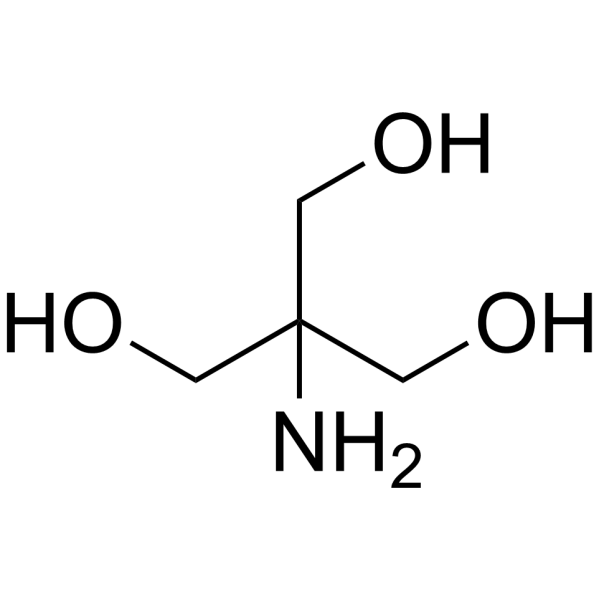
THAM (Tris) is a low-toxicity amino alcohol buffer, a specific CO2-consuming proton acceptor that buffers carbon dioxide and acid both in vitro and in vivo. THAM binds protons to form bicarbonate, reduces PaCO2, and induces intracellular alkalization, thereby ameliorating hypercapnia-induced elevation of pulmonary blood vessels and pulmonary arterial pressure. THAM may cause PaCO2 rebound, hypoglycemia, and respiratory depression. THAM removes amniotic epithelium and preserves the basement membrane, but depletes extracellular matrix and reduces the adhesion rate of limbal epithelial cells. THAM can act as a CO2 carrier to enhance the productivity and carbon utilization rate of Scenedesmus obliquus. THAM is a key component of buffer solutions used in various biological, cell culture, biochemical, and molecular biology applications .
|
-
-
- HY-N0428
-
|
|
Apoptosis
|
Cancer
|
|
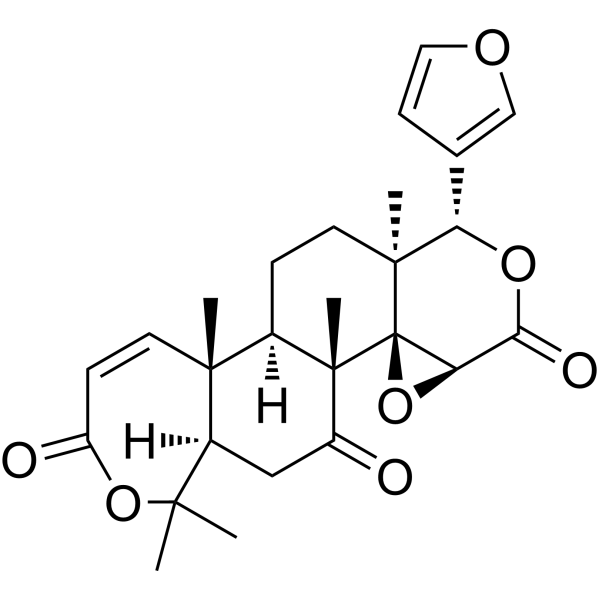
Obacunone is a highly oxidized triterpenoid limonoid isolated from citrus plants. Obacunone exerts its anticancer effects by inducing apoptosis. Obacunone also protects retinal pigment epithelial (RPE) cells from ultraviolet (UV) radiation (UVR)-induced oxidative damage .
|
-
-
- HY-107543
-
|
8-CPT-2'-O-Me-cAMP sodium
|
Ras
|
Cardiovascular Disease
|
|
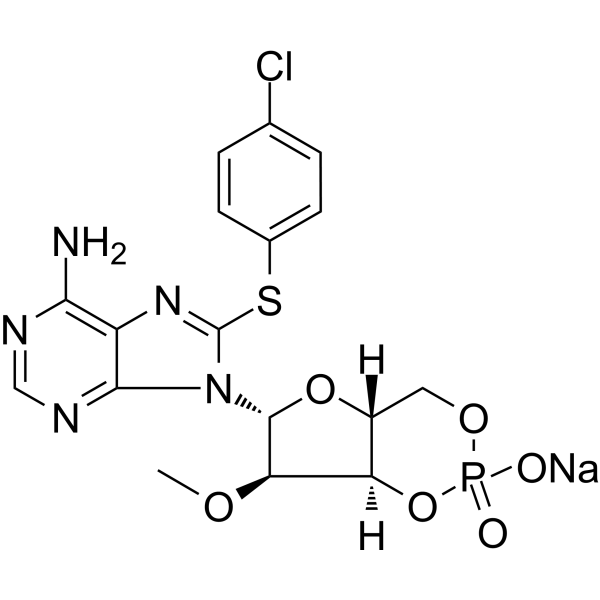
8-pCPT-2′-O-Me-cAMP (8-CPT-2'-O-Me-cAMP) sodium, an analog of cAMP, is an activator of exchange proteins activated by cAMP (Epac). 8-pCPT-2′-O-Me-cAMP sodium activates Epac1 (EC50 = 2.2 μM), but not PKA (EC50 >10 μM). 8-pCPT-2′-O-Me-cAMP sodium stimulates Epac-mediated Ca 2+ release in pancreatic β-cells in vitro. 8-pCPT-2′-O-Me-cAMP sodium is a Rap1 activator. 8-pCPT-2′-O-Me-cAMP sodium enhances the retinal pigment epithelium barrier against the pathological choroidal endothelial cell invasion that occurs in macular degeneration .
|
-
-
- HY-78726
-
|
Amprenavir phosphate; GW 433908
|
Drug Intermediate
HIV
HIV Protease
|
Infection
|
|
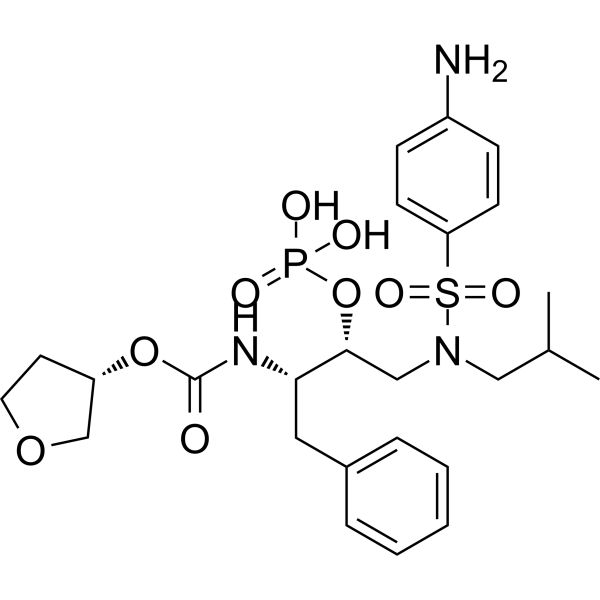
Fosamprenavir is an orally active inhibitor targeting HIV-1 protease and is a prodrug of Amprenavir (HY-17430). Fosamprenavir is hydrolyzed into Amprenavir (VX-478) by cell phosphatases in the intestinal epithelium. Amprenavir binds to the active site of HIV-1 protease, preventing the processing of viral gag and gag-pol polyprotein precursors, thereby inhibiting the formation of mature infectious virus particles and exerting anti-HIV-1 infection activity. Fosamprenavir can be used for the study of human immunodeficiency virus (HIV-1) infection .
|
-
-
- HY-D0936
-
|
|
Fluorescent Dye
|
Others
|
|
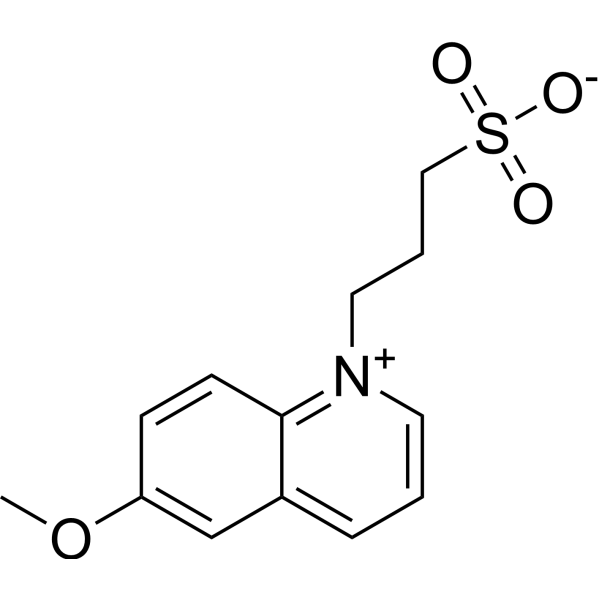
SPQ is a fluorescent dye. SPQ can be used to measure chloride ion concentration transients and transport rates in vesicles, cells, and even intact epithelium .
|
-
-
- HY-17431
-
|
GW433908G
|
Drug Intermediate
HIV
HIV Protease
|
Infection
|
|
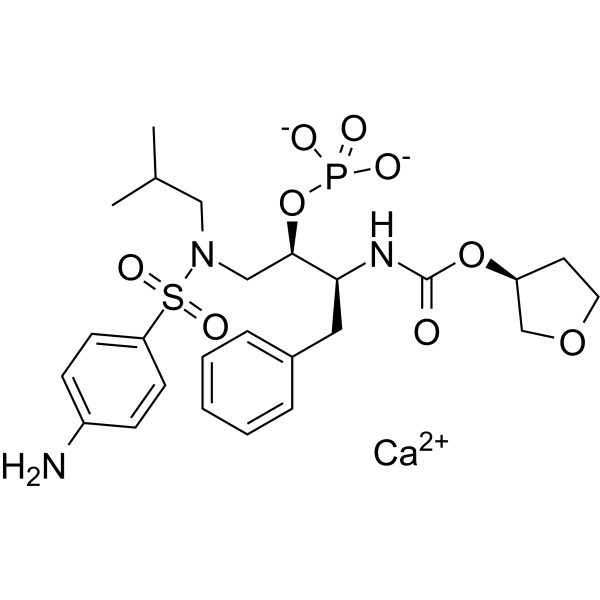
Fosamprenavir Calcium Salt (GW433908G) is an orally active inhibitor targeting HIV-1 protease and is a prodrug of Amprenavir (HY-17430). Fosamprenavir Calcium Salt is hydrolyzed into Amprenavir (VX-478) by cell phosphatases in the intestinal epithelium. Amprenavir binds to the active site of HIV-1 protease, preventing the processing of viral gag and gag-pol polyprotein precursors, thereby inhibiting the formation of mature infectious virus particles and exerting anti-HIV-1 infection activity. Fosamprenavir Calcium Salt can be used for the study of human immunodeficiency virus (HIV-1) infection .
|
-
-
- HY-111772A
-
|
(R)-VX-445
|
Drug Isomer
CFTR
|
Inflammation/Immunology
|
|
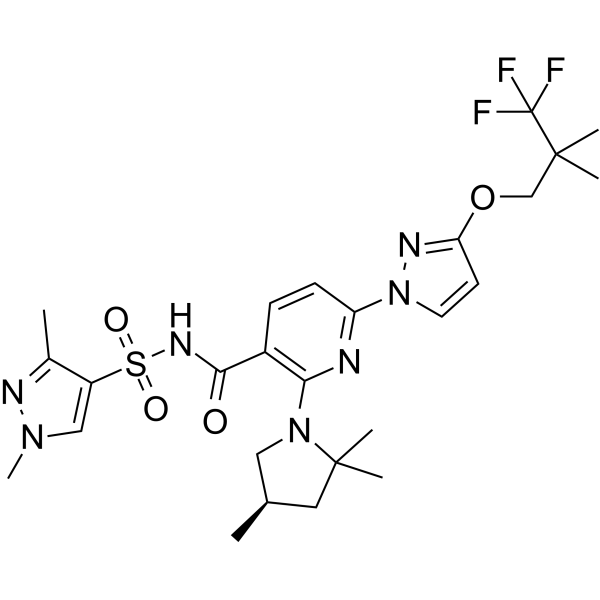
(R)-Elexacaftor ((R)-VX-445) is the enantiomer of Elexacaftor (HY-111772). Elexacaftor is an orally active CFTR modulator that targets nucleotide-binding domain 1. Elexacaftor stabilizes misfolded F508del-CFTR protein, enhances its trafficking to the plasma membrane, and significantly improves metabolic stability, thermal stability and ion conductivity. Elexacaftor not only restores chloride transport function in nasal epithelial cells and rescues multiple CFTR mutation subtypes, but also exerts multiplicative synergistic effects with Ivacaftor (HY-13017), and is often used in a triple combination therapy with Tezacaftor (HY-15448). Elexacaftor is widely used in basic and clinical translational research on cystic fibrosis .
|
-
-
- HY-P10953
-
|
PSP 29-mer, anti-inflammatory peptide
|
ERK
STAT
|
Inflammation/Immunology
|
|
Fulipiftide is a short peptide derived from pigment epithelium-derived factor (PEDF). Fulipiftide induces the expansion of nuclear stem cell factor +TSPC by activating ERK2 and STAT3 signaling pathways. Fulipiftide has anti-inflammatory activity and can be used in the study of acute tendon injury .
|
-
-
- HY-D0227J
-
|
Tris HCl (≥99%, for cell culture); Tris hydrochloride (≥99%, for cell culture)
|
Biochemical Assay Reagents
|
Metabolic Disease
|
|
THAM hydrochloride (≥99%, for cell culture) is a low-toxicity amino alcohol buffer, a specific CO2-consuming proton acceptor that buffers carbon dioxide and acid both in vitro and in vivo. THAM hydrochloride (≥99%, for cell culture) binds protons to form bicarbonate, reduces PaCO2, and induces intracellular alkalization, thereby ameliorating hypercapnia-induced elevation of pulmonary blood vessels and pulmonary arterial pressure. THAM hydrochloride (≥99%, for cell culture) may cause PaCO2 rebound, hypoglycemia, and respiratory depression. THAM hydrochloride (≥99%, for cell culture) removes amniotic epithelium and preserves the basement membrane, but depletes extracellular matrix and reduces the adhesion rate of limbal epithelial cells. THAM hydrochloride (≥99%, for cell culture) can act as a CO2 carrier to enhance the productivity and carbon utilization rate of Scenedesmus obliquus. THAM hydrochloride (≥99%, for cell culture) is a key component of buffer solutions used in various biological, cell culture, biochemical, and molecular biology applications .
|
-
-
- HY-103249
-
|
Reutericycline
|
Bacterial
|
Infection
Metabolic Disease
|
|
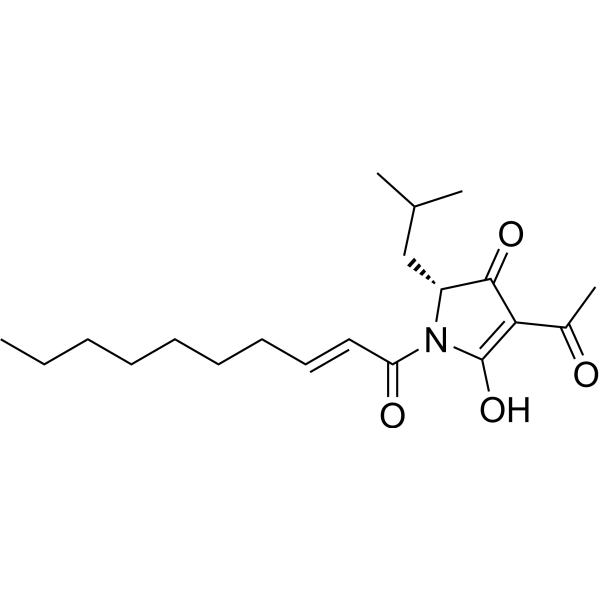
Reutericyclin (Reutericycline) is an orally active antibacterial and anti-obesity agent that selectively inhibits Gram-positive bacteria. By selectively dissipating transmembrane potential, Reutericyclin exerts non-lytic bactericidal or bacteriostatic activity against pathogens such as Clostridium difficile and Staphylococcus aureus, and rapidly kills vegetative cells and spores of Clostridium difficile. Reutericyclin possesses favorable properties including resistance to enzymatic hydrolysis, iron-chelating function, and poor absorption by colonic epithelium. Reutericyclin not only eradicates staphylococcal biofilms and inhibits drug-resistant strains, but also counteracts Risperidone (HY-11018)-induced weight gain by inducing changes in gut microbiota composition and restoring energy utilization efficiency. Reutericyclin can be used in research related to Clostridium difficile infection, Risperidone-induced weight gain, and staphylococcal superficial skin infections .
|
-
-
- HY-173521
-
|
|
SARS-CoV
DNA/RNA Synthesis
Virus Protease
|
Infection
|
|
JNJ-9676 is an orally active Coronavirus M protein inhibitor and selective Sarbecovirus inhibitor. JNJ-9676 binds to the M protein dimer and forces the protein into an alternative conformational state with a compound-induced binding pocket. JNJ-9676 demonstrates in vitro nanomolar antiviral activity against SARS-CoV-2, SARS-CoV and Sarbecovirus strains from bat and pangolin zoonotic origin .
|
-
-
- HY-NP0147
-
|
WGA (Fluorescein)
|
Fluorescent Dye
|
Infection
Neurological Disease
|
|
Wheat Germ Agglutinin (WGA) Fluorescein is a classic fluorescent label that specifically binds to sugar residues such as N-acetylglucosamine, N-acetylneuraminic acid and sialic acid. Wheat Germ Agglutinin Fluorescein performs regionally differential fluorescent staining of the ocular surface epithelial glycocalyx to assess its integrity, and causes no damage to the eye at safe concentrations. Wheat Germ Agglutinin Fluorescein is also used for staining structures including red blood cells, cultured cells, bacteria and pine wood nematodes, and facilitates the isolation of wheat-associated plant-growth-promoting rhizobacterial strains. Wheat Germ Agglutinin Fluorescein can be applied to the detection of ocular glycocalyx integrity and the research of related diseases such as pine wilt disease .
|
-
-
- HY-P2302
-
|
|
Antibiotic
Bacterial
Fungal
|
Infection
Inflammation/Immunology
Cancer
|
|
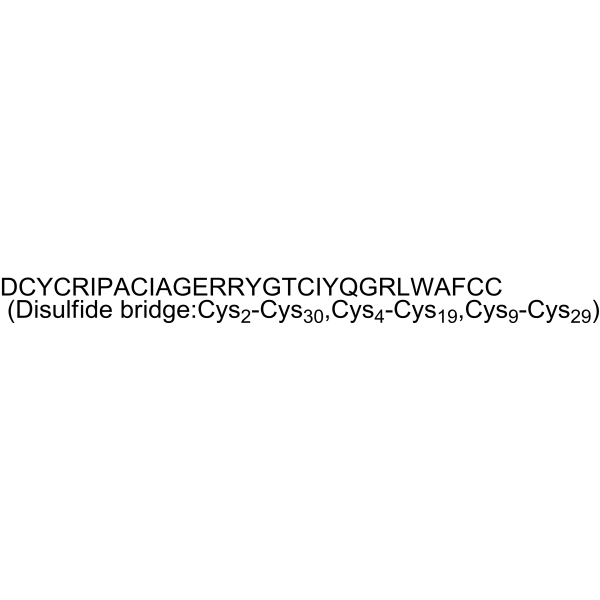
Defensin HNP-3 human is an α-defensin stored in the azurophilic granules of human neutrophils. Defensin HNP-3 human exerts broad-spectrum bactericidal, antifungal and antiviral activities mainly by forming bacterial membrane pores, and acts as a chemoattractant for monocytes and T cells. Defensin HNP-3 human maintains epithelial integrity to support periodontal tissue homeostasis, and exerts concentration-dependent effects on epithelial cell proliferation, adhesion and bacterial adhesion. Defensin HNP-3 human targets solid tumors and leukemia by inducing single-strand DNA breaks and membrane permeabilization in tumor cells via electrostatic binding and pore formation. Defensin HNP-3 human is abundant in human tongue squamous cell carcinoma and neutrophils infiltrating oral squamous cell carcinoma. Defensin HNP-3 human can be applied to research related to periodontitis and human tongue squamous cell carcinoma .
|
-
-
- HY-W039865
-
|
|
Biochemical Assay Reagents
|
Cancer
|
|
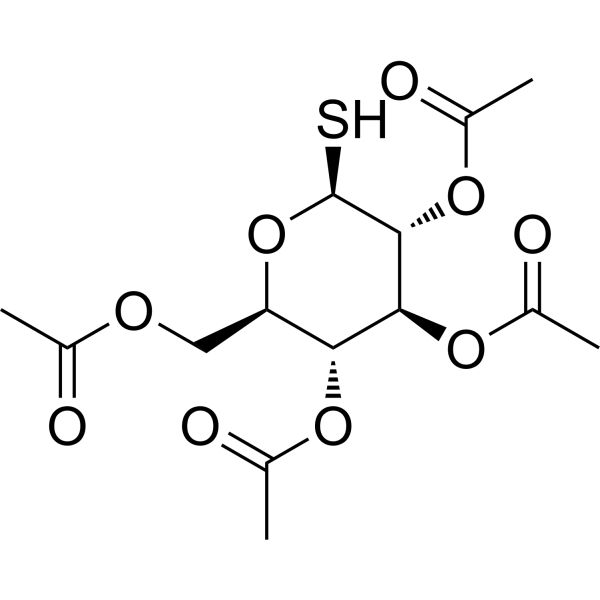
1-Thio-beta-D-glucose tetraacetate exhibits cytotoxicity in cells HeLa and human ocular lens epithelium CECH with IC50s of >250 and >200 μM. 1-Thio-beta-D-glucose tetraacetate reveals moderate anticancer property .
|
-
-
- HY-161343
-
|
|
P2Y Receptor
Necroptosis
|
Inflammation/Immunology
|
|
HDL-16 is a potent P2Y14R antagonist with an IC50 of 0.3095 nM. HDL-16 ameliorates DSS (HY-116282C)-induced colitis through suppressing necroptosis of intestinal epithelium cells (IECs) and protecting mucosal barrier function .
|
-
-
- HY-P11162
-
|
|
FGFR
Akt
ERK
mTOR
Apoptosis
|
Inflammation/Immunology
|
|
FGF7p is a small molecule peptide and a potential bladder protector. FGF7p can activate downstream signaling pathways of FGFR2 in the urinary tract epithelium (pFRS2α, pAKT and pERK). FGF7p alleviates cyclophosphamide induced apoptosis and tissue damage in urinary tract epithelial cells by activating AKT and its downstream anti apoptotic targets (pBAD, pS6/mTORC1). FGF7p is commonly used in the study of inflammatory conditions .
|
-
-
- HY-D0227B
-
|
Tris acetate; Tris(hydroxymethyl)aminomethane acetate
|
Biochemical Assay Reagents
|
Metabolic Disease
|
|
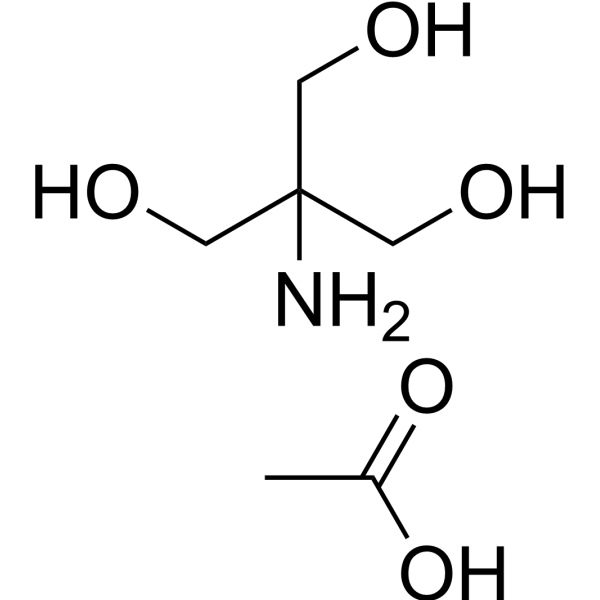
THAM acetate is a low-toxicity amino alcohol buffer, a CO2-consuming proton acceptor that buffers carbon dioxide and acid both in vitro and in vivo. THAM acetate binds protons to form bicarbonate, reduces PaCO2, and induces intracellular alkalization, thereby ameliorating hypercapnia-induced elevation of pulmonary blood vessels and pulmonary arterial pressure. THAM acetate may cause PaCO2 rebound, hypoglycemia, and respiratory depression. THAM acetate removes amniotic epithelium and preserves the basement membrane, but depletes extracellular matrix and reduces the adhesion rate of limbal epithelial cells. THAM acetate can act as a CO2 carrier to enhance the productivity and carbon utilization rate of Scenedesmus obliquus. THAM acetate is a key component of buffer solutions used in various biological, cell culture, biochemical, and molecular biology applications .
|
-
-
- HY-116312
-
|
8-CPT-2'-O-Me-cAMP
|
Ras
|
Cardiovascular Disease
|
|
8-pCPT-2′-O-Me-cAMP (8-CPT-2'-O-Me-cAMP), an analog of cAMP, is an activator of exchange proteins activated by cAMP (Epac). 8-pCPT-2′-O-Me-cAMP activates Epac1 (EC50 = 2.2 μM), but not PKA (EC50 >10 μM). 8-pCPT-2′-O-Me-cAMP stimulates Epac-mediated Ca 2+ release in pancreatic β-cells in vitro. 8-pCPT-2′-O-Me-cAMP is a Rap1 activator. 8-pCPT-2′-O-Me-cAMP enhances the retinal pigment epithelium barrier against the pathological choroidal endothelial cell invasion that occurs in macular degeneration .
|
-
-
- HY-78726S
-
|
Amprenavir phosphate-d4; GW 433908-d4
|
Isotope-Labeled Compounds
Drug Intermediate
HIV
HIV Protease
|
Infection
|
|
Fosamprenavir-d4 is the Deuterium-labeled Fosamprenavir (HY-78726). Fosamprenavir is an orally active inhibitor targeting HIV-1 protease and is a prodrug of Amprenavir (HY-17430). Fosamprenavir is hydrolyzed into Amprenavir (VX-478) by cell phosphatases in the intestinal epithelium. Amprenavir binds to the active site of HIV-1 protease, preventing the processing of viral gag and gag-pol polyprotein precursors, thereby inhibiting the formation of mature infectious virus particles and exerting anti-HIV-1 infection activity. Fosamprenavir can be used for the study of human immunodeficiency virus (HIV-1) infection .
|
-
-
- HY-P10760
-
|
|
Peptide-Drug Conjugates (PDCs)
|
Cancer
|
PhAc-ALGP-Dox, a peptide-drug conjugate, is a novel anticancer prodrug, with IC50 values ranged from 311 nM to 34.25 μM for TNBC (E0771), normal murine epithelium (HC-11), human TNBC (MDA-MB-231 and MDA-MB-468), human CrC (LS 174T), normal human epithelium (HME-1) cells .
|
-
-
- HY-174224
-
|
ZINC000002782982
|
SARS-CoV
|
Infection
|
|
Amb929 (ZINC000002782982), a nsp3 ligand, is an anti-SARS-CoV-2 agent. Amb929 inhibits SARS-CoV2-mNG replication in VeroE6 cells with an EC50 of 34.7 µM. Amb929 has limited and moderate cytotoxicity for VeroE6 cells (CC50: 281 µM). Amb929 also inhibits SARS-CoV-2-mNG replication in Human Airway Epithelium (HAE) .
|
-
-
- HY-N0428R
-
|
|
Reference Standards
Apoptosis
|
Cancer
|
|
Obacunone (Standard) is the analytical standard of Obacunone. This product is intended for research and analytical applications. Obacunone is a highly oxidized triterpenoid limonoid isolated from citrus plants. Obacunone exerts its anticancer effects by inducing apoptosis. Obacunone also protects retinal pigment epithelial (RPE) cells from ultraviolet (UV) radiation (UVR)-induced oxidative damage .
|
-
-
- HY-N13214
-
|
|
Others
|
Metabolic Disease
|
|
Maca Extract is a maca extract. Maca Extract has the potential to improve fertility and sexual function, and can improve non-obstructive azoospermia. The polysaccharide part is its active ingredient. Maca Extract can alleviate seminiferous tubule vacuolation and testicular lesions. It improves sperm quantity and quality by promoting the recovery of seminiferous epithelium, inhibiting stromal cell proliferation, and increasing serum testosterone levels. .
|
-
-
- HY-P5169
-
|
|
Apolipoprotein
Amino Acid Derivatives
|
Inflammation/Immunology
|
|
LVGRQLEEFL (mouse) can be named as G * peptide, corresponding to amino acids 113 to 122 in apolipoprotein J ([113,122] apoJ)}. LVGRQLEEFL (mouse) exhibits anti-inflammatory and anti-atherogenic properties. LVGRQLEEFL (mouse) can be added to an apoJ mimetic, to form HM-10/10 peptide, which is a mimetic peptide and a novel chimeric high density lipoprotein. HM-10/10 peptide protects retinal pigment epithelium (RPE) and photoreceptors from oxidant induced cell death .
|
-
-
- HY-78726A
-
|
Amprenavir phosphate sodium; GW 433908 sodium
|
Drug Intermediate
HIV
HIV Protease
|
Infection
|
|
Fosamprenavir sodium is an orally active inhibitor targeting HIV-1 protease and is a prodrug of Amprenavir (HY-17430). Fosamprenavir sodium is hydrolyzed into Amprenavir (VX-478) by cell phosphatases in the intestinal epithelium. Amprenavir binds to the active site of HIV-1 protease, preventing the processing of viral gag and gag-pol polyprotein precursors, thereby inhibiting the formation of mature infectious virus particles and exerting anti-HIV-1 infection activity. Fosamprenavir sodium can be used for the study of human immunodeficiency virus (HIV-1) infection .
|
-
-
- HY-P5169A
-
|
|
Apolipoprotein
Amino Acid Derivatives
|
Inflammation/Immunology
|
|
LVGRQLEEFL (mouse) TFA can be named as G * peptide, corresponding to amino acids 113 to 122 in apolipoprotein J ([113,122] apoJ)}. LVGRQLEEFL (mouse) TFA exhibits anti-inflammatory and anti-atherogenic properties. LVGRQLEEFL (mouse) TFA can be added to an apoJ mimetic, to form HM-10/10 peptide, which is a mimetic peptide and a novel chimeric high density lipoprotein. HM-10/10 peptide protects retinal pigment epithelium (RPE) and photoreceptors from oxidant induced cell death .
|
-
-
- HY-78726S2
-
|
Amprenavir phosphate-13C6; GW 433908-13C6
|
Isotope-Labeled Compounds
Drug Intermediate
HIV
HIV Protease
|
Infection
|
|
Fosamprenavir- 13C6 is the 13C-labeled Fosamprenavir (HY-78726). Fosamprenavir is an orally active inhibitor targeting HIV-1 protease and is a prodrug of Amprenavir (HY-17430). Fosamprenavir is hydrolyzed into Amprenavir (VX-478) by cell phosphatases in the intestinal epithelium. Amprenavir binds to the active site of HIV-1 protease, preventing the processing of viral gag and gag-pol polyprotein precursors, thereby inhibiting the formation of mature infectious virus particles and exerting anti-HIV-1 infection activity. Fosamprenavir can be used for the study of human immunodeficiency virus (HIV-1) infection .
|
-
-
- HY-17431R
-
|
GW433908G (Standard)
|
Reference Standards
Drug Intermediate
HIV
HIV Protease
|
Infection
|
|
Fosamprenavir Calcium Salt (GW433908G) (Standard) is the analytical standard of Fosamprenavir Calcium Salt (HY-17431R). This product is intended for research and analytical applications. Fosamprenavir Calcium Salt (GW433908G) is an orally active inhibitor targeting HIV-1 protease and is a prodrug of Amprenavir (HY-17430). Fosamprenavir Calcium Salt is hydrolyzed into Amprenavir (VX-478) by cell phosphatases in the intestinal epithelium. Amprenavir binds to the active site of HIV-1 protease, preventing the processing of viral gag and gag-pol polyprotein precursors, thereby inhibiting the formation of mature infectious virus particles and exerting anti-HIV-1 infection activity. Fosamprenavir Calcium Salt can be used for the study of human immunodeficiency virus (HIV-1) infection .
|
-
-
- HY-181009
-
|
|
HDAC
Apoptosis
Autophagy
|
Cancer
|
|
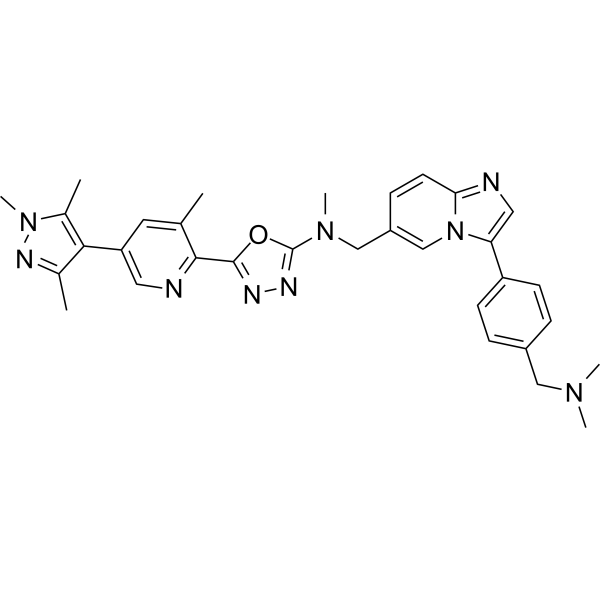
HDAC-IN-98 is a HDAC1, HDAC2, HDAC3 inhibitor (one of the most selective class I HDAC inhibitors) with human IC50 values of 41.2 nM, 52.5 nM, and 74.3 nM respectively. HDAC-IN-98 induces H3K9 acetylation, p21 upregulation, G2/M arrest, cell apoptosis, has strong antiproliferative effects in colorectal cancer cells, low toxicity in healthy colon epithelium, modulates short-term in vitro effects via autophagy, and shows strong antitumor efficacy in vivo in the chorioallantoic membrane model (CAM) assay. HDAC-IN-98 can be used for the research of colorectal cancer .
|
-
-
- HY-182094C
-
|
|
Liposome
|
Metabolic Disease
|
|
DSPE-PEG5000-KTP is a PEG compound which composed of DSPE and a Kidney-targeting peptide KTP (HY-P11069). KTP can interact with specific proteins on the surface of renal tubular epithelial cells or exhibit higher affinity in the specific renal microenvironment, tending to aggregate or be internalized within the renal tubular epithelium. DSPE-PEG5000-KTP can actively guide carriers such as nanomedicines, liposomes, and microspheres to the kidney .
|
-
-
- HY-182094
-
|
|
Liposome
|
Metabolic Disease
|
|
DSPE-PEG1000-KTP is a PEG compound which composed of DSPE and a Kidney-targeting peptide KTP (HY-P11069). KTP can interact with specific proteins on the surface of renal tubular epithelial cells or exhibit higher affinity in the specific renal microenvironment, tending to aggregate or be internalized within the renal tubular epithelium. DSPE-PEG1000-KTP can actively guide carriers such as nanomedicines, liposomes, and microspheres to the kidney .
|
-
-
- HY-182094A
-
|
|
Liposome
|
Metabolic Disease
|
|
DSPE-PEG2000-KTP is a PEG compound which composed of DSPE and a Kidney-targeting peptide KTP (HY-P11069). KTP can interact with specific proteins on the surface of renal tubular epithelial cells or exhibit higher affinity in the specific renal microenvironment, tending to aggregate or be internalized within the renal tubular epithelium. DSPE-PEG2000-KTP can actively guide carriers such as nanomedicines, liposomes, and microspheres to the kidney .
|
-
-
- HY-182094B
-
|
|
Liposome
|
Metabolic Disease
|
|
DSPE-PEG3400-KTP is a PEG compound which composed of DSPE and a Kidney-targeting peptide KTP (HY-P11069). KTP can interact with specific proteins on the surface of renal tubular epithelial cells or exhibit higher affinity in the specific renal microenvironment, tending to aggregate or be internalized within the renal tubular epithelium. DSPE-PEG3400-KTP can actively guide carriers such as nanomedicines, liposomes, and microspheres to the kidney .
|
-
-
- HY-107543R
-
|
8-CPT-2'-O-Me-cAMP sodium (Standard)
|
Reference Standards
Ras
|
Cardiovascular Disease
|
|
8-pCPT-2′-O-Me-cAMP sodium (Standard) is the analytical standard of 8-pCPT-2′-O-Me-cAMP (sodium) (HY-107543). This product is intended for research and analytical applications. 8-pCPT-2′-O-Me-cAMP (8-CPT-2'-O-Me-cAMP) sodium, an analog of cAMP, is an activator of exchange proteins activated by cAMP (Epac). 8-pCPT-2′-O-Me-cAMP sodium activates Epac1 (EC50 = 2.2 μM), but not PKA (EC50 >10 μM). 8-pCPT-2′-O-Me-cAMP sodium stimulates Epac-mediated Ca2+ release in pancreatic β-cells in vitro. 8-pCPT-2′-O-Me-cAMP sodium is a Rap1 activator. 8-pCPT-2′-O-Me-cAMP sodium enhances the retinal pigment epithelium barrier against the pathological choroidal endothelial cell invasion that occurs in macular degeneration .
|
-
-
- HY-N18431
-
|
ST-A TFA
|
Fungal
|
Infection
|
|
Stellettamide A TFA is a marine toxin found in a marine sponge. Stellettamide A TFA is a calmodulin inhibitor. Stellettamide A TFA can inhibit Ca 2+/Mg 2+ ATPase, phosphodiesterase, myosin light chain , and Mg 2+-ATPase. Stellettamide A TFA inhibits high K +- and Ca 2+-induced contraction in permeabilized smooth muscle. Stellettamide A TFA exhibits antifungal activity against Mortierella remannianus. Stellettamide A TFA can be used for the research of fungal infection .
|
-
| Cat. No. |
Product Name |
Type |
-
- HY-D0936
-
|
|
Fluorescent Dyes
|
|
SPQ is a fluorescent dye. SPQ can be used to measure chloride ion concentration transients and transport rates in vesicles, cells, and even intact epithelium .
|
| Cat. No. |
Product Name |
Type |
-
- HY-D0227J
-
|
Tris HCl (≥99%, for cell culture); Tris hydrochloride (≥99%, for cell culture)
|
Biochemical Assay Reagents
|
|
THAM hydrochloride (≥99%, for cell culture) is a low-toxicity amino alcohol buffer, a specific CO2-consuming proton acceptor that buffers carbon dioxide and acid both in vitro and in vivo. THAM hydrochloride (≥99%, for cell culture) binds protons to form bicarbonate, reduces PaCO2, and induces intracellular alkalization, thereby ameliorating hypercapnia-induced elevation of pulmonary blood vessels and pulmonary arterial pressure. THAM hydrochloride (≥99%, for cell culture) may cause PaCO2 rebound, hypoglycemia, and respiratory depression. THAM hydrochloride (≥99%, for cell culture) removes amniotic epithelium and preserves the basement membrane, but depletes extracellular matrix and reduces the adhesion rate of limbal epithelial cells. THAM hydrochloride (≥99%, for cell culture) can act as a CO2 carrier to enhance the productivity and carbon utilization rate of Scenedesmus obliquus. THAM hydrochloride (≥99%, for cell culture) is a key component of buffer solutions used in various biological, cell culture, biochemical, and molecular biology applications .
|
-
- HY-NP0147
-
|
WGA (Fluorescein)
|
Biochemical Assay Reagents
|
|
Wheat Germ Agglutinin (WGA) Fluorescein is a classic fluorescent label that specifically binds to sugar residues such as N-acetylglucosamine, N-acetylneuraminic acid and sialic acid. Wheat Germ Agglutinin Fluorescein performs regionally differential fluorescent staining of the ocular surface epithelial glycocalyx to assess its integrity, and causes no damage to the eye at safe concentrations. Wheat Germ Agglutinin Fluorescein is also used for staining structures including red blood cells, cultured cells, bacteria and pine wood nematodes, and facilitates the isolation of wheat-associated plant-growth-promoting rhizobacterial strains. Wheat Germ Agglutinin Fluorescein can be applied to the detection of ocular glycocalyx integrity and the research of related diseases such as pine wilt disease .
|
-
- HY-W039865
-
|
|
Biochemical Assay Reagents
|
|
1-Thio-beta-D-glucose tetraacetate exhibits cytotoxicity in cells HeLa and human ocular lens epithelium CECH with IC50s of >250 and >200 μM. 1-Thio-beta-D-glucose tetraacetate reveals moderate anticancer property .
|
-
- HY-182094C
-
|
|
Biochemical Assay Reagents
|
|
DSPE-PEG5000-KTP is a PEG compound which composed of DSPE and a Kidney-targeting peptide KTP (HY-P11069). KTP can interact with specific proteins on the surface of renal tubular epithelial cells or exhibit higher affinity in the specific renal microenvironment, tending to aggregate or be internalized within the renal tubular epithelium. DSPE-PEG5000-KTP can actively guide carriers such as nanomedicines, liposomes, and microspheres to the kidney .
|
-
- HY-182094
-
|
|
Biochemical Assay Reagents
|
|
DSPE-PEG1000-KTP is a PEG compound which composed of DSPE and a Kidney-targeting peptide KTP (HY-P11069). KTP can interact with specific proteins on the surface of renal tubular epithelial cells or exhibit higher affinity in the specific renal microenvironment, tending to aggregate or be internalized within the renal tubular epithelium. DSPE-PEG1000-KTP can actively guide carriers such as nanomedicines, liposomes, and microspheres to the kidney .
|
-
- HY-182094A
-
|
|
Biochemical Assay Reagents
|
|
DSPE-PEG2000-KTP is a PEG compound which composed of DSPE and a Kidney-targeting peptide KTP (HY-P11069). KTP can interact with specific proteins on the surface of renal tubular epithelial cells or exhibit higher affinity in the specific renal microenvironment, tending to aggregate or be internalized within the renal tubular epithelium. DSPE-PEG2000-KTP can actively guide carriers such as nanomedicines, liposomes, and microspheres to the kidney .
|
-
- HY-182094B
-
|
|
Biochemical Assay Reagents
|
|
DSPE-PEG3400-KTP is a PEG compound which composed of DSPE and a Kidney-targeting peptide KTP (HY-P11069). KTP can interact with specific proteins on the surface of renal tubular epithelial cells or exhibit higher affinity in the specific renal microenvironment, tending to aggregate or be internalized within the renal tubular epithelium. DSPE-PEG3400-KTP can actively guide carriers such as nanomedicines, liposomes, and microspheres to the kidney .
|
| Cat. No. |
Product Name |
Target |
Research Area |
-
- HY-P10953
-
|
PSP 29-mer, anti-inflammatory peptide
|
ERK
STAT
|
Inflammation/Immunology
|
|
Fulipiftide is a short peptide derived from pigment epithelium-derived factor (PEDF). Fulipiftide induces the expansion of nuclear stem cell factor +TSPC by activating ERK2 and STAT3 signaling pathways. Fulipiftide has anti-inflammatory activity and can be used in the study of acute tendon injury .
|
-
- HY-P2302
-
|
|
Antibiotic
Bacterial
Fungal
|
Infection
Inflammation/Immunology
Cancer
|
|
Defensin HNP-3 human is an α-defensin stored in the azurophilic granules of human neutrophils. Defensin HNP-3 human exerts broad-spectrum bactericidal, antifungal and antiviral activities mainly by forming bacterial membrane pores, and acts as a chemoattractant for monocytes and T cells. Defensin HNP-3 human maintains epithelial integrity to support periodontal tissue homeostasis, and exerts concentration-dependent effects on epithelial cell proliferation, adhesion and bacterial adhesion. Defensin HNP-3 human targets solid tumors and leukemia by inducing single-strand DNA breaks and membrane permeabilization in tumor cells via electrostatic binding and pore formation. Defensin HNP-3 human is abundant in human tongue squamous cell carcinoma and neutrophils infiltrating oral squamous cell carcinoma. Defensin HNP-3 human can be applied to research related to periodontitis and human tongue squamous cell carcinoma .
|
-
- HY-P4859
-
|
Pyr-Gly-OH; H-Pyr-Gly-OH
|
Peptides
|
Others
|
|
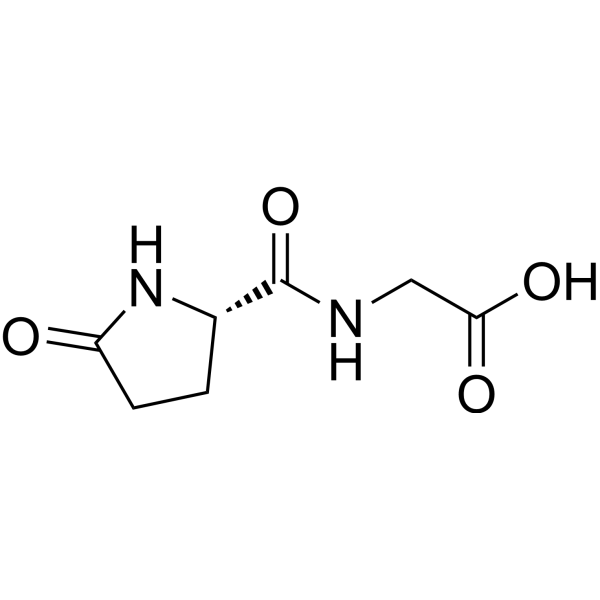
Pyr-Gly is an inhibitory peptide. Pyr-Gly inhibits proliferation of retinal pigment epithelium (RPE) cells and fibroblasts .
|
-
- HY-P11162
-
|
|
FGFR
Akt
ERK
mTOR
Apoptosis
|
Inflammation/Immunology
|
|
FGF7p is a small molecule peptide and a potential bladder protector. FGF7p can activate downstream signaling pathways of FGFR2 in the urinary tract epithelium (pFRS2α, pAKT and pERK). FGF7p alleviates cyclophosphamide induced apoptosis and tissue damage in urinary tract epithelial cells by activating AKT and its downstream anti apoptotic targets (pBAD, pS6/mTORC1). FGF7p is commonly used in the study of inflammatory conditions .
|
-
- HY-P11422
-
|
|
Peptides
|
Infection
|
|
CKS9 is an M cell-targeting peptide. CKS9 exhibits high affinity towards M cells. CKS9 facilitates the transport of chitosan nanoparticles across the M cell to enter the follicle-associated epithelium (FAE) in Peyer’s patch (PP) of the gut. CKS9 can be used for swine dysentery research .
|
-
- HY-P10760
-
|
|
Peptide-Drug Conjugates (PDCs)
|
Cancer
|
PhAc-ALGP-Dox, a peptide-drug conjugate, is a novel anticancer prodrug, with IC50 values ranged from 311 nM to 34.25 μM for TNBC (E0771), normal murine epithelium (HC-11), human TNBC (MDA-MB-231 and MDA-MB-468), human CrC (LS 174T), normal human epithelium (HME-1) cells .
|
-
- HY-P5169
-
|
|
Apolipoprotein
Amino Acid Derivatives
|
Inflammation/Immunology
|
|
LVGRQLEEFL (mouse) can be named as G * peptide, corresponding to amino acids 113 to 122 in apolipoprotein J ([113,122] apoJ)}. LVGRQLEEFL (mouse) exhibits anti-inflammatory and anti-atherogenic properties. LVGRQLEEFL (mouse) can be added to an apoJ mimetic, to form HM-10/10 peptide, which is a mimetic peptide and a novel chimeric high density lipoprotein. HM-10/10 peptide protects retinal pigment epithelium (RPE) and photoreceptors from oxidant induced cell death .
|
-
- HY-P5169A
-
|
|
Apolipoprotein
Amino Acid Derivatives
|
Inflammation/Immunology
|
|
LVGRQLEEFL (mouse) TFA can be named as G * peptide, corresponding to amino acids 113 to 122 in apolipoprotein J ([113,122] apoJ)}. LVGRQLEEFL (mouse) TFA exhibits anti-inflammatory and anti-atherogenic properties. LVGRQLEEFL (mouse) TFA can be added to an apoJ mimetic, to form HM-10/10 peptide, which is a mimetic peptide and a novel chimeric high density lipoprotein. HM-10/10 peptide protects retinal pigment epithelium (RPE) and photoreceptors from oxidant induced cell death .
|
| Cat. No. |
Product Name |
Category |
Target |
Chemical Structure |
| Cat. No. |
Product Name |
Chemical Structure |
-
- HY-78726S
-
|
|
|
Fosamprenavir-d4 is the Deuterium-labeled Fosamprenavir (HY-78726). Fosamprenavir is an orally active inhibitor targeting HIV-1 protease and is a prodrug of Amprenavir (HY-17430). Fosamprenavir is hydrolyzed into Amprenavir (VX-478) by cell phosphatases in the intestinal epithelium. Amprenavir binds to the active site of HIV-1 protease, preventing the processing of viral gag and gag-pol polyprotein precursors, thereby inhibiting the formation of mature infectious virus particles and exerting anti-HIV-1 infection activity. Fosamprenavir can be used for the study of human immunodeficiency virus (HIV-1) infection .
|
-
-
- HY-78726S2
-
|
|
|
Fosamprenavir- 13C6 is the 13C-labeled Fosamprenavir (HY-78726). Fosamprenavir is an orally active inhibitor targeting HIV-1 protease and is a prodrug of Amprenavir (HY-17430). Fosamprenavir is hydrolyzed into Amprenavir (VX-478) by cell phosphatases in the intestinal epithelium. Amprenavir binds to the active site of HIV-1 protease, preventing the processing of viral gag and gag-pol polyprotein precursors, thereby inhibiting the formation of mature infectious virus particles and exerting anti-HIV-1 infection activity. Fosamprenavir can be used for the study of human immunodeficiency virus (HIV-1) infection .
|
-
Your information is safe with us. * Required Fields.
Inquiry Information
- Product Name:
- Cat. No.:
- Quantity:
- MCE Japan Authorized Agent:

