Search Result
Results for "
fluorescent tracer
" in MedChemExpress (MCE) Product Catalog:
4
Biochemical Assay Reagents
| Cat. No. |
Product Name |
Target |
Research Areas |
Chemical Structure |
-
- HY-66019
-
FITC
Maximum Cited Publications
92 Publications Verification
Fluorescein 5-isothiocyanate
|
Fluorescent Dye
|
Inflammation/Immunology
|
|
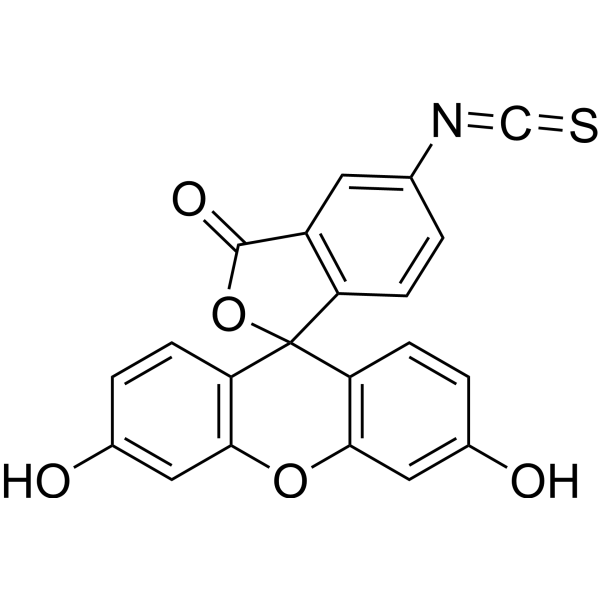
FITC (Fluorescein Isothiocyanate), is one of the green fluorescein derivatives widely used in biology. FITC has the characteristics of high absorptivity and excellent fluorescence quantum yield. The isothiocyanate group of FITC can be combined with amino, sulfhydryl, imidazole, tyrosyl, carbonyl and other groups on the protein, so as to achieve protein labeling including antibodies and lectins. In addition to its use as a protein marker, FITC can also be used as a fluorescent protein tracer to rapidly identify pathogens by labeling antibodies, or for microsequencing of proteins and peptides (HPLC). The maximum excitation wavelength of FITC is 494 nm. Once excited, it fluoresces yellow-green at a maximum emission wavelength of 520 nm. In addition, FITC is also a hapten that can induce contact hypersensitivity (CHS) and induce an atopic dermatitis model .
|
-
-
- HY-128868E
-
|
|
Biochemical Assay Reagents
|
Others
|
|
FITC-Dextran (MW 70000) is a compound belonging to the class of fluorescent dyes. It is commonly used in biomedical research as a tracer molecule to label and track cells or other biological matter. FITC-Dextran consists of fluorescein isothiocyanate (FITC) and dextran, a complex carbohydrate derived from starch. The combination of the two creates a stable fluorescent tracer that can be viewed under a microscope or quantified using specialized detection instruments.
|
-

-
- HY-D0208
-
|
Uranine sodium
|
Environmental Pollutants
Fluorescent Dye
|
Cancer
|
|
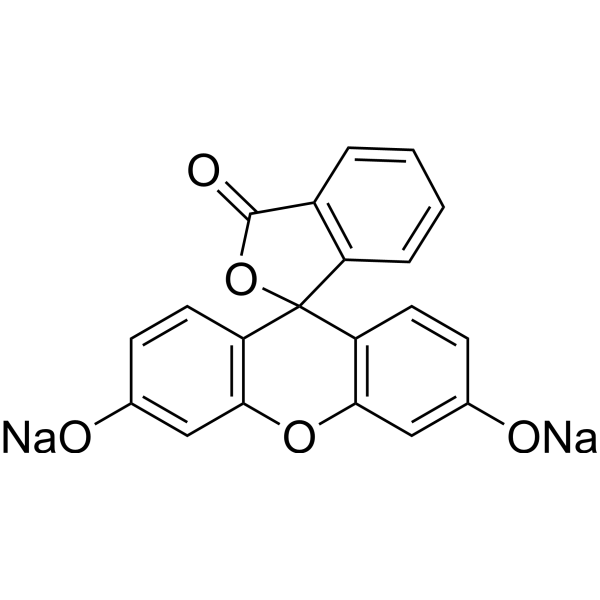
Fluorescein (Uranine) sodium is widely used as a fluorescent tracer in medicinal and biological applications and tumor infected tissues tracer. Fluorescein (Uranine) sodium is a representative green fluorophore that has been widely used as a scaffold of practically useful green fluorescent probes .
|
-
-
- HY-128868I
-
|
|
Biochemical Assay Reagents
|
Others
|
|
FITC-Dextran (MW 2000000) is a compound belonging to the class of fluorescent dyes. It is commonly used in biomedical research as a tracer molecule to label and track cells or other biological matter. FITC-Dextran consists of fluorescein isothiocyanate (FITC) and dextran, a complex carbohydrate derived from starch. The combination of the two creates a stable fluorescent tracer that can be viewed under a microscope or quantified using specialized detection instruments.
|
-

-
- HY-D0085
-
|
|
Fluorescent Dye
|
Cancer
|
|
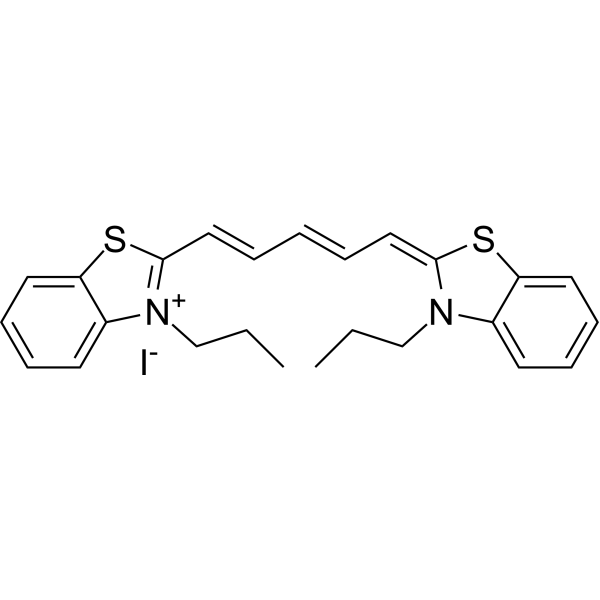
DiSC3(5) is a fluorescent probe commonly used as a tracer dye to evaluate mitochondrial membrane potential. The excitation/emission wavelength of DiSC3(5) is up to 622/670 nm. DiSC3(5) can inhibit the respiratory system associated with mitochondrial NAD, and the IC50 value is 8 μM. DiSC3(5) in the presence of Na +/K +-ATPase inhibitor ouabain 2 can induce membrane hyperpolarization of Ehrlich ascites tumor cells .
|
-
-
- HY-126561
-
|
CMFDA
|
Fluorescent Dye
|
Others
|
|
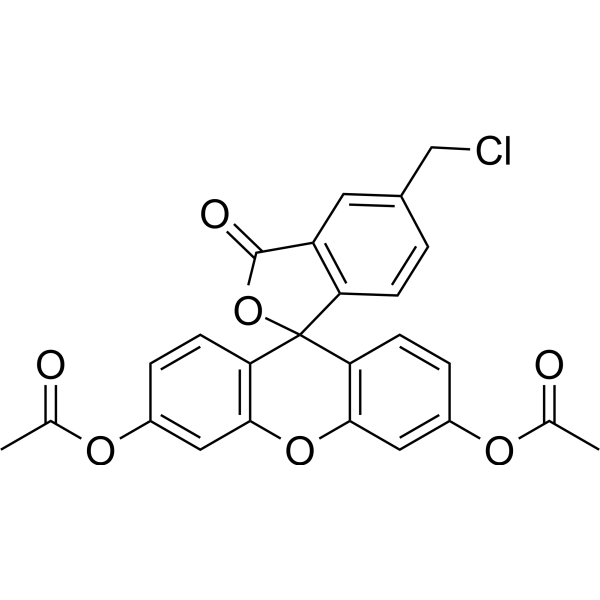
Green CMFDA is a cell-permeable fluorescent probe with Em of 514 nm and Ex of 485 nm and can be used as a cell tracer. Green CMFDA can be cleaved by non-specific esterases common in living cells, producing a fluorescent compound, fluorescein, visible using a fluorescent microscope .
|
-
-
- HY-128692
-
|
|
Fluorescent Dye
|
Neurological Disease
|
|
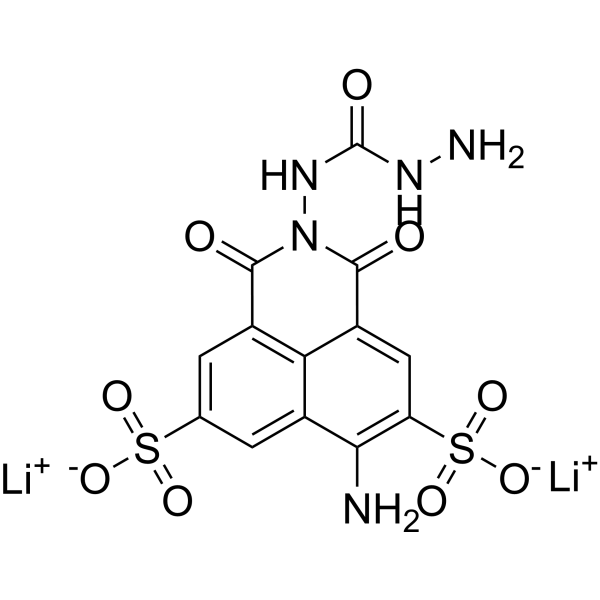
Luc Yellow CH dilithium is a high-intensity fluorescent probe containing free hydrazyl groups. Luc Yellow CH can react with fatty aldehydes at room temperature. Luc Yellow CH serves as a biological tracer to monitor neuronal branching, regeneration, gap junction detection and characterization, and selective ablation of cells after aldehyde fixation. Luc Yellow CH displays the maximum excitation/emission of 430 nm/540 nm, respectively .
|
-
-
- HY-D0251
-
|
Uranine
|
Fluorescent Dye
|
Cancer
|
|
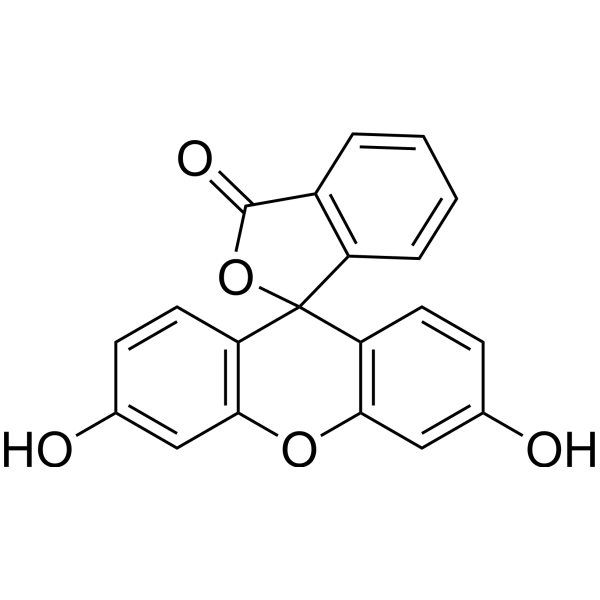
Fluorescein (Uranine) is widely used as a fluorescent tracer in medicinal and biological applications and tumor infected tissues tracer. Fluorescein (Uranine) is a representative green fluorophore that has been widely used as a scaffold of practically useful green fluorescent probes .
|
-
-
- HY-W127715
-
|
|
Fluorescent Dye
|
Others
|
|
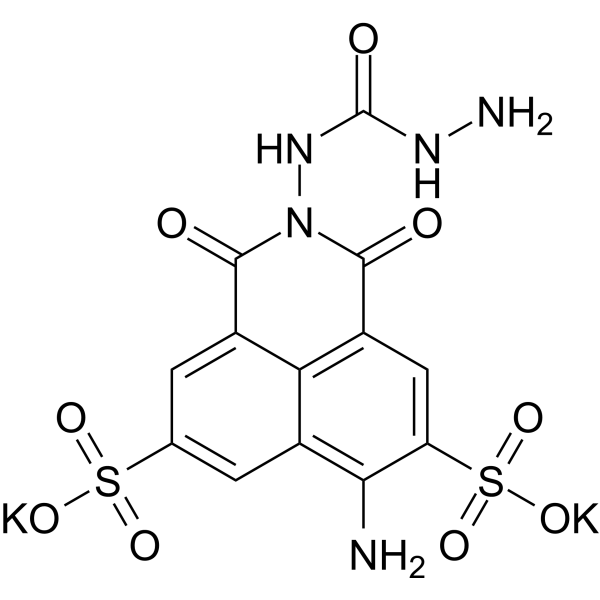
Lucifer Yellow CH dipotassium is a high-intensity fluorescent probe containing free hydrazyl groups. Lucifer Yellow CH can react with fatty aldehydes at room temperature. Lucifer Yellow CH serves as a biological tracer to monitor neuronal branching, regeneration, gap junction detection and characterization, and selective ablation of cells after aldehyde fixation. Lucifer yellow CH displays the maximum excitation/emission of 430 nm/540 nm, respectively .
|
-
-
- HY-128868C
-
|
|
Biochemical Assay Reagents
|
Others
|
|
FITC-Dextran (MW 20000) is a compound belonging to the class of fluorescent dyes. It is commonly used in biomedical research as a tracer molecule to label and track cells or other biological matter. FITC-Dextran consists of fluorescein isothiocyanate (FITC) and dextran, a complex carbohydrate derived from starch. The combination of the two creates a stable fluorescent tracer that can be viewed under a microscope or quantified using specialized detection instruments.
|
-

-
- HY-128868H
-
|
|
Biochemical Assay Reagents
|
Others
|
|
FITC-Dextran (MW 500000) is a compound belonging to the class of fluorescent dyes. It is commonly used in biomedical research as a tracer molecule to label and track cells or other biological matter. FITC-Dextran consists of fluorescein isothiocyanate (FITC) and dextran, a complex carbohydrate derived from starch. The combination of the two creates a stable fluorescent tracer that can be viewed under a microscope or quantified using specialized detection instruments.
|
-

-
- HY-D1736
-
|
|
Fluorescent Dye
|
Others
|
|
BODIPY FL-C16 is a BODIPY-labeled analog of Palmitic acid (HY-N0830), which serves as a fluorescent lipid tracer. BODIPY FL-C16 also acts as a ligand for liver fatty acid-binding protein (L-FABP) and intestinal fatty acid-binding protein (I-FABP) , with Kd values of 270 nM and 330 nM, respectively. BODIPY FL-C16 is rapidly taken up by cells, and after metabolic conversion to phospholipids, it is incorporated into the membrane structures of intracellular organelles and extracellular vesicles .
|
-

-
- HY-DY1046
-
|
|
Fluorescent Dye
|
Others
|
Green CMFDA (solution) is a cell-permeable fluorescent probe with Em of 514 nm and Ex of 485 nm and can be used as a cell tracer. Green CMFDA can be cleaved by non-specific esterases common in living cells, producing a fluorescent compound, fluorescein, visible using a fluorescent microscope .
Solvent and concentration: DMSO: 10 mM
|
-

-
- HY-D1727
-
|
|
Fluorescent Dye
|
Others
|
|
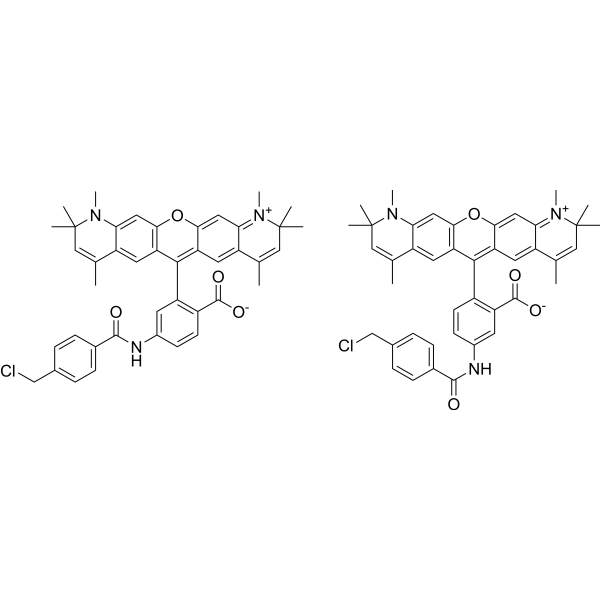
CellTracker Red CMTPX is a cell-permeable fluorescent dye that can be used as a cell tracer for monitoring cell movement and location (Ex/Em=586/614 nm) .
|
-
-
- HY-102055
-
|
|
JAK
|
Others
|
|
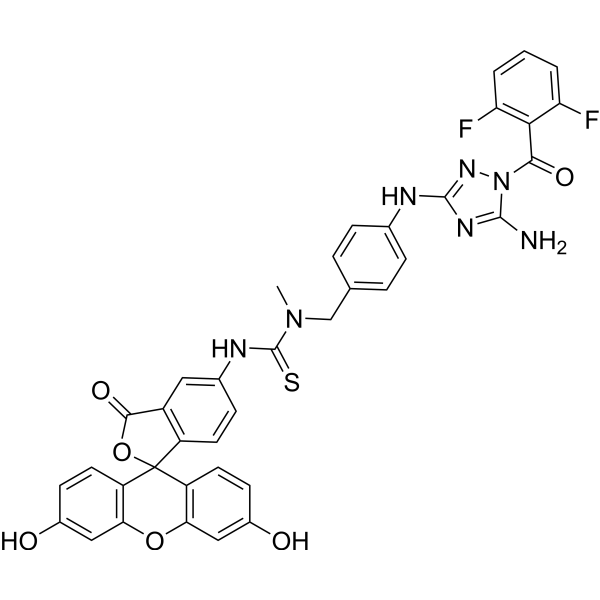
JAK2 JH2 Tracer (Tracer 5) is a fluorescent probe for JAK2 JH2 domain, with a Kd value of 0.2 μM .
|
-
-
- HY-P4154
-
|
ALM-488
|
Fluorescent Dye
|
Neurological Disease
Cancer
|
|
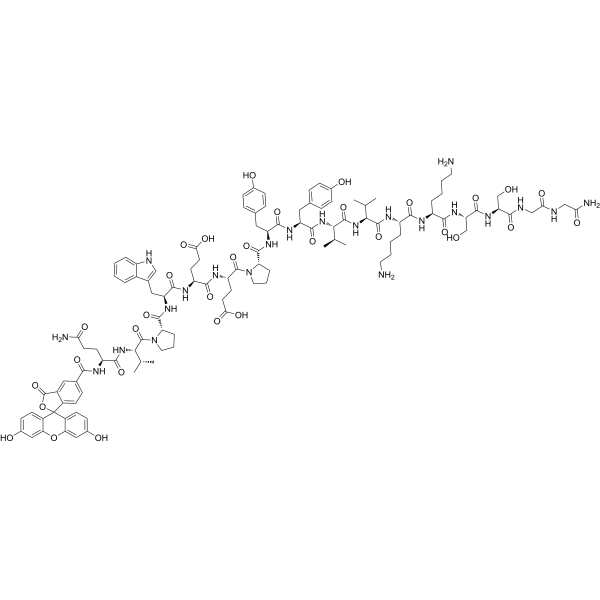
Bevonescein (ALM-488) is a fluorescein-conjugated peptide that facilitates the targeted delivery of a fluorescent moiety (5-FAM (HY-66022)) to nerves after intravenous (IV) administration. Bevonescein binds nerve-associated connective tissue, labels peripheral nerves under real-time fluorescence imaging (FL) in living mice and human ex vivo nerve tissue. Bevonescein is a peptide-linked tracer which fluorescently labeled both intact and degenerated nerves (Ex/Em = 480/530 nm) .
|
-
-
- HY-112624I
-
|
Dextran 3; Dextran D3; Dextran T3(MW 2400-3600)
|
Bacterial
|
Others
|
|
Dextran T3 (Dextran 3; Dextran T3(MW 2400-3600)) is a neural tracer and intestinal permeability probe that can move anterogradely and retrogradely in neuronal axons by passive diffusion. Dextran T3 (MW 3,000) is able to permeate across the intestinal epithelial cell membrane in the presence of cholera toxin-induced cytoskeletal disturbance. Dextran T3 (MW 3,000) is used as a fluorescent marker to rapidly label developing neurons (such as Xenopus retinal ganglion cells) and to assess intestinal barrier function. It can be used to study axonal transport in neuroanatomy and permeability changes in intestinal pathophysiology. The Dextran series of compounds are also natural polysaccharide drug carriers that can be connected to drugs through covalent bonding methods such as ester bonds, amide bonds or click chemistry, or self-assembled to form carriers such as nanoparticles and hydrogels. Dextran is biodegradable and biocompatible, and can achieve targeted delivery and controlled release of drugs. Dextran derivatives can prolong the half-life of drugs, increase local concentrations, and reduce the activity of immune clearance .
|
-

-
- HY-126192
-
|
PiB; 6-OH-BTA-1
|
Amyloid-β
|
Neurological Disease
|
|
Pittsburgh Compound B (PiB) is a blood-brain barrier-permeable, specific Aβ deposition PET tracer that binds to Aβ(1-40) fibrils with a Ki value of 678.4 nM. Through click chemical modification (a clickable Pittsburgh Compound B derivative is prepared by introducing a PEG3 linker and an alkynyl group at the 6-hydroxy site of Pittsburgh Compound B, followed by covalent conjugation with azide-labeled fluorescent dyes or affinity tags via copper-catalyzed azide-alkyne cycloaddition (CuAAC)), Pittsburgh Compound B and its conjugates can be used for fluorescence imaging, ultrastructural studies, and enrichment and characterization of Aβ complexes. Pittsburgh Compound B is applicable to Alzheimer's disease research .
|
-

-
- HY-DY1007
-
|
|
Fluorescent Dye
|
Inflammation/Immunology
|
FITC (Fluorescein Isothiocyanate) (solution) , is one of the green fluorescein derivatives widely used in biology. FITC has the characteristics of high absorptivity and excellent fluorescence quantum yield. The isothiocyanate group of FITC can be combined with amino, sulfhydryl, imidazole, tyrosyl, carbonyl and other groups on the protein, so as to achieve protein labeling including antibodies and lectins. In addition to its use as a protein marker, FITC can also be used as a fluorescent protein tracer to rapidly identify pathogens by labeling antibodies, or for microsequencing of proteins and peptides (HPLC). The maximum excitation wavelength of FITC is 494 nm. Once excited, it fluoresces yellow-green at a maximum emission wavelength of 520 nm. In addition, FITC is also a hapten that can induce contact hypersensitivity (CHS) and induce an atopic dermatitis model .
Solvent and concentration: DMSO: 20 mM
The 1 mL volume is defined as the base specification. All larger sizes correspond to incremental volumes of this base.
|
-

-
- HY-D0165
-
|
1,3-Dihydroxynaphthalene
|
Fluorescent Dye
|
Others
|
|
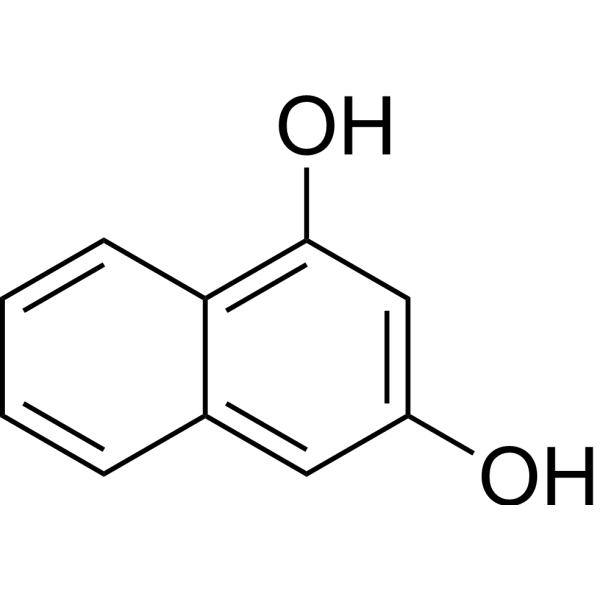
Naphthoresorcinol (1,3-Dihydroxynaphthalene) is a fluorescent dye (λex=330 nm, λem=380 nm) that can react with the NPPD (a tracer) and concentrated HCl and develop a red color. Naphthoresorcinol could be used as a background electrolyte (BGE) to determine the carbohydrates .
|
-
-
- HY-128868J
-
|
|
Biochemical Assay Reagents
|
Others
|
|
FITC-Dextran (MW 1000) is a compound that belongs to the class of fluorescent dyes. It is often used as a tracer molecule in biomedical research to label and track cells or other biological substances. FITC-Dextran consists of fluorescein isothiocyanate (FITC) and dextran, a complex carbohydrate extracted from starch. The combination of the two creates a stable fluorescent tracer that can be observed under a microscope or quantified using specialized detection instruments.
|
-

-
- HY-128868F
-
|
|
Biochemical Assay Reagents
|
Others
|
|
FITC-Dextran (MW 110000) is a compound belonging to the class of fluorescent dyes. It is commonly used in biomedical research as a tracer molecule to label and track cells or other biological matter. FITC-Dextran consists of fluorescein isothiocyanate (FITC) and dextran, a complex carbohydrate derived from starch. The combination of the two creates a stable fluorescent tracer that can be viewed under a microscope or quantified using specialized detection instruments.
|
-

-
- HY-D0154
-
|
Tetramethylrhodamine-6-isothiocyanate
|
Fluorescent Dye
|
Others
|
|
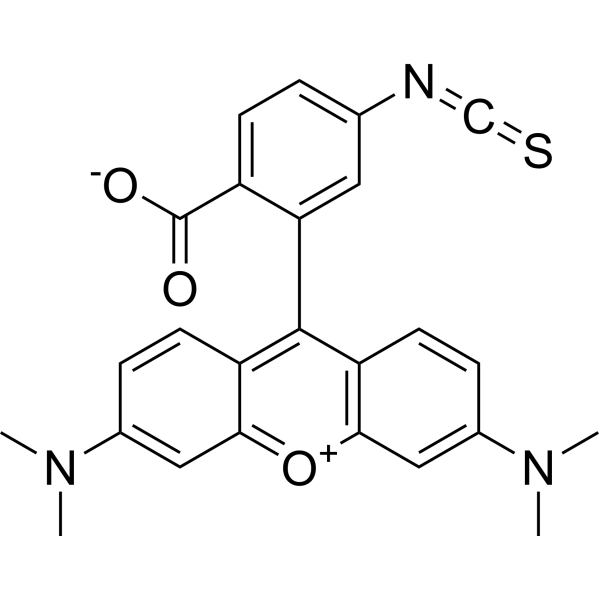
6-TRITC (Tetramethylrhodamine-6-isothiocyanate) is a potent fluorescent tracer. 6-TRITC can be used as an probe for haptenated proteins/peptides for the research of contact allergy. 6-TRITC can be used as a tracer for the confocal imaging in living cells .
|
-
-
- HY-D1161
-
|
NCI 240899
|
Fluorescent Dye
|
Neurological Disease
|
|
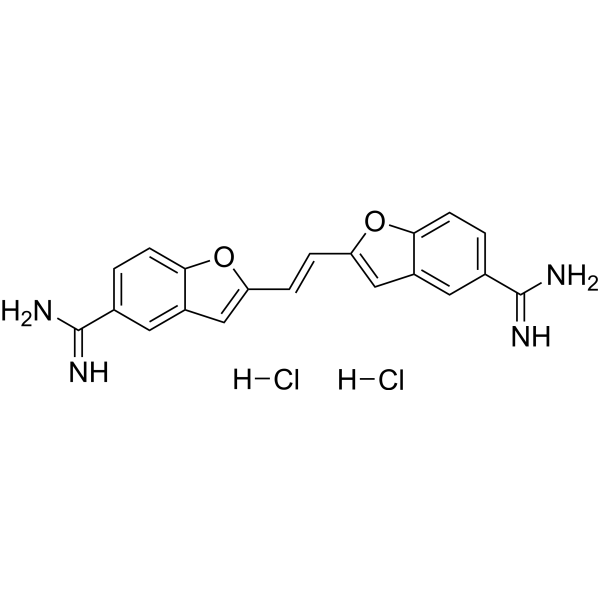
True Blue (NCI 240899) is a fluorescent dye, as neuronal retrograde tracer (excitation wavelength 395-425 nm, barrier filter 450 nm). True Blue can label neuron and has no effects on neuronal survival .
|
-
-
- HY-112624M
-
|
Dextran 150; Dextran D150; Dextran T150(MW 130000-170000)
|
Biochemical Assay Reagents
|
Others
|
|
Dextran T150 (Dextran 150; Dextran D150) (MW 150,000) is a dehydrated glucose polymer with an average molecular weight of 150,000. Dextran T150 (MW 150,000) has excellent biodegradability and good biocompatibility, and can be used as a fluorescent labeling tracer and a high-molecular cross-linking agent .
|
-

-
- HY-108166A
-
|
|
Fluorescent Dye
|
Infection
|
|
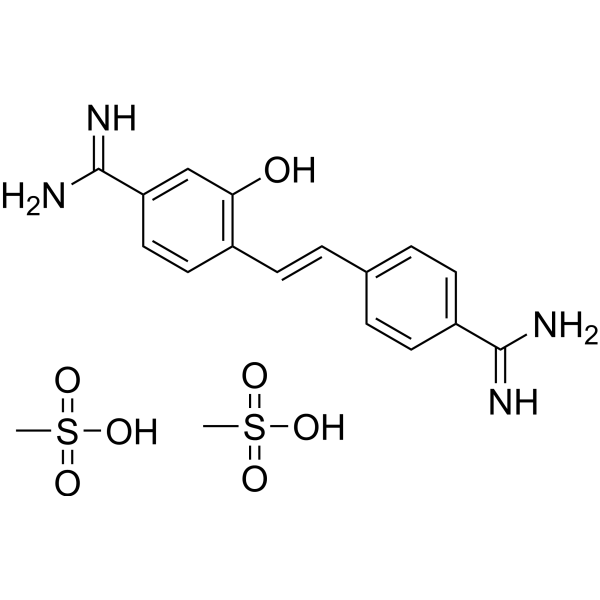
Hydroxystilbamidine bis(methanesulfonate) is a dye that can bind to DNA and RNA; it's a fluorescent cationic dye, often used as a retrograde neuronal tracer and has also been found to be a potent inhibitor of cellular ribonucleases.
|
-
-
- HY-W540972
-
|
Primuline
|
Fluorescent Dye
HCV
Dengue Virus
|
Infection
|
|
Primulin is a versatile fluorescent dye and bioactive compound widely used in analytical, biological, botanical and virological studies. Primulin acts as a versatile stain that labels plant cell walls and differentiates live and dead spermatozoa via distinct fluorescence patterns. Primulin exhibits strong albumin‑binding capacity. Primulin acts as a retrograde axonal tracer in neurobiological investigations. Primulin and its derivatives inhibit HCV NS3, block dengue virus NS3-mediated ATP hydrolysis, and disrupt HCV replicase assembly .
|
-

-
- HY-171493
-
|
|
Biochemical Assay Reagents
|
Others
|
|
mCherry mRNA(N1-Me-Pseudo UTP) is a reporter mRNA encoding a red fluorescent protein, suitable for gene expression analysis, cell viability assays, and in vivo imaging. mCherry, derived from mushroom coral, is a widely used red fluorescent protein tracer in biotechnology applications.
|
-

-
- HY-D1630
-
|
|
Fluorescent Dye
|
Others
|
|
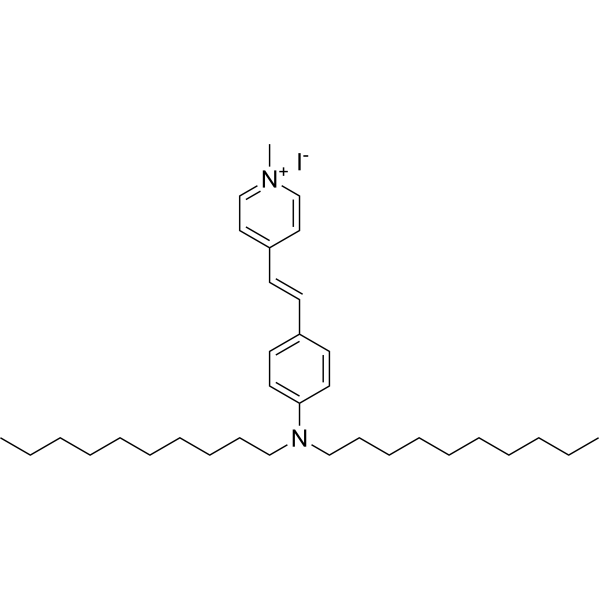
4-Di-10-ASP is a fluorescent lipophilic tracer (Excitation 485 nm; Emission 620 nm). 4-Di-10-ASP can be used to stain phospholipid membranes in a specific manner .
|
-
-
- HY-D0830
-
|
Fluorexon tetraethyl ester
|
Fluorescent Dye
|
Others
|
|
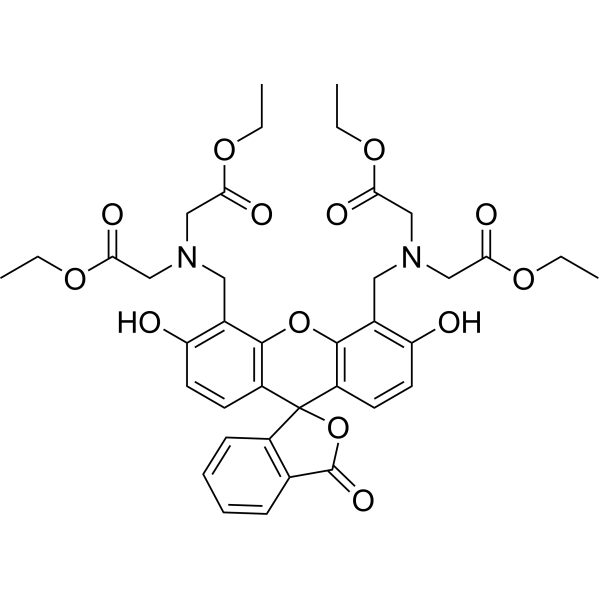
Calcein tetraethyl ester is a tetraethylated derivative of calcein, with its core function serving as a live cell-specific fluorescent tracer. Calcein tetraethyl ester can diffuse between human periodontal ligament cells via gap junctions, thus enabling the evaluation of gap junction intercellular communication function, and its diffusion is enhanced under hydrogen peroxide induction. Calcein tetraethyl ester can be applied in the fields of cell biology and fluorescent labeling .
|
-
-
- HY-DY1021
-
|
|
Fluorescent Dye
|
Others
|
DiSC3 (5) (solution) is a fluorescent probe commonly used as a tracer dye to evaluate mitochondrial membrane potential. The excitation/emission wavelength of DiSC3 (5) is up to 622/670 nm. DiSC3 (5) can inhibit the respiratory system associated with mitochondrial NAD, and the IC50 value is 8 μM. DiSC3 (5) in the presence of Na +/K +-ATPase inhibitor ouabain 2 can induce membrane hyperpolarization of Ehrlich ascites tumor cells .
Solvent and concentration: DMSO: 1 mM
The 1 mL volume is defined as the base specification. All larger sizes correspond to incremental volumes of this base.
|
-

-
- HY-D1991
-
|
|
Fluorescent Dye
|
Others
|
|
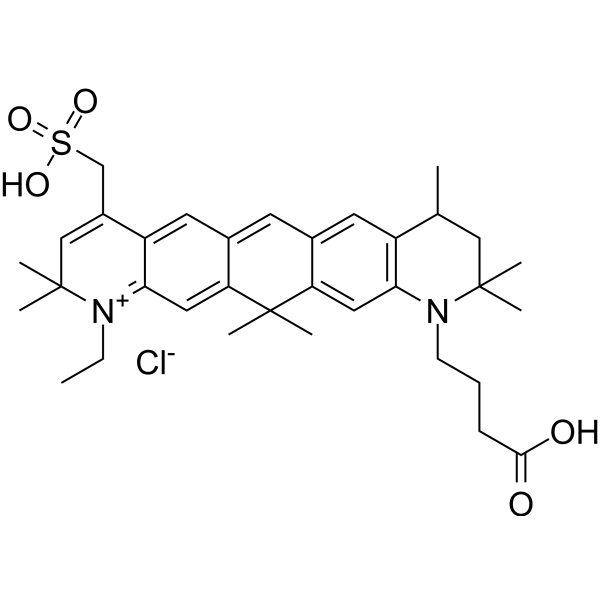
ATTO 647 is a carborhodamine fluorophore and imaging tracer with photostable properties. ATTO 647 serves as a fluorescent probe to investigate cell membrane structure and diffusion characteristics. When conjugated with wheat germ agglutinin, ATTO 647 specifically binds to N-acetyl-β-D-glucosamine and sialic acid residues on membrane glycoproteins, enabling single-molecule tracing of glycoprotein diffusion. ATTO 647 exhibits highly stable fluorescence properties with significantly reduced blinking in mounting media such as ROXS (AA/MV) and ROXS (TX/TQ), whereas its brightness properties vary in Ibidi-MM and Vectashield. ATTO 647 can also be used to label histone H2B-GFP in fixed cells for confocal microscopy photobleaching experiments .
|
-
-
- HY-W248583
-
|
PM650
|
Fluorescent Dye
|
Others
|
|
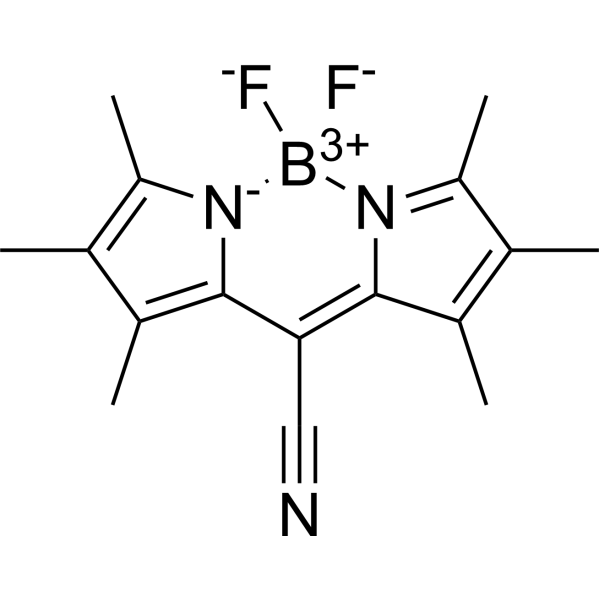
Pyrromethene 650 (PM650) is a green-fluorescent polar tracer dye. It is used for investigations of membrane fusion, lysis, and gap-junctional communication and to detect volume changes in cells or liposomes.
|
-
-
- HY-131007
-
|
|
Adrenergic Receptor
|
Metabolic Disease
|
|
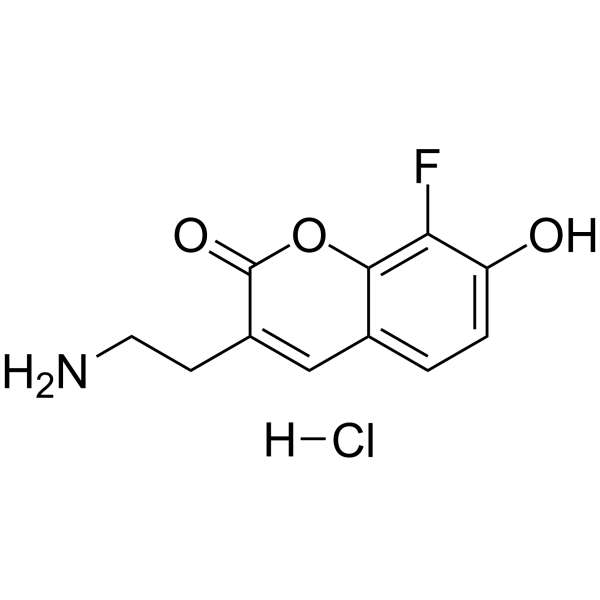
FFN270 hydrochloride, a fluorescent tracer of norepinephrine, is a fluorescent substrate of the norepinephrine and vesicular monoamine transporters. FFN270 hydrochloride exhibits two resolved absorption/excitation maxima depending on solvent pH (FFN270 ex: 320 nm or 365 nm, em: 475 nm) and can function as ratiometric fluorescent pH-sensors .
|
-
-
- HY-D1777
-
|
PM605
|
Fluorescent Dye
|
Others
|
|
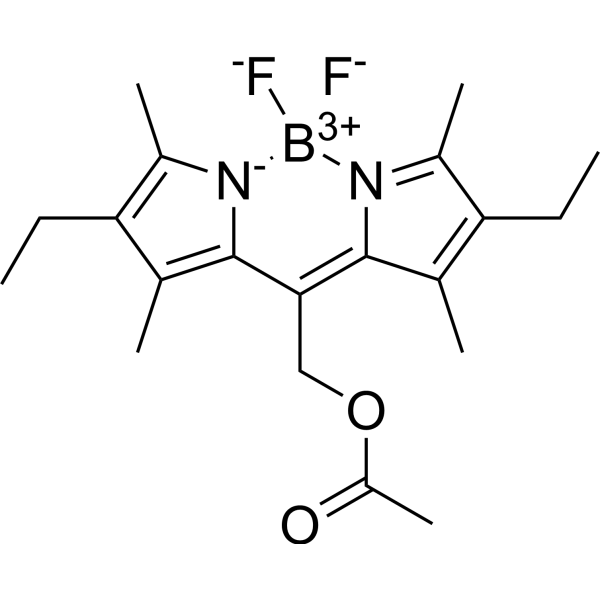
Pyrromethene 605 (PM605) is a green-fluorescent polar tracer dye. It is used for investigations of membrane fusion, lysis, and gap-junctional communication and to detect volume changes in cells or liposomes.
|
-
-
- HY-109071
-
|
MB-102
|
Fluorescent Dye
|
Others
|
|
Relmapirazin (MB-102) is a fluorescent tracer agent for real-time measurement of glomerular filtration rate .
|
-

-
- HY-174795
-
|
|
mRNA
|
Others
|
|
mCherry mRNA encodes the mCherry fluorescent protein, which is derived from Anaplasma marginale. mCherry can be used as a fluorescent tracer in transfection and transgenic experiments or as a reporter of gene expression.
|
-

-
- HY-W248118
-
|
PM556
|
Fluorescent Dye
|
Others
|
|
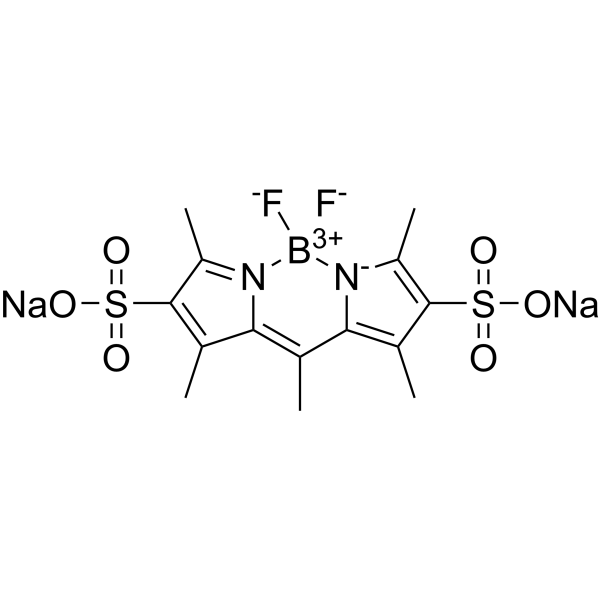
Pyrromethene 556 (PM556) is a green-fluorescent polar tracer dye. It is used for investigations of membrane fusion, lysis, and gap-junctional communication and to detect volume changes in cells or liposomes.
|
-
-
- HY-D2762
-
|
|
Fluorescent Dye
|
Cancer
|
|
18:1 PE AF 594 triammonium is a fluorescently labeled phospholipid probe. 18:1 PE AF 594 triammonium can be used as a fluorescent tracer for lipid nanoparticles (LNPs). 18:1 PE AF 594 triammonium is promising for research of drug delivery systems .
|
-

-
- HY-W800701
-
|
|
Biochemical Assay Reagents
|
Others
|
|
BP Fluor 546 DBCO is an azide-reactive probe that can be used for imaging azide-tagged biomolecules via a copper-free click reaction. The DBCO moiety reacts with azides to form a stable triazole and does not require a Cu-catalyst or elevated temperatures. In applications where the presence of copper is a concern, BP Fluor 546 DBCO is an ideal alternative to copper-requiring fluorescent alkynes.
BP Fluor 546 is a water-soluble, pH-insensitive (from pH 4-10), orange-fluorescent dye with absorption and emission maxima at 554 and 570 nm, respectively. It can be used with the 488 nm and 532 nm laser lines. BP Fluor 546 dye conjugates to a variety of antibodies, peptides, proteins, tracers, and amplification substrates, which are often used for generating stable signals in imaging and flow cytometry.
|
-

-
- HY-149182
-
-
-
- HY-D0251R
-
|
Uranine (Standard)
|
Fluorescent Dye
Reference Standards
|
Cancer
|
|
Fluorescein (Standard) is the analytical standard of Fluorescein. This product is intended for research and analytical applications. Fluorescein (Uranine) is widely used as a fluorescent tracer in medicinal and biological applications and tumor infected tissues tracer. Fluorescein (Uranine) is a representative green fluorophore that has been widely used as a scaffold of practically useful green fluorescent probes .
|
-

-
- HY-123643
-
|
Lissamine flavine
|
Biochemical Assay Reagents
|
Others
|
|
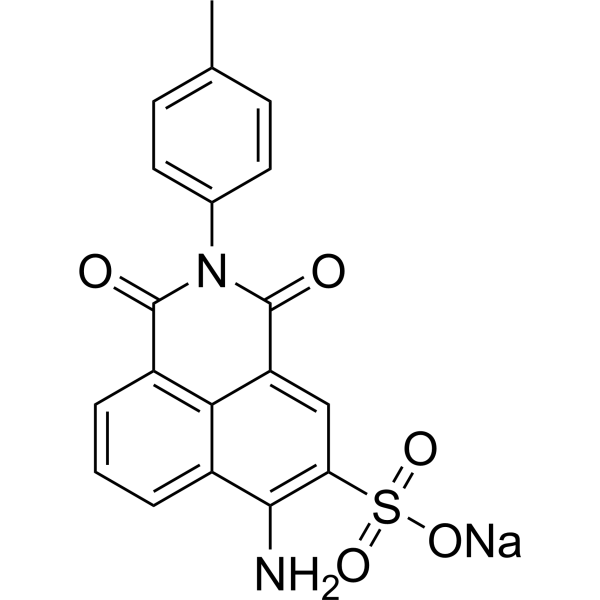
Brilliant Sulfaflavine is used as a fluorescent tracer. Used to study the application rate of foliar fungicides for soybean rust control.
|
-
-
- HY-108166
-
|
|
Fluorescent Dye
|
Inflammation/Immunology
|
|
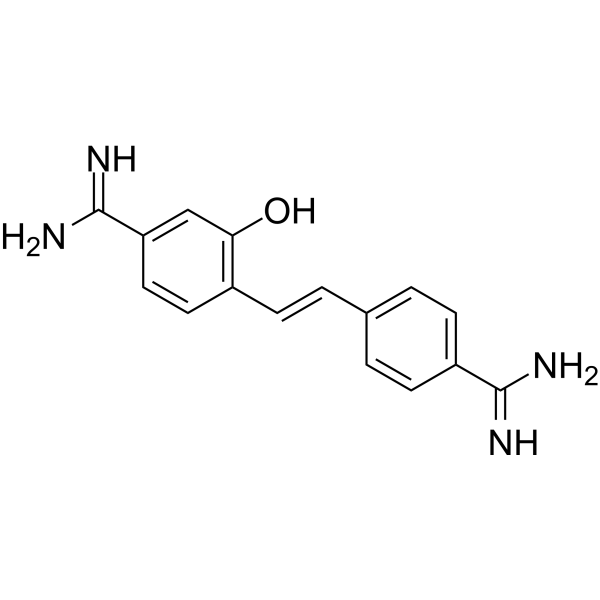
Hydroxystilbamidine, a dye capable of binding to both DNA and RNA, is a powerful inhibitor of cellular ribonucleases. Hydroxystilbamidine is a retrograde fluorescent tracer and a histochemical stain [1]
|
-
-
- HY-174978
-
|
|
Isocitrate Dehydrogenase (IDH)
|
Others
|
|
SK60 is a dimethylated derivative of GSK321 (HY-18948) with low nanomolar potency and high selectivity for IDH1R132H (IC50 = 14.5 nM). SK60 can be used as a tracer for brain imaging with the fluorescent label [ 18F] .
|
-

-
- HY-D2745
-
|
|
Fluorescent Dye
|
Others
|
|
BP Fluor 594 NHS ester is the most popular tool for modifying proteins or antibodies through the primary amines (Lys), amine-modified oligonucleotides, and other amine-containing biomolecules with BP Fluor 594 label. The labeling occurs most efficiently at pH 7-9 and forms a stable, covalent amide bond. BP Fluor 594 dye can be used for proteins labeling at high molar ratios without significant self-quenching, enabling brighter conjugates and more sensitive detection.
BP Fluor 594 is bright, water-soluble, and pH-insensitive from pH 4 to pH 10 red-fluorescent dye with absorption and emission maxima at 590 and 617 nm, respectively. It can be used with the 561 nm and 594 nm laser lines. BP Fluor 594 dye conjugated to a variety of antibodies, peptides, proteins, tracers, and amplification substrates often used for generation of stable signal in imaging and flow cytometry.
|
-

-
- HY-D1695
-
-
-
- HY-D1754
-
|
LYCH ammonium
|
Fluorescent Dye
|
Others
|
|
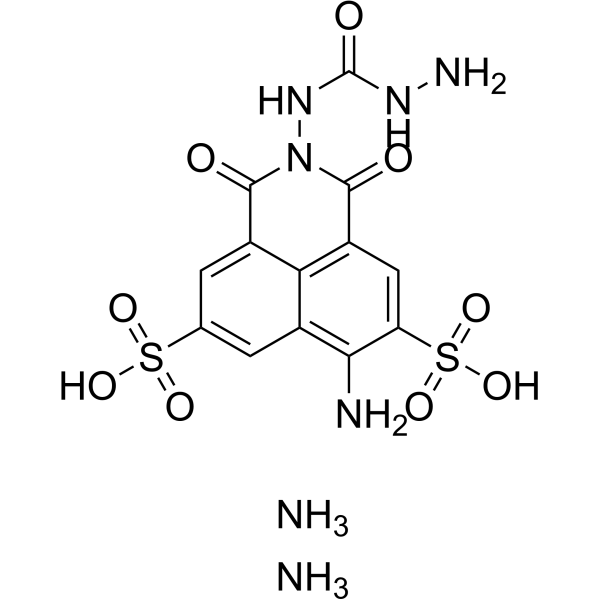
Lucifer yellow CH (LYC) ammonium is a thiol-reactive fluorescent polar tracer.
|
-
-
- HY-170814
-
|
|
G-quadruplex
|
Cancer
|
|
G-quadruplex ligand 3 (Compound 16) is a G-quadruplex ligand with anticancer effects that chelate iron. G-quadruplex ligand 3 stabilizes G-quadruplexes in human leukemia Jurkat cells. G-quadruplex ligand 3 localizes in the cell nucleus, serving as a fluorescent nuclear tracer for the labile iron pool .
|
-

-
- HY-147114
-
|
|
Fluorescent Dye
|
Others
|
|
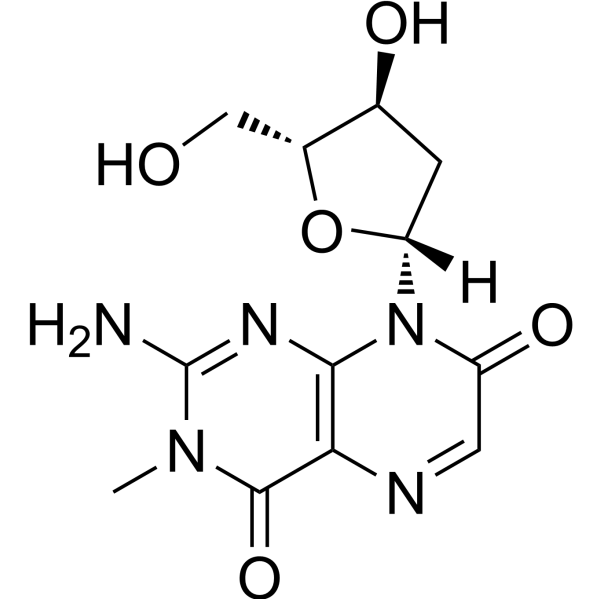
3-Methyl-8-(2'-deoxy-β-D-ribofuranosyl)isoxanthopterin is a DNA uptake tracer, a pteridine-based fluorescent guanosine analogue. 3-Methyl-8-(2'-deoxy-β-D-ribofuranosyl)isoxanthopterin is widely used in studies of DNA binding and dynamics, with an absorbance maximum at 350 nm and an emission maximum at 430 nm .
|
-
- HY-172166B
-
|
|
Fluorescent Dye
|
Neurological Disease
|
|
TRITC-lysine-dextran (MW 70kDa) is a fluorescent label prepared by the conjugation of TRITC (HY-D0791), lysine and dextran. TRITC-lysine-dextran (MW 70kDa) serves multiple functions as an axonal tracer, non-viral nanocarrier and fixable fluorescent clonal marker. TRITC-lysine-dextran (MW 70kDa) undergoes anterograde and retrograde transport within axons of sensory neurons, and acts as a non-viral delivery system to precisely deliver biomolecules to neurons. TRITC-lysine-dextran (MW 70kDa) remains stably retained during histological preparation, thereby supporting continuous observation in live or fixed samples .
|
-

- HY-D2738
-
|
|
Fluorescent Dye
|
Others
|
|
BP Fluor 532 NHS ester is an amine reactive, yellow-emitting dye routinely used to label proteins or antibodies through primary amines (Lys), amine-modified oligonucleotides, and other amine-containing biomolecules. The labeling occurs most efficiently at pH 7-9 and forms a stable, covalent amide bond.
BP Fluor 532 is a bright yellow-fluorescent dye with pH insensitive emission from pH 4 to pH 10. The excitation of BP Fluor 532 is ideally suited for the frequency-doubled Nd:YAG laser line. BP Fluor 532 can be conjugated to a variety of antibodies, peptides, proteins, tracers, and amplification substrates, and is often used for the generation of stable signals in imaging and flow cytometry.
|
-

- HY-DY1103
-
|
|
Biochemical Assay Reagents
|
Others
|
FITC-Dextran (MW 70000) (solution) is a compound belonging to the class of fluorescent dyes. It is commonly used in biomedical research as a tracer molecule to label and track cells or other biological matter. FITC-Dextran consists of fluorescein isothiocyanate (FITC) and dextran, a complex carbohydrate derived from starch. The combination of the two creates a stable fluorescent tracer that can be viewed under a microscope or quantified using specialized detection instruments.
Solvent and concentration: ddH2O: 1 mM
|
-

- HY-A0216
-
|
|
Fluorescent Dye
DNA Stain
|
Others
|
|
Hydroxystilbamidine diisethionate, a dye capable of binding to both DNA and RNA, is a powerful inhibitor of cellular ribonucleases. Hydroxystilbamidine diisethionate is a retrograde fluorescent tracer and histochemical stain .
|
-

- HY-185287
-
-

- HY-D3420
-
|
|
Fluorescent Dye
|
Neurological Disease
|
|
Neuro-DiI is a red retrograde Fluorescent tracer. Neuro-DiI is transported retrogradely to the cell bodies in the ventral tegmental area and labels ventral tegmental area neurons with red fluorescence .
|
-

- HY-D3198
-
|
|
Fluorescent Dye
Endogenous Metabolite
|
Cancer
|
|
NIR-fluorescent ceramide is a neutral near-infrared (NIF) fluorescent probe (λem=650 nm) based on the C-bridged nitrobenzoxadiazole SCOTfluor core, which enables visualization of lipid metabolic processes such as sphingolipid trafficking. The emission signal of NIR-fluorescent ceramide increases significantly in liposomal environments. NIR-fluorescent ceramide acts as an intracellular trafficking tracer, localizing to regions surrounding the endoplasmic reticulum and Golgi apparatus within a short period, and then translocating to recycling lysosomes over a longer period, thus enabling real-time visualization of sphingolipid trafficking and biological lipid functions in living cells. NIR-fluorescent ceramide also generates metabolic uptake profiles and provides multiple metabolic readouts in human cancer cell lines .
|
-

- HY-P11481
-
|
|
Fluorescent Dye
E1/E2/E3 Enzyme
|
Others
|
|
FITC-Acp-RpYTPEP-NH2 is a potent fluorescent tracer. FITC-Acp-RpYTPEP-NH2 shows a binding affinity (Kd = 0.07 μM) for the Cbl-b SH2 domain. Fluorescence polarization assay based on FITC-Acp-RpYTPEP-NH2 can be for evaluating Cbl-b SH2 domain inhibitors .
|
-

- HY-D3393
-
|
|
Fluorescent Dye
Epigenetic Reader Domain
|
Cancer
|
|
JQ1-FITC TFA is a BRD4-binding fluorescent tracer. JQ1-FITC TFA binds to BRD4 BD1, BD2, recombinant bromodomains, and endogenous BRD4 in cell lysates. JQ1-FITC TFA can be used for the research of breast cancer and cancer (Ex/Em = 495/525 nm) .
|
-

- HY-D3375
-
|
|
Fluorescent Dye
|
Neurological Disease
|
|
RAPID DiI is a cyanine dye with orange-red fluorescenc (EX≈550 nm; Em≈565 nm). RAPID DiI is a lipophilic dye that labels cell membranes by inserting its two long hydrocarbon (C18 carbon) chains into the lipid bilayer. RAPID DiI is weakly fluorescent until incorporated into membranes. RAPID DiI diffuses laterally to stain the entire cell, allowing it to be used as an anterograde and retrograde tracer of neurons.
|
-

- HY-D3196
-
|
|
Fluorescent Dye
|
Cancer
|
|
AG2 is a glucose uptake tracer and two-photon fluorescent probe. AG2 is taken up by cells via glucose-specific transport systems, rather than passive diffusion; it preferentially accumulates in cancer cells and colon cancer tissues compared with normal cells and tissues; it mainly localizes to mitochondria, with a small amount also distributed in the cytoplasm and cell membrane. AG2 can be used for colon cancer research .
|
-

- HY-D3372
-
|
Dilinoleyl DiO
|
Fluorescent Dye
|
Neurological Disease
|
|
RAPID DiO (Dilinoleyl DiO) is a cyanine dye with green fluorescence (EX≈490 nm; Em≈505 nm). RAPID DiO is a lipophilic dye that labels cell membranes by inserting its two long hydrocarbon (C18 carbon) chains into the lipid bilayer. RAPID DiO is weakly fluorescent until incorporated into membranes. RAPID DiO diffuses laterally to stain the entire cell, allowing it to be used as an anterograde and retrograde tracer of neurons.
|
-

- HY-D3174
-
|
|
Fluorescent Dye
|
Metabolic Disease
Inflammation/Immunology
|
|
PiF is a fluorescent probe with high specificity for pancreatic β-cells (Ex/Em = 535 nm/565 nm), and its fluorescence signal increases significantly with elevated insulin concentrations in in vitro experiments. PiF enables visualization of rat and human islets transplanted via the portal vein in mouse livers with low liver background signals. The fluorine atom of PiF can be replaced by radioactive 18F to prepare a PET tracer. PiF can be used for research on type 1 diabetes .
|
-

- HY-DY1102
-
|
|
Fluorescent Dye
|
Others
|
BODIPY FL-C16 (solution) is a BODIPY-labeled analog of Palmitic acid (HY-N0830), which serves as a fluorescent lipid tracer. BODIPY FL-C16 (solution) also acts as a ligand for liver fatty acid-binding protein (L-FABP) and intestinal fatty acid-binding protein (I-FABP) , with Kd values of 270 nM and 330 nM, respectively. BODIPY FL-C16 (solution) is rapidly taken up by cells, and after metabolic conversion to phospholipids, it is incorporated into the membrane structures of intracellular organelles and extracellular vesicles .
Solvent and concentration: DMSO: 5 mM
|
-

- HY-D2763
-
|
|
Fluorescent Dye
|
Others
|
|
BP Fluor 532 maleimide is a photostable, bright yellow-fluorescent dye with pH insensitive emission from pH 4 to pH 10. The excitation of BP Fluor 532 is ideally suited for the frequency-doubled Nd:YAG laser line. BP Fluor 532 dye can be conjugated to a variety of antibodies, peptides, proteins, tracers, and amplification substrates, and is often used for the generation of stable signals in imaging and flow cytometry.
Maleimide is the most popular sulfhydryl-reactive group for conjugating the dye to a thiol group on a protein, oligonucleotide thiophosphate, or low molecular weight ligand. The maleimide group specifically and efficiently reacts with reduced thiols (sulfhydryl groups, –SH) at pH 6.5 to 7.5 to form a stable thioether bond. The resulting conjugates exhibit brighter fluorescence and greater photostability than the conjugates of many other spectrally similar fluorophores.
|
-

| Cat. No. |
Product Name |
Type |
-
- HY-66019
-
FITC
Maximum Cited Publications
92 Publications Verification
Fluorescein 5-isothiocyanate
|
Fluorescent Dyes
|
|
FITC (Fluorescein Isothiocyanate), is one of the green fluorescein derivatives widely used in biology. FITC has the characteristics of high absorptivity and excellent fluorescence quantum yield. The isothiocyanate group of FITC can be combined with amino, sulfhydryl, imidazole, tyrosyl, carbonyl and other groups on the protein, so as to achieve protein labeling including antibodies and lectins. In addition to its use as a protein marker, FITC can also be used as a fluorescent protein tracer to rapidly identify pathogens by labeling antibodies, or for microsequencing of proteins and peptides (HPLC). The maximum excitation wavelength of FITC is 494 nm. Once excited, it fluoresces yellow-green at a maximum emission wavelength of 520 nm. In addition, FITC is also a hapten that can induce contact hypersensitivity (CHS) and induce an atopic dermatitis model .
|
-
- HY-128868E
-
|
|
Fluorescent Dyes
|
|
FITC-Dextran (MW 70000) is a compound belonging to the class of fluorescent dyes. It is commonly used in biomedical research as a tracer molecule to label and track cells or other biological matter. FITC-Dextran consists of fluorescein isothiocyanate (FITC) and dextran, a complex carbohydrate derived from starch. The combination of the two creates a stable fluorescent tracer that can be viewed under a microscope or quantified using specialized detection instruments.
|
-
- HY-128868I
-
|
|
Fluorescent Dyes
|
|
FITC-Dextran (MW 2000000) is a compound belonging to the class of fluorescent dyes. It is commonly used in biomedical research as a tracer molecule to label and track cells or other biological matter. FITC-Dextran consists of fluorescein isothiocyanate (FITC) and dextran, a complex carbohydrate derived from starch. The combination of the two creates a stable fluorescent tracer that can be viewed under a microscope or quantified using specialized detection instruments.
|
-
- HY-D0085
-
|
|
Fluorescent Dyes
|
|
DiSC3(5) is a fluorescent probe commonly used as a tracer dye to evaluate mitochondrial membrane potential. The excitation/emission wavelength of DiSC3(5) is up to 622/670 nm. DiSC3(5) can inhibit the respiratory system associated with mitochondrial NAD, and the IC50 value is 8 μM. DiSC3(5) in the presence of Na +/K +-ATPase inhibitor ouabain 2 can induce membrane hyperpolarization of Ehrlich ascites tumor cells .
|
-
- HY-126561
-
|
CMFDA
|
Fluorescent Dyes
|
|
Green CMFDA is a cell-permeable fluorescent probe with Em of 514 nm and Ex of 485 nm and can be used as a cell tracer. Green CMFDA can be cleaved by non-specific esterases common in living cells, producing a fluorescent compound, fluorescein, visible using a fluorescent microscope .
|
-
- HY-128692
-
|
|
Fluorescent Dyes
|
|
Luc Yellow CH dilithium is a high-intensity fluorescent probe containing free hydrazyl groups. Luc Yellow CH can react with fatty aldehydes at room temperature. Luc Yellow CH serves as a biological tracer to monitor neuronal branching, regeneration, gap junction detection and characterization, and selective ablation of cells after aldehyde fixation. Luc Yellow CH displays the maximum excitation/emission of 430 nm/540 nm, respectively .
|
-
- HY-D0251
-
|
Uranine
|
Fluorescent Dyes
|
|
Fluorescein (Uranine) is widely used as a fluorescent tracer in medicinal and biological applications and tumor infected tissues tracer. Fluorescein (Uranine) is a representative green fluorophore that has been widely used as a scaffold of practically useful green fluorescent probes .
|
-
- HY-W127715
-
|
|
Fluorescent Dyes
|
|
Lucifer Yellow CH dipotassium is a high-intensity fluorescent probe containing free hydrazyl groups. Lucifer Yellow CH can react with fatty aldehydes at room temperature. Lucifer Yellow CH serves as a biological tracer to monitor neuronal branching, regeneration, gap junction detection and characterization, and selective ablation of cells after aldehyde fixation. Lucifer yellow CH displays the maximum excitation/emission of 430 nm/540 nm, respectively .
|
-
- HY-128868C
-
|
|
Fluorescent Dyes
|
|
FITC-Dextran (MW 20000) is a compound belonging to the class of fluorescent dyes. It is commonly used in biomedical research as a tracer molecule to label and track cells or other biological matter. FITC-Dextran consists of fluorescein isothiocyanate (FITC) and dextran, a complex carbohydrate derived from starch. The combination of the two creates a stable fluorescent tracer that can be viewed under a microscope or quantified using specialized detection instruments.
|
-
- HY-128868H
-
|
|
Fluorescent Dyes
|
|
FITC-Dextran (MW 500000) is a compound belonging to the class of fluorescent dyes. It is commonly used in biomedical research as a tracer molecule to label and track cells or other biological matter. FITC-Dextran consists of fluorescein isothiocyanate (FITC) and dextran, a complex carbohydrate derived from starch. The combination of the two creates a stable fluorescent tracer that can be viewed under a microscope or quantified using specialized detection instruments.
|
-
- HY-D1736
-
|
|
Fluorescent Dyes
|
|
BODIPY FL-C16 is a BODIPY-labeled analog of Palmitic acid (HY-N0830), which serves as a fluorescent lipid tracer. BODIPY FL-C16 also acts as a ligand for liver fatty acid-binding protein (L-FABP) and intestinal fatty acid-binding protein (I-FABP) , with Kd values of 270 nM and 330 nM, respectively. BODIPY FL-C16 is rapidly taken up by cells, and after metabolic conversion to phospholipids, it is incorporated into the membrane structures of intracellular organelles and extracellular vesicles .
|
-
- HY-DY1046
-
|
|
Fluorescent Dyes
|
Green CMFDA (solution) is a cell-permeable fluorescent probe with Em of 514 nm and Ex of 485 nm and can be used as a cell tracer. Green CMFDA can be cleaved by non-specific esterases common in living cells, producing a fluorescent compound, fluorescein, visible using a fluorescent microscope .
Solvent and concentration: DMSO: 10 mM
|
-
- HY-102055
-
|
|
Fluorescent Dyes
|
|
JAK2 JH2 Tracer (Tracer 5) is a fluorescent probe for JAK2 JH2 domain, with a Kd value of 0.2 μM .
|
-
- HY-DY1007
-
|
|
Fluorescent Dyes
|
FITC (Fluorescein Isothiocyanate) (solution) , is one of the green fluorescein derivatives widely used in biology. FITC has the characteristics of high absorptivity and excellent fluorescence quantum yield. The isothiocyanate group of FITC can be combined with amino, sulfhydryl, imidazole, tyrosyl, carbonyl and other groups on the protein, so as to achieve protein labeling including antibodies and lectins. In addition to its use as a protein marker, FITC can also be used as a fluorescent protein tracer to rapidly identify pathogens by labeling antibodies, or for microsequencing of proteins and peptides (HPLC). The maximum excitation wavelength of FITC is 494 nm. Once excited, it fluoresces yellow-green at a maximum emission wavelength of 520 nm. In addition, FITC is also a hapten that can induce contact hypersensitivity (CHS) and induce an atopic dermatitis model .
Solvent and concentration: DMSO: 20 mM
The 1 mL volume is defined as the base specification. All larger sizes correspond to incremental volumes of this base.
|
-
- HY-D0165
-
|
1,3-Dihydroxynaphthalene
|
Fluorescent Dyes
|
|
Naphthoresorcinol (1,3-Dihydroxynaphthalene) is a fluorescent dye (λex=330 nm, λem=380 nm) that can react with the NPPD (a tracer) and concentrated HCl and develop a red color. Naphthoresorcinol could be used as a background electrolyte (BGE) to determine the carbohydrates .
|
-
- HY-128868J
-
|
|
Fluorescent Dyes
|
|
FITC-Dextran (MW 1000) is a compound that belongs to the class of fluorescent dyes. It is often used as a tracer molecule in biomedical research to label and track cells or other biological substances. FITC-Dextran consists of fluorescein isothiocyanate (FITC) and dextran, a complex carbohydrate extracted from starch. The combination of the two creates a stable fluorescent tracer that can be observed under a microscope or quantified using specialized detection instruments.
|
-
- HY-128868F
-
|
|
Fluorescent Dyes
|
|
FITC-Dextran (MW 110000) is a compound belonging to the class of fluorescent dyes. It is commonly used in biomedical research as a tracer molecule to label and track cells or other biological matter. FITC-Dextran consists of fluorescein isothiocyanate (FITC) and dextran, a complex carbohydrate derived from starch. The combination of the two creates a stable fluorescent tracer that can be viewed under a microscope or quantified using specialized detection instruments.
|
-
- HY-D0154
-
|
Tetramethylrhodamine-6-isothiocyanate
|
Fluorescent Dyes
|
|
6-TRITC (Tetramethylrhodamine-6-isothiocyanate) is a potent fluorescent tracer. 6-TRITC can be used as an probe for haptenated proteins/peptides for the research of contact allergy. 6-TRITC can be used as a tracer for the confocal imaging in living cells .
|
-
- HY-D1161
-
|
NCI 240899
|
Fluorescent Dyes
|
|
True Blue (NCI 240899) is a fluorescent dye, as neuronal retrograde tracer (excitation wavelength 395-425 nm, barrier filter 450 nm). True Blue can label neuron and has no effects on neuronal survival .
|
-
- HY-108166A
-
|
|
Fluorescent Dyes
|
|
Hydroxystilbamidine bis(methanesulfonate) is a dye that can bind to DNA and RNA; it's a fluorescent cationic dye, often used as a retrograde neuronal tracer and has also been found to be a potent inhibitor of cellular ribonucleases.
|
-
- HY-D1630
-
|
|
Fluorescent Dyes
|
|
4-Di-10-ASP is a fluorescent lipophilic tracer (Excitation 485 nm; Emission 620 nm). 4-Di-10-ASP can be used to stain phospholipid membranes in a specific manner .
|
-
- HY-D0830
-
|
Fluorexon tetraethyl ester
|
Fluorescent Dyes
|
|
Calcein tetraethyl ester is a tetraethylated derivative of calcein, with its core function serving as a live cell-specific fluorescent tracer. Calcein tetraethyl ester can diffuse between human periodontal ligament cells via gap junctions, thus enabling the evaluation of gap junction intercellular communication function, and its diffusion is enhanced under hydrogen peroxide induction. Calcein tetraethyl ester can be applied in the fields of cell biology and fluorescent labeling .
|
-
- HY-DY1021
-
|
|
Fluorescent Dyes
|
DiSC3 (5) (solution) is a fluorescent probe commonly used as a tracer dye to evaluate mitochondrial membrane potential. The excitation/emission wavelength of DiSC3 (5) is up to 622/670 nm. DiSC3 (5) can inhibit the respiratory system associated with mitochondrial NAD, and the IC50 value is 8 μM. DiSC3 (5) in the presence of Na +/K +-ATPase inhibitor ouabain 2 can induce membrane hyperpolarization of Ehrlich ascites tumor cells .
Solvent and concentration: DMSO: 1 mM
The 1 mL volume is defined as the base specification. All larger sizes correspond to incremental volumes of this base.
|
-
- HY-D1991
-
|
|
Fluorescent Dyes
|
|
ATTO 647 is a carborhodamine fluorophore and imaging tracer with photostable properties. ATTO 647 serves as a fluorescent probe to investigate cell membrane structure and diffusion characteristics. When conjugated with wheat germ agglutinin, ATTO 647 specifically binds to N-acetyl-β-D-glucosamine and sialic acid residues on membrane glycoproteins, enabling single-molecule tracing of glycoprotein diffusion. ATTO 647 exhibits highly stable fluorescence properties with significantly reduced blinking in mounting media such as ROXS (AA/MV) and ROXS (TX/TQ), whereas its brightness properties vary in Ibidi-MM and Vectashield. ATTO 647 can also be used to label histone H2B-GFP in fixed cells for confocal microscopy photobleaching experiments .
|
-
- HY-W248583
-
|
PM650
|
Fluorescent Dyes
|
|
Pyrromethene 650 (PM650) is a green-fluorescent polar tracer dye. It is used for investigations of membrane fusion, lysis, and gap-junctional communication and to detect volume changes in cells or liposomes.
|
-
- HY-D1777
-
|
PM605
|
Fluorescent Dyes
|
|
Pyrromethene 605 (PM605) is a green-fluorescent polar tracer dye. It is used for investigations of membrane fusion, lysis, and gap-junctional communication and to detect volume changes in cells or liposomes.
|
-
- HY-W248118
-
|
PM556
|
Fluorescent Dyes
|
|
Pyrromethene 556 (PM556) is a green-fluorescent polar tracer dye. It is used for investigations of membrane fusion, lysis, and gap-junctional communication and to detect volume changes in cells or liposomes.
|
-
- HY-D2762
-
|
|
Fluorescent Dyes
|
|
18:1 PE AF 594 triammonium is a fluorescently labeled phospholipid probe. 18:1 PE AF 594 triammonium can be used as a fluorescent tracer for lipid nanoparticles (LNPs). 18:1 PE AF 594 triammonium is promising for research of drug delivery systems .
|
-
- HY-W800701
-
|
|
Fluorescent Dyes
|
|
BP Fluor 546 DBCO is an azide-reactive probe that can be used for imaging azide-tagged biomolecules via a copper-free click reaction. The DBCO moiety reacts with azides to form a stable triazole and does not require a Cu-catalyst or elevated temperatures. In applications where the presence of copper is a concern, BP Fluor 546 DBCO is an ideal alternative to copper-requiring fluorescent alkynes.
BP Fluor 546 is a water-soluble, pH-insensitive (from pH 4-10), orange-fluorescent dye with absorption and emission maxima at 554 and 570 nm, respectively. It can be used with the 488 nm and 532 nm laser lines. BP Fluor 546 dye conjugates to a variety of antibodies, peptides, proteins, tracers, and amplification substrates, which are often used for generating stable signals in imaging and flow cytometry.
|
-
- HY-149182
-
|
|
Fluorescent Dyes
|
|
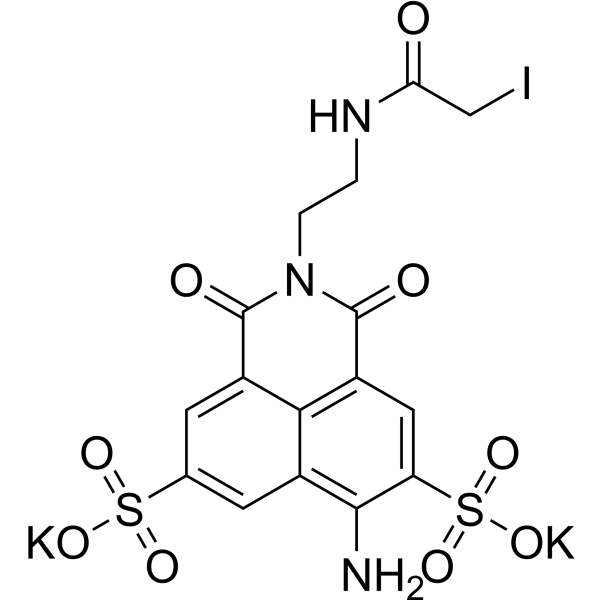
Lucifer yellow iodoacetamide dipotassium is a thiol-reactive fluorescent tracer.
|
-
- HY-D0251R
-
|
Uranine (Standard)
|
Fluorescent Dyes
|
|
Fluorescein (Standard) is the analytical standard of Fluorescein. This product is intended for research and analytical applications. Fluorescein (Uranine) is widely used as a fluorescent tracer in medicinal and biological applications and tumor infected tissues tracer. Fluorescein (Uranine) is a representative green fluorophore that has been widely used as a scaffold of practically useful green fluorescent probes .
|
-
- HY-123643
-
|
Lissamine flavine
|
Fluorescent Dyes
|
|
Brilliant Sulfaflavine is used as a fluorescent tracer. Used to study the application rate of foliar fungicides for soybean rust control.
|
-
- HY-D2745
-
|
|
Fluorescent Dyes
|
|
BP Fluor 594 NHS ester is the most popular tool for modifying proteins or antibodies through the primary amines (Lys), amine-modified oligonucleotides, and other amine-containing biomolecules with BP Fluor 594 label. The labeling occurs most efficiently at pH 7-9 and forms a stable, covalent amide bond. BP Fluor 594 dye can be used for proteins labeling at high molar ratios without significant self-quenching, enabling brighter conjugates and more sensitive detection.
BP Fluor 594 is bright, water-soluble, and pH-insensitive from pH 4 to pH 10 red-fluorescent dye with absorption and emission maxima at 590 and 617 nm, respectively. It can be used with the 561 nm and 594 nm laser lines. BP Fluor 594 dye conjugated to a variety of antibodies, peptides, proteins, tracers, and amplification substrates often used for generation of stable signal in imaging and flow cytometry.
|
-
- HY-D1695
-
|
|
Fluorescent Dyes
|
|
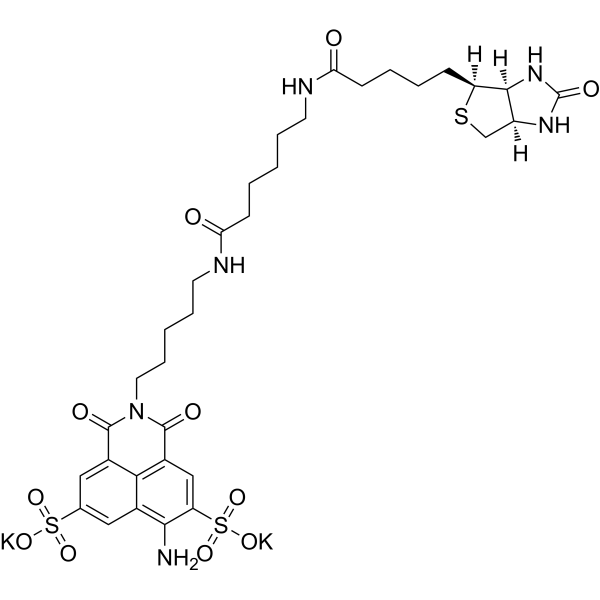
LYCBX is a neuronal tracer, a fluorescent biotin derivative of Lucifer Yellow .
|
-
- HY-D1754
-
|
LYCH ammonium
|
Fluorescent Dyes
|
|
Lucifer yellow CH (LYC) ammonium is a thiol-reactive fluorescent polar tracer.
|
-
- HY-147114
-
|
|
Fluorescent Dyes
|
|
3-Methyl-8-(2'-deoxy-β-D-ribofuranosyl)isoxanthopterin is a DNA uptake tracer, a pteridine-based fluorescent guanosine analogue. 3-Methyl-8-(2'-deoxy-β-D-ribofuranosyl)isoxanthopterin is widely used in studies of DNA binding and dynamics, with an absorbance maximum at 350 nm and an emission maximum at 430 nm .
|
-
- HY-D2738
-
|
|
Fluorescent Dyes
|
|
BP Fluor 532 NHS ester is an amine reactive, yellow-emitting dye routinely used to label proteins or antibodies through primary amines (Lys), amine-modified oligonucleotides, and other amine-containing biomolecules. The labeling occurs most efficiently at pH 7-9 and forms a stable, covalent amide bond.
BP Fluor 532 is a bright yellow-fluorescent dye with pH insensitive emission from pH 4 to pH 10. The excitation of BP Fluor 532 is ideally suited for the frequency-doubled Nd:YAG laser line. BP Fluor 532 can be conjugated to a variety of antibodies, peptides, proteins, tracers, and amplification substrates, and is often used for the generation of stable signals in imaging and flow cytometry.
|
-
- HY-DY1103
-
|
|
Fluorescent Dyes
|
FITC-Dextran (MW 70000) (solution) is a compound belonging to the class of fluorescent dyes. It is commonly used in biomedical research as a tracer molecule to label and track cells or other biological matter. FITC-Dextran consists of fluorescein isothiocyanate (FITC) and dextran, a complex carbohydrate derived from starch. The combination of the two creates a stable fluorescent tracer that can be viewed under a microscope or quantified using specialized detection instruments.
Solvent and concentration: ddH2O: 1 mM
|
-
- HY-D3420
-
|
|
Fluorescent Dyes
|
|
Neuro-DiI is a red retrograde Fluorescent tracer. Neuro-DiI is transported retrogradely to the cell bodies in the ventral tegmental area and labels ventral tegmental area neurons with red fluorescence .
|
-
- HY-D3198
-
|
|
Fluorescent Dyes
|
|
NIR-fluorescent ceramide is a neutral near-infrared (NIF) fluorescent probe (λem=650 nm) based on the C-bridged nitrobenzoxadiazole SCOTfluor core, which enables visualization of lipid metabolic processes such as sphingolipid trafficking. The emission signal of NIR-fluorescent ceramide increases significantly in liposomal environments. NIR-fluorescent ceramide acts as an intracellular trafficking tracer, localizing to regions surrounding the endoplasmic reticulum and Golgi apparatus within a short period, and then translocating to recycling lysosomes over a longer period, thus enabling real-time visualization of sphingolipid trafficking and biological lipid functions in living cells. NIR-fluorescent ceramide also generates metabolic uptake profiles and provides multiple metabolic readouts in human cancer cell lines .
|
-
- HY-D3393
-
|
|
Fluorescent Dyes
|
|
JQ1-FITC TFA is a BRD4-binding fluorescent tracer. JQ1-FITC TFA binds to BRD4 BD1, BD2, recombinant bromodomains, and endogenous BRD4 in cell lysates. JQ1-FITC TFA can be used for the research of breast cancer and cancer (Ex/Em = 495/525 nm) .
|
-
- HY-D3375
-
|
|
Fluorescent Dyes
|
|
RAPID DiI is a cyanine dye with orange-red fluorescenc (EX≈550 nm; Em≈565 nm). RAPID DiI is a lipophilic dye that labels cell membranes by inserting its two long hydrocarbon (C18 carbon) chains into the lipid bilayer. RAPID DiI is weakly fluorescent until incorporated into membranes. RAPID DiI diffuses laterally to stain the entire cell, allowing it to be used as an anterograde and retrograde tracer of neurons.
|
-
- HY-D3196
-
|
|
Fluorescent Dyes
|
|
AG2 is a glucose uptake tracer and two-photon fluorescent probe. AG2 is taken up by cells via glucose-specific transport systems, rather than passive diffusion; it preferentially accumulates in cancer cells and colon cancer tissues compared with normal cells and tissues; it mainly localizes to mitochondria, with a small amount also distributed in the cytoplasm and cell membrane. AG2 can be used for colon cancer research .
|
-
- HY-D3372
-
|
Dilinoleyl DiO
|
Fluorescent Dyes
|
|
RAPID DiO (Dilinoleyl DiO) is a cyanine dye with green fluorescence (EX≈490 nm; Em≈505 nm). RAPID DiO is a lipophilic dye that labels cell membranes by inserting its two long hydrocarbon (C18 carbon) chains into the lipid bilayer. RAPID DiO is weakly fluorescent until incorporated into membranes. RAPID DiO diffuses laterally to stain the entire cell, allowing it to be used as an anterograde and retrograde tracer of neurons.
|
-
- HY-D3174
-
|
|
Fluorescent Dyes
|
|
PiF is a fluorescent probe with high specificity for pancreatic β-cells (Ex/Em = 535 nm/565 nm), and its fluorescence signal increases significantly with elevated insulin concentrations in in vitro experiments. PiF enables visualization of rat and human islets transplanted via the portal vein in mouse livers with low liver background signals. The fluorine atom of PiF can be replaced by radioactive 18F to prepare a PET tracer. PiF can be used for research on type 1 diabetes .
|
-
- HY-DY1102
-
|
|
Fluorescent Dyes
|
BODIPY FL-C16 (solution) is a BODIPY-labeled analog of Palmitic acid (HY-N0830), which serves as a fluorescent lipid tracer. BODIPY FL-C16 (solution) also acts as a ligand for liver fatty acid-binding protein (L-FABP) and intestinal fatty acid-binding protein (I-FABP) , with Kd values of 270 nM and 330 nM, respectively. BODIPY FL-C16 (solution) is rapidly taken up by cells, and after metabolic conversion to phospholipids, it is incorporated into the membrane structures of intracellular organelles and extracellular vesicles .
Solvent and concentration: DMSO: 5 mM
|
-
- HY-D2763
-
|
|
Fluorescent Dyes
|
|
BP Fluor 532 maleimide is a photostable, bright yellow-fluorescent dye with pH insensitive emission from pH 4 to pH 10. The excitation of BP Fluor 532 is ideally suited for the frequency-doubled Nd:YAG laser line. BP Fluor 532 dye can be conjugated to a variety of antibodies, peptides, proteins, tracers, and amplification substrates, and is often used for the generation of stable signals in imaging and flow cytometry.
Maleimide is the most popular sulfhydryl-reactive group for conjugating the dye to a thiol group on a protein, oligonucleotide thiophosphate, or low molecular weight ligand. The maleimide group specifically and efficiently reacts with reduced thiols (sulfhydryl groups, –SH) at pH 6.5 to 7.5 to form a stable thioether bond. The resulting conjugates exhibit brighter fluorescence and greater photostability than the conjugates of many other spectrally similar fluorophores.
|
| Cat. No. |
Product Name |
Type |
-
- HY-112624I
-
|
Dextran 3; Dextran D3; Dextran T3(MW 2400-3600)
|
Biochemical Assay Reagents
|
|
Dextran T3 (Dextran 3; Dextran T3(MW 2400-3600)) is a neural tracer and intestinal permeability probe that can move anterogradely and retrogradely in neuronal axons by passive diffusion. Dextran T3 (MW 3,000) is able to permeate across the intestinal epithelial cell membrane in the presence of cholera toxin-induced cytoskeletal disturbance. Dextran T3 (MW 3,000) is used as a fluorescent marker to rapidly label developing neurons (such as Xenopus retinal ganglion cells) and to assess intestinal barrier function. It can be used to study axonal transport in neuroanatomy and permeability changes in intestinal pathophysiology. The Dextran series of compounds are also natural polysaccharide drug carriers that can be connected to drugs through covalent bonding methods such as ester bonds, amide bonds or click chemistry, or self-assembled to form carriers such as nanoparticles and hydrogels. Dextran is biodegradable and biocompatible, and can achieve targeted delivery and controlled release of drugs. Dextran derivatives can prolong the half-life of drugs, increase local concentrations, and reduce the activity of immune clearance .
|
-
- HY-112624M
-
|
Dextran 150; Dextran D150; Dextran T150(MW 130000-170000)
|
Biochemical Assay Reagents
|
|
Dextran T150 (Dextran 150; Dextran D150) (MW 150,000) is a dehydrated glucose polymer with an average molecular weight of 150,000. Dextran T150 (MW 150,000) has excellent biodegradability and good biocompatibility, and can be used as a fluorescent labeling tracer and a high-molecular cross-linking agent .
|
-
- HY-W540972
-
|
Primuline
|
Biochemical Assay Reagents
|
|
Primulin is a versatile fluorescent dye and bioactive compound widely used in analytical, biological, botanical and virological studies. Primulin acts as a versatile stain that labels plant cell walls and differentiates live and dead spermatozoa via distinct fluorescence patterns. Primulin exhibits strong albumin‑binding capacity. Primulin acts as a retrograde axonal tracer in neurobiological investigations. Primulin and its derivatives inhibit HCV NS3, block dengue virus NS3-mediated ATP hydrolysis, and disrupt HCV replicase assembly .
|
-
- HY-172166B
-
|
|
Biochemical Assay Reagents
|
|
TRITC-lysine-dextran (MW 70kDa) is a fluorescent label prepared by the conjugation of TRITC (HY-D0791), lysine and dextran. TRITC-lysine-dextran (MW 70kDa) serves multiple functions as an axonal tracer, non-viral nanocarrier and fixable fluorescent clonal marker. TRITC-lysine-dextran (MW 70kDa) undergoes anterograde and retrograde transport within axons of sensory neurons, and acts as a non-viral delivery system to precisely deliver biomolecules to neurons. TRITC-lysine-dextran (MW 70kDa) remains stably retained during histological preparation, thereby supporting continuous observation in live or fixed samples .
|
| Cat. No. |
Product Name |
Target |
Research Area |
-
- HY-P4154
-
|
ALM-488
|
Fluorescent Dye
|
Neurological Disease
Cancer
|
|
Bevonescein (ALM-488) is a fluorescein-conjugated peptide that facilitates the targeted delivery of a fluorescent moiety (5-FAM (HY-66022)) to nerves after intravenous (IV) administration. Bevonescein binds nerve-associated connective tissue, labels peripheral nerves under real-time fluorescence imaging (FL) in living mice and human ex vivo nerve tissue. Bevonescein is a peptide-linked tracer which fluorescently labeled both intact and degenerated nerves (Ex/Em = 480/530 nm) .
|
-
- HY-P11481
-
|
|
Fluorescent Dye
E1/E2/E3 Enzyme
|
Others
|
|
FITC-Acp-RpYTPEP-NH2 is a potent fluorescent tracer. FITC-Acp-RpYTPEP-NH2 shows a binding affinity (Kd = 0.07 μM) for the Cbl-b SH2 domain. Fluorescence polarization assay based on FITC-Acp-RpYTPEP-NH2 can be for evaluating Cbl-b SH2 domain inhibitors .
|
| Cat. No. |
Product Name |
|
Classification |
-
- HY-171493
-
|
|
|
mRNA
|
|
mCherry mRNA(N1-Me-Pseudo UTP) is a reporter mRNA encoding a red fluorescent protein, suitable for gene expression analysis, cell viability assays, and in vivo imaging. mCherry, derived from mushroom coral, is a widely used red fluorescent protein tracer in biotechnology applications.
|
-
- HY-174795
-
|
|
|
mRNA
Reporter Genes
|
|
mCherry mRNA encodes the mCherry fluorescent protein, which is derived from Anaplasma marginale. mCherry can be used as a fluorescent tracer in transfection and transgenic experiments or as a reporter of gene expression.
|
-
- HY-D2762
-
|
|
|
Fluorescent Lipids
|
|
18:1 PE AF 594 triammonium is a fluorescently labeled phospholipid probe. 18:1 PE AF 594 triammonium can be used as a fluorescent tracer for lipid nanoparticles (LNPs). 18:1 PE AF 594 triammonium is promising for research of drug delivery systems .
|
Your information is safe with us. * Required Fields.
Inquiry Information
- Product Name:
- Cat. No.:
- Quantity:
- MCE Japan Authorized Agent:








