

Delivery of temperature sensitive items including proteins and kits will be paused on 6/19 for the Juneteenth holiday. For urgent orders please contact customer service.
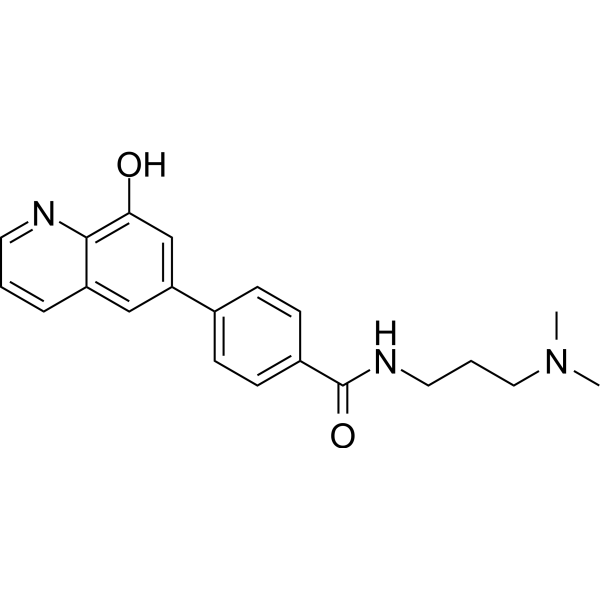
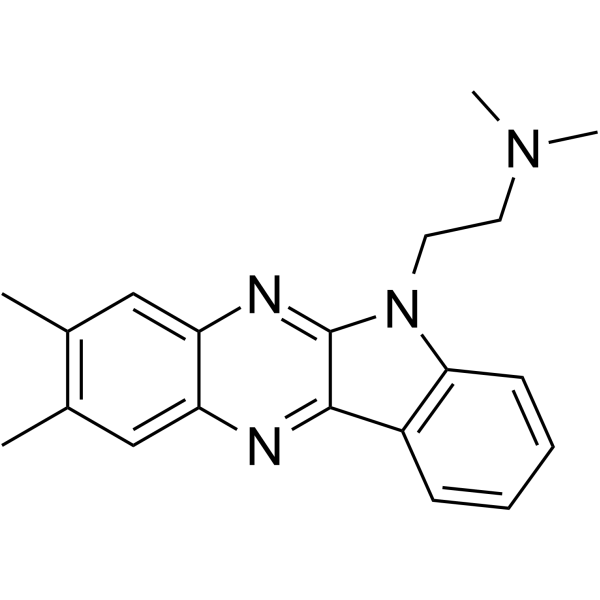
ML324 is a potent JMJD2 demethylase inhibitor with antiviral activity. ML324 also exhibits inhibition for the histone demethylase KDM4B, with an IC50 of 4.9 μM. ML324 has potent anti-viral activity against both herpes simplex virus (HSV) and humancytomegalovirus (hCMV) infection via inhibition viral IE gene expression .
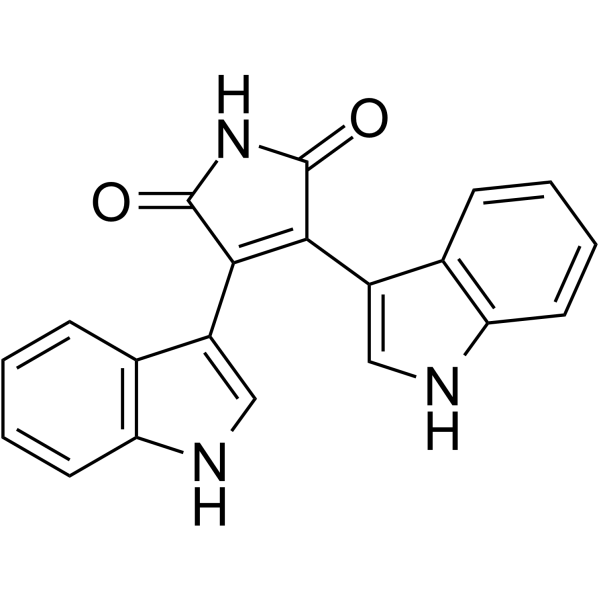
Bisindolylmaleimide IV (Arcyriarubin A) is a potent protein kinase C (PKC) inhibitor, with IC50s ranging from 0.1 to 0.55 μM. Bisindolylmaleimide IV also inhibits PKA (IC50=3.1-11.8μM) . Bisindolylmaleimide IV is a potent, selective inhibitor of humancytomegalovirus(HCMV) replication in cell culture with an IC50 of 0.2 μM .
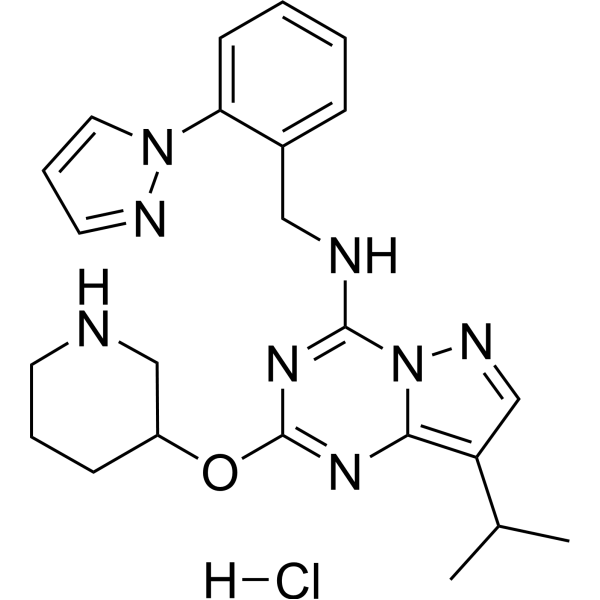
LDC4297 is a selective inhibitor of CDK7 with an IC50 value of 0.13 nM. LDC4297 inhibits humancytomegalovirus (HCMV) replication with an EC50 value of 24.5 nM. LDC4297 shows broad antiviral activities to Herpesviridae, Adenoviridae, Poxviridae, Retroviridae and Orthomyxoviridae with EC50 value of 0.02-1.21 μM. LDC4297 can be used for the research of infection .
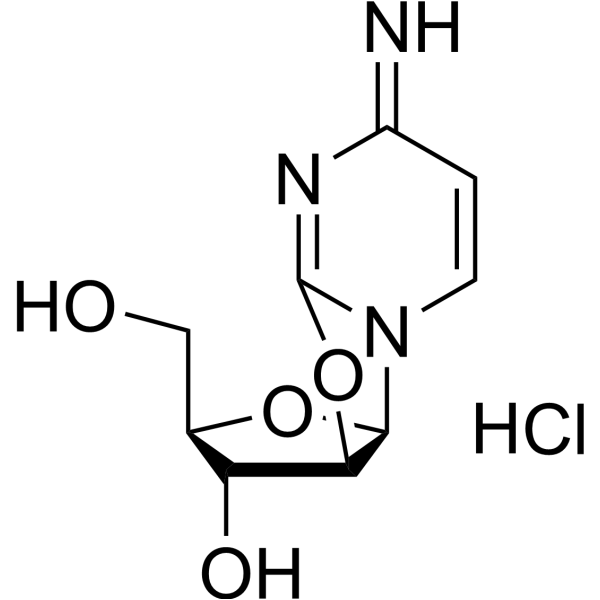
Ancitabine hydrochloride is a cytarabine derivative that inhibits viral replication. Ancitabine hydrochloride blocks vaccinia virus DNA replication, the progression of viral protein synthesis from early to late stages, and one-step growth of vaccinia virus. Ancitabine hydrochloride is applicable to research related to vaccinia virus infection, leukemia, humancytomegalovirus infection and colorectal cancer .
Fiztasovimab (NPC-21; EV2038) is a fully human IgG1λ mAb against humancytomegalovirus (hCMV). Fiztasovimab acts neutralizing activity by binding to the antigenic domain 1 of glycoprotein B on hCMV envelope. Fiztasovimab inhibits cell-to-cell transmission of hCMV .
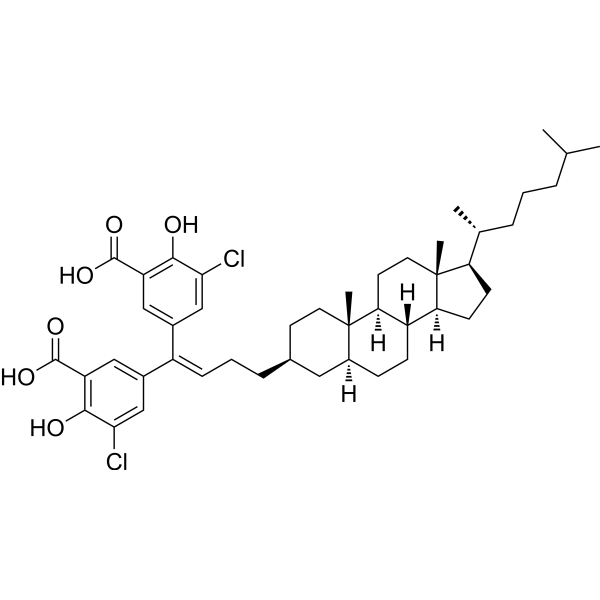
Cosalane (NSC 658586) is a CCR7 (IC50 = 2.43 μM) and CXCR2 antagonist (IC50 = 0.66 μM). Cosalane is an inhibitor of HIV replication with a wide range of activity against HIV-1 isolates, HIV-2, Rauscher murine leukemia virus, HSV-1, HSV-2 and humancytomegalovirus. Cosalane inhibits both attachment of gp120 to CD4. Cosalane inhibits human and murine CCR7 in response to both CCL19 and CCL21 agonists. Cosalane can be studied in research for HIV or attenuating acute graft-versus-host disease (aGVHD) in allogeneic hematopoietic stem cell transplantation (HSCT) .
PNU-183792, a 4-oxo-dihydroquinoline, is an orally active HSV polymerases inhibitor. PNU-183792 shows a broad-spectrum antiviral activity, with IC50 values of 0.69 μM, 0.37 μM and 0.58 μM for humancytomegalovirus (HCM), varicella zoster virus and HSV polymerases, respectively. PNU-183792 is inactive against human α, γ and δ polymerases. PNU-183792 also inhibits simian varicella virus (SVV), murine cytomegalovirus (MCMV) and rat cytomegalovirus (RCMV) .
Sevirumab (MSL-109) is a human IgG1 neutralizing monoclonal antibody against cytomegalovirus (CMV). Sevirumab recognizes CMV gH complexes and inhibits CMV replication with an EC50 of 0.3 μg/mL .
BX-513 hydrochloride (VUF 2274 hydrochloride)is a novel inverse agonists acting on humancytomegalovirus (HCMV)-encoded receptor US28 with the IC50 of 4.9 μM. BX-513 hydrochloride can be used for study of viral infection .
LDC4297 hydrochloride is a selective inhibitor of CDK7 with an IC50 value of 0.13 nM. LDC4297 hydrochloride inhibits humancytomegalovirus (HCMV) replication with an EC50 value of 24.5 nM. LDC4297 hydrochloride shows broad antiviral activities to Herpesviridae, Adenoviridae, Poxviridae, Retroviridae and Orthomyxoviridae with EC50 values of 0.02-1.21 μM. LDC4297 hydrochloride can be used for the research of infection .
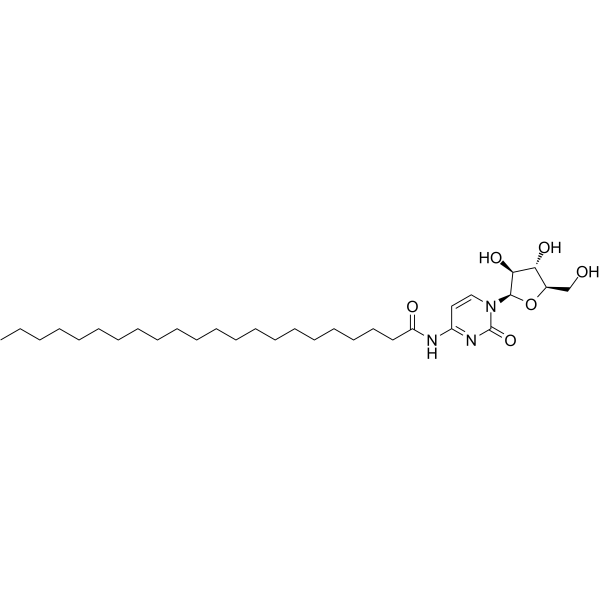
Enocitabine is a nucleoside analog, and is a potent DNA replication inhibitor, and a DNA chain terminator. Enocitabine inhibits the replication of humancytomegalovirus. Enocitabine has antileukemic and antiviral activities .
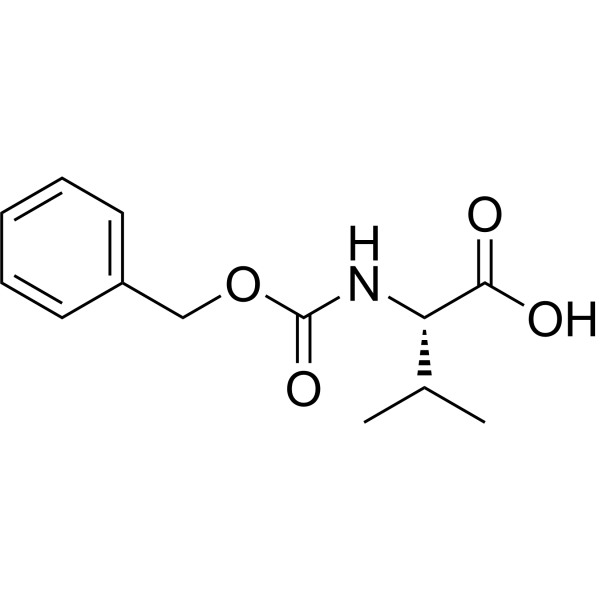
Z-L-Val-OH (N-Cbz-L-valine) is an amino acid derivative and key intermediate in organic synthesis. Z-L-Val-OH can be used in the synthesis of anti-cytomegalovirus compounds and peptide inhibitors of human spleen plasminogen activator (SFP) and human leukocyte elastase-like protease (ELP) .
CMV pp65(13-27) is a biological active peptide. (This peptide is derived from amino acid residues 13 to 27 of the 65k lower matrix phosphoprotein of the humancytomegalovirus. It contains a nine-amino-acid sequence (LGPISGHVL) that matches the consensus binding motif for a major histocompatibility complex H2-Dd T-cell epitope.)
Ganciclovir triphosphate (GCV-TP) disodium is a synthetic 2'-deoxyguanosine analog with activity in inhibiting humancytomegalovirus (CMV) replication. Ganciclovir triphosphate disodium is effective against CMV infection by binding to viral DNA polymerase and interfering with viral DNA synthesis. Ganciclovir triphosphate disodium has an IC50 of 0.01 μM against CMV strains from humans, monkeys, mice, and guinea pigs. Ganciclovir triphosphate disodium has also been used in gene-directed enzyme prodrug inhibition for cancer inhibition .
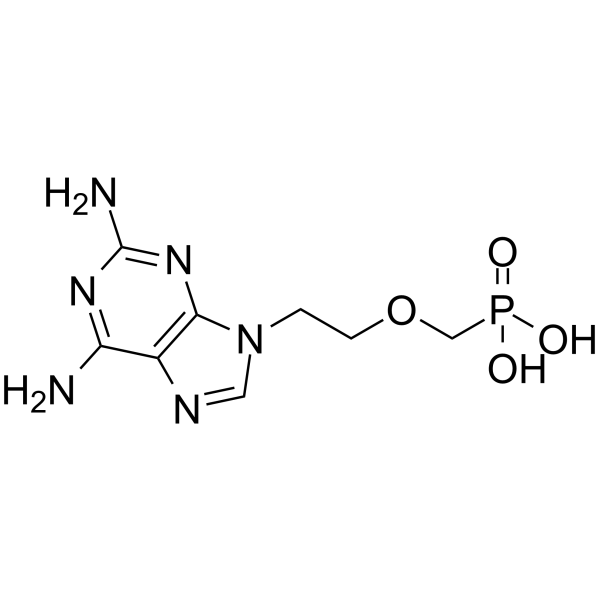
PMEDAP is a potent inhibitor of human immunodeficiency virus(HIV) replication. PMEDAP has anti-murine cytomegalovirus (MCMV) activity. PMEDAP is a very potent inhibitor of Moloney murine sarcoma virus (MSV)-induced tumor formation and associated mortality .
Ganciclovir triphosphate (GCV-TP) is a synthetic 2'-deoxyguanosine analog with activity in inhibiting humancytomegalovirus (CMV) replication. Ganciclovir triphosphate is effective against CMV infection by binding to viral DNA polymerase and interfering with viral DNA synthesis. Ganciclovir triphosphate has an IC50 of 0.01 μM against CMV strains from humans, monkeys, mice, and guinea pigs. Ganciclovir triphosphate has also been used in gene-directed enzyme prodrug inhibition for cancer inhibition .
BDCRB is a selective Humancytomegalovirus (HCMV) inhibitor through blocking the maturational cleavage of high-molecular-weight DNA. BDCRB shows a mean IC50 of 0.03 μM for viral yield at 72 h postinfection .
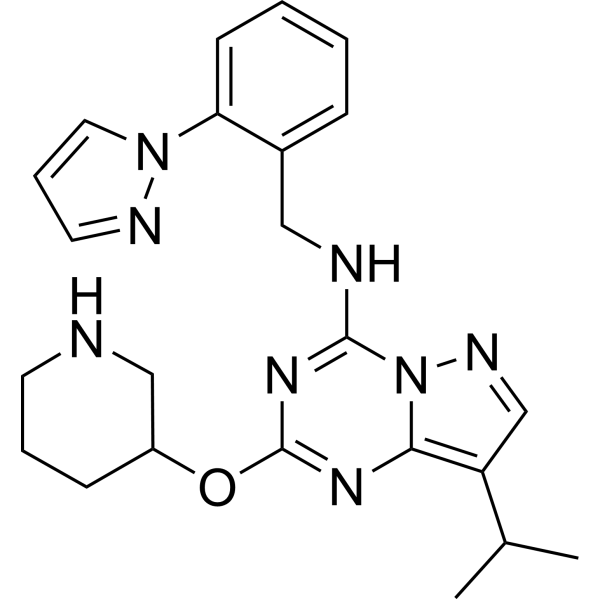
SGC-CK1γ-1 is a potent and selective probe for the CK1γ subfamily. SGC-CK1γ-1 can inhibit LRP6 phosphorylation levels. SGC-CK1γ-1 can selectively inhibit the CK1γ kinases in living cells and inhibit both WNT signaling and humancytomegalovirus (CMV) replication. SGC-CK1γ-1 can be used for the research of infection .
Ancitabine is a cytarabine derivative that inhibits viral replication. Ancitabine blocks vaccinia virus DNA replication, the progression of viral protein synthesis from early to late stages, and one-step growth of vaccinia virus. Ancitabine is applicable to research related to vaccinia virus infection, leukemia, humancytomegalovirus infection and colorectal cancer .
Naphthol AS-BS (Compound 1) is a humancytomegalovirus (HCMV) DNA polymerase alpha inhibitor with an IC50 of 12 μM. Naphthol AS-BS can be used for the research of infection .
2-Chlorobenzimidazole is a pharmaceutical intermediate used in the synthesis of a series of derivatives with anti-humancytomegalovirus (HCMV) activity. 2-Chlorobenzimidazole can be used to form metal complexes (cobalt, copper, and zinc), with zinc complexes exhibiting significant anticancer activity .
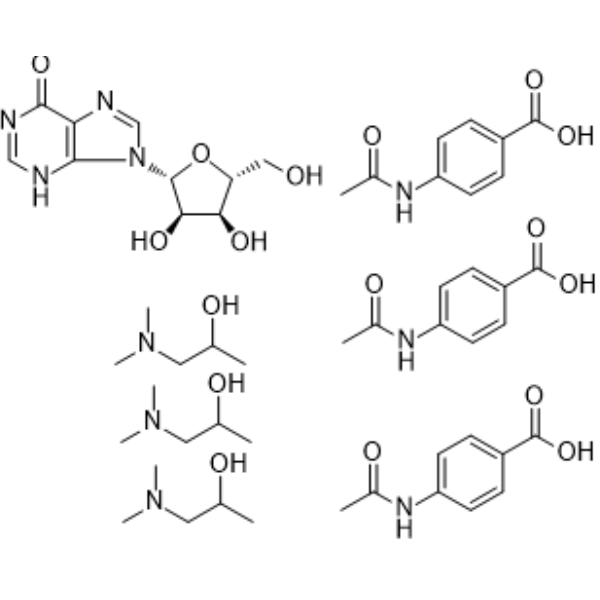
Inosine pranobex (Standard) is the analytical standard of Inosine pranobex. This product is intended for research and analytical applications. Inosine pranobex is an orally active immunomodulator. Inosine pranobex has broad-spectrum antiviral activity. Inosine pranobex inhibits human immunodeficiency virus (HIV), herpes simplex virus (HSV), vaccinia virus (VACV), human tumor virus (HPV), Cytomegalovirus, influenza virus (INFV), parainfluenza virus (PIV), and Epstein-Barr virus .
VMAPRTLFL is a 9-mer peptide derived from the signal peptide of HLA-G and can serve as a peptide ligand for HLA-E. VMAPRTLFL plays a crucial role in regulating the functions of adaptive natural killer (NK) cells. Specifically, VMAPRTLFL enriches FcεRγ - adaptive NK cells, upregulates the expression of CD25, and enhances their proliferative activity, antibody-dependent cellular cytotoxicity (ADCC), and IFN-γ release. VMAPRTLFL can be used in research related to humancytomegalovirus (HCMV) infection, transplant rejection, and pregnancy immunity .
pUL89 Endonuclease-IN-2 (Compound 15k) is a potent inhibitor of humancytomegalovirus (HCMV) pUL89 endonuclease with the IC50 of 3.0 μM. Antiviral activities .
pUL89 Endonuclease-IN-1 (Compound 13d) is a potent inhibitor of humancytomegalovirus (HCMV) pUL89 endonuclease with the IC50 value of 0.88 μM and has antiviral activitiy .
Bisindolylmaleimide IV (Standard) is the analytical standard of Bisindolylmaleimide IV. This product is intended for research and analytical applications. Bisindolylmaleimide IV (Arcyriarubin A) is a potent protein kinase C (PKC) inhibitor, with IC50s ranging from 0.1 to 0.55 μM. Bisindolylmaleimide IV also inhibits PKA (IC50=3.1-11.8μM) . Bisindolylmaleimide IV is a potent, selective inhibitor of humancytomegalovirus (HCMV) replication in cell culture with an IC50 of 0.2 μM .
Ancitabine hydrochloride (Standard) is the analytical standard of Ancitabine hydrochloride. This product is intended for research and analytical applications. Ancitabine hydrochloride is a cytarabine derivative that inhibits viral replication. Ancitabine hydrochloride blocks vaccinia virus DNA replication, the progression of viral protein synthesis from early to late stages, and one-step growth of vaccinia virus. Ancitabine hydrochloride is applicable to research related to vaccinia virus infection, leukemia, humancytomegalovirus infection and colorectal cancer .
CMV-423 is an antiviral agent with potent in vitro activity against the beta-herpesvirus humancytomegalovirus (HCMV), human herpesvirus 6 (HHV-6) and 7 (HHV-7). CMV-423 can be utilized in antiviral research .
Tricin-d6 is the deuterium labeled Tricin . Tricin is a natural flavonoid present in large amounts in Triticum aestivum. Tricin can inhibit humancytomegalovirus (HCMV) replication by inhibiting CDK9. Tricin inhibits the proliferation and invasion of C6 glioma cells via the upregulation of focal-adhesion-finase (FAK)-targeting microRNA-7 .
BAY-43-9695 is a nonnucleosidic with activity against humancytomegalovirus (hCMV) with IC50 of 0.95 and 1.1 μM, using the FACS and PRA methodes. BAY-43-9695 inhibits the HCMV replication with and without presence of serum proteins, with IC50 of 0.53 and 8.42 μM. BAY-43-9695 is the metabolite of Tomeglovir (BAY38-4766) (HY-108261) .
MLS8969 is a selective humancytomegalovirus (HCMV) entry inhibitor with an EC50 of 0.12 μM (HFFs). MLS8969 reduces viral protein levels and inhibits nuclear staining of HCMV pp65. MLS8969 can be used in studies related to humancytomegalovirus infection .
LC-1310 is an antiviral agent that targets and inhibits p97, and it suppresses the in vitro replication of humancytomegalovirus (HCMV) with an EC50 value of 0.3 μM. LC-1310 targets the D2 ATP-binding site of p97, downregulates the expression of early viral proteins, thereby blocking the transcription and proliferation of early viral genes. LC-1310 can be used for research on humancytomegalovirus infection .
Anti-HCMV gB Antibody (SM5-1) is an efficient neutralizing human monoclonal antibody that targets the humancytomegalovirus (HCMV) glycoprotein B (gB). Anti-HCMV gB Antibody (SM5-1) neutralizes HCMV by blocking the conformational changes of gB and interfering with its binding to the gH/gL complex. Anti-HCMV gB Antibody (SM5-1) can broadly neutralize different virus strains and inhibit the infection of various cell types (such as fibroblasts, epithelial cells, and dendritic cells). Anti-HCMV gB Antibody (SM5-1) can be used in HCMV vaccine research .
PMEG is a nuclear DNA polymerases α, δ, and ε inhibitor that causes DNA chain termination, inhibits DNA synthesis, induces cytotoxicity in dividing cells. PMEG is an acyclic nucleotide phosphonate that forms an active phosphorylated metabolite, PMEG diphosphate, within cells. PMEG has activity against leukemia and melanoma in rodent models. PMEG has poor cell permeability; its prodrug is Rabacfosadine (GS-9219) (HY-13640). PMEG shows antiviral activity against against various DNA virus infections including murine cytomegalovirus (MCMV) and humancytomegalovirus (HCMV). PMEG can be used for the research of non-hodgkin's lymphoma[1][2].
PMEDAP (Standard) is the analytical standard of PMEDAP (HY-106382). This product is intended for research and analytical applications. PMEDAP is a potent inhibitor of human immunodeficiency virus (HIV) replication. PMEDAP has anti-murine cytomegalovirus (MCMV) activity. PMEDAP is a very potent inhibitor of Moloney murine sarcoma virus (MSV)-induced tumor formation and associated mortality .
TL-119 (A-3302-B) is a polypeptide. TL-119 can be isolated from the bacteria Micromonospora sp. MAG 9-7 and Saccharomonospora sp. CNQ-490. TL-119 inhibits TRPV-1. TL-119 exhibits antiviral activity against HSV-2. TL-119 possesses anticancer activity against gastric cancer and colorectal cancer .
DNA polymerase-IN-6 formic is an antiviral agent and a DNA polymerase inhibitor. DNA polymerase-IN-6 formic inhibits the replication of HCMV, HSV-1, HSV-2 and EBV. DNA polymerase-IN-6 formic exhibits low cytotoxicity in mammalian cells. DNA polymerase-IN-6 formic can be used in research related to viral infections .
Z-L-Val-OH (N-Cbz-L-valine) is an amino acid derivative and key intermediate in organic synthesis. Z-L-Val-OH can be used in the synthesis of anti-cytomegalovirus compounds and peptide inhibitors of human spleen plasminogen activator (SFP) and human leukocyte elastase-like protease (ELP) .
2-Chlorobenzimidazole is a pharmaceutical intermediate used in the synthesis of a series of derivatives with anti-humancytomegalovirus (HCMV) activity. 2-Chlorobenzimidazole can be used to form metal complexes (cobalt, copper, and zinc), with zinc complexes exhibiting significant anticancer activity .
CMV pp65(13-27) is a biological active peptide. (This peptide is derived from amino acid residues 13 to 27 of the 65k lower matrix phosphoprotein of the humancytomegalovirus. It contains a nine-amino-acid sequence (LGPISGHVL) that matches the consensus binding motif for a major histocompatibility complex H2-Dd T-cell epitope.)
VMAPRTLFL is a 9-mer peptide derived from the signal peptide of HLA-G and can serve as a peptide ligand for HLA-E. VMAPRTLFL plays a crucial role in regulating the functions of adaptive natural killer (NK) cells. Specifically, VMAPRTLFL enriches FcεRγ - adaptive NK cells, upregulates the expression of CD25, and enhances their proliferative activity, antibody-dependent cellular cytotoxicity (ADCC), and IFN-γ release. VMAPRTLFL can be used in research related to humancytomegalovirus (HCMV) infection, transplant rejection, and pregnancy immunity .
TL-119 (A-3302-B) is a polypeptide. TL-119 can be isolated from the bacteria Micromonospora sp. MAG 9-7 and Saccharomonospora sp. CNQ-490. TL-119 inhibits TRPV-1. TL-119 exhibits antiviral activity against HSV-2. TL-119 possesses anticancer activity against gastric cancer and colorectal cancer .
Fiztasovimab (NPC-21; EV2038) is a fully human IgG1λ mAb against humancytomegalovirus (hCMV). Fiztasovimab acts neutralizing activity by binding to the antigenic domain 1 of glycoprotein B on hCMV envelope. Fiztasovimab inhibits cell-to-cell transmission of hCMV .
Sevirumab (MSL-109) is a human IgG1 neutralizing monoclonal antibody against cytomegalovirus (CMV). Sevirumab recognizes CMV gH complexes and inhibits CMV replication with an EC50 of 0.3 μg/mL .
Anti-HCMV gB Antibody (SM5-1) is an efficient neutralizing human monoclonal antibody that targets the humancytomegalovirus (HCMV) glycoprotein B (gB). Anti-HCMV gB Antibody (SM5-1) neutralizes HCMV by blocking the conformational changes of gB and interfering with its binding to the gH/gL complex. Anti-HCMV gB Antibody (SM5-1) can broadly neutralize different virus strains and inhibit the infection of various cell types (such as fibroblasts, epithelial cells, and dendritic cells). Anti-HCMV gB Antibody (SM5-1) can be used in HCMV vaccine research .
Ancitabine hydrochloride is a cytarabine derivative that inhibits viral replication. Ancitabine hydrochloride blocks vaccinia virus DNA replication, the progression of viral protein synthesis from early to late stages, and one-step growth of vaccinia virus. Ancitabine hydrochloride is applicable to research related to vaccinia virus infection, leukemia, humancytomegalovirus infection and colorectal cancer .
The gB Protein is an envelope glycoprotein that plays a role in host cell entry, cell-to-cell viral transmission, and infected cell fusion. gB Protein interacts with heparin sulfate proteoglycan and forms an association with gH/gL heterodimer. HCMV Glycoprotein B/gB Protein (HEK293) is the recombinant virus-derived HCMV Glycoprotein B/gB protein, expressed by HEK293, with tag free and cleavage site mutated RTKR to TTQT.
The gB Protein is an envelope glycoprotein that plays a role in host cell entry, cell-to-cell viral transmission, and infected cell fusion. gB Protein interacts with heparin sulfate proteoglycan and forms an association with gH/gL heterodimer. HCMV Glycoprotein B/gB Protein (HEK293, Fc) is the recombinant virus-derived HCMV Glycoprotein B/gB protein, expressed by HEK293, with C-hFc labeled tag and cleavage site mutated RTKR to TTQT.
The gB Protein is an envelope glycoprotein that plays a role in host cell entry, cell-to-cell viral transmission, and infected cell fusion. gB Protein interacts with heparin sulfate proteoglycan and forms an association with gH/gL heterodimer. HCMV Glycoprotein B/gB Protein (676a.a, HEK293, Fc) is the recombinant Virus-derived HCMV Glycoprotein B/gB protein, expressed by HEK293 , with C-hFc labeled tag.
Tricin-d6 is the deuterium labeled Tricin . Tricin is a natural flavonoid present in large amounts in Triticum aestivum. Tricin can inhibit humancytomegalovirus (HCMV) replication by inhibiting CDK9. Tricin inhibits the proliferation and invasion of C6 glioma cells via the upregulation of focal-adhesion-finase (FAK)-targeting microRNA-7 .
온라인 문의
Your information is safe with us. * Required Fields.
Western blot analysis of extracts from THP-1(lane 2(20μg), Jurkat (lane 3(20μg) and NIH3T3(lane 4(20μg) using FOXO1A (HY-P80132) Rabbit mAb. Proteins were transferred
to a PVDF membrane and blocked with 5% non-fat milk in TBST for 2 hour at room temperature. The primary antibody (1/1000) and Loading control antibody (Beta Actin, HY-P80438, 1/10000) was
used in 5% non-fat milk in TBST at 4°C overnight. Goat Anti-Mouse/Rabbit IgG-HRP Secondary Antibody (1/10000) was used for 1 hour at room temperature.
Western blot analysis of extracts from THP-1(lane 2(20μg), Jurkat (lane 3(20μg) and NIH3T3(lane 4(20μg) using FOXO1A (HY-P80132) Rabbit mAb. Proteins were transferred
to a PVDF membrane and blocked with 5% non-fat milk in TBST for 2 hour at room temperature. The primary antibody (1/1000) and Loading control antibody (Beta Actin, HY-P80438, 1/10000) was
used in 5% non-fat milk in TBST at 4°C overnight. Goat Anti-Mouse/Rabbit IgG-HRP Secondary Antibody (1/10000) was used for 1 hour at room temperature.
Western blot analysis of extracts from THP-1(lane 2(20μg), Jurkat (lane 3(20μg) and NIH3T3(lane 4(20μg) using FOXO1A (HY-P80132) Rabbit mAb. Proteins were transferred
to a PVDF membrane and blocked with 5% non-fat milk in TBST for 2 hour at room temperature. The primary antibody (1/1000) and Loading control antibody (Beta Actin, HY-P80438, 1/10000) was
used in 5% non-fat milk in TBST at 4°C overnight. Goat Anti-Mouse/Rabbit IgG-HRP Secondary Antibody (1/10000) was used for 1 hour at room temperature.
Western blot analysis of extracts from THP-1(lane 2(20μg), Jurkat (lane 3(20μg) and NIH3T3(lane 4(20μg) using FOXO1A (HY-P80132) Rabbit mAb. Proteins were transferred
to a PVDF membrane and blocked with 5% non-fat milk in TBST for 2 hour at room temperature. The primary antibody (1/1000) and Loading control antibody (Beta Actin, HY-P80438, 1/10000) was
MedchemExpress Validation 03
Western blot analysis of extracts from THP-1(lane 2(20μg), Jurkat (lane 3(20μg) and NIH3T3(lane 4(20μg) using FOXO1A (HY-P80132) Rabbit mAb. Proteins were transferred
MedchemExpress Validation 04
Western blot analysis of extracts from THP-1(lane 2(20μg), Jurkat (lane 3(20μg) and NIH3T3(lane 4(20μg) using FOXO1A (HY-P80132) Rabbit mAb. Proteins were transferred
to a PVDF membrane and blocked with 5% non-fat milk in TBST for 2 hour at room temperature. The primary antibody (1/1000) and Loading control antibody (Beta Actin, HY-P80438, 1/10000) was
used in 5% non-fat milk in TBST at 4°C overnight. Goat Anti-Mouse/Rabbit IgG-HRP Secondary Antibody (1/10000) was used for 1 hour at room temperature.
MedchemExpress Validation
Western blot analysis of extracts from THP-1(lane 2(20μg), Jurkat (lane 3(20μg) and NIH3T3(lane 4(20μg) using FOXO1A (HY-P80132) Rabbit mAb. Proteins were transferred
to a PVDF membrane and blocked with 5% non-fat milk in TBST for 2 hour at room temperature. The primary antibody (1/1000) and Loading control antibody (Beta Actin, HY-P80438, 1/10000) was
used in 5% non-fat milk in TBST at 4°C overnight. Goat Anti-Mouse/Rabbit IgG-HRP Secondary Antibody (1/10000) was used for 1 hour at room temperature.
Western blot analysis of extracts from THP-1(lane 2(20μg), Jurkat (lane 3(20μg) and NIH3T3(lane 4(20μg) using FOXO1A (HY-P80132) Rabbit mAb. Proteins were transferred
to a PVDF membrane and blocked with 5% non-fat milk in TBST for 2 hour at room temperature. The primary antibody (1/1000) and Loading control antibody (Beta Actin, HY-P80438, 1/10000) was
used in 5% non-fat milk in TBST at 4°C overnight. Goat Anti-Mouse/Rabbit IgG-HRP Secondary Antibody (1/10000) was used for 1 hour at room temperature.
MedchemExpress Validation
Western blot analysis of extracts from THP-1(lane 2(20μg), Jurkat (lane 3(20μg) and NIH3T3(lane 4(20μg) using FOXO1A (HY-P80132) Rabbit mAb. Proteins were transferred
to a PVDF membrane and blocked with 5% non-fat milk in TBST for 2 hour at room temperature. The primary antibody (1/1000) and Loading control antibody (Beta Actin, HY-P80438, 1/10000) was
used in 5% non-fat milk in TBST at 4°C overnight. Goat Anti-Mouse/Rabbit IgG-HRP Secondary Antibody (1/10000) was used for 1 hour at room temperature.
MedchemExpress Validation
Western blot analysis of extracts from THP-1(lane 2(20μg), Jurkat (lane 3(20μg) and NIH3T3(lane 4(20μg) using FOXO1A (HY-P80132) Rabbit mAb. Proteins were transferred
to a PVDF membrane and blocked with 5% non-fat milk in TBST for 2 hour at room temperature. The primary antibody (1/1000) and Loading control antibody (Beta Actin, HY-P80438, 1/10000) was
used in 5% non-fat milk in TBST at 4°C overnight. Goat Anti-Mouse/Rabbit IgG-HRP Secondary Antibody (1/10000) was used for 1 hour at room temperature.
MedchemExpress Validation
Western blot analysis of extracts from THP-1(lane 2(20μg), Jurkat (lane 3(20μg) and NIH3T3(lane 4(20μg) using FOXO1A (HY-P80132) Rabbit mAb. Proteins were transferred
to a PVDF membrane and blocked with 5% non-fat milk in TBST for 2 hour at room temperature. The primary antibody (1/1000) and Loading control antibody (Beta Actin, HY-P80438, 1/10000) was
used in 5% non-fat milk in TBST at 4°C overnight. Goat Anti-Mouse/Rabbit IgG-HRP Secondary Antibody (1/10000) was used for 1 hour at room temperature.
MedchemExpress Validation
Western blot analysis of extracts from THP-1(lane 2(20μg), Jurkat (lane 3(20μg) and NIH3T3(lane 4(20μg) using FOXO1A (HY-P80132) Rabbit mAb. Proteins were transferred
to a PVDF membrane and blocked with 5% non-fat milk in TBST for 2 hour at room temperature. The primary antibody (1/1000) and Loading control antibody (Beta Actin, HY-P80438, 1/10000) was
used in 5% non-fat milk in TBST at 4°C overnight. Goat Anti-Mouse/Rabbit IgG-HRP Secondary Antibody (1/10000) was used for 1 hour at room temperature.
MedchemExpress Validation
Western blot analysis of extracts from THP-1(lane 2(20μg), Jurkat (lane 3(20μg) and NIH3T3(lane 4(20μg) using FOXO1A (HY-P80132) Rabbit mAb. Proteins were transferred
to a PVDF membrane and blocked with 5% non-fat milk in TBST for 2 hour at room temperature. The primary antibody (1/1000) and Loading control antibody (Beta Actin, HY-P80438, 1/10000) was
used in 5% non-fat milk in TBST at 4°C overnight. Goat Anti-Mouse/Rabbit IgG-HRP Secondary Antibody (1/10000) was used for 1 hour at room temperature.
MedchemExpress Validation
Western blot analysis of extracts from THP-1(lane 2(20μg), Jurkat (lane 3(20μg) and NIH3T3(lane 4(20μg) using FOXO1A (HY-P80132) Rabbit mAb. Proteins were transferred
to a PVDF membrane and blocked with 5% non-fat milk in TBST for 2 hour at room temperature. The primary antibody (1/1000) and Loading control antibody (Beta Actin, HY-P80438, 1/10000) was
used in 5% non-fat milk in TBST at 4°C overnight. Goat Anti-Mouse/Rabbit IgG-HRP Secondary Antibody (1/10000) was used for 1 hour at room temperature.
MedChemExpress values your privacy and your trust is important to us. We use cookies to enhance your website experience. Some cookies are necessary to run the website.
Privacy and Cookie Policy

