Search Result
Results for "
human umbilical vein endothelial HUVEC cell
" in MedChemExpress (MCE) Product Catalog:
2
Biochemical Assay Reagents
| Cat. No. |
Product Name |
Target |
Research Areas |
Chemical Structure |
-
- HY-170230
-
|
ECGS,Bovine
|
Biochemical Assay Reagents
|
Others
|
|
Bovine Endothelial cell growth supplement, suitable for cell culture (ECGS, Bovine) is a culture medium supplement, endothelial cell growth supplement (ECGS), which promotes the proliferation of human saphenous vein endothelial cells (HSVEC) and human umbilical vein endothelial cells (HUVEC) .
|
-

-
- HY-P991202
-
|
|
TSH Receptor
PKA
|
Metabolic Disease
Inflammation/Immunology
|
|
Anti-TSHR Antibody (M22) is a selective agonist targeting TSHR (thyroid-stimulating hormone receptor), acting through competitive binding to the extracellular domain of TSHR. Anti-TSHR Antibody (M22) can mimic the biological effects of thyroid-stimulating hormone (TSH), activating downstream cAMP-PKA and other signaling pathways. Anti-TSHR Antibody (M22) can stimulate the proliferation of thyroid follicular epithelial cells and human umbilical vein endothelial cells (HUVECs), promote angiogenesis and tube formation, cell migration, and also upregulate the expression of angiogenesis-related proteins such as PROX1. Anti-TSHR Antibody (M22) can be used in research areas such as the mechanisms of goiter formation in Graves' disease (GD), angiogenesis regulation, and TSHR antagonist screening .
|
-

-
- HY-N0515
-
|
|
PPAR
NF-κB
Calcium Channel
Reactive Oxygen Species (ROS)
ERK
|
Cardiovascular Disease
Metabolic Disease
Inflammation/Immunology
|
|
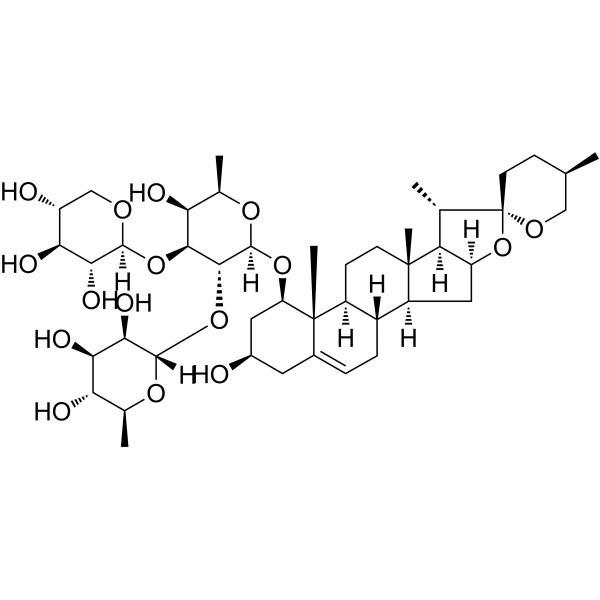
Ophiopogonin D can be isolated from the tubers of Ophiopogon japonicus, is a rare naturally occurring C29 steroidal glycoside. Ophiopogonin D is a CYP2J3 inducer that significantly inhibits Ang II induced NF-κB nuclear translocation, IκBα down-regulation, intracellular Ca 2+ overload and activation of pro-inflammatory cytokines by increasing the expression of CYP2J2/EETs and PPARα in human umbilical vein endothelial cells (HUVECs). Ophiopogonin D can inhibit isteoclastic differentiation in RAW264.7 cells. Ophiopogonin D has protective effect as an antioxidant in H2O2-induced endothelial injury. Ophiopogonin D blocks ERK signaling cascades. Ophiopogonin D alleviates high-fat diet-induced metabolic syndrome and changes the structure of gut microbiota in mice. Ophiopogonin D has been used against inflammatory, metabolic and cardiovascular diseases .
|
-
-
- HY-19765
-
GSK2798745
Maximum Cited Publications
8 Publications Verification
|
TRP Channel
|
Cardiovascular Disease
|
|
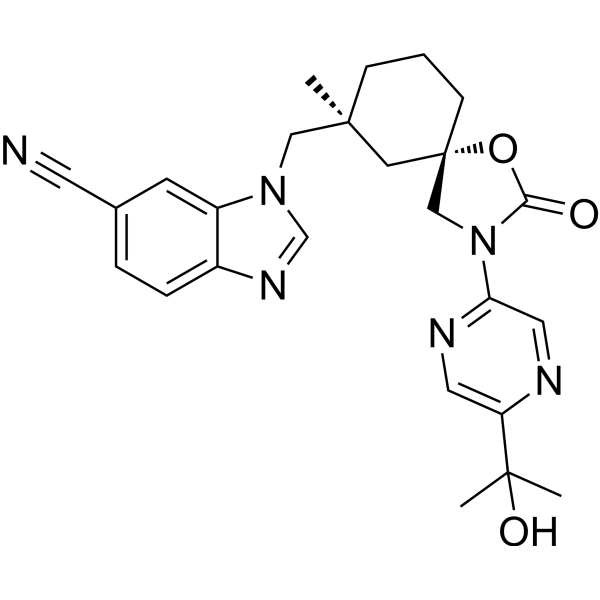
GSK2798745 is a potent, selective, and orally active transient receptor potential vanilloid 4 (TRPV4) ion channel blocker with IC50s of 1.8 and 1.6 nM for hTRPV4 and rTRPV4, respectively. GSK2798745 can be used in cardiac and respiratory diseases research .
|
-
-
- HY-B0987
-
-
-
- HY-P99333
-
|
M200; Eos 200-4
|
Integrin
|
Cardiovascular Disease
Cancer
|
|
Volociximab (M200) is a chimeric human/murine IgG4 antibody IIA1 targeting integrin α5β1 (EC50=0.2 nM). Integrin α5β1 is a major fibronectin receptor involved in angiogenesis. Volociximab has antiangiogenic and antitumor activities and inhibits the proliferation of human umbilical vein vascular endothelial cells (HUVECs) .
|
-

-
- HY-W588250
-
|
|
Integrin
|
Inflammation/Immunology
|
|
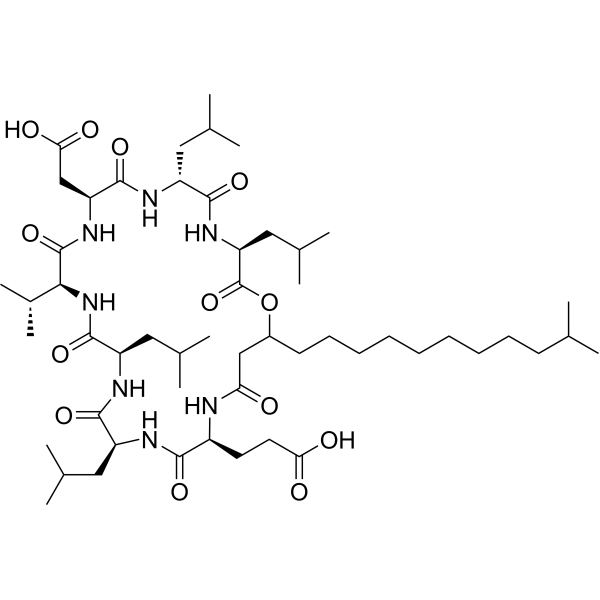
Surfactin C1 is an amphiphilic biosurfactants. Surfactin C1 inhibits leukemic cell (HL-60) adhesion to human umbilical vein endothelial cells (HUVEC). Surfactin C1 inhibits adhesion melecules expression, such as ICAM-1 and VCAM-1 .
|
-
-
- HY-122627
-
|
|
Bcl-2 Family
Apoptosis
|
Cancer
|
|
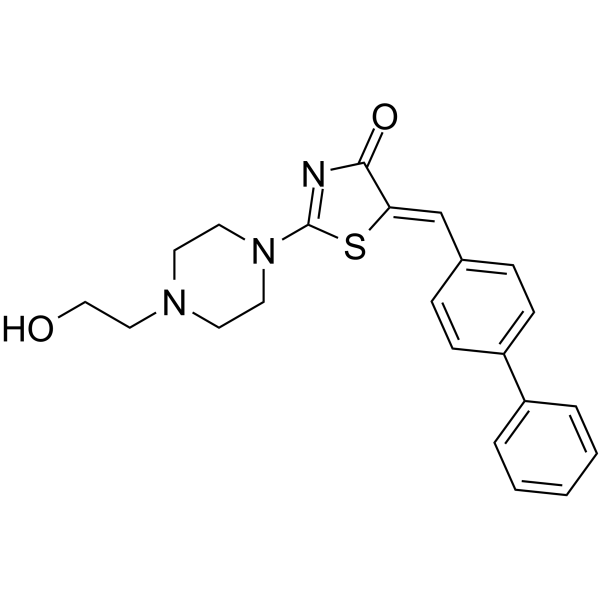
CLZ-8 (Compound 8) is an orally active Mcl-1-PUMA interface inhibitor, with a Ki of 0.3 μM. CLZ-8 exhibits dual activity on reduce PUMA-dependent apoptosis while deactivating Mcl-1-mediated anti-apoptosis in cancer cells .
|
-
-
- HY-N2960
-
|
|
Cholinesterase (ChE)
|
Cardiovascular Disease
Cancer
|
|
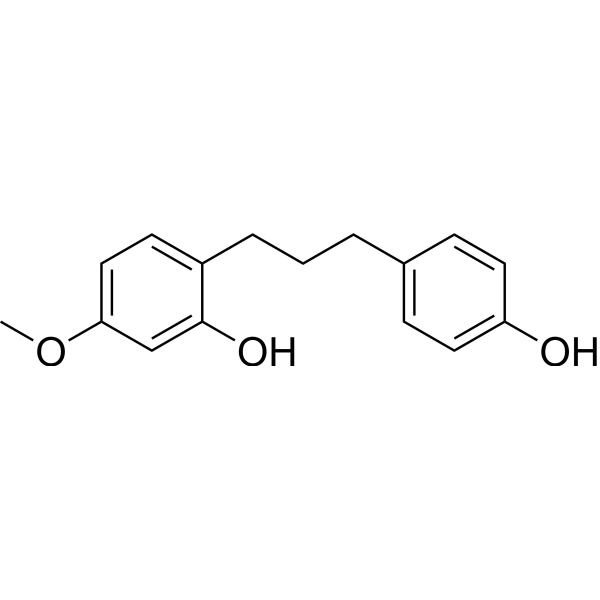
Broussonin A is a potent BChE inhibitor, with an IC50 of 4.16 µM. Broussonin A is a diarylpropane natural product that can be isolated from the bark of Broussonetia papyrifera after solid fermentation .
|
-
-
- HY-148877
-
|
|
HSP
HSV
HIF/HIF Prolyl-Hydroxylase
VEGFR
NF-κB
ERK
Akt
FAK
|
Infection
Inflammation/Immunology
Cancer
|
|
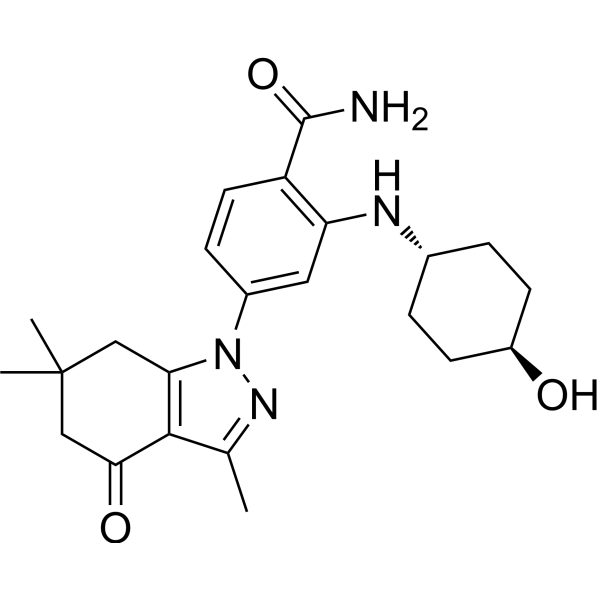
AT-533 is a potent Hsp90 and HSV inhibitor. AT-533 suppresses tumor growth and angiogenesis by blocking the HIF-1α/VEGF/VEGFR-2 signaling pathway. AT-533 also inhibits the activation of the downstream pathways, including Akt/mTOR/p70S6K, Erk1/2 and FAK. AT-533 inhibits the tube formation, cell migration, and invasion of human umbilical vein endothelial cells (HUVECs) .
|
-
-
- HY-125919
-
-
-
- HY-P3318
-
|
L-BOC2
|
Leukotriene Receptor
|
Inflammation/Immunology
|
|
Boc-Phe-Leu-Phe-Leu-Phe (Boc-FLFLF) is a N-formyl peptide receptors (FPR) inhibitor. Boc-Phe-Leu-Phe-Leu-Phe abolishes the FMLP-induced release of peptide leukotrienes. Boc-Phe-Leu-Phe-Leu-Phe inhibits the sprouting of human umbilical vein endothelial cell (HUVEC) spheroids mediated by proliferative diabetic retinopathy (PDR) vitreous and vascular endothelial growth factor (VEGF) respectively in a three-dimensional fibrin gel. Boc-Phe-Leu-Phe-Leu-Phe inhibits the anti-inflammatory and antifibrotic effects of Ac2-26 (HY-P1098). Boc-Phe-Leu-Phe-Leu-Phe can be used for the study of immunology .
|
-

-
- HY-N6737
-
|
|
Bacterial
Antibiotic
|
Infection
|
|
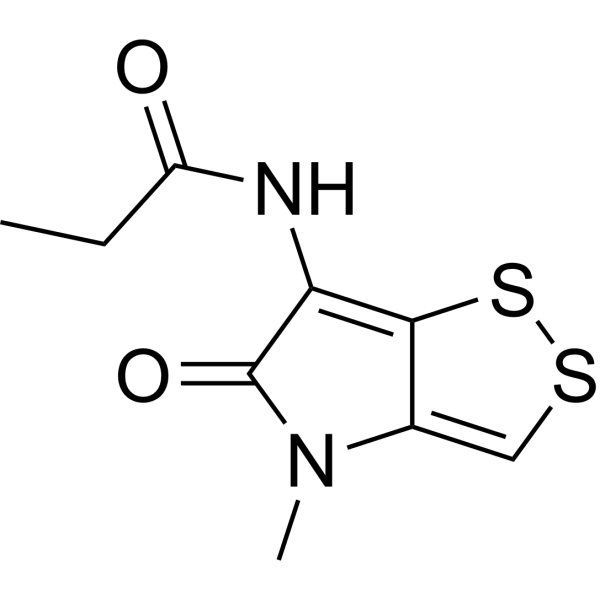
Aureothricin is a dithiolopyrrolone (DTP) antibiotic first isolated from Streptomyces and exhibits relatively broad-spectrum antibiotic activity. Aureothricin can inhibit adhesion of human umbilical vein endothelial cells (HUVECs) to vitronectin .
|
-
-
- HY-118622
-
|
|
Others
|
Others
|
Isogentisin is a cell protector. Isogentisin can shield human umbilical vein endothelial cells (HUVEC) from cell death caused by H202 and UV exposure. Isogentisin can also prevent endothelial damage triggered by smoking by activating cell repair functions to promote cell survival .
|
-

-
- HY-Y0131
-
|
|
Biochemical Assay Reagents
|
Others
|
|
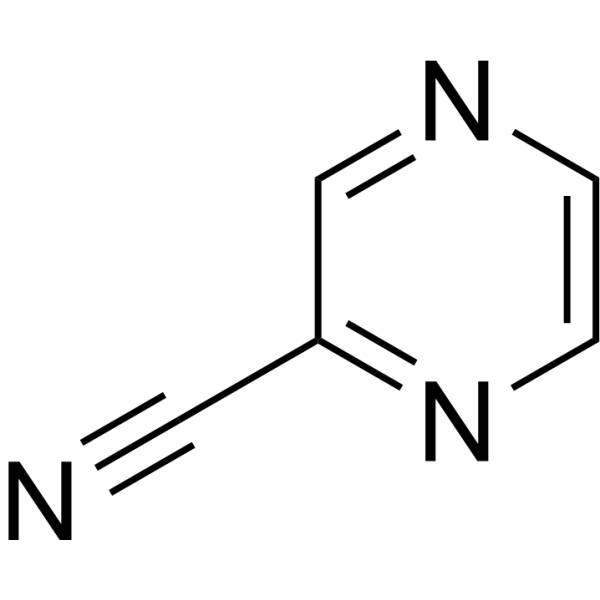
Pyrazine-2-carbonitrile is a biochemical reagent that can be used as a biological material or organic compound for life science related research .
|
-
-
- HY-W013557
-
|
3-Hydroxy-xanthen-9-one
|
Integrin
|
Inflammation/Immunology
|
|
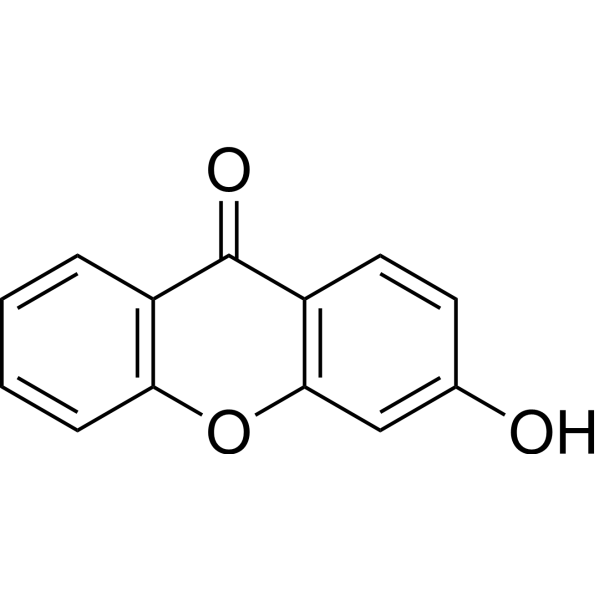
3-Hydroxyxanthone (3-Hydroxy-xanthen-9-one) is a xanthone compound, with . 3-Hydroxyxanthone inhibits NADPH-catalysed lipid peroxidation in human umbilical vein endothelial cells (HUVECs). 3-Hydroxyxanthone also inhibits TNF-alpha induced ICAM-1 expression .
|
-
-
- HY-13645
-
|
|
VEGFR
c-Kit
PDGFR
|
Cancer
|
|
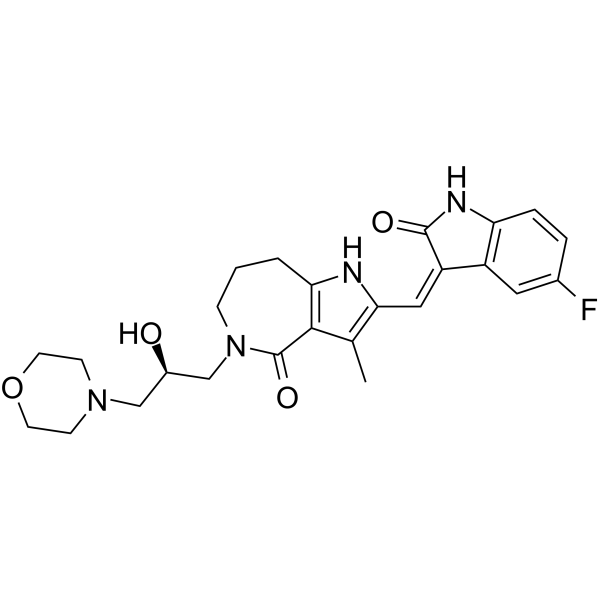
Henatinib is an orally active small-molecule multikinase inhibitor that has demonstrated broad and potent antitumor activities. Henatinib inhibits the activity of VEGFR-2, c-kit, PDGFR with IC50 values of 0.6 nM, 3.3 nM and 41.5 nM, respectively. Henatinib significantly inhibits VEGFR-2 phosphorylation and its downstream signal pathway in human umbilical vein endothelial cells (HUVECs) .
|
-
-
- HY-133924
-
|
RQN-18690A
|
SF3B1
|
Cardiovascular Disease
Cancer
|
|
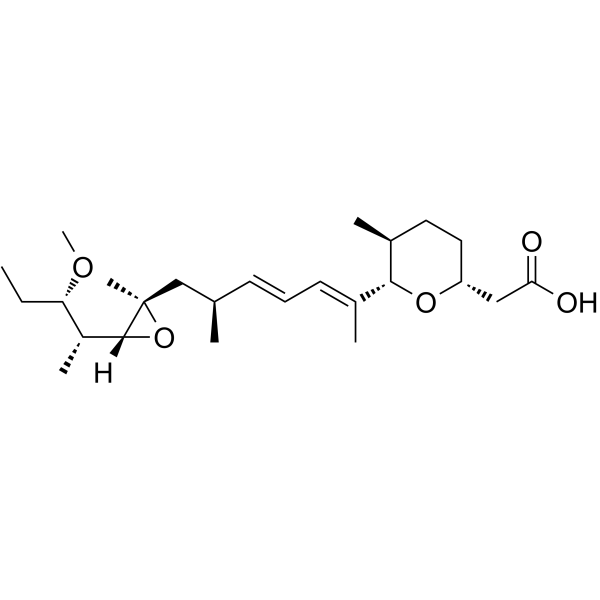
18-Deoxyherboxidiene (RQN-18690A) is a potent angiogenesis inhibitor. 18-Deoxyherboxidiene targets SF3b, a spliceosome component that is a subcomplex of the U2 small nuclear ribonucleoprotein (snRNP) in the spliceosome. 18-Deoxyherboxidiene inhibits the migration and tube formation of human umbilical vein endothelial cells (HUVECs) without significant cell toxicity. 18-Deoxyherboxidiene has the potential for cancer research .
|
-
-
- HY-N0515R
-
|
|
Reference Standards
PPAR
NF-κB
Calcium Channel
ERK
Reactive Oxygen Species (ROS)
|
Cardiovascular Disease
Metabolic Disease
Inflammation/Immunology
|
|
Ophiopogonin D (Standard) is the analytical standard of Ophiopogonin D. This product is intended for research and analytical applications. Ophiopogonin D can be isolated from the tubers of Ophiopogon japonicus, is a rare naturally occurring C29 steroidal glycoside. Ophiopogonin D is a CYP2J3 inducer that significantly inhibits Ang II induced NF-κB nuclear translocation, IκBα down-regulation, intracellular Ca2+ overload and activation of pro-inflammatory cytokines by increasing the expression of CYP2J2/EETs and PPARα in human umbilical vein endothelial cells (HUVECs). Ophiopogonin D can inhibit isteoclastic differentiation in RAW264.7 cells. Ophiopogonin D has protective effect as an antioxidant in H2O2-induced endothelial injury. Ophiopogonin D blocks ERK signaling cascades. Ophiopogonin D alleviates high-fat diet-induced metabolic syndrome and changes the structure of gut microbiota in mice. Ophiopogonin D has been used against inflammatory, metabolic and cardiovascular diseases .
|
-

-
- HY-N2927
-
|
β-Costic acid
|
Parasite
|
Infection
|
|
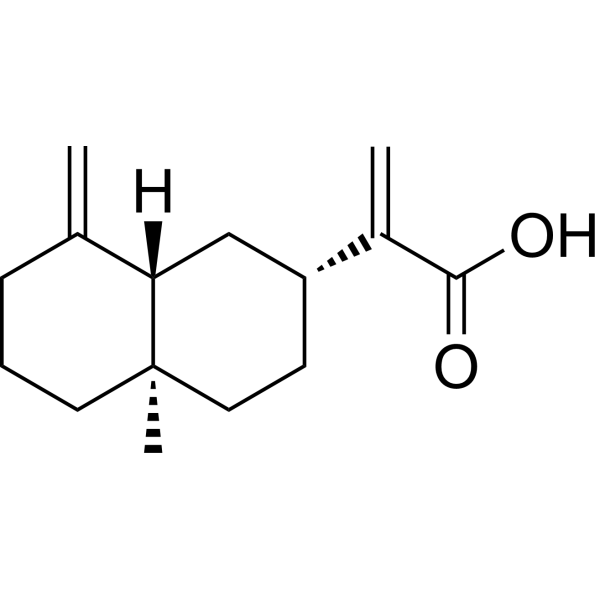
Costic acid (β-Costic acid) is a natural product, that can be isolated from Dittrichia viscosa. Costic acid exhibits potent in vivo acaricidal activity against the parasite. Costic acid is not toxic for human umbilical vein endothelial cells (HUVEC) at concentrations of up to 230 μM. Costic acid can be used for the research of varroosis in honey bee colonies .
|
-
-
- HY-120200
-
|
|
VEGFR
|
Cardiovascular Disease
Cancer
|
|
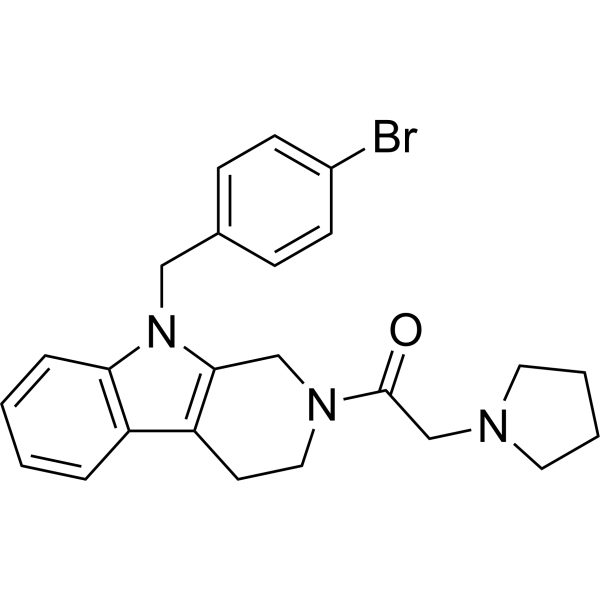
YF-452 is a potent inhibitor of vascular endothelial growth factor receptor 2 (VEGFR2). YF-452 remarkably inhibits the migration, invasion and tube-like structure formation of human umbilical vein endothelial cells (HUVECs) with little toxicity. YF-452 inhibits VEGF-induced phosphorylation of VEGFR2 kinase and the downstream protein kinases including extracellular signal regulated kinase (ERK), focal adhesion kinase (FAK) and Src. YF-452 is a potential antiangiogenic agent candidate for cancer research .
|
-
-
- HY-P5877
-
|
|
PKC
|
Inflammation/Immunology
|
|
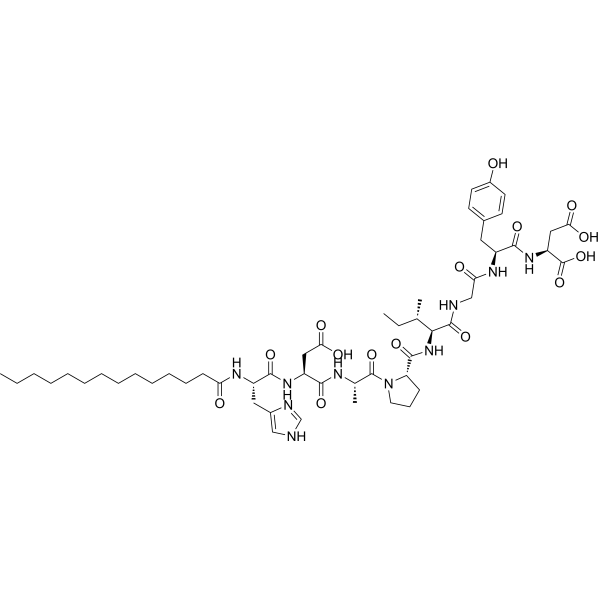
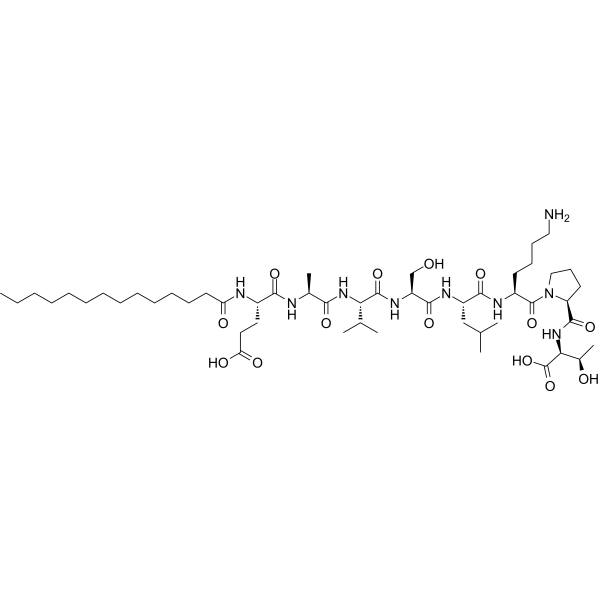
PKC(85–92),Myristoylated is a cell permeable myristic acid conjugated PKC peptide activator that enhances NO release in cultured human umbilical vein endothelial cells (HUVECs) .
|
-
-
- HY-P5888
-
|
Myr‐PKCɛ-
|
PKC
|
Inflammation/Immunology
|
|
PKCε inhibitor peptide,myristoylated (Myr-PKCε-) is a cell permeable myristic acid conjugated PKC peptide inhibitor that attenuates NO release in cultured human umbilical vein endothelial cells (HUVECs) .
|
-
-
- HY-163881
-
|
|
VEGFR
|
Cancer
|
|
VEGFR-IN-5 (compound 9k) is a potent inhibitor of VEGFR2, with the IC50 of 8.4 nM and an acceptable oral bioavailability. VEGFR-IN-5 inhibits migration and invasion of human umbilical vein endothelial cells (HUVEC) cells and induces apoptosis .
|
-

-
- HY-149921
-
|
|
Src
p38 MAPK
|
Cancer
|
|
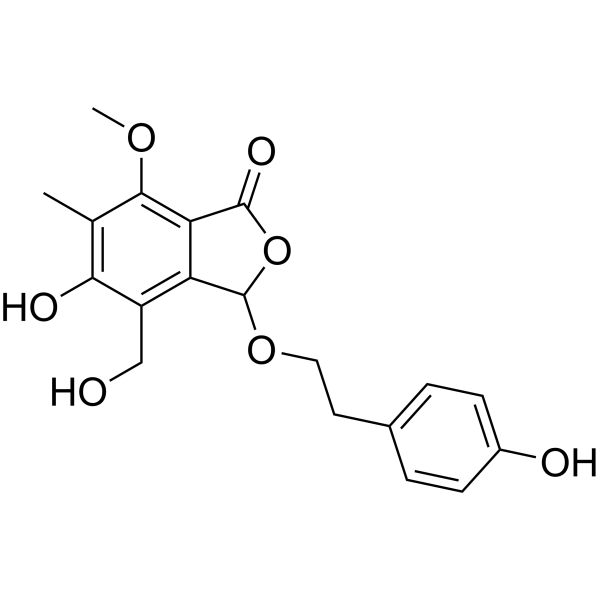
Antiangiogenic agent 3 (compound 3) is a potent antiangiogenic agent. Antiangiogenic agent 3 is an inhibitor of human umbilical vein endothelial cells (HUVEC). Antiangiogenic agent 3 inhibits HUVEC migration and chemotactic motilities. Antiangiogenic agent 3 also decreases the gene expression of Src, cdc42, and MAPK .
|
-
-
- HY-W800162
-
|
|
VEGFR
|
Cancer
|
|
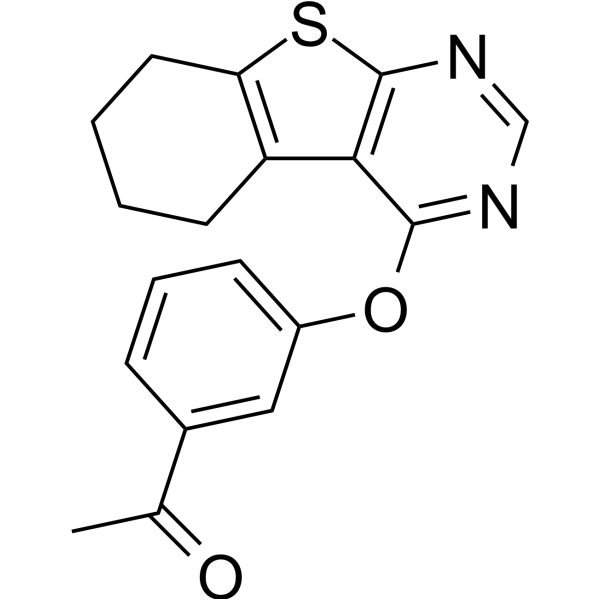
VEGFR-2-IN-37 (compound 12) is an inhibitor of VEGFR-2. The inhibition rate at 200 μM was approximately 56.9 μM. VEGFR-2-IN-37 is a potential inhibitor of human umbilical vein endothelial cell (HUVEC) proliferation .
|
-
-
- HY-N15264
-
|
(-)-Azaspirene
|
VEGFR
Raf
|
Cancer
|
|
Azaspirene ((-)-Azaspirene) is an angiogenesis and Raf-1 activation inhibitor isolated from the fungus Neosartorya sp. Azaspirene inhibits vascular endothelial growth factor (VEGF)-induced human umbilical vein endothelial cell (HUVEC) migration and Raf-1 activation, but has no effect on the activation of kinase insert domain-containing receptor/fetal liver kinase 1 (VEGF receptor 2) .
|
-

-
- HY-164551
-
|
|
VEGFR
STAT
ERK
Apoptosis
|
Cancer
|
YLL545 is a type of vascular endothelial growth factor receptor 2 (VEGFR2) inhibitor. YLL545 can inhibit VEGF-induced phosphorylation of VEGFR2 and the activation of downstream signaling factors (like phosphorylated STAT3 and phosphorylated ERK1/2) in human umbilical vein endothelial cells (HUVEC). YLL545 can suppress the proliferation, migration, invasion, and angiogenesis of HUVEC. YLL545 can induce apoptosis in breast cancer mice and inhibit tumor growth .
|
-

-
- HY-183768
-
|
|
PROTACs
FAK
|
Cancer
|
|
PROTAC FAK degrader 5 is a potent PROTAC degrader targeting FAK, with a DC50 of 11.65 nM. PROTAC FAK degrader 5 induces FAK protein degradation, selectively inhibits colony formation of human colorectal cancer HCT116 cells, and blocks the proliferation of human umbilical vein endothelial HUVEC cells, exhibiting anti-angiogenic activity. PROTAC FAK degrader 5 can be used in the research of colorectal cancer and angiogenesis .
|
-

-
- HY-155721
-
|
22-4′-Pyridinecarbonyl jorunnamycin A
|
Akt
mTOR
|
Cancer
|
|
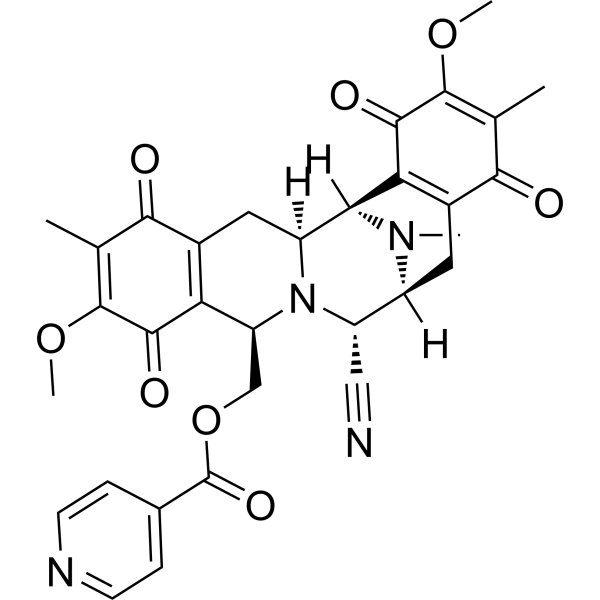
22-(4′-py)-JA is a semisynthetic derivative of junamycin A (JA) that can be isolated from the Thai blue sponge (Xestospongia sp.). 22-(4′-py)-JA has antimetastatic activity and can inhibit AKT/mTOR/p70S6K signaling. 22-(4′-py)-JA inhibits tumor cell invasion and tube formation in human umbilical vein endothelial cells (HUVEC), downregulates metalloproteinases (MMP-2 and MMP-9), hypoxia-inducible factor 1α (HIF-1α) and vascular endothelial growth factor (VEGF). 22-(4′-py)-JA has potent anticancer activity against non-small cell lung cancer (NSCLC) .
|
-
-
- HY-W342441
-
|
|
VEGFR
Akt
Ferroptosis
Insulin Receptor
|
Metabolic Disease
Cancer
|
|
Monosialoganglioside GM3 (bovine) is a monosialoganglioside and an inhibitor of VEGFR2 and Akt. At a concentration of 20 μM, Monosialoganglioside GM3 inhibits angiogenesis and reduces the proliferation and migration of human umbilical vein endothelial cells (HUVECs) by inhibiting VEGFR2 and Akt phosphorylation. Ganglioside GM3 also inhibits ferroptosis, providing protective effects during the formation of abdominal aortic aneurysms. Additionally, Monosialoganglioside GM3 (bovine) acts as an inhibitor of insulin signaling, inducing the dissociation of the insulin receptor (IR)-Caveolin-1 complex from lipid microdomains and causing insulin resistance in adipocytes. Monosialoganglioside GM3 (bovine) can be used in cancer and metabolic disease research .
|
-

-
- HY-113038AR
-
|
2-Hydroxyglutarate disodium (Standard); 2-Hydroxyglutaric acid disodium (Standard); 2-Hydroxypentanedioic acid disodium (Standard)
|
Reference Standards
Histone Demethylase
Endogenous Metabolite
|
Cancer
|
|
Ophiopogonin D (Standard) is the analytical standard of Ophiopogonin D. This product is intended for research and analytical applications. Ophiopogonin D, isolated from the tubers of Ophiopogon japonicus, is a rare naturally occurring C29 steroidal glycoside . Ophiopogonin D is a CYP2J3 inducer that significantly inhibits Ang II induced NF-κB nuclear translocation, IκBα down-regulation, intracellular Ca2+ overload and activation of pro-inflammatory cytokines by increasing the expression of CYP2J2/EETs and PPARα in human umbilical vein endothelial cells (HUVECs). Ophiopogonin D has been used to treat inflammatory and cardiovascular diseases for thousands of years .
|
-

-
- HY-164530
-
|
|
Src
VEGFR
Raf
p38 MAPK
|
Cancer
|
|
SKLB646 is an orally active multi-target kinase inhibitor. SKLB646 shows significant inhibitory effects on SRC and VEGFR2 with IC50 values ??of 0.002 μmol/L and 0.012 μmol/L, respectively. SKLB646 also shows significant inhibitory effects on B-Raf and C-Raf with IC50 values ??of 0.022 μmol/L and 0.019 μmol/L, respectively. SKLB646 inhibits the activation of the SRC signaling pathway and blocks the MAPK signaling pathway by inhibiting Raf kinase. In addition, SKLB646 can inhibit the proliferation, migration and invasion of human umbilical vein endothelial cells (HUVEC) to inhibit tumor-induced angiopoietic formation. SKLB646 shows significant anti-proliferative and anti-survival activities against triple-negative breast cancer (TNBC) cell lines .
|
-

-
- HY-118273
-
|
|
Integrin
|
Inflammation/Immunology
Cancer
|
|
IPS-05002 is an α5β1 antagonist. IPS-05002 can inhibit VEGF-stimulated human umbilical vein endothelial cell (HUVEC) proliferation, adhesion, and migration, and also suppresses tubular network formation. IPS-05002 can upregulate IKB-β, XRCC4, and downregulate Cdc6 in VEGF-induced HUVECs. IPS-05002 can be used for the study of tumor angiogenesis .
|
-

-
- HY-N17779
-
|
|
TNF Receptor
Reactive Oxygen Species (ROS)
|
Inflammation/Immunology
|
|
3-O-Caffeoyl-5-O-feruloylquinic acid is a quinic acid-based phenolic compound that can be isolated from Eryngium bourgatii. 3-O-Caffeoyl-5-O-feruloylquinic acid regulates free radical scavenging and inflammatory pathways, exerting antioxidant activity through electron transfer and hydrogen atom transfer mechanisms. It also inhibits TNF-α-induced reactive oxygen species (ROS) production and the production of monocyte chemoattractant protein-1 (MCP-1) and its transcripts in human umbilical vein endothelial cells (HUVECs).
|
-

-
- HY-180159
-
|
|
Microtubule/Tubulin
Apoptosis
|
Cancer
|
|
Tubulin-IN-63 is a potent tubulin polymerization inhibitor targeting the colchicine-binding site, with an IC50 of 6.03 µM. Tubulin-IN-63 disrupts microtubule dynamics, induces G2/M arrest and apoptosis, thereby suppressing cancer cell proliferation. Tubulin-IN-63 disrupts capillary network formation in human umbilical vein endothelial cells (HUVECs) and exhibits in vivo antitumor efficacy in a B16-F10 mouse model. Tubulin-IN-63 can be used for the research of cancers, such as melanoma, lung cancer, and liver cancer .
|
-

-
- HY-117733
-
|
|
Tie
VEGFR
|
Cancer
|
|
Zerumin A is an anti-angiogenic agent that acts on multiple molecular targets related to angiogenesis (including kdr/VEGFR2, angpt1, angpt2, tie1, and tie2). Zerumin A specifically inhibits the proliferation and migration of human umbilical vein endothelial cells (HUVECs) by regulating the VEGF-VEGFR and ANGPT-TIE signaling pathways, and dose-dependently inhibits angiogenesis (10-20 μM significantly inhibits zebrafish embryo angiogenesis). Zerumin A can be used in the research of cancer and angiogenesis-related inflammatory diseases. Zerumin A can be naturally extracted from the 95% ethanol extract of the fruits, seeds, and pericarp of Alpinia caerulea (R.Br.) Bentham (a plant of the Alpinia genus in the Zingiberaceae family) .
|
-

-
- HY-N19782
-
|
|
Bacterial
Apoptosis
Reactive Oxygen Species (ROS)
|
Infection
Neurological Disease
|
|
Striatisporolide A is an antibacterial agent. Striatisporolide A exhibits antibacterial activity against Escherichia coli in vitro. Striatisporolide A damages the cell wall and cell membrane of Escherichia coli, and induces changes in protein levels and morphology. Striatisporolide A reduces the level of apoptosis (apoptosis) in HUVECs, inhibits excessive production of ROS, and possesses pro-proliferative and mild cytoprotective effects. Striatisporolide A can be used in studies related to bacterial infections and degenerative diseases .
|
-

-
- HY-136893
-
|
|
Microtubule/Tubulin
Apoptosis
Caspase
Bcl-2 Family
|
Cancer
|
|
SP-6-27 is a tubulin depolymerizing agent that binds to the colchicine site of β-tubulin. SP-6-27 induces G2/M cell cycle arrest in ovarian cancer cells. SP-6-27 enhances intrinsic apoptosis in ovarian cancer cells through upregulation of Bax, Apaf-1, caspase-6, caspase-9, and caspase-3. SP-6-27 reduces ovarian cancer cell migration. SP-6-27 inhibits capillary tube formation by human umbilical vein endothelial cells. SP-6-27 shows minimum cytotoxicity to normal ovarian epithelia. SP-6-27 shows enhanced cytotoxicity in chemo-sensitive/resistant ovarian cancer cells when combined with Cisplatin (HY-17394). SP-6-27 can be used for the research of ovarian cancer .
|
-

| Cat. No. |
Product Name |
Type |
-
- HY-170230
-
|
ECGS,Bovine
|
Biochemical Assay Reagents
|
|
Bovine Endothelial cell growth supplement, suitable for cell culture (ECGS, Bovine) is a culture medium supplement, endothelial cell growth supplement (ECGS), which promotes the proliferation of human saphenous vein endothelial cells (HSVEC) and human umbilical vein endothelial cells (HUVEC) .
|
-
- HY-Y0131
-
|
|
Biochemical Assay Reagents
|
|
Pyrazine-2-carbonitrile is a biochemical reagent that can be used as a biological material or organic compound for life science related research .
|
| Cat. No. |
Product Name |
Target |
Research Area |
-
- HY-W588250
-
|
|
Integrin
|
Inflammation/Immunology
|
|
Surfactin C1 is an amphiphilic biosurfactants. Surfactin C1 inhibits leukemic cell (HL-60) adhesion to human umbilical vein endothelial cells (HUVEC). Surfactin C1 inhibits adhesion melecules expression, such as ICAM-1 and VCAM-1 .
|
-
- HY-P3318
-
|
L-BOC2
|
Leukotriene Receptor
|
Inflammation/Immunology
|
|
Boc-Phe-Leu-Phe-Leu-Phe (Boc-FLFLF) is a N-formyl peptide receptors (FPR) inhibitor. Boc-Phe-Leu-Phe-Leu-Phe abolishes the FMLP-induced release of peptide leukotrienes. Boc-Phe-Leu-Phe-Leu-Phe inhibits the sprouting of human umbilical vein endothelial cell (HUVEC) spheroids mediated by proliferative diabetic retinopathy (PDR) vitreous and vascular endothelial growth factor (VEGF) respectively in a three-dimensional fibrin gel. Boc-Phe-Leu-Phe-Leu-Phe inhibits the anti-inflammatory and antifibrotic effects of Ac2-26 (HY-P1098). Boc-Phe-Leu-Phe-Leu-Phe can be used for the study of immunology .
|
-
- HY-P5877
-
|
|
PKC
|
Inflammation/Immunology
|
|
PKC(85–92),Myristoylated is a cell permeable myristic acid conjugated PKC peptide activator that enhances NO release in cultured human umbilical vein endothelial cells (HUVECs) .
|
-
- HY-P5888
-
|
Myr‐PKCɛ-
|
PKC
|
Inflammation/Immunology
|
|
PKCε inhibitor peptide,myristoylated (Myr-PKCε-) is a cell permeable myristic acid conjugated PKC peptide inhibitor that attenuates NO release in cultured human umbilical vein endothelial cells (HUVECs) .
|
-
- HY-P4096B
-
|
|
Peptides
|
Inflammation/Immunology
|
|
scHAP-1 is a scrambled HAP-1 peptide, and HAP-1 is a synovial homing peptide. After amino acid sequence scrambling, scHAP-1 still specifically binds to human and rabbit fibroblast-like synoviocytes (FLS), while showing extremely weak binding to human umbilical vein endothelial cells, which proves that it remains an effective FLS-targeting ligand. scHAP-1 can be used in studies related to rheumatoid arthritis .
|
| Cat. No. |
Product Name |
Target |
Research Area |
Image |
-
- HY-P991202
-
|
|
TSH Receptor
PKA
|
Metabolic Disease
Inflammation/Immunology
|
|
Anti-TSHR Antibody (M22) is a selective agonist targeting TSHR (thyroid-stimulating hormone receptor), acting through competitive binding to the extracellular domain of TSHR. Anti-TSHR Antibody (M22) can mimic the biological effects of thyroid-stimulating hormone (TSH), activating downstream cAMP-PKA and other signaling pathways. Anti-TSHR Antibody (M22) can stimulate the proliferation of thyroid follicular epithelial cells and human umbilical vein endothelial cells (HUVECs), promote angiogenesis and tube formation, cell migration, and also upregulate the expression of angiogenesis-related proteins such as PROX1. Anti-TSHR Antibody (M22) can be used in research areas such as the mechanisms of goiter formation in Graves' disease (GD), angiogenesis regulation, and TSHR antagonist screening .
|
-

(5)
-
- HY-P99333
-
|
M200; Eos 200-4
|
Integrin
|
Cardiovascular Disease
Cancer
|
|
Volociximab (M200) is a chimeric human/murine IgG4 antibody IIA1 targeting integrin α5β1 (EC50=0.2 nM). Integrin α5β1 is a major fibronectin receptor involved in angiogenesis. Volociximab has antiangiogenic and antitumor activities and inhibits the proliferation of human umbilical vein vascular endothelial cells (HUVECs) .
|
-
(5)
| Cat. No. |
Product Name |
Category |
Target |
Chemical Structure |
-
- HY-N0515
-
-
-
- HY-B0987
-
-
-
- HY-N2960
-
-
-
- HY-125919
-
-
-
- HY-N6737
-
-
-
- HY-118622
-
-
-
- HY-N0515R
-
|
|
Ophiopogon japonicus (L. f.) Ker-Gawl.
Liliaceae
Plants
Steroids
Source Classification
|
Reference Standards
PPAR
NF-κB
Calcium Channel
ERK
Reactive Oxygen Species (ROS)
|
|
Ophiopogonin D (Standard) is the analytical standard of Ophiopogonin D. This product is intended for research and analytical applications. Ophiopogonin D can be isolated from the tubers of Ophiopogon japonicus, is a rare naturally occurring C29 steroidal glycoside. Ophiopogonin D is a CYP2J3 inducer that significantly inhibits Ang II induced NF-κB nuclear translocation, IκBα down-regulation, intracellular Ca2+ overload and activation of pro-inflammatory cytokines by increasing the expression of CYP2J2/EETs and PPARα in human umbilical vein endothelial cells (HUVECs). Ophiopogonin D can inhibit isteoclastic differentiation in RAW264.7 cells. Ophiopogonin D has protective effect as an antioxidant in H2O2-induced endothelial injury. Ophiopogonin D blocks ERK signaling cascades. Ophiopogonin D alleviates high-fat diet-induced metabolic syndrome and changes the structure of gut microbiota in mice. Ophiopogonin D has been used against inflammatory, metabolic and cardiovascular diseases .
|
-
-
- HY-N2927
-
|
β-Costic acid
|
Ketones, Aldehydes, Acids
Plants
Compositae
Source Classification
Desmodium sandwicense
|
Parasite
|
|
Costic acid (β-Costic acid) is a natural product, that can be isolated from Dittrichia viscosa. Costic acid exhibits potent in vivo acaricidal activity against the parasite. Costic acid is not toxic for human umbilical vein endothelial cells (HUVEC) at concentrations of up to 230 μM. Costic acid can be used for the research of varroosis in honey bee colonies .
|
-
-
- HY-N15264
-
|
(-)-Azaspirene
|
Natural Products
Microorganisms
Source Classification
|
VEGFR
Raf
|
|
Azaspirene ((-)-Azaspirene) is an angiogenesis and Raf-1 activation inhibitor isolated from the fungus Neosartorya sp. Azaspirene inhibits vascular endothelial growth factor (VEGF)-induced human umbilical vein endothelial cell (HUVEC) migration and Raf-1 activation, but has no effect on the activation of kinase insert domain-containing receptor/fetal liver kinase 1 (VEGF receptor 2) .
|
-
-
- HY-113038AR
-
|
2-Hydroxyglutarate disodium (Standard); 2-Hydroxyglutaric acid disodium (Standard); 2-Hydroxypentanedioic acid disodium (Standard)
|
Ketones, Aldehydes, Acids
Endogenous metabolite
Source Classification
|
Reference Standards
Histone Demethylase
Endogenous Metabolite
|
|
Ophiopogonin D (Standard) is the analytical standard of Ophiopogonin D. This product is intended for research and analytical applications. Ophiopogonin D, isolated from the tubers of Ophiopogon japonicus, is a rare naturally occurring C29 steroidal glycoside . Ophiopogonin D is a CYP2J3 inducer that significantly inhibits Ang II induced NF-κB nuclear translocation, IκBα down-regulation, intracellular Ca2+ overload and activation of pro-inflammatory cytokines by increasing the expression of CYP2J2/EETs and PPARα in human umbilical vein endothelial cells (HUVECs). Ophiopogonin D has been used to treat inflammatory and cardiovascular diseases for thousands of years .
|
-
-
- HY-N17779
-
-
-
- HY-117733
-
|
|
Structural Classification
Arecaceae Bercht. & J. Presl
Ketones, Aldehydes, Acids
Terpenoids
Arecaceae
Diterpenoids
Plants
Source Classification
Zingiberaceae
|
Tie
VEGFR
|
|
Zerumin A is an anti-angiogenic agent that acts on multiple molecular targets related to angiogenesis (including kdr/VEGFR2, angpt1, angpt2, tie1, and tie2). Zerumin A specifically inhibits the proliferation and migration of human umbilical vein endothelial cells (HUVECs) by regulating the VEGF-VEGFR and ANGPT-TIE signaling pathways, and dose-dependently inhibits angiogenesis (10-20 μM significantly inhibits zebrafish embryo angiogenesis). Zerumin A can be used in the research of cancer and angiogenesis-related inflammatory diseases. Zerumin A can be naturally extracted from the 95% ethanol extract of the fruits, seeds, and pericarp of Alpinia caerulea (R.Br.) Bentham (a plant of the Alpinia genus in the Zingiberaceae family) .
|
-
-
- HY-N19782
-
-
Your information is safe with us. * Required Fields.
Inquiry Information
- Product Name:
- Cat. No.:
- Quantity:
- MCE Japan Authorized Agent:








