Search Result
Results for "
irritable+bowel+syndrome
" in MedChemExpress (MCE) Product Catalog:
6
Isotope-Labeled Compounds
| Cat. No. |
Product Name |
Target |
Research Areas |
Chemical Structure |
-
- HY-17584
-
|
|
Guanylate Cyclase
|
Cancer
|
|
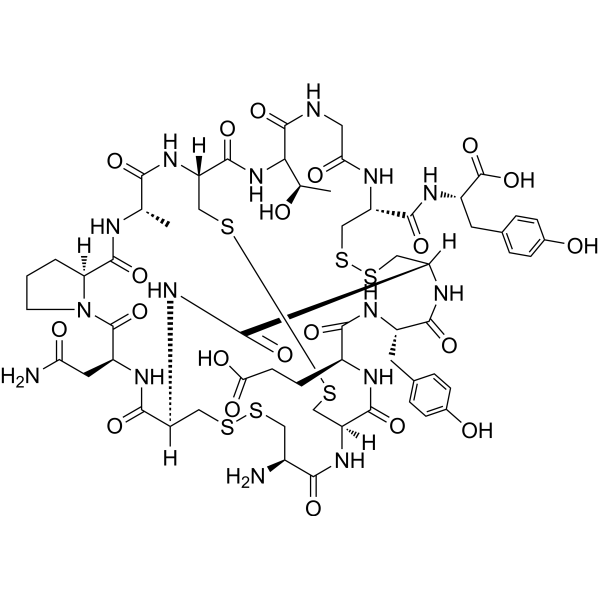
Linaclotide is a potent and selective guanylate cyclase C agonist; developed for the treatment of constipation-predominant irritable bowel syndrome (IBS-C) and chronic constipation.
|
-
-
- HY-17585
-
|
|
mAChR
GPR109A
|
Others
Inflammation/Immunology
|
|
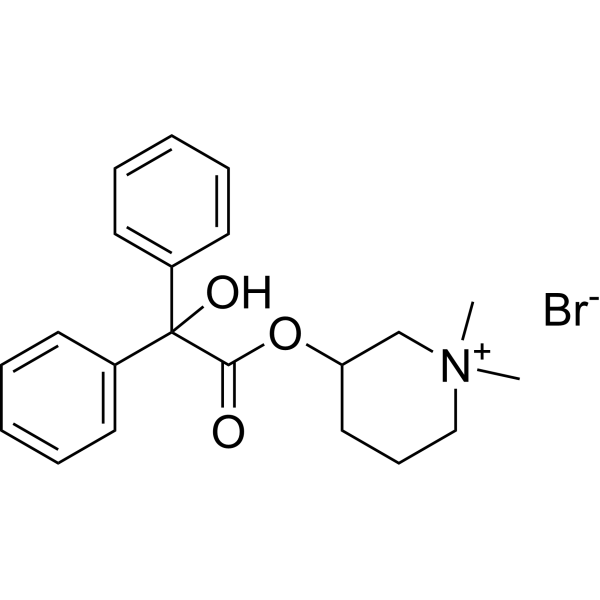
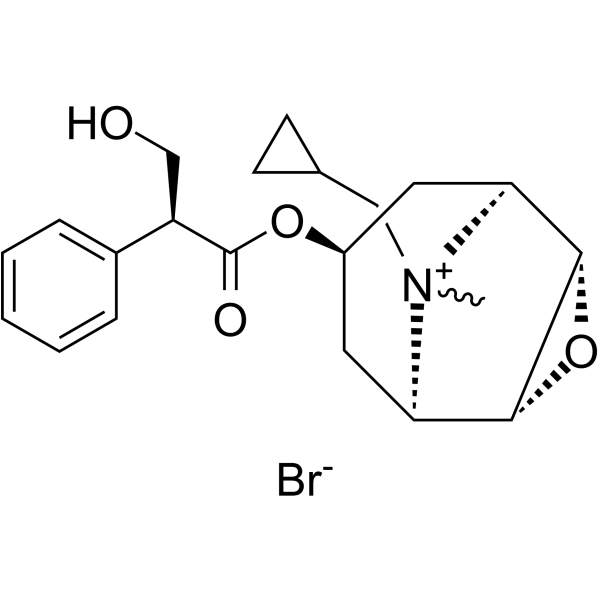
Mepenzolate bromide is an orally administered muscarinic receptor antagonist with Kis of 0.68 and 2.6 nM for hM2R and hM3R, respectively. Mepenzolate bromide can be used to suppress the gastrointestinal hypermotility associated with irritable bowel syndrome .Mepenzolate bromide is a GPR109A inhibitor .
|
-
-
- HY-103377
-
|
|
CRFR
|
Inflammation/Immunology
Endocrinology
|
|
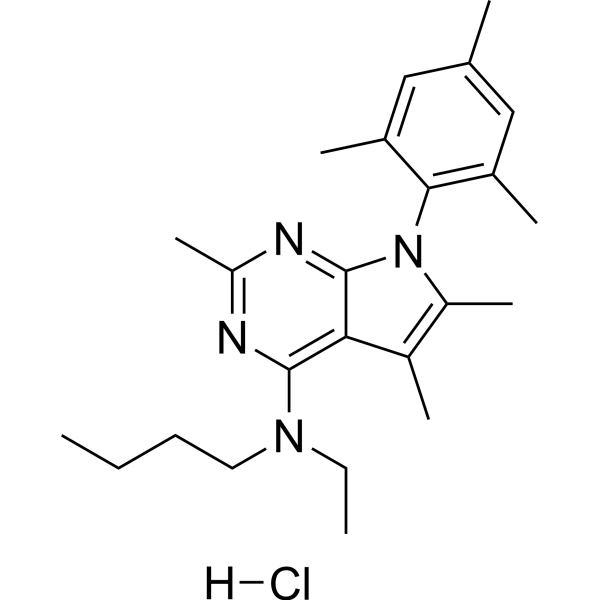
Antalarmin (hydrochloride) is an oral active non-peptide corticotropin-releasing hormone receptor 1 (CRHR1) antagonist with a Ki of 1 nM. Antalarmin hydrochloride suppresses CRH-induced ACTH secretion and blocks CRH and novelty induced anxiety-like behavior in animal models. Antalarmin hydrochloride produces anti-inflammatory effects in arthritis models, and suppresses stress-induced gastric ulceration related to irritable bowel syndrome .
|
-
-
- HY-B0499A
-
|
Octylonium bromide; SP63
|
mAChR
|
Neurological Disease
|
|
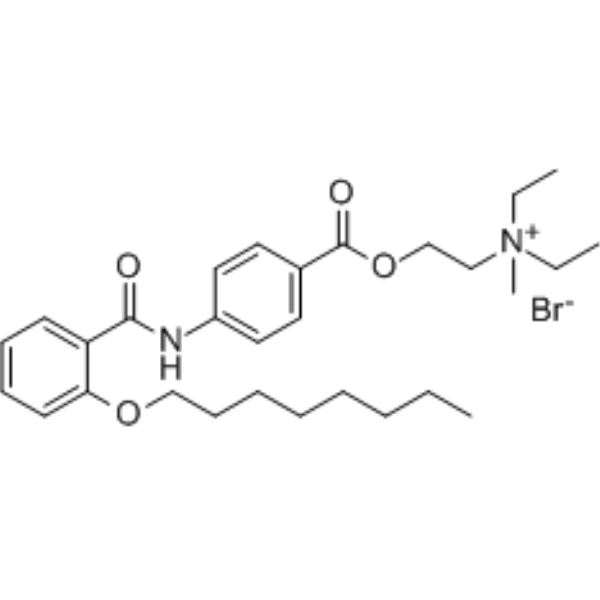
Otilonium bromide (OB) is an orally active mAChR inhibitor and smooth muscle relaxant which can interfere with the mobilization of calcium in intestinal smooth muscle, OB can be used for research of irritable bowel syndrome .
|
-
-
- HY-111613
-
|
|
Calcium Channel
|
Cancer
|
|
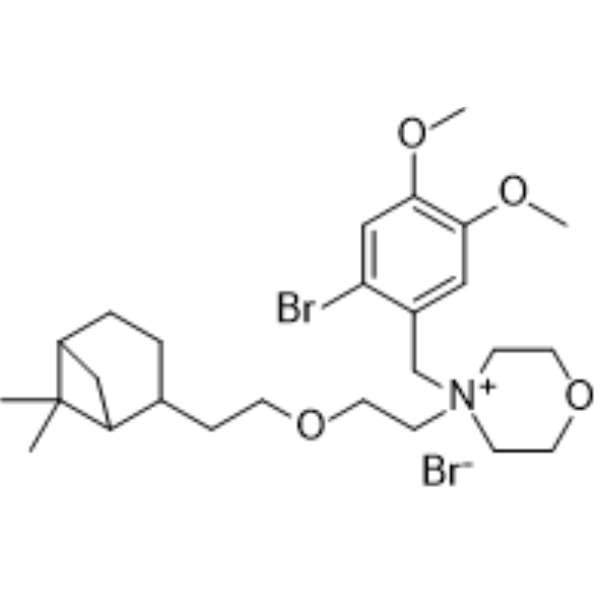
Pinaverium bromide is an L-type calcium channel blocker with selectivity for the gastrointestinal tract, effectively relieves pain, diarrhea and intestinal discomfort, provides good therapeutic efficacies without significant adverse effects on Irritable bowel syndrome (IBS) patients .
|
-
-
- HY-14153
-
|
|
5-HT Receptor
Apoptosis
|
Metabolic Disease
Cancer
|
|
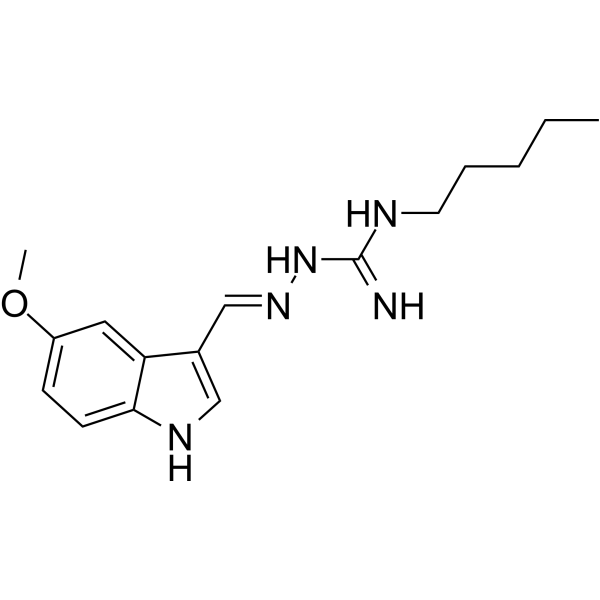
Tegaserod is an orally active serotonin receptor 4 (HTR4; 5-HT4R) agonist and a 5-HT2B receptor antagonist. Tegaserod has pKis of 7.5, 8.4 and 7.0 for human recombinant 5-HT2A, 5-HT2B and 5-HT2C receptors, respectively. Tegaserod causes tumor cell apoptosis, blunts PI3K/Akt/mTOR signaling and decreases S6 phosphorylation. Tegaserod has anti-tumor activity and has the potential for irritable bowel syndrome (IBS) research .
|
-
-
- HY-14153A
-
|
SDZ-HTF-919; HTF-919
|
5-HT Receptor
Apoptosis
|
Neurological Disease
Metabolic Disease
Cancer
|
|
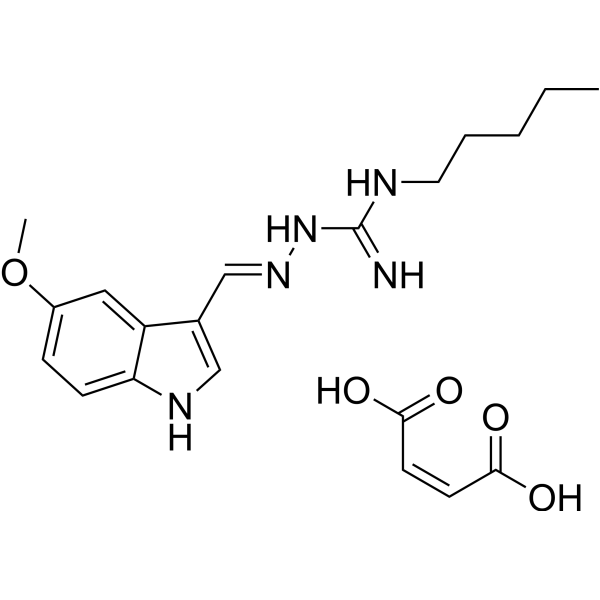
Tegaserod maleate (SDZ-HTF-919) is an orally active serotonin receptor 4 (HTR4; 5-HT4R) agonist and a 5-HT2B receptor antagonist. Tegaserod maleate has pKis of 7.5, 8.4 and 7.0 for human recombinant 5-HT2A, 5-HT2B and 5-HT2C receptors, respectively. Tegaserod maleate causes tumor cell apoptosis, blunts PI3K/Akt/mTOR signaling and decreases S6 phosphorylation. Tegaserod maleate has anti-tumor activity and has the potential for irritable bowel syndrome (IBS) research .
|
-
-
- HY-B0595
-
|
YM060
|
5-HT Receptor
|
Neurological Disease
Inflammation/Immunology
Cancer
|
|
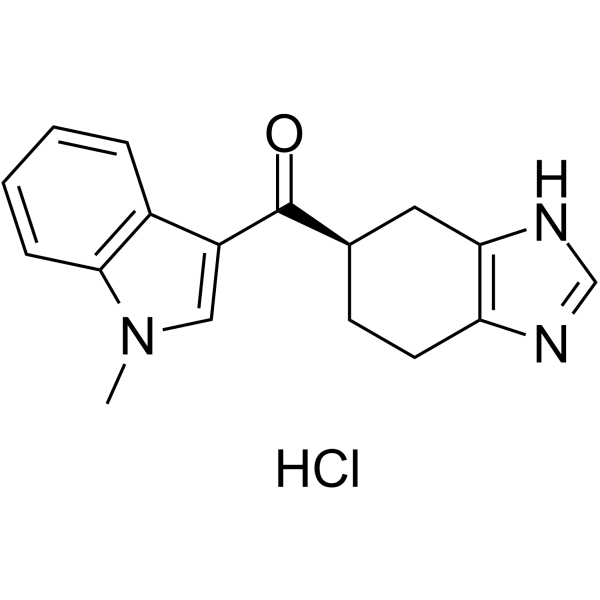
Ramosetron (YM060 free base) Hydrochloride is an orally active 5-HT3 antagonist that improves dysphoria, interference with activity and food avoidance. Ramosetron Hydrochloride is promising for research of irritable bowel syndrome with diarrhea .
|
-
-
- HY-70050C
-
|
GR 68755C; GR 68755 Hydrochloride; GR 68755X Hydrochloride
|
5-HT Receptor
|
Neurological Disease
|
|
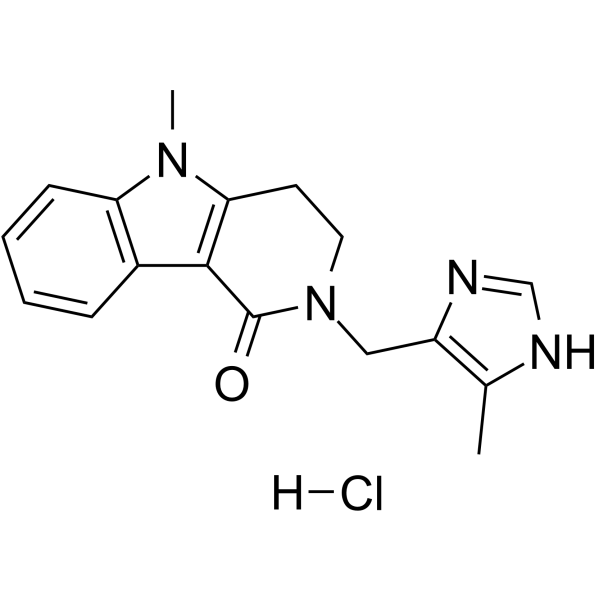
Alosetron Hydrochloride (GR 68755C) is a potent and highly selective serotonin 5-HT3 receptor antagonist. Alosetron Hydrochloride is used for the research of irritable bowel syndrome (IBS). Alosetron blocks the fast 5HT3-mediated depolarisation of guinea-pig myenteric and submucosal neurons, with IC50 at ~55 nM. Alosetron Hydrochloride attenuates the visceral nociceptive effect of rectal distension in conscious or anaesthetised dogs. Anti-inflammatory effects .
|
-
-
- HY-100459
-
|
|
RET
|
Metabolic Disease
Inflammation/Immunology
|
|
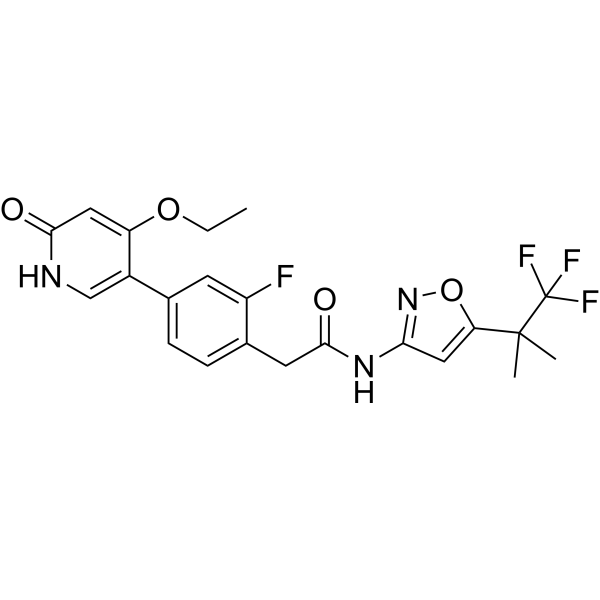
GSK3179106 is an orally active and selective RET kinase inhibitor with IC50s of 0.4 nM, 0.2 nM for human RET and rat RET, respectively. GSK3179106 has the potential for irritable bowel syndrome (IBS) through the attenuation of post-inflammatory and stress-induced visceral hypersensitivity .
|
-
-
- HY-19436
-
|
GW 427353
|
Adrenergic Receptor
|
Metabolic Disease
Endocrinology
|
|
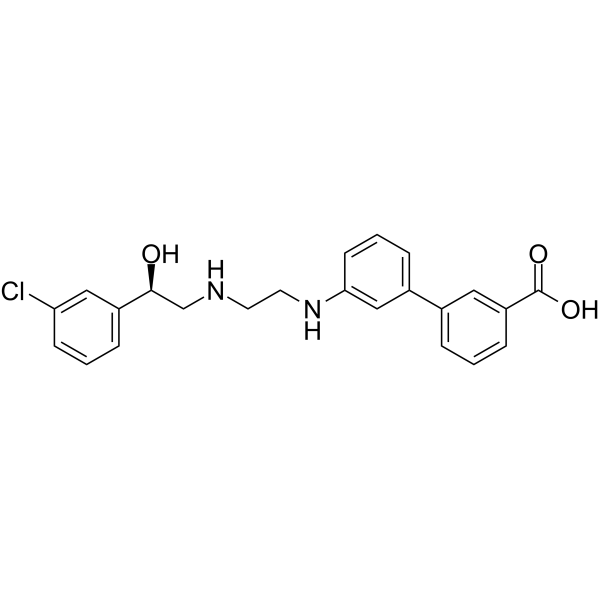
Solabegron (GW 427353) is a selective β3-adrenergic receptor agonist, stimulating cAMP accumulation in Chinese hamster ovary cells expressing the human β3-AR, with an EC50 value of 22 nM . Solabegron (GW 427353) is being developed for the treatment of overactive bladder and irritable bowel syndrome .
|
-
-
- HY-70050A
-
|
GR 68755; GR 68755X
|
5-HT Receptor
|
Neurological Disease
Inflammation/Immunology
|
|
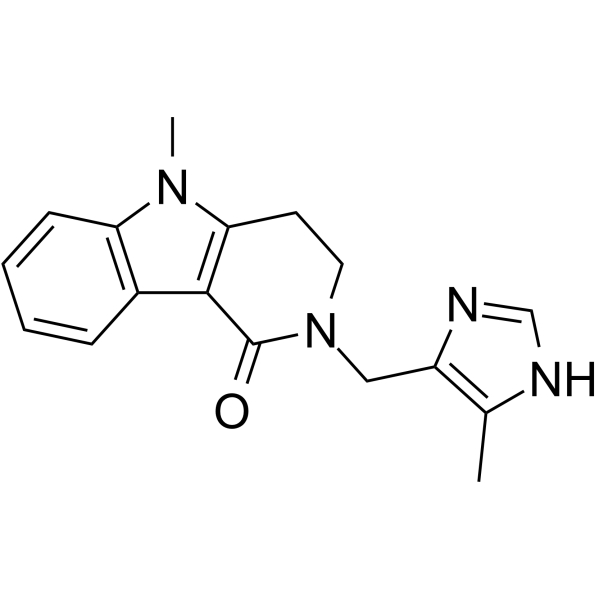
Alosetron (GR 68755) is a potent and highly selective serotonin 5-HT3 receptor antagonist. Alosetron is used for the research of irritable bowel syndrome (IBS). Alosetron blocks the fast 5HT3-mediated depolarisation of guinea-pig myenteric and submucosal neurons, with IC50 at ~55 nM. Alosetron attenuates the visceral nociceptive effect of rectal distension in conscious or anaesthetised dogs. Anti-inflammatory effects .
|
-
-
- HY-111191
-
|
|
Adrenergic Receptor
|
Neurological Disease
|
|
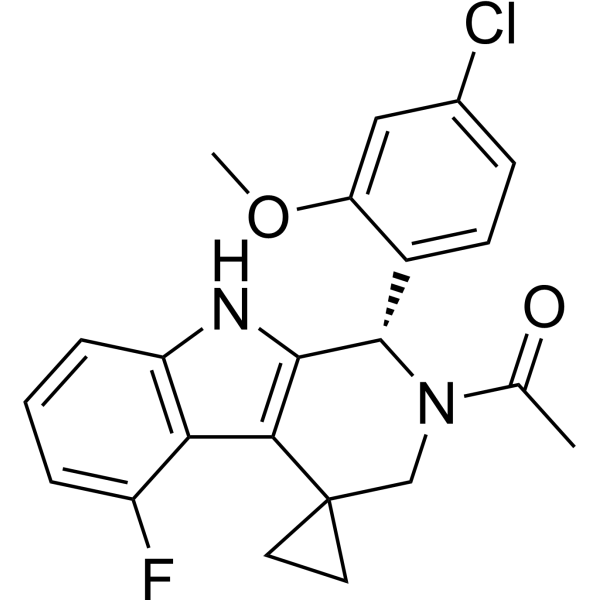
ONO-2952 is a potent, selective and orally active translocator protein 18 kDa (TSPO) antagonist with Ki of 0.33-9.30 nM for rat and human TSPO. ONO-2952 is more selective for TSPO than other receptors, transporters, ion channels and enzymes. ONO-2952 exerts its anti-stress effects through inhibition of excessive activation of noradrenergic system in the brain without the amnesic effect. ONO-2952 has the potential for irritable bowel syndrome treatment .
|
-
-
- HY-113259
-
|
|
Endogenous Metabolite
|
Metabolic Disease
|
|
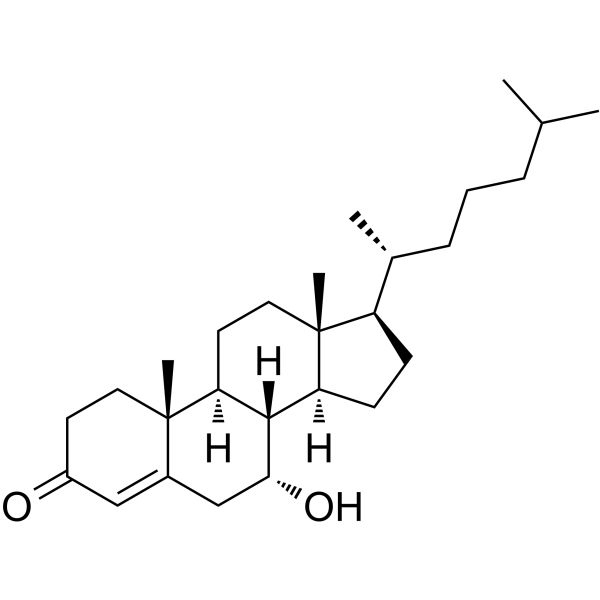
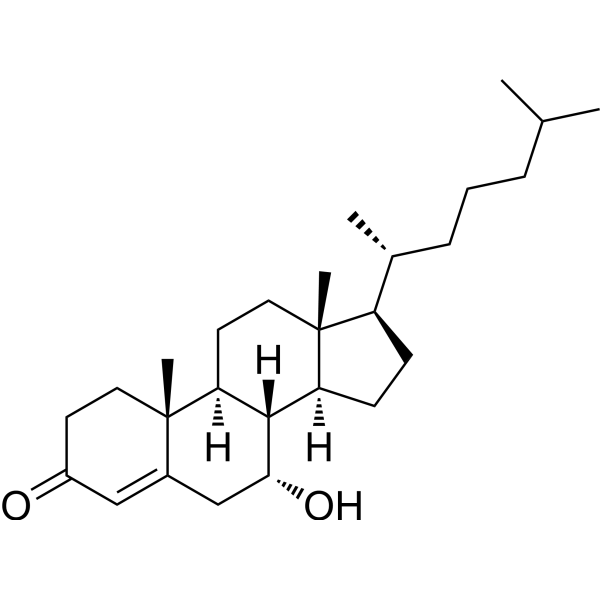
7α-Hydroxy-4-cholesten-3-one is an intermediate in synthesis of bile acids from cholesterol. 7α-Hydroxy-4-cholesten-3-one is a pregnane X receptor (PXR) agonist. 7α-Hydroxy-cholest-4-en-3-one is a biomarker for bile acid loss, irritable bowel syndrome, and other diseases associated with defective bile acid biosynthesis. 7α-Hydroxy-cholest-4-en-3-one is the physiological substrate for CYP8B1 .
|
-
-
- HY-B0380A
-
|
|
Opioid Receptor
Toll-like Receptor (TLR)
Calcium Channel
Potassium Channel
IRAK
ERK
JNK
NF-κB
Akt
Apoptosis
|
Neurological Disease
Metabolic Disease
Inflammation/Immunology
Cancer
|
|
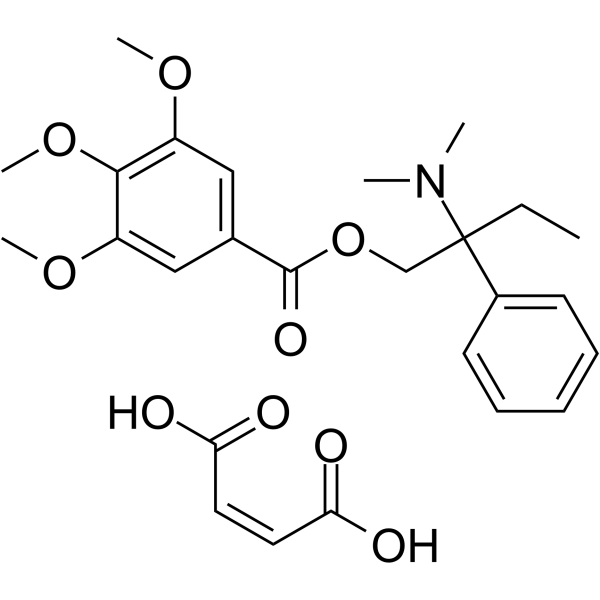
Trimebutine maleate is a multi-target inhibitor and opioid receptor agonist with antimuscarinic activity. Trimebutine maleate inhibits L-type Ca 2+ channels and large-conductance calcium-activated potassium channels (BKCa channels), thereby inhibiting extracellular calcium influx and potassium ion efflux. Trimebutine maleate also targets Toll-like receptors, inhibits Toll-like receptor 2/4/7/8/9 signals, and inhibits LPS-induced IRAK1 activation, as well as ERK1/2, JNK and NF-κB activation, thereby exerting anti-inflammatory effects. Trimebutine maleate also induces tumor cell apoptosis by inhibiting the AKT/ERK pathway. Trimebutine maleate also inhibits excessive contraction of smooth muscle and can be used in the study of gastrointestinal disorders such as irritable bowel syndrome (IBS) .
|
-
-
- HY-B0380
-
|
|
Opioid Receptor
Toll-like Receptor (TLR)
Calcium Channel
Potassium Channel
IRAK
ERK
JNK
NF-κB
Akt
Apoptosis
|
Neurological Disease
Metabolic Disease
Inflammation/Immunology
Cancer
|
|
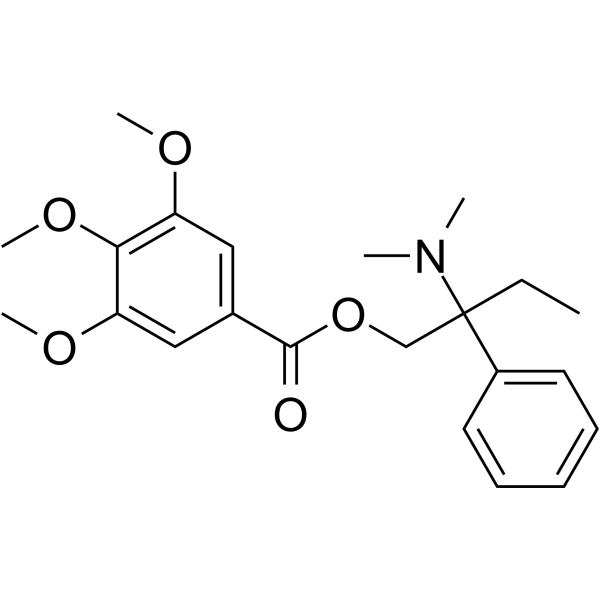
Trimebutine is a multi-target inhibitor and opioid receptor agonist with antimuscarinic activity. Trimebutine inhibits L-type Ca 2+ channels and large-conductance calcium-activated potassium channels (BKCa channels), thereby inhibiting extracellular calcium influx and potassium ion efflux. Trimebutine also targets Toll-like receptors, inhibits Toll-like receptor 2/4/7/8/9 signals, and inhibits LPS-induced IRAK1 activation, as well as ERK1/2, JNK and NF-κB activation, thereby exerting anti-inflammatory effects. Trimebutine also induces tumor cell apoptosis by inhibiting the AKT/ERK pathway. Trimebutine also inhibits excessive contraction of smooth muscle and can be used in the study of gastrointestinal disorders such as irritable bowel syndrome (IBS) .
|
-
-
- HY-107384A
-
|
EMD-61753 hydrochloride
|
Opioid Receptor
|
Neurological Disease
Metabolic Disease
Inflammation/Immunology
|
|
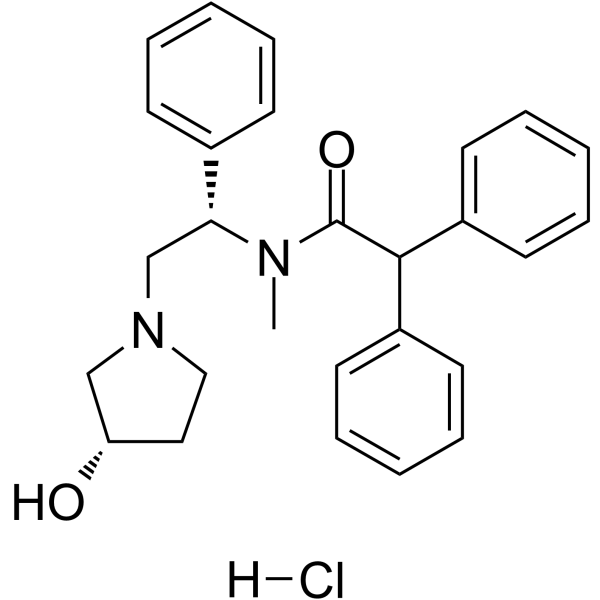
Asimadoline (EMD-61753) hydrochloride is an orally active, selective and peripherally active κ-opioid agonist with IC50s of 5.6 nM (guinea pig) and 1.2 nM (human recombinant). Asimadoline hydrochloride has low permeability across the blood brain barrier and has peripheral anti-inflammatory actions. Asimadoline hydrochloride ameliorates allodynia in diabetic rats and has the potential for irritable bowel syndrome (IBS) .
|
-
-
- HY-107649
-
|
UK-76654 fumarate
|
mAChR
|
Metabolic Disease
|
|
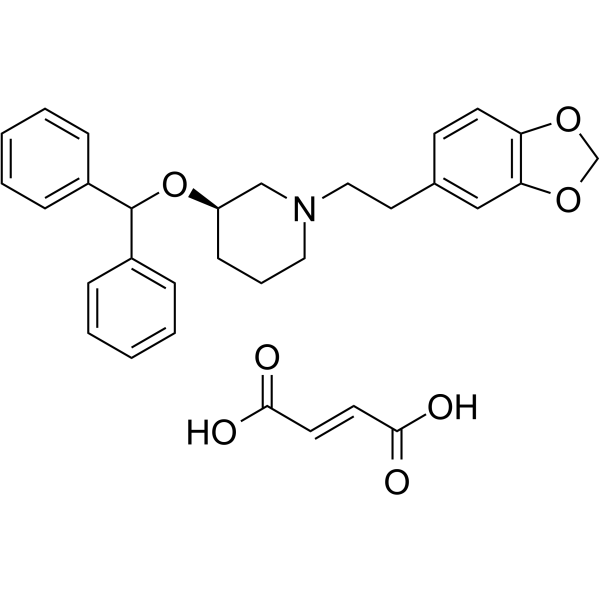
Zamifenacin fumarate (UK-76654 fumarate) is a potent gut-selective muscarinic M3 receptor antagonist. Zamifenacin significantly reduces colonic motility in irritable bowel syndrome .
|
-
-
- HY-17584A
-
|
|
Guanylate Cyclase
|
Cancer
|
|
Linaclotide acetate is a potent and selective guanylate cyclase C agonist; developed for the treatment of constipation-predominant irritable bowel syndrome (IBS-C) and chronic constipation.
|
-

-
- HY-P3282
-
|
|
Guanylate Cyclase
|
Metabolic Disease
|
|
MM 419447, a linaclotide metabolite, is a guanylate cyclase-C agonist. MM 419447 has the potential for the research of the irritable bowel syndrome with constipation (IBS-C) .
|
-

-
- HY-113259S
-
|
|
Endogenous Metabolite
|
Metabolic Disease
|
|
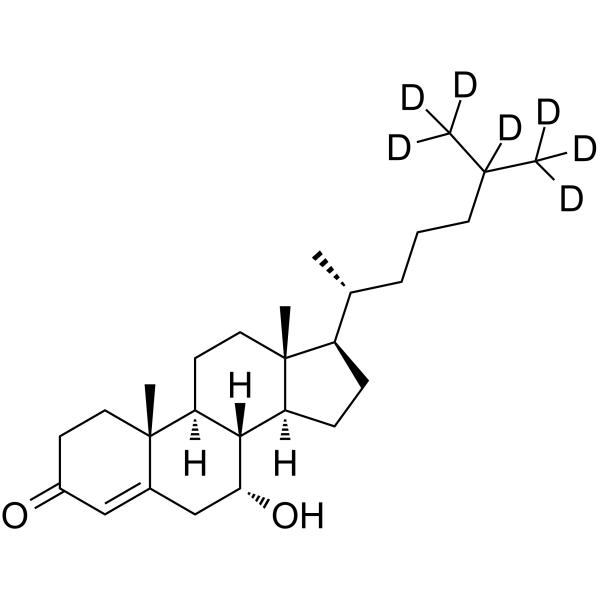
7α-Hydroxy-4-cholesten-3-one-d7 is the deuterium labeled 7α-Hydroxy-4-cholesten-3-one. 7α-Hydroxy-4-cholesten-3-one is an intermediate in synthesis of bile acids from cholesterol. 7α-Hydroxy-4-cholesten-3-one is a pregnane X receptor (PXR) agonist. 7α-Hydroxy-cholest-4-en-3-one is a biomarker for bile acid loss, irritable bowel syndrome, and other diseases associated with defective bile acid biosynthesis. 7α-Hydroxy-cholest-4-en-3-one is the physiological substrate for CYP8B1 .
|
-
-
- HY-123337
-
|
UK-76654
|
mAChR
|
Metabolic Disease
|
|
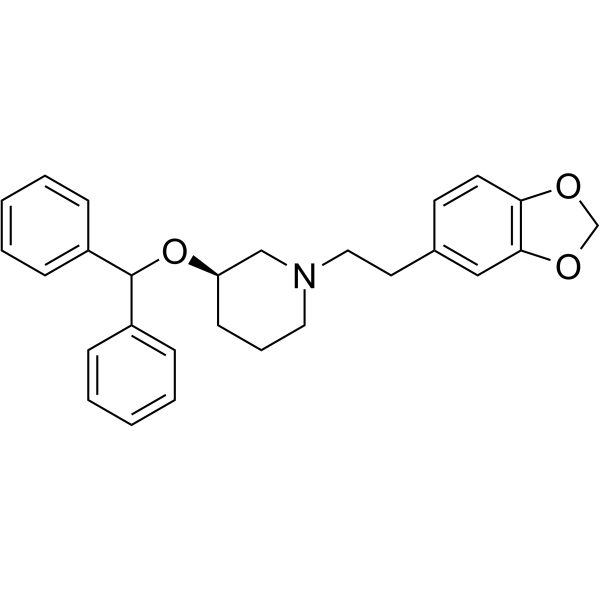
Zamifenacin (UK-76654) is a potent gut-selective muscarinic M3 receptor antagonist. Zamifenacin significantly reduces colonic motility in irritable bowel syndrome .
|
-
-
- HY-14147
-
|
BRL 24924
|
5-HT Receptor
|
Metabolic Disease
|
|
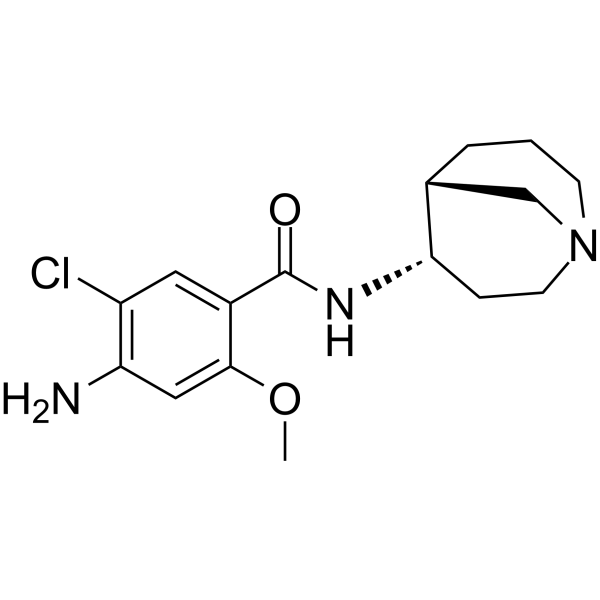
Renzapride (BRL 24924), a substituted benzamide, is a full 5-HT4 receptor agonist with a Ki value of 115 nM. Renzapride (BRL 24924) is also a 5HT2b and 5HT3 receptor antagonist . Renzapride could be used for constipation predominant irritable bowel syndrome (C-IBS) study .
|
-
-
- HY-107384
-
|
EMD-61753
|
Opioid Receptor
|
Neurological Disease
Metabolic Disease
Inflammation/Immunology
|
|
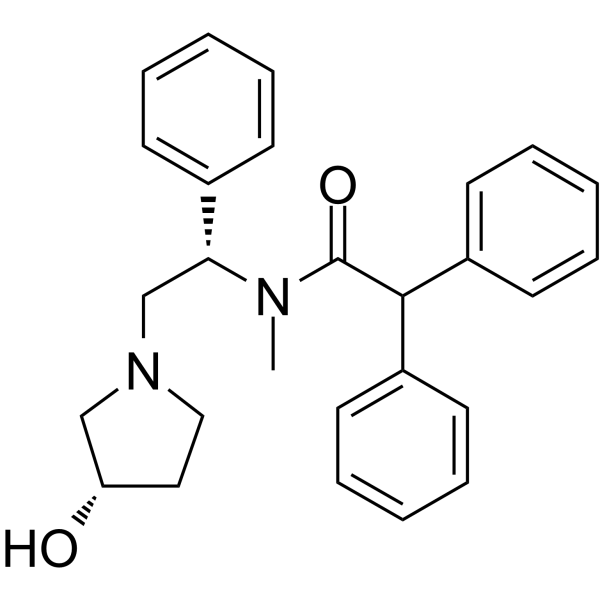
Asimadoline (EMD-61753) is an orally active, selective and peripherally active κ-opioid agonist with IC50s of 5.6 nM (guinea pig) and 1.2 nM (human recombinant). Asimadoline has low permeability across the blood brain barrier and has peripheral anti-inflammatory actions. Asimadoline ameliorates allodynia in diabetic rats and has the potential for irritable bowel syndrome (IBS) .
|
-
-
- HY-17584R
-
|
|
Reference Standards
Guanylate Cyclase
|
Cancer
|
|
Linaclotide (Standard) is the analytical standard of Linaclotide. This product is intended for research and analytical applications. Linaclotide is a potent and selective guanylate cyclase C agonist; developed for the treatment of constipation-predominant irritable bowel syndrome (IBS-C) and chronic constipation.
|
-

-
- HY-A0274
-
|
YM060 free base
|
5-HT Receptor
|
Others
|
|
Ramosetron (YM060 free base) is an orally active 5-HT3 antagonist that improves dysphoria, interference with activity and food avoidance. Ramosetron is promising for research of irritable bowel syndrome with diarrhea .
|
-

-
- HY-108171A
-
|
|
mAChR
|
Inflammation/Immunology
|
|
Hexocyclium methylsulfate is a potent mAChR antagonist with pKi values of 8.9, 7.7, 8.4, 8.8 for M1, M2, M3, and M4 subtype, respectively. Hexocyclium methylsulfate has the potential for the research of duodenal ulcer and irritable bowel syndrome .
|
-

-
- HY-111613S
-
|
|
Isotope-Labeled Compounds
Calcium Channel
|
Others
|
|
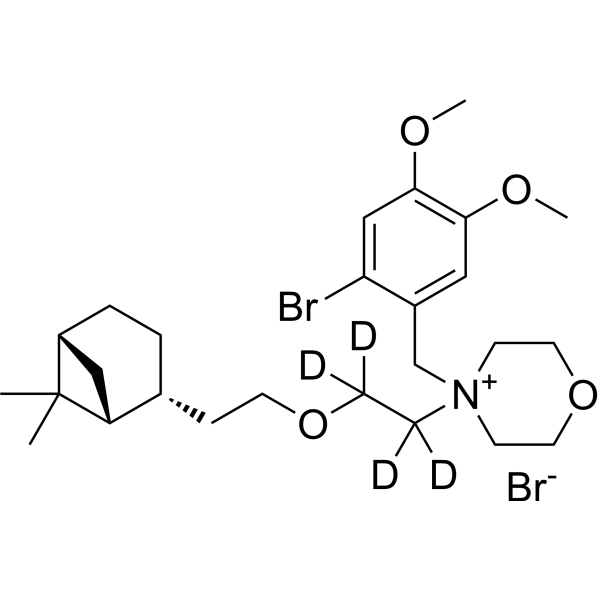
Pinaverium bromide-d4 is deuterium labeled Pinaverium bromide. Pinaverium bromide is an L-type calcium channel blocker with selectivity for the gastrointestinal tract, effectively relieves pain, diarrhea and intestinal discomfort, provides good therapeutic efficacies without significant adverse effects on Irritable bowel syndrome (IBS) patients .
|
-
-
- HY-B0499AR
-
|
Octylonium bromide (Standard); SP63 (Standard)
|
Reference Standards
mAChR
|
Neurological Disease
|
|
Otilonium (bromide) (Standard) is the analytical standard of Otilonium (bromide). This product is intended for research and analytical applications. Otilonium bromide (OB) is an orally active mAChR inhibitor and smooth muscle relaxant which can interfere with the mobilization of calcium in intestinal smooth muscle, OB can be used for research of irritable bowel syndrome .
|
-

-
- HY-111613R
-
|
|
Reference Standards
Calcium Channel
|
Cancer
|
|
Pinaverium bromide (Standard) is the analytical standard of Pinaverium bromide. This product is intended for research and analytical applications. Pinaverium bromide is an L-type calcium channel blocker with selectivity for the gastrointestinal tract, effectively relieves pain, diarrhea and intestinal discomfort, provides good therapeutic efficacies without significant adverse effects on Irritable bowel syndrome (IBS) patients .
|
-

-
- HY-B0380S1
-
|
|
Isotope-Labeled Compounds
Opioid Receptor
Toll-like Receptor (TLR)
Calcium Channel
Potassium Channel
IRAK
ERK
JNK
NF-κB
Akt
Apoptosis
|
Neurological Disease
Metabolic Disease
Inflammation/Immunology
Cancer
|
|
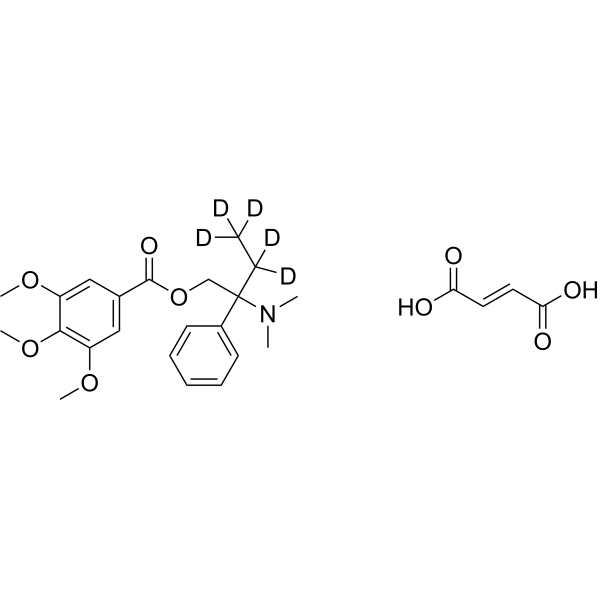
Trimebutine-d5 fumarate is deuterium labeled Trimebutine fumarate. Trimebutine fumarate is a multi-target inhibitor and opioid receptor agonist with antimuscarinic activity. Trimebutine fumarate inhibits L-type Ca 2+ channels and large-conductance calcium-activated potassium channels (BKCa channels), thereby inhibiting extracellular calcium influx and potassium ion efflux. Trimebutine fumarate also targets Toll-like receptors, inhibits Toll-like receptor 2/4/7/8/9 signals, and inhibits LPS-induced IRAK1 activation, as well as ERK1/2, JNK and NF-κB activation, thereby exerting anti-inflammatory effects. Trimebutine fumarate also induces tumor cell apoptosis by inhibiting the AKT/ERK pathway. Trimebutine fumarate also inhibits excessive contraction of smooth muscle and can be used in the study of gastrointestinal disorders such as irritable bowel syndrome (IBS) .
|
-
-
- HY-B0380AR
-
|
|
Reference Standards
Opioid Receptor
Apoptosis
Potassium Channel
NF-κB
Akt
IRAK
JNK
Toll-like Receptor (TLR)
ERK
Calcium Channel
|
Neurological Disease
Metabolic Disease
Inflammation/Immunology
Cancer
|
|
Trimebutine maleate (Standard) is the analytical standard of Trimebutine maleate (HY-B0380A). This product is intended for research and analytical applications. Trimebutine maleate is a multi-target inhibitor and opioid receptor agonist with antimuscarinic activity. Trimebutine maleate inhibits L-type Ca 2+ channels and large-conductance calcium-activated potassium channels (BKCa channels), thereby inhibiting extracellular calcium influx and potassium ion efflux. Trimebutine maleate also targets Toll-like receptors, inhibits Toll-like receptor 2/4/7/8/9 signals, and inhibits LPS-induced IRAK1 activation, as well as ERK1/2, JNK and NF-κB activation, thereby exerting anti-inflammatory effects. Trimebutine maleate also induces tumor cell apoptosis by inhibiting the AKT/ERK pathway. Trimebutine maleate also inhibits excessive contraction of smooth muscle and can be used in the study of gastrointestinal disorders such as irritable bowel syndrome (IBS) .
|
-

-
- HY-113259R
-
|
|
Reference Standards
Endogenous Metabolite
|
Metabolic Disease
|
|
7α-Hydroxy-4-cholesten-3-one (Standard) is the analytical standard of 7α-Hydroxy-4-cholesten-3-one. This product is intended for research and analytical applications. 7α-Hydroxy-4-cholesten-3-one is an intermediate in synthesis of bile acids from cholesterol. 7α-Hydroxy-4-cholesten-3-one is a pregnane X receptor (PXR) agonist. 7α-Hydroxy-cholest-4-en-3-one is a biomarker for bile acid loss, irritable bowel syndrome, and other diseases associated with defective bile acid biosynthesis. 7α-Hydroxy-cholest-4-en-3-one is the physiological substrate for CYP8B1 .
|
-
-
- HY-U00106
-
-
-
- HY-106615
-
-

-
- HY-105109
-
-

-
- HY-105108
-
|
|
5-HT Receptor
|
Neurological Disease
|
|
Cilansetron hydrochloride hydrate is a 5-HT3 receptor antagonist. Cilansetron hydrochloride hydrate can be used in studies of irritable bowel syndrome .
|
-

-
- HY-167687
-
|
|
5-HT Receptor
|
Neurological Disease
|
|
(RS)-Minesapride is a serotonin receptor agonist, exhibiting potential therapeutic activity for patients with irritable bowel syndrome with predominant constipation (IBS-C).
|
-

-
- HY-105109B
-
|
|
5-HT Receptor
|
Neurological Disease
|
|
(S)-Cilansetron is the S-isomer of Cilansetron. Cilansetron is a 5-HT3 receptor antagonist that can be used in research related to irritable bowel syndrome .
|
-

-
- HY-19456
-
-
-
- HY-19650
-
|
MKC-733; DDP-733
|
5-HT Receptor
|
Metabolic Disease
|
|
Pumosetrag Hydrochloride (MKC-733; DDP-733) is an orally available 5-HT3 partial agonist developed for the treatment of irritable bowel syndrome and gastroesophageal reflux disease.
|
-
-
- HY-105534
-
|
|
Neurokinin Receptor
|
Neurological Disease
|
|
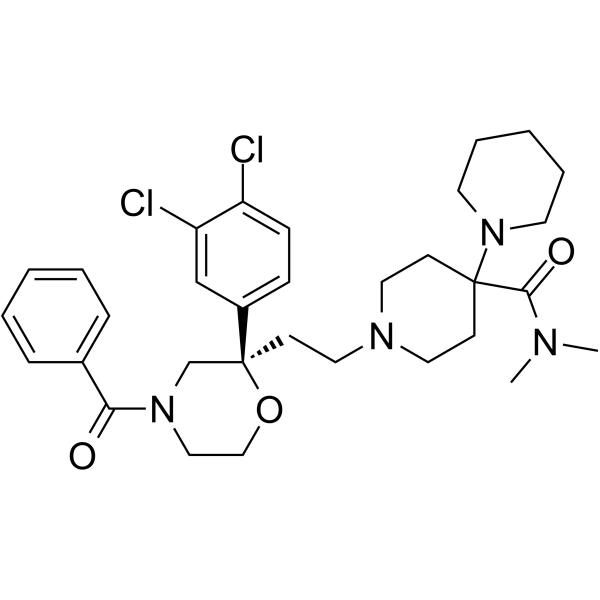
TAK-637 is an orally active neurokinin-1 receptor antagonist. TAK-637 increases bladder storage capacity. TAK-637 can be used for research of functional bowel diseases such as irritable bowel syndrome .
|
-

-
- HY-167639
-
|
(S)-YM060 free base
|
5-HT Receptor
|
Metabolic Disease
|
|
(S)-Ramosetron ((S)-YM060 free base) is an orally active antagonist of the 5-hydroxytryptamine 5-HT3 receptor. (S)-Ramosetron is promising for research of diseases related to nausea and vomiting, irritable bowel syndrome (IBS) .
|
-

-
- HY-P5782
-
|
|
Sodium Channel
|
Neurological Disease
|
|
δ-Theraphotoxin-Hm1a toxin is a selective Nav1.1 activator. δ-Theraphotoxin-Hm1a toxin elicits pain and touch sensitivity. δ-Theraphotoxin-Hm1a toxin can be used for the research of irritable bowel syndrome .
|
-

-
- HY-19436A
-
|
GW 427353B
|
Adrenergic Receptor
|
Metabolic Disease
Endocrinology
|
|
Solabegron hydrochloride is a selective β3-adrenergic receptor agonist, stimulating cAMP accumulation in Chinese hamster ovary cells expressing the human β3-AR, with an EC50 value of 22 nM . Solabegron hydrochloride (GW 427353) is being developed for the treatment of overactive bladder and irritable bowel syndrome .
|
-

-
- HY-147564
-
|
|
RET
|
Neurological Disease
Cancer
|
|
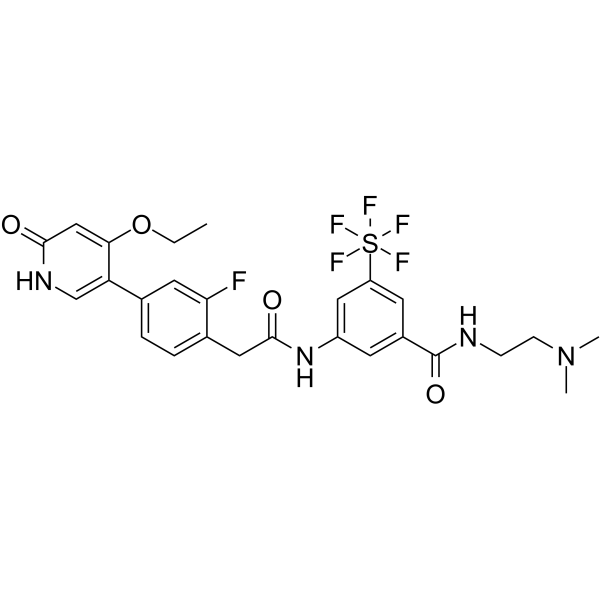
RET-IN-18 is a pyridone compound. is a potent inhibitor of RET. RET-IN-18 is a potent inhibitor of RET. RET-IN-18 has the potential for the research of diseases related to irritable bowel syndrome (IBS) and other gastrointestinal disorders, as well as cancers, and neurodegenerative diseases (extracted from patent WO2022017524A1, compound 1) .
|
-
-
- HY-14147A
-
|
(S)-BRL 24924
|
5-HT Receptor
|
Metabolic Disease
|
|
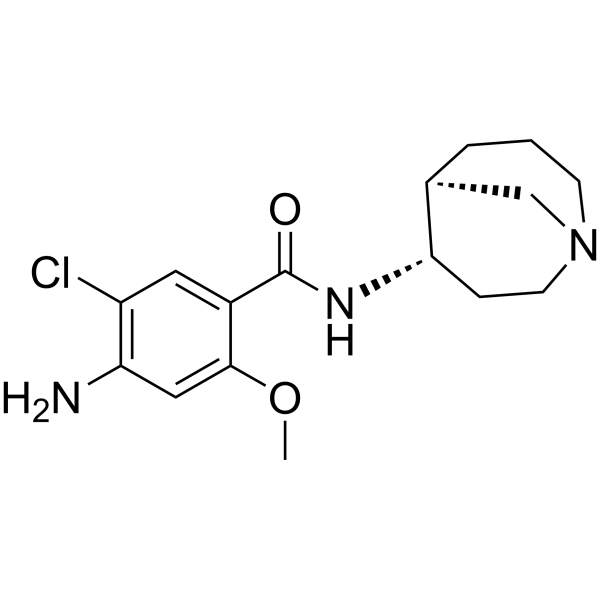
(S)-Renzapride ((S)-BRL 24924) is the isomer of HY-14147 Renzapride. Renzapride is a 5-HT4 receptor agonist with a Ki value of 115 nM. Renzapride also is a 5HT2b and 5HT3 receptor antagonist. Renzapride can be used for constipation predominant irritable bowel syndrome (C-IBS) study .
|
-
-
- HY-10049
-
|
|
Neurokinin Receptor
|
Neurological Disease
Inflammation/Immunology
|
|
CP 122721 is an orally active NK1 receptor antagonist. CP 122721 attenuates cisplatin-induced vomiting in ferrets (ID50: 0.08 mg/kg). CP 122721 inhibits kainate (KA)-induced seizure activity and CA1 neuronal cell death in rats. CP 122721 is useful in the study of depression, asthma, and irritable bowel syndrome (IBS) .
|
-

-
- HY-109065
-
|
|
5-HT Receptor
|
Others
|
|
Minesapride is a partial agonist with a highly selective serotonin 4 (5-HT4) receptor. Minesapride enhances gastrointestinal peristalsis and colon transport by activating the 5-HT4 receptor. Minesapride increases bowel movements and suppresses visceral allergic reactions. Minesapride can be used in the study of constipation-type irritable bowel syndrome (IBS-C) .
|
-

-
- HY-106982
-
|
CJ-11,974
|
Neurokinin Receptor
|
Neurological Disease
Metabolic Disease
|
|
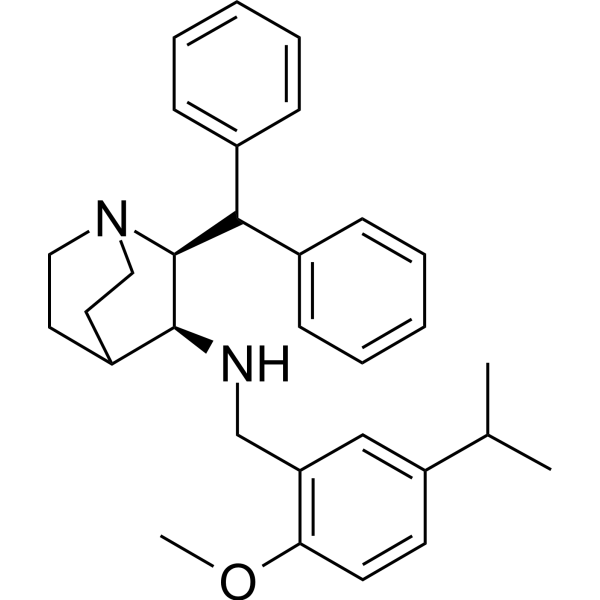
Ezlopitant (CJ-11,974) is a selective, non-peptidic neurokinin-1 (NK-1)-receptor antagonist. Ezlopitant inhibits both acute and delayed emetic reactions induced by Cisplatin (HY-17394) in ferrets via acting on NK1 receptors in the central nervous system. Ezlopitant has the potential for pain, chemotherapy-induced emesis and irritable bowel syndrome research .
|
-
- HY-14148
-
|
|
5-HT Receptor
|
Neurological Disease
|
|
Renzapride hydrochloride is a benzamide that inhibits irritable bowel syndrome and has antagonistic activity at 5-HT(3) receptors and agonistic activity at 5-HT(4) receptors. Renzapride hydrochloride also exhibits antagonistic activity at 5-HT(2B) receptors and has a certain affinity for 5-HT(2A) and 5-HT(2C) receptors .
|
-

- HY-19436S
-
|
GW 427353-d8
|
Isotope-Labeled Compounds
Adrenergic Receptor
|
Metabolic Disease
Endocrinology
|
|
Solabegron-d8 (GW 427353-d8) is deuterium labeled Solabegron. Solabegron (GW 427353) is a selective β3-adrenergic receptor agonist, stimulating cAMP accumulation in Chinese hamster ovary cells expressing the human β3-AR, with an EC50 value of 22 nM . Solabegron (GW 427353) is being developed for the treatment of overactive bladder and irritable bowel syndrome .
|
-

- HY-103377R
-
|
|
Reference Standards
CRFR
|
Inflammation/Immunology
Endocrinology
|
|
Antalarmin (hydrochloride) (Standard) is the analytical standard of Antalarmin (hydrochloride). This product is intended for research and analytical applications. Antalarmin (hydrochloride) is an oral active non-peptide corticotropin-releasing hormone receptor 1 (CRHR1) antagonist with a Ki of 1 nM. Antalarmin hydrochloride suppresses CRH-induced ACTH secretion and blocks CRH and novelty induced anxiety-like behavior in animal models. Antalarmin hydrochloride produces anti-inflammatory effects in arthritis models, and suppresses stress-induced gastric ulceration related to irritable bowel syndrome .
|
-

- HY-101225
-
|
|
5-HT Receptor
Histamine Receptor
|
Inflammation/Immunology
|
|
8 Hydroxy PIPAT oxalate is a selective 5-HT1A receptor agonist that promotes the release of histamine from enteric mast cells. 8 Hydroxy PIPAT oxalate activates serotonergic signaling pathways, leading to the degranulation of mast cells in both guinea pig and human intestinal preparations. 8 Hydroxy PIPAT oxalate enhances the spontaneous release of histamine, which may contribute to the regulation of gastrointestinal functions. 8 Hydroxy PIPAT oxalate has potential implications for understanding and treating functional gastrointestinal disorders such as irritable bowel syndrome.
|
-

- HY-70050CR
-
|
GR 68755C (Standard); GR 68755 Hydrochloride (Standard); GR 68755X Hydrochloride (Standard)
|
Reference Standards
5-HT Receptor
|
Neurological Disease
|
|
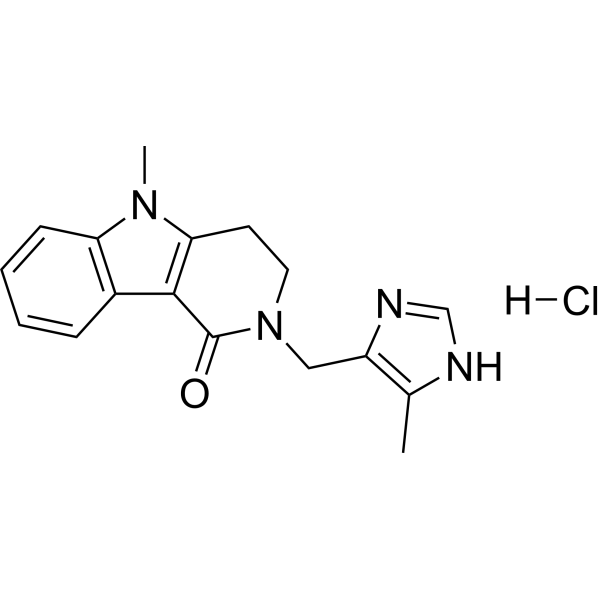
Alosetron (Hydrochloride) (Standard) is the analytical standard of Alosetron (Hydrochloride). This product is intended for research and analytical applications. Alosetron Hydrochloride (GR 68755C) is a potent and highly selective serotonin 5-HT3 receptor antagonist. Alosetron Hydrochloride is used for the research of irritable bowel syndrome (IBS). Alosetron blocks the fast 5HT3-mediated depolarisation of guinea-pig myenteric and submucosal neurons, with IC50 at ~55 nM. Alosetron Hydrochloride attenuates the visceral nociceptive effect of rectal distension in conscious or anaesthetised dogs. Anti-inflammatory effects .
|
-
- HY-70050B
-
|
GR 68755 ((Z)-2-butenedioate); GR 68755X ((Z)-2-butenedioate)
|
5-HT Receptor
|
Neurological Disease
Inflammation/Immunology
|
|
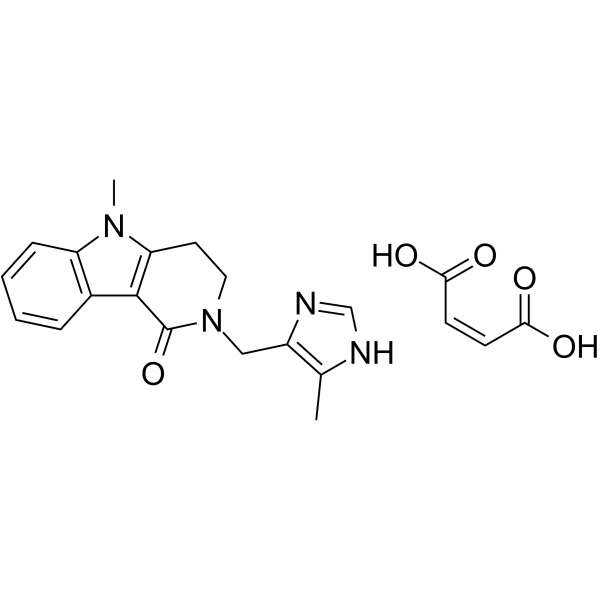
Alosetron (GR 68755) (Z)-2-butenedioate is a potent and highly selective serotonin 5-HT3 receptor antagonist. Alosetron (Z)-2-butenedioate is used for the research of irritable bowel syndrome (IBS). Alosetron (Z)-2-butenedioate blocks the fast 5HT3-mediated depolarisation of guinea-pig myenteric and submucosal neurons, with IC50 at ~55 nM. Alosetron (Z)-2-butenedioate attenuates the visceral nociceptive effect of rectal distension in conscious or anaesthetised dogs. Anti-inflammatory effects .
|
-
- HY-70050
-
|
GR 68755 (Hydrochloride(1:X)); GR 68755X (Hydrochloride(1:X))
|
5-HT Receptor
|
Neurological Disease
Inflammation/Immunology
|
|
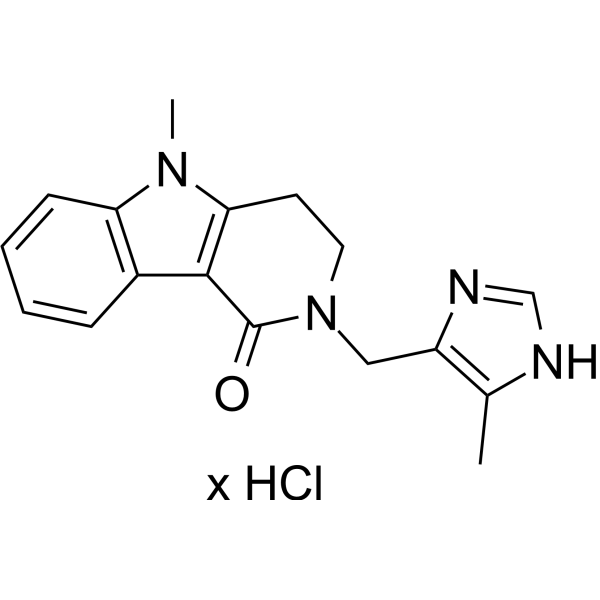
Alosetron (GR 68755) Hydrochloride(1:X) is a potent and highly selective serotonin 5-HT3 receptor antagonist. Alosetron Hydrochloride(1:X) is used for the research of irritable bowel syndrome (IBS). Alosetron Hydrochloride(1:X) blocks the fast 5HT3-mediated depolarisation of guinea-pig myenteric and submucosal neurons, with IC50 at ~55 nM. Alosetron Hydrochloride(1:X) attenuates the visceral nociceptive effect of rectal distension in conscious or anaesthetised dogs. Anti-inflammatory effects .
|
-
- HY-19927A
-
|
|
5-HT Receptor
|
Neurological Disease
Endocrinology
|
|
DA-6886 is a 5-Hydroxytryptamine receptor 4 (5-HT4) agonist. DA-6886 induces relaxation of the rat oesophagus preparation in a 5-HT4 receptor antagonist-sensitive manner. The evaluation of DA-6886 in CHO cells expressing hERG channels reveals that it inhibits hERG channel current with an pIC50 value of 4.3, indicating that the compound is 1000-fold more selective for the 5-HT4 receptor over hERG channels. DA-6886 can be used in the study of constipated irritable bowel syndrome .
|
-

- HY-14153S
-
|
|
5-HT Receptor
Apoptosis
Isotope-Labeled Compounds
|
Metabolic Disease
Cancer
|
|
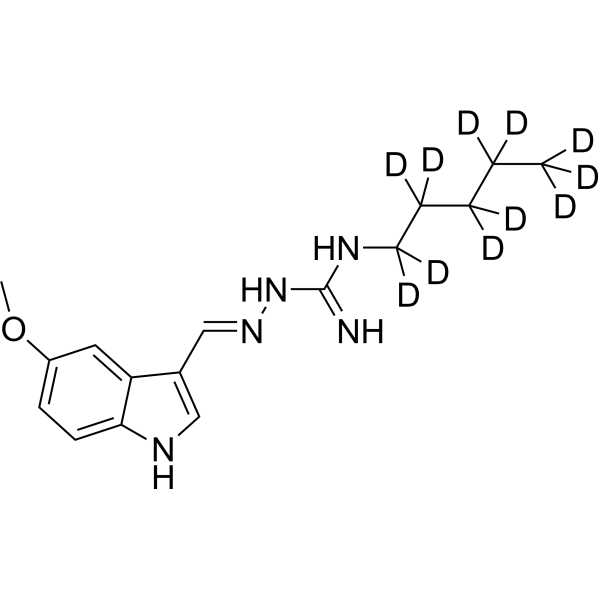
Tegaserod-d11 is deuterated labeled Tegaserod (HY-14153). Tegaserod is an orally active serotonin receptor 4 (HTR4; 5-HT4R) agonist and a 5-HT2B receptor antagonist. Tegaserod has pKis of 7.5, 8.4 and 7.0 for human recombinant 5-HT2A, 5-HT2B and 5-HT2C receptors, respectively. Tegaserod causes tumor cell apoptosis, blunts PI3K/Akt/mTOR signaling and decreases S6 phosphorylation. Tegaserod has anti-tumor activity and has the potential for irritable bowel syndrome (IBS) research .
|
-
- HY-B0380S2
-
|
|
Isotope-Labeled Compounds
Opioid Receptor
Toll-like Receptor (TLR)
Calcium Channel
Potassium Channel
IRAK
ERK
JNK
NF-κB
Akt
Apoptosis
|
Neurological Disease
Metabolic Disease
Inflammation/Immunology
Cancer
|
|
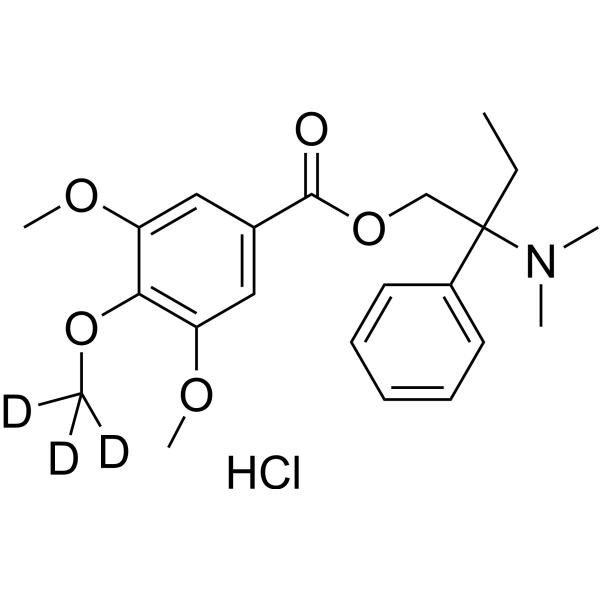
Trimebutine-d3 hydrochloride is deuterium labeled Trimebutine hydrochloride. Trimebutine hydrochloride is a multi-target inhibitor and opioid receptor agonist with antimuscarinic activity. Trimebutine hydrochloride inhibits L-type Ca 2+ channels and large-conductance calcium-activated potassium channels (BKCa channels), thereby inhibiting extracellular calcium influx and potassium ion efflux. Trimebutine hydrochloride also targets Toll-like receptors, inhibits Toll-like receptor 2/4/7/8/9 signals, and inhibits LPS-induced IRAK1 activation, as well as ERK1/2, JNK and NF-κB activation, thereby exerting anti-inflammatory effects. Trimebutine hydrochloride also induces tumor cell apoptosis by inhibiting the AKT/ERK pathway. Trimebutine hydrochloride also inhibits excessive contraction of smooth muscle and can be used in the study of gastrointestinal disorders such as irritable bowel syndrome (IBS) .
|
-
- HY-15026
-
|
|
Endogenous Metabolite
|
Inflammation/Immunology
|
|
ATB-429, a novel H2S-releasing derivative of mesalamine, demonstrates significant anti-nociceptive and anti-inflammatory effects in models of irritable bowel syndrome (IBS). By releasing hydrogen sulfide (H2S), ATB-429 modulates colorectal distension-induced hypersensitivity in both healthy and postcolitic rats. It attenuates abdominal withdrawal responses and suppresses spinal c-Fos mRNA expression, indicating its potential to alleviate pain associated with gastrointestinal inflammation. Moreover, ATB-429 down-regulates colonic cyclooxygenase-2 and interleukin-1β mRNA expression, effects not observed with mesalamine alone. The mechanism involves ATP-sensitive K+ (KATP) channels, as evidenced by reversal of ATB-429's effects with glibenclamide. These findings suggest ATB-429 could offer therapeutic benefits for managing painful intestinal disorders linked to inflammation .
|
-

- HY-B0380R
-
|
|
Opioid Receptor
Toll-like Receptor (TLR)
Calcium Channel
Potassium Channel
IRAK
ERK
JNK
NF-κB
Akt
Apoptosis
Reference Standards
|
Neurological Disease
Metabolic Disease
Inflammation/Immunology
Cancer
|
|
Trimebutine (Standard) is the analytical standard of Trimebutine (HY-B0380). This product is intended for research and analytical applications. Trimebutine is a multi-target inhibitor and opioid receptor agonist with antimuscarinic activity. Trimebutine inhibits L-type Ca 2+ channels and large-conductance calcium-activated potassium channels (BKCa channels), thereby inhibiting extracellular calcium influx and potassium ion efflux. Trimebutine also targets Toll-like receptors, inhibits Toll-like receptor 2/4/7/8/9 signals, and inhibits LPS-induced IRAK1 activation, as well as ERK1/2, JNK and NF-κB activation, thereby exerting anti-inflammatory effects. Trimebutine also induces tumor cell apoptosis by inhibiting the AKT/ERK pathway. Trimebutine also inhibits excessive contraction of smooth muscle and can be used in the study of gastrointestinal disorders such as irritable bowel syndrome (IBS) .
|
-

- HY-N16477
-
|
|
Drug Metabolite
|
Metabolic Disease
|
|
Ciceritol is a dietary fiber component/prebiotic targeting α-galactosidic linkage oligosaccharides. Ciceritol selectively promotes proliferation of beneficial bacteria like Bifidobacteria. Ciceritol is promising for research of gut microbiota-related diseases (e.g., irritable bowel syndrome, metabolic syndrome) .
|
-

- HY-107649R
-
|
UK-76654 fumarate (Standard)
|
Reference Standards
mAChR
|
Metabolic Disease
|
|
Zamifenacin fumarate (Standard) is the analytical standard of Zamifenacin (fumarate) (HY-107649). This product is intended for research and analytical applications. Zamifenacin fumarate (UK-76654 fumarate) is a potent gut-selective muscarinic M3 receptor antagonist. Zamifenacin significantly reduces colonic motility in irritable bowel syndrome .
|
-

- HY-N17727
-
|
|
Interleukin Related
TNF Receptor
|
Neurological Disease
Inflammation/Immunology
|
|
Divaricatol is an orally ative chromone natural product and an active component in Saposhnikovia divaricata. Divaricatol reduces the release of pro-inflammatory cytokines and restores immune homeostasis by stably binding to 5KIR (a target of the TNF/IL-17 pathway). Divaricatol exerts analgesic effects in mouse models. Divaricatol can be used in the research of pain, diarrhea-predominant irritable bowel syndrome (IBS-D) and qi deficiency syndrome .
|
-

- HY-100459R
-
|
|
RET
Reference Standards
|
Metabolic Disease
Inflammation/Immunology
|
|
GSK3179106 (Standard) is the analytical standard of GSK3179106 (HY-100459). This product is intended for research and analytical applications. GSK3179106 is an orally active and selective RET kinase inhibitor with IC50s of 0.4 nM, 0.2 nM for human RET and rat RET, respectively. GSK3179106 has the potential for irritable bowel syndrome (IBS) through the attenuation of post-inflammatory and stress-induced visceral hypersensitivity .
|
-

- HY-107384AR
-
|
EMD-61753 hydrochloride (Standard)
|
Reference Standards
Opioid Receptor
|
Neurological Disease
Metabolic Disease
Inflammation/Immunology
|
|
Asimadoline hydrochloride (Standard) (EMD-61753 hydrochloride (Standard)) is the analytical standard of Asimadoline (hydrochloride) (HY-107384A). This product is intended for research and analytical applications. Asimadoline (EMD-61753) hydrochloride is an orally active, selective and peripherally active κ-opioid agonist with IC50s of 5.6 nM (guinea pig) and 1.2 nM (human recombinant). Asimadoline hydrochloride has low permeability across the blood brain barrier and has peripheral anti-inflammatory actions. Asimadoline hydrochloride ameliorates allodynia in diabetic rats and has the potential for irritable bowel syndrome (IBS) .
|
-

| Cat. No. |
Product Name |
Target |
Research Area |
-
- HY-17584
-
|
|
Guanylate Cyclase
|
Cancer
|
|
Linaclotide is a potent and selective guanylate cyclase C agonist; developed for the treatment of constipation-predominant irritable bowel syndrome (IBS-C) and chronic constipation.
|
-
- HY-17584A
-
|
|
Guanylate Cyclase
|
Cancer
|
|
Linaclotide acetate is a potent and selective guanylate cyclase C agonist; developed for the treatment of constipation-predominant irritable bowel syndrome (IBS-C) and chronic constipation.
|
-
- HY-P3282
-
|
|
Guanylate Cyclase
|
Metabolic Disease
|
|
MM 419447, a linaclotide metabolite, is a guanylate cyclase-C agonist. MM 419447 has the potential for the research of the irritable bowel syndrome with constipation (IBS-C) .
|
-
- HY-17584R
-
|
|
Reference Standards
Guanylate Cyclase
|
Cancer
|
|
Linaclotide (Standard) is the analytical standard of Linaclotide. This product is intended for research and analytical applications. Linaclotide is a potent and selective guanylate cyclase C agonist; developed for the treatment of constipation-predominant irritable bowel syndrome (IBS-C) and chronic constipation.
|
-
- HY-P5782
-
|
|
Sodium Channel
|
Neurological Disease
|
|
δ-Theraphotoxin-Hm1a toxin is a selective Nav1.1 activator. δ-Theraphotoxin-Hm1a toxin elicits pain and touch sensitivity. δ-Theraphotoxin-Hm1a toxin can be used for the research of irritable bowel syndrome .
|
| Cat. No. |
Product Name |
Category |
Target |
Chemical Structure |
| Cat. No. |
Product Name |
Chemical Structure |
-
- HY-113259S
-
|
|
|
7α-Hydroxy-4-cholesten-3-one-d7 is the deuterium labeled 7α-Hydroxy-4-cholesten-3-one. 7α-Hydroxy-4-cholesten-3-one is an intermediate in synthesis of bile acids from cholesterol. 7α-Hydroxy-4-cholesten-3-one is a pregnane X receptor (PXR) agonist. 7α-Hydroxy-cholest-4-en-3-one is a biomarker for bile acid loss, irritable bowel syndrome, and other diseases associated with defective bile acid biosynthesis. 7α-Hydroxy-cholest-4-en-3-one is the physiological substrate for CYP8B1 .
|
-
-
- HY-111613S
-
|
|
|
Pinaverium bromide-d4 is deuterium labeled Pinaverium bromide. Pinaverium bromide is an L-type calcium channel blocker with selectivity for the gastrointestinal tract, effectively relieves pain, diarrhea and intestinal discomfort, provides good therapeutic efficacies without significant adverse effects on Irritable bowel syndrome (IBS) patients .
|
-
-
- HY-B0380S1
-
|
|
|
Trimebutine-d5 fumarate is deuterium labeled Trimebutine fumarate. Trimebutine fumarate is a multi-target inhibitor and opioid receptor agonist with antimuscarinic activity. Trimebutine fumarate inhibits L-type Ca 2+ channels and large-conductance calcium-activated potassium channels (BKCa channels), thereby inhibiting extracellular calcium influx and potassium ion efflux. Trimebutine fumarate also targets Toll-like receptors, inhibits Toll-like receptor 2/4/7/8/9 signals, and inhibits LPS-induced IRAK1 activation, as well as ERK1/2, JNK and NF-κB activation, thereby exerting anti-inflammatory effects. Trimebutine fumarate also induces tumor cell apoptosis by inhibiting the AKT/ERK pathway. Trimebutine fumarate also inhibits excessive contraction of smooth muscle and can be used in the study of gastrointestinal disorders such as irritable bowel syndrome (IBS) .
|
-
-
- HY-19436S
-
|
|
|
Solabegron-d8 (GW 427353-d8) is deuterium labeled Solabegron. Solabegron (GW 427353) is a selective β3-adrenergic receptor agonist, stimulating cAMP accumulation in Chinese hamster ovary cells expressing the human β3-AR, with an EC50 value of 22 nM . Solabegron (GW 427353) is being developed for the treatment of overactive bladder and irritable bowel syndrome .
|
-
-
- HY-14153S
-
|
|
|
Tegaserod-d11 is deuterated labeled Tegaserod (HY-14153). Tegaserod is an orally active serotonin receptor 4 (HTR4; 5-HT4R) agonist and a 5-HT2B receptor antagonist. Tegaserod has pKis of 7.5, 8.4 and 7.0 for human recombinant 5-HT2A, 5-HT2B and 5-HT2C receptors, respectively. Tegaserod causes tumor cell apoptosis, blunts PI3K/Akt/mTOR signaling and decreases S6 phosphorylation. Tegaserod has anti-tumor activity and has the potential for irritable bowel syndrome (IBS) research .
|
-
-
- HY-B0380S2
-
|
|
|
Trimebutine-d3 hydrochloride is deuterium labeled Trimebutine hydrochloride. Trimebutine hydrochloride is a multi-target inhibitor and opioid receptor agonist with antimuscarinic activity. Trimebutine hydrochloride inhibits L-type Ca 2+ channels and large-conductance calcium-activated potassium channels (BKCa channels), thereby inhibiting extracellular calcium influx and potassium ion efflux. Trimebutine hydrochloride also targets Toll-like receptors, inhibits Toll-like receptor 2/4/7/8/9 signals, and inhibits LPS-induced IRAK1 activation, as well as ERK1/2, JNK and NF-κB activation, thereby exerting anti-inflammatory effects. Trimebutine hydrochloride also induces tumor cell apoptosis by inhibiting the AKT/ERK pathway. Trimebutine hydrochloride also inhibits excessive contraction of smooth muscle and can be used in the study of gastrointestinal disorders such as irritable bowel syndrome (IBS) .
|
-
Your information is safe with us. * Required Fields.
Inquiry Information
- Product Name:
- Cat. No.:
- Quantity:
- MCE Japan Authorized Agent:








