Search Result
Results for "
melanin production
" in MedChemExpress (MCE) Product Catalog:
2
Biochemical Assay Reagents
2
Isotope-Labeled Compounds
| Cat. No. |
Product Name |
Target |
Research Areas |
Chemical Structure |
-
- HY-125860
-
|
Polyphenol oxidase
|
Tyrosinase
|
Neurological Disease
Endocrinology
Cancer
|
|
Tyrosinase (EC 1.14.18.1) (Polyphenol oxidase) is a rate-limiting enzyme that controls the production of melanin. Tyrosinase is mainly found in melanosomes synthesized by skin melanocytes. Tyrosinase can be used in research on Parkinson's disease, melanoma and pigmentation .
|
-
-
- HY-W050154
-
|
|
Parasite
Tyrosinase
NF-κB
CDK
|
Infection
Inflammation/Immunology
Cancer
|
|
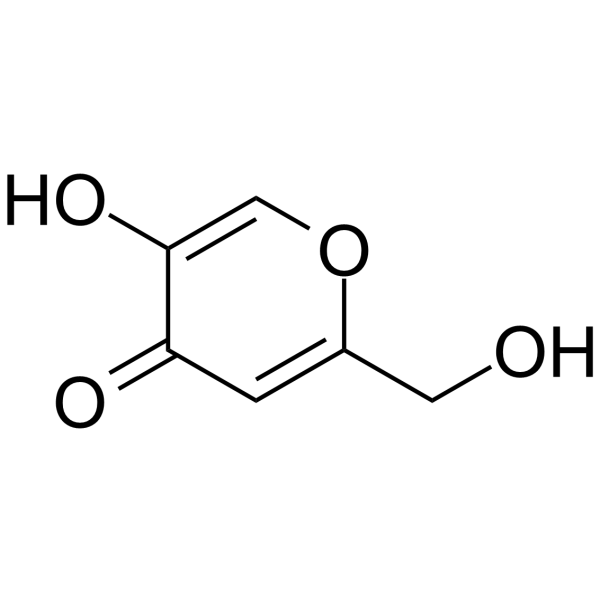
Kojic acid is a substance produced by Aspergillus oryzae that is orally effective and can also be absorbed transdermally. Kojic acid exhibits various biological activities, including anti-aging, anti-nematode, antimicrobial, antioxidant, and anti-inflammatory effects. Kojic acid is a Tyrosinase inhibitor with an Mushroom Tyrosinase IC50 of 182.7 μM. Kojic acid prevents melanin production by capturing copper ions that bind to the tyrosinase active site, thus inhibiting its activation. Kojic acid also suppresses the NF-κB and p21 signaling pathways in human keratinocytes. Kojic acid derivatives have anticancer activity .
|
-
-
- HY-N9481
-
-
-
- HY-P0097
-
|
Melanostatine-5
|
Melanocortin Receptor
|
Metabolic Disease
Endocrinology
Cancer
|
|
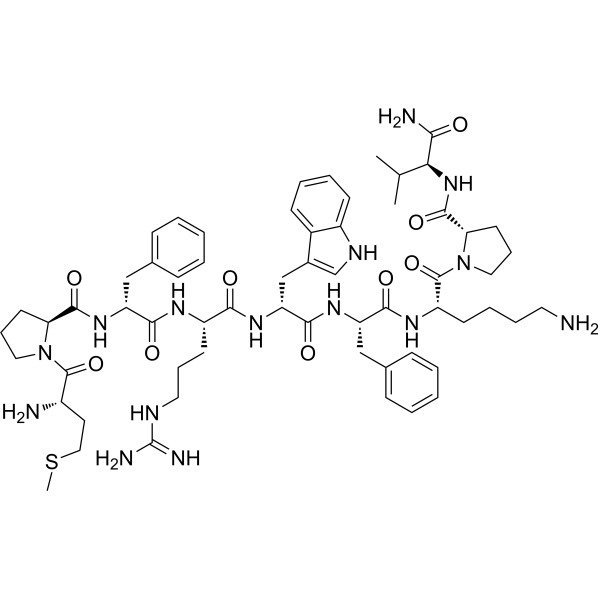
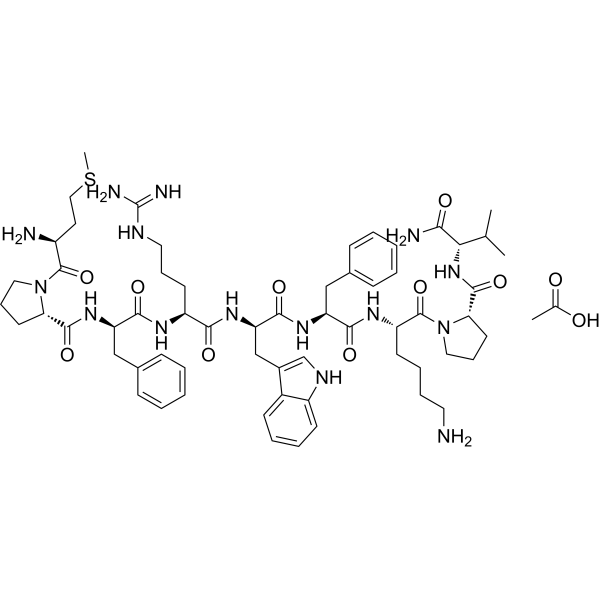
Nonapeptide-1 (Melanostatine-5), a peptide hormone, is a selective antagonist of MC1R (Ki: 40 nM). Nonapeptide-1 is a competitive α-MSH antagonist that potently inhibits intracellular cAMP and melanosome dispersion induced by α-MSH in melanocytes (IC50: 2.5 nM and 11 nM, respectively). Nonapeptide-1 inhibits melanin synthesis, and can be used in the research of skin pigmentation and regulation of steroid production in the adrenal gland, skin cancer .
|
-
-
- HY-P10533
-
|
|
Tyrosinase
|
Others
|
|
Cysteine peptide is a tyrosinase inhibitor with skin-whitening, antioxidant and multi-regulatory activities. Cysteine peptide inhibits enzyme activity and blocks melanin transport, effectively reducing UV-B-induced skin erythema and pigmentation. Cysteine peptide synergistically maintains skin health by quenching ROS, resisting oxidative stress and promoting pheomelanin production. Cysteine peptide safely prevents daily ultraviolet damage and supports moderate sun exposure for vitamin D synthesis. Cysteine peptide also acts as a plant signaling factor to regulate vegetative growth, development and stress resistance responses .
|
-
-
- HY-20074
-
|
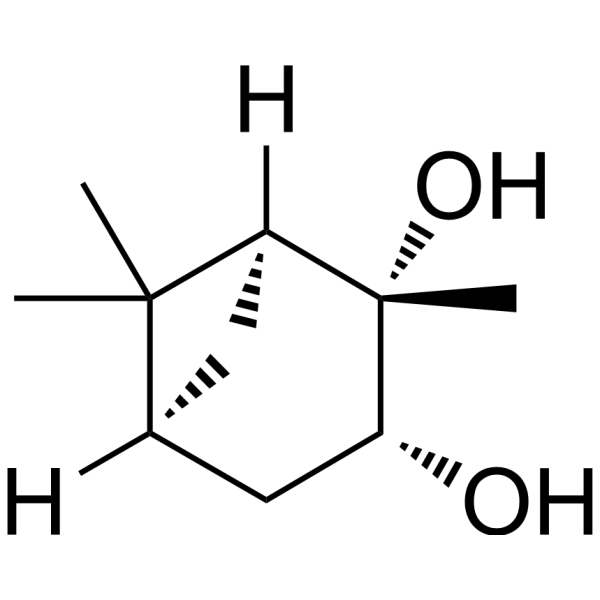
(1S,2S,3R,5S)-(+)-Pinanediol
|
Biochemical Assay Reagents
|
Others
|
|
(+)-Pinanediol ((1S,2S,3R,5S)-(+)-Pinanediol) is a potent inducer of melanin production. In S91 cells, it acts by inducing higher levels of pigmentation and nitric oxide (NO) synthesis .
|
-
-
- HY-N0616
-
|
|
Tyrosinase
TNF Receptor
Bacterial
Apoptosis
Autophagy
AMPK
mTOR
ERK
NF-κB
|
Infection
Metabolic Disease
Inflammation/Immunology
Cancer
|
|
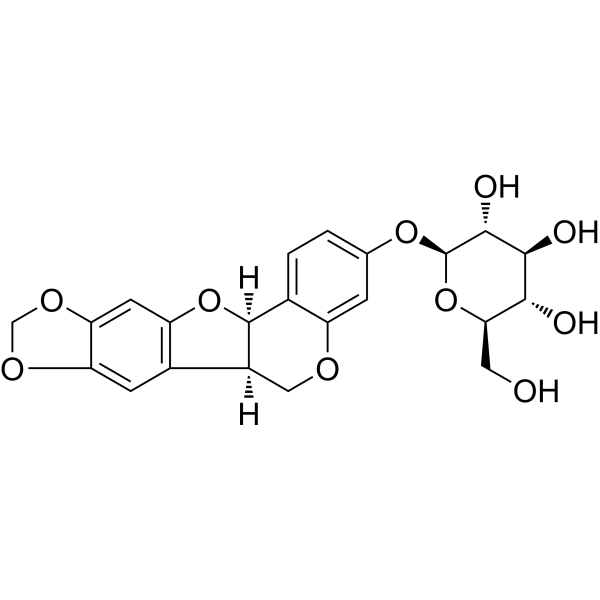
Trifolirhizin is a pterocarpan flavonoid found in the roots of Sophora flavescens. Trifolirhizin is a tyrosinase inhibitor with an IC50 value of 506.77 μM. Trifolirhizin reduces intracellular melanin production and modulates multiple signaling pathways including NFκB-MAPK, AMPK/mTOR, PI3K/Akt, MAPK-NFATc1 and EGFR-MAPK. Trifolirhizin targets biological molecules including PTK6 and COX-2, inhibits the activities of hyaluronidase, collagenase and elastase, induces apoptosis, autophagy and cell cycle arrest, and suppresses the proliferation, migration and invasion of cancer cells. Trifolirhizin exerts diverse pharmacological effects including anti-inflammatory, anti-asthmatic, bone-protective, renoprotective, antibacterial, antifungal, hepatoprotective, antiplatelet, estrogenic and wound-healing activities. Trifolirhizin can be used to investigate a broad range of malignant, inflammatory, metabolic and infectious disorders .
|
-
-
- HY-N2073
-
|
|
MCHR1 (GPR24)
|
Cardiovascular Disease
|
|
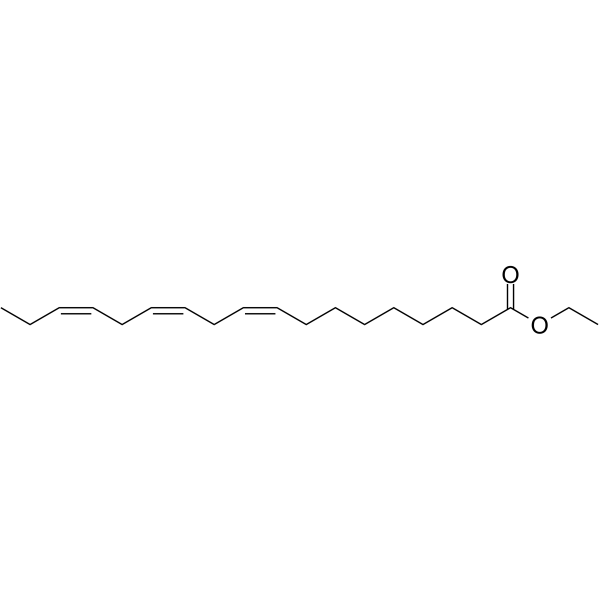
Ethyl linolenate is a fatty acid ethyl ester (FAEE). Ethyl linolenate plays an active role in inhibition of the cellular production on melanin with an IC50 of 70 μM. Anti-melanogenesis Effects .
|
-
-
- HY-N0754
-
|
|
YAP
HSP
Reactive Oxygen Species (ROS)
ERK
Autophagy
Apoptosis
Tyrosinase
DNA/RNA Synthesis
|
Neurological Disease
Inflammation/Immunology
Cancer
|
|
Eupalinolide A is a Yes-associated protein (YAP) degrader and HSP70 inducer. Eupalinolide A inhibits osteogenic differentiation of tendon-derived stem cells (TDSCs). Eupalinolide A induces autophagy in hepatocellular carcinoma cells via activating the ROS/ERK signaling pathway. Eupalinolide A protects PAM212 cells from UVB-, Menadione (HY-B0332)-, or heat shock-induced apoptosis. Eupalinolide A alleviates trauma-induced heterotopic ossification (HO) of Achilles tendon and inhibits growth of MHCC97-L and HCCLM3 hepatocellular carcinoma xenograft tumors in mice. Eupalinolide A can be used for the study of traumatic heterotopic ossification of tendons and hepatocellular carcinoma .
|
-
-
- HY-125809
-
|
|
Biochemical Assay Reagents
|
Others
|
|
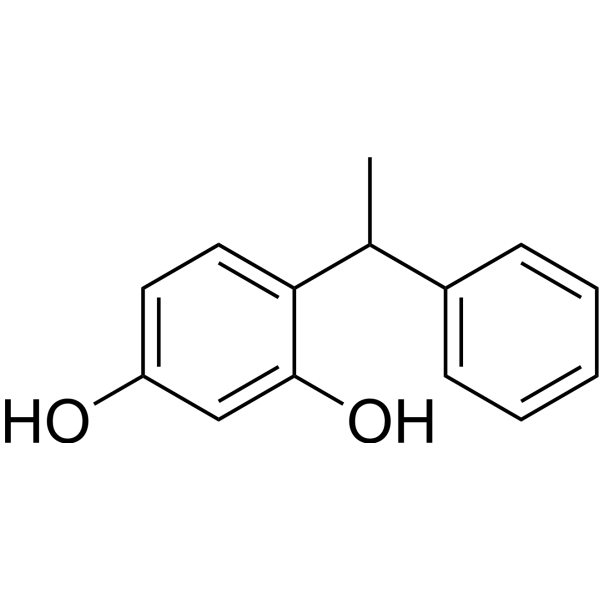
4-(1-Phenylethyl)resorcinol is a skin lightening agent used in cosmetics. It works by inhibiting the production of melanin, the pigment that gives skin its color. This helps reduce the appearance of dark spots, hyperpigmentation and uneven skin tone. 4-(1-Phenylethyl)resorcinol is considered safe for cosmetic use and is approved for use in several countries.
|
-
-
- HY-129997
-
|
|
CD38
NADPH Oxidase
Tyrosinase
|
Cardiovascular Disease
|
|
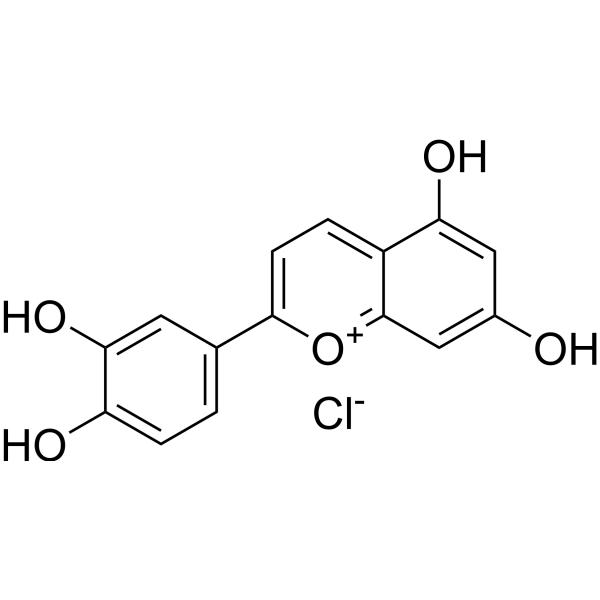
Luteolinidin chloride is a deoxyanthocyanidin isolated from the plant Sorghum bicolor with antioxidant activity. Luteolinidin chloride is a potent CD38 inhibitor (Ki=11.4 μM) and protects the heart from ischemia/reperfusion injury by preserving endothelial nitric oxide synthase (eNOS) function and preventing endothelial dysfunction. Luteolinidin chloride is also a competitive inhibitor of tyrosinase (IC50=3.7 μM) and blocks the production of melanin .
|
-
-
- HY-P0097A
-
|
Melanostatine-5 acetate salt
|
Melanocortin Receptor
|
Metabolic Disease
Endocrinology
Cancer
|
|
Nonapeptide-1 (Melanostatine-5) acetate salt, a peptide hormone, is a selective antagonist of MC1R (Ki: 40 nM). Nonapeptide-1 acetate salt is a competitive α-MSH antagonist that potently inhibits intracellular cAMP and melanosome dispersion induced by α-MSH in melanocytes (IC50: 2.5 nM and 11 nM, respectively). Nonapeptide-1 acetate salt inhibits melanin synthesis, and can be used in the research of skin pigmentation and regulation of steroid production in the adrenal gland, skin cancer .
|
-
-
- HY-148400
-
|
TXC hydrochloride
|
Ser/Thr Protease
Drug Derivative
|
Metabolic Disease
|
|
Cetyl tranexamate (TXC) hydrochloride is an ester derivative of Tranexamic acid (HY-B0149). Cetyl tranexamate hydrochloride is an inhibitor of fibrinogen activation and can reduce the production of fibrinogen in keratinocytes induced by ultraviolet rays or damage, indirectly inhibiting the melanin production pathway. Cetyl tranexamate hydrochloride also targets melanin (dark spots) and hemoglobin (red spots), reducing vascular dilation and pigmentation by inhibiting inflammatory mediators (such as prostaglandins, platelet activating factors). Cetyl tranexamate hydrochloride can be used as a cosmetic ingredient and is suitable for epidermal pigment disorders such as photoaging, post-inflammatory hyperpigmentation (PIH), and melasma .
|
-
-
- HY-P6294
-
|
|
Tyrosinase
|
Others
|
|
Pseudostellarin G is a natural cyclic octapeptide. Pseudostellarin G has the activity of inhibiting tyrosinase. Pseudostellarin G can inhibit the production of melanin .
|
-
-
- HY-W012092
-
|
|
Tyrosinase
Reactive Oxygen Species (ROS)
|
Metabolic Disease
Inflammation/Immunology
|
|
Ethyl 3,4,5-trimethoxybenzoate is a melanogenesis inhibitor. Ethyl 3,4,5-trimethoxybenzoate does not directly target tyrosinase activity, but inhibits melanin synthesis in a dose-dependent manner by downregulating α-MSH (HY-P0252)-induced tyrosinase protein expression and scavenging ROS. Ethyl 3,4,5-trimethoxybenzoate scavenges DPPH free radicals. Ethyl 3,4,5-trimethoxybenzoate can be used in the research of hyperpigmentation .
|
-
-
- HY-P5265
-
|
|
DNA/RNA Synthesis
|
Metabolic Disease
|
|
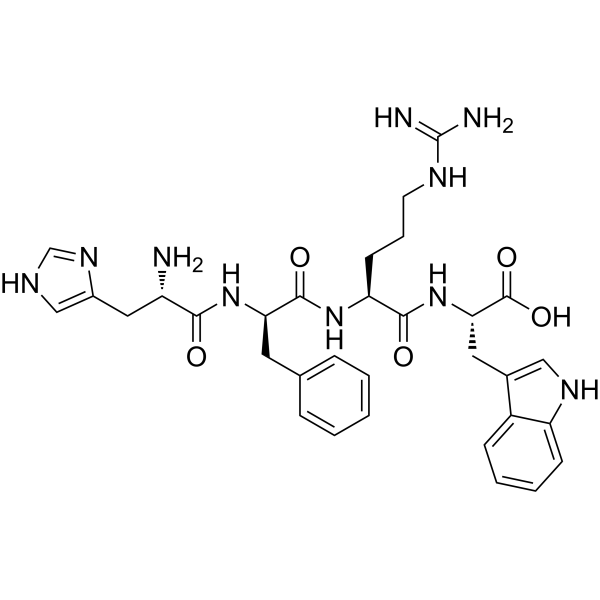
Tetrapeptide, an analogue of α-MSH, induces melanin synthesis. Tetrapeptide diminishes DNA damage by reducing the production of reactive oxidative species and enhancing repair of DNA photoproducts .
|
-
-
- HY-W050154R
-
|
|
Reference Standards
Parasite
Tyrosinase
NF-κB
CDK
|
Infection
Inflammation/Immunology
Cancer
|
|
Kojic acid (Standard) is the analytical standard of Kojic acid. This product is intended for research and analytical applications. Kojic acid is a substance produced by Aspergillus oryzae, with various biological activities including antitumor, insecticidal, antibacterial, antioxidant, and radioprotective effects. Kojic acid exhibits tyrosinase inhibition activity by capturing copper ions that bind to the active site of tyrosinase, preventing its activation. Tyrosinase is a key enzyme in the biosynthesis of melanin, so kojic acid can block melanin production. Additionally, kojic acid shows potential inhibition of NF-κB activity in human keratinocytes, which may also be related to the anti-melanogenic effect induced by kojic acid. Kojic acid is effective when administered orally and can also be absorbed transdermally. Nano-carrier systems prepared with kojic acid demonstrate effective delivery of anticancer drugs. Kojic acid holds promise for research in cancer, infectious diseases, and skin whitening among other fields .
|
-
-
- HY-N10802
-
|
|
ERK
Akt
PI3K
Epigenetic Reader Domain
|
Cancer
|
|
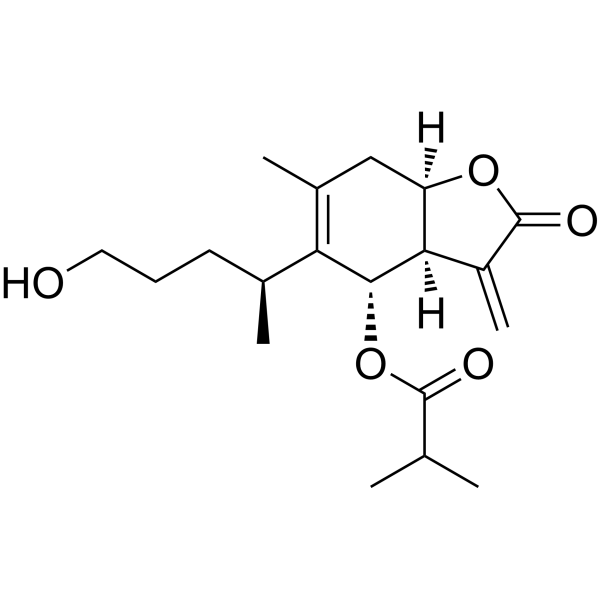
6-O-Isobutyrylbritannilactone is a natural melanogenesis inhibitor. 6-O-Isobutyrylbritannilactone, a sesquiterpene, can be isolated from the flowers of Inula britannica. 6-O-Isobutyrylbritannilactone inhibits IBMX (HY-12318)-induced melanin production in B16F10 cells. 6-O-Isobutyrylbritannilactone also regulates ERK, PI3K/AKT, and CREB, shows antimelanogenic activity in zebrafish embryos models .
|
-
-
- HY-W050154S
-
|
|
Parasite
Isotope-Labeled Compounds
|
Infection
|
|
Kojic acid- 13C6 is 13C labeled Kojic acid (HY-W050154). Kojic acid is a substance produced by Aspergillus oryzae that is orally effective and can also be absorbed transdermally. Kojic acid exhibits various biological activities, including anti-aging, anti-nematode, antimicrobial, antioxidant, and anti-inflammatory effects. Kojic acid is a Tyrosinase inhibitor with an Mushroom Tyrosinase IC50 of 182.7 μM. Kojic acid prevents melanin production by capturing copper ions that bind to the tyrosinase active site, thus inhibiting its activation. Kojic acid also suppresses the NF-κB and p21 signaling pathways in human keratinocytes. Kojic acid derivatives have anticancer activity .
|
-
-
- HY-N7587
-
|
|
Melanocortin Receptor
|
Metabolic Disease
|
|
Chlorophorin is a inhibitor of Melanocortin Receptor. Chlorophorin reduces tyrosinase activity and inhibits a-melanocyte-stimulating hormone-induced melanin production in B16F10 melanoma cells .
|
-
-
- HY-159917
-
|
|
Tyrosinase
Microtubule/Tubulin
|
Inflammation/Immunology
|
|
PPL agonist-1 is a highly selective Periplakin (PPL) agonist that increases cAMP levels by regulating PPL, thereby enhancing MITF expression and promoting melanin synthesis. Furthermore, PPL agonist-1 facilitates melanin production by regulating tryptophan metabolism. Compared to Ruxolitinib (HY-50856), PPL agonist-1 demonstrates superior efficacy. PPL agonist-1 holds potential for research into vitiligo treatment .
|
-
-
- HY-N2073S
-
|
|
Isotope-Labeled Compounds
MCHR1 (GPR24)
|
Cardiovascular Disease
|
|
Ethyl linolenate-d5 is the deuterium labeled Ethyl linolenate. Ethyl linolenate is a fatty acid ethyl ester (FAEE). Ethyl linolenate plays an active role in inhibition of the cellular production on melanin with an IC50 of 70 μM. Anti-melanogenesis Effects .
|
-
-
- HY-N10437
-
|
6-O-Acetylnimbandiol
|
Tyrosinase
|
Cancer
|
|
6-Acetylnimbandiol (6-O-Acetylnimbandiol) is a non-cytotoxic tyrosinase inhibitor (IC50=69.85 μM) that effectively inhibits melanin production and MITF expression. 6-Acetylnimbandiol can be used in melanoma research .
|
-
-
- HY-N3773
-
|
|
Tyrosinase
|
Cancer
|
|
Dodoviscin A is a pigmentation-altering agent, which can be isolated from the aerial parts of Dodonaea viscosa. Dodoviscin A inhibits melanin production in B16-F10 melanoma cells. Dodoviscin A suppresses mushroom tyrosinase activity, and tyrosinase activity induced by 3-isobutyl-1-methylxanthine. Dodoviscin A also inhibits the phorphosylation of cAMP response element binding protein, induced by 3-isobutyl-1-methylxanthine and forskolin .
|
-
-
- HY-185042
-
|
|
Apoptosis
|
Cancer
|
|
Mel56 is a melanogenin analogue. Mel56 can promote the melanin production in human melanoma cells. Mel56 is cytotoxic to cancer cells and induces apoptosis in melanoma cells. Mel56 can be used for the study of melanoma .
|
-
-
- HY-N2307B
-
|
(-)-Lirinidine
|
Melanocortin Receptor
|
Cancer
|
|
(R)-Lirinidine ((-)-Lirinidine) is an aporphine-type alkaloid found in the flower buds and leaves of Nelumbo nucifera. (R)-Lirinidineand inhibits melanogenesis with an IC50 of 19.3 μM. (R)-Lirinidine exerts cytotoxic effects at 100 μM .
|
-
| Cat. No. |
Product Name |
Type |
-
- HY-20074
-
|
(1S,2S,3R,5S)-(+)-Pinanediol
|
Biochemical Assay Reagents
|
|
(+)-Pinanediol ((1S,2S,3R,5S)-(+)-Pinanediol) is a potent inducer of melanin production. In S91 cells, it acts by inducing higher levels of pigmentation and nitric oxide (NO) synthesis .
|
-
- HY-125809
-
|
|
Biochemical Assay Reagents
|
|
4-(1-Phenylethyl)resorcinol is a skin lightening agent used in cosmetics. It works by inhibiting the production of melanin, the pigment that gives skin its color. This helps reduce the appearance of dark spots, hyperpigmentation and uneven skin tone. 4-(1-Phenylethyl)resorcinol is considered safe for cosmetic use and is approved for use in several countries.
|
| Cat. No. |
Product Name |
Target |
Research Area |
-
- HY-P0097
-
|
Melanostatine-5
|
Melanocortin Receptor
|
Metabolic Disease
Endocrinology
Cancer
|
|
Nonapeptide-1 (Melanostatine-5), a peptide hormone, is a selective antagonist of MC1R (Ki: 40 nM). Nonapeptide-1 is a competitive α-MSH antagonist that potently inhibits intracellular cAMP and melanosome dispersion induced by α-MSH in melanocytes (IC50: 2.5 nM and 11 nM, respectively). Nonapeptide-1 inhibits melanin synthesis, and can be used in the research of skin pigmentation and regulation of steroid production in the adrenal gland, skin cancer .
|
-
- HY-P10533
-
|
|
Tyrosinase
|
Others
|
|
Cysteine peptide is a tyrosinase inhibitor with skin-whitening, antioxidant and multi-regulatory activities. Cysteine peptide inhibits enzyme activity and blocks melanin transport, effectively reducing UV-B-induced skin erythema and pigmentation. Cysteine peptide synergistically maintains skin health by quenching ROS, resisting oxidative stress and promoting pheomelanin production. Cysteine peptide safely prevents daily ultraviolet damage and supports moderate sun exposure for vitamin D synthesis. Cysteine peptide also acts as a plant signaling factor to regulate vegetative growth, development and stress resistance responses .
|
-
- HY-P0097A
-
|
Melanostatine-5 acetate salt
|
Melanocortin Receptor
|
Metabolic Disease
Endocrinology
Cancer
|
|
Nonapeptide-1 (Melanostatine-5) acetate salt, a peptide hormone, is a selective antagonist of MC1R (Ki: 40 nM). Nonapeptide-1 acetate salt is a competitive α-MSH antagonist that potently inhibits intracellular cAMP and melanosome dispersion induced by α-MSH in melanocytes (IC50: 2.5 nM and 11 nM, respectively). Nonapeptide-1 acetate salt inhibits melanin synthesis, and can be used in the research of skin pigmentation and regulation of steroid production in the adrenal gland, skin cancer .
|
-
- HY-P6294
-
|
|
Tyrosinase
|
Others
|
|
Pseudostellarin G is a natural cyclic octapeptide. Pseudostellarin G has the activity of inhibiting tyrosinase. Pseudostellarin G can inhibit the production of melanin .
|
-
- HY-P5265
-
|
|
DNA/RNA Synthesis
|
Metabolic Disease
|
|
Tetrapeptide, an analogue of α-MSH, induces melanin synthesis. Tetrapeptide diminishes DNA damage by reducing the production of reactive oxidative species and enhancing repair of DNA photoproducts .
|
| Cat. No. |
Product Name |
Category |
Target |
Chemical Structure |
-
- HY-W050154
-
-
-
- HY-N9481
-
-
-
- HY-N0616
-
|
|
Structural Classification
Flavonoids
Classification of Application Fields
Leguminosae
Trifolium pratense Linn.
Sophora flavescens Aiton
Plants
Other Flavonoids
Inflammation/Immunology
Disease Research Fields
Source Classification
Cancer
|
Tyrosinase
TNF Receptor
Bacterial
Apoptosis
Autophagy
AMPK
mTOR
ERK
NF-κB
|
|
Trifolirhizin is a pterocarpan flavonoid found in the roots of Sophora flavescens. Trifolirhizin is a tyrosinase inhibitor with an IC50 value of 506.77 μM. Trifolirhizin reduces intracellular melanin production and modulates multiple signaling pathways including NFκB-MAPK, AMPK/mTOR, PI3K/Akt, MAPK-NFATc1 and EGFR-MAPK. Trifolirhizin targets biological molecules including PTK6 and COX-2, inhibits the activities of hyaluronidase, collagenase and elastase, induces apoptosis, autophagy and cell cycle arrest, and suppresses the proliferation, migration and invasion of cancer cells. Trifolirhizin exerts diverse pharmacological effects including anti-inflammatory, anti-asthmatic, bone-protective, renoprotective, antibacterial, antifungal, hepatoprotective, antiplatelet, estrogenic and wound-healing activities. Trifolirhizin can be used to investigate a broad range of malignant, inflammatory, metabolic and infectious disorders .
|
-
-
- HY-N2073
-
-
-
- HY-N0754
-
-
-
- HY-129997
-
-
-
- HY-P6294
-
-
-
- HY-W012092
-
-
-
- HY-W050154R
-
|
|
Structural Classification
Human Gut Microbiota Metabolites
Microorganisms
Ketones, Aldehydes, Acids
Endogenous metabolite
Source Classification
|
Reference Standards
Parasite
Tyrosinase
NF-κB
CDK
|
|
Kojic acid (Standard) is the analytical standard of Kojic acid. This product is intended for research and analytical applications. Kojic acid is a substance produced by Aspergillus oryzae, with various biological activities including antitumor, insecticidal, antibacterial, antioxidant, and radioprotective effects. Kojic acid exhibits tyrosinase inhibition activity by capturing copper ions that bind to the active site of tyrosinase, preventing its activation. Tyrosinase is a key enzyme in the biosynthesis of melanin, so kojic acid can block melanin production. Additionally, kojic acid shows potential inhibition of NF-κB activity in human keratinocytes, which may also be related to the anti-melanogenic effect induced by kojic acid. Kojic acid is effective when administered orally and can also be absorbed transdermally. Nano-carrier systems prepared with kojic acid demonstrate effective delivery of anticancer drugs. Kojic acid holds promise for research in cancer, infectious diseases, and skin whitening among other fields .
|
-
-
- HY-N10802
-
-
-
- HY-N7587
-
-
-
- HY-N10437
-
-
-
- HY-N3773
-
|
|
Flavonoids
Flavones
Dodonaea viscosa (L.) Jacq.
Sapindaceae
Plants
Source Classification
|
Tyrosinase
|
|
Dodoviscin A is a pigmentation-altering agent, which can be isolated from the aerial parts of Dodonaea viscosa. Dodoviscin A inhibits melanin production in B16-F10 melanoma cells. Dodoviscin A suppresses mushroom tyrosinase activity, and tyrosinase activity induced by 3-isobutyl-1-methylxanthine. Dodoviscin A also inhibits the phorphosylation of cAMP response element binding protein, induced by 3-isobutyl-1-methylxanthine and forskolin .
|
-
-
- HY-N2307B
-
-
| Cat. No. |
Product Name |
Chemical Structure |
-
- HY-W050154S
-
|
|
|
Kojic acid- 13C6 is 13C labeled Kojic acid (HY-W050154). Kojic acid is a substance produced by Aspergillus oryzae that is orally effective and can also be absorbed transdermally. Kojic acid exhibits various biological activities, including anti-aging, anti-nematode, antimicrobial, antioxidant, and anti-inflammatory effects. Kojic acid is a Tyrosinase inhibitor with an Mushroom Tyrosinase IC50 of 182.7 μM. Kojic acid prevents melanin production by capturing copper ions that bind to the tyrosinase active site, thus inhibiting its activation. Kojic acid also suppresses the NF-κB and p21 signaling pathways in human keratinocytes. Kojic acid derivatives have anticancer activity .
|
-
-
- HY-N2073S
-
|
|
|
Ethyl linolenate-d5 is the deuterium labeled Ethyl linolenate. Ethyl linolenate is a fatty acid ethyl ester (FAEE). Ethyl linolenate plays an active role in inhibition of the cellular production on melanin with an IC50 of 70 μM. Anti-melanogenesis Effects .
|
-
Your information is safe with us. * Required Fields.
Inquiry Information
- Product Name:
- Cat. No.:
- Quantity:
- MCE Japan Authorized Agent:

