



Kojic acid
Based on 2 publication(s) in Google Scholar
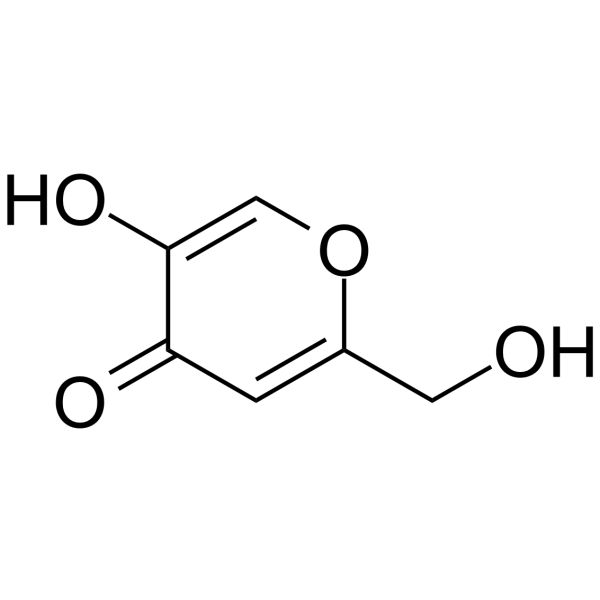
Kojic acid is a substance produced by Aspergillus oryzae that is orally effective and can also be absorbed transdermally. Kojic acid exhibits various biological activities, including anti-aging, anti-nematode, antimicrobial, antioxidant, and anti-inflammatory effects. Kojic acid is a Tyrosinase inhibitor with an Mushroom Tyrosinase IC50 of 182.7 μM. Kojic acid prevents melanin production by capturing copper ions that bind to the tyrosinase active site, thus inhibiting its activation. Kojic acid also suppresses the NF-κB and p21 signaling pathways in human keratinocytes. Kojic acid derivatives have anticancer activity.
Nur für Forschungszwecke. Wir verkaufen nicht an Patienten.
- Reinheit : 99.99%
- CAS. Nr.: 501-30-4
- Formel: C6H6O4
- Molecular Weight:142.11
-
Speicherung:Powder -20°C, 3 years , 4°C, 2 years ; In solvent -80°C, 6 months , -20°C, 1 month

To place orders, for customer services and technical support, please contact: MedChemExpress USA
Tel: 609-228-6898 E-mail: [email protected] [email protected]


-
 Biologische Aktivität
-
Chemical Information
-
Lösungsmittel & Löslichkeit
- Protokoll
- Reinheit & Dokumentation
- Verweise
-
 Help & FAQs


-
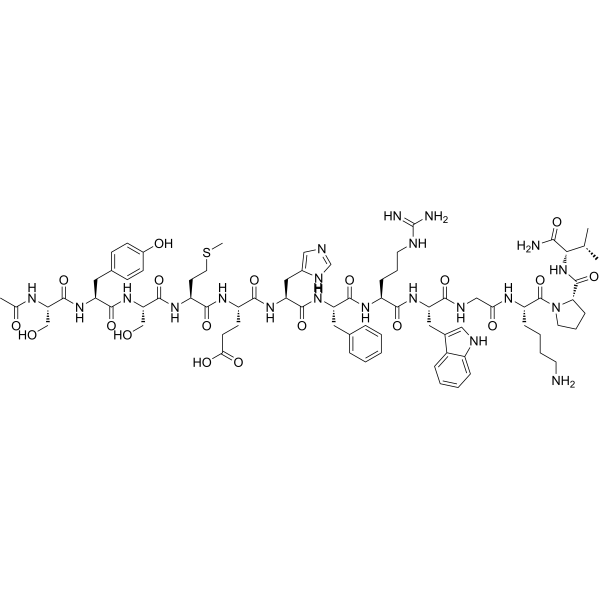
HY-P0252
α-MSHMC4R Agonist -
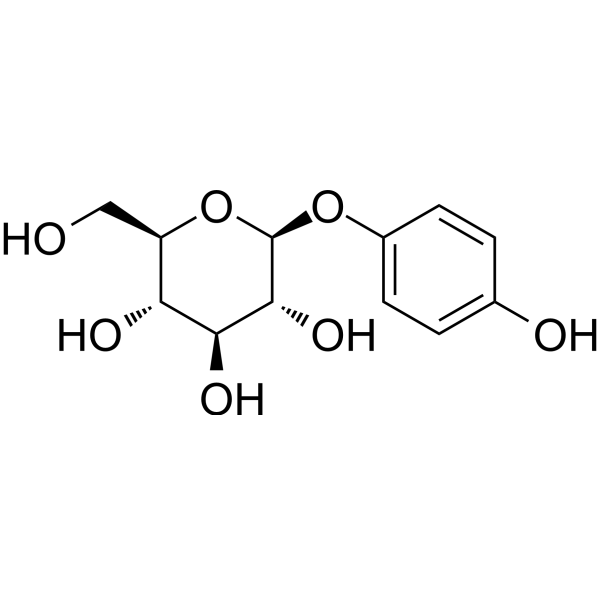
HY-N0192
ArbutinEndogenous Metabolite -
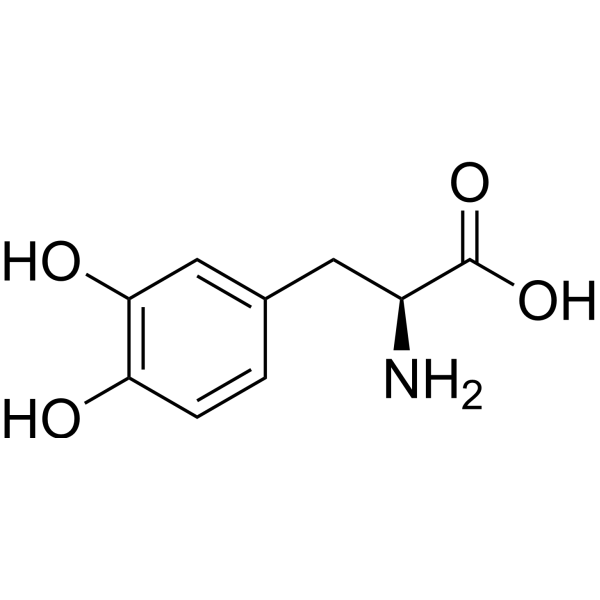
HY-N0304
L-DOPADopamine Precursor -
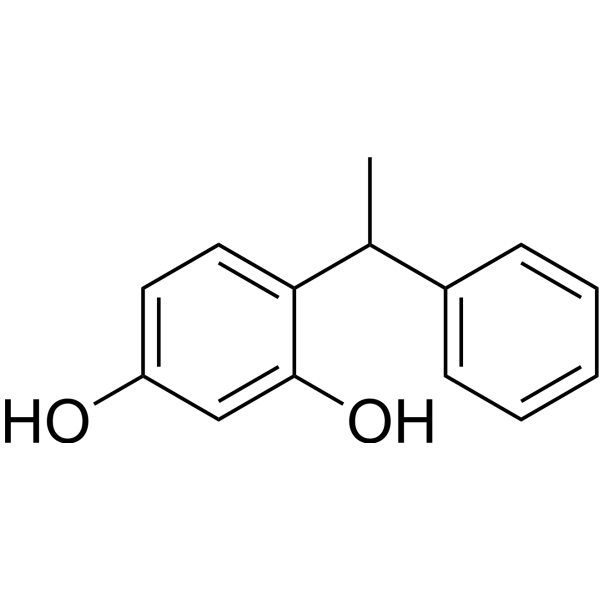
HY-125809
4-(1-Phenylethyl)resorcinolBiochemical Assay Reagent -
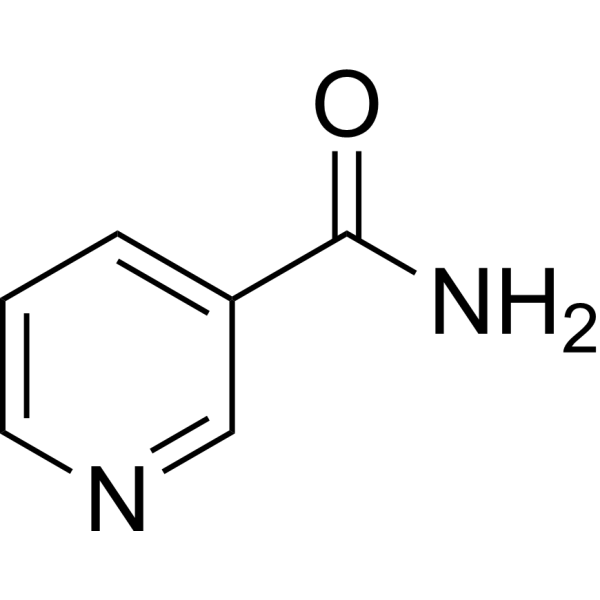
HY-B0150
NicotinamideSIRT Inhibitor -
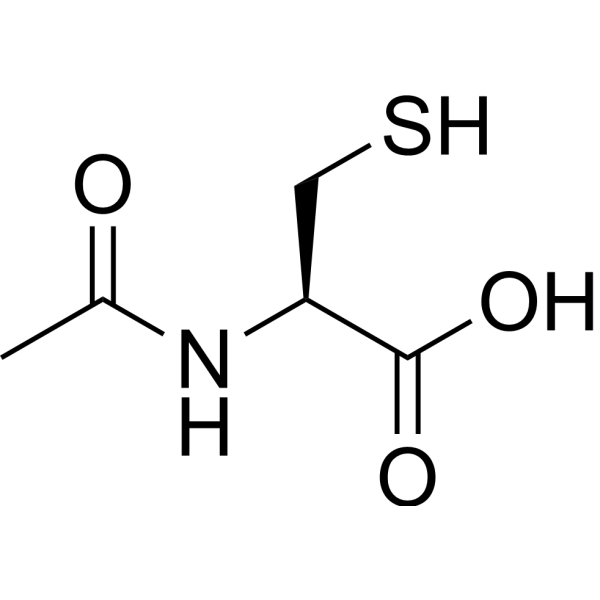
HY-B0215
AcetylcysteineMucolytic Agent -
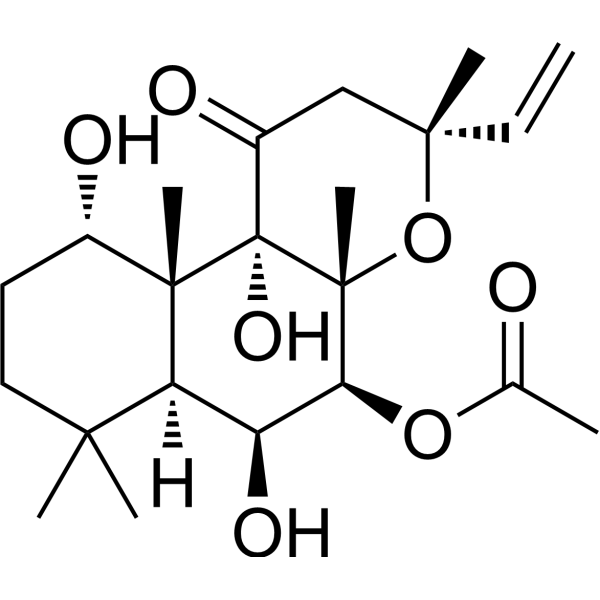
HY-15371
ForskolinAdenylate Cyclase Activator -
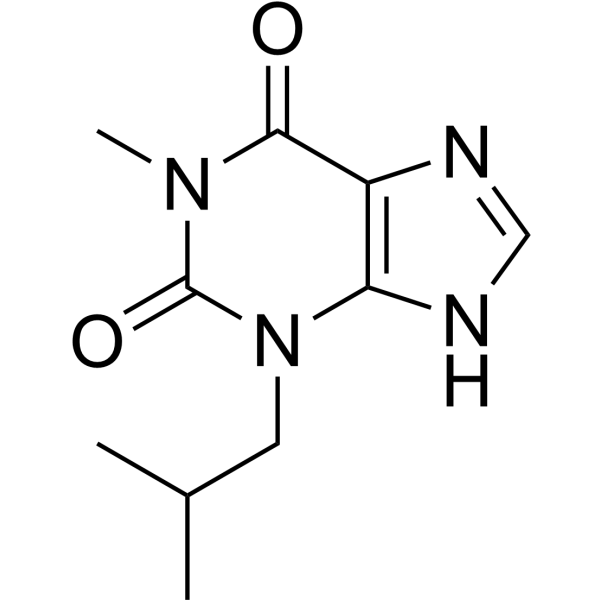
HY-12318
IBMXPDE Inhibitor -
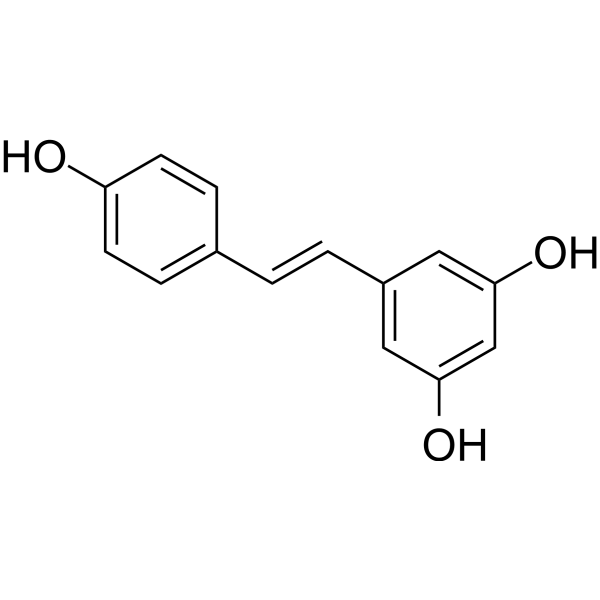
HY-16561
ResveratrolPolyphenolic Phytoalexin -
HY-B0332
MenadioneEndogenous Metabolite -
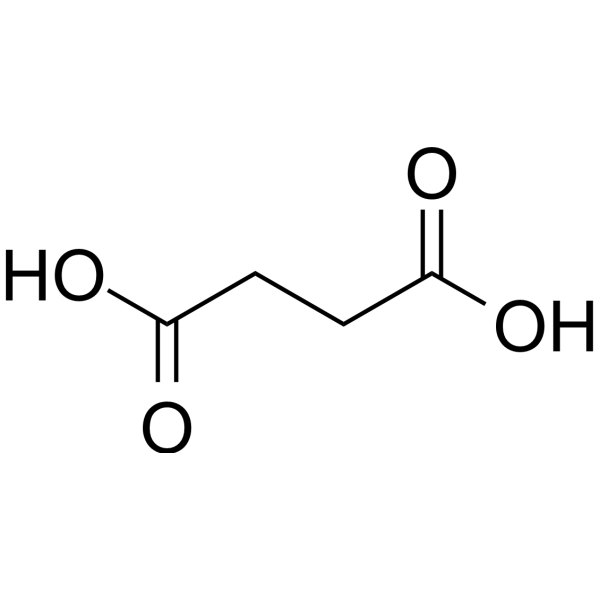
HY-N0420
Succinic acidFood Additive, Platform chemical -
HY-A0132
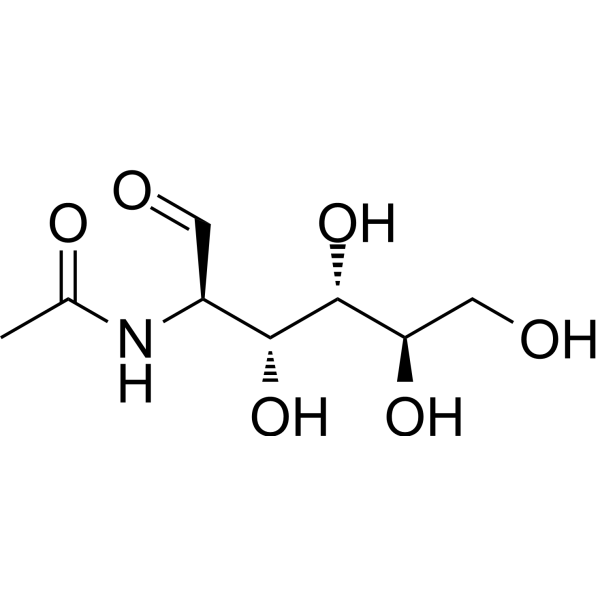
N-Acetyl-D-glucosamineEndogenous Metabolite
Publications Citing Use of MedChemExpress (MCE) Kojic acid
More Customer Validation & Images

-
WB
-
IF
-
RT-PCR
-
WB
-
Cell Imaging/Staining
Alle Parasite Isoform-spezifische Produkte anzeigen
More

Biologische Aktivität
Beschreibung
Cellular Effect
|
Cell Line

|
Type | Value | Description | References |
|---|---|---|---|---|
| A-375 | GI50 |
>100 μM
Compound: 1; KA
|
Cytotoxicity against human A-375 cells assessed as reduction in cell viability incubated for 72 hrs by MTT assay
Cytotoxicity against human A-375 cells assessed as reduction in cell viability incubated for 72 hrs by MTT assay
|
[PMID: 35114540] |
| B16 | IC50 |
111 μM
Compound: Kojic acid
|
Antimelanogenic activity in mouse B16 cells assessed as inhibition of intracellular melanin accumulation after 2 days
Antimelanogenic activity in mouse B16 cells assessed as inhibition of intracellular melanin accumulation after 2 days
|
[PMID: 19524439] |
| B16 | IC50 |
61 μM
Compound: Kojic acid
|
Inhibition of catecholase activity of tyrosinase in mouse B16 cells assessed as dopachrome formation
Inhibition of catecholase activity of tyrosinase in mouse B16 cells assessed as dopachrome formation
|
[PMID: 19524439] |
| B16 | IC50 |
70 μM
Compound: Kojic acid
|
Inhibition of alpha-MSH-induced melanin production in mouse B16 cells after 72 hrs
Inhibition of alpha-MSH-induced melanin production in mouse B16 cells after 72 hrs
|
[PMID: 20044259] |
| B16 | IC50 |
70 μM
Compound: kojic acid
|
Inhibition of alpha-MSH-induced melanin production in mouse B16 cells after 72 hrs
Inhibition of alpha-MSH-induced melanin production in mouse B16 cells after 72 hrs
|
[PMID: 20097083] |
| B16 | IC50 |
>50 μM
Compound: Kojic acid
|
Inhibition of alpha-MSH-induced melanin production in mouse B16 cells after 48 hrs
Inhibition of alpha-MSH-induced melanin production in mouse B16 cells after 48 hrs
|
[PMID: 20149498] |
| B16 | IC50 |
70 μM
Compound: Kojic acid
|
Inhibition of alpha-MSH-induced melanin production in mouse B16 cells after 3 days
Inhibition of alpha-MSH-induced melanin production in mouse B16 cells after 3 days
|
[PMID: 21601449] |
| B16 | IC50 |
15.8 μM
Compound: Kojic acid
|
Inhibition of alpha-MSH -stimulated melanogenesis in mouse B16 cells assessed as melanin release after 72 hrs by spectrometric analysis
Inhibition of alpha-MSH -stimulated melanogenesis in mouse B16 cells assessed as melanin release after 72 hrs by spectrometric analysis
|
[PMID: 21978680] |
| B16 | IC50 |
70 μM
Compound: Kojic acid
|
Antimelanogenic activity at alpha-MSH-stimulated mouse melanoma B16 cells after 3 days by spectrophotometry
Antimelanogenic activity at alpha-MSH-stimulated mouse melanoma B16 cells after 3 days by spectrophotometry
|
[PMID: 22217872] |
| B16 | IC50 |
500 μM
Compound: Kojic acid
|
Antimelanogenic activity in mouse B16 cells assessed as inhibition of melanogenesis
Antimelanogenic activity in mouse B16 cells assessed as inhibition of melanogenesis
|
[PMID: 22300660] |
| B16 | IC50 |
5.5 μg/mL
Compound: Kojic acid
|
Inhibition of alpha-MSH-stimulated melanogenesis in mouse B16 cells assessed as melanin release after 72 hrs
Inhibition of alpha-MSH-stimulated melanogenesis in mouse B16 cells assessed as melanin release after 72 hrs
|
[PMID: 22450129] |
| B16 | IC50 |
39 μM
Compound: Kojic acid
|
Inhibition of melanin production in alpha-MSH stimulated mouse B16 cells after 72 hrs by spectrophotometry
Inhibition of melanin production in alpha-MSH stimulated mouse B16 cells after 72 hrs by spectrophotometry
|
[PMID: 23623417] |
| B16 | IC50 |
>500 μM
Compound: Kojic acid
|
Inhibition of alpha-MSH-stimulated melanin production in mouse B16 cells after 72 hrs by microplate reader analysis
Inhibition of alpha-MSH-stimulated melanin production in mouse B16 cells after 72 hrs by microplate reader analysis
|
[PMID: 26706112] |
| B16 | IC50 |
57 μM
Compound: Kojic acid
|
Inhibition of alpha-MSH-stimulated melanogenesis in mouse B16 cells assessed as reduction in melanin formation
Inhibition of alpha-MSH-stimulated melanogenesis in mouse B16 cells assessed as reduction in melanin formation
|
[PMID: 28619537] |
| B16-F10 | IC50 |
84.54 μM
Compound: Kojic acid
|
Inhibition of alpha-MSH-induced melanogenesis in mouse B16F10 cells after 3 days by spectrophotometric analysis
Inhibition of alpha-MSH-induced melanogenesis in mouse B16F10 cells after 3 days by spectrophotometric analysis
|
[PMID: 23063404] |
| B16-F10 | IC50 |
500 μM
Compound: Kojic acid
|
Antimelanogenic activity in mouse B16F10 cells assessed as inhibition of melanin production after 4 days
Antimelanogenic activity in mouse B16F10 cells assessed as inhibition of melanin production after 4 days
|
[PMID: 25597012] |
| B16-F10 | IC50 |
144.4 μM
Compound: 1a; KA
|
Cytotoxicity against mouse B16-F10 cells assessed as reduction in cell viability by MTT assay
Cytotoxicity against mouse B16-F10 cells assessed as reduction in cell viability by MTT assay
|
[PMID: 32652434] |
| BV-2 | IC50 |
>500 μM
Compound: KA
|
Cytotoxicity against mouse BV-2 cells assessed as reduction in cell viability incubated for 24 hrs by MTT assay
Cytotoxicity against mouse BV-2 cells assessed as reduction in cell viability incubated for 24 hrs by MTT assay
|
[PMID: 36846369] |
| G-361 | IC50 |
571.17 μM
Compound: Kojic acid
|
Competitive inhibition of tyrosinase in human G-361 cells incubated for 10 mins measured for 2 hrs by MBTH-based spectrophotometry
Competitive inhibition of tyrosinase in human G-361 cells incubated for 10 mins measured for 2 hrs by MBTH-based spectrophotometry
|
[PMID: 25288494] |
| H9c2 | IC50 |
>500 μM
Compound: KA
|
Cytotoxicity against rat H9c2 cells assessed as reduction in cell viability incubated for 24 hrs by MTT assay
Cytotoxicity against rat H9c2 cells assessed as reduction in cell viability incubated for 24 hrs by MTT assay
|
[PMID: 36846369] |
| HEK293 | IC50 |
2 μM
Compound: 6a, Kojic acid
|
Inhibition of human recombinant DAAO expressed in HEK293 cell lysate assessed as D-Serine conversion to H2O2 after 20 mins by spectrophotometric analysis
Inhibition of human recombinant DAAO expressed in HEK293 cell lysate assessed as D-Serine conversion to H2O2 after 20 mins by spectrophotometric analysis
|
[PMID: 23683589] |
| HFF | IC50 |
>150 μM
Compound: 1a; KA
|
Cytotoxicity against human HFF cells assessed as reduction in cell viability by MTT assay
Cytotoxicity against human HFF cells assessed as reduction in cell viability by MTT assay
|
[PMID: 32652434] |
| HT-22 | IC50 |
>500 μM
Compound: KA
|
Cytotoxicity against mouse HT-22 cells assessed as reduction in cell viability incubated for 24 hrs by MTT assay
Cytotoxicity against mouse HT-22 cells assessed as reduction in cell viability incubated for 24 hrs by MTT assay
|
[PMID: 36846369] |
| L02 | IC50 |
>500 μM
Compound: KA
|
Cytotoxicity against human L02 cells assessed as reduction in cell viability incubated for 24 hrs by MTT assay
Cytotoxicity against human L02 cells assessed as reduction in cell viability incubated for 24 hrs by MTT assay
|
[PMID: 36846369] |
| Melan-a | IC50 |
1.6 mM
Compound: 1
|
Depigmentation activity in mouse Melan-a cells assessed as inhibition of melanin formation after 4 days
Depigmentation activity in mouse Melan-a cells assessed as inhibition of melanin formation after 4 days
|
[PMID: 22071299] |
| Melan-a | IC50 |
3.5 mM
Compound: 1
|
Cytotoxicity against mouse Melan-a cells by modified crystal voilet assay
Cytotoxicity against mouse Melan-a cells by modified crystal voilet assay
|
[PMID: 22071299] |
| Melan-a | IC50 |
1.46 μM
Compound: 1, Kojic acid
|
Depigmenting activity in mouse Melan-a cells assessed as melanin production
Depigmenting activity in mouse Melan-a cells assessed as melanin production
|
[PMID: 22330633] |
| Melan-a | IC50 |
1.64 mM
Compound: 1, Kojic acid
|
Depigmentation activity in mouse Melan-a cells after 4 days by spectrophotometry
Depigmentation activity in mouse Melan-a cells after 4 days by spectrophotometry
|
[PMID: 22579419] |
| Melan-a | IC50 |
3.53 mM
Compound: 1, Kojic acid
|
Cytotoxicity against mouse Melan-a cells after 4 days by crystal voilet method
Cytotoxicity against mouse Melan-a cells after 4 days by crystal voilet method
|
[PMID: 22579419] |
| MNT-1 | CC50 |
34 mM
Compound: KA
|
Cytotoxicity against human MNT-1 cells
Cytotoxicity against human MNT-1 cells
|
[PMID: 36462443] |
| MNT-1 | IC50 |
15 mM
Compound: KA
|
Inhibition of melanogenesis in human MNT-1 cells incubated for 96 hrs
Inhibition of melanogenesis in human MNT-1 cells incubated for 96 hrs
|
[PMID: 36462443] |
| MNT-1 | CC50 |
2200 μM
Compound: Kojic acid
|
Cytotoxicity against human MNT-1 cells incubated for 14 days by resazurin assay
Cytotoxicity against human MNT-1 cells incubated for 14 days by resazurin assay
|
[PMID: 38262119] |
| MNT-1 | CC50 |
22000 μM
Compound: Kojic acid
|
Cytotoxicity against human MNT-1 cells incubated for 4 days by resazurin assay
Cytotoxicity against human MNT-1 cells incubated for 4 days by resazurin assay
|
[PMID: 38262119] |
| MNT-1 | IC50 |
14000 μM
Compound: Kojic acid
|
Inhibition of melanogenesis in human MNT-1 cells incubated for 4 days
Inhibition of melanogenesis in human MNT-1 cells incubated for 4 days
|
[PMID: 38262119] |
| MNT-1 | IC50 |
800 μM
Compound: Kojic acid
|
Inhibition of melanogenesis in human MNT-1 cells incubated for 14 days
Inhibition of melanogenesis in human MNT-1 cells incubated for 14 days
|
[PMID: 38262119] |
| RAW264.7 | IC50 |
>100 μM
Compound: 1
|
Cytotoxicity against mouse RAW264.7 cells after 24 hrs by MTT assay
Cytotoxicity against mouse RAW264.7 cells after 24 hrs by MTT assay
|
[PMID: 20934336] |
| RAW264.7 | IC50 |
89.41 μM
Compound: 1
|
Antiinflammatory activity in mouse RAW264.7 cells assessed as inhibition of LPS-induced nitric oxide production treated for 30 mins before LPS challenge measured after 24 hrs by Griess reagent method
Antiinflammatory activity in mouse RAW264.7 cells assessed as inhibition of LPS-induced nitric oxide production treated for 30 mins before LPS challenge measured after 24 hrs by Griess reagent method
|
[PMID: 20934336] |
| SH-SY5Y | IC50 |
>500 μM
Compound: KA
|
Cytotoxicity against human SH-SY5Y cells assessed as reduction in cell viability incubated for 24 hrs by MTT assay
Cytotoxicity against human SH-SY5Y cells assessed as reduction in cell viability incubated for 24 hrs by MTT assay
|
[PMID: 36846369] |
In Vitro
Kojic acid (1000 μM, 7 days) enhances the cell migration ability of HCEC cells and exhibits anti-aging activity[1]. Kojic acid (1000 μM, 7 days) may alleviate the angiogenesis of human umbilical vein endothelial cells (HUVEC), induced by senescent supernatant of HCEC cells, through NF-κB and p21 signaling pathways[1]. Kojic acid (1.4-1000 μg/mL, 3 days) exhibits dose-dependent mortality and hatch inhibition rates against Meloidogyne incognita, with EC50 values of 195.2 μg/mL and 238.3 μg/mL, respectively[4]. Kojic acid (500 or 1000 µM, 72 h) reduces tyrosinase expression in B16-4A5 and HMV-II cells, indicating that kojic acid inhibits melanogenesis by suppressing tyrosinase activity[6]. Kojic acid (10-2500 μM, 7 days) does not significantly affect the viability of HCEC cells[1].
MedChemExpress (MCE) has not independently confirmed the accuracy of these methods. They are for reference only.
-
Cell Line:HCEC-B4G12 cells (human corneal endothelial cell line)
-
Concentration:10, 100 , 1000, 2500, 5000 μM
-
Incubation Time:7 days
-
Result:Did not influence the cell viability of HCEC after 7 days' treatment at 10-2500 μM but decreased the cell viability a little bit at 5000 μM.
-
Cell Line:HCEC-B4G12 cells (human corneal endothelial cell line)
-
Concentration:1000 μM
-
Incubation Time:7 days
-
Result:Delayed the reduction in cell migration ability caused by aging in HCEC cells.
-
Cell Line:HCEC-B4G12 cells (human corneal endothelial cell line)
-
Concentration:1000 μM
-
Incubation Time:7 days
-
Result:Inhibited the abnormal high expression of galectin 8, laminin α1, laminin α2, laminin γ1, and p21 in senescent HCEC, as well as the significant decrease in p-NF-κB protein expression.
In Vivo
Kojic acid (4, 6.4, 10, 16 g/kg, p.o., single dose) does not exhibit significant toxicity in acute oral studies in JCL-Wistar rats[2].
MedChemExpress (MCE) has not independently confirmed the accuracy of these methods. They are for reference only.
-
Animal Model:β-Amyloid (1-42), human (HY-P1363A)-Induced Mouse Model of Alzheimer's Disease[8]
-
Dosage:50 mg/kg
-
Administration:Oral gavage, once daily for 3 weeks
-
Result:Ameliorated β-Amyloid (1-42), human (HY-P1363A)-induced glial cell activation and reduced inflammatory markers in the hippocampus. Reduced ROS and lipid peroxidase levels in Alzheimer's Disease mice model
-
Animal Model:JCL-Wistar rats[2]
-
Dosage:4, 6.4, 10, 16 g/kg
-
Administration:Oral gavage (p.o.),single dose
-
Result:Had an oral LD50 in rats greater than 2 g/kg in acute toxicity studies[2].
Clinical Trial
| NCT Number | Sponsor | Condition | Start Date |
Phase
|
|---|---|---|---|---|
| NCT01329991 | Plexxikon| | 2011-05 | PHASE1 |


Chemical Information
-
CAS. Nr. 501-30-4
-
Appearance Solid
-
Molecular Weight 142.11
-
Formel C6H6O4
-
Color Off-white to light yellow
-
SMILES
O=C1C=C(CO)OC=C1O
-
Structure Classification
-
Initial Source
Aspergillus, Penicillium or Acetobacter spp
-
Versand
Room temperature in continental US; may vary elsewhere.
-
Speicherung
Powder -20°C 3 years 4°C 2 years In solvent -80°C 6 months -20°C 1 month


Publications (2)
-
Journal Impact Factor
-
Most Recent
-
Int Immunopharmacol
Kojic acid alleviates osteoarthritis by attenuating inflammation and restoring impaired autophagy through regulating NF-κB and PI3K/AKT/mTOR signaling pathways: An in vivo and in vitro study. [Abstract]2025 Feb 6:147:114022. PMID: 39764993
Kojic acid purchased from MedChemExpress. Usage Cited in: Int Immunopharmacol. 2025 Feb 6:147:114022. [Abstract]
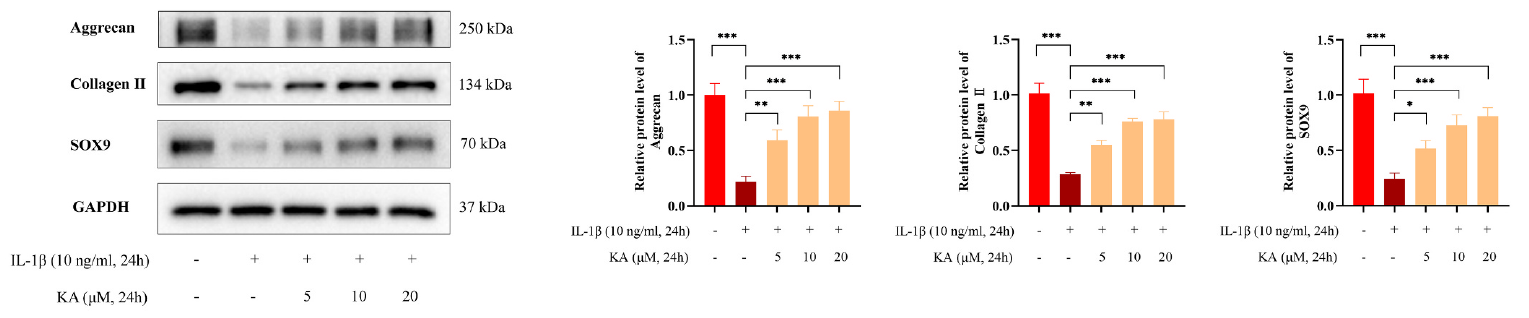
Kojic acid (KA) (5-20 μM; 24 h) significantly upregulated the expression levels of key anabolic factors, consisting of aggrecan, collagen II, as well as SOX9 in IL-1β-induced chondrocytes.
Kojic acid purchased from MedChemExpress. Usage Cited in: Int Immunopharmacol. 2025 Feb 6:147:114022. [Abstract]
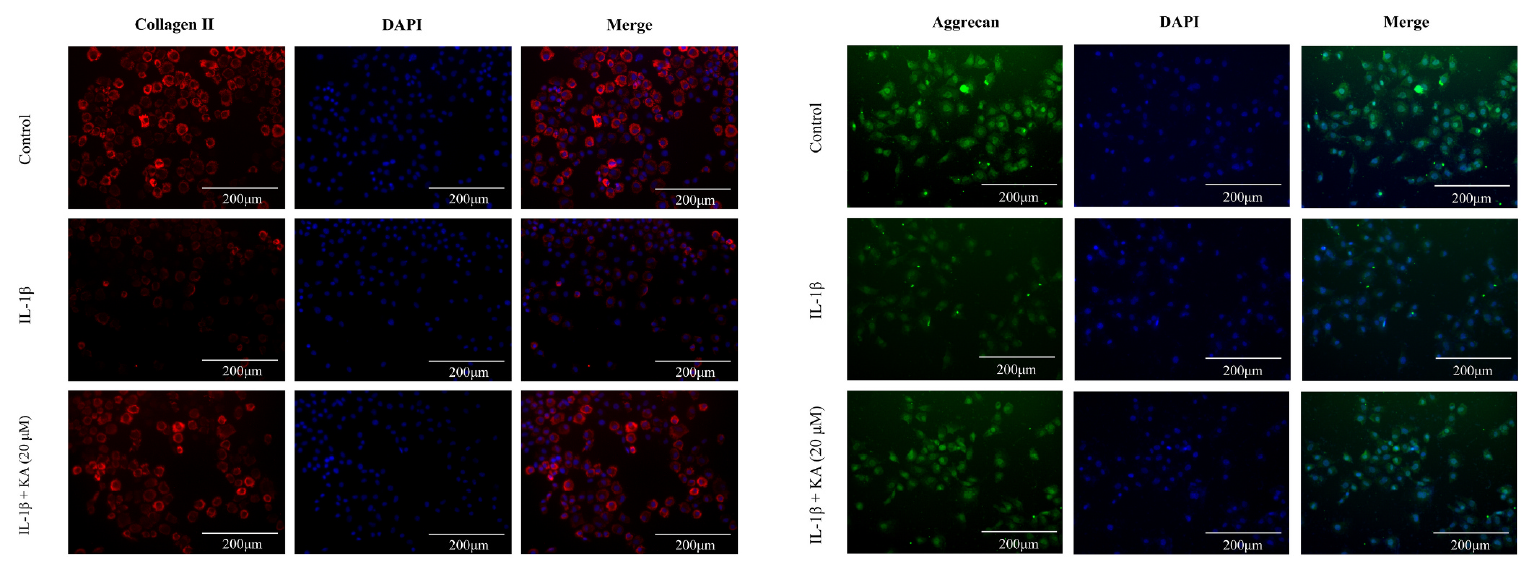
Kojic acid (KA) (20 μM; 24 h) reversed the dectrease in collagen II and aggrecan in IL-1β-induced chondrocytes.
Kojic acid purchased from MedChemExpress. Usage Cited in: Int Immunopharmacol. 2025 Feb 6:147:114022. [Abstract]
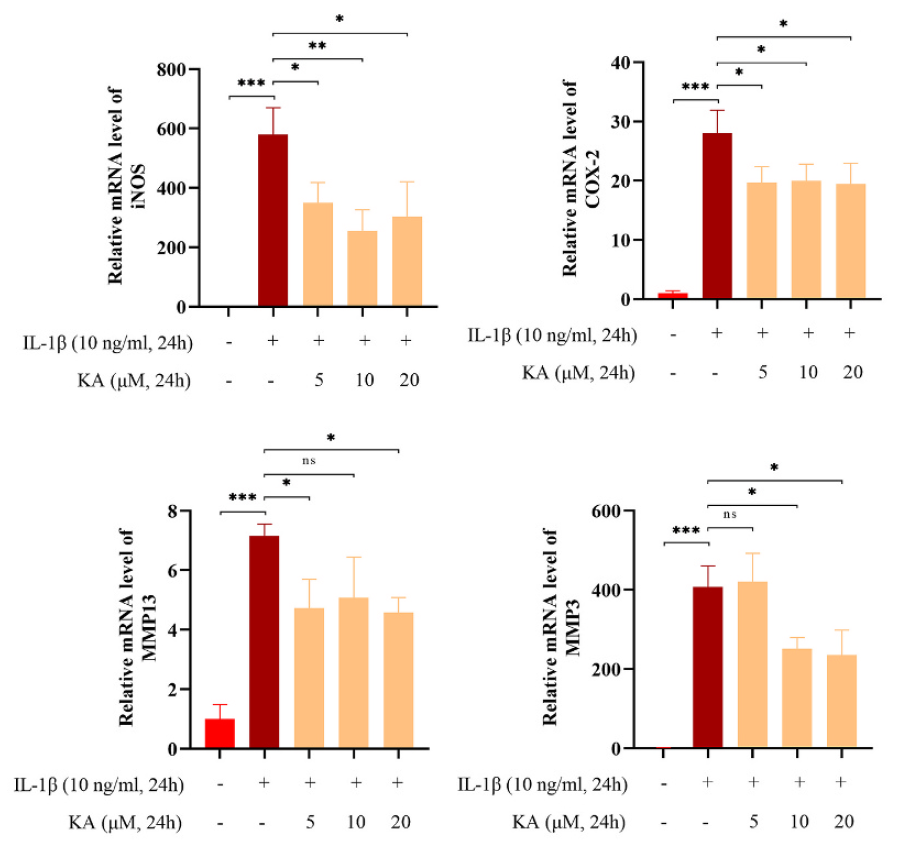
Kojic acid (KA) (5-20 μM; 24 h) significantly inhibited the mRNA expression levels of iNOS, COX2, MMP13, and MMP3 in IL-1β-induced chondrocytes.
Kojic acid purchased from MedChemExpress. Usage Cited in: Int Immunopharmacol. 2025 Feb 6:147:114022. [Abstract]
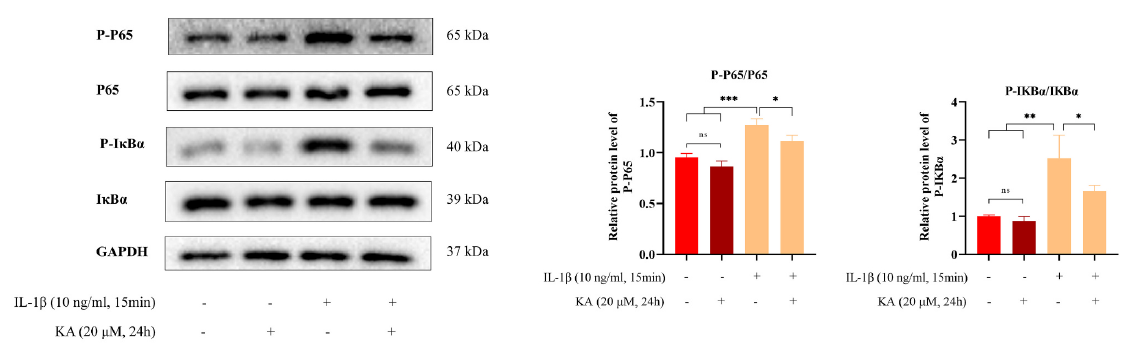
Kojic acid (KA) (20 μM; 24 h) downregulated protein expression levels of the phosphorylation of P65 and IκBα in IL-1β-induced chondrocytes.
Kojic acid purchased from MedChemExpress. Usage Cited in: Int Immunopharmacol. 2025 Feb 6:147:114022. [Abstract]
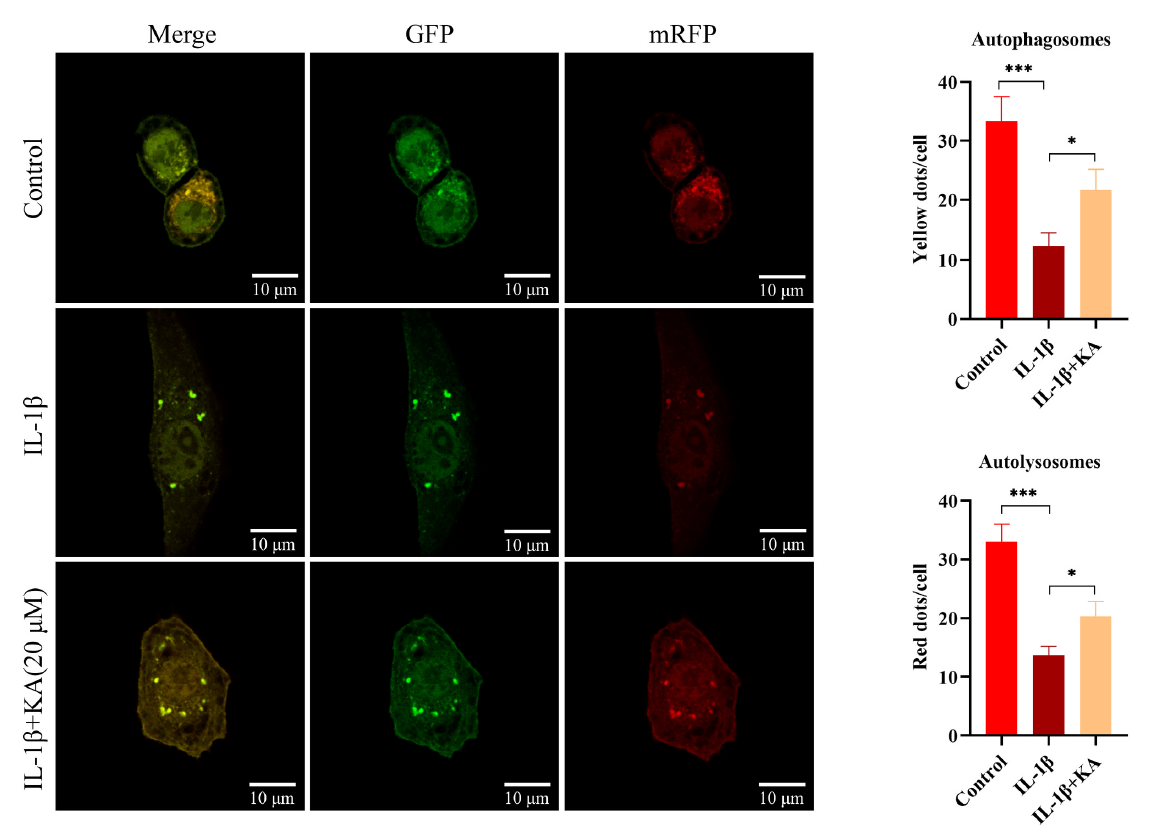
Kojic acid (KA) (20 μM; 24 h) significantly increased autophagic flux in chondrocytes transfected with GFP-RFP-LC3 adenovirus.
-
Photochem Photobiol Sci
The extract of dendrobium Coelonin inhibits PIH induced by AFR CO2 fractional laser combined with UV-B. [Abstract]2025 Oct;24(10):1763-1779. PMID: 41108468


Lösungsmittel & Löslichkeit
In Vitro:
DMSO : ≥ 100 mg/mL (703.68 mM; Hygroscopic DMSO has a significant impact on the solubility of product, please use newly opened DMSO)
H2O : 50 mg/mL (351.84 mM; Need ultrasonic)
* "≥" means soluble, but saturation unknown.
Please refer to the solubility information to select the appropriate solvent. Once prepared, please aliquot and store the solution to prevent product inactivation from repeated freeze-thaw cycles.
Storage method and period of stock solution: -80°C, 6 months; -20°C, 1 month. When stored at -80°C, please use it within 6 months. When stored at -20°C, please use it within 1 month.
* Note: If you choose water as the stock solution, please dilute it to the working solution, then filter and sterilize it with a 0.22 μm filter before use.
Please refer to the solubility information to select the appropriate solvent. Once prepared, please aliquot and store the solution to prevent product inactivation from repeated freeze-thaw cycles.
Storage method and period of stock solution: -80°C, 6 months; -20°C, 1 month. When stored at -80°C, please use it within 6 months. When stored at -20°C, please use it within 1 month.
* Note: If you choose water as the stock solution, please dilute it to the working solution, then filter and sterilize it with a 0.22 μm filter before use.
Konzentration (Stammlösung) × Volumen (Stammlösung) = Konzentration (Ziellösung) × Volumen (Ziellösung)
In Vivo:
Select the appropriate dissolution method based on your experimental animal and administration route.
- For the following dissolution methods, please ensure to first prepare a clear stock solution using an In Vitro approach and then sequentially add co-solvents:
- To ensure reliable experimental results, the clarified stock solution can be appropriately stored based on storage conditions. As for the working solution for In Vivo experiments, it is recommended to prepare freshly and use it on the same day.
- The percentages shown for the solvents indicate their volumetric ratio in the final prepared solution. If precipitation or phase separation occurs during preparation, heat and/or sonication can be used to aid dissolution.
Add each solvent one by one: 10% DMSO 40% PEG300 5% Tween-80 45% Saline
Solubility: 5 mg/mL (35.18 mM); Suspended solution; Need ultrasonic
This protocol yields a suspended solution of 5 mg/mL. Suspended solution can be used for oral and intraperitoneal injection.
Taking 1 mL working solution as an example, add 100 μL DMSO stock solution (50.0 mg/mL) to 400 μL PEG300, and mix evenly; then add 50 μL Tween-80 and mix evenly; then add 450 μL Saline to adjust the volume to 1 mL.
Preparation of Saline: Dissolve 0.9 g sodium chloride in ddH₂O and dilute to 100 mL to obtain a clear Saline solution.
Add each solvent one by one: 10% DMSO 90% (20% SBE-β-CD in Saline)
Solubility: ≥ 2.5 mg/mL (17.59 mM); Clear solution
This protocol yields a clear solution of ≥ 2.5 mg/mL (saturation unknown).
Taking 1 mL working solution as an example, add 100 μL DMSO stock solution (25.0 mg/mL) to 900 μL 20% SBE-β-CD in Saline, and mix evenly.
Preparation of 20% SBE-β-CD in Saline (4°C, storage for one week): 2 g SBE-β-CD powder is dissolved in 10 mL Saline, completely dissolve until clear.
For the following dissolution methods, please prepare the working solution directly:
It is recommended to prepare fresh solutions and use them promptly within a short period of time.
The percentages shown for the solvents indicate their volumetric ratio in the final prepared solution. If precipitation or phase separation occurs during preparation, heat and/or sonication can be used to aid dissolution.
Add each solvent one by one: PBS
Solubility: 14.29 mg/mL (100.56 mM); Clear solution; Need ultrasonic and warming and heat to 60°C
In Vivo Dissolution Calculator
Please enter the basic information of animal experiments:
-
-
-
-
Recommended: Prepare an additional quantity of animals to account for potential losses during experiments.
Working solution concentration: 0.22 mg/mL
This product has good water solubility, please refer to the measured solubility data in water/PBS/Saline for details.


Reinheit & Dokumentation
-
Data Sheet (284 KB)
-
SDS (557 KB)
- English - EN (557 KB)
- Français - FR (557 KB)
- Deutsch - DE (557 KB)
- Norwegian - NO (557 KB)
- Español - ES (557 KB)
- Swedish - SV (557 KB)
- Italian - IT (557 KB)
- Korean - KR (557 KB)
- Portuguese - PT (557 KB)
-
Handling Instructions (2659 KB)
Verweise
[1]. Wei X, et al. Kojic acid inhibits senescence of human corneal endothelial cells via NF-κB and p21 signaling pathways. Exp Eye Res. 2018 Dec 28;180:174-183. [Content Brief]
[2]. Burnett C L, et al. Final report of the safety assessment of kojic acid as used in cosmetics[J]. International journal of toxicology, 2010, 29(6_suppl): 244S-273S. [Content Brief]
[3]. Saeedi M, et al. Kojic acid applications in cosmetic and pharmaceutical preparations. Biomed Pharmacother. 2019 Feb;110:582-593. doi: 10.1016/j.biopha.2018.12.006. [Content Brief]
[4]. Kim T Y, et al. Nematicidal activity of kojic acid produced by Aspergillus oryzae against Meloidogyne incognita[J]. Journal of Microbiology and Biotechnology, 2016, 26(8): 1383-1391. [Content Brief]
[5]. Zilles J C, et al. Biological activities and safety data of kojic acid and its derivatives: A review[J]. Experimental dermatology, 2022, 31(10): 1500-1521. [Content Brief]
[7]. Karakaya G, et al. Synthesis and cytotoxic evaluation of kojic acid derivatives with inhibitory activity on melanogenesis in human melanoma cells[J]. Anti-Cancer Agents in Medicinal Chemistry (Formerly Current Medicinal Chemistry-Anti-Cancer Agents), 2018, 18(15): 2137-2148. [Content Brief]
[8]. Khan A, et al. Antioxidative and Anti-inflammatory Effects of Kojic Acid in Aβ-Induced Mouse Model of Alzheimer's Disease. Mol Neurobiol. 2021 Oct;58(10):5127-5140. [Content Brief]


Complete Stock Solution Preparation Table
Please refer to the solubility information to select the appropriate solvent. Once prepared, please aliquot and store the solution to prevent product inactivation from repeated freeze-thaw cycles.
Storage method and period of stock solution: -80°C, 6 months; -20°C, 1 month. When stored at -80°C, please use it within 6 months. When stored at -20°C, please use it within 1 month.
| Optional Solvent | Concentration Solvent Mass | 1 mg | 5 mg | 10 mg | 25 mg |
|---|---|---|---|---|---|
| H2O / DMSO | 1 mM | 7.0368 mL | 35.1840 mL | 70.3680 mL | 175.9201 mL |
| 5 mM | 1.4074 mL | 7.0368 mL | 14.0736 mL | 35.1840 mL | |
| 10 mM | 0.7037 mL | 3.5184 mL | 7.0368 mL | 17.5920 mL | |
| 15 mM | 0.4691 mL | 2.3456 mL | 4.6912 mL | 11.7280 mL | |
| 20 mM | 0.3518 mL | 1.7592 mL | 3.5184 mL | 8.7960 mL | |
| 25 mM | 0.2815 mL | 1.4074 mL | 2.8147 mL | 7.0368 mL | |
| 30 mM | 0.2346 mL | 1.1728 mL | 2.3456 mL | 5.8640 mL | |
| 40 mM | 0.1759 mL | 0.8796 mL | 1.7592 mL | 4.3980 mL | |
| 50 mM | 0.1407 mL | 0.7037 mL | 1.4074 mL | 3.5184 mL | |
| 60 mM | 0.1173 mL | 0.5864 mL | 1.1728 mL | 2.9320 mL | |
| 80 mM | 0.0880 mL | 0.4398 mL | 0.8796 mL | 2.1990 mL | |
| 100 mM | 0.0704 mL | 0.3518 mL | 0.7037 mL | 1.7592 mL |
* Note: If you choose water as the stock solution, please dilute it to the working solution, then filter and sterilize it with a 0.22 μm filter before use.


Kojic acid Related Classifications
HY-W050154 Related Classifications
 Powered by Bioz
Keywords
- Kojic acid
- 501-30-4
- Parasite
- Tyrosinase
- NF-κB
- CDK
- HCEC-B4G12?cells
- B16-4A5 cells
- HMV-II cells
- β-Amyloid (1-42)
- human (HY-P1363A)-Induced Mouse Model of Alzheimer's Disease
- Anti-aging activity
- Anti-cancer activity
- Anti-nematode activity
- Antimicrobial activity
- Antioxidant activity
- and Anti-inflammatory activity,
- Inhibitor
- inhibitor
- inhibit