Search Result
Results for "
melanoma metastasis
" in MedChemExpress (MCE) Product Catalog:
1
Biochemical Assay Reagents
1
Isotope-Labeled Compounds
| Cat. No. |
Product Name |
Target |
Research Areas |
Chemical Structure |
-
- HY-10201
-
Sorafenib
Maximum Cited Publications
283 Publications Verification
Bay 43-9006
|
Raf
VEGFR
FLT3
Autophagy
Apoptosis
STAT
Akt
MMP
Cadherin
p38 MAPK
ERK
MEK
PI3K
PARP
Bcl-2 Family
|
Infection
Neurological Disease
Metabolic Disease
Inflammation/Immunology
Cancer
|
|
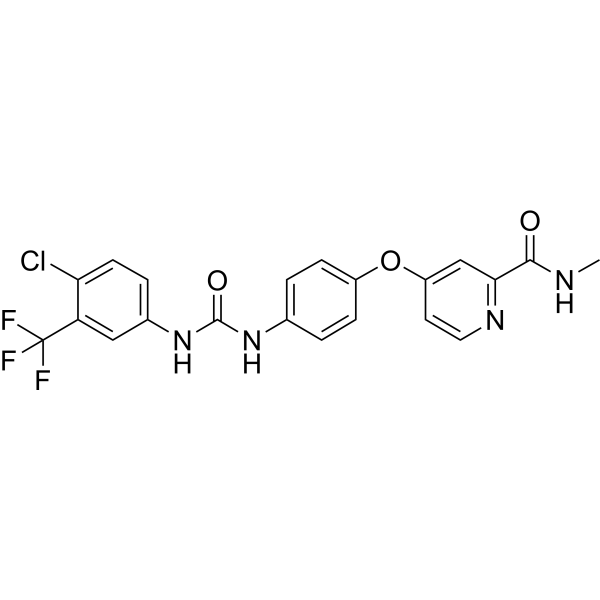
Sorafenib (Bay 43-9006) is a potent oral active multikinase inhibitor. Sorafenib blocks autophosphorylation and activity of receptor tyrosine kinases (VEGFR-2, VEGFR-3) and RAF family kinases, thereby suppressing the RAF/MEK/ERK and PI3K/Akt pathways, inhibiting STAT3 phosphorylation, and selectively inhibiting the MAPK pathway in cancer cells. Sorafenib induces cell cycle arrest, autophagy, apoptosis, and PARP cleavage, reduces Bcl-2, Bcl-XL, cyclin D1 levels, and activates Bak and Bax. Sorafenib inhibits tumor growth and metastasis in mouse and rat models. Sorafenib can be used for cancer research, such as colon, breast, non-small-cell lung cancer (NSCLC), ovarian, pancreatic, melanoma, colorectal and hepatocellular carcinoma .
|
-
-
- HY-108910
-
|
EC 3.4.21.1; Chymotrypsin A
|
Toll-like Receptor (TLR)
NF-κB
MMP
|
Others
Inflammation/Immunology
|
|
Chymotrypsin (EC 3.4.21.1; Chymotrypsin A) is an orally effective inhibitor targeting molecules such as TLR4, NF-κB, MMP-1, TNF-α, IL-1β, and IL-6. Chymotrypsin downregulates the TLR4/NF-κB signaling pathway, inhibiting the release of inflammatory factors, reducing cell infiltration and tissue damage. It also reduces the expression of tumor cell adhesion molecules (such as CD44 and CD54) and can be specifically detected by fluorescent probes (such as NBD-3). Chymotrypsin has anti-inflammatory, hepatoprotective, joint damage-reducing, liver protection against lipotoxicity, and anti-tumor metastasis functions. It can be used in research on diseases such as rheumatoid arthritis, non-alcoholic fatty liver disease, and melanoma metastasis. Chymotrypsin can be used in studies of inflammation, edema, and expectoration .
|
-

-
- HY-10201A
-
|
Bay 43-9006 tosylate
|
Raf
VEGFR
FLT3
Autophagy
Apoptosis
STAT
Akt
MMP
Cadherin
p38 MAPK
ERK
MEK
PI3K
PARP
Bcl-2 Family
|
Infection
Neurological Disease
Metabolic Disease
Inflammation/Immunology
Cancer
|
|
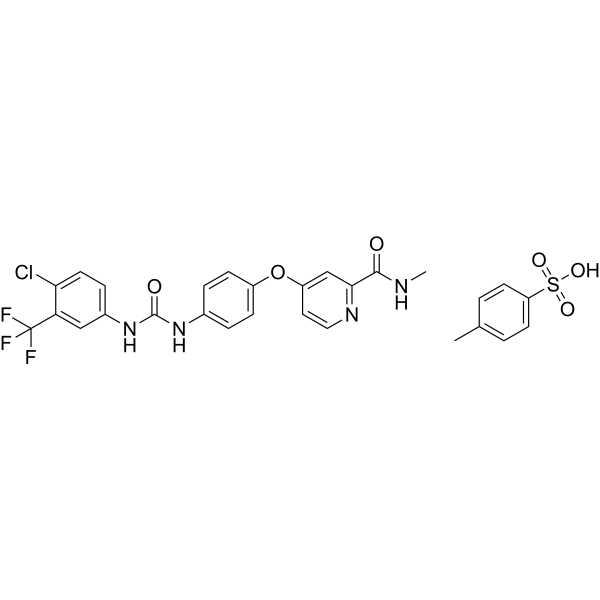
Sorafenib (Bay 43-9006) tosylate is a potent oral active multikinase inhibitor. Sorafenib blocks autophosphorylation and activity of receptor tyrosine kinases (VEGFR-2, VEGFR-3) and RAF family kinases, thereby suppressing the RAF/MEK/ERK and PI3K/Akt pathways, inhibiting STAT3 phosphorylation, and selectively inhibiting the MAPK pathway in cancer cells. Sorafenib tosylate induces cell cycle arrest, autophagy, apoptosis, and PARP cleavage, reduces Bcl-2, Bcl-XL, cyclin D1 levels, and activates Bak and Bax. Sorafenib tosylate inhibits tumor growth and metastasis in mouse and rat models. Sorafenib tosylate can be used for cancer research, such as colon, breast, non-small-cell lung cancer (NSCLC), ovarian, pancreatic, melanoma, colorectal and hepatocellular carcinoma .
|
-
-
- HY-P5423
-
|
|
Exosomes
Liposome
|
Cancer
|
|
GALA is a pH-responsive amphipathic peptide consisting of 30 amino acids, which acts as a lung endothelium-targeting ligand. GALA undergoes a conformational transition from random coil to α-helix in an acidic environment at pH 5.0, thereby inducing endosomal membrane destabilization and fusion. GALA-modified liposomes traverse lung endothelial cells via clathrin-dependent endocytosis and transcytosis, and specifically accumulate in the lungs after intravenous injection. GALA significantly promotes the cytosolic release of cargos carried by exosomes, plasmids and liposomes, effectively enhances gene transfection efficiency, and drives gene knockdown of functional macromolecules (such as siRNA) in alveolar epithelial cells (with no significant cytotoxicity at effective concentrations). GALA serves as a critical tool for studies on lung cancer metastasis (e.g., melanoma lung metastasis) and lung-targeted drug delivery systems .
|
-

-
- HY-121750
-
|
|
Ras
ROCK
|
Cancer
|
|
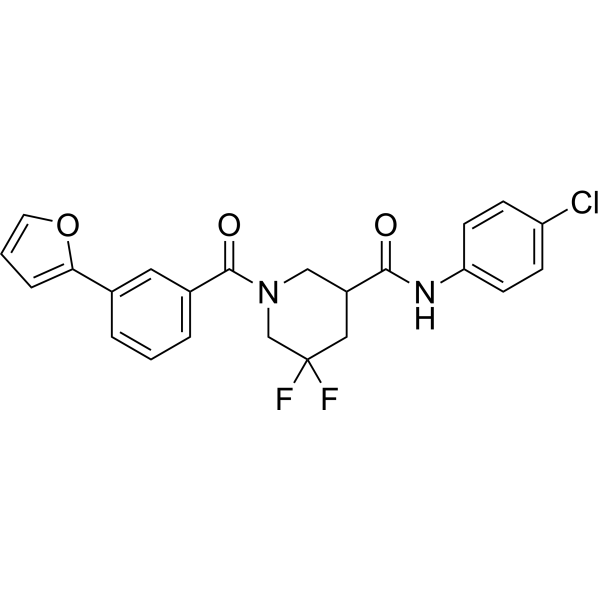
CCG-222740 is an orally active and selective Rho/myocardin-related transcription factor (MRTF) pathway inhibitor . CCG-222740 is also a potent inhibitor of alpha-smooth muscle actin protein expression. CCG-222740 effectively reduces fibrosis in skin and blocks melanoma metastasis .
|
-
-
- HY-B0963
-
|
5-Chloro-8-quinolinol
|
Bacterial
Fungal
Parasite
PPAR
|
Infection
Cancer
|
|
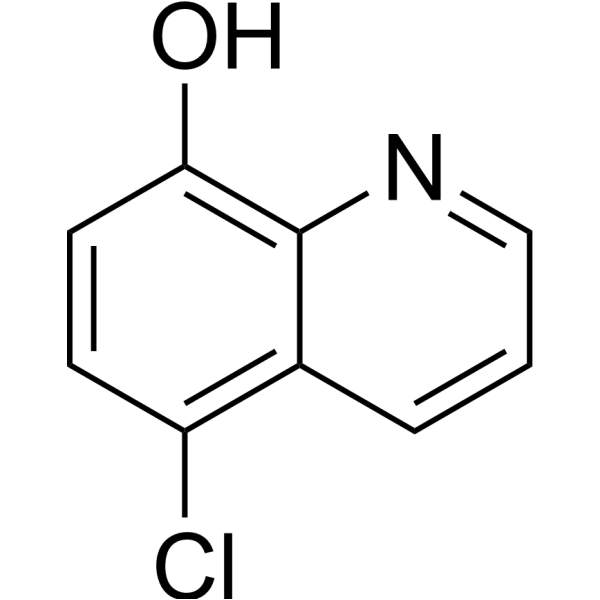
Cloxiquine (5-Chloro-8-quinolinol) is an antibacterial, antifungal and antiamoebic agent. Cloxiquine can be used for the research of tuberculosis and dermatoses. Cloxiquine suppresses the growth and metastasis of melanoma cells through activation of PPARγ .
|
-
-
- HY-P99781
-
|
MLN-1202
|
CCR
|
Inflammation/Immunology
Cancer
|
|
Plozalizumab (MLN-1202) is a humanized anti-CCR2 IgG1 monoclonal antibody. Plozalizumab blocks the recruitment of myeloid cells to the tumor microenvironment by inhibiting the CCL2/CCR2 axis. In addition, Plozalizumab also ameliorates synovial inflammation in rheumatoid arthritis. Plozalizumab can be used in the research of malignant melanoma and bone metastasis-related cancers. Recommended isotype control: Human IgG1 kappa, Isotype Control (HY-P99001) .
|
-

-
- HY-108910A
-
|
EC 3.4.21.1 (MS grade); Chymotrypsin A (MS grade)
|
Toll-like Receptor (TLR)
NF-κB
MMP
|
Others
Inflammation/Immunology
|
|
Chymotrypsin (EC 3.4.21.1; Chymotrypsin A) (MS grade) is an orally effective inhibitor targeting molecules such as TLR4, NF-κB, MMP-1, TNF-α, IL-1β, and IL-6. Chymotrypsin (MS grade) downregulates the TLR4/NF-κB signaling pathway, inhibits the release of inflammatory factors, reduces cell infiltration and tissue damage, and also reduces the expression of tumor cell adhesion molecules (such as CD44 and CD54). It can also be specifically detected by fluorescent probes (such as NBD-3). Chymotrypsin (MS grade) has anti-inflammatory, hepatoprotective, joint damage-reducing, liver protection against lipotoxicity, and anti-tumor metastasis functions, and can be used in the research of diseases such as rheumatoid arthritis, non-alcoholic fatty liver disease, and melanoma metastasis. Chymotrypsin (MS grade) can be used in studies of inflammation, edema, and expectoration .
|
-

-
- HY-112052
-
|
|
Endogenous Metabolite
|
Cancer
|
|
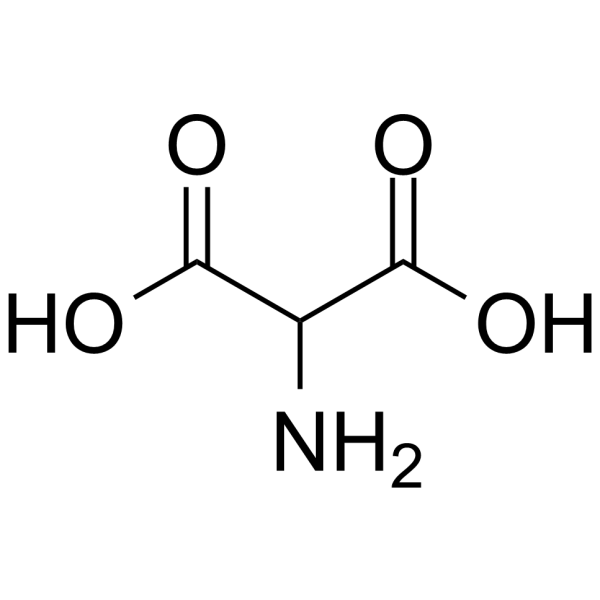
Aminomalonic acid is an amino endogenous metabolite, acts as a strong inhibitor of L-asparagine synthetase from Leukemia 5178Y/AR (Ki= 0.0023 M) and mouse pancreas (Ki= 0.0015 M) in vitro. Aminomalonic acid is a potential biomarker to discriminate between different stages of melanoma metastasis .
|
-
-
- HY-17357
-
|
AHR 9434; AL 6515
|
COX
Prostaglandin Receptor
|
Neurological Disease
Inflammation/Immunology
Endocrinology
Cancer
|
|
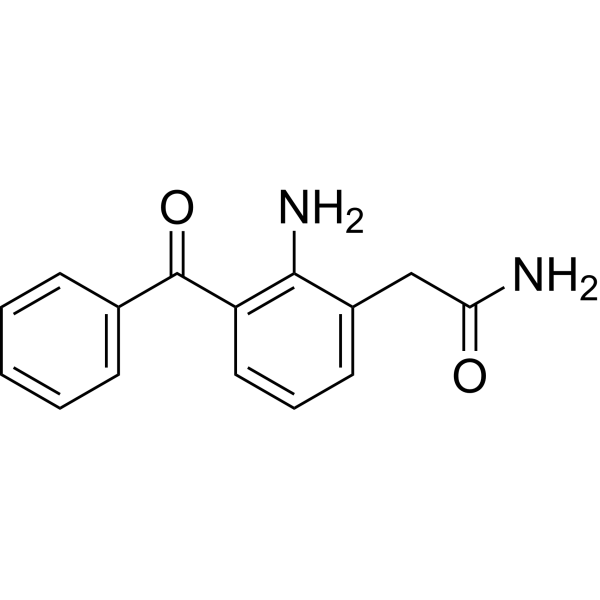
Nepafenac (AHR 9434; AL 6515), a nonsteroidal anti-inflammatory agent, is a topically administered COX-2 inhibitor with an IC50 of 0.12 μM. Nepafenac exhibits only weak COX-1 inhibitory activity (IC50 = 64.3 μM). Nepafenac possesses unique prodrug properties, which enable it to rapidly convert into the active metabolite Amfenac (HY-17479) in the ocular tissues, thereby achieving high concentrations in the retina and choroid. Nepafenac reduces inflammation and pain by inhibiting the activity of cyclooxygenase (COX) enzymes and thereby decreasing the production of prostaglandin PGE₂. Nepafenac can delay the metastasis of uveal melanoma (UM) in rabbit eyes. Nepafenac is mainly used for pain management and inflammation control after ophthalmic surgeries .
|
-
-
- HY-119933
-
|
|
RIP kinase
|
Cancer
|
|
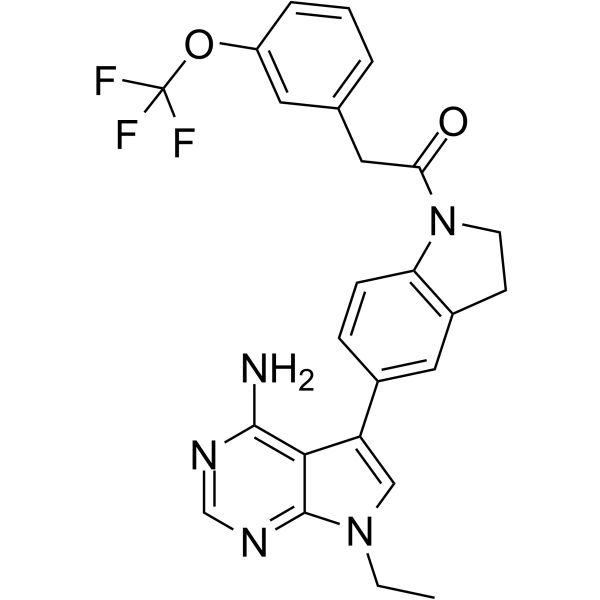
RIPK1-IN-7 is a potent and selective RIPK1 inhibitor with a Kd of 4 nM and an enzymatic IC50 of 11 nM. RIPK1-IN-7 exhibits excellent antimetastasis activity in the experimental B16 melanoma lung metastasis model .
|
-
-
- HY-118487
-
OB-24
2 Publications Verification
|
Heme Oxygenase (HO)
Reactive Oxygen Species (ROS)
|
Cancer
|
|
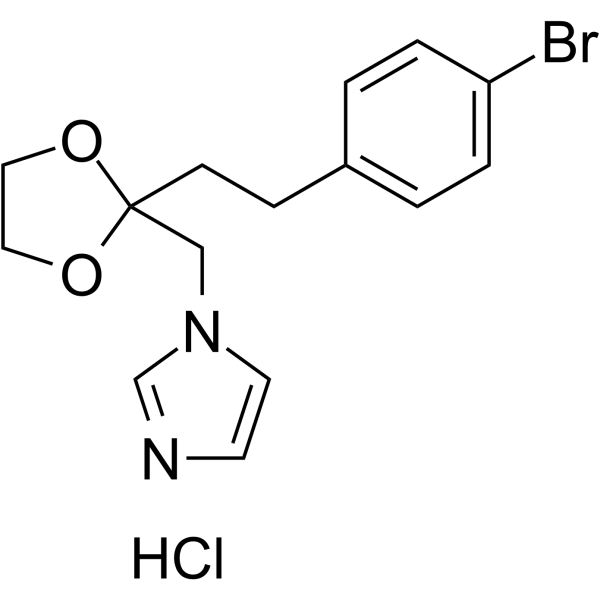
OB-24 is a selective small-molecule HO-1 inhibitor (IC50 = 1.9 μM for HO-1 and IC50 for HO-2 >100 μM). OB-24 possesses anti-tumor and anti-metastatic properties. OB-24 can be studies in research such as prostate cancer, melanoma, ovarian carcinoma and lung metastasis .
|
-
-
- HY-P11288
-
|
|
PACAP Receptor
Apoptosis
|
Cancer
|
|
ANT308 is a vasoactive intestinal polypeptide (VIP receptor) antagonist. ANT308 significantly enhances the activation and proliferation of T cells. ANT308 inhibits the migration and metastasis, induces apoptosis of melanoma tumor cells by inhibiting VIP-VPAC2 signaling and reducing the expression of MCAM and N-cadherin. ANT308 can be used for the studies of acute myeloid leukemia (AML) and uveal melanoma (UVM) .
|
-

-
- HY-P11288A
-
|
|
PACAP Receptor
Apoptosis
|
Cancer
|
|
ANT308 TFA is a vasoactive intestinal polypeptide (VIP receptor) antagonist. ANT308 TFA significantly enhances the activation and proliferation of T cells. ANT308 TFA inhibits the migration and metastasis, induces apoptosis of melanoma tumor cells by inhibiting VIP-VPAC2 signaling and reducing the expression of MCAM and N-cadherin. ANT308 TFA can be used for the study of acute myeloid leukemia (AML) and uveal melanoma (UVM) .
|
-

-
- HY-177120
-
|
|
Autophagy
|
Cancer
|
|
DMBP is a VPS41 inhibitor. DMBP induces methuosis and inhibits autophagy in cancer cells. DMBP inhibits the fusion of late endosomes and autophagosomes with lysosomes. DMBP effectively inhibits metastasis in a mouse metastatic melanoma model. DMBP can be used for the study of melanoma .
|
-

-
- HY-156500
-
|
|
ICMT
|
Cancer
|
|
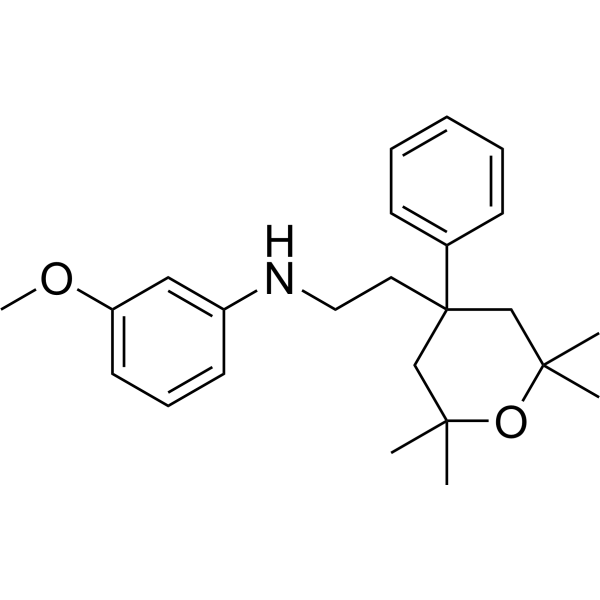
ICMT-IN-1 (compound 75) is an inhibitor of ICMT (IC50=0.0013 μM). ICMT-IN-1 dose-dependently induces ICMT accumulation in the cytoplasm of HCT-116 cells and inhibits the proliferation of multiple cancer cell lines expressing K-Ras and N-Ras .
|
-
-
- HY-17357S
-
|
AHR-9434-d5; AL-6515-d5
|
Isotope-Labeled Compounds
COX
Prostaglandin Receptor
|
Neurological Disease
Inflammation/Immunology
Endocrinology
Cancer
|
|
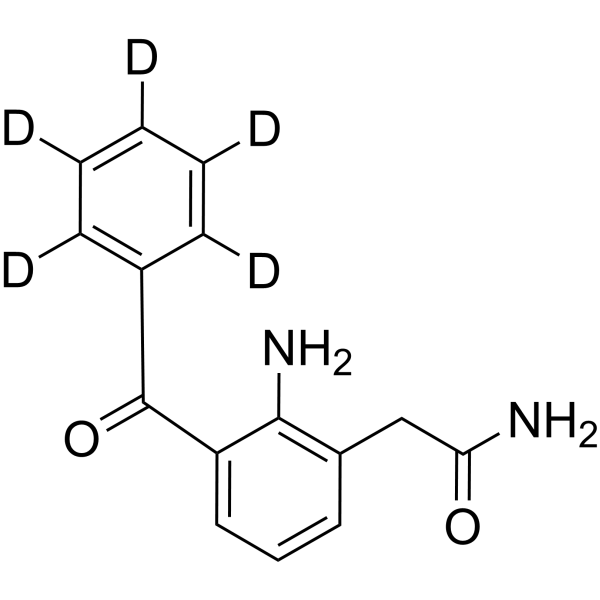
Nepafenac-d5 (AHR-9434-d5; AL-6515-d5) is the deuterium labeled Nepafenac (HY-17357). Nepafenac, a nonsteroidal anti-inflammatory agent, is a topically administered COX-2 inhibitor with an IC50 of 0.12 μM. Nepafenac exhibits only weak COX-1 inhibitory activity (IC50 = 64.3 μM). Nepafenac possesses unique prodrug properties, which enable it to rapidly convert into the active metabolite Amfenac (HY-17479) in the ocular tissues, thereby achieving high concentrations in the retina and choroid. Nepafenac reduces inflammation and pain by inhibiting the activity of cyclooxygenase (COX) enzymes and thereby decreasing the production of prostaglandin PGE₂. Nepafenac can delay the metastasis of uveal melanoma (UM) in rabbit eyes. Nepafenac is mainly used for pain management and inflammation control after ophthalmic surgeries.
|
-
-
- HY-121524
-
|
|
Microtubule/Tubulin
|
Cancer
|
|
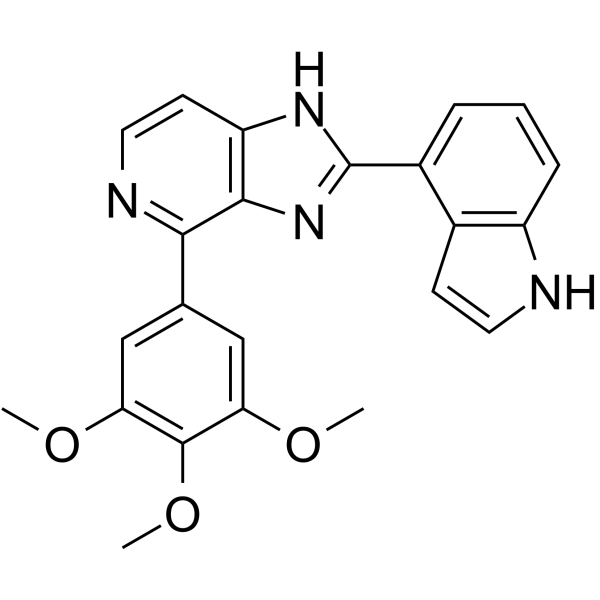
DJ101 is a potent and metabolically stable tubulin inhibitor. DJ101 targets the colchicine binding site and overcomes taxane resistance. DJ101 also inhibits melanoma tumor growth and lung metastasis. DJ101 can be used for prostate cancer research .
|
-
-
- HY-P991609
-
|
|
MMP
|
Cancer
|
|
ABX-MA1 is a humanized IgG2 monoclonal antibody inhibitor targeting MCAM/MUC18. ABX-MA1 significantly decreases homotypic aggregation and heterotypic adhesion to HUVECs, and the formation of experimental lung metastasis. ABX-MA1 potently inhibits tumor growth, angiogenesis, and MMP-2 expression in A375SM/WM2664 xenograft mice model, promising for melanoma research .
|
-

-
- HY-150158
-
|
|
Toll-like Receptor (TLR)
|
Cancer
|
|
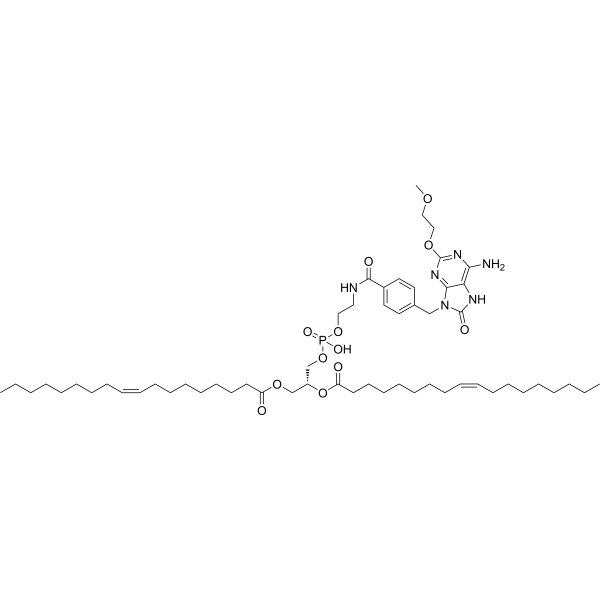
TMX-201 is a TLR7 ligand-phospholipid conjugate. TMX-201 shows potent immune stimulatory activity. TMX-201 can be used for breast cancer and melanoma research .
|
-
-
- HY-13554
-
|
|
Antibiotic
|
Cancer
|
|
Annamycin is an anthracycline antibiotic with antitumor activity. Annamycin interacts with topoisomerase II, induces double-strand DNA breaks, triggers cell death, and exerts cytotoxic effects. In mice, Annamycin inhibits the growth of advanced subcutaneous melanoma and subcutaneous squamous cell carcinoma, and prolongs the survival of mice with subcutaneous reticulosarcoma and in lung cancer lung metastasis models. Annamycin can be used in research related to melanoma, reticulum cell sarcoma, lung cancer, non-small cell lung cancer, small cell lung cancer .
|
-

-
- HY-139061
-
|
|
LPL Receptor
ROCK
|
Cancer
|
|
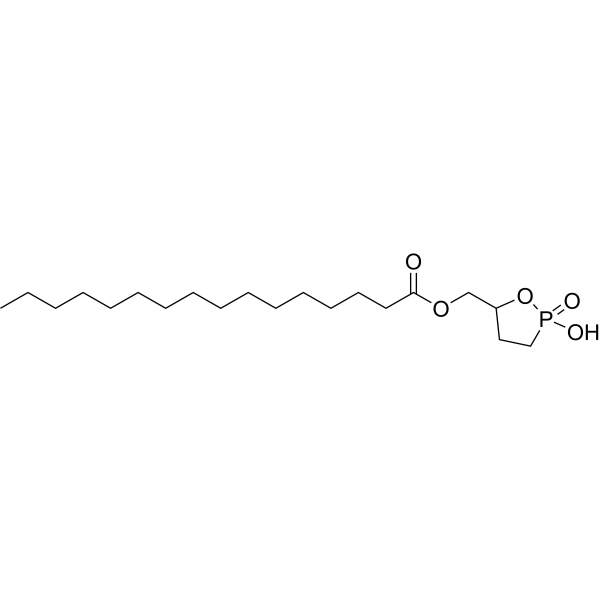
Palmitoyl 3-carbacyclic phosphatidic acid (HY-139061) is a palmitoylated Carba-like cyclophosphatidic acid and an analog of lysophosphatidic acid (LPA). Palmitoyl 3-carbacyclic phosphatidic acid has different functions from LPA and can inhibit the activation of RhoA and inhibit the migration of melanoma cells. Palmitoyl 3-carbacyclic phosphatidic acid effectively inhibited experimental lung metastasis and reduced the number of tumor nodules in a B16-F0 xenograft mouse model .
|
-
-
- HY-156247
-
|
|
SDCBP
NF-κB
MMP
|
Cancer
|
|
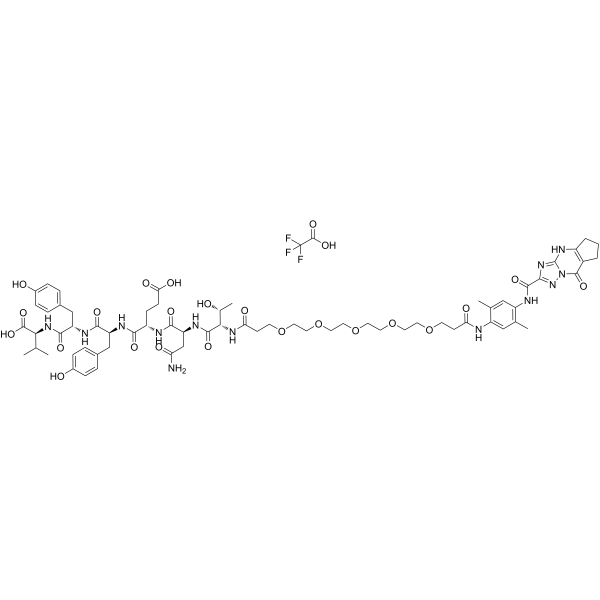
IVMT-Rx-3 is a inhibitor of SDCBP targeting of the PDZ1 and PDZ2 Domains of MDA-9/Syntenin. IVMT-Rx-3 blocks MDA-9/Syntenin interaction with Src, reduces NF-κB activation, and inhibits MMP-2/MMP-9 expression. IVMT-Rx-3 inhibits Melanoma Metastasis [1]
|
-
-
- HY-P5352
-
|
|
CD44
|
Inflammation/Immunology
Cancer
|
|
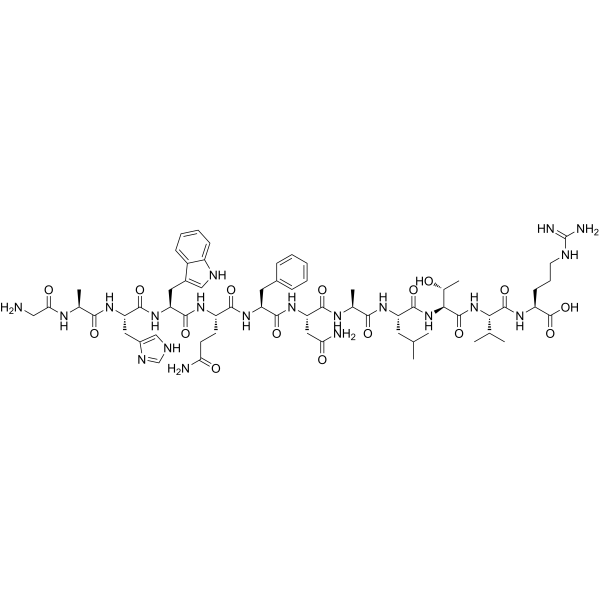
Hyaluronan-IN-1 (Pep-1) is a Hyaluronan inhibitor with a Kd value of 1.65 μM. Hyaluronan-IN-1 blocks CD44-dependent cell adhesion. Hyaluronan-IN-1 inhibits cell adhesion to hyaluronan substrates. Hyaluronan-IN-1 suppresses the development of contact hypersensitivity in mice by blocking the homing process of inflammatory cells to the skin. Hyaluronan-IN-1 also inhibits responses during the sensitization phase. Hyaluronan-IN-1 reduces lung metastasis of melanoma and prolongs the survival of mice. Hyaluronan-IN-1 can be used in research related to contact hypersensitivity, chronic skin inflammation, and melanoma .
|
-
-
- HY-P11018
-
|
|
Peptide-Drug Conjugates (PDCs)
Ephrin Receptor
|
Cancer
|
|
(123B9)2-L2-PTX is an EphA2-agonistic peptide-drug conjugate (PDC). (123B9)2-L2-PTX consists of a dimeric 123B9 (HY-P10579) and Paclitaxel (HY-B0015). (123B9)2-L2-PTX significantly reduces circulating tumor cells and inhibits lung tumor metastasis in breast-cancer-Metastasis mice model. (123B9)2-L2-PTX can be used for cancers research, such as melanomas and ovarian and breast cancers .
|
-

-
- HY-P11011
-
|
Pep R54; CXCR4 antagonist peptide 19
|
CXCR
|
Cancer
|
|
Peptide R54 (Pep R54; CXCR4 antagonist peptide 19) is an antagonistic peptide targeting CXCR4 with significant anticancer activity. Peptide R54 inhibits CXCR4-dependent cell migration, epithelial-mesenchymal transition, and lung metastasis development, with better serum stability and higher CXCR4 affinity than the lead compound (IC50=20 nM). Peptide R54 synergizes with anti-PD-1 therapy to exert anti-tumor activity in vivo, enhances granzyme activity, and reduces infiltration of Foxp3 cells. Peptide R54 can be used in the study of colon cancer, ovarian cancer, and melanoma .
|
-

-
- HY-124875
-
|
HIF inhibitor 64B
|
HIF/HIF Prolyl-Hydroxylase
|
Neurological Disease
|
|
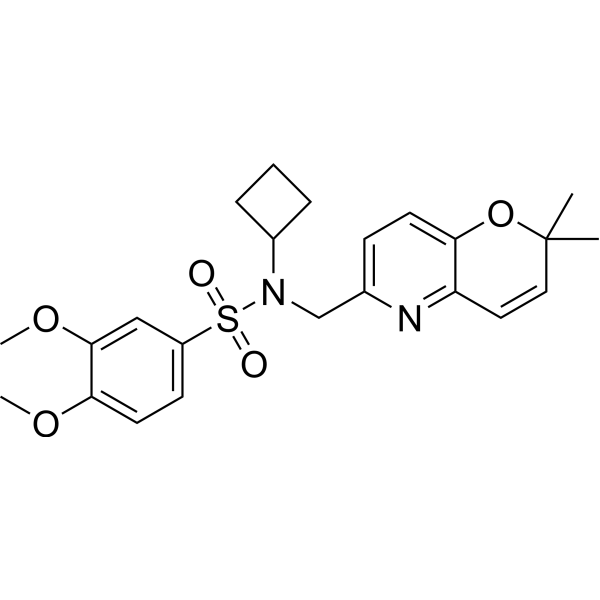
Arylsulfonamide 64B (HIF inhibitor 64B) is an inhibitor of the hypoxia-induced factor (HIF). Arylsulfonamide 64B inhibits hypoxia/HIF-induced expression of c-Met and CXCR4 and reduces primary tumor growth and metastasis of uveal melanoma mouse model .
|
-
-
- HY-120241
-
|
K 251-1
|
Phosphodiesterase (PDE)
|
Cancer
|
|
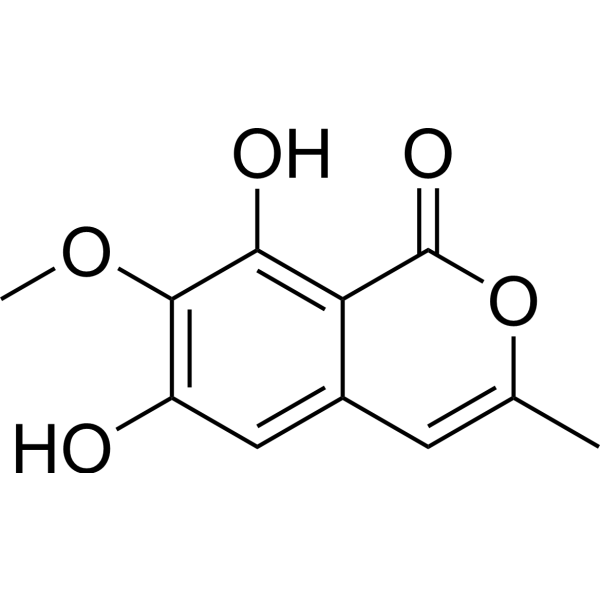
Reticulol (K 251-1) is an inhibitor of cyclic adenosine 3', 5'-monophosphate phosphodiesterase. Reticulol shows antitumor activity independent with cell cycle arrest or apoptosis. Reticulol inhibits cell growth of murine melanoma cells and human lung tumor cells. Reticulol protects its lung metastasis via the bloodstream by inhibiting the growth of B16F10 melanoma .
|
-
-
- HY-119261
-
|
|
Antibiotic
|
Cancer
|
|
Ruboxyl is an anthracycline antibiotic with antitumor activity. Ruboxyl inhibits colorectal cancer (CRC) liver metastasis in mice by 84%, suppresses B16 melanoma growth, and increases the survival rate of mice with L1210 or L5178Y leukemia .
|
-

-
- HY-B0963R
-
|
5-Chloro-8-quinolinol (Standard)
|
Reference Standards
Bacterial
Fungal
Parasite
PPAR
|
Infection
Cancer
|
|
Cloxiquine (Standard) is the analytical standard of Cloxiquine. This product is intended for research and analytical applications. Cloxiquine (5-Chloro-8-quinolinol) is an antibacterial, antifungal and antiamoebic agent. Cloxiquine can be used for the research of tuberculosis and dermatoses. Cloxiquine suppresses the growth and metastasis of melanoma cells through activation of PPARγ .
|
-

-
- HY-112052R
-
|
|
Reference Standards
Endogenous Metabolite
|
Cancer
|
|
Aminomalonic acid (Standard) is the analytical standard of Aminomalonic acid (HY-112052). This product is intended for research and analytical applications. Aminomalonic acid is an amino endogenous metabolite, acts as a strong inhibitor of L-asparagine synthetase from Leukemia 5178Y/AR (Ki= 0.0023 M) and mouse pancreas (Ki= 0.0015 M) in vitro. Aminomalonic acid is a potential biomarker to discriminate between different stages of melanoma metastasis .
|
-

-
- HY-117231
-
|
|
Others
|
Cancer
|
|
RM 06 is an immunomodulator with a peptidyl hypoxanthine structure that significantly reduces the number of lung metastases of B16 melanoma cells in mice after lethal irradiation and bone marrow reconstitution by stimulating the activity of natural killer (NK) cells .
|
-

-
- HY-155433
-
|
|
ICMT
|
Cancer
|
|
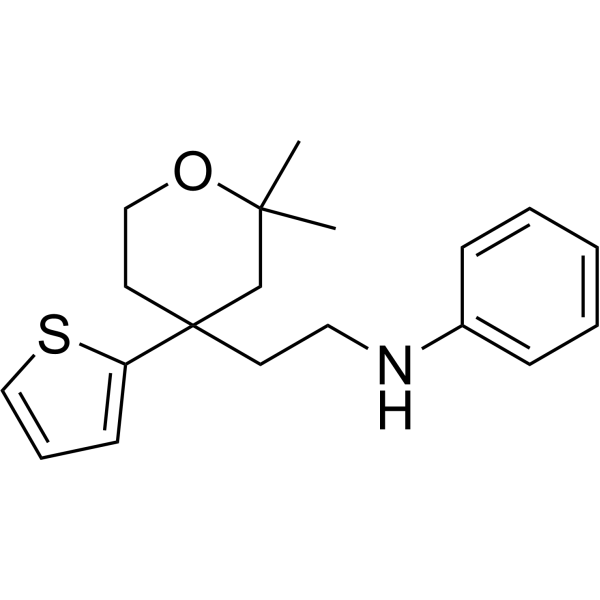
ICMT-IN-30 (compound 67) is an inhibitor of ICMT (IC50=0.27 μM) .
|
-
-
- HY-157092A
-
|
|
ICMT
|
Cancer
|
|
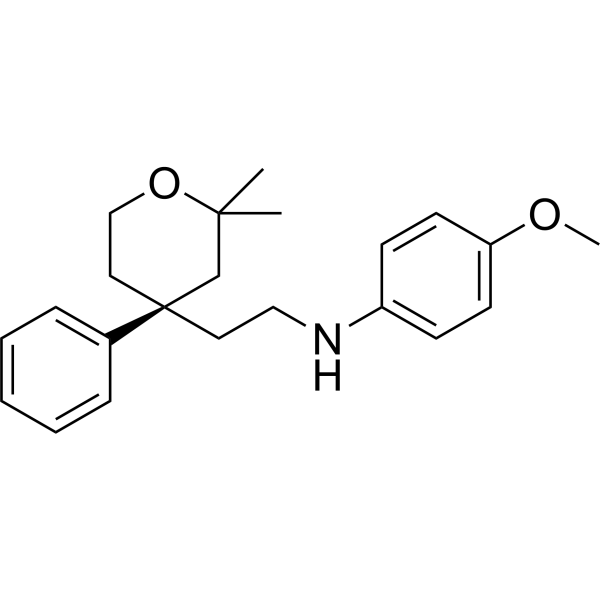
(S)-ICMT-IN-3 (compound ent 1-27) is an inhibitor of ICMT (IC50=0.23 μM) .
|
-
-
- HY-155431
-
|
|
ICMT
|
Cancer
|
|
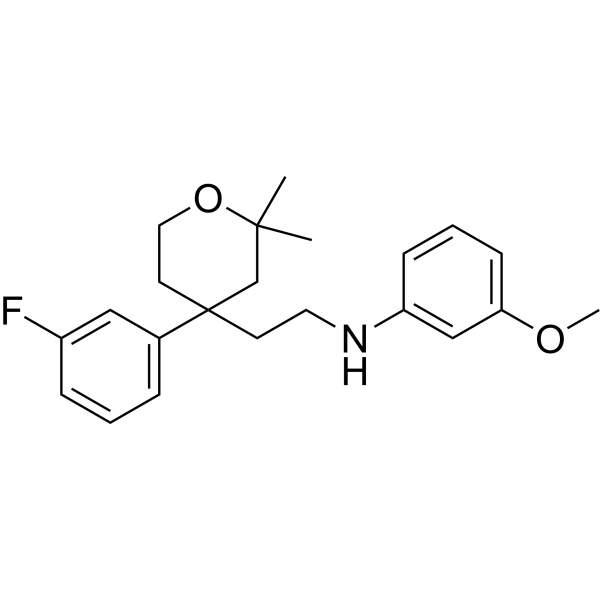
ICMT-IN-28 (compound 65) is an inhibitor of ICMT (IC50=0.008 μM) .
|
-
-
- HY-157120
-
|
|
ICMT
|
Cancer
|
|
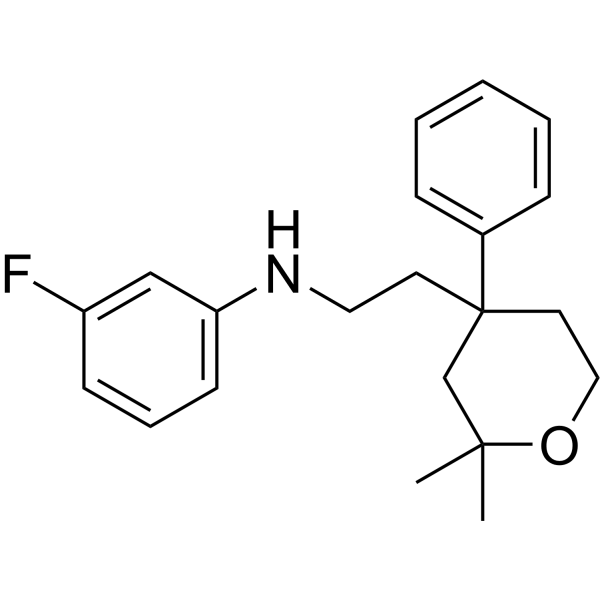
ICMT-IN-52 (compound 44) is an inhibitor of ICMT (IC50=0.052 μM) .
|
-
-
- HY-155419
-
|
|
ICMT
|
Cancer
|
|
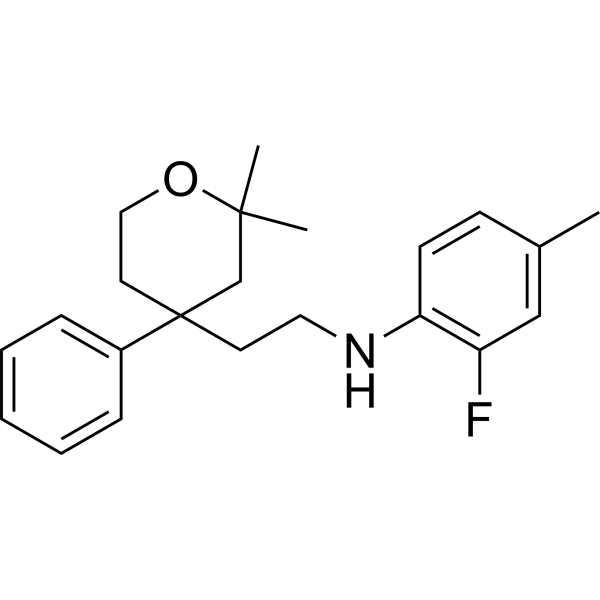
ICMT-IN-5 (compound 46) is an inhibitor of ICMT (IC50=0.3 μM) .
|
-
-
- HY-157103
-
|
|
ICMT
|
Cancer
|
|
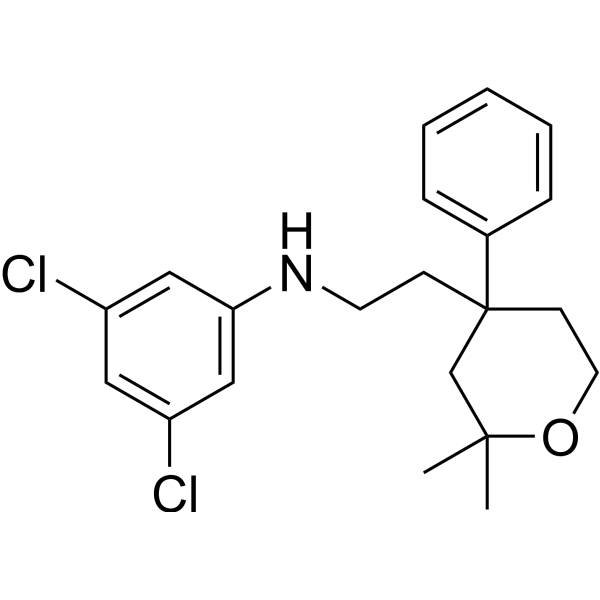
ICMT-IN-34 (compound 39) is an inhibitor of ICMT (IC50=0.17 μM) .
|
-
-
- HY-157119
-
|
|
ICMT
|
Cancer
|
|
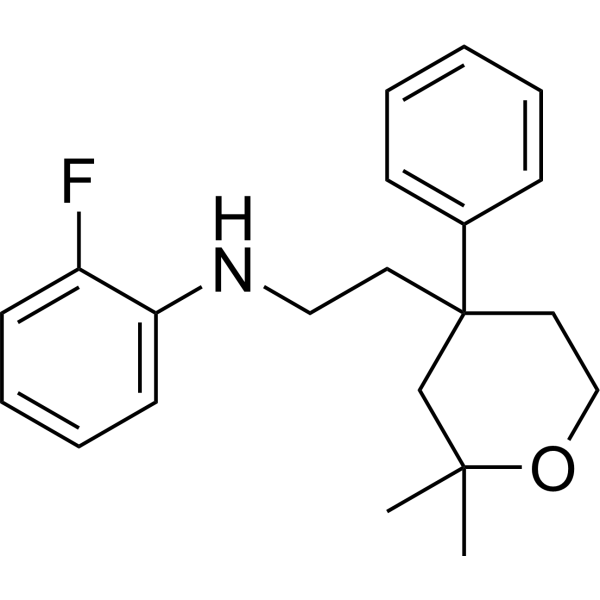
ICMT-IN-51 (compound 43) is an inhibitor of ICMT (IC50=0.55 μM) .
|
-
-
- HY-149705
-
|
|
ICMT
|
Cancer
|
|
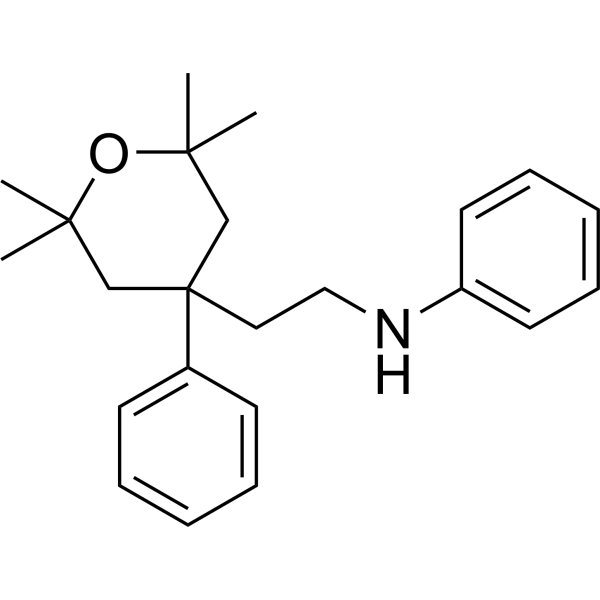
ICMT-IN-7 (compound 74) is an inhibitor of ICMT (IC50=0.015 μM). ICMT-IN-7 dose-dependently induces ICMT accumulation in the cytoplasm of HCT-116 cells and inhibits the proliferation of multiple cancer cell lines expressing K-Ras and N-Ras .
|
-
-
- HY-157095
-
|
|
ICMT
|
Cancer
|
|
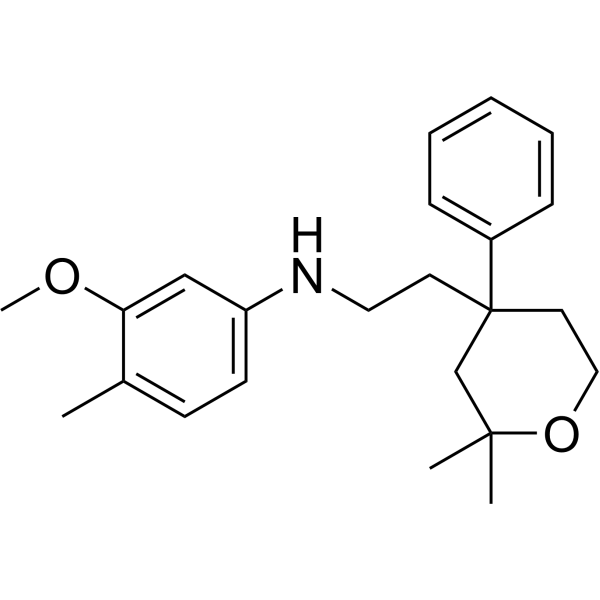
ICMT-IN-6 (compound 29) is an inhibitor of ICMT (IC50=0.09 μM) .
|
-
-
- HY-157118
-
|
|
ICMT
|
Cancer
|
|
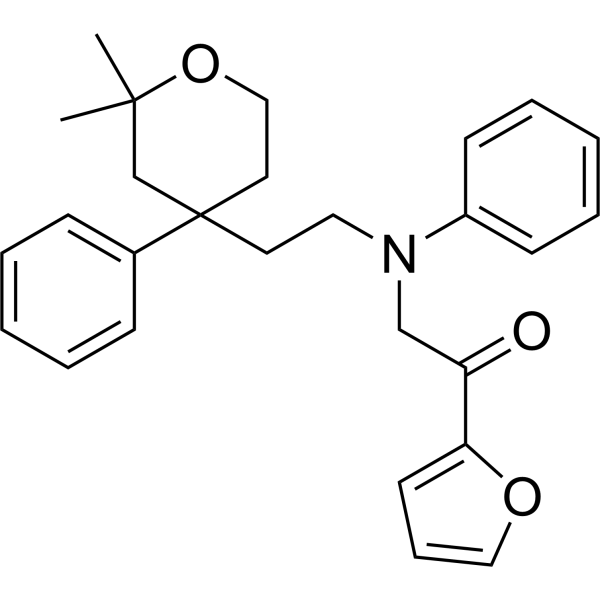
ICMT-IN-50 (compound 3) is an inhibitor of ICMT (IC50=0.31 μM) .
|
-
-
- HY-155429
-
|
|
ICMT
|
Cancer
|
|
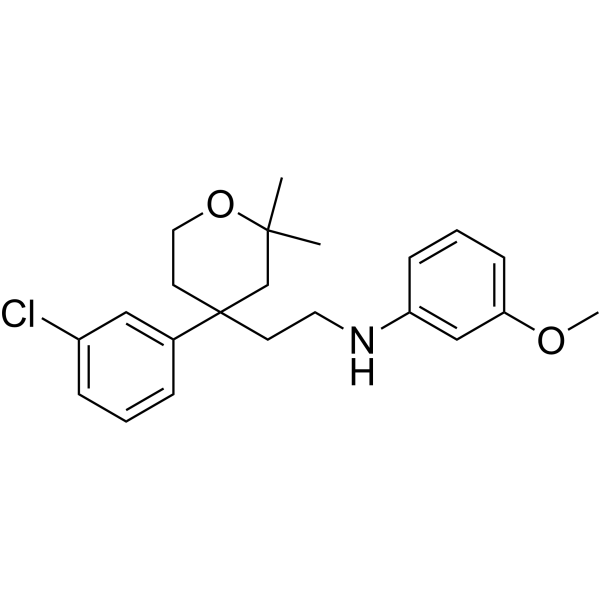
ICMT-IN-24 (compound 63) is an inhibitor of ICMT (IC50=0.19 μM) .
|
-
-
- HY-155424
-
|
|
ICMT
|
Cancer
|
|
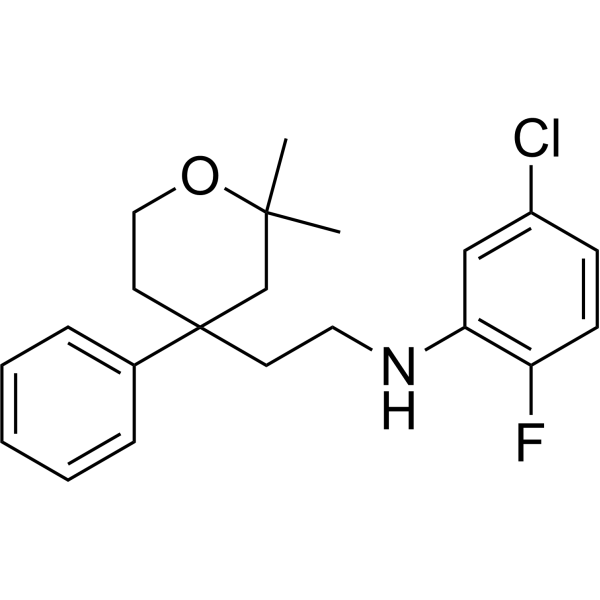
ICMT-IN-15 (compound 51) is an inhibitor of ICMT (IC50=0.032 μM) .
|
-
-
- HY-155422
-
|
|
ICMT
|
Cancer
|
|
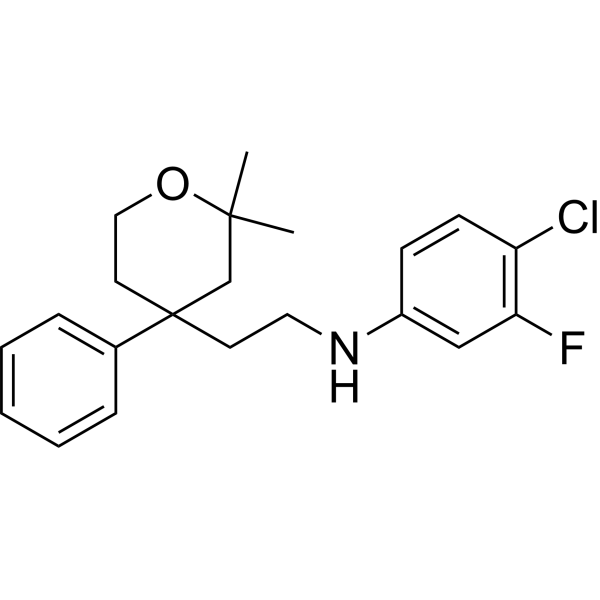
ICMT-IN-13 (compound 49) is an inhibitor of ICMT (IC50=0.47 μM) .
|
-
-
- HY-157114
-
|
|
ICMT
|
Cancer
|
|
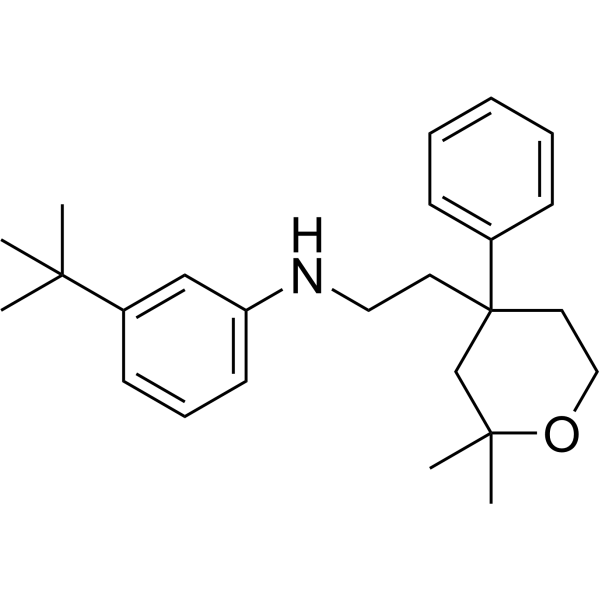
ICMT-IN-46 (compound 25) is an inhibitor of ICMT (IC50=0.556 μM) .
|
-
-
- HY-157105
-
|
|
ICMT
|
Cancer
|
|
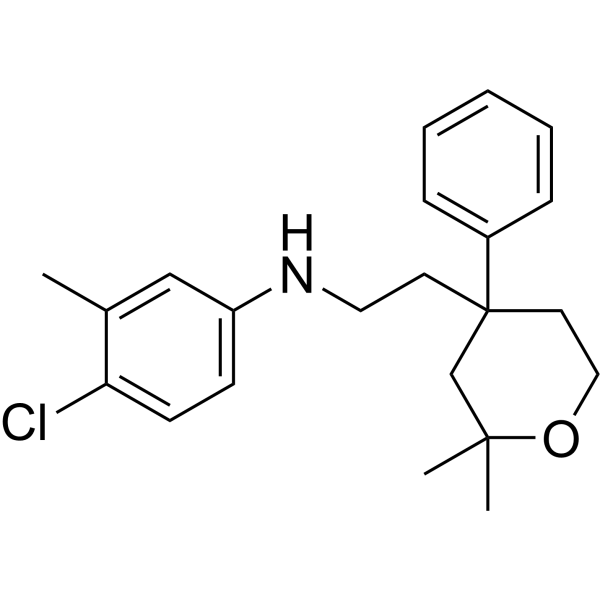
ICMT-IN-37 (compound 41) is an inhibitor of ICMT (IC50=0.308 μM) .
|
-
-
- HY-155430
-
|
|
ICMT
|
Cancer
|
|
ICMT-IN-27 (compound 64) is an inhibitor of ICMT (IC50=0.1 μM) .
|
-
-
- HY-155427
-
|
|
ICMT
|
Cancer
|
|
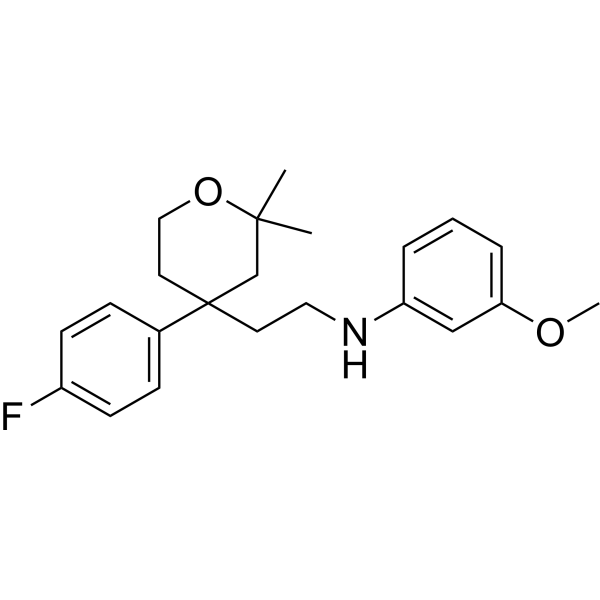
ICMT-IN-20 (compound 54) is an inhibitor of ICMT (IC50=0.682 μM) .
|
-
-
- HY-157112
-
|
|
ICMT
|
Cancer
|
|
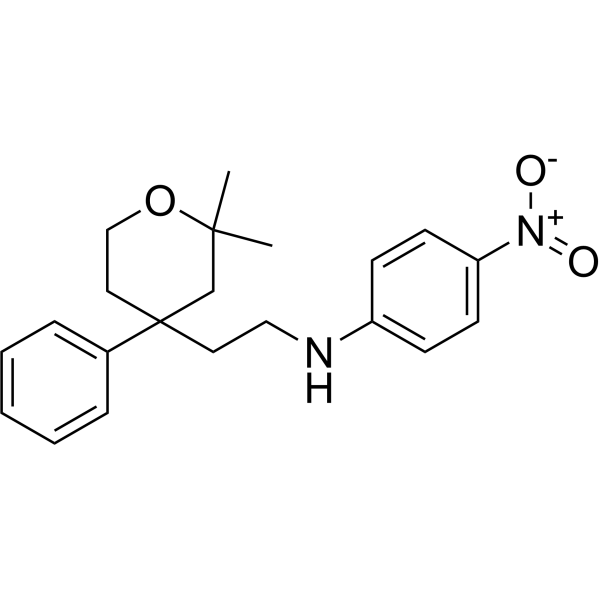
ICMT-IN-44 (compound 23) is an inhibitor of ICMT (IC50=0.167 μM) .
|
-
- HY-157092B
-
|
|
ICMT
|
Cancer
|
|
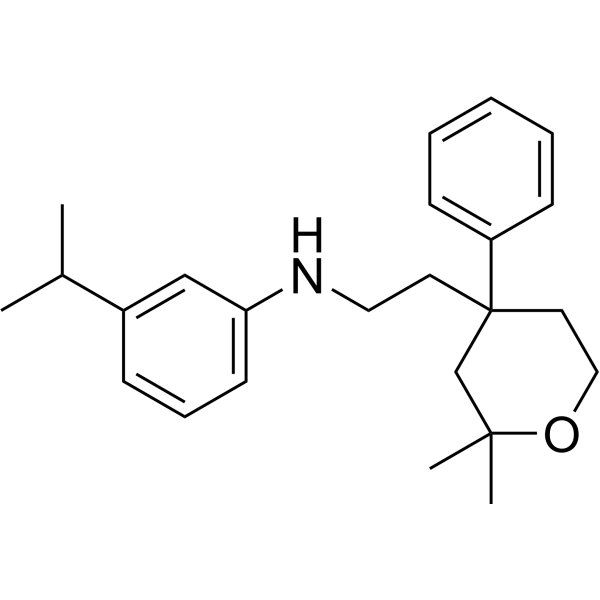
(R)-ICMT-IN-3 (compound ent 2-27) is an inhibitor of ICMT (IC50=0.01 μM) .
|
-
- HY-157104
-
|
|
ICMT
|
Cancer
|
|
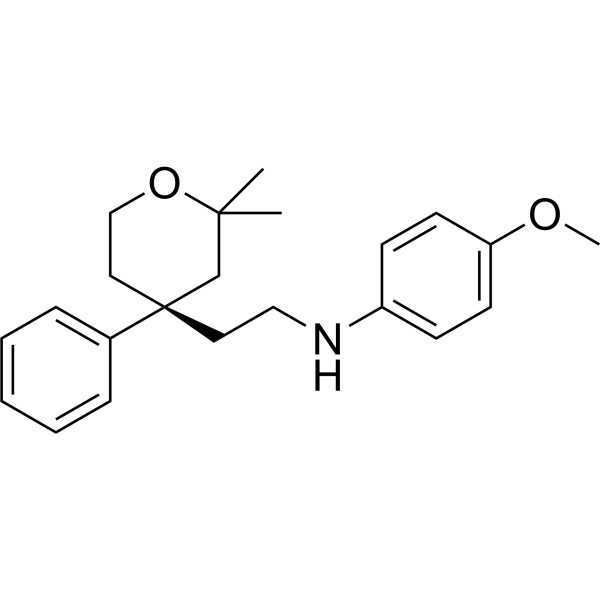
ICMT-IN-36 (compound 40) is an inhibitor of ICMT (IC50=0.181 μM) .
|
-
- HY-149706
-
|
|
ICMT
|
Cancer
|
|
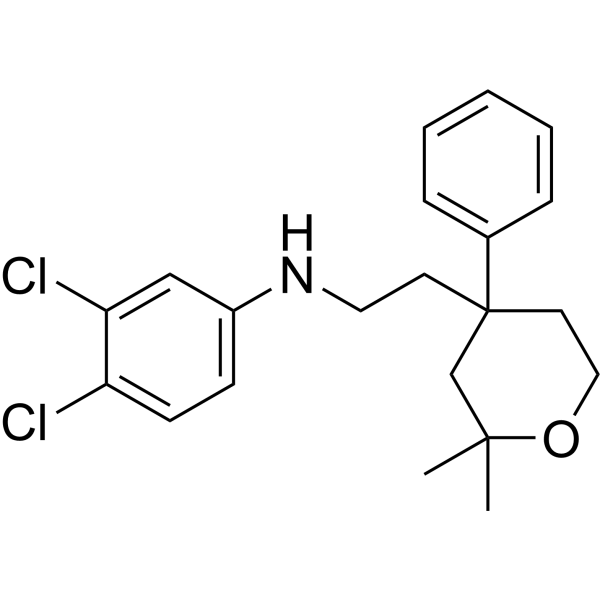
ICMT-IN-12 (compound 78) is an inhibitor of ICMT (IC50=0.42 μM) .
|
-
- HY-157096
-
|
|
ICMT
|
Cancer
|
|
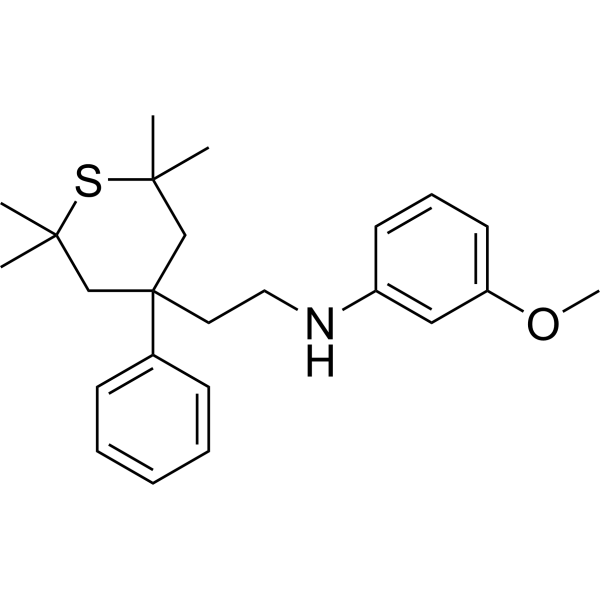
ICMT-IN-8 (compound 30) is an inhibitor of ICMT (IC50=0.652 μM) .
|
-
- HY-149707
-
|
|
ICMT
|
Cancer
|
|
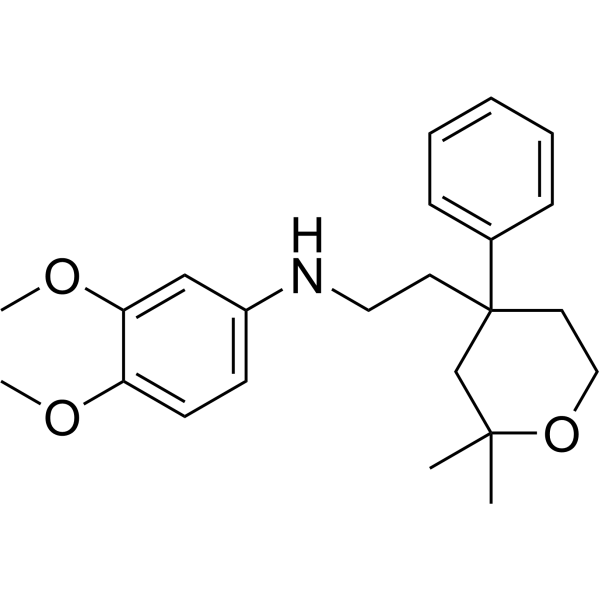
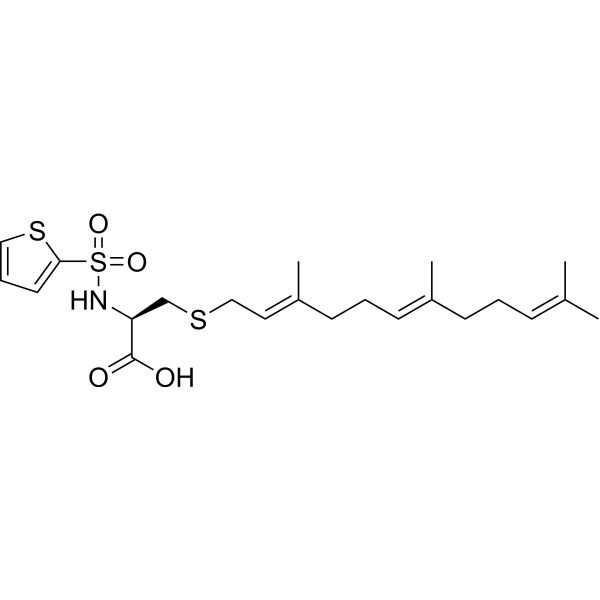
ICMT-IN-21 (compound 6ag) is an ICMT inhibitor (IC50=8.8 μM), a sulfonamide-modified farnesyl cysteine (SMFC). The farnesyl and carboxylic acid motifs of ICMT-IN-21 are important structures for inhibiting ICMT .
|
-
- HY-155425
-
|
|
ICMT
|
Cancer
|
|
ICMT-IN-17 (compound 52) is an inhibitor of ICMT (IC50=0.38 μM) .
|
-
- HY-157102
-
|
|
ICMT
|
Cancer
|
|
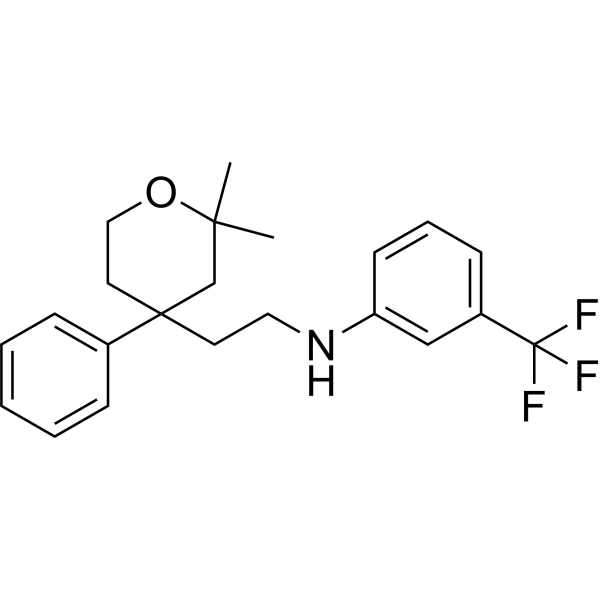
ICMT-IN-26 (compound 38) is an inhibitor of ICMT (IC50=0.36 μM) .
|
-
- HY-157098
-
|
|
ICMT
|
Cancer
|
|
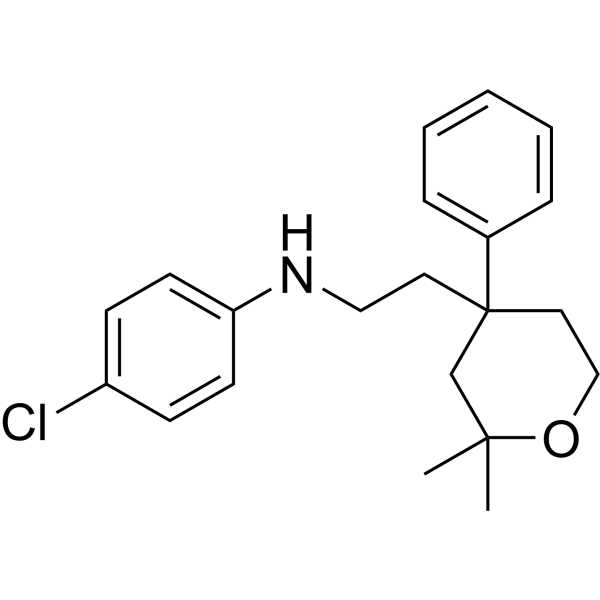
ICMT-IN-16 (compound 33) is an inhibitor of ICMT (IC50=0.131 μM) .
|
-
- HY-157109
-
|
|
ICMT
|
Cancer
|
|
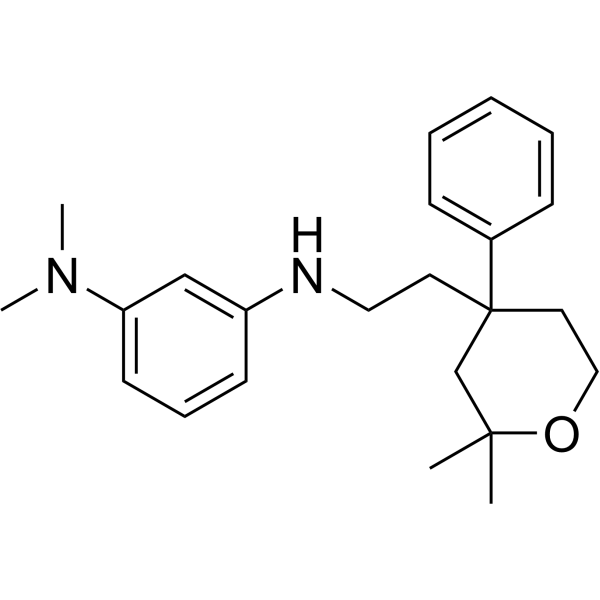
ICMT-IN-41 (compound 20) is an inhibitor of ICMT (IC50=0.069 μM) .
|
-
- HY-155434
-
|
|
ICMT
|
Cancer
|
|
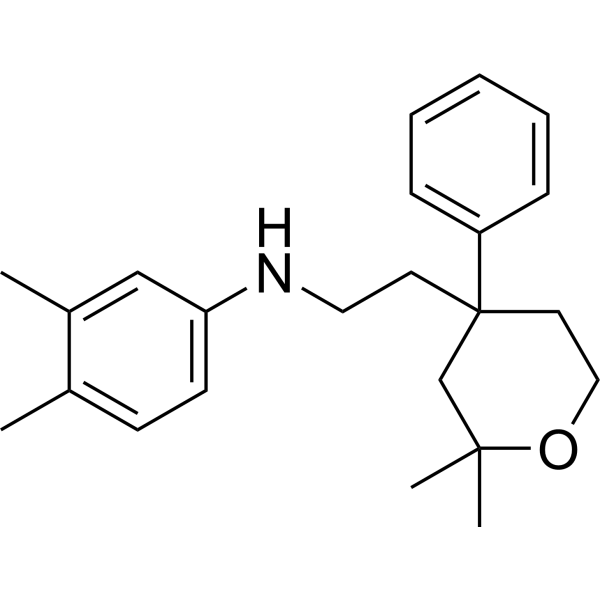
ICMT-IN-31 (compound 68) is an inhibitor of ICMT (IC50=0.0038 μM) .
|
-
- HY-149730
-
|
|
ICMT
|
Cancer
|
|
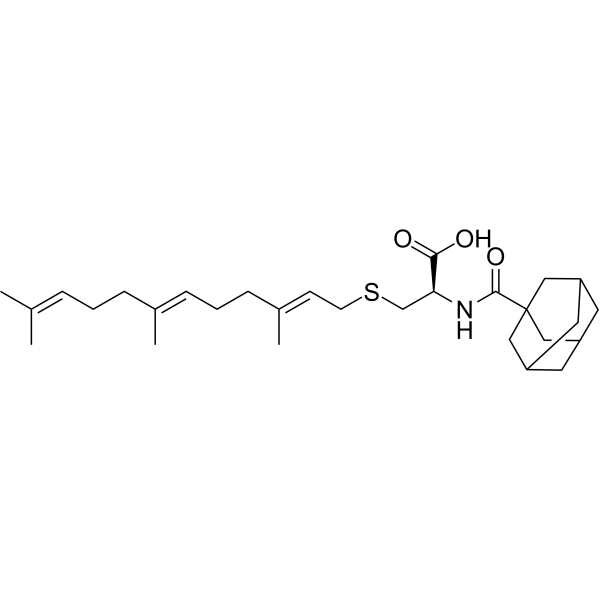
ICMT-IN-54 (compound 7c) is an adamantyl analogue and an ICMT inhibitor (IC50=12.4 μM), which can inhibit ICMT Methylation. ICMT-in-54 inhibits BFC (N-biotinyl-(6-aminohexanoic)-S-farnesyl-L-cysteine) methylation in saccharomyces cerevisiae expressing ICMT, which is an indirect effect of inhibiting ICMT methylation .
|
-
- HY-157099
-
|
|
ICMT
|
Cancer
|
|
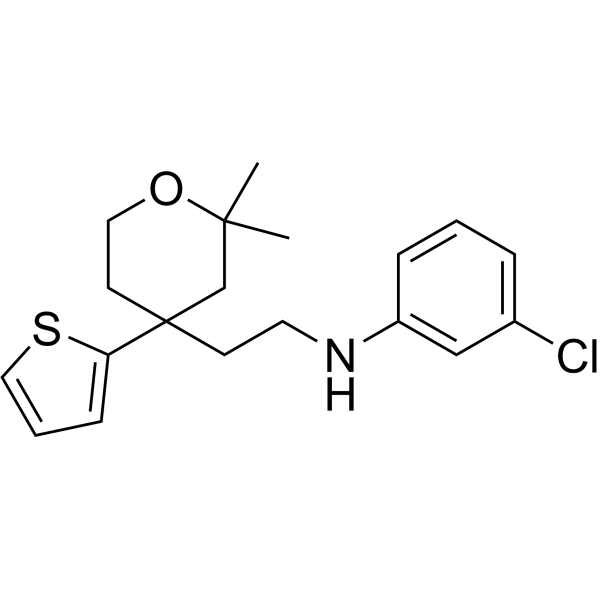
ICMT-IN-18 (compound 35) is an inhibitor of ICMT (IC50=0.066 μM) .
|
-
- HY-157108
-
|
|
ICMT
|
Cancer
|
|
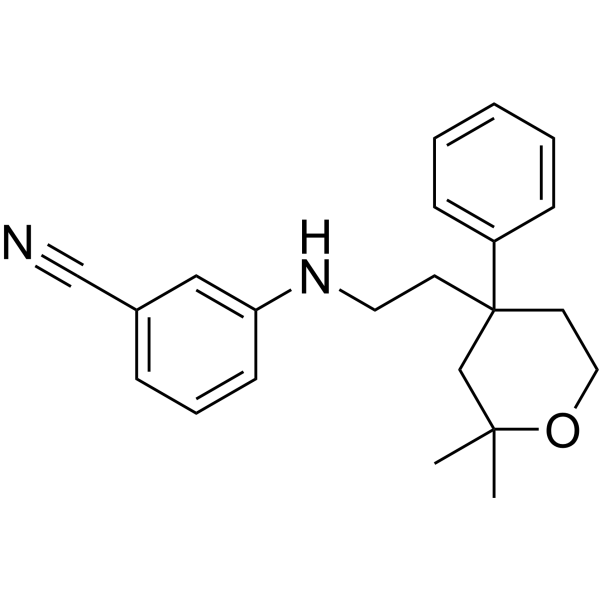
ICMT-IN-40 (compound 19) is an inhibitor of ICMT (IC50=0.031 μM) .
|
-
- HY-155421
-
|
|
ICMT
|
Cancer
|
|
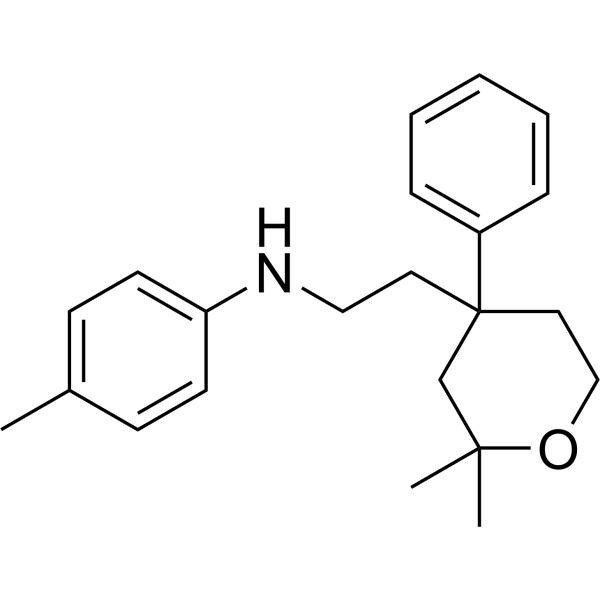
ICMT-IN-11 (compound 48) is an inhibitor of ICMT (IC50=0.031 μM) .
|
-
- HY-155432
-
|
|
ICMT
|
Cancer
|
|
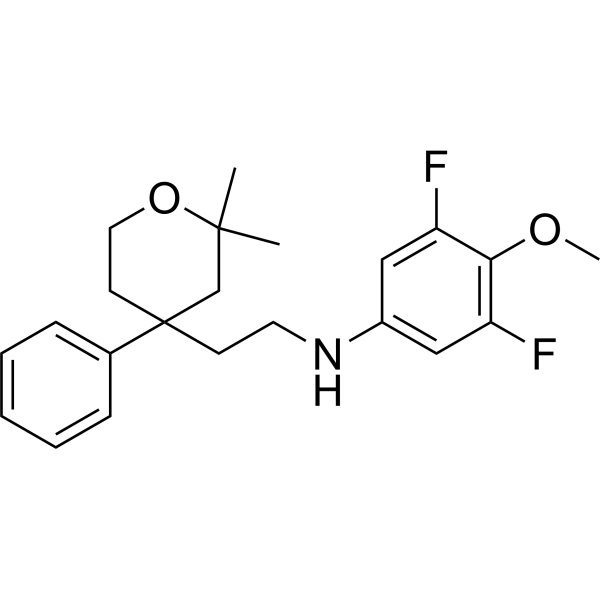
ICMT-IN-29 (compound 66) is an inhibitor of ICMT (IC50=0.019 μM) .
|
-
- HY-157106
-
|
|
ICMT
|
Cancer
|
|
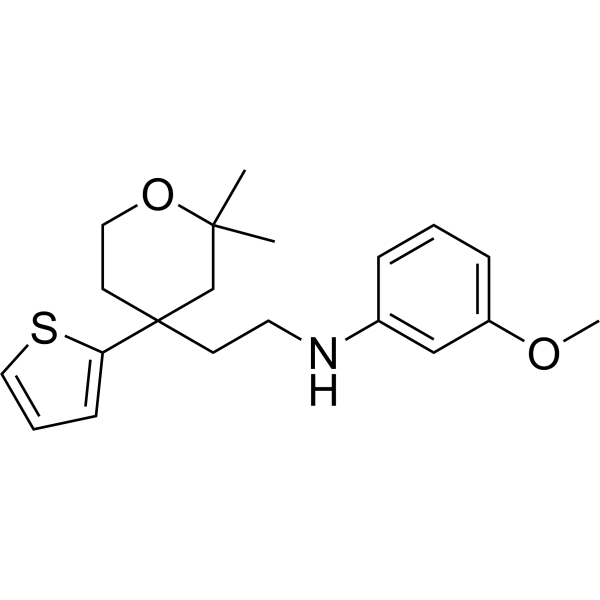
ICMT-IN-38 (compound 42) is an inhibitor of ICMT (IC50=0.049 μM) .
|
-
- HY-157111
-
|
|
ICMT
|
Cancer
|
|
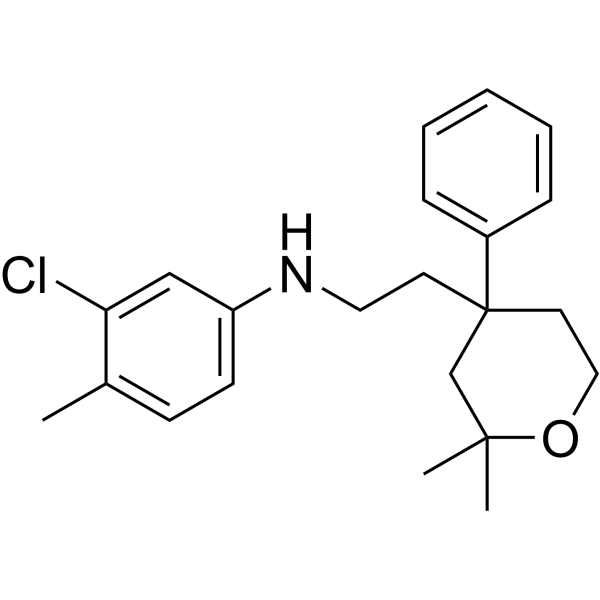
ICMT-IN-43 (compound 22) is an inhibitor of ICMT (IC50=0.04 μM) .
|
-
- HY-157107
-
|
|
ICMT
|
Cancer
|
|
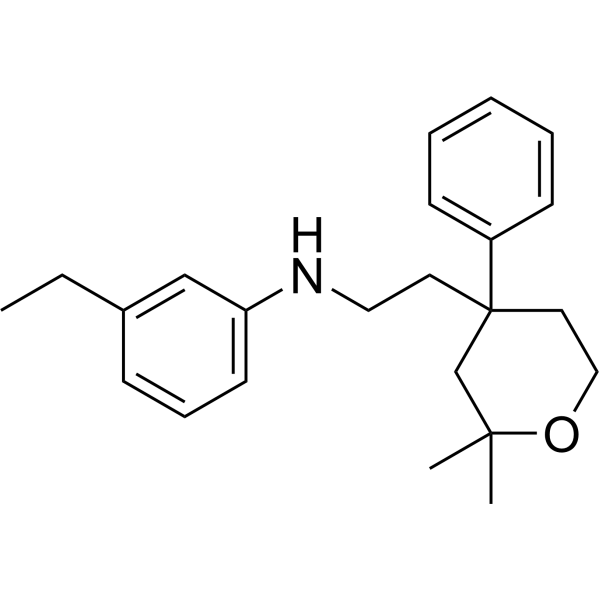
ICMT-IN-39 (compound 18) is an inhibitor of ICMT (IC50=0.031 μM) .
|
-
- HY-155435
-
|
|
ICMT
|
Cancer
|
|
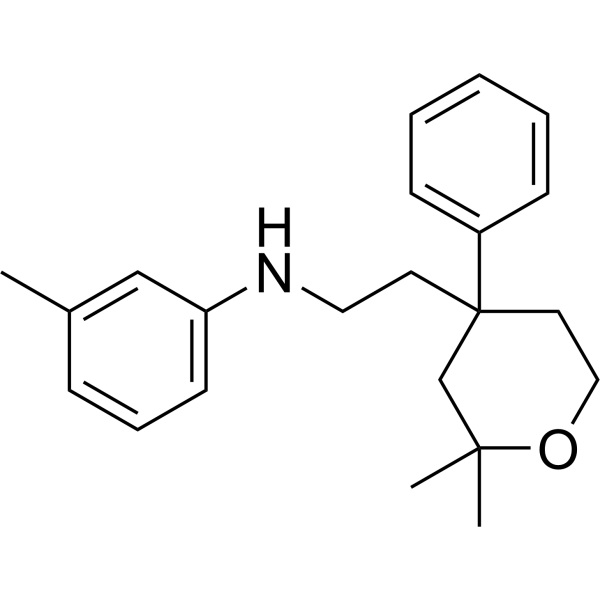
ICMT-IN-32 (compound 70) is an inhibitor of ICMT (IC50=0.777 μM) .
|
-
- HY-157100
-
|
|
ICMT
|
Cancer
|
|
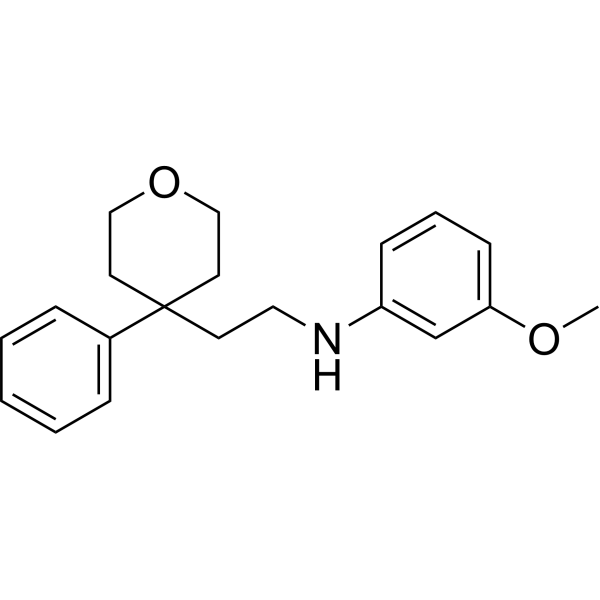
ICMT-IN-23 (compound 36) is an inhibitor of ICMT (IC50=0.123 μM) .
|
-
- HY-157097
-
|
|
ICMT
|
Cancer
|
|
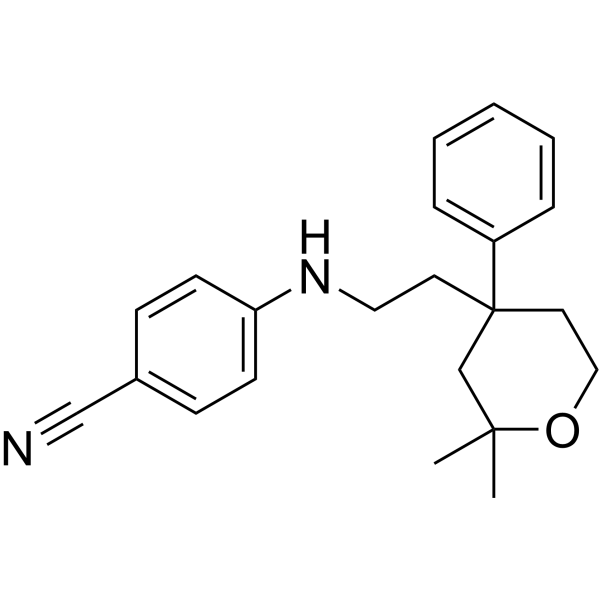
ICMT-IN-10 (compound 32) is an inhibitor of ICMT (IC50=0.184 μM) .
|
-
- HY-157101
-
|
|
ICMT
|
Cancer
|
|
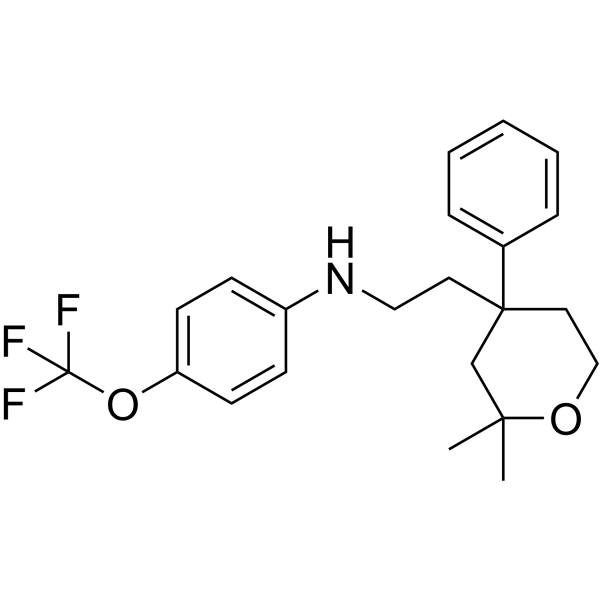
ICMT-IN-25 (compound 37) is an inhibitor of ICMT (IC50=0.025 μM) .
|
-
- HY-149729
-
|
|
ICMT
|
Cancer
|
|
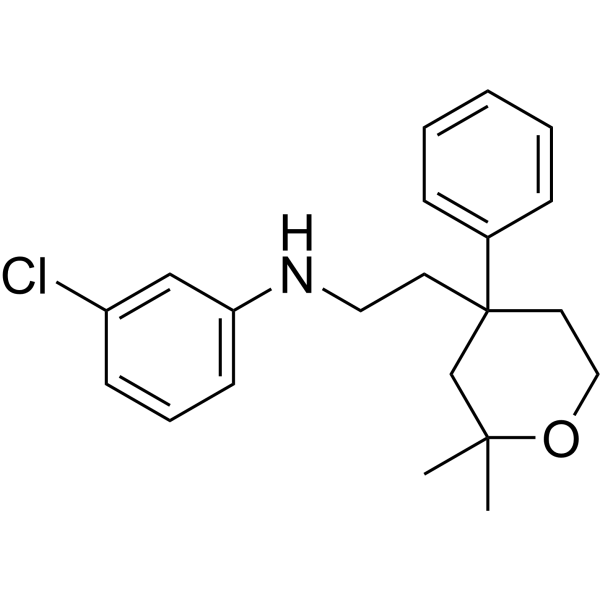
ICMT-IN-53 (compound 12) is an ICMT inhibitor (IC50=0.96 μM) with PAMPA permeability and antiproliferative activity. ICMT-IN-53 inhibits the proliferation of MDA-MB-231 and PC3 with IC50s of 5.14 μM and 5.88 μM, respectively .
|
-
- HY-157116
-
|
|
ICMT
|
Cancer
|
|
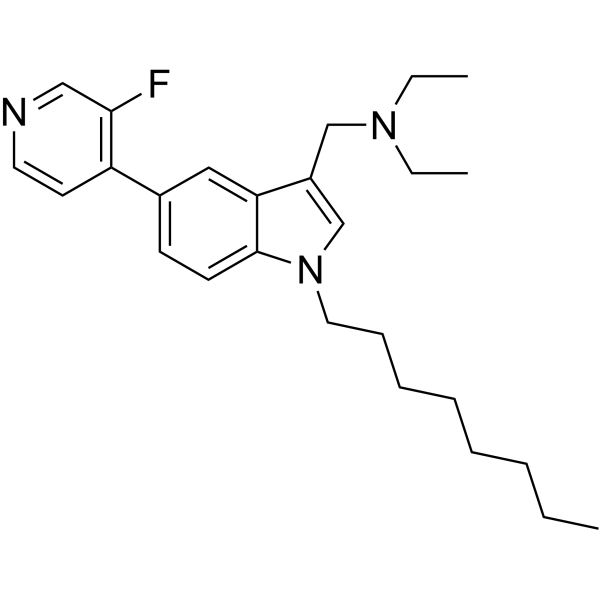
ICMT-IN-48 (compound 1) is an ICMT inhibitor that is competitive (Km=13 μM) for the prenylated methyl acceptor, the first substrate of ICMT. ICMT-IN-48 inhibits ICMT activity with IC50s affected by the concentration of the second substrate S-adenosylmethinine (SAM), and the IC50s are 3.5 μM (1×Km SAM) and 2.3 μM (10×Km SAM), respectively .
|
-
- HY-157113
-
|
|
ICMT
|
Cancer
|
|
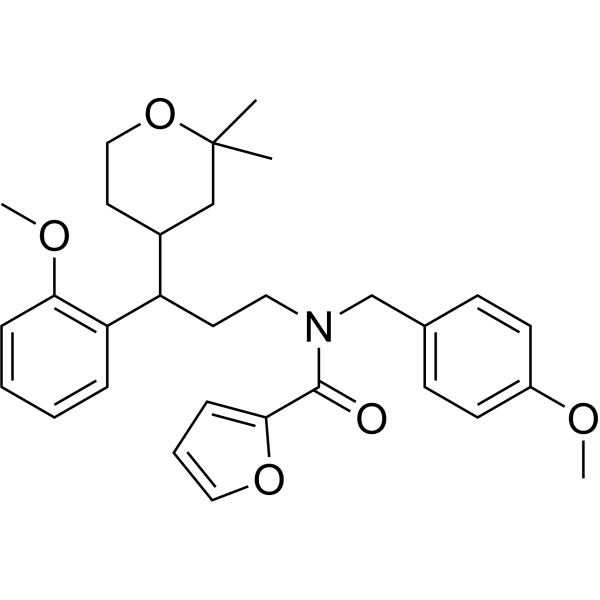
ICMT-IN-45 (compound 24) is an inhibitor of ICMT (IC50=0.132 μM) .
|
-
- HY-155418
-
|
|
ICMT
|
Cancer
|
|
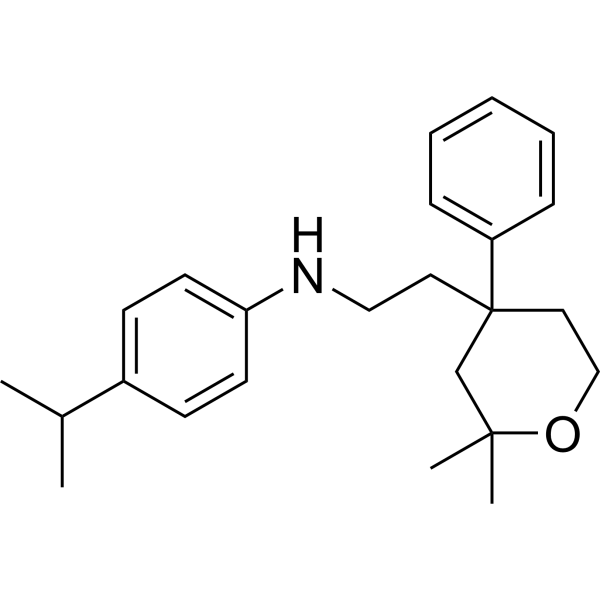
ICMT-IN-2 (compound 45) is an inhibitor of ICMT (IC50=0.168 μM) .
|
-
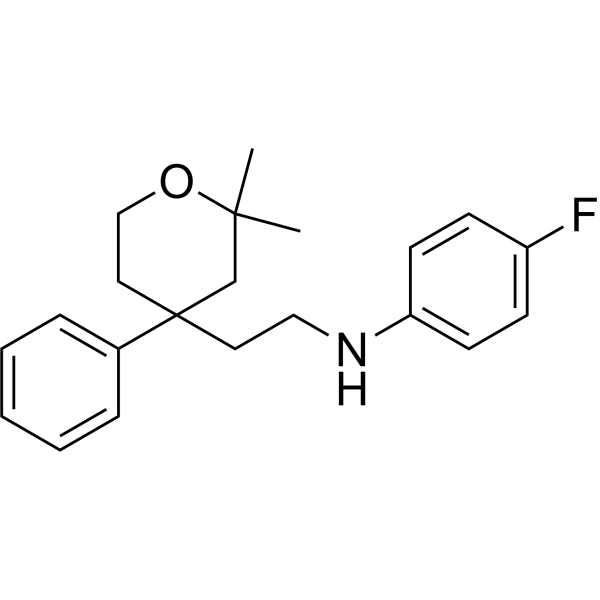
- HY-155423
-
|
|
ICMT
|
Cancer
|
|
ICMT-IN-14 (compound 50) is an inhibitor of ICMT (IC50=0.025 μM) .
|
-
- HY-157115
-
|
|
ICMT
|
Cancer
|
|
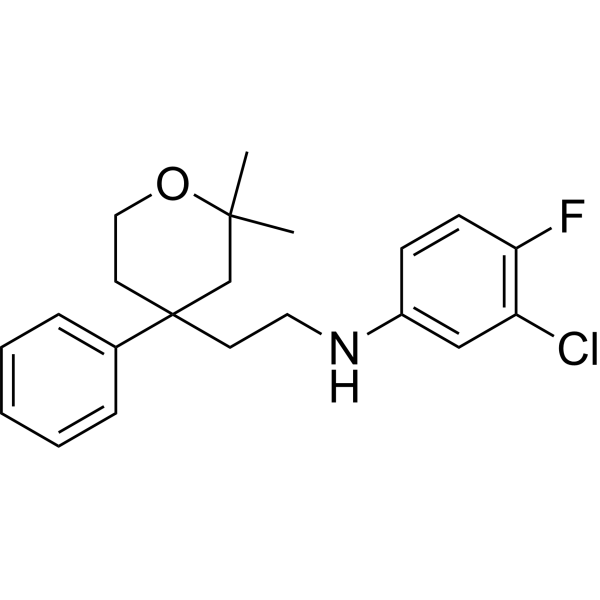
ICMT-IN-47 (compound 26) is an inhibitor of ICMT (IC50=0.76 μM) .
|
-
- HY-155426
-
|
|
ICMT
|
Cancer
|
|
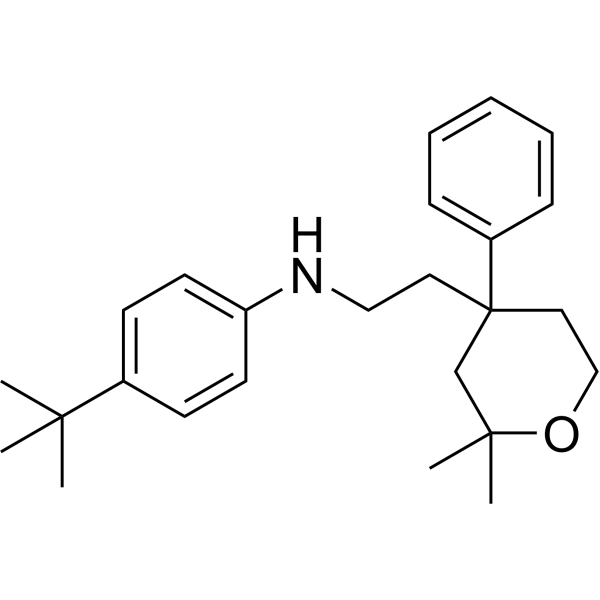
ICMT-IN-19 (compound 53) is an inhibitor of ICMT (IC50=0.026 μM) .
|
-
- HY-155428
-
|
|
ICMT
|
Cancer
|
|
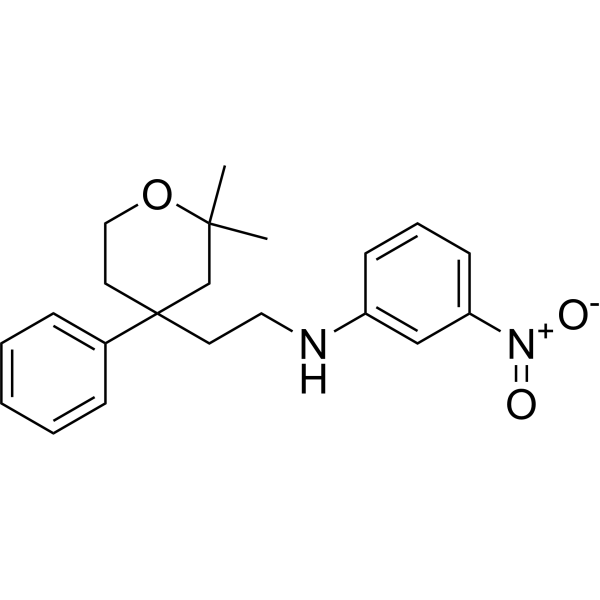
ICMT-IN-22 (compound 62) is an inhibitor of ICMT (IC50=0.63 μM) .
|
-
- HY-157117
-
|
|
ICMT
|
Cancer
|
|
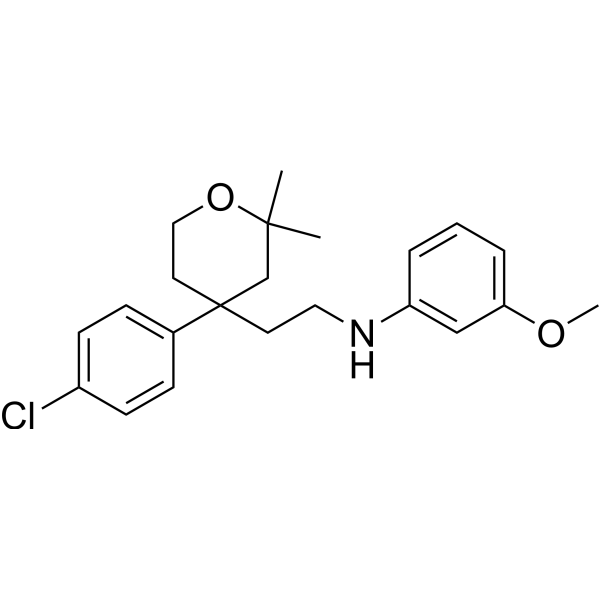
ICMT-IN-49 (compound 2) is an inhibitor of ICMT (IC50=0.12 μM) .
|
-
- HY-157110
-
|
|
ICMT
|
Cancer
|
|
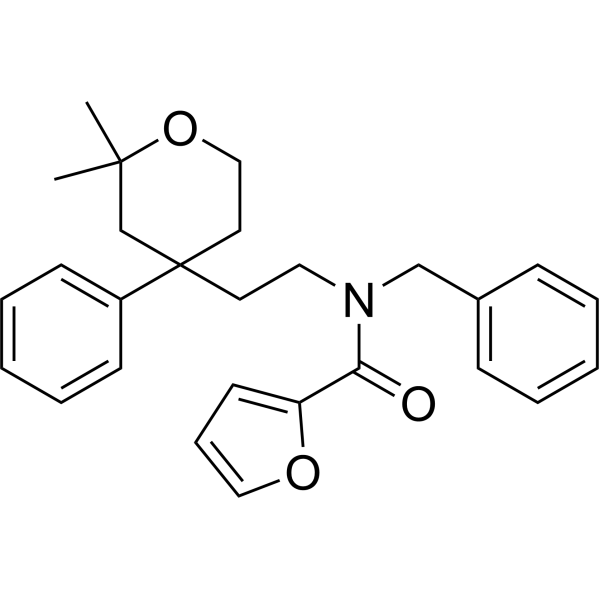
ICMT-IN-42 (compound 21) is an inhibitor of ICMT (IC50=0.054 μM) .
|
-
- HY-155420
-
|
|
ICMT
|
Cancer
|
|
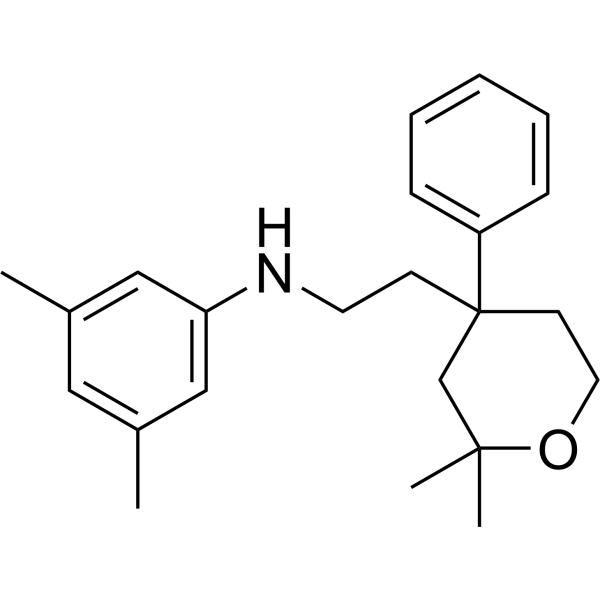
ICMT-IN-9 (compound 47) is an inhibitor of ICMT (IC50=0.16 μM) .
|
-
- HY-157092
-
|
|
ICMT
|
Cancer
|
|
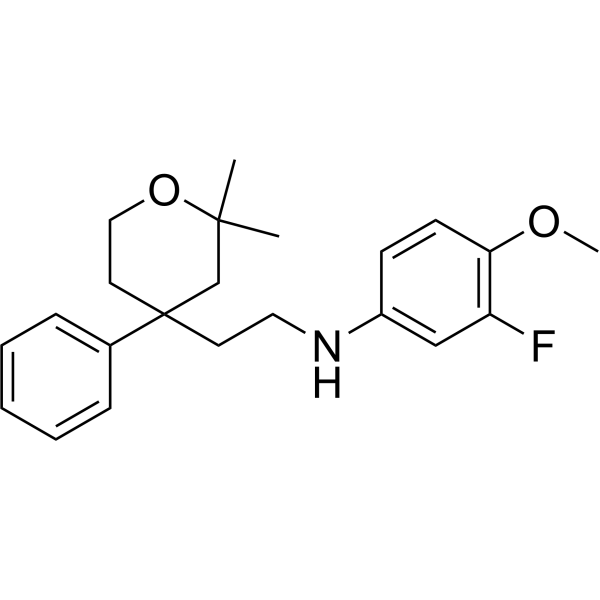
ICMT-IN-3 (compound 27) is an inhibitor of ICMT (IC50=0.015 μM) .
|
-
- HY-157094
-
|
|
ICMT
|
Cancer
|
|
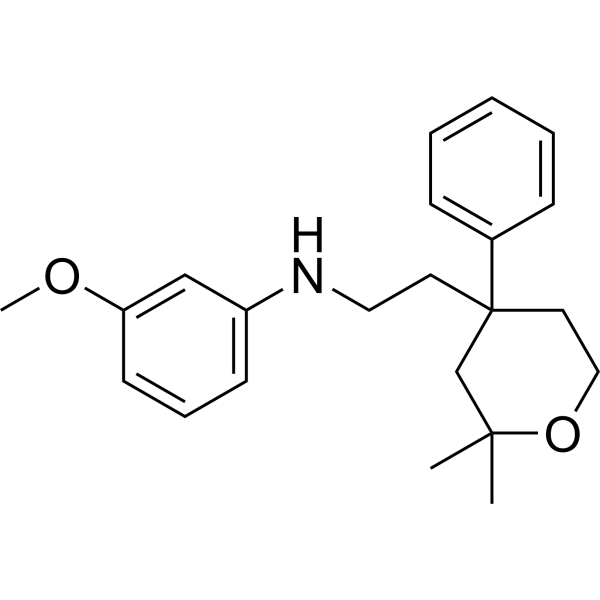
ICMT-IN-4 (compound 28) is an inhibitor of ICMT (IC50=0.27 μM) .
|
-
- HY-149709
-
|
|
ICMT
|
Cancer
|
|
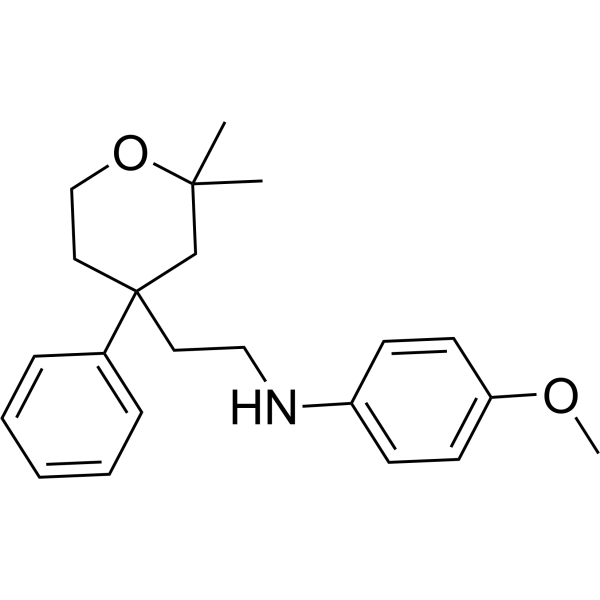
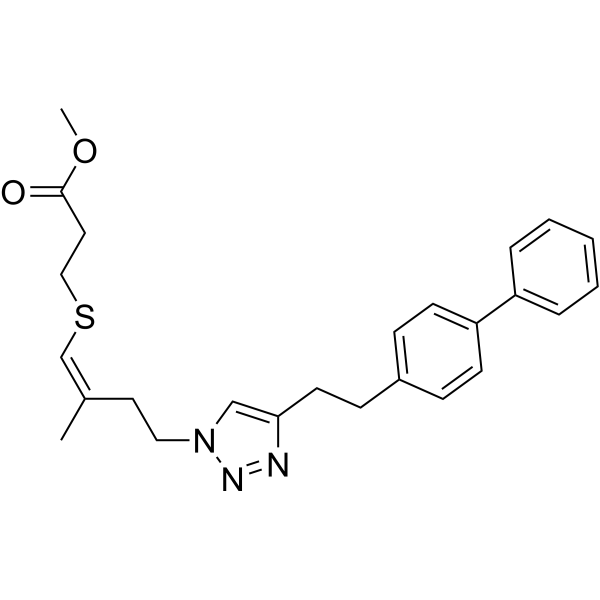
ICMT-IN-35 (compound 10n) is a FTPA-triazole compound and ICMT inhibitor (IC50=0.8 μM). ICMT-IN-35 is taken up by mammalian cells and can prevent K-Ras membrane localization and induce K-Ras mislocalization. Furthermore, ICMT-IN-35 is selectively cytotoxic against ICMT +/+ MEF cells and has low micromolar activity (IC50=0.8 μM) against metastatic pancreatic cancer cell lines .
|
-
- HY-155436
-
|
|
ICMT
|
Cancer
|
|
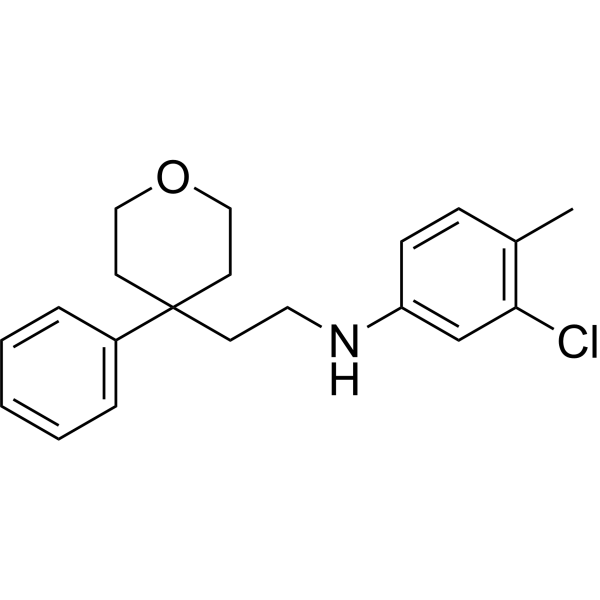
ICMT-IN-33 (compound 73) is an inhibitor of ICMT (IC50=0.46 μM) .
|
-
- HY-17357R
-
|
AHR 9434 (Standard); AL 6515 (Standard)
|
Reference Standards
COX
Prostaglandin Receptor
|
Neurological Disease
Inflammation/Immunology
Endocrinology
Cancer
|
|
Nepafenac (AHR 9434; AL 6515) (Standard) is the analytical standard of Nepafenac (HY-17357). This product is intended for research and analytical applications. Nepafenac, a nonsteroidal anti-inflammatory agent, is a topically administered COX-2 inhibitor with an IC50 of 0.12 μM. Nepafenac exhibits only weak COX-1 inhibitory activity (IC50 = 64.3 μM). Nepafenac possesses unique prodrug properties, which enable it to rapidly convert into the active metabolite Amfenac (HY-17479) in the ocular tissues, thereby achieving high concentrations in the retina and choroid. Nepafenac reduces inflammation and pain by inhibiting the activity of cyclooxygenase (COX) enzymes and thereby decreasing the production of prostaglandin PGE₂. Nepafenac can delay the metastasis of uveal melanoma (UM) in rabbit eyes. Nepafenac is mainly used for pain management and inflammation control after ophthalmic surgeries.
|
-

- HY-177477
-
|
|
Drug Derivative
Cadherin
β-catenin
|
Cardiovascular Disease
Cancer
|
|
2,5-Epidithia-3,6-dioxopiperazine (Formula 15) is a derivative of Epidithiodioxopiperazine (ETP). 2,5-Epidithia-3,6-dioxopiperazine improves intracellular penetration and restores the activity of 2-Cys-Prx (especially Peroxiredoxin II (PrxII)) of form simulation in cells. 2,5-Epidithia-3,6-dioxopiperazine inhibits PDGF-induced proliferation and migration in vascular smooth muscle cells while promoting these actions in endothelial cells with VEGF induction. 2,5-Epidithia-3,6-dioxopiperazine effectively inhibits the proliferation and migration and lung metastasis of melanoma cells. 2,5-Epidithia-3,6-dioxopiperazine can be used for vascular diseases such as hypertension, angina pectoris and myocardial infarction research .
|
-

- HY-182712
-
|
|
Glycosidase
|
Cancer
|
|
HPSE-IN-2 is a heparanase (HPSE) inhibitor with an IC50 of 0.27 µM. HPSE-IN-2 reduces lung metastasis in mouse models. HPSE-IN-2 can be used for the research of melanoma .
|
-

- HY-183629
-
|
|
Zinc Finger Protein
Apoptosis
|
Cardiovascular Disease
Cancer
|
|
ZNF281-IN-1 is a ZNF281 inhibitor. ZNF281-IN-1 disrupts the binding of transcriptionally active DNA-bound ZNF281 to the promoters of target genes including TRIM35 and ZEB1. ZNF281-IN-1 inhibits tumor cell proliferation, stabilizes P53 and upregulates PUMA to induce apoptosis, while triggering cellular senescence. ZNF281-IN-1 completely prevents Doxorubicin (HY-15142A)-induced cardiotoxicity (AIC), and enhances rather than impairs the antitumor efficacy of Doxorubicin. ZNF281-IN-1 completely blocks the distant metastasis of melanoma to the lungs. ZNF281-IN-1 can be used in the research of cardiotoxicity, lung cancer and metastatic melanoma .
|
-

- HY-182619
-
|
|
PPAR
|
Cancer
|
|
PPARα/δ antagonist-1 is an orally active, highly selective dual antagonist of PPARα/δ, with IC50 values of 0.113 μM and 0.025 μM against human PPARα and PPARδ, respectively. PPARα/δ antagonist-1 exhibits an excellent in vitro activity profile and preliminary efficacy in mouse tumor models. PPARα/δ antagonist-1 can be used in studies related to cancers (melanoma metastasis, ovarian cancer) .
|
-

- HY-181740
-
|
|
CD1
|
Cancer
|
|
GCB-27b is an immunostimulant that binds to CD1d. GCB-27b forms a stable and long-lasting complex with CD1d, which is presented to the TCR of NKT cells to drive immune responses. GCB-27b induces a Th1-skewed immune response in *Mus musculus*, resulting in high expression of IFN?γ with restricted IL-4 levels. GCB-27b is applicable to research related to lung metastasis of melanoma .
|
-

- HY-181739
-
|
|
CD1
|
Cancer
|
|
GCB-27a is a CD1d-binding immunostimulant and antitumor agent. GCB-27a binds to CD1d to form a stable complex and presents it to NKT cells, enhancing hydrophobic interactions within the A' pocket of CD1d through branched-chain conformation restriction. GCB-27a induces a Th1-biased immune response, drives IFN?γ production and limits IL-4 levels. GCB-27a is applicable to research related to melanoma lung metastasis .
|
-

- HY-182899
-
|
|
PERK
Ras
COX
PD-1/PD-L1
Apoptosis
DNA/RNA Synthesis
Mitochondrial Metabolism
|
Cancer
|
|
DPAP is a p-ERK1/2 inhibitor with an IC50 of 7.85 μM against p-ERK1/2. DPAP inhibits the expression of p-MEK1/2 and disrupts the Ras-ERK signaling pathway. DPAP inhibits the expression of COX-2 in nerve cells. DPAP damages DNA and mitochondria, induces Apoptosis via the mitochondrial pathway, and upregulates PD-L1. DPAP inhibits melanoma metastasis and angiogenesis, and inactivates spinal microglia and astrocytes. DPAP exhibits anti-melanoma activity and can be combined with anti-PD-1 monoclonal antibodies to modify anti-tumor effects. DPAP is applicable for the research of melanoma .
|
-

- HY-186196
-
|
|
Ferroptosis
Reactive Oxygen Species (ROS)
|
Cancer
|
|
Fentomycin-1 is a ferroptosis inducer. Fentomycin-1 activates lysosomal iron 2+ under acidic conditions with hydrogen peroxide to form a reactive iron-oxo species, which induces oxidative degradation, oxidation, and lipolysis of membrane phospholipids, triggering ferroptosis. Fentomycin-1 can be used for the research of pancreatic ductal adenocarcinoma, breast cancer metastasis, and melanoma .
|
-

- HY-185050
-
|
|
IFNAR
|
Cancer
|
|
Antitumor agent-210 (Compound 1778) is an NK cell activator. Antitumor agent-210 has a weak proliferative effect on NK92 cells, promoting the activation and degranulation of NK cells, and significantly enhancing the cytotoxicity of NK92 cells against tumor cells. Antitumor agent-210 promotes the release of cytokine granzyme B, perforin, and IFN-γ. Antitumor agent-210 reduces the number of lung metastatic lesions in mice and can be used for the study of melanoma lung metastasis .
|
-

- HY-119601
-
|
|
Phosphodiesterase (PDE)
|
Cancer
|
|
GRI918013 (compound 1) is a selective and competitive autotaxin (ATX/NPP2) inhibitor with anti-invasive and anti-metastatic activity. GRI918013 competitively binds to ATX, blocking lipid substrates such as lysophosphatidylcholine (LPC) from entering the ATX active site, thereby inhibiting ATX-mediated hydrolysis of LPC to lysophosphatidic acid (LPA), and consequently inhibiting ATX-LPA axis-related tumor cell invasion and metastasis. GRI918013 inhibits ATX-mediated hydrolysis of the LPL substrate FS-3 (IC50=31.42 nM, Ki=12.98 nM). GRI918013 can be used in research on cancer invasion and metastasis, such as melanoma, and can also serve as a tool compound for ATX-LPA axis-related diseases such as fibrotic diseases, neuropathic pain, and cholestatic pruritus .
|
-

- HY-184119
-
|
IM502
|
PI3K
STAT
PD-1/PD-L1
Endogenous Metabolite
|
Inflammation/Immunology
Cancer
|
|
Pabgraminone C (IM502) is a Fungal metabolite and PI3Kγ inhibitor with an IC50 of 61.7 nM against PI3Kγ. Pabgraminone C shifts the STAT signaling pathway in cells from an immunosuppressive STAT3/STAT6-dominant profile to an immunostimulatory STAT1/STAT2-dominant profile, driving cells toward a pro-inflammatory phenotype. Pabgraminone C reprograms cells from an immunosuppressive state to an immunostimulatory state, reversing their suppressive effect on anti-tumor immunity. Pabgraminone C inhibits established tumor growth and metastasis across multiple cancer types. Pabgraminone C overcomes resistance to PD-1 checkpoint blockade strategies. Pabgraminone C can be used in research related to liver cancer, melanoma, and colorectal cancer .
|
-

| Cat. No. |
Product Name |
Type |
-
- HY-108910
-
|
EC 3.4.21.1; Chymotrypsin A
|
Biochemical Assay Reagents
|
|
Chymotrypsin (EC 3.4.21.1; Chymotrypsin A) is an orally effective inhibitor targeting molecules such as TLR4, NF-κB, MMP-1, TNF-α, IL-1β, and IL-6. Chymotrypsin downregulates the TLR4/NF-κB signaling pathway, inhibiting the release of inflammatory factors, reducing cell infiltration and tissue damage. It also reduces the expression of tumor cell adhesion molecules (such as CD44 and CD54) and can be specifically detected by fluorescent probes (such as NBD-3). Chymotrypsin has anti-inflammatory, hepatoprotective, joint damage-reducing, liver protection against lipotoxicity, and anti-tumor metastasis functions. It can be used in research on diseases such as rheumatoid arthritis, non-alcoholic fatty liver disease, and melanoma metastasis. Chymotrypsin can be used in studies of inflammation, edema, and expectoration .
|
| Cat. No. |
Product Name |
Target |
Research Area |
-
- HY-P5423
-
|
|
Exosomes
Liposome
|
Cancer
|
|
GALA is a pH-responsive amphipathic peptide consisting of 30 amino acids, which acts as a lung endothelium-targeting ligand. GALA undergoes a conformational transition from random coil to α-helix in an acidic environment at pH 5.0, thereby inducing endosomal membrane destabilization and fusion. GALA-modified liposomes traverse lung endothelial cells via clathrin-dependent endocytosis and transcytosis, and specifically accumulate in the lungs after intravenous injection. GALA significantly promotes the cytosolic release of cargos carried by exosomes, plasmids and liposomes, effectively enhances gene transfection efficiency, and drives gene knockdown of functional macromolecules (such as siRNA) in alveolar epithelial cells (with no significant cytotoxicity at effective concentrations). GALA serves as a critical tool for studies on lung cancer metastasis (e.g., melanoma lung metastasis) and lung-targeted drug delivery systems .
|
-
- HY-P11288
-
|
|
PACAP Receptor
Apoptosis
|
Cancer
|
|
ANT308 is a vasoactive intestinal polypeptide (VIP receptor) antagonist. ANT308 significantly enhances the activation and proliferation of T cells. ANT308 inhibits the migration and metastasis, induces apoptosis of melanoma tumor cells by inhibiting VIP-VPAC2 signaling and reducing the expression of MCAM and N-cadherin. ANT308 can be used for the studies of acute myeloid leukemia (AML) and uveal melanoma (UVM) .
|
-
- HY-P11288A
-
|
|
PACAP Receptor
Apoptosis
|
Cancer
|
|
ANT308 TFA is a vasoactive intestinal polypeptide (VIP receptor) antagonist. ANT308 TFA significantly enhances the activation and proliferation of T cells. ANT308 TFA inhibits the migration and metastasis, induces apoptosis of melanoma tumor cells by inhibiting VIP-VPAC2 signaling and reducing the expression of MCAM and N-cadherin. ANT308 TFA can be used for the study of acute myeloid leukemia (AML) and uveal melanoma (UVM) .
|
-
- HY-P5352
-
|
|
CD44
|
Inflammation/Immunology
Cancer
|
|
Hyaluronan-IN-1 (Pep-1) is a Hyaluronan inhibitor with a Kd value of 1.65 μM. Hyaluronan-IN-1 blocks CD44-dependent cell adhesion. Hyaluronan-IN-1 inhibits cell adhesion to hyaluronan substrates. Hyaluronan-IN-1 suppresses the development of contact hypersensitivity in mice by blocking the homing process of inflammatory cells to the skin. Hyaluronan-IN-1 also inhibits responses during the sensitization phase. Hyaluronan-IN-1 reduces lung metastasis of melanoma and prolongs the survival of mice. Hyaluronan-IN-1 can be used in research related to contact hypersensitivity, chronic skin inflammation, and melanoma .
|
-
- HY-P11018
-
|
|
Peptide-Drug Conjugates (PDCs)
Ephrin Receptor
|
Cancer
|
|
(123B9)2-L2-PTX is an EphA2-agonistic peptide-drug conjugate (PDC). (123B9)2-L2-PTX consists of a dimeric 123B9 (HY-P10579) and Paclitaxel (HY-B0015). (123B9)2-L2-PTX significantly reduces circulating tumor cells and inhibits lung tumor metastasis in breast-cancer-Metastasis mice model. (123B9)2-L2-PTX can be used for cancers research, such as melanomas and ovarian and breast cancers .
|
-
- HY-P11011
-
|
Pep R54; CXCR4 antagonist peptide 19
|
CXCR
|
Cancer
|
|
Peptide R54 (Pep R54; CXCR4 antagonist peptide 19) is an antagonistic peptide targeting CXCR4 with significant anticancer activity. Peptide R54 inhibits CXCR4-dependent cell migration, epithelial-mesenchymal transition, and lung metastasis development, with better serum stability and higher CXCR4 affinity than the lead compound (IC50=20 nM). Peptide R54 synergizes with anti-PD-1 therapy to exert anti-tumor activity in vivo, enhances granzyme activity, and reduces infiltration of Foxp3 cells. Peptide R54 can be used in the study of colon cancer, ovarian cancer, and melanoma .
|
-
- HY-P10542
-
|
|
Peptides
|
Cancer
|
|
Dodecapeptide AR71 is an inhibitor of melanoma inhibitory activity (MIA). Dodecapeptide AR71 can reduce cell migration, reduce metastasis formation, and increase immune response. Dodecapeptide AR71 can be used in research on the treatment of malignant melanoma .
|
| Cat. No. |
Product Name |
Target |
Research Area |
Image |
-
- HY-P99781
-
|
MLN-1202
|
CCR
|
Inflammation/Immunology
Cancer
|
|
Plozalizumab (MLN-1202) is a humanized anti-CCR2 IgG1 monoclonal antibody. Plozalizumab blocks the recruitment of myeloid cells to the tumor microenvironment by inhibiting the CCL2/CCR2 axis. In addition, Plozalizumab also ameliorates synovial inflammation in rheumatoid arthritis. Plozalizumab can be used in the research of malignant melanoma and bone metastasis-related cancers. Recommended isotype control: Human IgG1 kappa, Isotype Control (HY-P99001) .
|
-

(5)
-
- HY-P991609
-
|
|
MMP
|
Cancer
|
|
ABX-MA1 is a humanized IgG2 monoclonal antibody inhibitor targeting MCAM/MUC18. ABX-MA1 significantly decreases homotypic aggregation and heterotypic adhesion to HUVECs, and the formation of experimental lung metastasis. ABX-MA1 potently inhibits tumor growth, angiogenesis, and MMP-2 expression in A375SM/WM2664 xenograft mice model, promising for melanoma research .
|
-
(5)
| Cat. No. |
Product Name |
Category |
Target |
Chemical Structure |
| Cat. No. |
Product Name |
Chemical Structure |
-
- HY-17357S
-
|
|
|
Nepafenac-d5 (AHR-9434-d5; AL-6515-d5) is the deuterium labeled Nepafenac (HY-17357). Nepafenac, a nonsteroidal anti-inflammatory agent, is a topically administered COX-2 inhibitor with an IC50 of 0.12 μM. Nepafenac exhibits only weak COX-1 inhibitory activity (IC50 = 64.3 μM). Nepafenac possesses unique prodrug properties, which enable it to rapidly convert into the active metabolite Amfenac (HY-17479) in the ocular tissues, thereby achieving high concentrations in the retina and choroid. Nepafenac reduces inflammation and pain by inhibiting the activity of cyclooxygenase (COX) enzymes and thereby decreasing the production of prostaglandin PGE₂. Nepafenac can delay the metastasis of uveal melanoma (UM) in rabbit eyes. Nepafenac is mainly used for pain management and inflammation control after ophthalmic surgeries.
|
-
Your information is safe with us. * Required Fields.
Inquiry Information
- Product Name:
- Cat. No.:
- Quantity:
- MCE Japan Authorized Agent:








